From Bridge to Harbour in Sydney

I wake at 1030pm and 230am again, but sleep till 4am while dreaming about eating snacks in an empty house with Zeus (my favorite golden doodle). I read a bit from Behave by R.M. Sapolsky before remembering that writing during traveling makes catching up on the blog so much easier upon return, so I do that until breakfast. I had forgotten the things-to-do list that I made, but the hotel lobby had the same places on the back of a map, so way more convenient.

We walk through another section of the Royal Botanic Garden and see another side of the Opera House. We meander through The Rocks neighborhood, where water has its own steps next to the ones for people. We follow the sidewalk under the Sydney Harbour Bridge with a surprise piece of history – officers’ quarters were built here in 1857. After WWI, the building was used as a Tractor Training School. From 1925 to 1932 it housed the engineering company that constructed the bridge above it before being demolished.

Walking the Sydney Harbour Bridge (or climbing it with a harness) is a popular attraction in the city. There’s also a museum in the South-East Pylon that offers more stairs, some history, and unobstructed views of the harbour for a fee. We’ll use that as our turnaround point to walk by a closed museum (Susannah Place) instead, where historical houses depict life from the 1840s to the 1970s. It’s the oldest neighborhood in Sydney and has fewer people than the non-crowded overwater walkway.

From here, it’s less than a kilometer to the Museum of Sydney, which was built over Australia’s first Government House. For this reason, it displays many artifacts found from the colonial period in different exhibits. There’s even an interactive space (common in museums here) where guests can draw their archaeological find. There are musket balls and brass buttons from the soldiers who were ordered to shoot and hang any Aboriginal who made ‘the smallest show of resistance’. This was 30 years after the First Fleet brought over convicts from Britain and kidnapped First Nations people to forcibly open communications.

I was going to get a drink to go when Caleb suggested we grab a snack and a chair too. This gives Caleb time to find us a route to the Australian National Maritime Museum. We decide on the light rail, which supposedly cuts our walking distance in half by taking us to Darling Harbour, instead of the bus, which would leave us on the other side of Pyrmont Bridge. We pay the entrance fee to gain access to the last of 22 identical lighthouses built in Queensland. It’s from 1874, originally located in Cape Bowling Green, dismantled in 1987, and reassembled in 1994.

In front of the museum is the Tu do (Vietnamese for “freedom”) boat that delivered only a lucky few of the tens of thousands of refugees who made it to surrounding countries and didn’t fall prey to pirates or become lost at sea between 1976 and 1988. This boat, one of three left, is being preserved as a significant relic of modern migration and is still in the process of conservation, though it will never allow guests on board. Through the museum, we can climb aboard the replica of the Duyfken, a Dutch ship from 1606, sent to establish trade by the Dutch East India Company.

We are unable to see more of the Steam Yacht Ena as she was under renovation. She was built in 1900 as a luxury boat for government functions, renamed during WWI to hunt for German raiders, and after the war used for transporting apples and commercial fishing in Tasmania. She sank in 1981, was salvaged six years later and restored, and then donated to the museum in 2017. The lighthouse has room for about six visitors and three volunteers who are struggling between entertaining and tracking guests, and communicating amongst themselves.

Before we left for Australia, our friend recommended we dive the SS Yongala Wreck, but that will have to be a separate trip. This lighthouse was shaken violently by a cyclone in 1911 and would be the site of cargo washing up on shore a few days later, confirming the loss of one of the founders of the firm that built the lighthouses, but the wreck wouldn’t be found for 47 years. Aboard the restored James Craig, 1874, we learn that a swinging motion helps people sleep, and I’m sure the captain’s bath was beneficial too. Before we enter the hatch of the Oberon-class submarine HMAS Onslow, we get to see an altered/redadacted film about its time in the 1970s.

We missed some of the information sitting beside a loud and inquisitive child, while the mom and son next to me whispered without disruption. I moved us to the other side of the theater before leaving altogether. The submarine reminded me of being on a ship, but one that has been squeezed tightly as every surface has a purpose. Through the periscope, we are able to see the Sydney Tower. I could spend a night onboard, but I can’t imagine not seeing the sun or feeling its UV rays for weeks. The last vessel to explore outside is the Daring-class destroyer HMAS Vampire (D11).

I got to see inside a gun turret and read a posted notice: “Remember, … the more violent your method, the better chance you have of saving the other man’s life…” They still have a Hoovermatic Deluxe, one of the first few companies to create a washer-dryer combo in the 1950s. I have a peach kombucha and passionfruit muffin, and Caleb has a carbonated beverage with carbs while we wait on our large mochas so that we have the energy to explore the inside of the museum. We start with the Treasures of the Viking Age: The Galloway Hoard exhibit.

There are over one hundred tiny items on display, so having them enlarged on screens makes it easier to see their details, after being buried in Scotland for over one thousand years. There are Irish glass beads, a stone that rattles, and a British-made bead made prior to 821 CE. I enjoy learning about history, but I am thoroughly delighted to learn more about the present, hence the anatomy classes in school and the Ultimate Depth exhibit at this museum. We get to learn about the exploration of the five primary layers of the world’s oceans.

The midnight zone, 1000 to 4000 meters below the surface, is one of the largest habitats that scientists know very little about. They have sent deep-tow cameras along with CTD (conductivity, temperature, depth) sensors to measure and record life. The hadal zone, everything beyond 6000 meters (3.73 miles), has only been visited by 27 people (who have returned) via three unique submersible vessels. Less than a quarter of Australia’s marine estate, some 14 million km², has been mapped in detail, and less than 10% of its creatures identified.

We drop our museum access wristbands into a bin to be composted on our way out. We cross the Pyrmont Bridge and admire the neatness of bedding and belongings seen against shop windows (and other places around the city) awaiting their owner’s return. We take the light rail to Circular Quay and walk to the Fortune of War, Sydney’s oldest pub, to have a drink. I order a palm tree passion as rum and passion fruit are popular here, and then we stay for dinner after meeting a director of niche fame known for her equestrian advocacy, visiting Australia in the new wave of the decades-long debate over culling brumbies (feral horses introduced in 1788).

She’s with her husband of 14 years and thinks that we’re too young to have celebrated our 18th year of marriage four months ago. I thought that was sweet, but even more so when I found out (later online) she’s a few months younger than me. There are still tents being taken down from the Bastille Festival (a four-day annual event) that focuses on French culture while allowing others to participate (so Sydney-like). This is our latest night out yet, but there’s no photo proof of our walk back to the room under the waxing crescent moonlight.

Posted in Art, Books, Food, History, Military, People, Travel, Water | Tagged , , , , , , , , | Leave a comment

A Sydney Point of View

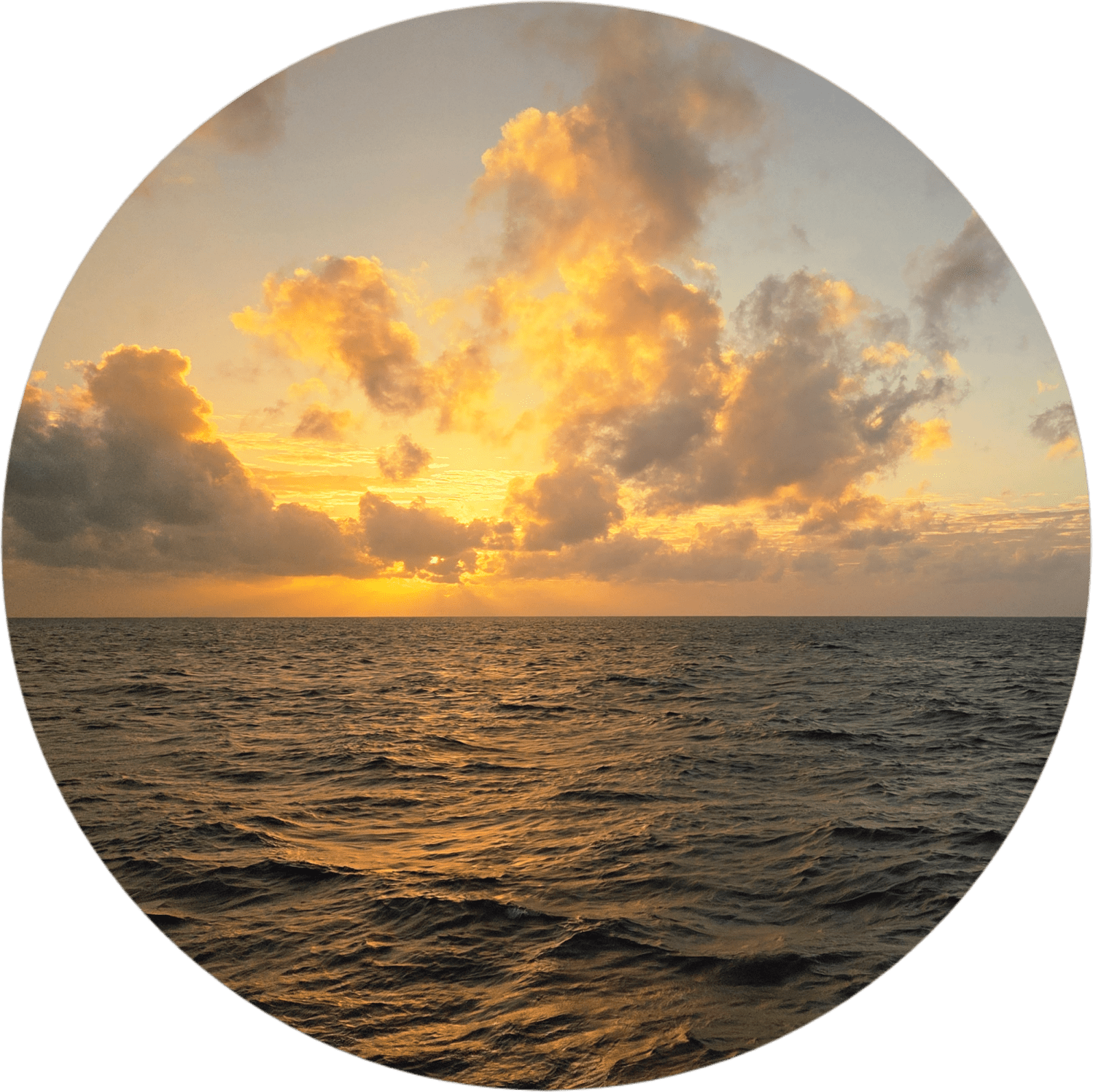
The good thing about being up before the sun is the ability to watch it light up the sky and transform the landscape. I’m not sure there was a temperature difference between walking to Mrs Macquarie’s Chair and leaving the view of the Opera House behind, but we came prepared for winter weather (54°F) in the southern hemisphere.  I’ve got a long-sleeved wool shirt on under my blood donor top (more on that later).

We’re up at 230am, yay for jet lag, and ready to take on the day, even though nothing (that we can find besides the gas station) opens before 7am. Caleb brings me coffee, and we stop by the mini-market, since it’s on the way, and I’m saddened by the donut display. Perhaps I should have tried one for journalistic purposes, but I forwent that to be on the water’s edge along with a plethora of runners and three photographers.

The birds are loud, especially when closer to brighter street lights. There are a few homeless people who seem dressed for warmth, and even more women running alone (something that makes me feel safer), though I wouldn’t have gone out alone in the dark in a new neighborhood or country. There are some steps carved into rocks that lead to a place to sit. It feels magical, but Caleb points out that it doesn’t face the sun.

I might be hungry, but I’m also on vacation, so I’m more tolerant of discomfort. Caleb knows this and leads us on a different route through the Royal Botanic Garden, so we can watch the sulphur-crested cockatoos start their day and then cross the highway via a pedestrian bridge to get breakfast that is now being served. Of course, I grab the Vegemite, even if I don’t toast the bread hard enough, and try it alone before adding butter.

The combination is delicious, but I won’t be ordering any back home (as there’s still plenty of peanut butter). Full, but wanting to eat more toast, I tell Caleb it’s time to go. We pass a very accessible toilet stall (if you can find it), and I’m impressed with all the buttons (to open the door, dispense toilet paper, and the two flush options), and it’s free. St Mary’s Cathedral opens the earliest, so we walk that way, passing many running groups.

I’m not sure if I’m more excited because I’m somewhere new or because I don’t see those groups living in a retirement community in a humid environment, “with air you can wear!” The church doesn’t have a service for a while, but I feel like we’re encroaching on people sitting on benches. We have a look around, at the longest church in Australia (351 feet), but more like searching for something quickly before getting caught. We can come back, as the outside is stunning too, and doesn’t have constraints.

We wander into Hyde Park looking for a place to rest our butts, as we have already covered five miles of exploration. Caleb forgot he was on vacation as well, and there are too many things vying for our attention: the little girl splashing in the fountain, the man playing saxophone, and the dog with his blue coat unleashed (common here). There is a statue at the edge of the park, and instead of tearing down the ol’ governor, there is a sign informing passersby of his crimes.

The cafe at the library opens a half hour before the rest of the building. This allows us to use the loo and learn that almost 26% of Sydney is covered by trees. That’s impressive. We wait in the queue outside to visit the Australian Museum, where the permanent exhibits are free, so they have a person at a kiosk for that exhibit who can provide ticketed entry without blocking the main entrance. There is so much to see and learn here.

Mostly what catches my eye are shells (collected for food, jewelry, toys, and science), ceremonial masks, commemorative figures, and the celebration of 100 people (architect, doctor, professor, farmer, minister, etc.) contributing to their present issues against the barriers of -isms, laws, and current beliefs, and improving the future for humanity, or at least the locals in the outback.

Even the gem exhibit takes the opportunity to teach about recycling, because we need these materials to engage with the environment on a friendlier level (within our society’s wants), but we don’t need to totally destroy the planet to do so. There are also the skeletons and taxidermied animals from around the world. We don’t stay long with the dinosaurs, as that’s where the children were concentrated.

After a few hours, we go to the top floor to peek at the outside view, among the diners, before setting off to learn more at the Hyde Park Barracks about the cruelties that humans inflict on each other, whether for conquering land, enforcing religion, or literally shipping convicts to another continent, where they can suffer a multitude of new pains (floggings, heavy chains, rats) as someone else’s problem.

The St James Church across the street was meant to be a courthouse but was converted and constructed with convict labor between 1820 and 1824. After a hard day’s work, these crews slept cramped in hammocks, with some on the floor, but all with the hungry vermin that visited nightly. In the gift shop, the woman notices my shirt, and though she’s grateful for the socks and blankets that she gets for donating blood, she wouldn’t mind sporting a cool top.

We get lost in the Westfield Sydney Mall (that consists of six floors and could fit nearly 13 soccer fields inside), finding Morris and Sons, a yarn store with wool from Australia, Ireland, Uruguay, and Japan. We’re not back in the room long before it’s time to look for food, past the two dead rats in the street, to try Tiger Pie (minced beef topped with mashed potatoes, mushy peas, and gravy) from Harry’s Café de Wheels (because city council regulations required food vans to move at least 12 inches every day).

This late-night food option cart started serving pies in 1936 to sailors and dockworkers, and reopened in 1945, on the wharf, after Harry was wounded and discharged from the AIF (a volunteer force). The original cart is preserved in the Powerhouse Museum, and though no famous singers join us for a pre-dinner snack, a guy is singing along with his boombox while other diners keep an eye on the hungry crew of birds. The Finger Wharf is the longest timber-piled wharf in the world, completed in 1915.

This being our first time on this side of the equator together, we celebrate by dining at the same place twice (not something done while traveling), but we’re too exhausted and don’t ever preplan meals, so back at the Woolly Bay Hotel we get the fried wings again, and try the grilled miso eggplant (that Caleb thinks is okra), and the tomato gnocchi. We lasted a few more hours than yesterday. That’s progress.

Posted in Animals, Art, Food, History, Plants | Tagged , , , , , , , , | Leave a comment

The Longest Day

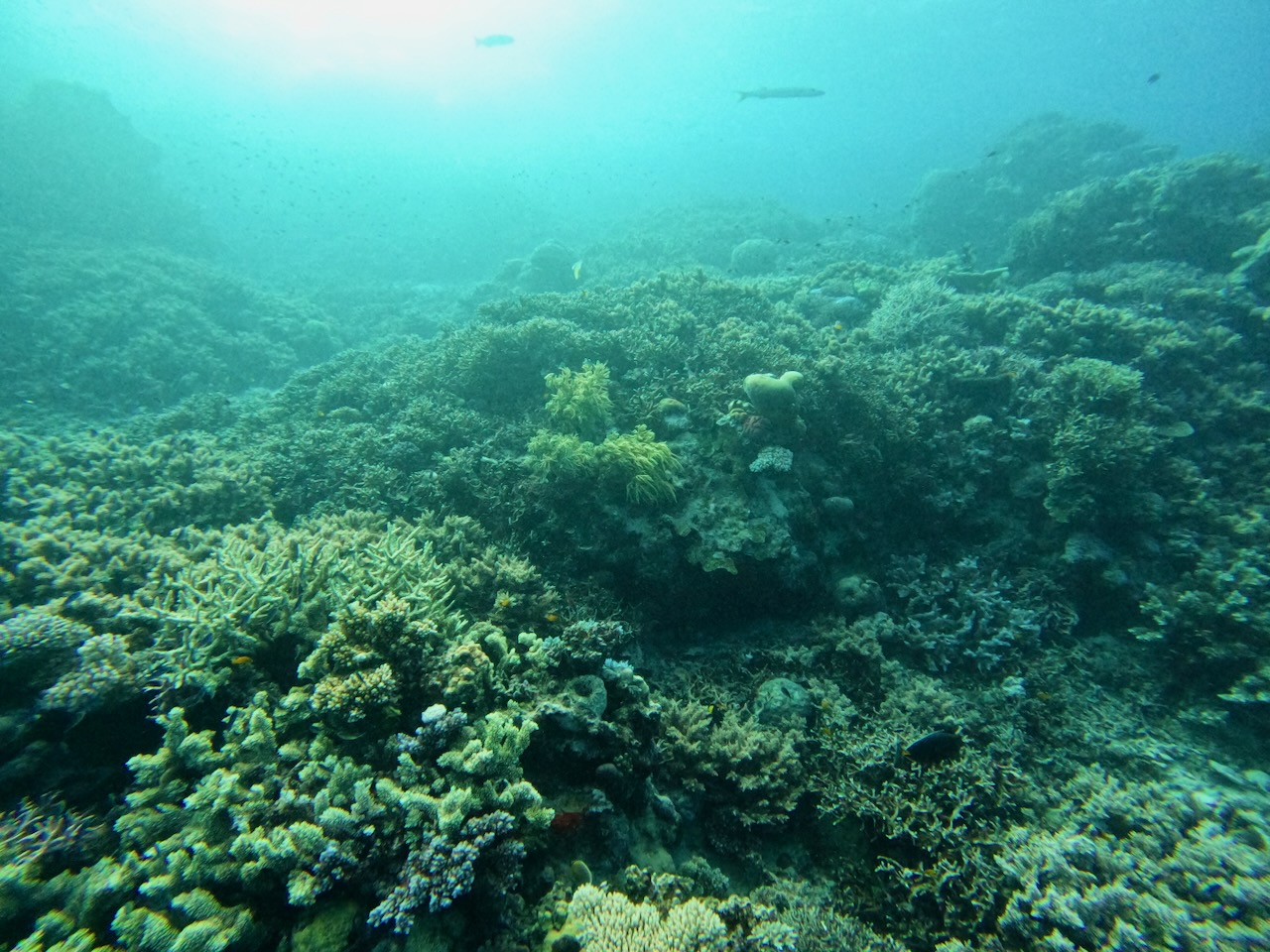
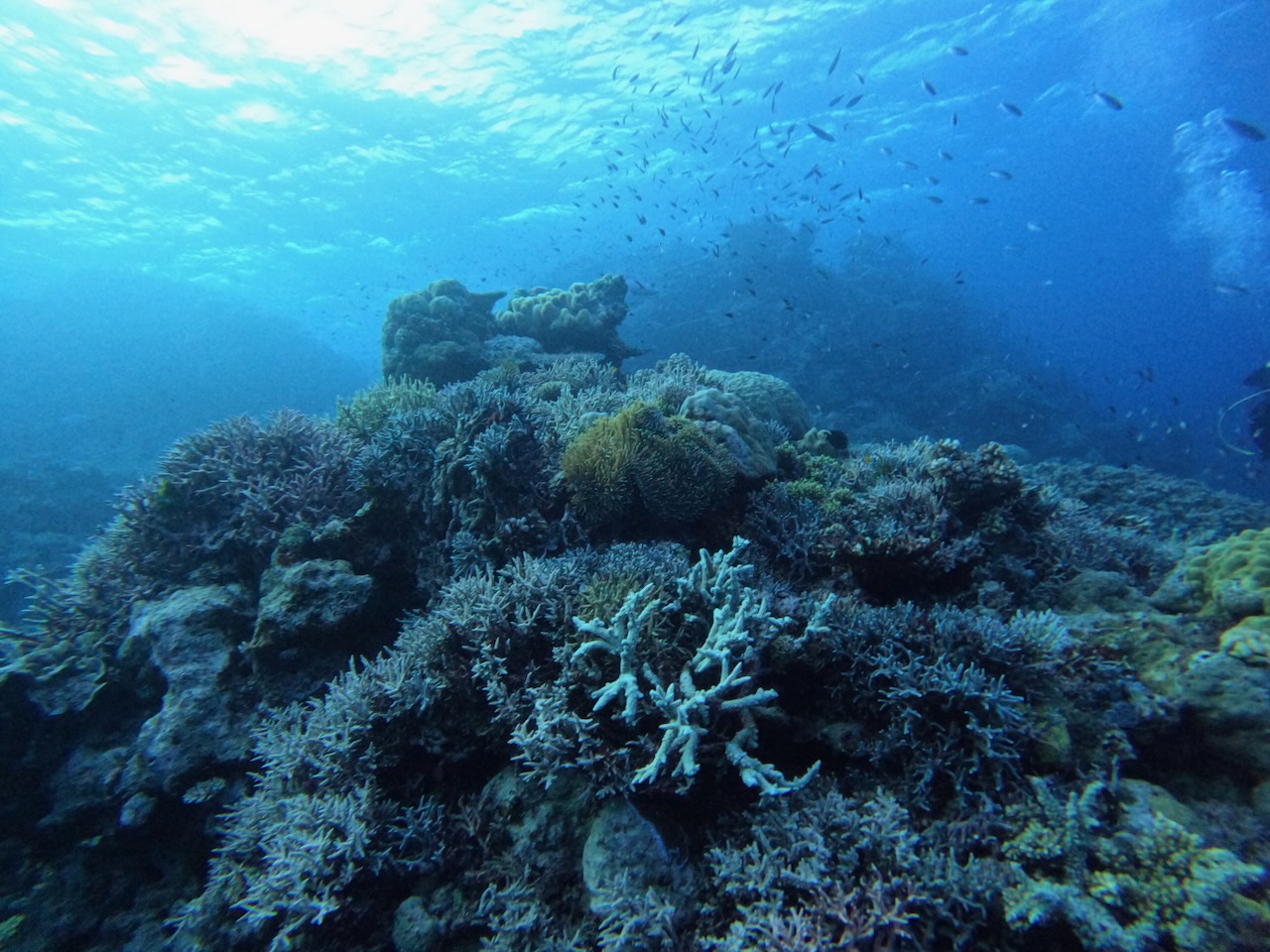
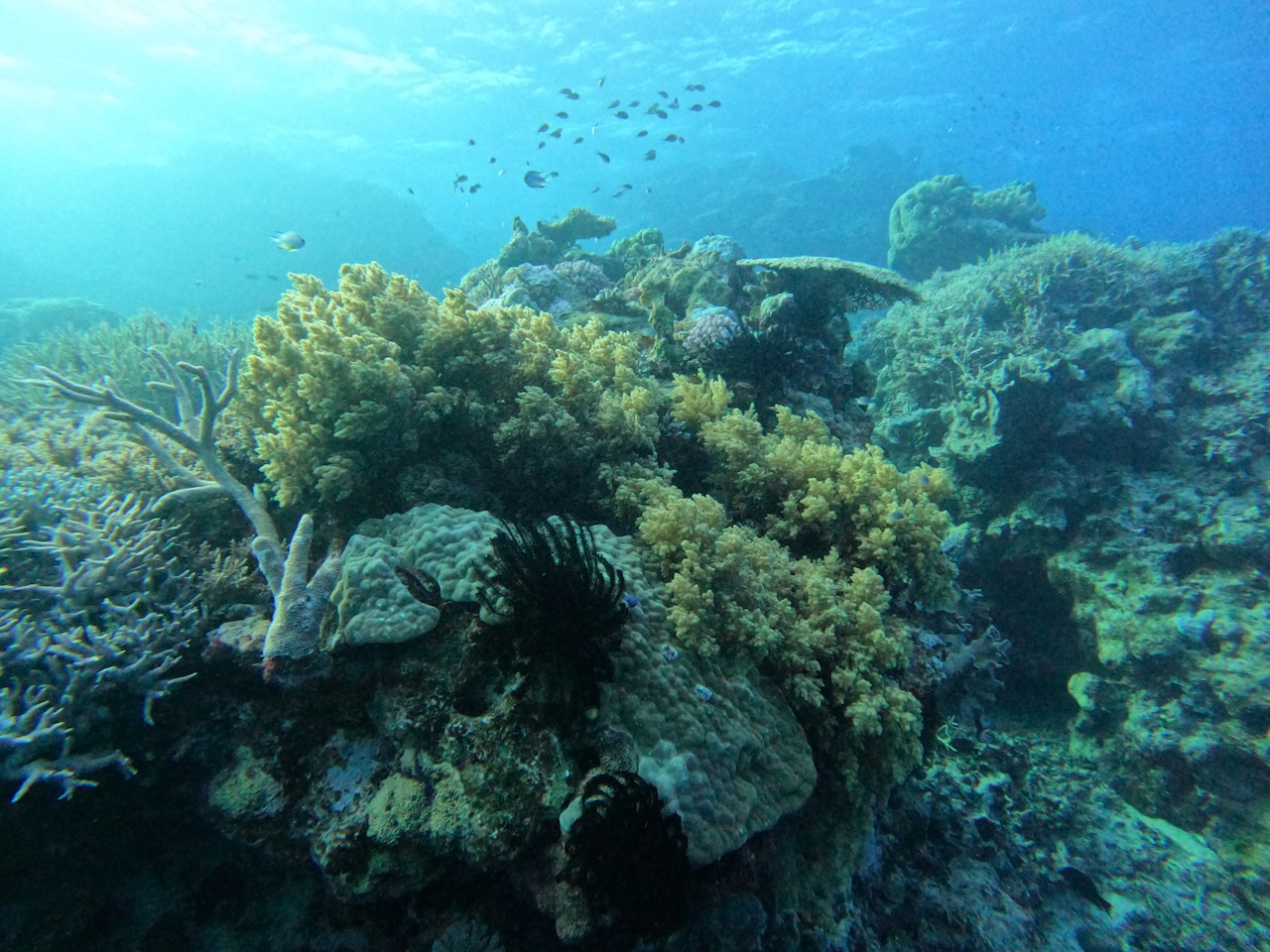
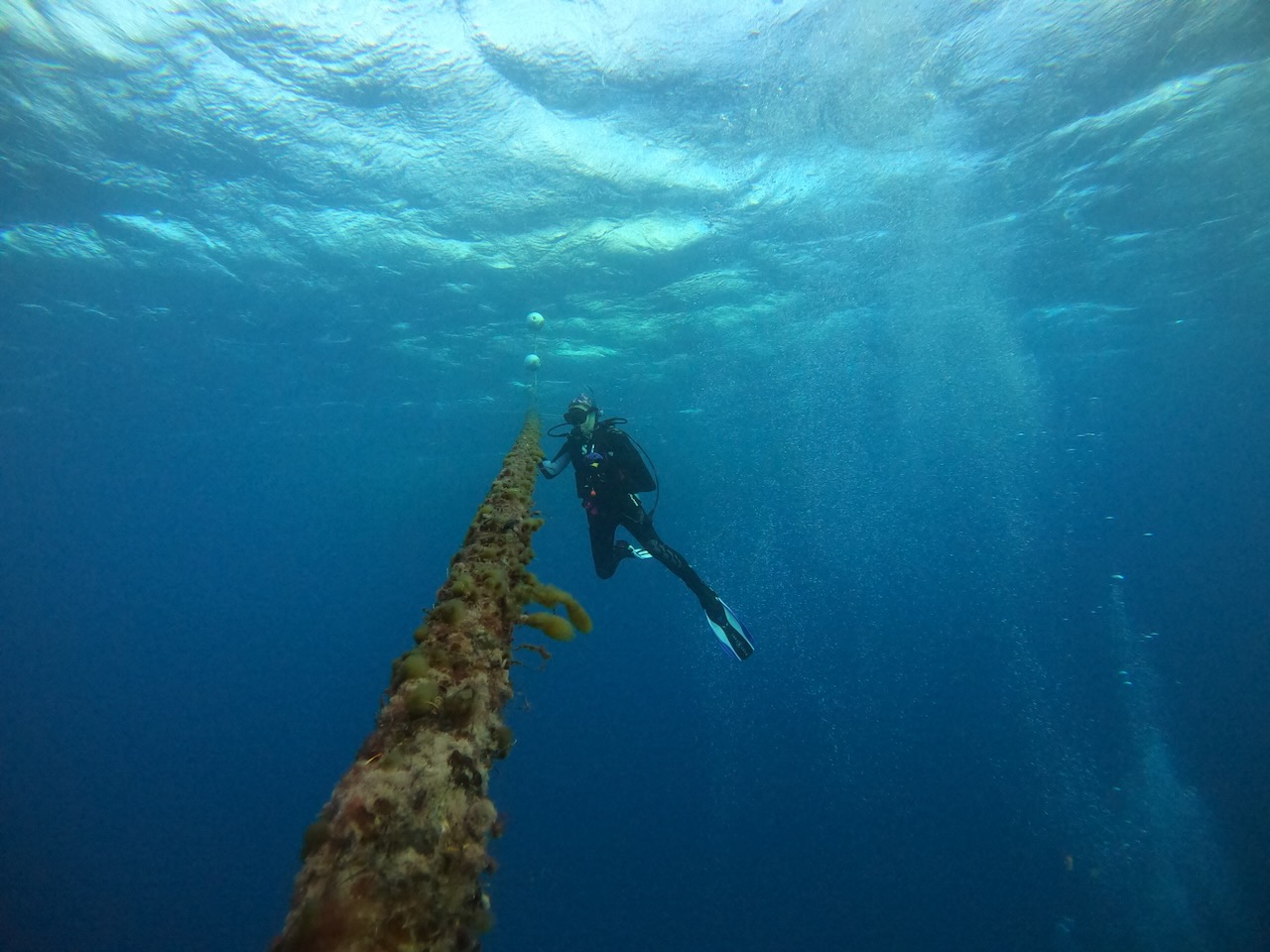
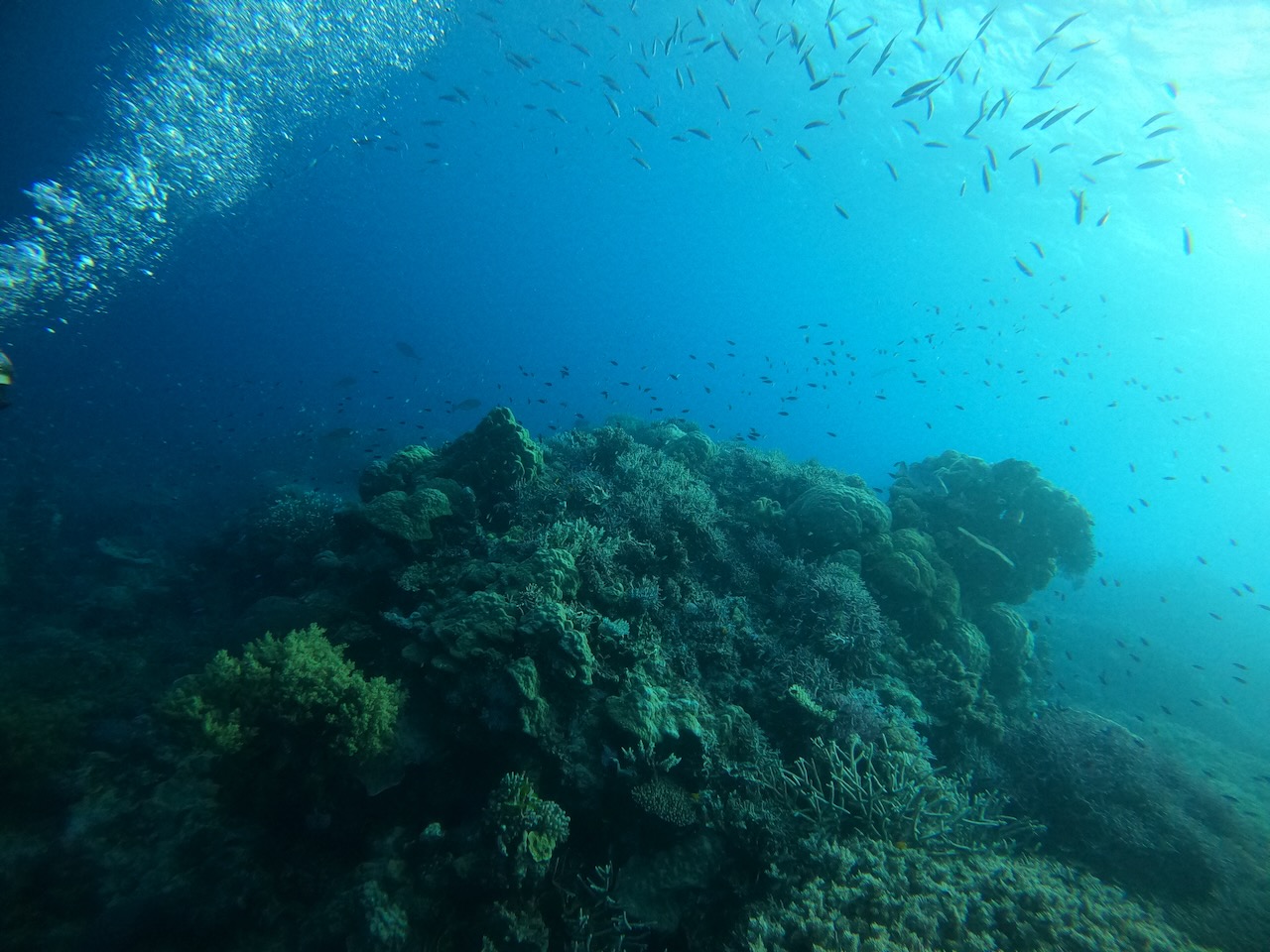
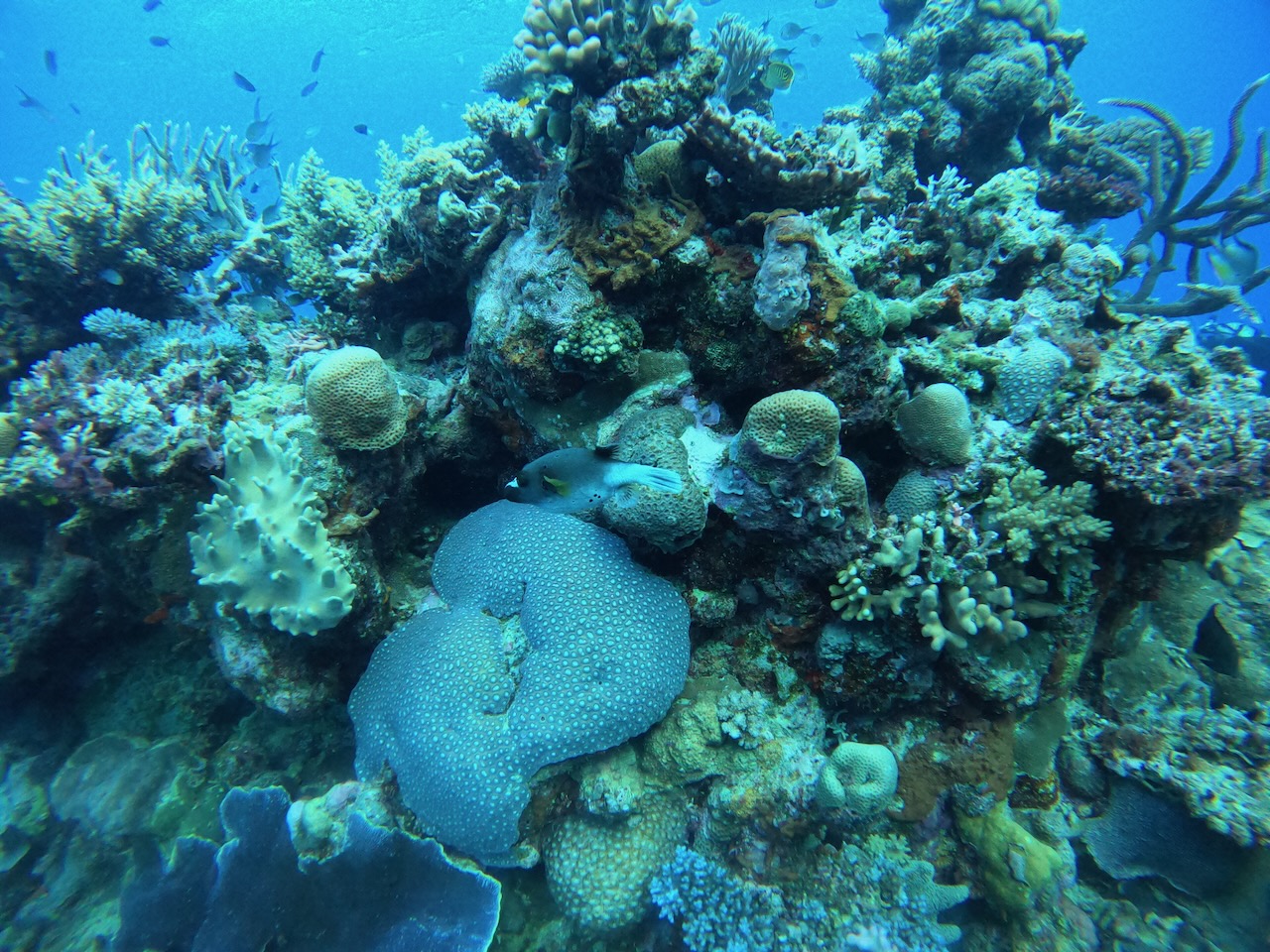
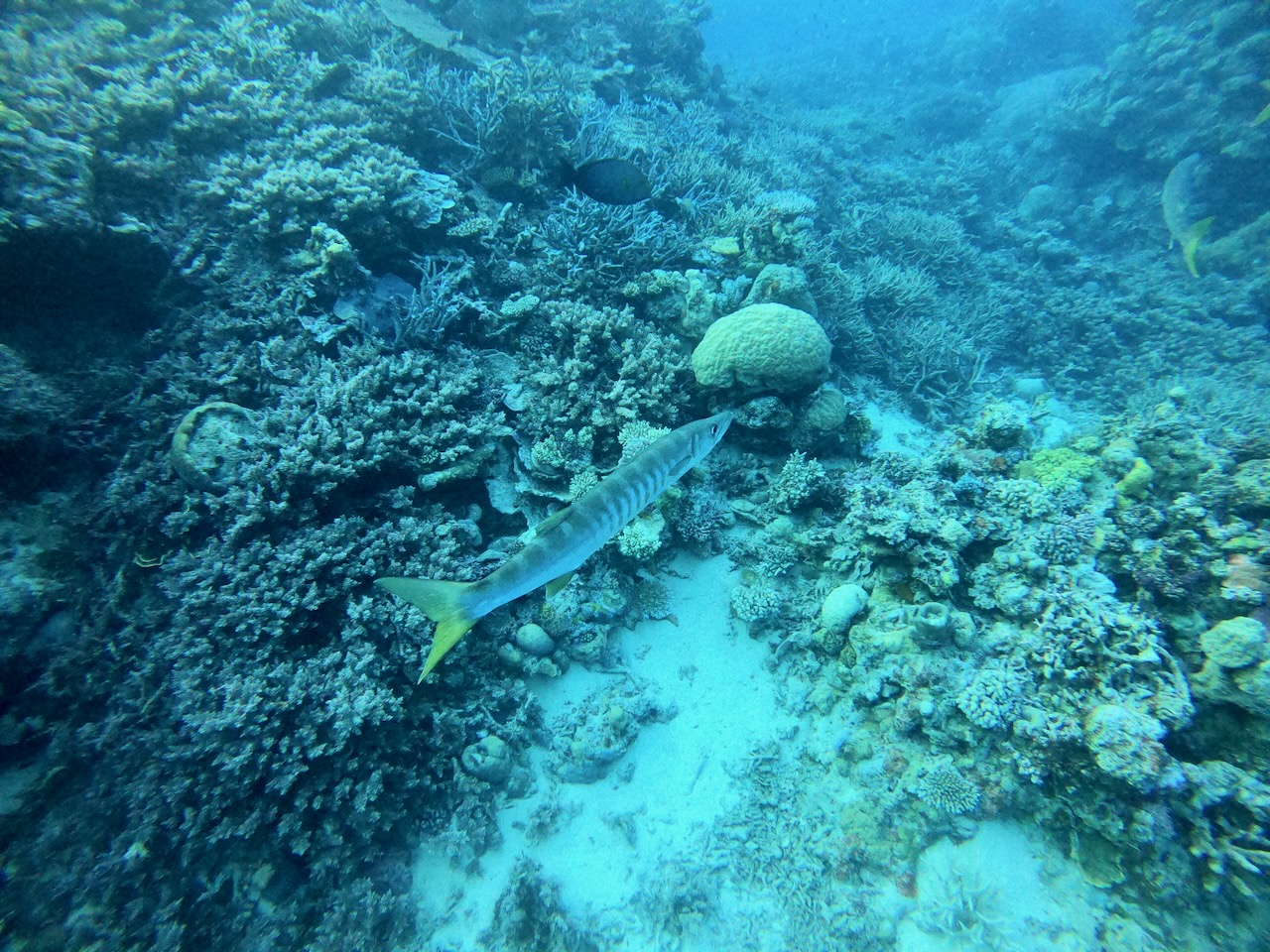
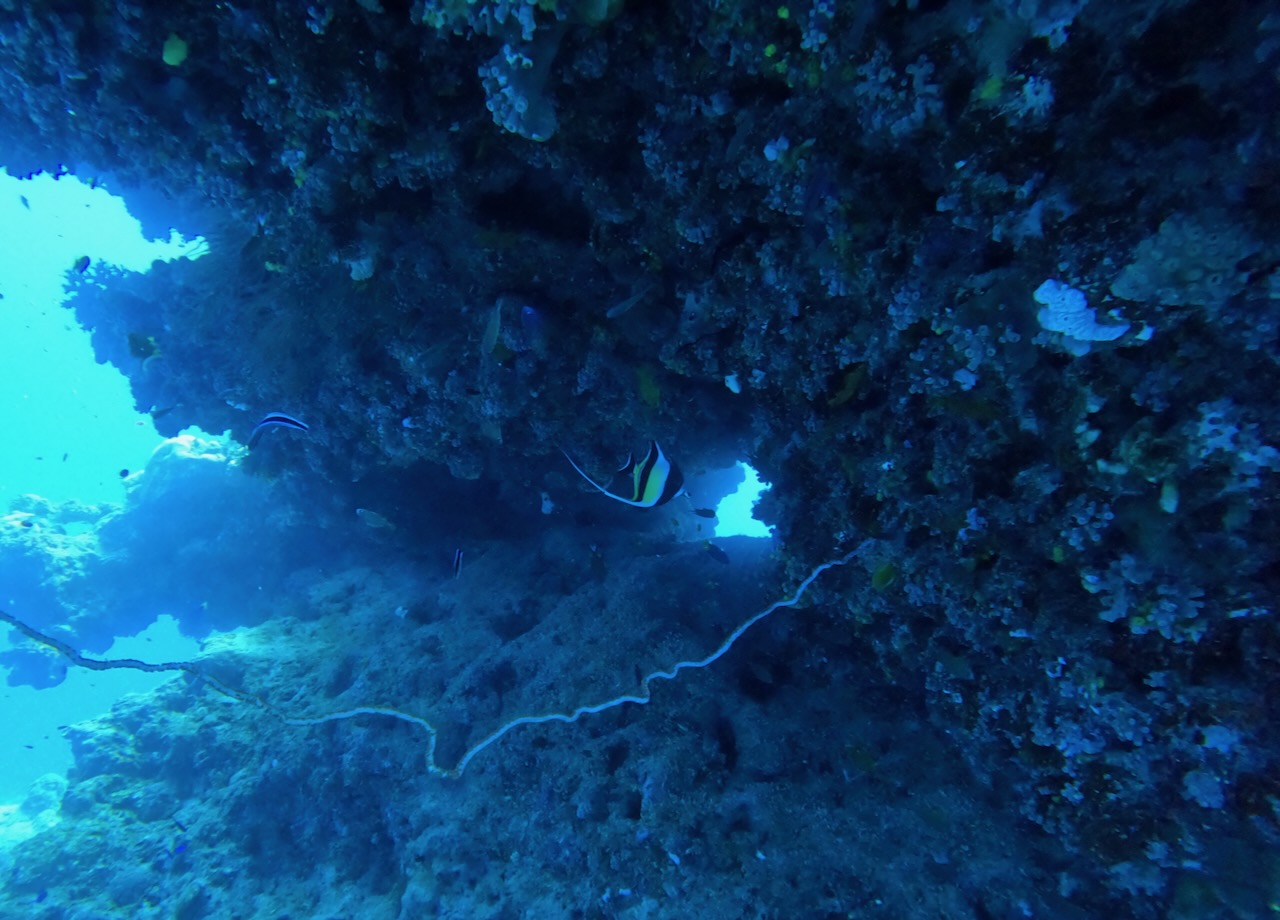
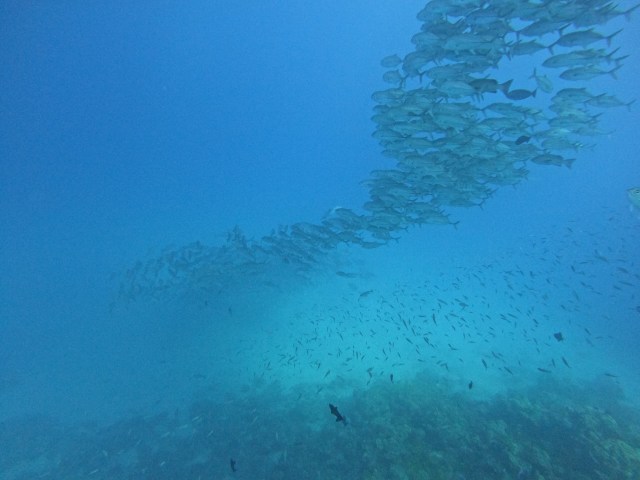
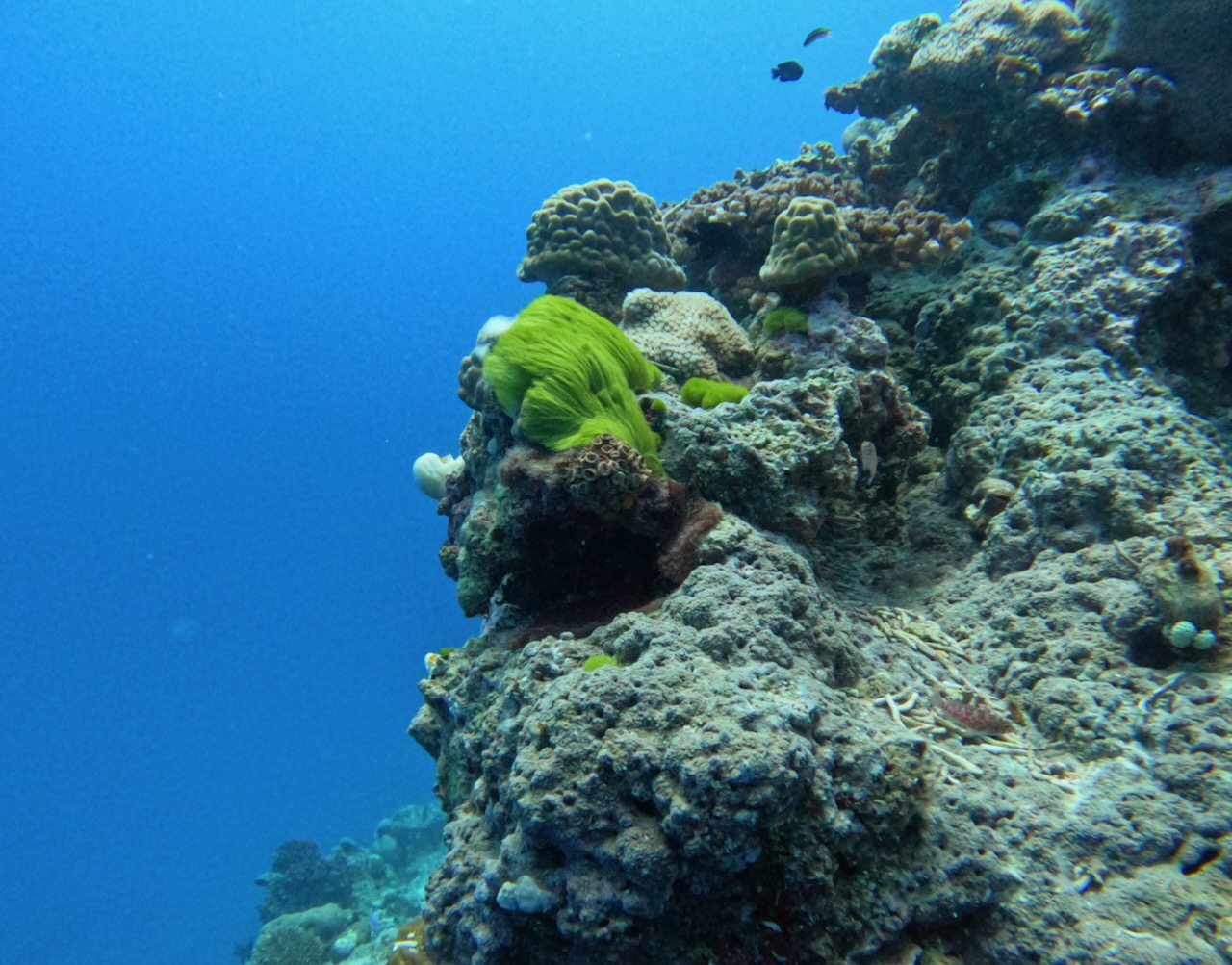
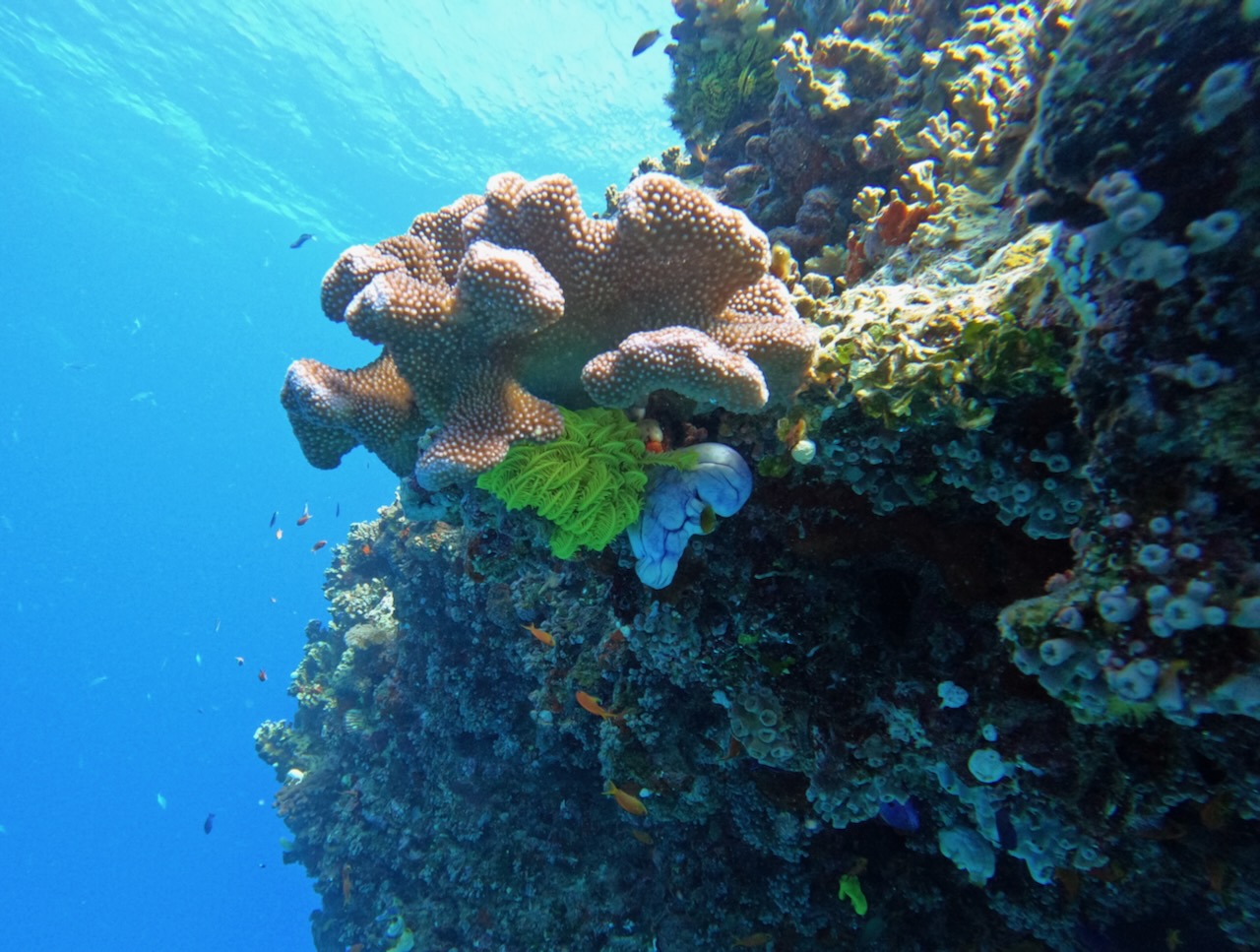
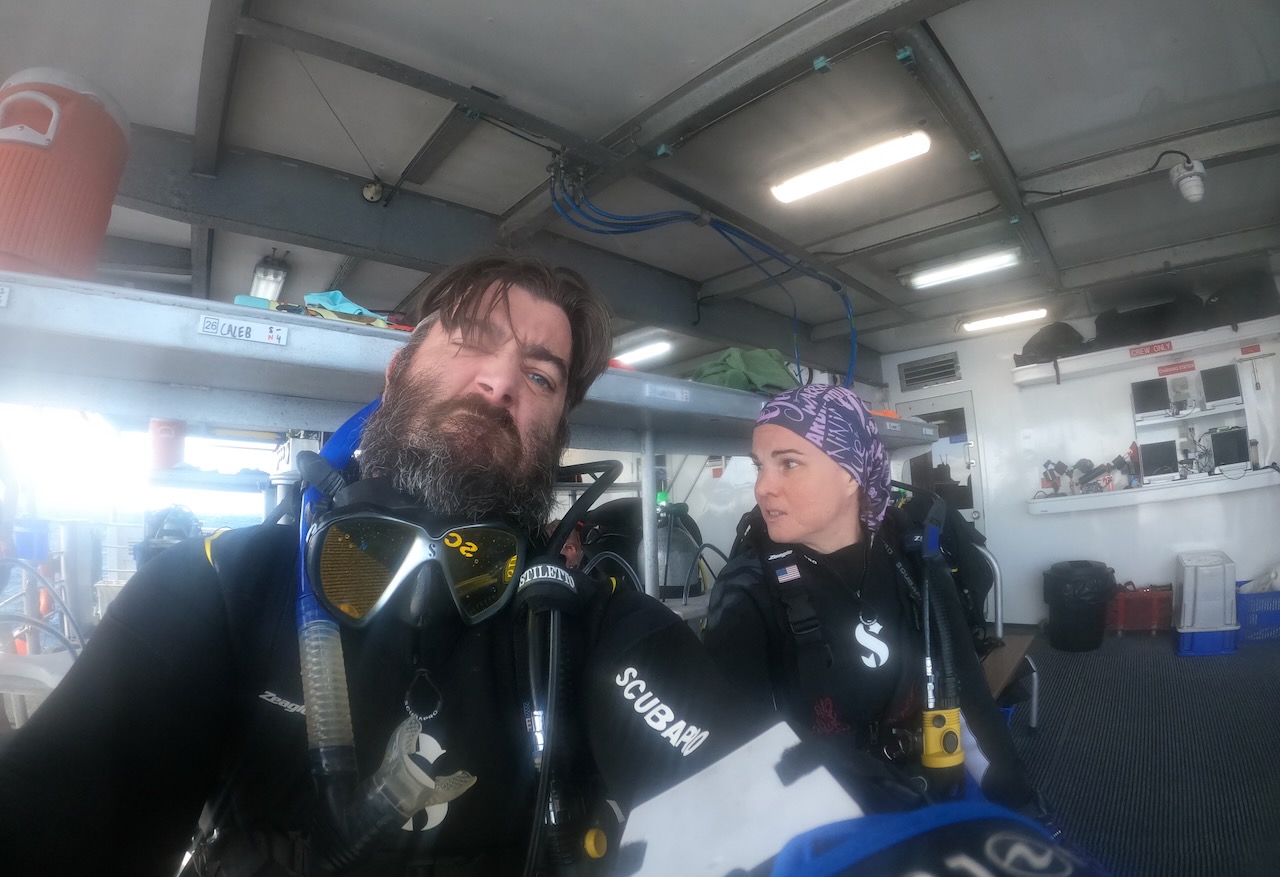
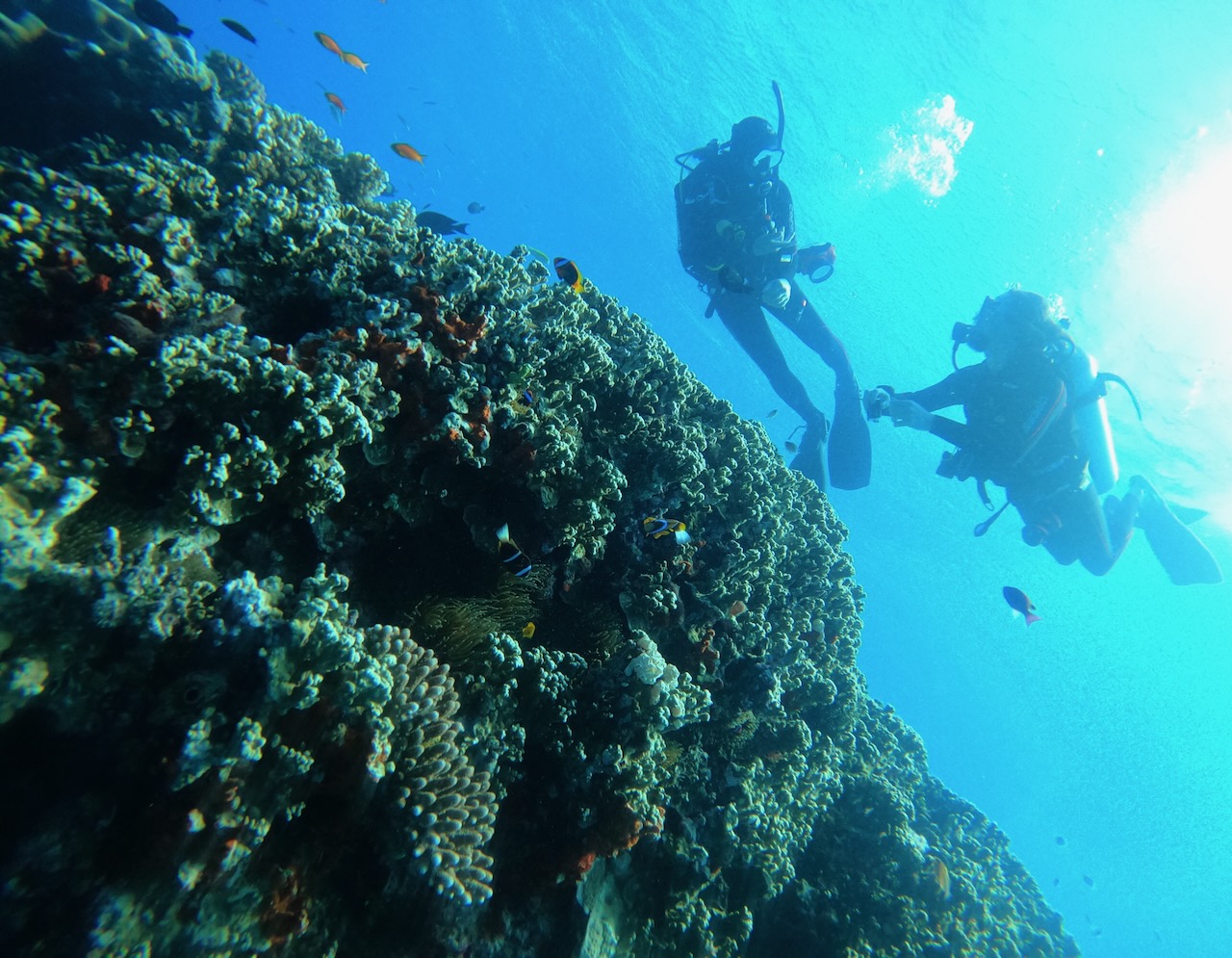
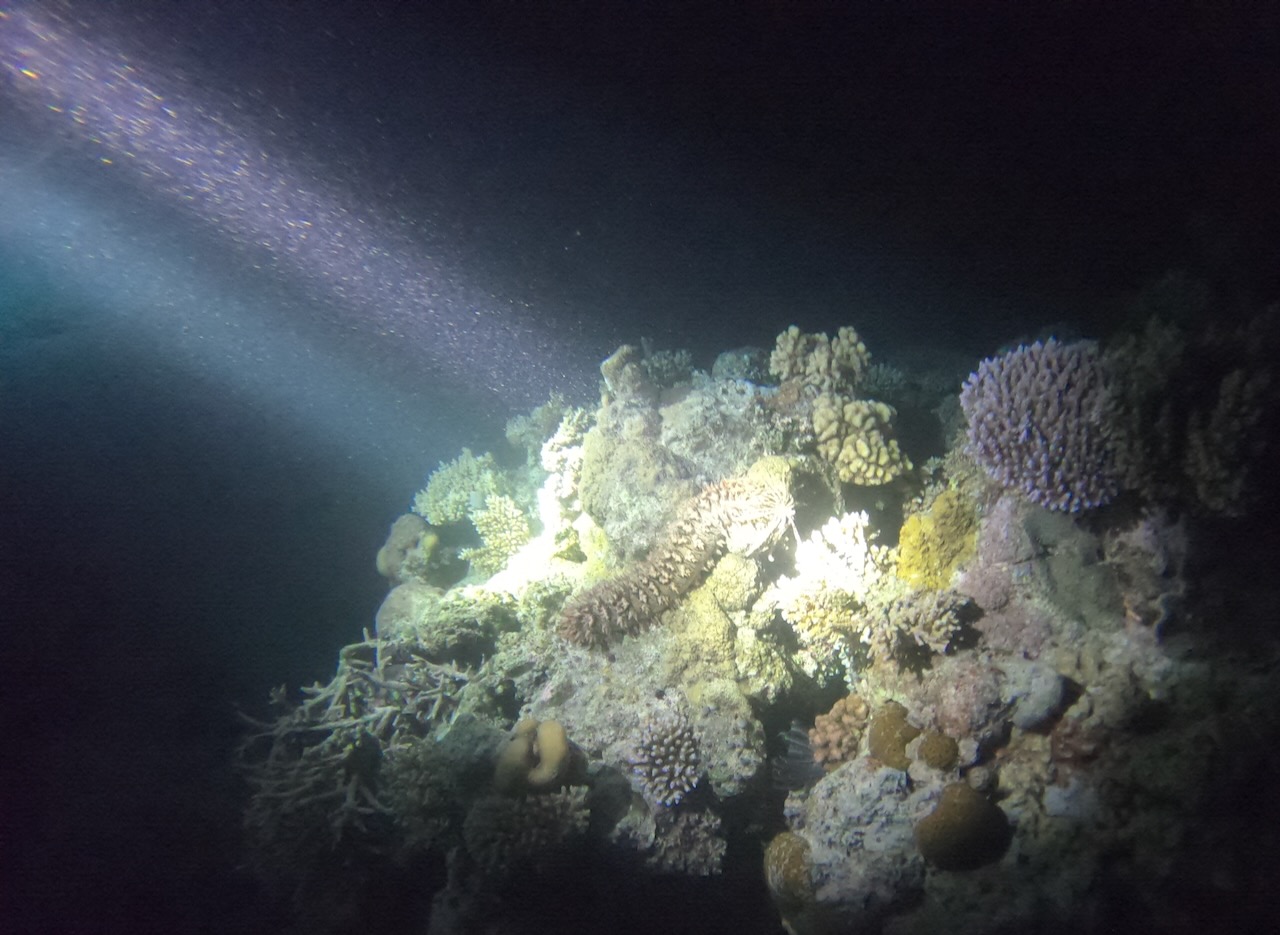
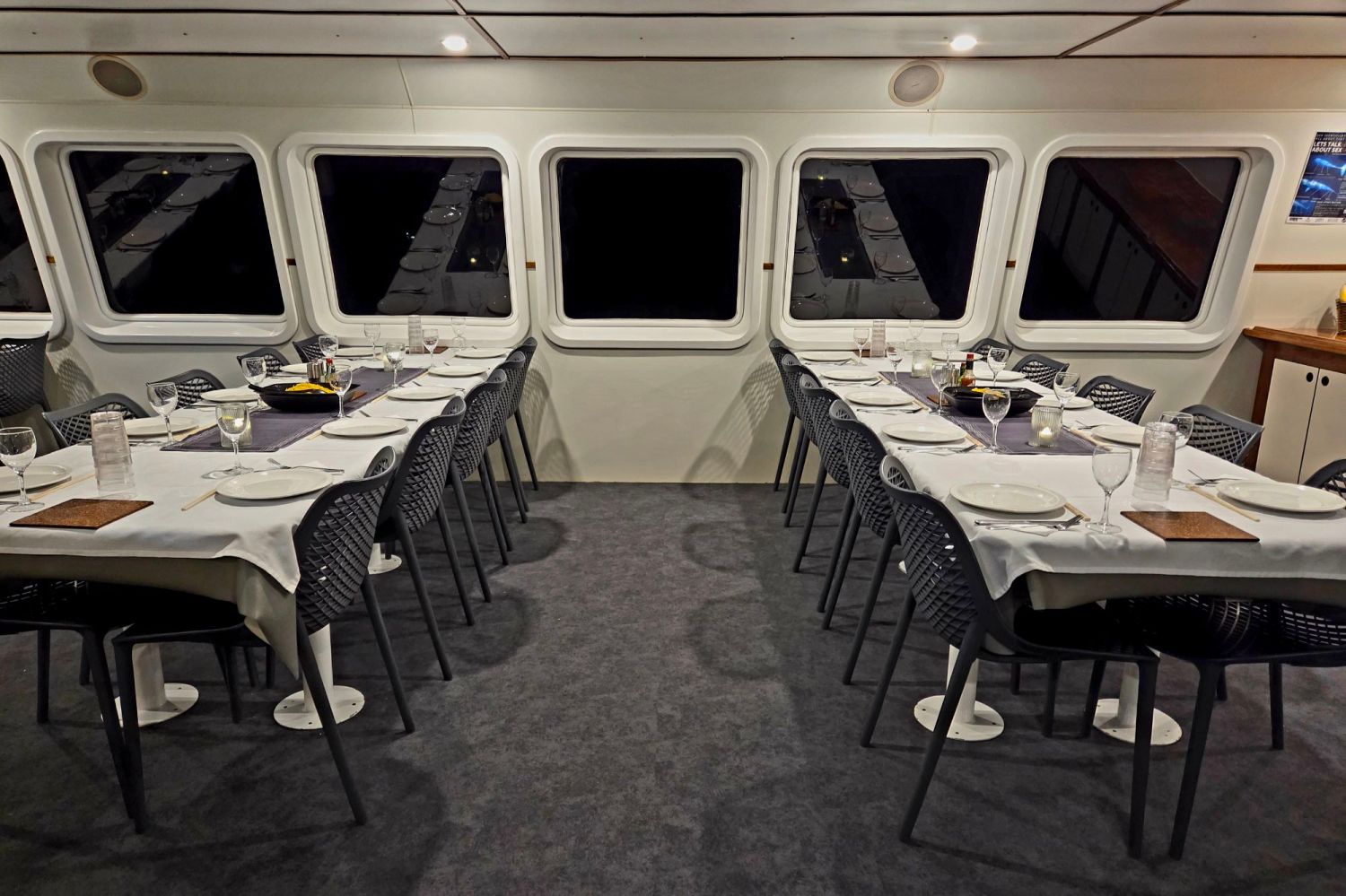
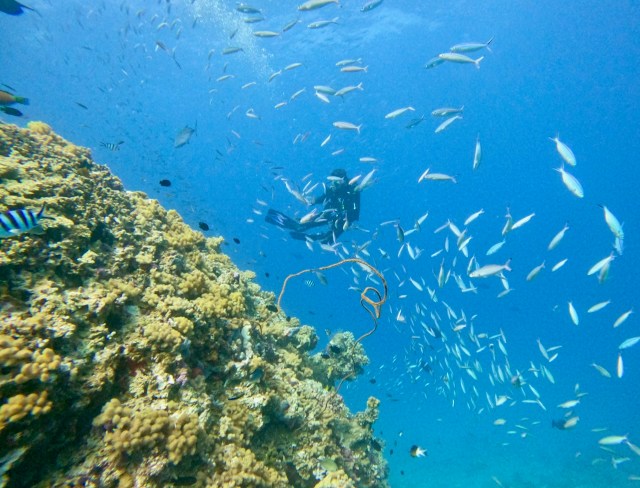
I had practiced for this trip with a flight to Japan (roughly over 5,000 miles) being the longest distance covered between stops, as I’ve been to Guam (the farthest place from home at the time). I paid for the liveaboard (a boat with beds, snacks, and diving) so that passengers can stay on a reef or near other sites without worrying about land, for a week!

I planned a few days in Sydney before we fly up to Cairns, so that we could adjust our sleep schedule to accommodate up to four dives a day, with the possibility of a night dive or two. We booked a room and forwent the rental car, even though pushing through a road trip sounded enticing (we can do that next time). I found numerous national parks within a three-hour drive of the city.

We had an evening flight out on Thursday, and had planned to arrive at the airport four hours before (the earliest the airline will accept checked bags for an international flight) and take advantage of the lounge (that doesn’t exist). Our Uber driver kept us entertained, talking about his leaky boat and the health issues he’s overcome at 70. We visited the USO for half an hour instead.

After security, dinner. Our flight is delayed by half an hour. Our 90-year-old neighbor’s son, both of whom we’ve never met, came to our door looking to borrow ketchup. I’m not sure who sent them, but they don’t know us that well. If you need ingredients from us, they shall pertain to baking, peanut butter, or spices. We’re not as saucy as we used to be.

When we arrive in San Francisco, I’m getting alerts that our flight to Sydney is boarding. The internet says that if 20 people on the same plane are late, then the airline can wait for up to 15 minutes. We’re on the back of the plane, and the airport map says it’s 28 minutes between gates. I thought the crew would make an announcement, but when they didn’t, I did. Another passenger also asked people to be nice and get out of our way.

I wasn’t the only one running through the airport to catch this flight, unconcerned with whether our bags would make it. I almost took out a kid, and the mom scolded him for being in our way. I arrive at the gate, panting and reaching for our passports, which we didn’t need as the machine can just verify with a picture of our faces. I would’ve been fine with this scenario had we taken off immediately.

The plane looks like we could get upgraded to First Class or stretch out in the rows in economy, but that’s only because this is a full flight, one that will wait over 80 minutes after the scheduled departure time to ensure all passengers are onboard, as there’s a standby list as well. We will sit next to an active duty Army guy who plans on retiring in two years and finishing up 35 years of service.

I read, and Caleb knits between meals, and we struggle to sleep, as usual. The kid behind us is starving but also complaining loudly about how disgusting everything is (without trying it first). I was grateful they slept through most of the flight. We declare our dive knives through customs and enjoy the train ride, talking with locals, into the city of Sydney. Caleb takes us on a scenic route to the hotel.

The 50-pound bags rolling over uneven sidewalks are so much fun, but at least I didn’t heft them up the stairs out of the train station with a lift nearby. Caleb notices how green their capital is, and that’s from the city planting trees and the neighbors’ gardens, with the friendly residents who acknowledge us as we pass by. The hotel manager wins the best check-in.

We had been soaking wet, dripping all over the lobby in the Midwest, and had to wait for the hotel’s restaurant to open to find some relief. This guy offers us coffee and breakfast upstairs, while giving us a queen bed (twin mattresses together), and then the keys hours early so we can shower, put our feet up to reduce the swelling, and enjoy the afternoon.
We start with a walk by the base, as Caleb is hoping I can see the same view he was afforded here years ago, when he still worked. Then we visit the Art Gallery of NSW (New South Wales) with free access to the permanent exhibits. We are escorted to the man giving his 45-minute tour to one woman, and I last only a few minutes before I wander off. We can return when I’m not worried about passing out while not being able to pay attention.

Caleb thought lunch on the water would be nice, but the meal for two, starting at $100+, along with the fine dining aesthetic, is enough for us to settle for a table across the street, with the water still in view, at the Woolly Bay Hotel. We order a few things from the tasting menu, and I’m delighted with the burrata surrounded by peas and stone fruit. Sodas are listed as post-mix. I get a lemon-lime bitters (a carbonated lemonade).

Being so close to the Royal Botanic Garden, we walk there next. Here, the locals refer to their white ibis as (trash) bin chickens. Lots of bees, some blooming flowers, and fun birds, like the noisy miner near a man without shoes and his pile of bananas. There’s a beautiful public fountain with drinking spots for people and baths for those with wings: rainbow lorikeet, Australian magpie, and sulphur-crested cockatoo.

Mentally, I want to watch the sunset at the Opera House, but physically, we were exhausted before we got off the plane. We’ve got stairs and streets to maneuver back to the room with an adorable balcony and a warm bed waiting. I climb in.

Posted in Animals, Art, Food, People, Travel, Water | Tagged , , , , , , , | 1 Comment

What I Learned On My First Cruise

I got invited onto a Royal Caribbean Cruise to Costa Maya and Cozumel to take the place of my friend’s kid who had to stay behind for college obligations. I got to share a room with his two sisters, aged 14 and 16, while mom and dad were six decks up. Brandi got a room with a view on the deck above me.

There is plenty of staff available to help with:
Retaking passport-like photos to get guests through security: the family I was traveling with.
Changing passenger phone settings to use the ship’s wifi underway to chat with others onboard: I struggled, as did the first person in their tech department.
Replacing wet towels daily to reduce the humidity in the room: because you bump the shower curtain and water soaks the floor.

Squeezing sanitizer onto diners’ hands to decrease the spread of disease: while singing Washy Washy to encourage the little ones and inspire the teens to get pictures with them.
Polishing railings and picking up dishes: constant and thankless tasks.
And the ones behind the scenes ensuring guests stay fed, entertained, and afloat.

There are many activities on board:
A majority of people will spend their time drunk by the pool, sleeping it off in their room, or watching the Deck 4 entertainment: live music and dancing (70s, 80s, and Latin nights), coloring pages of turtles and bears, an egg drop competition from Deck 8 and 10, a balloon drop party, a parade of the 52 flags represented by the crew, and Veterans’ appreciation with a cupcake flag.

The drunk and sunburned people help provide entertainment by dancing to the DJ, screaming at the big screen for their soccer team, cannonballing into the pool (women), while the men belly flop and then strut their stuff in another competition, before also competing in the Battle of the Sexes. Teenagers sit around the hot tubs under the awning with their feet in the water. And the adults-only pool is inside.

The ones I didn’t participate in: rock climbing wall, sports court, arcade, hair salon, casino, conference center, and the medical facility (though I did wander down and get close to the entrance). And the ones I did: a scavenger hunt in the art gallery, performances in the theater (comedian: Derrick Cameron, unicyclist: Rick Novell, ballet: City of Dreams, The Price is Right), music trivia, and putt-putt (with Fallon, Ryan, and Brandi).

There are plenty of food and drink options:
Guests are offered drink packages (for unlimited booze or non-alcoholic) up until the first day on board. There is a specialty coffee shop for a fee, along with unlimited tea, coffee, water, and iced tea, milk, and lemonade during meals. The buffet was open for six to eight hours a day, with soft-serve ice cream available for ten hours a day. I had fresh watermelon, a variety of bread, and desserts consisting mostly of whipped cream for breakfast and lunch.

Dinner was served at 530, 645, and 8pm in the main dining room. There was always a bread basket, or four, depending on the appetite of the guests. Three courses were served, and some plates appeared to be worth the amount of silverware on the table, while others were simply thrown together. The good news was that we could share our plates or grab something from the buffet or snack bar after, but I left full each night, except for the one we missed due to a tight schedule between a shore excursion and a theater performance.

There are shore excursions:
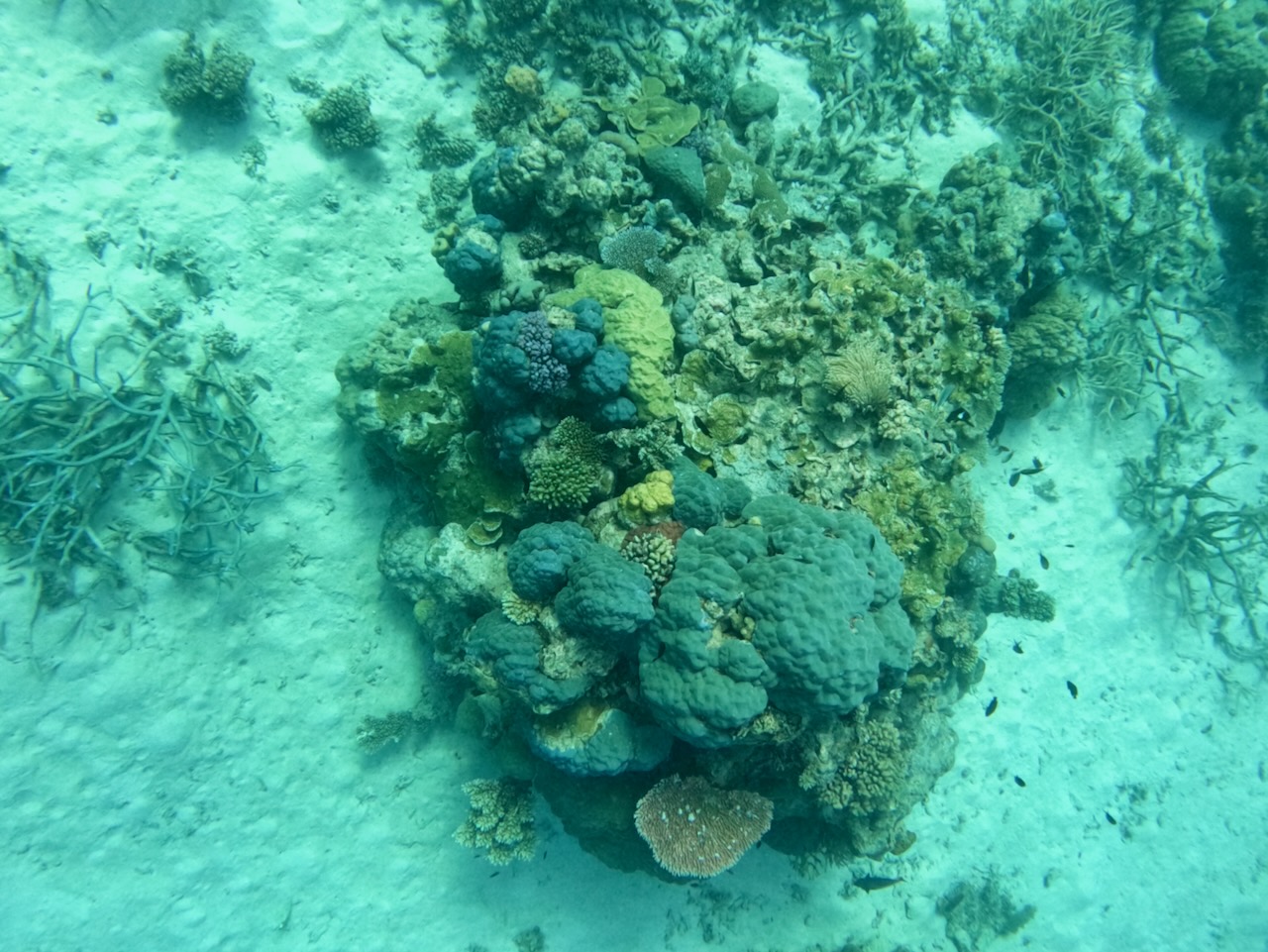
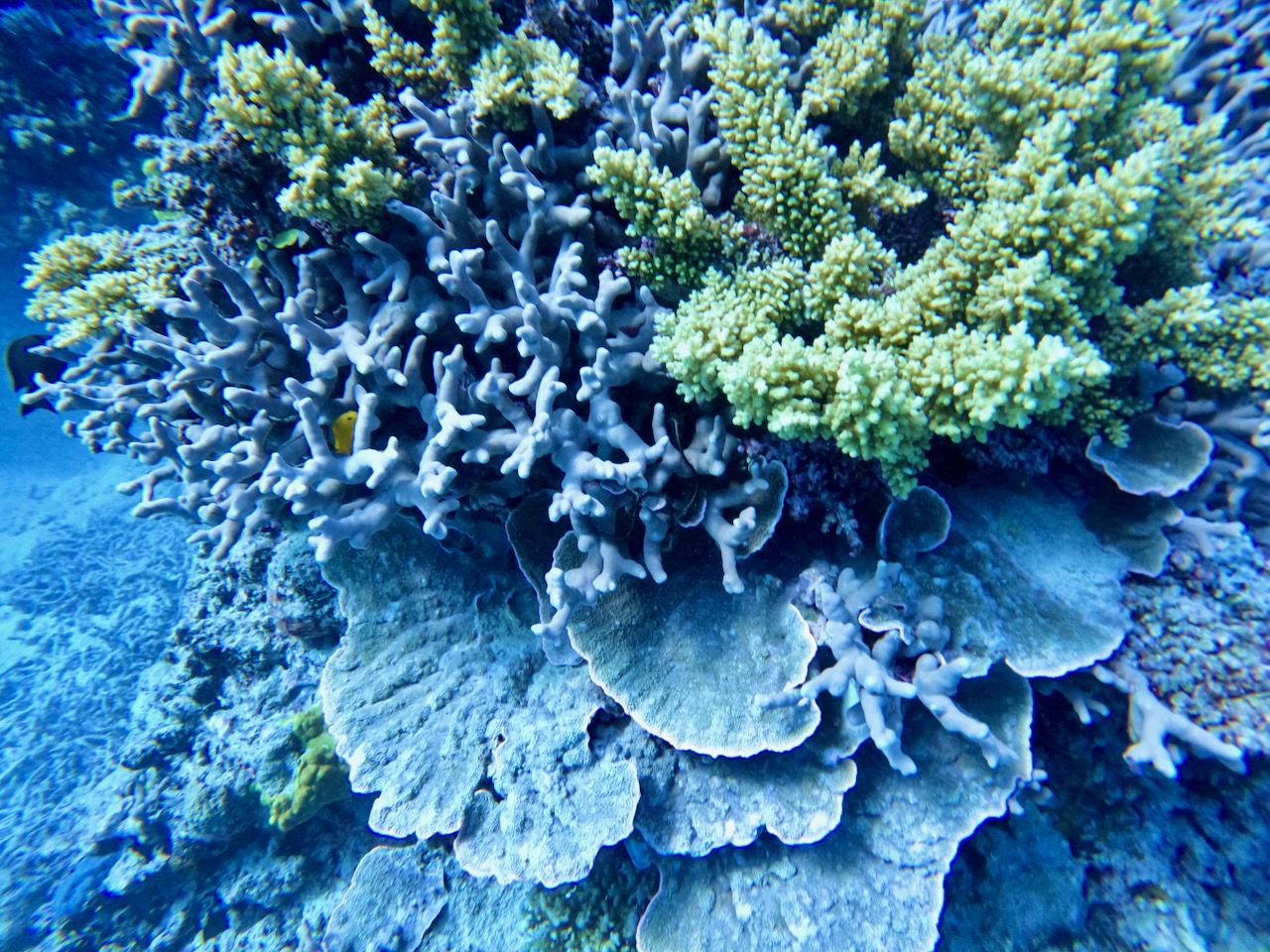
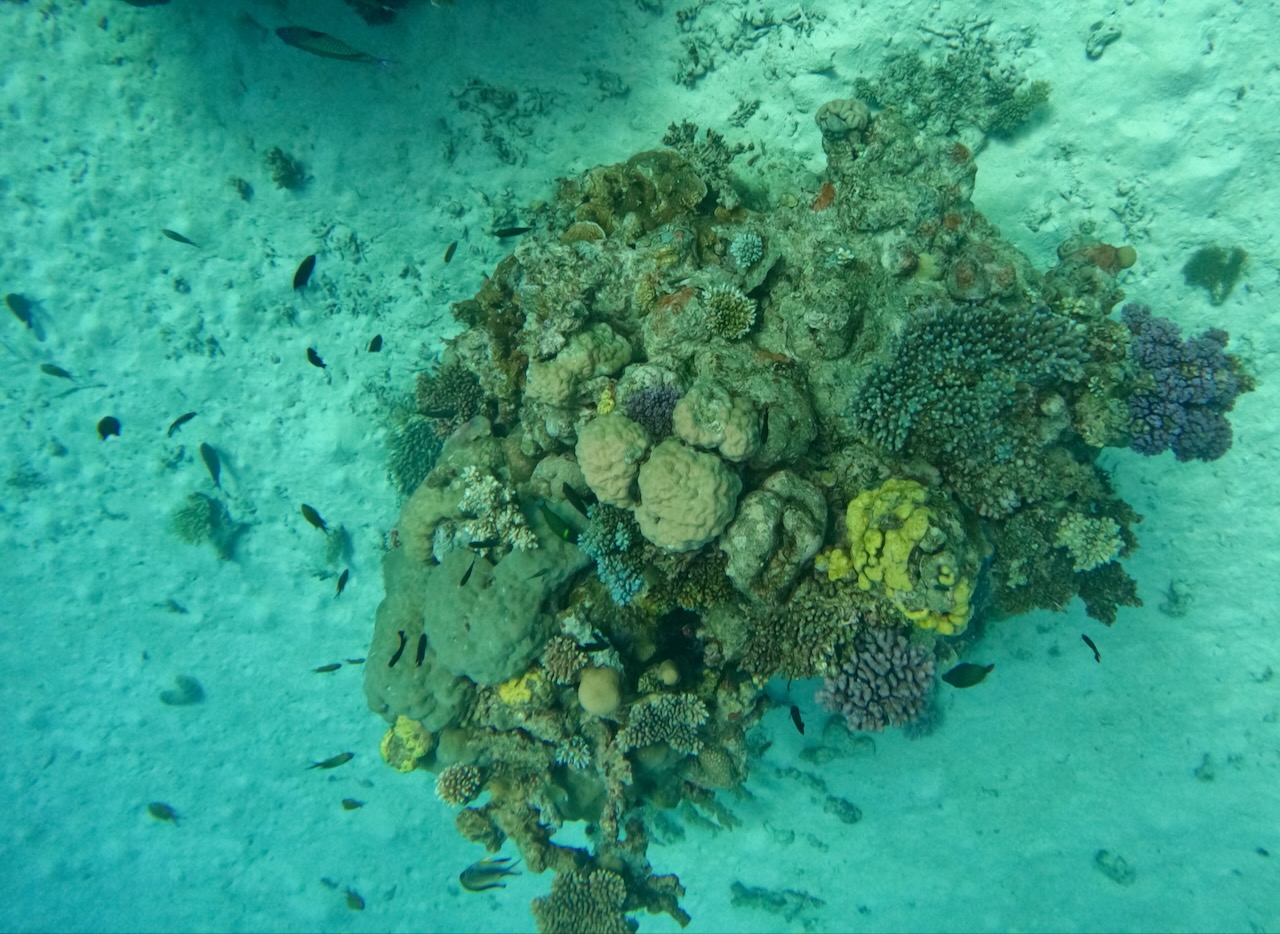
Costa Maya: I found our activity for this port visit through a local company, La Leyenda ECO-TOURS, which would entertain us for three hours once we arrived via taxi. The water was not calm due to a recent storm and a possible earthquake, but that didn’t stop us from seeing tropical fish, coral, sea grass, each other, and the tortuga (turtle) that our guide pointed out as Brandi swam by in another group.

On our small boat, we were given fresh fruit and cold drinks, but we would need to return to shore for the guacamole as the chips had been left behind. Lunch was had at El Tacolote: 3 carnitas tacos and 1 shot of tequila for $10 is the menu option. The family enjoyed one of the many pools available in the port area while I walked through the shops.

Cozumel: Fallon booked this activity through the ship because it offered guests the opportunity to pet sting rays, snorkel with nurse sharks, and eat endless tacos. Brooke French-braided my hair, and there were only 16 snorkelers on the boat and four crew members. The ray pen came with a multitude of photo opportunities as a way for the attraction to make more money. Even though the girls licked the rays, no one wanted to pay the $100+, even with a framed picture of our choosing. We got to participate in a hermit crab race where the people won chips.

Some people have been on board before:
The ones with secure bag tags, not just the folded paper stapled to a handle.
Have magnets on their doors celebrating a birthday, a dad, a marriage, or a graduation.
Collect their towel animals during the cruise for a post-sailing group photo.
Have food delivered to their rooms so they can eat on their balcony, not at the buffet.
Get their picture taken against every background on the ship, and with the evening backdrops.
Prepared with an outfit for each themed night (hence the extra baggage for shoes and dresses).

Random:
There is more jewelry and art on board than I thought there would be. Thanks tax and duty-free.
Guests get mail reminding them to spend money at the store, spa, and gallery.
The TV is on when you arrive (wash your hands) and on the last day (pack your bags).
Little ducks can be spotted taking the stairs, taking a break, and hiding in your room.
Guests’ room cards are scanned every time they board or leave the ship.
Some shops give you deals for being on a cruise. Others know they can charge more.
Many people take the stairs as they get tired of waiting for one of the five elevators.
Certain areas got crowded at times, but I always found plenty of space to be alone.


Posted in Animals, Art, Entertainment, Food, Friends, GoPro, Music, People, Travel, Water | Tagged , , , , , , | Leave a comment

Can I Get a Ride?

After we pack up camp, we stop at the Tioga Gas Mart, but are saving our appetites for lunch in Bishop at Erick Schat’s Bakkerÿ. Then Caleb can introduce his sister to the Manzanar National Historic Site, which I visited in May and August of 2013, and in September 2016 and 2021. Caleb and Jessi get us set up at Lone Pine Campground, then we ride to Whitney Portal and talk with some day hikers. Down in Lone Pine, we find five hikers needing a ride in the morning.

Manzanar

Jessi goes first, then Caleb joins her on the next round of rides. We will rotate like this so we can get a signal in town as our numbers get passed to more hikers as they approach our service area. At camp, there are lizards, a butterfly, a hummingbird, and a few ground squirrels (hence the bearproof box). There is reading, s’mores, planet gazing, focaccia eating, cocoa and cookies, showers, a bit of rain, and watching ants go about their day (even if at night).

view from Lone Pine Campground

When I make it to Cottonwood Pass Trailhead Campground, just a 3.5-mile hike one-way from the PCT, I see Lyric, a kid I met on Day 14 of my PCT hike last year, surrounded by his new trail family. We deliver at least 25 hikers either to town or back to the trailhead, a 23-mile ride one-way. Some are lucky enough to get a ride with one of us going both ways, saving them the $60 one-way fee that other drivers are asking.

Caleb knitting pants Caleb and Lyric

Jessi and I approach a guy at breakfast, and he seems weirded out that we offered him a ride. We find a guy, trail name Battery, whom we will take to Kearsarge Pass Trailhead, a 29-mile ride, one-way. Jessi will leave us in town while we talk with Jordan from Ridgecrest, who hiked 90+ miles with his friend Joshua, but is excited to get home to his kids. We hike to Mobius Arch in the Alabama Hills National Scenic Area.

Horseshoe Meadows Road Alabama Hills NSA

We break down camp, even as messages are coming in asking for rides, and promptly get a flat tire. We aren’t alone for long as I’m able to get a jack and wrench while Caleb and Jessi get a new tire. I read aloud from Get Well Soon by Jennifer Wright as we drive through Nevada. Someone’s little brother waves at me from the backseat when I mention little people. We stopped to check on an SUV that was on its side parked into the bumper of a semi, some bruises, but no one broken. We stop at Lud Drexler Park Campground in time for mating grasshoppers and sunset.

Alabama Hills NSA

We make great time by leaving camp early, being the last car through a one-lane road, and crossing the railroad tracks just as the arms descend (20-30 seconds before the train’s arrival). We celebrate in Missoula with a homemade Thai salad. Jake makes us pancakes in the morning and gifts us with a coffee cup each — that he made! Now, if we could only get him to part with one of his paintings.

Mt Whitney Salmon Falls Creek Reservoir

Jessi re-gifts me an orange cup that she doesn’t like after hearing that I do. It makes a great home for six stickers. I’m grateful for the coffee and airport sandwiches with our flight delayed. We change planes in Denver instead of Chicago and arrive home almost two hours later, but I made a new friend from Salmon, Idaho, because Missoula is closer than Boise.

gopher snake no snake

Posted in Animals, Books, Camping, Family, Fiber Arts, Food, Friends, Hiking, History, People, Travel, Volunteer, Water | Tagged , , , , , , | Leave a comment