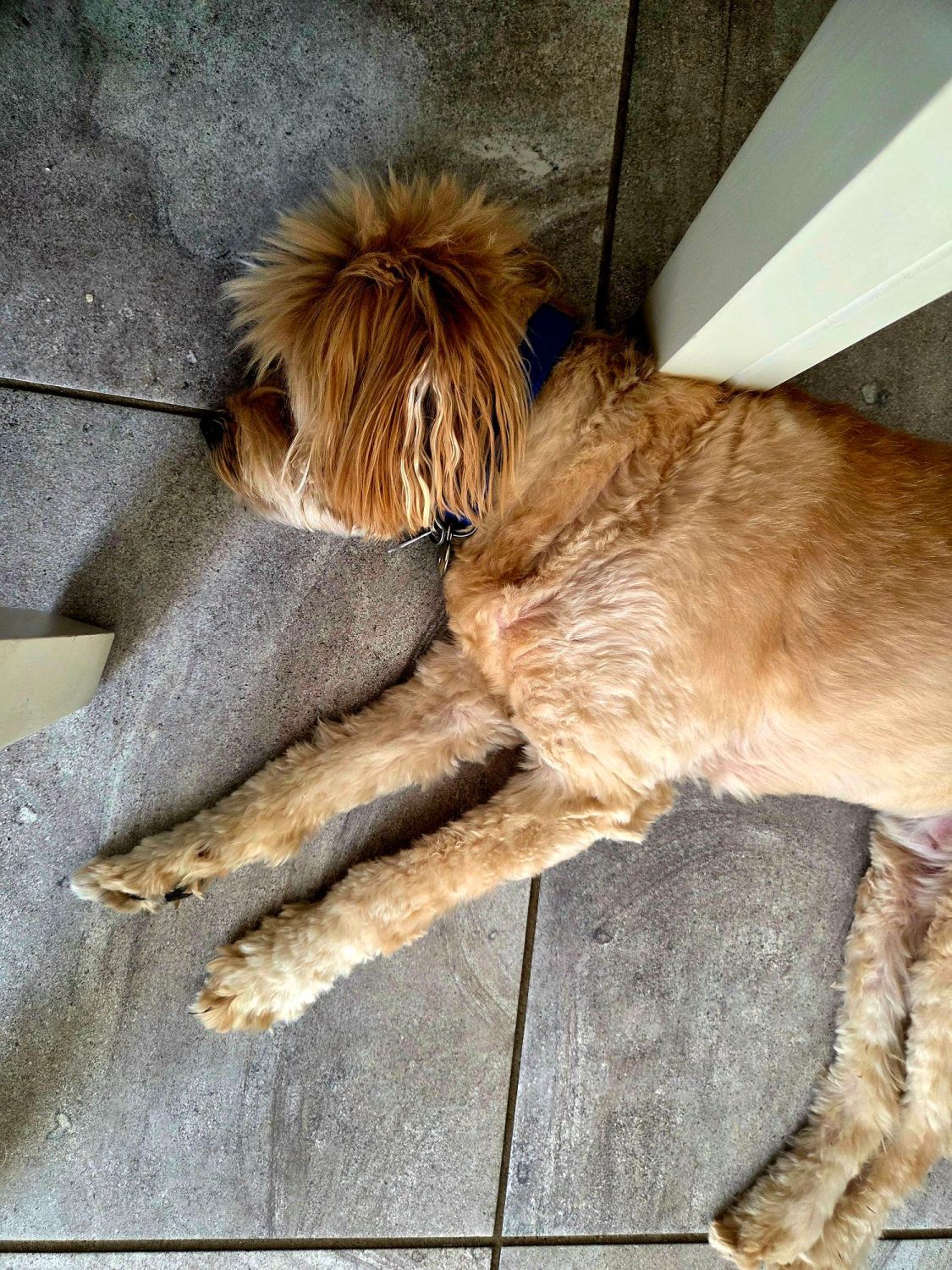
I was doing well keeping track of the months as they passed. Then I went back to school and pretended to forget about September, which reminds me of a song about when September ends, so I will be writing about the one day in fall for Florida. I start the month helping out Randy and Teresa by walking their dog, Tequila, first thing in the morning, and I’m the last one she sees at night, while Christine is in charge of her feeding schedule. Caleb is still in Michigan with his brother.
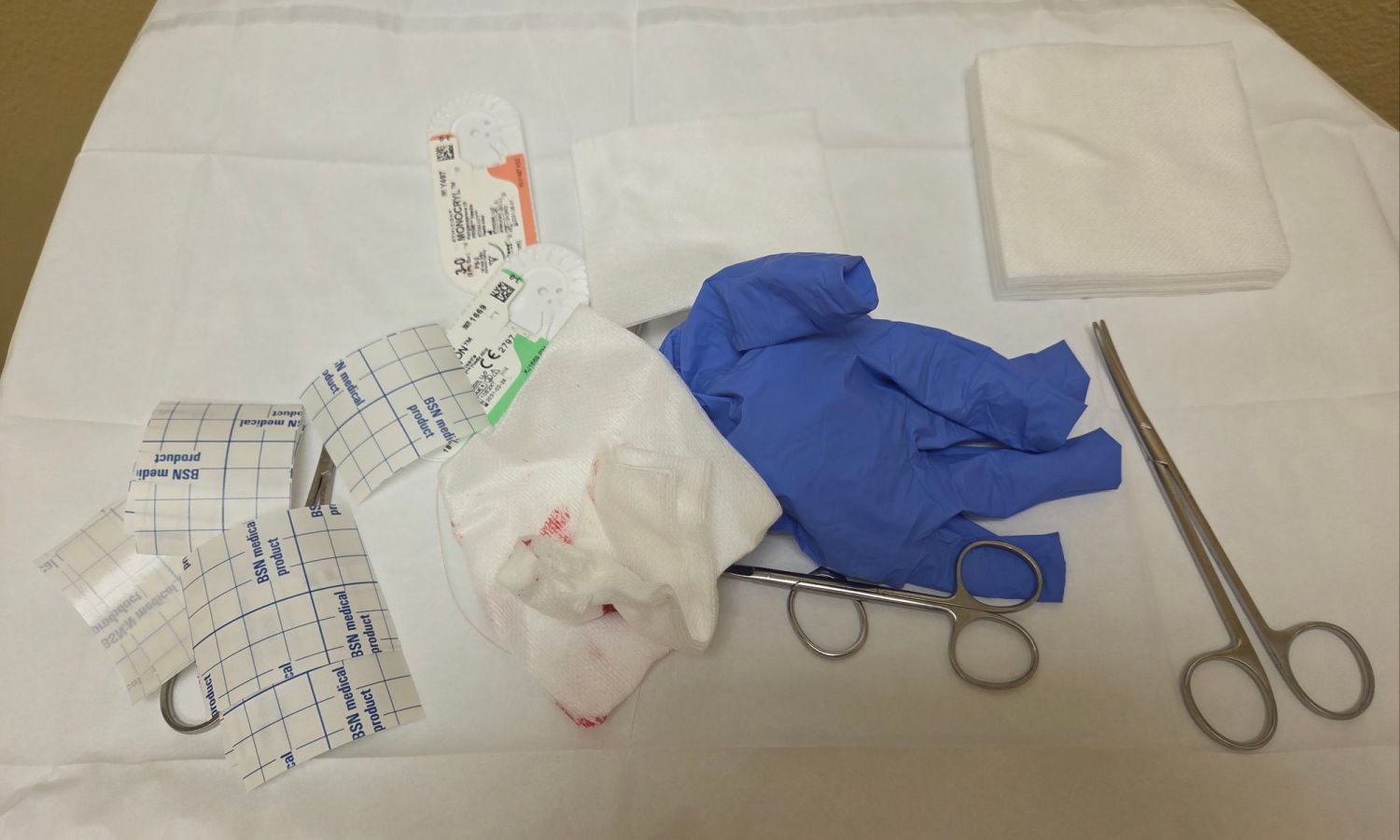
I take breaks between homework sessions to walk outside, raining or not, or to appreciate it from inside. I still have stitches in my back, and perhaps getting Fallon to take them out on the fourth, as buried as they were, was too soon, but four weeks later and after two dissolvable stitches making their way out, I can still see a gooey spot. If I’d known that, I should’ve gone diving with it, since my hand seemed to heal better from our trip in 2024. That small biopsy was ridiculous, but the results came back with clear margins, so I’m good for another few years.
At school, I get coffee, donut holes, sunglasses, an incense diffuser, a succulent, and stickers since I don’t stay long enough to fill out a bingo card to earn a sandwich that a squirrel gets for free. I learned that a watergoat is a floaty on the water placed in front of a drain to help prevent stormwater runoff from polluting the waterways, but the boats in the harbor next to the school or people passing by must be adding to the debris I see when I get time to walk by and look for striped fish, busy crabs, playful dolphins, quick pipefish, and loving rays on my way to class.
I was checking mail for a neighbor and left my phone at their place. It’s a good thing I had a key because the entry code was on my phone. I have been busy reading my online textbooks and required articles, and listening to lengthy lectures, but I still find time to read for pleasure, not that I don’t find 2% of what I’m recommended to take notes on for future testing interesting. I finished Dreams from My Father and enjoyed the multicultural background; The Literary Life had some interesting anecdotes; The Cold Moons was a different bloody animal tale; and Mona’s Eyes was a peek into art and relationships.
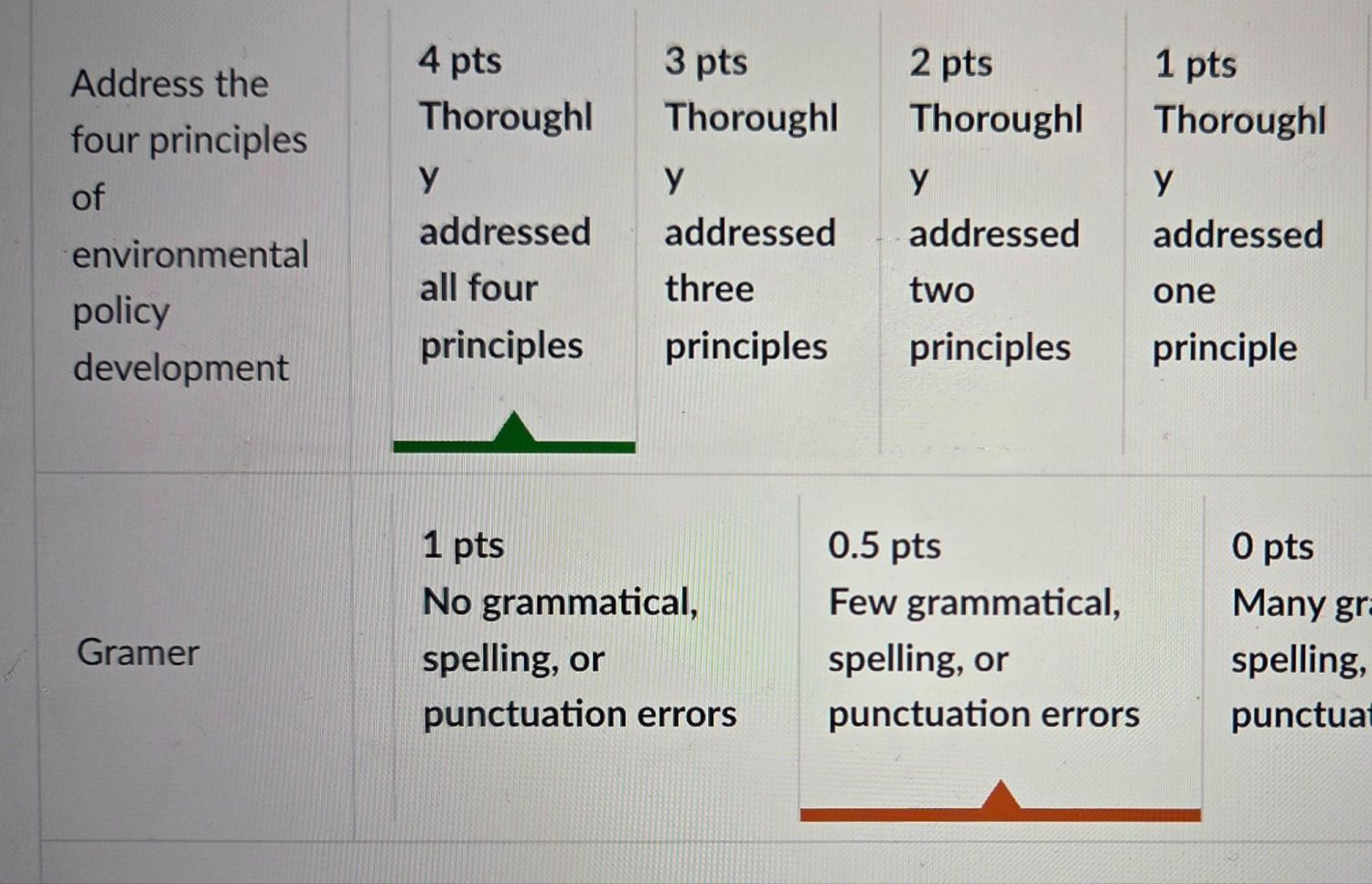
I was hesitant about having to take Honorlock quizzes and exams at home due to the strict requirements, but my professors must be more lenient, as I’m able to just take a picture of my face and ID before having my face and screen recorded during the session. Karley has to video her surroundings and can’t be near her phone, watch, or anything plugged in. I just put my phone on silent and put it face down so it can’t be a distraction, because looking away from my screen can be considered cheating when AI could be waiting silently for my signal. I’m averaging a 92 across my classes.

I get invited out to lunch with Helen and Frank, who is a bit of an introvert, so it’s nice to see the more talkative side of him when he’s given the chance. After getting my stitches out at Fallon’s, I came home to fill out 13 invites for Caleb’s welcome home party that Christine is throwing. I tried to imply it was just a community gathering, but she ordered a cake too and agreed to wait until after the weekend of his return to demand his presence. It was originally going to be at her place, so she only planned for six of us, but that wasn’t why I changed the venue to poolside, which worked out better anyway. More about that later.

I hand-deliver the invites, and while chatting with Bill and Debbie, I get a call from my doctor’s office confirming that they will mail the necessary form for my first mammogram. They do not, at least not to me or the imaging office, which I can call and self-refer to, thanks to the Affordable Care Act, which ensures insurance companies will pay for preventive screenings. I’ll dream about my hair having an electric mix of colors and then that Caleb and I are back on the dive boat in Cairns but getting off before they left port. We were there with someone, and there were fish everywhere.
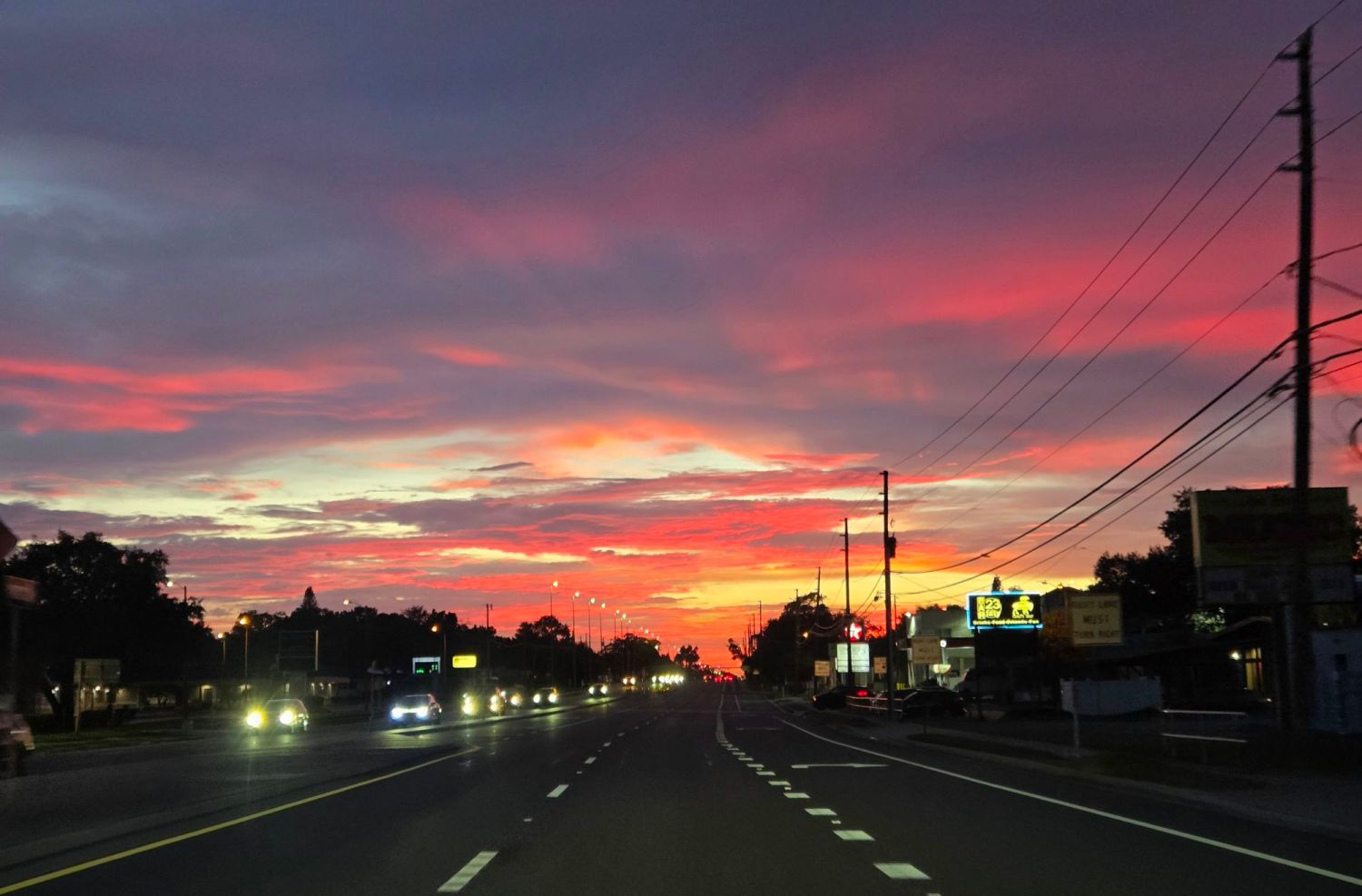
And not a dream; I had seen something shiny in the road a while back, and stopped to move the box of kitchen knives in a greasy pizza box. I can only imagine the Florida Man scenario that left this situation, but I wouldn’t want new tires just yet. Apparently, my neighbor, who just had her hip replaced, saw me move them and thanked me for doing what she couldn’t while she heals. That didn’t stop her from ordering a new single-handed sailboat so that she can look forward to getting back on the water. It’s not every night I get a video call from Caleb since he’s usually busy playing the UNO No Mercy version with the family.
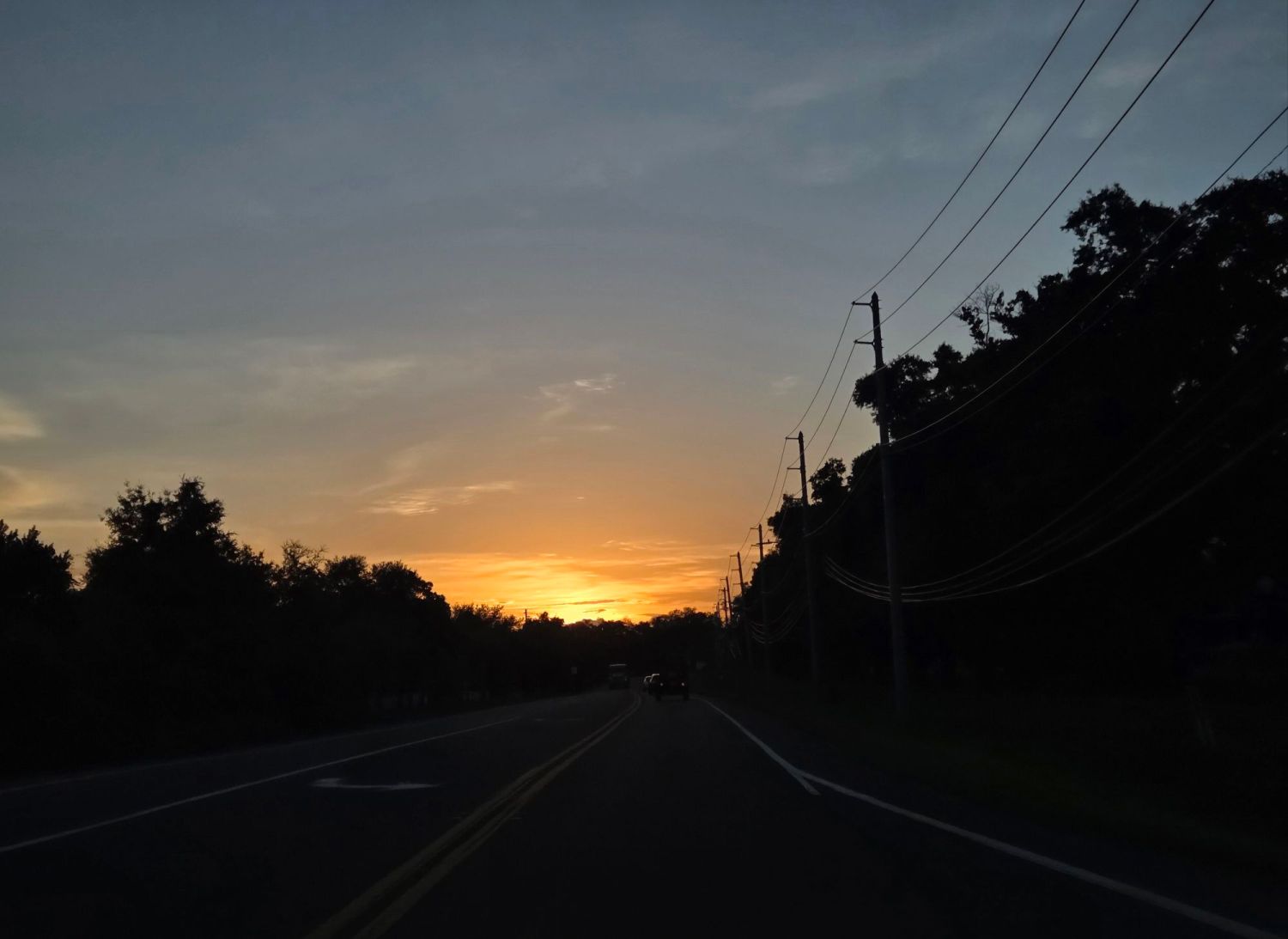
Caleb calls me on his way home when he should’ve stopped an hour ago and had plans to drive another 93 miles. I book him a room four miles from his location, and just 13 hours from home. I would be excited to see me too, but I want him to get home safely. He appreciates the ability to rest and shower. The next morning, it takes me an hour to get to school, which is why I leave when I do, so I’m not in a rush, and so that if a company is having a giveaway, I can get some goodies before class. I get out a half hour early, visit the gym, and stop at Raining Berries for a Coastal Colada that looked just like the picture!
Caleb gets home, and when we get back from Costco, I notice that one of the ice cream sandwiches is missing from the box. It’s a good thing that they are individually wrapped and that someone got hungry and not in the mood for poisoning. The employee I reached on the phone offered to replace the box, but I wasn’t going back for one. I went over to Helen’s for half an hour while Caleb hid at home, and then I took him to the store for milk and got myself some probiotic sodas because, whether or not they help my gut biome, my mouth likes the way they taste, and they have way less sugar than some lemonades and other drinks.
Caleb went to bed early, as I expected he would, and then made us biscuits in the morning. I’ll spend most of the day doing homework and then take a two-hour break at Jen’s, who has gifted me a bagel and some peanut butter drinks that she’s allergic to. We finally meet Chantal, our neighbor’s 50-year-old daughter, who lives in San Francisco but seems to visit often. I meet the new neighbor’s Deb (that makes five), and her husband, Mike, of whom there are a few as well. I’ll walk with Mary Jo to the remnants of an accident where a car hit a wall and left car parts, bricks, and trash behind. I’ll walk Sarah’s dogs early so that Caleb and I can go to dinner with Randy and Teresa, now that we’re all back in the same state.
I changed the venue because Christine cut the party time to only one hour. I grabbed a burnt banana coffee or some new fall flavor and a warm muffin for what I think will be a breakfast for one in class, only to have a few classmates and the guest speaker get there early too. Cathy tells the class that there are three poison control centers for Florida, and they are monitored by toxicologists and doctors, unlike the emergency line for police and fire, because their response time is more critical. I’ll go over to Christine’s at 3pm to help set up and be done with cleanup by 630 after walking the dogs. I’ll have warm lasagna on a sweaty day with some blackberry tea that Jen made, with little blue-salted rim cups. I have two slices of Welcome Home Caleb! cake.
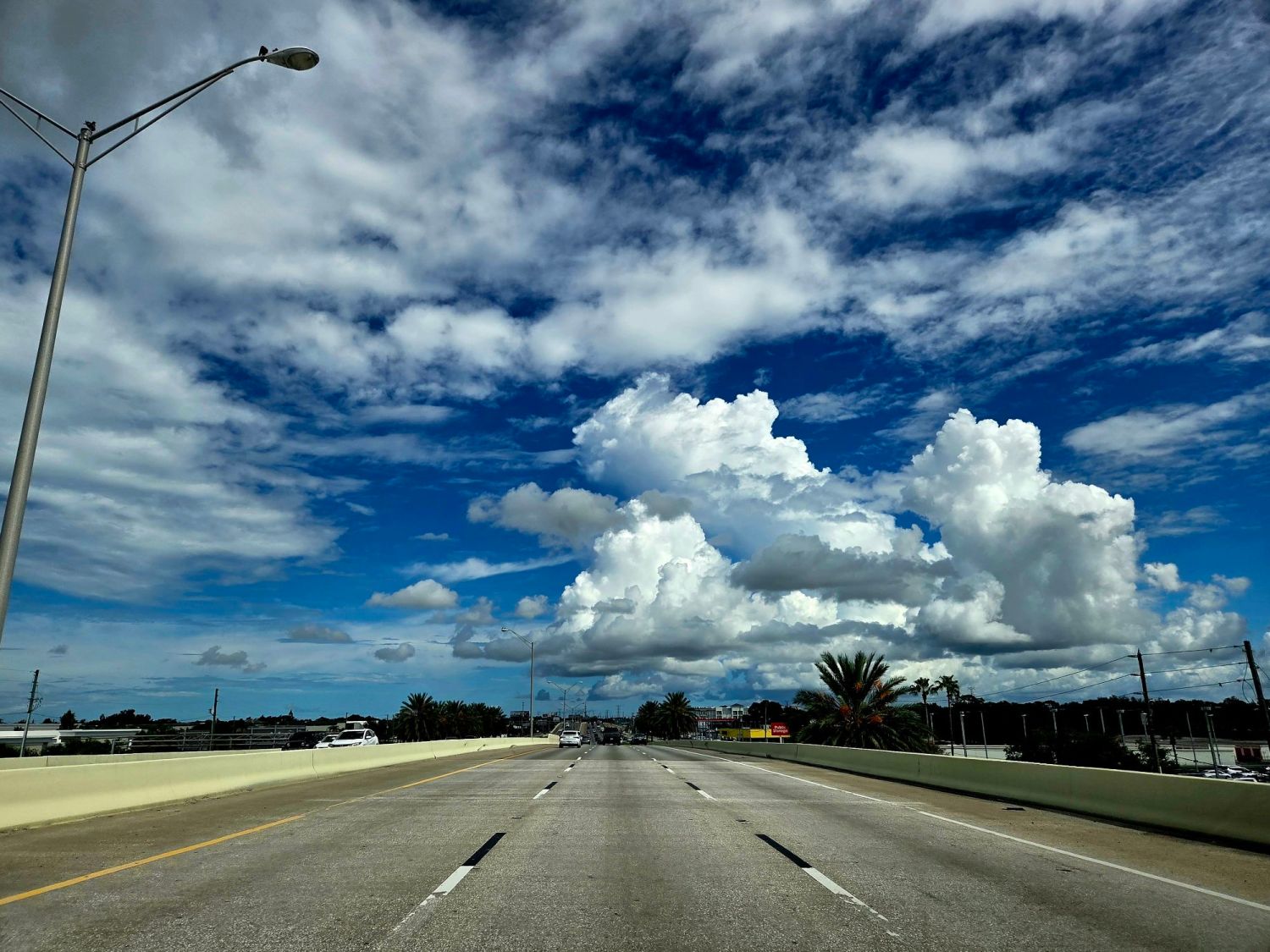
Sarah calls about a sound coming from outside. It sounds like an owl to me, and Caleb blames me for getting within reach of the security lights for us not hearing it upon arrival. It’s a good thing we were out there, though, so that Caleb could put out the hot coals that were still cooking on the grill. I got a warning on campus for parking in a compact-only spot. Sarah picks me up for book club with the ladies at some place while a few of the husbands go for pizza. A few nights later, I’m having pizza with grape beer and melty M&Ms at Tina’s.
I find a clip of Susan Rice, the comedian, to keep me company on a ride to school and talk with Fallon on some of the rides home while she’s shopping or working out. I submit a paper twice in hopes that I don’t lose points for layout. It is helpful having Word on the school’s Cloud so I can just submit from there. I hear from Mostafa out of the blue, asking if I remembered him from Kuwait ten years ago. I even have a picture of us, but it isn’t worth sharing. We ate at Layali Al Helmaya with some other people, none of whom I was couch-surfing with that night.
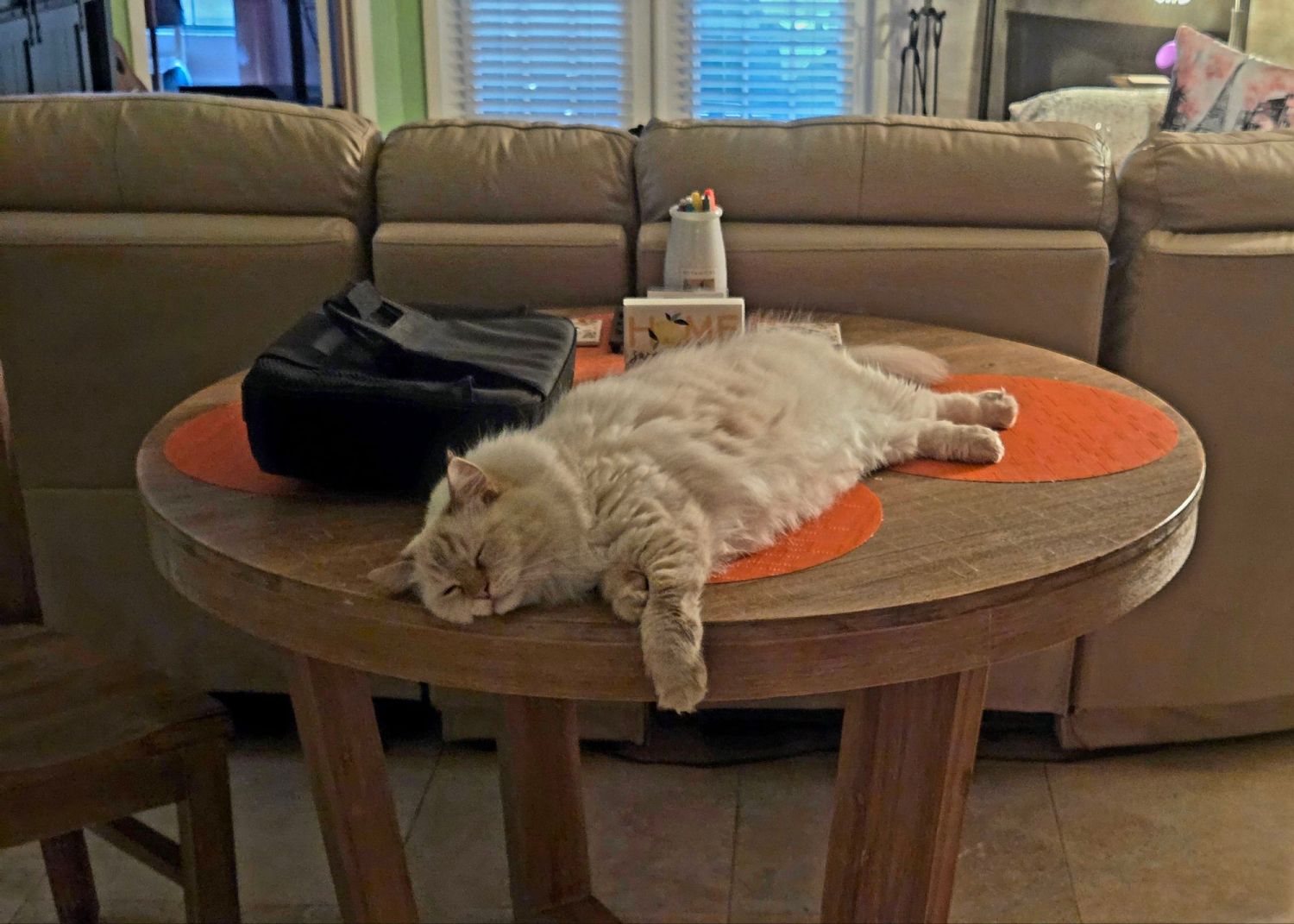
I learned to check my email Monday morning before leaving for class since I drove down there and got sweaty in the ridiculous humidity, only to find out from another classmate (there were four of us) that the guest speaker couldn’t make it, so the professor canceled class since she couldn’t find a replacement on Sunday night. I got gas on the way home and had an unplanned chapter to read to prepare for a quiz because it’s in the syllabus (that I printed out and don’t look at much), but it was also noted in the link. An evening at Sarah’s to meet the new neighbors, Ben and Shayna, and there is more pizza, but also blueberry goat cheese. We’re home early, and I sleep in the next morning.
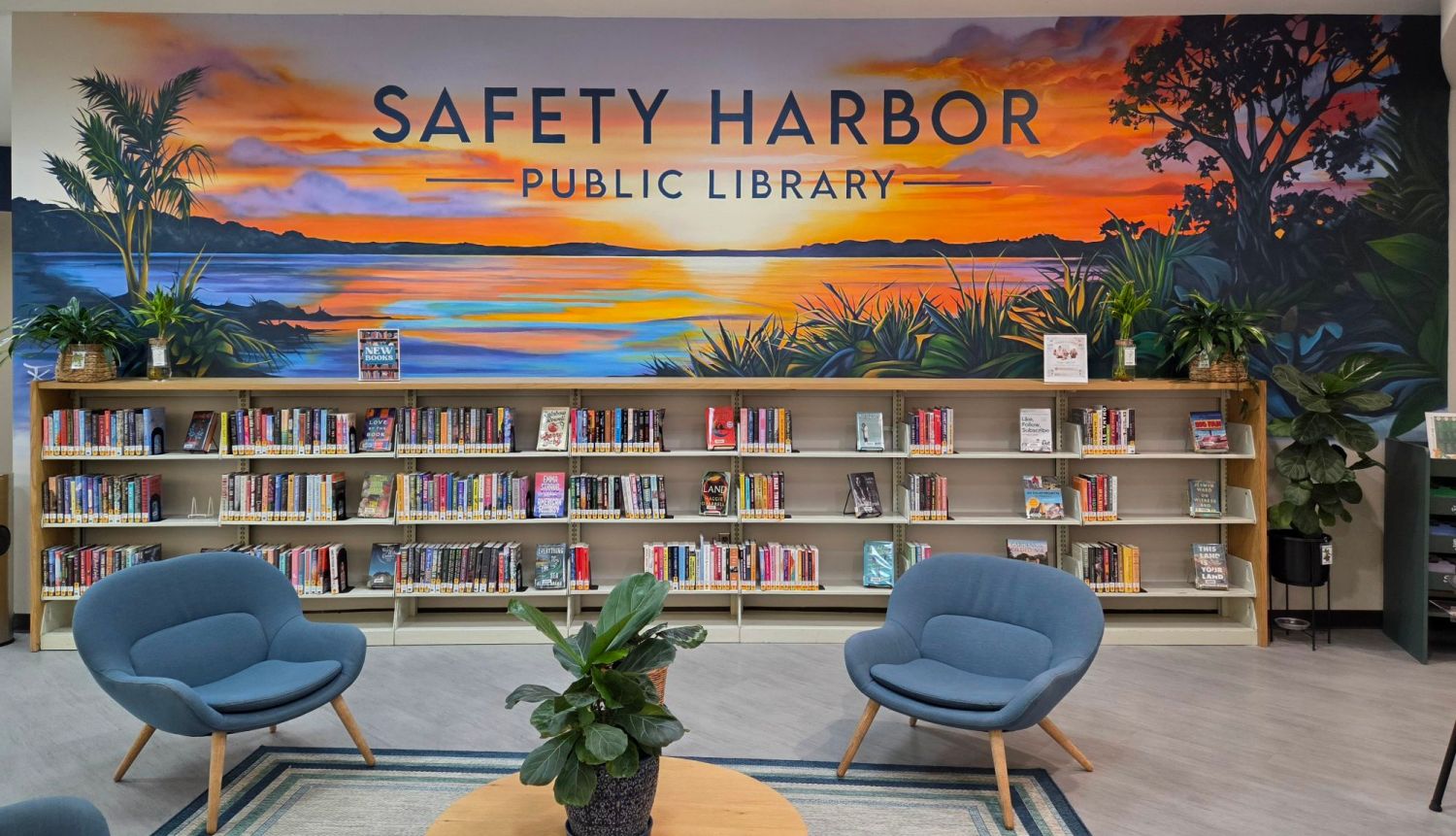
I help Sarah get out her Halloween decor, and she gifts me a wooden ghost. Caleb and I take what we thought was a cool morning opportunity to walk to the beach, but I’m already moist when we get there and can feel the humidity and UV actively climbing. I have a donut at Brad’s memorial. I only met him twice, and I only wave to his wife when she walks her dog, but it was nice to talk about diving and travel with one of the guys who showed up. I’ll get a cupcake later too. Caleb struggles to find a book, so he invites me to a library that has way more perks than when we were kids. We have access to the military online database and our old library, and I’ve been to the campus library, but not online yet.
It was so much fun exploring the new and old books and the ones for sale. Afterwards, we stopped at a park nearby to see a giant art installation, and Caleb had to remind me that it was a temporary exhibit. Caleb had cut bagels and made coffee, too. It was a great morning, and we spent the afternoon reading. I still do crosswords, and Caleb helps sometimes, even though they put him to sleep. I got inspired to pick up one of my partially done cross-stitch patterns and wasn’t sure how I got so much yarn through such a small hole. One of the girls in my class asked if I went to a local high school because the kid who sits next to me asked if I dorm here. He commutes from Ruskin (where my friends live!)
Of course, I took the compliment in stride and answered their questions and then looked up the age limit online. Most universities allow adults up to 25 years old to maintain a vibe (to use the current lingo) and encourage those going back for their master’s or doctorates, who would by default be older, to get an apartment off-campus. I’m still smiling when I see a kid who looks lost. I help him find the nurse’s office, and he asks if I play Pokémon Go (only if I were 20 years younger and a geek instead of a nerd). I call Karley to let her know I found her a carpool buddy, and Terry sends me a link to a $1,000 mosquito laser (that I would need to get a job to justify buying from Photon Matrix Lab).
I take Caleb to FedEx to return his faulty KitchenAid mixer after the company sent him a replacement. I’m glad we were still within the warranty period, as those things aren’t cheap, but I like the way they look, and they make us both happy, in different ways. Then we went to Best Buy to get a new laptop. The last one I remember Caleb having was a Ramadan special from a Bahraini dollar store. He was upset that it didn’t work in America, so he bought some other knockoff during COVID. This time I’m hoping he found something that better suits his needs – emails and shopping vs. constant updating. I know I don’t use my laptop to its full potential, but that’s because I don’t use any technology that way.
I like that the things that stand out are: Caleb talks about pesticides with me. We talk about all kinds of things, which is another reason we’re married, but this is a school topic, and we both remember reading about DDT when we were in school in Jacksonville. I knew it was fun to make memories, but I didn’t realize how enjoyable it would be to look back on other little things that I didn’t think stood a chance of lasting through the years. I can only look forward to what the next dozen years have to deliver. I’ll watch a few bats circle above the trees later before craving cream cheese with lunch meat — something my mom used to eat often. I still cry for the lack of her sometimes.