The shower was steaming hot and has an automatic dehumidifier, with the tilt-and-turn window in the partially open position to allow airflow while maintaining privacy. The house comes with motorized metal outdoor roller shades on every window, since the ones built into the glass still let heat into the home, whereas these block light and seem to block sound as well. I’m up every two hours to accommodate my excitement and jet lag and listen to Caleb sleep. I was going to watch the sunrise, but the cloudy sky took care of that decision for me.
I start my morning downstairs with an amaretto coffee, some yogurt with fresh blueberries, and two pankakken (crepes) warmed with cinnamon sugar. On the road, Caleb notices that many cars have tow hitches (so they can use a trailer when necessary and still fit into parking spaces when not at IKEA). I see all the little houses with big windows and think about how happy people are, regardless of the size of their space, to be surrounded by views of the outside and see sunlight, even if it’s only 7°C (44.6°F). We start the day with a drive to De Haar, the largest castle in the Netherlands.
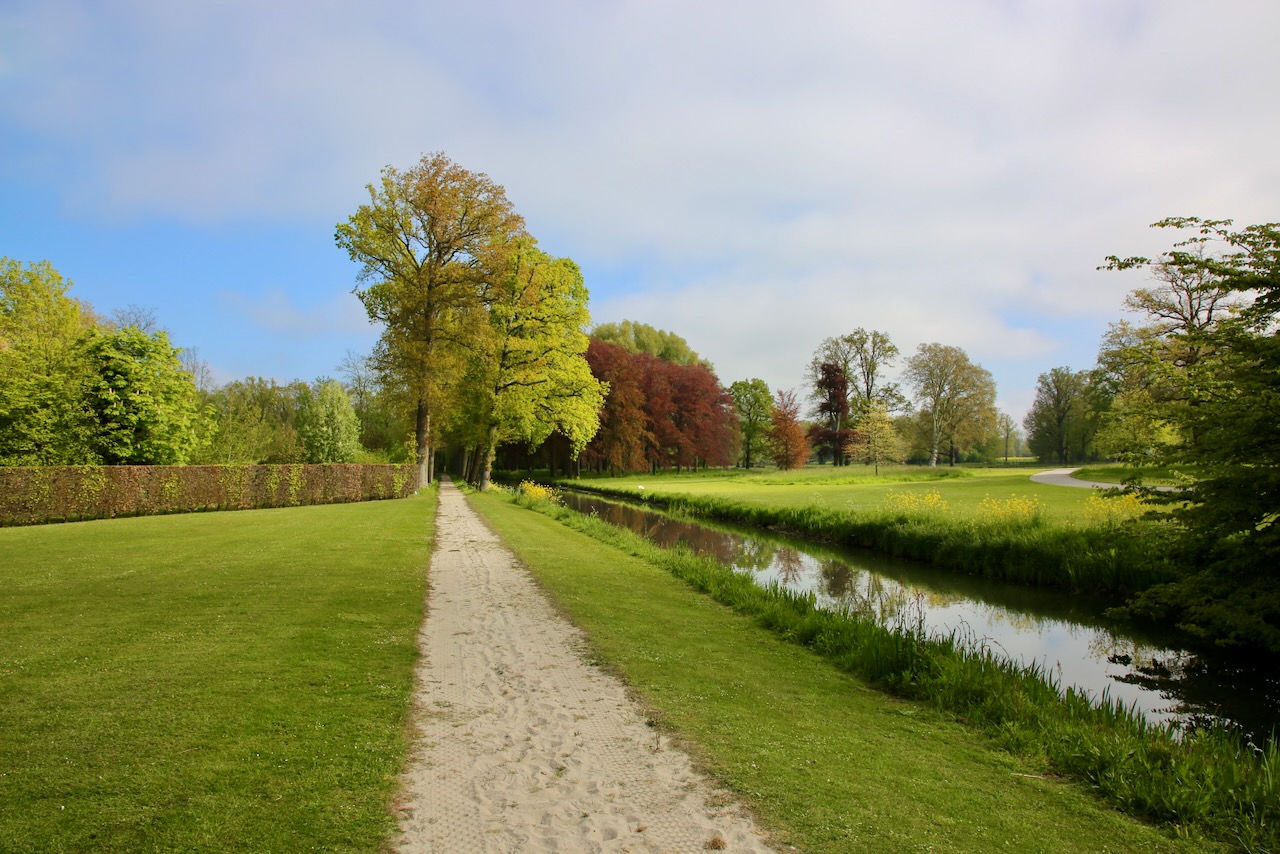
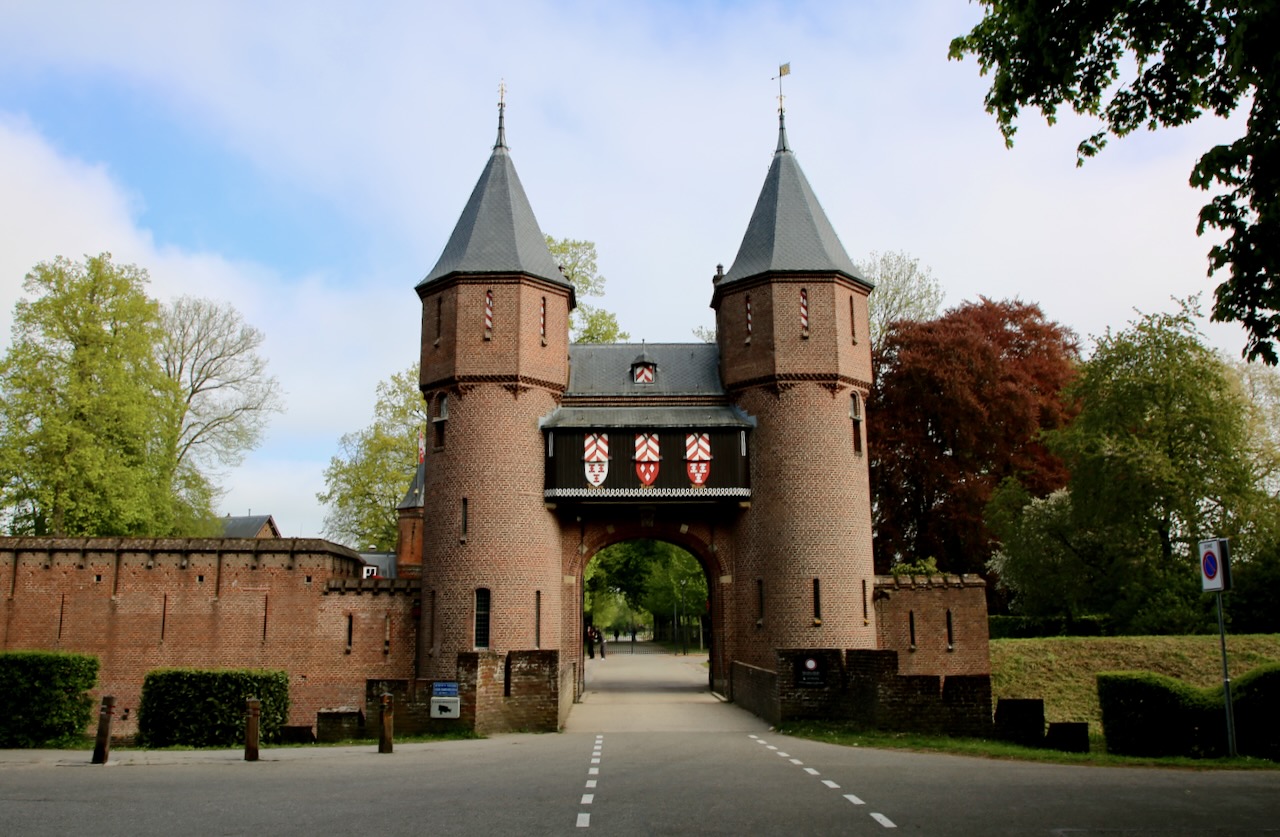
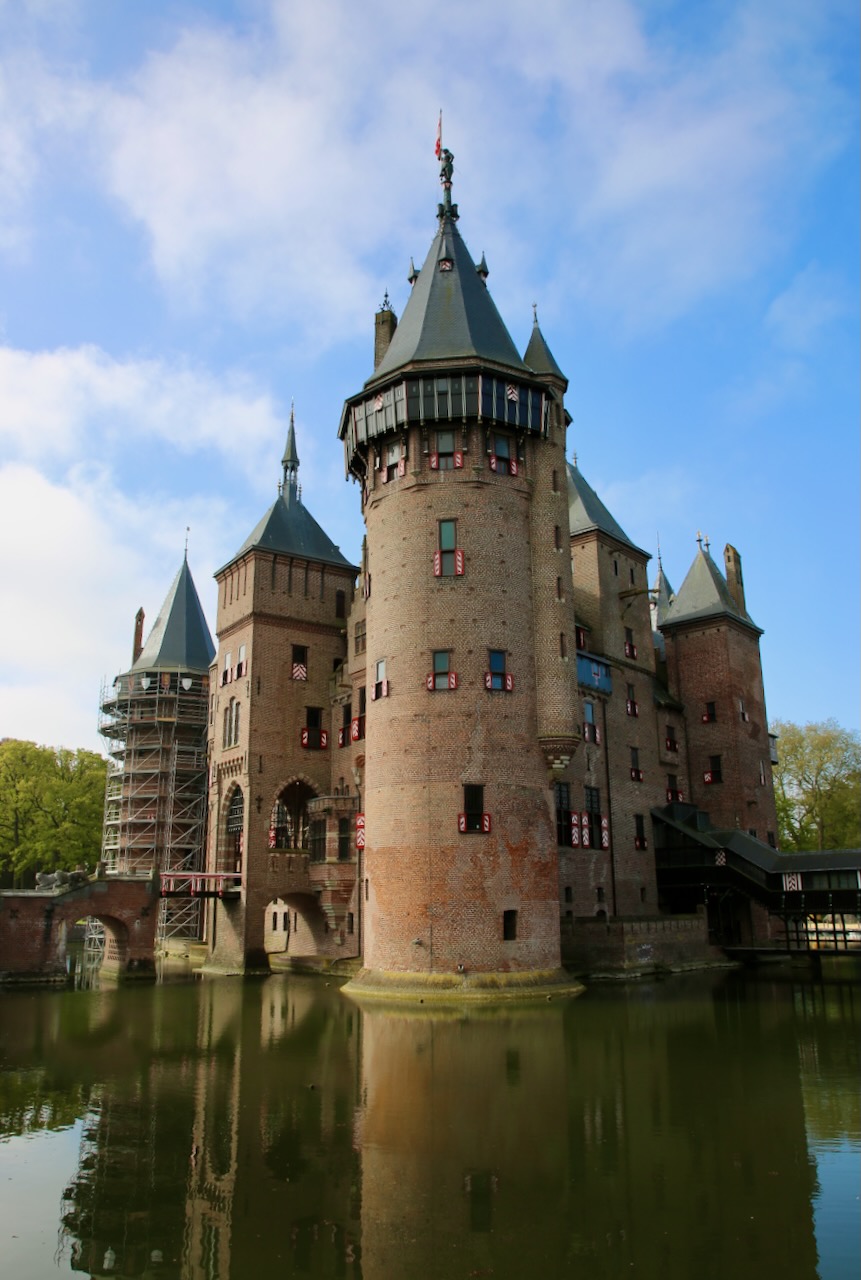
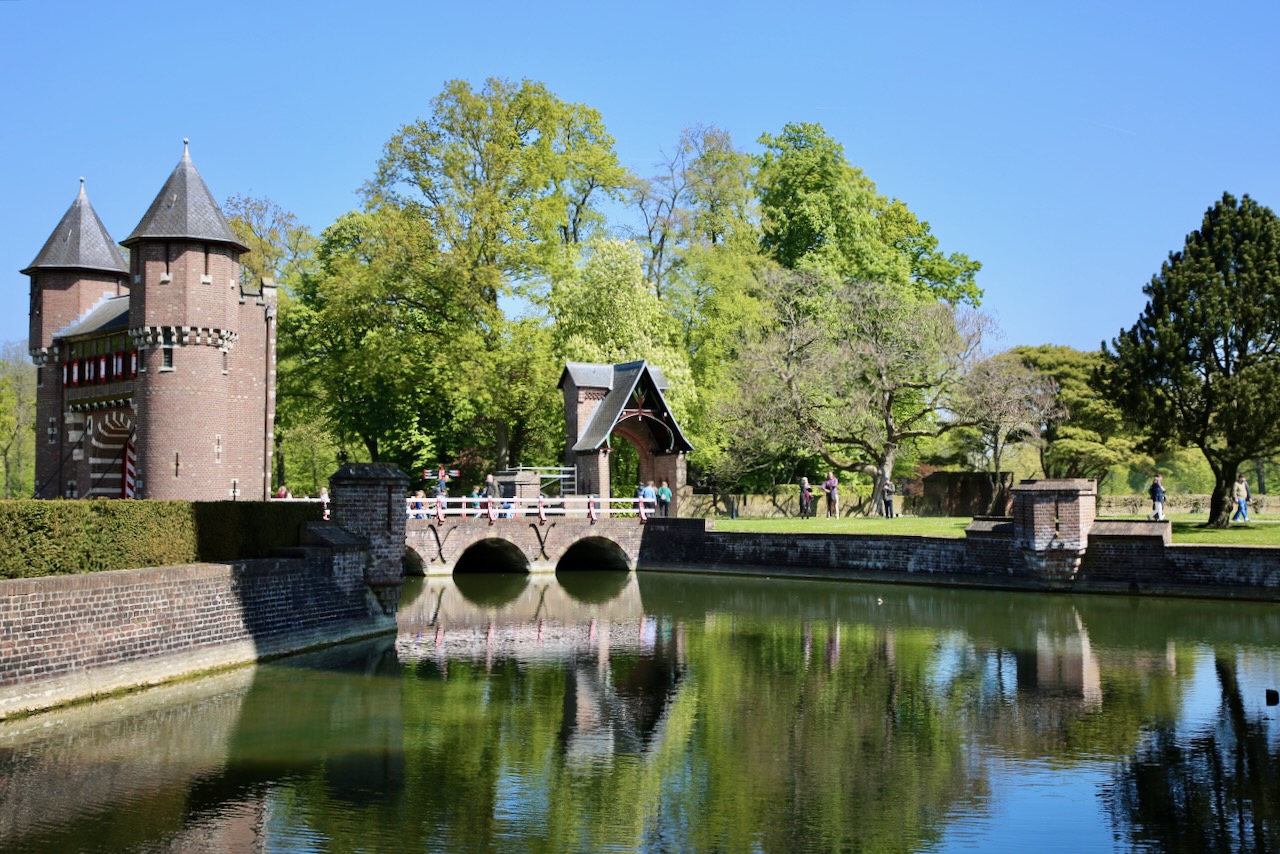
The sign in the parking lot warns: By using scanners, even ‘hidden’ devices are revealed from outside your car. Free lockers are available in the castle. The path from the lot to the entrance arch is lined with bicycle parking that will fill up later with personal and rental bikes. We are here to walk the gardens before the castle opens, and those who booked their tickets online have left us with an 11:30 entry time slot, which is better than sold out. Part of the castle has scaffolding, and the rose garden is a field of dirt while maintenance is being done.

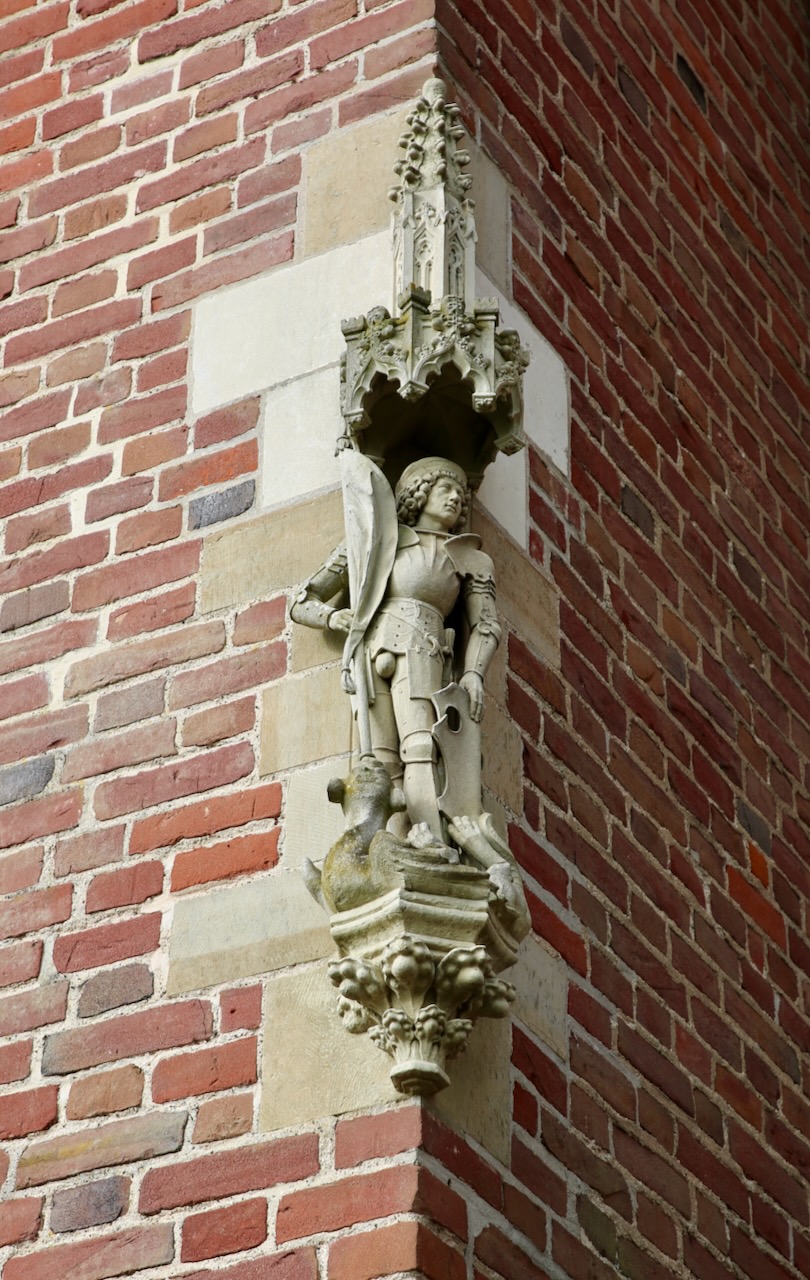
The castle is just as impressive as it is inviting. This was done by design when it was rebuilt between 1892 and 1912, commissioned by Baron Etienne van Zuylen van Nijevelt and his wife Hélène de Rothschild to show their wealth and provide a lavish setting for their elite society gatherings. The first stone tower was erected in 1250 and came into the Zuylen family in 1446. The castle fell into ruin in the Middle Ages. Pierre Cuypers, who also designed the Rijksmuseum and Central Station in Amsterdam, was hired as the architect.
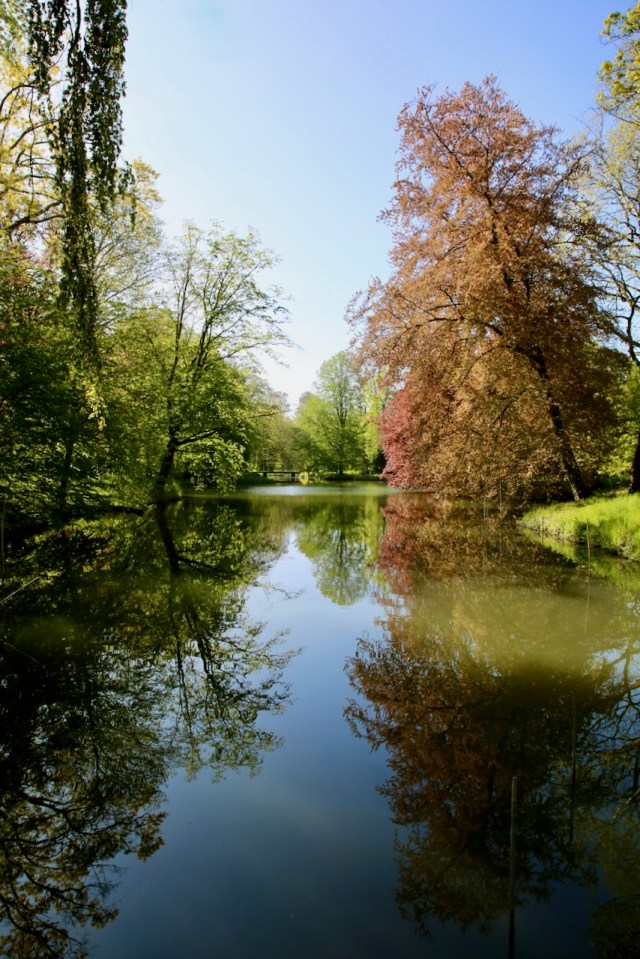
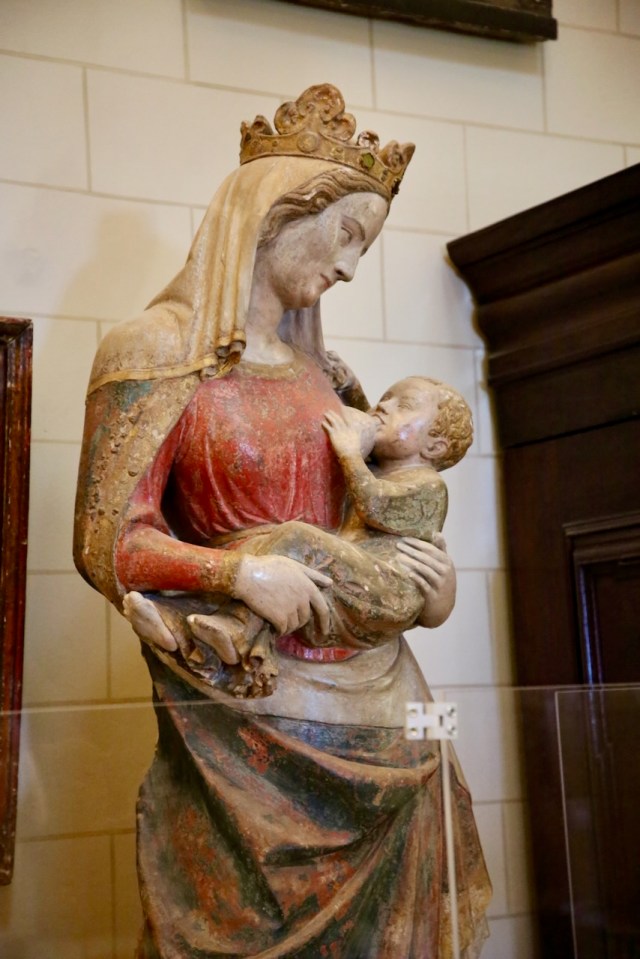
We walk over the bridge and towards the deer park. There are at least twenty-five fallow deer. The males are known for their palmate antlers, which are broad and shovel-shaped, like a moose’s. These impressive antlers are the fastest-growing animal bone or soft tissue, regrown every year, with the lowest cancer rates, extending by 2 cm a day, adding half a kilogram of bone. The deer’s light and spotted coats make it seem like a field of fawns are enjoying their time in the sun by the water. I’m excited to see another deer species.
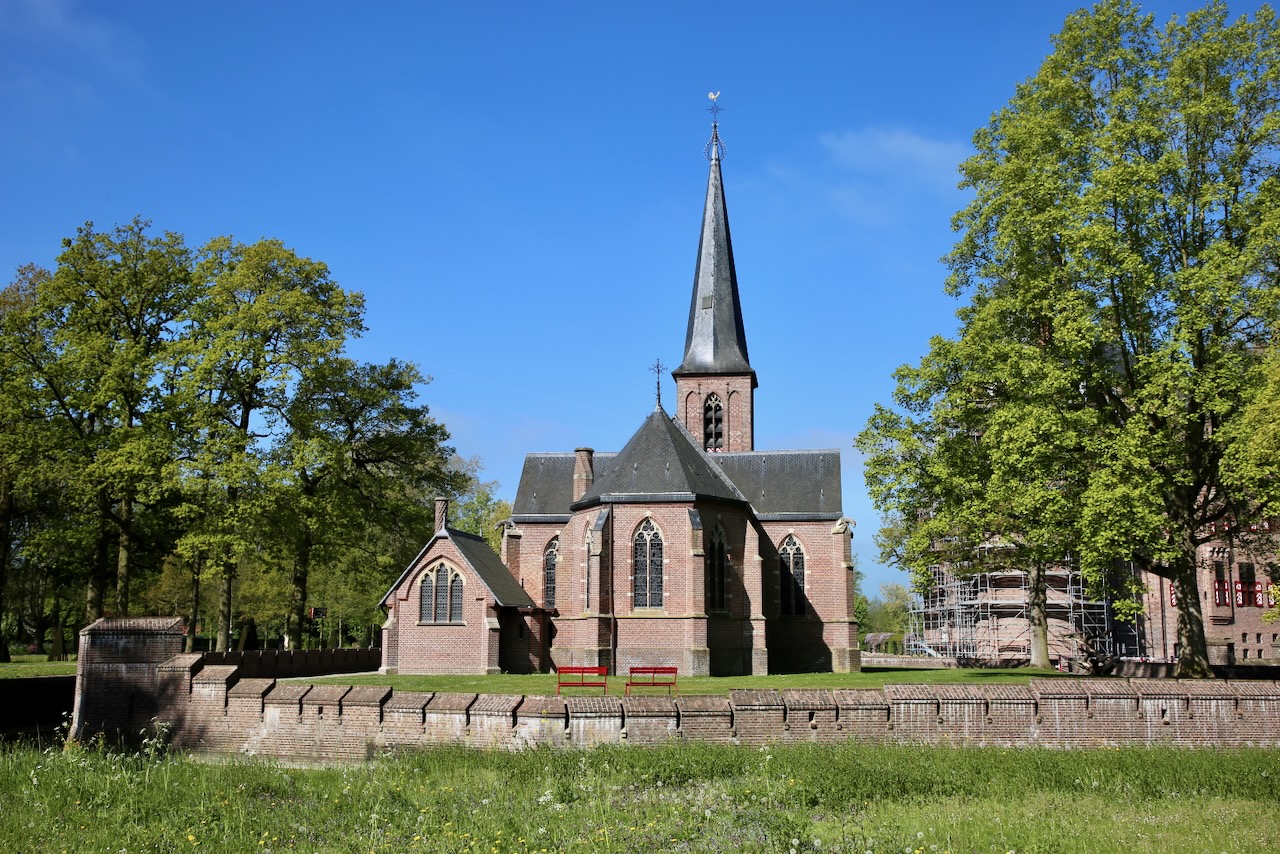
Continuing on, past the Cunningham’s white rhododendron showy evergreen to the lake inhabited by Eurasian coots, Egyptian geese, and mallards. We walk to the covered bridge, built as a romantic destination, and a good place to sit and watch the calmness of nature from the furthest point on the grounds. We see a mute swan (less vocal than other species) and a white stork (from its high nest) that was near extinction in the 60s and 70s due to pesticides, but brought back through conservation efforts. It is the official symbol of The Hague.
I’m admiring the color of a Rhododendron augustinii and appreciate the name of the bloomerang lilac, and I am surprised to learn that there is more than one species of willow (as there are 20 species of stork) that grows in the Netherlands. These trees are called Dutch Bamboo for their rapid growth and ability to stabilize dykes and provide wood for walls and baskets. The pollard (knotwilg) and the Holland willow are the most common. We see a cluster of polypore bracket fungi at work on a stump of birch near the church.
With some time before our self-guided tour, we are introduced to koffie en gebak, which means hot drink and pastry for your first or second breakfast, a post-lunch dessert, an afternoon snack, or an evening treat. I have a latte and share a slice of the beloved appeltaart with Caleb. The first Dutch apple pie recipe dates back to 1514. Pieter de Hooch depicted the fruit in A Woman Peeling Apples (1663), and the appeltaart is part of the Dutch cozy culture (gezelligheid). Having gone outside the ticket gate, we asked the staff to let us back in.
Sometimes it helps to be memorable. We will need to scan the tickets again in the castle. From 1900 to 2006, the baron and baroness and their great-great-grandchildren spent every September at the castle with family and famous guests from around the world: Brigitte Bardot (cinema sex symbol and animal activist), Coco Chanel (revolutionizing women’s fashion), Gregory Peck (iconic film roles of moral strength), Roger Moore (James Bond in seven films and UNICEF ambassador), and Yves Saint Laurent (first living designer with solo art exhibit at the Met).
There is a treasure hunt booklet for ages 6+ and Noet Noet, the talking cat, that provides children with a specialized audio tour. The neo-Gothic interior is nearly unchanged since 1900, and in 2000, Baron Thierry gifted the castle and the surrounding park (56 hectares) to Stichting Kasteel de Haar to restore it, and sold the Haarzuilens estate (400 hectares) to Vereniging Natuurmonumenten to protect it. In 2012, his five daughters transferred ownership of the collections of China, silver, tapestries, antique furniture, and international works of art to Stichting Kasteel de Haar to preserve them for future generations.
Though the Zuylen family gave up ownership of De Haar, they have the right in perpetuity to reside in the castle in September. The Châtelet was originally built to house boilers, pumps, ice cellars, and staff. It was modernized in 2014 and now houses the family’s luxurious private apartments. Back to the building I am in: enter the door, go down the stairs, scan ticket, pass by the gift shop, put bag in locker, and stand in the corner to watch the introduction video. Go up a set of stairs and be flabbergasted by the amount of details and designs in the main hall.
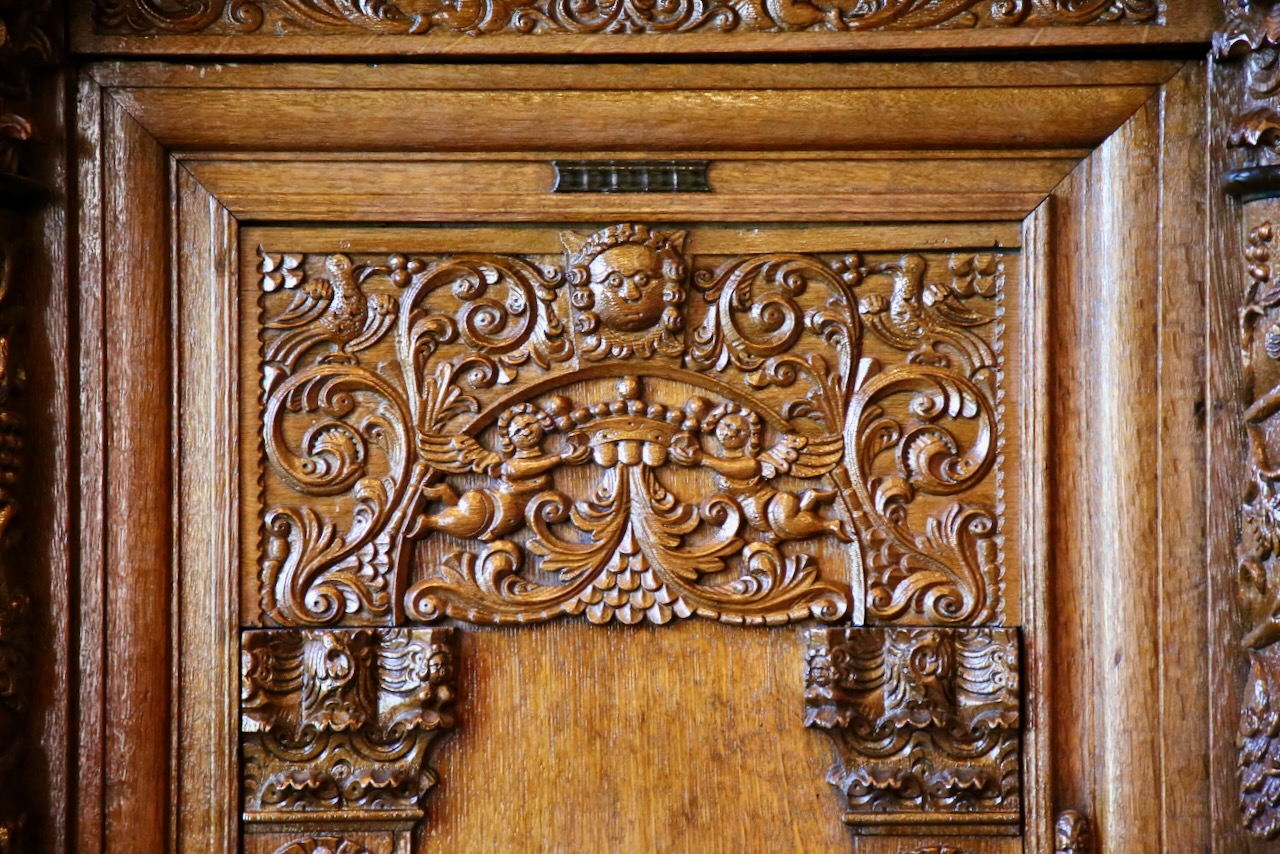
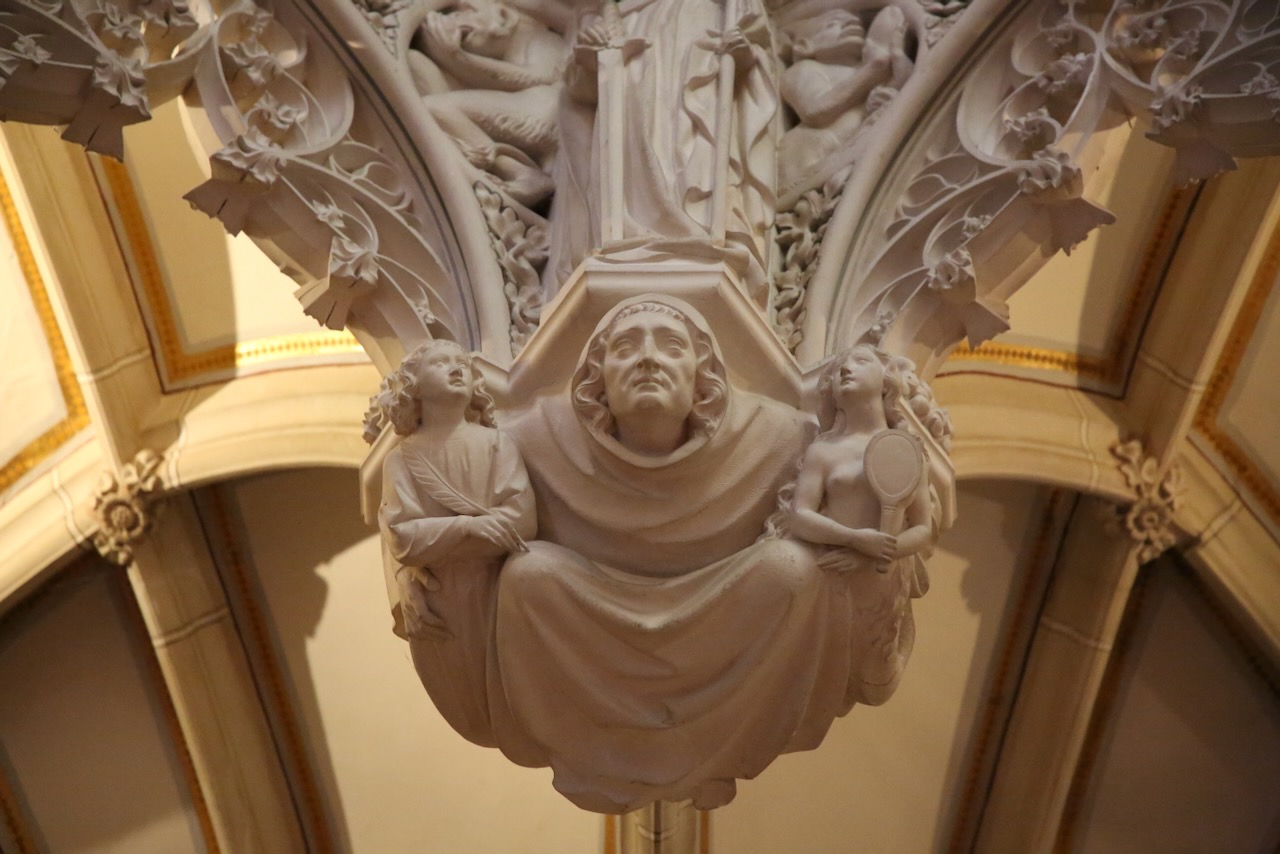
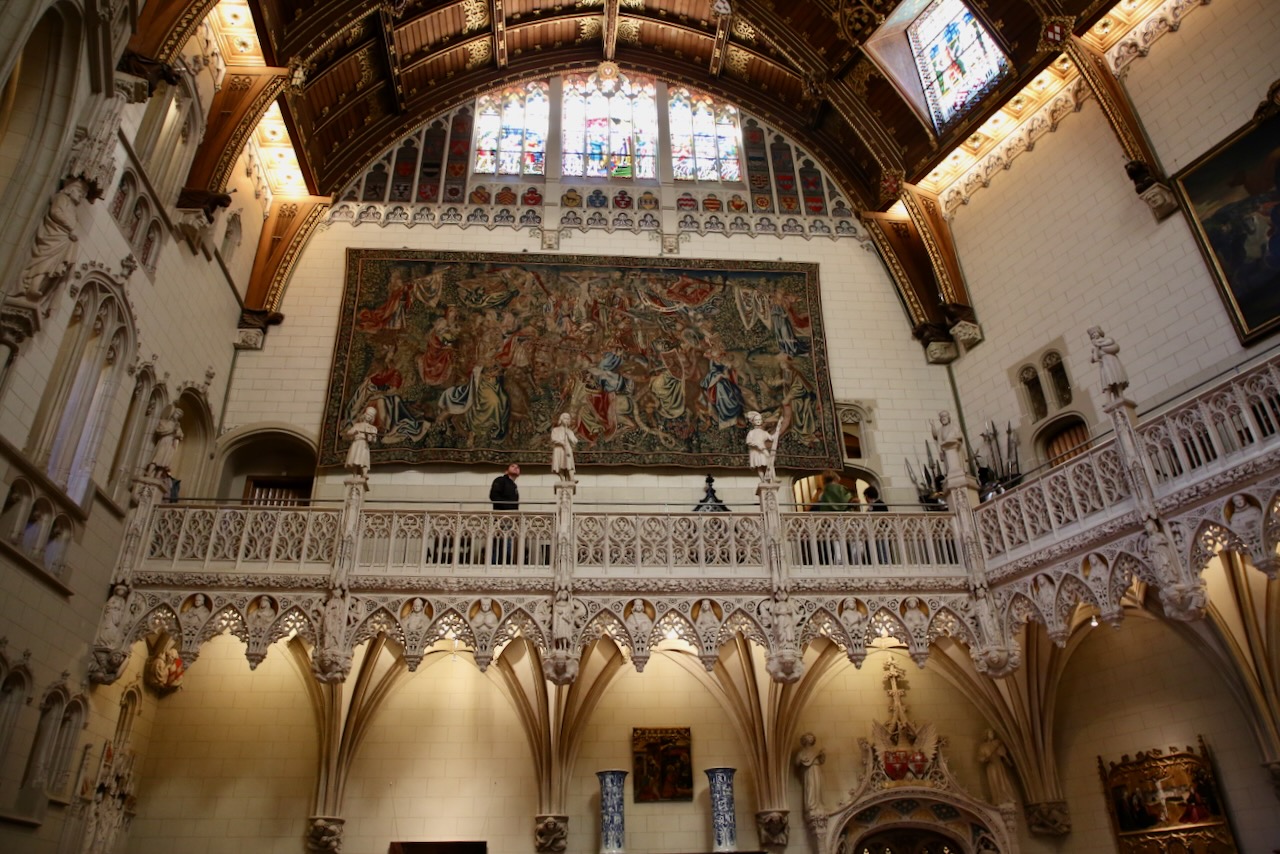
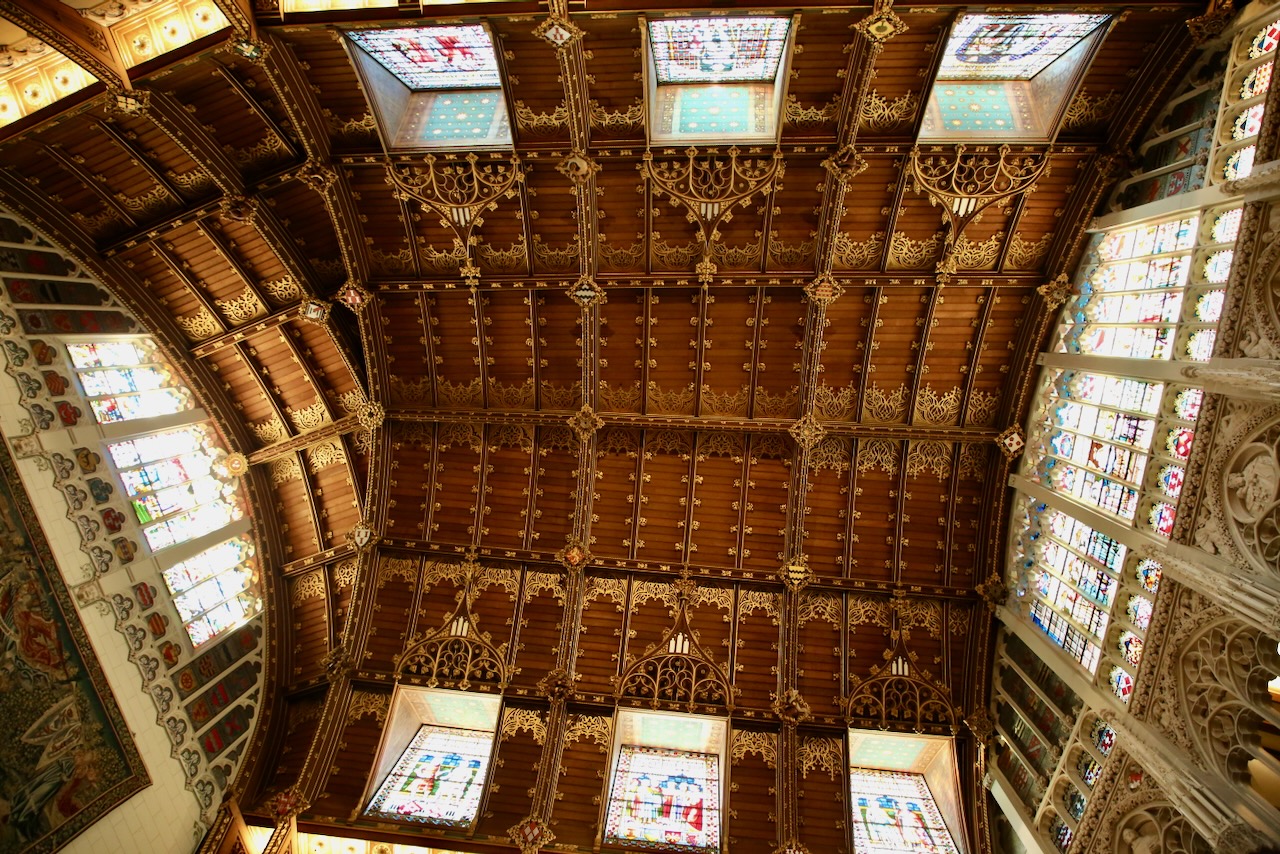
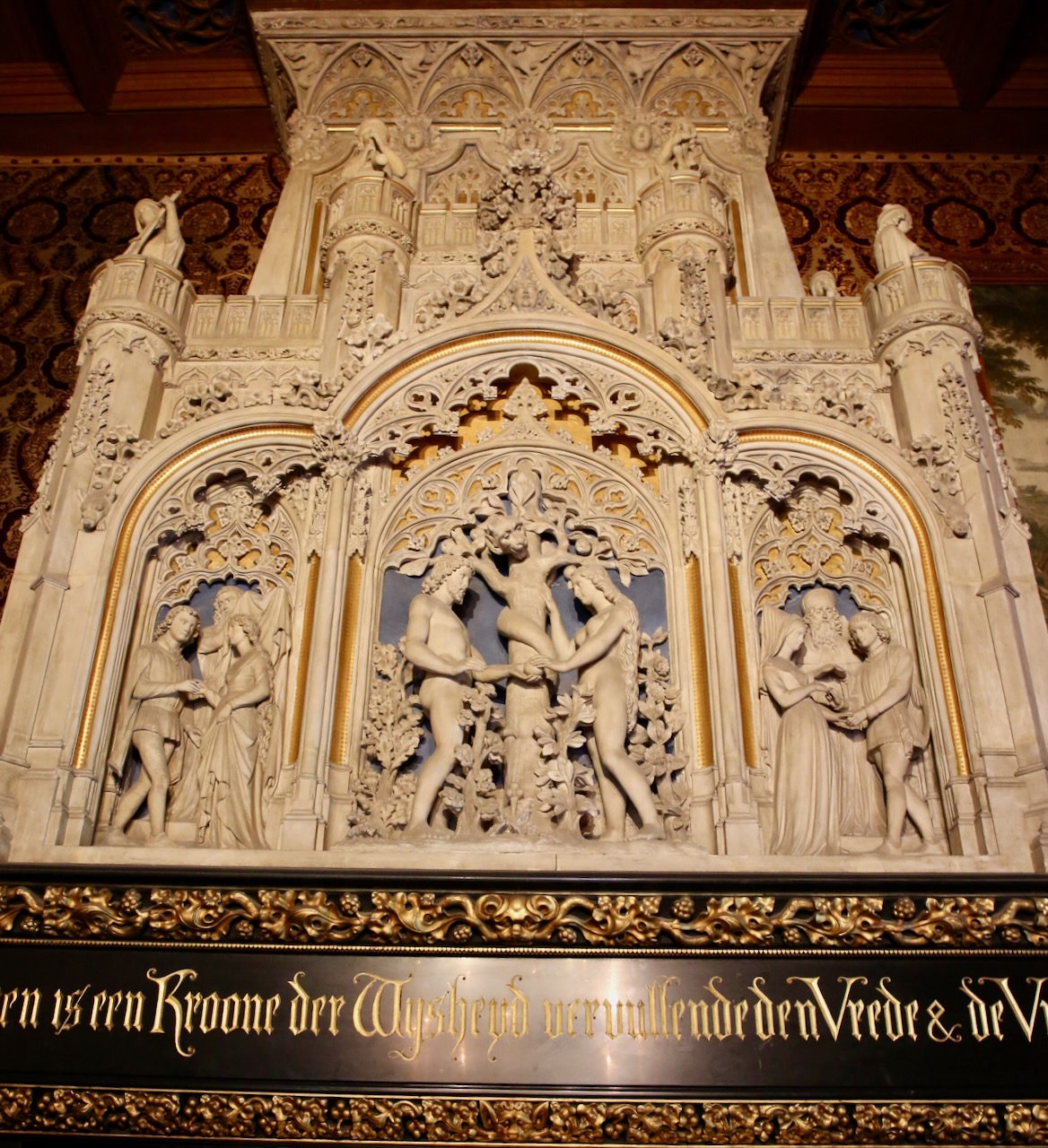
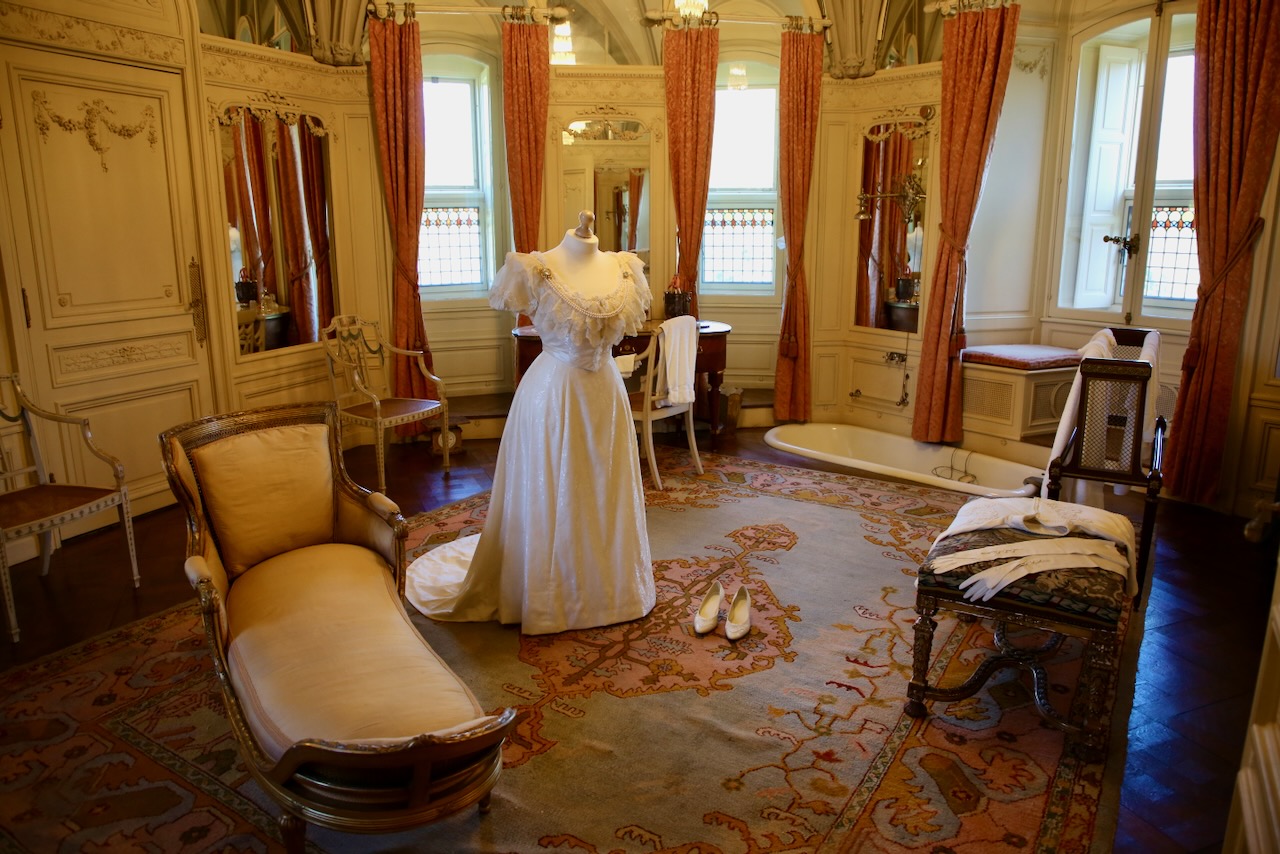
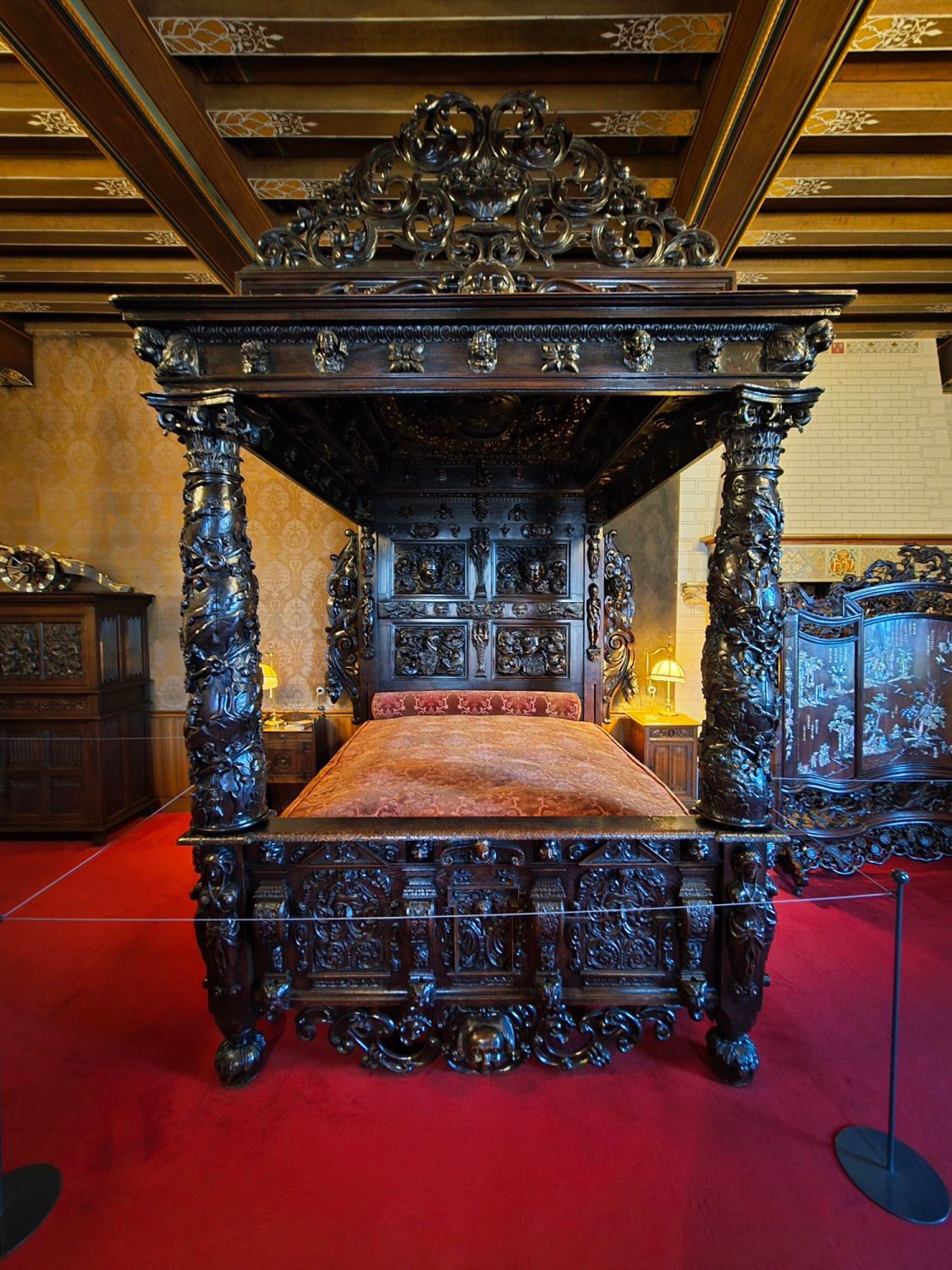
There is simply so much, which is probably why the family could only live here for one month a year. When they had it rebuilt, electric lighting was installed, along with hot and cold running water, a bathing facility in each bedroom, and a low-pressure heating system (even to the servants’ quarters). The elevator and Turkish bath have come and gone. Every arch, corner, and pillar has been exquisitely made to overwhelm the eyes with awe and wealth. The wood and stone carvings, the wall-sized paintings, tall stained glass, and the Japanese palanquin in the middle of the room add to this impression.
The dinner guests were summoned by the butler ringing the Tibetan bell. The silverware was manufactured by a French silversmith using gilding, mother-of-pearl, engraving, and the family crest. The set consisted of 700 items, fish and dessert cutlery being the most common. There were also asparagus ladles, fruit forks, mustard spoons, and grape scissors (so that guests could cut their own clusters from the main bunch presented on the table). I wish all cutting tools could be so ornate.
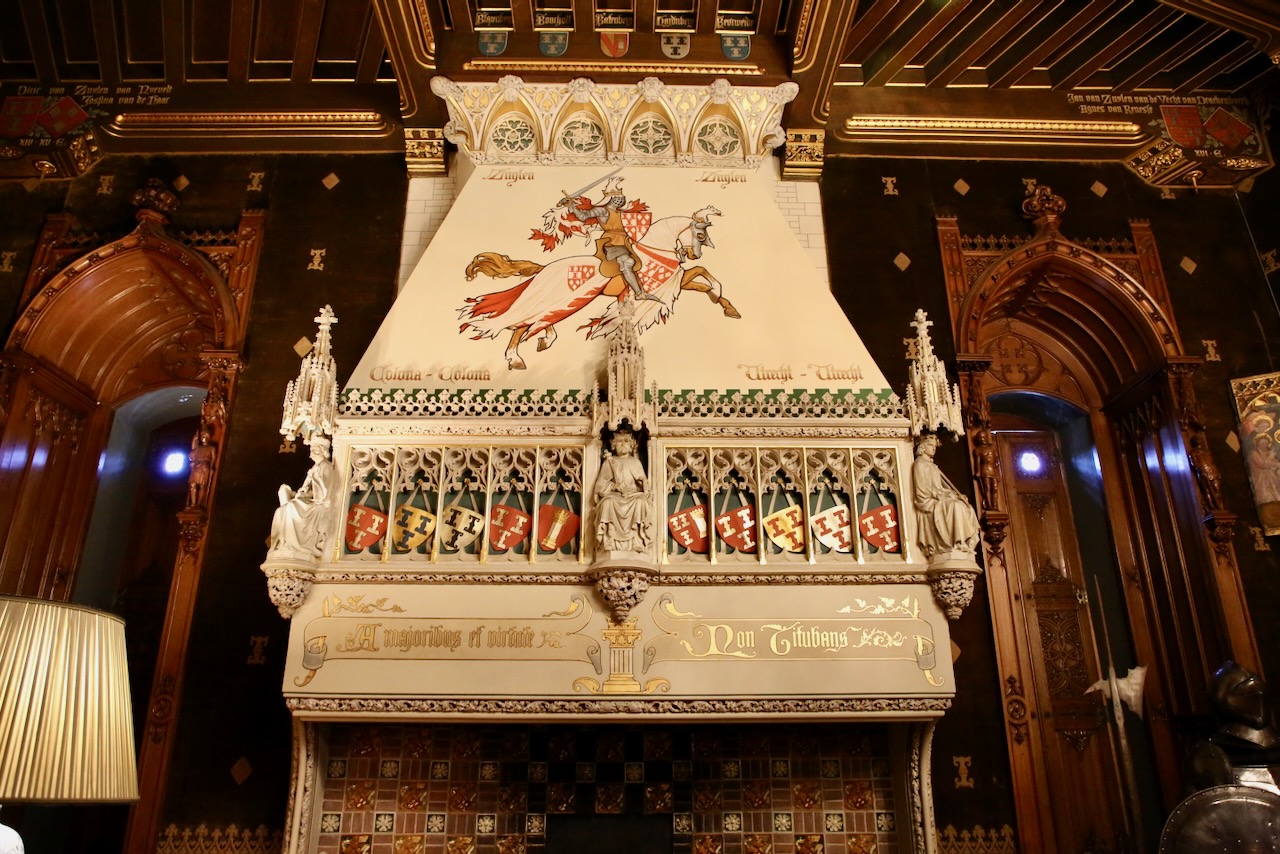
The library has two Chinese ceramic warriors, each riding a mythical dragon horse. These intricate sculptures were used on temple or palace roofs to protect the building. The knights’ hall has chandeliers with men on horses holding up the candelabras, swords on the wall, a simply carved chess set, a huge tapestry with soldiers, gin and newspapers, and what appears to be embroidered wall coverings, amongst the many other items of intricacy in this living room. The main hall was created by roofing over the central courtyard, creating a ceiling of nearly 60 feet.
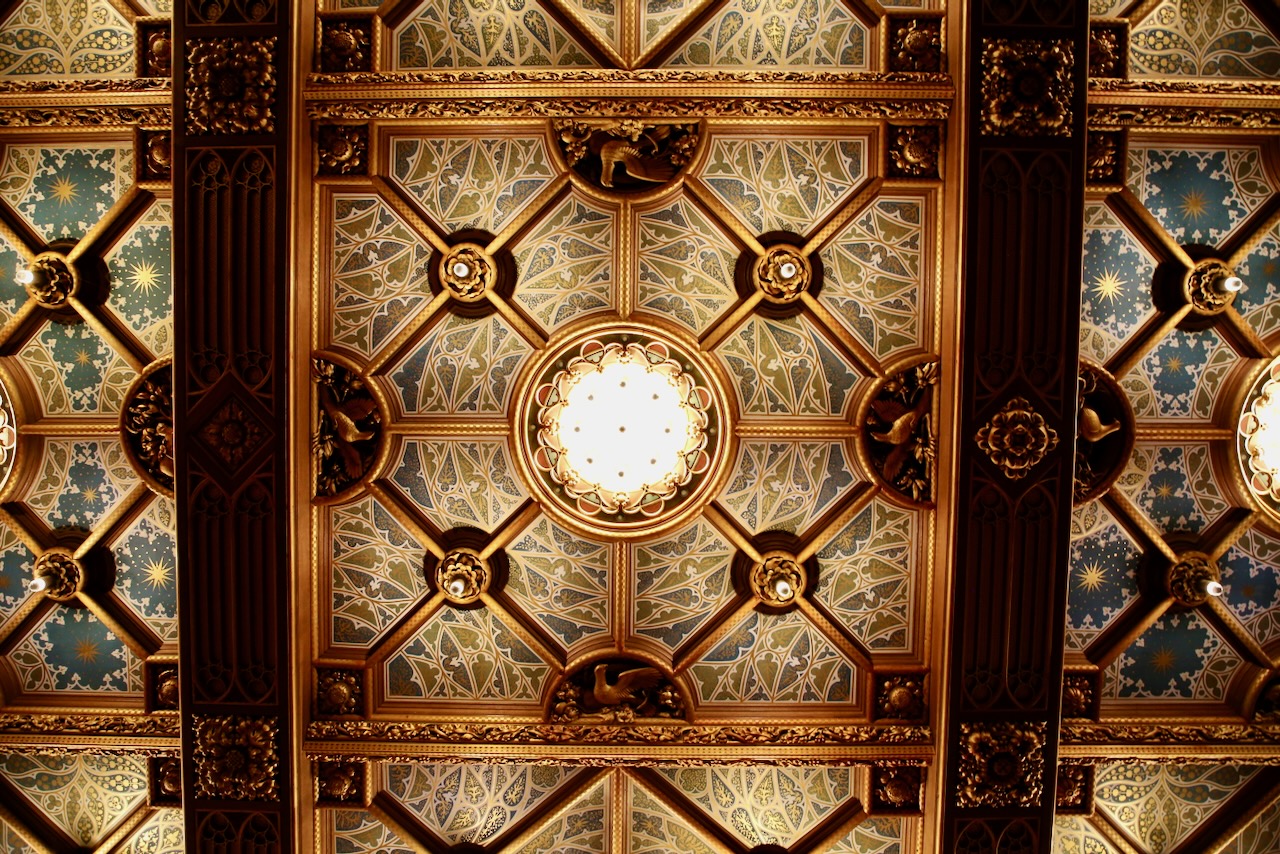
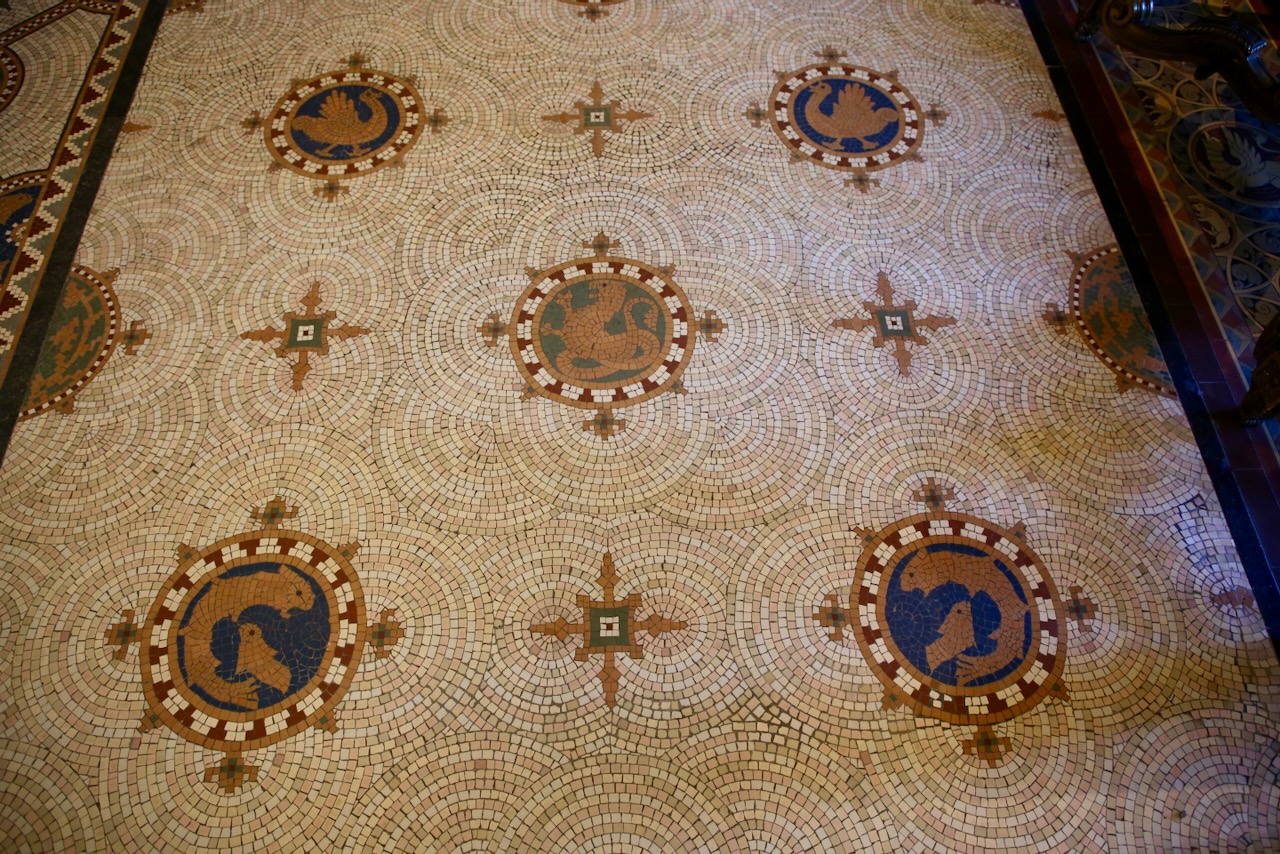
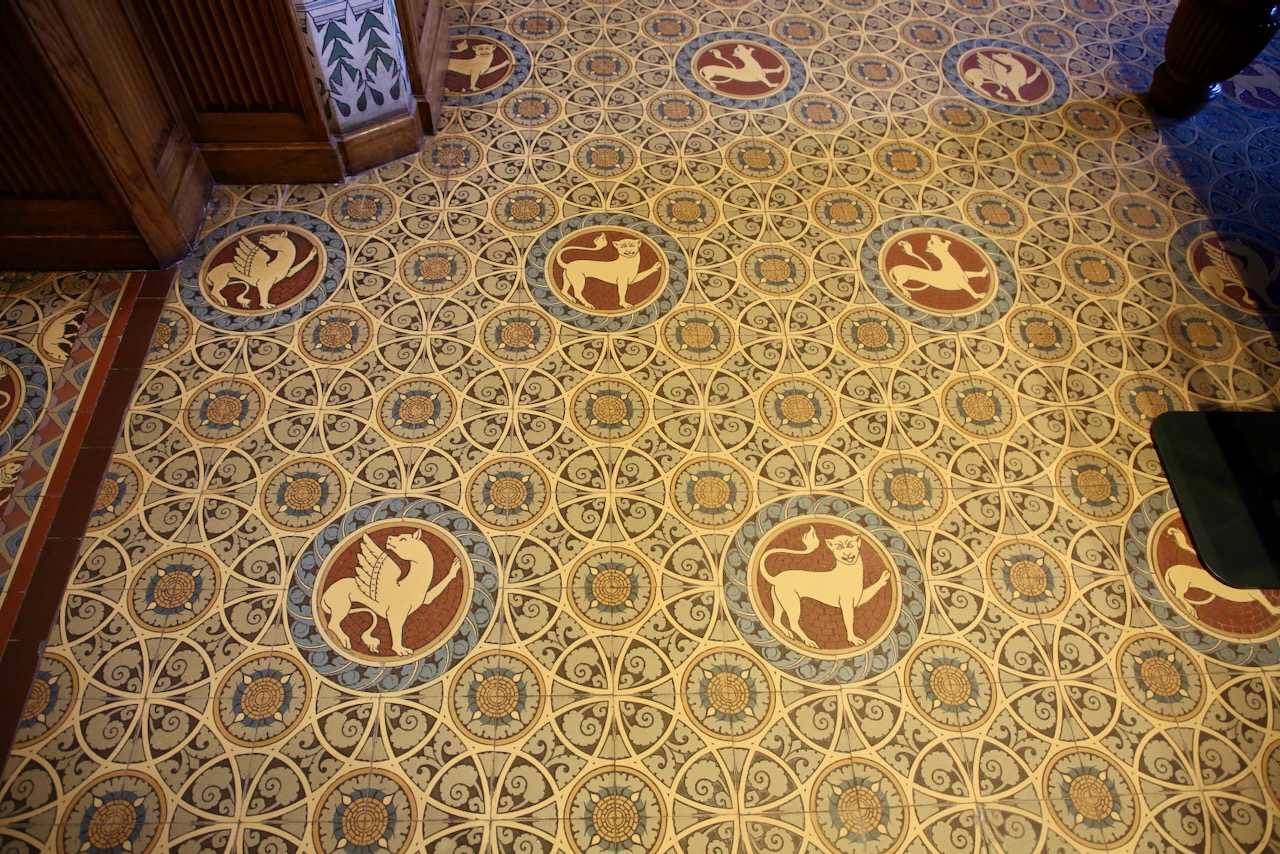
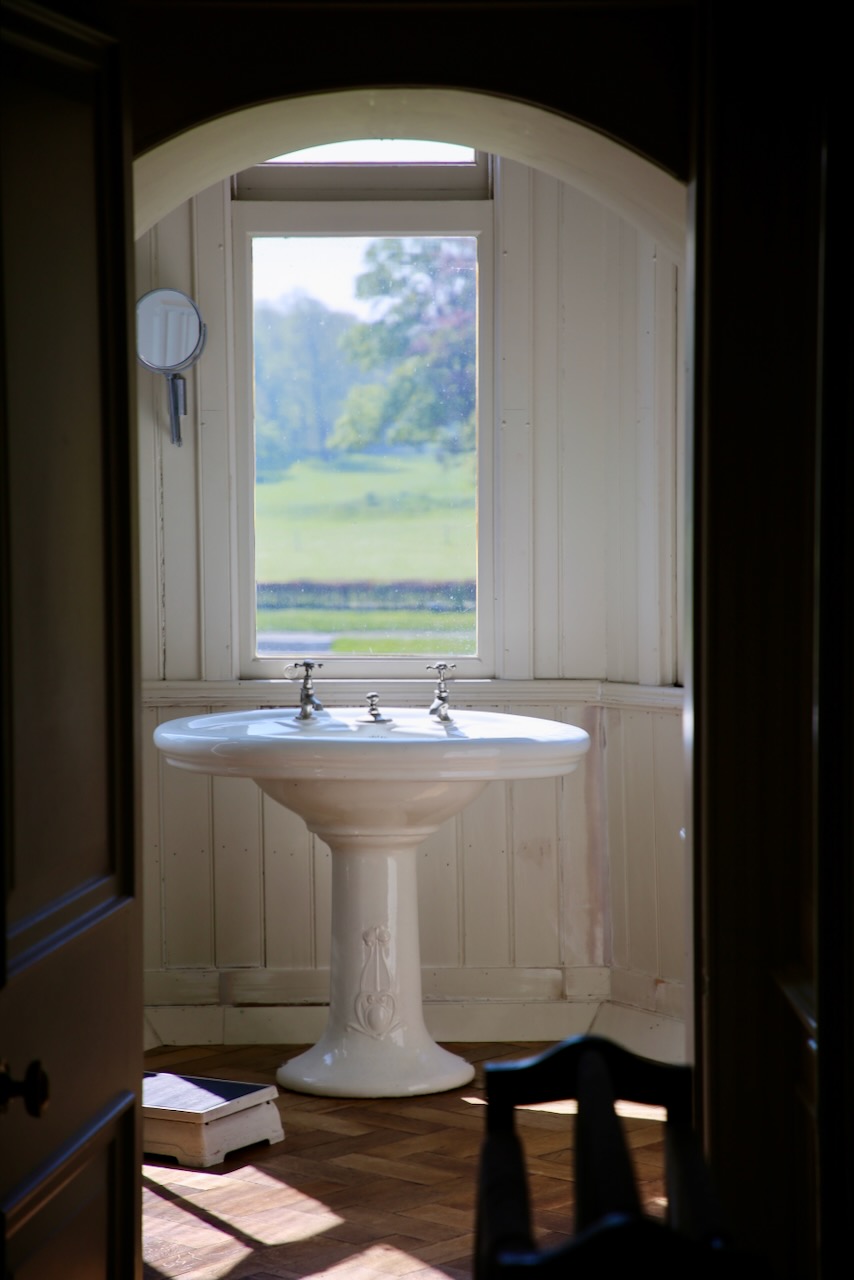
The ballroom leaves no surface untouched with art and fanfare as a projector plays out a scene in the corner. The tables, walls, ceilings, and windows are carved along with the paneling between them. The floor is the simplest here, since it would be covered in dresses and shoes, though it still appears to be geometric shapes placed in an elegant design by hand. One bathroom was large enough to become an area of rest for the baron’s chauffeur, even if he did take Roger Moore to the P&C instead of the P.C. to buy socks. He had a bed, bath, desk, and an armoire.
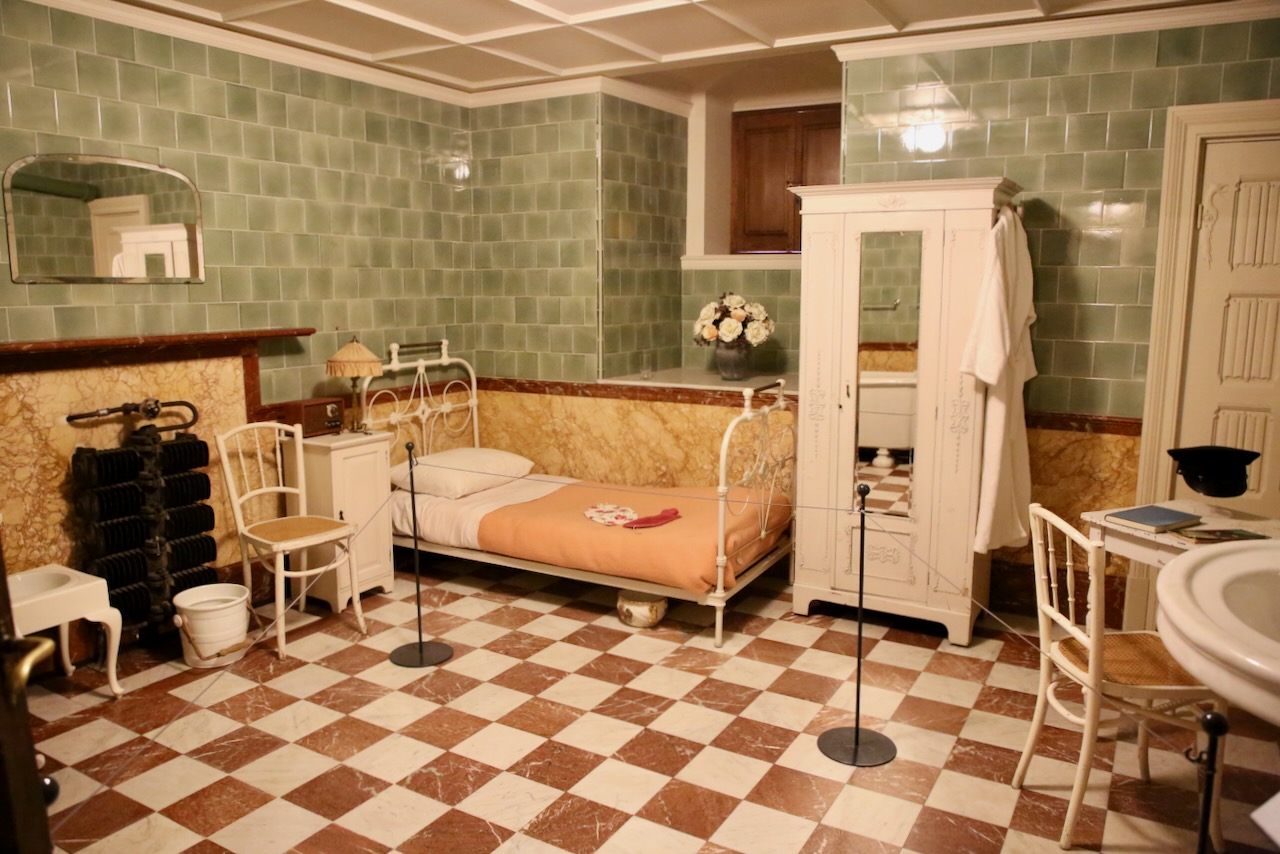
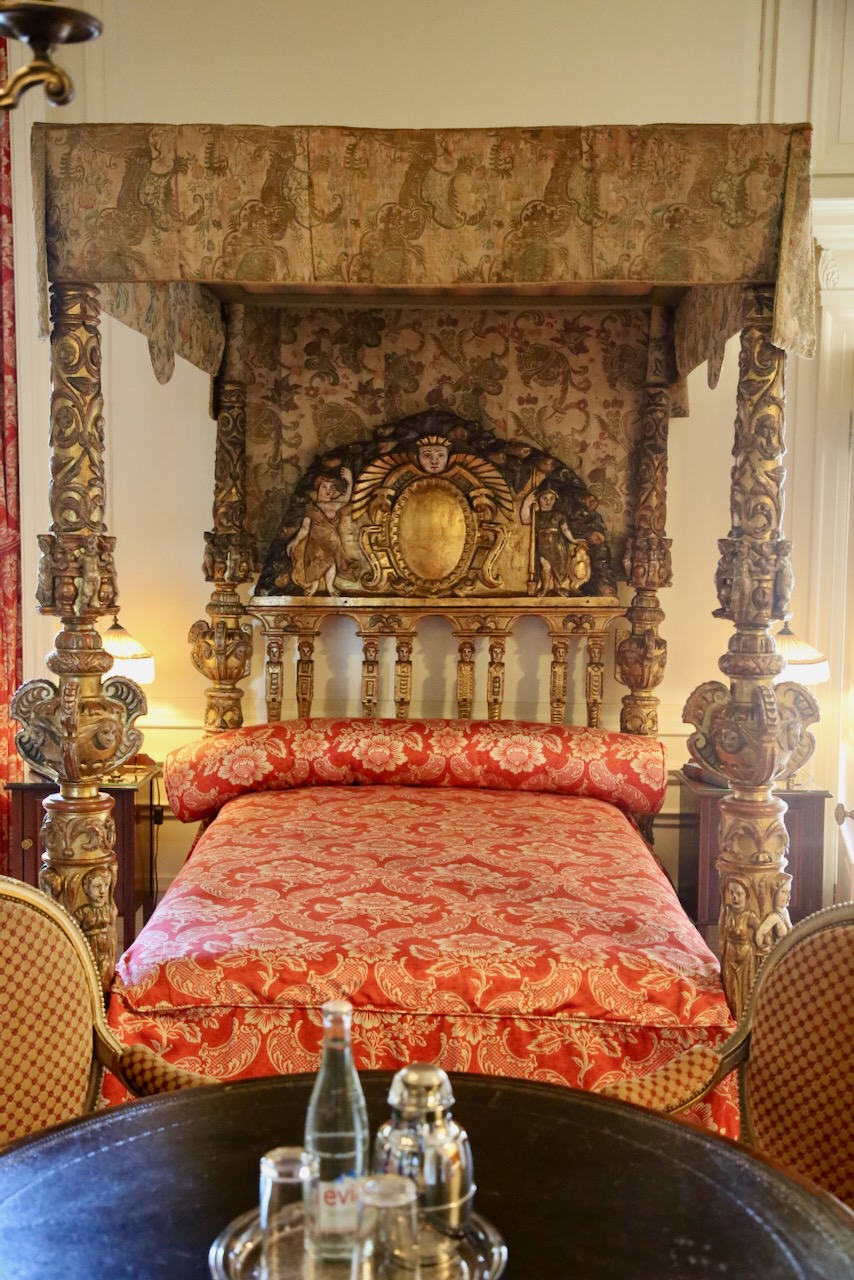
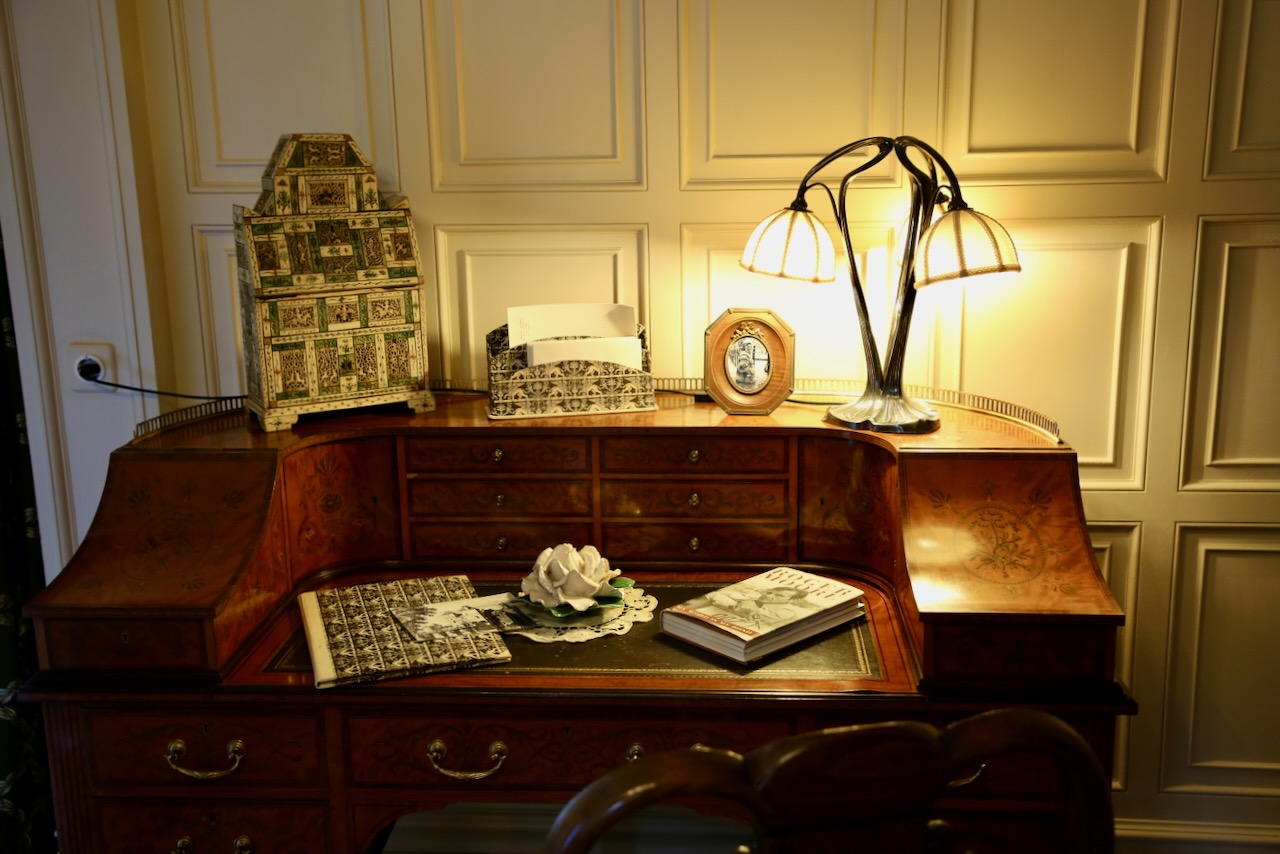
Upstairs, we are led into the bedrooms with plenty of sitting options: the bed, a small table, a bench by the window, and a desk. The beds and larger armoires look like they would’ve been built in their respective rooms or put in there via crane before the roof was put on. Weeks before guests arrived, all textiles were beaten and vacuumed, all cupboards dusted and waxed, and all copper, silver, armor, door fittings, and parquet floors were polished. This process is easier now that the beds and baths aren’t used.
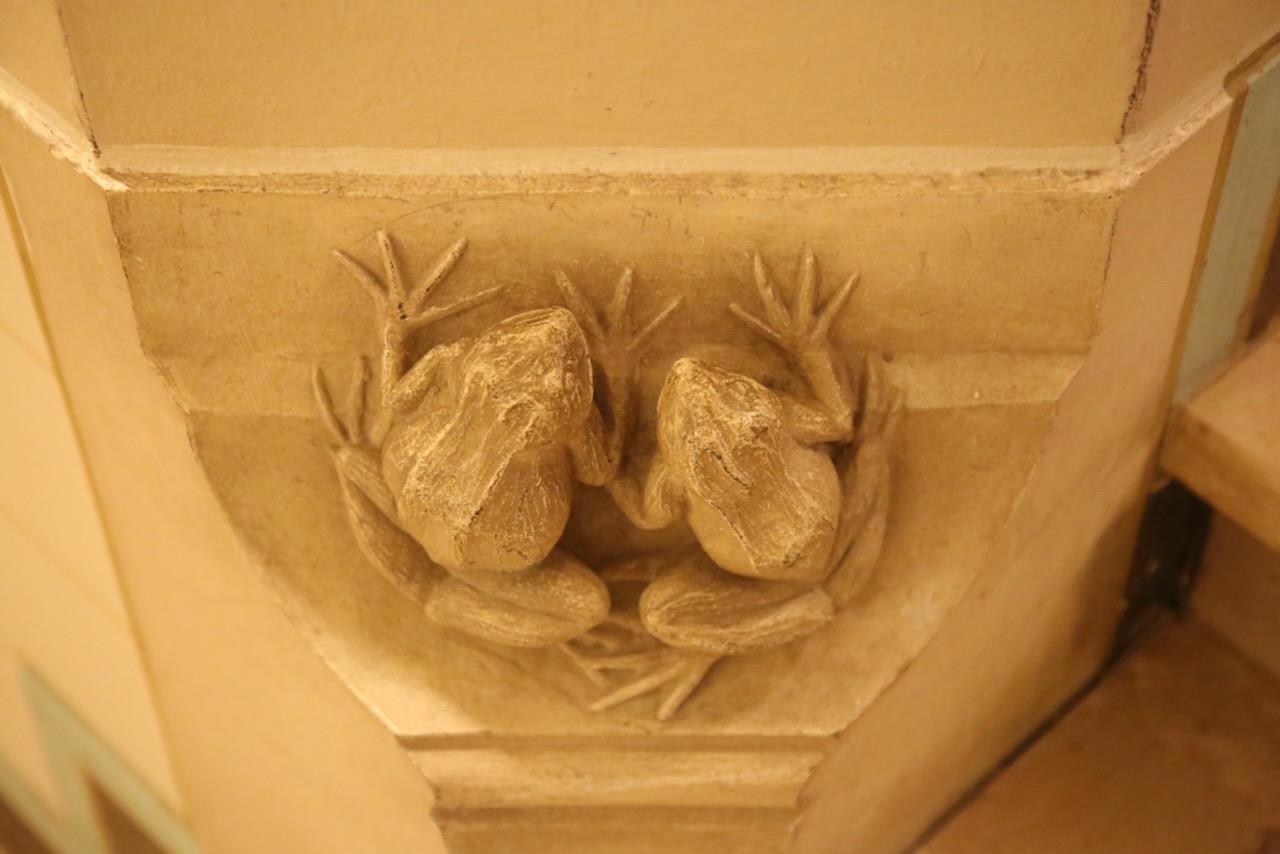
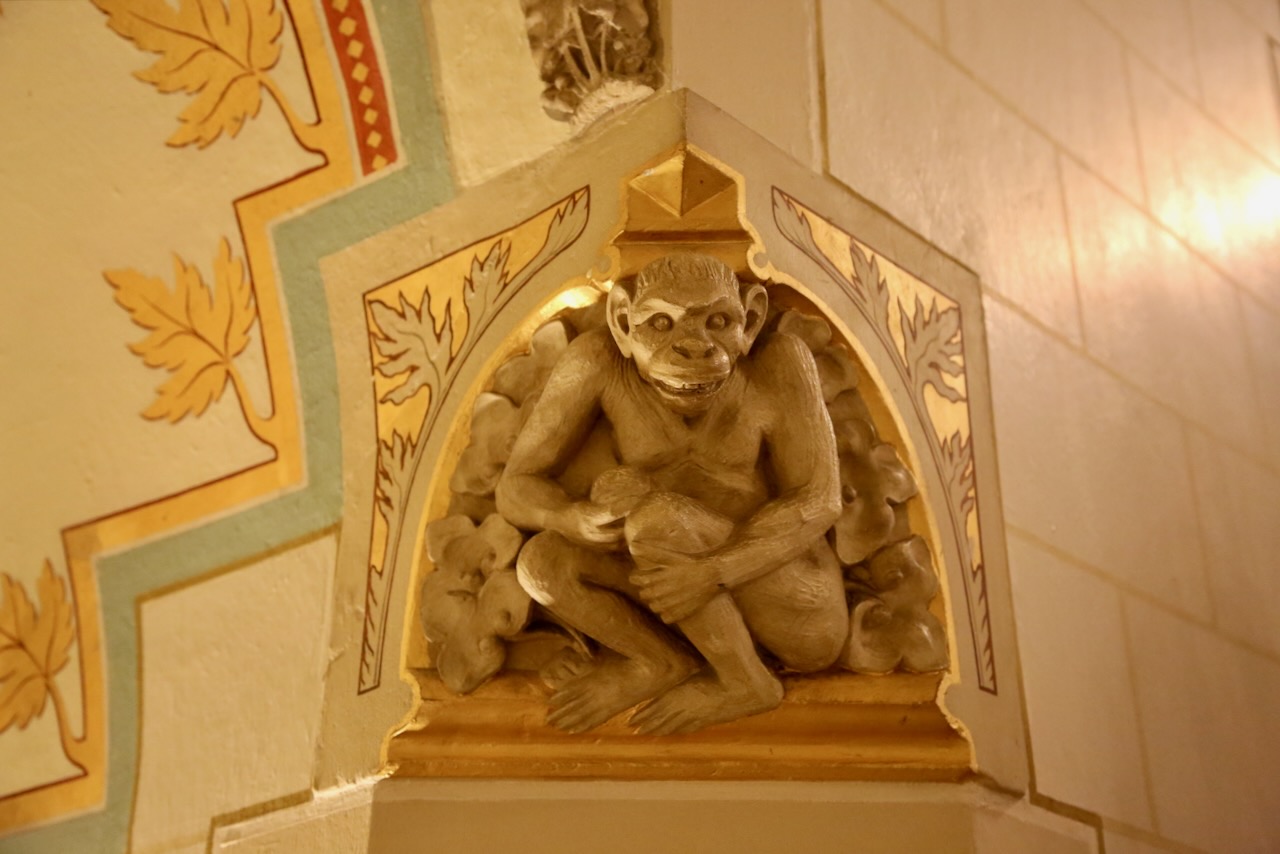
The kitchen looks like a shop for copper pots and pans. The middle of the room is the island of the stove and ovens. We exit out a covered walkway, the enclosed passage above being the one that connects the castle to the châtelet. We drive to lunch at Kenny’s Broodjes for variations of chicken: pulled, piri piri, and spicy-sweet soy sauce (teriyaki), and old canal cheese on brown bread. There was enough filling for two open-faced sandwiches, but I just ate the chicken and green onion off the top until I could close the long bun. The others are done with their sandwiches before I take my first bite of bread and meat.
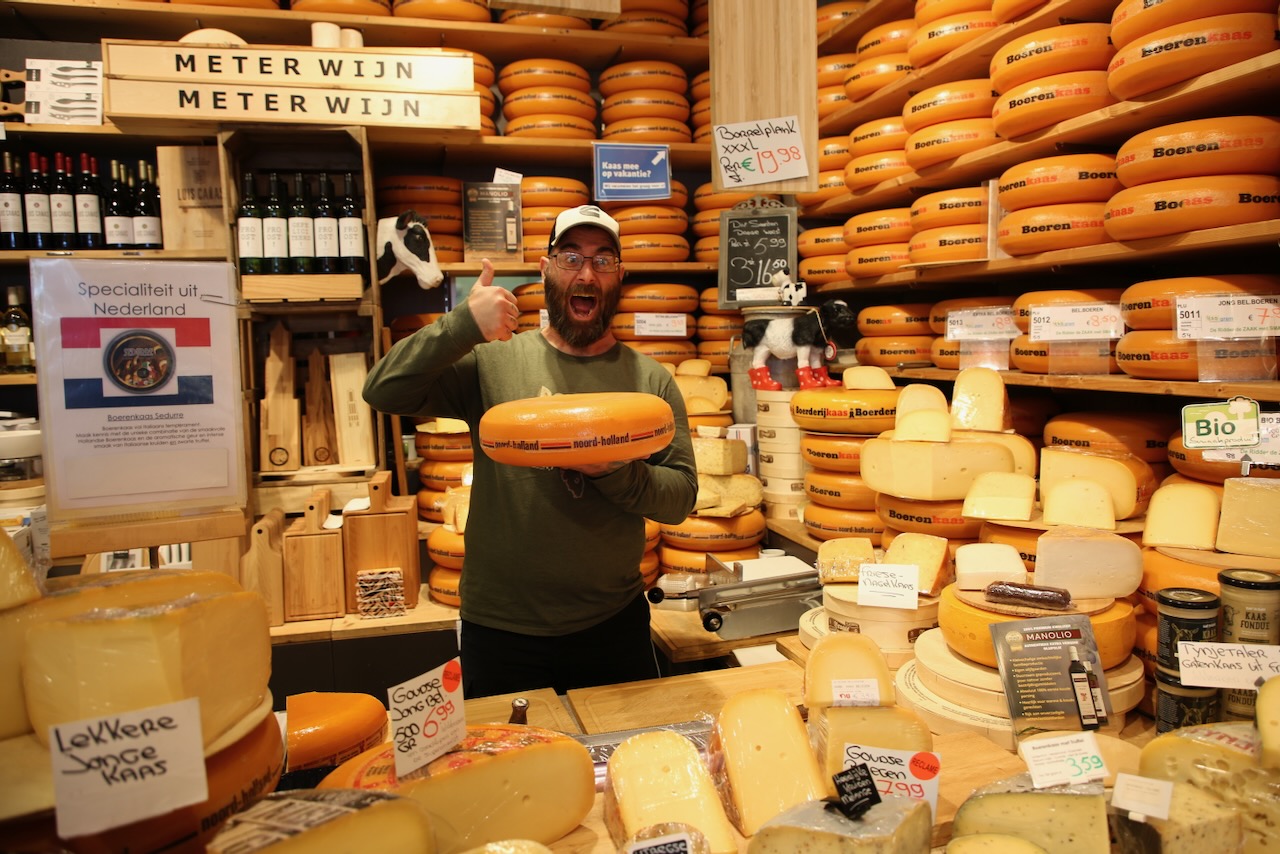
I wouldn’t know the place had a menu, as it looks more like a charcuterie shop. The man behind the counter asks if I would like to take Caleb’s picture with a wheel of cheese, of course! Then he weighs a half-wheel, roughly 14 pounds, and shows us the price: 168€ (almost $200). Across the pedestrian path is an Albert Heijn supermarket (the largest store chain in the Netherlands). Here, the customer takes a portable barcode scanner to scan items as they add them to their cart. The others look for oranje tompouce, a Dutch treat made of puff pastry, custard cream, and icing (orange for Koningsdag).
I notice the pandan pastry, and the small can of lemon Pepsi for 4€, but can’t find the cheese stroopwaffle that was advertised. We return the scanner, which uploads our cart to the register screen, then tap to pay, retrieve our receipt, and scan it to exit the store. There is a protest for climate change, part of the Extinction Rebellion (XR) group, with 200 people that closes down the A12 motorway, causing massive detours for some. It will double the time it takes us to return home, but I appreciate the chance to see more of this country.
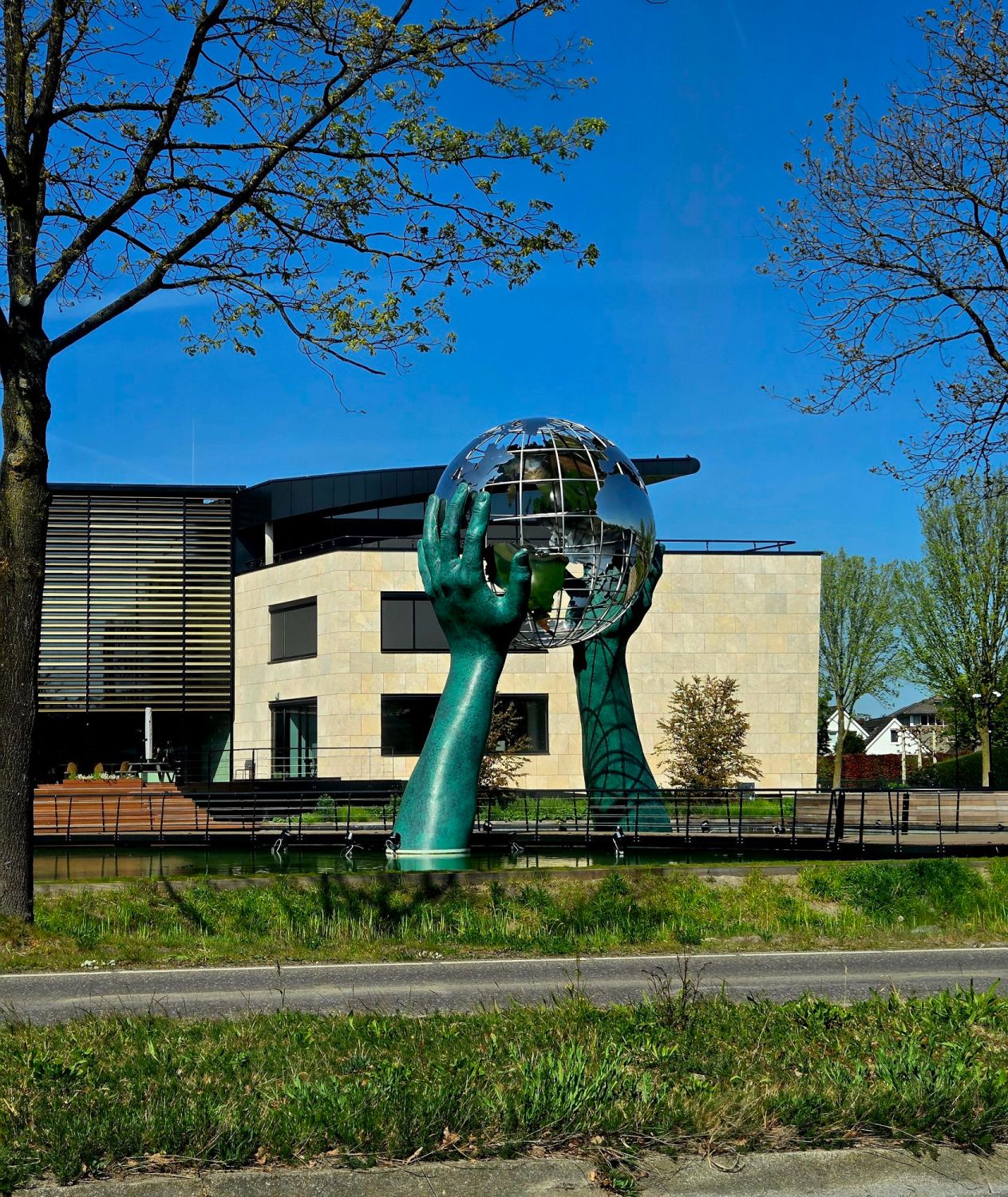
On the A2 freeway is a noise barrier that extends over two of the three lanes, so it’s no wonder that planes could’ve been hidden here during the Cold War. The A4 freeway has an aircraft bridge that allows planes to taxi over traffic, connecting a runway to the terminal, showing how Dutch engineering is making the most of their heavy traffic and limited space. I know we are back in Leusden when I see another sculpture by Lorenzo Quinn. I have a hazelnut coffee while Gert arranges bikes for us. I will need the energy and the patience.
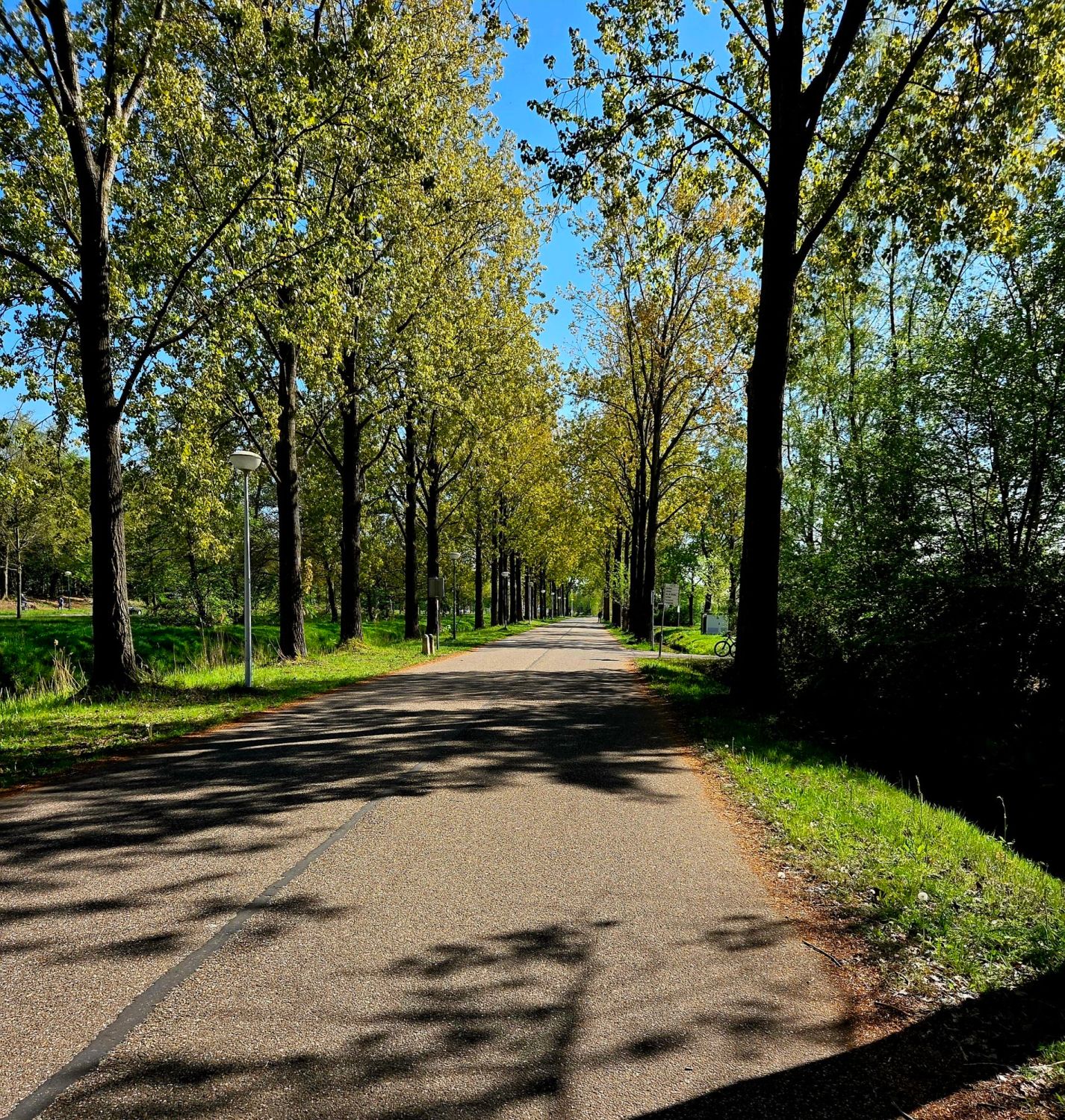
I’m excited to be riding a bike in the Netherlands, which is why I’m ok struggling to hop on and off, and use my toes on the pedals while my left foot hits the rear pannier. I will get the hang of it, even if I slow the guys down. Gert is taking us to see the Pyramid of Austerlitz, and even the dirt bike paths are better here than many of the specified bike lanes that I’ve had the experience of riding in the States, over uneven sidewalks, bumpy roads with trash, and other obstacles — trees, trash cans, and traffic cones. We approach a hill, and Gert lets us know we can walk once we tire.
Caleb takes the single-speed bike he is on and gains speed before beginning to climb. The hill looked more like a bump in the road until I realized I couldn’t see over it, unlike all the other flat paths with a mile-long view. Gert starts to push me up the hill, so I pedal harder to keep up, but the hill keeps coming. He says we need to catch up to Caleb so we can park the bikes and finish on foot. The bikes come with frame locks that allow you to lock the back wheel when not around a bike rack or when the rack is full, so we set ours off to the side and then locked them together.
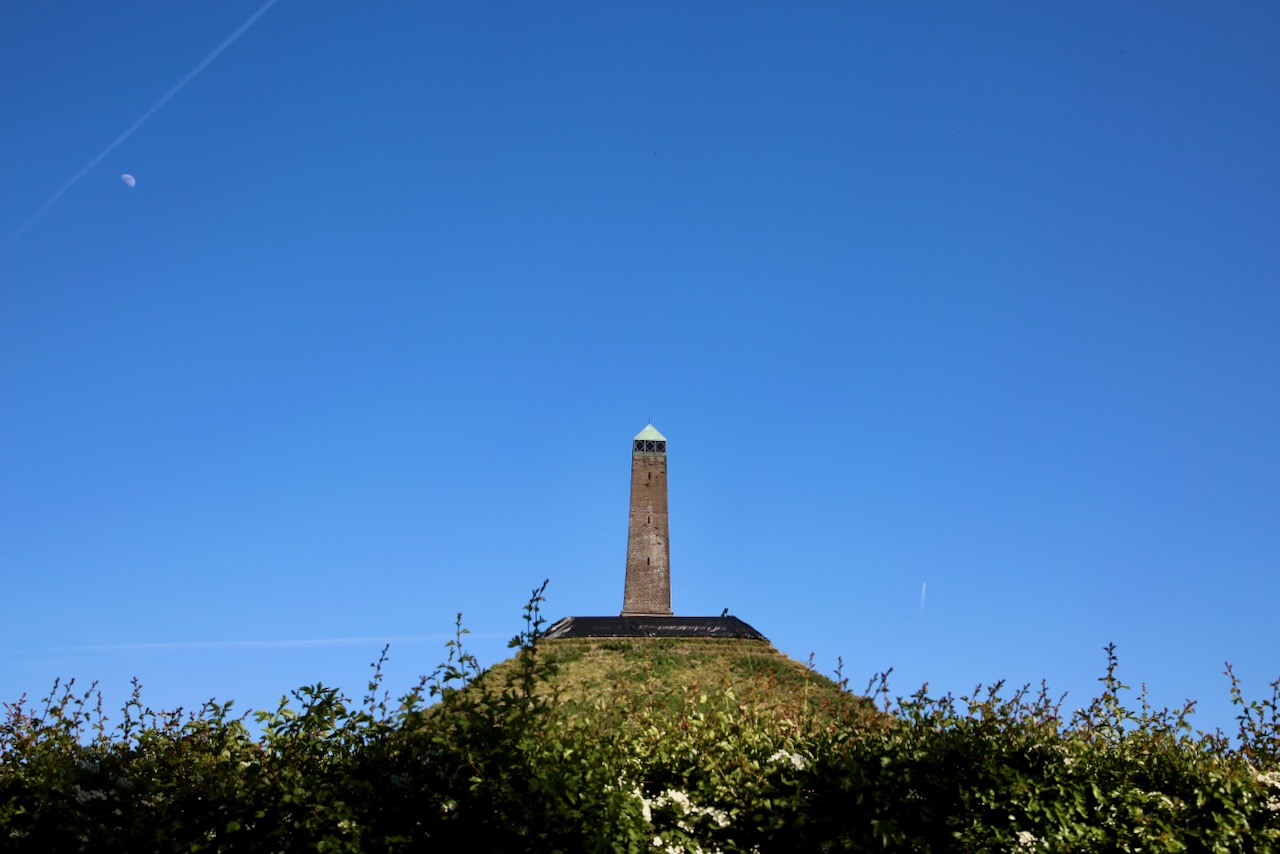
I know some people would worry about theft, but the Japanese don’t usually lock their bikes. The Dutch aren’t concerned with a van coming by and loading up on locked bikes, unless they are e-bikes, cargo bikes, or fat bikes. Amsterdam averages 30 stolen bikes a day that are headed for the border, where batteries can sell for a few hundred euros. The pyramid was inspired by the ones in Egypt that General Marmont had seen on a military campaign with Napoleon. While in command of 18,000 men from the French and Batavian armies in 1804, the general found a large area for training.
With that goal accomplished and nice weather, the general wanted to stay longer without leaving his men idle, so he had them build a large earthen pyramid with stepped terraces and a wooden obelisk in a month. He called it Marmont Mountain, but the name was changed in 1806 to honor a battle of a location now in the Czech Republic. The Henschoten estate was established in 1807, containing forests, heathlands, and shifting sands, and eventually granted public access for hiking, biking, and horse riding between sunrise and sunset. In 1808, the deteriorated obelisk was demolished.
A stone replacement was commissioned in 1894 by the estate owner and mayor of Woudenberg. In 2008, the Pyramid was officially reopened to visitors after major restoration between 2001 and 2004, when a metal staircase was installed to prevent damage to the slopes and provide access to the top. We walk the loop around it, but the gate is closed for the day, so we continue on towards the restaurant and amusement rides nearby just to have a look. Back to the bikes, we double our average speed, coasting downhill to the first street light, where the traffic signals are in charge.
At other zebras (roundabouts and smaller intersections), bikes and pedestrians have the right-of-way, even causing buses to yield. Anouska has dinner ready for our return. The savory pastry is full of corn, onion, mushroom, chicken, and a modern touch – black cherry, and topped with cheese in this traditional European comfort food dish. Caleb and I had a hard time figuring out the fruit at first, as it looked like an olive. I wish I had room in my stomach for another serving. Tonight’s news is about reducing malaria in Africa, the local protest where officers use special trolleys to remove those who refuse, and how the large, smelly trash pile in Gaza is affecting those nearby.
Dessert tonight comes from Bishop’s Stortford, UK, where 20 tons of ingredients are churned to create cheesecake, mousses, and tortes that are put in 54% recycled glass ramekins and then shipped across Europe, to Australia, and select stores in the US. We eat these while watching an episode of Wie is de Mol?, the Dutch version on its 26th season, inspired by the Belgian show De Mol that aired in 1998. It features ten contestants trying to win money while one person attempts to sabotage their efforts. Anouska is the first to go to bed tonight, and Gert is the last, as they stick to their routines.


Me too, thanks.
LikeLike
I’m glad you two are enjoying the trip together.
LikeLike