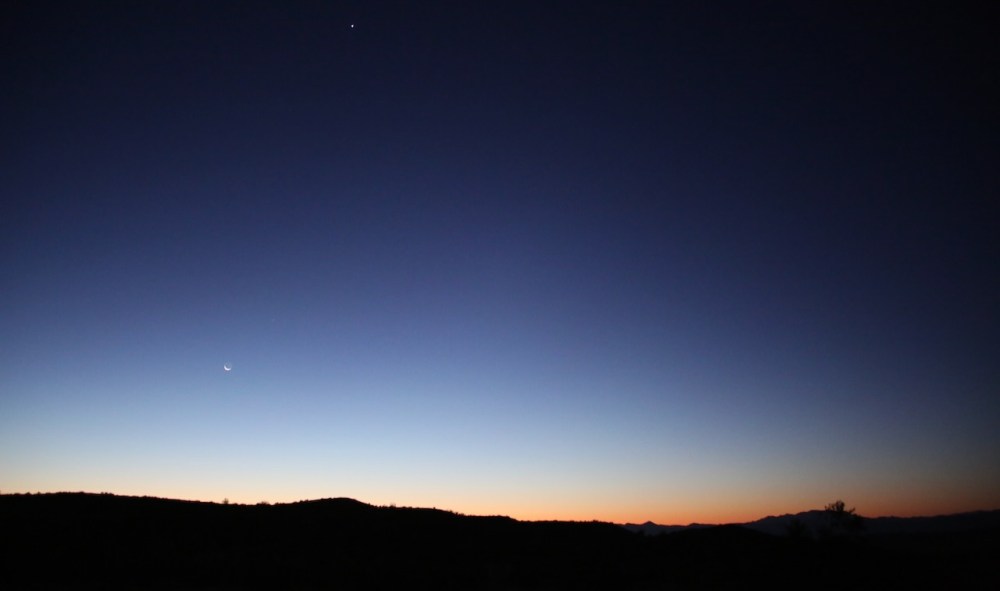
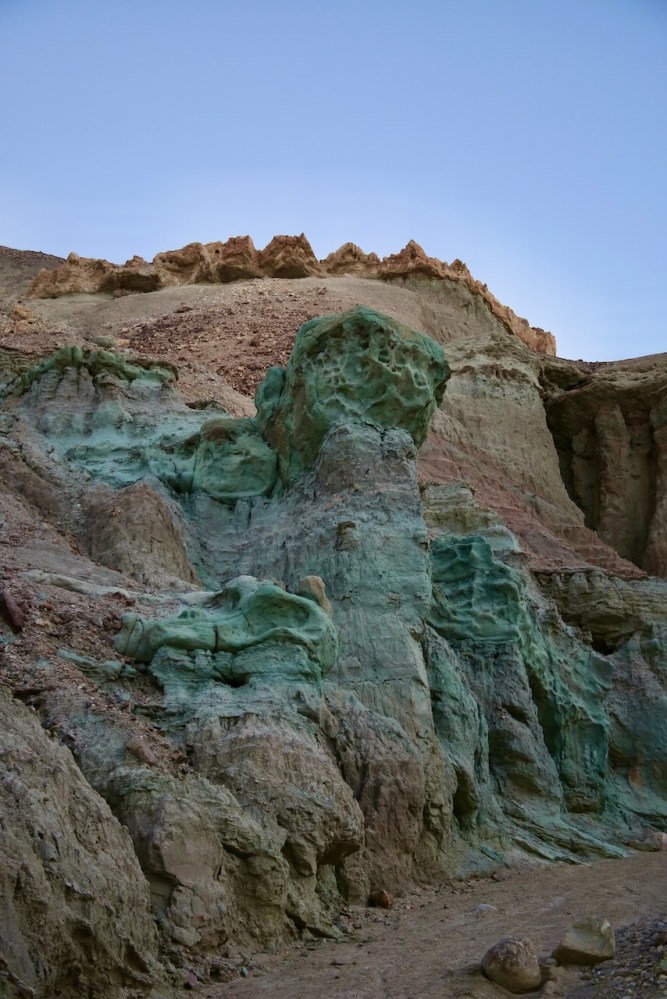
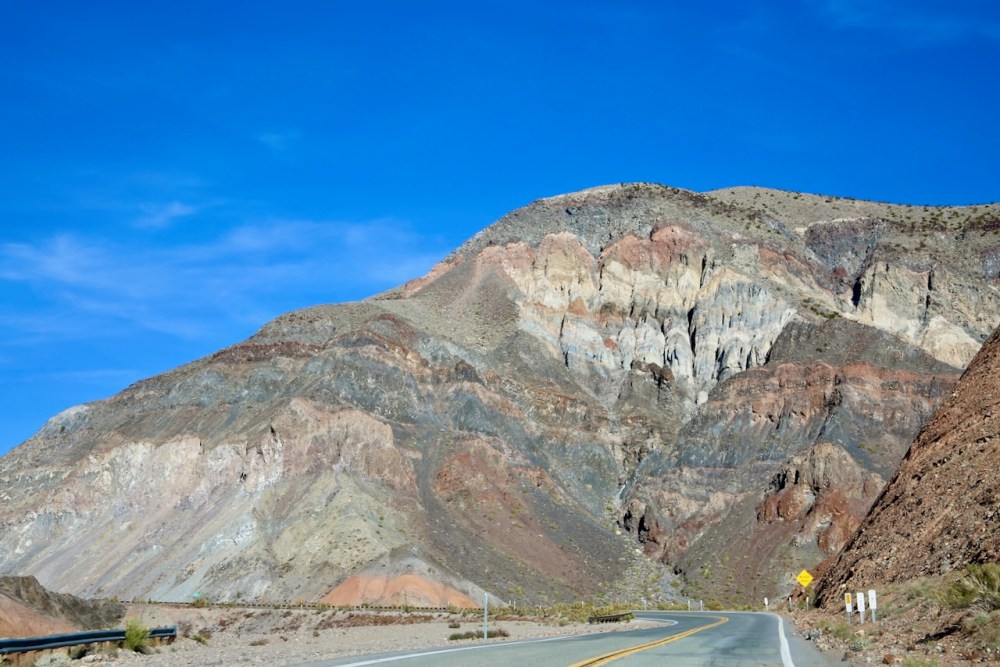
I awaken with a black sky scattered with stars and attempt to stare into their souls while Caleb breaks down the tent. We wait until the first red-orange rays of light kiss the horizon to get moving towards the Fossil Canyon Loop, a 4.7-mile drive in the Rainbow Basin Natural Area, with trails crossing the road and other places to walk in the washes as the sun illuminates the shadows and brings the colors of this historic landscape to life.
I had an itinerary taking us towards Ely, NV for the weekend, but also finding the forgotten dream that is California City, with the help of an Atlas Obscura book, we detoured there. It was supposed to be competition for Los Angeles, but the land clearing in the 1950s only increased dust storms which deterred people from building homes in the third largest city in California. The population now is over 15,000 with a prison, two car test tracks, the world’s largest boron mine, Edward’s AFB (where the sound barrier was broken) in the surrounding desert; and is one of the top three birding destinations in Southern California.
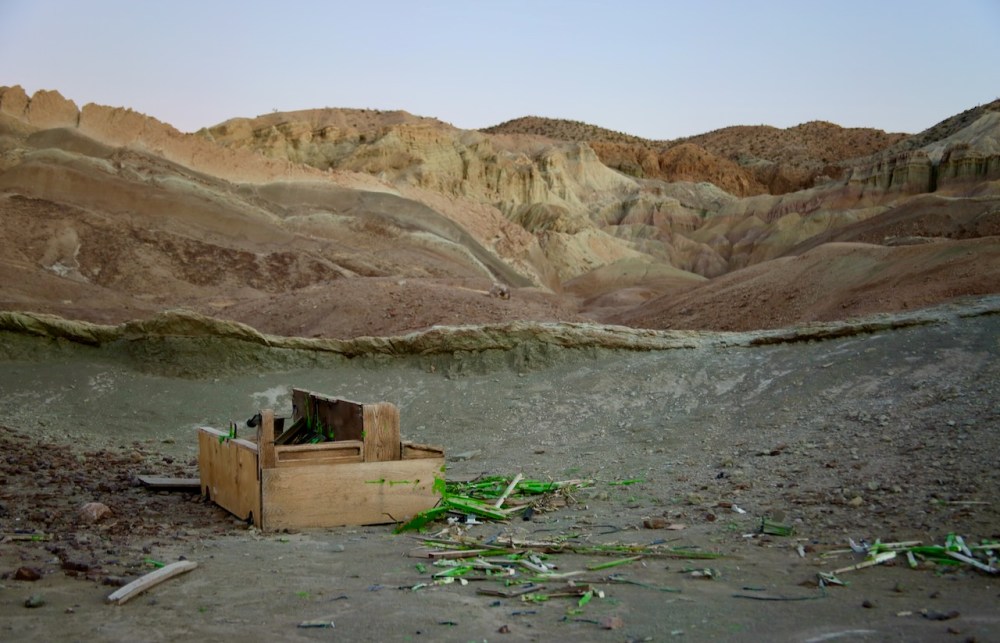
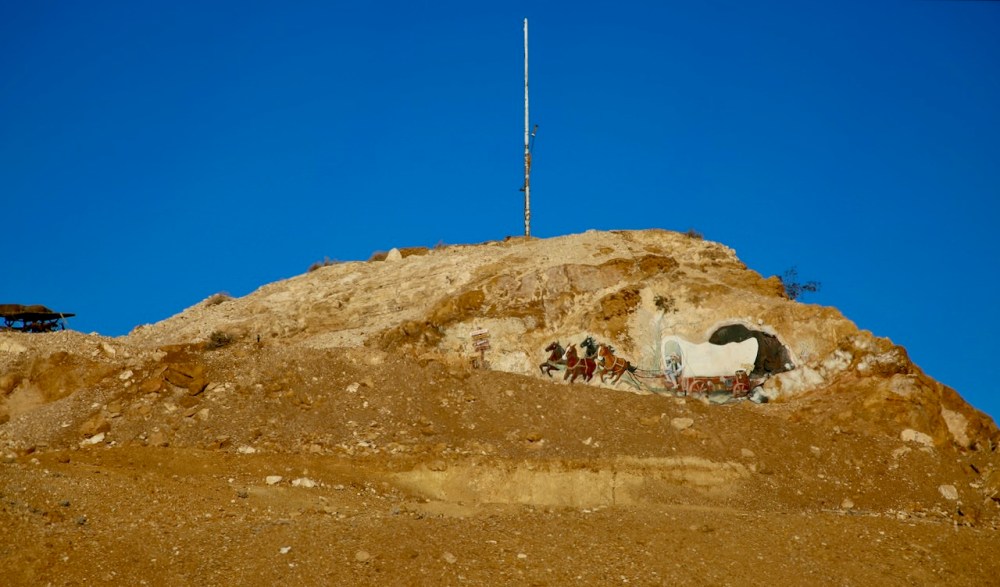
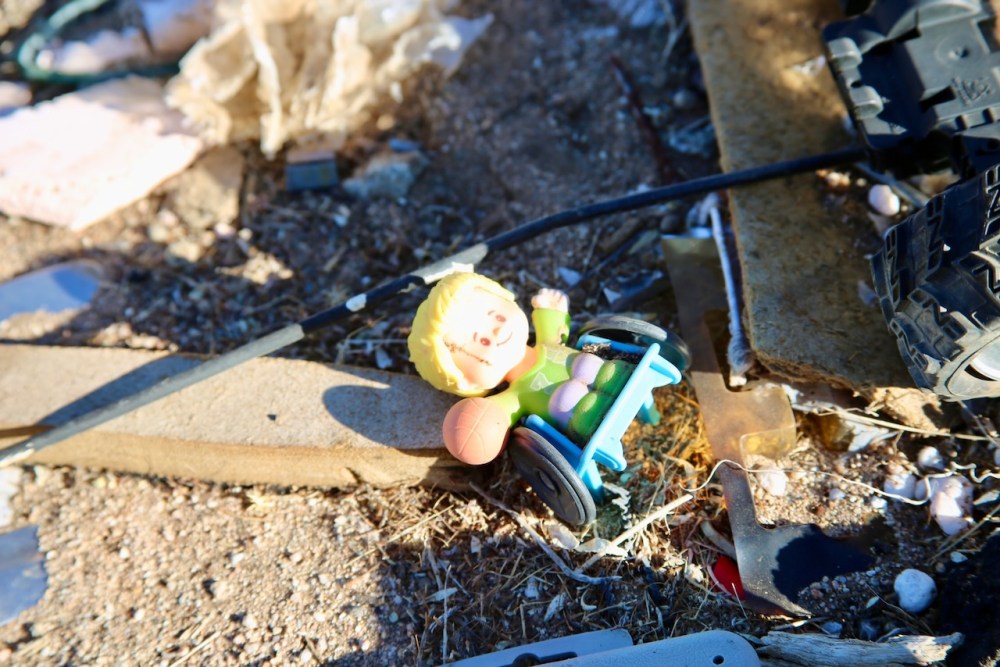
I didn’t know all that when we went looking for the city. Caleb pointed out a named street with not a house in sight and we turned down empty roads minus broken toys, rotted trash, and drug paraphernalia. I also underestimated just how large the development was but now we’ve been here and have reasons to return: visit the Honda track that was renovated in 2017, see the open-pit mine (underground from 1927- 1957) that supplies 30% of borates, and experience a “Best in the West” migration on the “Desert Loop” with the help of a bird checklist from natureali.org.
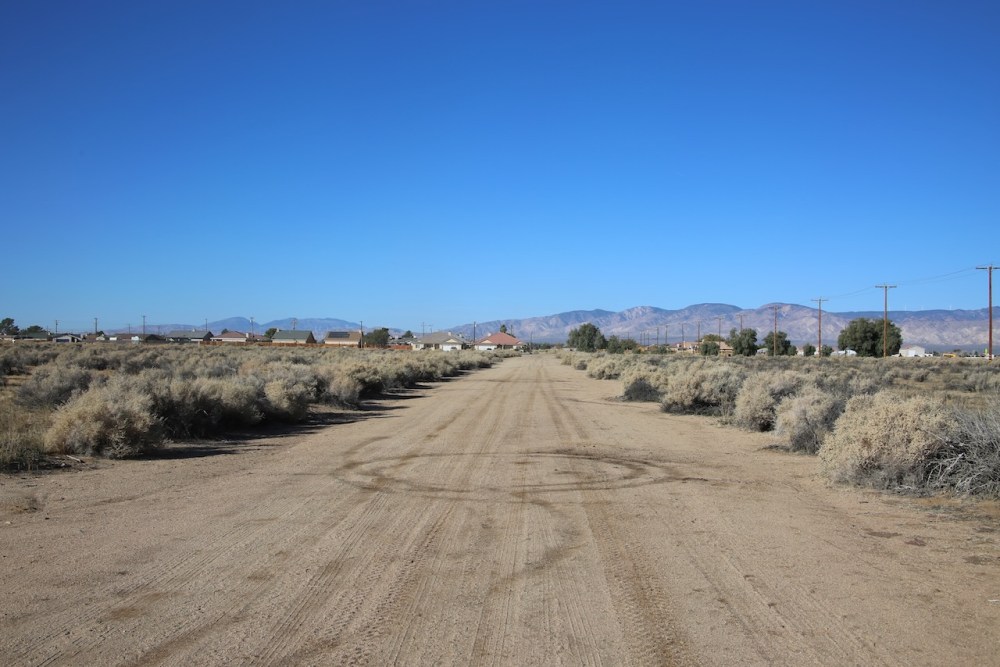
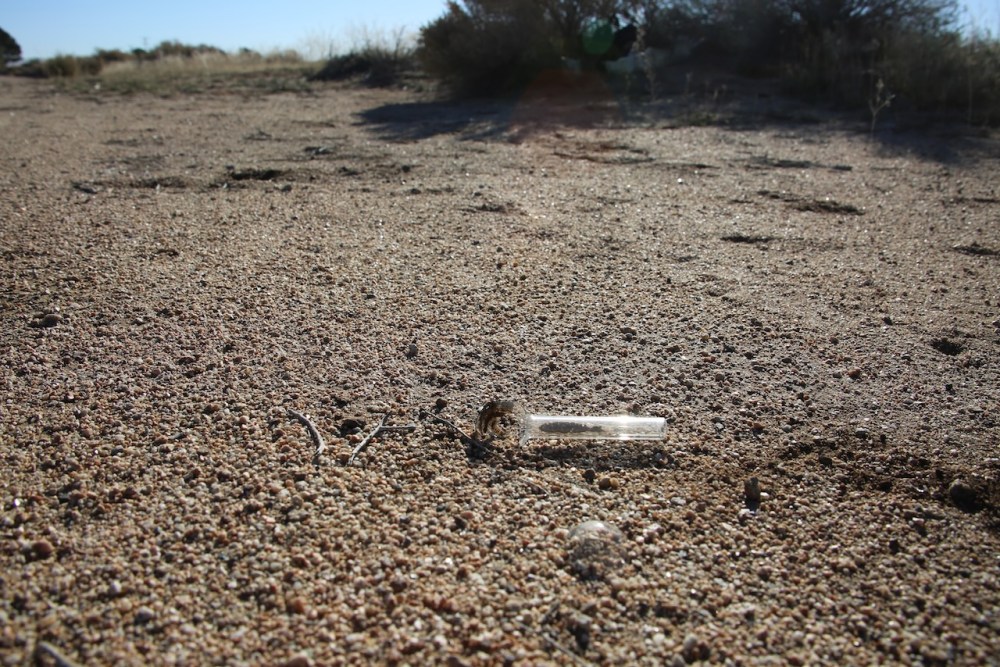
Down another dirt road, we find the Desert Tortoise Research Natural Area, a 40-acre habitat established in 1980 to protect the California state reptile. There’s a large informational signboard about the other animal inhabitants and some plant species that call this place home. I learned that tortoises can share their burrows, usually more than one, 2-1/2 to ten feet in length, with snakes, lizards, birds, spiders, rodents, and foxes escaping the temperature extremes and predators.
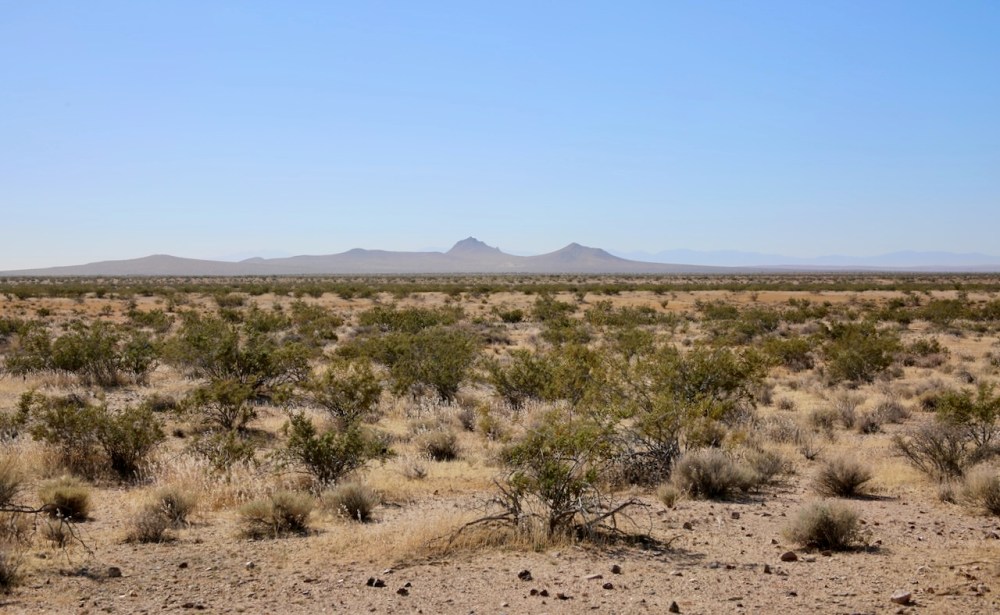
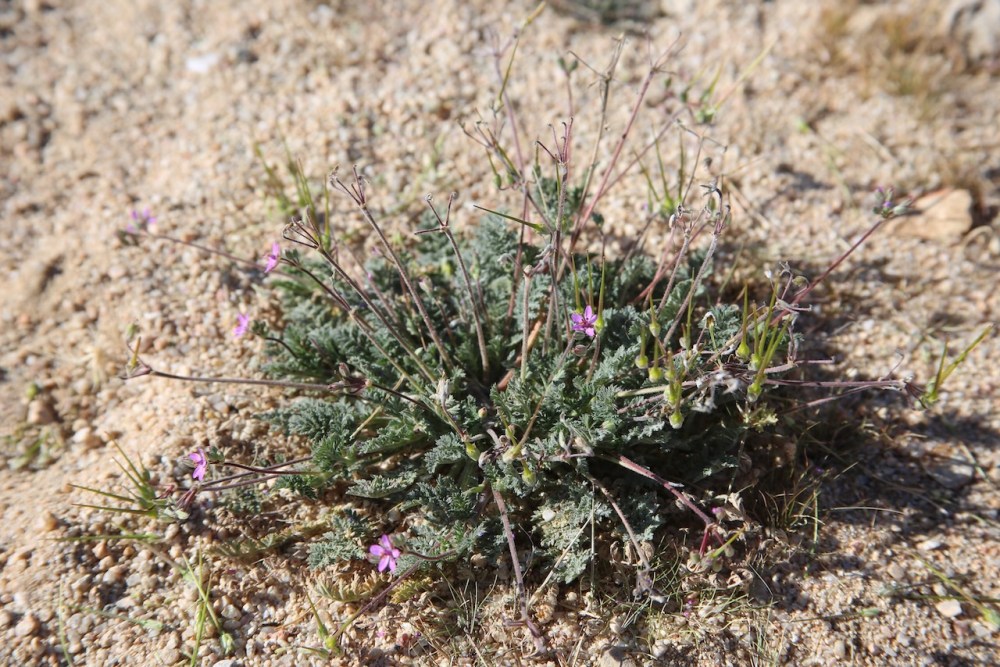
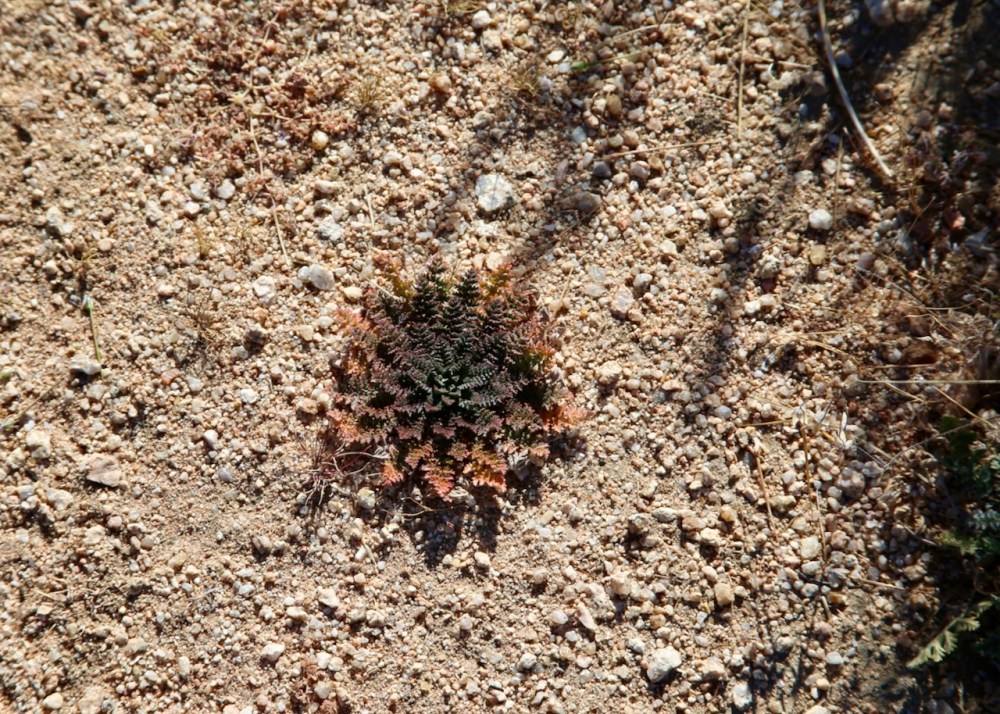
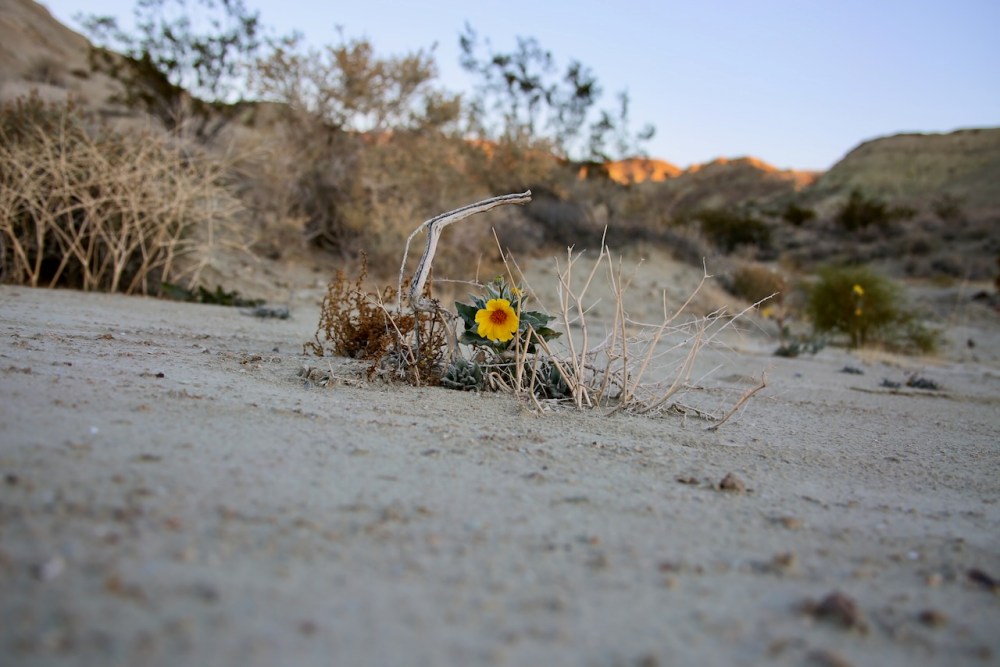
There’s a helpful pamphlet that shows a few flowers we might see on our visit, if we were here in spring, and points out a few forbs – a herbaceous flowering plant other than a grass, such as a sunflower without a woody stem. The Desert Candle is named after its stem’s appearance, the Blue dicks that can be pink and purple too, and the Sahara Mustard which is highly invasive. We walk the half-mile Plant Trail and see some common stork’s-bill that stand out against a tan expanse dotted with green vegetation. We walk the three-quarter mile Animal Trail with no sightings and save the 1-1/2 mile Discovery Loop for next time.
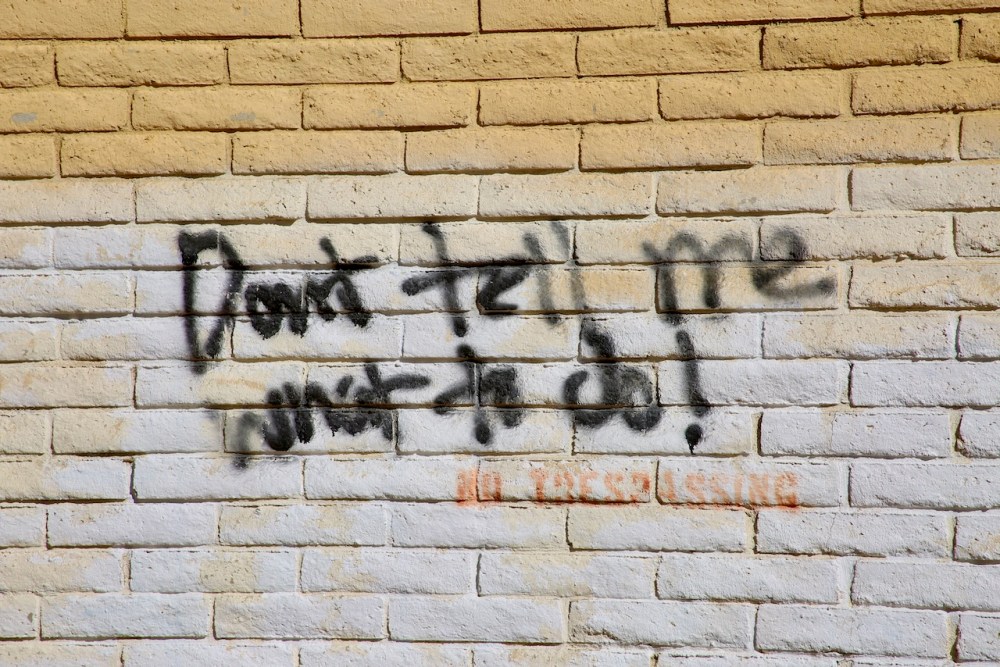
Our trip takes us back through town and unbeknownst to me I pull into the abandoned Lake Shore Inn which happens to also be on the Atlas Obscura list of things to see in California City. Nearby are the Borax Visitor Center and on Edwards AFB: the world’s largest compass rose and satellite calibration targets, but visitors would need base access to visit the last two. It was the empty blocks of the hotel that caught my eye, like the housing I would see overseas, but it seemed like the back wall was never built and the rooms never finished.
The inn was abandoned over two decades ago and has since been boarded up in sections and surrounded by a fence. It seems someone might live in the office, with their dogs outside, which has perhaps kept others from squatting or holding pop-up raves inside. We are watched by two ravens who seem to be waiting for us to notice that the parking lot has become overgrown with a weed commonly known as goathead, devil’s thorn, or puncturevine. Our shoes tap-dancing across the sidewalk will have me sitting down while I pick 50 of them from my shoes.
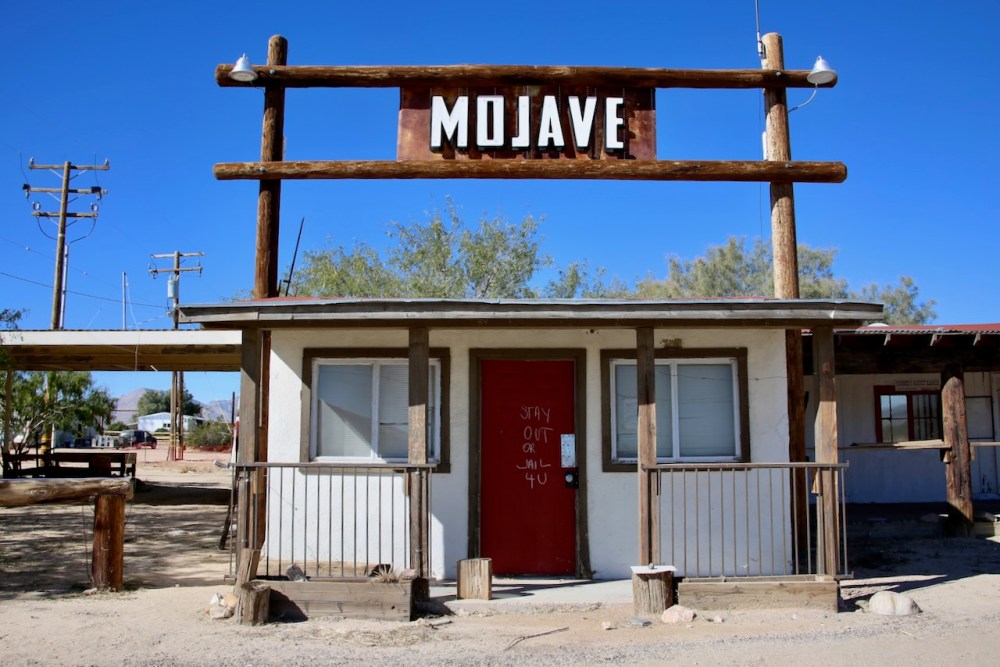
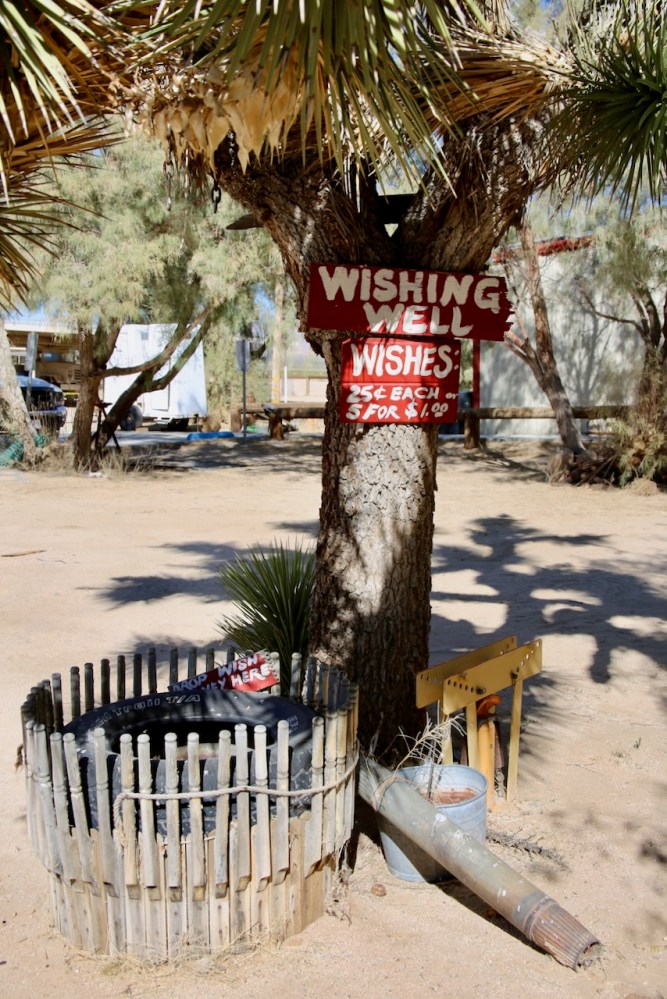
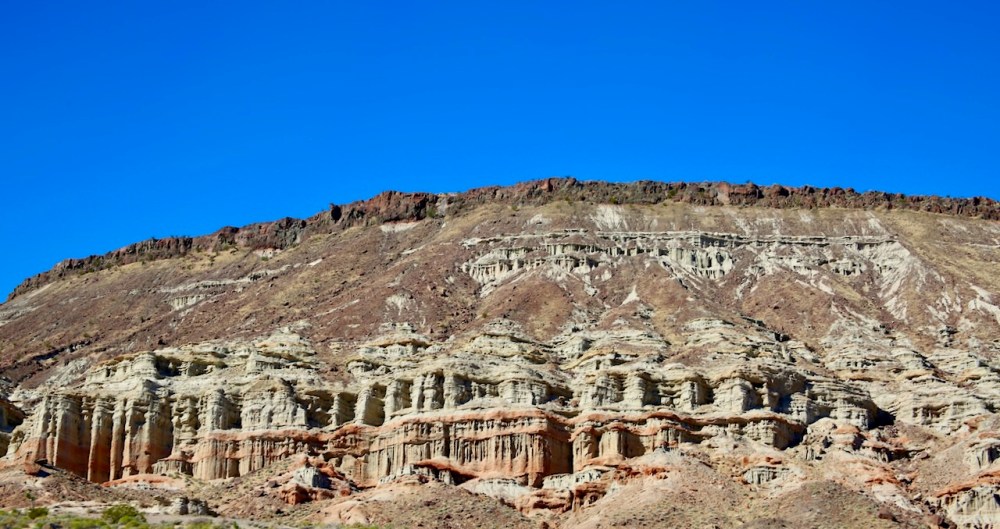
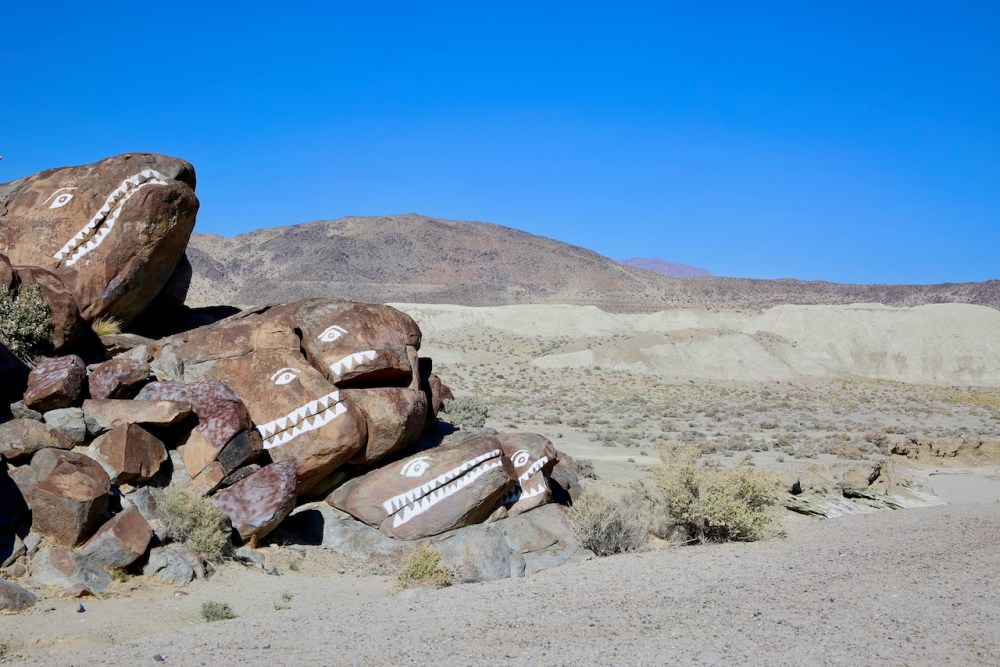
We were more cautious on our walk back to the car and checked our soles once again to avoid this smothering species finding its way to wherever we were going next — through Red Rock Canyon State Park. On the other side, we find ourselves at Robber’s Roost Ranch, a ghost town with a mini-mart that sells frog balls (pickled Brussels sprouts) and ice of which I saw the sign for one and missed an opportunity to try something different. This route would also bring us across the Fish Rocks, like the piles laid at the beach as a breakwater, but left in the desert for family photo opportunities that we weren’t a part of.
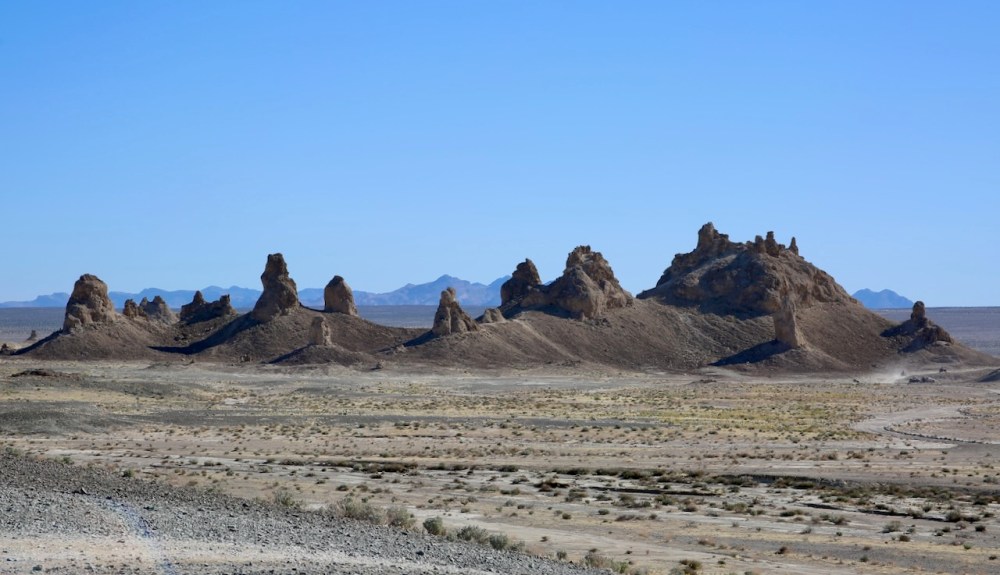
A few miles east on the 178 we see a sign for Trona Pinnacles, which, unlike the painted teeth and eyes from the 1940s, have been around at least 10,000 years when over 500 tufa spires sprung from the dry bed of the Searles Lake. The area is known for being the background of popular films and the primitive camping it provides. It’s also popular with OHV. We park in the gravel lot and walk down the steep path to get a closer view, even though our car is more than capable of driving amongst the desert formations, we don’t feel the need to be in the dust cloud others are creating.
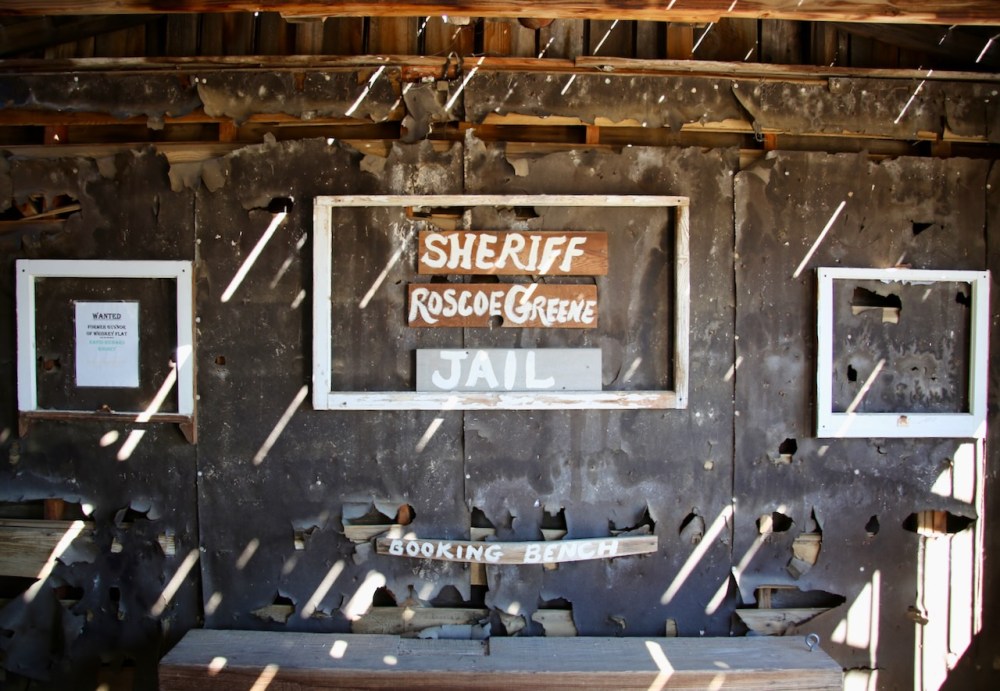
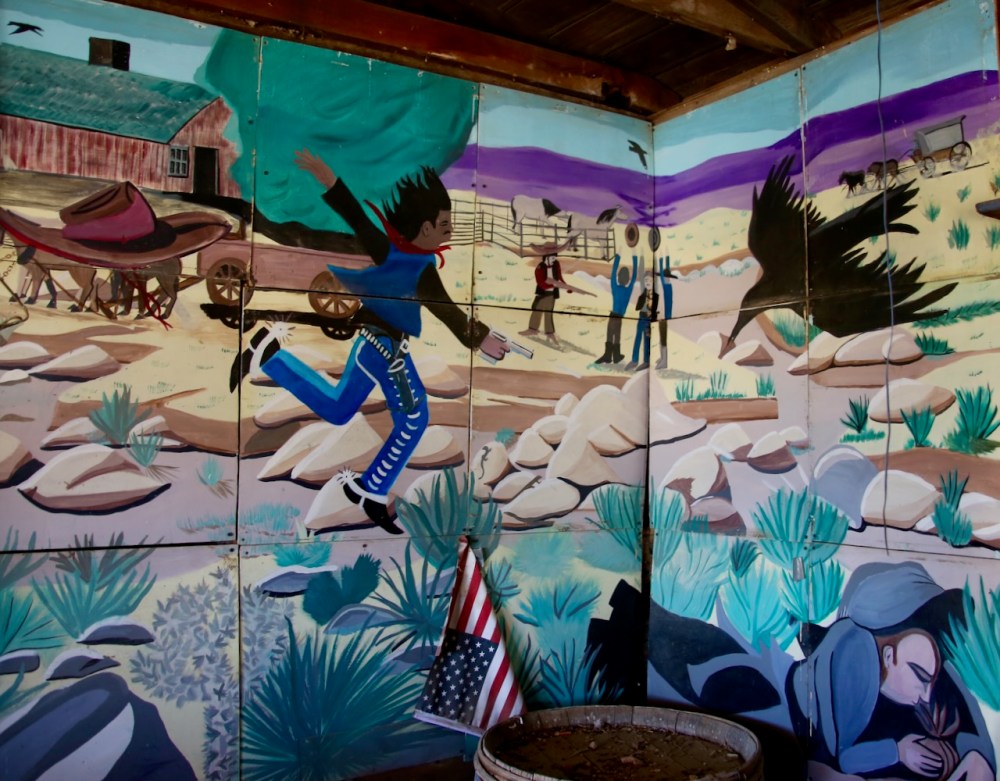
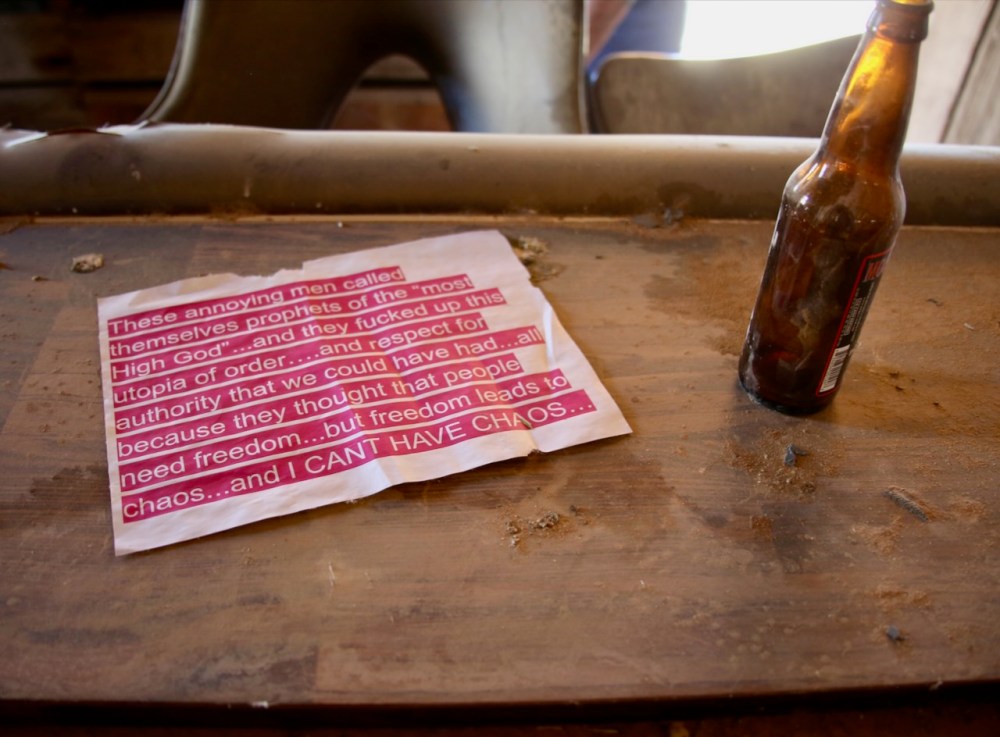
It’s a ten-mile out-and-back detour down the dirt road to return us to Trona Road so that we can head north. The John and Dennis Searles’ wagon routes passed through here in 1873-1895 to haul borax to Mojave. In 1922, Thomas Wright began work on a two-year construction of a monorail to transport Epsom salts, but the line never worked properly and was salvaged in the 1930s. The only ruins we see are two busted cars that seem to have slid from the cliff — one rusting to death while the other chose the sharp rocks option of being turned into parts.
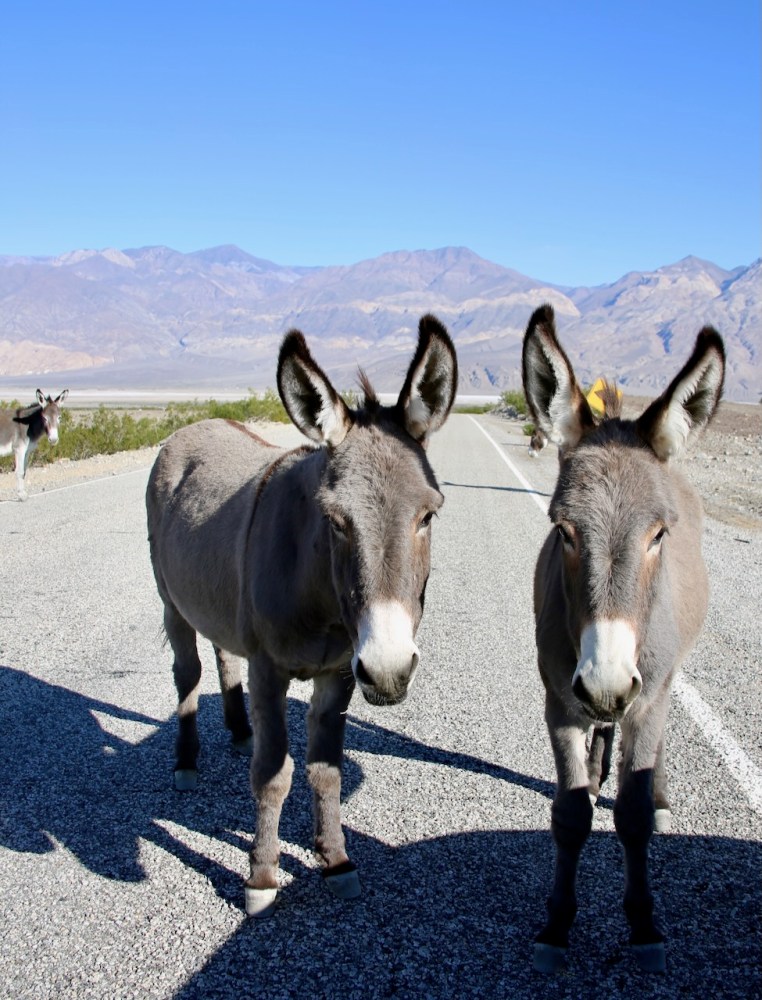
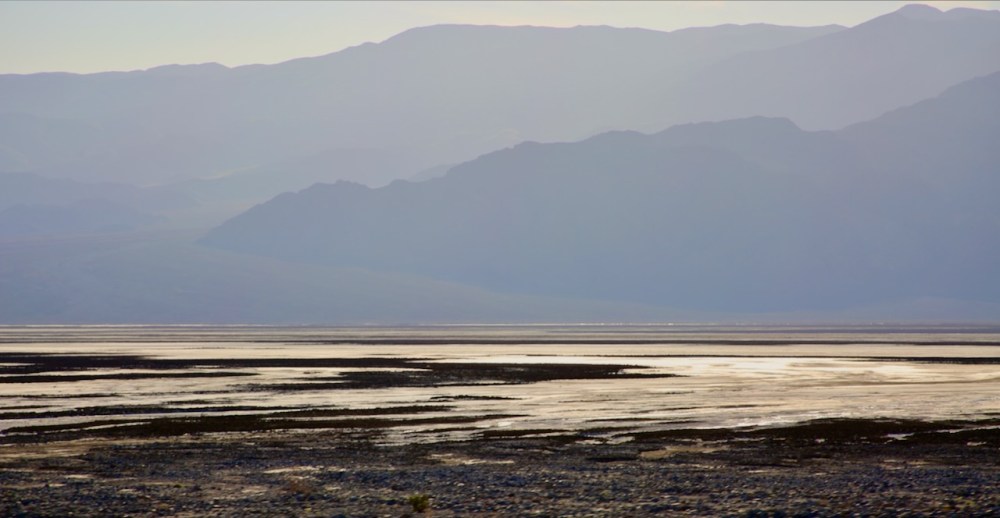
Shortly after this distraction, we are stopped in the middle of the road by the local wild burro looking for snacks. I offer them a pet and a photo and then usher them to the side of the pavement for the other passing vehicles that aren’t as patient on a Saturday afternoon; though I’m sure that’s a personality trait they carry with them everywhere. I’ll stick with my overly curious and friendly demeanor as we make our way into Death Valley, so we can get a peek at Lake Manly formed in Badwater Basin by Hurricane Hilary in August. The last lake was formed in the winter of 2005 and was substantially smaller.
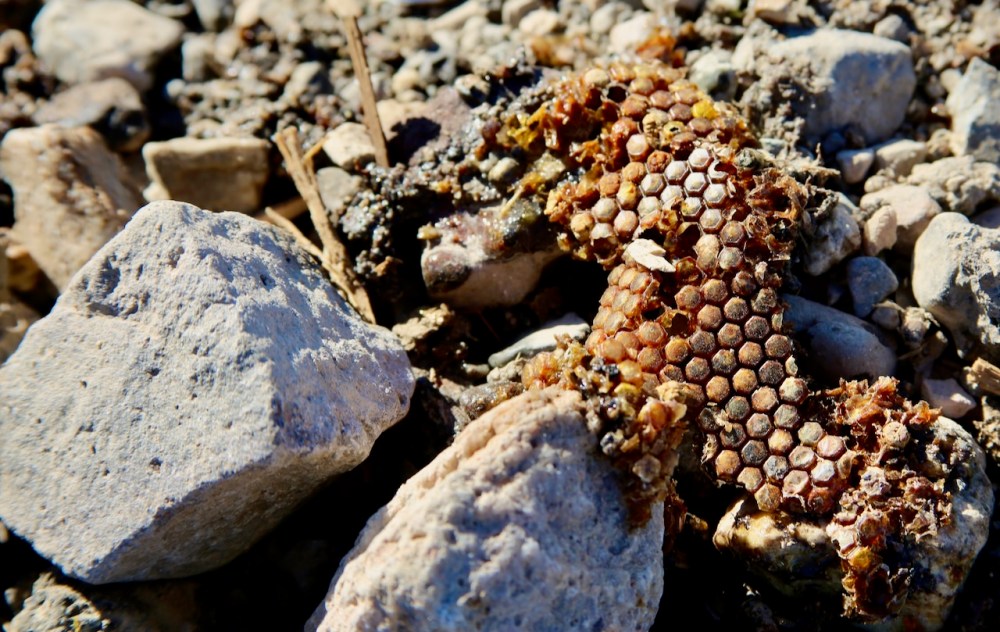
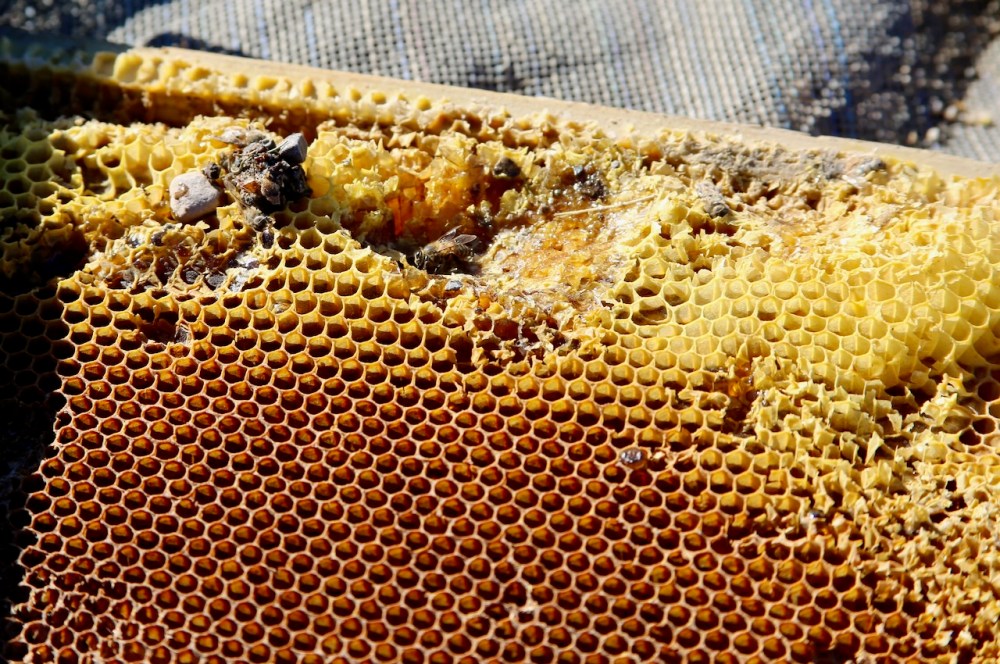
Into the park and I pull over away from the no-parking signs to inquire about the roadside wreckage. A semi-truck with 48,000 pounds of bees and their hive boxes flipped its load and tore itself apart coming downhill too fast on a turn and the company has employees out to rescue as much of the pollinating cargo as possible. We’re still an hour and a half from Furnace Creek where we will stop for stickers and to ask about camping. We found a spot at Texas Spring where camping is $16/night and is proposed to increase to $20/night in February to help cover educational programs and flood repairs.
We drive to The Oasis General Store for firewood and hot cocoa and leave with the one that will help warm our outsides. When we return to our spot we see more people leaving spot 18, not the best tent site, but finally, two women decide on it and one will burn their trash to roast marshmallows in (that blows our direction) while the other sets up their tent. On the other side of us, a group of five returns from their illegal wood-collecting expedition and moves their table across their site so that one of their headlamps can poke us in the face.
I’ll walk up and point out the issue so it can kindly be resolved just to have a woman with her brighter light cutting through our camp because she’s too busy on her phone to pay attention to where she’s going. And to think, we had the option of joining the crowds for some assisted star gazing in a parking lot across from the Furnace Creek Visitor Center. The sunset with dinner was enjoyable, as was the reading next to the fire, although Caleb’s Kindle was in rest mode from lack of recharge. We let the fire burn out to improve our star-gazing view, especially with the Christmas lights dinner party happening across the road from us.
Our neighbors must have been at the telescope tents or at a late dinner because as they arrived, we were climbing into our tent. One of the men tells his friend the story of a comic strip: a magician goes to the eye doctor while aliens are demanding that humans contact them at sea.. only to find out that the aliens are on his eye! His friend enjoys the story, as do I listening to his grandfatherly voice, and agrees that the screaming toddler should be dealt with, by perhaps putting the infant in the car after the first fifteen minutes of wailing to dull the noise for the rest of the camp.
Camping in populated areas is not worth the hype and I have no idea how people get motivated to stay in these large groups. Still, even we tricked ourselves into staying at the Everglades, twice, after swearing we wouldn’t return to Mosquito Murder Island where cars and humans are dive-bombed to death. We need to return to muddy swamps and frozen prairies where we have some of the best memories of being in a tent and sleeping on sticks next to a river. The best part about nature is being able to fully experience it without other people, though in passing they do make for good details in the travel story you can tell later.


