Port Arthur to Pensacola

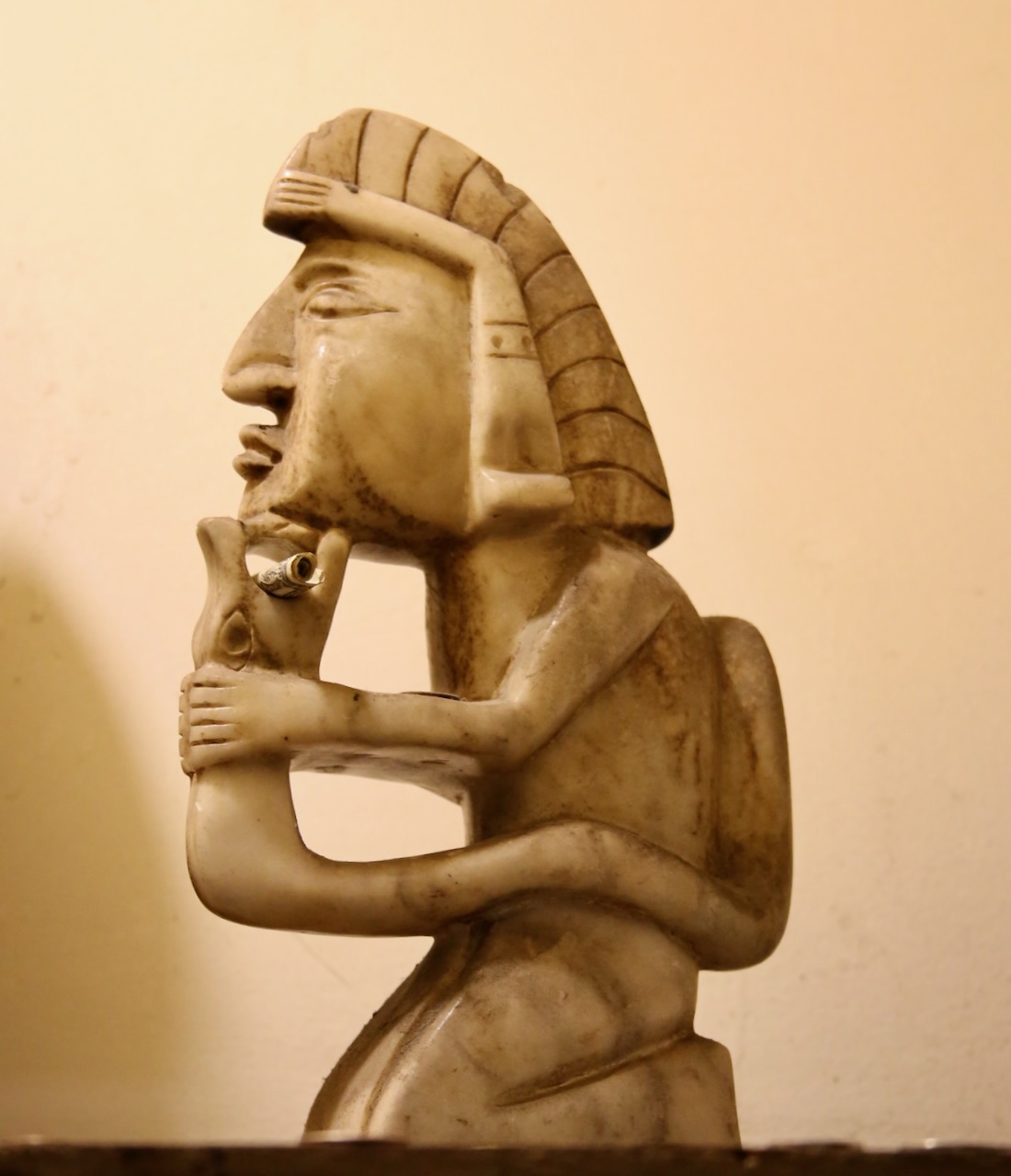
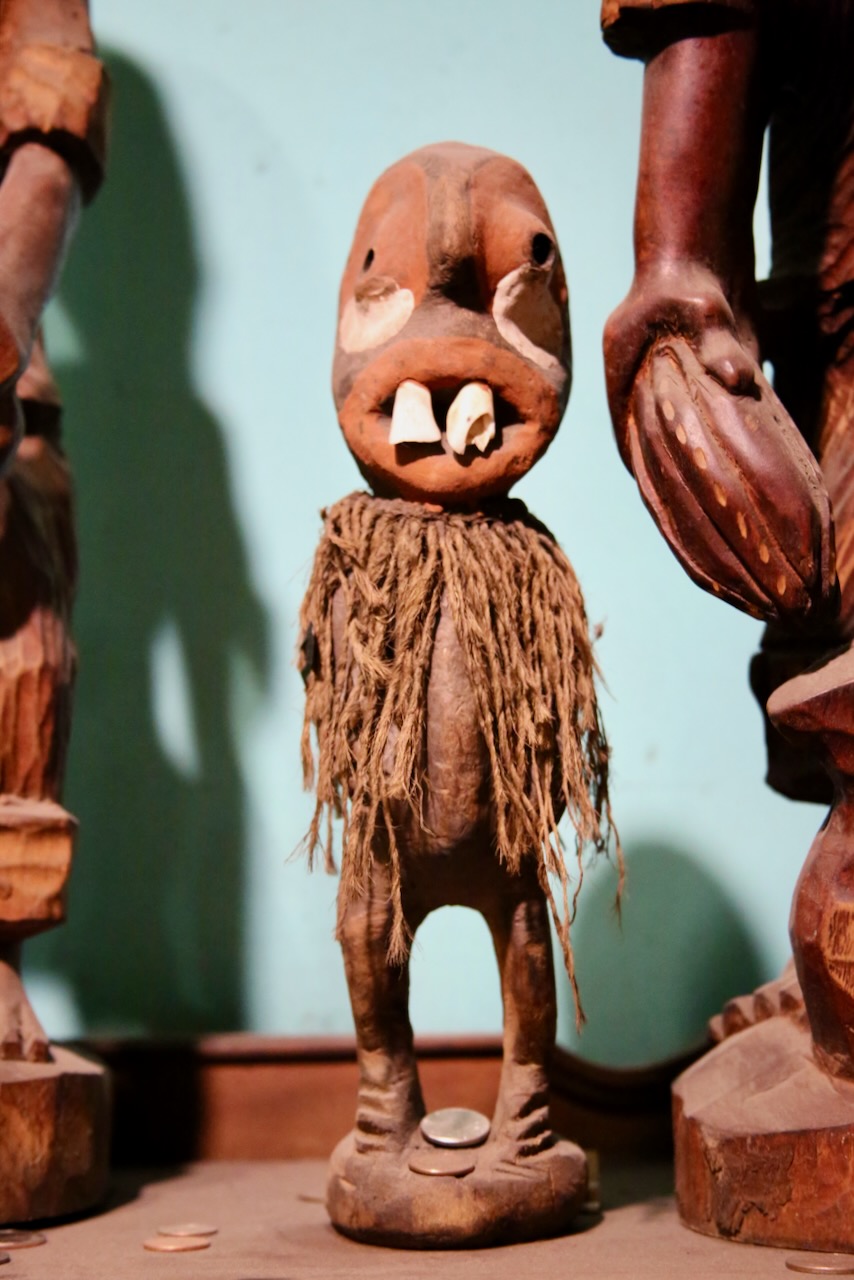
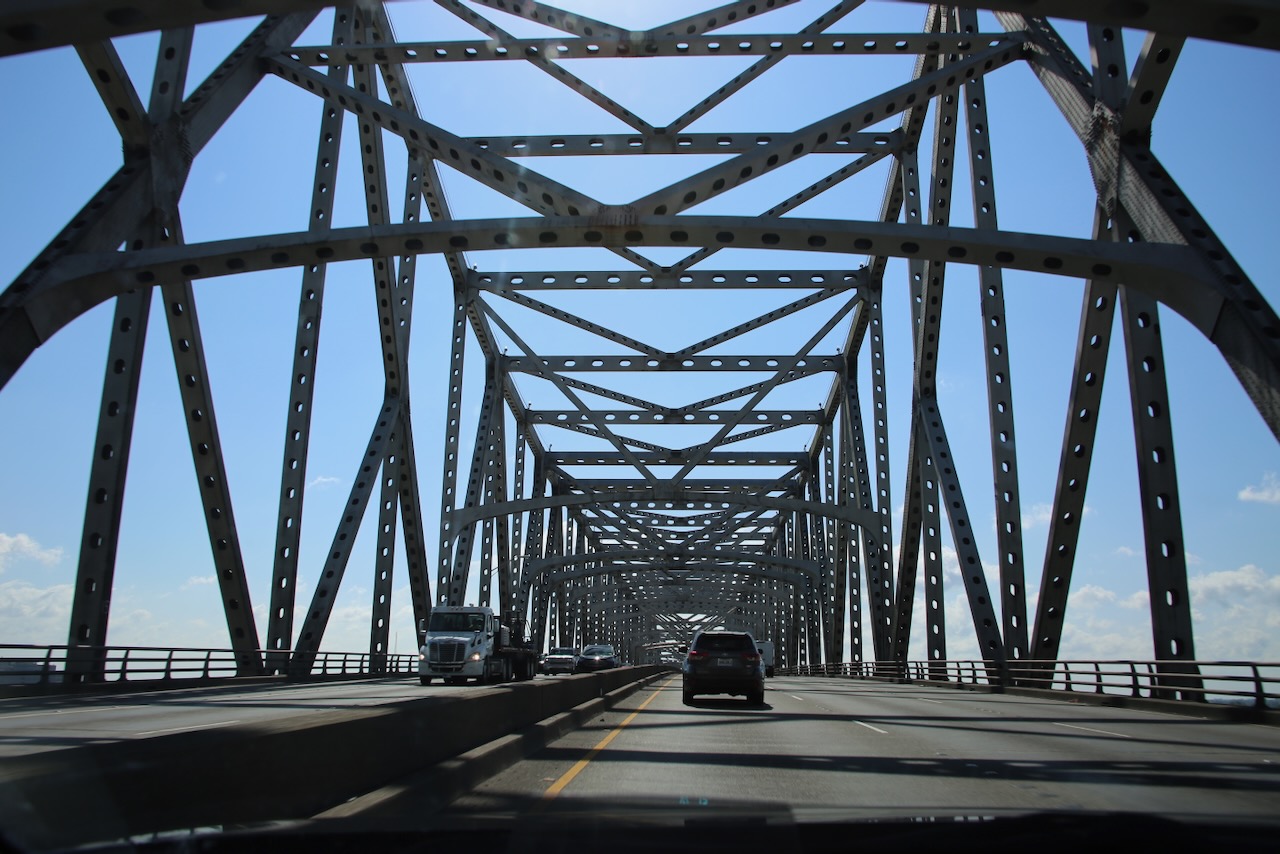
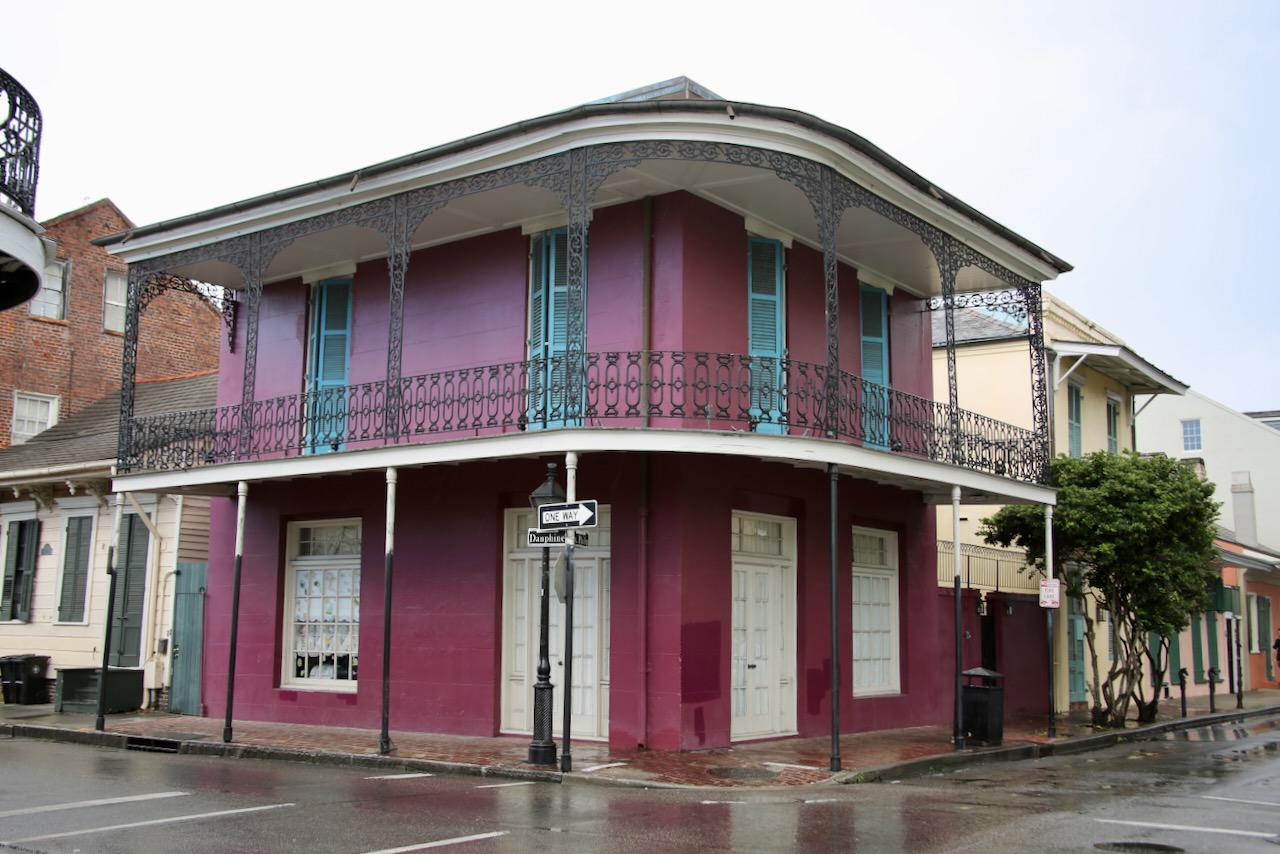
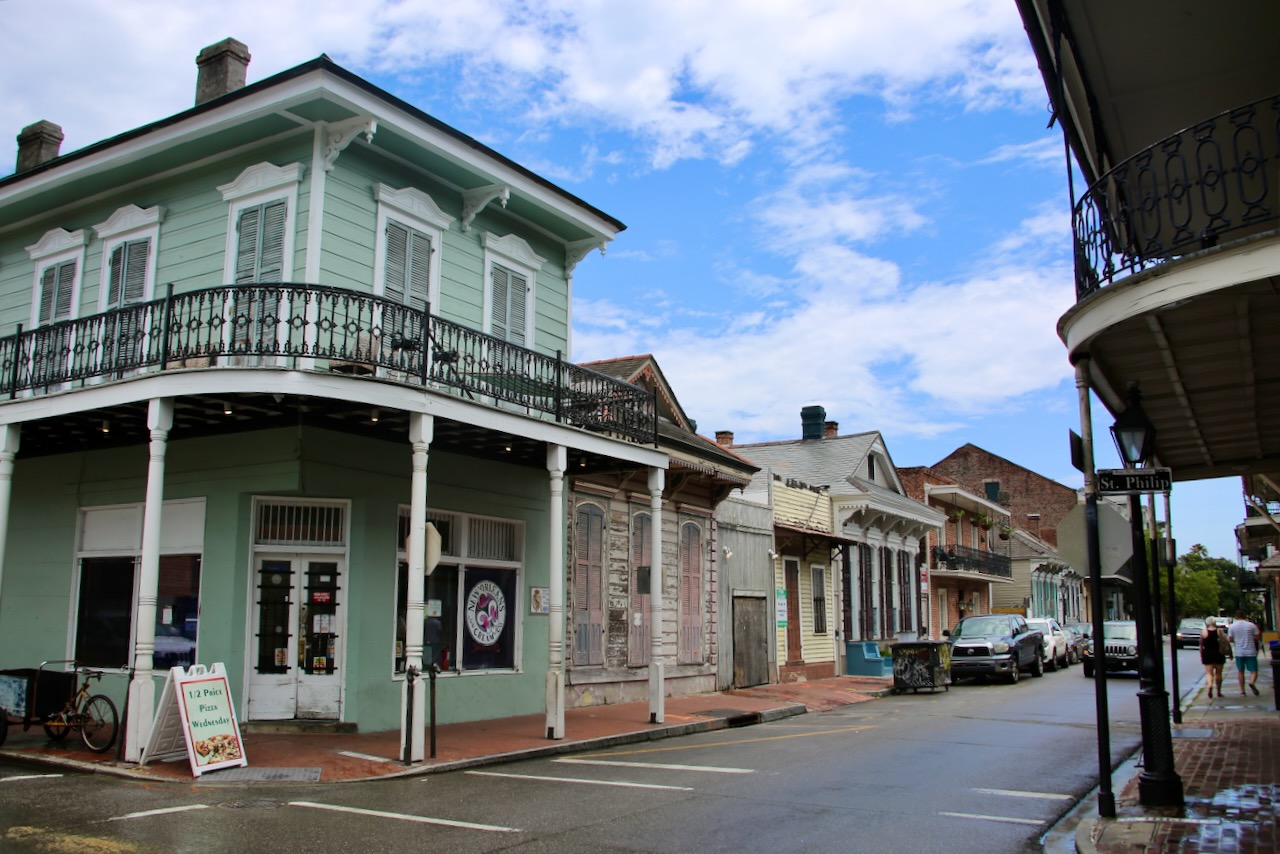
Another early morning, though the sun is already up, we’ve got two of the longest bridges (Lake Pontchartrain Causeway and Atchafalaya Basin Bridge) in the US to cross, with another twenty miles of other elevated roadways over swamps, bayous, and floodplains to get to New Orleans. This city, known as the “Big Easy,” is wet and gray when we arrive, and the streets are empty. The Historic Voodoo Museum is open and full of figurines and paintings that are covered in cigarettes, booze, and money as a tribute to the bringers of good fortune.
Voodoo comes from the people of West Africa. They believe in three levels of spirituality: a distant God, spirits on Earth, and deceased ancestors. Voodoo is the label for the religion, the superstition, and the culture. Marie Laveau is the Queen of Voodoo. She was born two years before the Louisiana Purchase and died two years after New Orleans’ first telephone directory was published. She brought her mulatto heritage (black grandmothers, white grandfathers) into her healing. Her specialty was love, which caused leaders around the world to seek her advice and help.
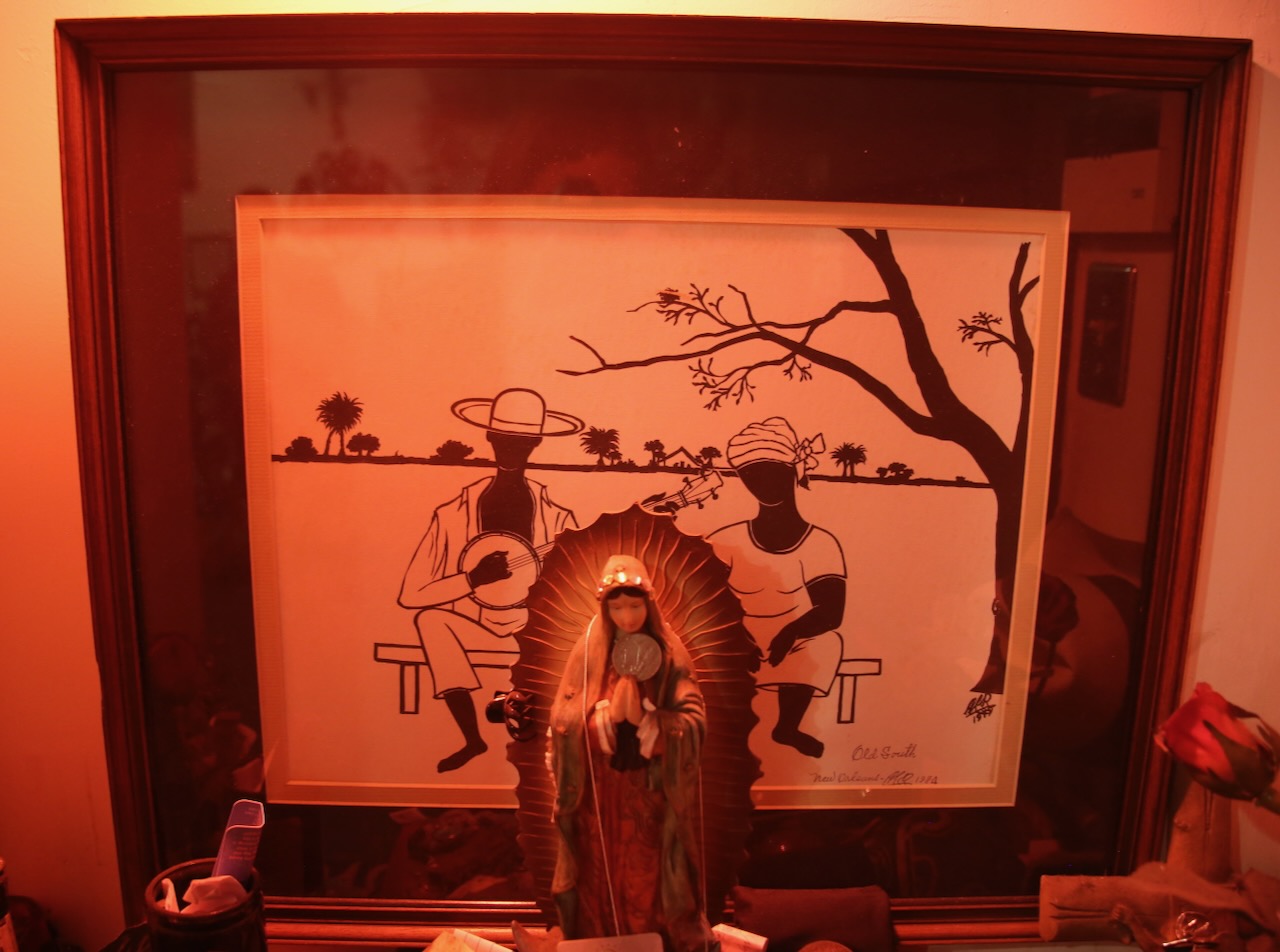
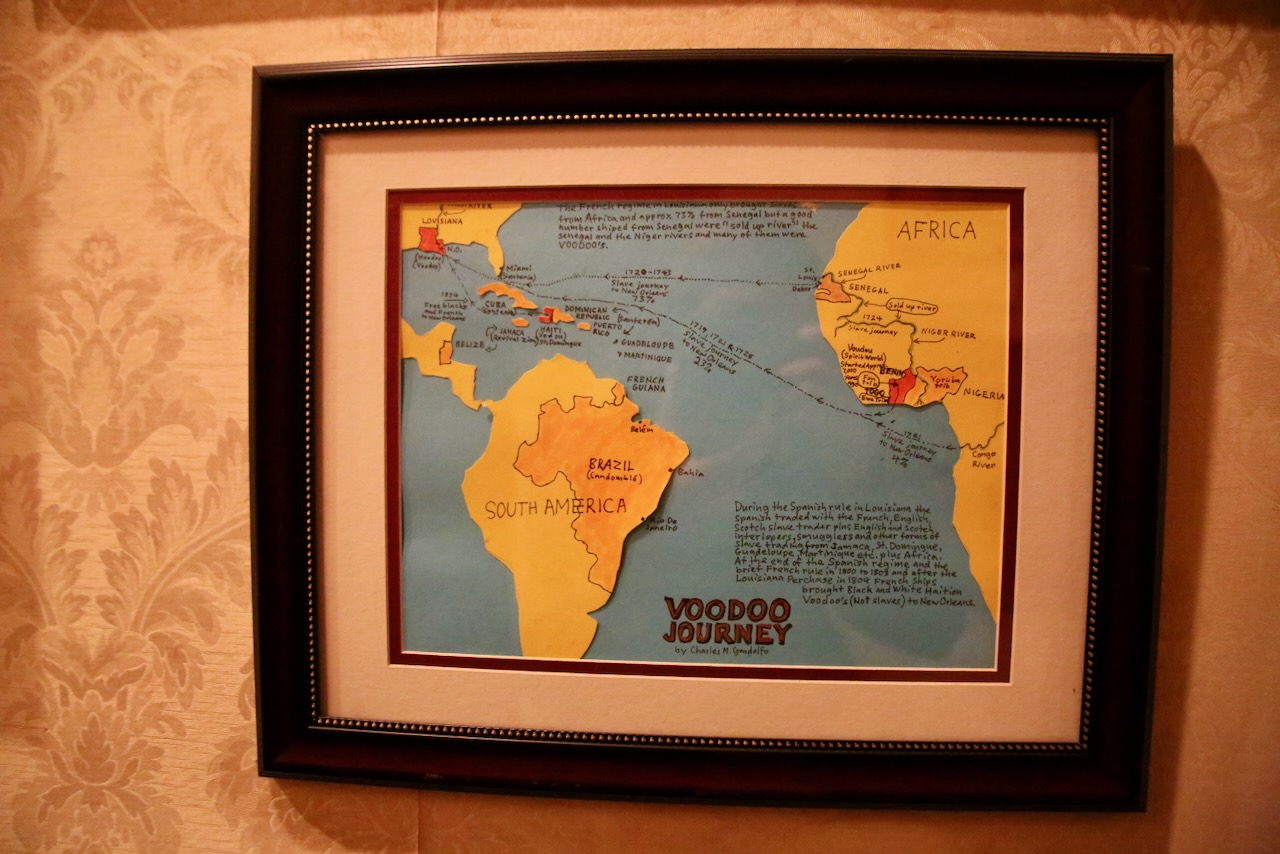
There are many artifacts and treasures in the different rooms. There was a secret society that carried out crimes in the name of personal justice, and today, there is a group that warns kids during Mardi Gras of the fragility of a fleeting life. There are trinkets, skulls, masks, and the most popular piece from Voodoo, the doll, unless you count Hollywood’s use of the zombie. Haiti had a practice of poisoning the chosen few, burying them alive for several hours, and then giving them the antidote. This experience shattered their spirits and made these people easier to dominate.
As we exit the museum, I see modern zombies stumbling about the streets with their drinks in hand. We’re not out long before we find the Jazz National Historical Park that evaded us last time due to a lack of parking. The “Tree of Jazz” is broad and built like a willow. It stands strong on its roots of gospel, ragtime, and military brass and branches out to include blues, swing, bebop, and fusion. The trans-Atlantic slave trade merged African and European music on Caribbean islands, and many of those rhythms continue to be practiced and built upon in New Orleans.
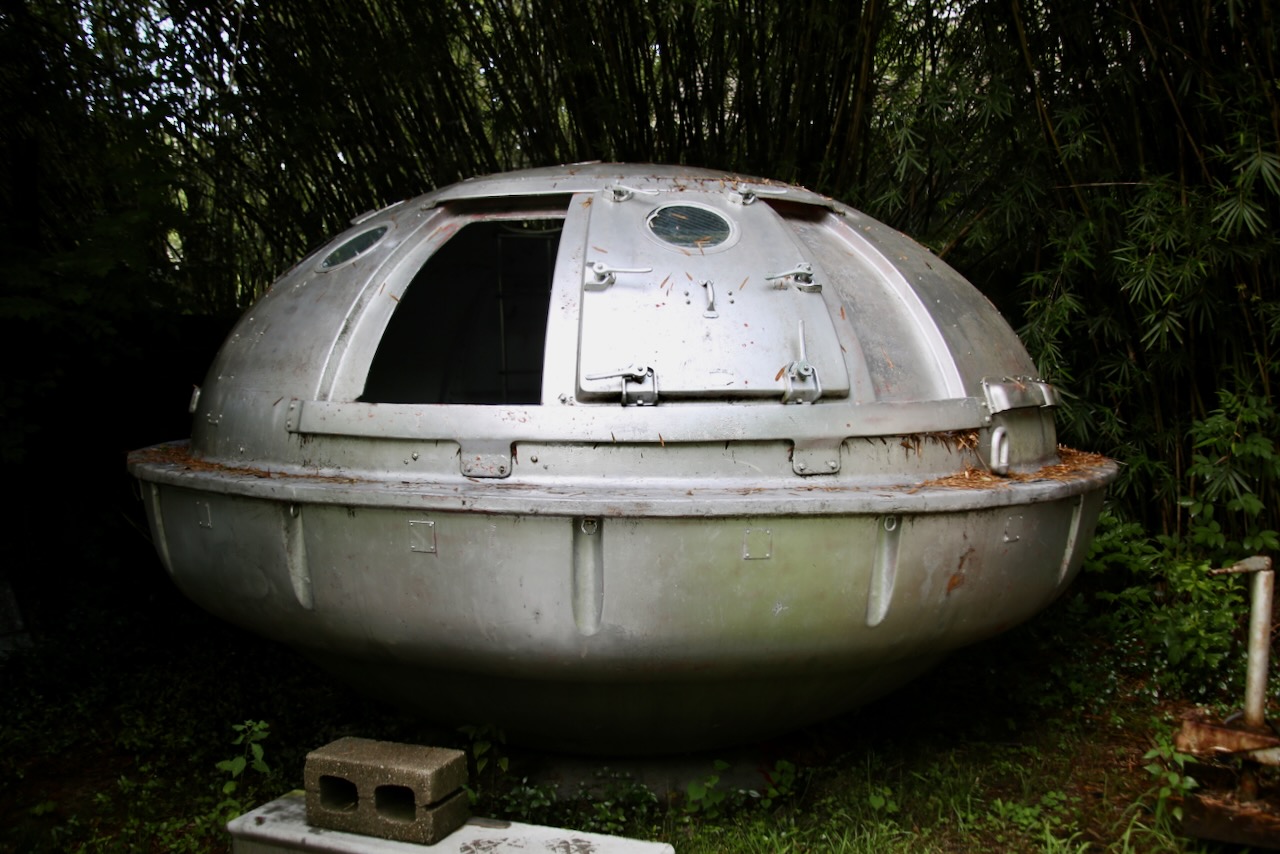
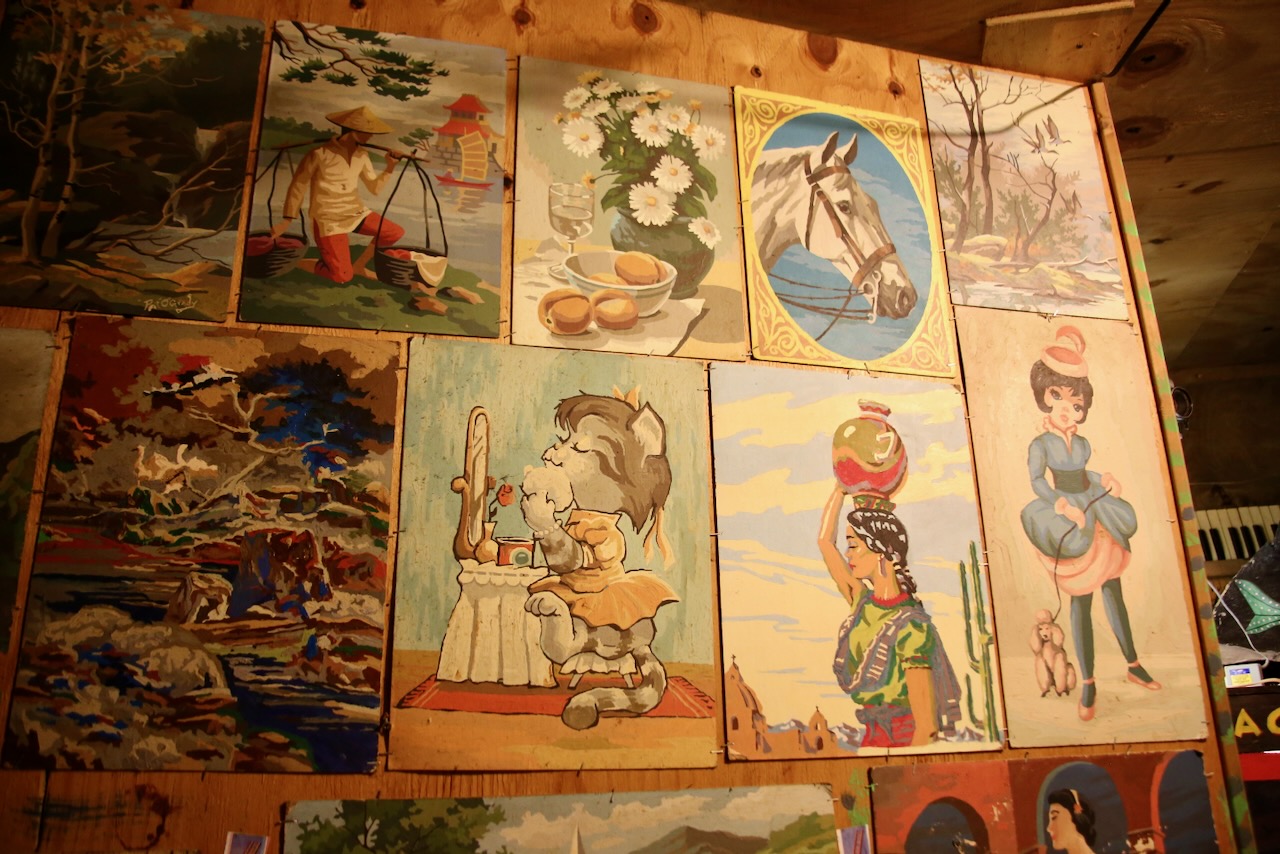
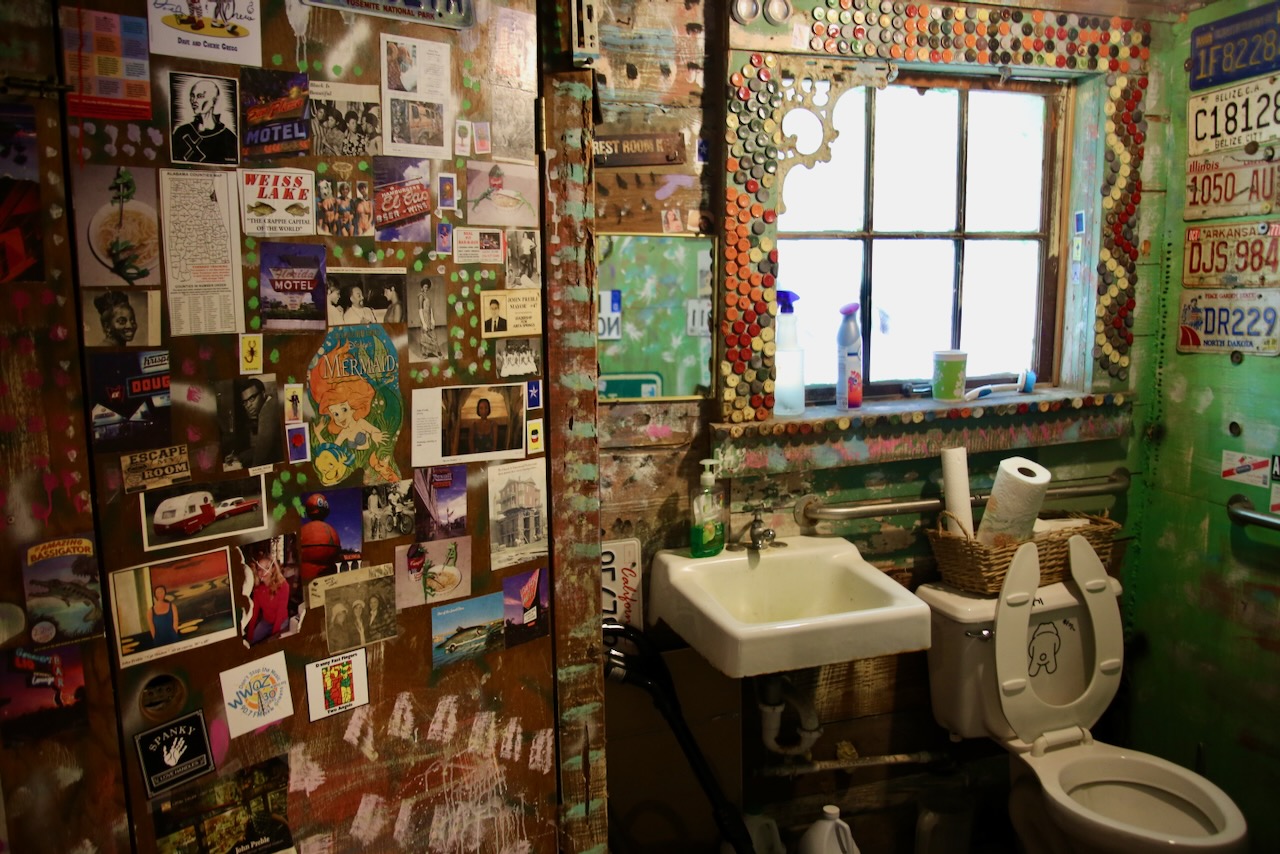
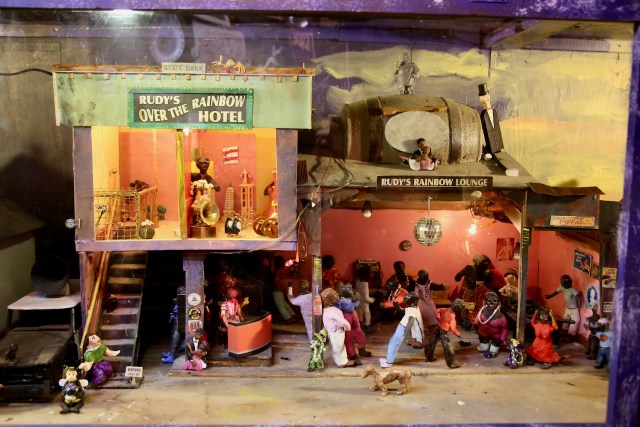
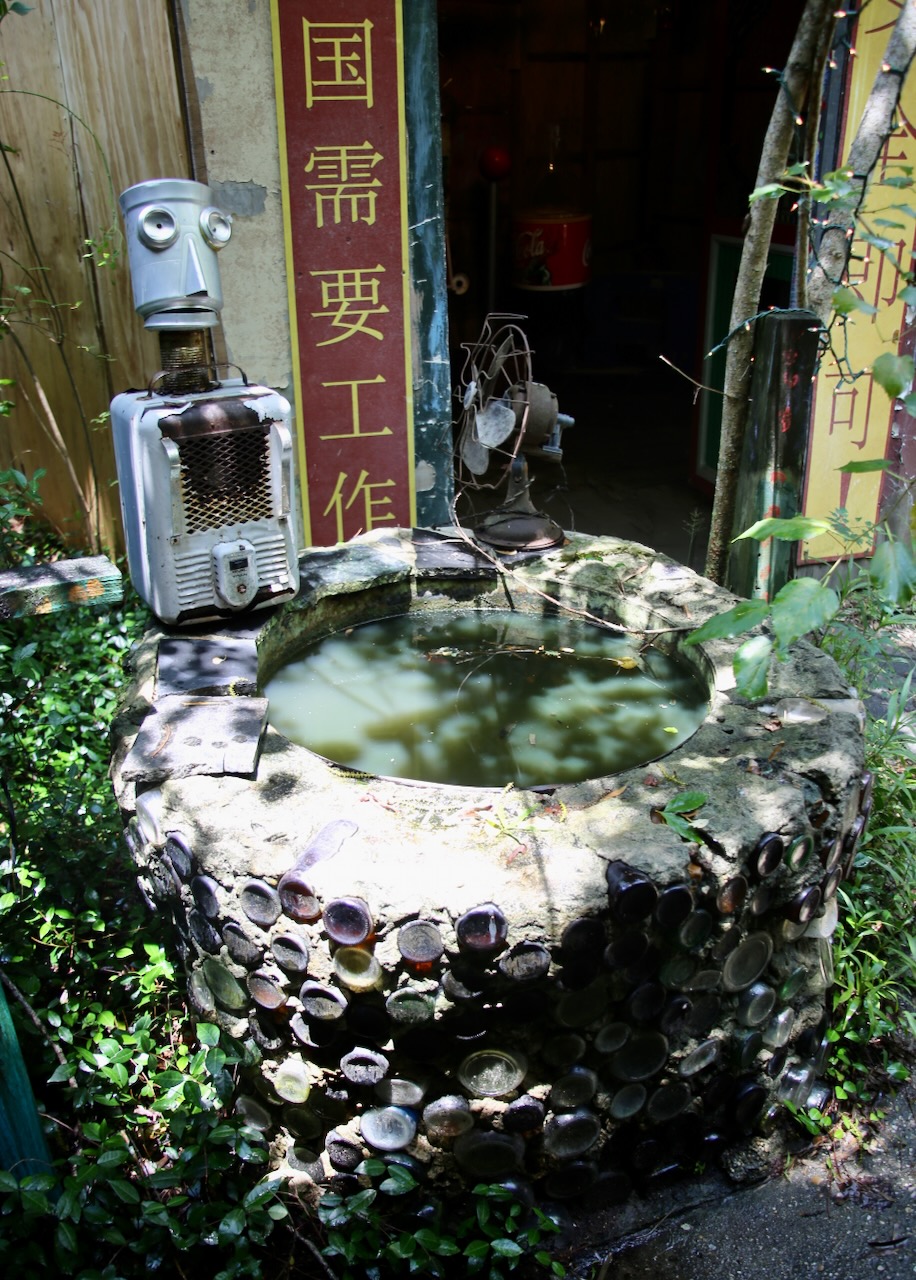
A detour a bit north over the Causeway I mentioned earlier (that’s not needed to access New Orleans from the west) takes us to the Abita Mystery House. It’s a roadside attraction packed with handmade inventions, mini-town dioramas, and collections: bottle caps, stickers, signs, license plates, paintings, bottles, film rolls, arcade games, sunglasses, etc. It’s just one guy, artist John Preble, and his over-friendly cat that claim these oddities, especially the rogue taxidermy with an alligator theme. Just a few minutes away is the Abita Brewing Company. I know their beer Purple Haze, a wheat ale with raspberries, so we take a tour, buy a shirt each, and ask about where to get dinner.
We agree on The Chimes, where I have my second croissant of the day. Mississippi was a sweet hour before we stopped in Alabama, where I picked up homemade F.R.O.G. jam (fig, raspberry, orange, and ginger, which I would later have to leave at the airport) and mosquito bites on my left foot (that I can still see six weeks later). We’re both exhausted trying to get onto IWTC Corry Station, my first command after Chicago in the Navy, and it’s not as accessible at night as it used to be. The camp host is too sweet and offers me a tour of the place that I decline, along with a free bag of ice.
Posted in Animals, Art, Camping, Food, History, Military, Music, Travel, Water | Tagged , , , , , | Leave a comment

Fort Stockton to Port Arthur

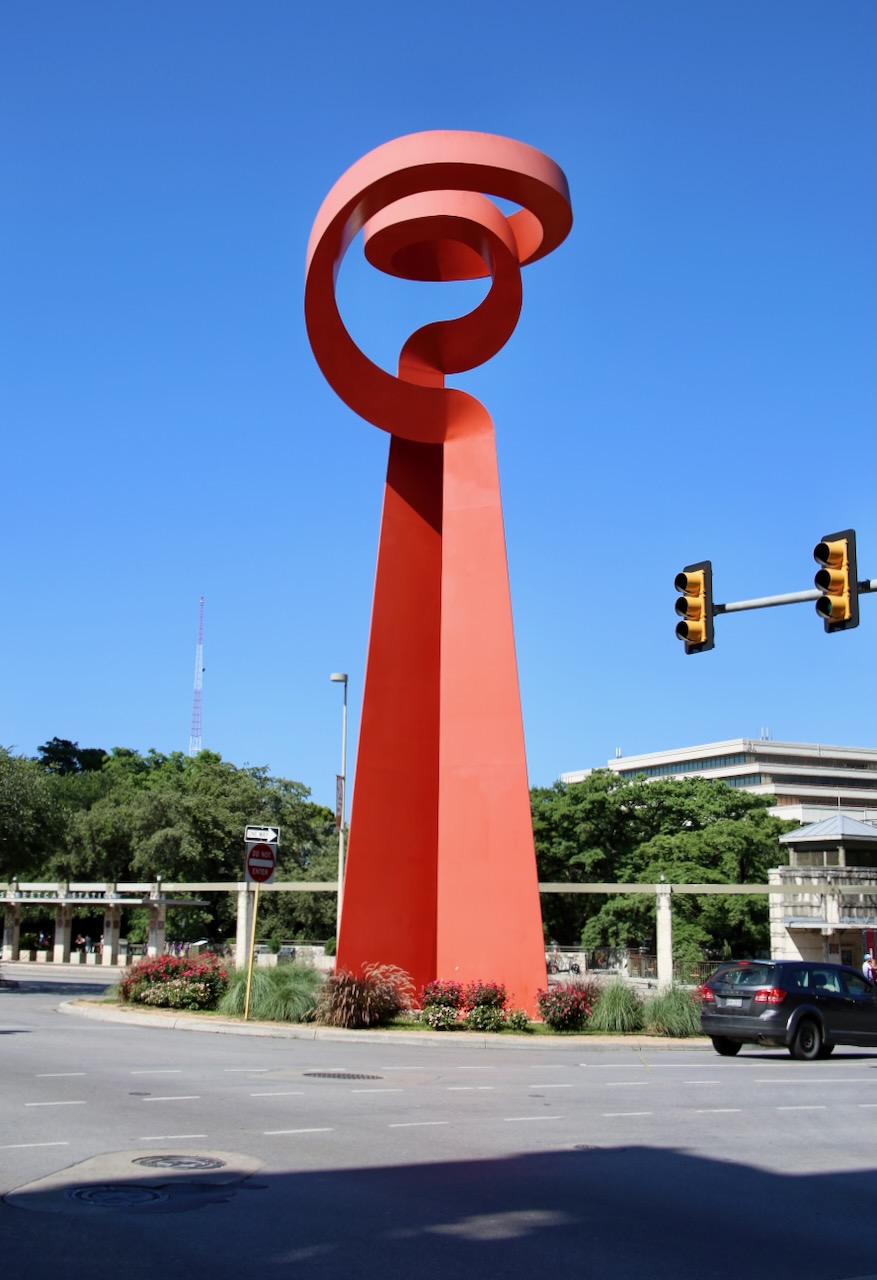
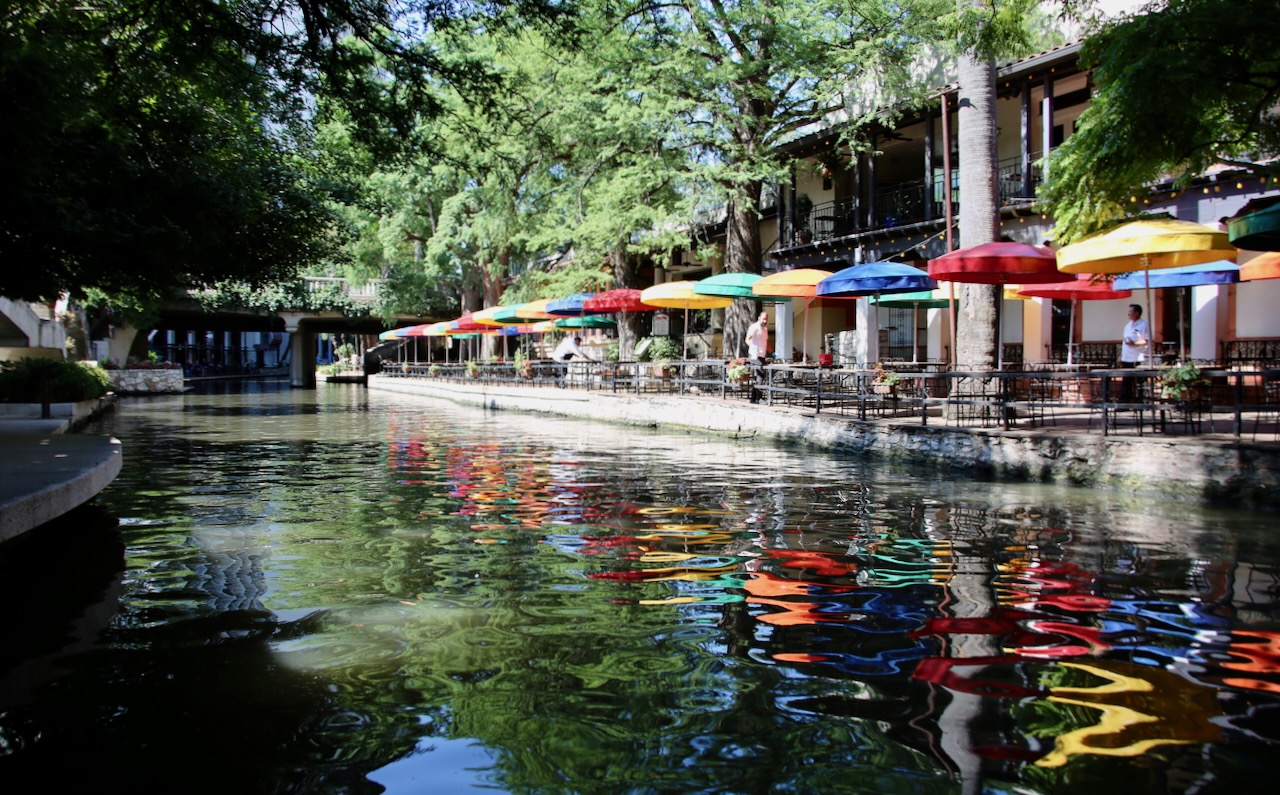
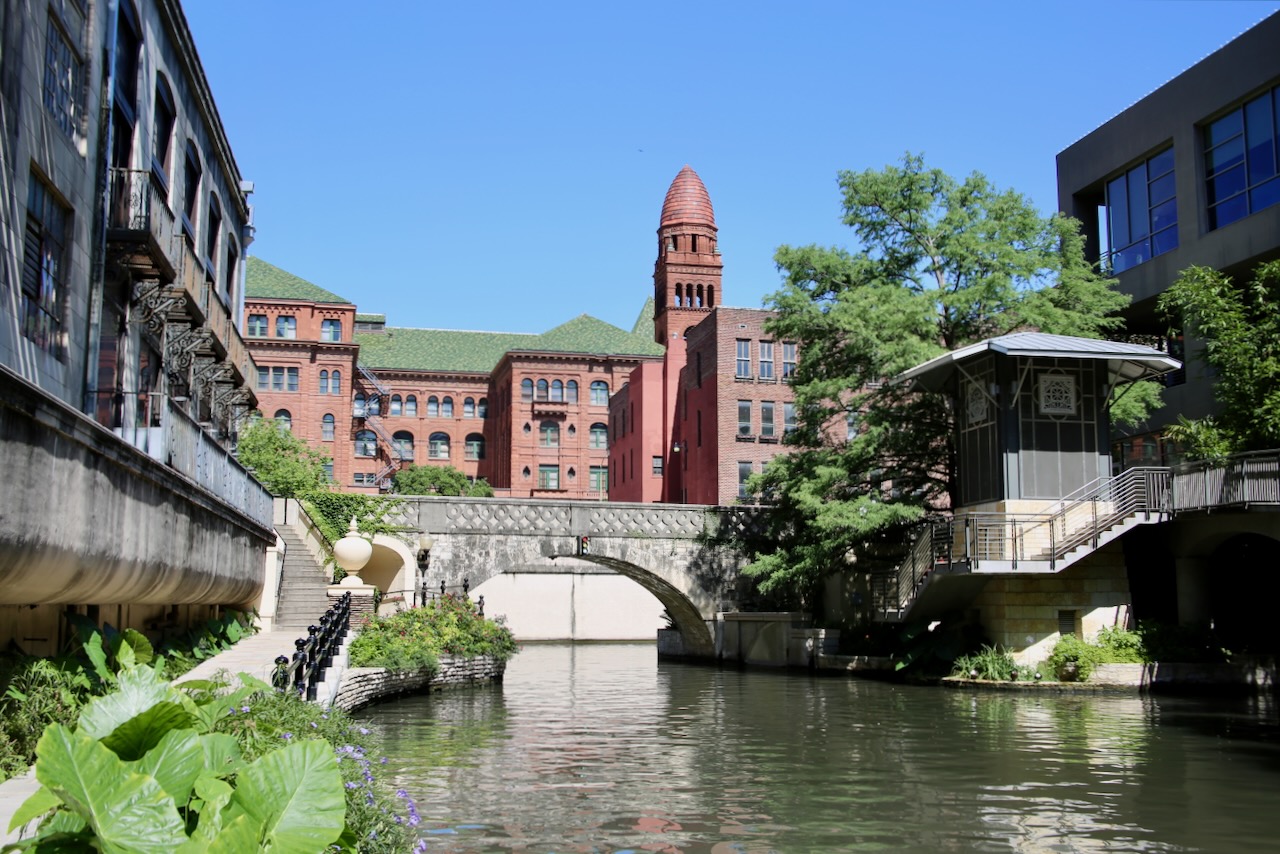
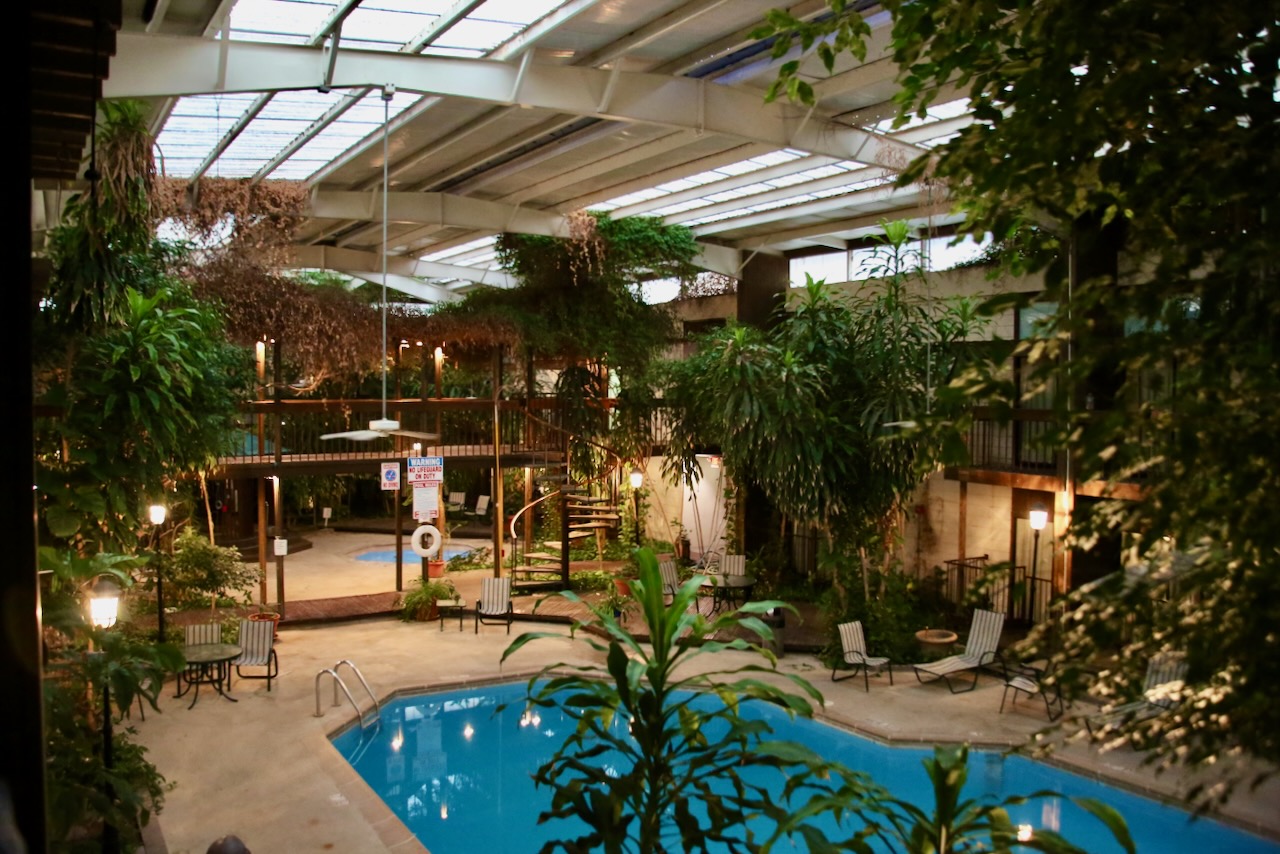
We stayed at a semi-nice hotel, but didn’t take the time to enjoy their namesake, an indoor pool area with plants, an atrium with a hot tub. It felt weird being back in Texas after four years; the last time was a type of family reunion for the wrong reason. This is also why we weren’t concerned with driving to Florence and knew that no one else would make the drive to San Antonio. For all the years I lived in this state, and the school field trips, and prior visits with Caleb, I had yet to see the famous River Walk, so we made a point to enjoy the day along its pedestrian street.

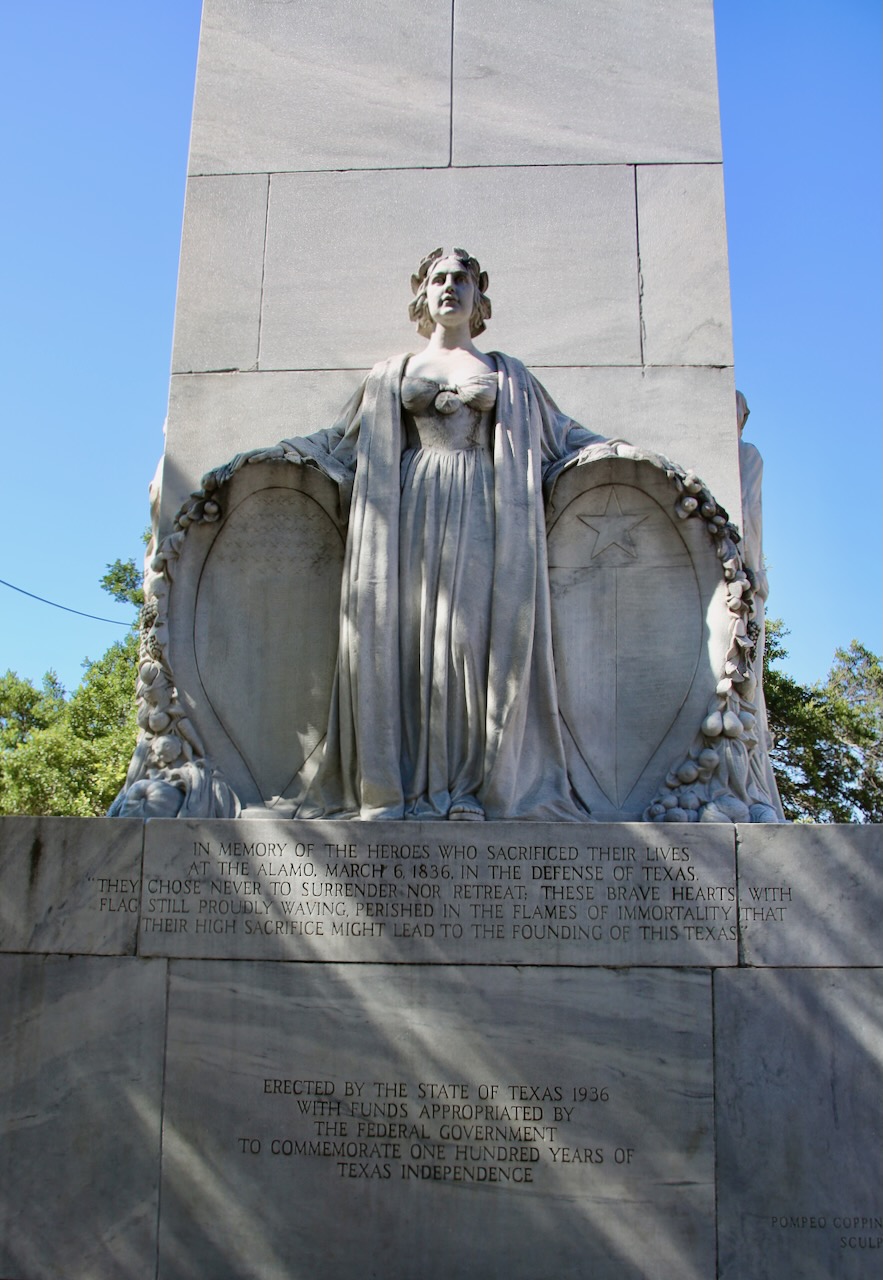
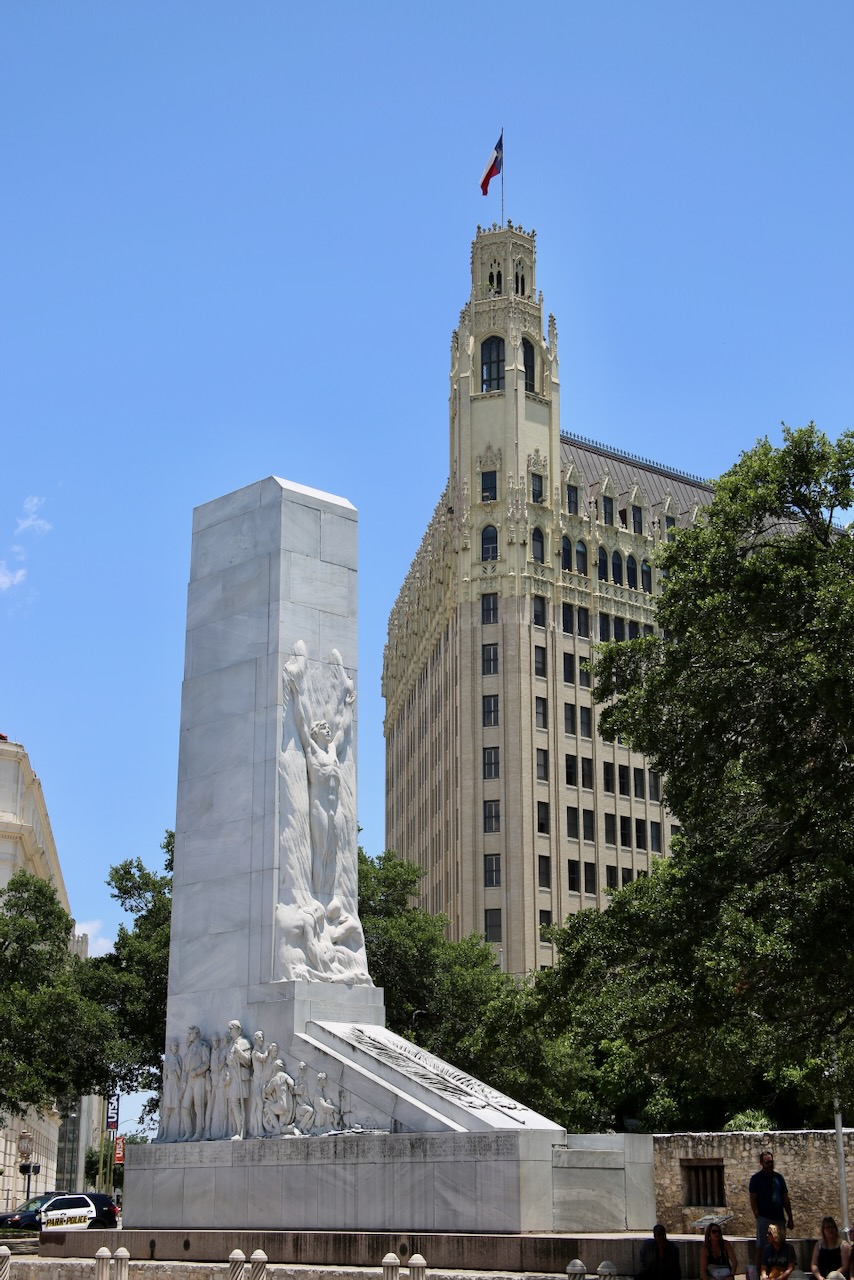
Upon seeing the Alamo, it at once appeared smaller and larger than I remembered when I was here before the turn of the century. I was accompanied by my ever-enthusiastic history teacher, and I would compare her passion for Texas vs. the United States, as the country sees the rest of the world. She still revered the creation of this great nation and all the states in it, but made clear which one was her favorite. I’m still making that decision for myself.
Life was busy on both sides of the river in the 1700s. The path between was lined with houses and stores until the late 1800s, when multi-story limestone and brick buildings were erected. An iron span bridge was built in 1890, and the present concrete bridge was constructed in 1914 along with retaining walls. The river was further enhanced with pavement and landscaping between 1939 and 1941, but it wasn’t until the HemisFair ’68 that the walkway began to become the second most popular attraction in the city.

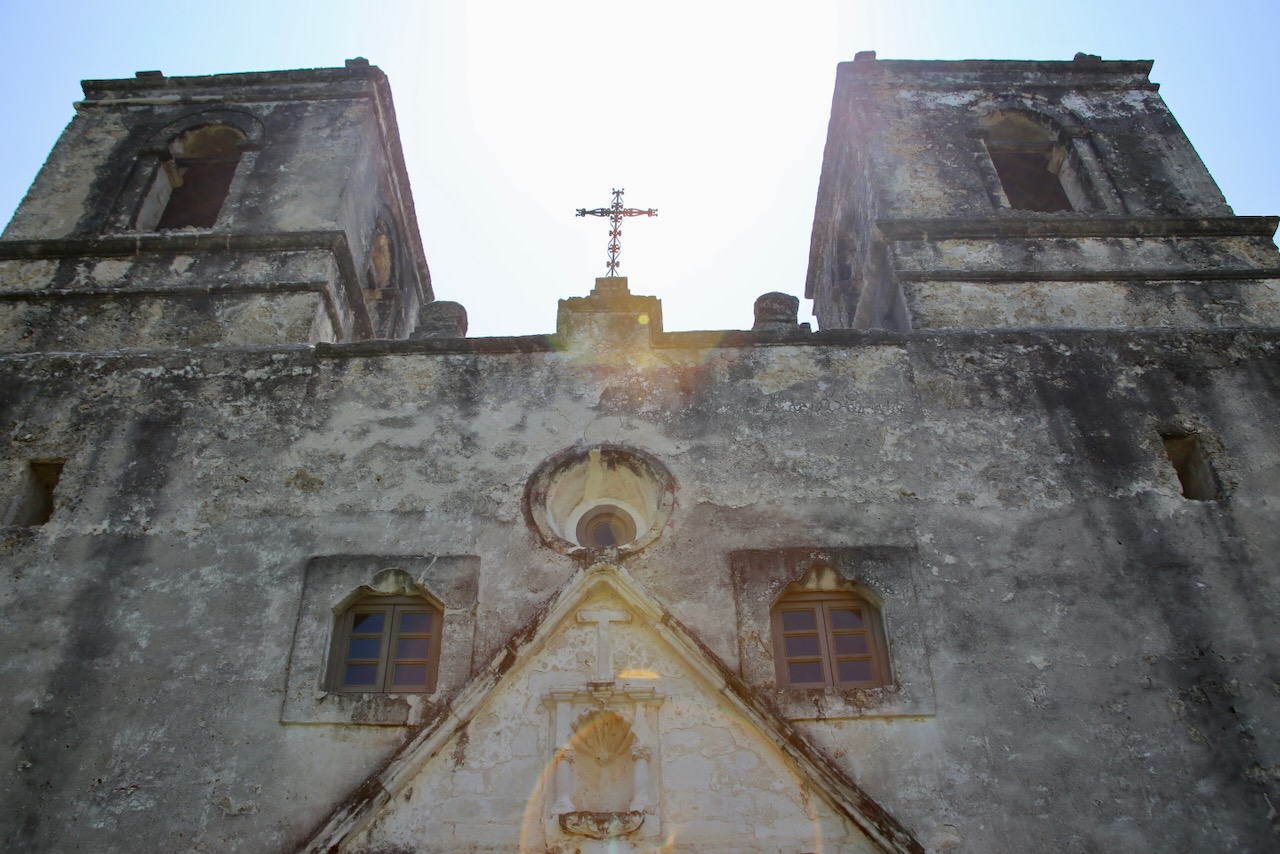
Not wanting to lose our parking spot, we rent scooters, a first for both of us, and ride to the Mission Concepción, established in 1711. Parts of the church look like the paint just dried, while a majority of the walls and images are showing their age. We were going to rent bikes for the next leg of the journey, but decided to take the scooters back and drive to the other mission after we were done by the river. We have lunch at some restaurant. The best part was watching the ferocity with which the pigeons landed, splaying silverware and french fries with their wings in a hurry to grab and chomp down on what they could before the staff brought the water spray bottles in an attempt to curb their behavior.

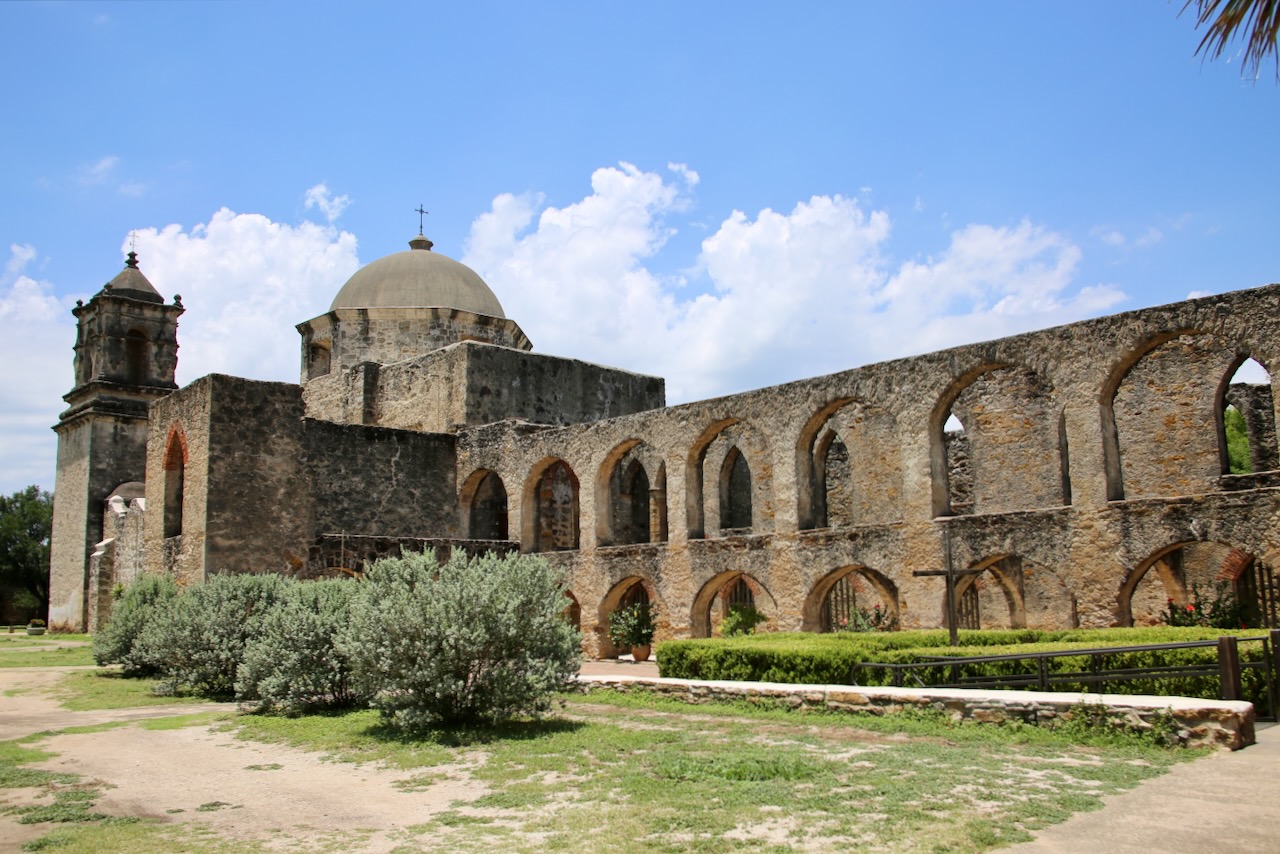
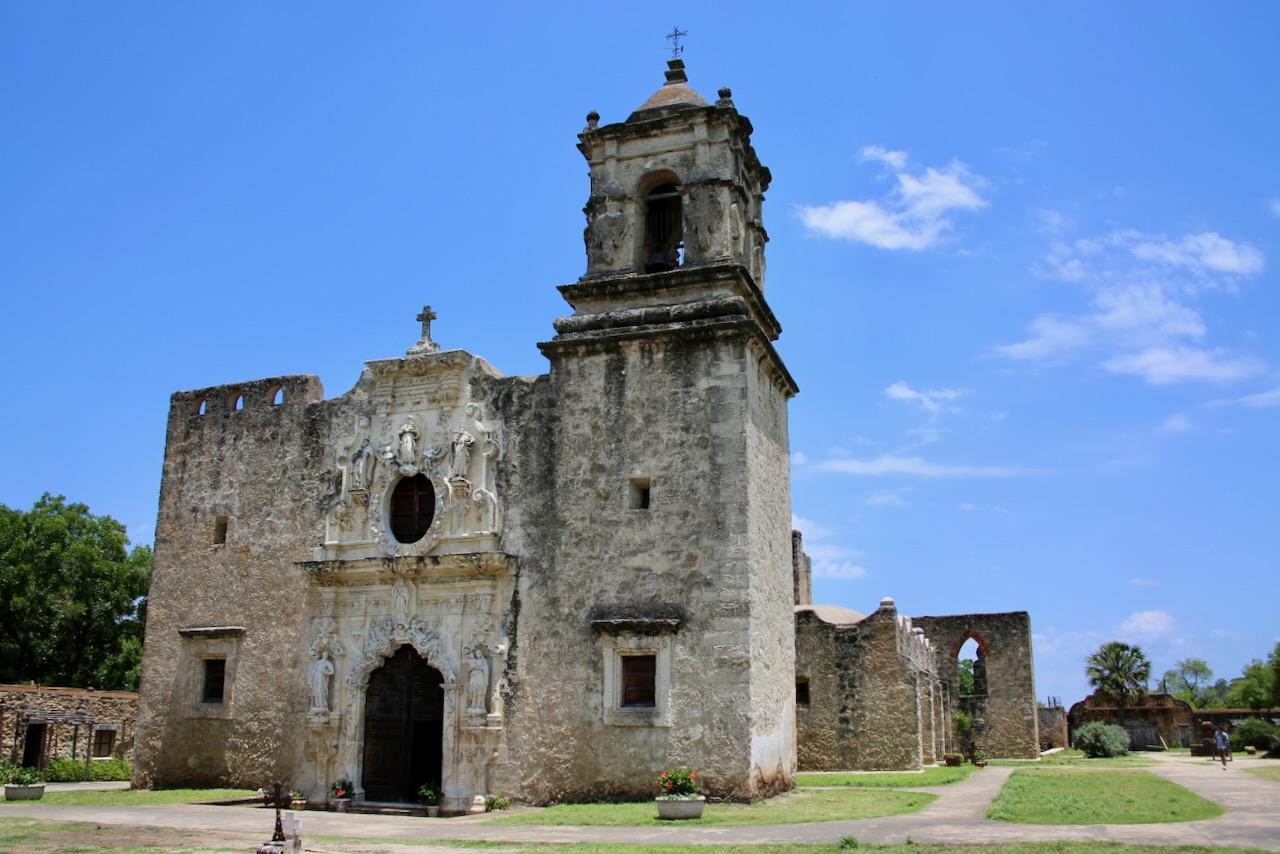
I got a laugh, and eventually the birds retreated to the top of the canopies, awaiting the next opportunity. We walk back to the car, and I’m grateful that we drove to Mission San José, founded in 1720, when I realize how burnt I am, and stick to the shadows. This church is bigger and better kept. It also offers more open walking space that I can’t ignore. The mill here was the first in Texas, about 1794, and produced wheat for the Indians and flour for the surrounding settlements. The upper room was restored in 1930, and both still stand today.

We linger in the peace of the mill before having to deal with the traffic of Houston, because I can remember Mom getting stuck in circles until Uncle Robert came to meet us and escort us to where he and Aunt Janet lived at the time. We worry for no reason, as we are driving straight through, which only takes an hour. We stop for dinner at the Chambers County Safety Rest Area — complete with museum, playscape, nature trail, and mosquitoes. Caleb cooked while I explored. The signs said to look for raccoons, tree frogs, armadillos, and Copperhead snakes among the passion flower vine, Turk’s cap, wild onion, and bald cypress.

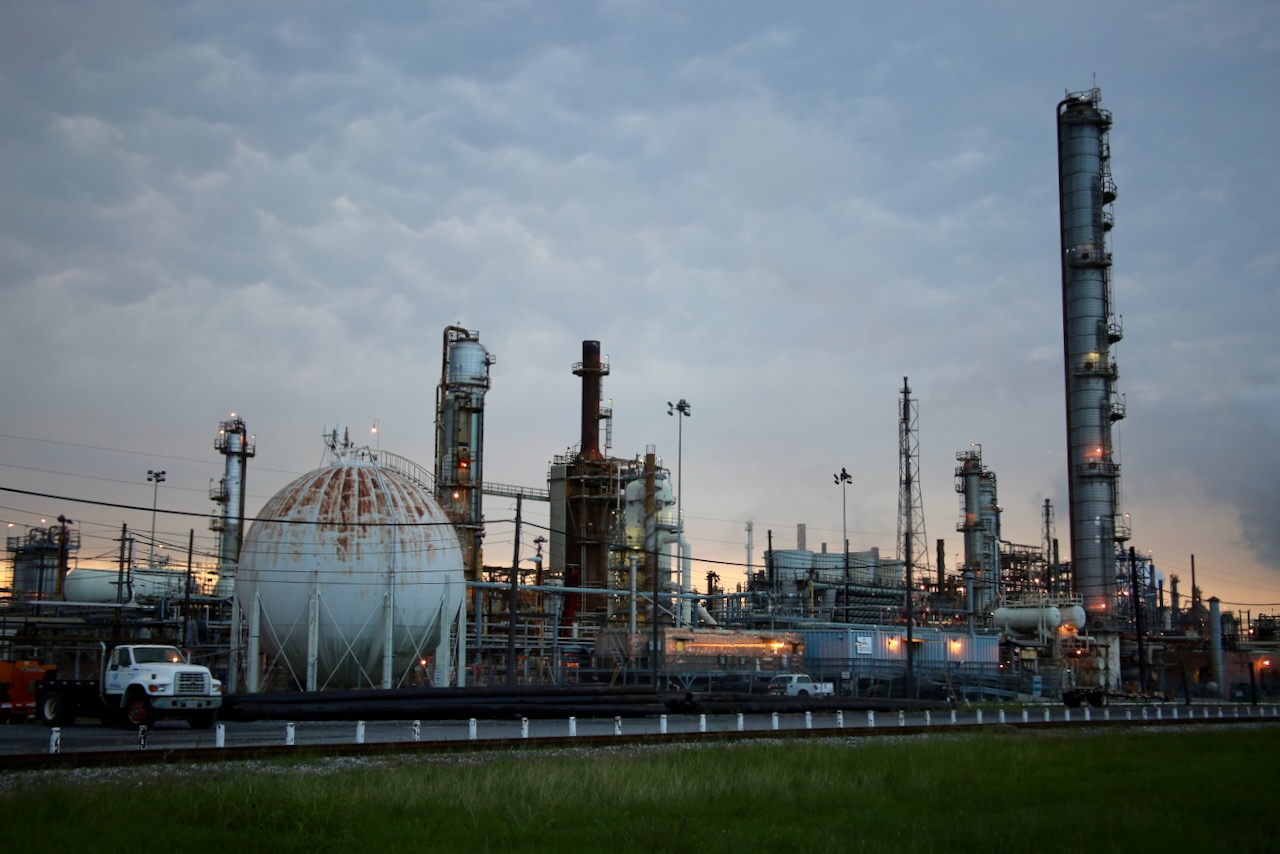
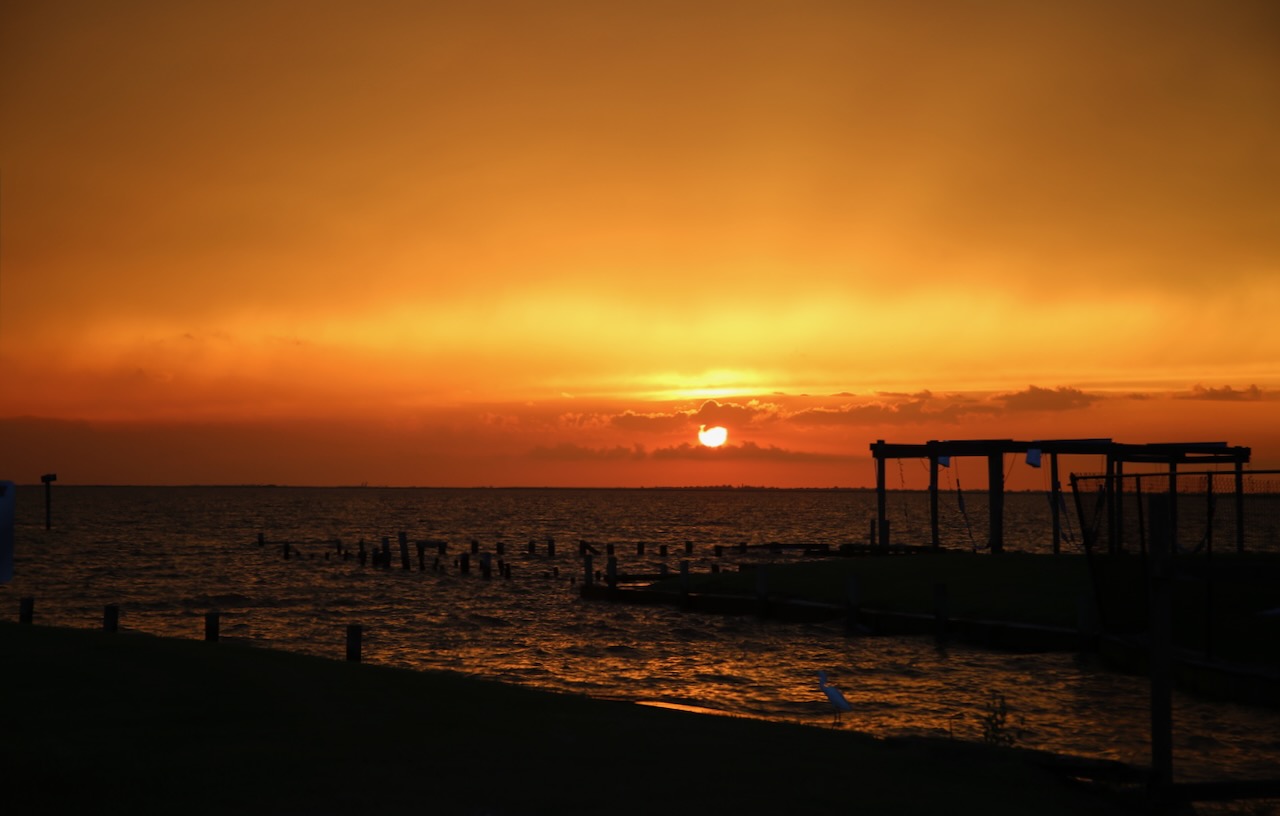
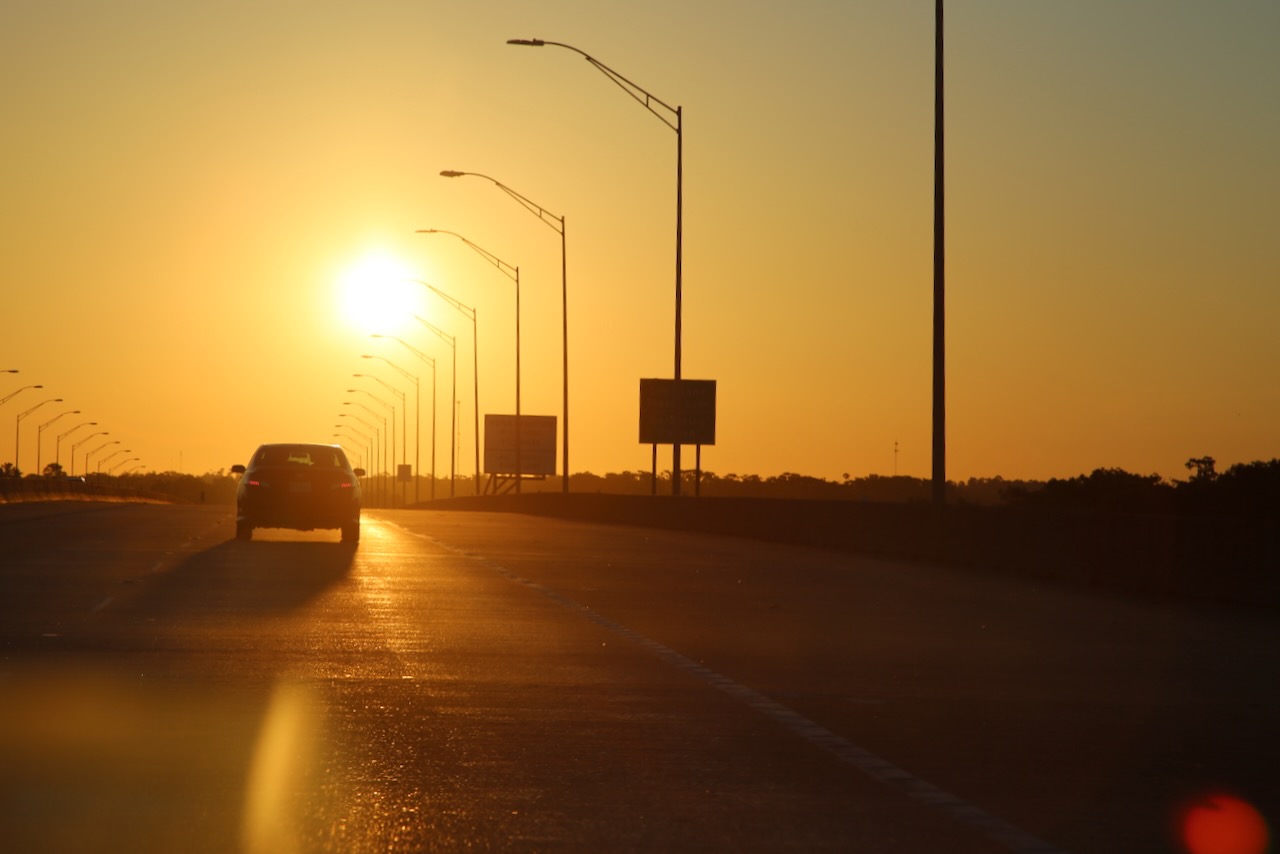
We reach the Port Arthur Refinery, which is hazardous to the local environment but beautifully lit amongst the dimming sky. Oil was found in Texas in 1901, and this facility was built shortly after. The company’s first products were gasoline, kerosene, and engine oil. WWI and WWII only helped expansion, and Gulf Oil became the nation’s largest producer of ethylene in 1955. By 1960, this facility was refining 270,000 barrels of crude oil per day into 600 different products. We followed the canal south, and once we turned west, we were met with a shades-of-tangerine sunset.

We were headed for a dead-end road that promised camping near the water at Sea Rim State Park, so close that with the looming lightning we deemed it too close for comfort, especially since the Boy Scouts had already abandoned their camp and left their undies and tents to blow in the wind. We resolved to drive into town and find somewhere else to sleep, and I’m so glad we did because we got to see an alligator dance in the road. I stopped to check him out in the headlights. I wanted to pet him as he was no more than three feet long, but the warning, “the baby is cute, but the mother is angry,” kept me from pursuing the reptile any further.

Posted in Animals, Art, History, Travel, Water | Tagged , , , | Leave a comment

Chiricahua to Fort Stockton

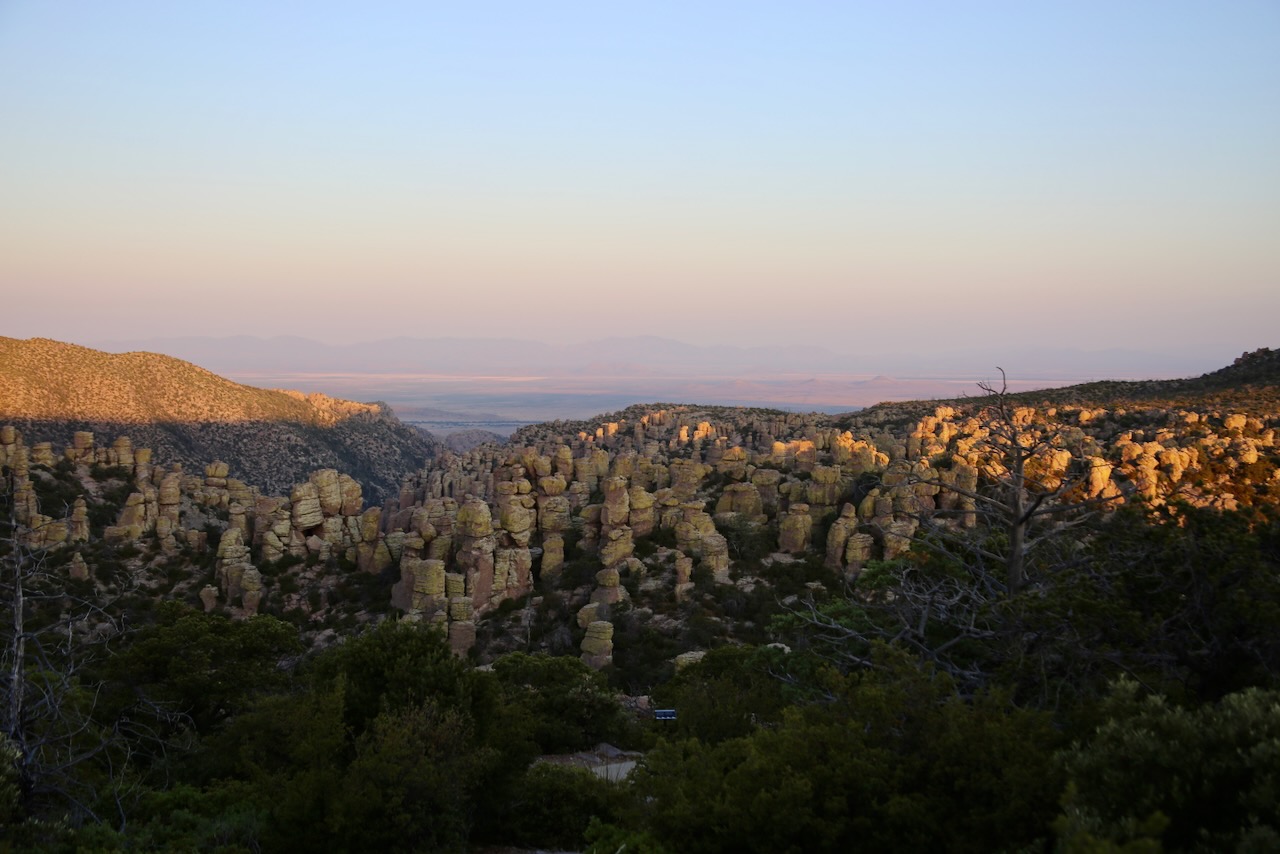
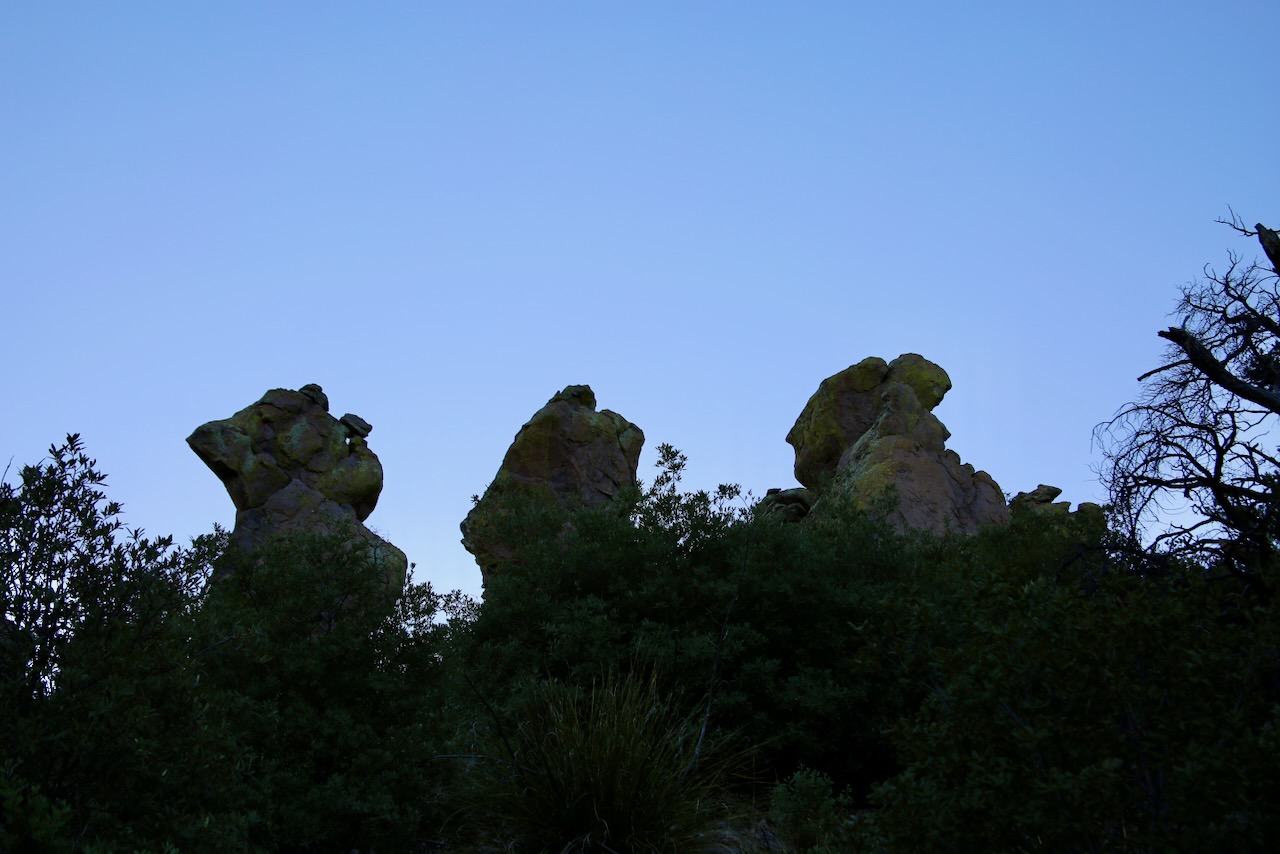
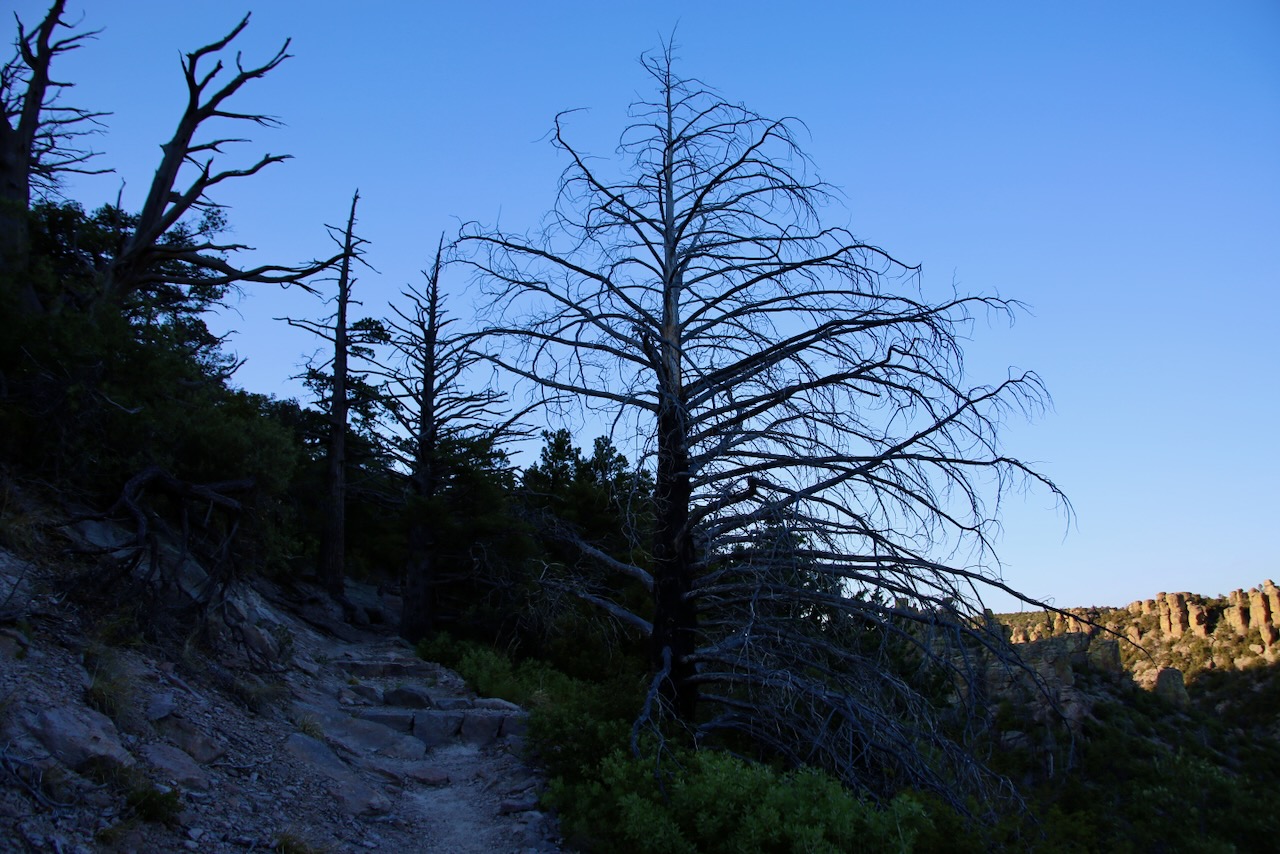
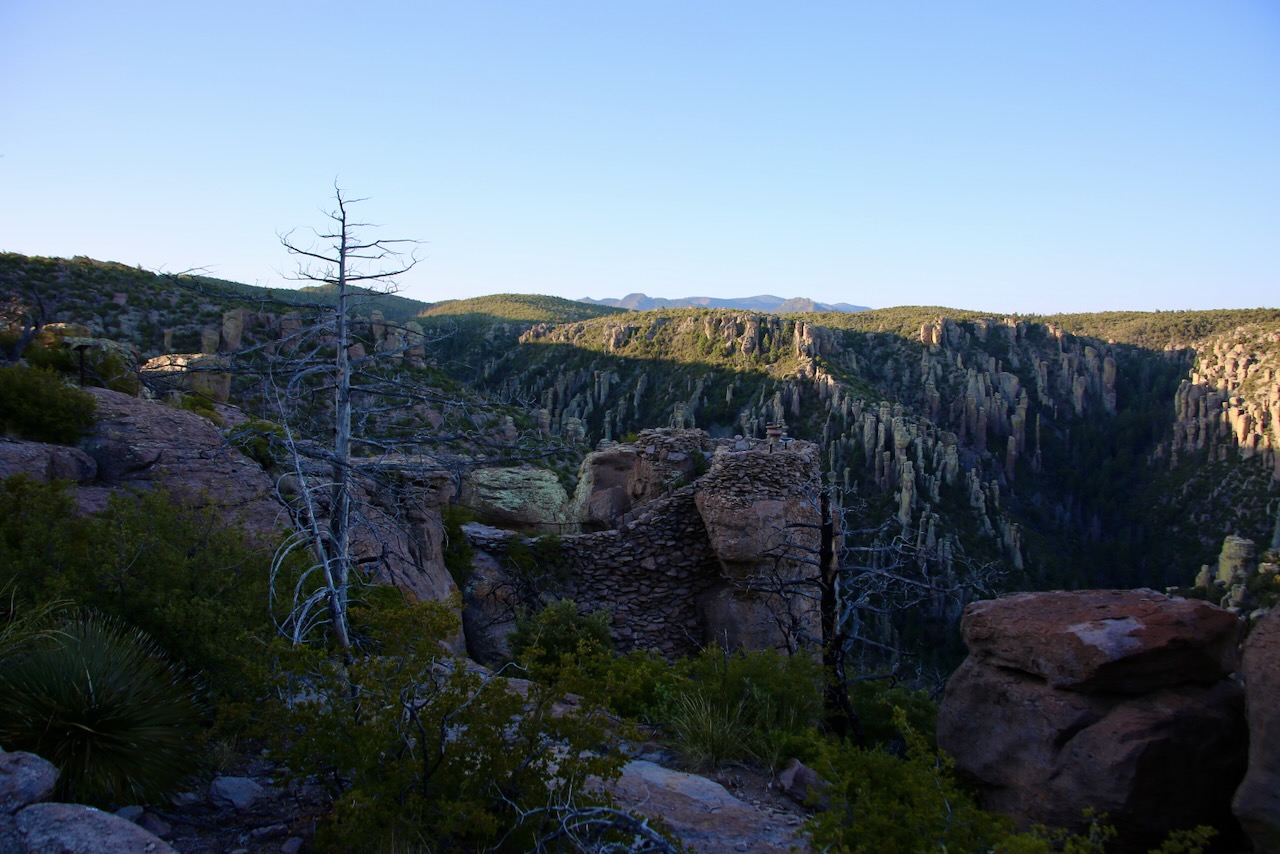
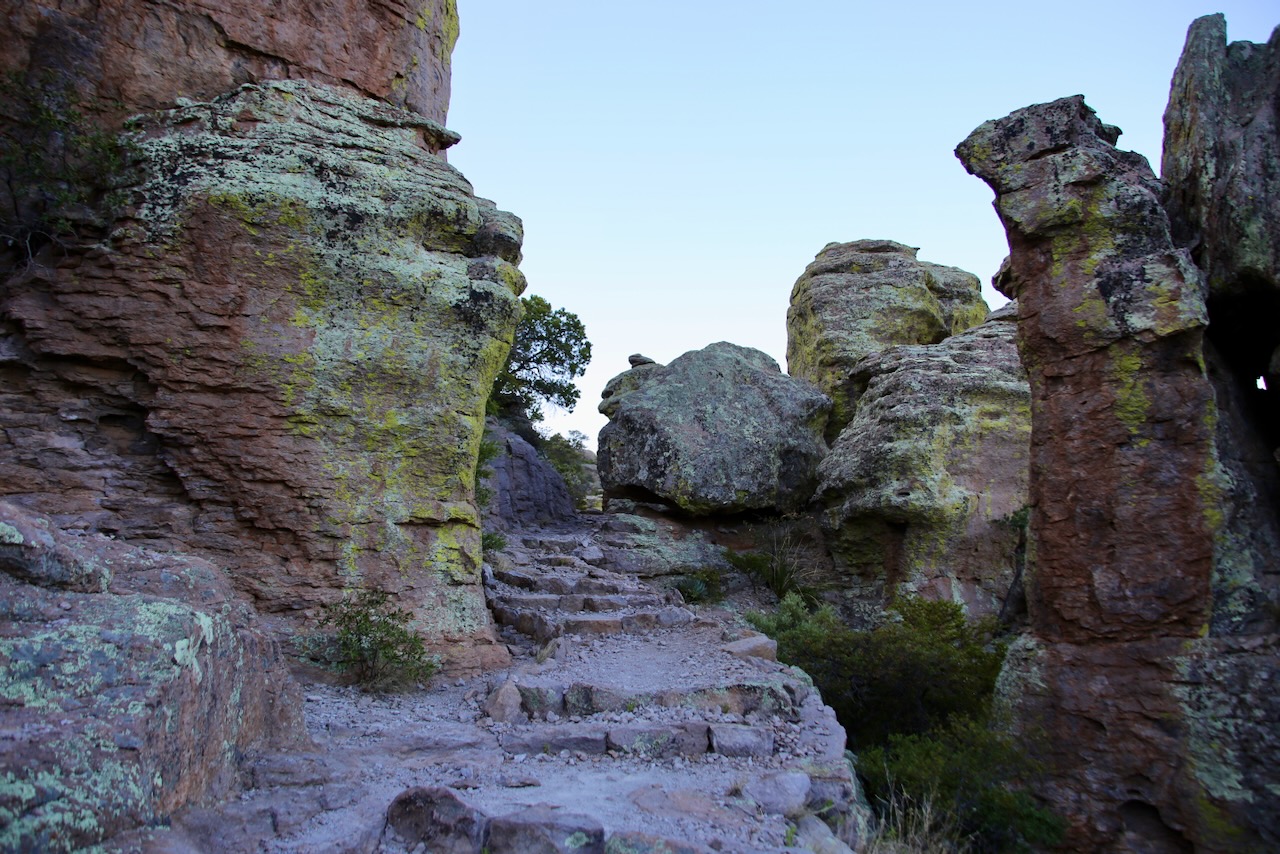
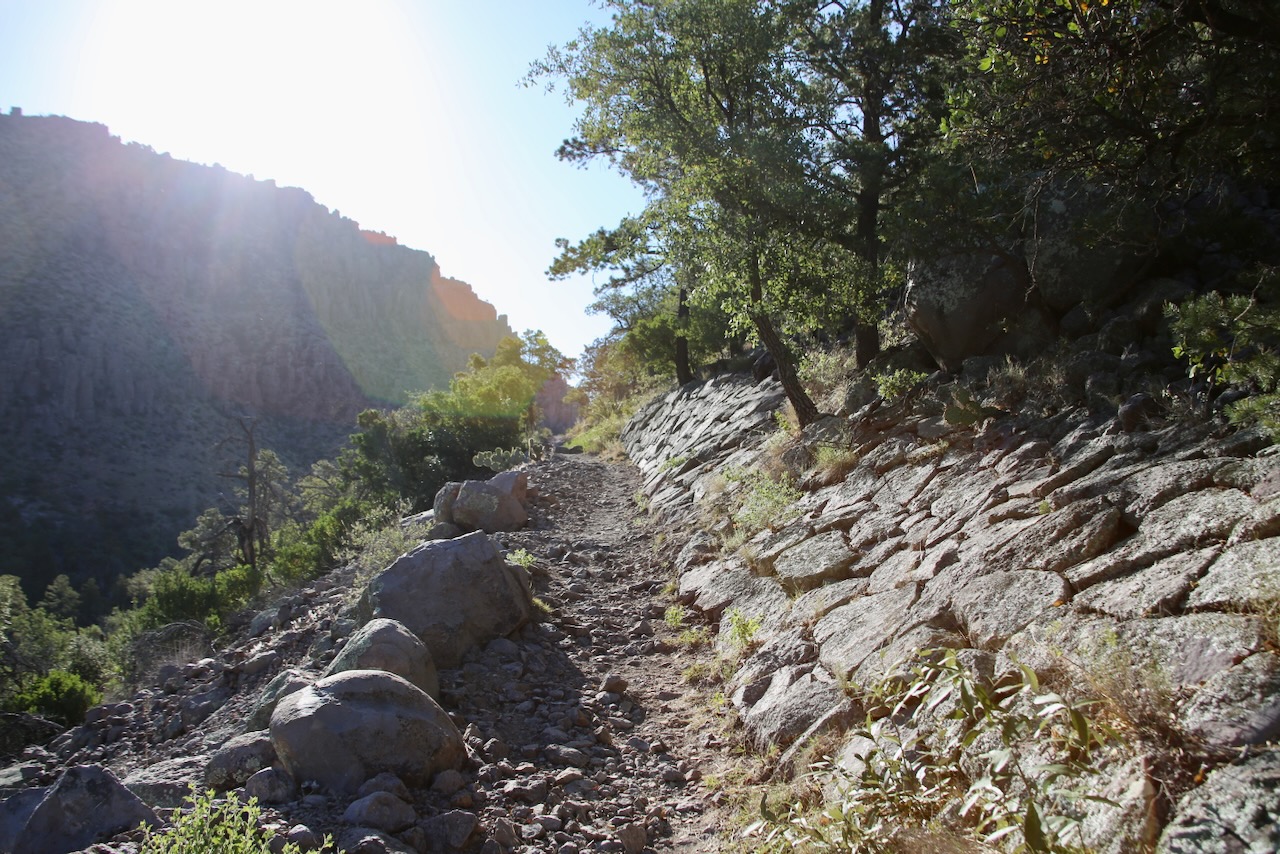
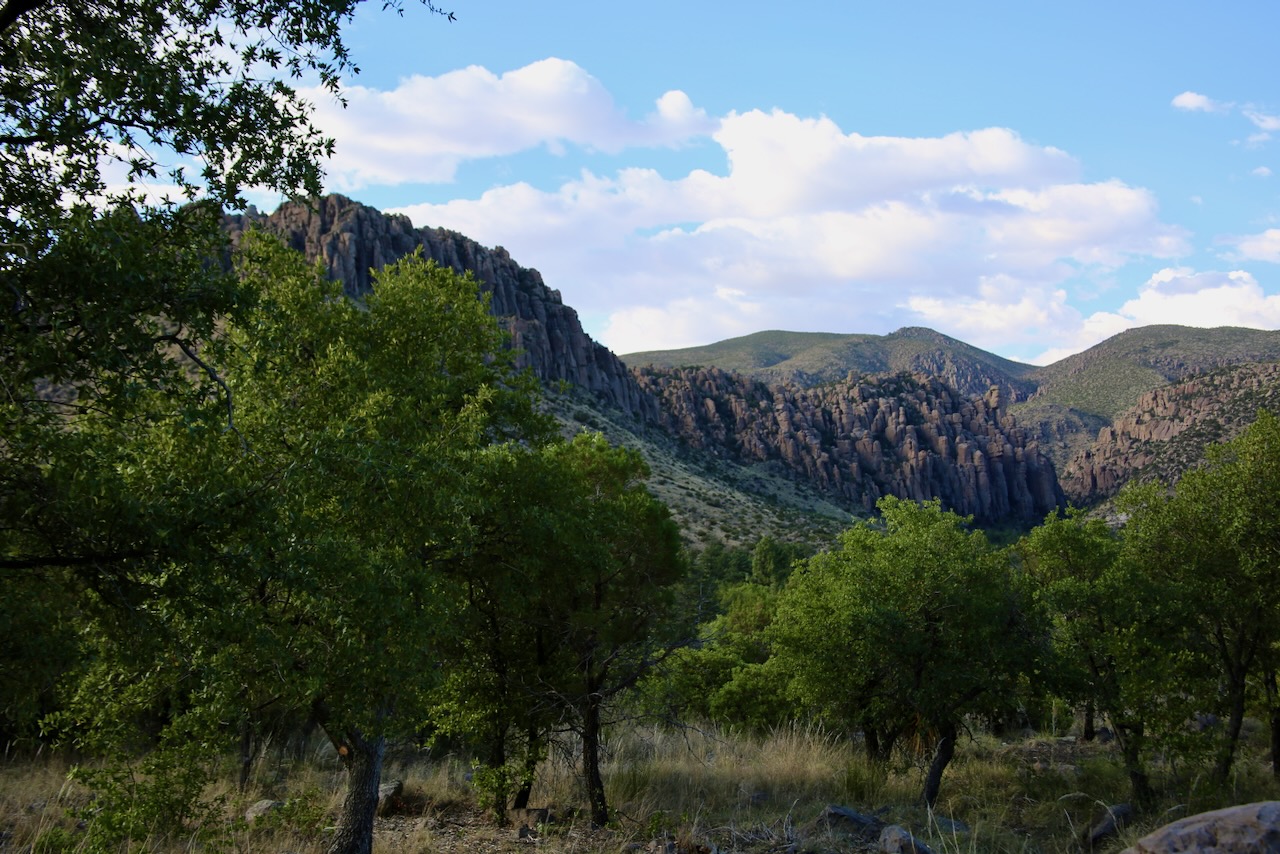
We awoke at Bonita Canyon Campground and started the morning with the sun on the Massai Point Nature Trail. Many of the rhyolite hoodoos are still in the shade, but the formations these silica-rich extrusive igneous rocks create are mesmerizing. Among the crevices of some ground stones is the exoskeleton of a cicada. We’ll finish our visit with a moderate hike with more tree cover and tightly clustered hoodoos; this park has the densest collection in the world from a volcanic event about 27 million years ago.

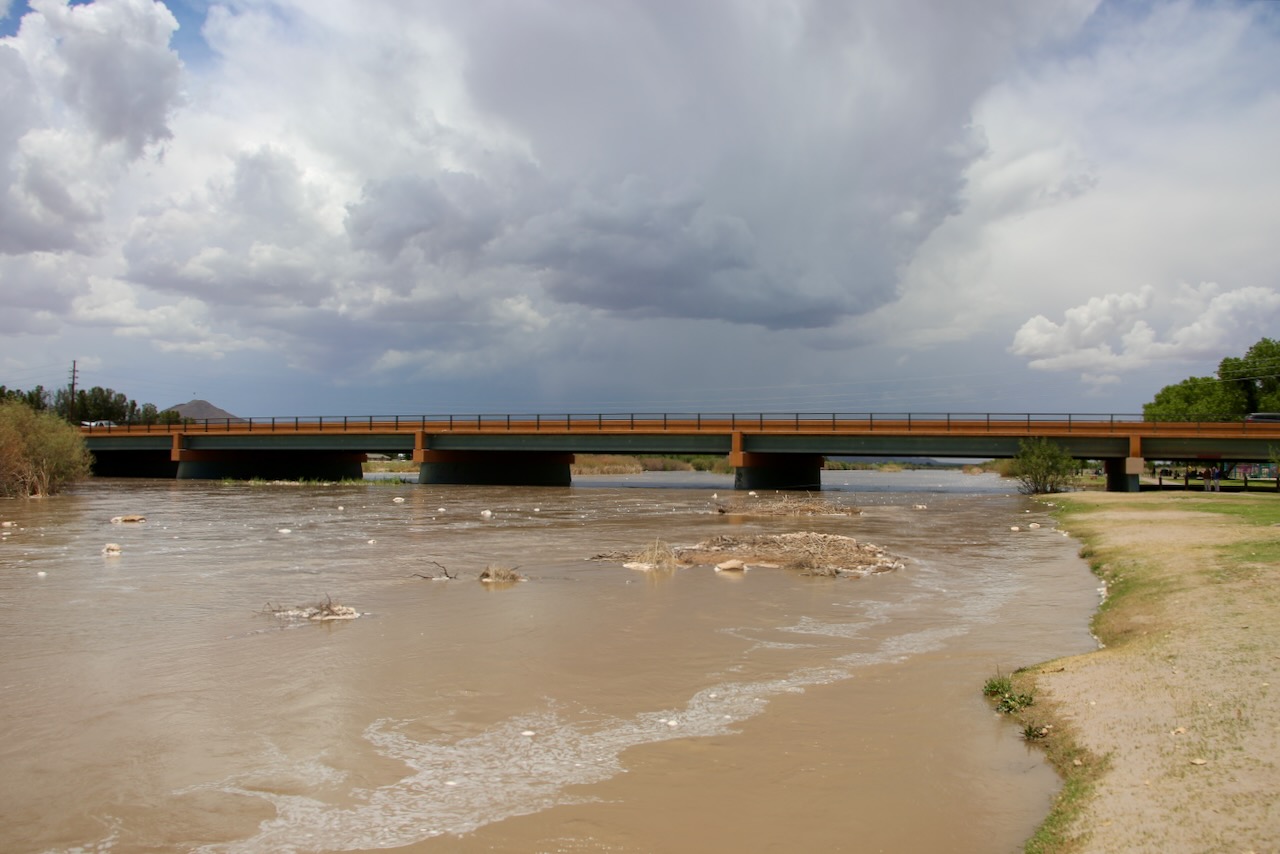
Further down the trail, we watch a Pipevine Swallowtail butterfly feed on an Indian paintbrush, a flower that fits the preferences of the Papilionidae family of tubular, nectar-rich blooms in shades of pink and purple. Even more engaging is trying to capture a decent photo of a Mexican Jay that jumps from rock to branch and back again. We’re a little over an hour from our next state, and it’s time to get going. We are only in New Mexico as long as the Rio Grande is wide (though it runs through the entire state), and we enjoyed the afternoon walking along its riverbank.

We stop in Las Cruces and meander around La Llorona Park, just two miles from the World’s Largest Chile Pepper in front of the Big Chile Inn. From there, it’s only a half hour to the Texas state line. There’s a sign posted, Playful City USA, which the non-profit Kaboom! donates when a city expands, improves, and guarantees access to play areas, especially for low-income children. We stop in Sierra Blanca to admire their courthouse and read the history of Victorio, an Apache chief, vs retired General Byrne, who was killed in his stagecoach.

The US and Mexico gathered 5,000 soldiers to hunt Victorio down and put an end to his raiding career in the southwest. Byrne was born in Ireland but reinterred in Fort Worth (random fact). The other sign discusses the joining of the Southern Pacific and Texas & Pacific railroads that would connect the West Coast with East Texas in December of 1881, after over a decade of construction. The Atrium Inn will provide our bed for the night. At this point, we are about 40 percent of the way to San Antonio from El Paso and have another 280 miles past the Alamo to exit Texas on the other side.

Posted in Animals, Hiking, History, Travel, Water | Tagged , , , , | Leave a comment

San Diego to Chiricahua

Caleb was presented with an anchor paddle on June 3rd to honor his time at COMLCSRON ONE as chief from September 2016 to June 2019. His office hours were 0630-0645, which is roughly 250 hours, and they couldn’t spell our last name correctly. We take this transfer gift home and set out for the East Coast, where Caleb will go to school before returning overseas. We’ll spend the night over 200 miles away, so we have a headstart on vacation and can skip the Tuesday morning traffic.

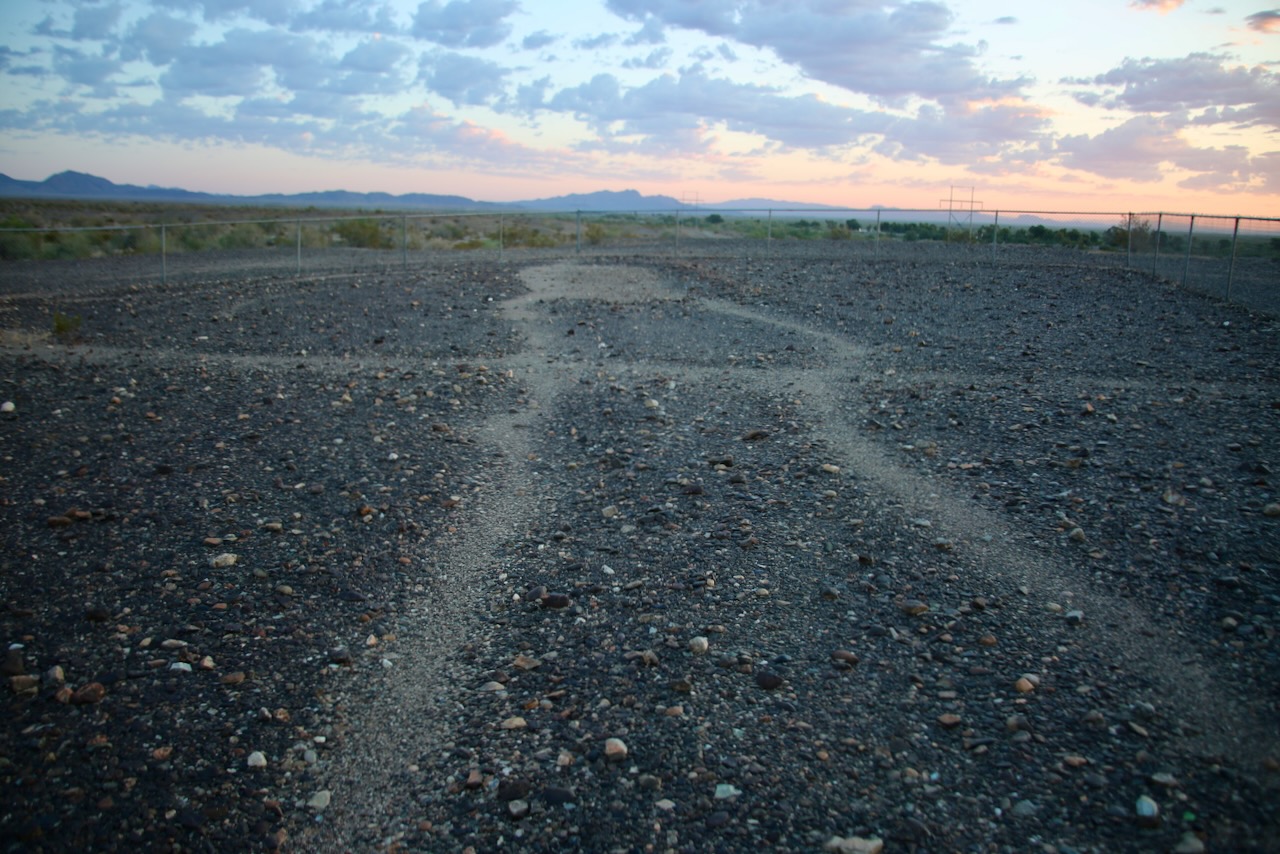
Our sunrise destination is the Blythe Intaglios (designs engraved into a material) that appear to be nothing more than simple impressions in the ground from moving dark rocks into an outline of the lighter soil underneath. The magic here is that they have survived weather and man for over 400 years (possibly 2,000), and were first noticed by a pilot in 1932. The male figure is 102 feet tall with an armspan of 65 feet. Native American myths claim the animal is a mountain lion, and non-Native Americans believe it is a horse, hence the large age guesstimate.

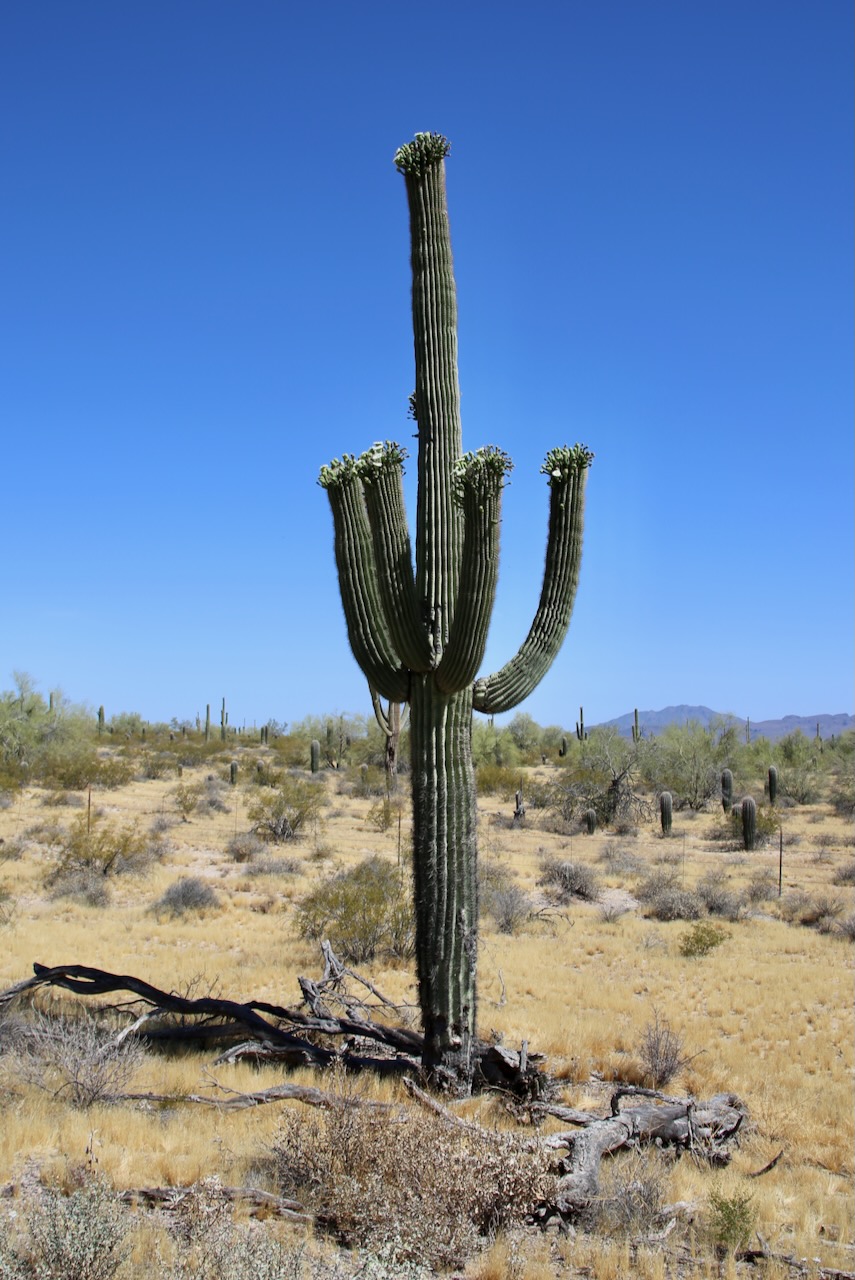
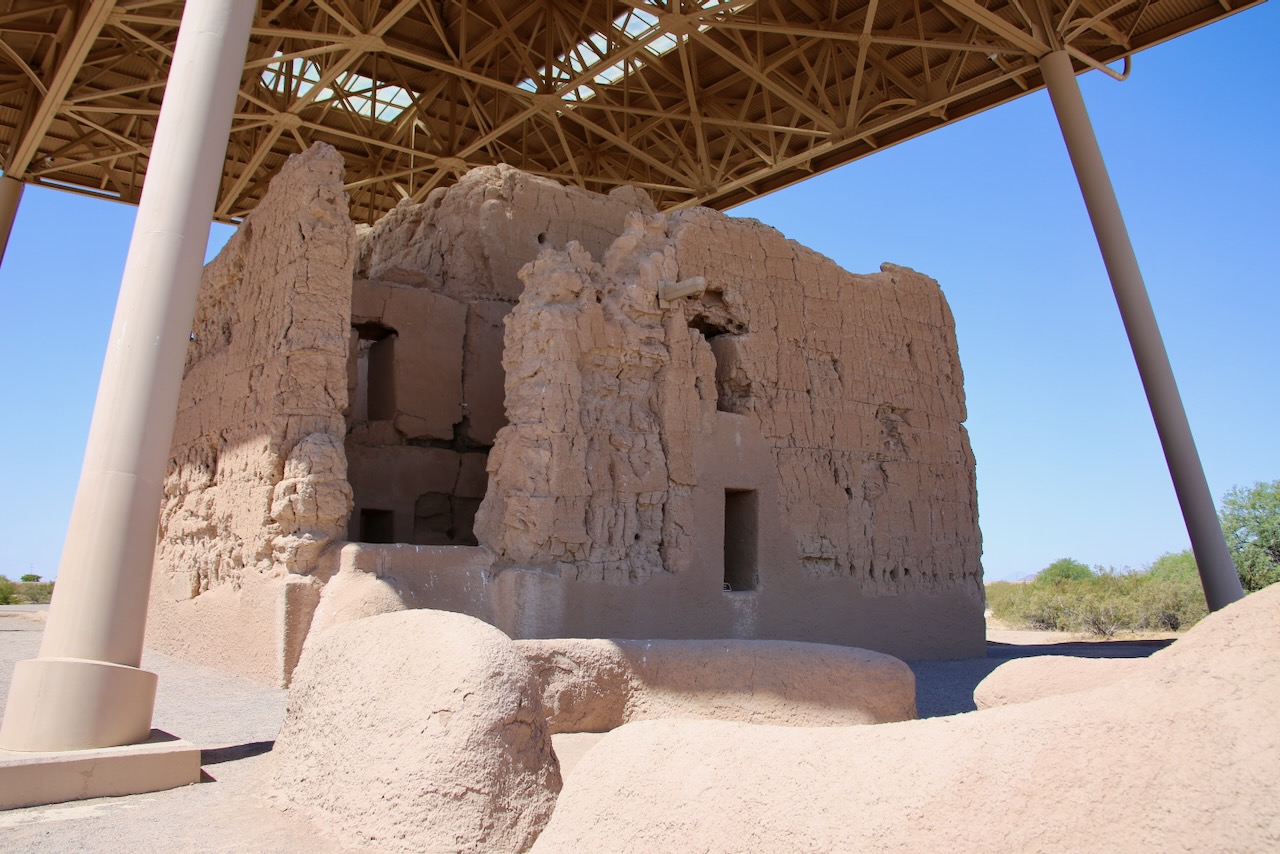
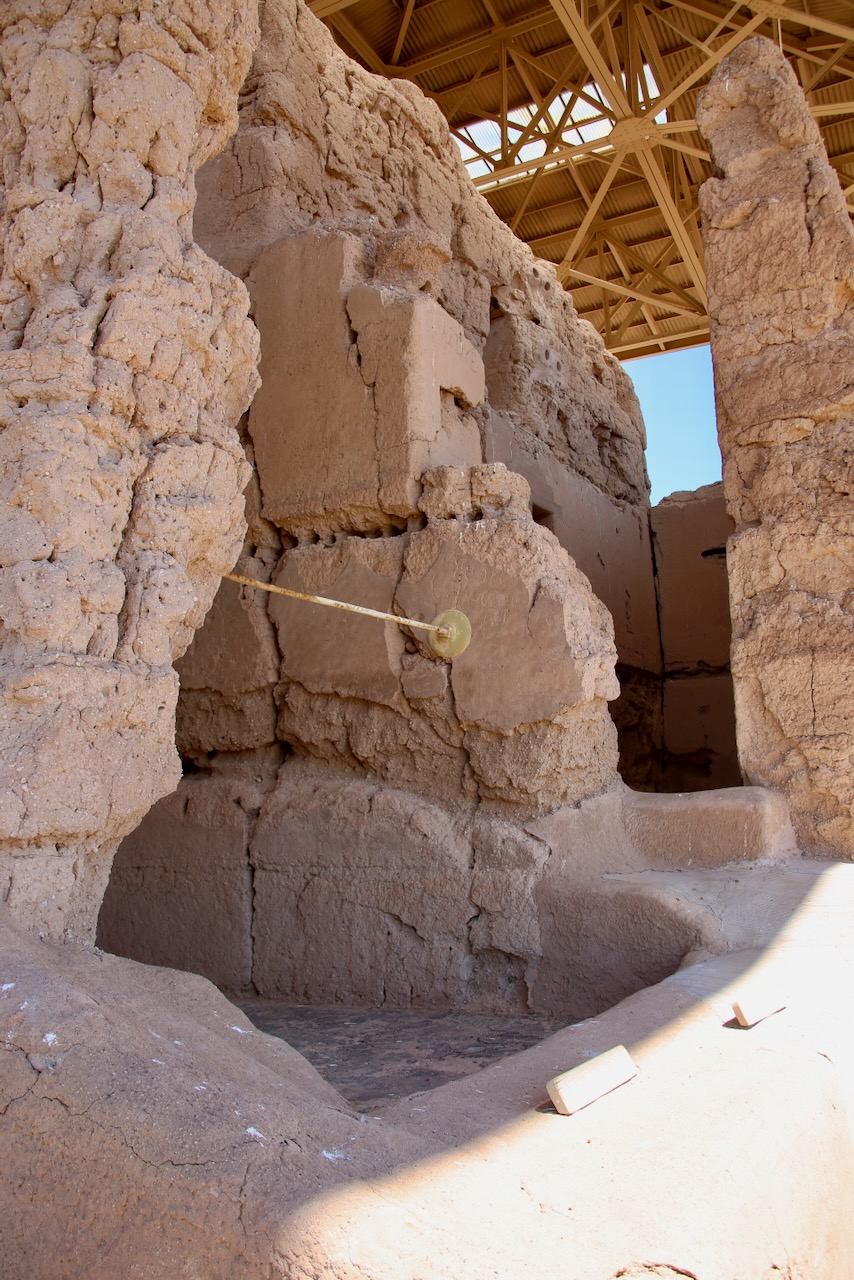
Three hours later, we are in a different state and in the same Sonoran Desert, visiting the Casa Grande Ruins National Monument to honor the work of the Hohokam. This culture is best known for its irrigation canal systems, big adobe houses, and trading tools of obsidian. An innovative technology in development since 1895 made progress with the XRF (X-ray fluorescence) spectrometer in 1948, and a portable version was built in the 70s. This method tells scientists the chemical makeup of this volcanic glass and helps determine its origin.

The Great House was four stories at one point. In the winter, women sat in the plazas to make baskets, pottery, clothes, and food. In the hotter months, they sat in the shade of the ramadas. The rooms were used for sleeping, storage, and ceremonies. I’m sure the structure appeared sturdier 700 years ago when it was less worn and cracked. There are a few modern tools to help hold the place together and keep people out, but birds are able to appreciate the cool refuge from the summer sun. We spot a white-tailed antelope squirrel, so named for running like the hooved ruminant and not climbing a tree or diving into the ground.

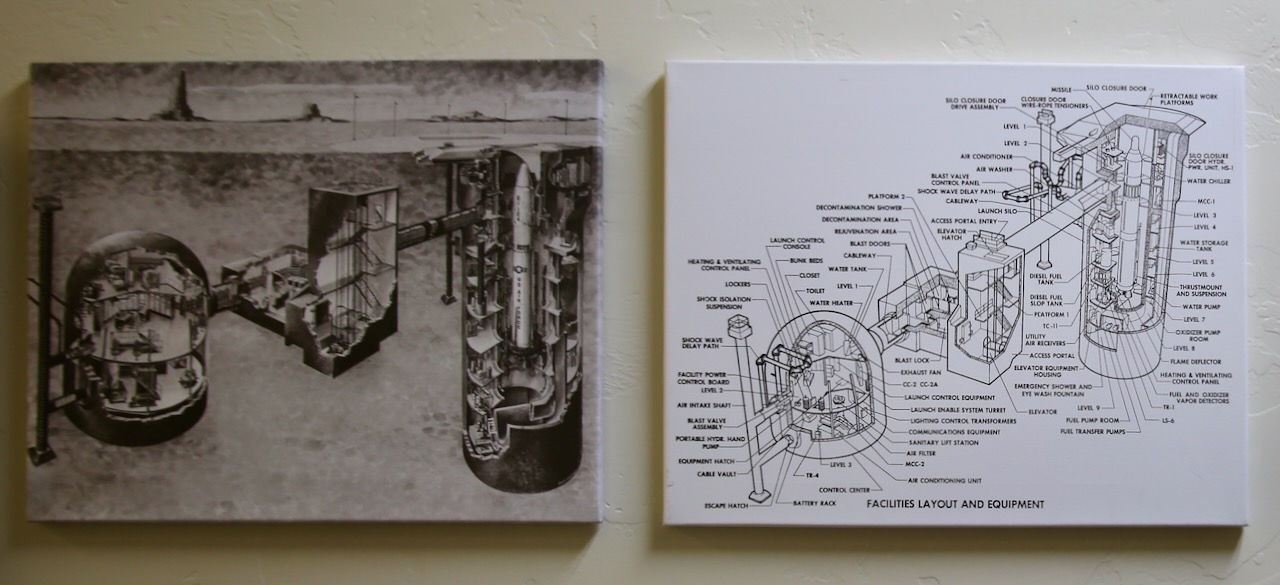
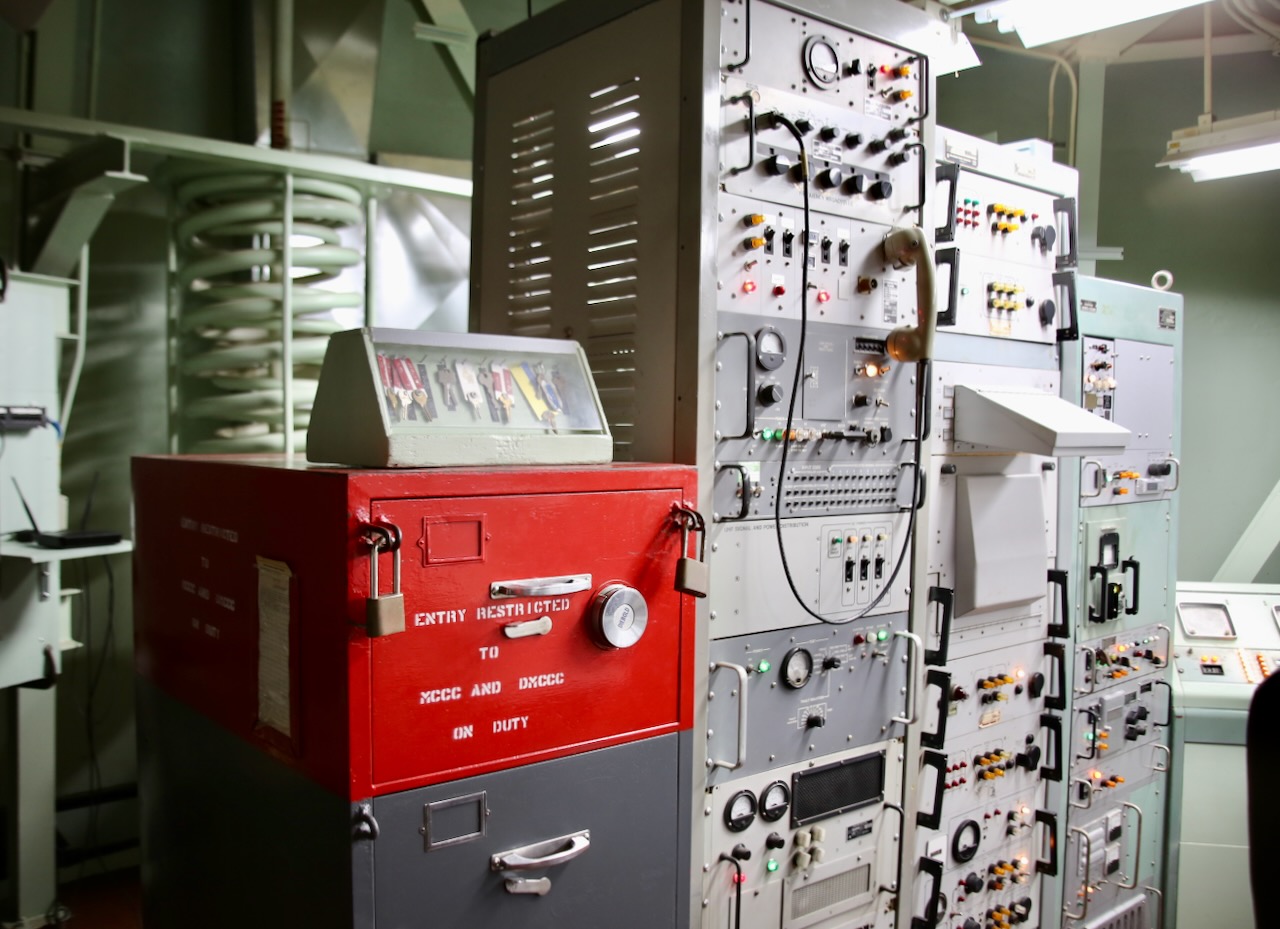
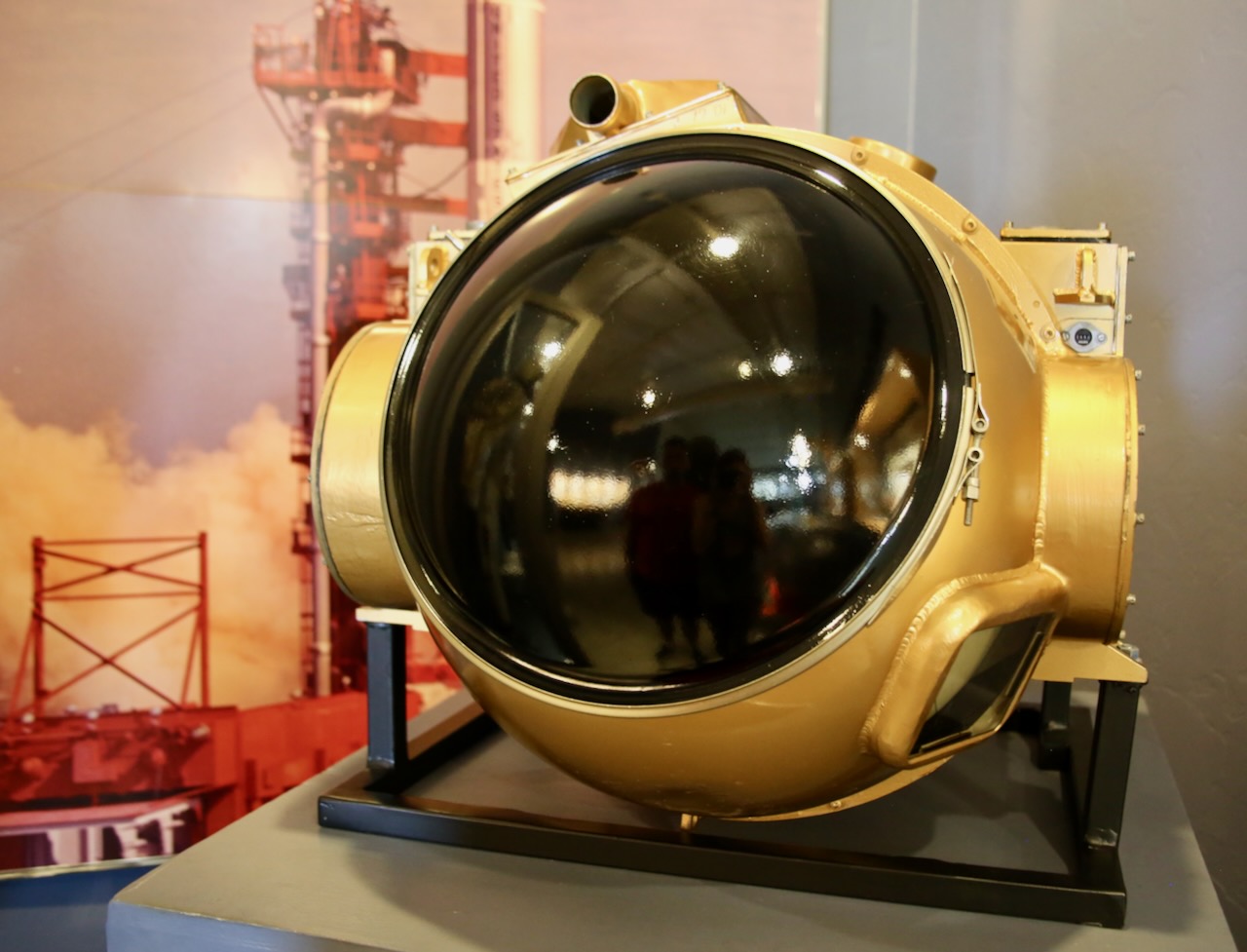
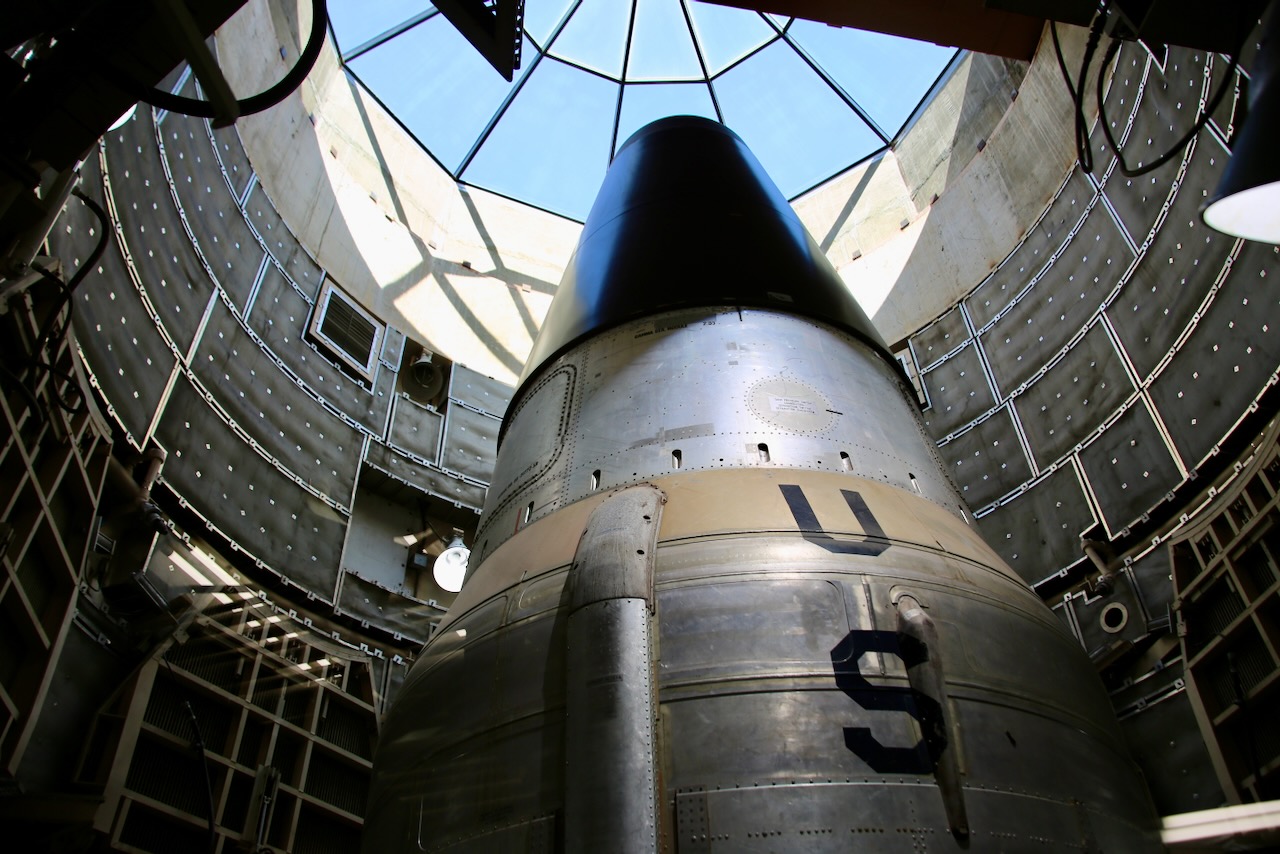
Count Ferdinand von Galen has his name on the Titan Missile Museum Education and Research Center, for his part, starting in 1997, in preserving and innovating the aerospace museums of southern Arizona by raising $12 million. The museum opened in 1986 as the only publicly accessible intercontinental ballistic missile (ICBM) site of the two preserved of the 54 that were ready to go from 1963 to 1987, roughly half of the Cold War years. The site was designated a National Historic Landmark in 1994. The underground complex was built to withstand everything but a direct hit from an enemy warhead.

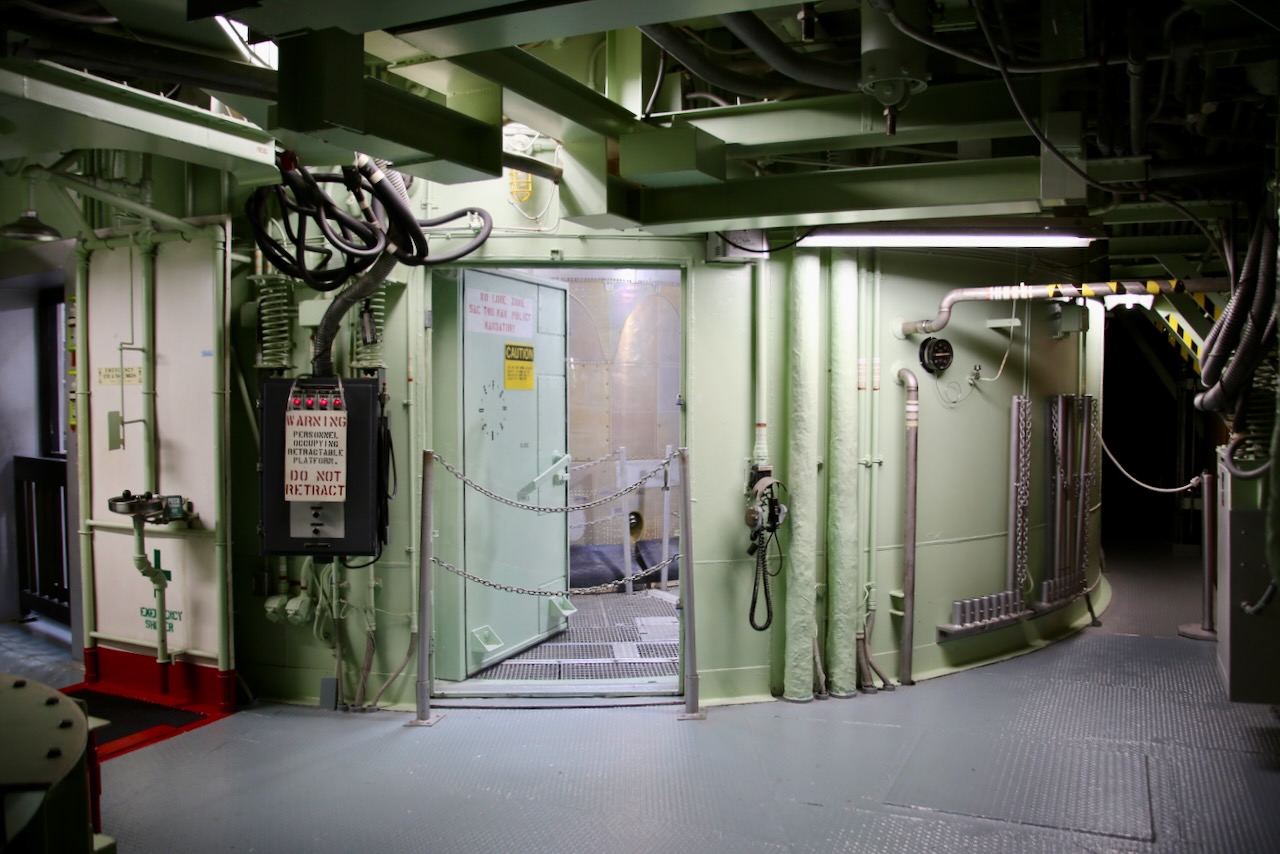
We walk through the museum before being led into the theater for a 16-minute film about the missile, its mission, and its role in the Cold War. We are then led outside, through the blast doors, and down 55 steps to the Launch Control Center. It feels like being on an underground ship. Our docent talks about the security measures in place (thick doors, multiple locks, missile codes) to guard such power from misuse or misfortune. He walks us through a simulated launch experience and shows us the ticker tape (a material that was outdated by the end of Operation Desert Storm).

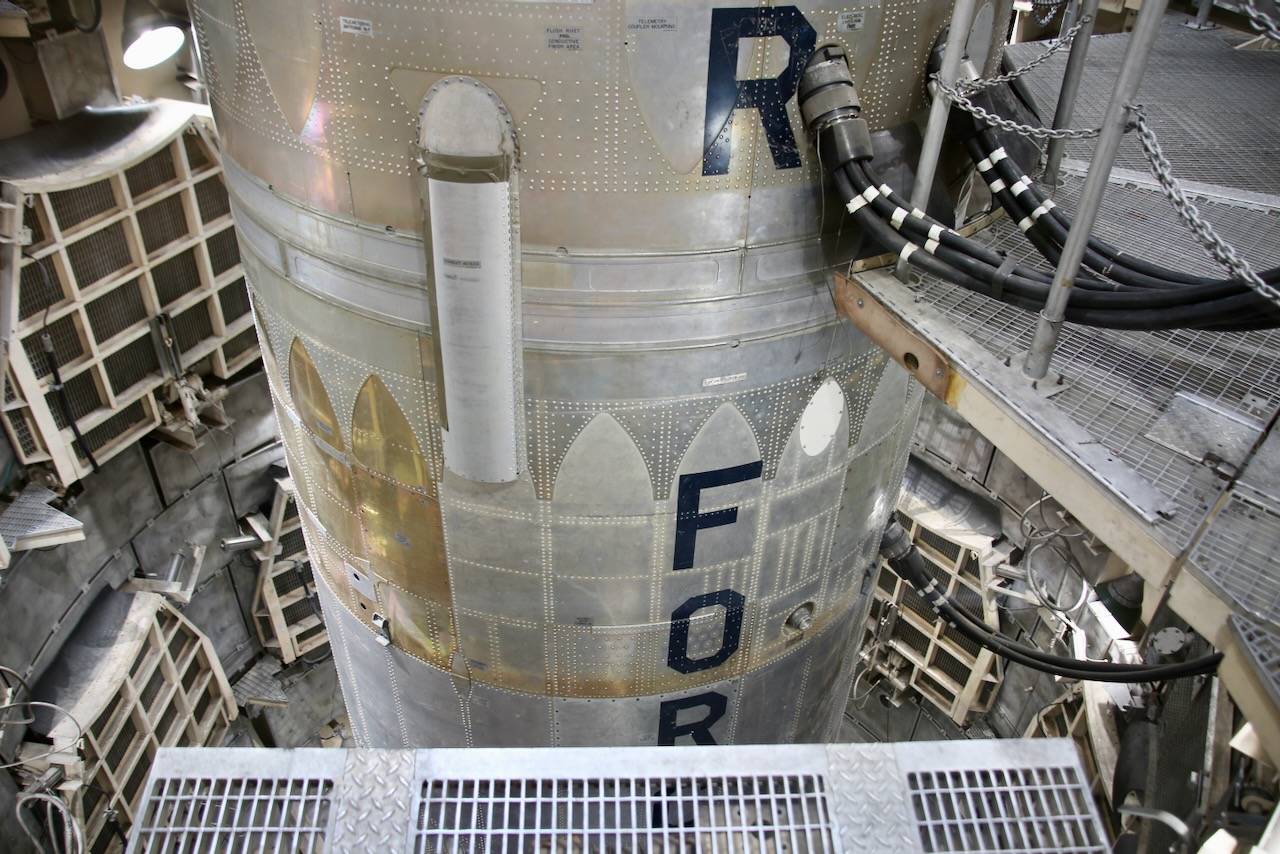
From here, there’s another long cableway where anyone over six feet tall has to wear a hard hat. There are signs posted: No lone zone, two-man policy mandatory. We are led to the silo and can view it from multiple levels. Its size makes it appear like a spaceship, and in a sense it is, but for warheads. I have mixed emotions looking at such technological advances and knowing their annihilation potential, while imagining this machine taking me to the moon made of cheese. I’m grateful these were deactivated and unclassified, but that just shows its age, not the peaceful state of the world, where these would no longer be necessary.

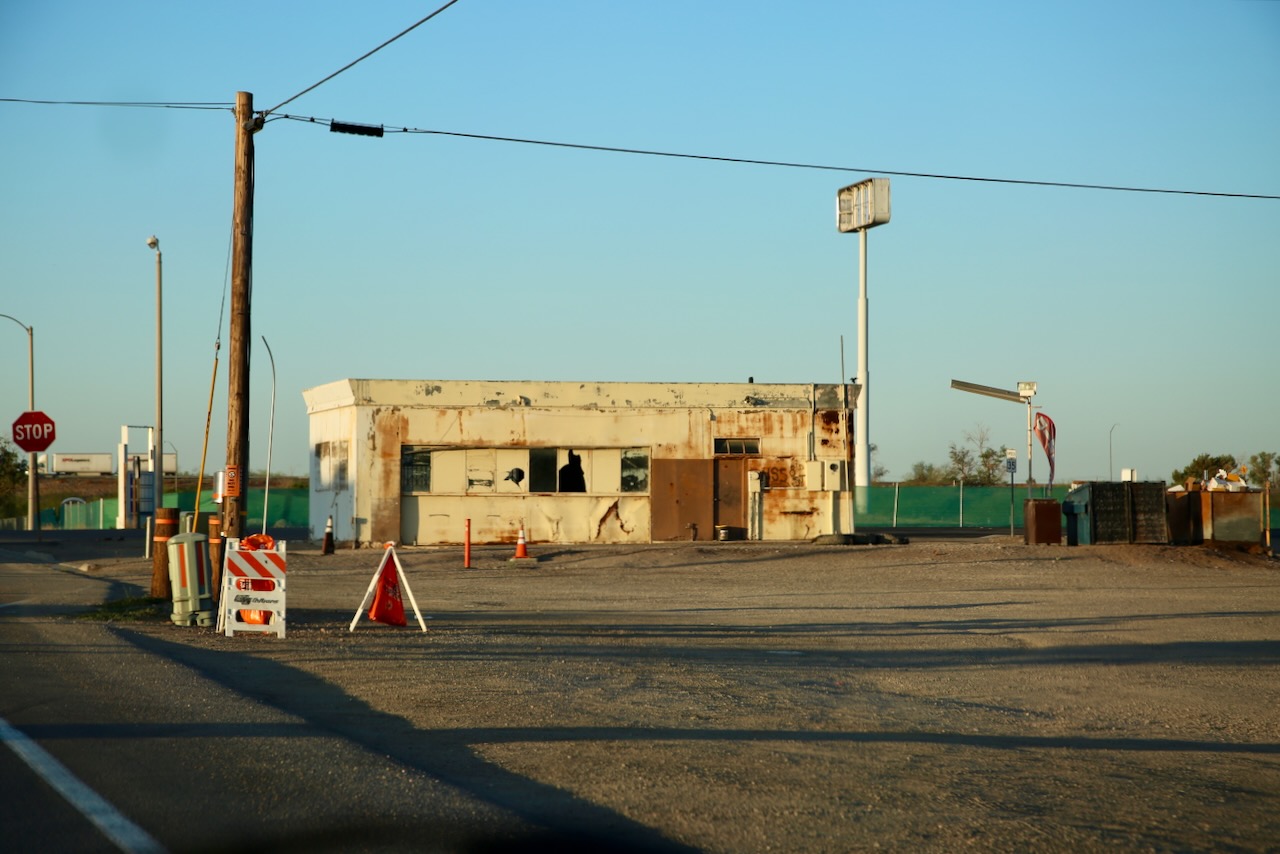
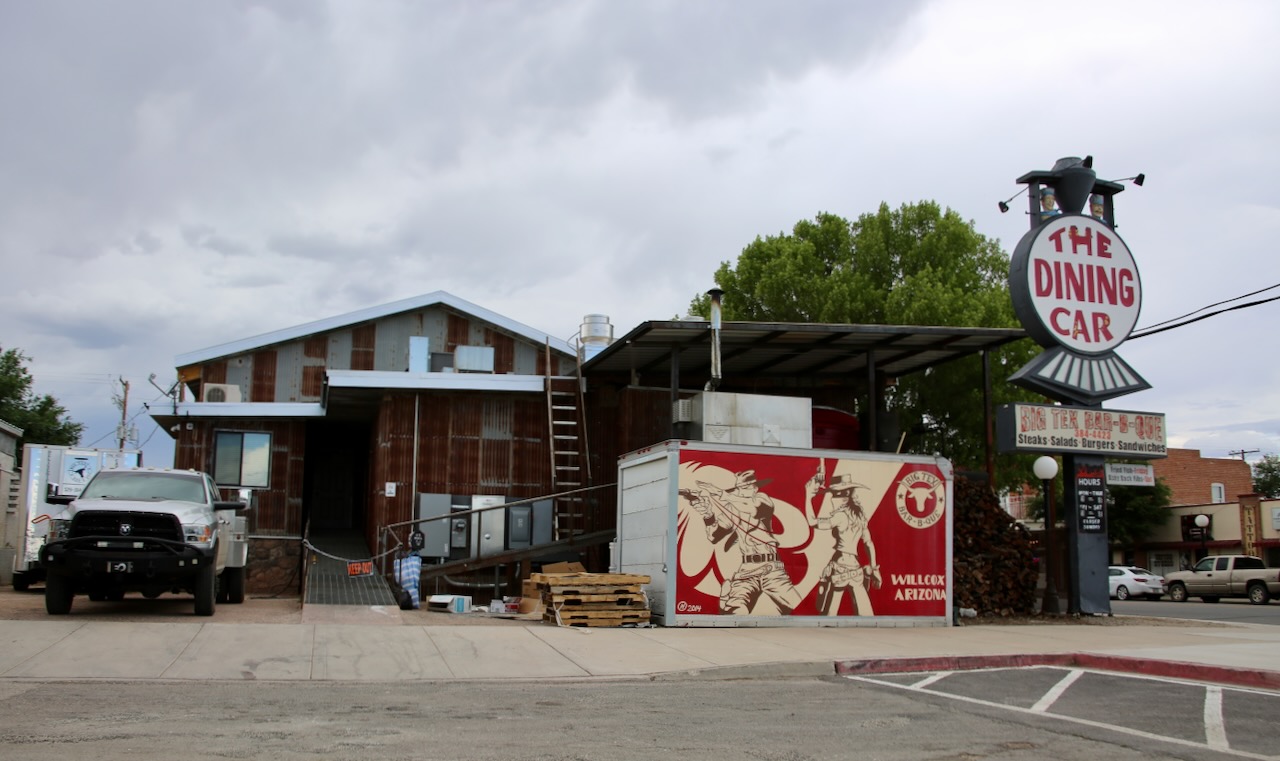
Once we return to the surface, we are free to roam again and are reminded to look through the windows to see the missile from above. It’s a lovely day out, and we stop to walk around Willcox, AZ, because it’s my kind of beautiful, and the Cattle Capital, as it was the largest rail-shipping point in the 1930s and still a ranch-focused locale. I enjoy seeing the decades of difference next to each other, and that no two deserted buildings are ever the same.

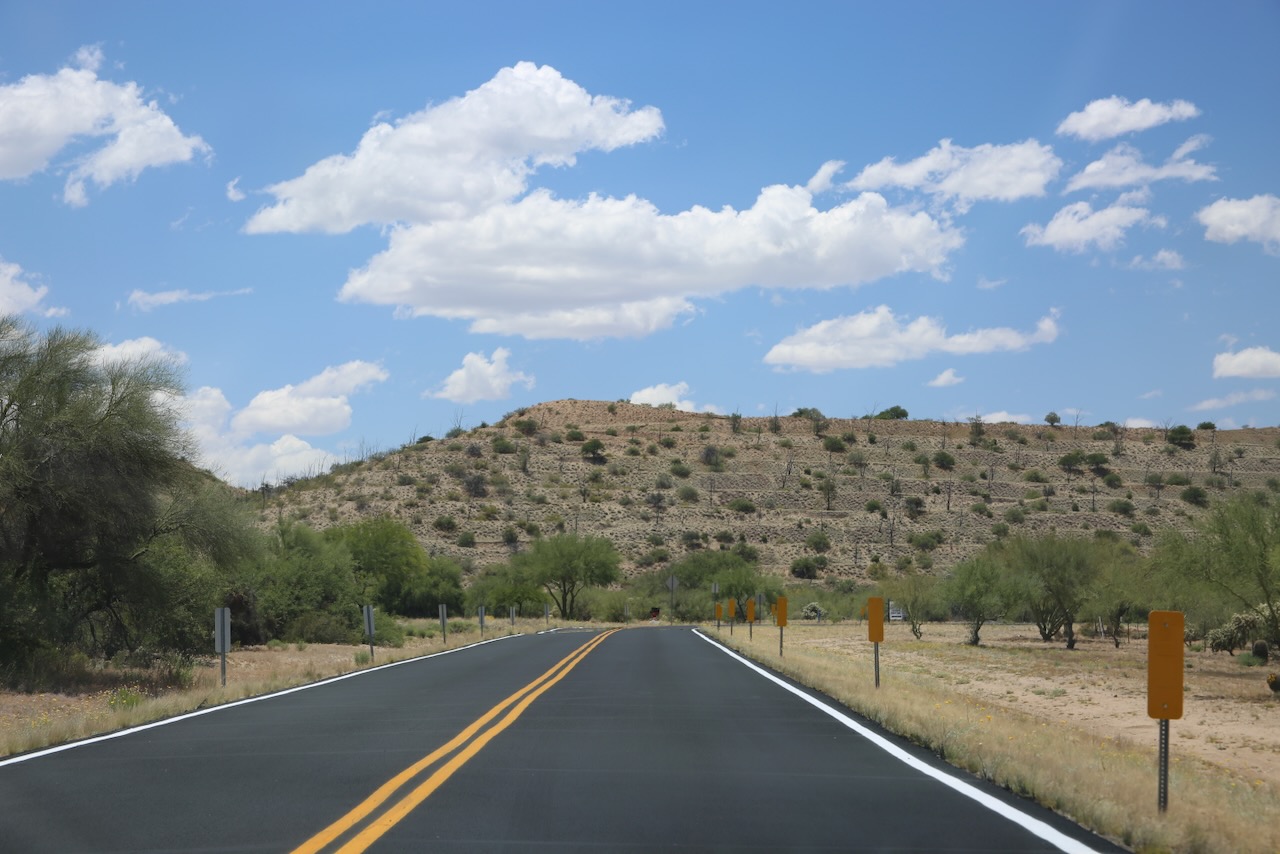
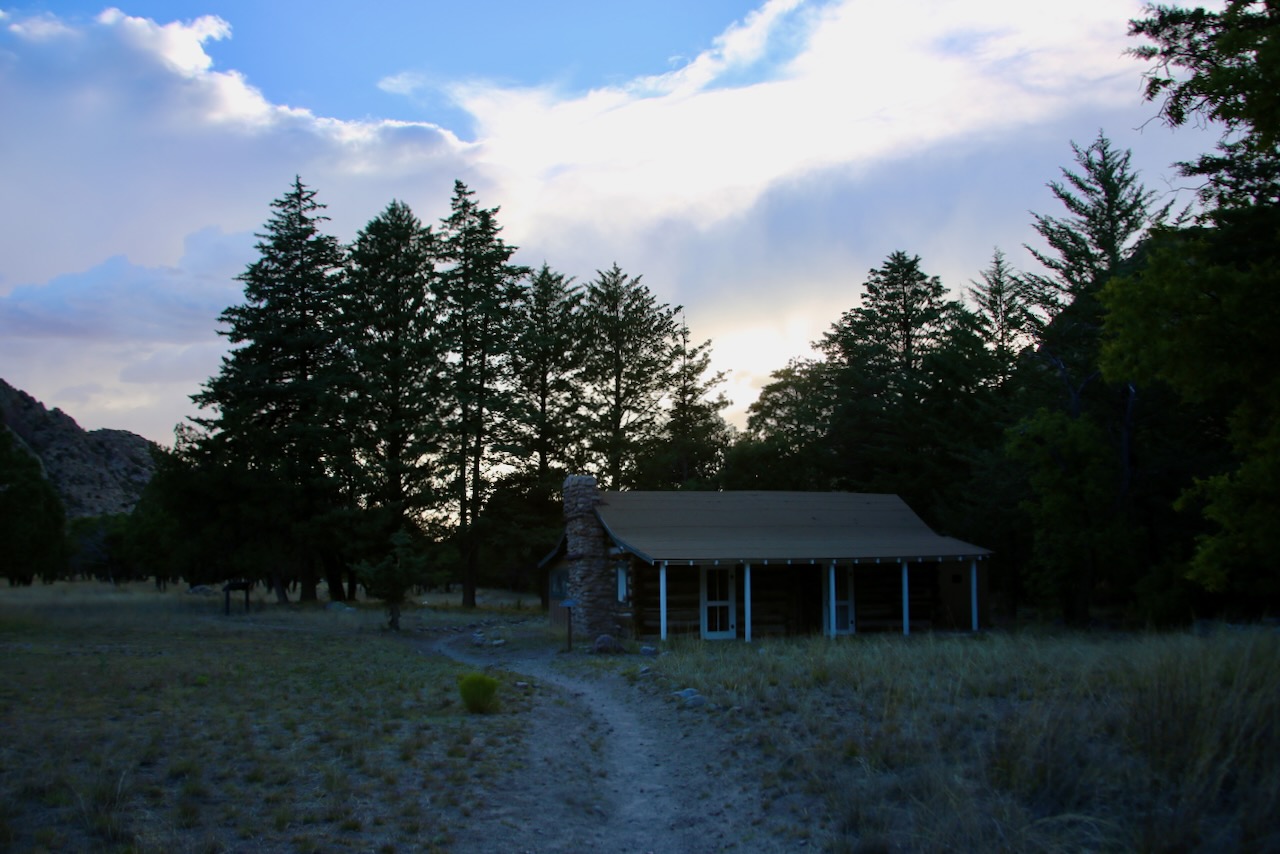
We detoured off Hwy-10 to finish our day in Chiricahua National Monument with a hike to Faraway Ranch. Along the trail, there is the Stafford Cabin, built in the 1880s, the guest ranch established in the early 1900s, and the Civilian Conservation Corps camp erected in 1934. The 180 enrollees built roads and trails for $30 a month, so that visitors had an easier time accessing canyons, spires, and balanced rocks, until the camp was closed in 1940, when many of the barracks and other buildings were torn down. We’re given enough daylight to make it to the campground.

Posted in Animals, Art, History, Military, Plants, Travel | Tagged , , , , , , | Leave a comment

Free To Be Me

20190402_103554.jpg

There’s a marching band inside my head,
I only want to stay in bed.
I’m up and trying, dragging lead,
If it were up to me I’d be dead.

I carry on and walk along,
I sometimes hum a happy song.
How much longer must I play along,
Before I finish this sad song.

It’s cold out here, I start to bleed,
Just a little glad I can’t feel my feet.
It trickles down as it warms my seat,
A simple sign of soon to be relief.

Goodbye today, goodbye tonight,
Even though I’ll miss the starry sight.
It was wonderful the moments when I
wasn’t sad or set a fright.

They weren’t enough, they never are,
Happiness always seemed so far.
I tried to reach and to believe
that one day I’d be free to be me.

Posted in Poetry | Tagged | 2 Comments