This is the beginning of another cross-country roadtrip; this time to get Caleb’s siblings together in Virginia, where Kris lives and Caleb is currently in school, for their dad’s 60th birthday (even though it’s not until December). Jessi will fly out with her family (and drive our car, Mazda Tribute, home so it doesn’t suffer another Bahrain summer). We booked Robert’s flight and hotel room using Caleb’s points earned through traveling for work.
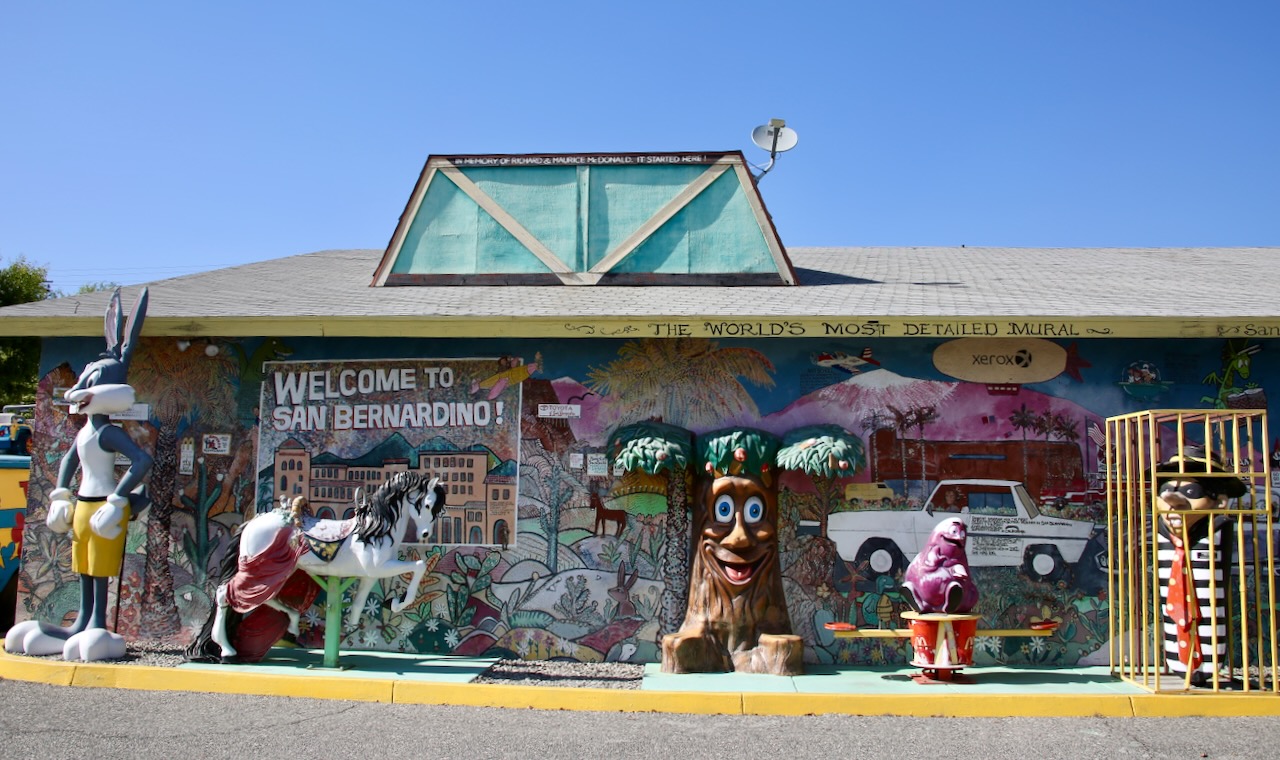
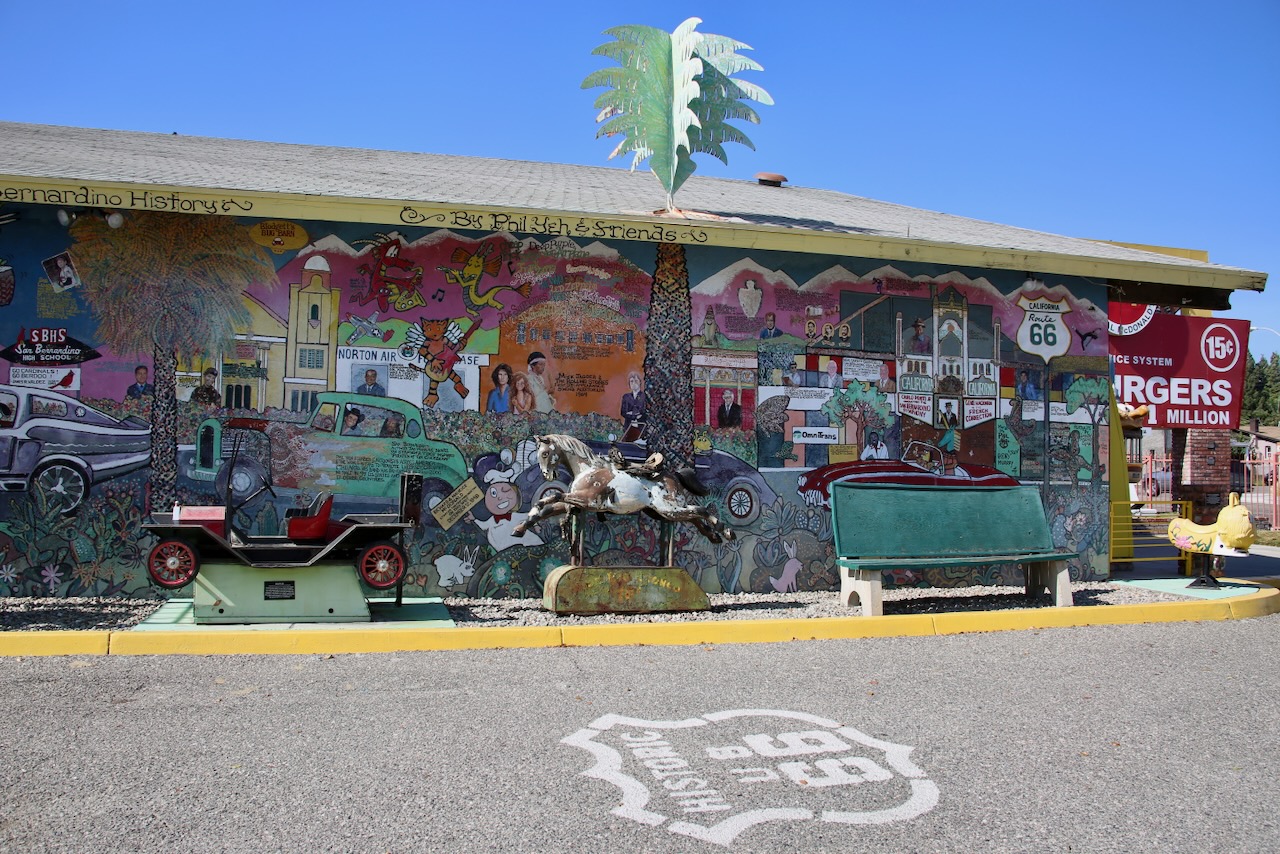
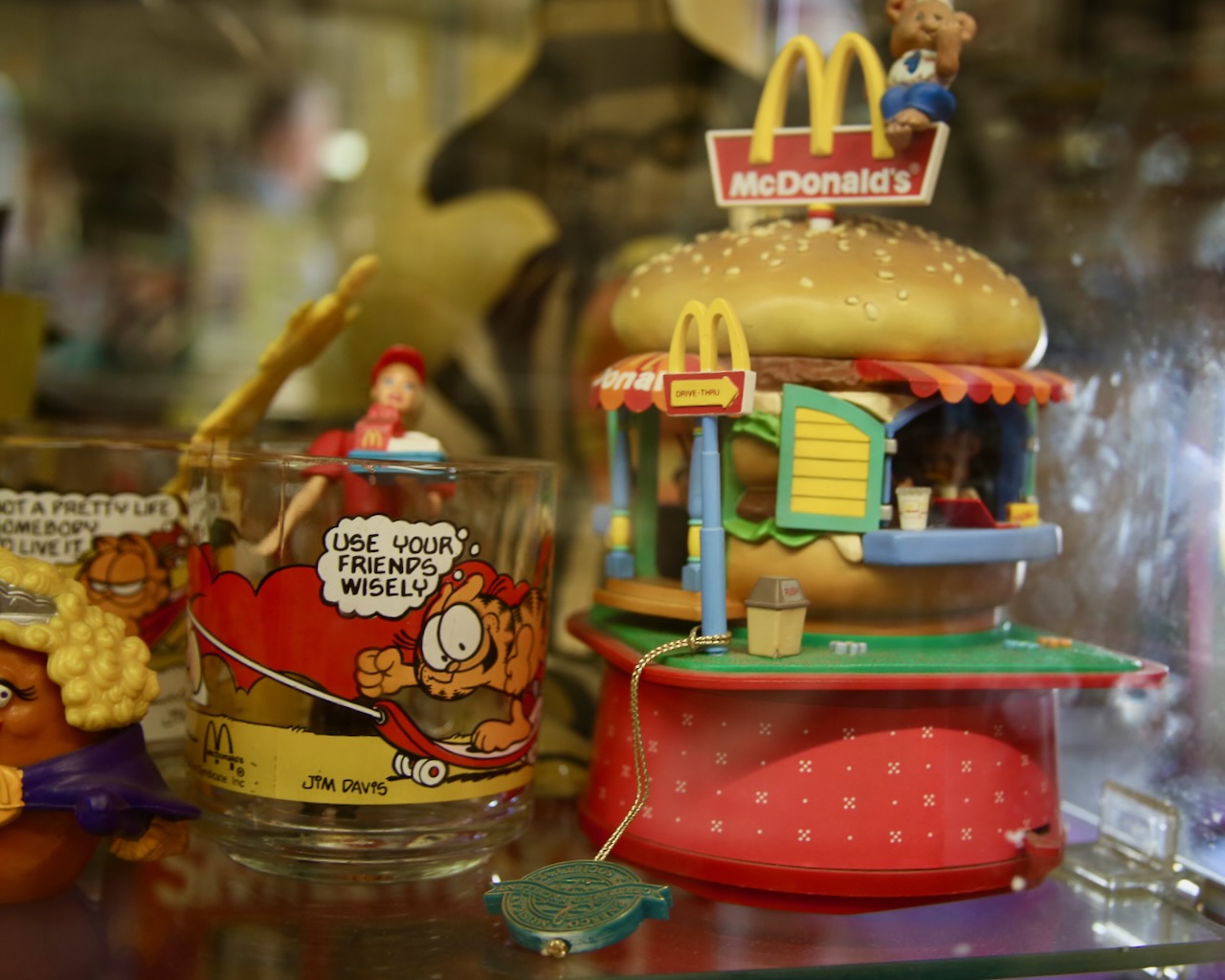
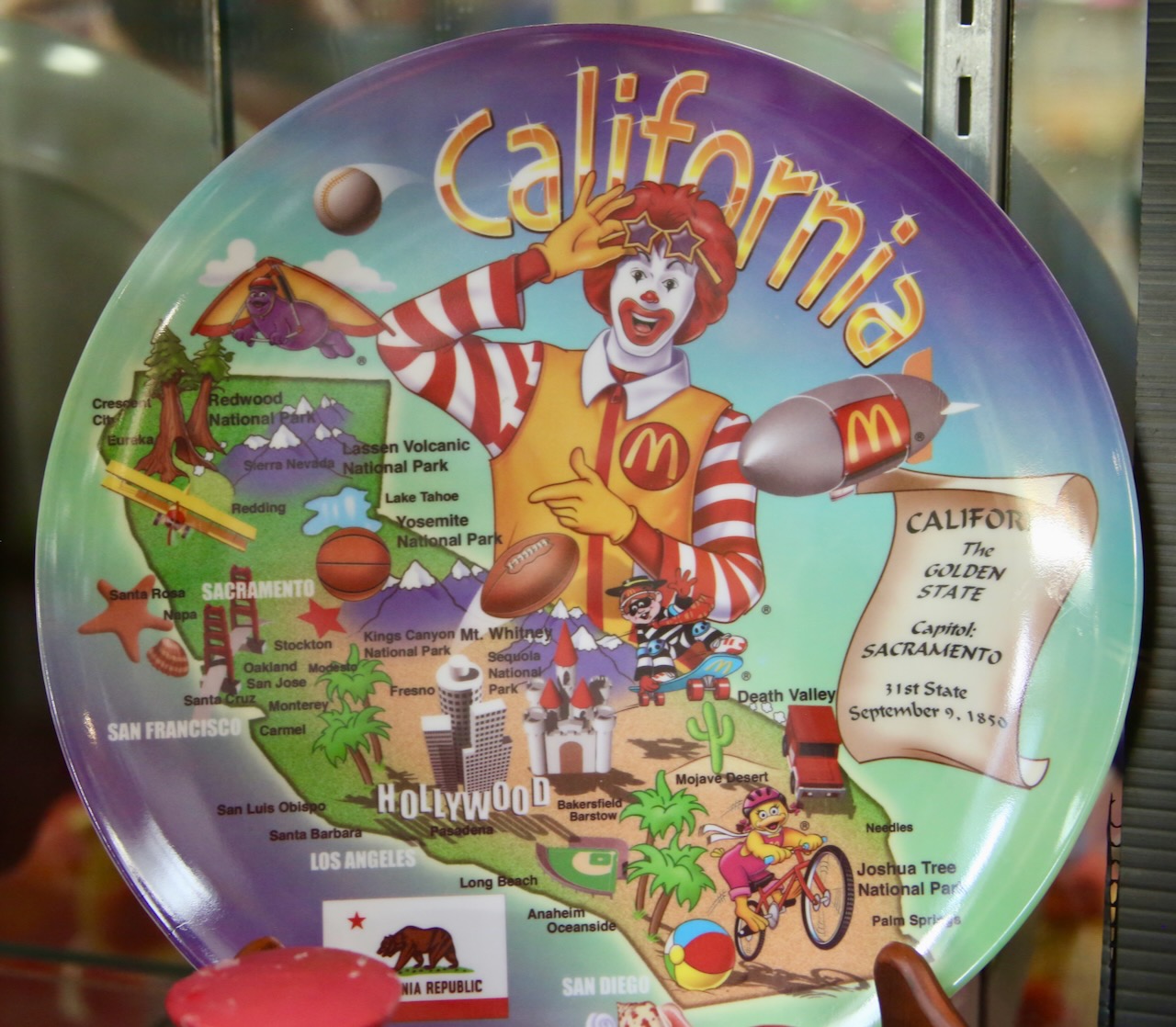
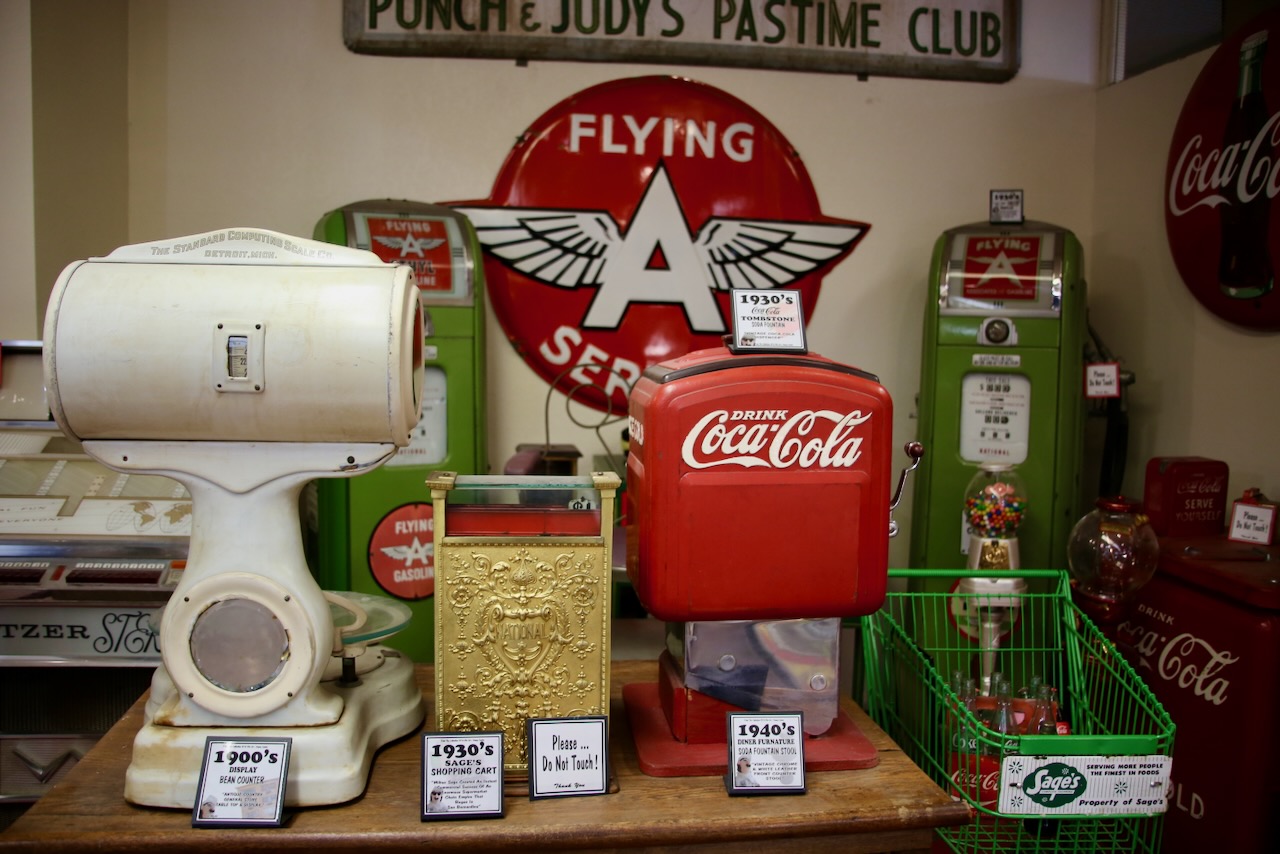
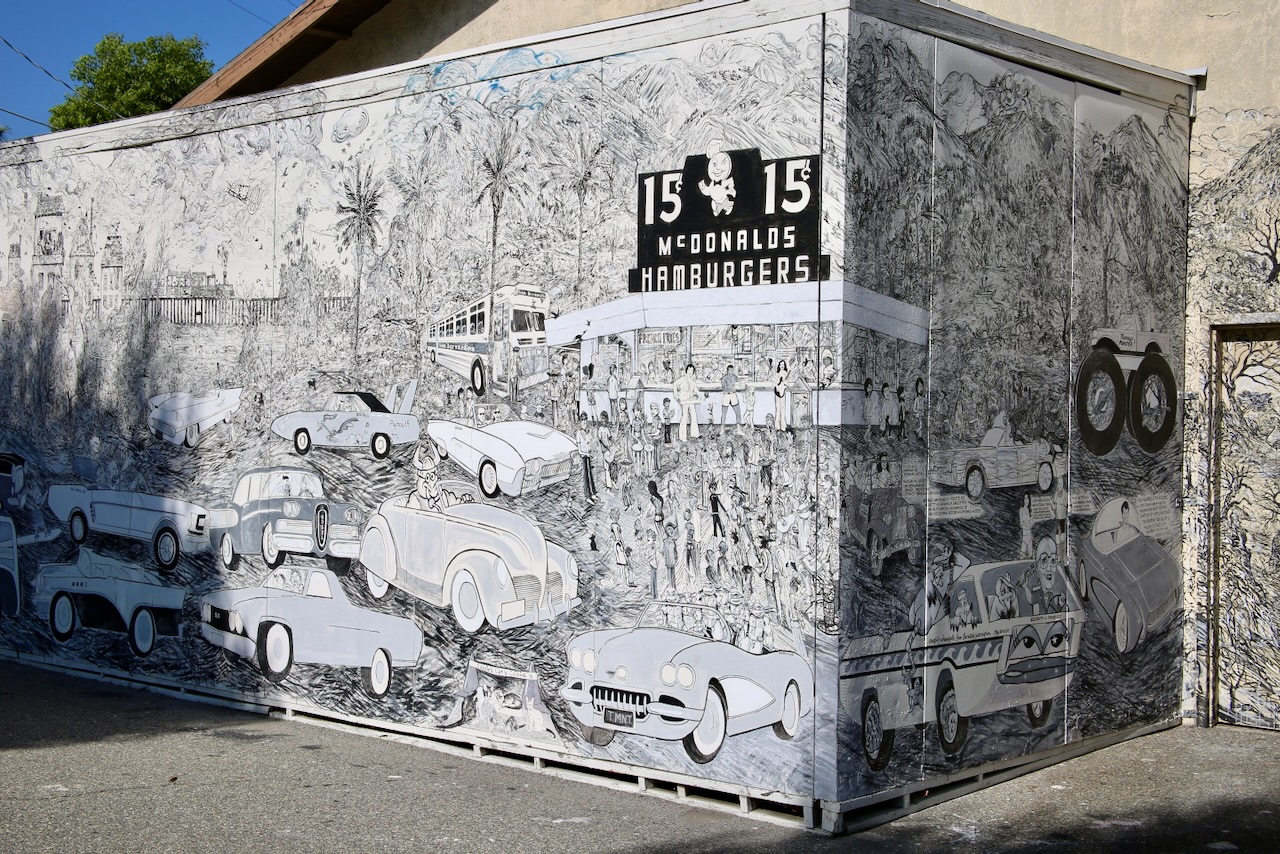
I returned Russ’s books, filled the car with gas, got my teeth cleaned, bought three new undies, got my eyebrows threaded, and bought almonds from Rite Aid (since it’s in the same parking lot). I packed food for the road and put the bedding in the wash. It takes me four hours to get to San Bernardino to the Historic Original McDonald’s Museum, leaving me forty-five minutes to explore the murals outside and the memorabilia inside.
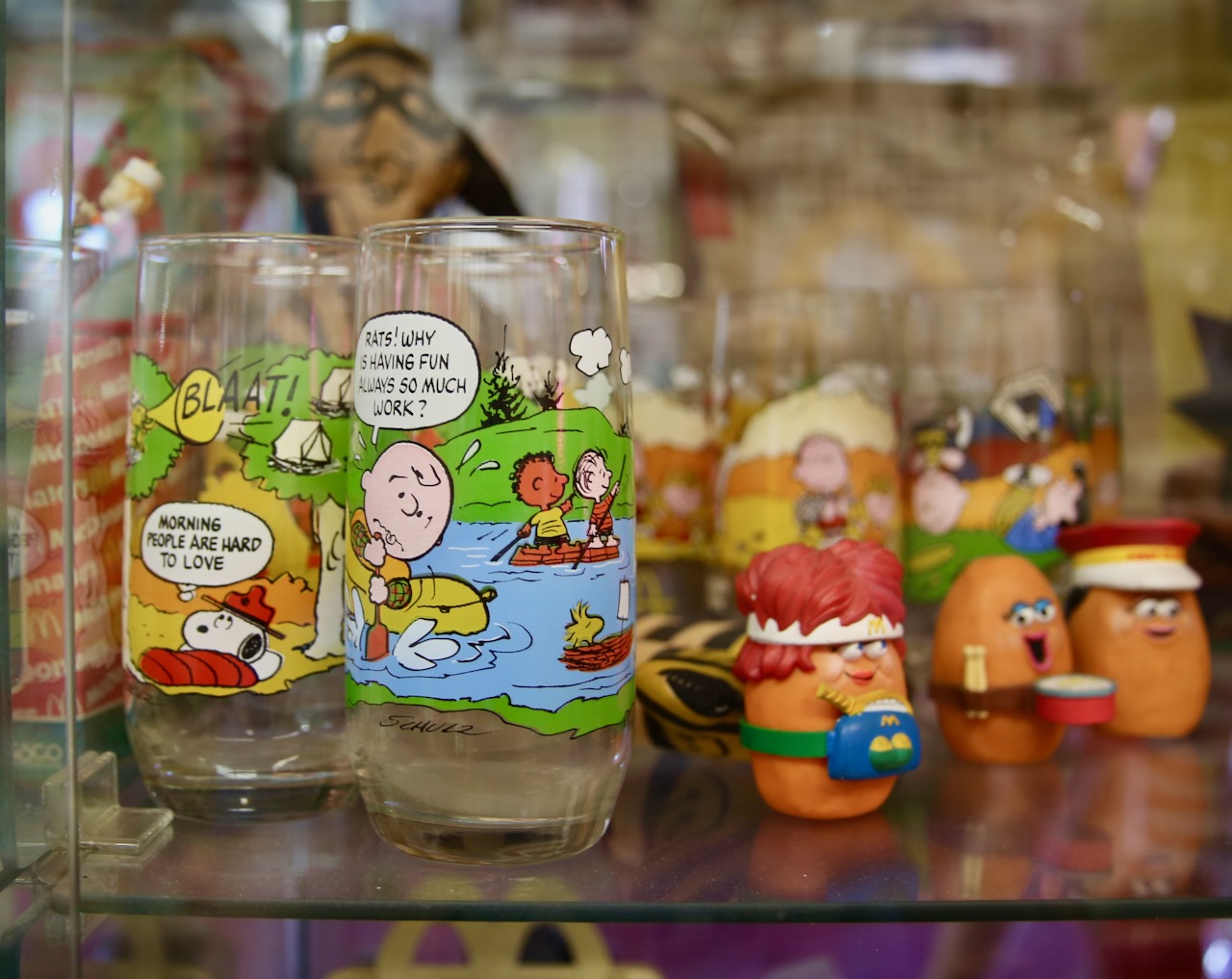
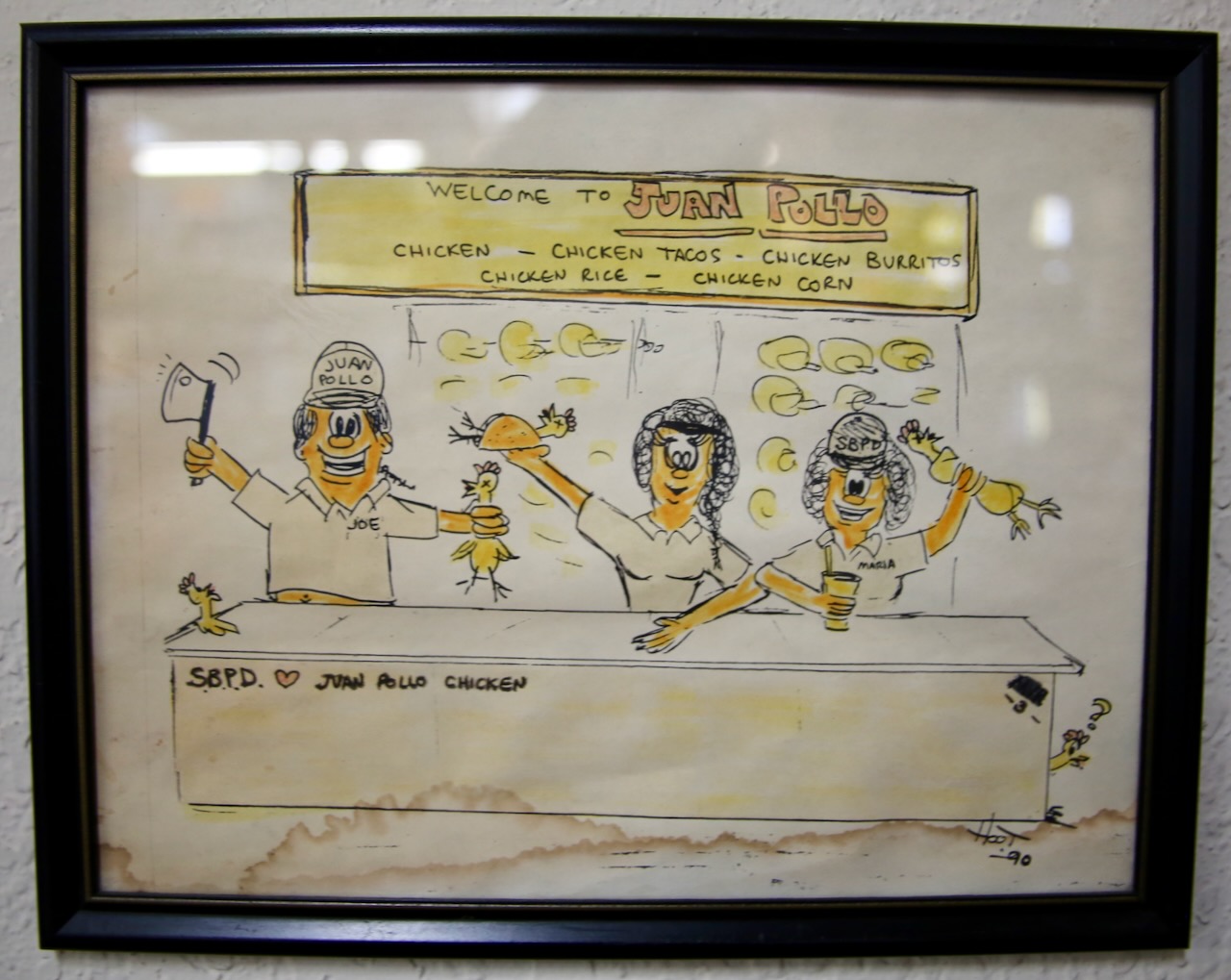
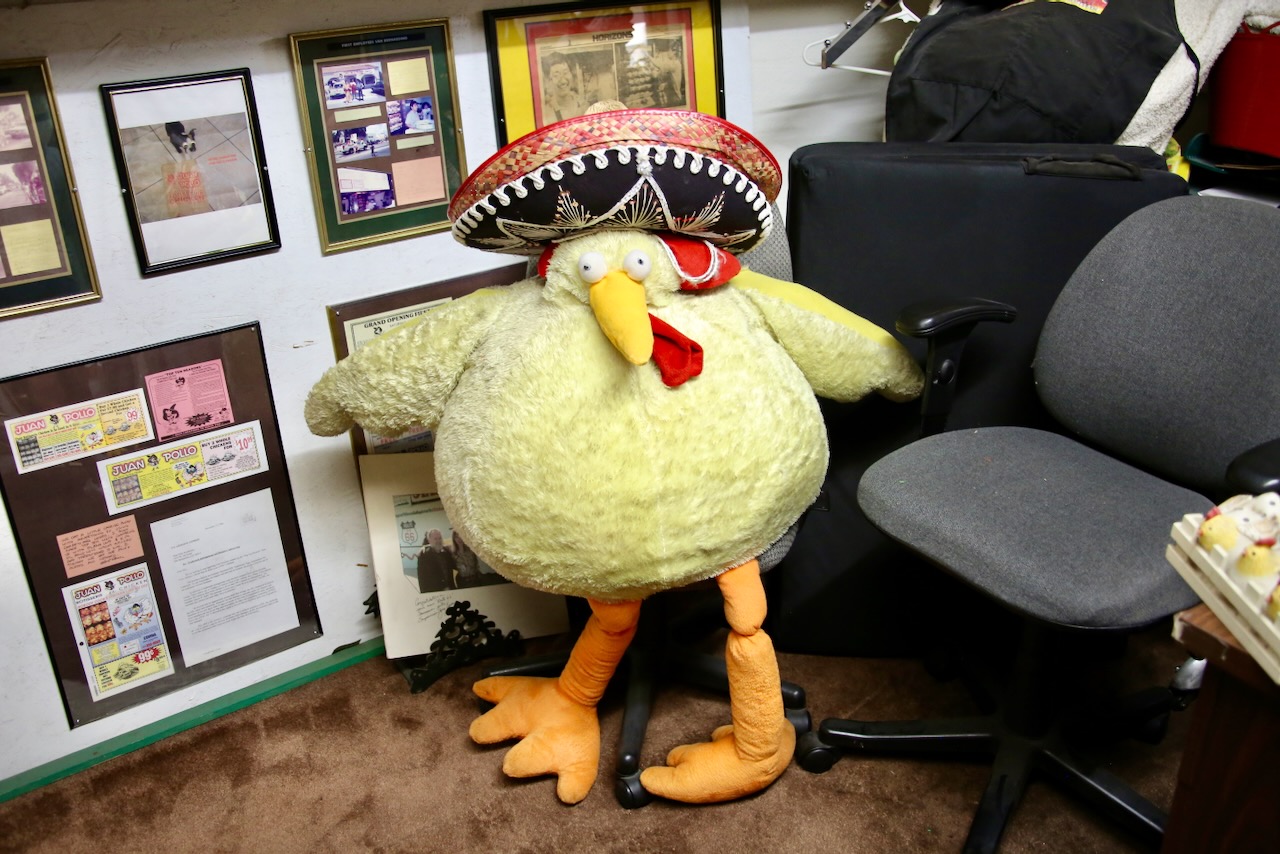
There is a version of Evil Grimace, but not the four-armed milkshake thief introduced in 1971, that was quickly redesigned, from scaly to fluffy with two arms, after scaring children. There are employee pins promoting the Olympics and recycling, as well as international Happy Meal toys from France, the Netherlands, Indonesia, and Thailand. The property was bought in 1998 by the founder of Juan Pollo, after a feud in the 60s and 70s, closed this building, The Big M, and the new McDonald’s just a block away. This explains the giant chicken.
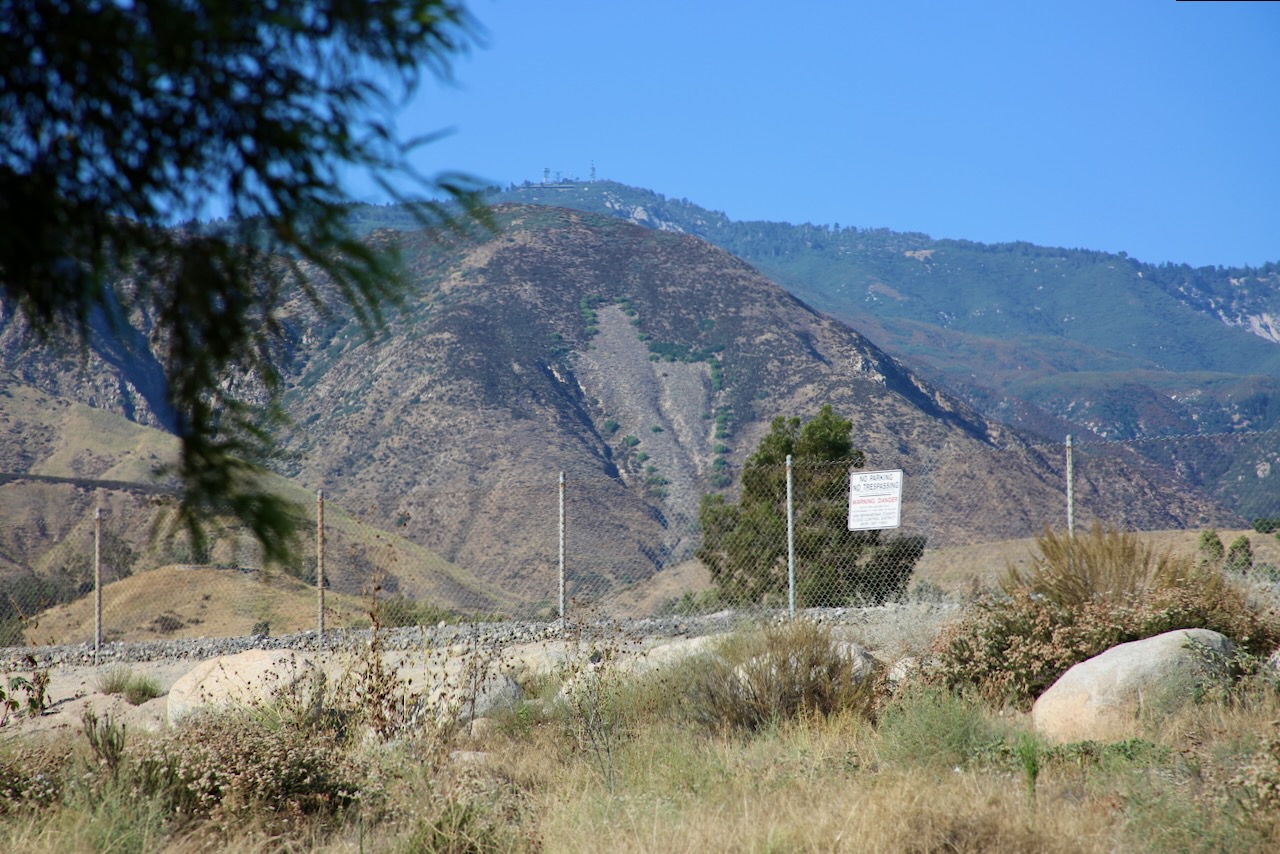
A few miles north is the Arrowhead Viewing Spot and Monument, where a visitor can see the 7.5-acre mountainside formation. The white sage that grows on the inside contrasts with the darker chaparral surrounding. Check dams were constructed and bushes planted to slow the erosion process. There are many places (hospital, bank, country club, hotel, and hot springs) named after this landmark, which is on protected tribal land on a slope deemed unsafe for hiking.
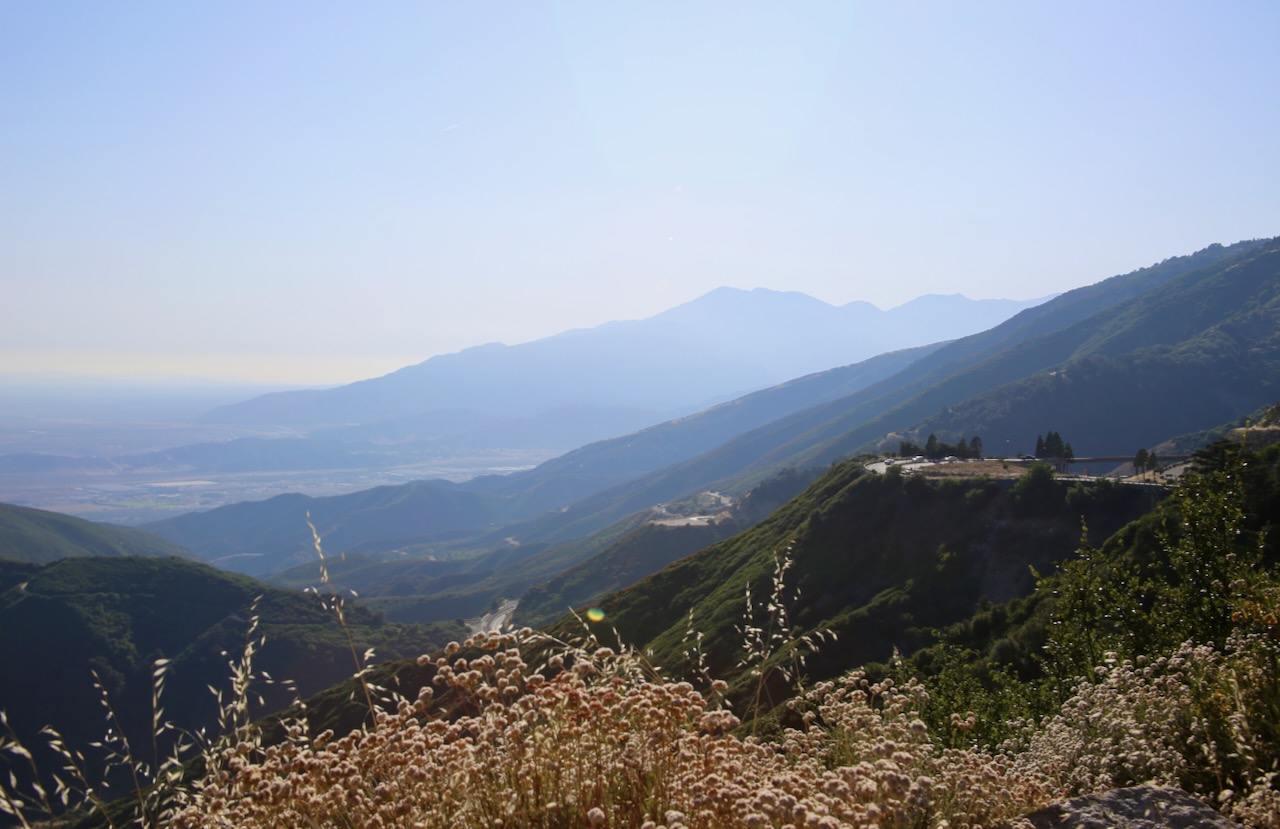
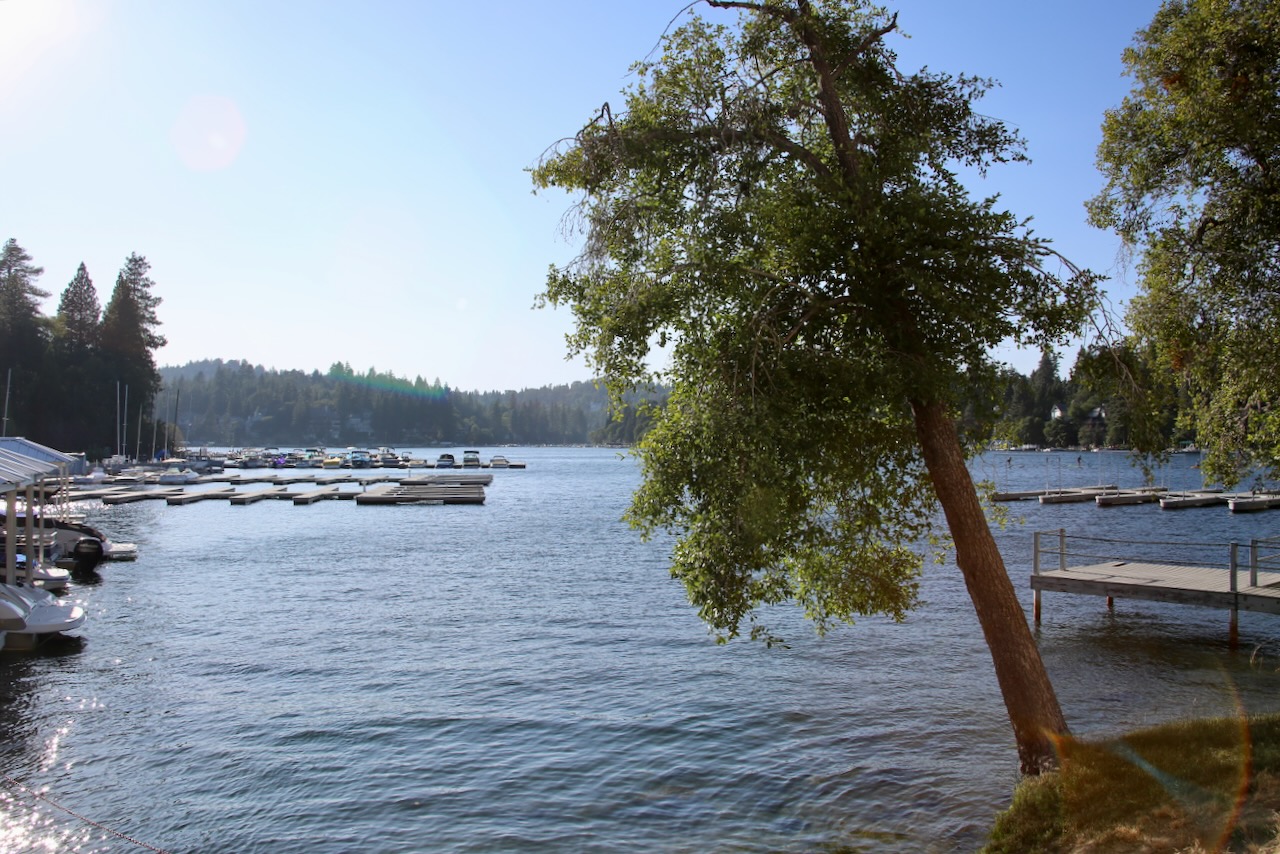
I take the old Mormon Lumber Road, built by over one hundred men from the Sons of Utah Pioneers, starting in 1852, over a thousand days to bring timber to one of their six sawmills to build San Bernardino and other parts of Southern California, up to Lake Arrowhead Village. I admired the trees, ducks, fish, and one lizard. I take a brief look inside a clothing store, founded in Big Bear Lake under the name Le Roy’s Bootery and Toggery, and when the parents retired in 1976, the kids went on to expand to nine locations.
I stop at a gas station at dusk to refuel at $3.59/gallon, so I can make it through Death Valley tomorrow. I got a veggie patty with guacamole and mozzarella on herb-cheese bread. It might not sound like much, but I prefer soft cheeses, and this made the upgrade price feel worth it. I deal with high beams for two hours, as many drivers aren’t aware that they shouldn’t be used within 500 feet of another vehicle, and that the constant contrasting is work on the eyes — instant adaptation to bright light, but 5-10 minutes to regain low-light sensitivity and 30-45 minutes to reach maximum sensitivity.
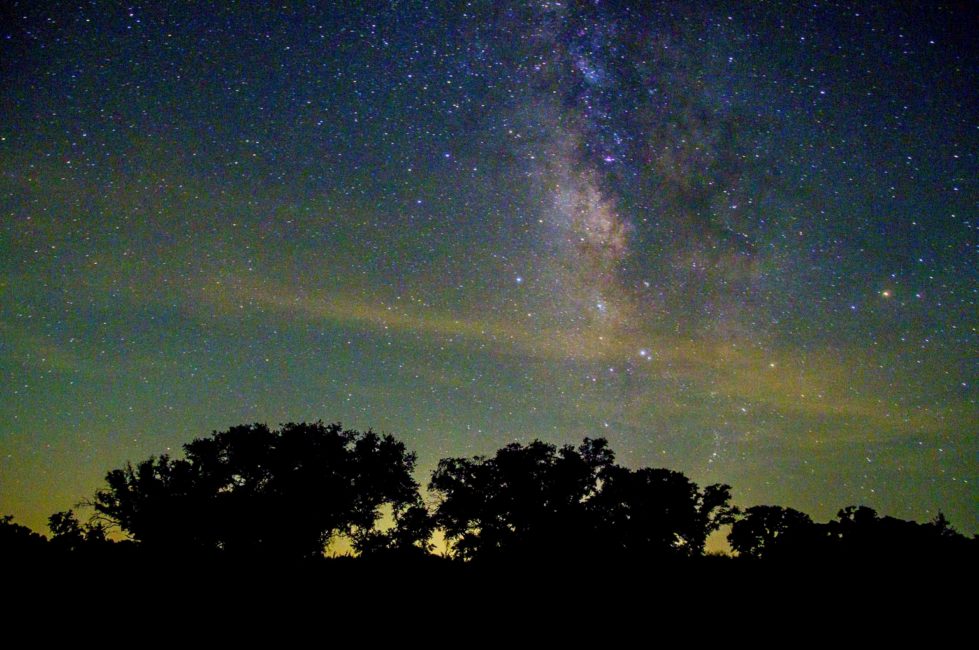
My eyes never stood a chance, and once I got to Fossil Falls, I let them leak down my cheeks under the expansive stars and bright moon while the wind whipped around me, and all the memories from this place came rushing back. I think of bringing Sparky and Piggy here, mountain biking on a hybrid, hiking among the rocks, sipping hot chocolate, watching the jackrabbits, embracing the rain, and waiting while Caleb sets up the tent.
I lay here and I think of you,
Happy thoughts yet still I’m blue.
You were there when I needed you,
But now your hugs I’m overdue.
I want to cherish you and hold tight,
But those days are gone ever since that night.
I’ll do what’s right and set you free,
I can’t always just think of me.
You gave me your body, heart, and soul,
I will try to give back to you tenfold;
but when I fail do realize this,
You’re the one I’ll always miss.
I’ll shed another tear for you,
I’ll see another sunset without you.
I’ll hear your heartbeat just one more time,
and I’ll wait till your hand is on mine.
I love you now, I always will,
No matter if my voice gets shrill.
Goodnight tonight and tomorrow,
Never again will you feel sorrow.
Spring break has come and gone, and summer is almost over. I finished the spring semester, all 20.5 units, with my first C on my college record. Caleb and I gave our 45-day notice to vacate our residence in Imperial Beach for the second time, having lived there once before, and having to threaten the company with BBB, a lawyer, and the police when we wanted something fixed.
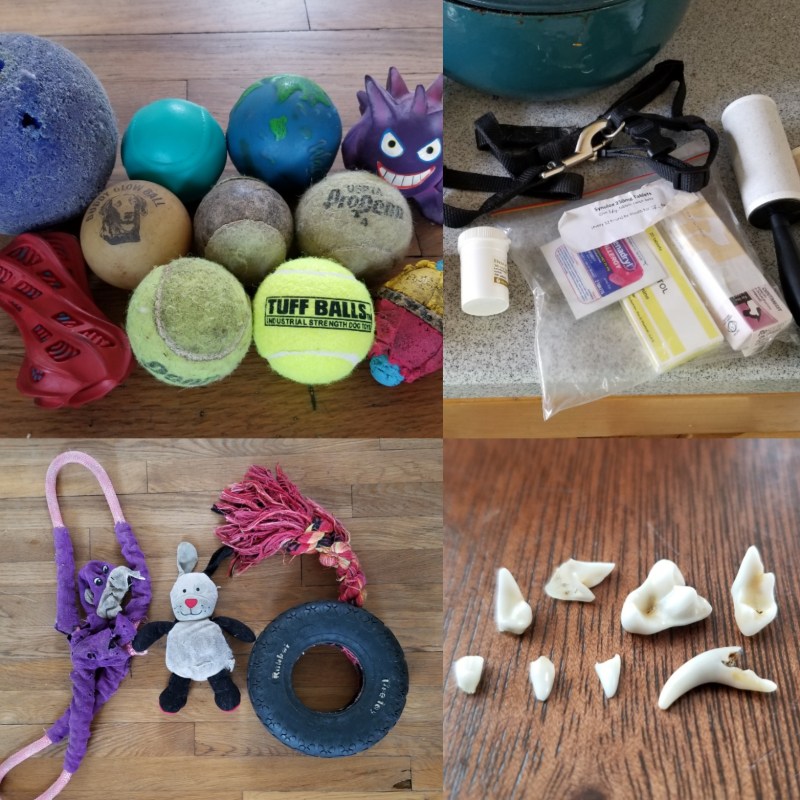
Sparky’s balls, meds, toys, and teeth
In April, I began to donate the dog’s things (bowls, leashes, beds, floaties, toys, meds, etc.) as I couldn’t stand the thought of throwing them away, even if they included a half-chewed bone and a gutless purple monkey. I kept Sparky’s turtle and touch its dirty edges as a tiny reminder of the lives I had to let go and all the memories we shared. I will always remember how awesome they were.
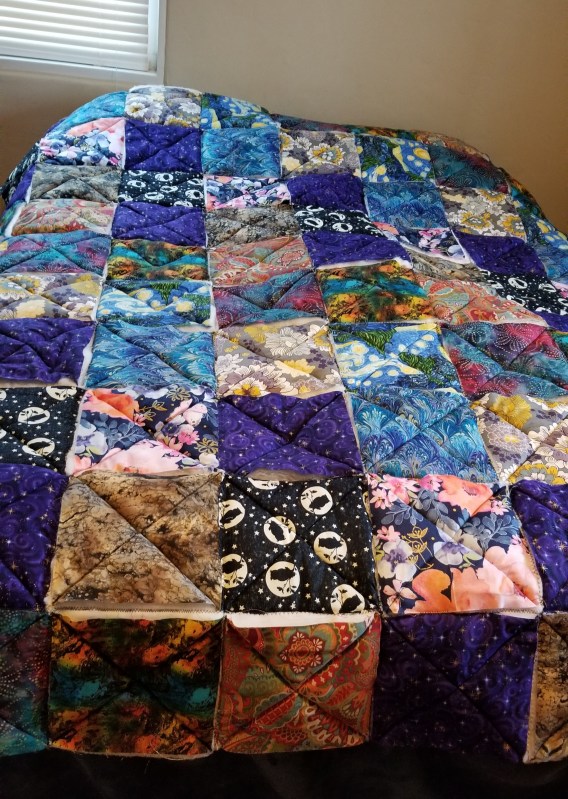
Caleb’s quilt-in-progress
I continue to get rid of things that I have carried around for too long. I made the decision not to have kids, so toting around my baby clothes because Mom wanted me to pass on to my children the toys and clothes from my childhood that she wasn’t able to give to me from hers is no longer an option. I will exchange their space for things I can use, like dive weights that hold water instead of the less colorful ones that don’t, so that the teal and blue will make me smile as it reminds me of the sea.
happy coworker
We (the boss, another employee, and I) got a new girl, Darrien, on the work team, and she focuses on teaching the kids yoga and mindfulness. We put the students in small groups and ask them an open-ended question to discuss with their peers, particularly people they might not otherwise talk to.
view of the outside from inside
Darrien would move on to other things before the school year was out, and the principal let us know that our services weren’t needed for the last two weeks in the first half of June, so summer came early. I used this time to petition for attendance to a half-credit class (meaning using my other classes already taken to not take that one) so I could focus on the last nine units needed to get my Kinesiology degree — Chemistry 200 and Physiology. I also petitioned that my 100+ units already attained not count against my scheduled enrollment time so that I would get first pick at the new campus, the only one that offered the chemistry class I needed, at the Mesa campus, a further commute north.
blood lab in physiology
May would start with a flat on the car, and since I was going to be late to work anyway, I took the day off so Caleb and I could get new tires on both vehicles that will be making cross-country trips over the summer, just not in the order we thought. The Tribute would get into a few accidents before our trip and end up in the shop after being t-boned by a drunk driver who hit Caleb in an intersection.
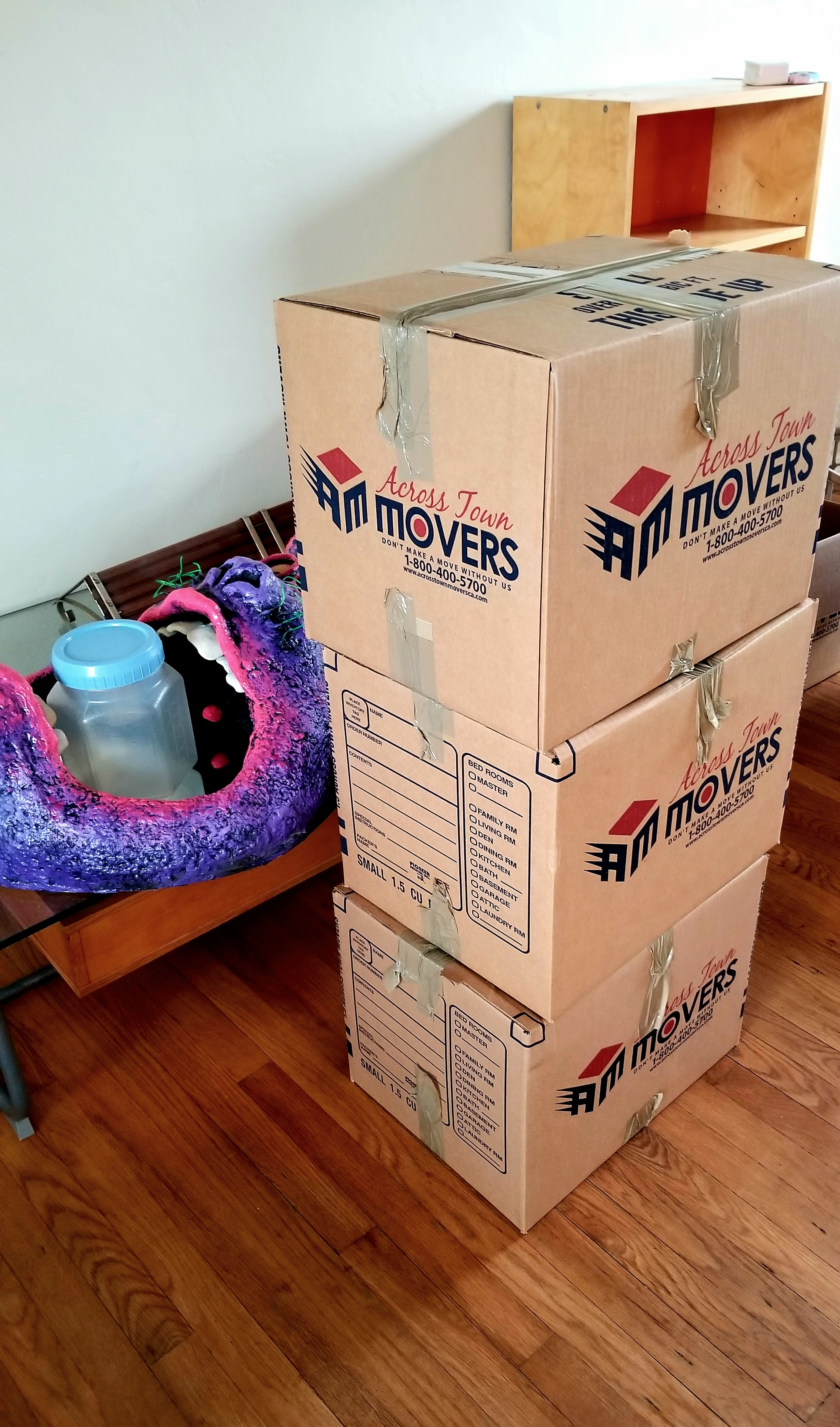
moving day
I got rid of Sparky’s baby teeth. Yes, I had kept them for 11 years in a little container with orange fish on it, as I somehow managed to capture one of each type that wasn’t lost to him swallowing it. The movers arrived at the end of May to pack most of our stuff into storage for the last few years of Caleb’s career while we make some major transitions, and the other movers showed up two days later for boxes destined for Bahrain. I moved in next door so that I can finish school while Caleb goes to Virginia for months of engineer-related training before joining the boxes on the return to the Island of Sand.
lunch break from the pontoon
The new tenants, grandma with her son and grandson, at our old address are busy covering the gopher damage with new bricks and potted succulents, while the property manager kept $500 of our safety deposit to fix a window blind that the maid service broke and to manage the weeds (dirt) that we left behind. I want to feel bitter, but the cheaper rent was a great deal for us financially. Caleb and I spent the last weekend in San Diego together on his friend Josh’s new pontoon boat, complete with a trembling chihuahua and other couples and their kids.
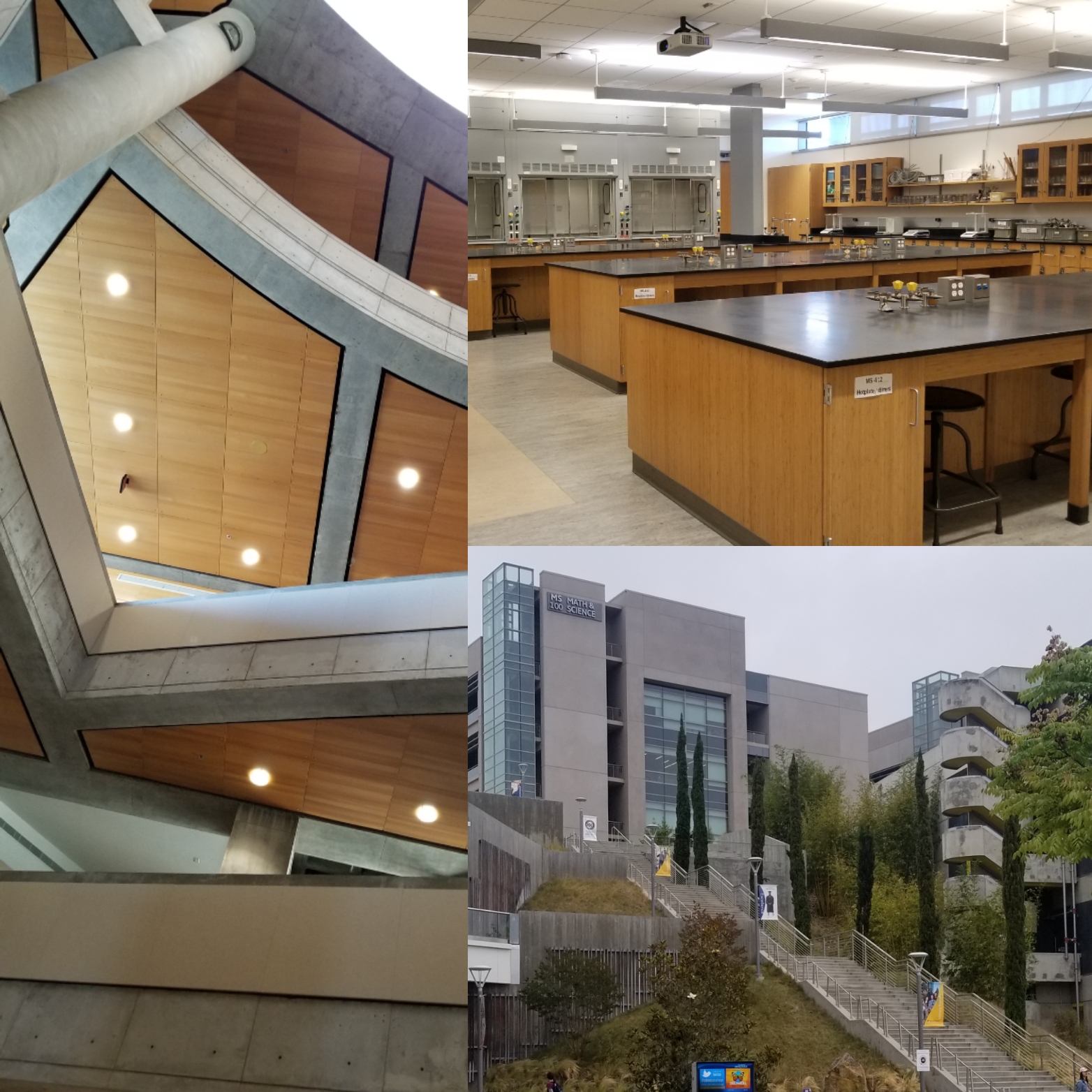
library, lab, and cardio to class
Caleb would have his collars pinned, by me, as a Senior Chief (almost put his anchor on upside down) on the day we leave San Diego to drive across the country, something we’ve done many times together before and a place we always find solace from the chaos of life; though the long hours on the highway weren’t the relaxation I was going for we had a deadline to meet to get Caleb checked in on time so I could fly back to San Diego on Sunday and start school on Monday.
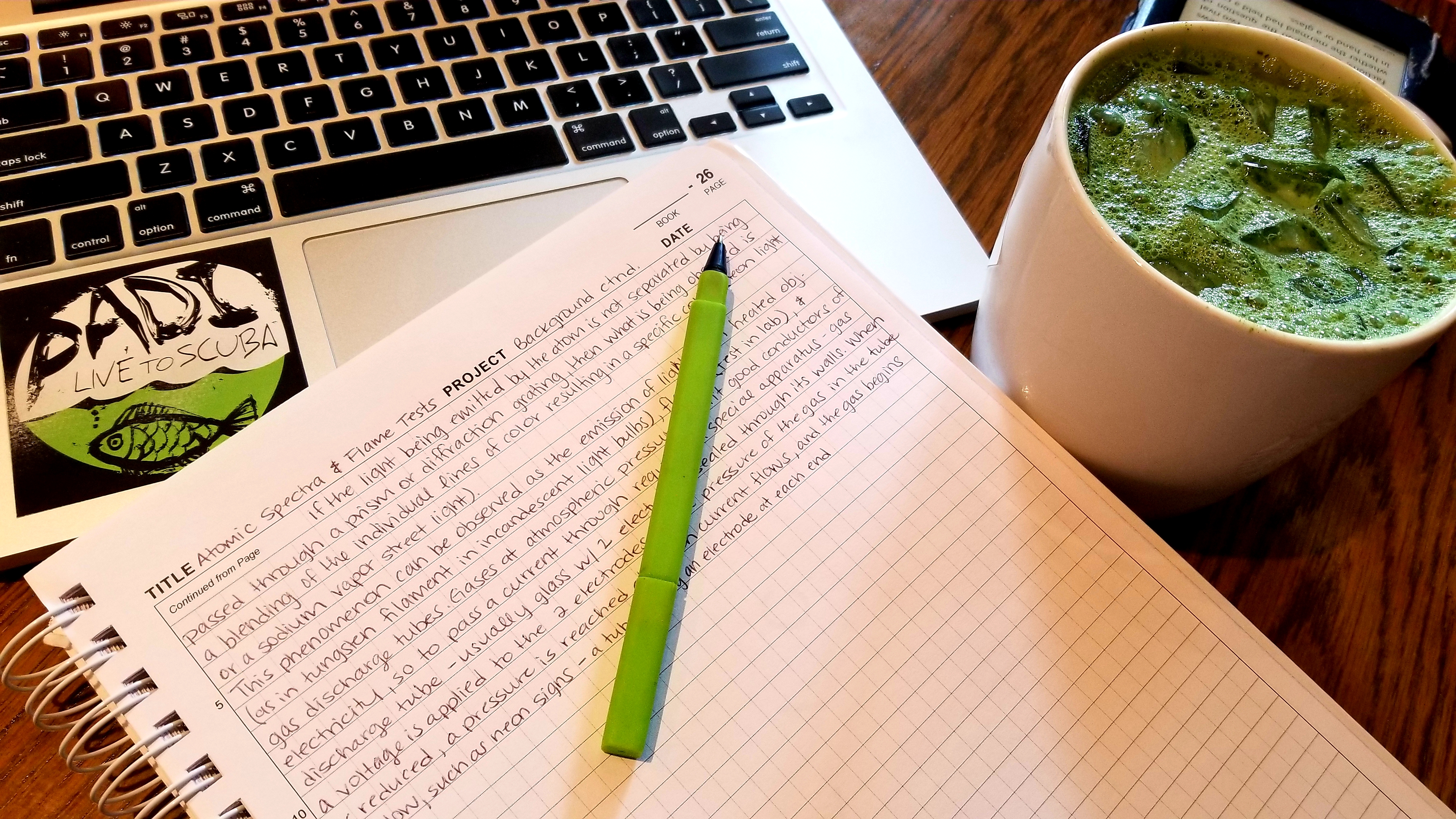
scuba, writing, and matcha
We made a massive detour, rushing down the west coast of Florida and speeding up the east side to dive, and the only thing that got lost in the mix (or that wasn’t on my wrist when it should’ve been) was my dive watch when we arrived in Key Largo, ready to get deep and wet. This would take up a majority of our two weeks on the road, and we got to see a lot of new things along the way (that’s in another post).
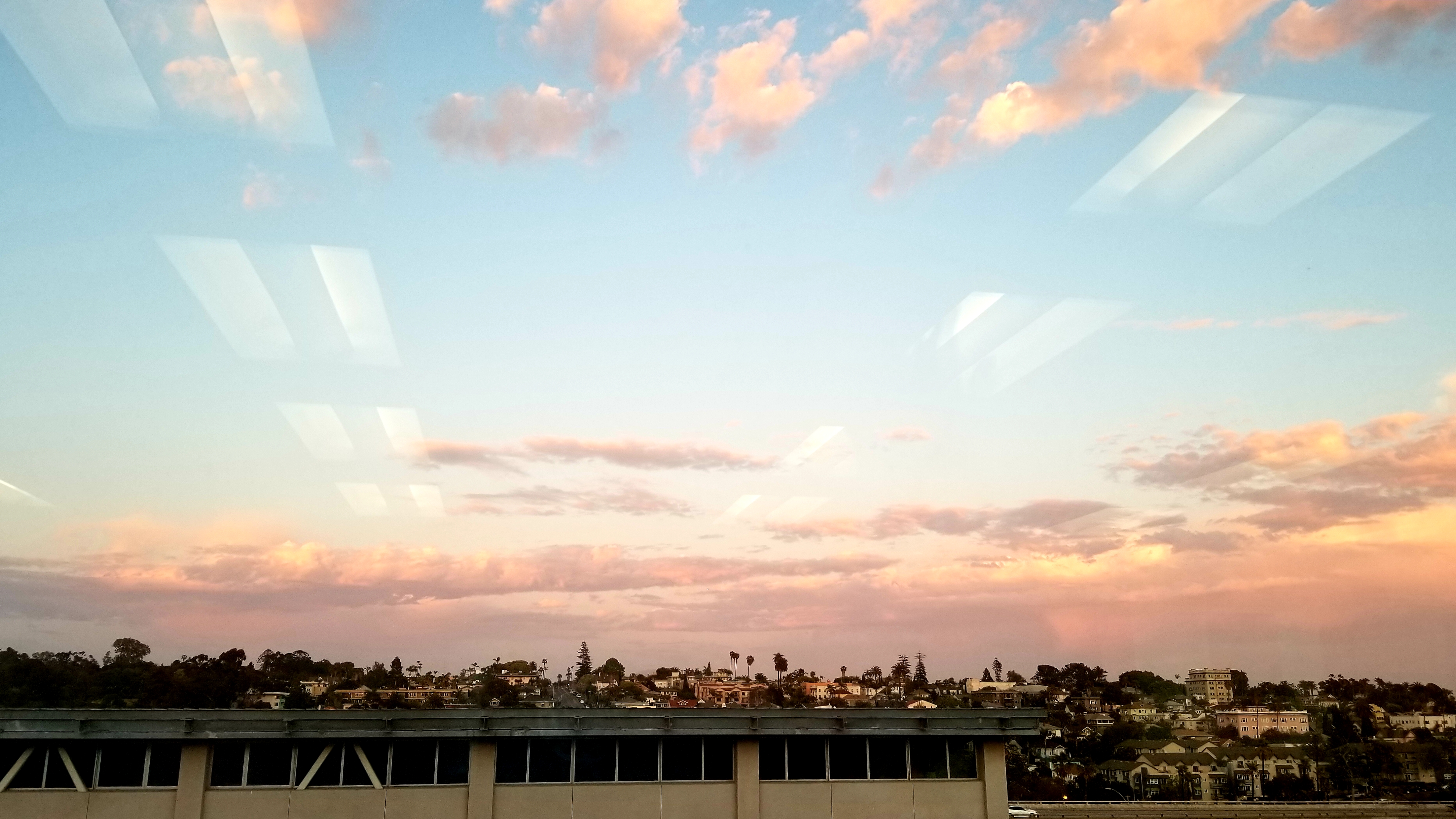
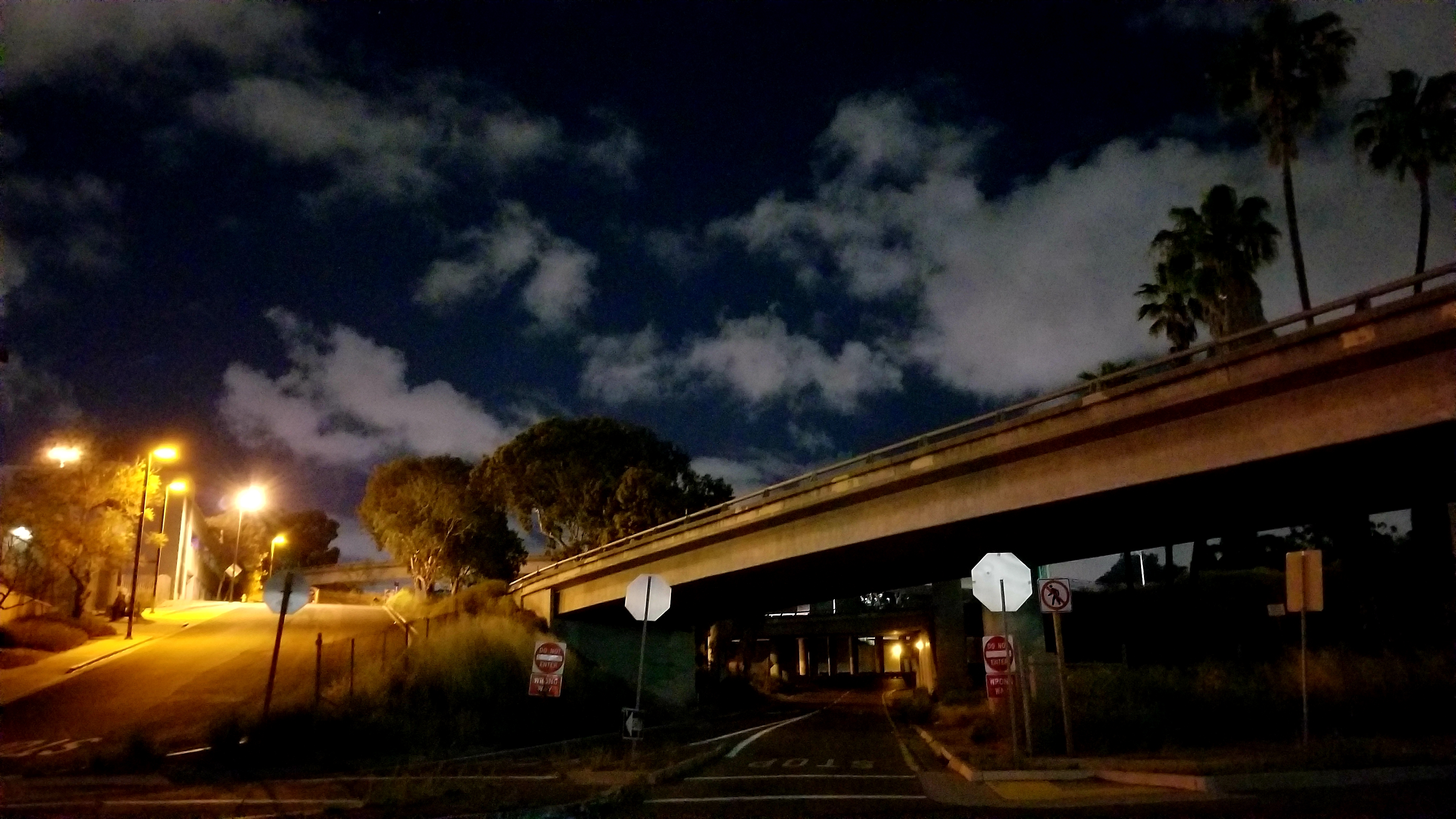
post-night class view
My return to San Diego has me getting up before 6 am and getting to school before 7 am, where I stay in classes with back-to-back labs in the middle of the day until 7 pm to drive the 30 minutes home while talking with Caleb so I can pack meals for the next day, shower if needed, and get homework done before getting some sleep. I spend my weekends at the kitchen bar getting fed occasionally and partaking in late-night snacks that keep me up and going.
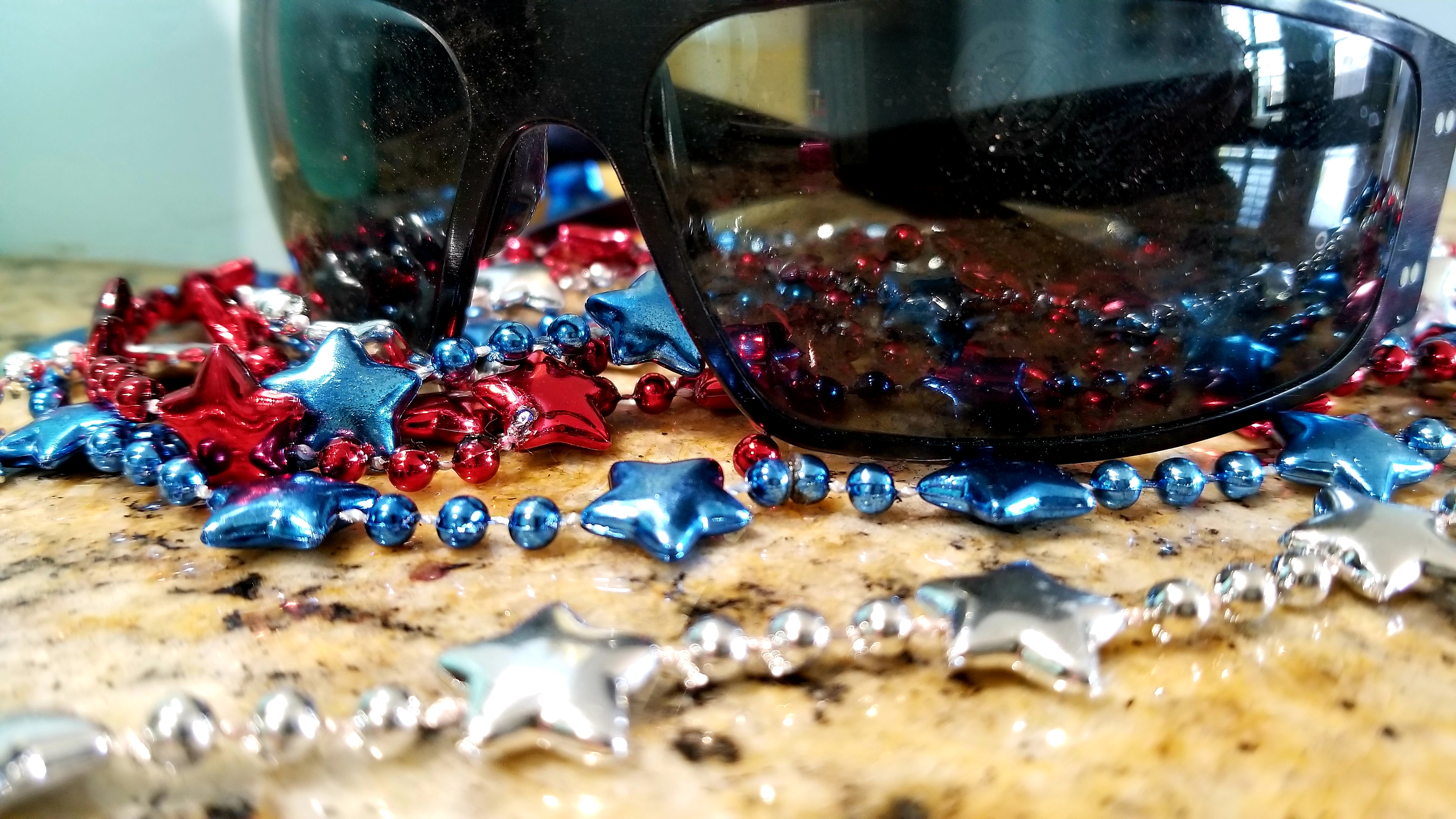
red, silver, and blue
During July, there was the obvious 4th of July holiday, Pride weekend, and Comic-Con. I found time to walk down to the beach for the fireworks — a first after having lived here for probably five years of them. I made time to say hi to house guests — Emma, the 8-year-old, and Jarod, 18, who were both nice, but Danielle, the 50+-year-old watching Housewives of Boredom and crying about how she’d kill herself if she had the homework I did, wasn’t helpful — and of course I forgot I have headphones to drown out those noises.
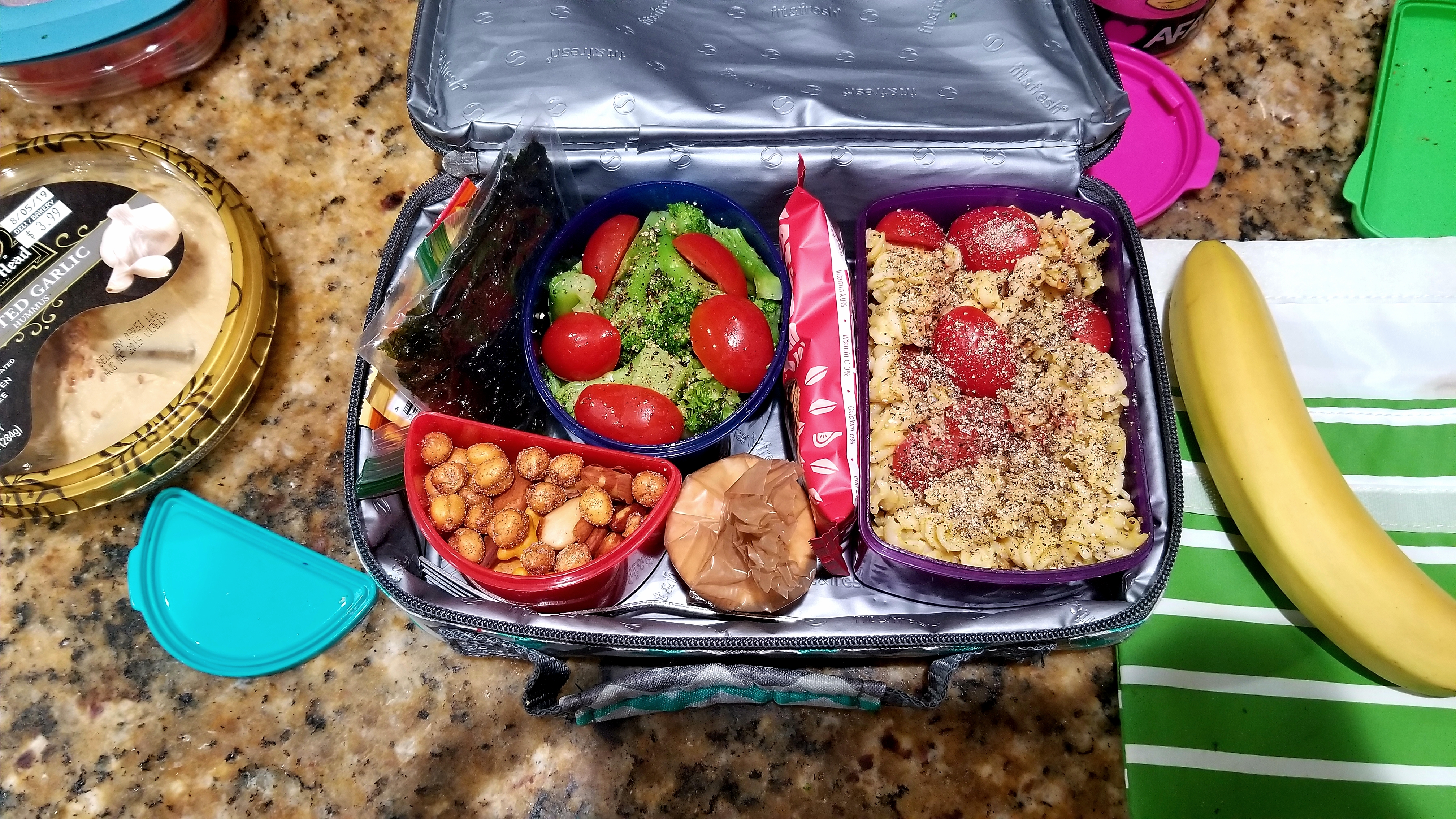
lunch, snack, and dinner
I also made time to take Uncle Ed to dinner for tacos at Salud!, schwarma at The Kebab Shop, and a Mandarin place because the buffet looked closed in the same shopping plaza. He was in town for a long week of work and staying along my route between home and school, so I got to listen to him play his cigar box guitar while he found questions to ask about chemistry to add to our discussions. I appreciate his curiosity in my education, even if I won’t be a chemist, as I’m currently making a B in round two of the class.
Caleb’s homemade biscuits and mixed fruit jelly
I aced Physiology in six weeks, though, and enjoyed theorizing with my professor about the possibilities of the body going wrong when so much is running smoothly every millisecond that we don’t have to think about. I was able to spend the day finishing a 200-page novel, and yesterday I mailed my rental physiology book back, mailed Uncle Ed his laptop that he’d left behind, had my new lease notarized, dropped some things to Goodwill, and got a long green dress in the mail from Caleb who looks forward to seeing me in it when I visit in August.
I emailed the school to let them know how I was wrongly enrolled for a general education plan when they had my transcripts delivered and checked over, so I could transfer to a business degree and go to SDSU. I’m glad I made the switch, though, to a degree in a field that makes me happy and that I can pursue, and so my path has changed in the direction it needed to go. I take another step forward.
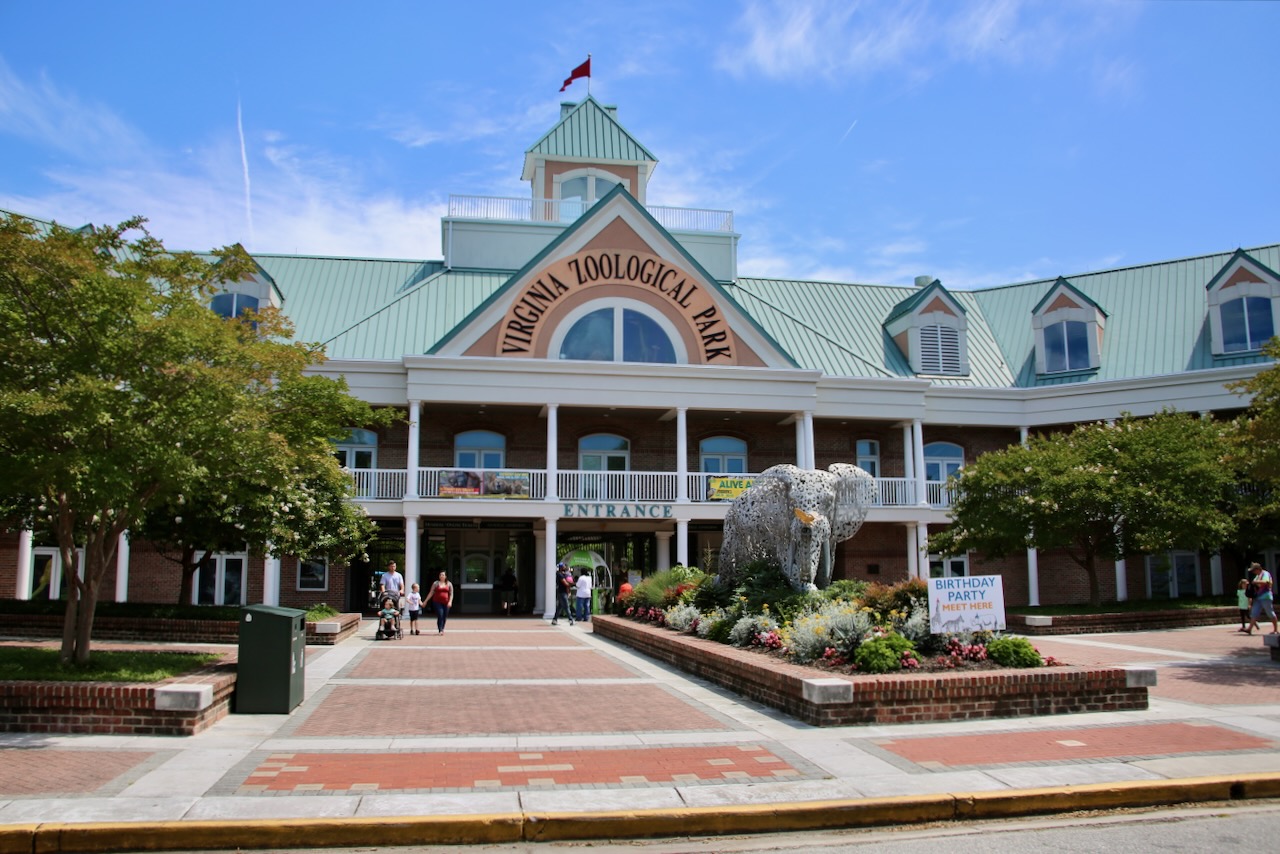
A day at the zoo with Caleb and his brother’s family.
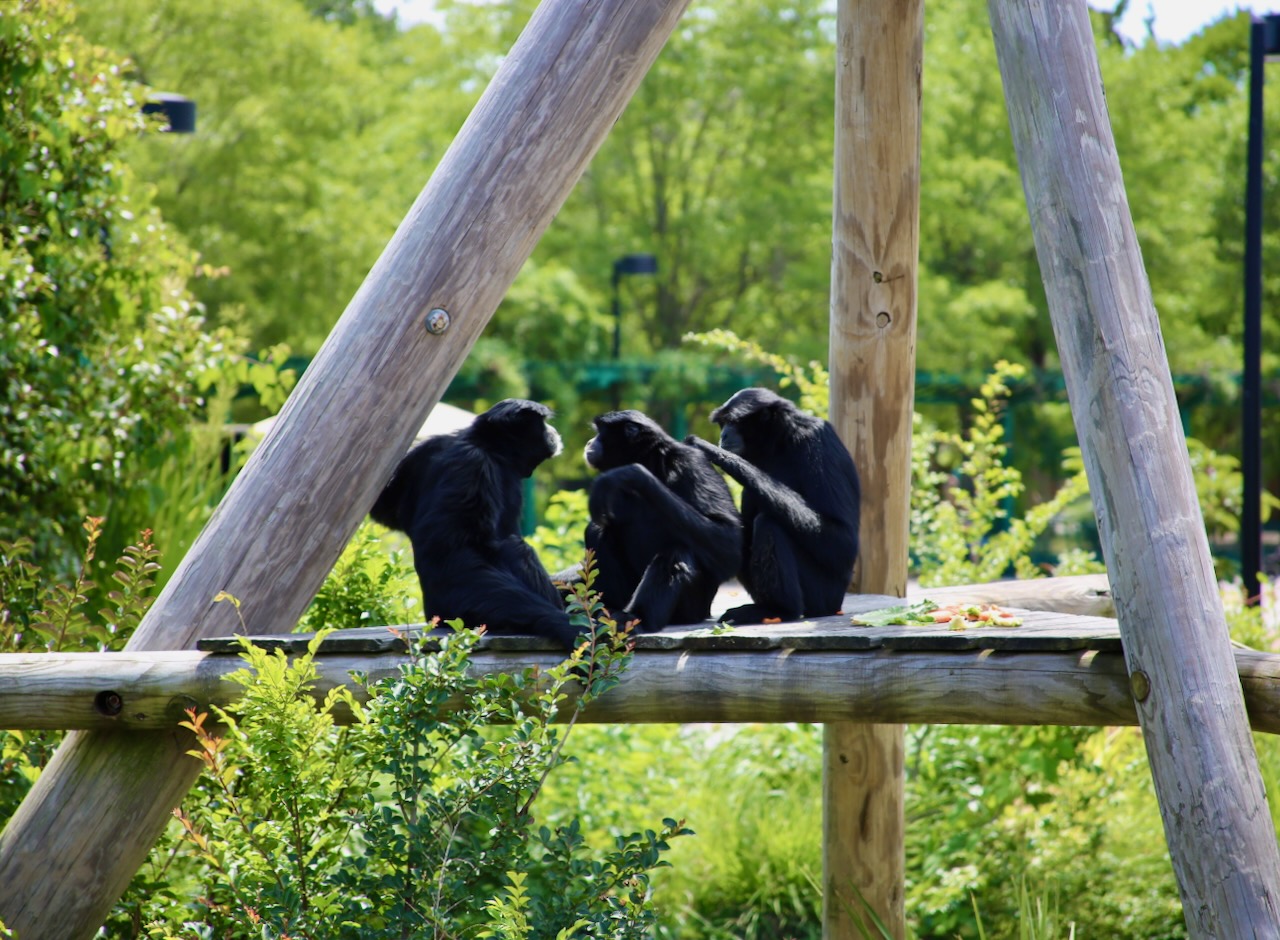
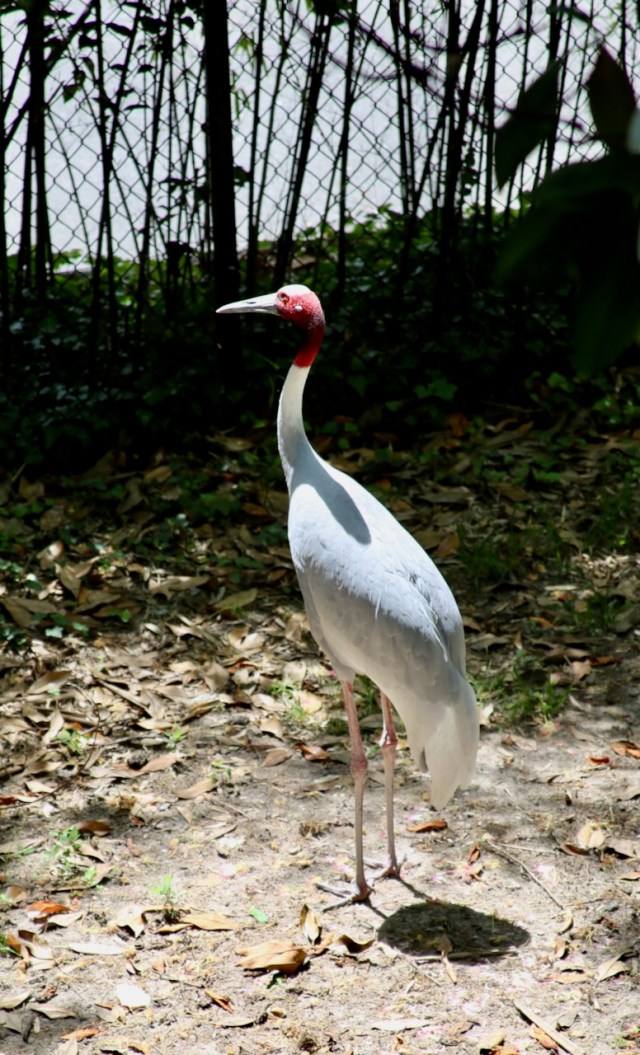
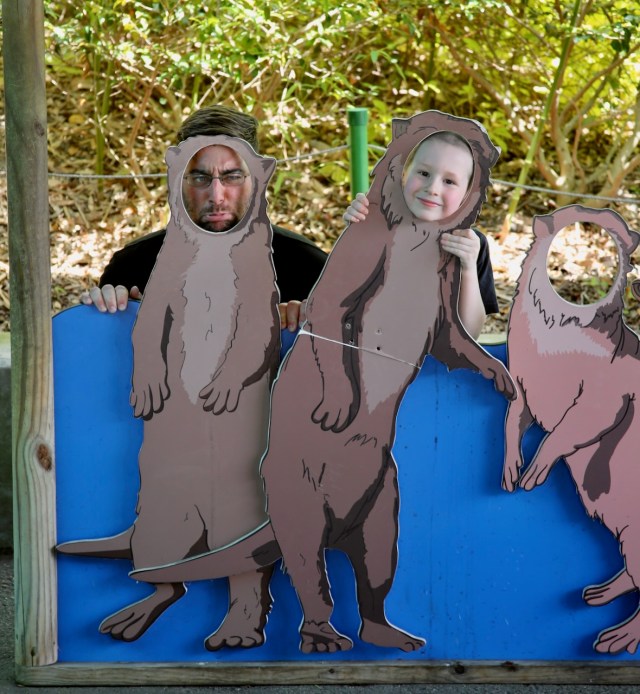
The three siamangs, the largest species of gibbons, are found in the forests of Sumatra and Malaysia. A Sarus crane, the world’s tallest flying bird, is found in the marshes and swamps of India, Southeast Asia, and Australia. They are known for their synchronized dancing with their lifelong partner. Uncle Caleb and Tristan as otters. This rare species can be seen eating candy while making fart jokes.
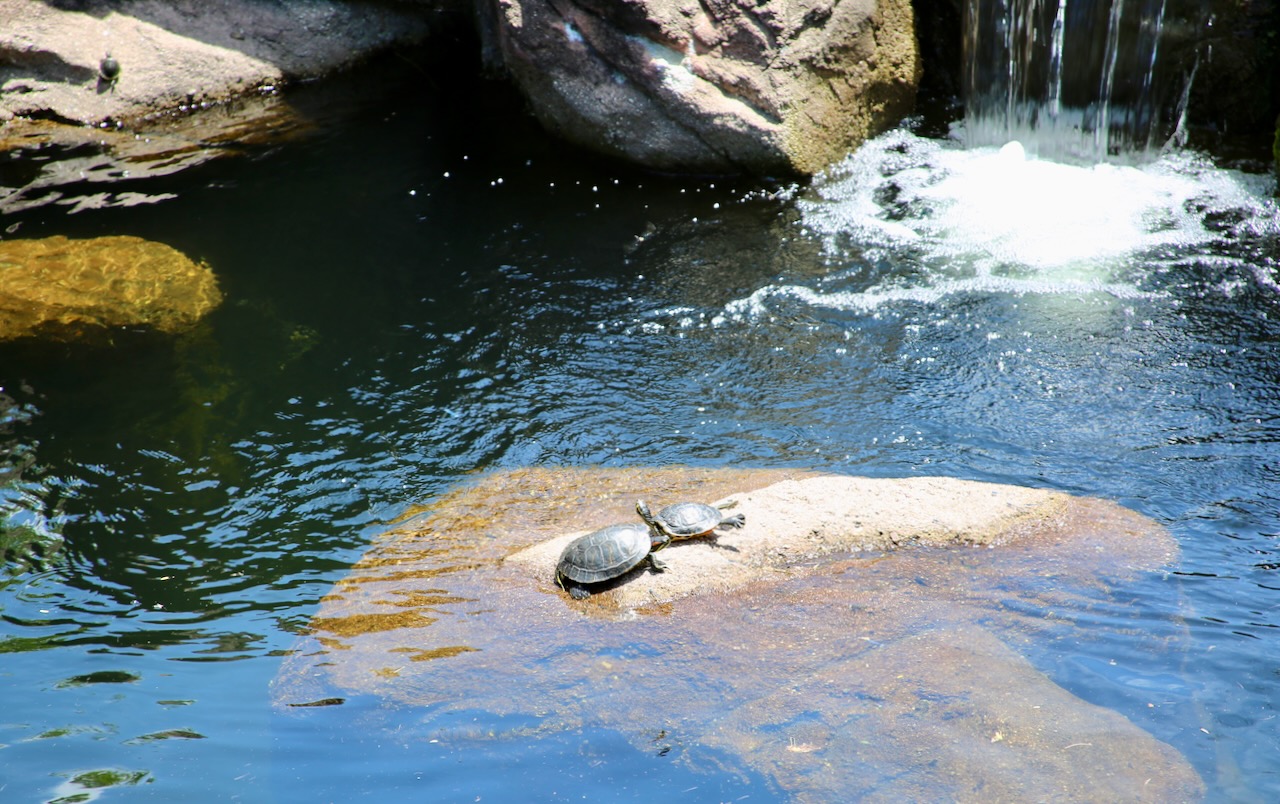
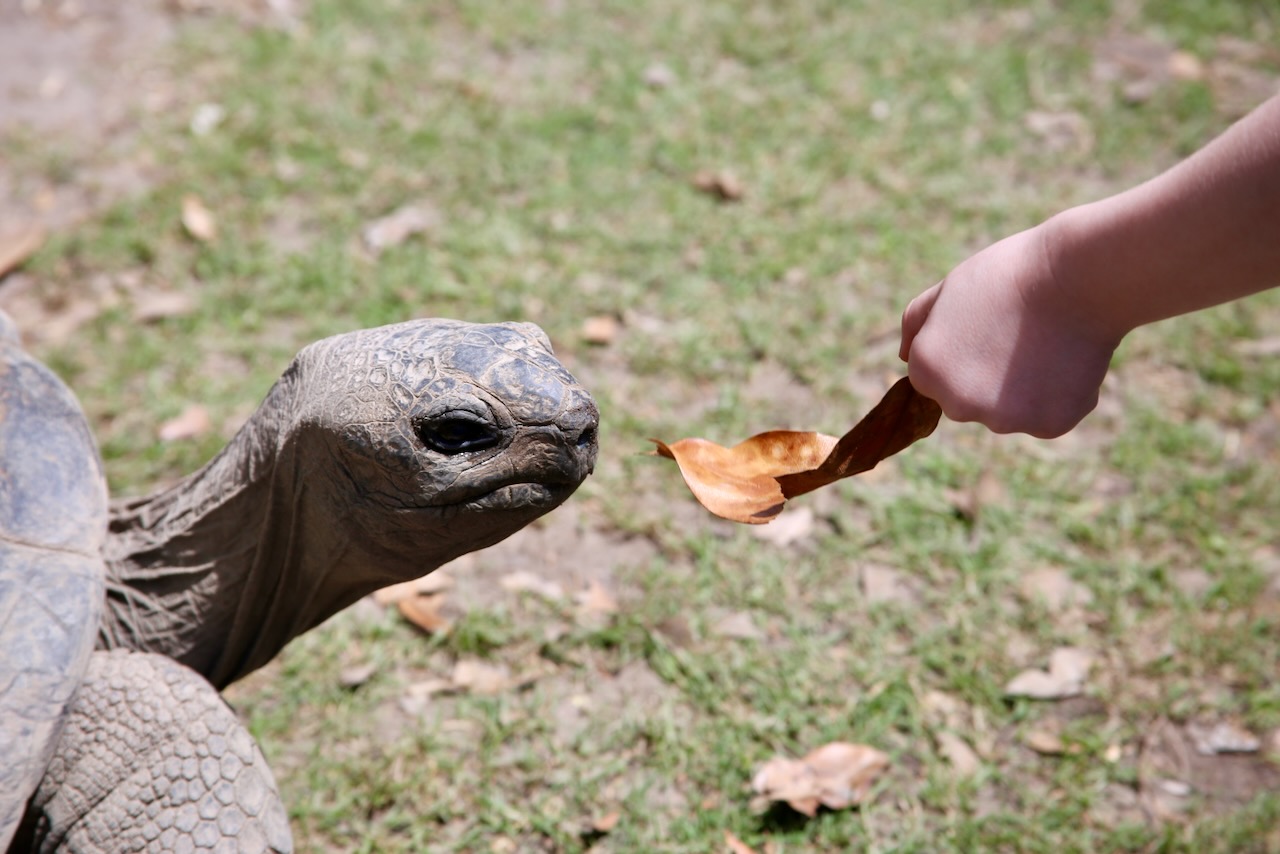
The red-eared sliders are a common subspecies of the pond slider. They can be found sunbathing on logs and rocks until someone walks by, at which point they slide underwater. They seem to have the largest enclosure. The Galapagos giant tortoise is probably over one hundred years old, weighs over 300 pounds, and detests this non-volcanic island habitat.
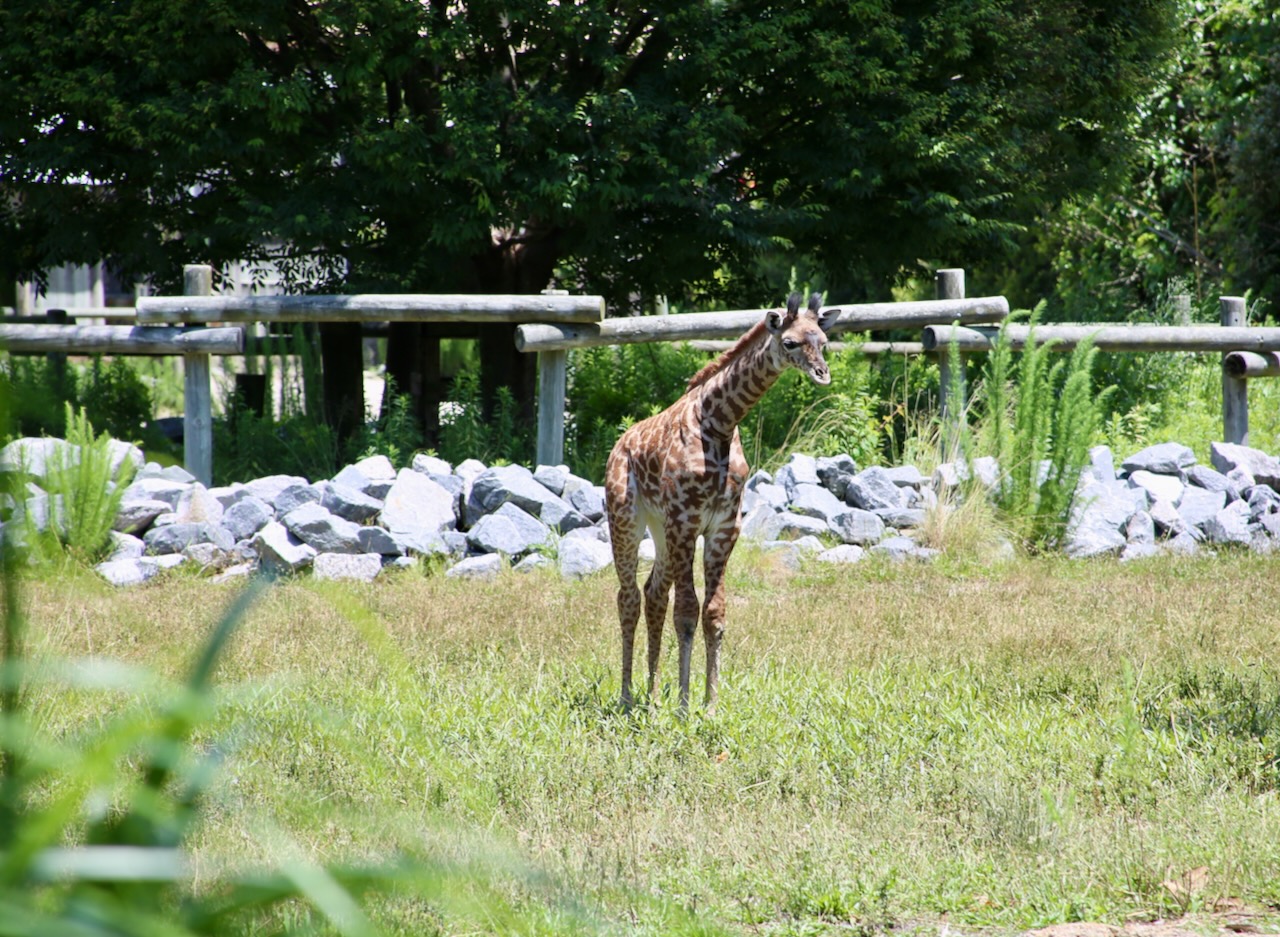
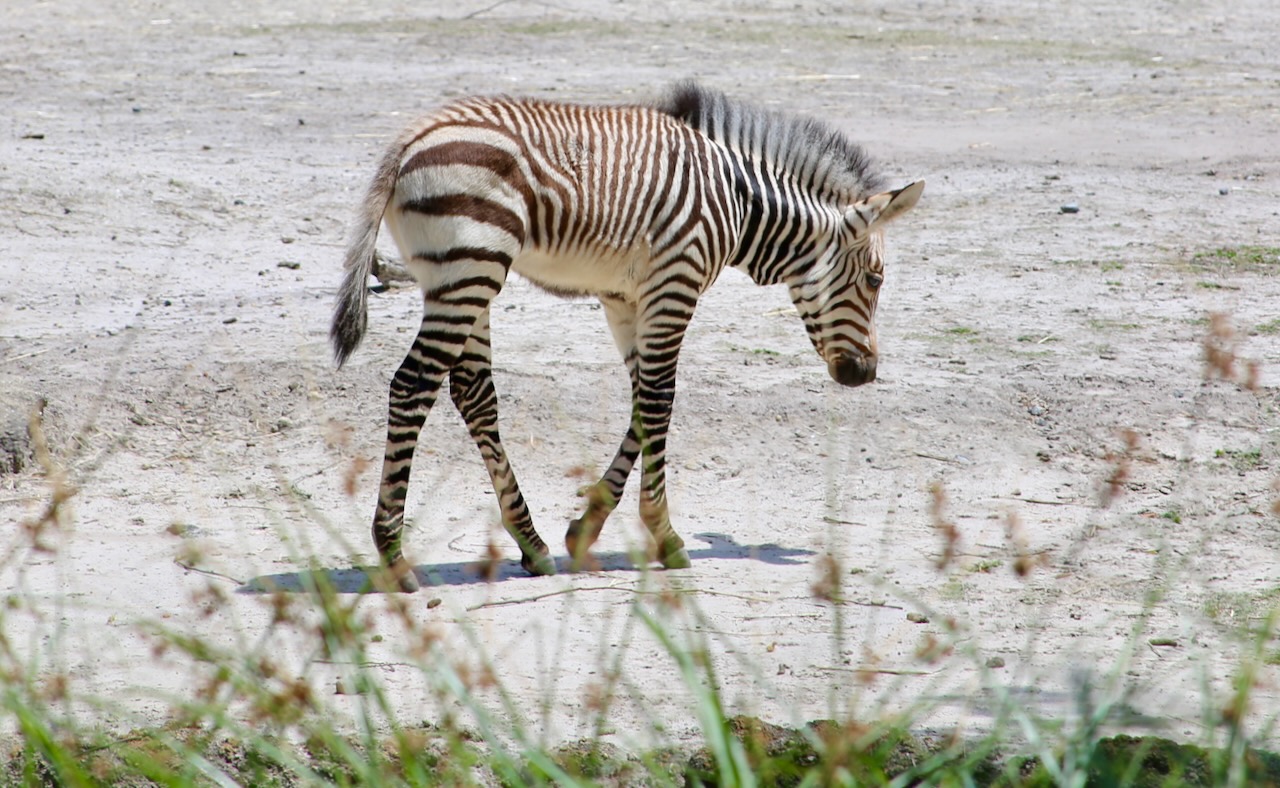
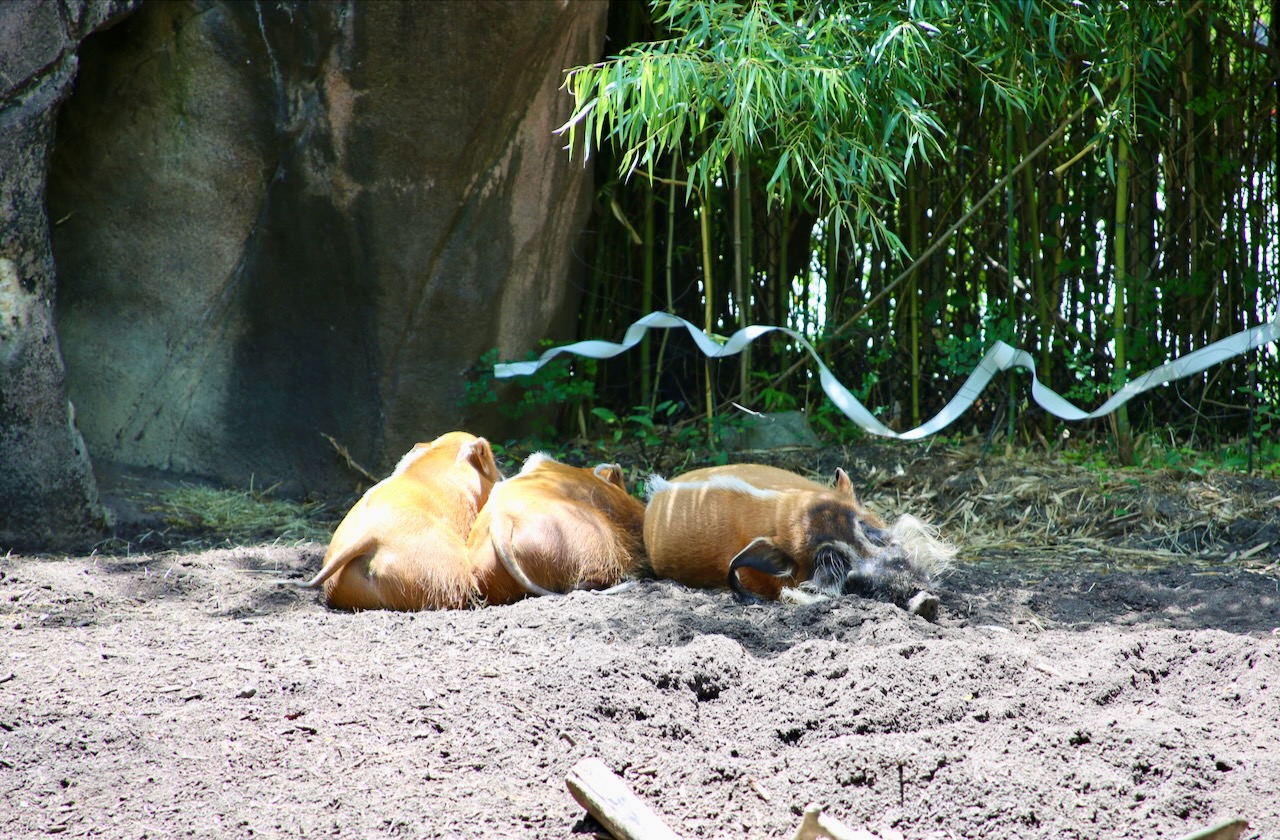
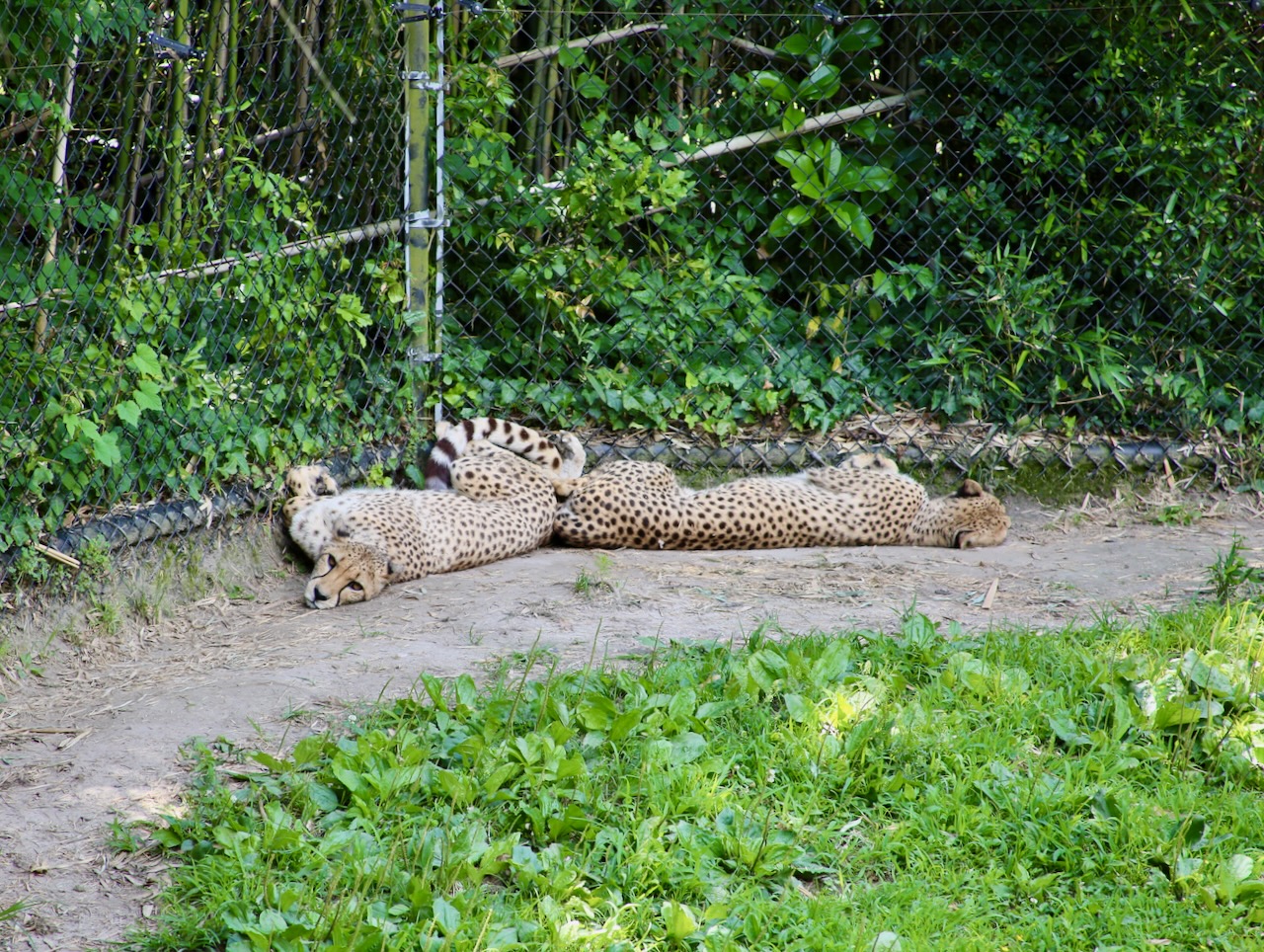
The baby giraffe is already a third of its potential height at six feet tall and is usually found roaming the savannas and open woodlands of Africa. The baby zebra is a Hartmann’s mountain foal, born with brown stripes that darken over time. This species is vulnerable on its rocky slopes and plateaus of sub-Saharan Africa. The Red River hogs are known for their tasseled ears, being proficient swimmers, and fast runners. They can be found eating roots, fruits, and rodents in rainforests, savannas, and swamps. The cheetahs, known for their speed, spend most of their time conserving energy. These big cats are unique because they purr instead of roar.
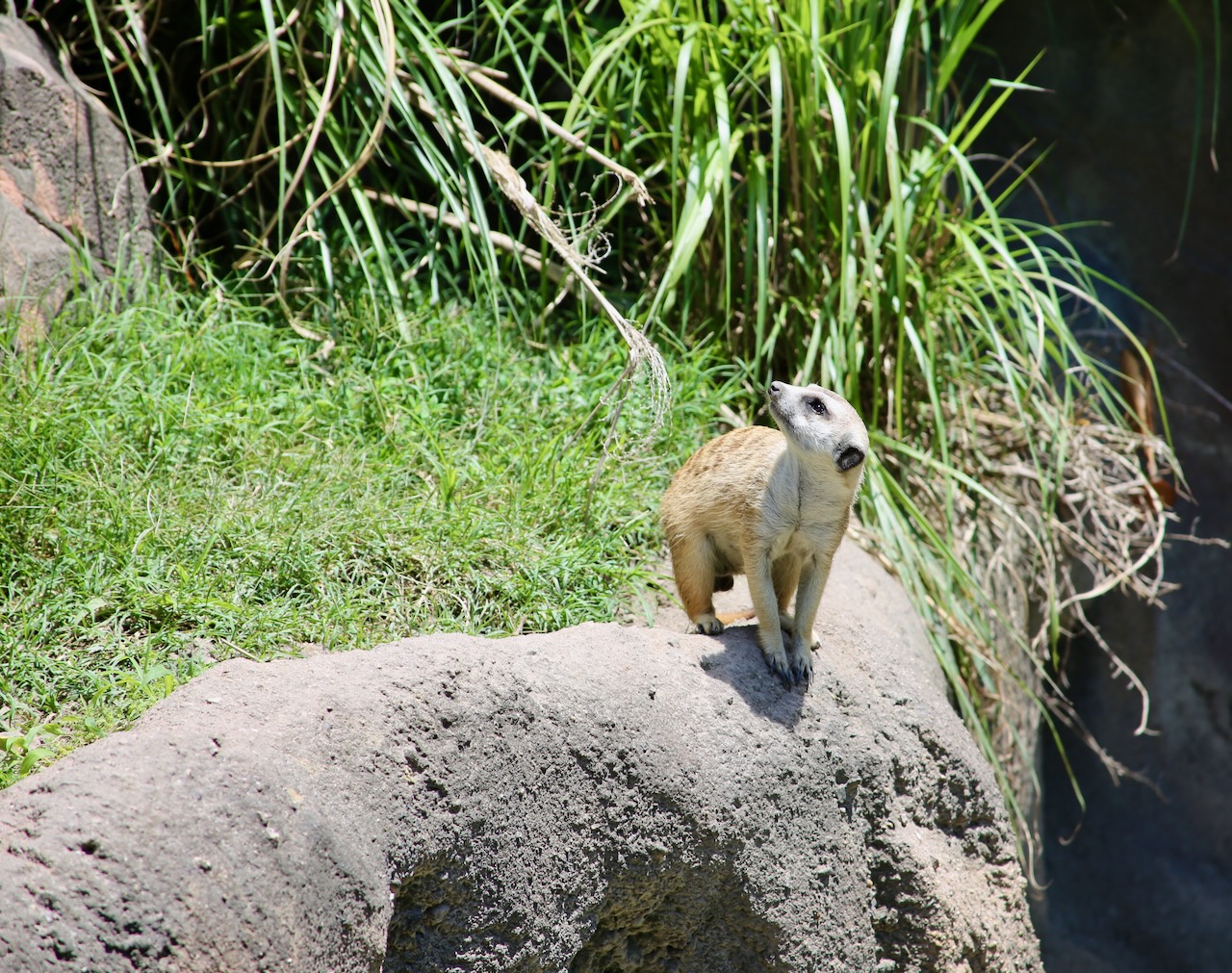
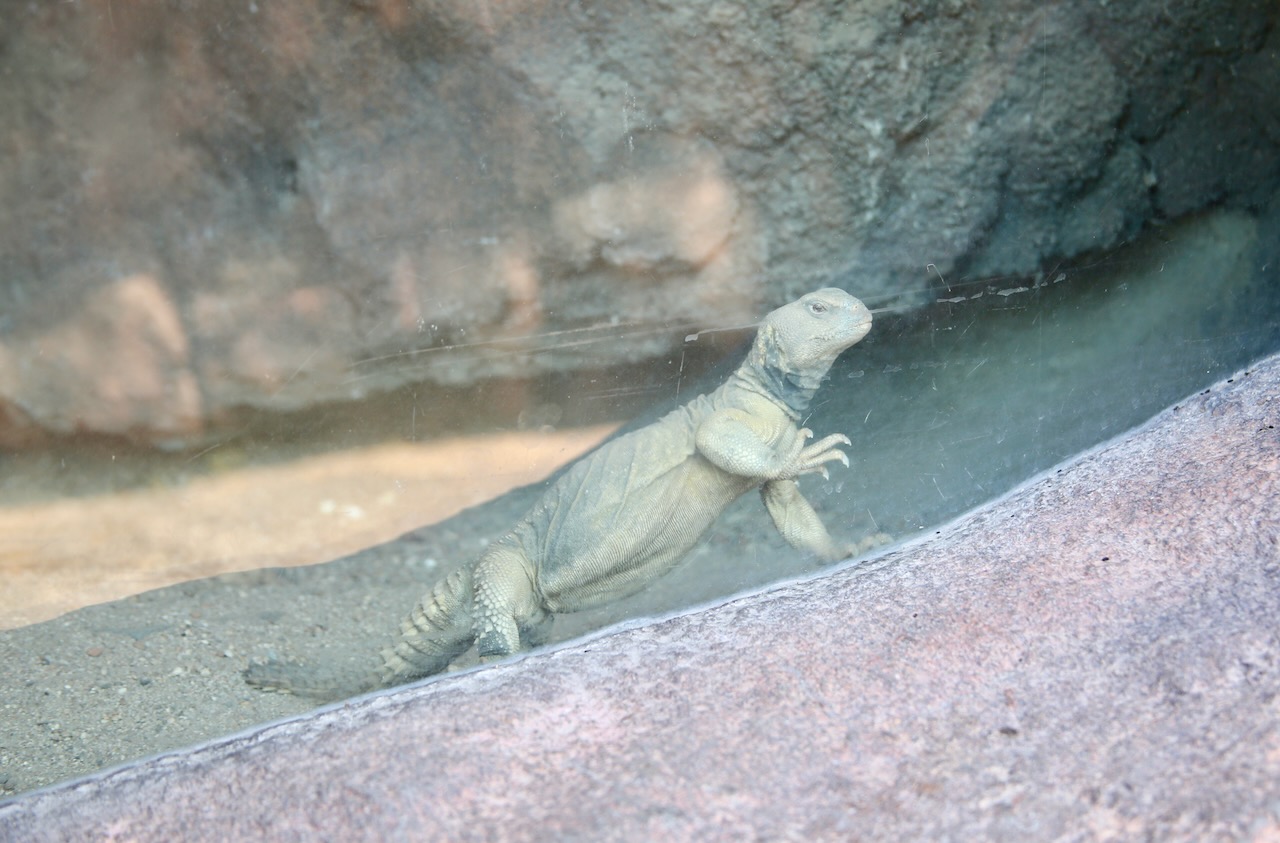
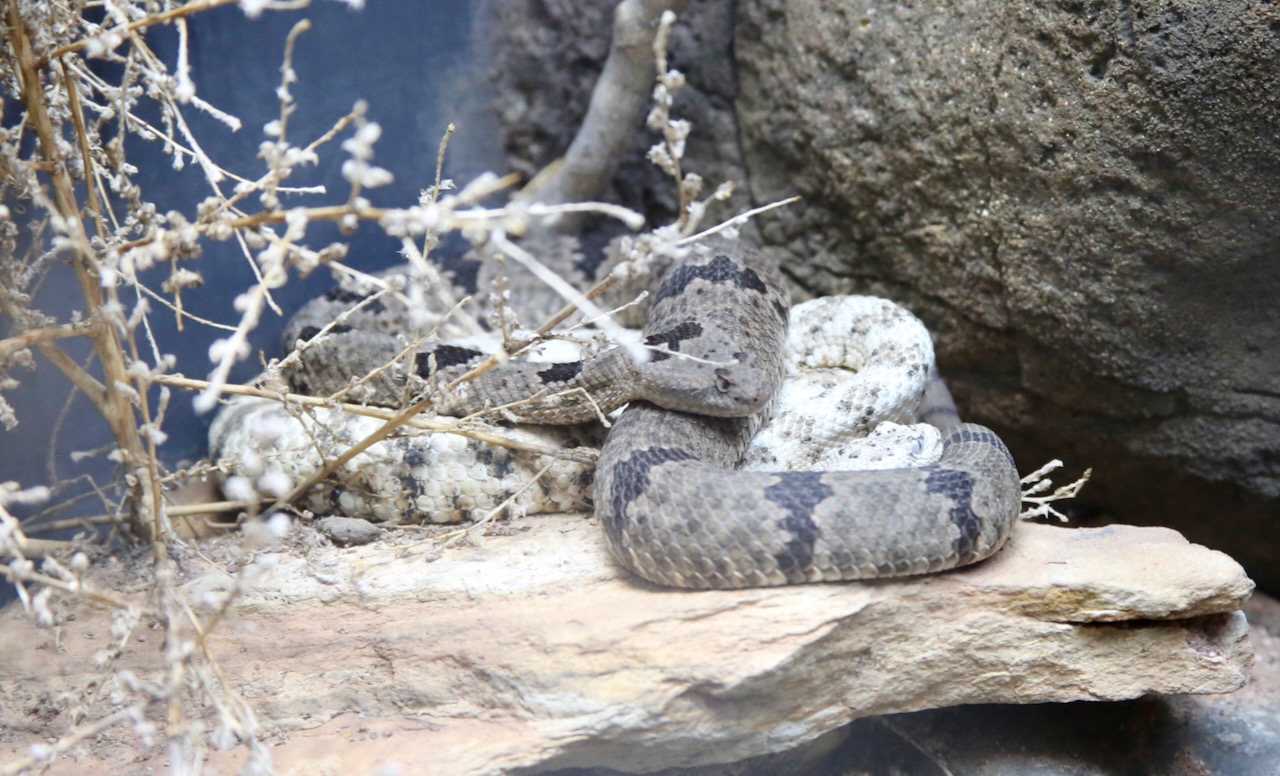
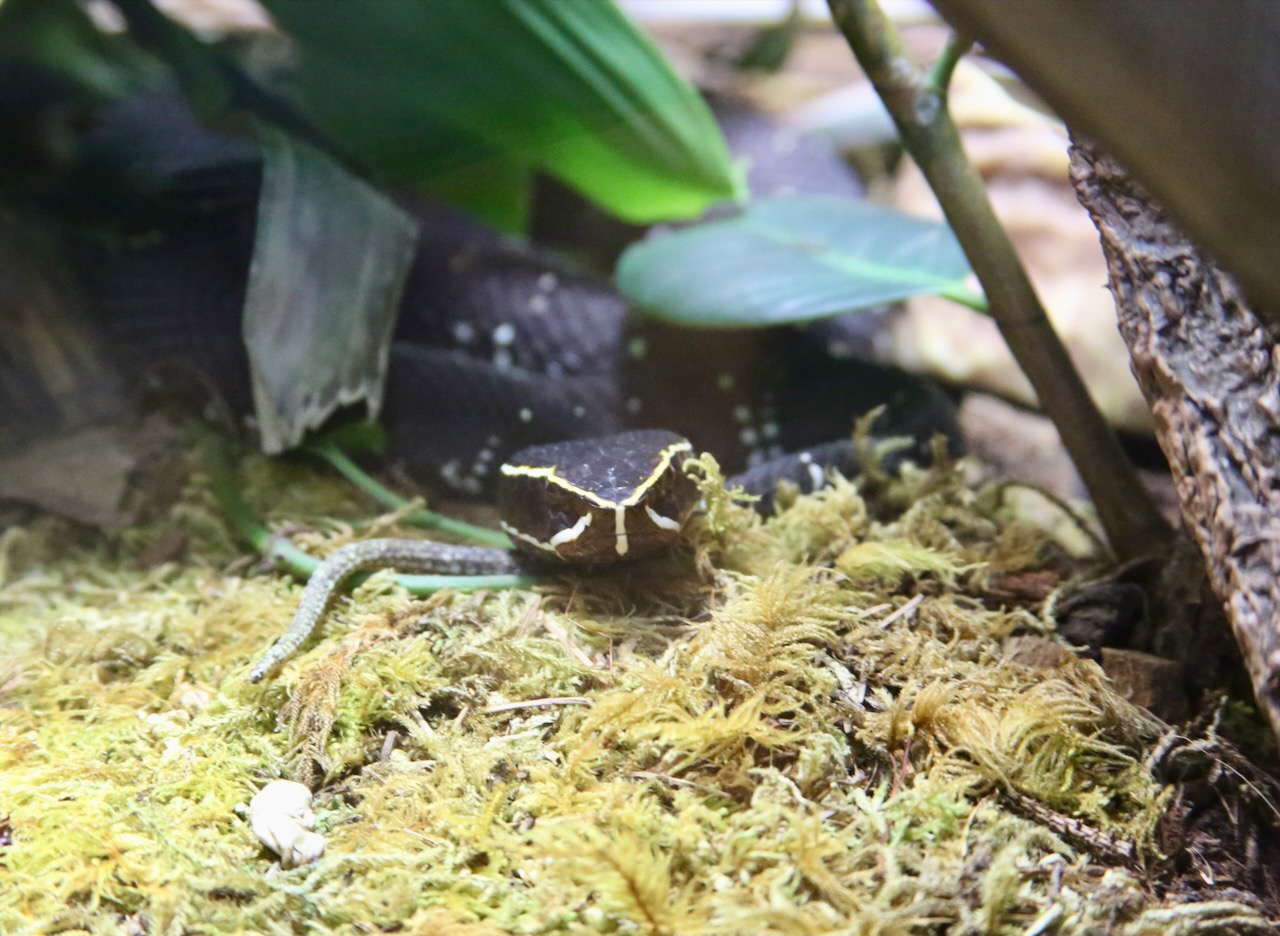
The small meerkat, commonly known for its role in The Lion King, belongs to the mongoose family. The dark patches around their eyes act like sunglasses to reduce glare from the deserts of southern Africa. The Egyptian spiny-tailed lizard also lives in other parts of North Africa and the Middle East. They can inflate themselves for heat regulation, intimidation, and to secure themselves in tight spaces. The banded rock rattlesnake inhabits the rocky terrain of the southwestern US and Mexico. They are highly venomous, but focus their aggression on lizards, mice, and frogs. The Mexican cantil is another pit viper (snake with heat-sensing face parts) this one found in tropical forests and dry shrublands throughout Central America.
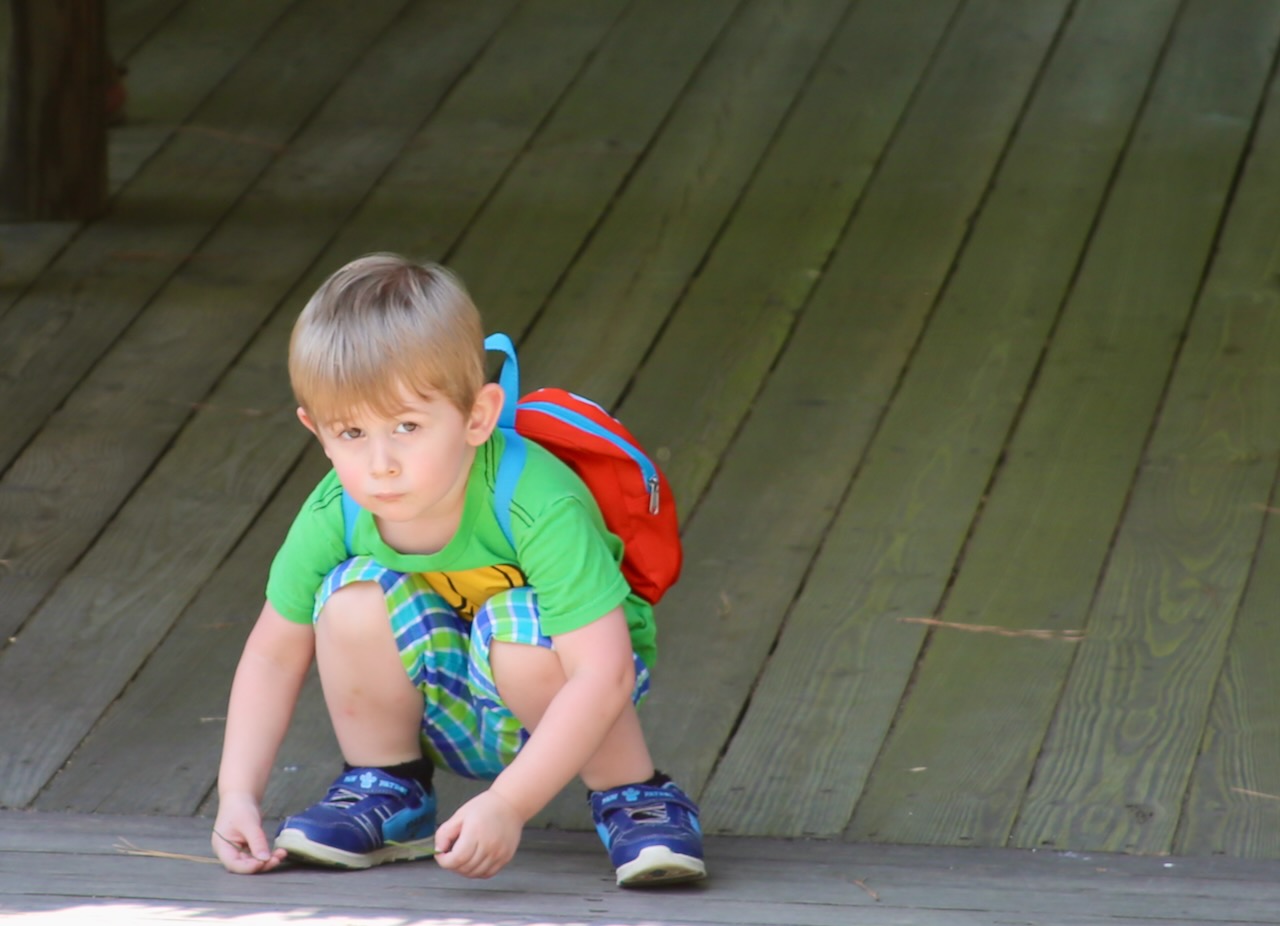
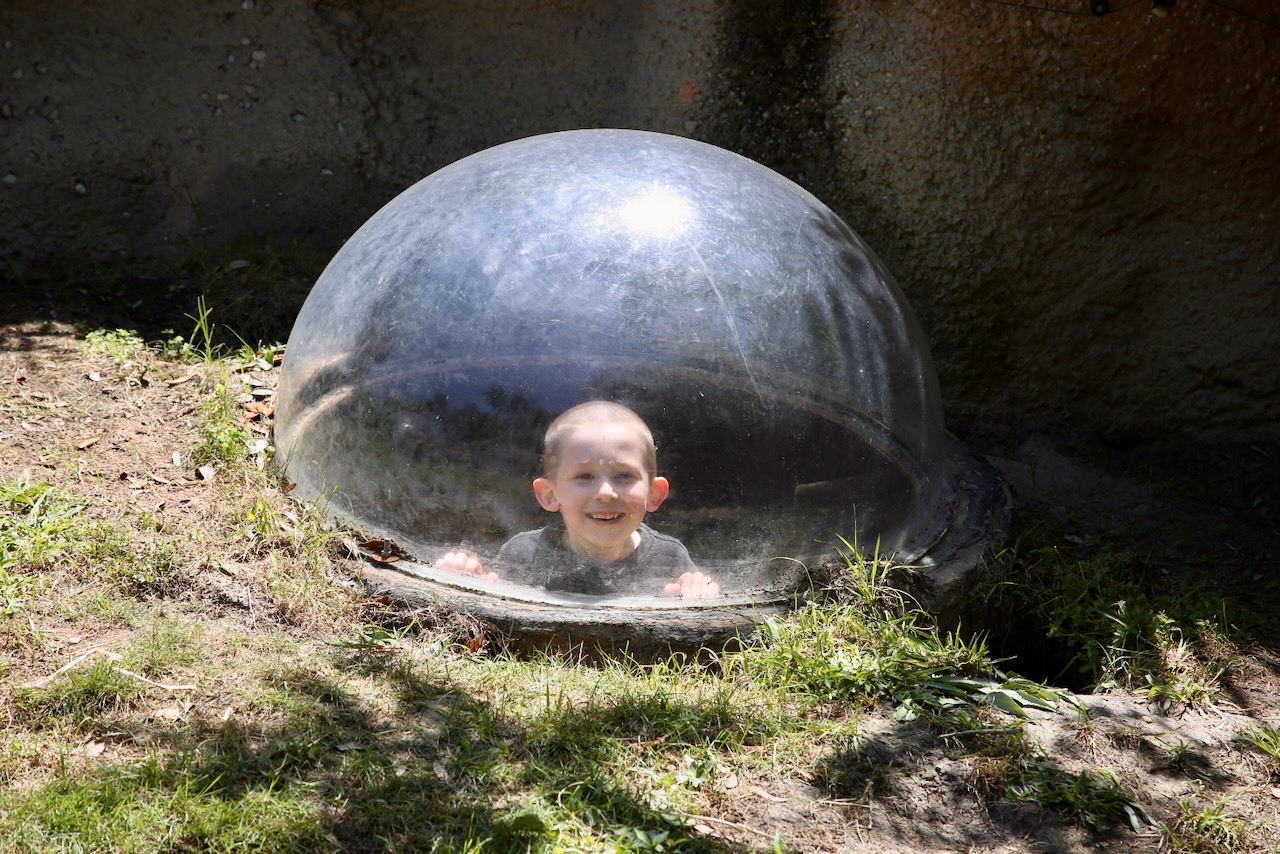
Jordan and Tristan
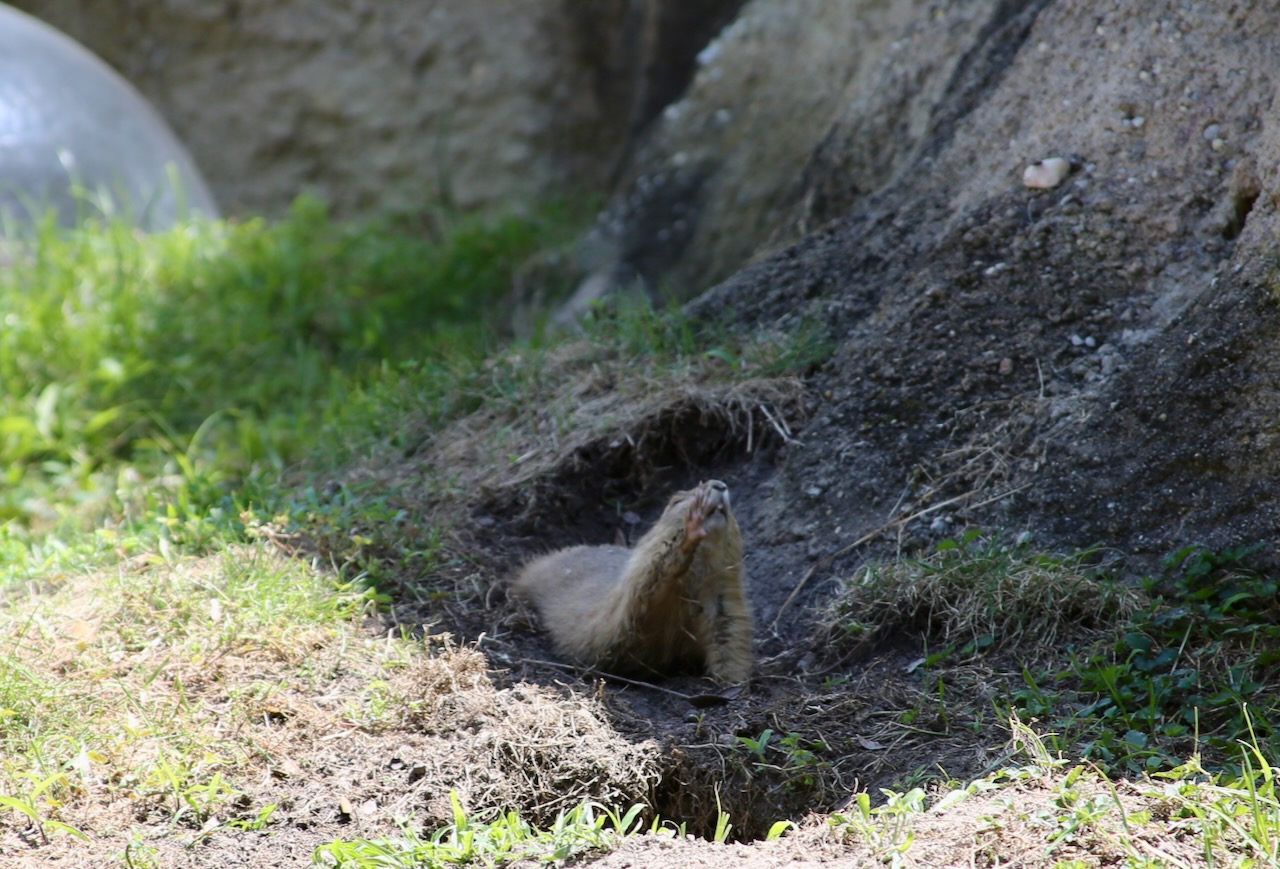
This prairie dog is known for its barks and chirps to communicate with other townmates feeling brave enough to be out of the complex underground tunnel home, which also provides a safe space for burrowing owls, snakes, and ferrets. These tunnels aerate the soil which is vital to their prairie ecosystem but destructive to man’s garden, so they die of poisoning after suffering habitat loss.
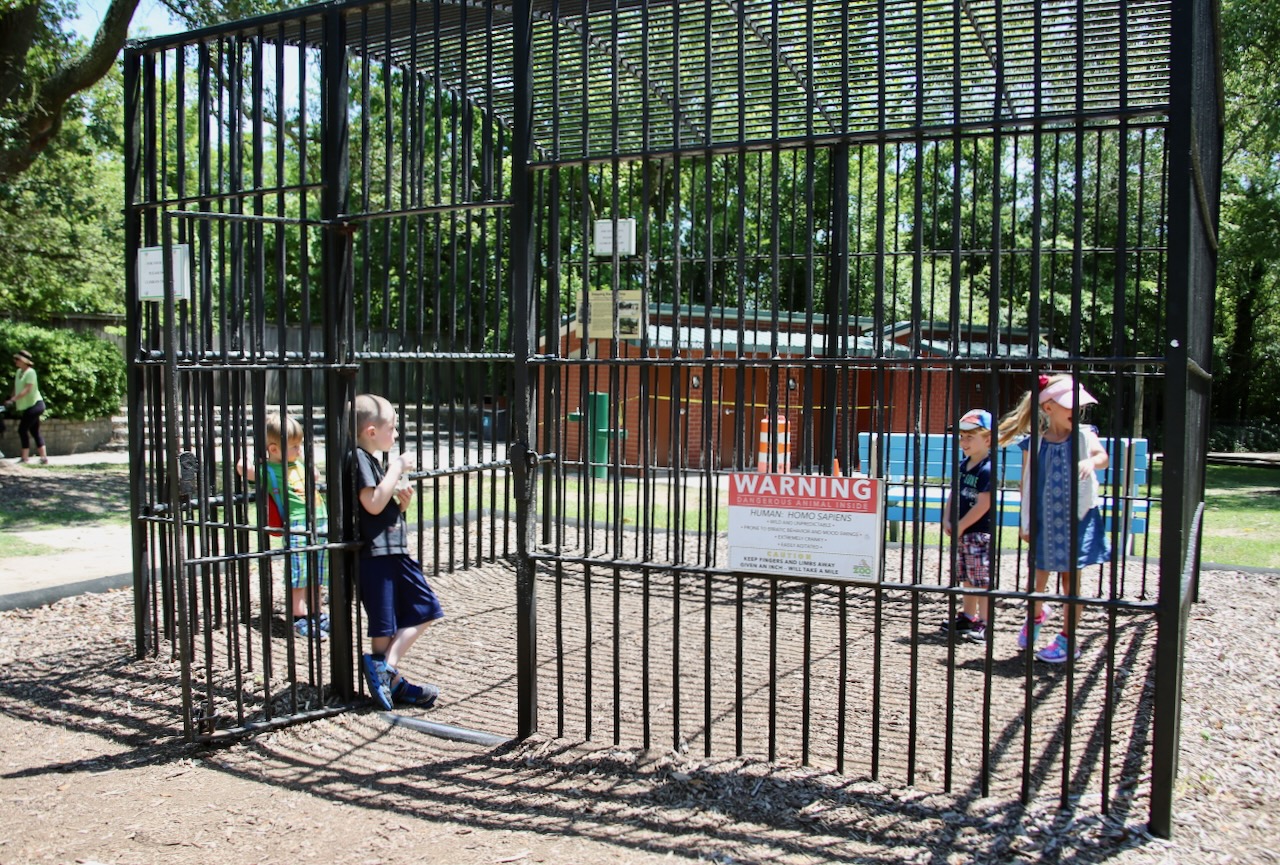
Warning: Dangerous animal inside. Human: Homo sapiens. They are wild and unpredictable, prone to erratic behavior and mood swings, extremely cranky, and easily agitated. Caution: Keep fingers and limbs away. Given an inch — will take a mile.
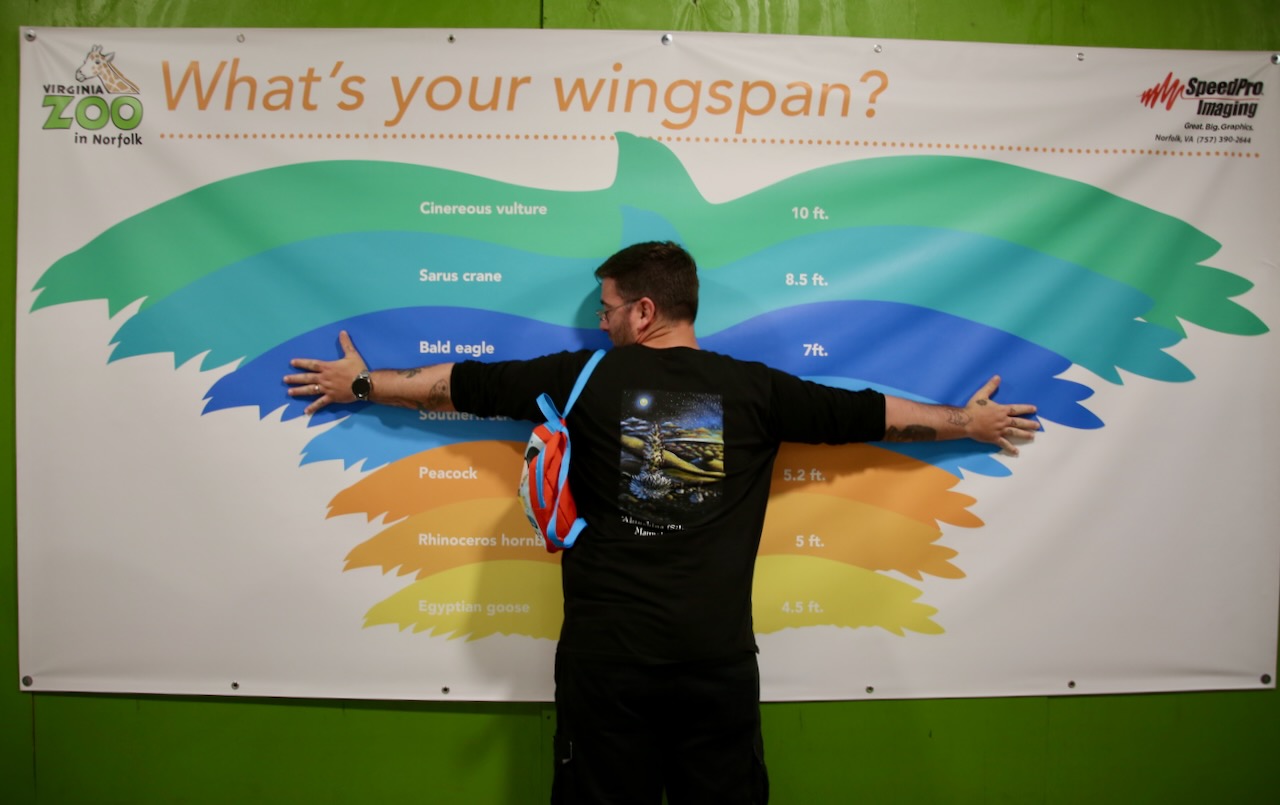
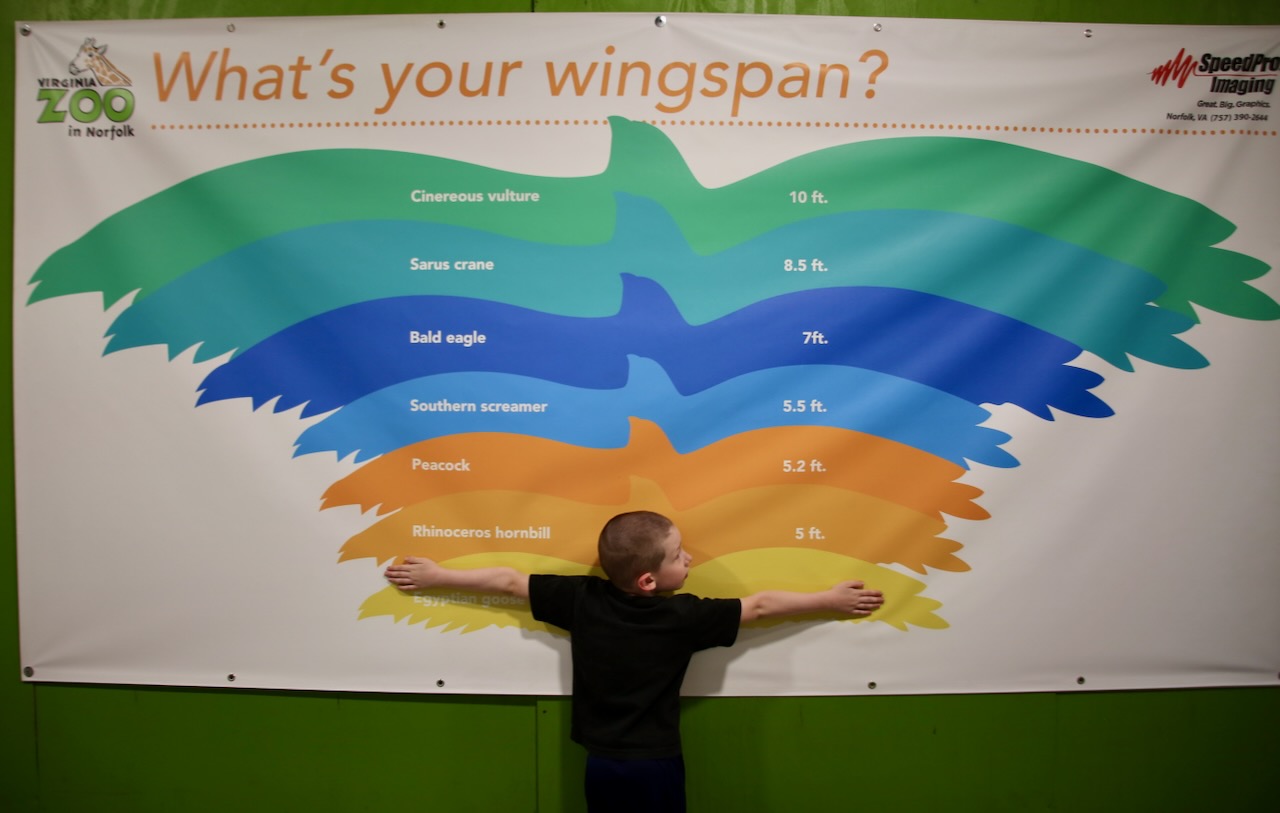
Caleb has the wingspan of a southern screamer, a large, gray marsh bird found mostly in the southern countries of South America (Peru, Brazil, Bolivia, Paraguay, Argentina, and Uruguay). Tristan has the reach of an Egyptian goose, another waterfowl, this one native to Africa but now established in Florida that lives in wetlands and urban parks.
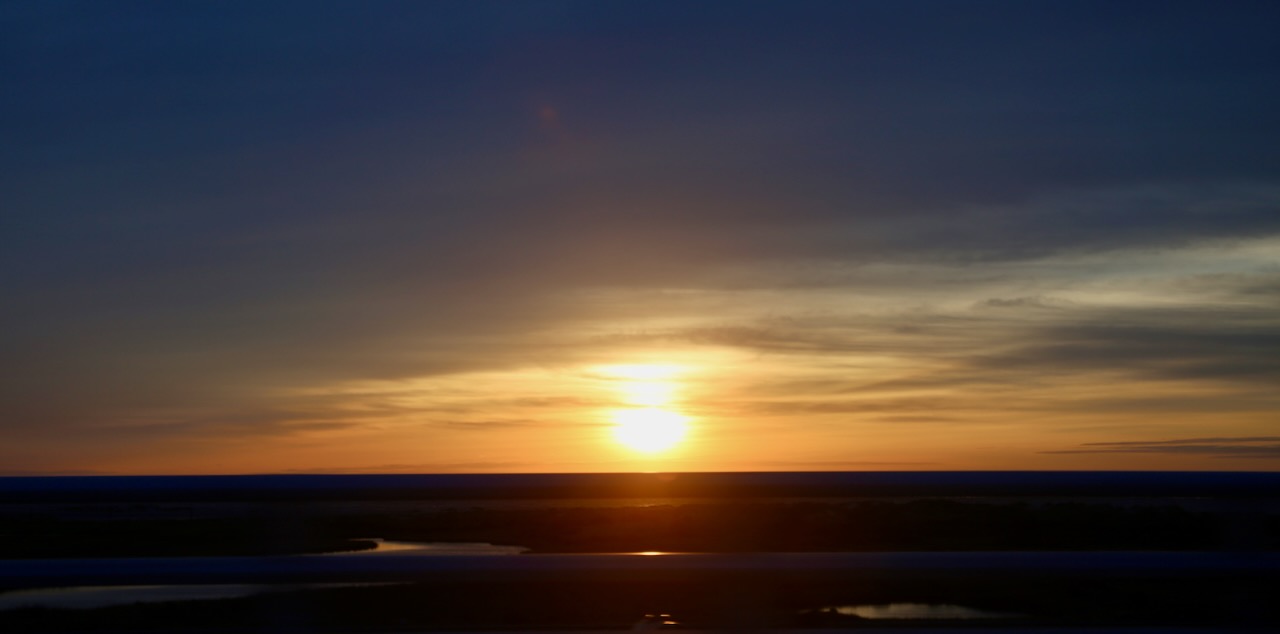
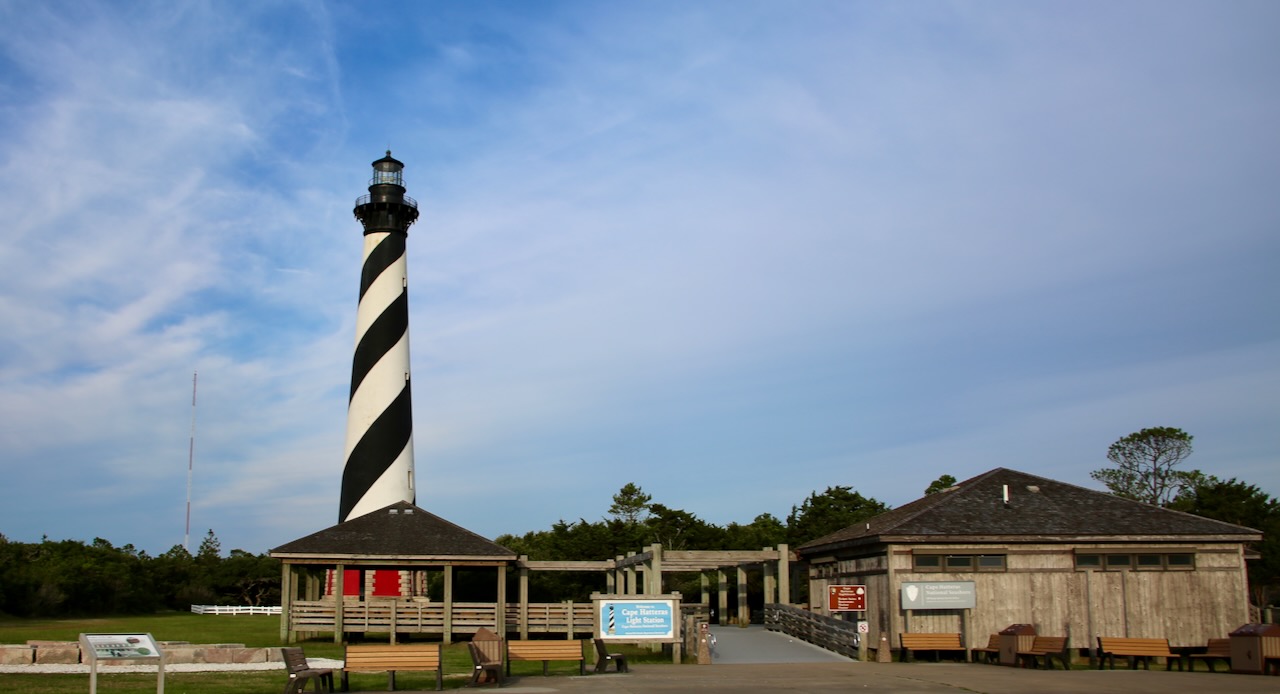
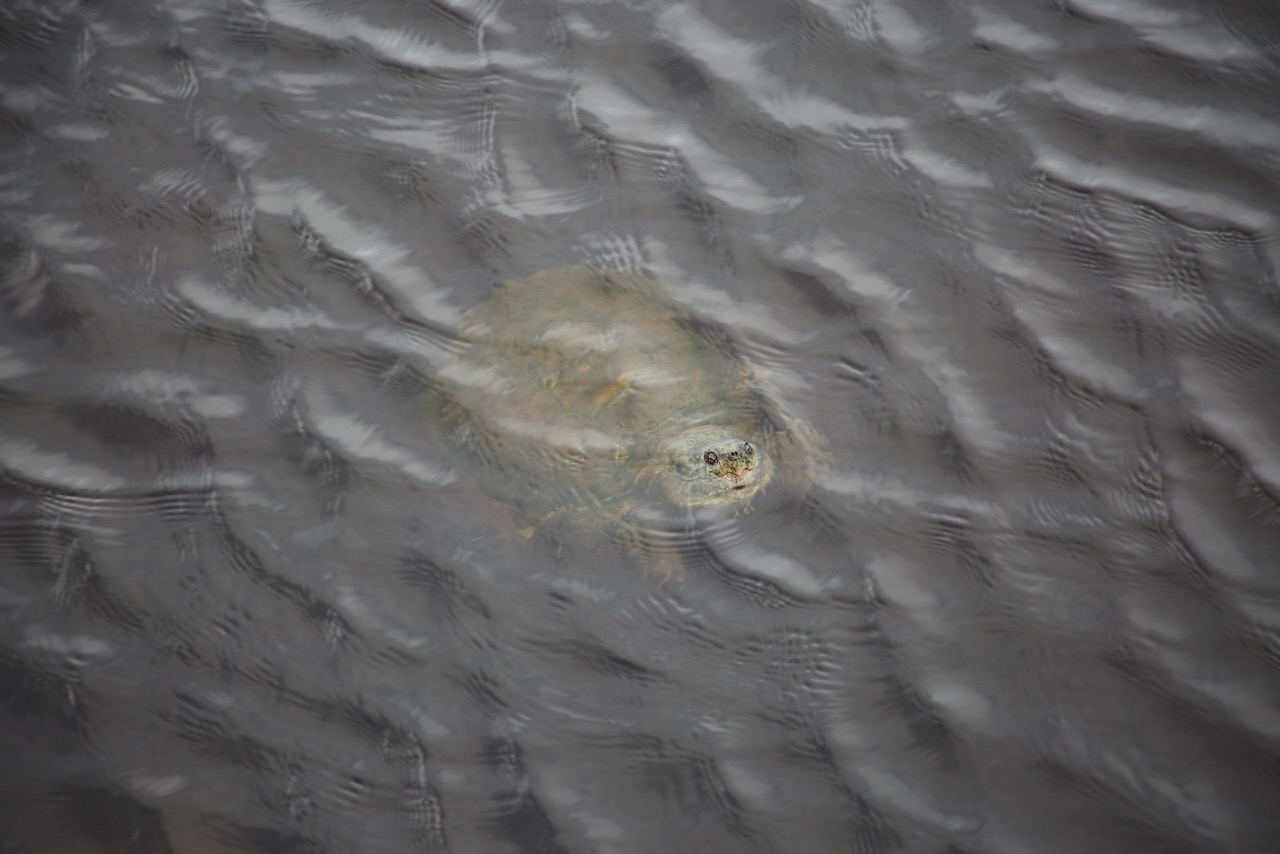
Quite a few people seemed to have the same idea as us — camp at Cape Hatteras National Seashore and pack up while the sky is shades of purple. We drive to the lighthouse and explore some of the nearby trails, where we encounter a male red-winged blackbird, a young white-tailed buck, a stinkpot turtle (known for their musky defense), and a couple of common snapping turtles. There’s a plaque near the beach for the Pea Island Lifesavers, an all-Black crew led by the first Black commanding officer in the service.
Keeper Richard Etheridge was appointed in 1880 after an all-white crew was dismissed for negligence. Their most famous rescue was in 1896 after a hurricane caused the schooner E.S. Newman to run aground. The surfmen spent hours through violent surf saving everyone aboard. This crew maintained their single staff color until 1947, when the stations closed, after establishing a new standard of discipline for lifesaving operations. The Coast Guard commissioned the USCGC Richard Etheridge in 2012, in his honor.
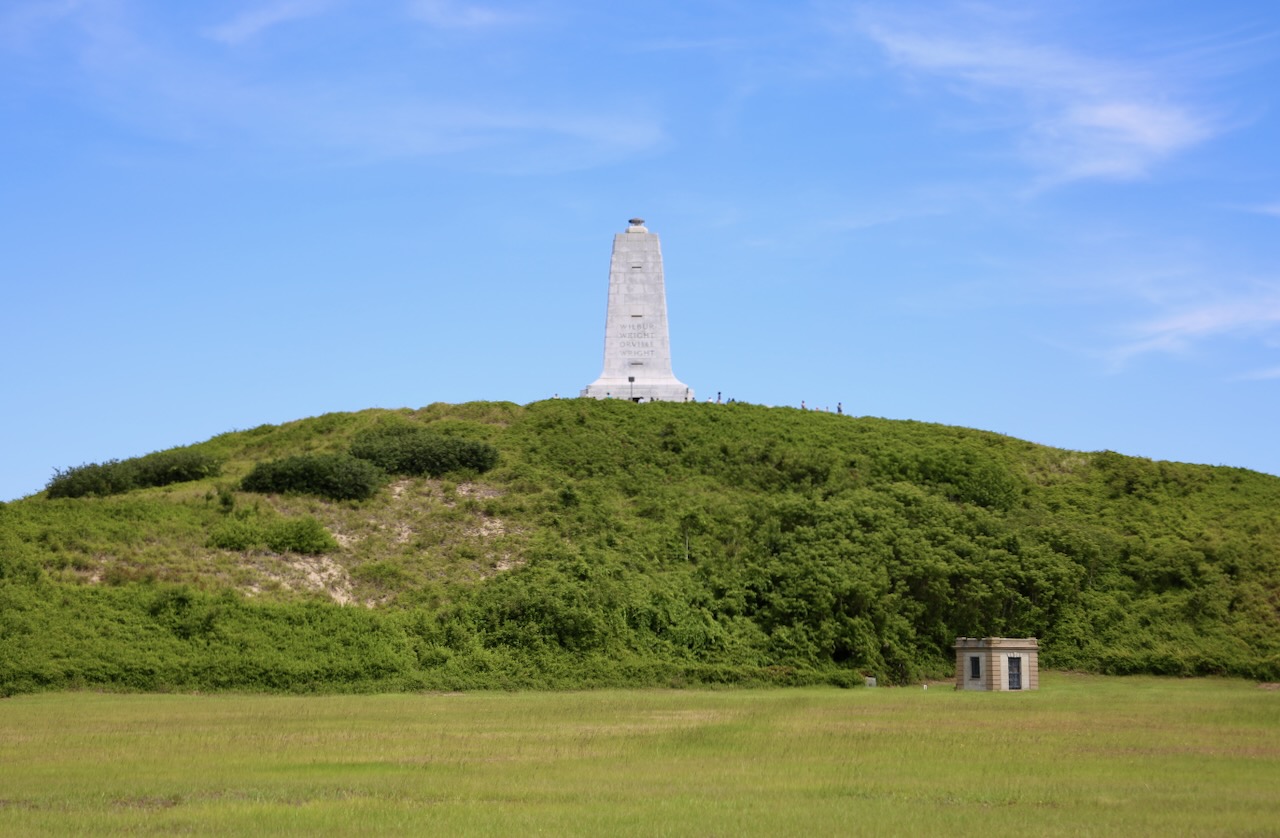
About nine miles north is the Wright Brothers National Memorial, while their museum is in Dayton, Ohio. The brothers followed a flight learning process — Da Vinci’s ornithopter, Lilienthal’s glider, and the Wrights’ box kite — so they could understand how to gain lift to support the weight of a pilot. This led to the Wright Flyer in 1903, which would take four short flights and prove that aviation was more than fantasy. It would be another six years before Louis flew the Blériot XI over the English Channel, completing the first heavier-than-air crossing.
These two self-taught mechanics showed future engineers and garage tinkerers that progress comes from iteration, not formal schooling or born-with genius. Their progress also inspired designers, pilots, explorers, scientists, autodidacts, sci-fi writers, artists, and children. There are markers for the first four flights, the first just 12 seconds long, and a taller monument as a testament to the brothers’ help in making the dream of flying a reality. Just as I’m wondering out loud how awesome it would be sit or fly in the original plane, we see some six-seater planes and a helicopter for flight options in modern aircraft.
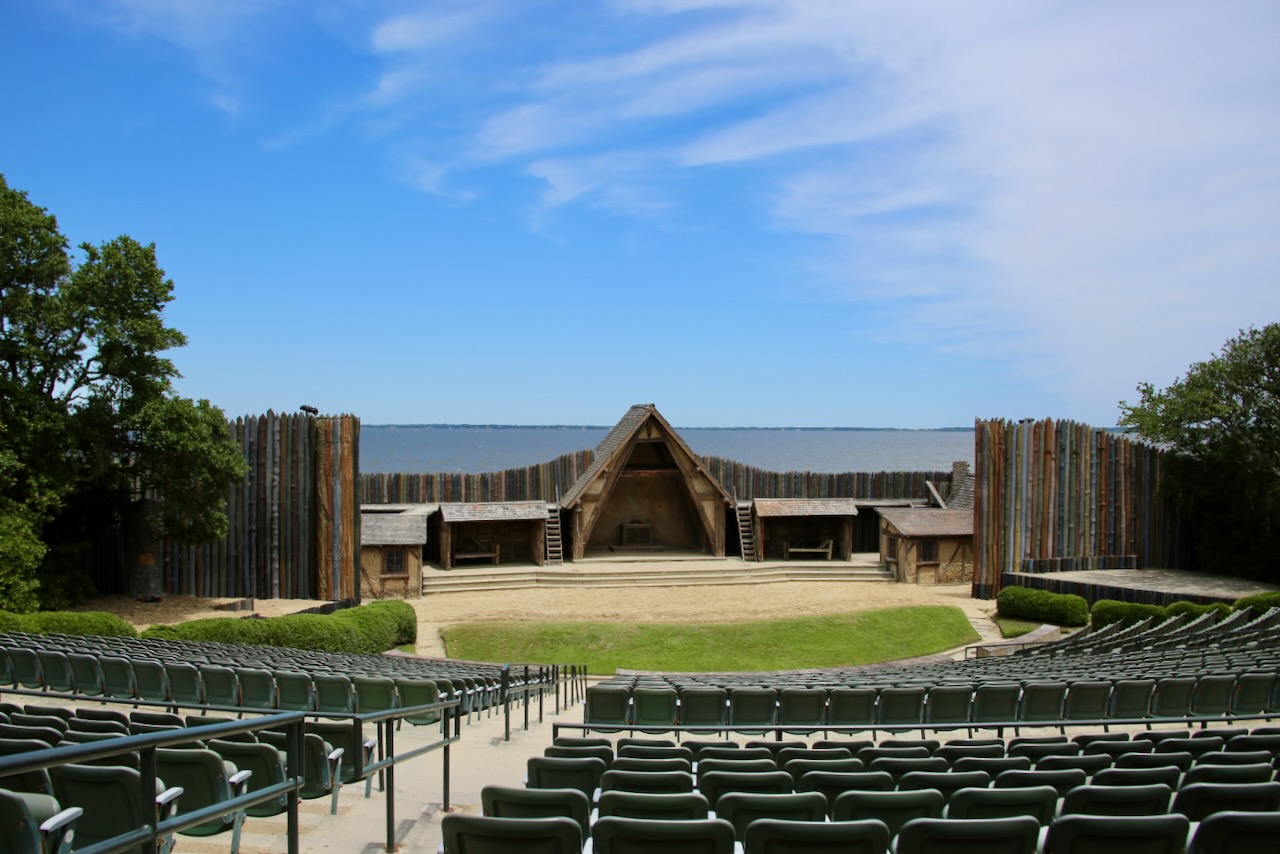
The rates were between $200 and $400 per person for a 30-minute tour of the Outer Banks to a four-hour glider replica experience. This would be more authentic and strenuous if the passenger had the option to drag the 117-pound plane up the dune, as the brothers had done for each flight. Not yet done with the North Carolina island life, we drive to Fort Raleigh National Historic Site to learn about The Lost Colony that disappeared from such a beautiful landscape in 1587. Their possible plights have been theorized as death by Native Americans, the Spanish, a disease, a hurricane, or starvation, or they simply relocated.
The outdoor drama, The Lost Colony, by Paul Green, opened in 1937 around the 350th anniversary of Virginia Dare’s birth (the first child of English parents born in America). In 1964, Joe Layton reimagined choreographed dances and bells, had actors and buildings aflame, and replaced the organ with a keyboard to play re-scored music. The post-Layton years, after the mid-80s, have brought microphones to the actors and singers, redesigned scenery and props, and a wardrobe upgrade after a fire destroyed the costume shop.
Between the actual colony and the drama existed another short-term haven of freedom for African Americans under the protection of the Union Army. Up to 3,500 residents called this place home, but after the end of the war, the colony was dissolved in 1867, and the land returned to its former owners. Those who stayed had been born and raised on the island, and their descendants are still here today. It is also from this location that the first wireless voice transmission was sent in 1902 by Reginald Fessenden.
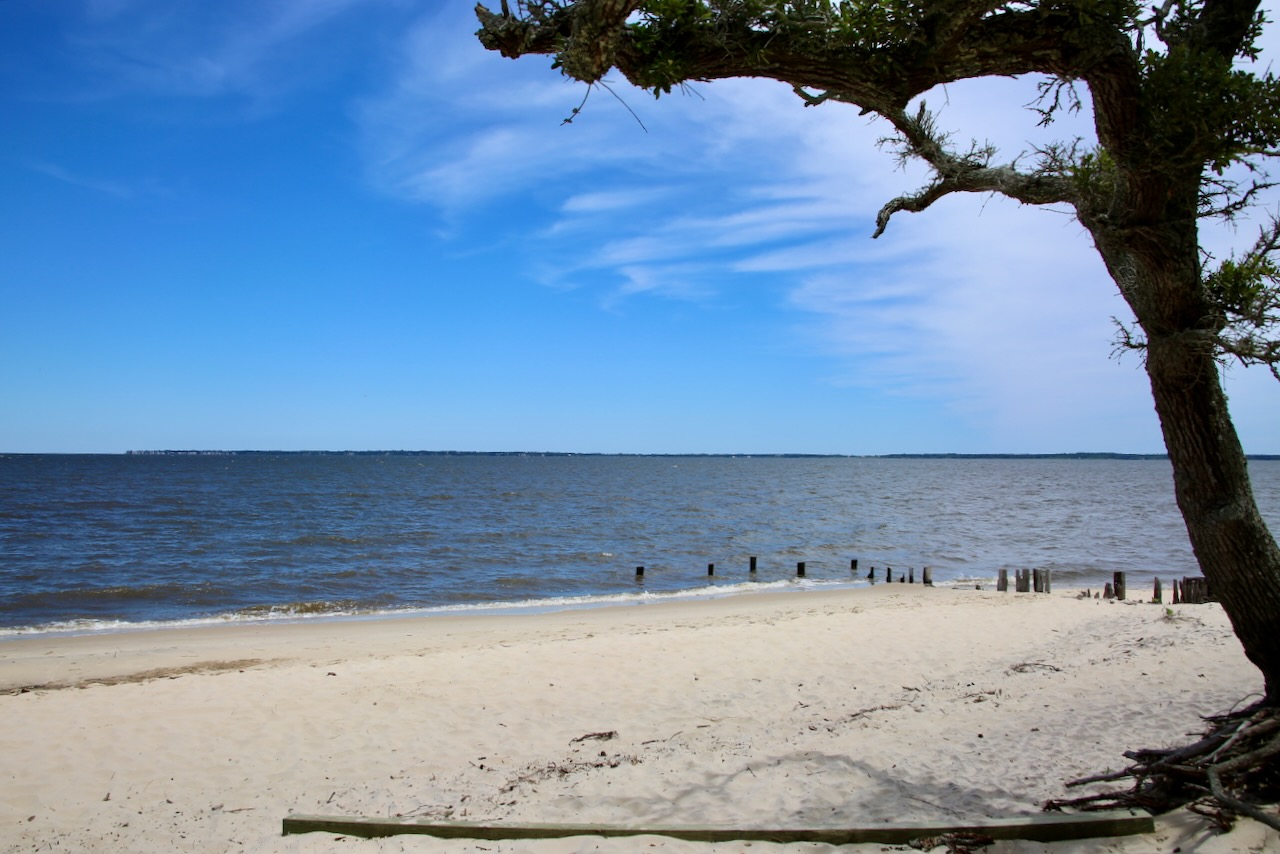
We visit the theater, the beach, the cedar forest, and the Elizabethan Garden, planted in memory of the first English colony in America. We drive back through Kill Devil Hills and then for two hours into Virginia Beach, where we will spend a varying number of days with Caleb’s brother Kris and his wife Vicki, their sons Tristan, 5, and Jordan, 3, and their husky, Nicki. I will return to San Diego to finish my degree while Caleb stays here for a few months in a military school to prepare him to return to Bahrain, this time as a Senior Chief.







 TheJessicaness