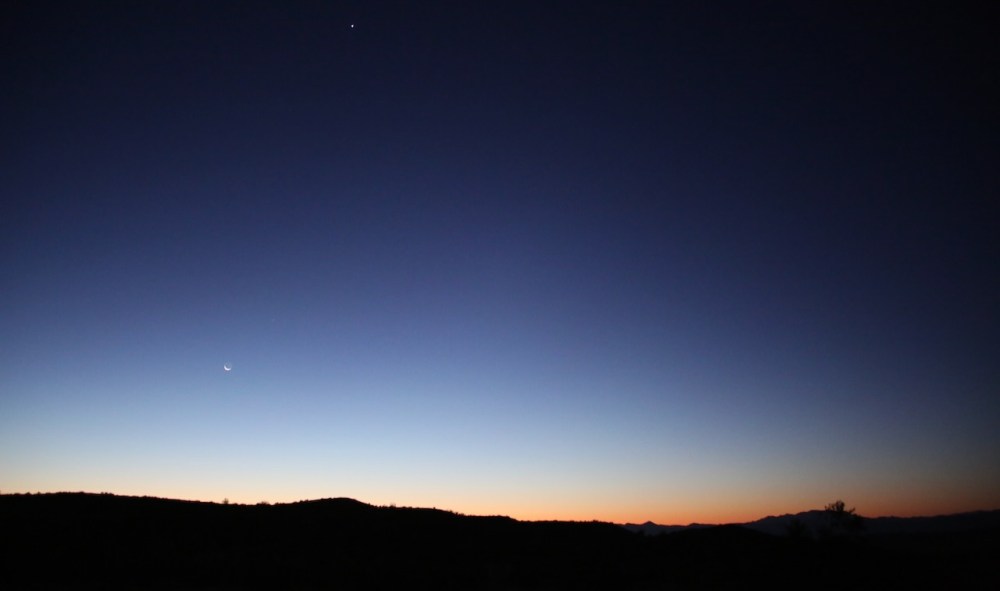
Finding Treasures in the Desert

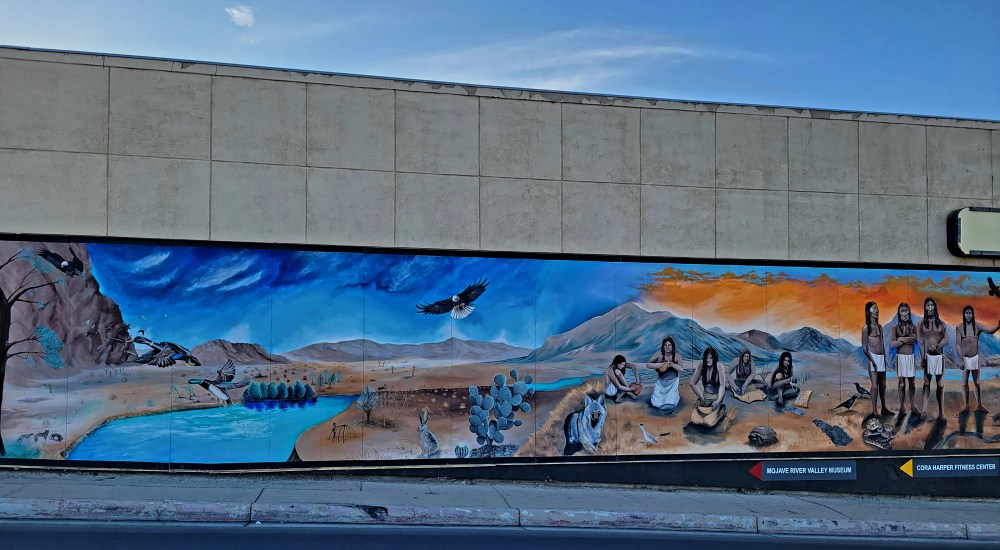
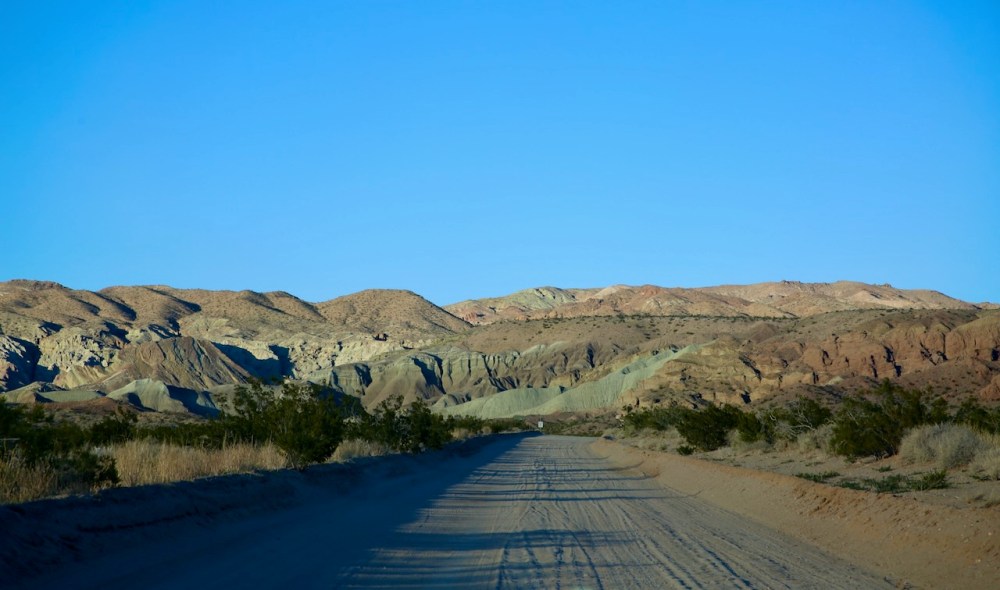
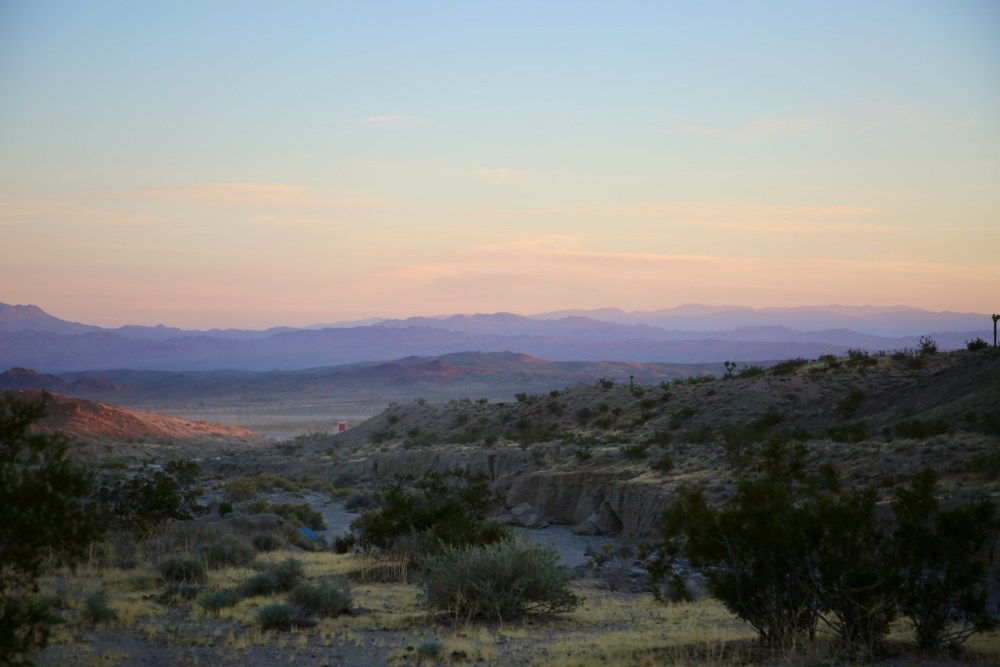
I awaken with a black sky scattered with stars and attempt to stare into their souls while Caleb breaks down the tent. We wait until the first red-orange rays of light kiss the horizon to get moving towards the Fossil Canyon Loop, a 4.7-mile drive in the Rainbow Basin Natural Area, with trails crossing the road and other places to walk in the washes as the sun illuminates the shadows and brings the colors of this historic landscape to life.
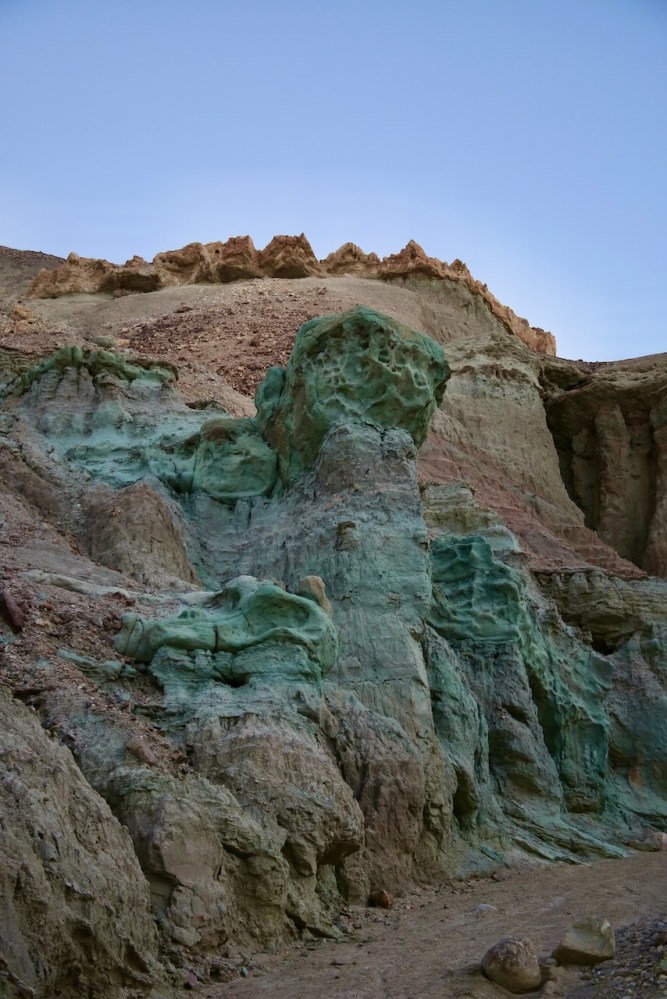
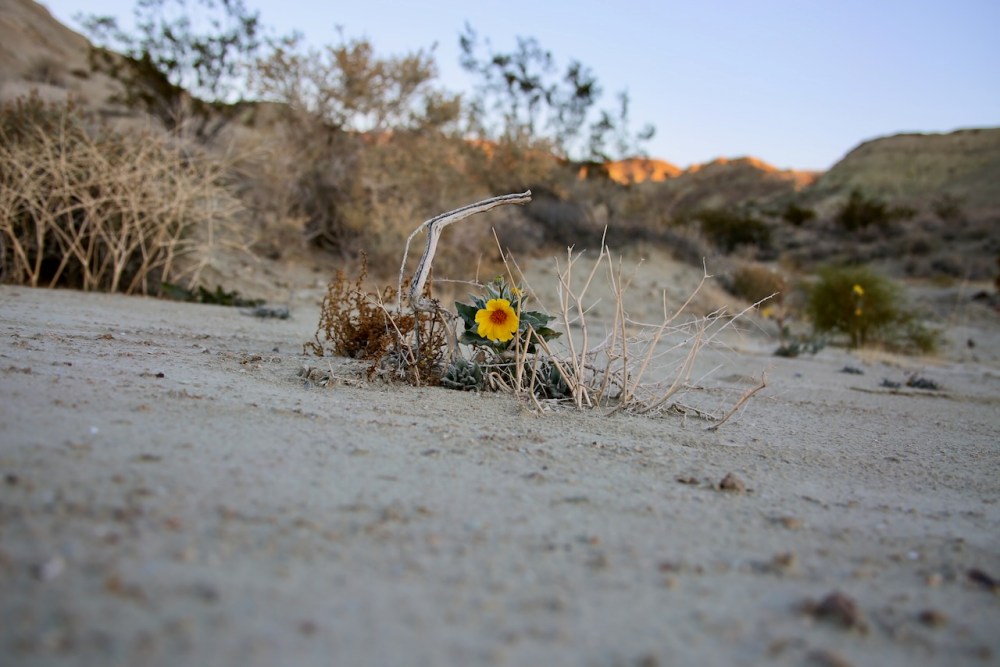
I had an itinerary taking us towards Ely, NV for the weekend, but also finding the forgotten dream that is California City, with the help of an Atlas Obscura book, we detoured there. It was supposed to be competition for Los Angeles, but the land clearing in the 1950s only increased dust storms which deterred people from building homes in the third largest city in California. The population now is over 15,000 with a prison, two car test tracks, the world’s largest boron mine, Edward’s AFB (where the sound barrier was broken) in the surrounding desert; and is one of the top three birding destinations in Southern California.
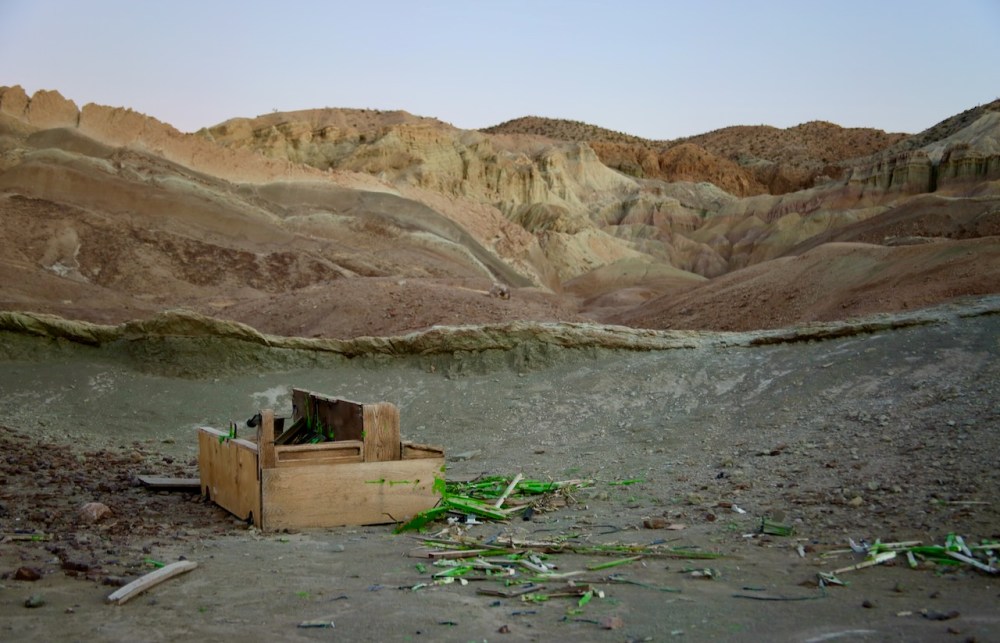
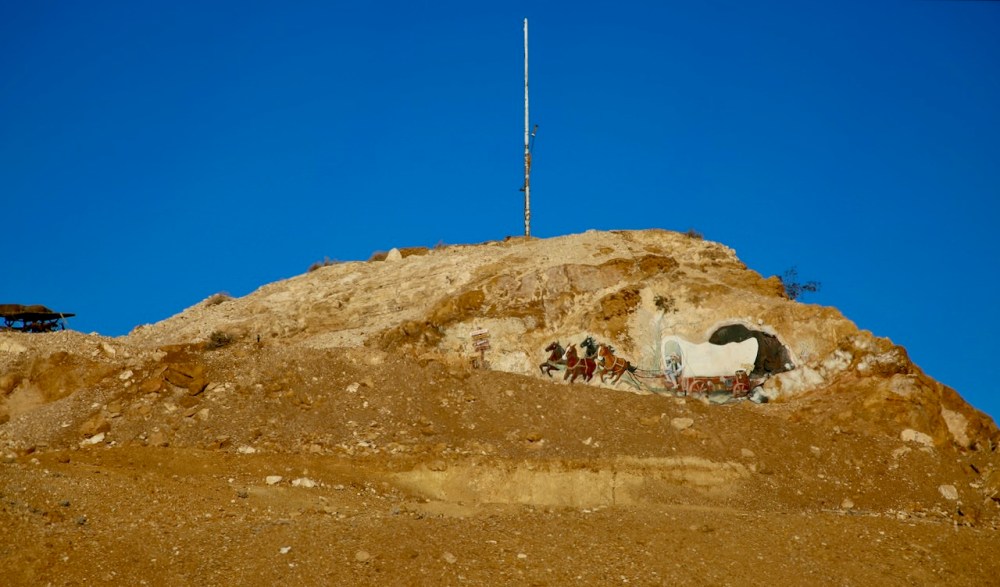
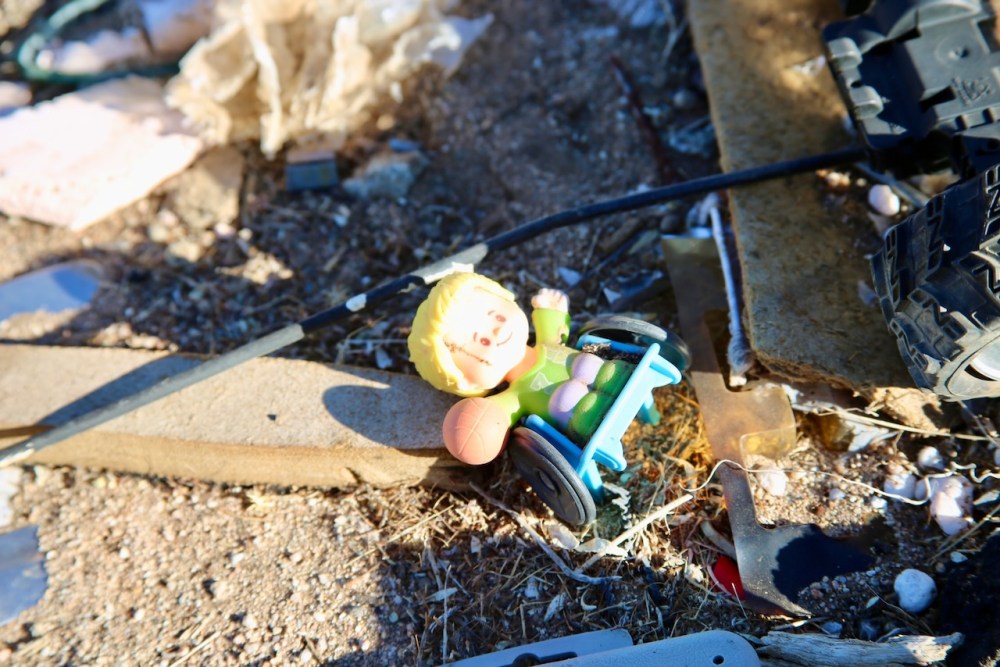
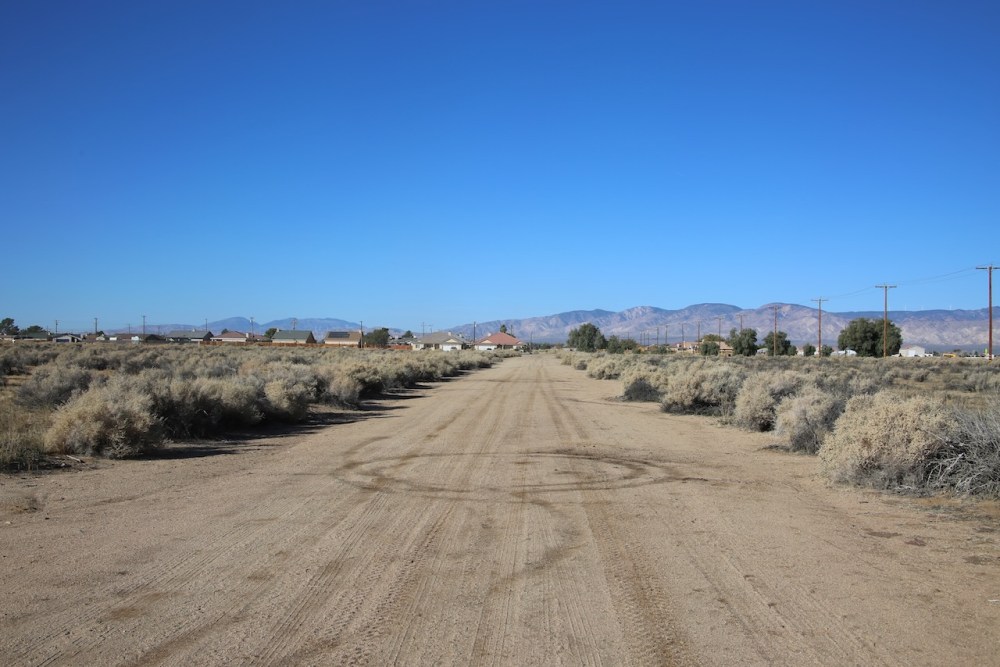
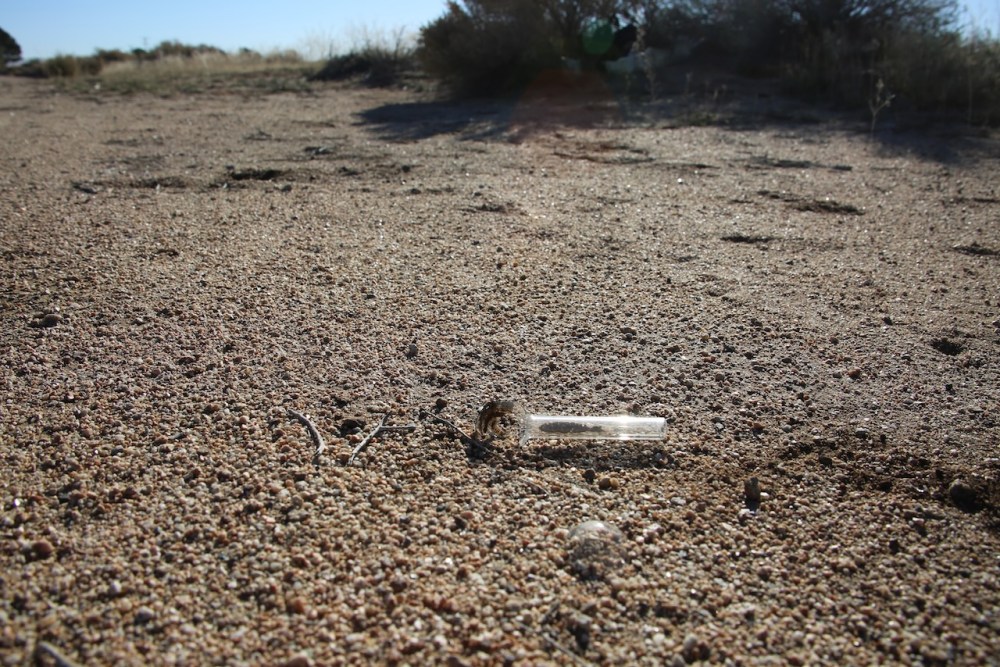
I didn’t know all that when we went looking for the city. Caleb pointed out a named street with not a house in sight and we turned down empty roads minus broken toys, rotted trash, and drug paraphernalia. I also underestimated just how large the development was but now we’ve been here and have reasons to return: visit the Honda track that was renovated in 2017, see the open-pit mine (underground from 1927- 1957) that supplies 30% of borates, and experience a “Best in the West” migration on the “Desert Loop” with the help of a bird checklist from natureali.org.
Down another dirt road, we find the Desert Tortoise Research Natural Area, a 40-acre habitat established in 1980 to protect the California state reptile. There’s a large informational signboard about the other animal inhabitants and some plant species that call this place home. I learned that tortoises can share their burrows, usually more than one, 2-1/2 to ten feet in length, with snakes, lizards, birds, spiders, rodents, and foxes escaping the temperature extremes and predators.
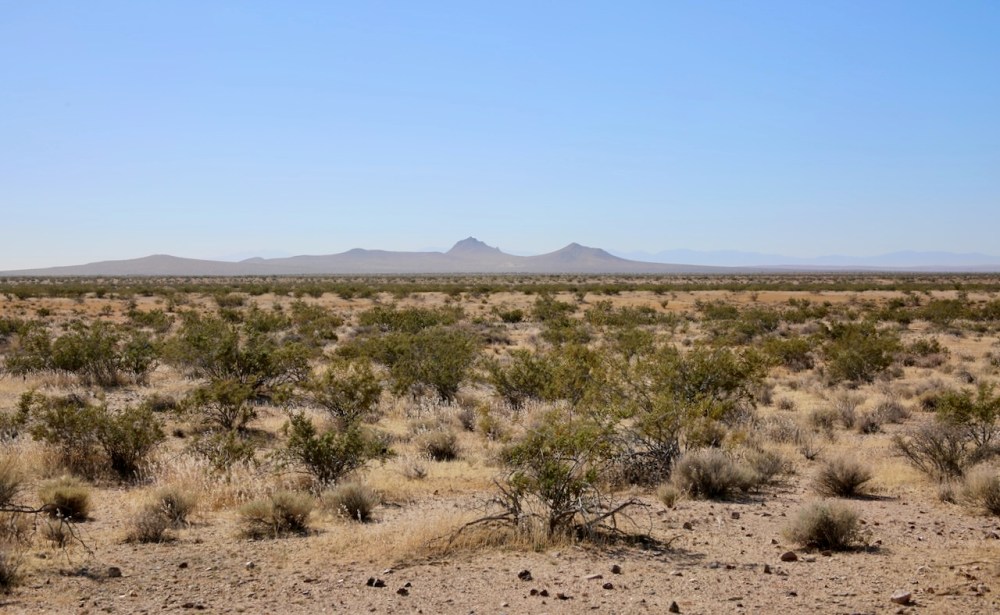
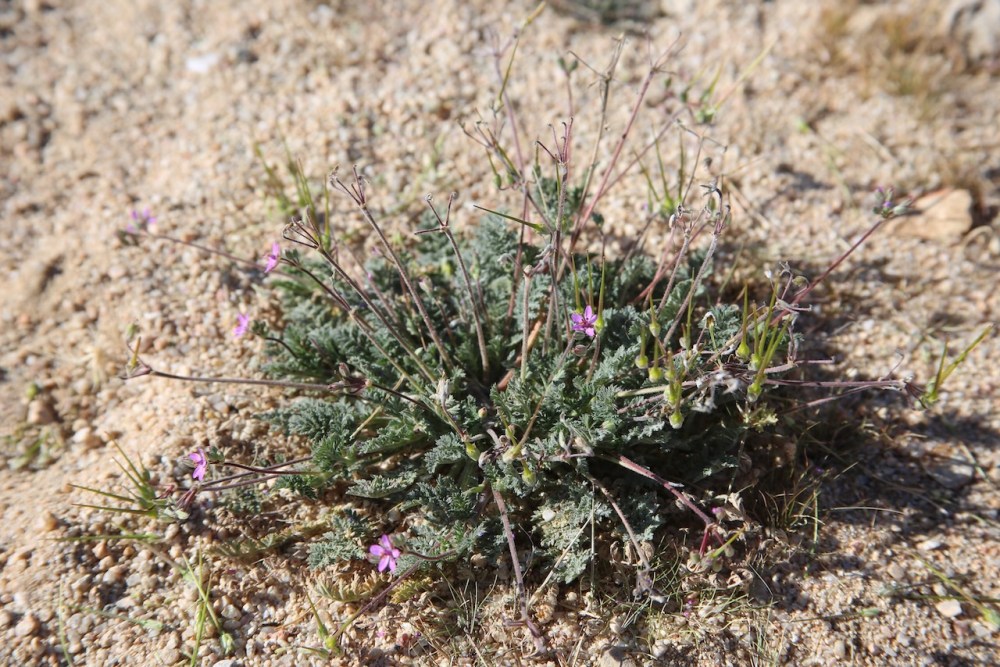
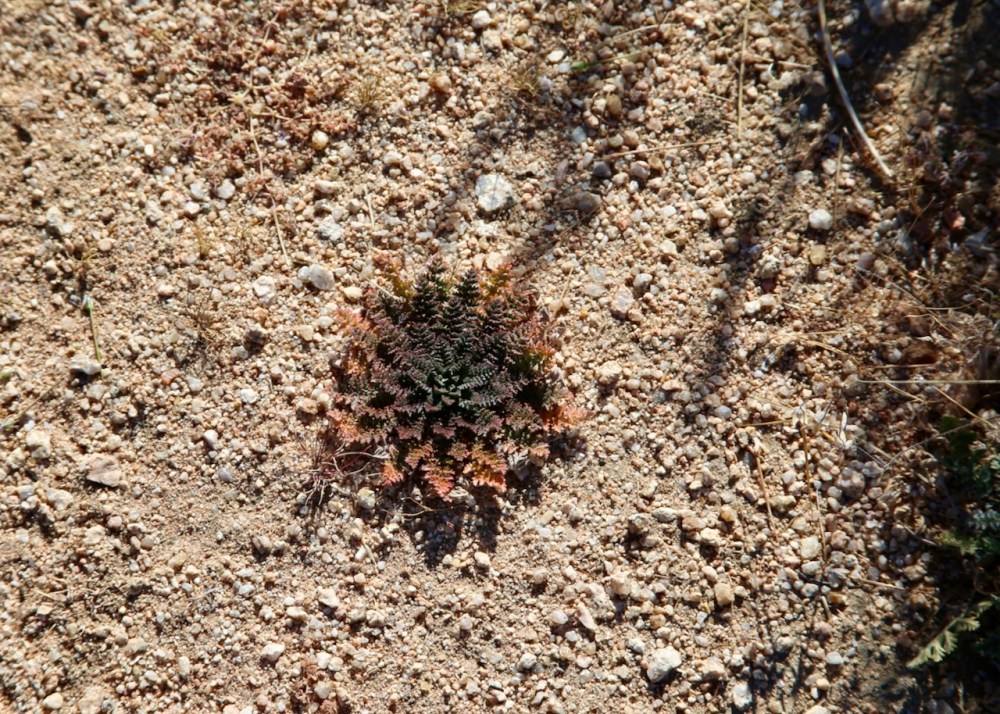
There’s a helpful pamphlet that shows a few flowers we might see on our visit, if we were here in spring, and points out a few forbs – a herbaceous flowering plant other than a grass, such as a sunflower without a woody stem. The Desert Candle is named after its stem’s appearance, the Blue dicks that can be pink and purple too, and the Sahara Mustard which is highly invasive. We walk the half-mile Plant Trail and see some common stork’s-bill that stand out against a tan expanse dotted with green vegetation. We walk the three-quarter mile Animal Trail with no sightings and save the 1-1/2 mile Discovery Loop for next time.
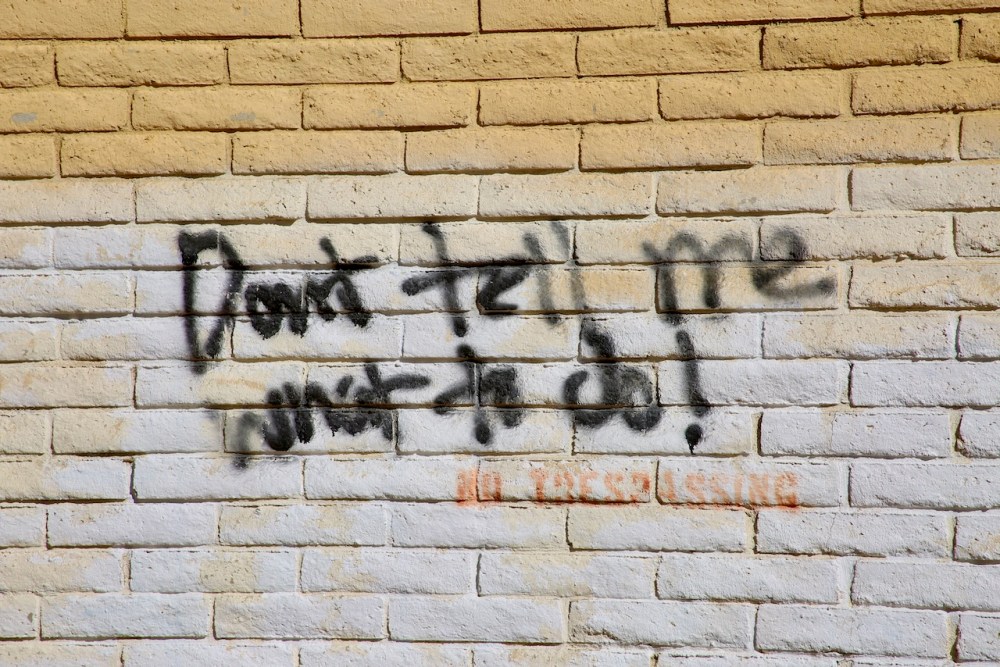
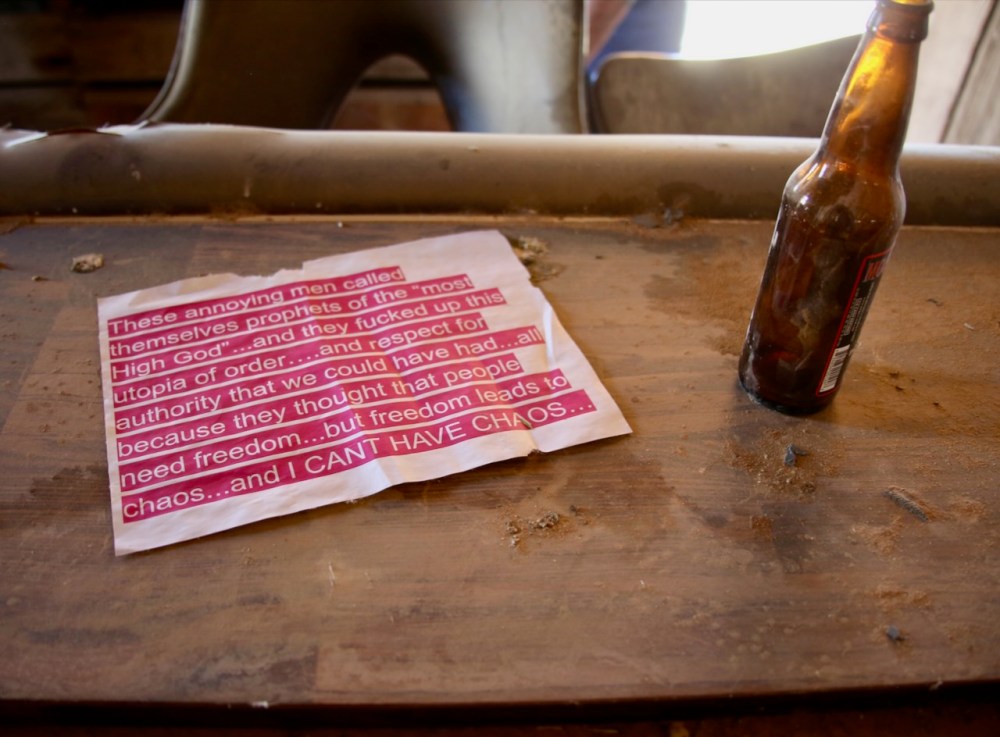
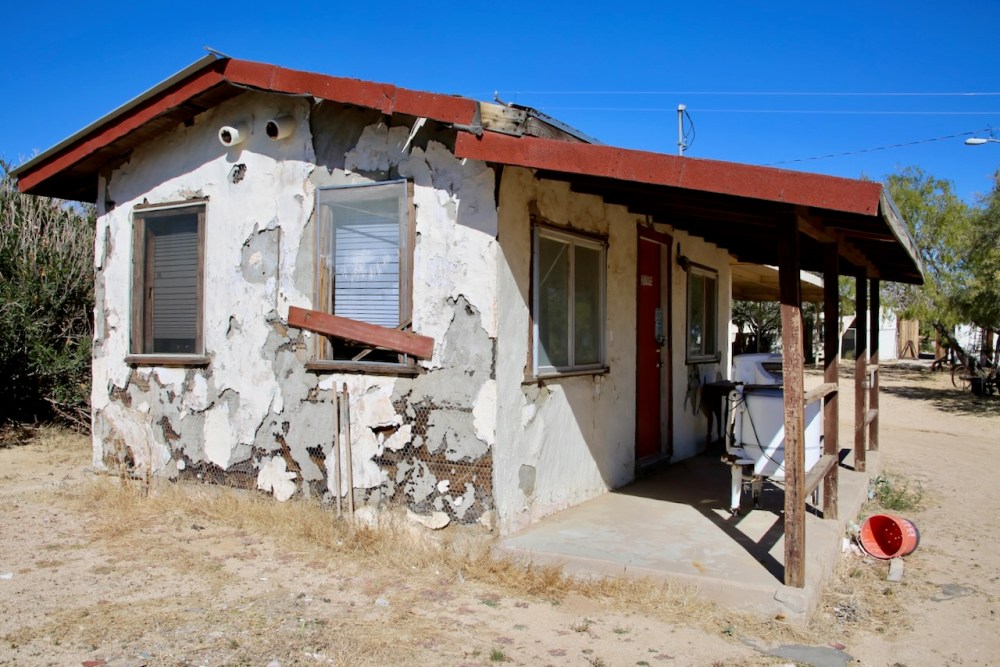
Our trip takes us back through town and unbeknownst to me I pull into the abandoned Lake Shore Inn which happens to also be on the Atlas Obscura list of things to see in California City. Nearby are the Borax Visitor Center and on Edwards AFB: the world’s largest compass rose and satellite calibration targets, but visitors would need base access to visit the last two. It was the empty blocks of the hotel that caught my eye, like the housing I would see overseas, but it seemed like the back wall was never built and the rooms never finished.
The inn was abandoned over two decades ago and has since been boarded up in sections and surrounded by a fence. It seems someone might live in the office, with their dogs outside, which has perhaps kept others from squatting or holding pop-up raves inside. We are watched by two ravens who seem to be waiting for us to notice that the parking lot has become overgrown with a weed commonly known as goathead, devil’s thorn, or puncturevine. Our shoes tap-dancing across the sidewalk will have me sitting down while I pick 50 of them from my shoes.
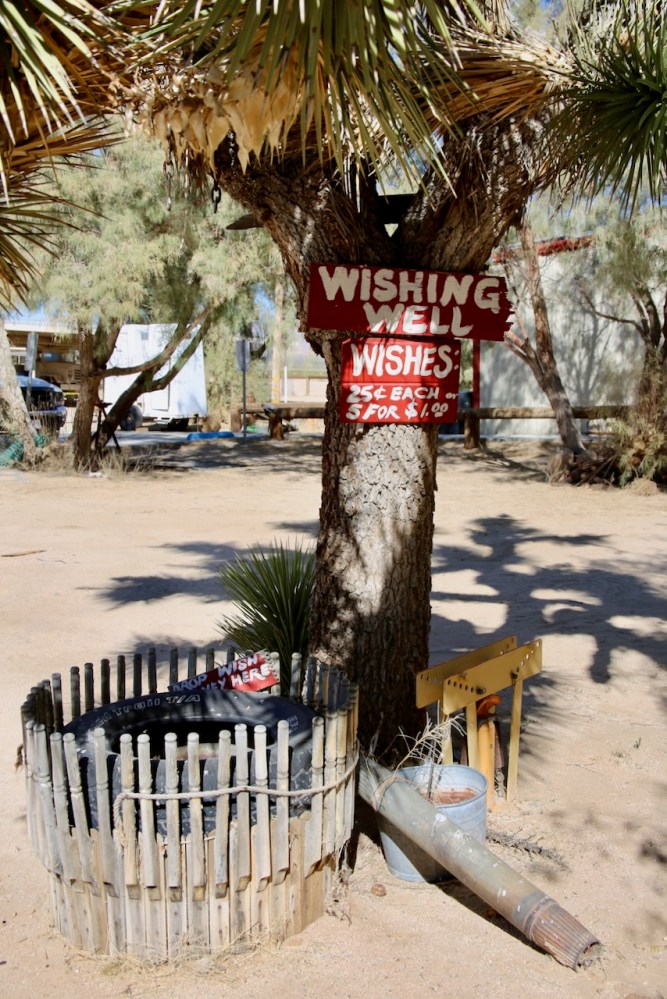
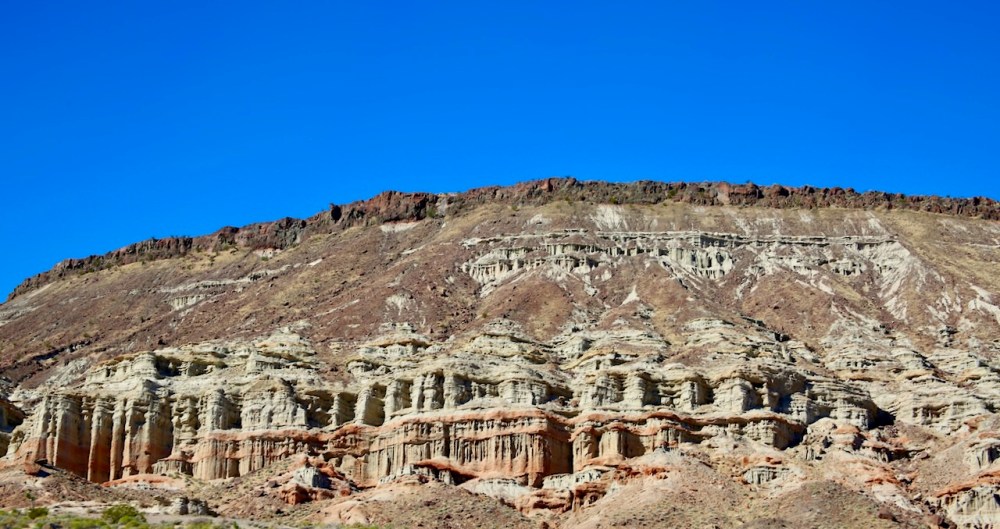
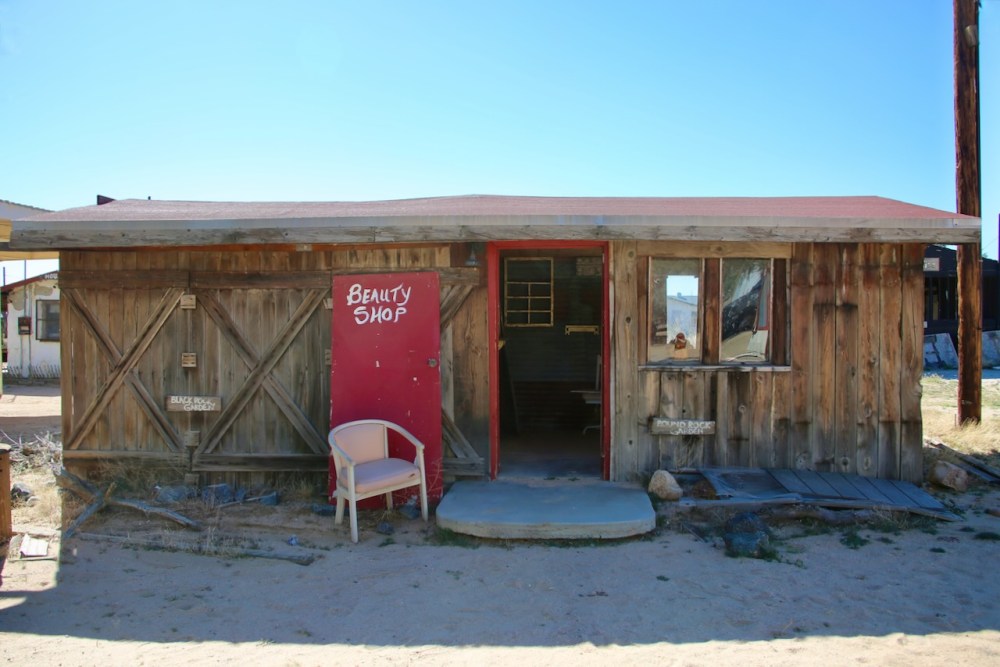
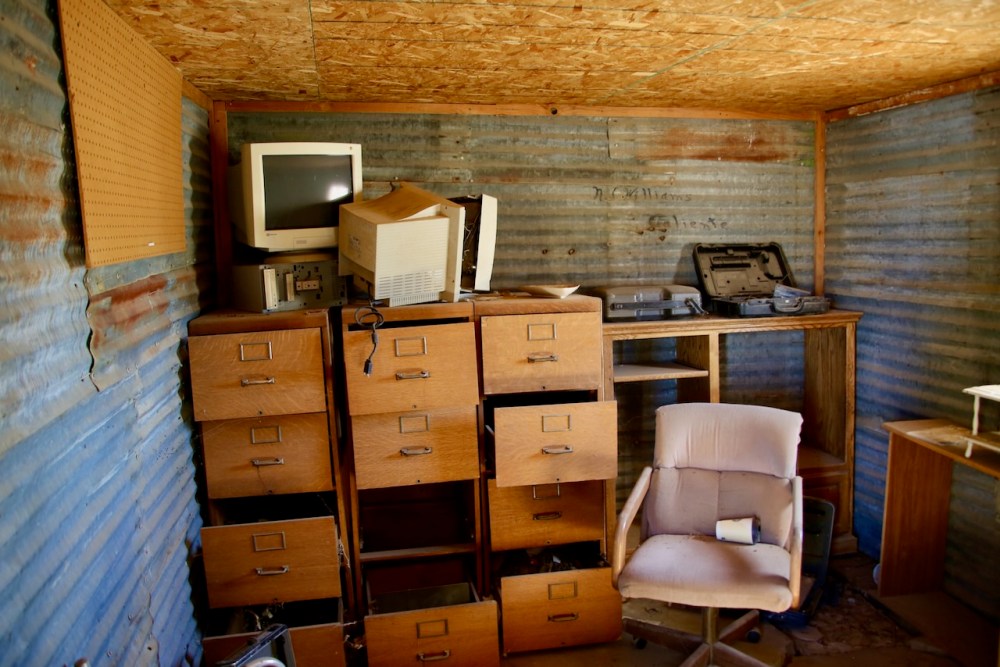
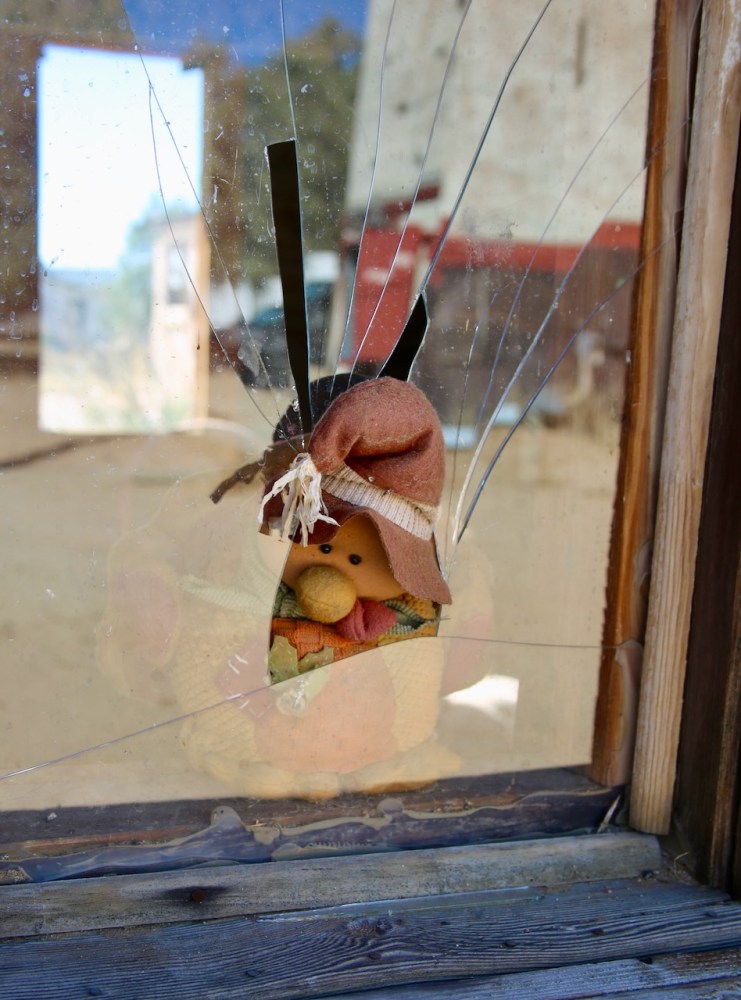
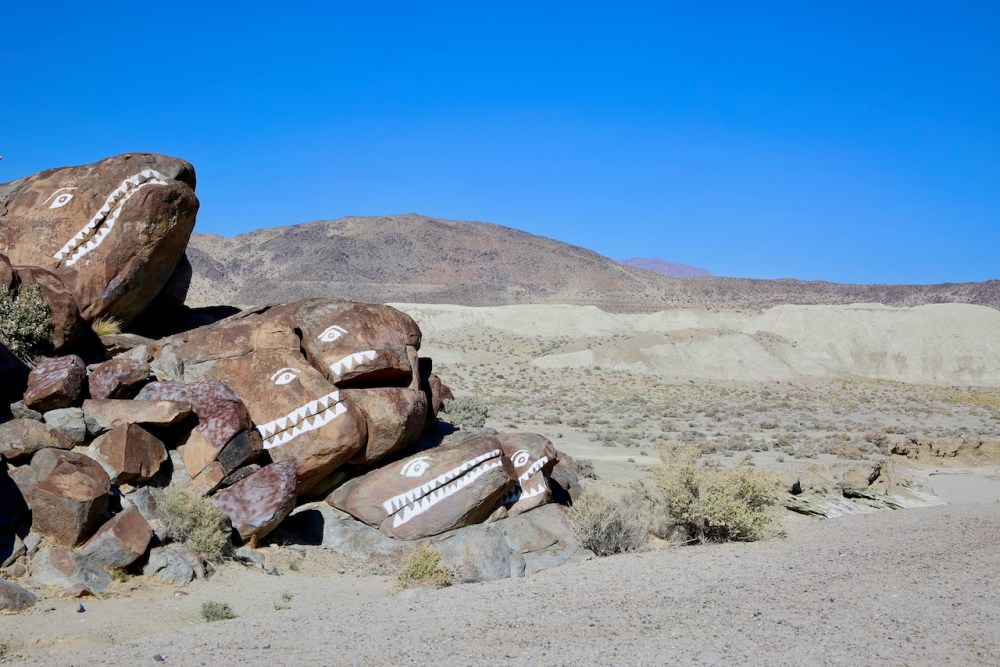
We were more cautious on our walk back to the car and checked our soles once again to avoid this smothering species finding its way to wherever we were going next — through Red Rock Canyon State Park. On the other side, we find ourselves at Robber’s Roost Ranch, a ghost town with a mini-mart that sells frog balls (pickled Brussels sprouts) and ice of which I saw the sign for one and missed an opportunity to try something different. This route would also bring us across the Fish Rocks, like the piles laid at the beach as a breakwater, but left in the desert for family photo opportunities that we weren’t a part of.
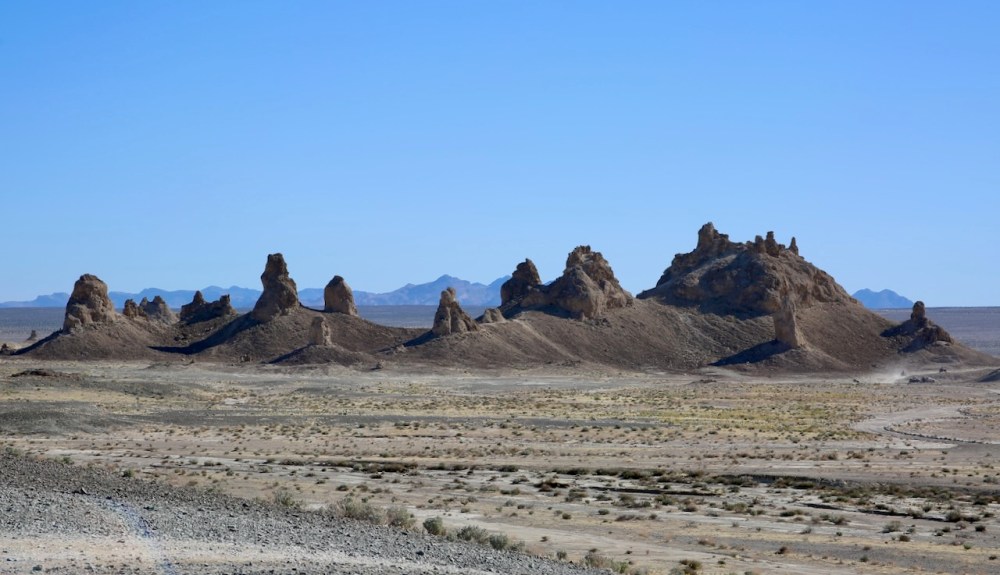
A few miles east on the 178 we see a sign for Trona Pinnacles, which, unlike the painted teeth and eyes from the 1940s, have been around at least 10,000 years when over 500 tufa spires sprung from the dry bed of the Searles Lake. The area is known for being the background of popular films and the primitive camping it provides. It’s also popular with OHV. We park in the gravel lot and walk down the steep path to get a closer view, even though our car is more than capable of driving amongst the desert formations, we don’t feel the need to be in the dust cloud others are creating.
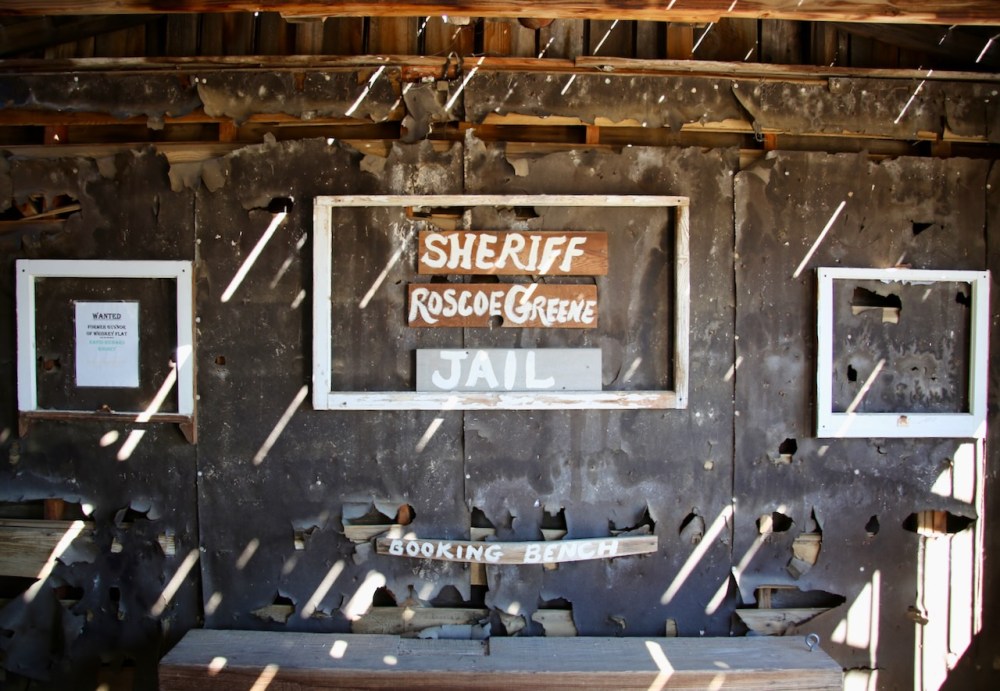
It’s a ten-mile out-and-back detour down the dirt road to return us to Trona Road so that we can head north. The John and Dennis Searles’ wagon routes passed through here in 1873-1895 to haul borax to Mojave. In 1922, Thomas Wright began work on a two-year construction of a monorail to transport Epsom salts, but the line never worked properly and was salvaged in the 1930s. The only ruins we see are two busted cars that seem to have slid from the cliff — one rusting to death while the other chose the sharp rocks option of being turned into parts.
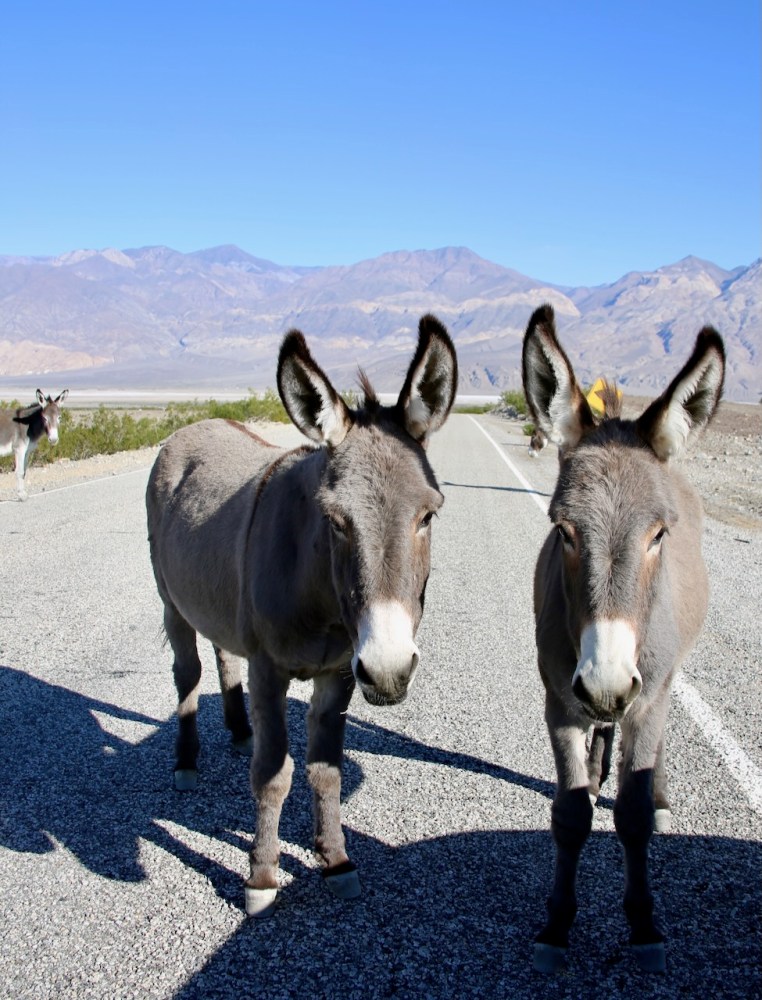
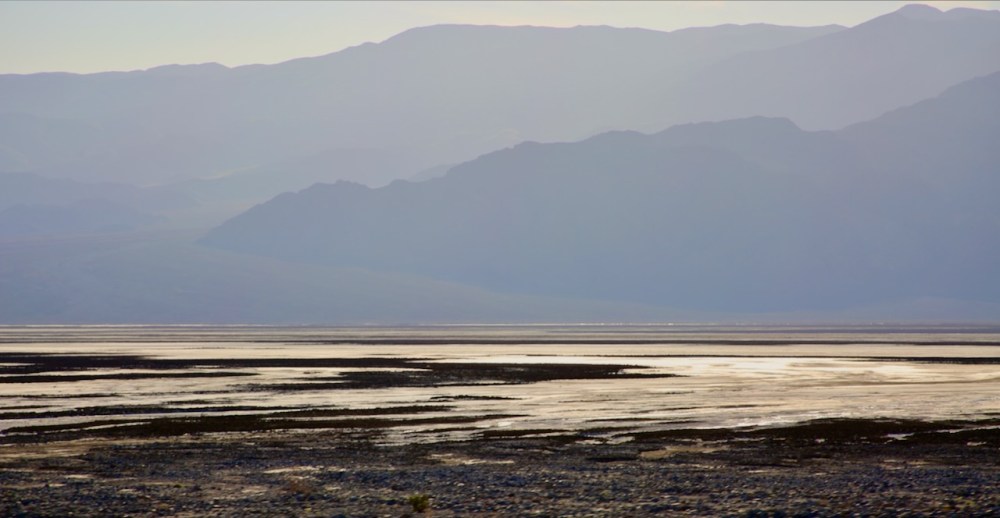
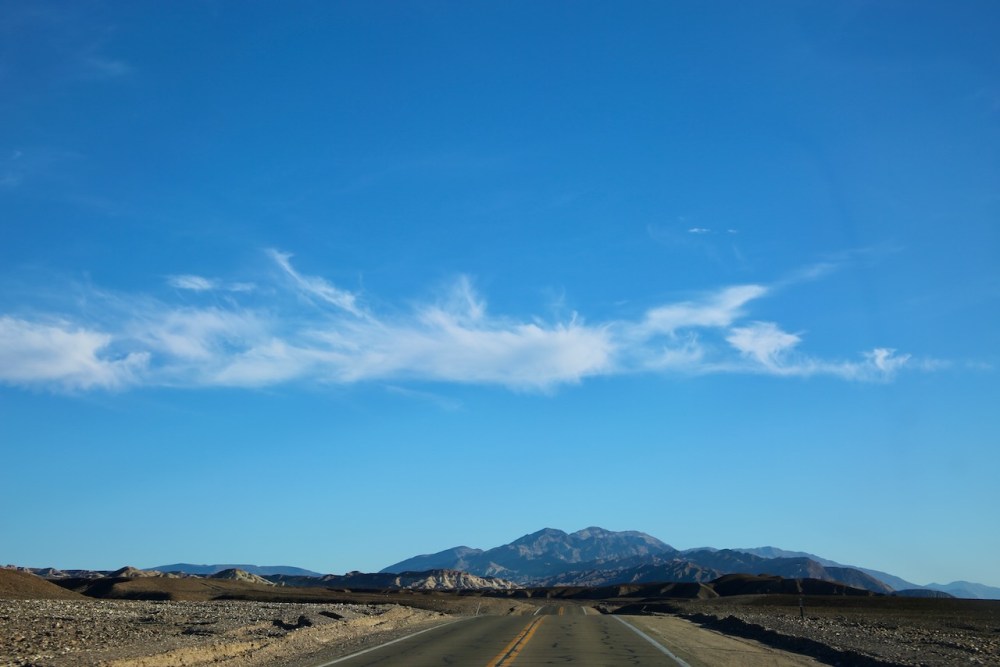
Shortly after this distraction, we are stopped in the middle of the road by the local wild burro looking for snacks. I offer them a pet and a photo and then usher them to the side of the pavement for the other passing vehicles that aren’t as patient on a Saturday afternoon; though I’m sure that’s a personality trait they carry with them everywhere. I’ll stick with my overly curious and friendly demeanor as we make our way into Death Valley, so we can get a peek at Lake Manly formed in Badwater Basin by Hurricane Hilary in August. The last lake was formed in the winter of 2005 and was substantially smaller.
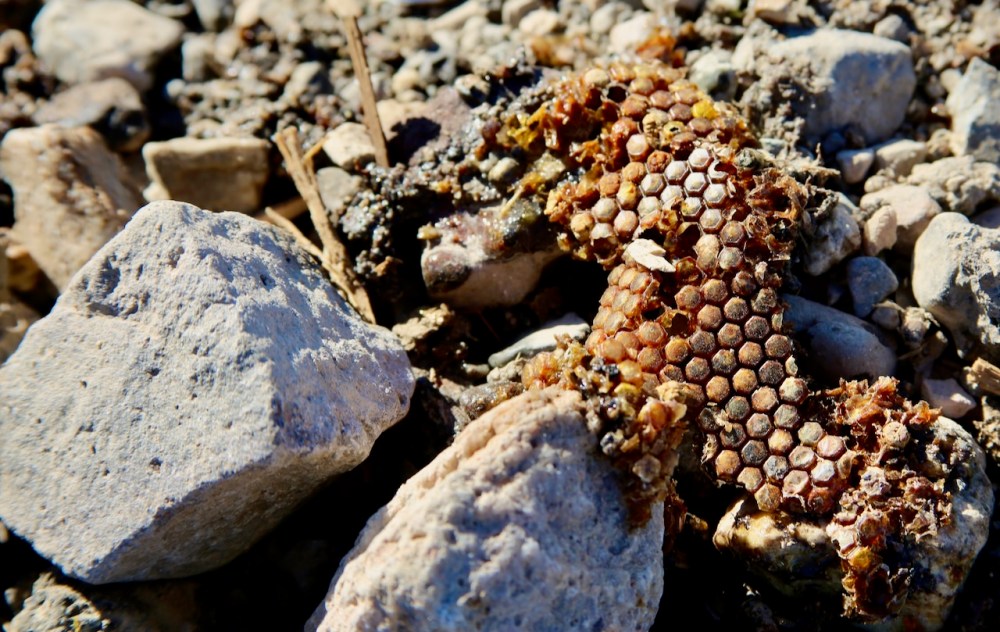
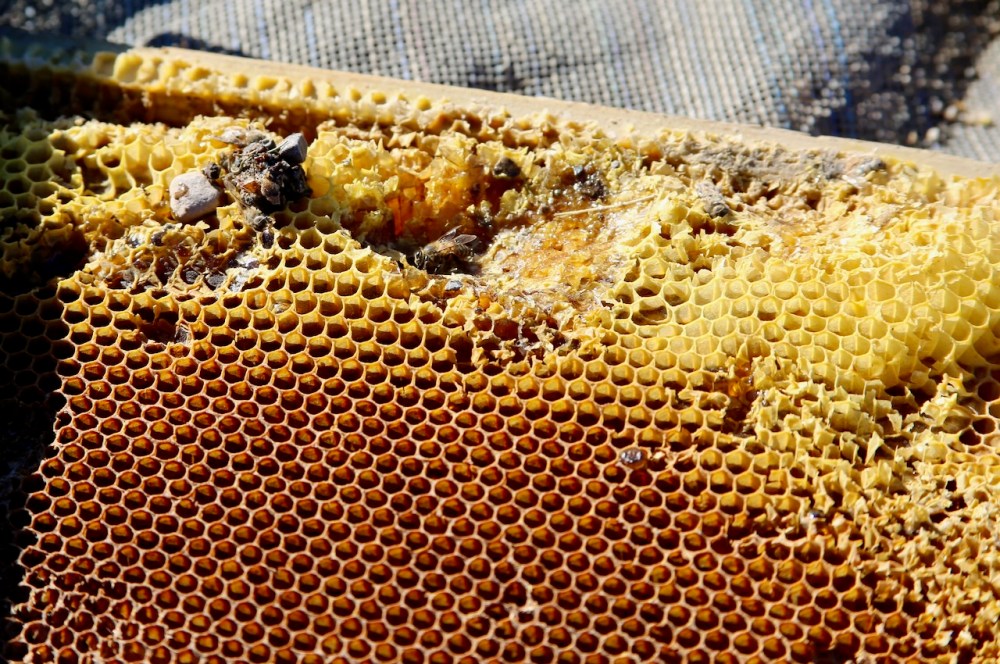
Into the park and I pull over away from the no-parking signs to inquire about the roadside wreckage. A semi-truck with 48,000 pounds of bees and their hive boxes flipped its load and tore itself apart coming downhill too fast on a turn and the company has employees out to rescue as much of the pollinating cargo as possible. We’re still an hour and a half from Furnace Creek where we will stop for stickers and to ask about camping. We found a spot at Texas Spring where camping is $16/night and is proposed to increase to $20/night in February to help cover educational programs and flood repairs.
We drive to The Oasis General Store for firewood and hot cocoa and leave with the one that will help warm our outsides. When we return to our spot we see more people leaving spot 18, not the best tent site, but finally, two women decide on it and one will burn their trash to roast marshmallows in (that blows our direction) while the other sets up their tent. On the other side of us, a group of five returns from their illegal wood-collecting expedition and moves their table across their site so that one of their headlamps can poke us in the face.
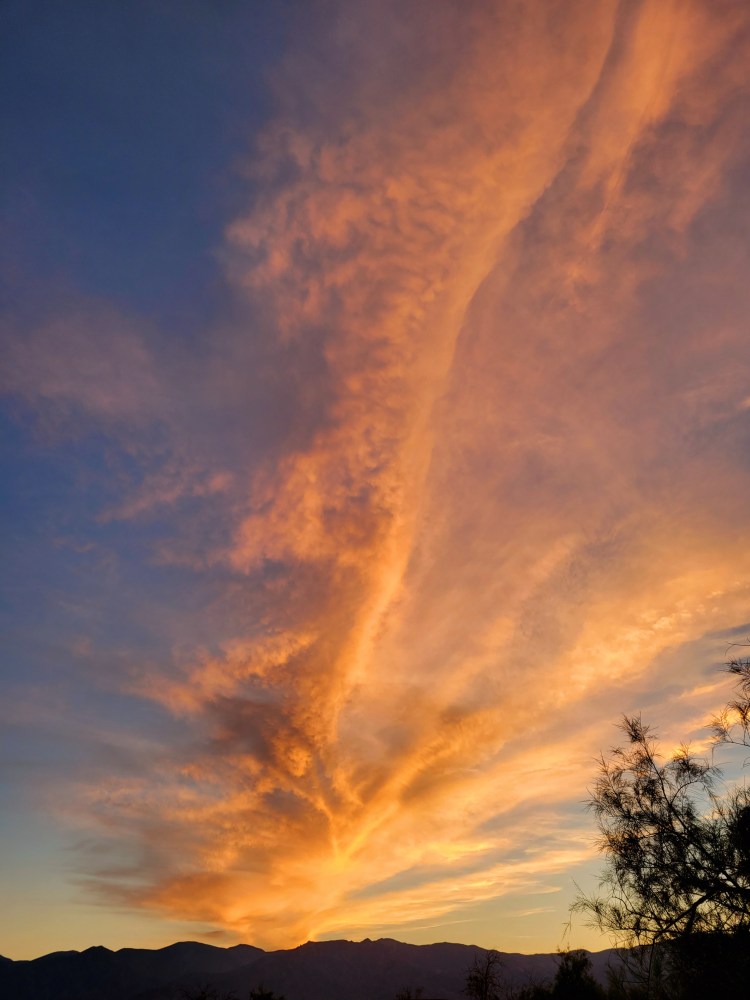
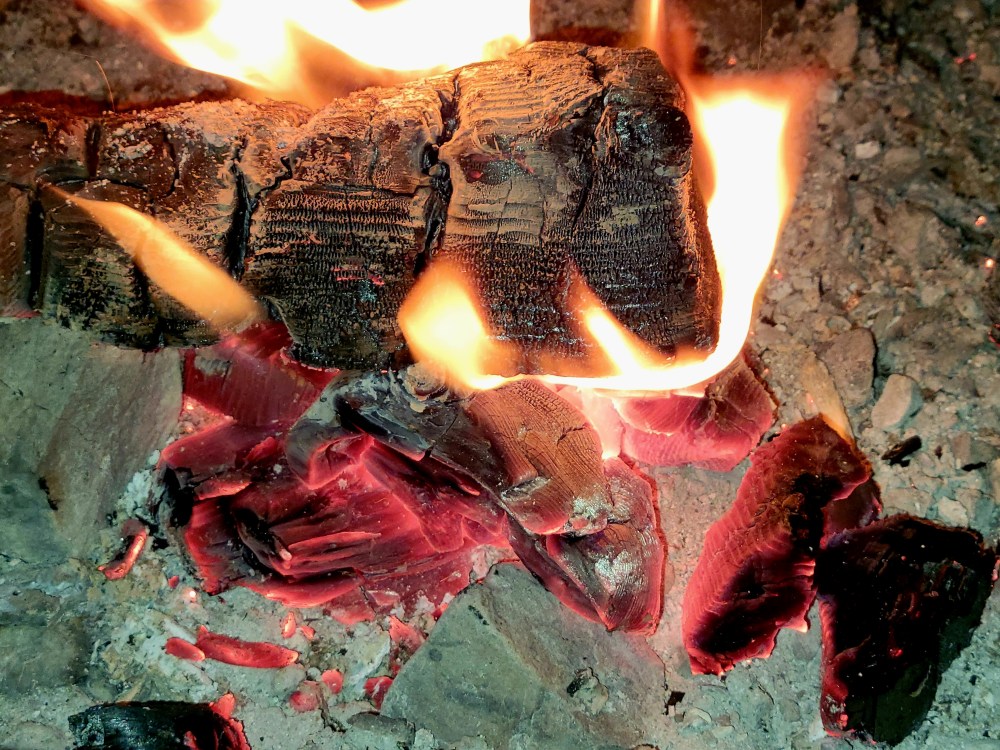
I’ll walk up and point out the issue so it can kindly be resolved just to have a woman with her brighter light cutting through our camp because she’s too busy on her phone to pay attention to where she’s going. And to think, we had the option of joining the crowds for some assisted star gazing in a parking lot across from the Furnace Creek Visitor Center. The sunset with dinner was enjoyable, as was the reading next to the fire, although Caleb’s Kindle was in rest mode from lack of recharge. We let the fire burn out to improve our star-gazing view, especially with the Christmas lights dinner party happening across the road from us.
Our neighbors must have been at the telescope tents or at a late dinner because as they arrived, we were climbing into our tent. One of the men tells his friend the story of a comic strip: a magician goes to the eye doctor while aliens are demanding that humans contact them at sea.. only to find out that the aliens are on his eye! His friend enjoys the story, as do I listening to his grandfatherly voice, and agrees that the screaming toddler should be dealt with, by perhaps putting the infant in the car after the first fifteen minutes of wailing to dull the noise for the rest of the camp.
Camping in populated areas is not worth the hype and I have no idea how people get motivated to stay in these large groups. Still, even we tricked ourselves into staying at the Everglades, twice, after swearing we wouldn’t return to Mosquito Murder Island where cars and humans are dive-bombed to death. We need to return to muddy swamps and frozen prairies where we have some of the best memories of being in a tent and sleeping on sticks next to a river. The best part about nature is being able to fully experience it without other people, though in passing they do make for good details in the travel story you can tell later.
Posted in Animals, Art, Camping, Hiking, History, People, Places, Plants, Travel | Tagged , , , , , , | Leave a comment

Owl Canyon Campground

I skipped the gym yesterday so I could finish setting up an outline of plans for our four-day weekend and clean the house in preparation for our absence; because it’s a bummer to come home to a mess when you’ve got dishes and laundry from travel that need your attention and a place that collects dust and cobwebs whether you’re there or not to witness their accumulation.

We left late for us, not because either of us was sleeping, but because we waited till morning to get everything in the car. We’ll stop near Escondido for bagels and donuts before driving to Santa Rosa Plateau Ecological Preserve for a short 1.2-mile loop hike on the Granite Loop Trail. We’ll see a white-crowned sparrow, a ground squirrel, and a Stephenomeria (meaning crown divided) flower also known as wirelettuce in shades of purple and white.

I’m grateful for what we’re getting to see but also reminded of why we don’t come this way more often. The traffic that condenses around the metropolis that is Los Angeles slows our route so that we can either choose to hike more trails here or continue on to reach our destination by nightfall. I always put more on my itinerary than I can hope to accomplish so that I’m never without an idea of what to do or where to go to happen upon something I might not have otherwise noticed.

We’ll have to come back for the Moreno and Machado adobes, cowboy bunkhouses built in 1846, the oldest standing structures in Riverside County. The next stop on our list is the North Etiwanda Preserve. I thought we would do the 3.2-mile out-and-back to the falls. We ended up going further after taking two detours to the left – the first to avoid further elevation gain after a 600-foot climb and the second to see the Early Settlers Ruin built in 1771 by Spanish missionaries. This was the first home in the nation to be lit by hydroelectric power.

The Preserve was established in 1998 to keep the 762 acres of habitat of the Coastal California Gnatcatcher which makes its home in the Riversidian Alluvial Fan Sage Scrub intact. There has since been added 414 acres. Back in 1882, the first wooden flumes were laid over 2 and 3/4 miles. When these decayed or washed away in a flood, they were replaced with clay pipes that would eventually be replaced with buried concrete pipes to protect from damage and evaporation. These pipes would be controlled by a ditch master who would regulate the water supply to local ranchers.

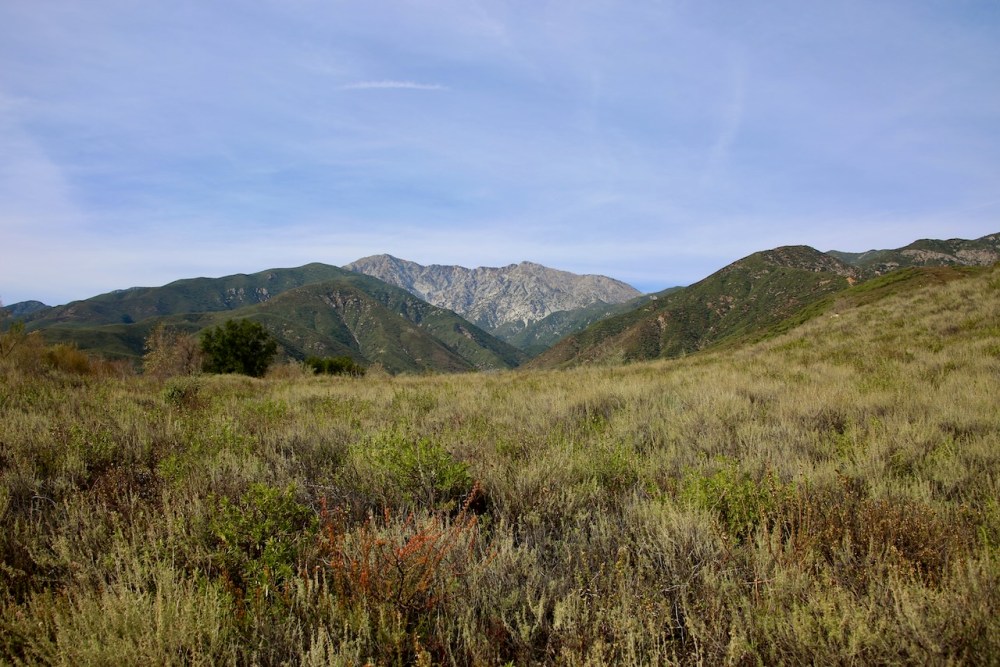
Remnants of this system are found along the trail and in Day Canyon. We’re here to take in the verdant views of the hills and the surrounding mountains before we head for Owl Canyon Campground where we will sleep among the stones and stars. We stop in Barstow and unprompted a woman pulls away from the gas pump with the hose still in her tank; a first for me to see live. We’ll get fuel for $4.08/gallon and then look for a toilet. There’s not one here, they’re out of order at Rite Aid, but 7-Eleven comes through for us.

We don’t know what to expect at the camp and don’t want to wait the 25 minutes with part of our drive on a dirt road to get there to find out. This area provides a six million-year history of the Earth’s crust in the Mojave Geologic Block and we’re lucky enough to get in some trail time before dark as the valley was already covered in shade. Our neighbor for the night is from Montana and is down for his six-month camping trip so he can sit outside in cool air without his feet buried in snow. Caleb builds us a fire to read by and then makes dinner. When the fire refuses to keep burning, and keeping us warm, we move into the tent.

Posted in Animals, Camping, Hiking, History, Plants, Travel | Tagged , , , , | Leave a comment

Explorer Pass: Weekend Three

We start our Saturday morning with a short stroll, just to get our muscles warmed up, since we’ll be walking around Balboa Park later. Caleb likes that I appreciate the same breakfast he makes every weekend with similar enthusiasm – eggs, potatoes, sausage, bell peppers, onions, and sometimes cheese. I remind him that I usually have a repetitive morning meal throughout the week, so this is a change. It’s when he makes biscuits or waffles that I feel especially spoiled.

We stop at Goodwill to drop off a few things. Sometimes Caleb agrees that these items are worthy of someone else saving money and other times he wishes I had learned how to throw things away. I once donated moldy books to a library and they let me know they’d probably toss them. I want to give others the opportunity to burn them or make art, just like old clothes that can be turned into rags for puppies or engineers, I want things to live a life full of purpose before meeting their demise.

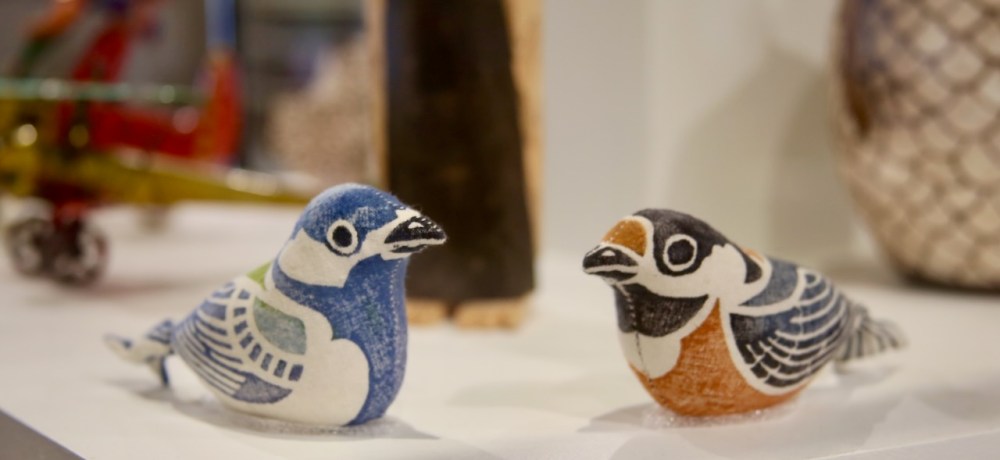
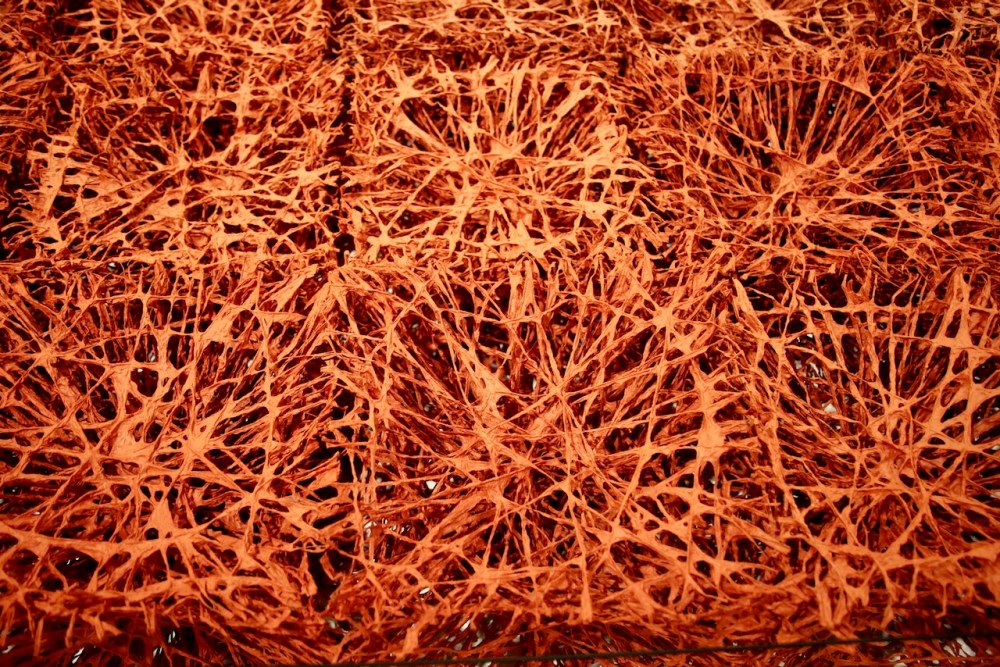
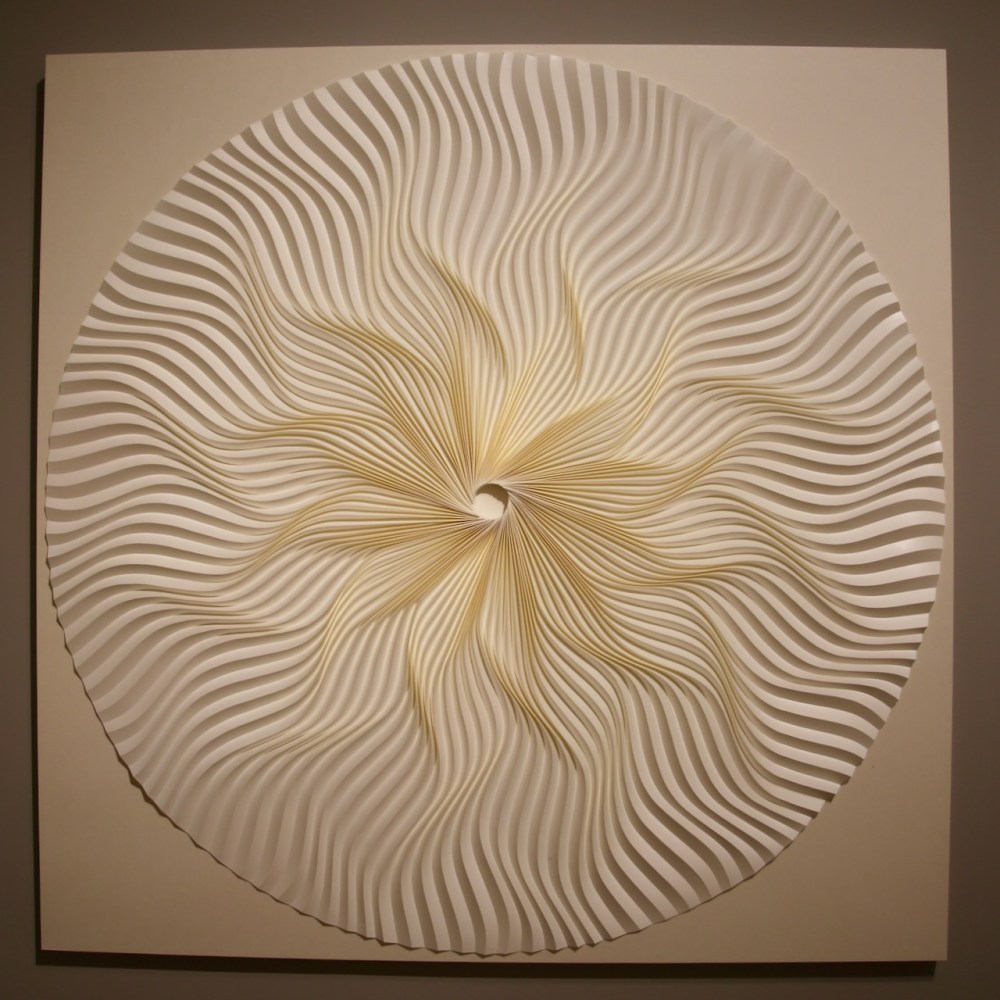
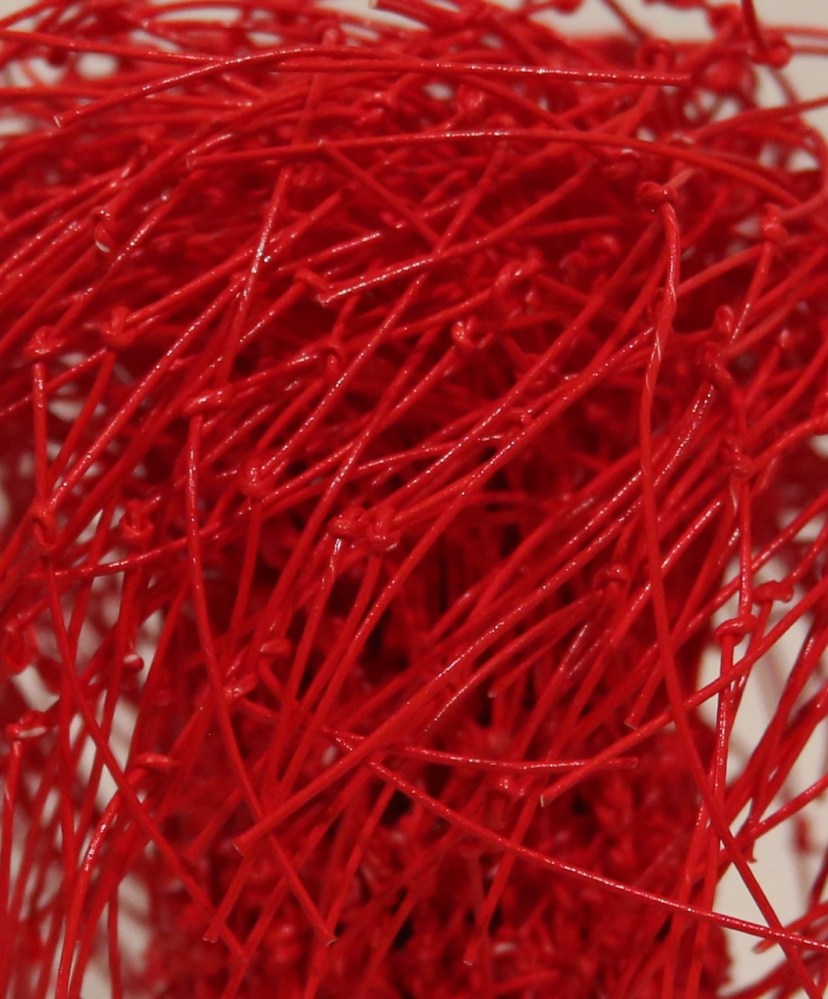
We’ll start at the Mingei International Museum to see their Washi Transformed: New Expressions in Japanese Paper exhibit that’s on display from today, October 14th, until January 7th. Downstairs are some Japanese and Mexican pieces of clay, beads, and wood that we look at on our way to get our passes scanned. We put the stickers, as proof of payment, on our shirts and go up the Grand Staircase with a nine-foot white and gold glass chandelier, by Dale Chihuly, which hangs between light and shadow.

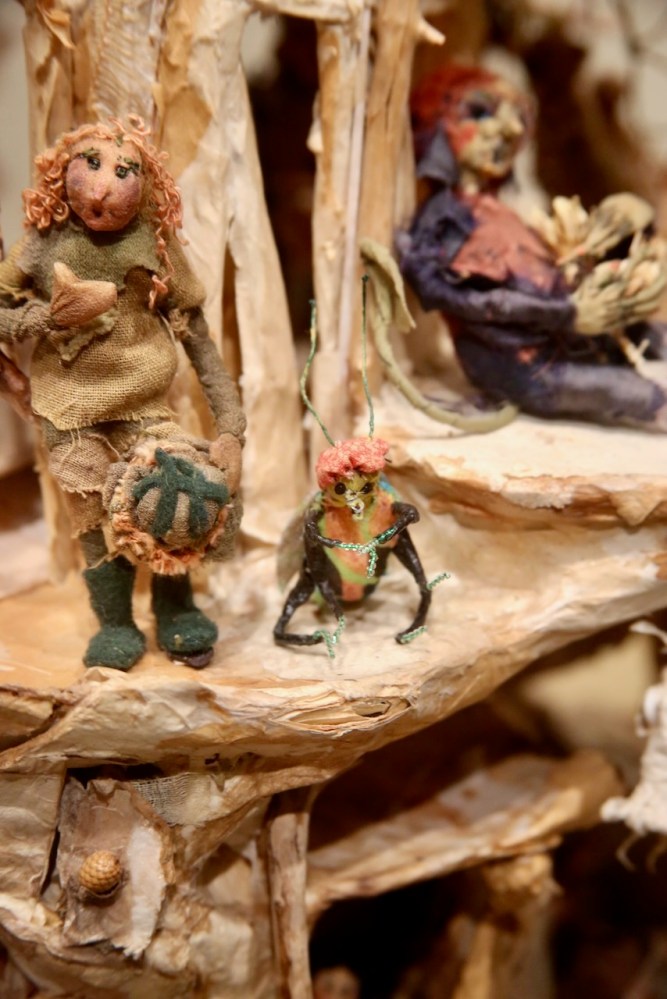
Through the large glass door is the Washi Transformed exhibit that showcases the thousand-plus years that the Japanese have been hand-making paper for use in painting, calligraphy, and origami, and showing how it can be used (fold, weave, twist, dye) to create sculptures and other two-dimensional works. The washi is made from the long fibers of a shrub and two trees that are transformed through screens and suspension, which honed through centuries has earned it a designation by UNESCO as an intangible cultural heritage.

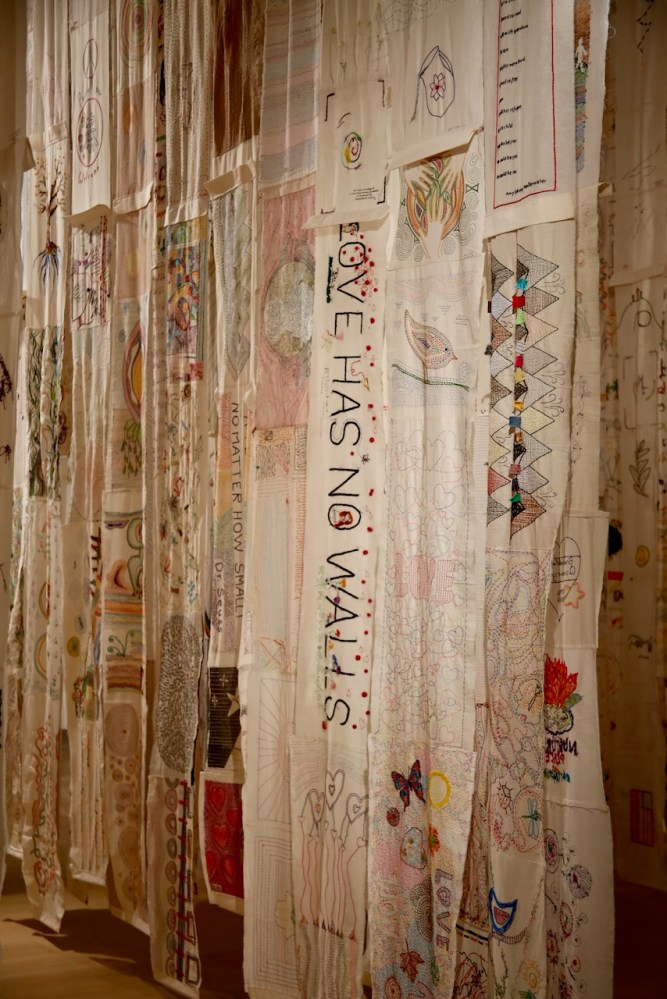
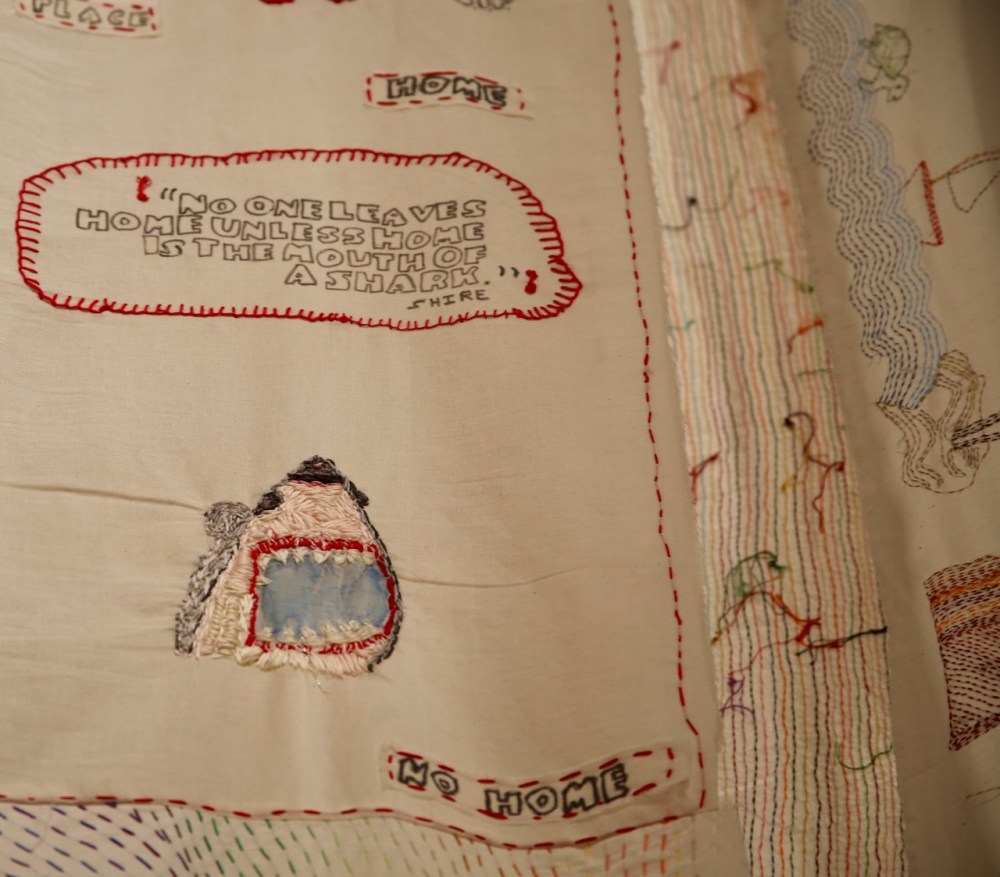
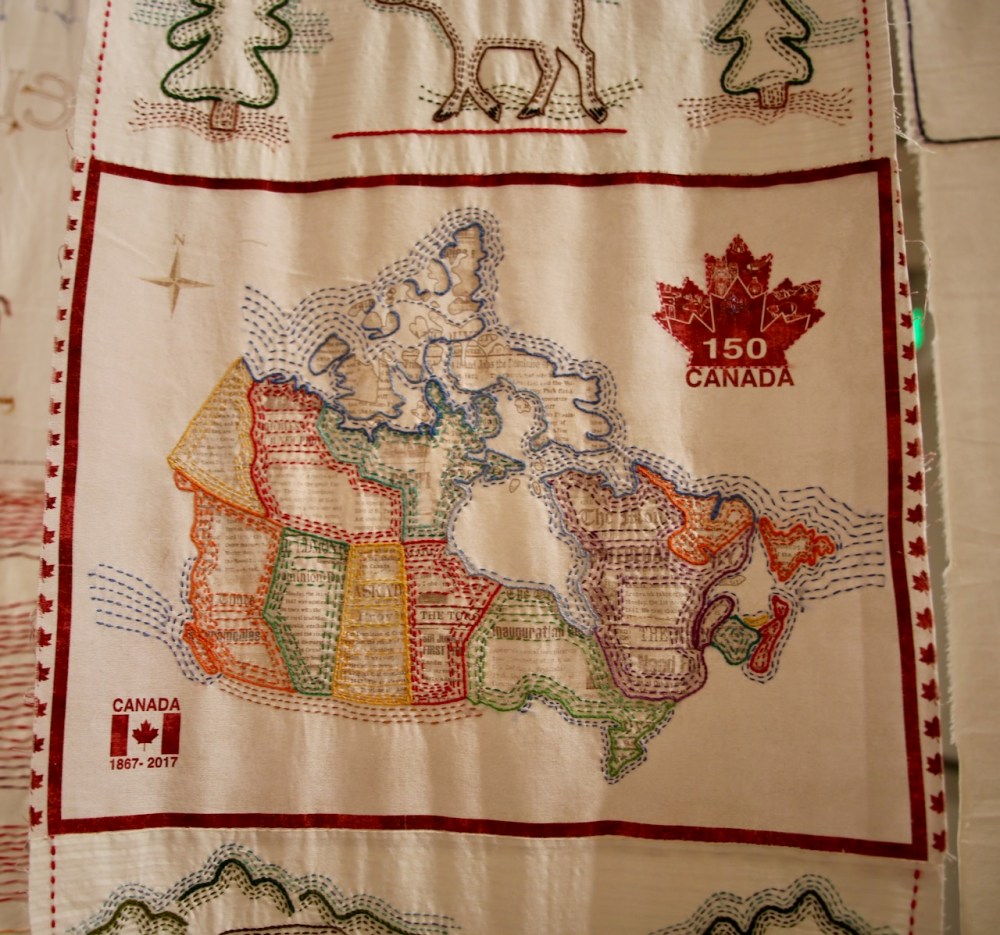
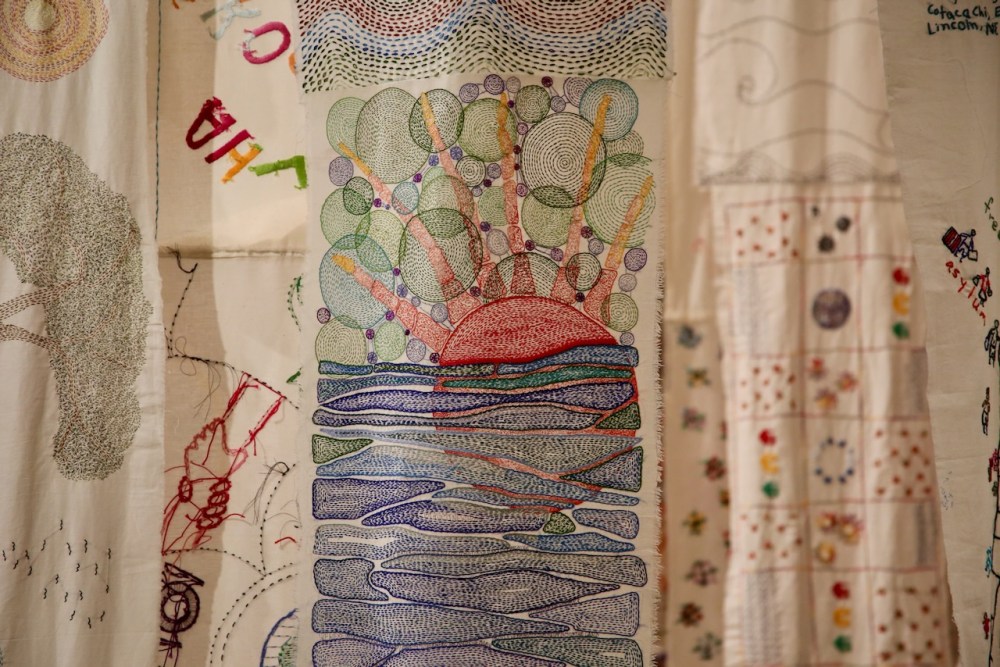
On the other side of the room hangs 25 Million Stitches: One Stitch, One Refugee where 2,300 volunteers from each US state and 37 countries submitted a hand-stitched panel, about the size of a pillowcase, to Jennifer Kim Sohn to make a large tangible aide to bring awareness to the millions of refugees on the planet. It’s easier to visualize the numbers when you can walk through the exhibit aisles, that are more than twice your height, and see the time and dedication people are willing to put forth for others; when they have the time, money, or energy to do so.

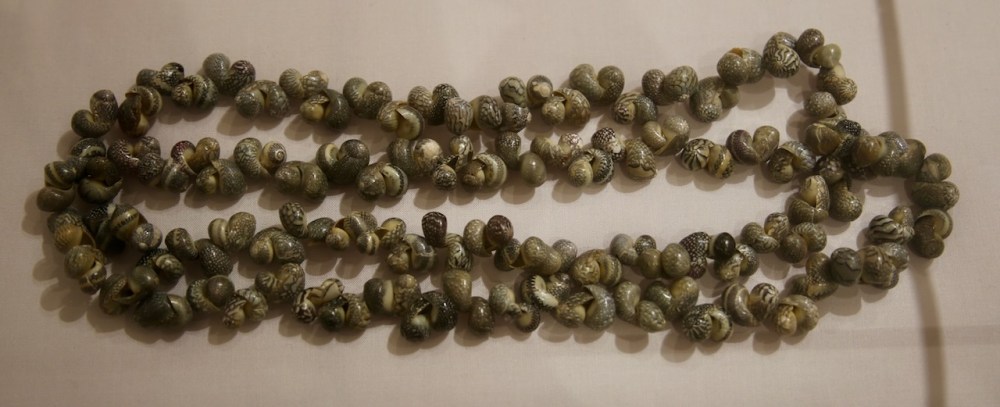
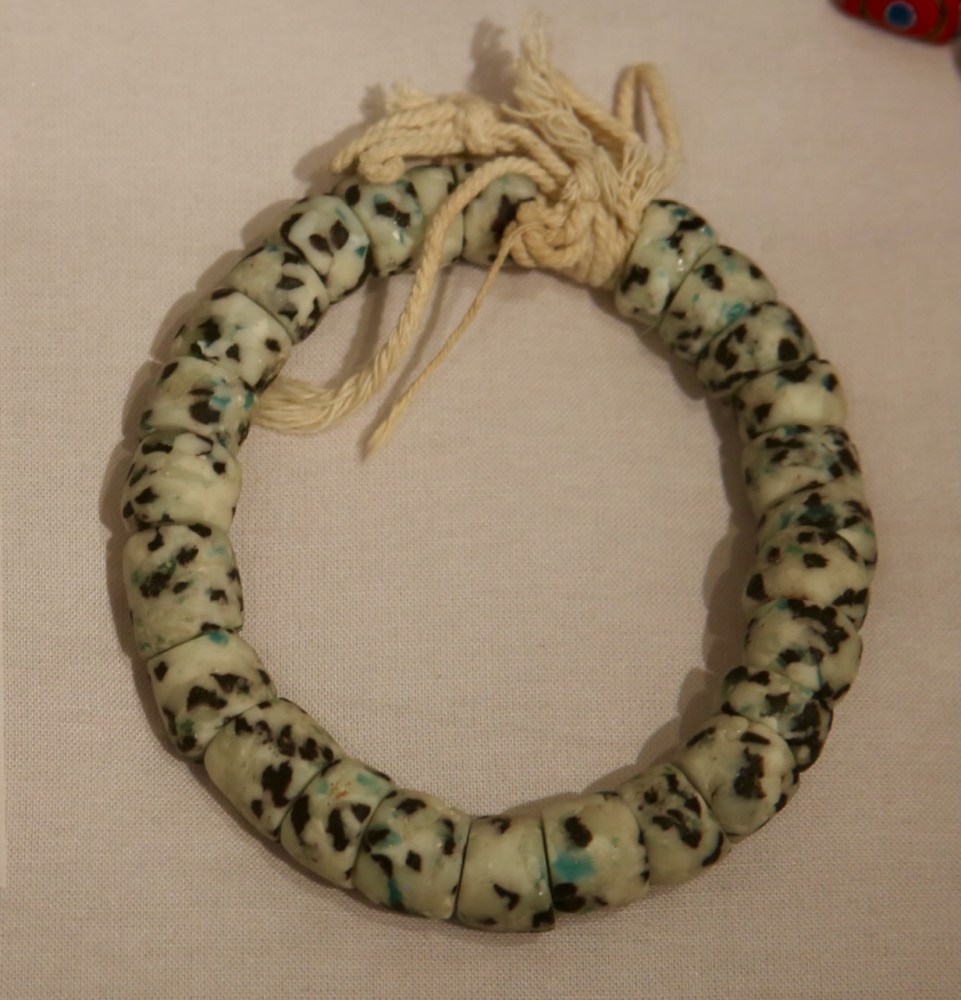
A World of Beads: Essential Elements explores the history of beads as their materials expanded from bones to glass, from simple jewelry to beaded outfits, and their roles as currency on trade routes. The Mingei was gifted some 6,000 to 11,000 beads from The Bead Museum in Glendale, AZ when it closed in 2011 due to lack of contributions. My favorite jewelry on display is made from snail shells and glass on monofilament and string from Brazil, Ghana, and Italy.

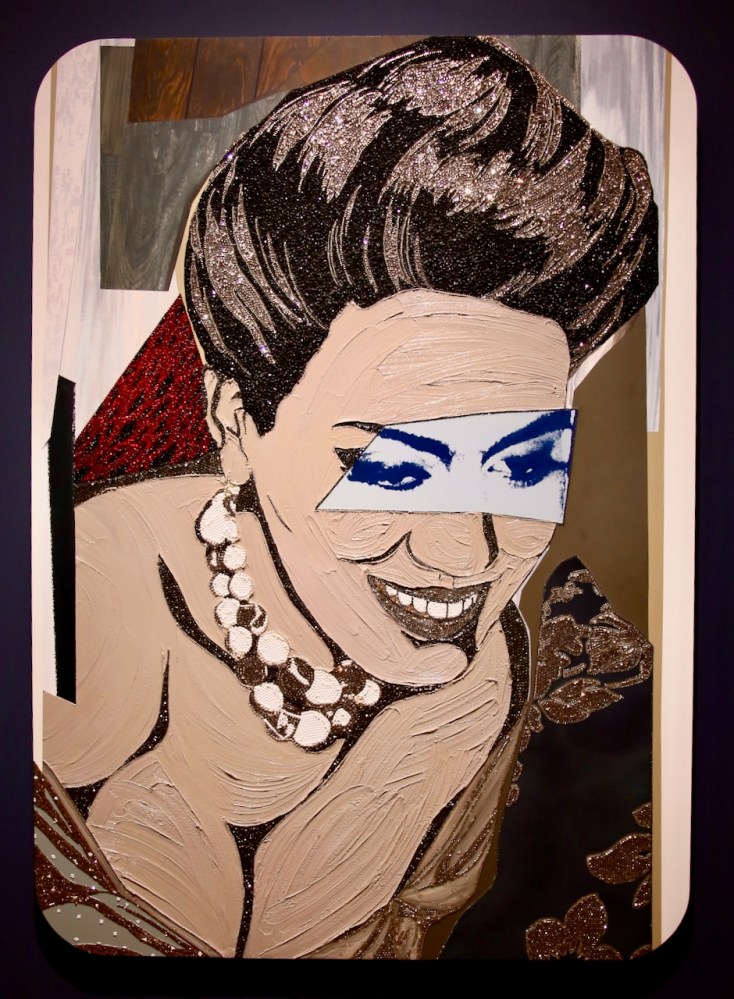
We browse some paintings at the SDMA — a self-portrait, a daughter, a muse, a still life, and some portraits by Carlos Miranda In Search of Sonder amongst those in his community and as an RN for ten years who believes we should live our lives with purpose and kindness. The reason for today’s short visit is that the Filipino Festival is happening downtown and I want to go for lunch so we can eat. We try the cherry lemonade and lumpia while we watch a dance on stage and don’t seem to be the only ones not staying long to buy hats and dresses.

Posted in Animals, Art, Events, Fiber Arts, Food, History | Tagged , , , , , | Leave a comment

Explorer Pass: Weekend Two

Caleb makes us breakfast and eats half of mine. I change out of my it’s-cold-morning clothes and put on something more athletically appropriate so that I can put some miles on my green and dirty tires and Caleb can ride his purple-forked bike. We’ll walk our bikes within sight of the beach, then ride home.

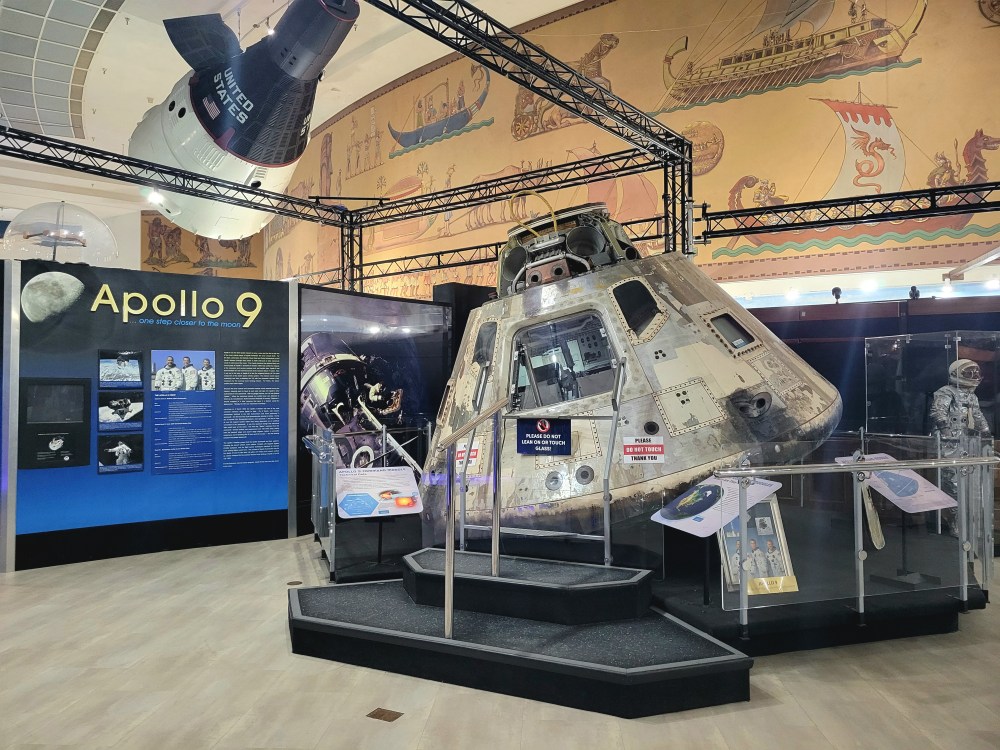
We’ll use our Balboa Park Pass to access the Air and Space Museum and realize I forgot my camera. It’s a good thing we can come back. We watch families in the bird flight simulator that would fail a migration and others who can’t earn their Mars passport.

I appreciate the interactive portion of the museum as it allows another aspect of learning and can be fun for all ages. Scientists and engineers who work to make life in space easier are also creating technologies with secondary purposes on Earth for flights, food, and fundamentals.

There are parts from old missions and models for take-offs that haven’t happened yet. There are necessities for sanity while floating around in a lack of gravity and other trinkets that were brought just to claim that they too had seen space from a different perspective.

I ask Ron, a volunteer museum docent, a quick question about the Hall of Fame and will read only a fraction of the biographies under the photos of men and women awarded for in-flight advances and help on the ground to make air travel more efficient, safe, and cost effective.

Ron interprets this as an invitation to talk, upon our exit of the hall, about a few of the ships and planes he saw in battle and exchanges stories with Caleb who has some experience of the military as well. I’m grateful for the gift of conversation that older generations still have and their willingness to share.

Then there’s the giftshop with t-shirts and cups, science kits and puzzles, snacks and magnets, and a book by Rachel Swaby to influence the next generation of women scientists, Headstrong: 52 Women Who Changed Science — and the World amongst other books on the shelf.

We stop at Himalaya House for dinner to-go and while we order our two naan bread flavors and paneer with veggies and rice, we watch a child climb a booth and put his feet on the window as his mom clears the table out of his way and dad ensures he doesn’t get kicked in the face.

We’ll go for a walk to escape this madness as tantrums are one thing and can be common, but disrespecting a business is even more acceptable these days as employees can be held liable if they hurt the customer’s feelings, which can be more costly in court.

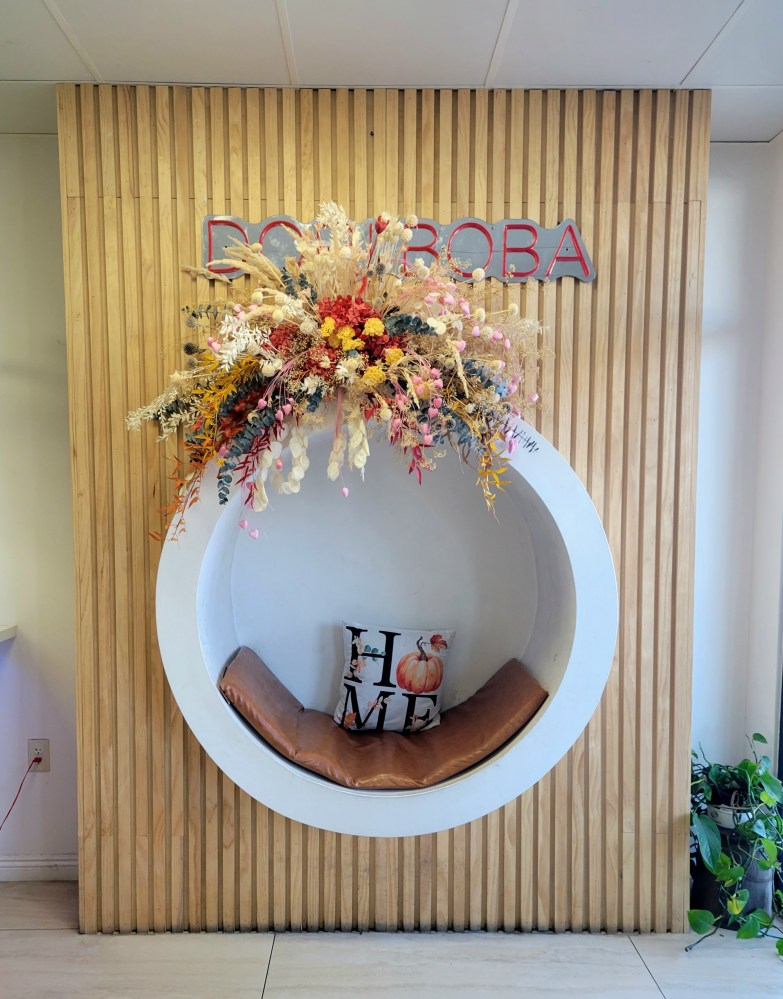
Next stop is Dori Boba for a roasted coconut matcha milk tea with boba for me and a tea without balls for Caleb. I decide I prefer mine without shaved coconut on top as that just means less space for my drink so the dried fruit can remain crispy.

We stop at Grocery Outlet on the way home for breads, pasta, and meats for the freezer so we’re ready for the week. We enjoy our dinner and then Caleb is on a three-way call with his siblings as they and their dad decide whether to amputate part of his left foot or let him die in a week from gas gangrene.

Robert chooses surgery, since the grandkids still appreciate his company and no kid wants to tell King Grumpy to kick the bucket, though they wouldn’t judge him either way as he has a list of ailments that he no longer wants to cope with and properly manage.

Jessi is with Robert in mountain time, he goes in for surgery at 8pm Pacific time, and Kris is in central time. We’ll wait up to find out that Robert lost his toes and that the doctor will wait a few days before finishing the stump. It will be weeks before he’s allowed to put pressure on his foot.

I used to be close to Caleb’s parents and talk with them often, but the same could be said for my parents. His dad pushed us away and though our last visit was decent (or I’m naive) I don’t have to worry about being called for nurse duty, since the ones being paid can’t handle his messy attitude.

Posted in Books, Cycling, Family, Food, History, Medical | Tagged , , , | Leave a comment

Explorer Pass: Weekend One

I was going to title this post: Part-Time Perks, but that might confuse people into thinking I’d gotten yet another job this year. This is about the benefits of Caleb’s job; sometimes a one-time pass to a theme park or event, stores and restaurants that offer discounts, the travel savings and access to medical care, and being surprised with a one-year Balboa Park Explorer Pass that gets us into most everything but the Zoo and Comic-Con Museum.
The museums don’t open until 10am so we went to the store first so Caleb could get yogurt-making ingredients and we could leave them to incubate for eight hours while we were gone. The parking available on Park Blvd. has changed as the city works to increase access for bicycles, but we get there early enough to quickly find an open spot near the Carousel. We arrived at the park without a plan, but seeing the Natural History Museum, we knew where we were going first.

We save the $20 entrance fee each, and probably $4 more as some places don’t apply Caleb’s active-duty ID benefits to my civilian status and I’m ok with that. I’m no longer required to report to work without knowing how long my day will be — a few hours or many months as the Navy decides which country he should be in and for how long. As Caleb finally nears military retirement and has to work through medical screenings, applying and interning through skill bridge, and enjoying terminal leave, we can be relieved that our long separation periods are behind us.

Anywho, we don’t share this with the women behind the booth, we just appreciate the acknowledgement of the long hours Caleb has put in fixing engines and filing paperwork to maintain the twelve percent of federal spending on America’s defense budget. Caleb puts our stickers on so that staff knows we checked-in and directs us clockwise around four floors of exhibits since the basement is currently closed. Inside the Living Lab we get to meet a toddler who, when exposed to his first snake, put it in his mouth without hesitation. Today, he will have to settle for watching the ants through a pane of glass.

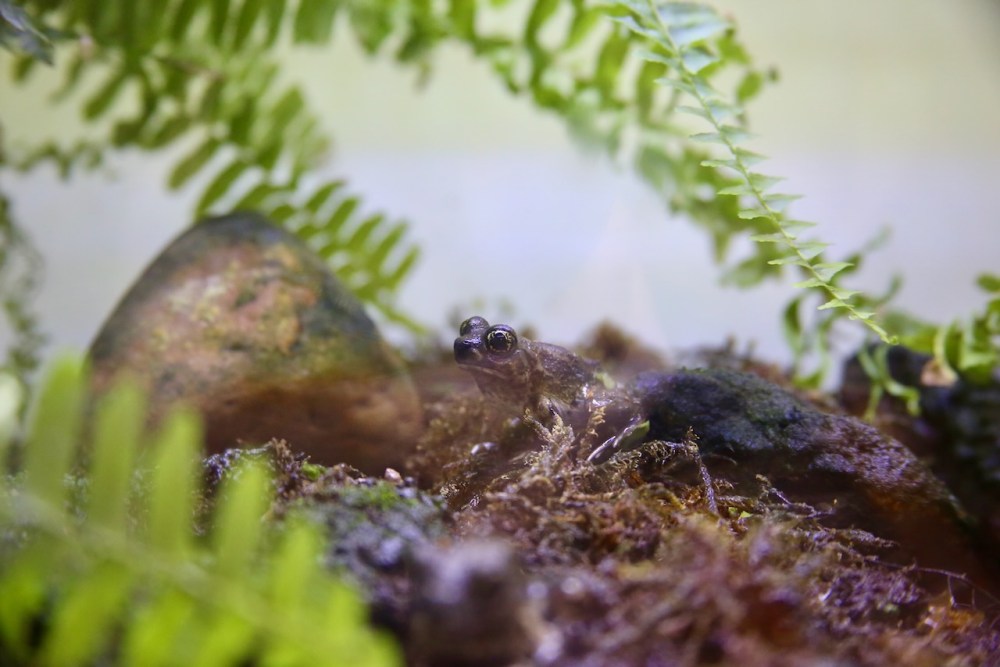
Caleb focuses on the exoskeleton of a tarantula, which I agree looks weird at first, but these spiders can spend a day “moving out” after popping their carapace off and then have to pull their seven-segmented legs out of the old sleeve. This process happens monthly at first and then once or twice yearly for older spiders. There’s a Pixie frog, not in San Diego County, but it creates a plastic-like skin that can keep it hydrated in a drought for up to two years. Learning about how amazing and adaptable animals are reminds me that humans are just a tiny fraction of the Earth, even if our impact is substantial.

In the citizen science exhibit, which is always-on-view means we’ve been here before too, but as anyone who loves visiting museums knows – there is only so much you can take in on one visit. It’s the recurring returns that show you a missed detail or an artifact you didn’t notice before. For me, that object will be the double elephant (26” x 40”) folio of J.J. Audubon with his life-sized North American bird illustrations. His art and history were such an inspiration to a tutee, among others, of his widow that his name would be used in the now popular Audubon Society decades after his passing to remember the man who created the standard on ornithology.

We turn our attention next to the Japanese Friendship Garden, saving the $26 entry fee, to find some serenity in the city. I see a neat origami swan dress (didn’t get a good photo of it) and find the waters outside calming. Others seem to be enjoying the quiet respite this park has to offer too, but I’ve made the mistake of remembering this place larger than it is, so our time is shorter than the couple getting wedding photos or the two old friends talking by a waterfall until they are interrupted by the jubilations and boredoms of youth – the kids who love outside and the others being forced to follow their mom on her day out.

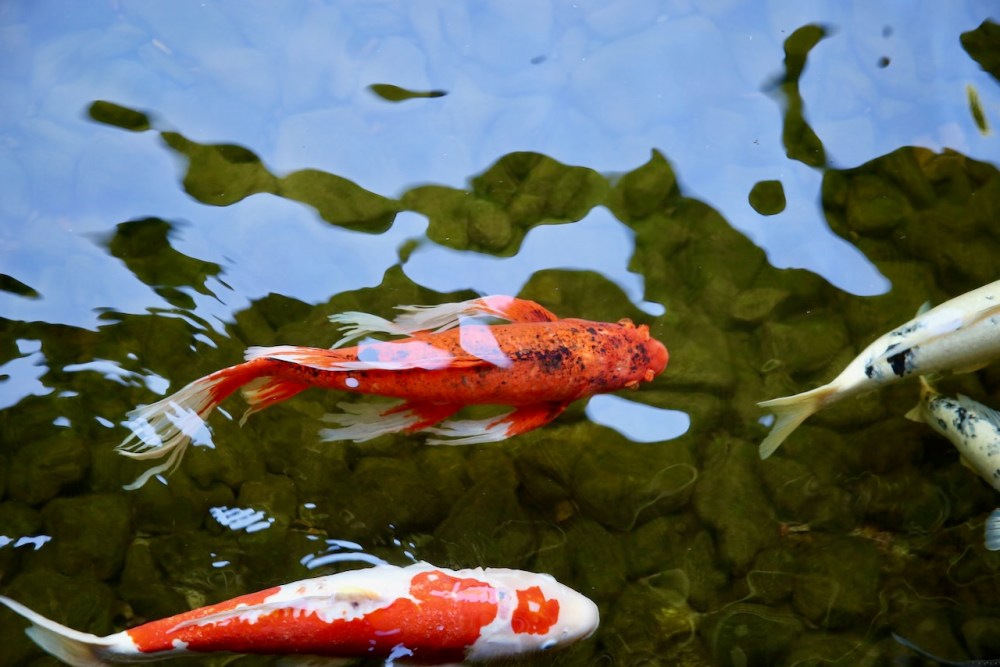
Instead of taking selfies by the koi pond I think about swimming with the fish and getting a closer look at the depths of their world. Now that I’m a scuba diver I look at the water differently; as a place to be respected of course, but also to explore endlessly and appreciate always. I don’t have any of the skills of the sea creatures and I’m also not adept at being an insect or a plant but I can gaze into their beauty and pause just a moment to take in how spectacular this world is and how lucky I am to have the capability to be in so many environments, especially with the help of science and technology.

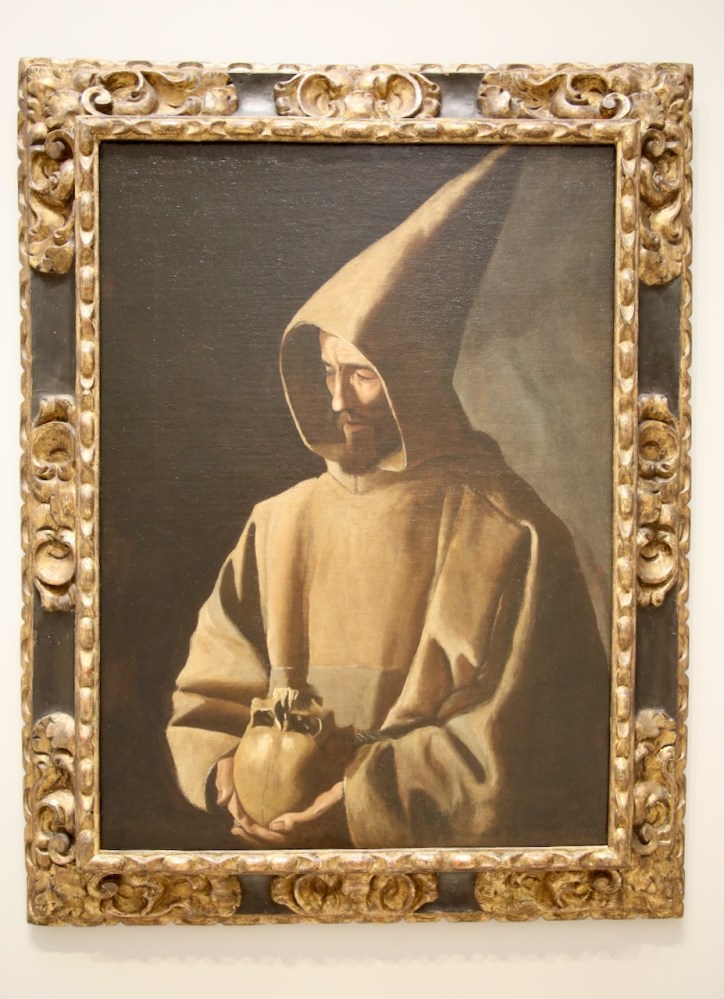
We zig-zag our way back to the entrance which only seems to make the garden shrink in the distance. We’ll finish our day in Balboa Park with a stop at the Timken Museum of Art which always has free admission. Two paintings will catch my attention – Saint Francis in Mediation (ca. 1635) by Francisco de Zurbarán and Equestrian Portrait of Prince Tommaso of Savoy-Carignan (2015) by Kehinde Wiley. The former is an Italian friar painted by a Spaniard in a religious style in the middle Baroque period; the latter is a modern American adaptation of Prince Tommaso Francesco of Savoy-Carignan (1634) by Flemish artist Anthony van Dyck of a war equestrian portrait.

There are sci-fi films about time travel that are mostly concerned with disrupting the past, destroying the future, not denying the present but on a mission to survive the Renaissance or the 80s or our fears of what the next generations will come to bear on our society. Imagine if we could introduce the internet or even the phone to these two artists so that they could collaborate or be inspired by each other (and perhaps they were if they had the chance to travel). Then the thought of that makes me realize how many letters and other historical communications would be lost and the slow growth of other industries that might be destroyed (that give their own inspiration today) with only the intent to help spread their creativity and message.

With our viewing of others’ intellectual achievements passed through the afternoon it was time to return home to check on our yogurt cultures’ growth. With efficient thickness achieved we messily poured our pot of yogurt into eight small jars and three mini jars. As with any plain yogurt, it’s best not had alone. I add some date syrup to our test sample and it passes. Caleb has successfully made yogurt and can add that to his list of skills in the kitchen.

Posted in Animals, Art, Education, History, Military | Tagged , , , | Leave a comment