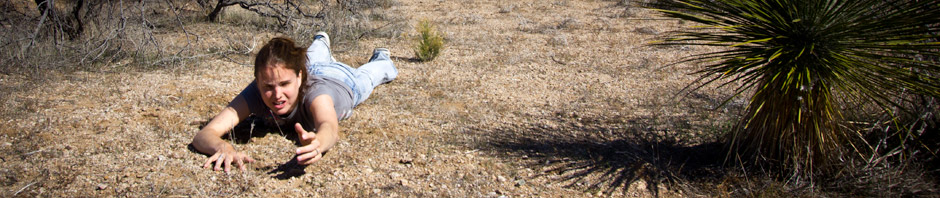

We get up and outside for a walk, such a great way to start or end a day or to entertain your mind and body in the time between. We settle for some on-the-house breakfast and will return outside for more steps. This isn’t a paragraph on the health of it, but we had already decided (since the dive boat didn’t call us with a cancellation) that we would spend the day on the town, but the first attraction doesn’t open until 9 a.m. so we are in no rush to get checked out.

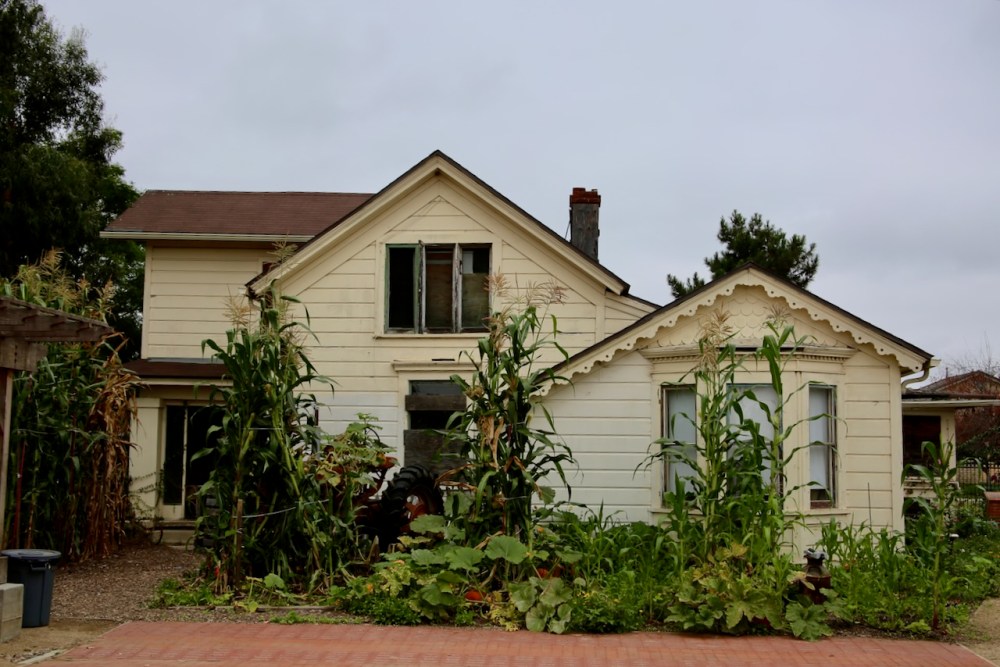
Caleb originally booked two nights and upon calling customer service they couldn’t find us another night at our current hotel so they upgraded us, same star rating but more amenities for the same price, to another property ten miles inland which would increase our morning commute by eight minutes, not that we wouldn’t be early either way. I think hotels should be able to have half-star ratings to give a more accurate account of what to expect – quality of breakfast and availability of conditioner for salty hair (though I didn’t ask for any either).

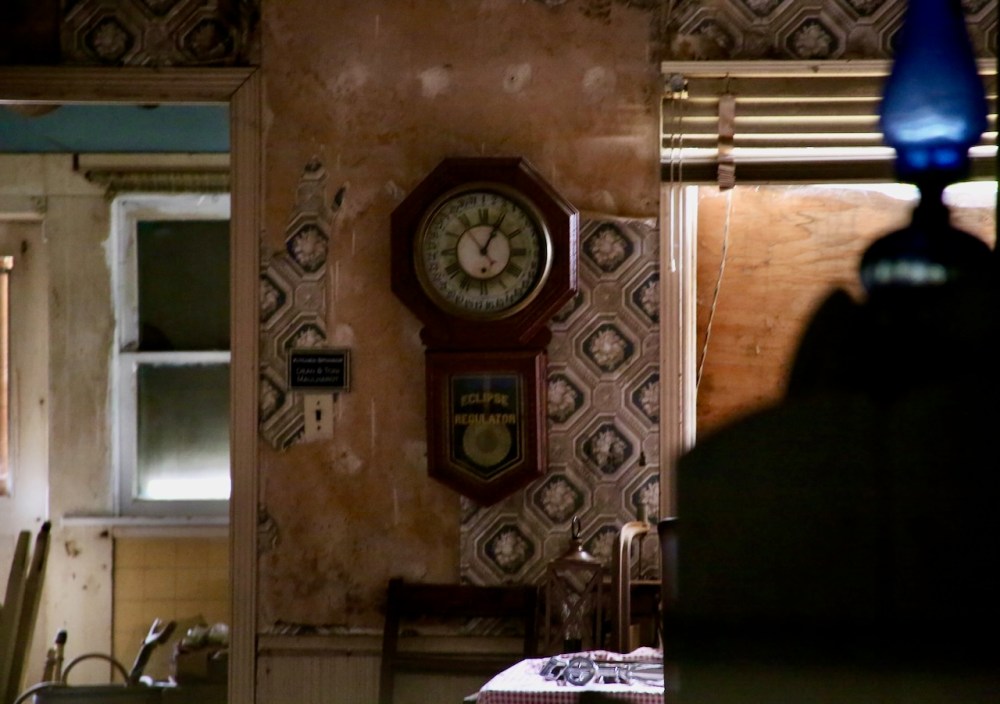
Oxnard is the namesake for Henry, the president of both the American Beet Sugar Company, with a factory built here in 1898, and the ABS Association. I remember his name from The World of Sugar by Ulbe Bosma (2023) which I finished reading just three months after its publication. I could get into corporate greed and regulations against loss of limb, but I would need another blog for that, so I leave the introduction here. I continue with us finding a shaded parking spot on a residential street so we could walk to Oxnard Historic Farm Park, where a home and winery were built in the 1870s.

The gate is open and the area quiet. I toss out a hello, just in case, but it seems to be a self-tour place so we get started with the implement barn. We make it two steps and are greeted by a very talkative and informative older man. He is proud of the history and survival of this plot. He enjoys the ability to educate children on where food comes from and gives volunteers a place to help grow grapes, grains, vegetables, and berries. It’s a half-hour later when I step away to answer a phone call and leave Caleb to get introduced to another guy.

I’ll maintain my space at this point and start taking pictures. If those guys aren’t going to give us a tour we will be here all day discussing decades of information, which wouldn’t be terrible, but I have other plans. Caleb will start to pull away too, after they’ve ended their conversation a few times, and we have a look at the rusted equipment that the farm wants to restore. The old house is locked up and most of the windows boarded, but I’m able to sneak a peek in the front door and want so badly to go inside.

Walking the perimeter, we learn that Albert Maulhardt used this land for beets and lobbied for the factory that Henry would build. We also find out that 1,229 acres were sold in 2002 for housing and the less-than-acre plot was only saved as the city required a park in the subdivision. Farmers, historians, and other groups have helped by donating time, money, and books to this locale to maintain its roots in the community, and in 2021 it was listed on the National Register of Historic Places.

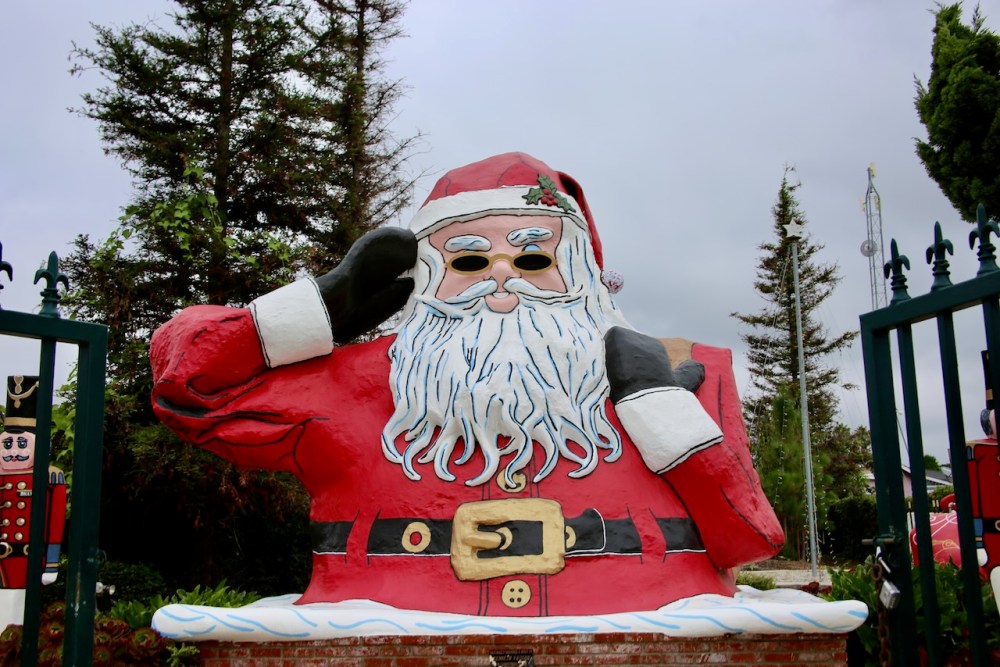
We drove to the Santa Claus statue because it showed up on the map. Not sure what I was expecting but I park in the lot next to it and luckily it’s maintenance hour or day because the gate is open, some words are exchanged, and we’re allowed in to take some pictures of Salutin’ Santa in Nyeland that was built by Kenneth Vaughn in Carpinteria. As far as traveling statues go, this one hasn’t seen much but inspires runners to travel half the distance in the Santa to the Sea half marathon in December.
Caleb likes looking at cars because he knows about the engines and wheels, blah blah, that go into making them fast and efficient travel machines. I like looking at vehicles for their historic value, shiny qualities, and tidbits that set them apart from the rest. With this in mind, we chose the Mullin Automotive Museum, with a focus on French Art Deco in the ’20s and ’30s vs the Murphy Auto Museum, just 1.6 miles away, with cars on display from 1903 to the present day.

The Mullin is only open on Fridays and Saturdays from 10a-3p, at least for public access. My ticket is $16 and Caleb gets in free. It would be convenient to have more vacation periods while on active duty to get all the discounts everywhere. Then, once you’re older anyway, you could do your time on a ship or behind a desk because we will miss all the free tickets we have access to that a veteran only gets discounts on, though it’s still saving money and wouldn’t deter us, but might delay us in visiting.

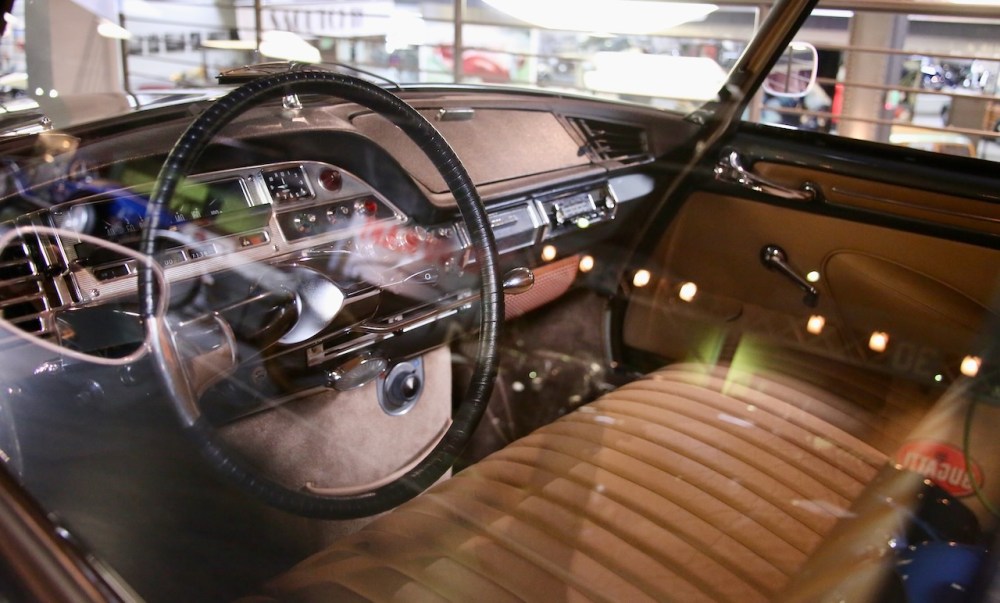
Automobile innovators took inspiration from contemporary art, architecture, social movements, and science to build iconic rolling sculptures that merged elegance, aerodynamics, and efficiency after WWI. I’ve never heard of a car described this way, so I’m already glad we’re here. In the collection is the “Barn Find,” a 1948 Delahaye Type 135MS Coupe that made its way to the US in 1970, sat in a garage for 15 years, and then was bought by Peter Mullin who realized the untouched engine compartment would be a great guidance for anyone looking to renovate another Delahaye.

After WWII, Solex created motorized bicycles for urban inhabitants (working class) and children in France, selling 100 per day in the 1950s as their price was less than a month’s wages. Solex has since transitioned to electric engines in 2011 that sell for roughly $2,400 today. This motorbike can be seen riding around France, Germany, and New York in films from 1958 to 2007 and is written about in one short story by Primo Levi in his collection The Periodic Table. This book is named the best science book ever by the Royal Institution of Great Britain.

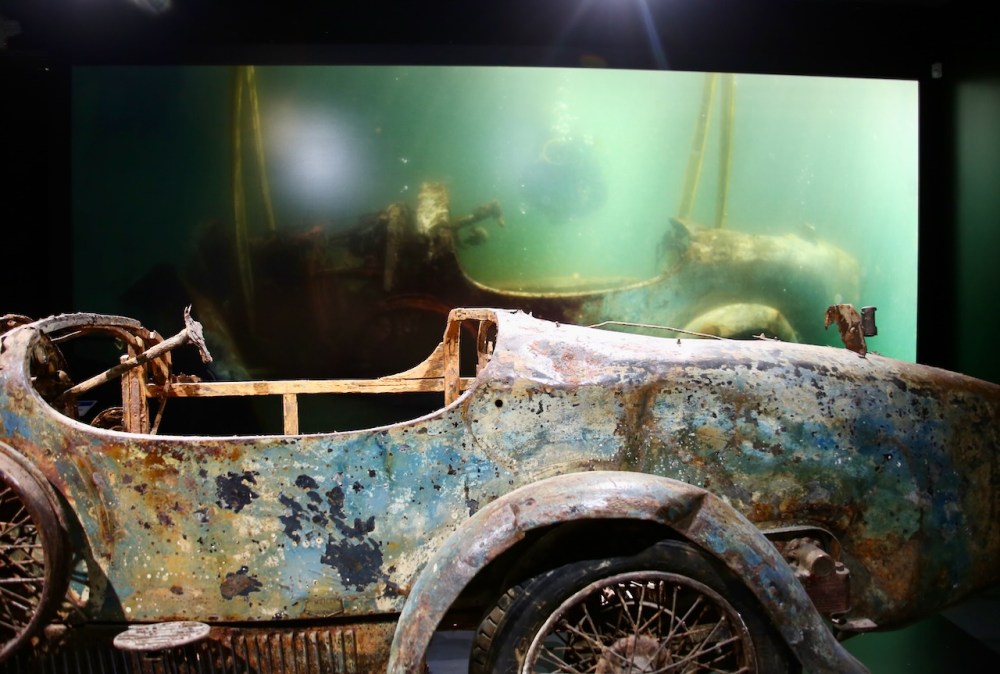
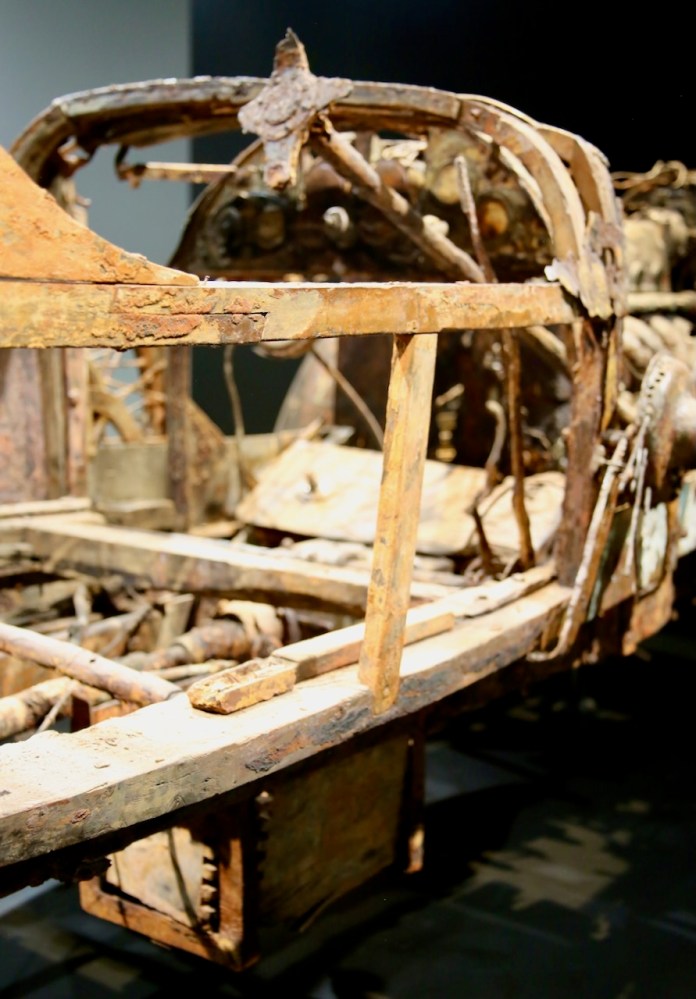
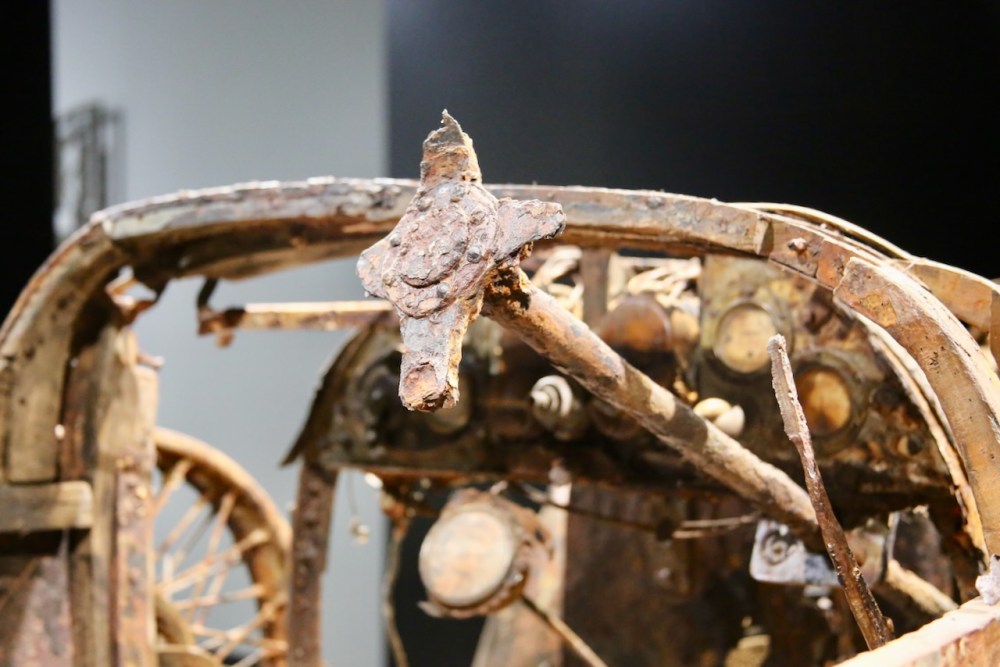
Then there’s the sad story of the 1925 Bugatti Type 22 Brescia Roadster which with only 40 horsepower could impressively reach 100 mph. One of these rare cars was won in a gamble in 1934 and abandoned at the Swiss border when the new owner couldn’t afford to pay the customs. Years later the government was required to destroy it and pushed it into a lake with 35′ chains attached, just in case. More years passed, the chains fell apart, and the car went swimming down to 173 feet. The car was discovered by a diving club in 1967 and soon became an attraction for deep divers.
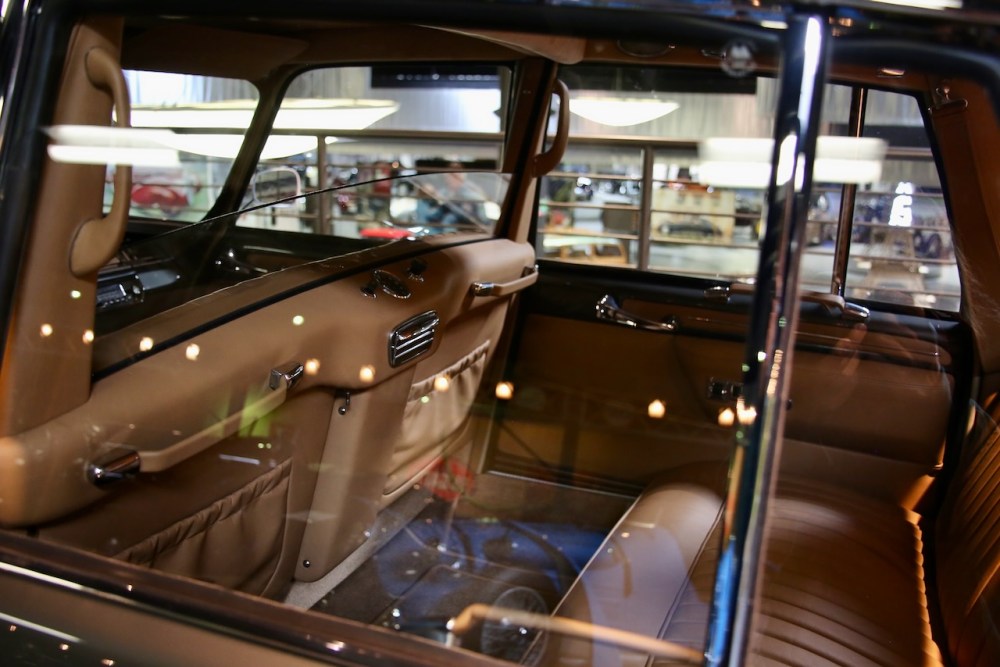
The car would still be there, and not now in the museum, if it wasn’t for the sympathy of a grieving family to sell the car to raise funds for a charitable foundation to protect against youth violence. Some 2,000 people showed up in the summer of 2009 to watch what was left of this car be hauled out of the lake after 75 years. The car is definitely a symbol of endurance as it lasted so long submerged, but water has a weird way of preserving and destroying (remaking) all things that it touches.

Some cars were made for racing and others for leisure. There are paintings, sculptures, and furniture also on display. I thought I might become bored or less interested as some car museums just look like parking lots to me. I can appreciate the technology and engineering that goes into creating this modern travel machine, but to realize how many of these ideas have been around and either not in the middle-class market or not shared with the US is something else to think about entirely. There’s also some family history here of the artists and mechanics that made these cars a reality.
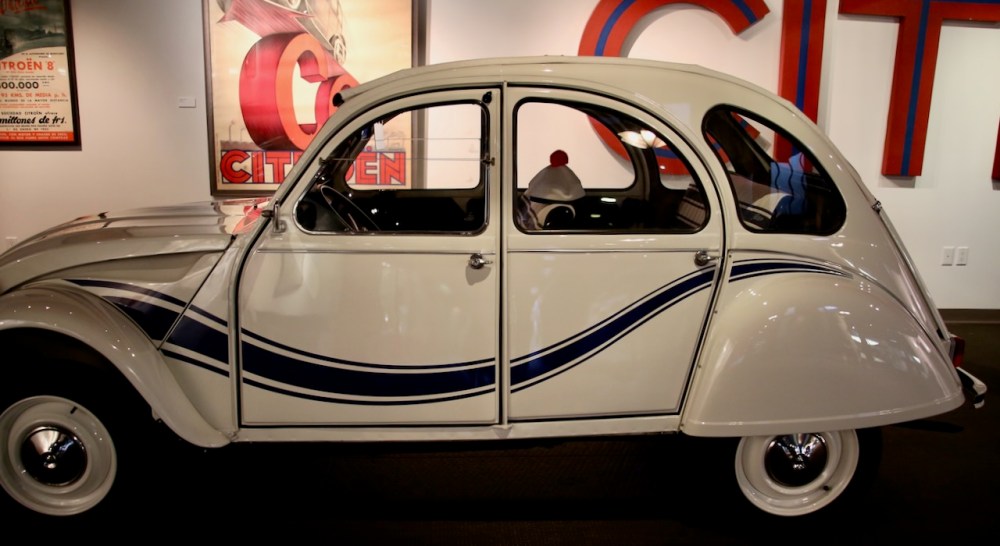

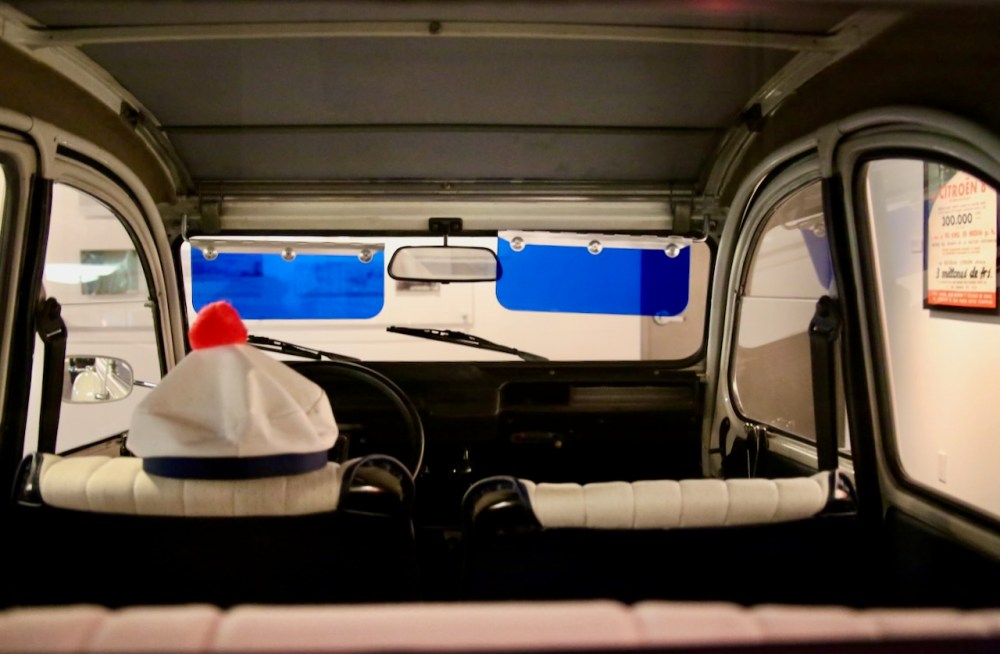
A good museum is like a good book; they answer questions you didn’t know you had and have you asking a lot more throughout and after. This museum left more of an impression on me than I thought it would, so I’m glad we came. We’ll have a cinnamon roll each in the parking lot, brought all the way from home after Caleb made them. It’s too sweet for me, which is not usually the case as Caleb cuts half the sugar from the recipe, making them taste better. We’ll walk down the street and back before driving to a closed Carnegie Art Museum.

The Neo-Classical building opened in 1907 as a public library and was turned museum in 1986. The city voted to save itself some $500,000 and closed the museum in 2019 with the possibility of reopening when new development comes in and raises the prices of the neighborhood and the taxes. It hasn’t happened yet. We’re only a few blocks from Heritage Square where Victorian and Craftsman-style houses from 1876 to 1912 were relocated to this block to preserve the architecture of some pioneer family homes. Oxnard is soaked in history.
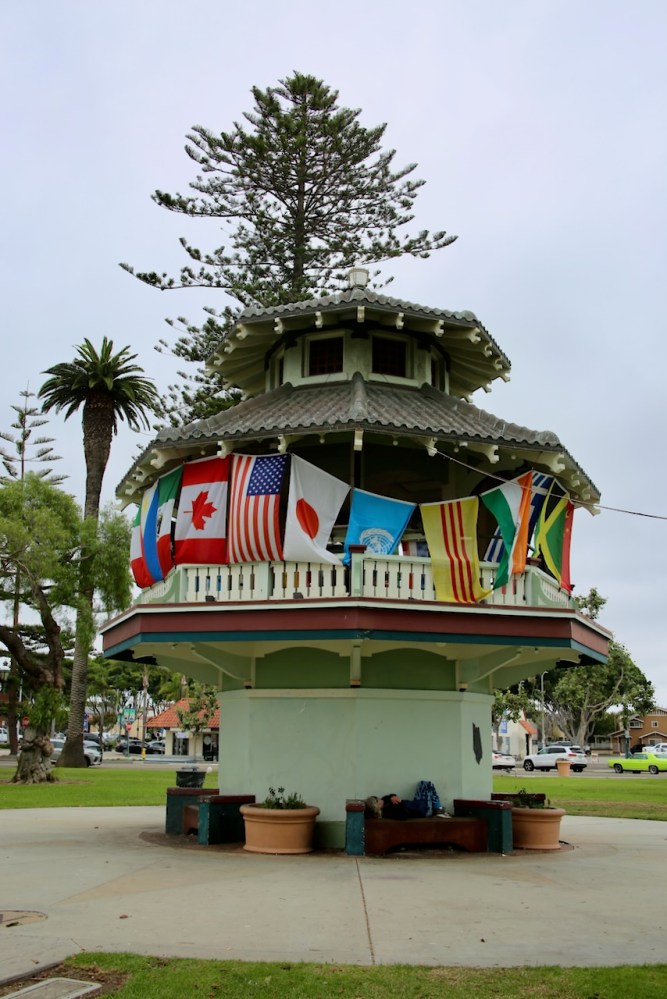
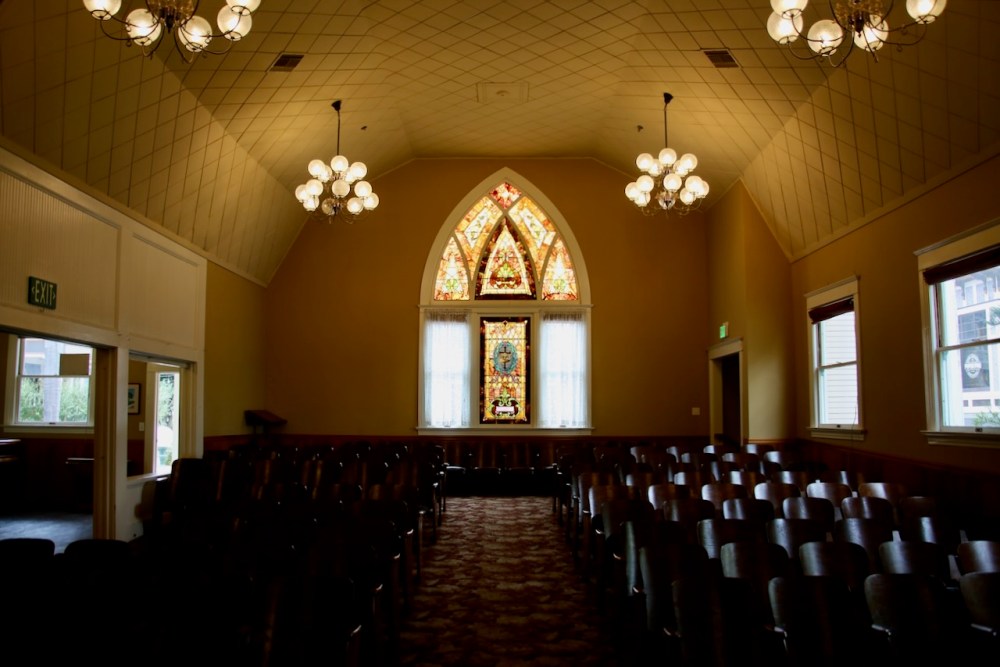
There’s still a church in use, the only wooden one surviving from the founding period of Oxnard that cost $3,176, to include the lot, in 1902. It is now called the Heritage Square Hall. Other buildings accommodate coffee, wine, and dentistry. The courtyard is being used to setup for a wedding reception. We enjoy the curved windows, stained glass, and the last original carving above a leaded window on the Scarlett House. I also watch the squirrels playing, the spider hanging, and a mural fading as we make our way back to the car.

Our new room is ready for check-in so we will take two trips up to bring in all our bags. I can travel around the world in a backpack, but when we bring our own dive gear we each have a duffle bag of necessities, minus the weights and tanks if the company supplies them. Spectre charges more for their lead so we brought ours and learned that we might need to get an extra few pounds if we’re going to keep diving in such cold water that requires thicker layers.

I shower just so I can add conditioner to my hair. The salt and wind hairdo might look cool after a day in the sun but after all of nature’s caresses you need to take care of your tresses. We’ll read while my hair dries and then explore this area a bit on foot before driving to Luna Grill for lentil soup that we wrongfully thought they had because that’s what I was craving. They are a fast food restaurant so I wasn’t looking for greatness but I was starting to get hungry and didn’t want to drive an hour for dinner just to also be disappointed.
We’re in luck as in this plaza there’s a Whole Foods that sells cups of lentil soup so that I can eat that while we wait to order at Lazy Dog. It’s a chain restaurant, something we usually avoid while traveling so we can expand our taste and better enjoy the region. Now not being as hungry I see we also had the choice of a local chain Korean BBQ or a wood-fired pizza place. I order my pink lemonade and water, so I can mix them and am content with my soup. We didn’t realize the delay in our order until the waiter came to the table to apologize and let us know that the manager would be right out.

We were then offered our meal on the house, even if we decided to get the dessert to-go since our food request hadn’t survived the shift change. I gratefully accepted the banana pudding since I hadn’t eaten any since being in Fort Worth probably 20 years ago – wow! With another full day ahead of us tomorrow, we don’t feel the need to stay out late and are okay going back to the room to read until we’re sleepy or my get-ready-for-bed alarm sounds.

 TheJessicaness