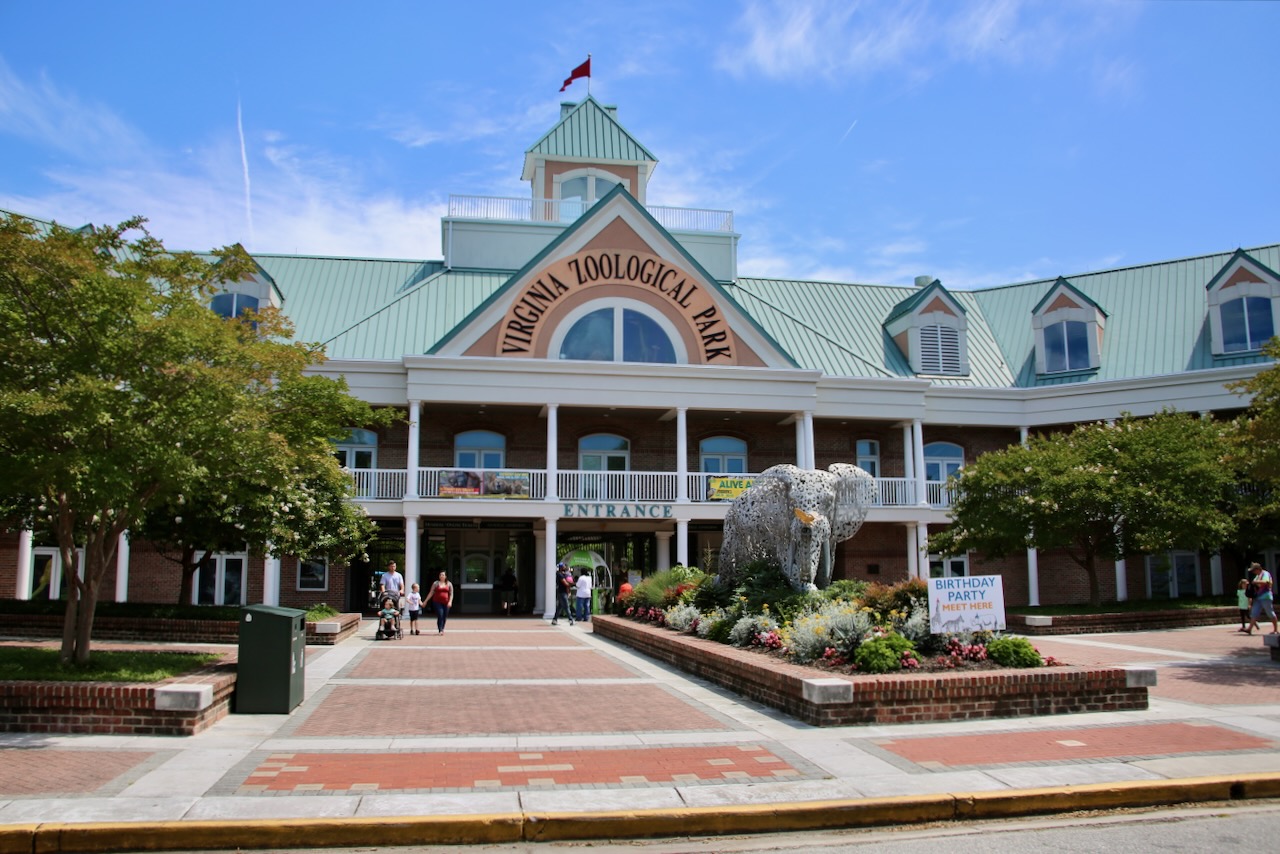
Virginia Zoological Park

A day at the zoo with Caleb and his brother’s family.
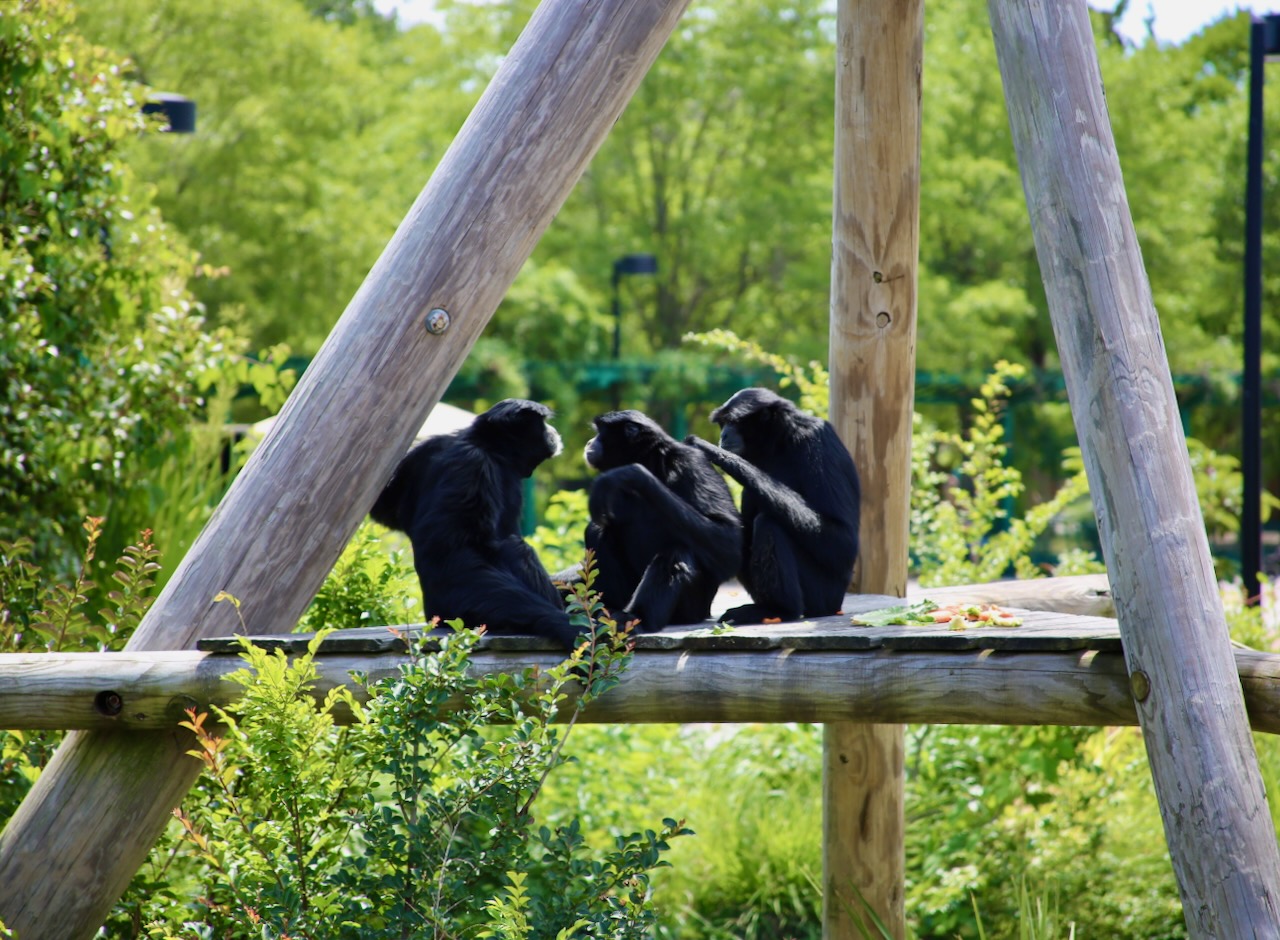
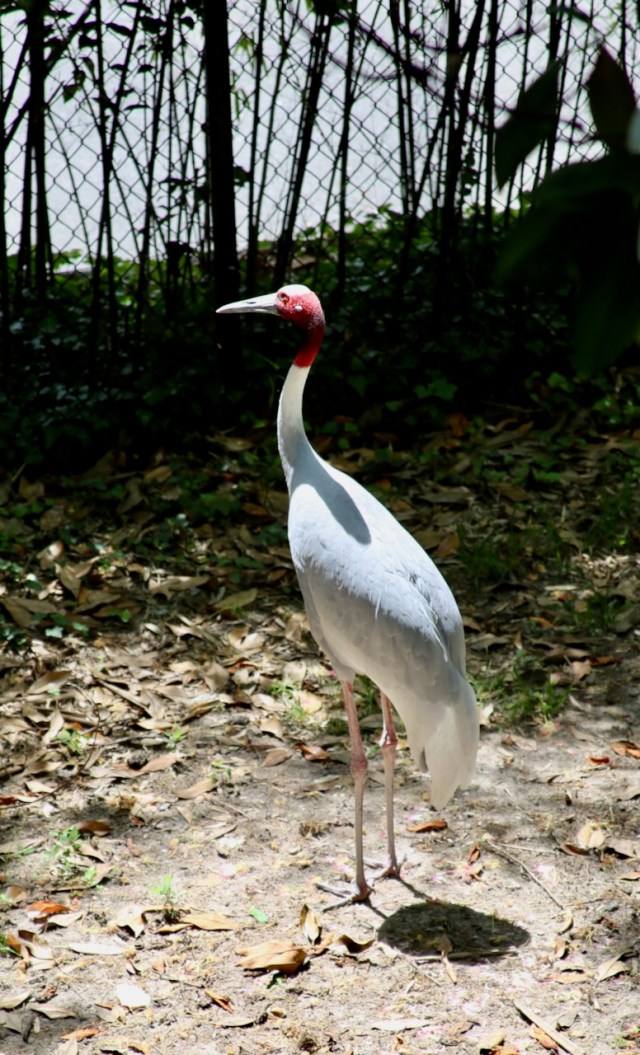
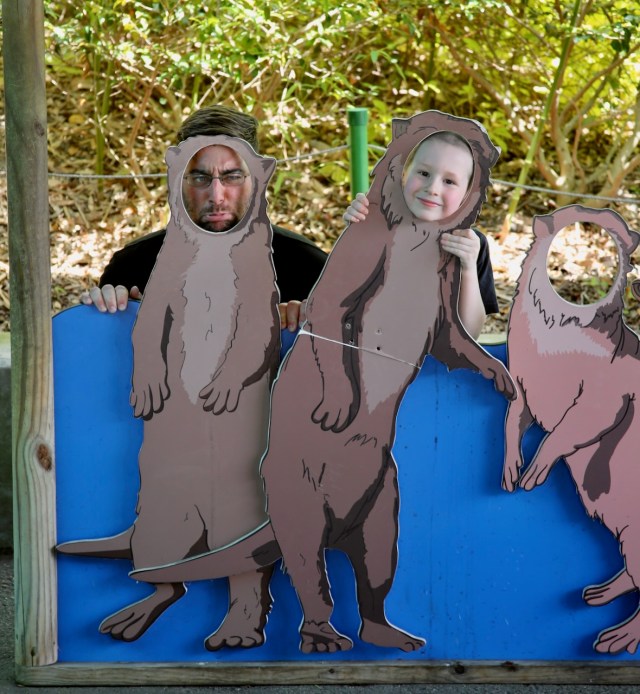
The three siamangs, the largest species of gibbons, are found in the forests of Sumatra and Malaysia. A Sarus crane, the world’s tallest flying bird, is found in the marshes and swamps of India, Southeast Asia, and Australia. They are known for their synchronized dancing with their lifelong partner. Uncle Caleb and Tristan as otters. This rare species can be seen eating candy while making fart jokes.
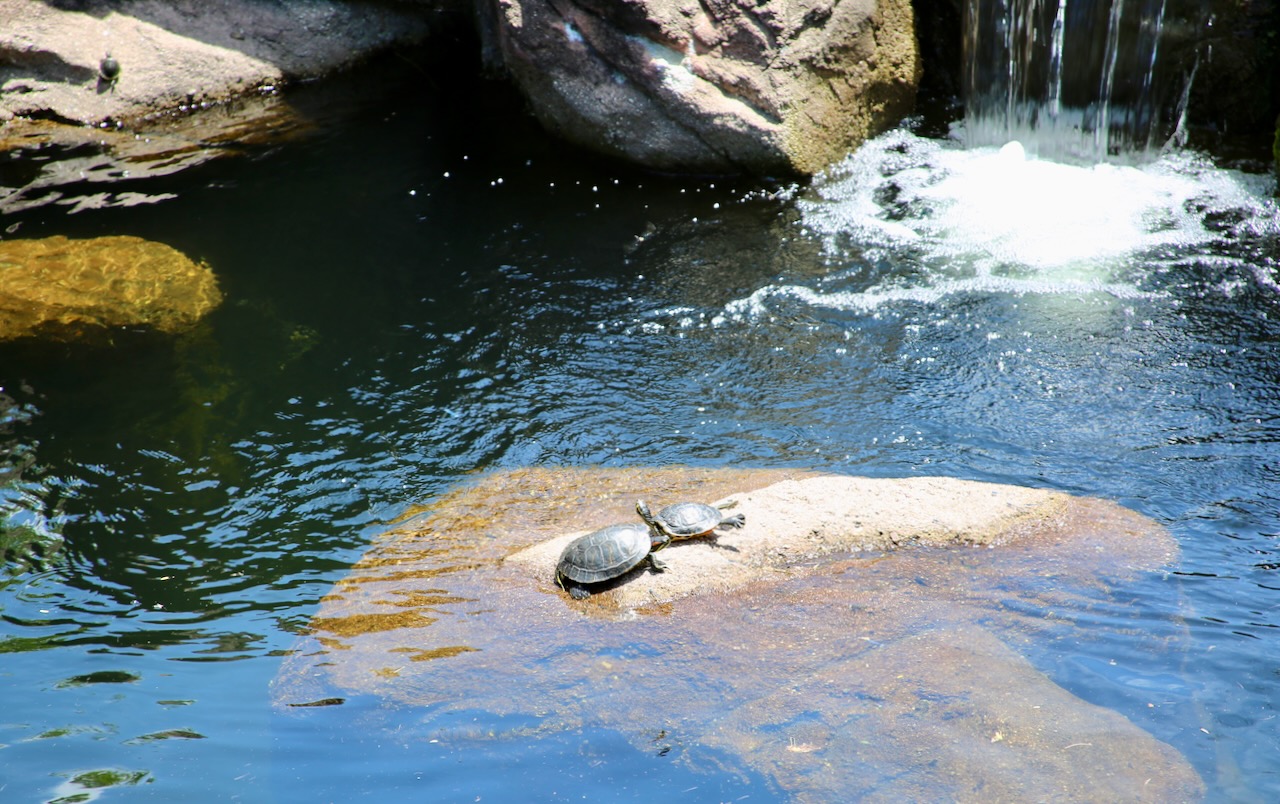
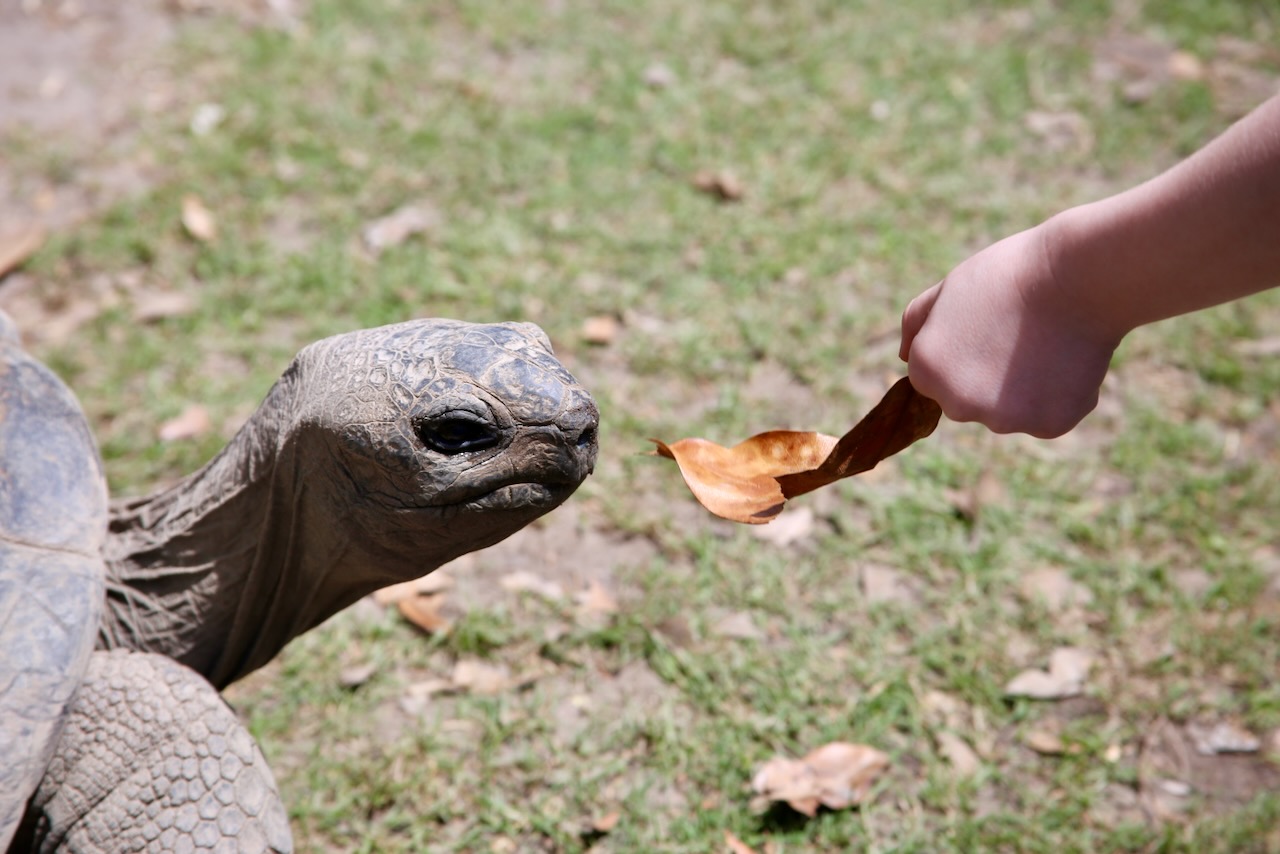
The red-eared sliders are a common subspecies of the pond slider. They can be found sunbathing on logs and rocks until someone walks by, at which point they slide underwater. They seem to have the largest enclosure. The Galapagos giant tortoise is probably over one hundred years old, weighs over 300 pounds, and detests this non-volcanic island habitat.
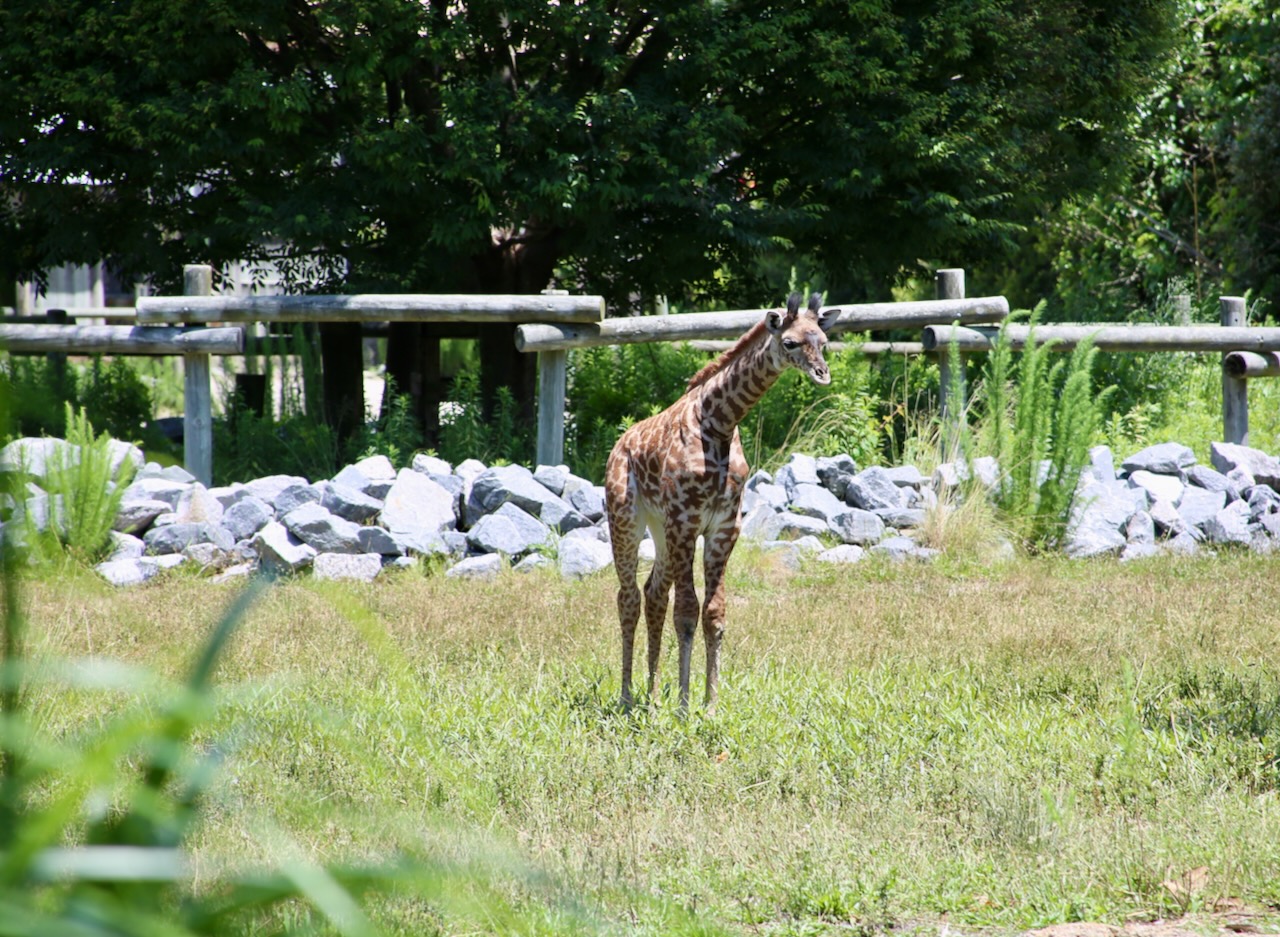
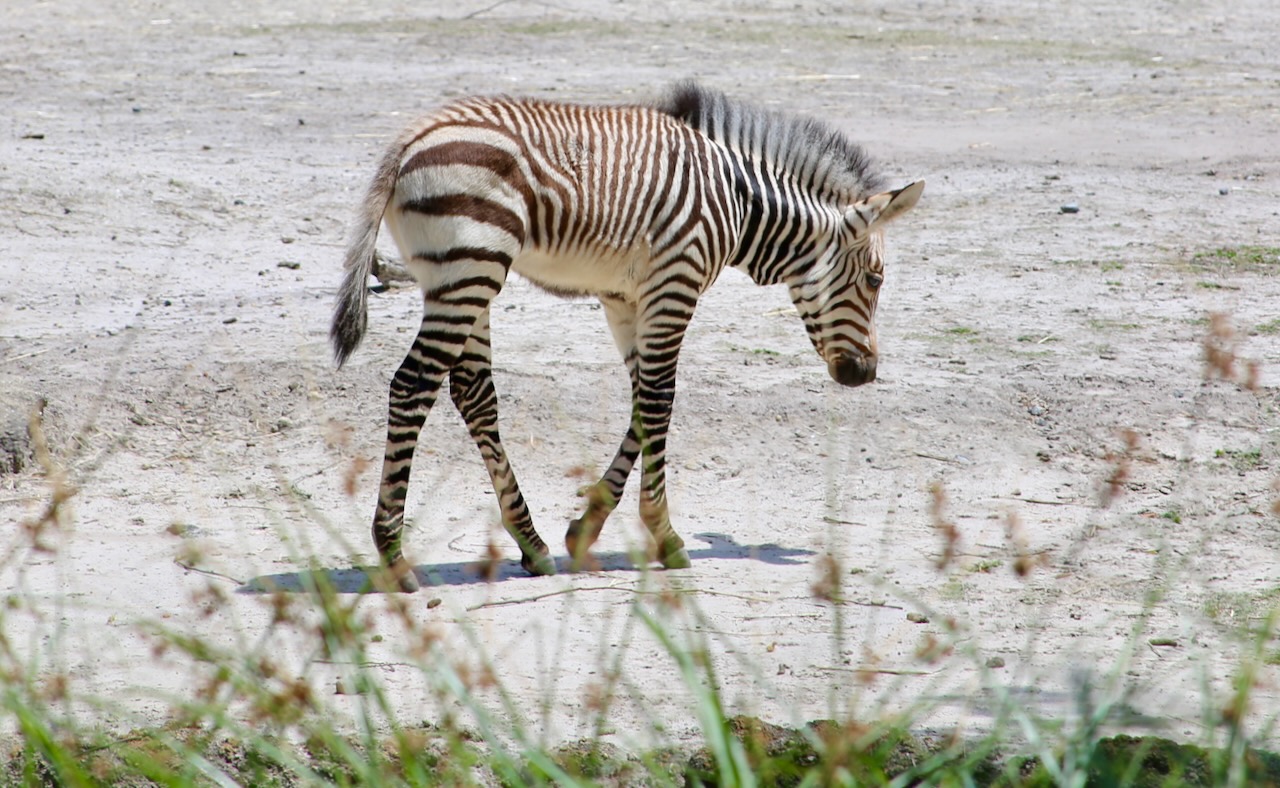
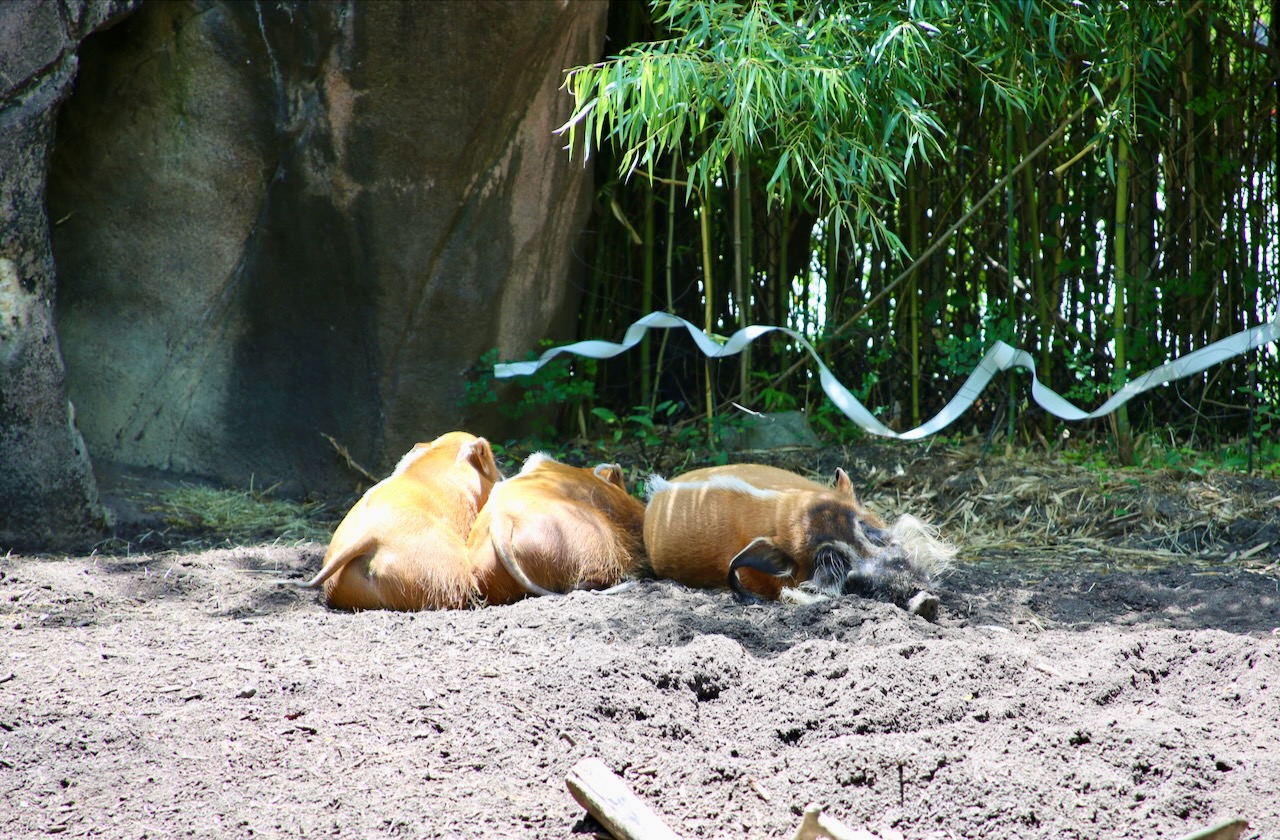
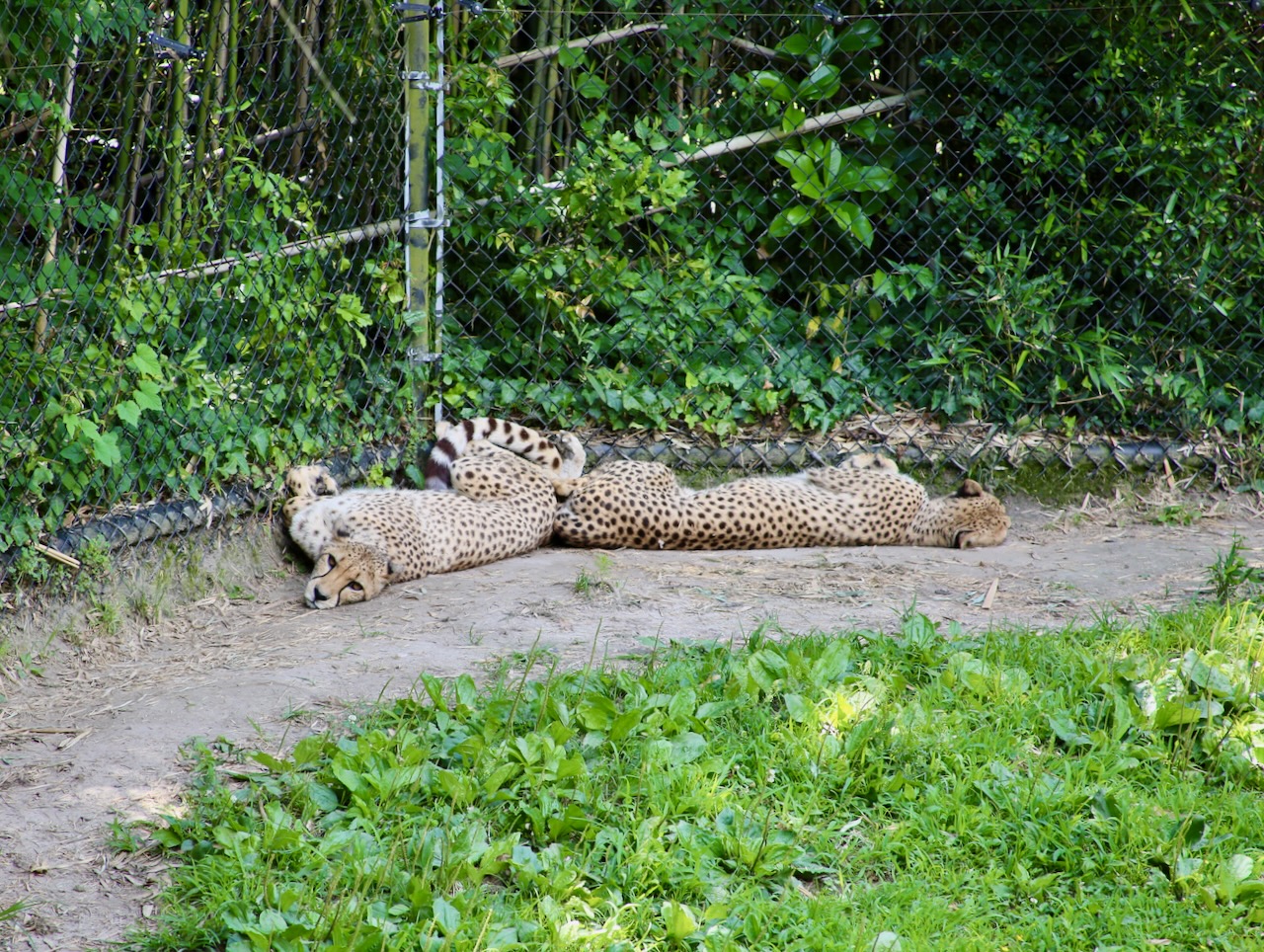
The baby giraffe is already a third of its potential height at six feet tall and is usually found roaming the savannas and open woodlands of Africa. The baby zebra is a Hartmann’s mountain foal, born with brown stripes that darken over time. This species is vulnerable on its rocky slopes and plateaus of sub-Saharan Africa. The Red River hogs are known for their tasseled ears, being proficient swimmers, and fast runners. They can be found eating roots, fruits, and rodents in rainforests, savannas, and swamps. The cheetahs, known for their speed, spend most of their time conserving energy. These big cats are unique because they purr instead of roar.
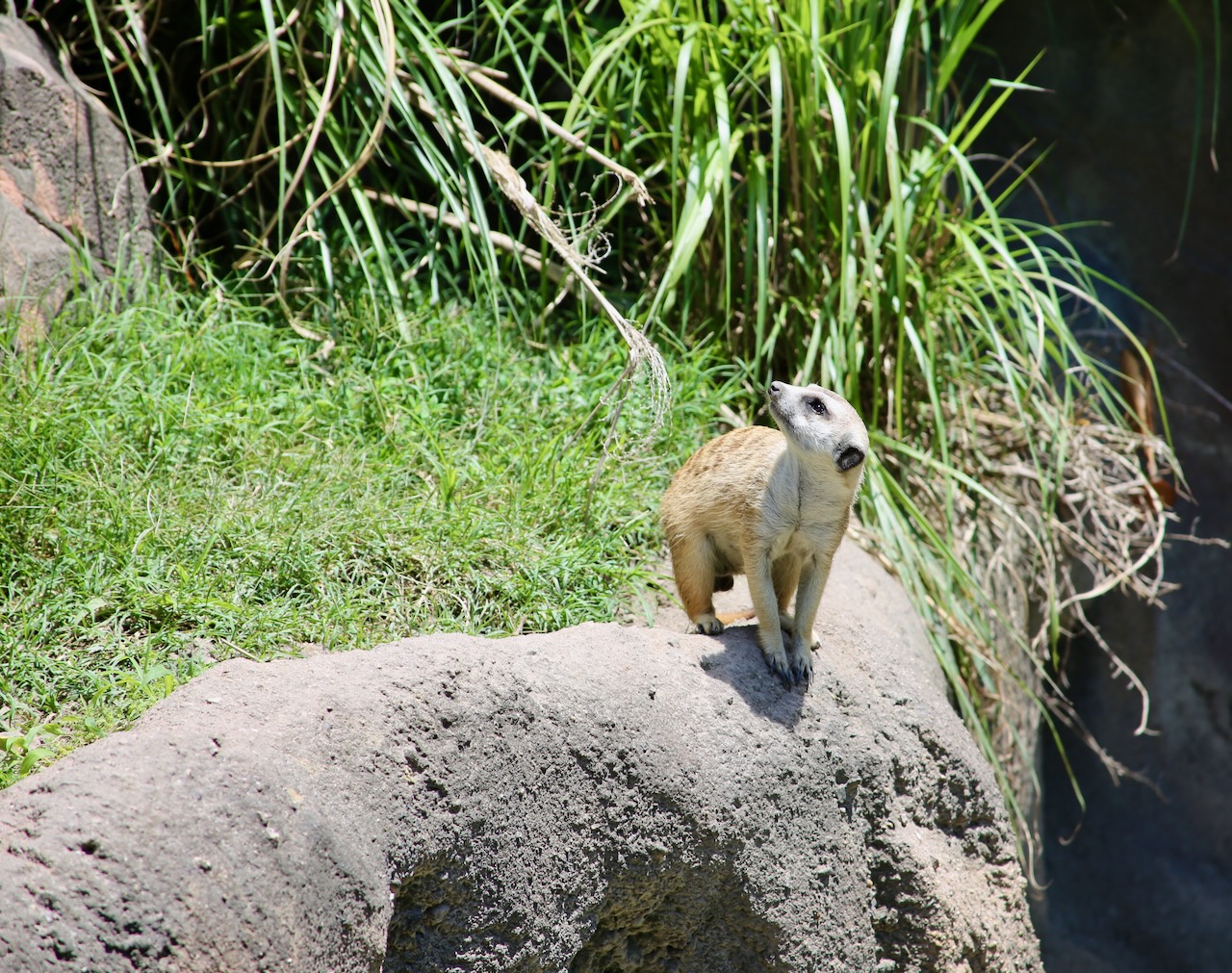
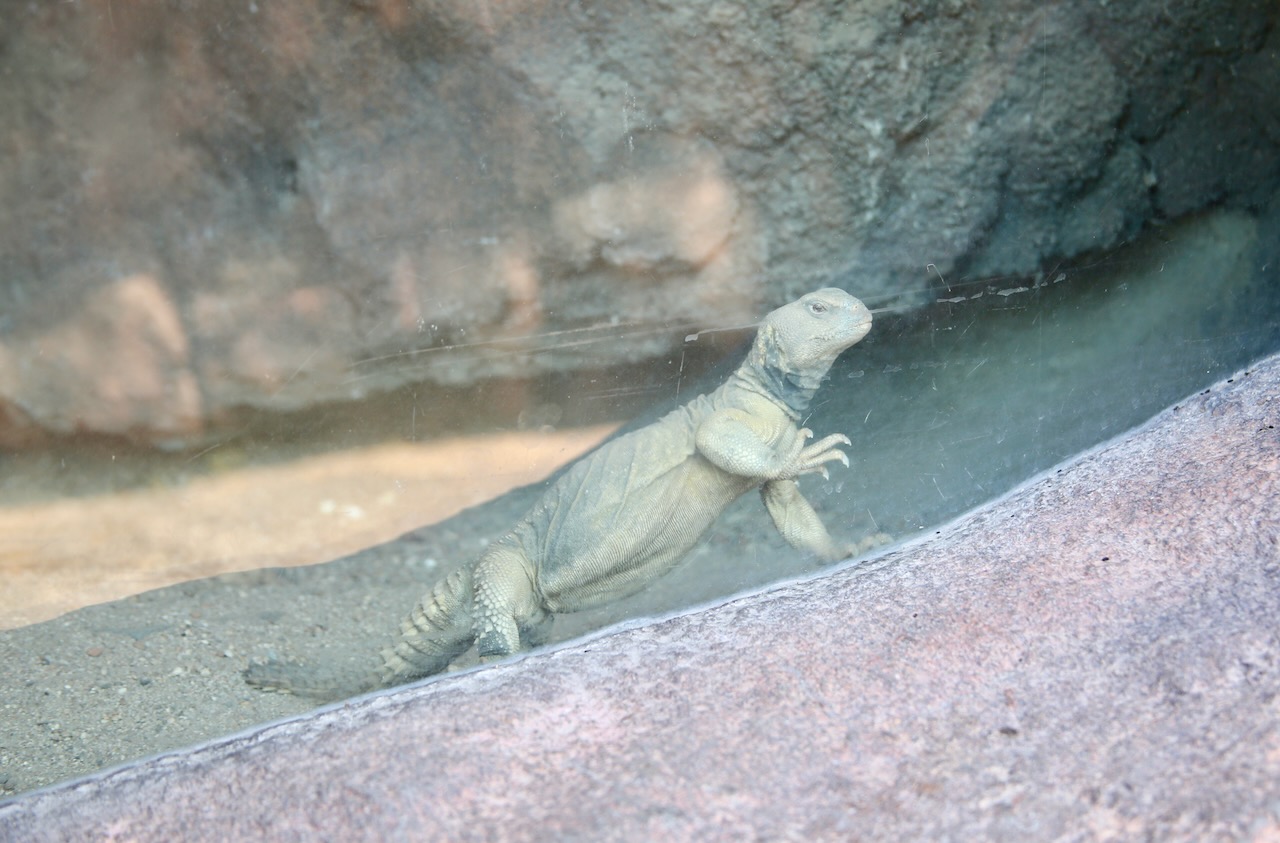
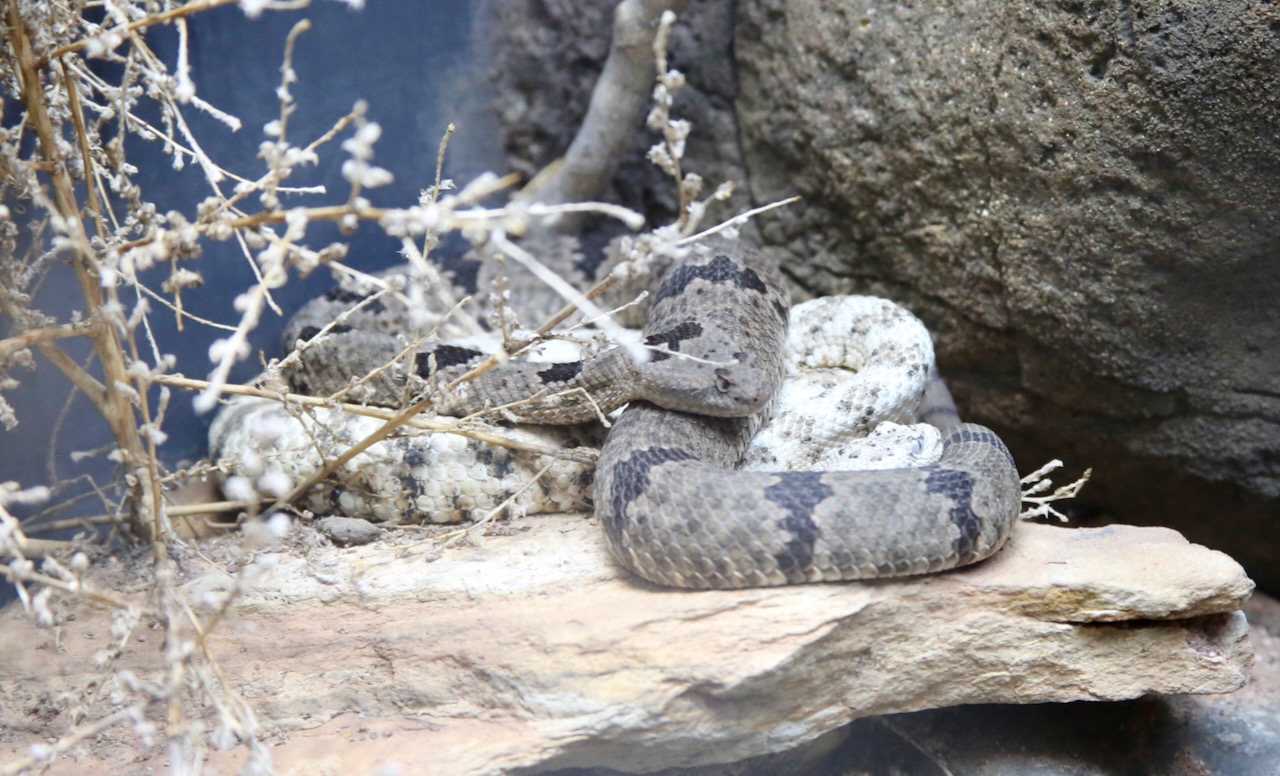
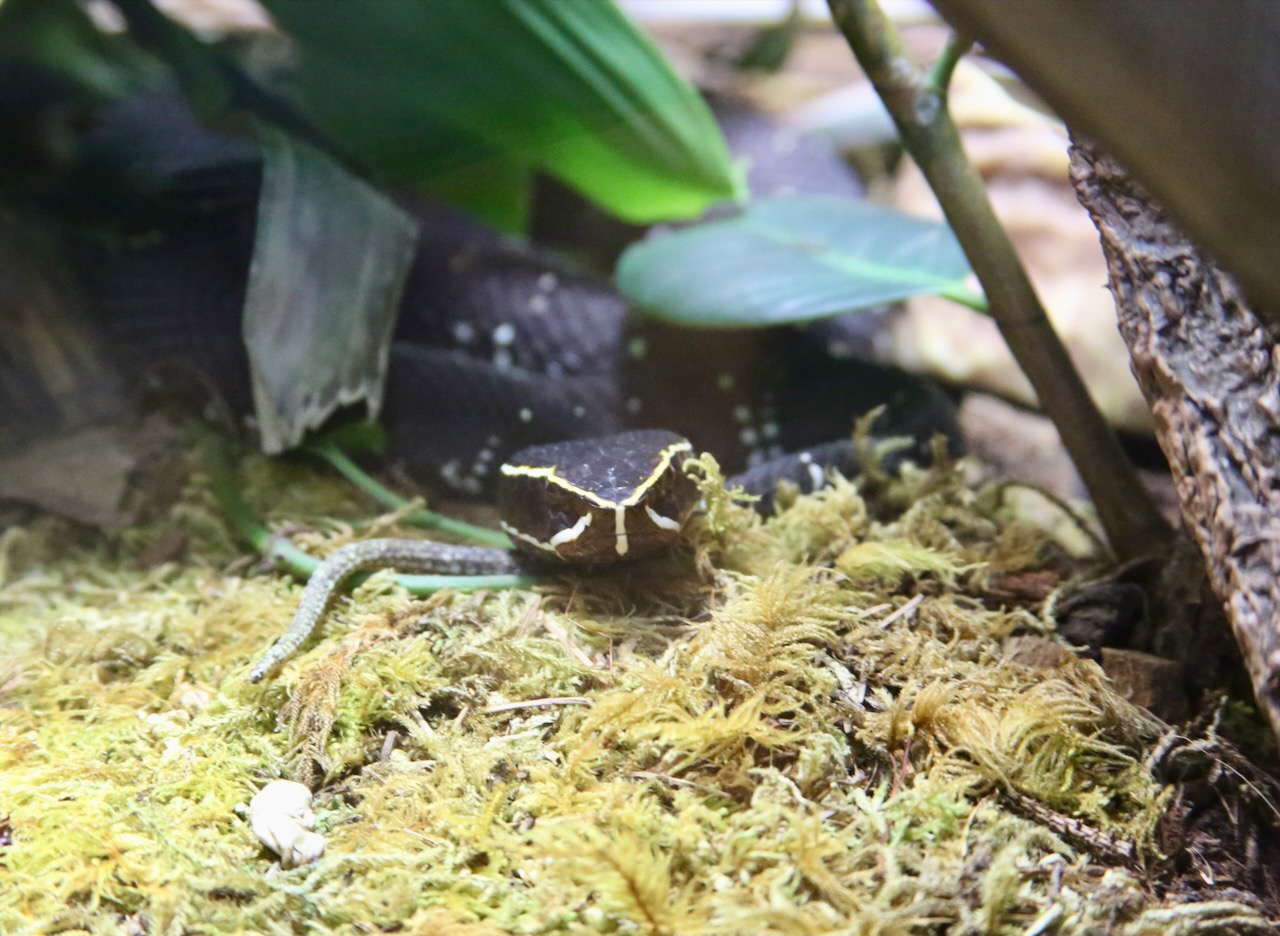
The small meerkat, commonly known for its role in The Lion King, belongs to the mongoose family. The dark patches around their eyes act like sunglasses to reduce glare from the deserts of southern Africa. The Egyptian spiny-tailed lizard also lives in other parts of North Africa and the Middle East. They can inflate themselves for heat regulation, intimidation, and to secure themselves in tight spaces. The banded rock rattlesnake inhabits the rocky terrain of the southwestern US and Mexico. They are highly venomous, but focus their aggression on lizards, mice, and frogs. The Mexican cantil is another pit viper (snake with heat-sensing face parts) this one found in tropical forests and dry shrublands throughout Central America.
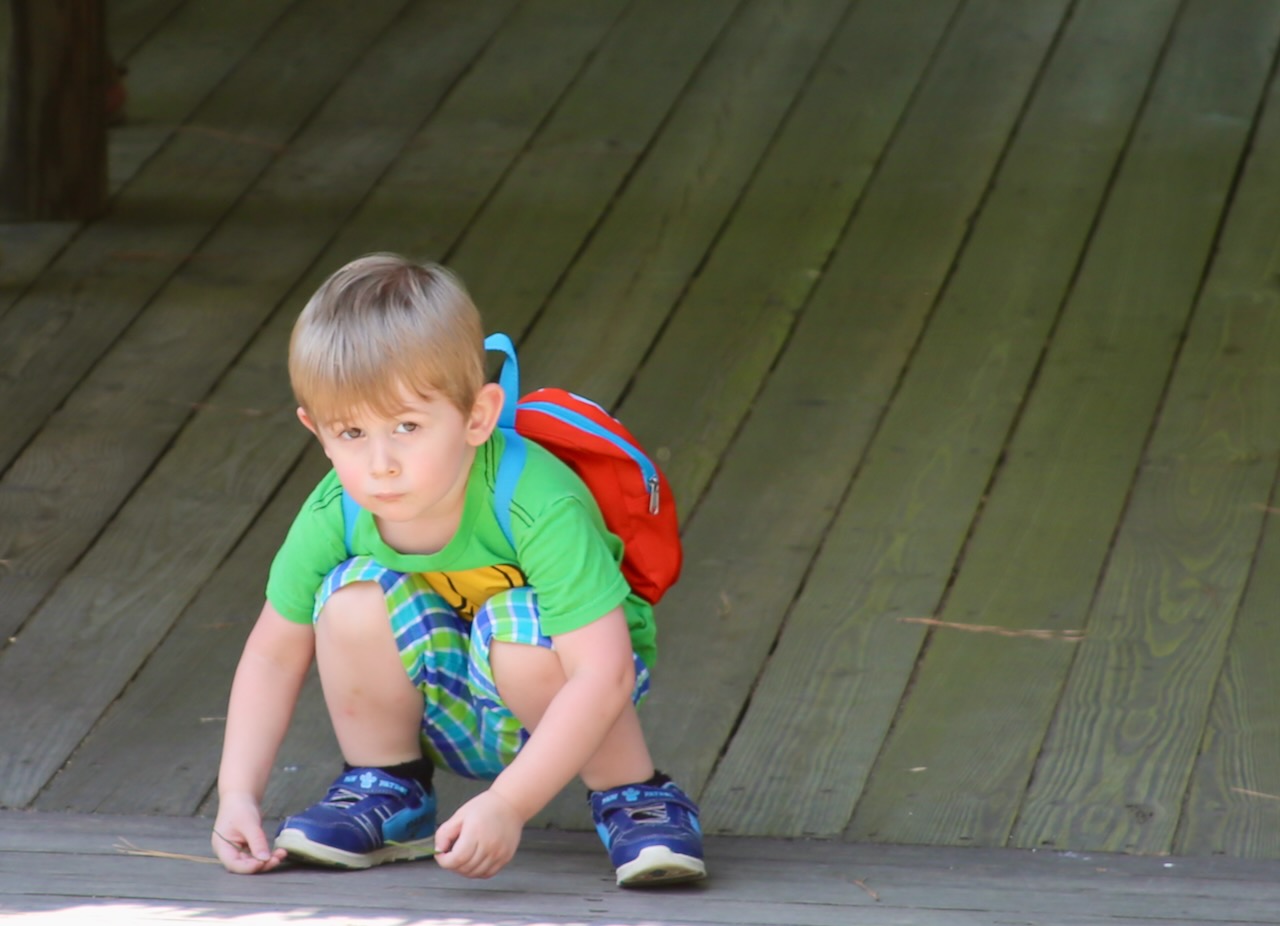
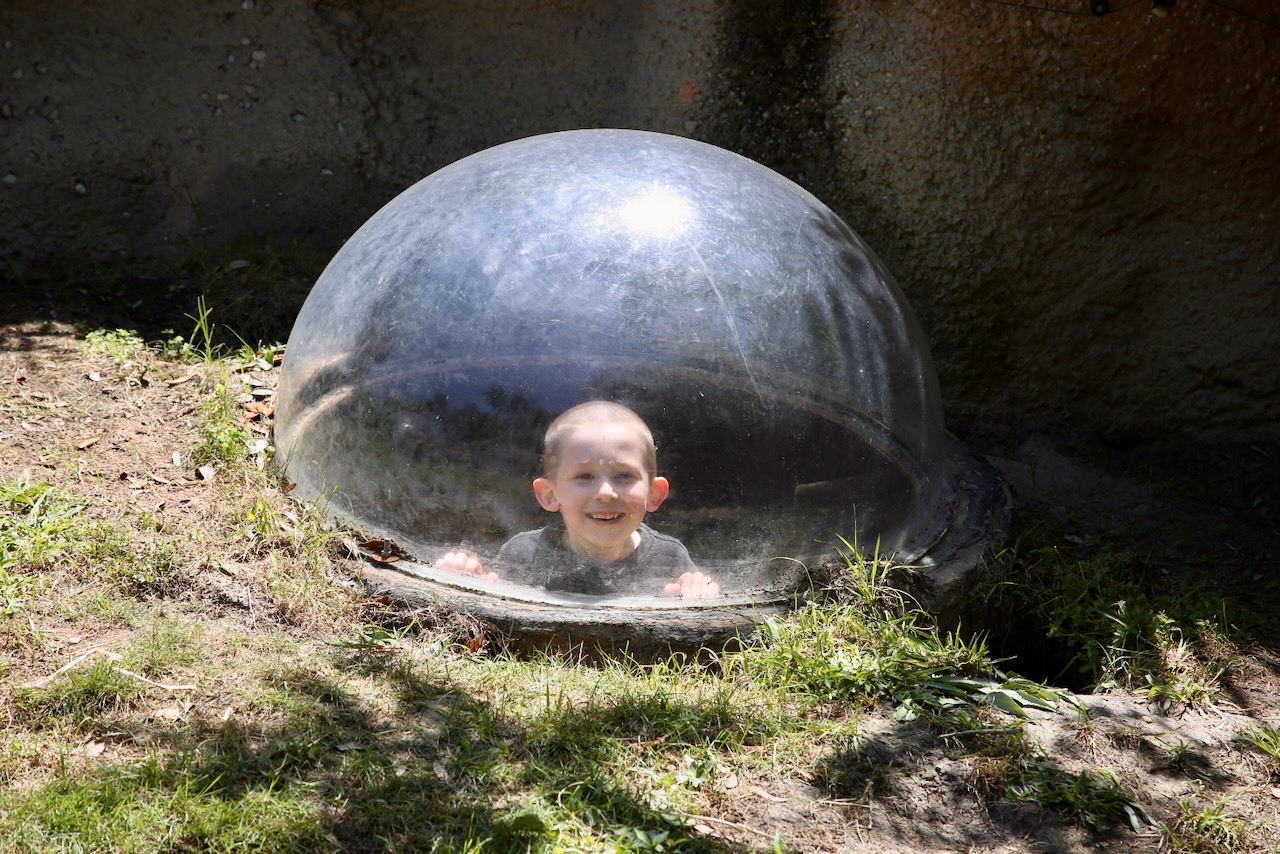
Jordan and Tristan
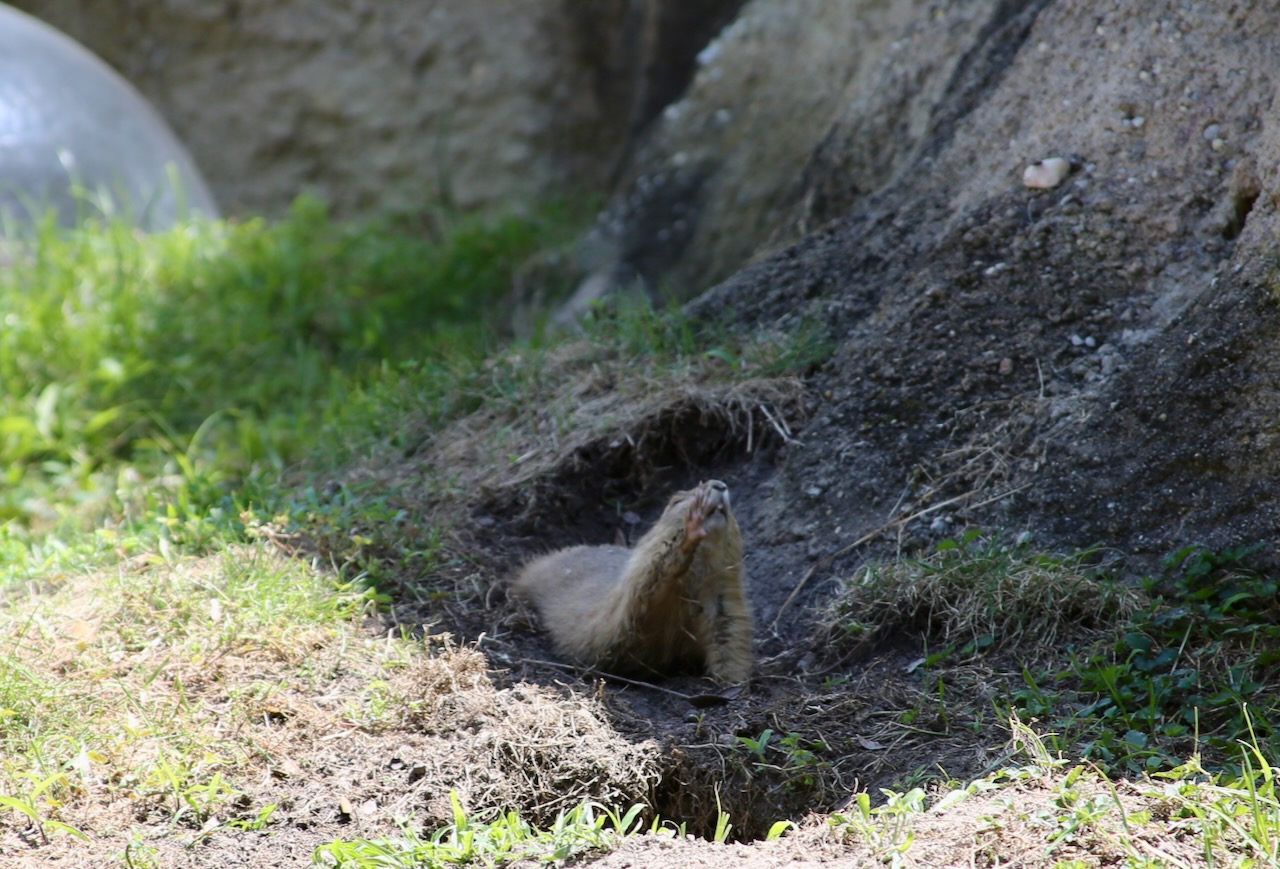
This prairie dog is known for its barks and chirps to communicate with other townmates feeling brave enough to be out of the complex underground tunnel home, which also provides a safe space for burrowing owls, snakes, and ferrets. These tunnels aerate the soil which is vital to their prairie ecosystem but destructive to man’s garden, so they die of poisoning after suffering habitat loss.
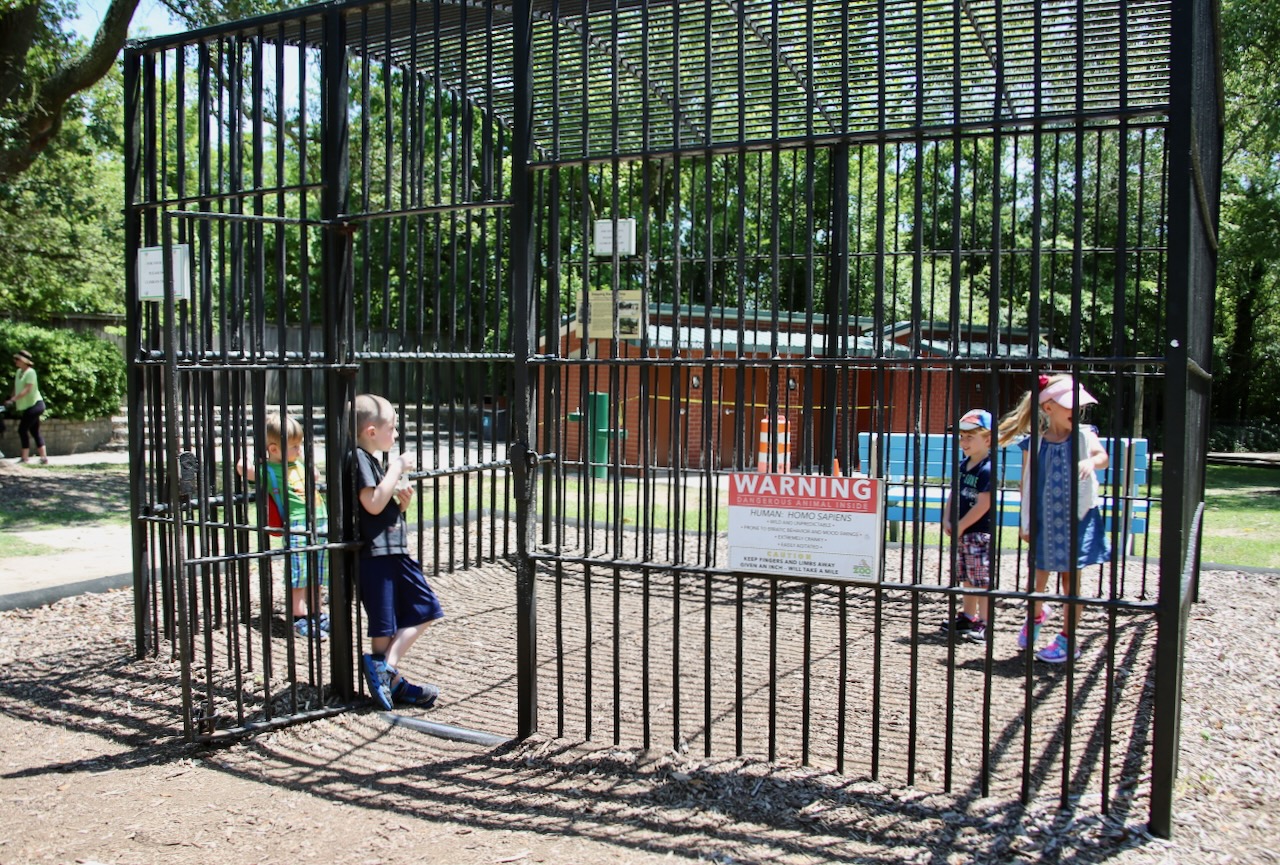
Warning: Dangerous animal inside. Human: Homo sapiens. They are wild and unpredictable, prone to erratic behavior and mood swings, extremely cranky, and easily agitated. Caution: Keep fingers and limbs away. Given an inch — will take a mile.
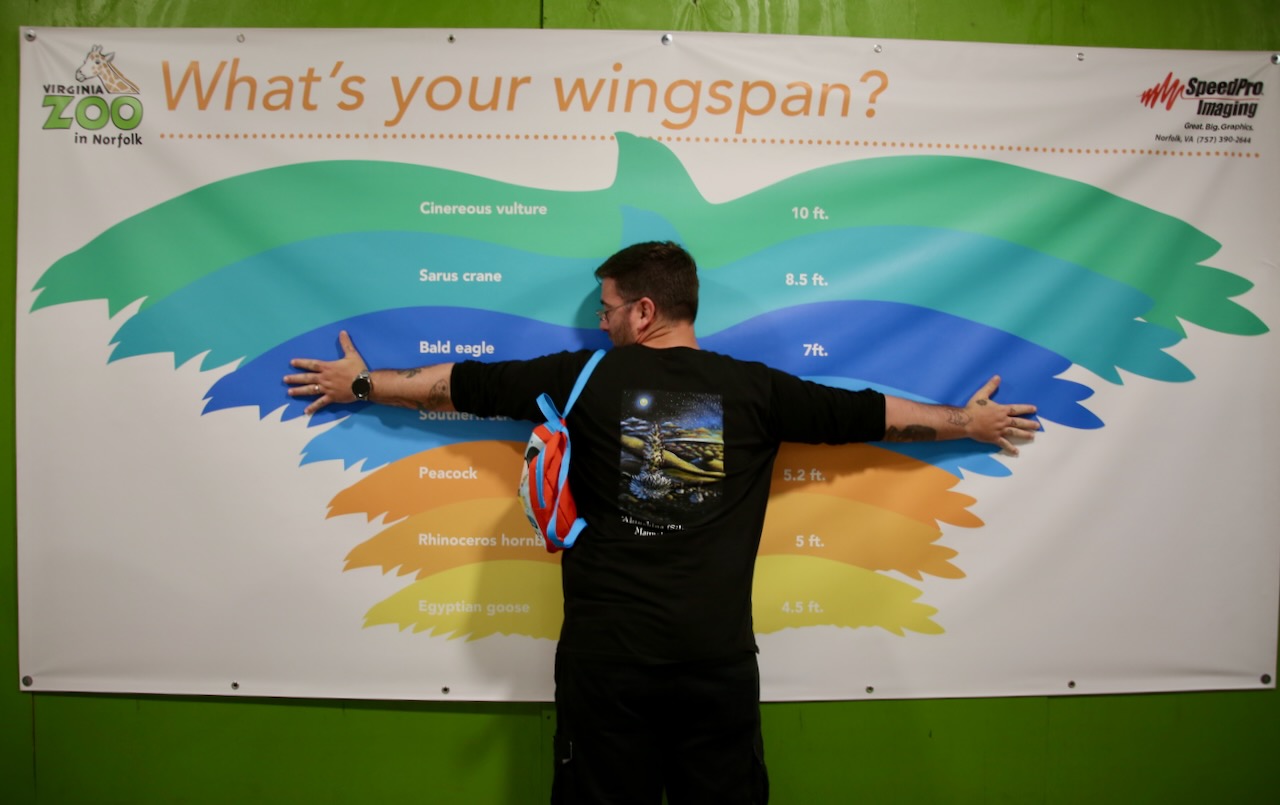

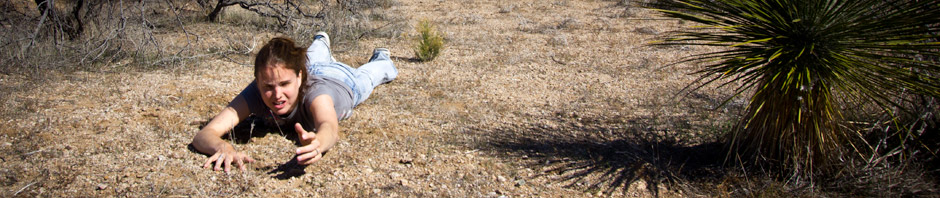
Caleb has the wingspan of a southern screamer, a large, gray marsh bird found mostly in the southern countries of South America (Peru, Brazil, Bolivia, Paraguay, Argentina, and Uruguay). Tristan has the reach of an Egyptian goose, another waterfowl, this one native to Africa but now established in Florida that lives in wetlands and urban parks.
Posted in Animals, Family | Tagged | Leave a comment

Capes and Escapes

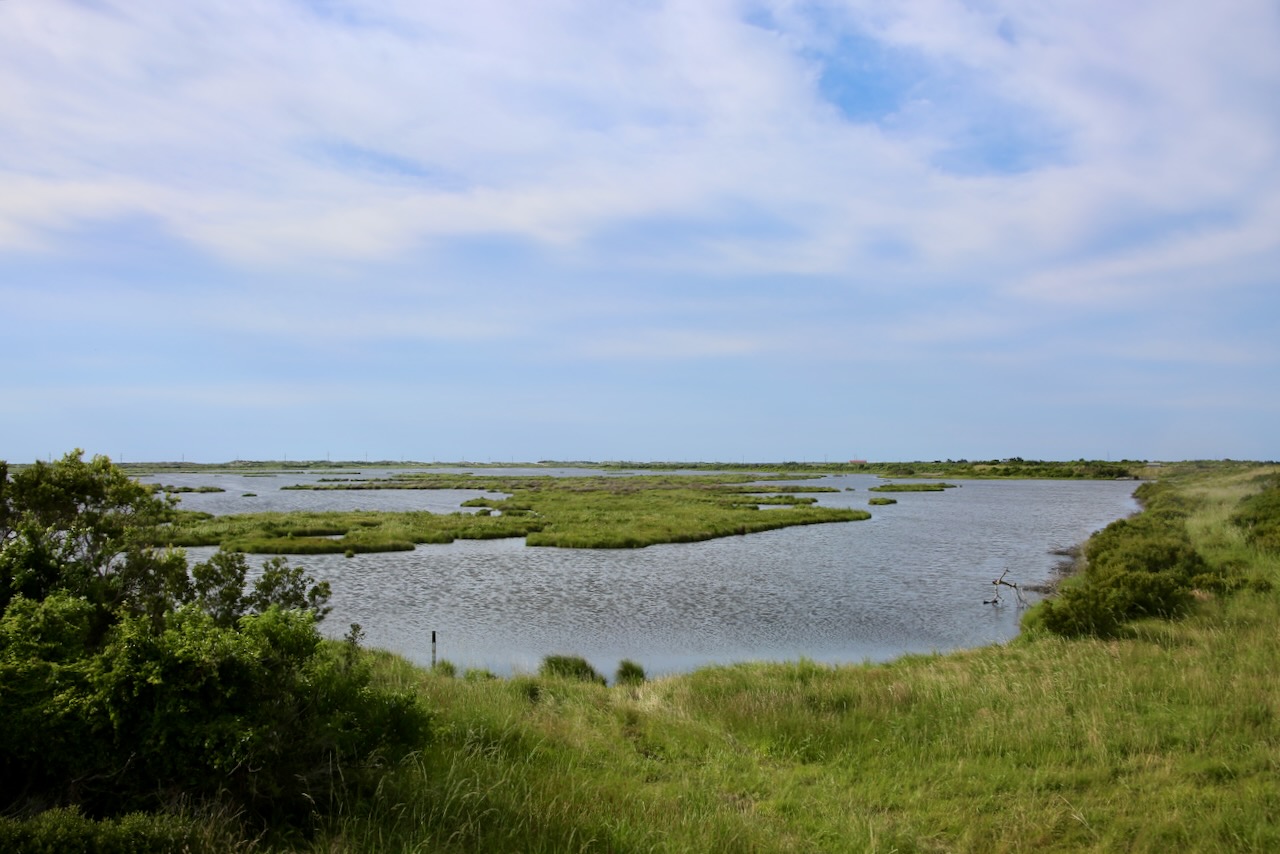
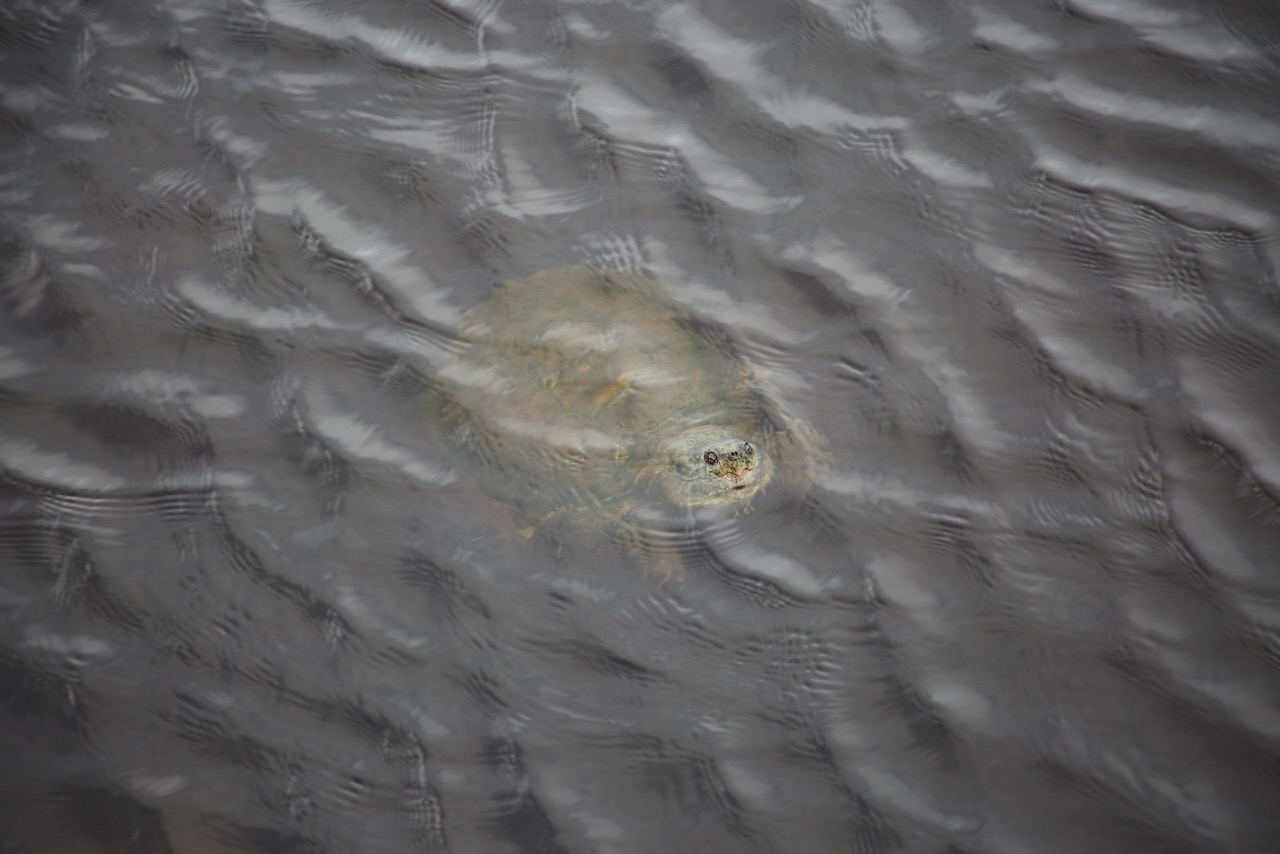
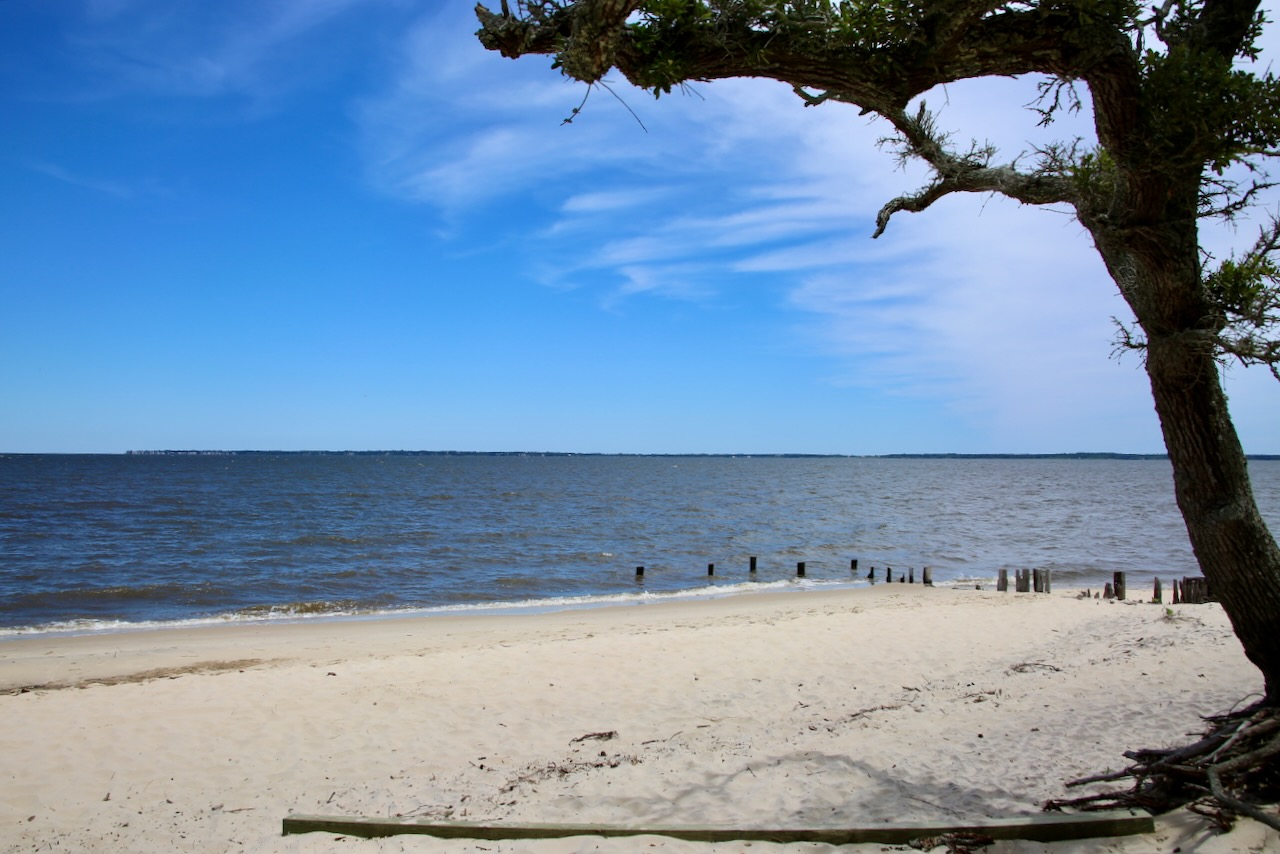
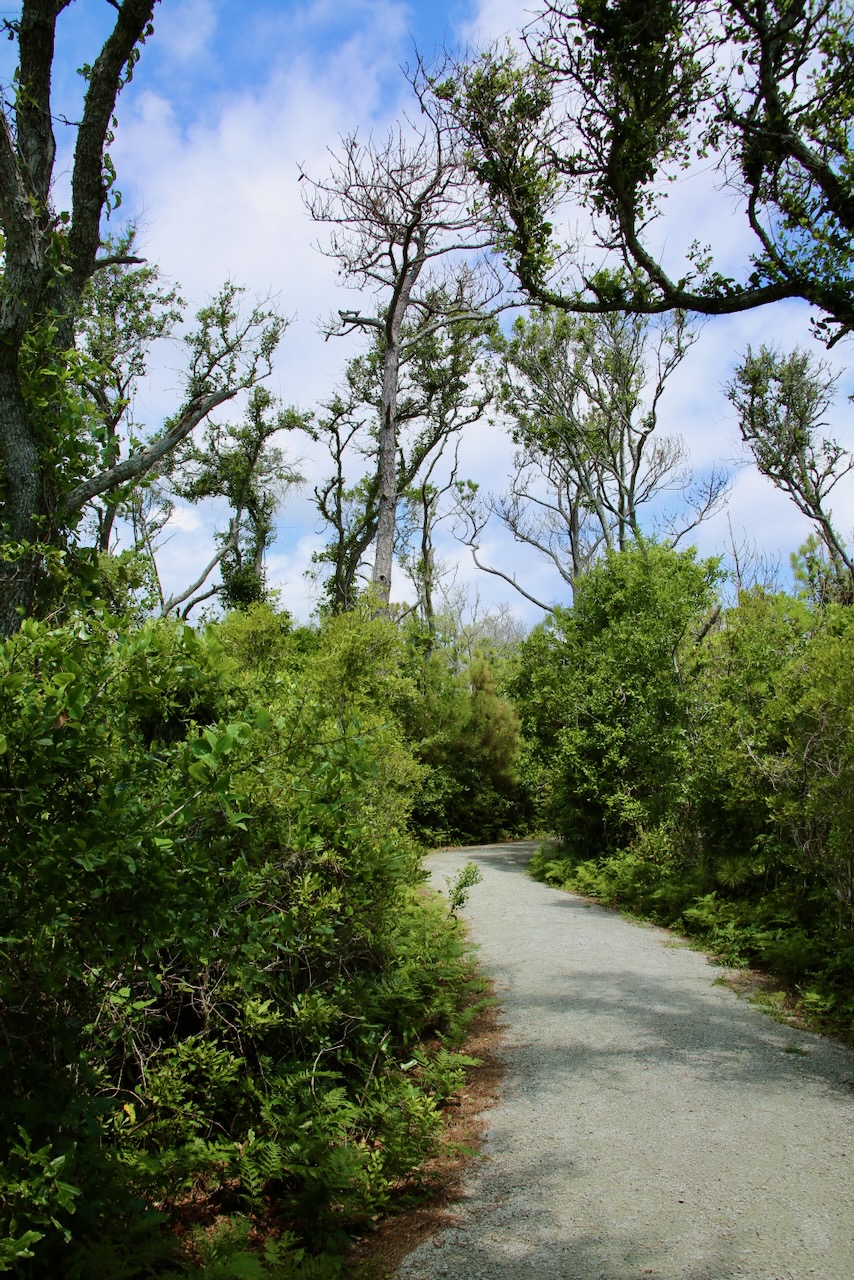
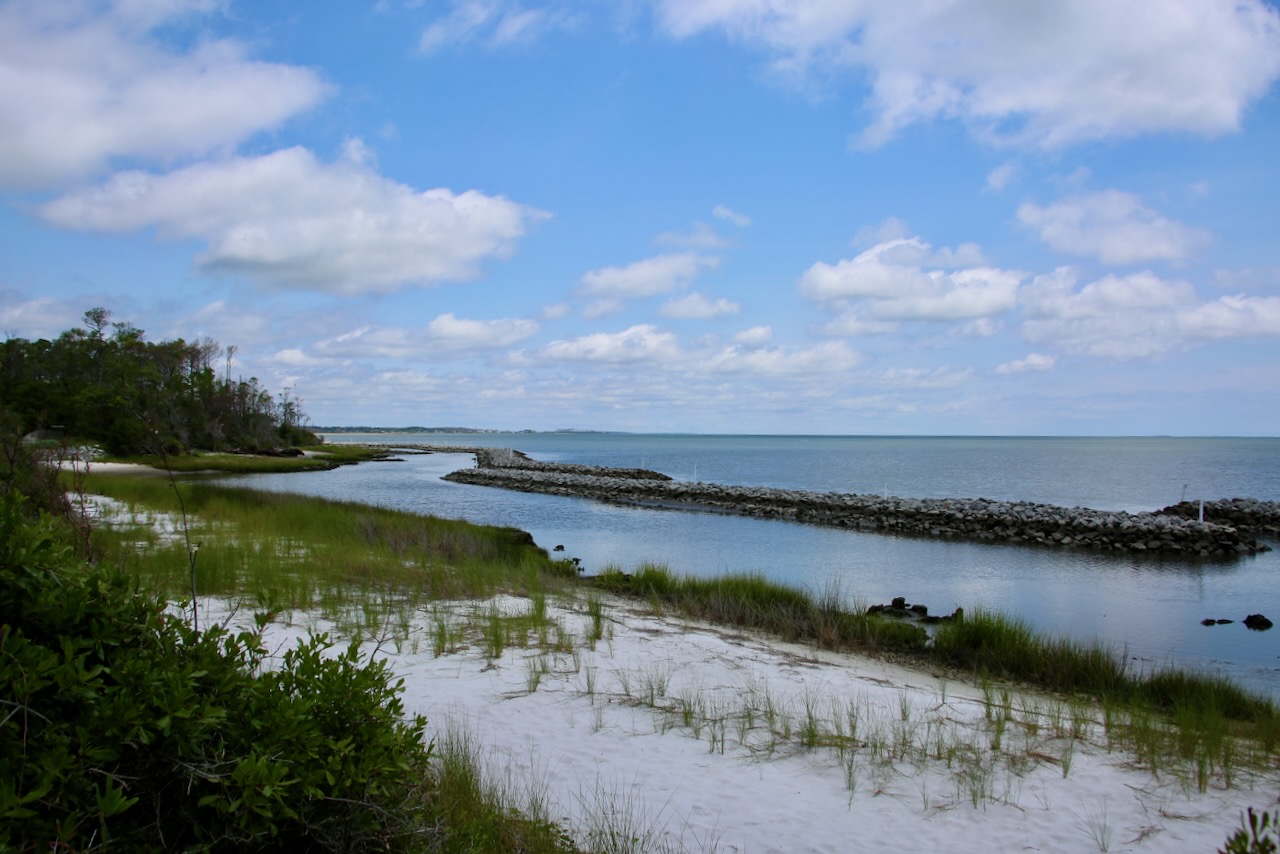
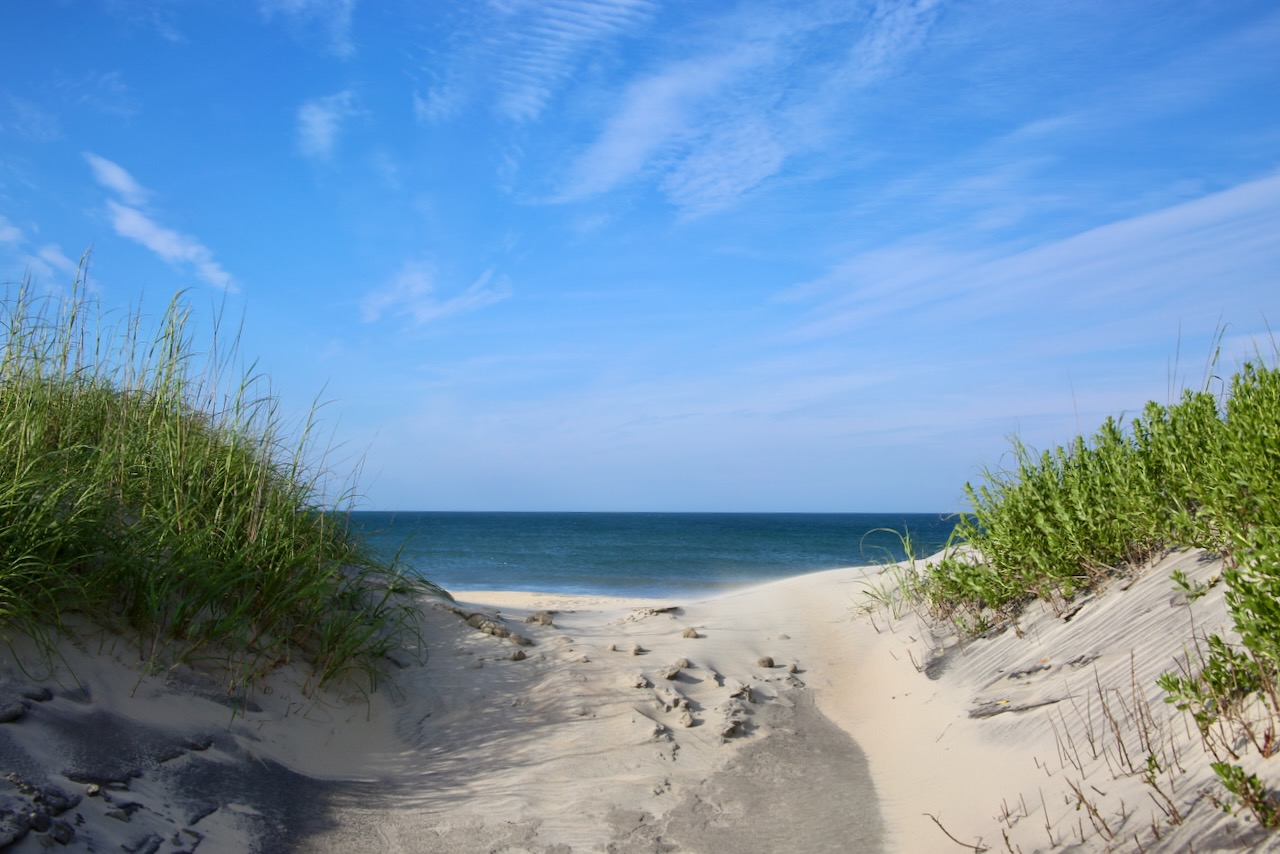
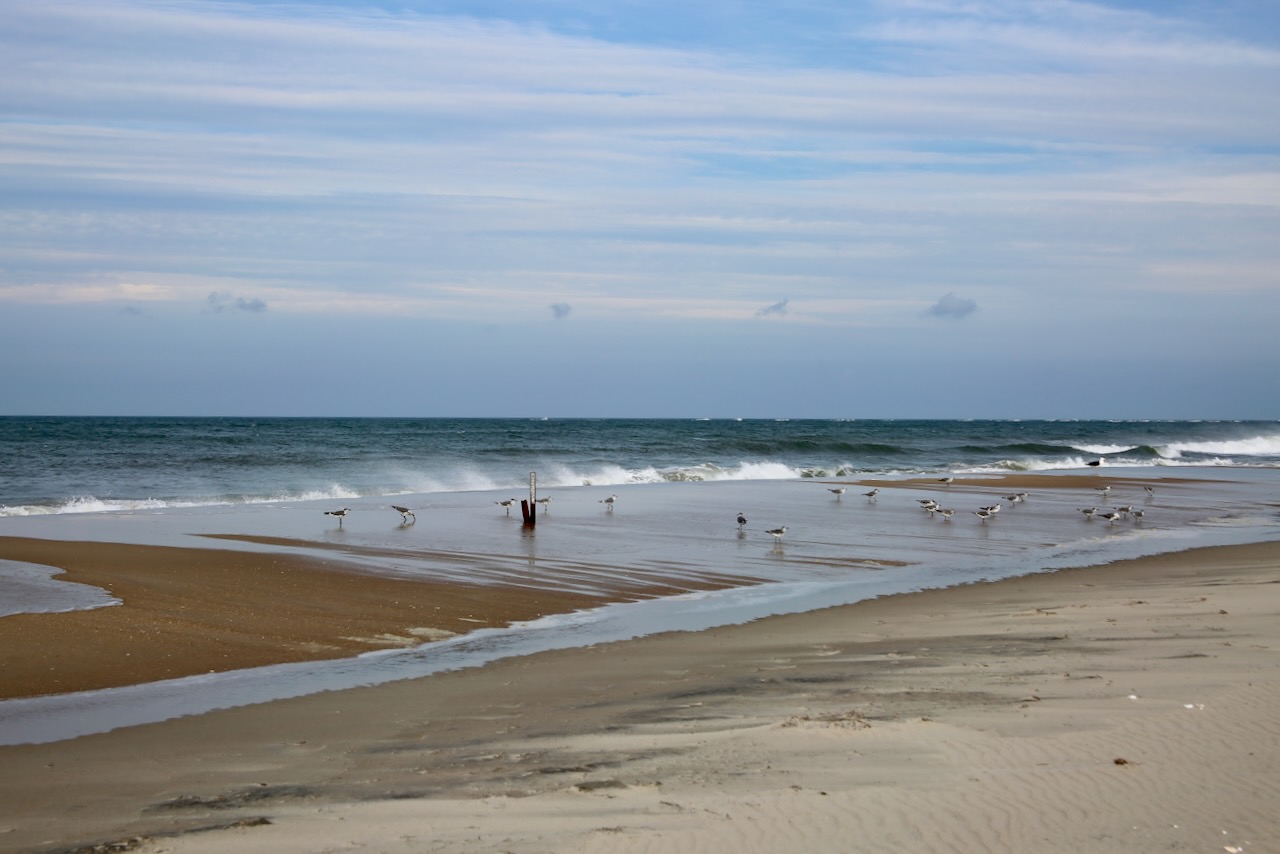
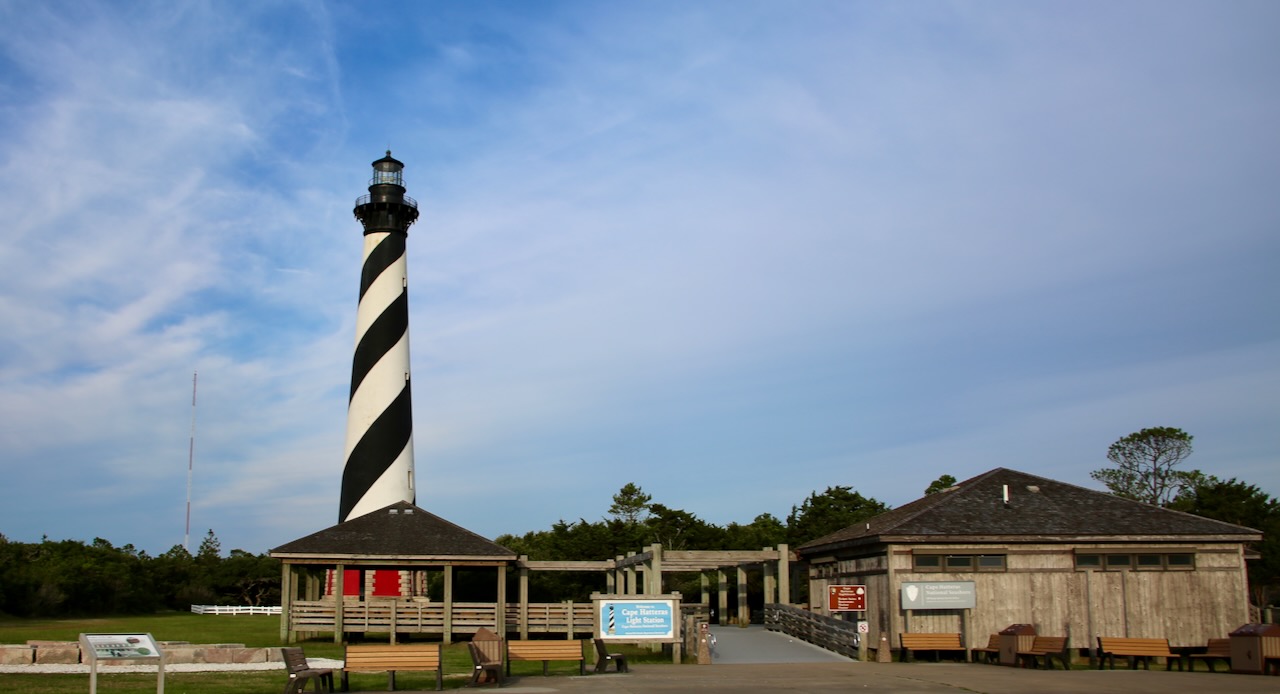
Quite a few people seemed to have the same idea as us — camp at Cape Hatteras National Seashore and pack up while the sky is shades of purple. We drive to the lighthouse and explore some of the nearby trails, where we encounter a male red-winged blackbird, a young white-tailed buck, a stinkpot turtle (known for their musky defense), and a couple of common snapping turtles. There’s a plaque near the beach for the Pea Island Lifesavers, an all-Black crew led by the first Black commanding officer in the service.

Keeper Richard Etheridge was appointed in 1880 after an all-white crew was dismissed for negligence. Their most famous rescue was in 1896 after a hurricane caused the schooner E.S. Newman to run aground. The surfmen spent hours through violent surf saving everyone aboard. This crew maintained their single staff color until 1947, when the stations closed, after establishing a new standard of discipline for lifesaving operations. The Coast Guard commissioned the USCGC Richard Etheridge in 2012, in his honor.

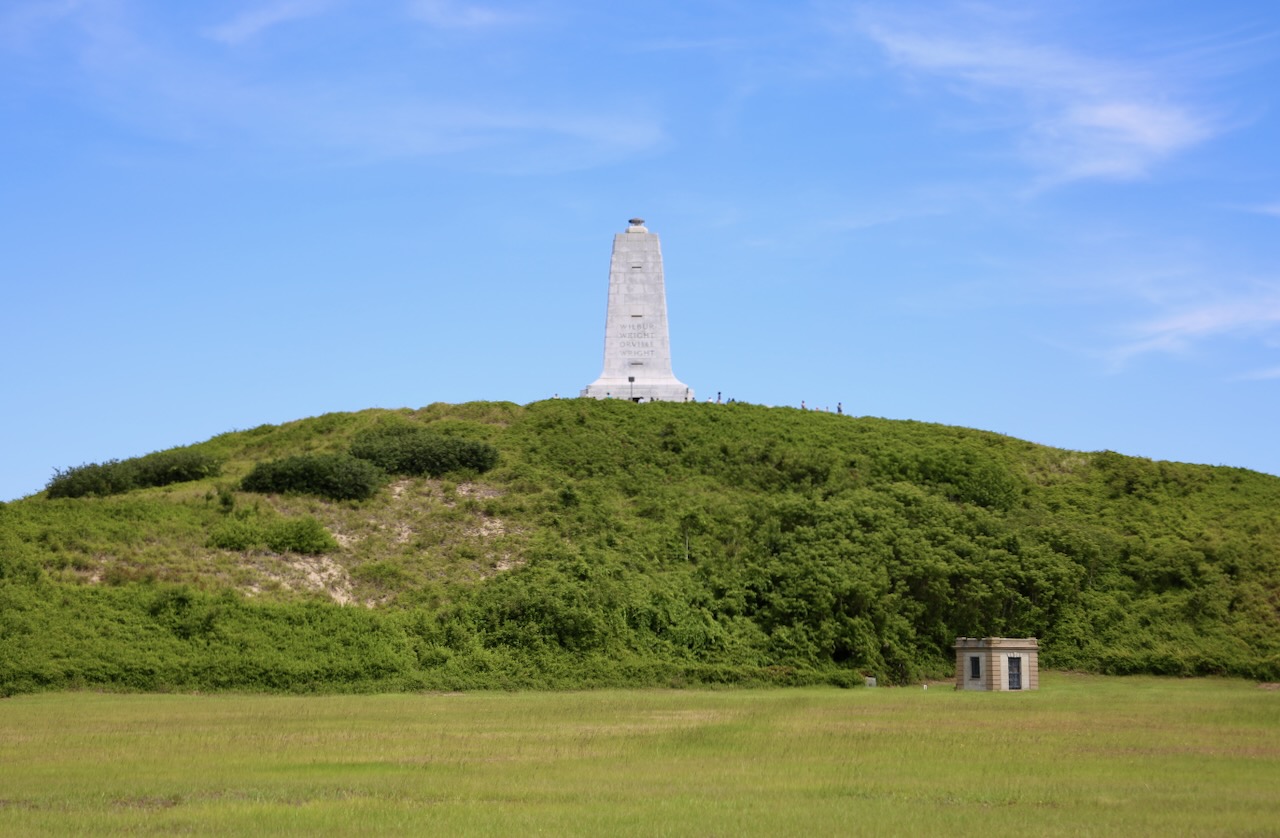
About nine miles north is the Wright Brothers National Memorial, while their museum is in Dayton, Ohio. The brothers followed a flight learning process — Da Vinci’s ornithopter, Lilienthal’s glider, and the Wrights’ box kite — so they could understand how to gain lift to support the weight of a pilot. This led to the Wright Flyer in 1903, which would take four short flights and prove that aviation was more than fantasy. It would be another six years before Louis flew the Blériot XI over the English Channel, completing the first heavier-than-air crossing.

These two self-taught mechanics showed future engineers and garage tinkerers that progress comes from iteration, not formal schooling or born-with genius. Their progress also inspired designers, pilots, explorers, scientists, autodidacts, sci-fi writers, artists, and children. There are markers for the first four flights, the first just 12 seconds long, and a taller monument as a testament to the brothers’ help in making the dream of flying a reality. Just as I’m wondering out loud how awesome it would be sit or fly in the original plane, we see some six-seater planes and a helicopter for flight options in modern aircraft.

The rates were between $200 and $400 per person for a 30-minute tour of the Outer Banks to a four-hour glider replica experience. This would be more authentic and strenuous if the passenger had the option to drag the 117-pound plane up the dune, as the brothers had done for each flight. Not yet done with the North Carolina island life, we drive to Fort Raleigh National Historic Site to learn about The Lost Colony that disappeared from such a beautiful landscape in 1587. Their possible plights have been theorized as death by Native Americans, the Spanish, a disease, a hurricane, or starvation, or they simply relocated.

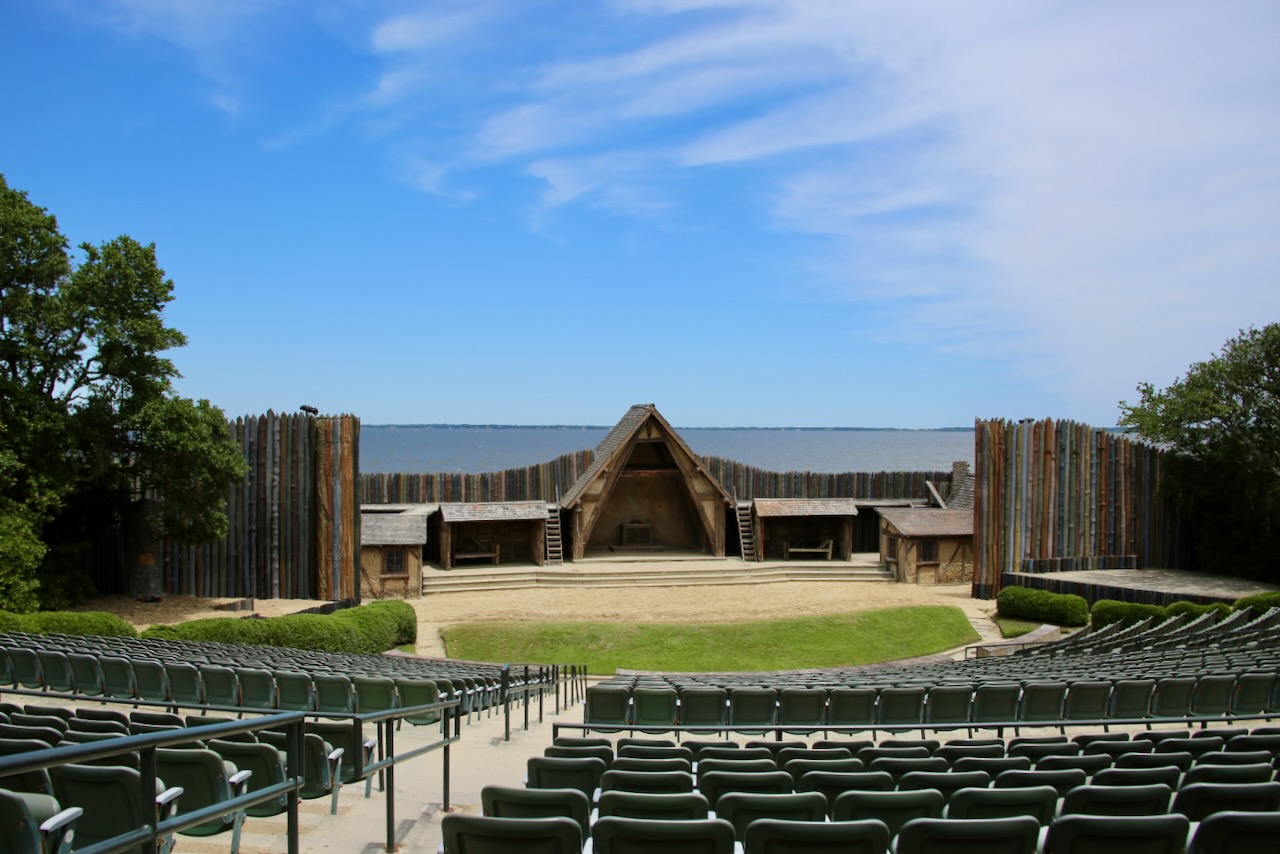
The outdoor drama, The Lost Colony, by Paul Green, opened in 1937 around the 350th anniversary of Virginia Dare’s birth (the first child of English parents born in America). In 1964, Joe Layton reimagined choreographed dances and bells, had actors and buildings aflame, and replaced the organ with a keyboard to play re-scored music. The post-Layton years, after the mid-80s, have brought microphones to the actors and singers, redesigned scenery and props, and a wardrobe upgrade after a fire destroyed the costume shop.

Between the actual colony and the drama existed another short-term haven of freedom for African Americans under the protection of the Union Army. Up to 3,500 residents called this place home, but after the end of the war, the colony was dissolved in 1867, and the land returned to its former owners. Those who stayed had been born and raised on the island, and their descendants are still here today. It is also from this location that the first wireless voice transmission was sent in 1902 by Reginald Fessenden.

We visit the theater, the beach, the cedar forest, and the Elizabethan Garden, planted in memory of the first English colony in America. We drive back through Kill Devil Hills and then for two hours into Virginia Beach, where we will spend a varying number of days with Caleb’s brother Kris and his wife Vicki, their sons Tristan, 5, and Jordan, 3, and their husky, Nicki. I will return to San Diego to finish my degree while Caleb stays here for a few months in a military school to prepare him to return to Bahrain, this time as a Senior Chief.

Posted in Animals, History, Media, Places, Plants, Travel, Water | Tagged , , , , , | Leave a comment

A Day at the Capes

It’s still raining when we reach North Carolina, but the coastline lacks the crying clouds, so we’re able to spend the day exploring two capes — places we lived close to for years while stationed in Norfolk, but somehow hadn’t found the time to visit. Cape Lookout National Seashore has locally inspired art from the surrounding schools — elementary, middle, and high school — in the visitor center. Outside, the Canadian geese are on holiday, soaking up the sun undisturbed.

There are two short trails, just over a mile combined, where we see a dozen wharf roaches (that are edible but bitter), a crab and his alien sibling (like a squash spider had sex with a miniature squid), a Common Buckeye butterfly (a symbol of good luck in many cultures), a female Eastern pondhawk dragonfly (known for their voracious hunting of mosquitoes), and a venomous red caterpillar. The Core Sound Waterfowl Museum & Heritage Center is closed for renovation.

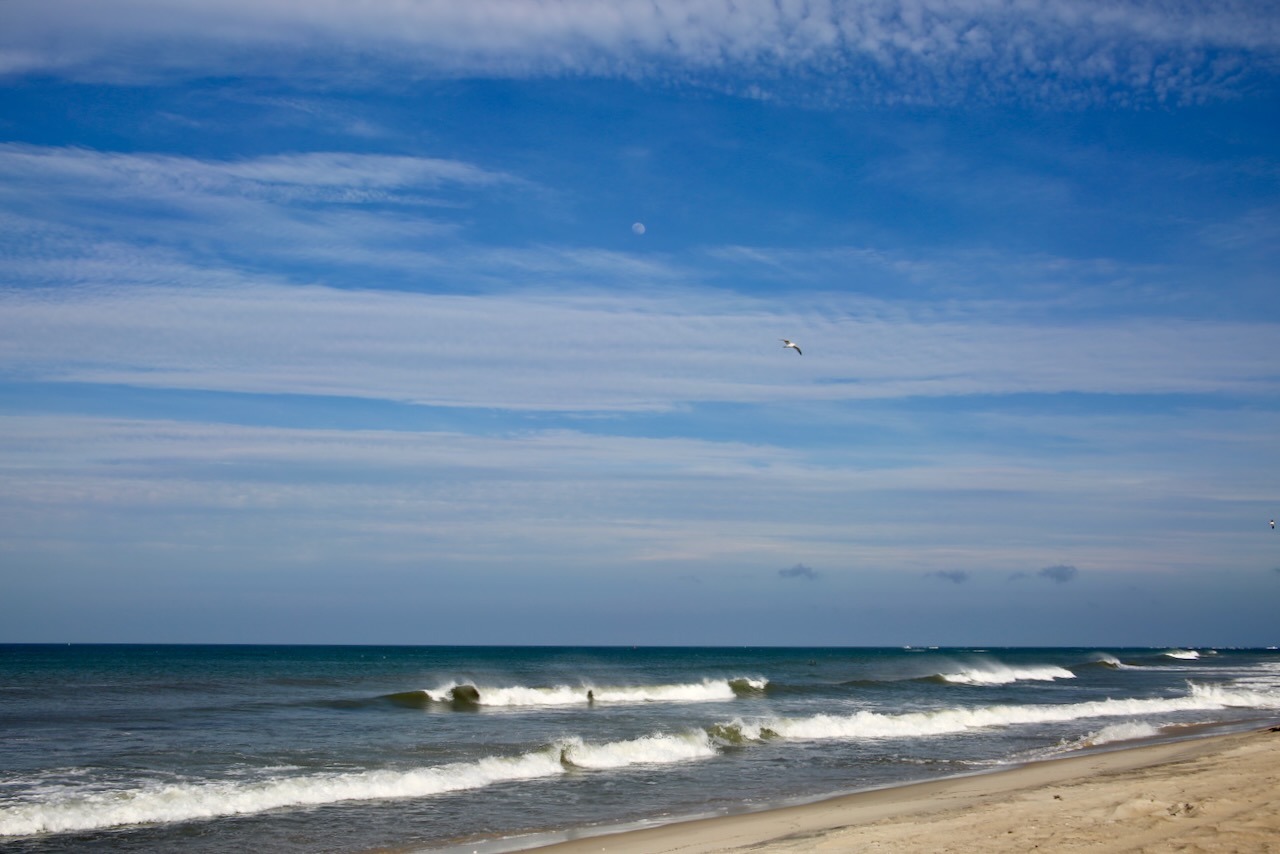
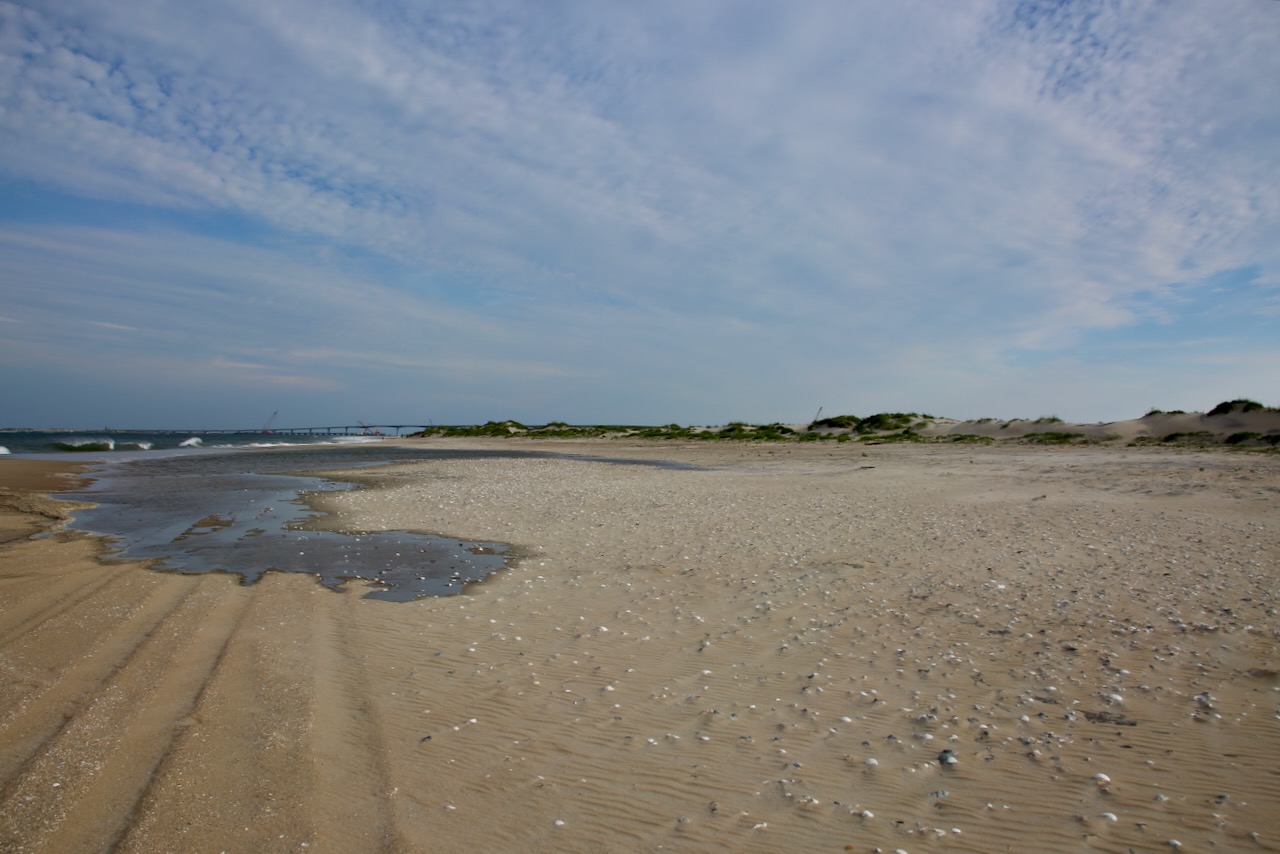
There are a series of ferries with a drive in between, on the mainland, or someone wishing to visit Cape Hatteras next can take the long drive around. We had time and didn’t have to worry about the reservations required option, so we took the drier route. The beach is beautiful and totally worth a visit, but I would suggest the state stop letting people drive onto the beach, as it deters more wildlife from living there. We stay until dark, and then set up camp.

Posted in Animals, Art, Hiking, Travel, Water | Tagged , , , , , | Leave a comment

East Coast of Florida

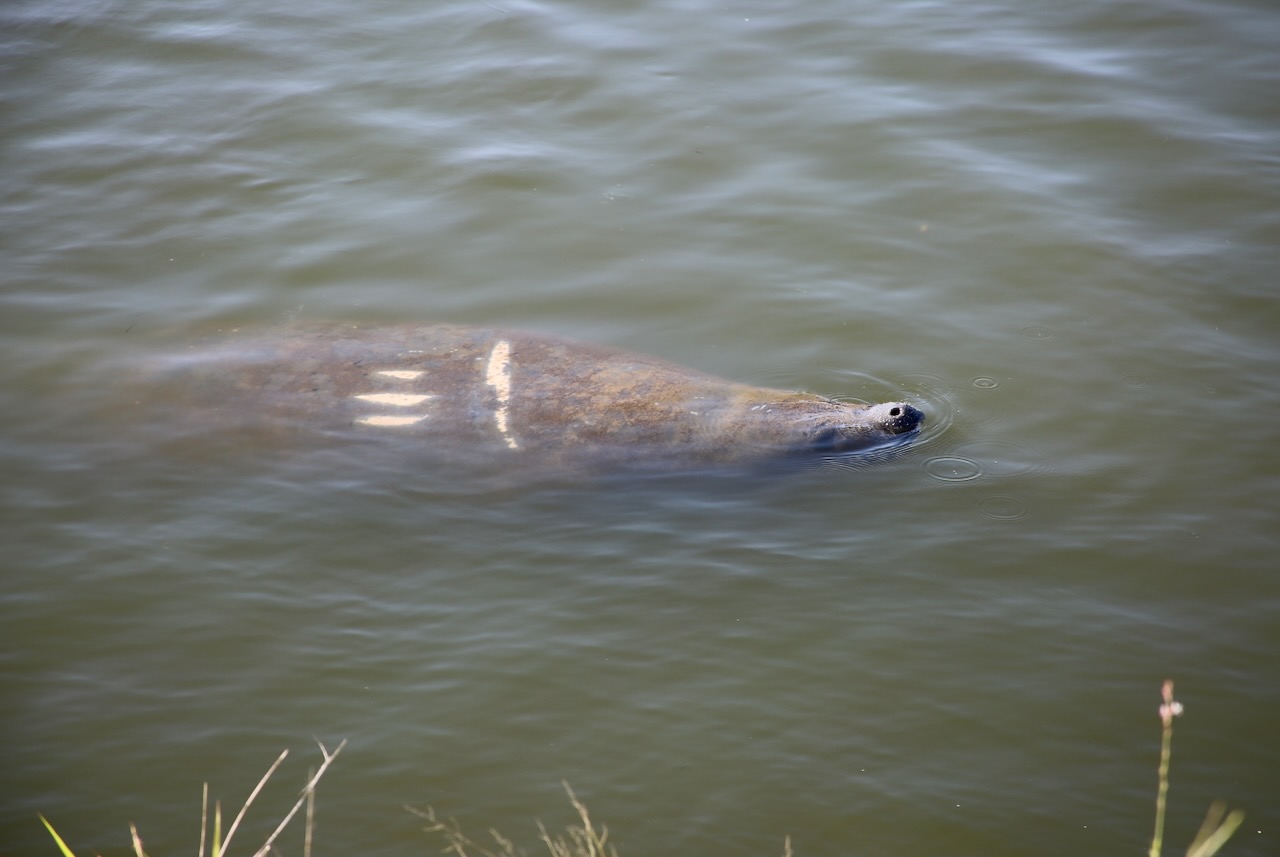
We awake near Lake Okeechobee and drive to Haulover Canal to gaze at the manatees and dream of one day getting the chance to dive with them and linger until someone else shows up and breaks the silence. The canal got its name from Native Americans, explorers, and settlers who hauled their small boats and canoes over the narrow strip of land between Mosquito Lagoon and Indian River. The first canal was dug in 1852 for steamboats and cargo ships until the railroad arrived in 1885.

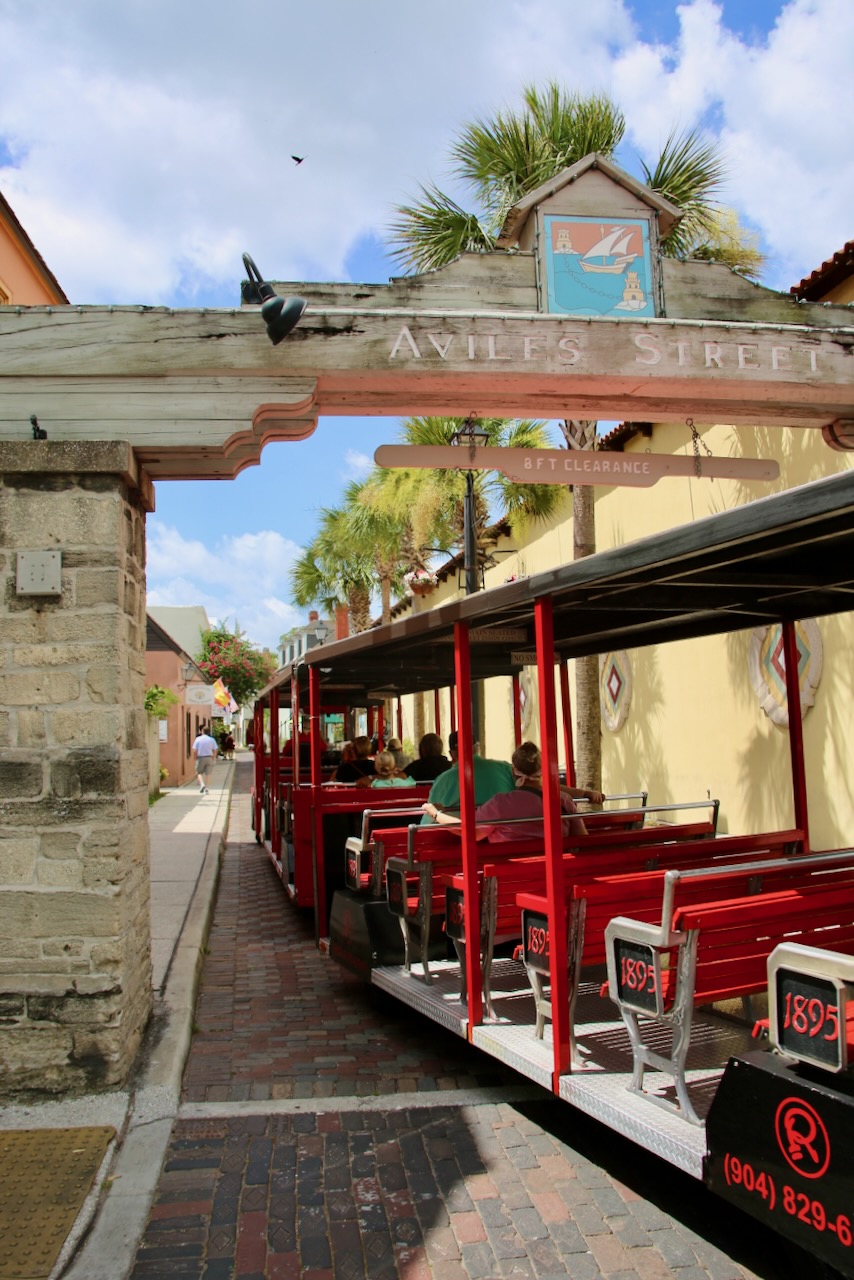
A new and deeper canal was dug and has been maintained by the Army Corps of Engineers since 1927, who added to the dimensions and included a basin for launching boats. We stop in St. Augustine for lunch, and would have done some shopping had it not been for the rain; not the typical three-minute afternoon delight, but a downpour that would follow us north through Georgia and part of South Carolina.

Posted in Animals, Art, History, Travel, Water | Tagged , , | Leave a comment

Da Keys

We planned this detour of our route from San Diego to Norfolk to get in some diving with our new gear. We took Nitrox tanks out with Lost Reef Adventures to the Cayman Salvage Master and Joe’s Tug, where we saw a shark. Having reached depths of 91 and 66 feet, we weren’t under the water more than 38 minutes on the second morning dive (which is why I want to be on a liveaboard and spend the majority of my time diving, snorkeling, and eating).

We return to the dock to pick up the afternoon divers and visit Sand Key and Western Dry Rocks with our dive buddy, Sarah, because no one should dive alone. We got to spend plenty of time on the bottom and also saw a shark, but not before I started to panic. I was having trouble equalizing the pressure in my ear on our descent, and I’m usually the slow one, but it was starting to hurt. I felt so bad for holding up Sarah, as Caleb already knows what he’s gotten himself into.

One of the staff told me it was ok and I could use the anchor line to go down hand-over-hand, which is exactly what I did, fighting the pressure until about fifteen feet when my ear finally relaxed. This might have been a sinus issue, but I had no other problems, or I would have had to forfeit my dive. The next day, we’re back at it and visit Haystacks and Cannonball Cut. Caleb’s regulator o-ring breaks before the first dive, and he has to use company gear. I’d rather use someone else’s mouthpiece than have trouble equalizing. Caleb took this as a sign to be more prepared next time, which is always good advice.

Posted in Animals, Camping, People, Travel, Water | Tagged , , , , | Leave a comment