Crustaceans, Carabaos, Churches

Ga’an Point

Up at dawn and sit on the balcony, watching the sunrise as people get in the water and enjoy the rest of the park. On our way to breakfast, I notice the $5.14 per gallon sign, but even more eye-catching is what’s written below: Losers sulk; posers talk; winners walk – choose wisely. We chose the Rancho combo from Linda’s Diner so that I could have more than not-so-good boxed pineapple shortbread. The French toast and coffee fill me up.
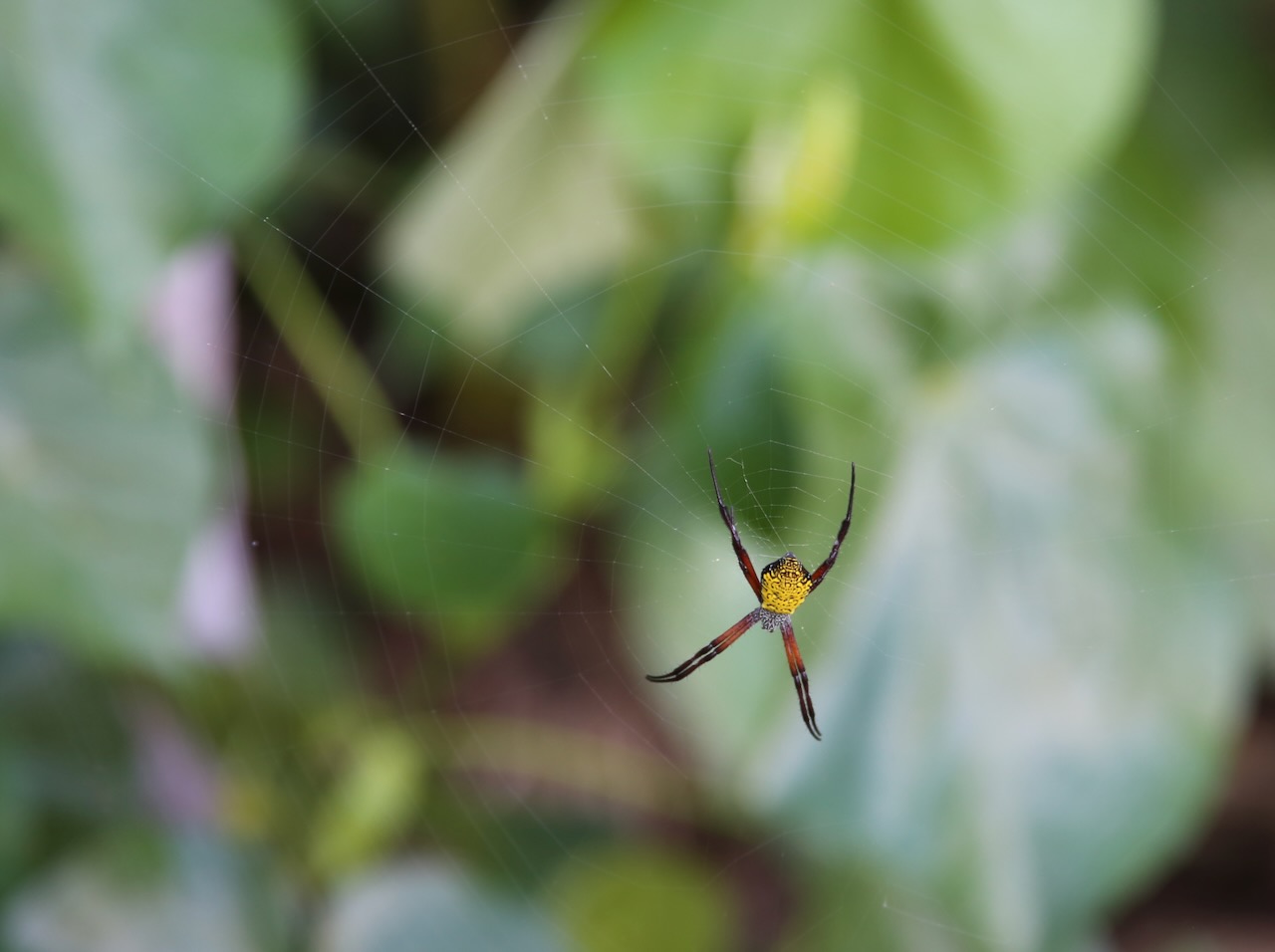
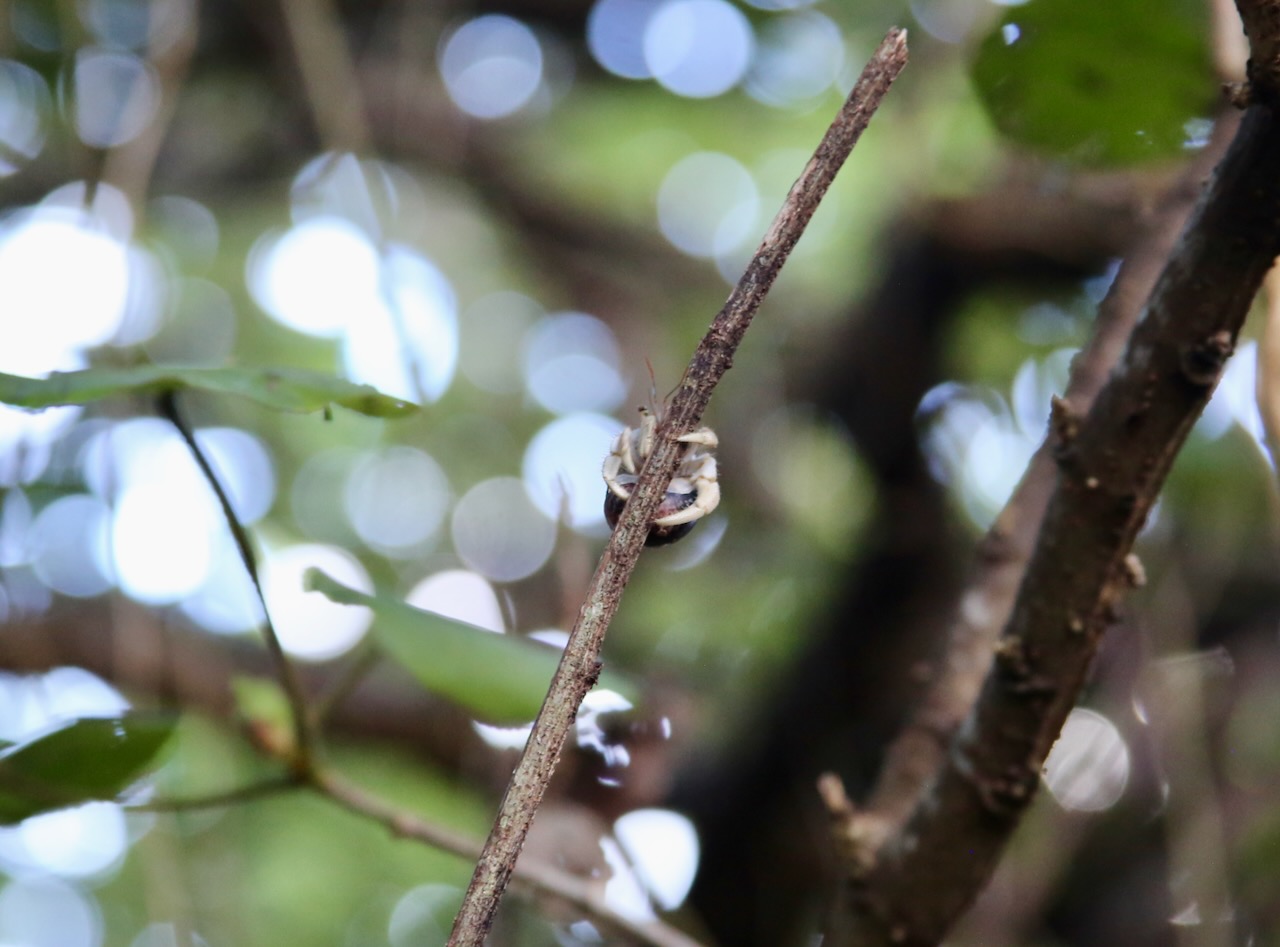
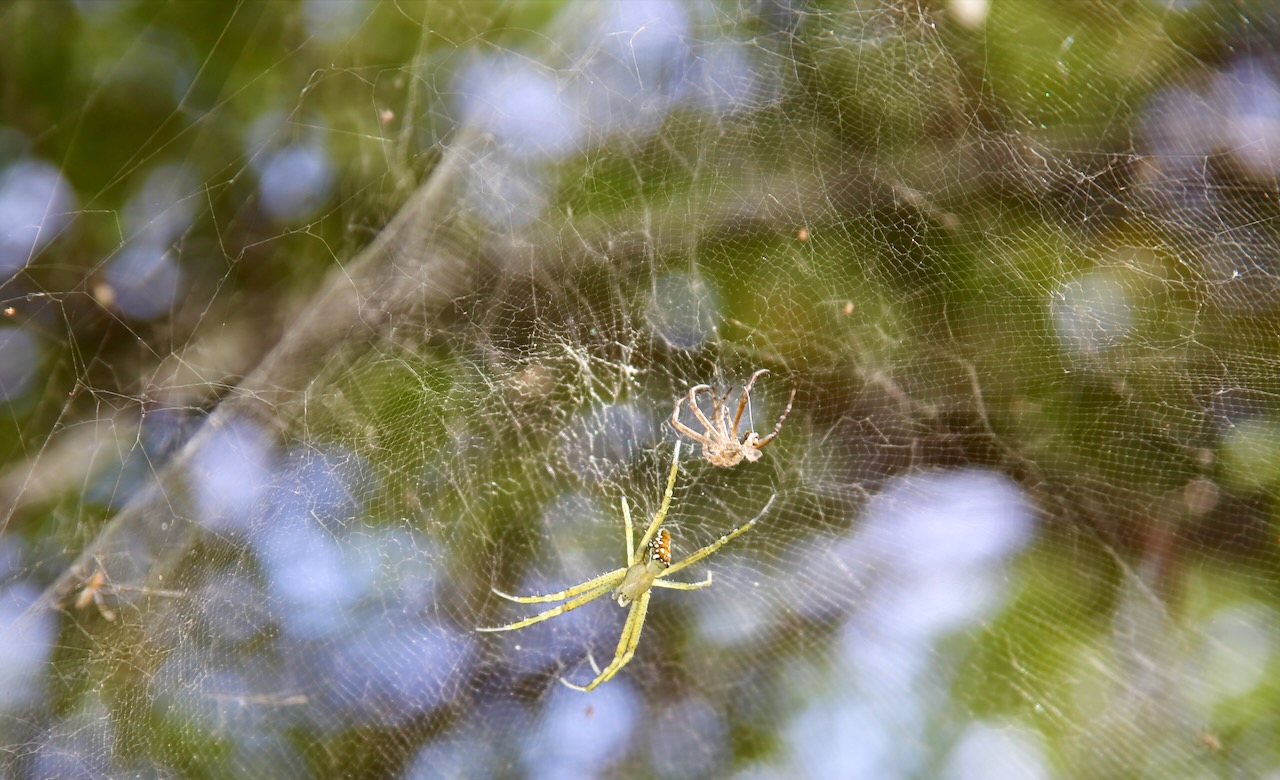
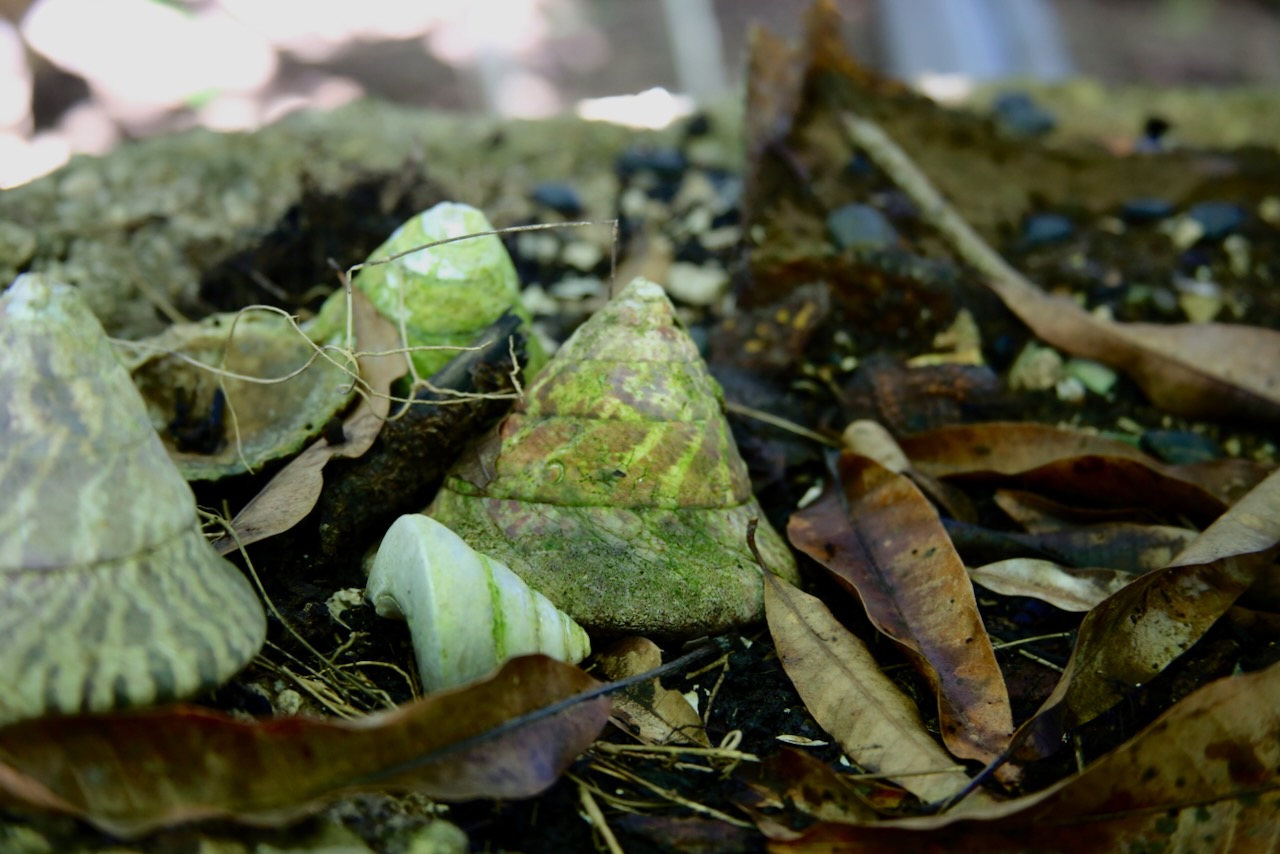
Hawaiian garden spider, duk duk (hermit crab), yellow garden spider

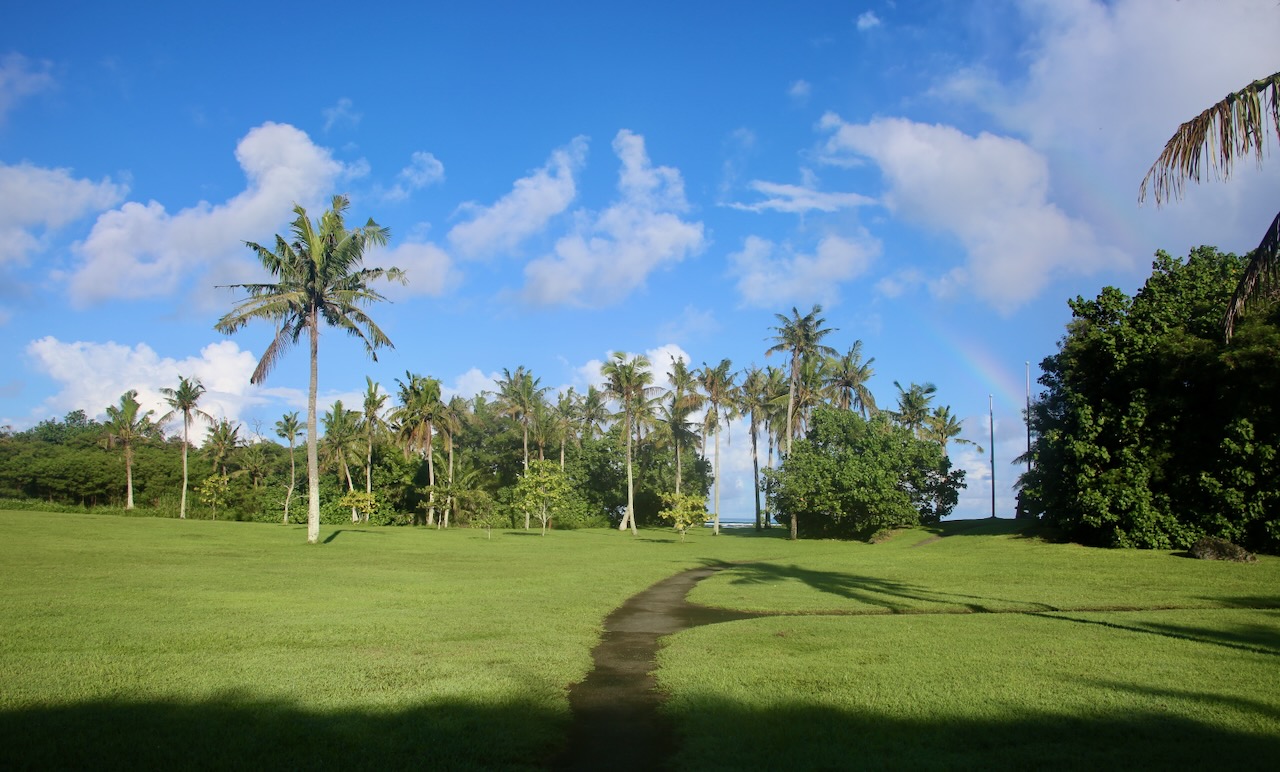
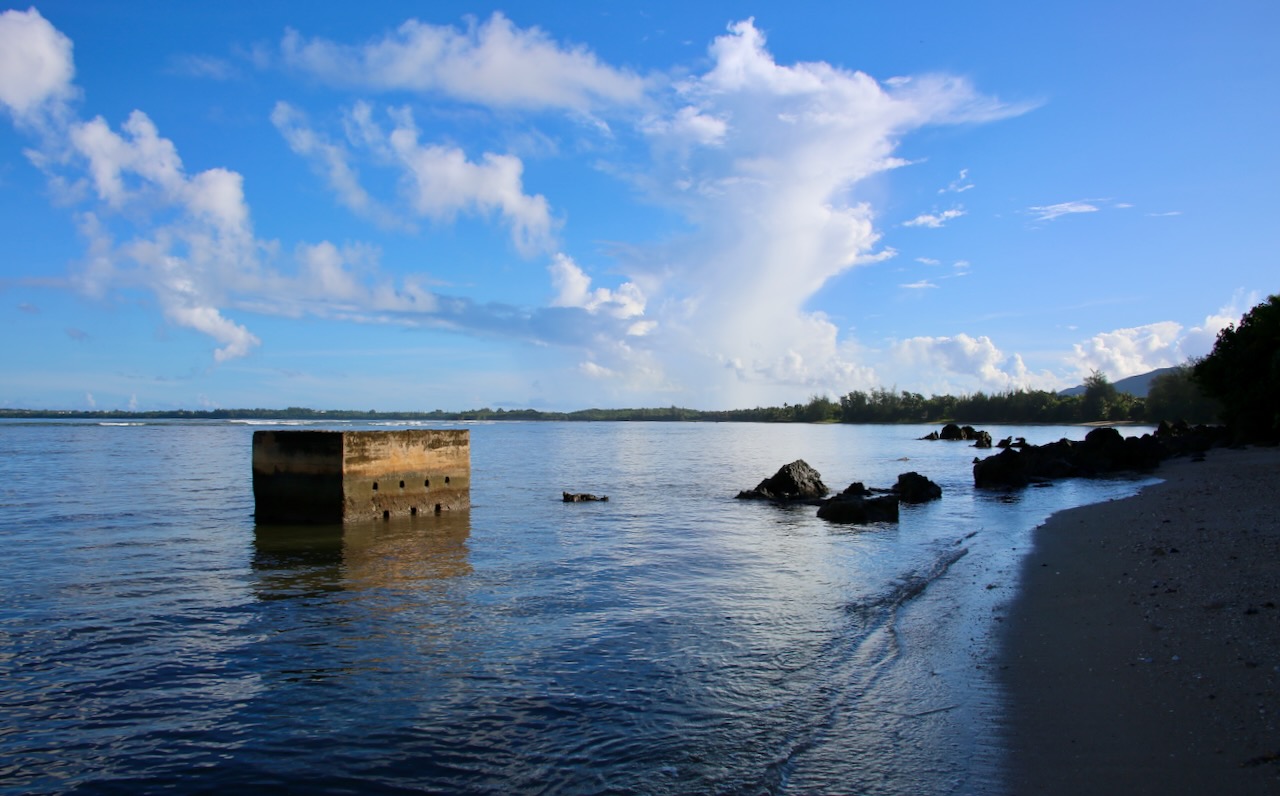
Caleb is off to complete military chores while I spend the morning exploring. I start at Ga’an Point, where the American Navy landed in July 1944 and cleared the dense groves of coconut palms to build shelters for the more than 6,000 Chamorros released from Japanese concentration camps on the east side of the island. This explains why the interpretive signs are written in English, Chamorro, and Japanese. The next sign at the War in the Pacific National Historical Park warns about the current dangers of the tens of thousands of bombs, grenades, or shells dropped during WWII on a patch of land the size of the city of Chicago.
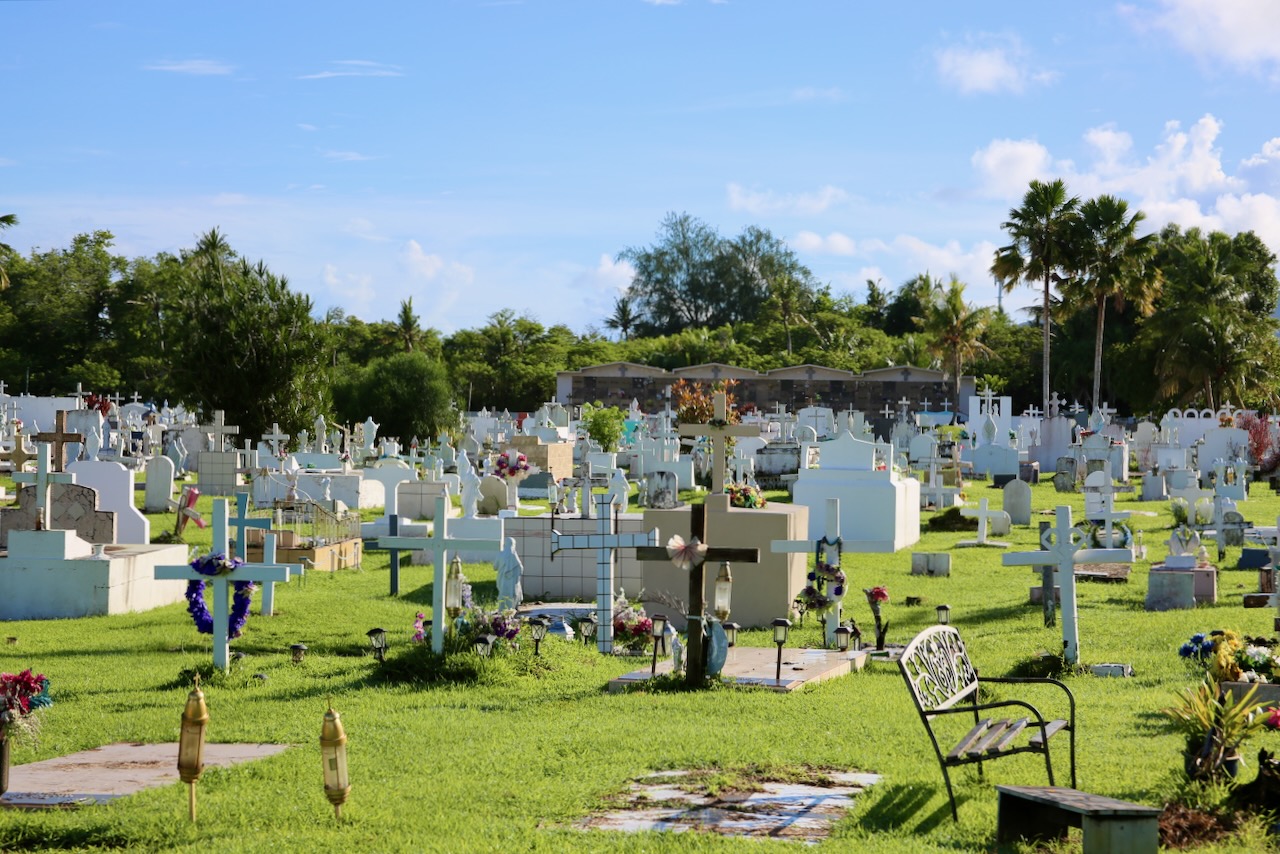
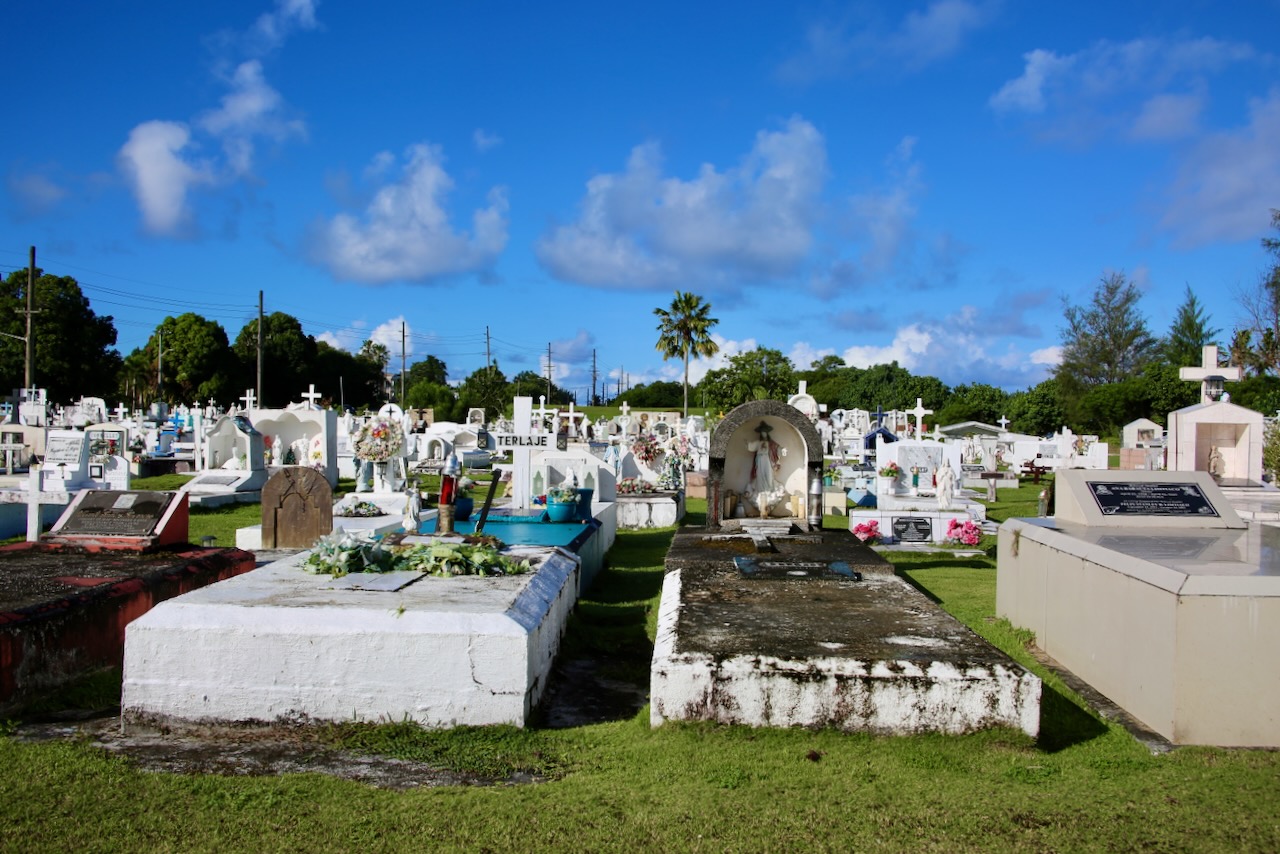
The views are tropical, the water inviting, the spiders vibrant, and the crabs confident in climbing and socializing. By August 1944, the Seabees had extended runways, and Apra Harbor became a major supply port for the US island-hopping offensive. I take a short walk through the Mount Carmel Catholic Cemetery beside the Agat Unit of the park (there are seven) to appreciate the commonalities and nuances of how different cultures remember their ancestors.
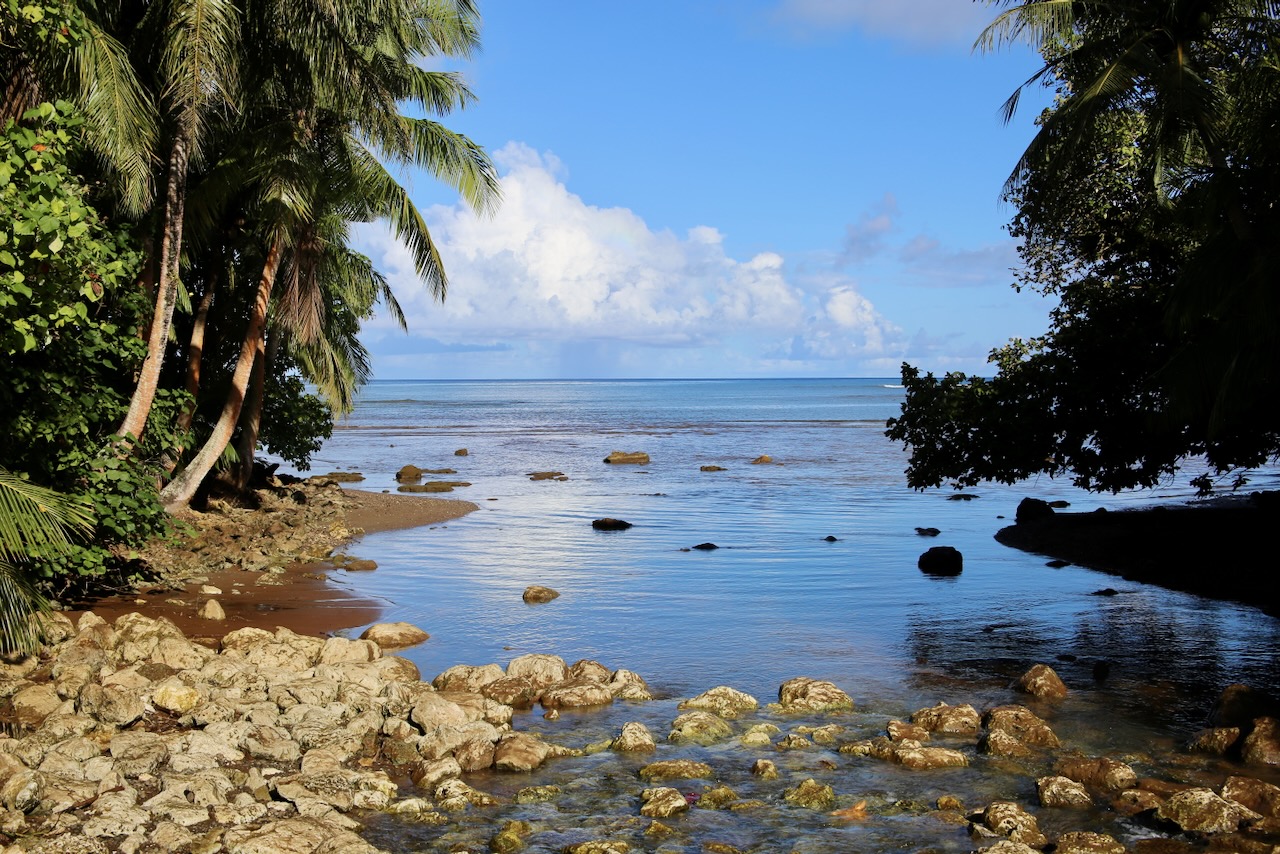
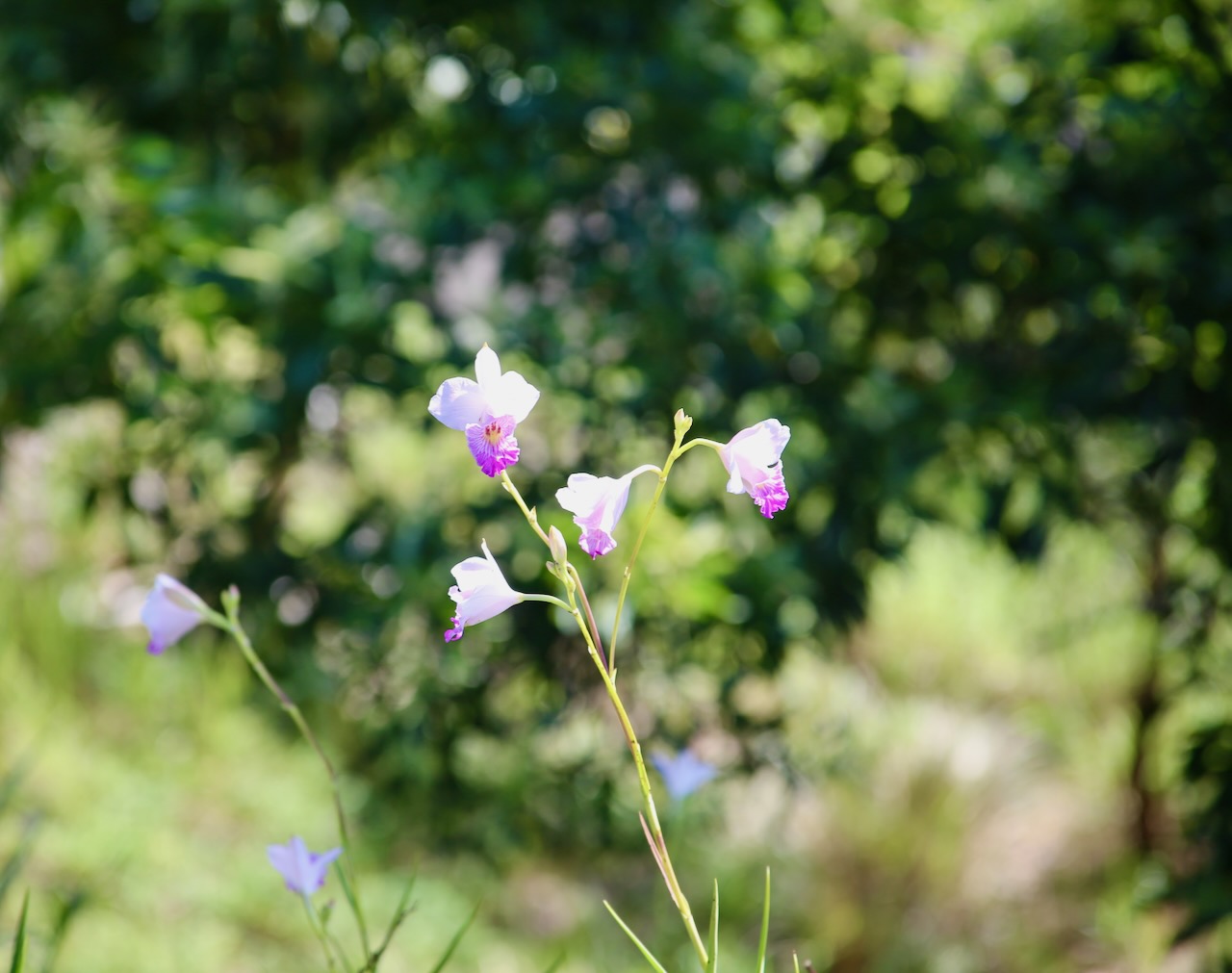
After this, I’m back to the water in a few minutes as I admire the Historic Talaifak Bridge that’s not really that old. The current stone version was built in the 60s, but I would be impressed if the wooden original from the 1780s still stood. On my way to Sella Bay, or to get a look at Mt. Lamlam (the world’s tallest mountain), I spot my first carabao, a swamp-type water buffalo, used for draft work and likely brought to the island by Spanish colonists. I also see a many-lined sun skink that’s better at blending into its surroundings. All the animals seem unconcerned with my presence.

I meet many friendly locals as I make my way from Sella Bay Overlook to Cetti Bay Overlook, both of which are inland, where there is more evidence of the volcanic history in the area. There is also a 1.2-mile hike to a waterfall, which is steep and takes about three hours. I could have ventured in, but as I’ll be meeting Caleb soon, I saved the temptation of going into the forest for driving further south along the island. Evidence of the Spanish colonization, thanks to the ruins of the San Dionisio Church, is still present from 1862.
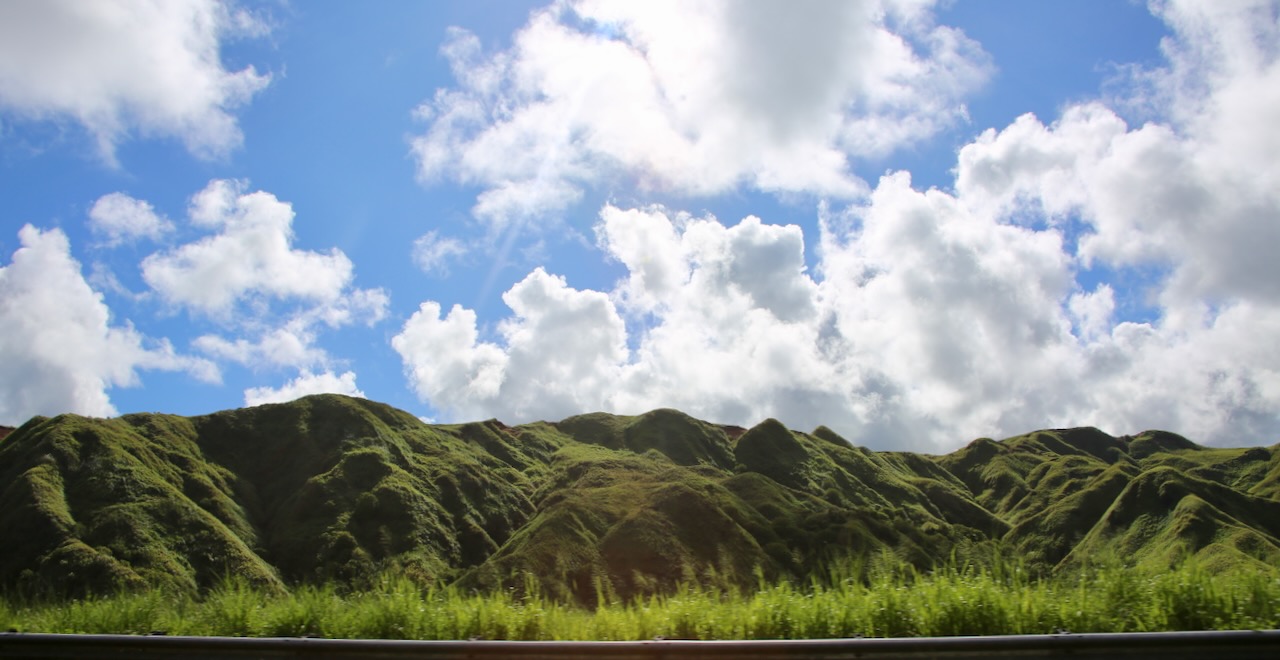
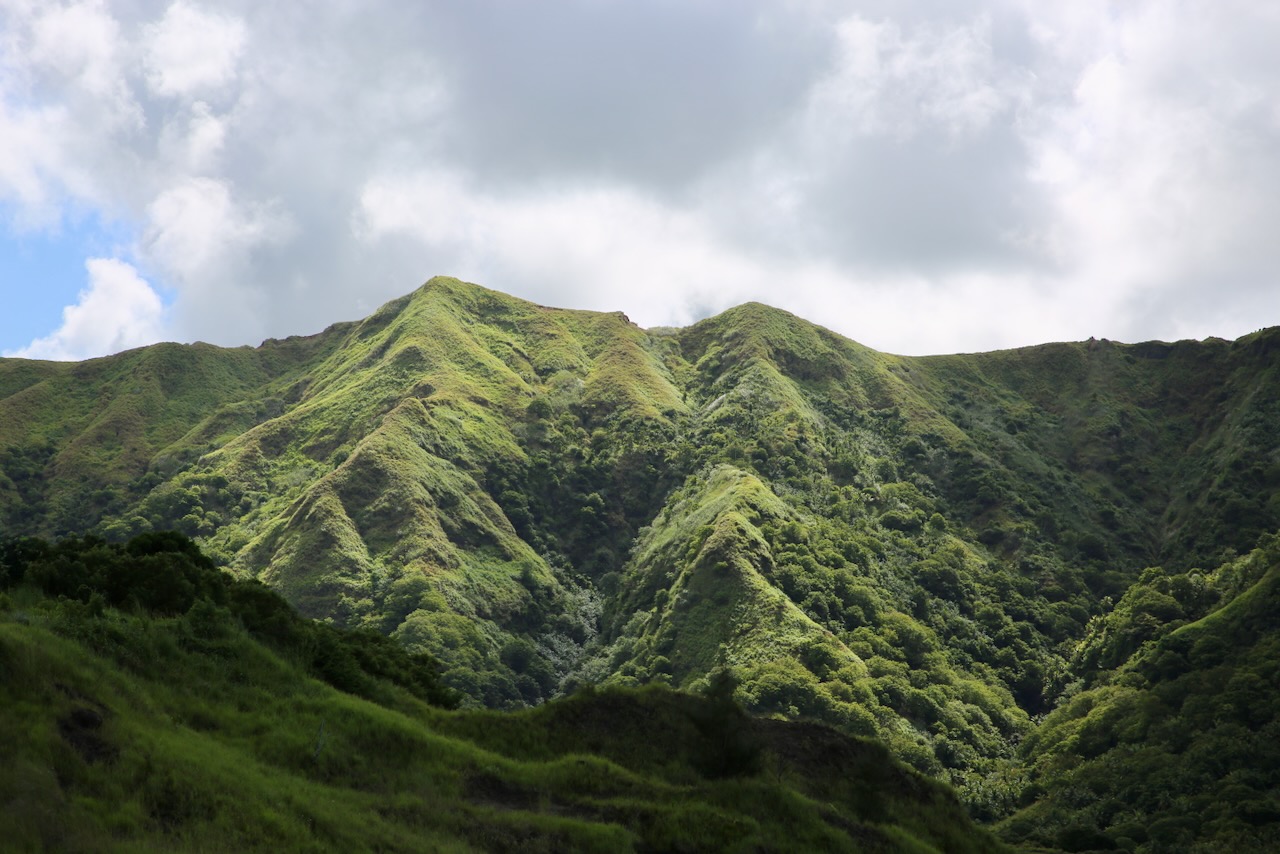
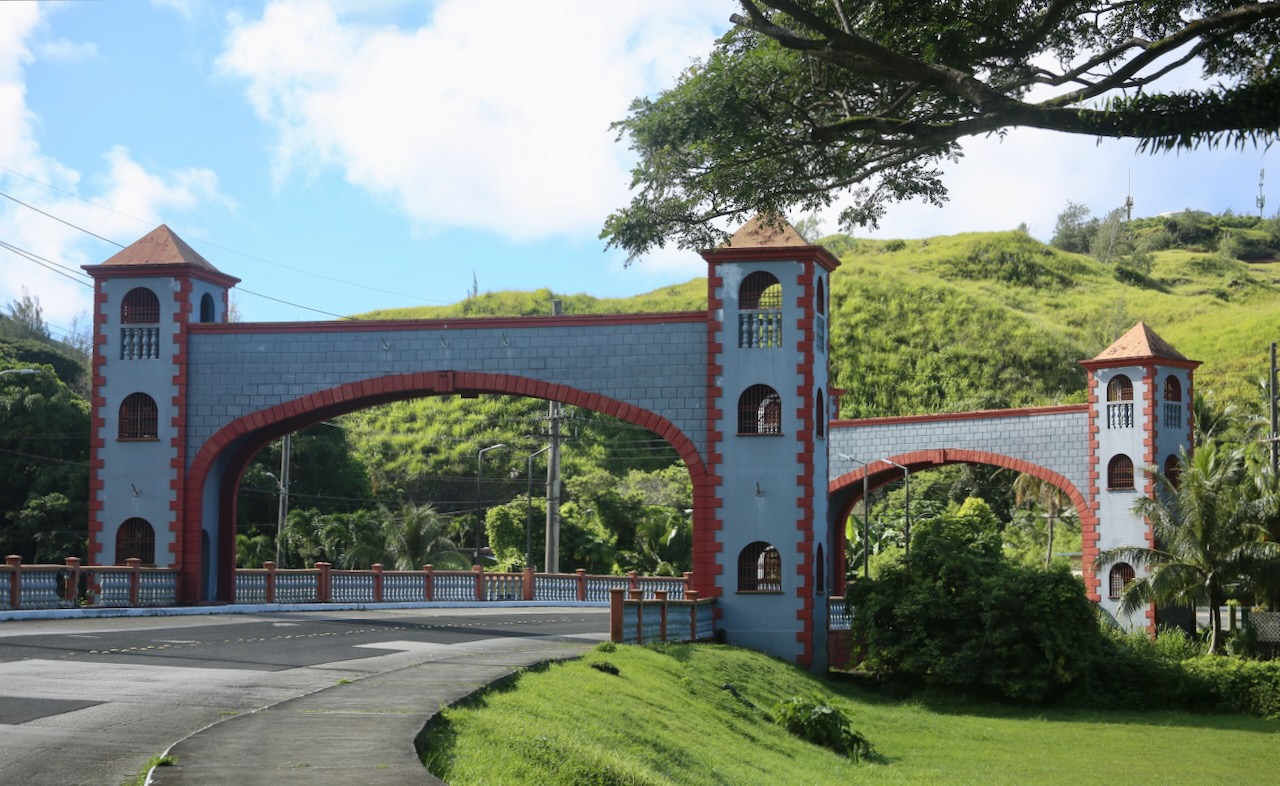
The first version of the church was erected in 1681 of wood and thatch, but was burned down. The next one was destroyed by a typhoon, and the three after by earthquakes. The Spanish ceded Guam to the US in 1898, so when another earthquake destroyed the latest rebuild in 1902, the structure was never put back together again. This leaves some Spanish stone masonry behind to be grown over by local plants and moss. A few hundred meters away is the Umatac Bridge, built in the 1980s, to resemble the Spanish-era bridge that stood before it, with the railing along the road to match.
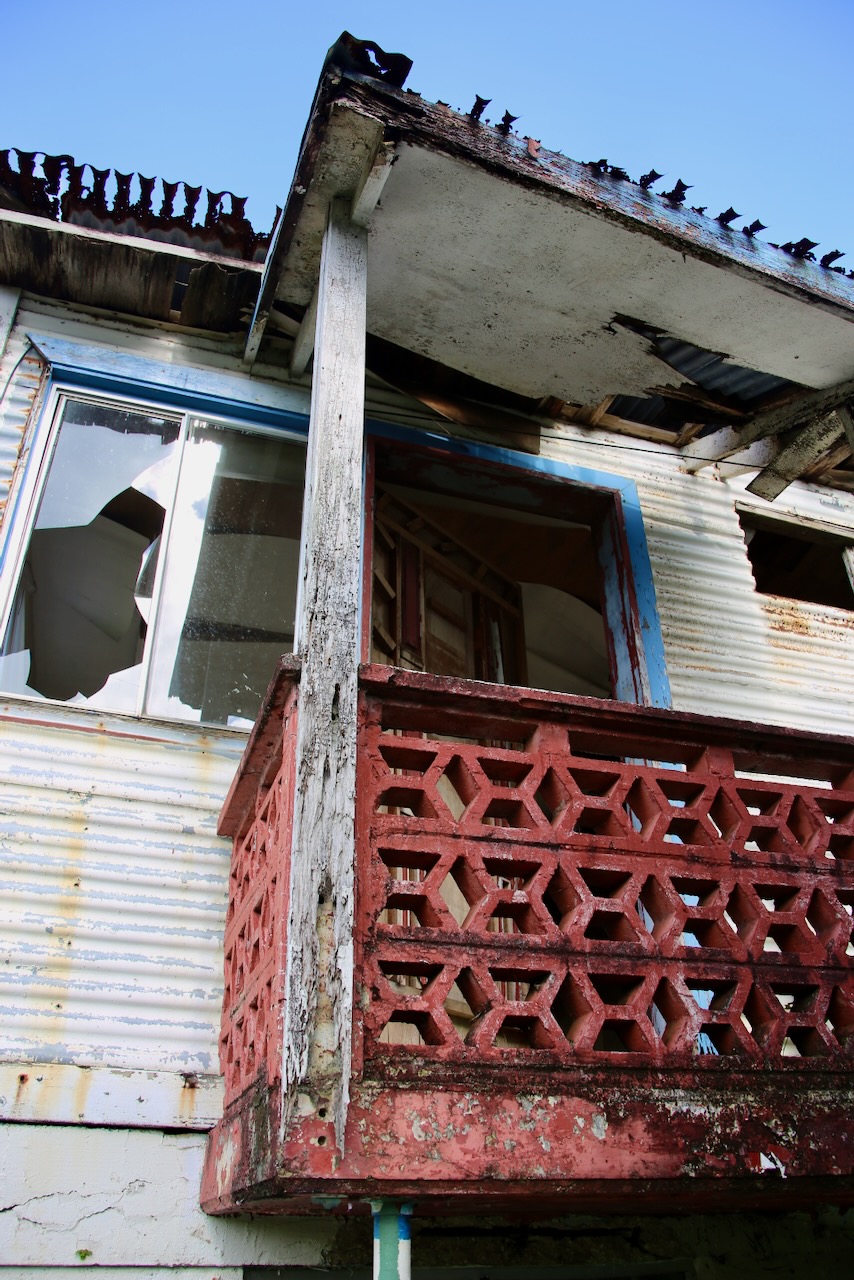
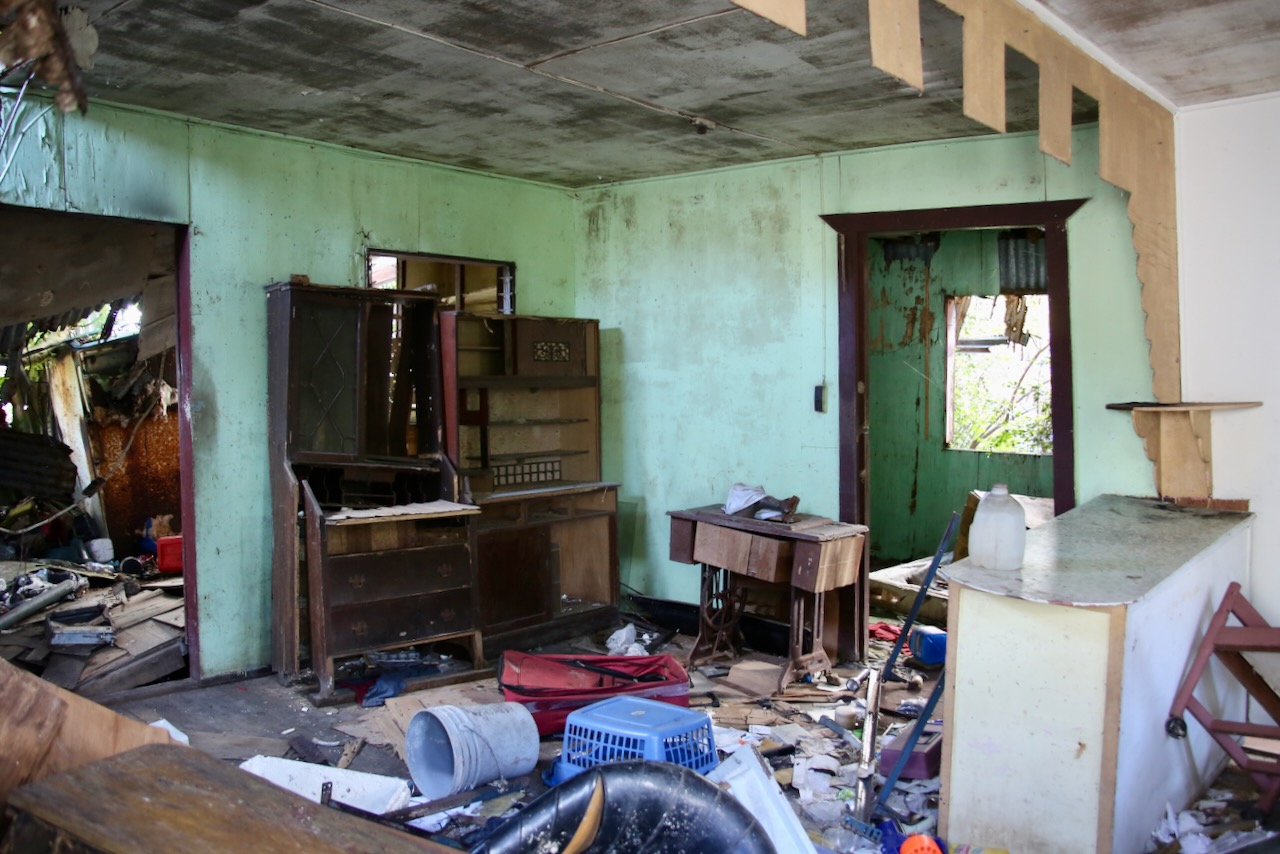
This is my turnaround point, and I get to see the new San Dionisio Church, built in 1939 on the site of the Spanish Governor’s summer house. This church has been able to withstand WWII, a series of typhoons, and a massive earthquake in 1993, making it one of the two oldest churches in Guam that is still in use. Instead of holy water, there is a bottle of hand sanitizer by the door, and the six-feet-apart stickers from Covid leading the way between the pews. Some of the nearby houses didn’t fare so well in the natural disasters and were left to be neglected until the next storm can finish the job.
There is a small park that memorializes the 74 Chamorro men out of the 4,000 who served and didn’t make it home. Guam was a medivac station, a forward attack base (temporary base near the front lines), a processing center for over 100,000 refugees, the first US soil for MIAs (missing-in-action), and a “rest and recuperation” area like Bangkok, Tokyo, Taipei, and Honolulu for soldiers and nurses serving multiple tours overseas. For shorter breaks in-country, they were offered Da Nang Beach, Vung Tau, and Saigon. This park was established by the Guam Women’s Club and later adopted by different men’s associations of America and Guam.
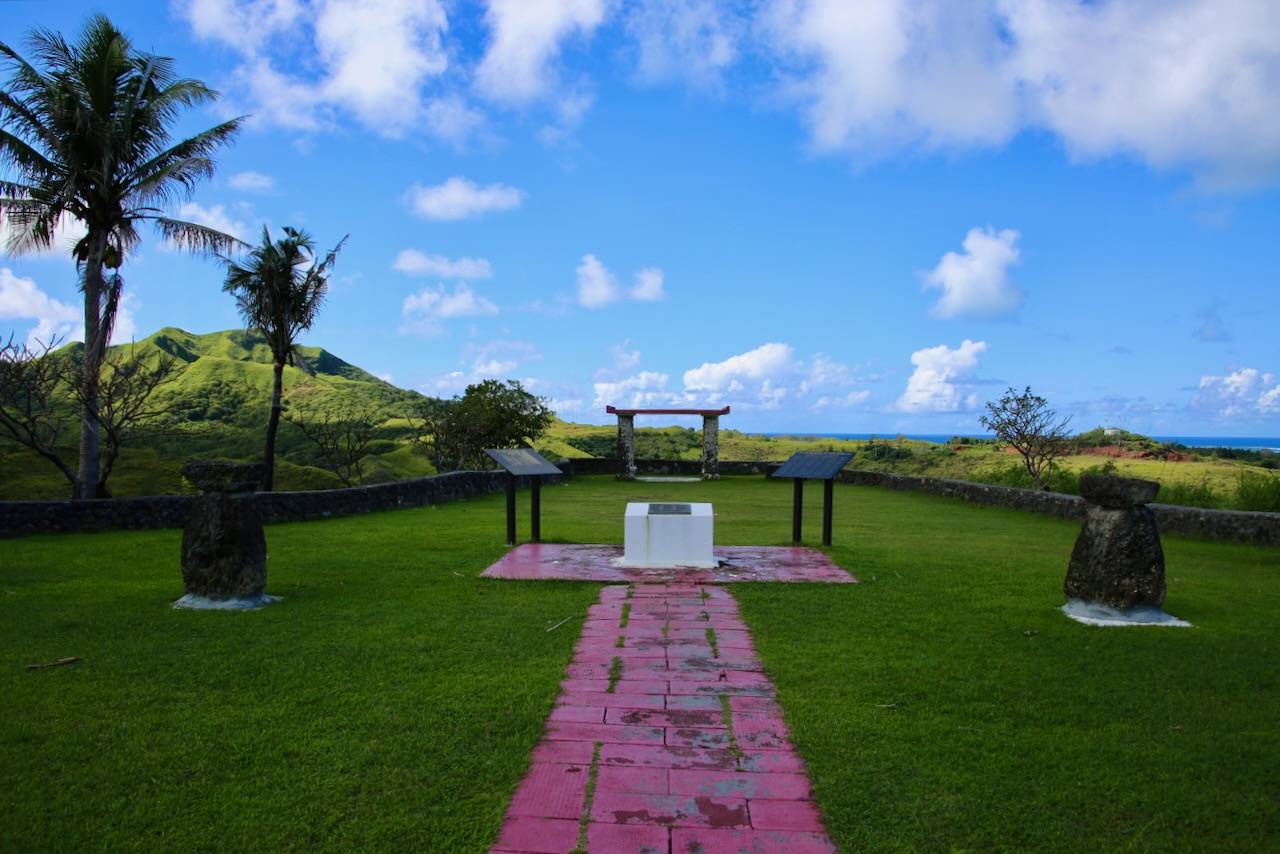
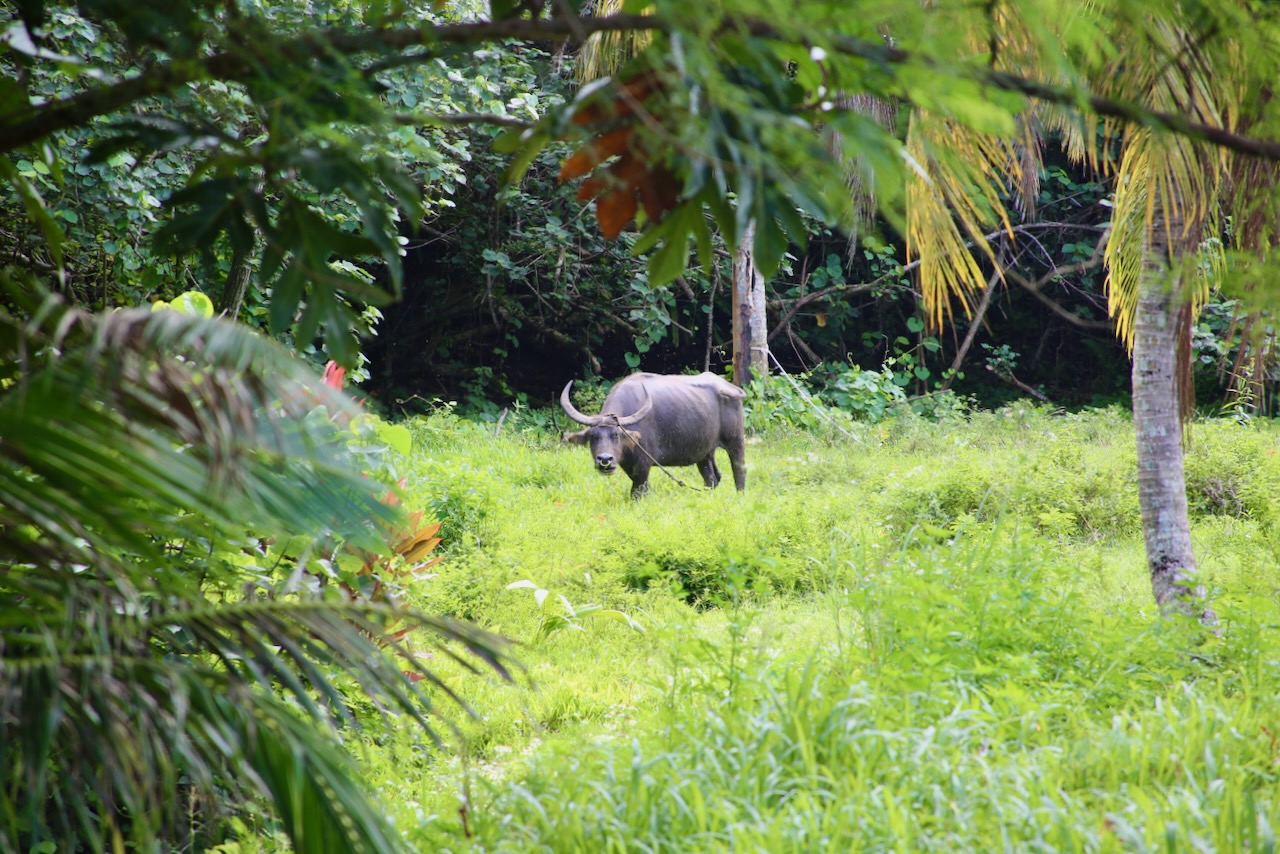
carabao

I drive the twenty minutes to base, hang out with Caleb while we wash his laundry, and then he takes me to Piti Guns Trail, another unit of the War in the Pacific NHP, to show me where he went with Smeltkop, a guy who works for him. It’s a wet forest, as everything on this most humid of islands usually is, but we are smart not to slip and slide in flip-flops and lucky to be here on a drier day. We stop at Asan Landing Beach, a third unit, now quiet and imbued with serenity, with a history of a different vibe. We visit the room to eat lunch before continuing on.
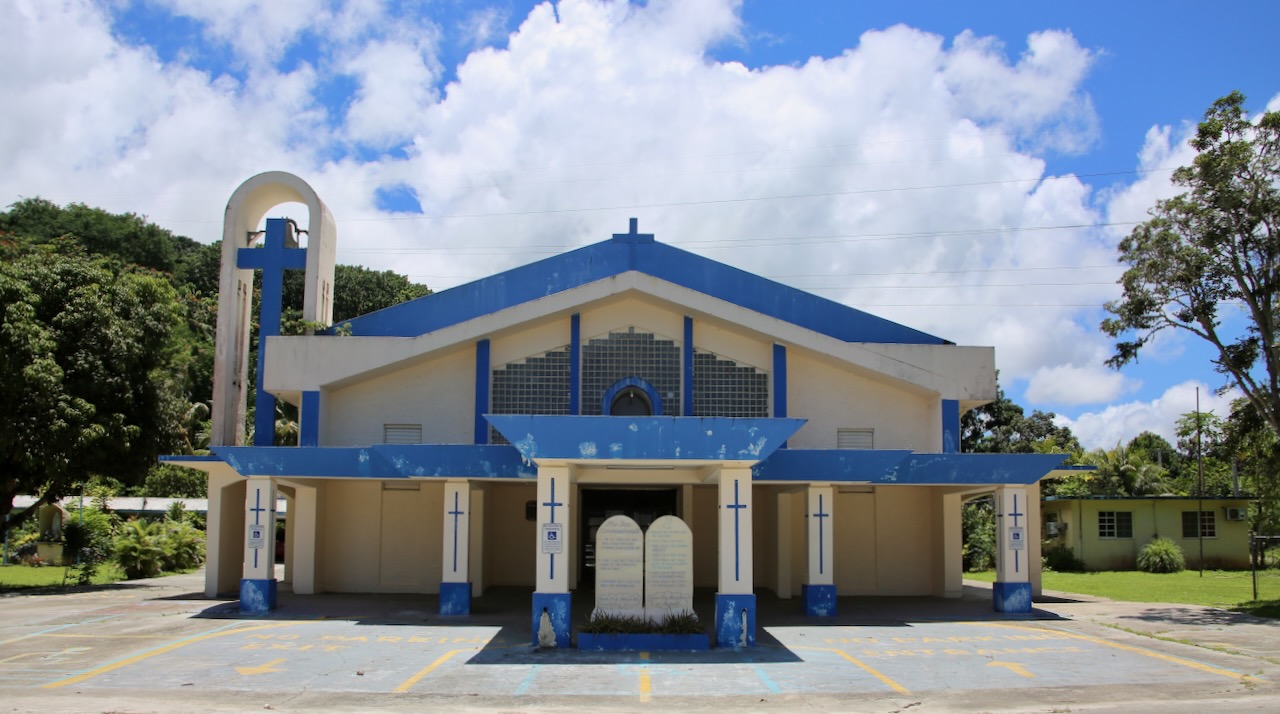
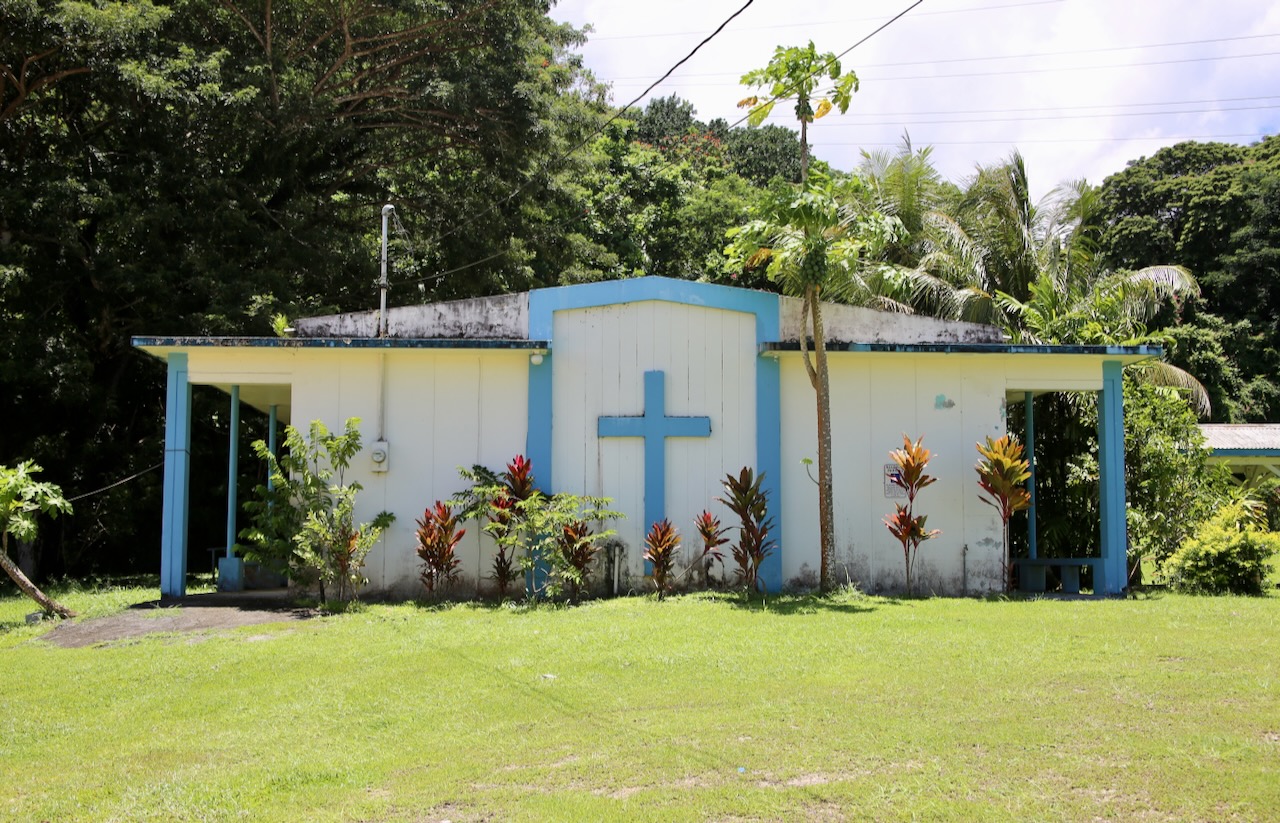
church by Piti Guns Trail

Our next stop, the Ritidian Unit of the Guam National Wildlife Refuge, is closed when we get there. The military owns two other units that make up 95% of the park, and their initiative is to preserve the Serianthes nelsonii tree, which only grows on Guam and Rota of the CNMI. The other five percent preserve a pre-Magellan village, a former barrier reef now a cliff, and a nesting site for threatened green sea turtles (which is what we were hoping to see). Instead, we will visit the South Pacific Memorial Peace Park featuring a 50-foot-tall monument of clasped hands to remember the fallen and maintain peace.
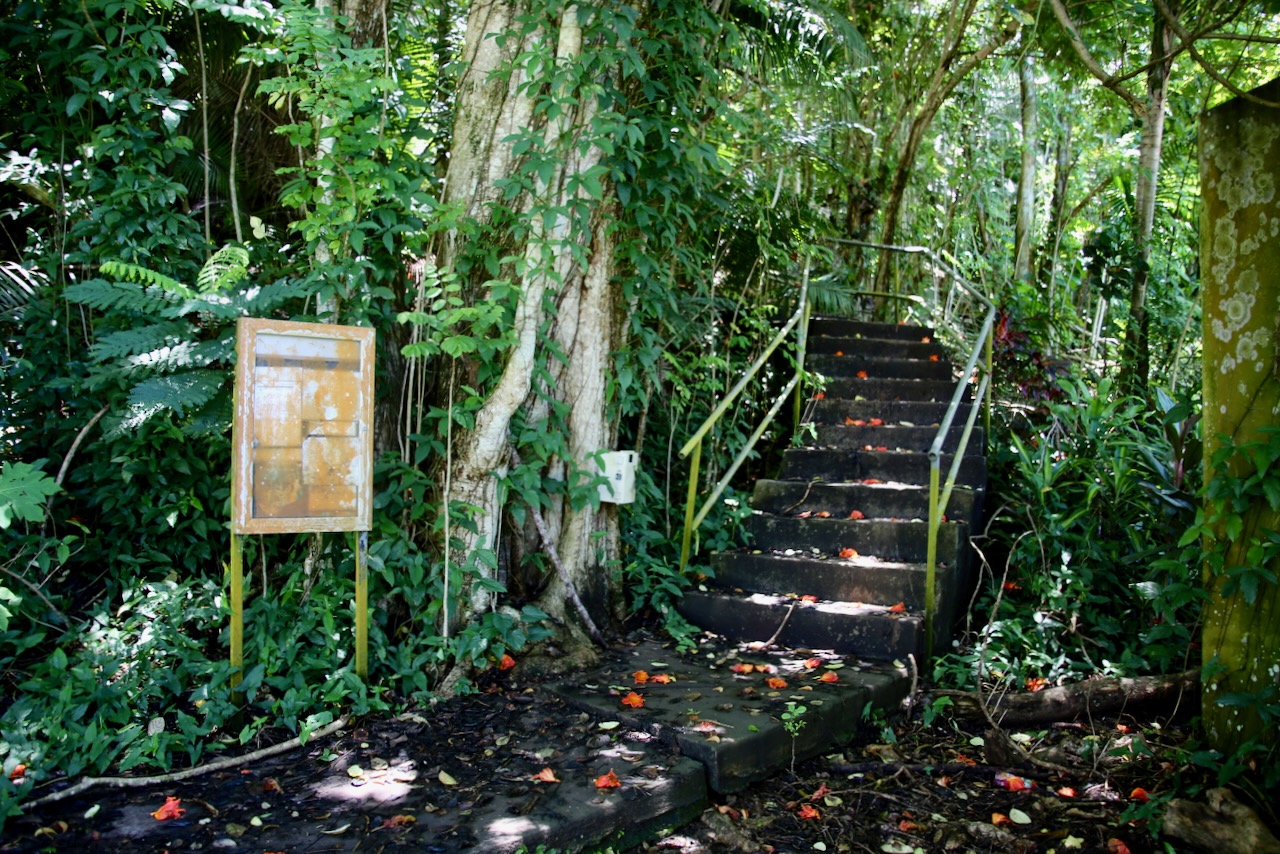
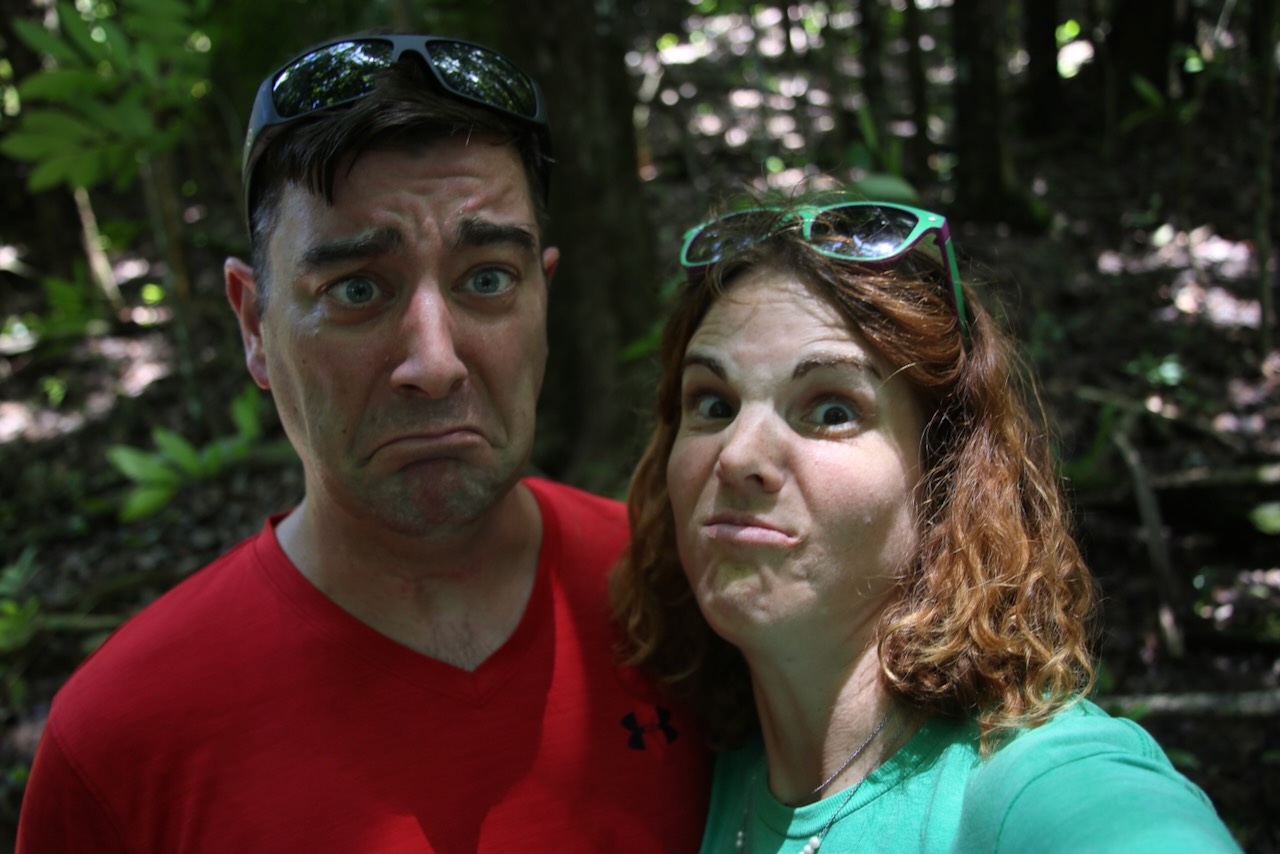
Piti Guns Trail

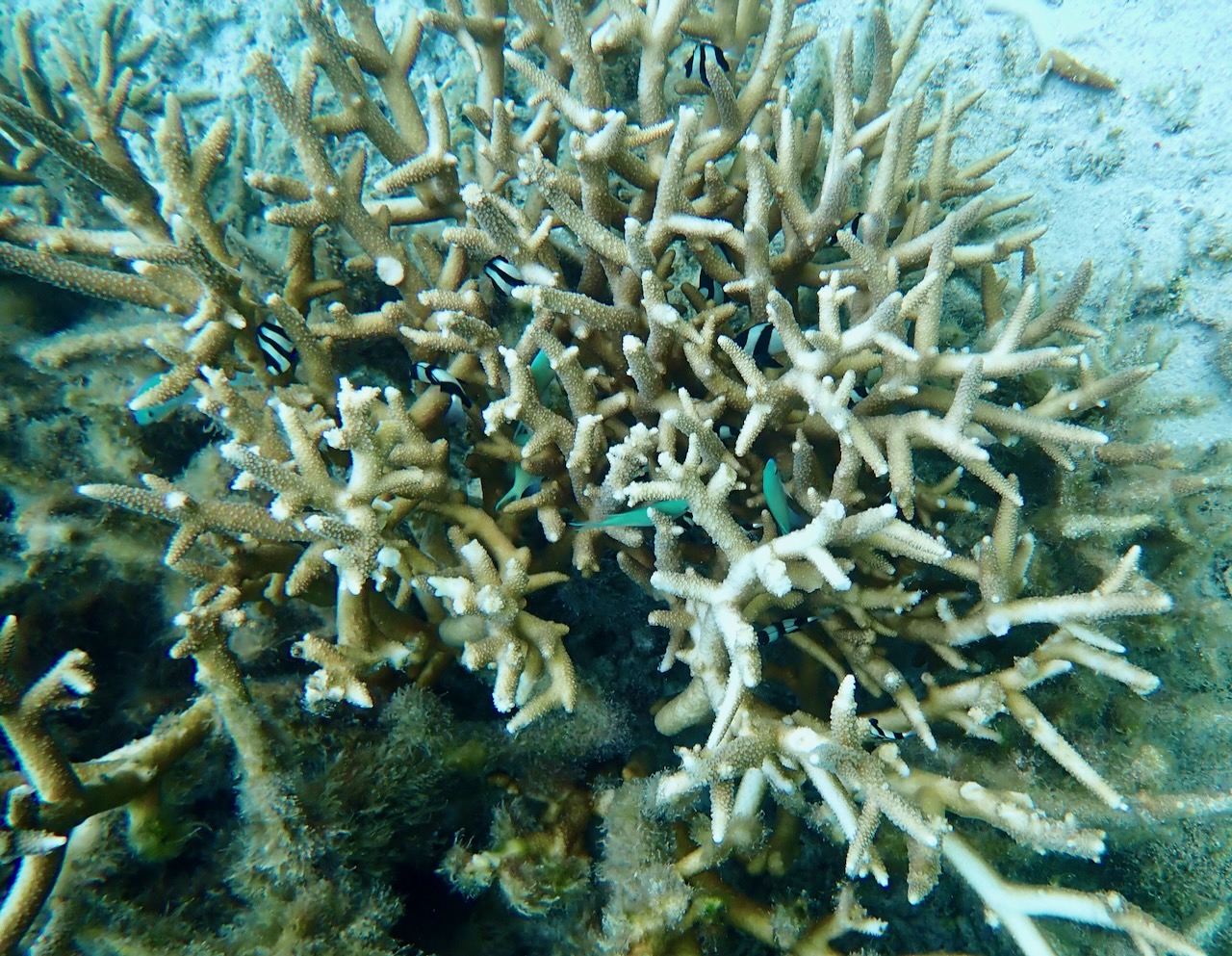
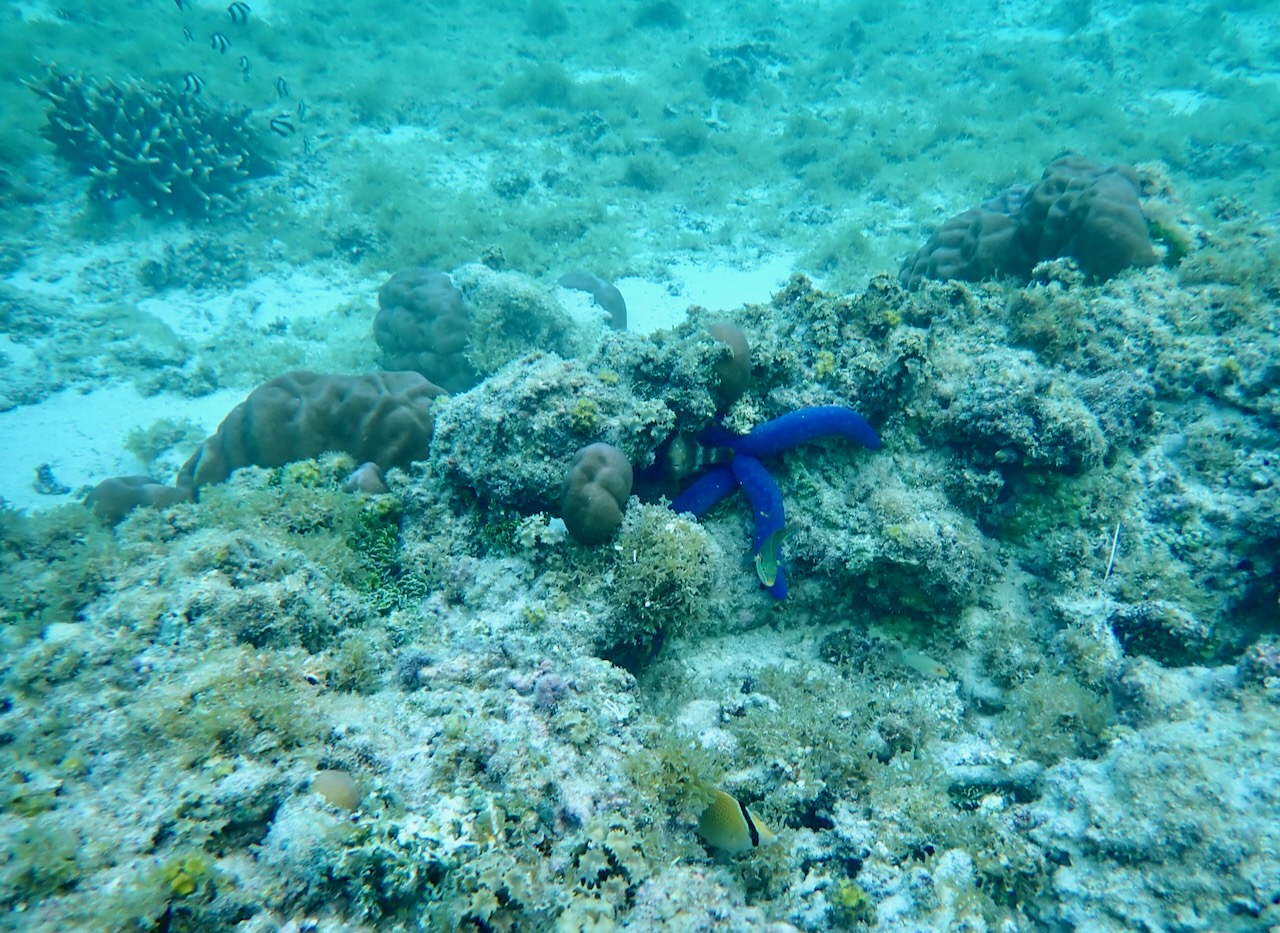
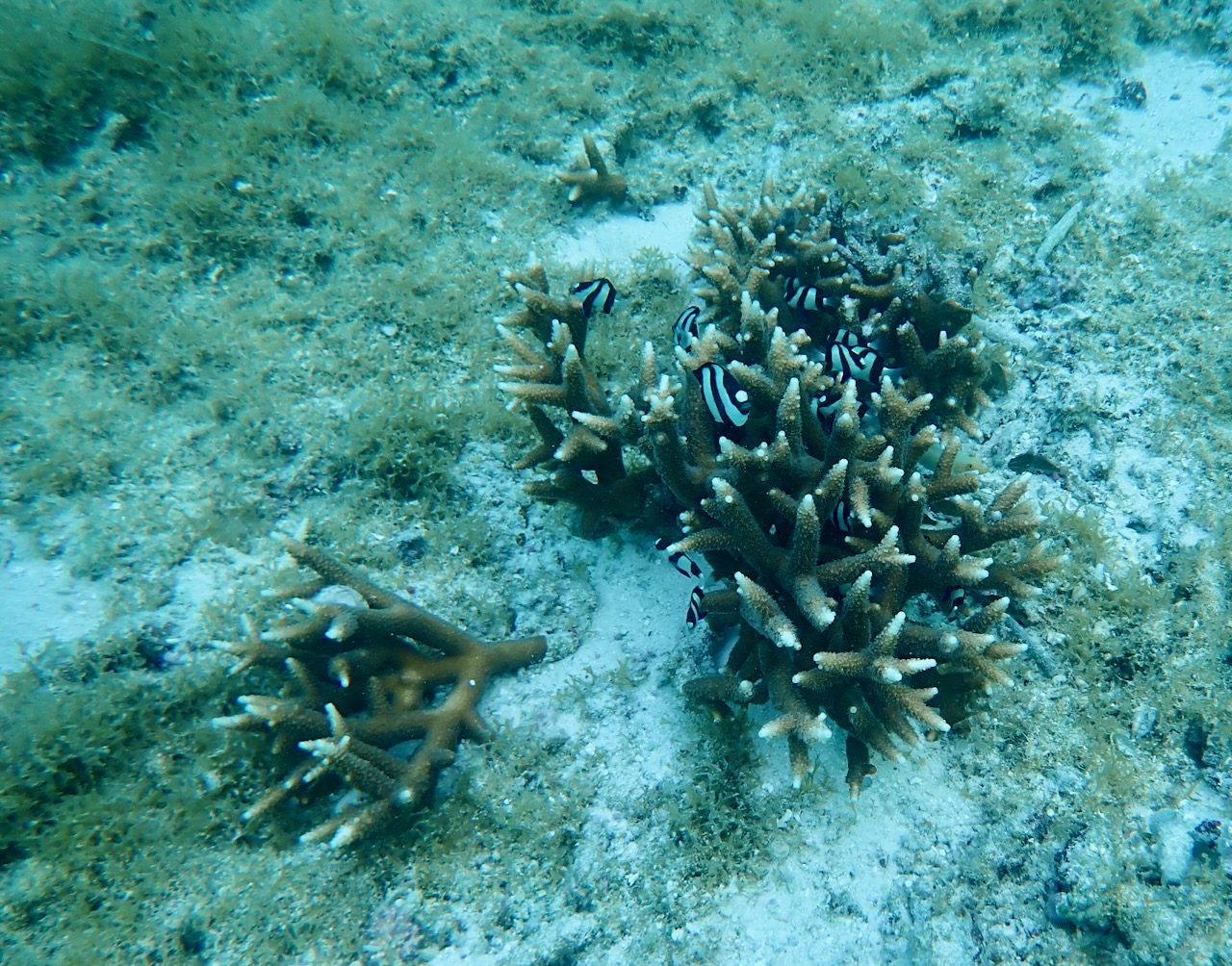
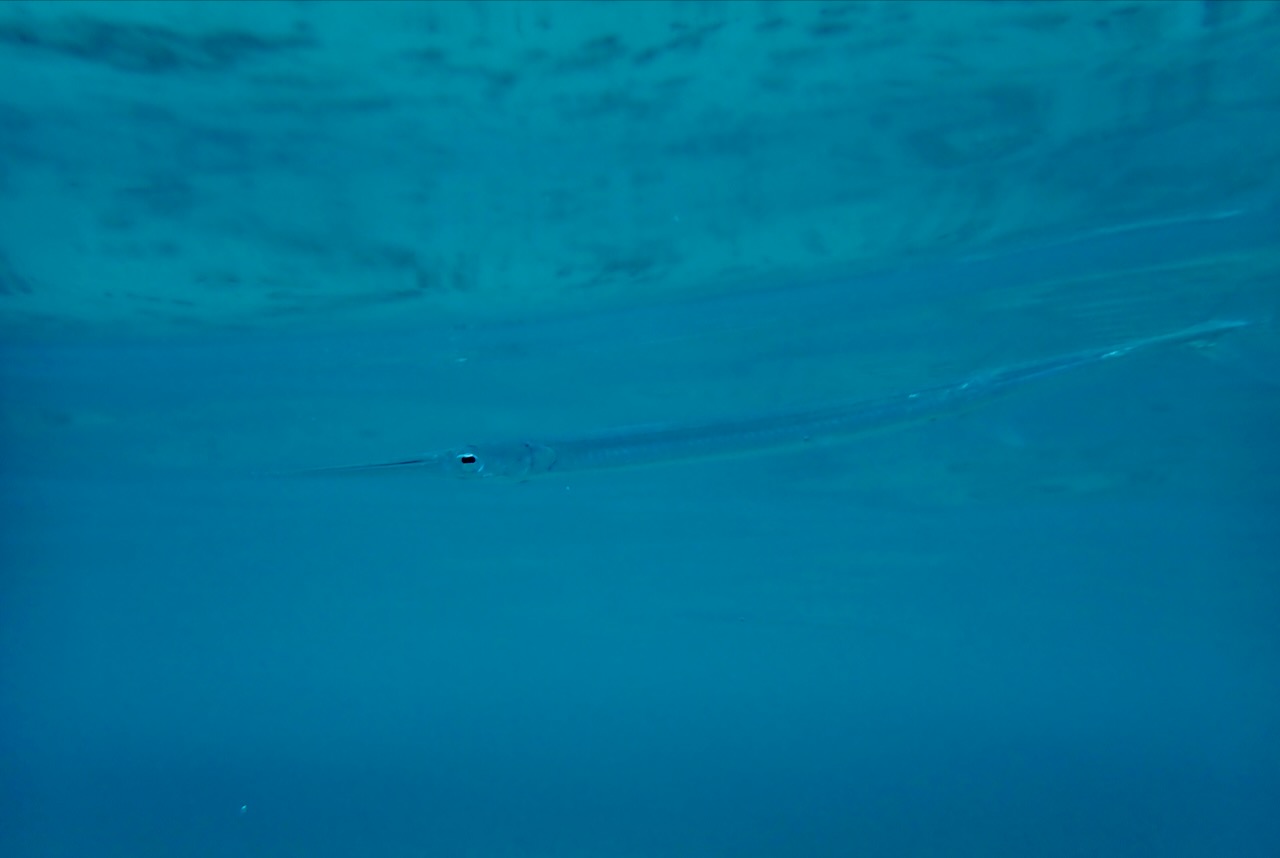
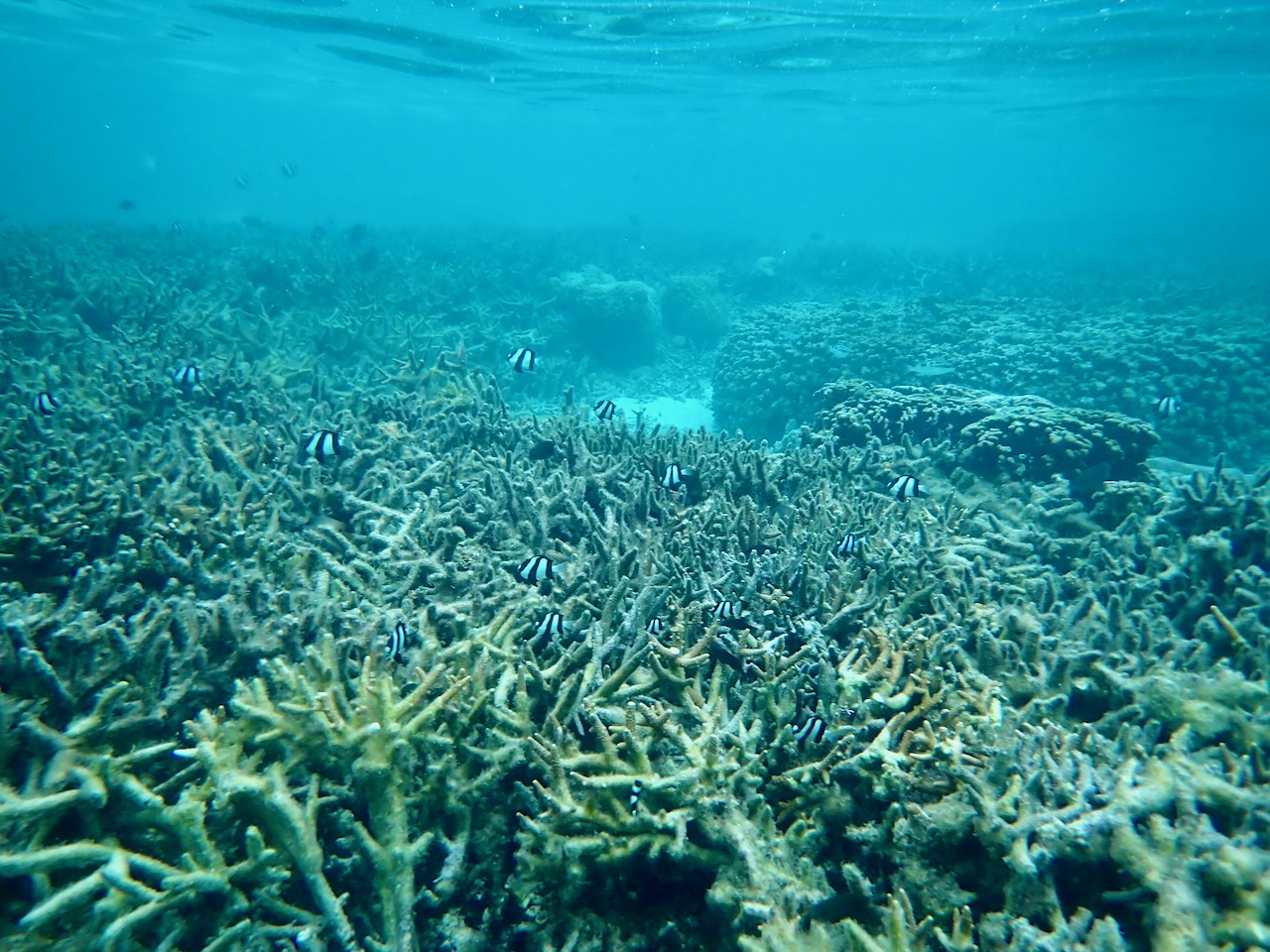
Caleb let me know that places were only open two days a week, and I thought perhaps it was just a scheduling conflict. However, as we attempted to visit the Guam Museum (which opened in 2014), I realized it was us going to these places on the two days a week that they are closed. We change into swim gear back in the room and walk to the calm and shallow bay for over an hour of snorkeling. While face down in the water, I see a snake sea cucumber (usually about seven feet long), banded archerfish (known for shooting down land-based insects), a few orange-spotted filefish (distinct long nose), some sammara squirrelfish (giant low-light eyes), and the majestic Moorish idol (not an angelfish).
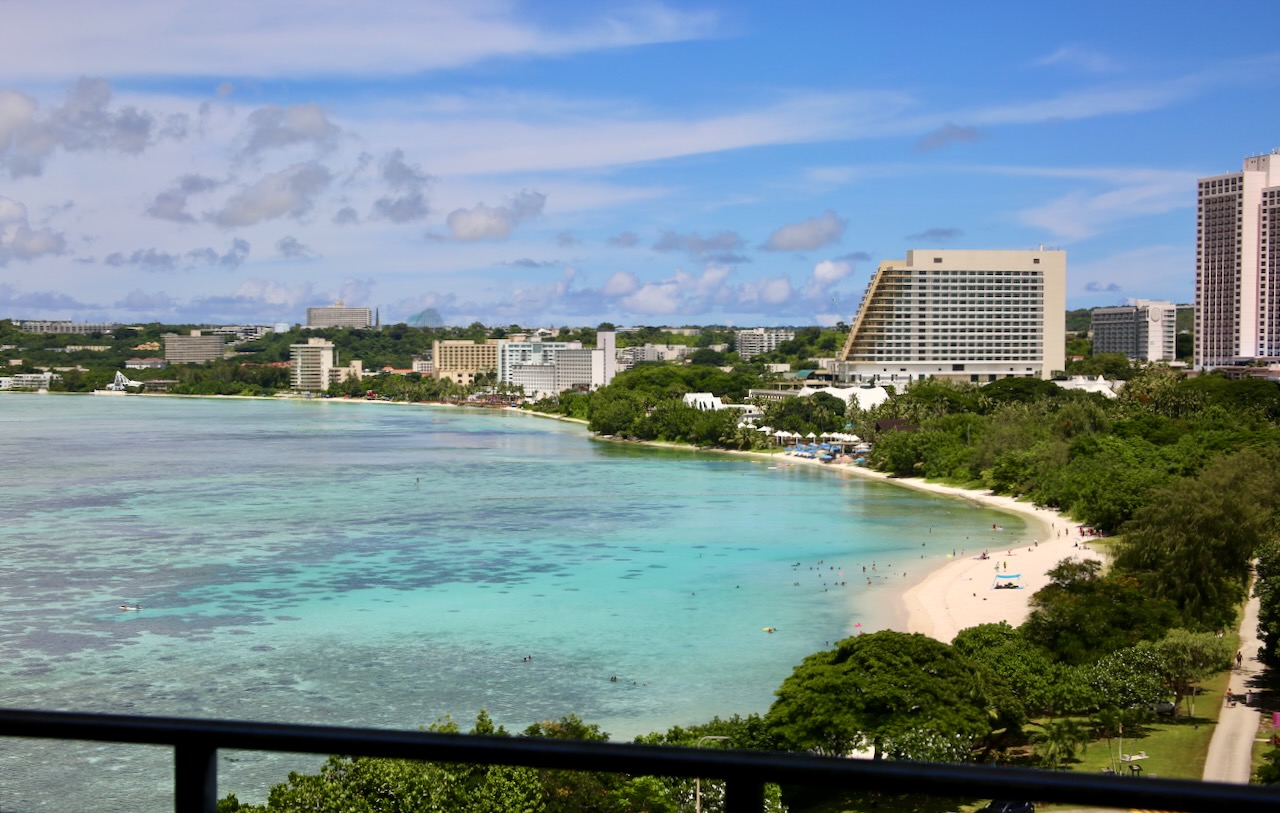
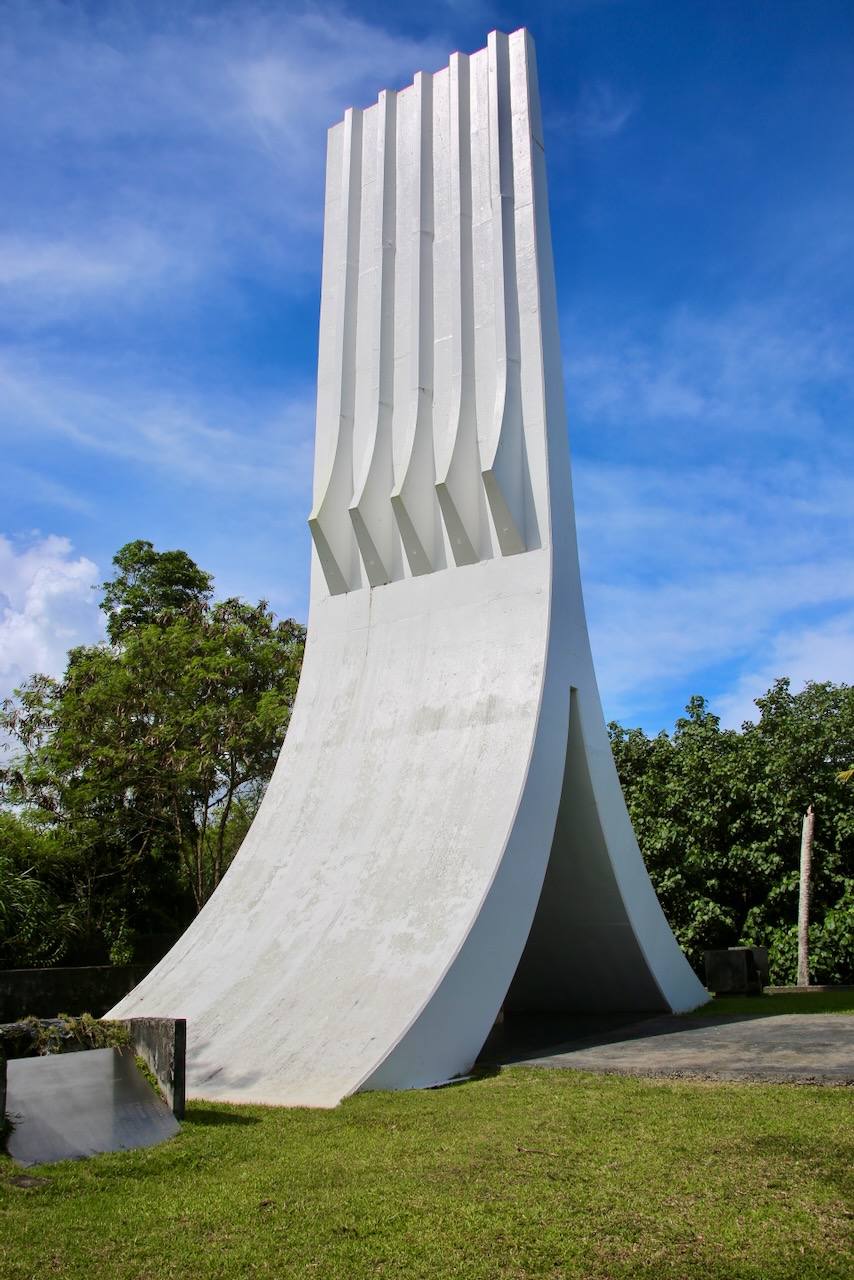
where we snorkeled and the 50-foot-tall clasped hands

I also see an unidentifiable white slithering object (either a brown tree snake or banded snake eel), a Picasso triggerfish (able to swim backwards like the eel and knifefish), a four-legged blue sea star (they usually have five), and a raccoon butterflyfish (which are generally aggressive towards lionfish and triggerfish). The walk back to the room is cold, but after a warm shower, we are ready for dinner. Smeltkop has invited us to The Beach Restaurant on Gun Beach, where coconut crabs were more common before being overharvested; hunting them is banned on base, and there are now collection laws in place to protect the remaining population.
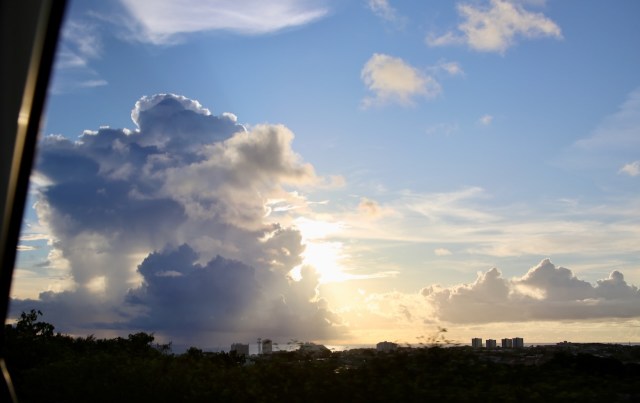
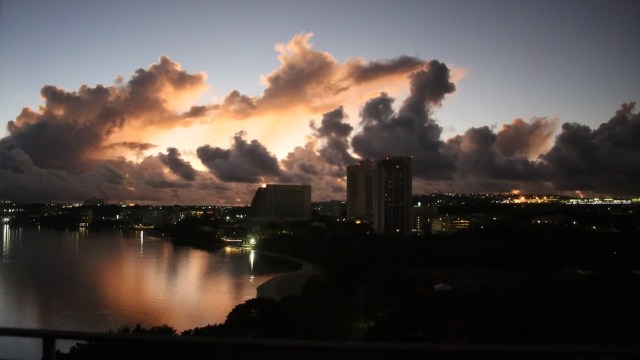
We get seated near the bar and live music that the guys have to talk over to discuss work. Smeltkop asks the waiter if “the DJ can turn it down,” instead of requesting to move away from the giant speakers. We are treated to a cloudy yet beautiful sunset, and then go looking for crabs in the dark with no luck. Caleb is more tired than he lets on, but as soon as he sees the bed, there will be no time for reading, just sleep. I have to remember that he worked and had a full day with me. I’m glad and grateful that I’m able to join him on his shorter work trips, as the Navy frowns upon stowaways.
Posted in Animals, Food, History, Military, People, Plants, Travel, Water | Tagged , , , , , , , , , | Leave a comment

My First American Protectorate

Caleb had to go to Guam for work and when he left we weren’t sure that I was going to visit because of his possible work schedule, but he got to the island over 6,400 miles away and missed me and I him, so we knew I’d be leaving soon… and then even sooner so we could spend more time together with the room and rental car already paid for.

Caleb sent me beautiful views from his balcony, pictures from the park, and a video of rain while he waits in the car. I sent in return a photo of my bruised leg, a spider hanging in front of the door, and a jar of tarrango lilies. I look up things to do in Guam, at first, so that Caleb would have a list of ideas if and when he got time off to enjoy places that are open for two days a week and only for a few hours.

I spend two days packing — the first day is for collecting everything onto the bed and then tossing most of it in the bag I’m taking (checking for fit) while charging all electronics that will go. Then the second day is going over the pack list and making sure all items needed make it into a bag, purse, or pocket. This process was all done in 24 hours and finished just six hours before I was due to arrive at the airport.

My Uber arrives, driving a leased Tesla Model 3 while his car is in the shop. He wouldn’t want to spend over $50,000 on a taxi with expensive diagnostic tests. Ernesto may not want to drive a car like this, but that’s what California and New York are pushing for — a ban on selling new gas-powered vehicles and replacing them with zero-emissions vehicles by 2035.

In my pre-trip research, I had wondered why Guam, the most southerly island of the archipelago, was listed differently from the 14 Northern Mariana Islands, and what I found included a battle between Spain, the Philippines, Germany, Japan, the United States, and the Chamorro people over hundreds of years that left the Guamanians unwilling to reunite in the 1960s. Guam became a territory in 1950, and the CNMI wouldn’t gain this status until 1986, so they remain separate.

I have fun walking the empty security line as it zigzags, in preparation for the crowds that will soon fill its barriers, as I look forward to seeing my husband in roughly 19 hours. This translates to a whole day and three flights to get me 17 hours into the future (according to the time zone difference). I then have to wait my turn while I watch a very elderly woman have her whole body thoroughly patted down, as I reach out to catch her with the force of the search being applied.

I think it’s ridiculous, but I understand that criminals come in all forms and that this woman could’ve been taken advantage of — though that’s what I saw and worry what would’ve happened to this frail woman had I not been there to hold her up. The agent turns to me, gloves still wet, and pats my sleeve. I’m more concerned with getting drunk off the amount of alcohol she applied than she should be about her disposable gloves catching something, as I don’t see doctors dousing their gloved hands before surgery.

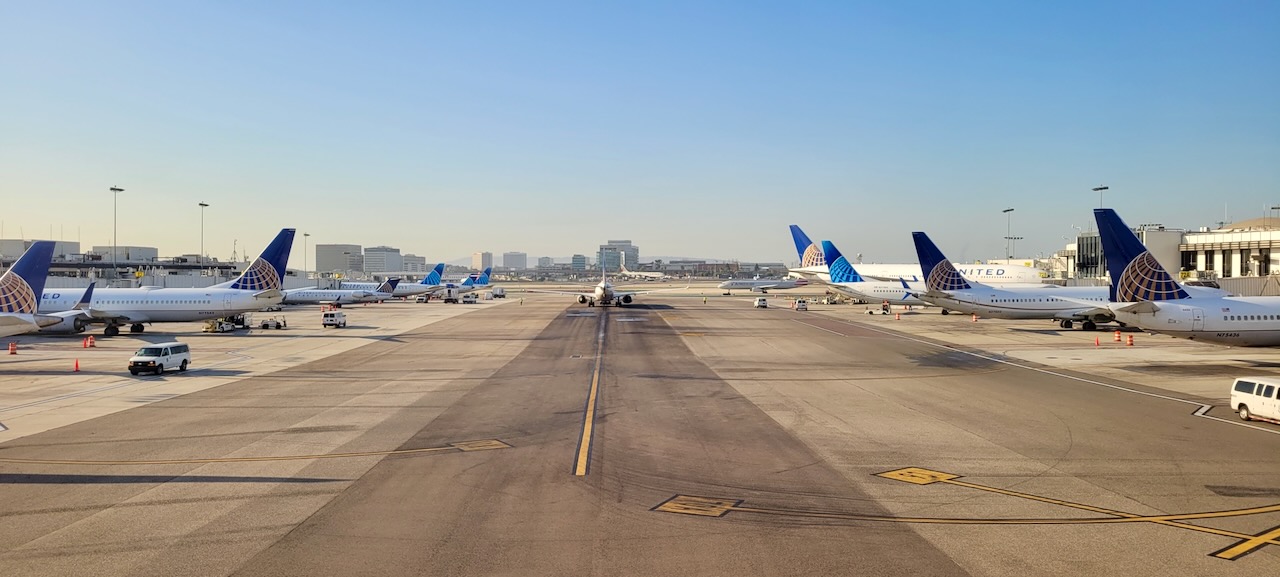
I’ll grab a snack from my bag and finish one of the books I brought while I wait to board for Los Angeles. I moved up a row to have a window seat, but not sure I napped at all on the 75-minute flight. My first layover is two hours, and I’ll spend the majority of it walking. I board the plane, and this man’s bag tosses half a bagel my way as the weight of everything else in there hits him in the head. I’ll scoot from my middle seat to the aisle to allow a couple to sit together.

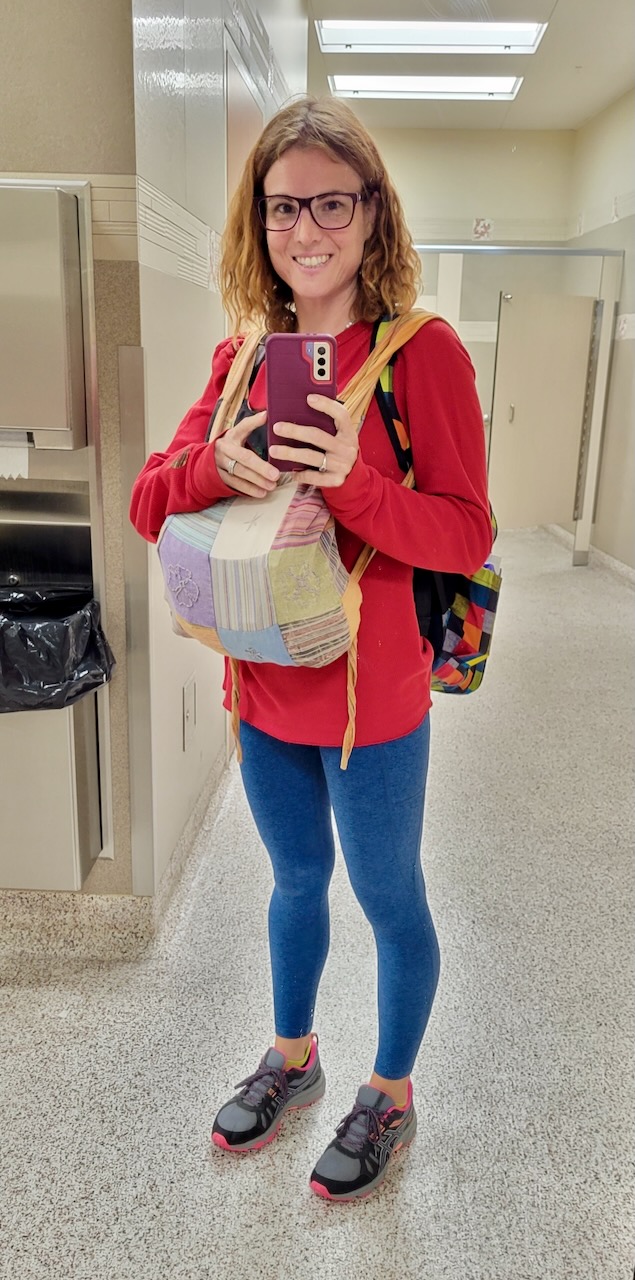
I was nervous that I wouldn’t have space in the overhead compartment for my backpack, as I am also traveling with my overstuffed purse separately. I do pride myself on my ability to travel so light unless I’m bringing snorkel/dive gear, which I suppose is the equivalent of some people’s wardrobes and shoes, special event gear, and instruments, and baby food or pillows or booze.

I’m served a stroopwaffle and bubbly water, eat the wrap I overpaid for in the airport, and close my eyes for two hours. I get up to stretch, and a conversation with a friendly attendant ends with me getting a free blueberry oatmeal (an $8 value) that I will save for later. While I’m stretching during the second drink service, a man asks me to hand him a soda, and when I tell him I don’t work here, he helps himself.

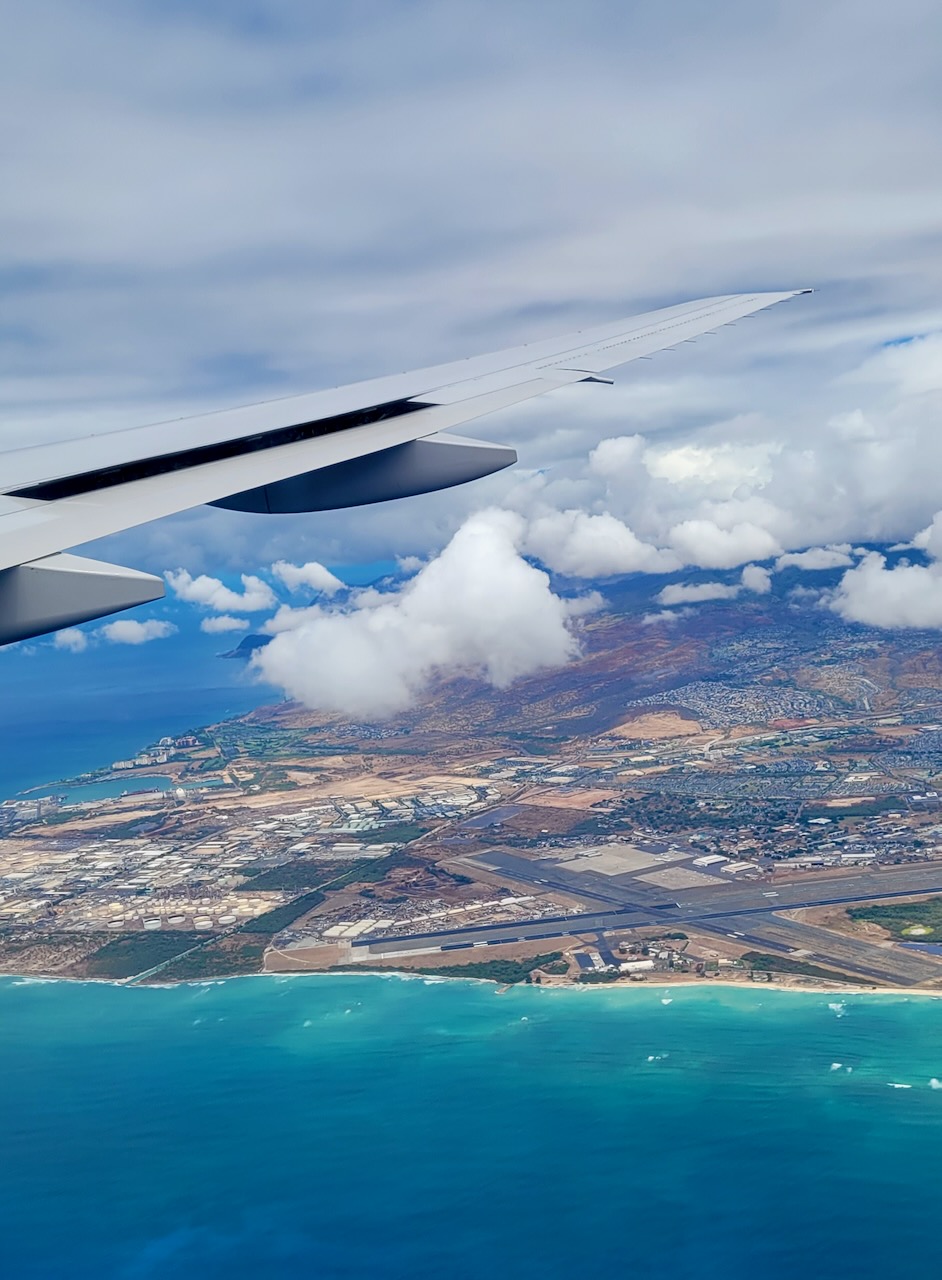
The little door to access the cart was open, and he wasn’t taking anything that wasn’t being offered for free, so I didn’t feel the need to report him and returned to my seat with a handful of stroopwaffles as the attendant was passing out the last of them. As the plane approaches Honolulu, I wish I had more than the two-hour layover to explore.

The airport seems tiny at first, even though there’s an escalator going up as I come out of the gate, of which I assume there are about ten, and I’ll take another one down to explore the empty seats and shuttered shops and say hello to the one employee guarding the door. Upstairs has a group of payphone booths, which might seem outdated now, but they (as a whole) have a unique history, and some have been transformed to serve other purposes, such as a little library, tiny office, or small food stand.

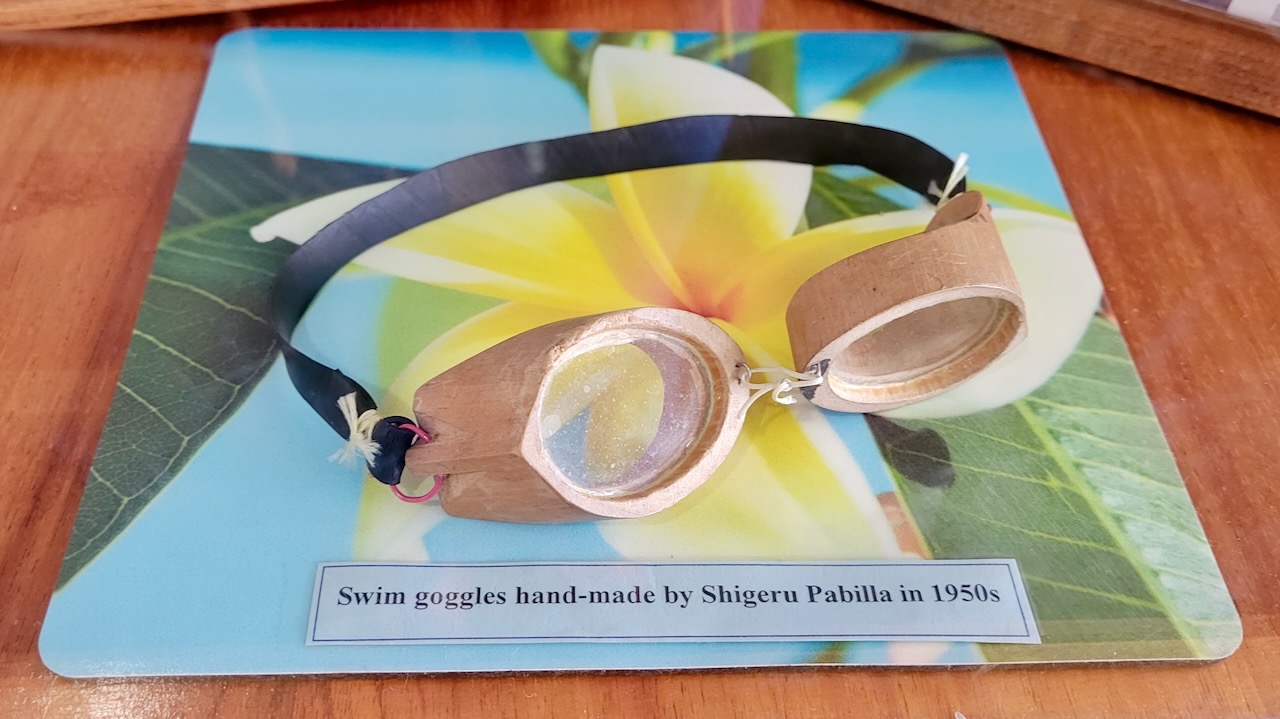
There’s an exhibit and the sign about “the greatest swim coach in the world” catches my eye because that’s quite a claim, but one that was earned after Coach Sakamoto took his men’s swim team to the 1948 Olympics and won every event to include 11 out of 16 medal opportunities. There are goggles that were handmade, in the 1950s, by Shigeru Pabila, who made it into the Hawai’i Swimming Hall of Fame for ocean swimming, of which he placed first in his age group many times in the Waikiki Roughwater Swim, which is a 2.348-mile race.

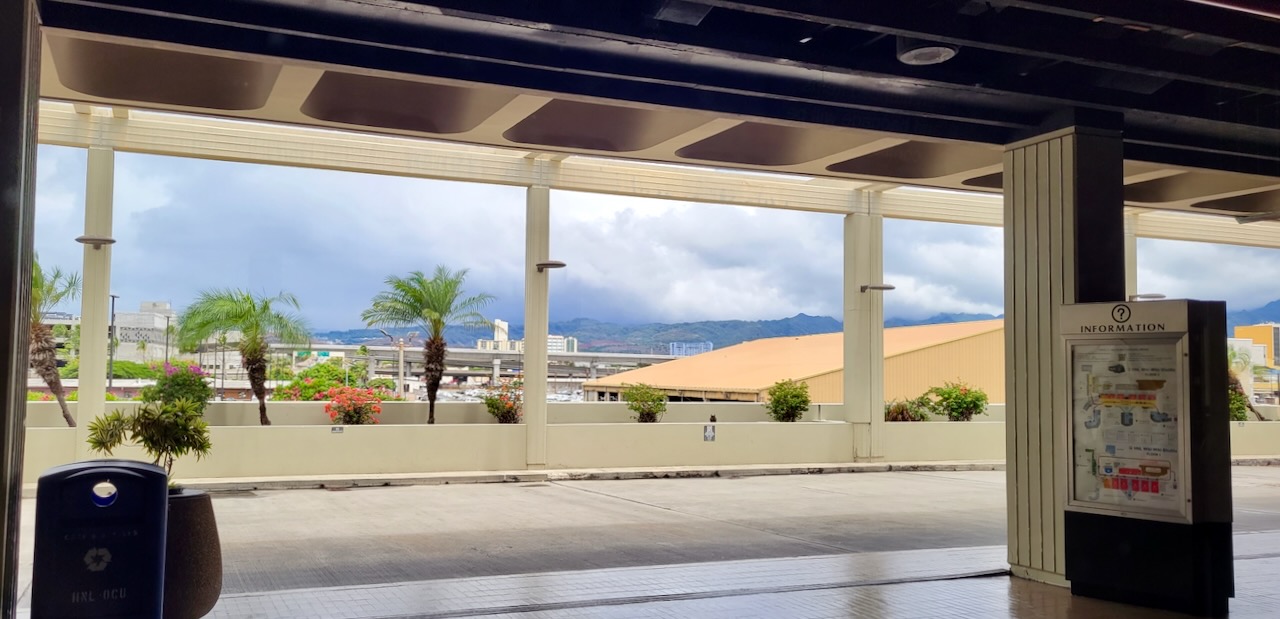
The doors are wide open, and I’m not the only one who thinks that security must be super lax here, as it seems people can just be dropped off and walk in. I’ll take in the distant mountain view obscured with clouds behind all the airport roads and high rises in between. It’s not until I sit down to eat that I hear the announcement for the USO and realize the other terminals are connected by an outdoor pathway. I’ll learn that the military lounge is outside of security, so not worth the free sandwich I might have had.

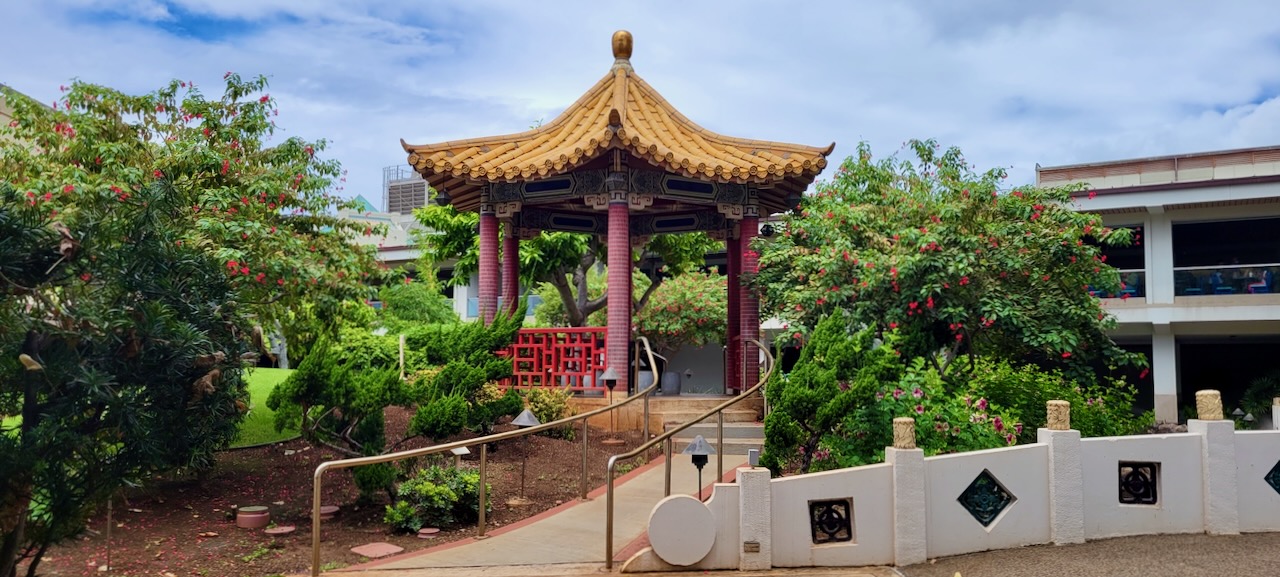
I’ll wander the outside gardens instead and wonder why more airports aren’t increasingly layover-friendly. It’s calming to sit amongst the greenery and listen to the birds, and also watch employees eat lunch and tourists take selfies. I appreciate airports that have places for smokers, children, pets, praying, breastfeeding, sleeping, and reading about their current exhibit in arts, science, sports, music, etc. I’m not here long before it’s time to return, past the sharks holding pineapples, to my gate for boarding.

The middle seat is empty, and the woman in the right aisle seat seems a bit dramatic, but I’ll learn that she’s just excited to be returning to Guam, on a visit from DC, after so long, as she’s been dreading this unavoidable amount of flights and the day of travel it takes to accomplish them. She’ll offer me one of her jackets while we wait for blankets to arrive, which will be her cue to use the two seats to nap while I eat pasta and sip on coffee instead.

I try to sleep but return to reading with burning eyes, knowing that when we land in four and a half hours, I’ll be excited and exhausted. On my last flight, there was a group of three friends traveling from Britain who had spent three days in Los Angeles, on their way to a week in Hawai’i, and then three days in San Francisco before their return. The couple that sat beside me was also spending a week in Hawai’i, not sure if they’re meeting up with her family.

I’ll stand for a while and talk with a guy who is from Hawai’i and recently got back from San Diego, and here he is on another flight. He grabs a blanket and returns to his seat. I get up again to move my legs and head to the back for some hot green tea and a piece of marzipan — not sure if it was for First Class or the attendants, but it still tastes good. After some more stretching and reading, I’m ready for a nap.

Upon waking, I’ll talk with Mickey from Saipan (about a fourth the size of Guam), who has another 40-minute flight to get home but says it was worth it to spend the summer in Los Angeles with his other young friends. It was something for me growing up to save a few dollars (that had more value back then) to get out of the house, which is why I joined the military because I didn’t want to wait around too long to save up enough, but to imagine having to save up so much just to leave your home island… though I just found a flight for $660 that takes 36 hours to get to Los Angeles.

I make my way through the last airport for a week, and Caleb is parked outside nearby waiting for me. I love the smile I see when he notices me, taking my time to notice him as I stare at clouds and ocean in awe of another place reached and somewhere new for us to make lasting memories. Caleb drives us the twelve minutes to the hotel so I can shower and change into fewer clothes to accommodate the warmer weather. We thought we’d walk to dinner, but by the time we got out of the hotel parking lot, both decided we’re too tired for that thirty-minute adventure.

We chose the five-minute drive instead to King’s Restaurant, a recommendation from someone who has eaten the opened food in a dumpster and had their tongue burned in a horrific show of dominance, and can no longer differentiate between decent food (foreign or not) and what you eat for free after being starved for days without anything edible in reach.

Though we may not have been excited about the tinala katne (seasoned, smoked, and dried beef) with hineksa’ aga’ga’ (red rice with bacon grease and achiote powder), cabbage salad (cabbage and mayo), and finadene (vinegar, soy sauce, onions) we also ordered Italian cheese bread (cheddar and Swiss) with a meat marinara dipping sauce that was just as disappointing. It’s as if we were eating the fast food version of these recipes, with all the tasty details left out, which makes sense since the restaurant is American — the opposite of what we look for when traveling, even stateside.

Posted in Food, History, Military, Travel | Tagged , , , , | Leave a comment

A Weekend in Cleveland National Forest

We’ve been looking forward to this trip all week, in hopes that we found a campsite that won’t let us down as unfortunately Joshua Tree had done just two weeks ago. But also, so we could try out our new tent — a Big Agnes Copper Spur HV UL 2 (high-volume, ultralight) versus the Arete ASL 2 (all-season lightness) with one door instead of two, which increases ease of access and limits dirt coming in.

Our old tent, if that’s the case, of a decade in tent years (which REI confirms is any gear over five years old) had seen its share of weather and wear and Caleb was done patching and stitching it together so we opted for something 2.8 pounds lighter versus the newer model of Arete that was released in 2018. The weight difference might not seem like much, being taken from the car, but we plan on doing a very long thru-hike in the future and every ounce will matter on our backs.

Part of getting older is having the ability to look back on how long you’ve been doing stuff you love and I’m glad that we are still fortunate enough to have the time, money, and health to take these trips. I’m also grateful for early days off work so we can get going sooner, though it helps that we’re going against traffic congestion too.

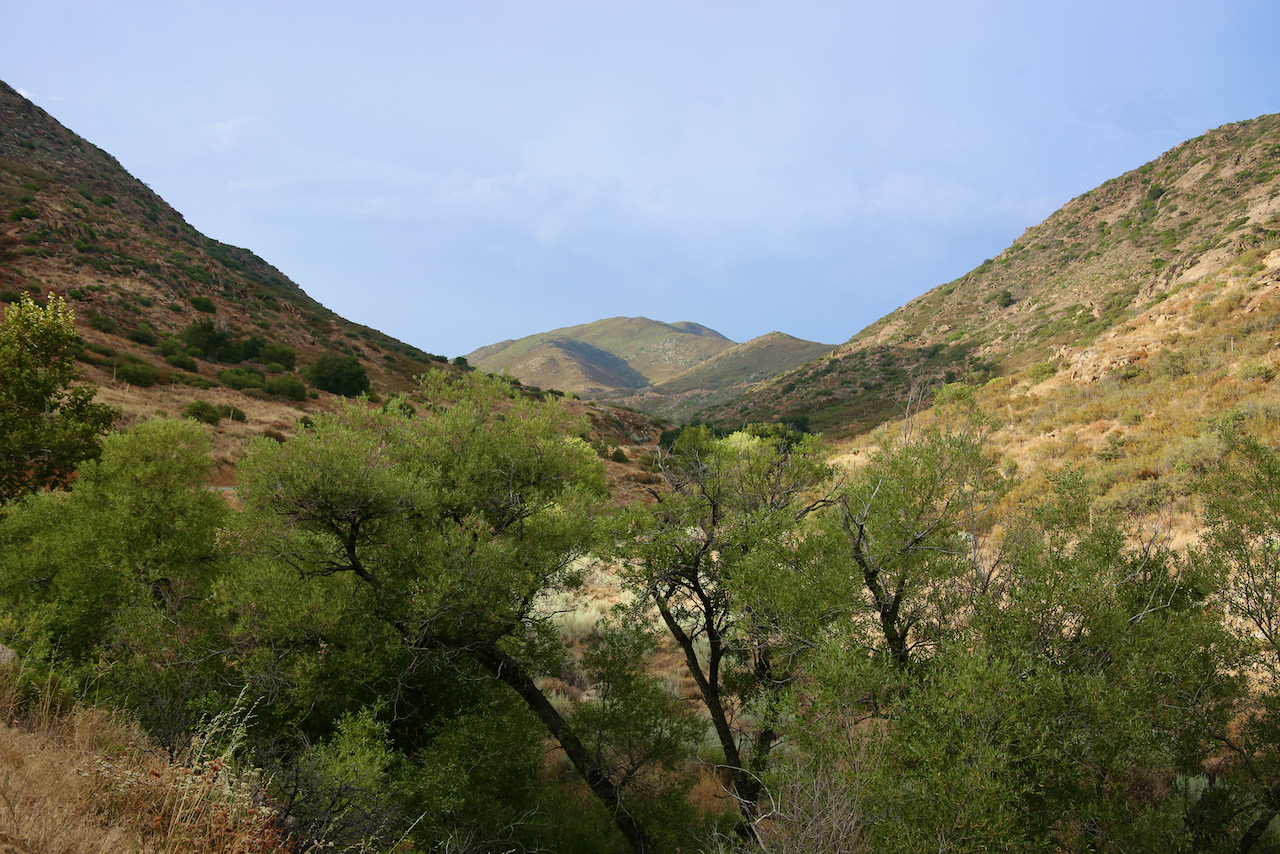
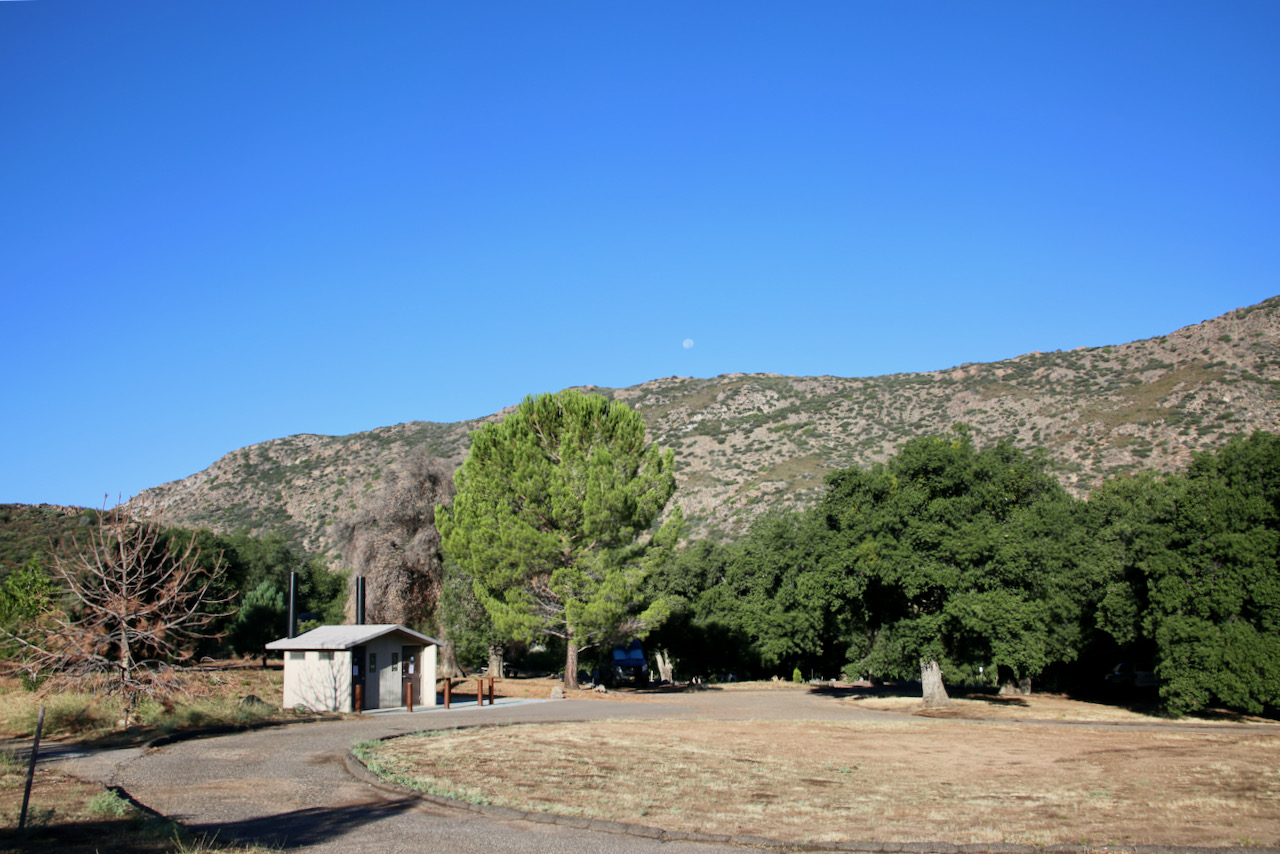
The last 4.5 miles to the Cibbets Flat Campground promise us that the short hour on the highway will be worth the journey as the trees and clouds tell me there’s a chance our tent will have shade versus the ultra hot Jumbo Rocks Campground that takes 3.5 hours to drive to only to leave everything to melt in the mercy of the sun. Ok, I’m done comparing the two campsites. Let’s get back to Kitchen Creek Rd.

I am known to take pictures while driving, regardless of the country, conditions, or company that I’m in but I don’t text while driving so I wouldn’t know that our phones had gladly lost signal at some point between home and our temporary reprieve from the demands that noisy notifications can place on us with the expectations of others to constantly respond.

I love being social but I also think there’s a time and place for being on the phone, unless I’m away from Caleb and then the rules change completely, whether I’m at work or visiting my dad, my husband is my priority, so camping with him means I have everything I need and can hit pause as we soak in nature and all it has to offer before work requires our return to the city and its stipulations.

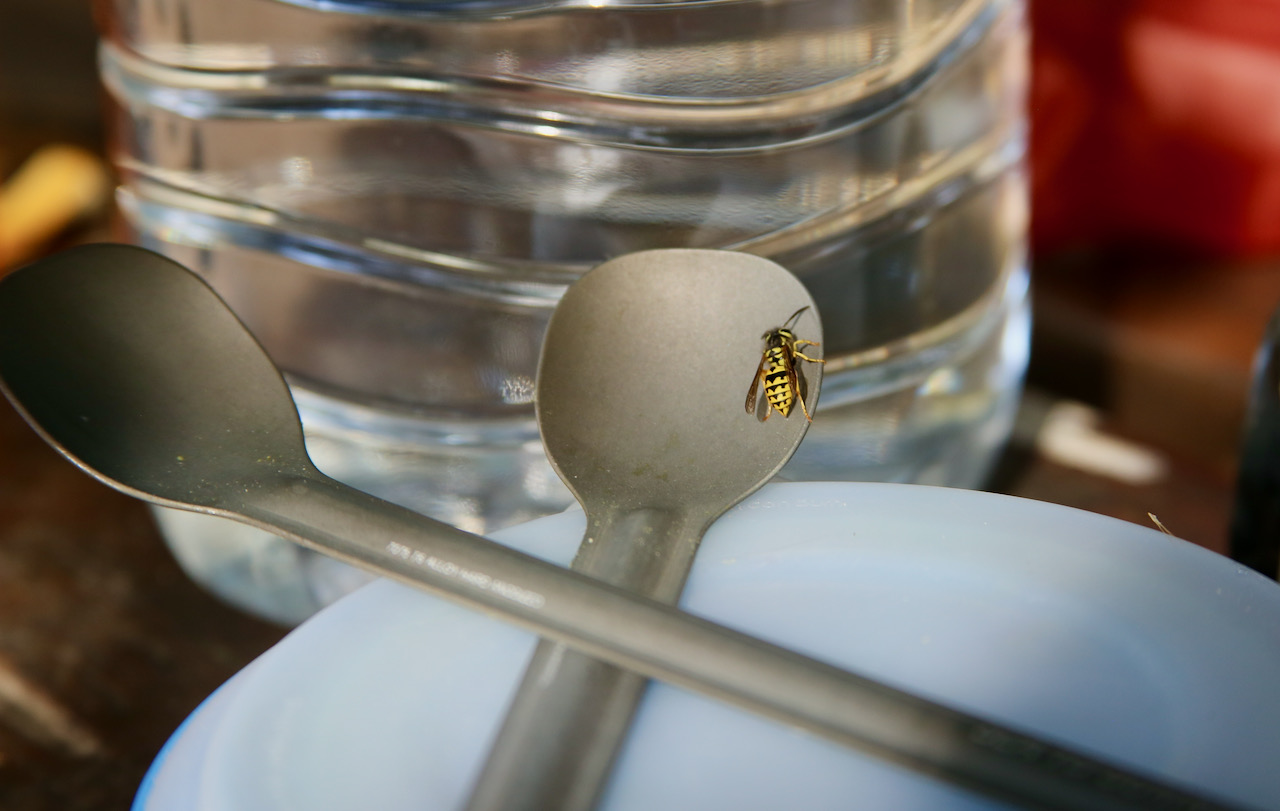
Caleb will set up the camp bedroom while I prepare the food amongst our friends the ants and yellow jacket wasps after watching some activity on squirrel rock. I will move us to another table for dinner and be watched by a California scrub jay as we get some pre-hike calories ingested. We walk along the road for half an hour looking for the PCT, as we had passed a portion that goes over the road, but it was further than we realized, so we will save it for tomorrow.

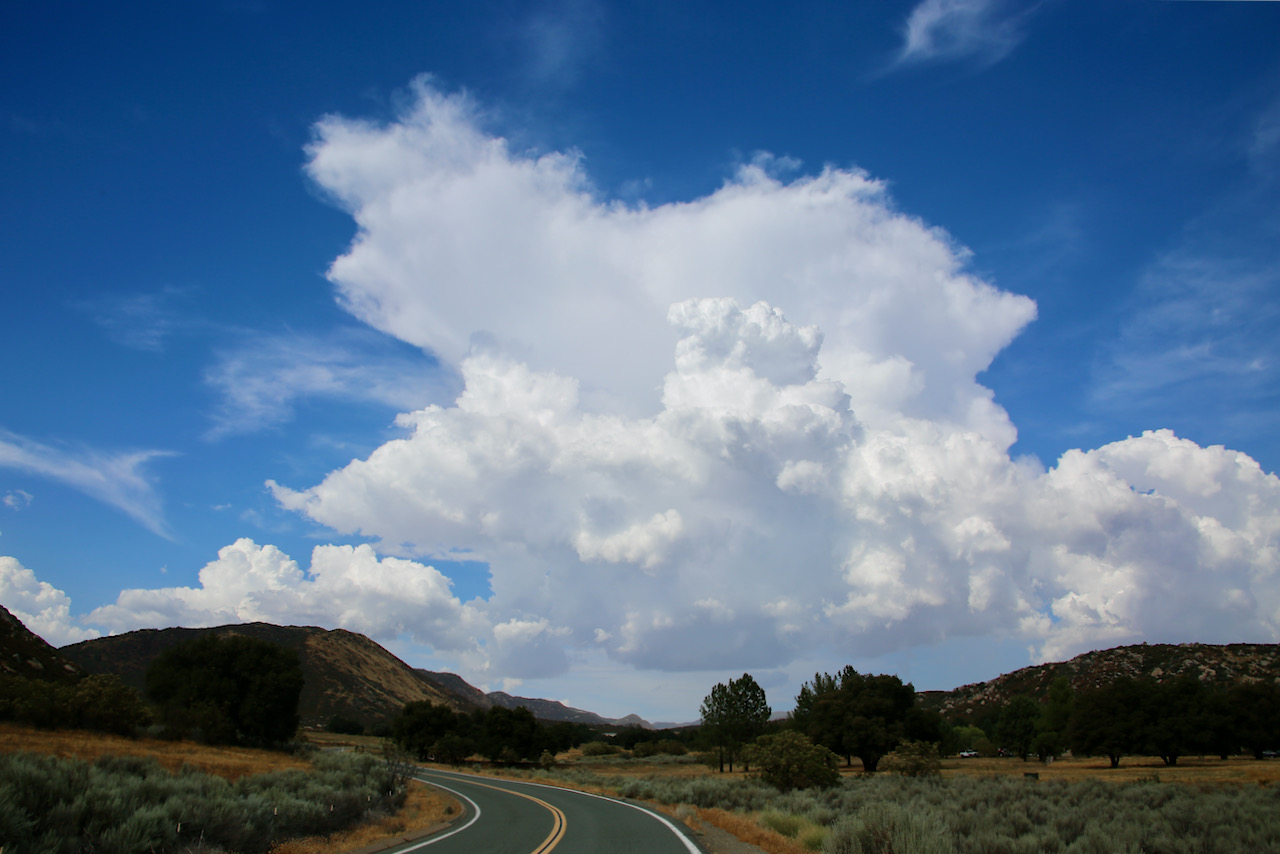
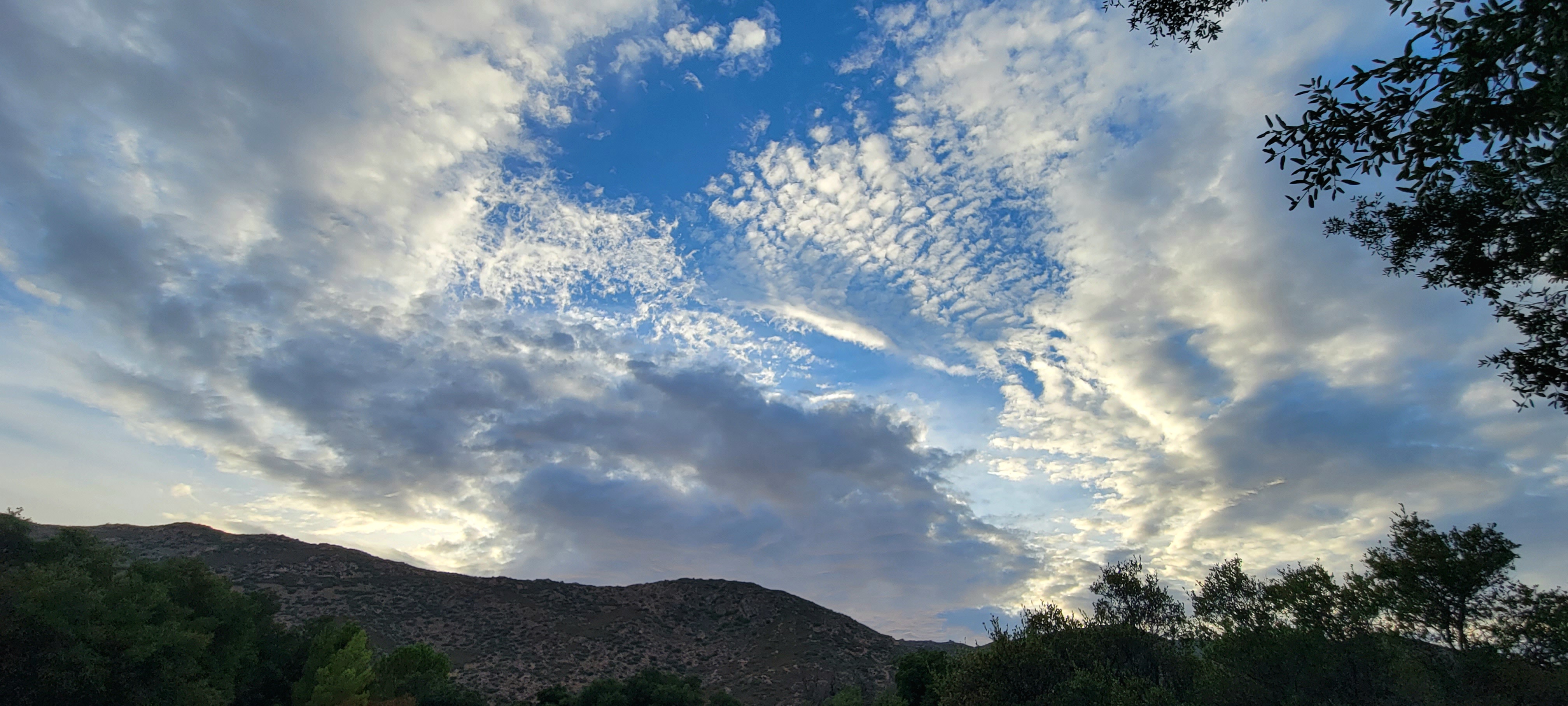
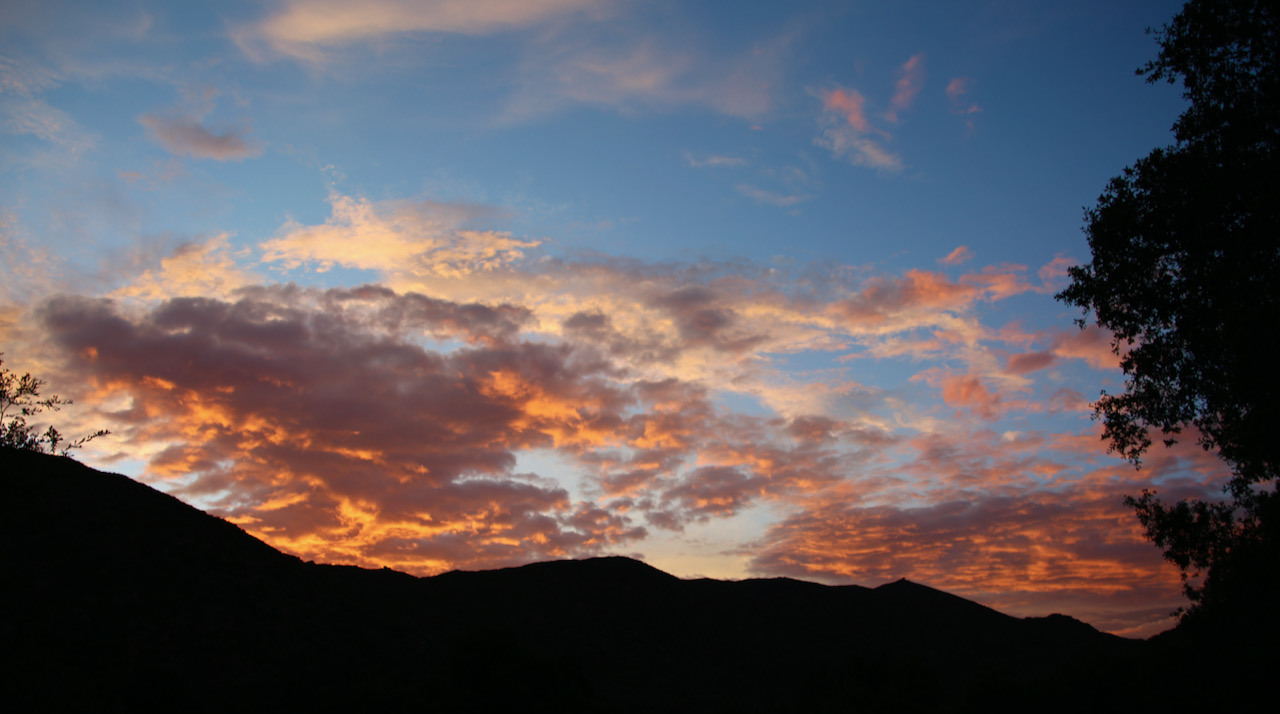
Back at camp, Caleb will put the rainfly on the tent just in case and that’s when I find the trail that leads to the PCT from the camping spot next to ours. I read some of the trail log before seeing a hawk grab his dinner and I’ll return to watch the clouds turn from yellow to red to gray with Caleb. As the bats come out, the buzzing stops and the familiar chirps of the night start. These are the sounds and sights of camping as they should be as we sip spicy cocoa in the dusk.

We wait for the stars to emerge, but as they choose to remain hidden in the early evening, we will turn to reading as a way to keep our eyes and minds busy instead. We move into the tent to escape the little winged creatures that my headlamp unwillingly attracts but as the night grows darker around us a peace settles in and we are lulled into a passing slumber.

SATURDAY

We are woken around 2am to winds that sound like they will bring rain, but they don’t, so Caleb opens his rainfly door again to get more airflow in the tent. I enjoy that we can get a cross breeze more easily instead of having just the one door or relying on the vents at the top, which do help release humidity. I’m woken again around 5am to the sound of crunching dirt and again when Caleb gets up.

I climb out of the tent when there is twilight to do so and I’ll boil water for our cold granola, which turns out to be beneficial as it’s softer in my mouth that just had a bone graft done on Tuesday. I’ve still got stitches in and was told to chew on the left side, which seems unfair as I try to give my mouth equal chewing capacity, so for now I have to take smaller bites as well.

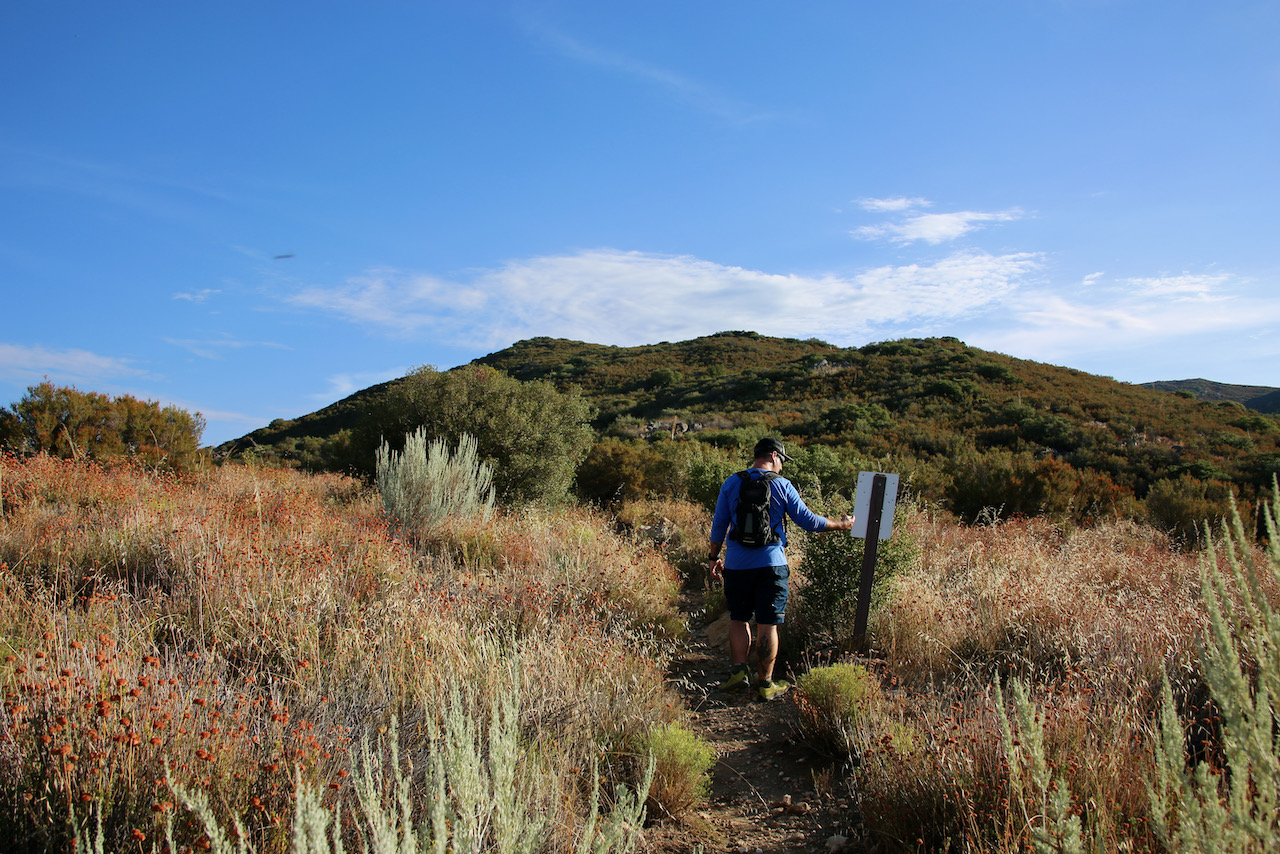
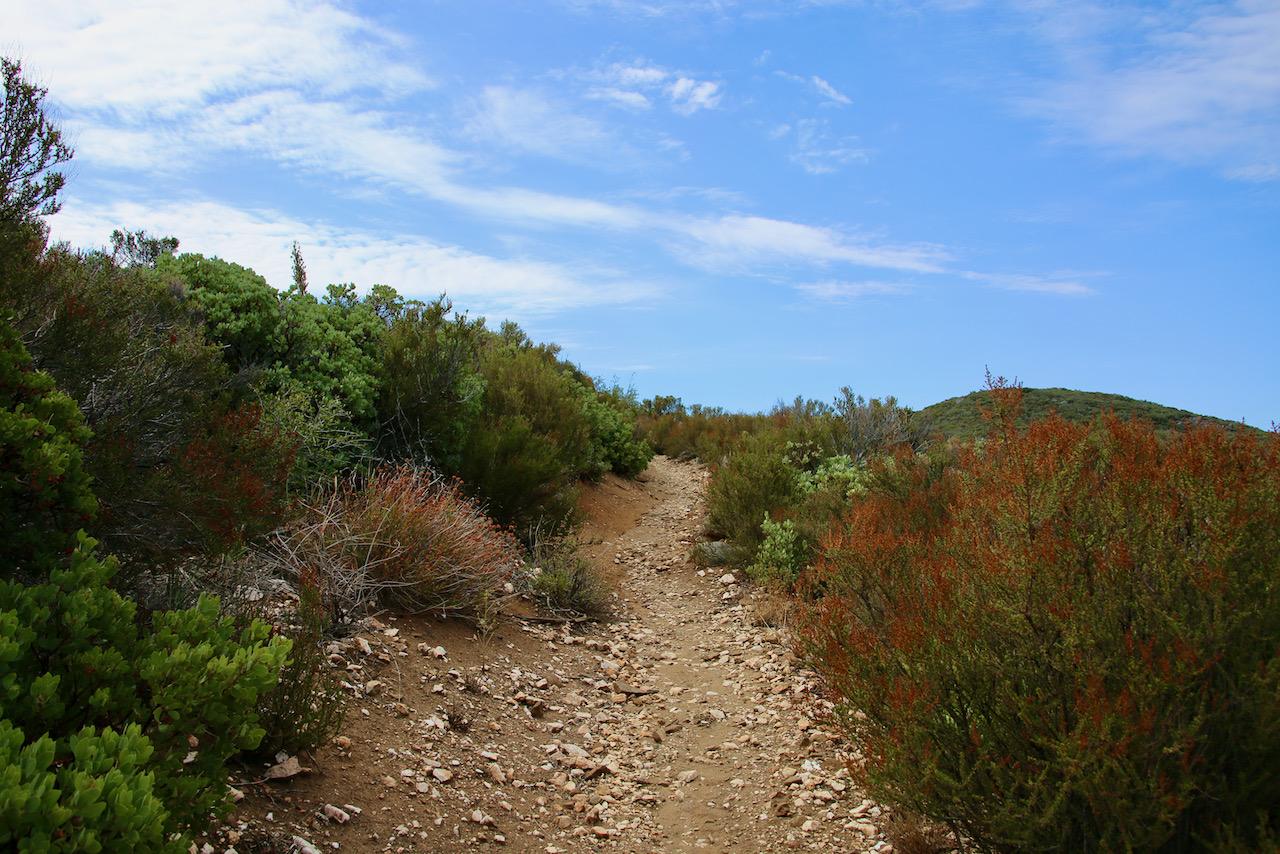
The morning starts off cool, around 61 degrees, and the ascent is constant. We’ve got long sleeve shirts on to protect against the sun but they won’t make it on our backs for the length of the hike. We walk through the small opening in the fence from the campground that leads to a dirt road that will take us to a good break point in the trail. There is some shade and rocks for resting and stretching.

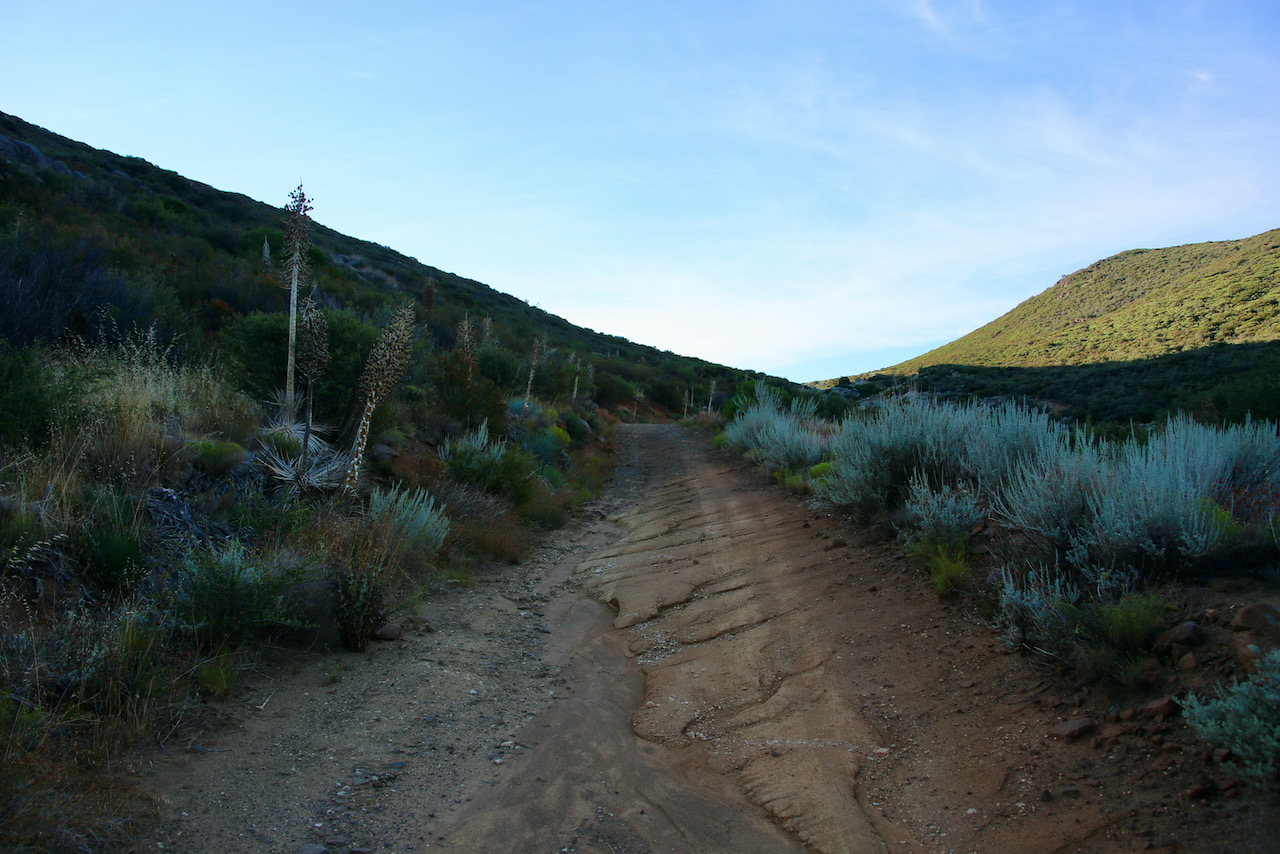
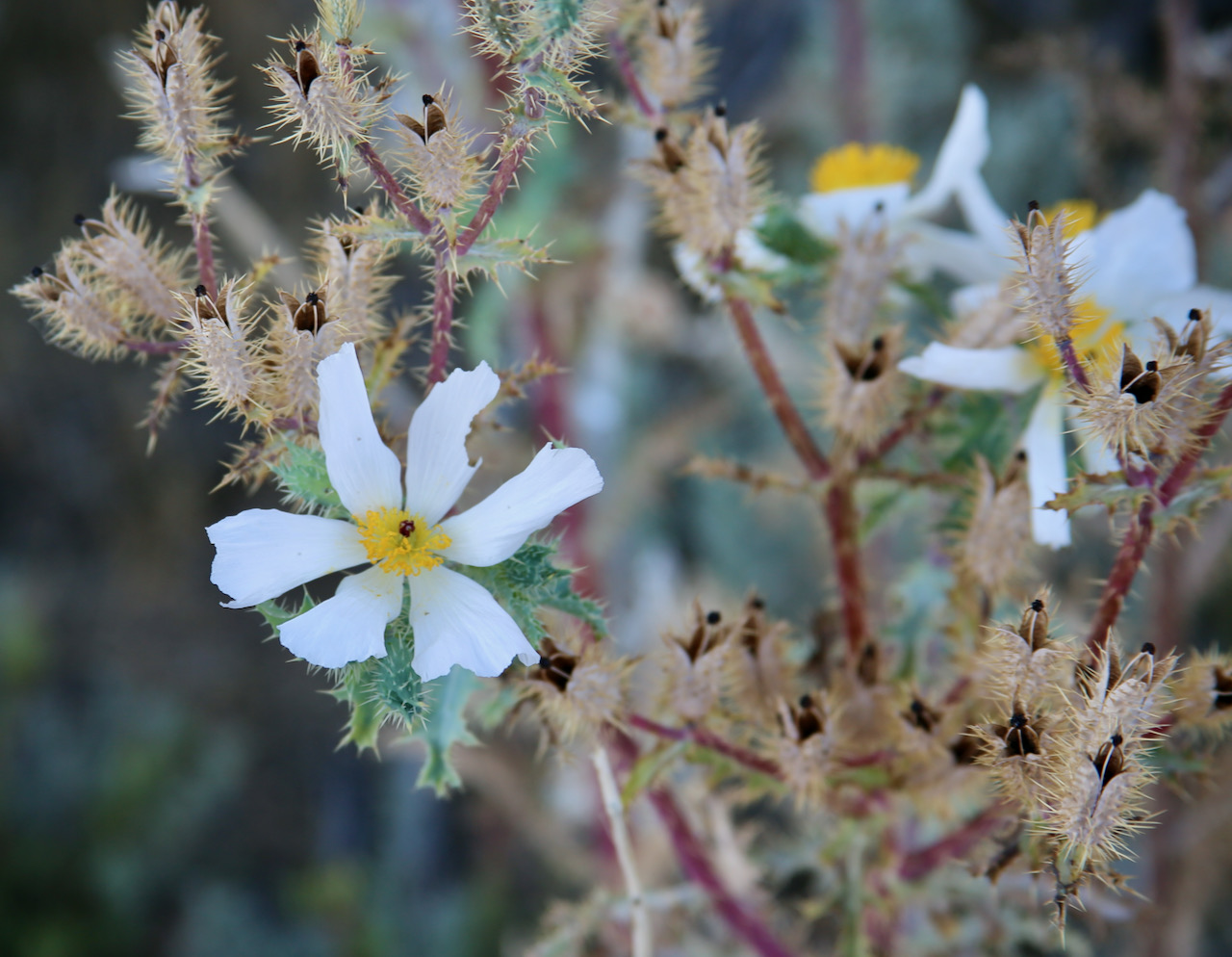
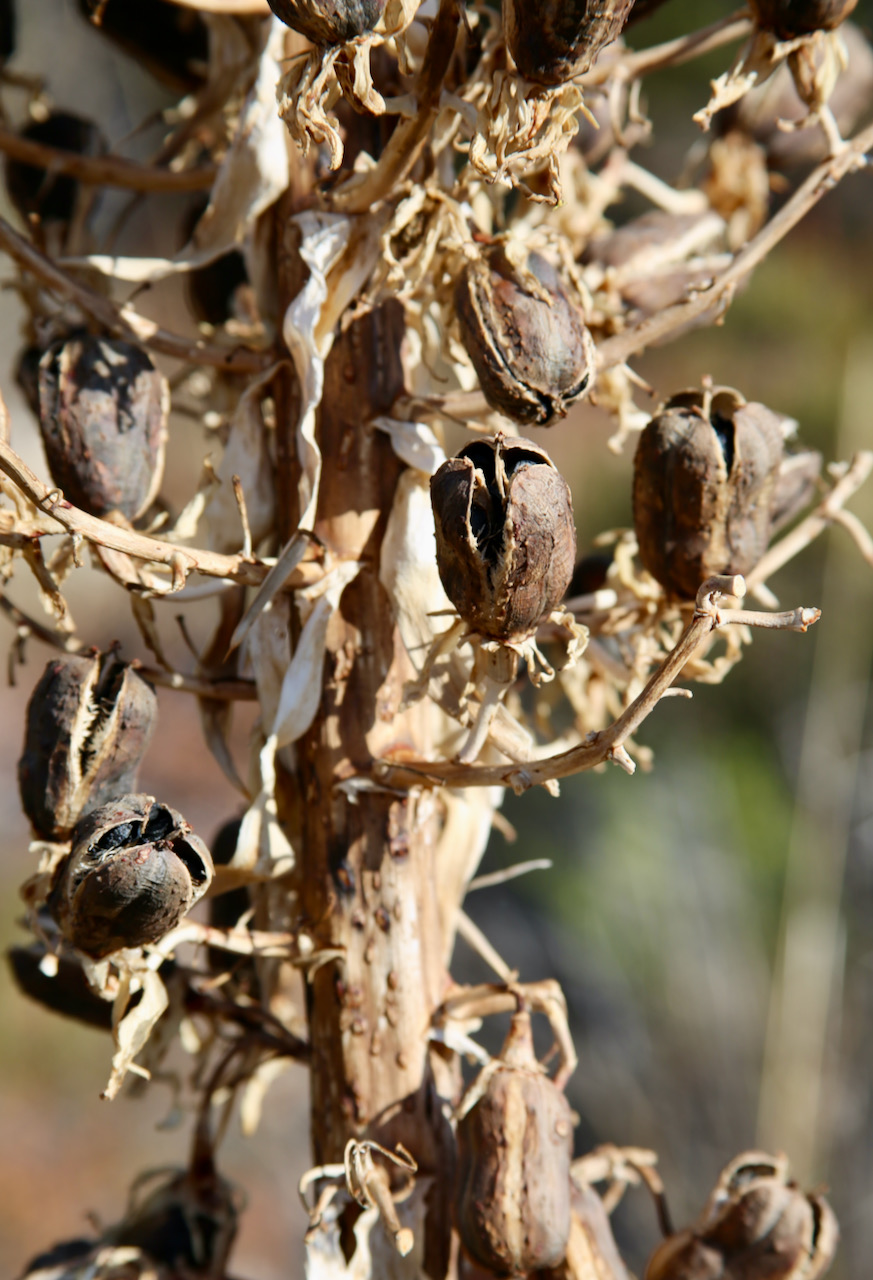
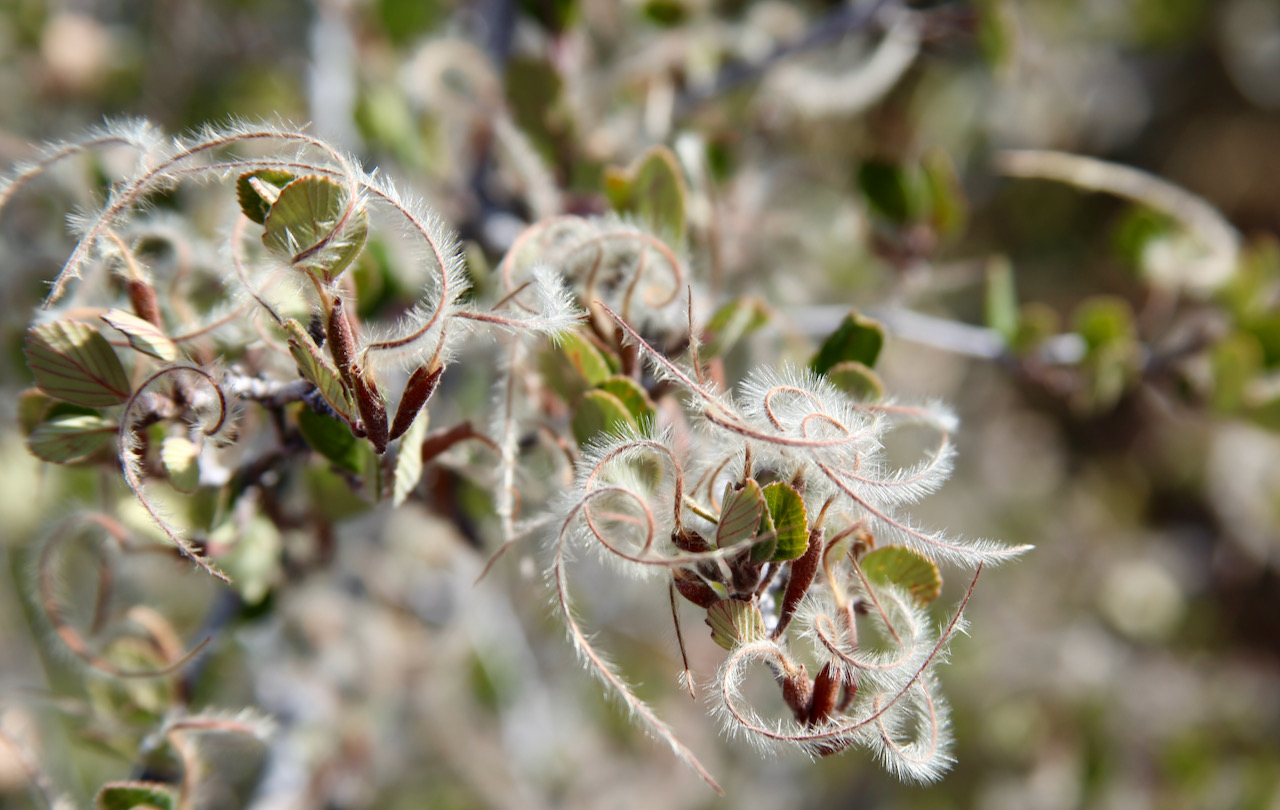
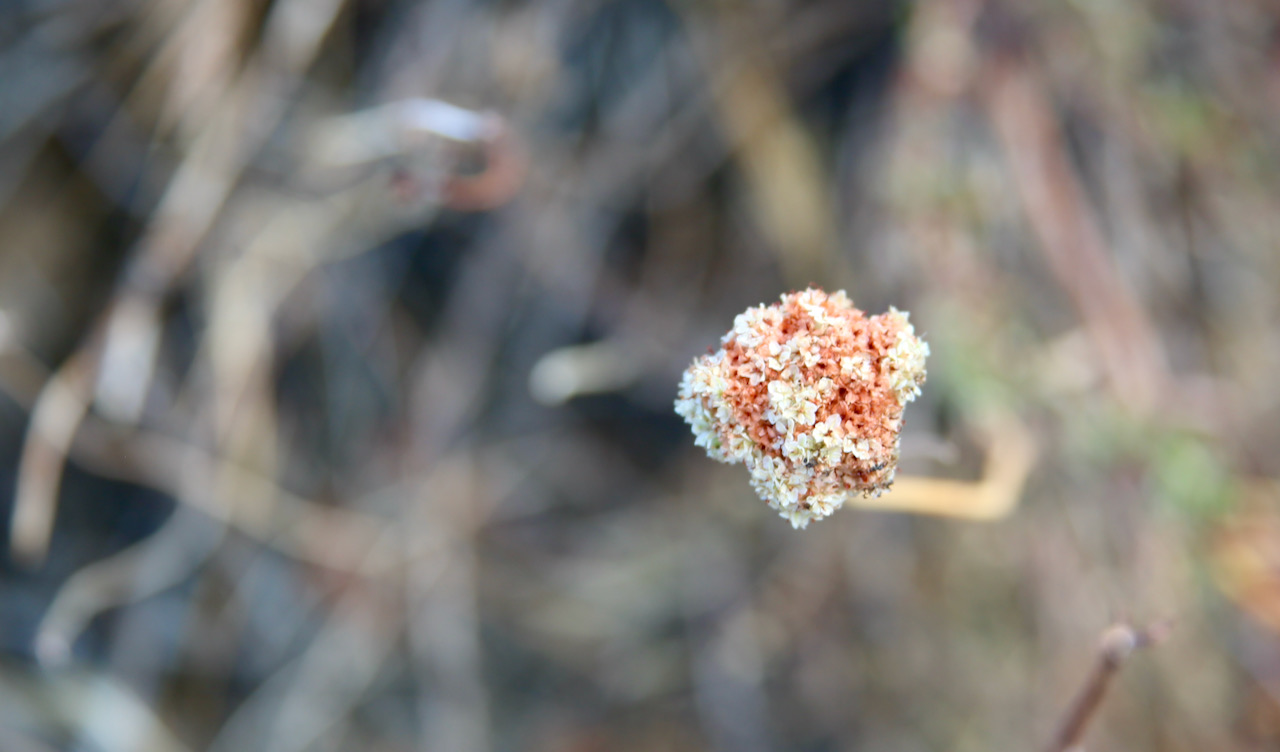
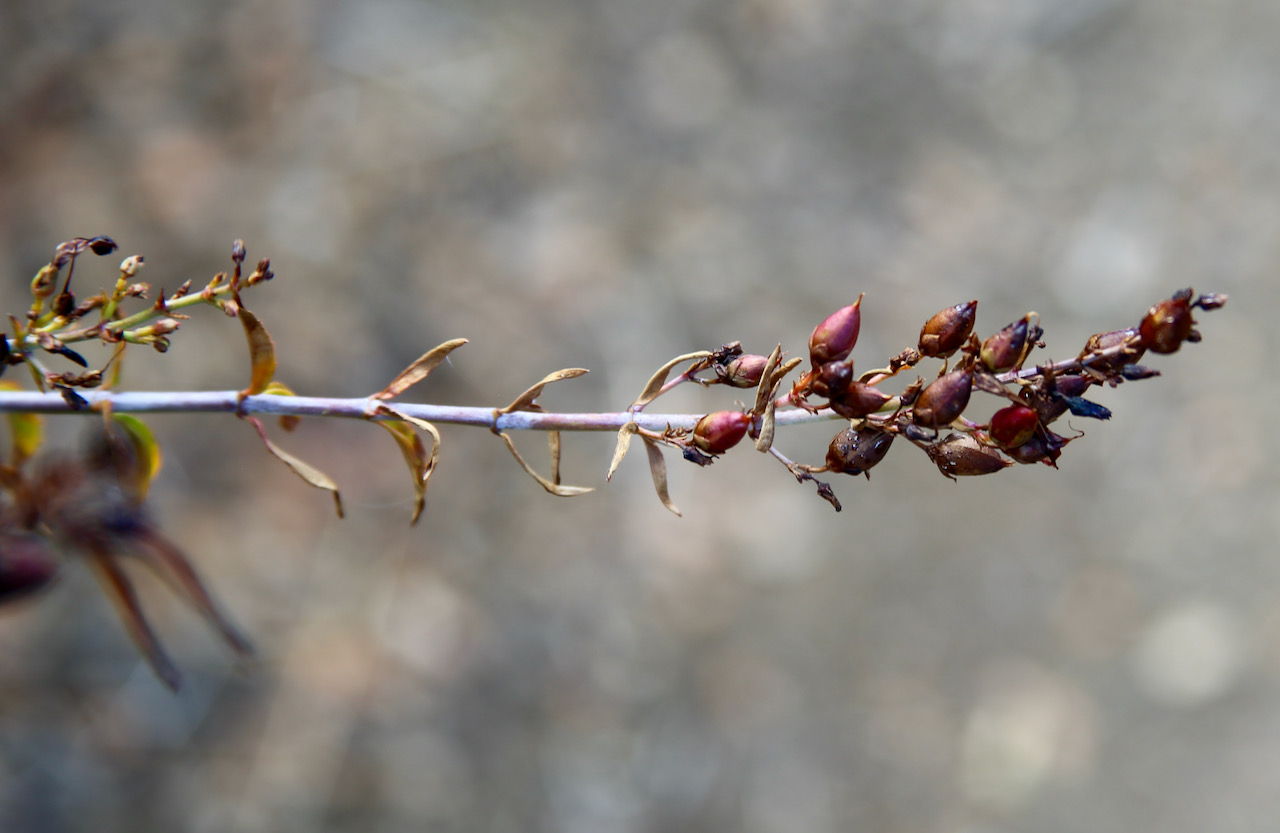
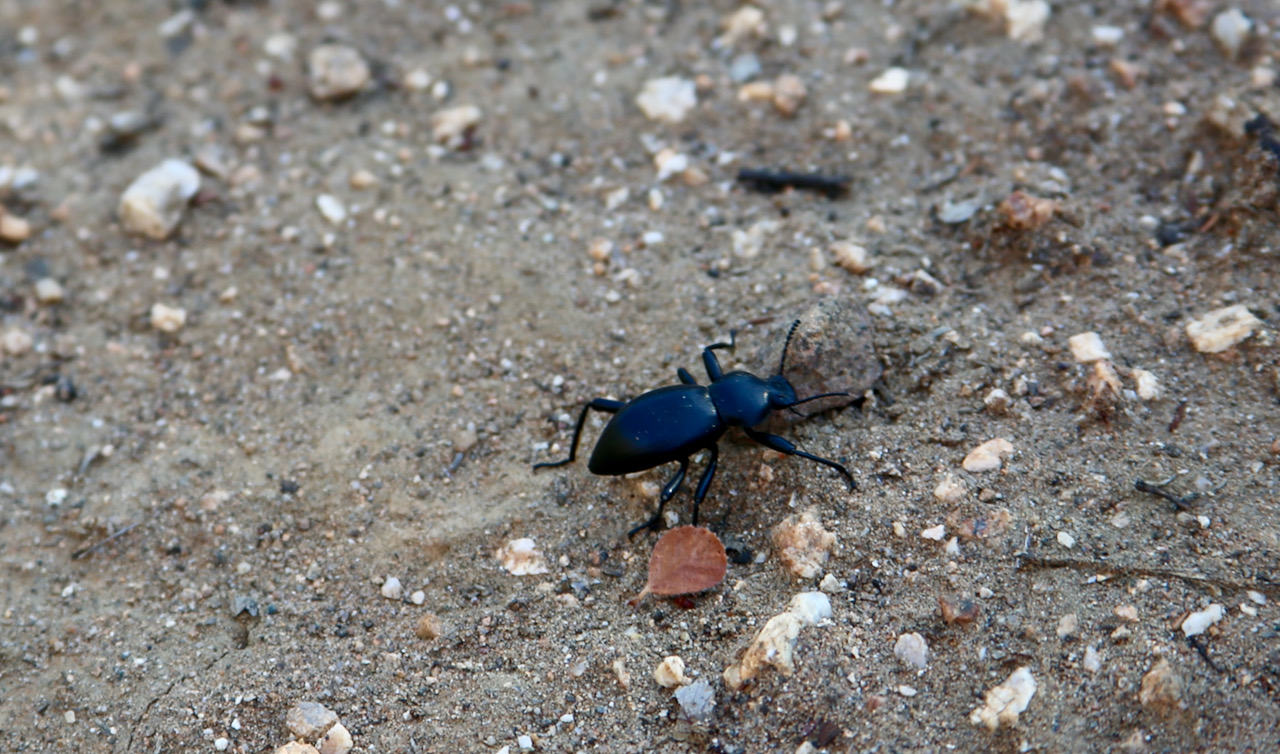
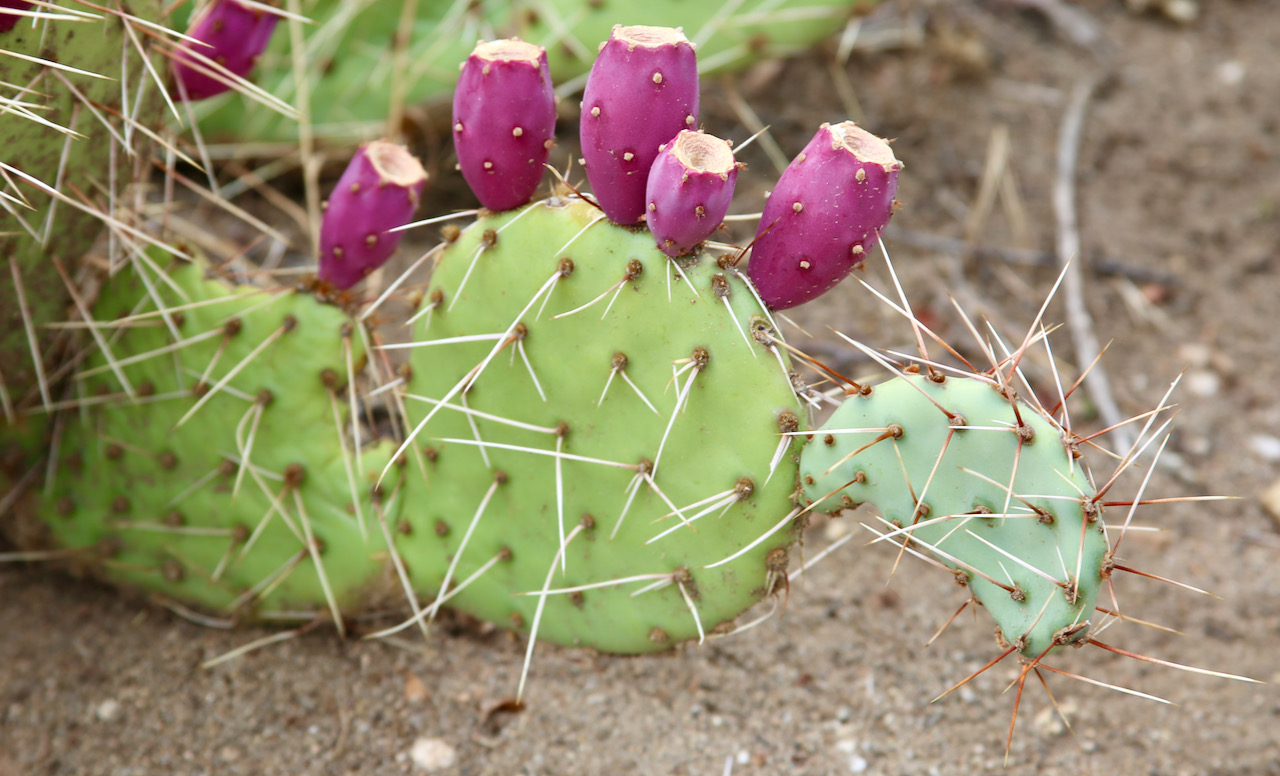
We choose to go left, which is a continuous climb up 1,205 feet of mountain and with a temperature gain of 20 degrees becomes a more sweat-inducing pastime. I find little details in the passing plants and rocks worthy of stopping for a photo and appreciate the mass variety of shapes and colors to entice my eyes to take note of their beauty and contemplate their journey as I continue on mine.

My camera seems to double in weight as we decide on a turnaround point. We are offered more expansive views as the valley opens up below us. I love that a hike is two adventures in one as each direction has something to offer… like shade when we return to camp after seven miles, so we can go into town for the Chula Vista Lemon Festival taking place in what was once known as the Lemon Capital of the World — one of three in California along with Florida, Mexico, and India.

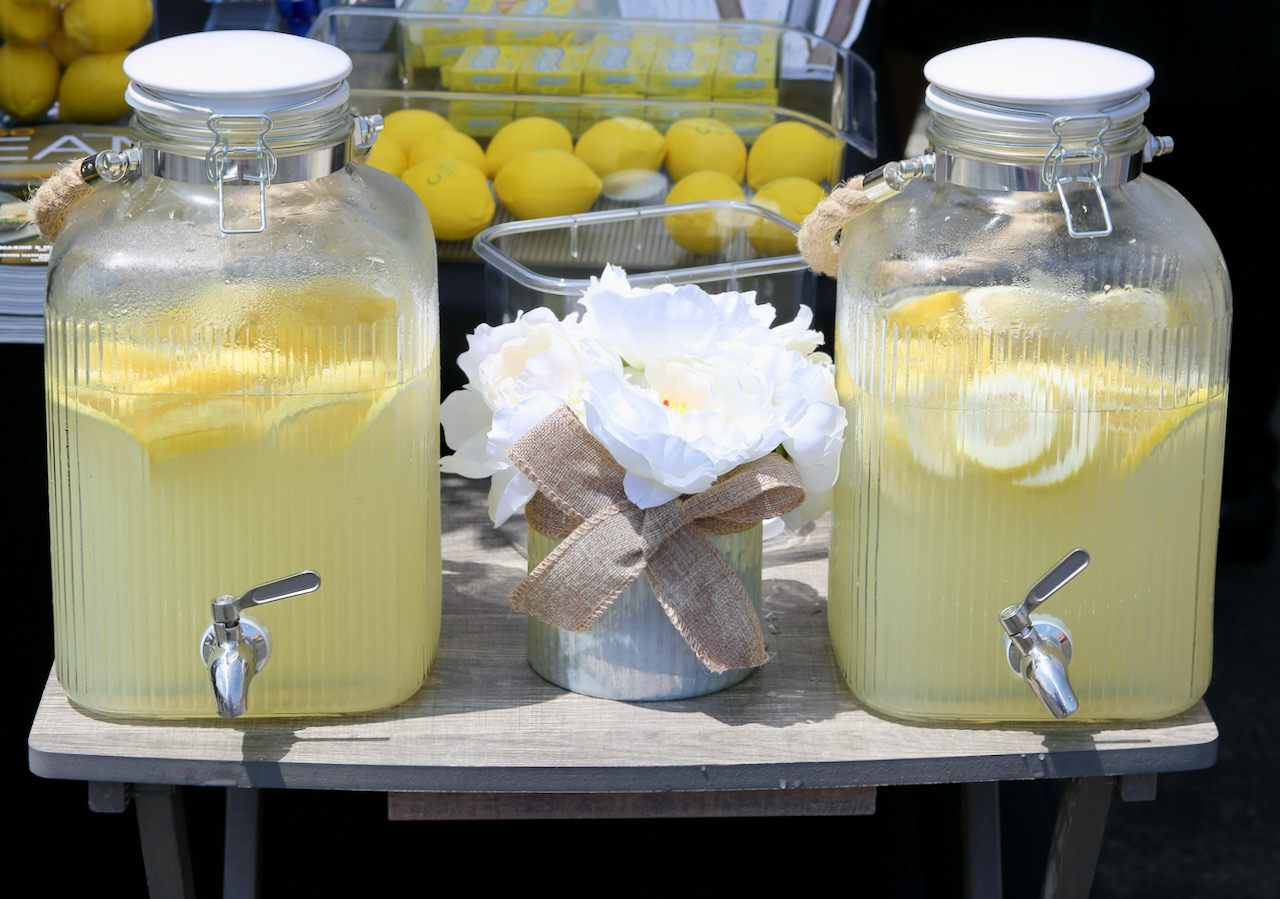
Chula Vista held the honor from 1888 when the Sweetwater Dam made the area more conducive until the housing boom of the 1950s wiped out the lemon groves. Today, we get to join some 30,000 people in celebrating everything lemon for the half mile of vendors, artists, stages, and contests of eating, wearing, and making lemon-themed consumables, crafts, and clothes.

This festival has been taking place for 25 years now and we’re given seven hours to celebrate on Third Avenue. We buy two loaves of sourdough, one olive and one Oreo, after walking the event which was bigger than we thought it would be. I don’t know why we had expectations with a lack of historical knowledge and no idea how current events would effect the turnout either. We were much more pleased with this gathering than the Fallbrook Avocado Festival in April.

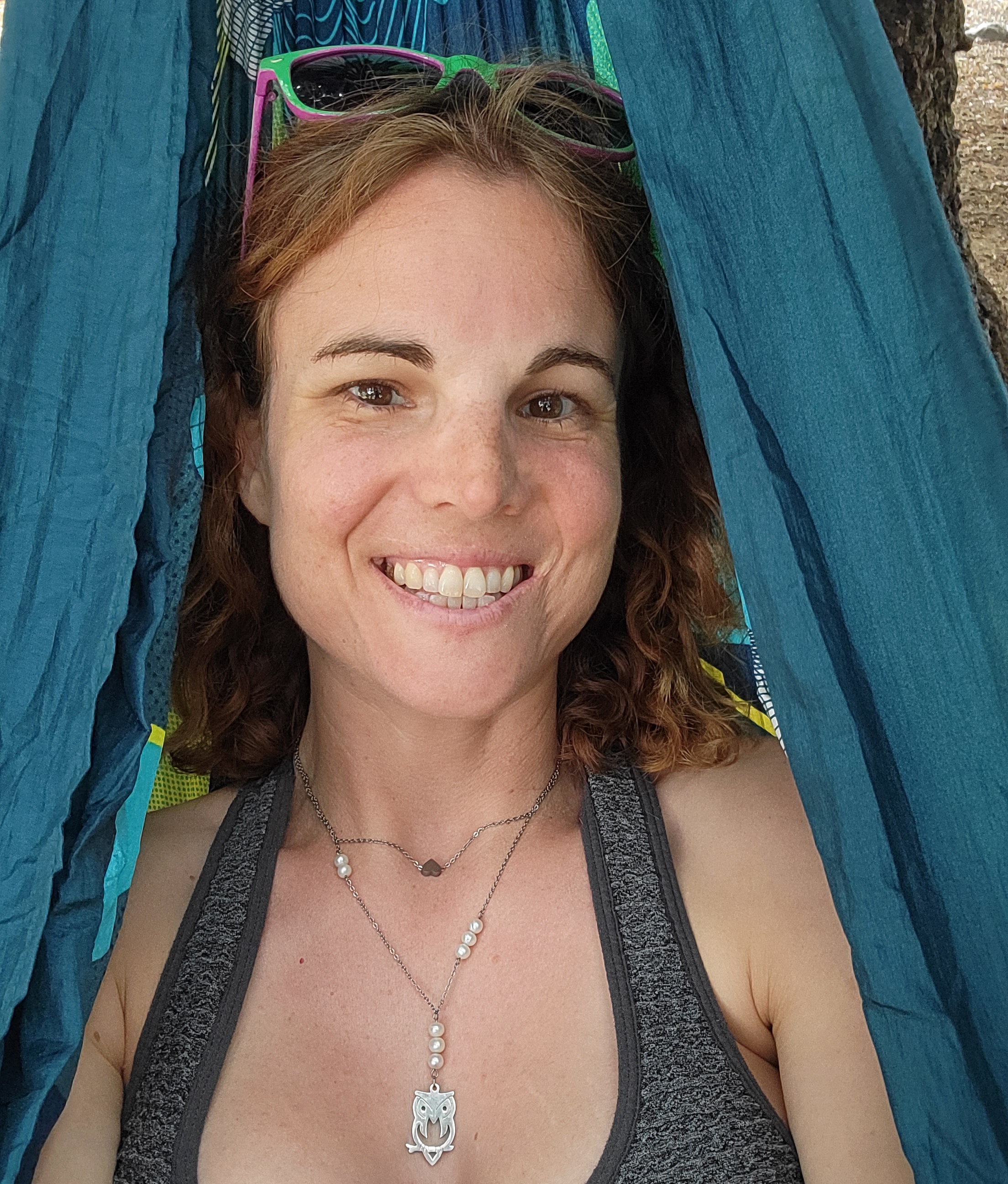
We’ll stop by the house to slice some bread to take with us along with the ENO DoubleNest printed hammock — that Caleb’s sister gifted him some time ago, but we didn’t have the straps or place to hang it until now — and an adult coloring book to take back to a still wet camp from the afternoon rain. Caleb sets up the hammock on a large tree and its sturdy branch but moves it between two smaller trees so we can lie in it together without our bums on the dirt.

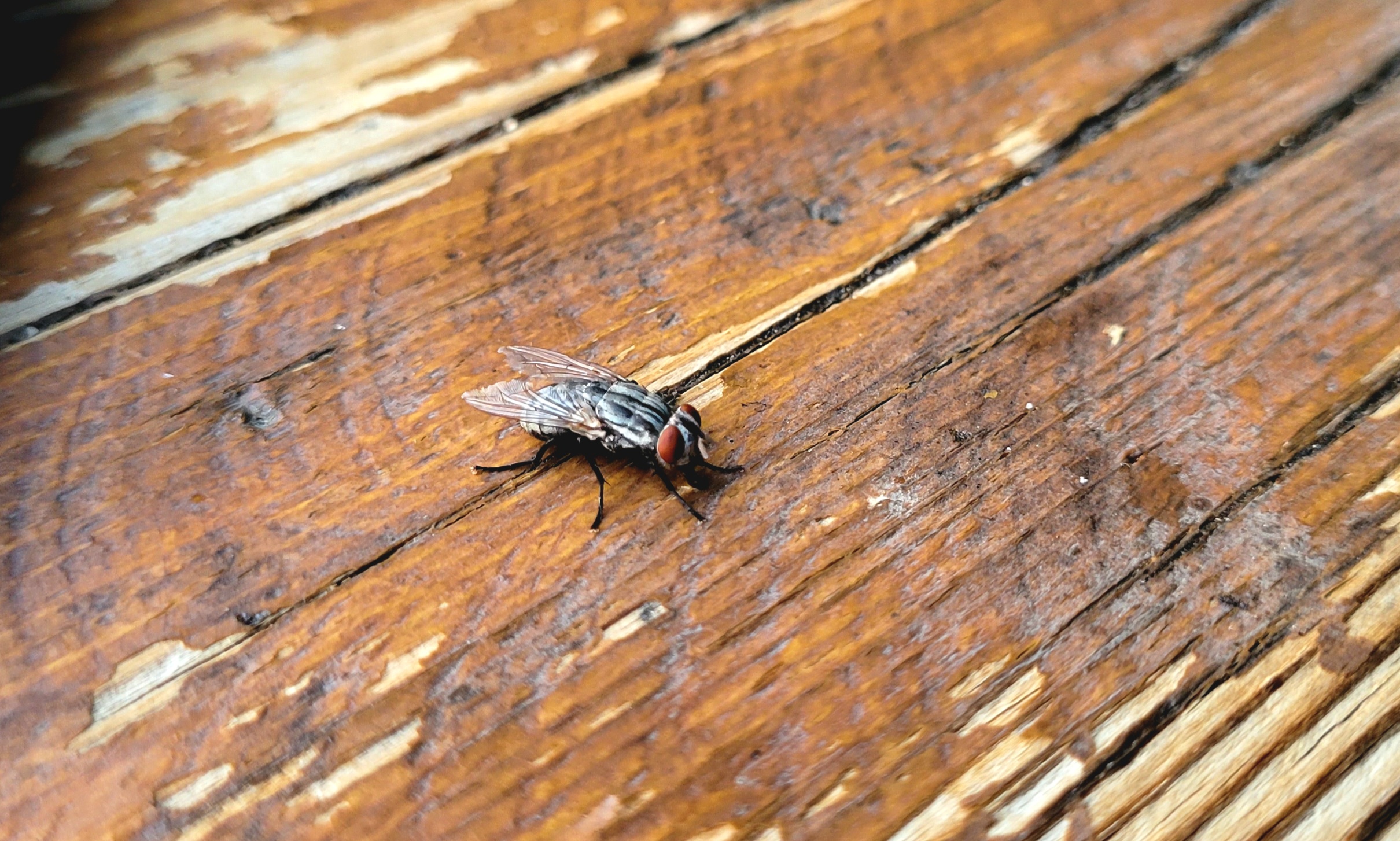
Having skipped lunch we’ll make dinner early and read while we pick off ants that find their way amongst our soft body hairs and cause a tickling distraction. We’ll go for a short walk around camp as there’s a bridge to other empty camp sites and then return to our spots in the hammock to watch squirrels, swat flies, and toss more ants while we turn pages (physical and digital) and sip hot drinks. The sunset isn’t as colorful as last night but the bug sounds and bat sightings are on time.

To live at this campground for a month, paying nightly, would cost us a third of what we’re paying in rent now and a third of our rent in the place we’re moving into if the campsite raises their rate from $14/night to $20.. as there was a sign on the vault toilet door suggesting just that. It makes sense to me why former retirees become camp hosts so they can spend their time camping and getting paid for it. I’d gladly do seasonal work and appreciate the changes moving to different parks would bring.

This is what I’m thinking about as darkness takes over the sky. I could get used to weekends like this and covering another four miles after our hike puts us to bed happy and ready to get rest for going south on the PCT in the morning.

SUNDAY

I’ll make us breakfast while Caleb packs up the tent. We go on a beautiful hike for hours, mostly downhill going out, but weirdly there are no photos to share of this, minus the one looking back on camp and one of me in the hammock… where we’ll sit until the sounds of thunder and the promise of the daily afternoon downpour send us back to the house.

Posted in Animals, Art, Camping, Events, Food, Hiking, History, People, Photography, Plants | Tagged , , , , , , | Leave a comment

Sunday in Stelzer Park

Caleb wakes me with kisses and everything is right with the world, at least in mine for the moment. It’s these tiny gestures that will stick in our memories and remind us of just how much we love each other and that we share the joy of spending time together.

We leave a bit later than planned but as the trail isn’t far from the house nor an all day excursion, we’re not in a hurry either. We wait for the ranger to return so that our fee can go in an envelope in the door and proof of payment on our dash.

The entrance has a pond in the shade with chairs that remind me of happy memories of my preadolescence when I would sit between the trees by the little waterfall that our pond had and escape reality with a book in my hands and a dog or two nearby.

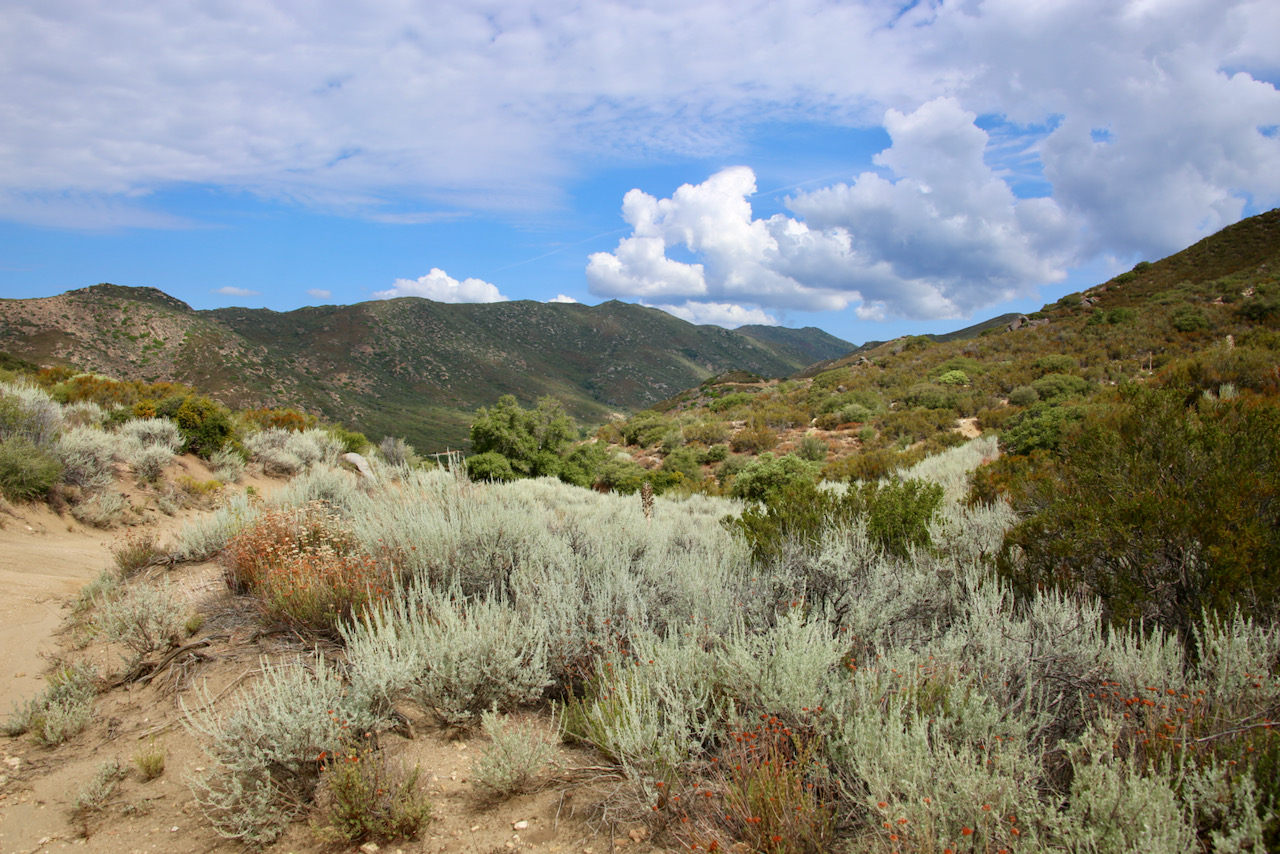
There is also a playground and picnic tables but as we’ve already eaten and haven’t come for the swings we continue along the clearly marked trail. There is a loop and two peaks to be completed, which should total about 3.4 miles and at least 620 feet of elevation gain.

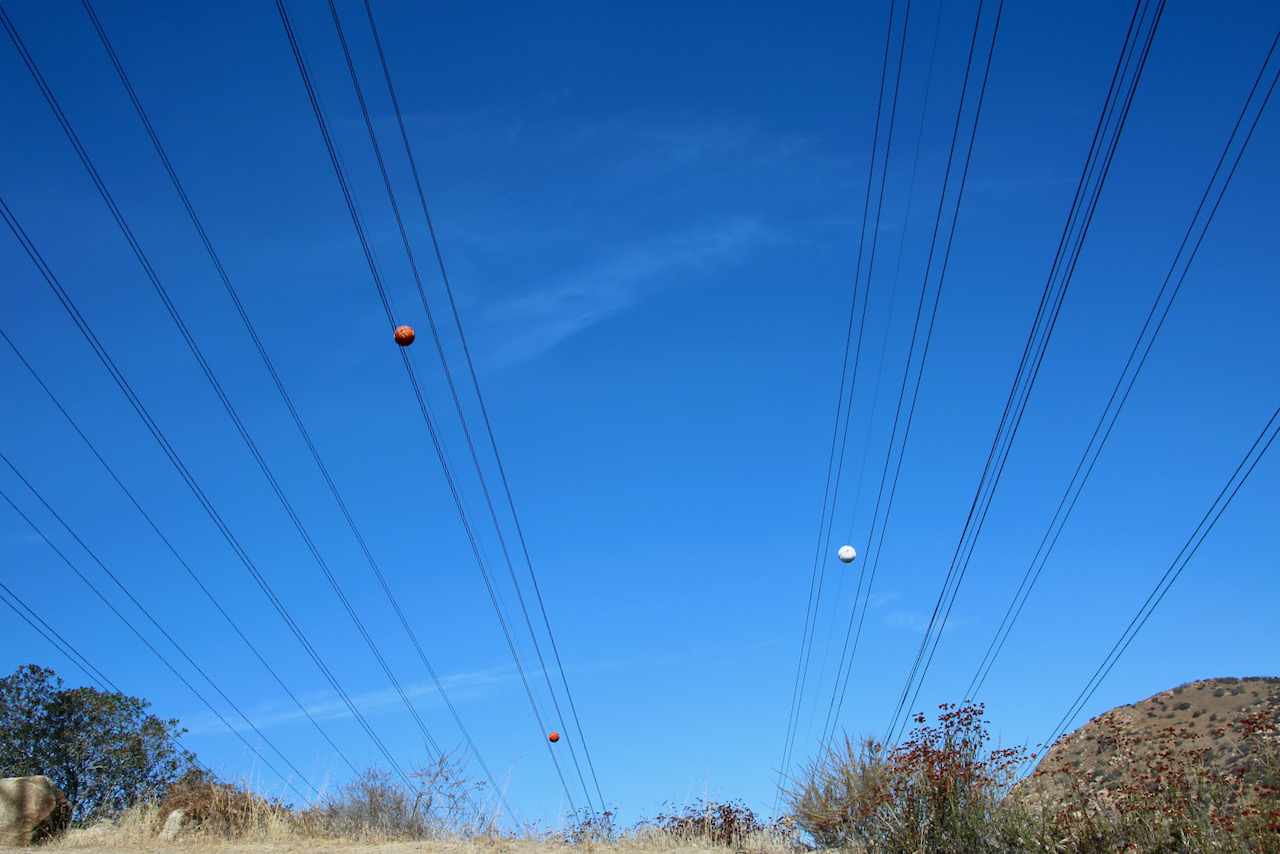
This route will cover the Wooten Loop Observation Deck — easy to access and a place to sit, the Kumeyaay Promontory — wider views with lots of power lines, and the Stelzer Summit — that is more fun to climb than it is to baby step it down sideways.
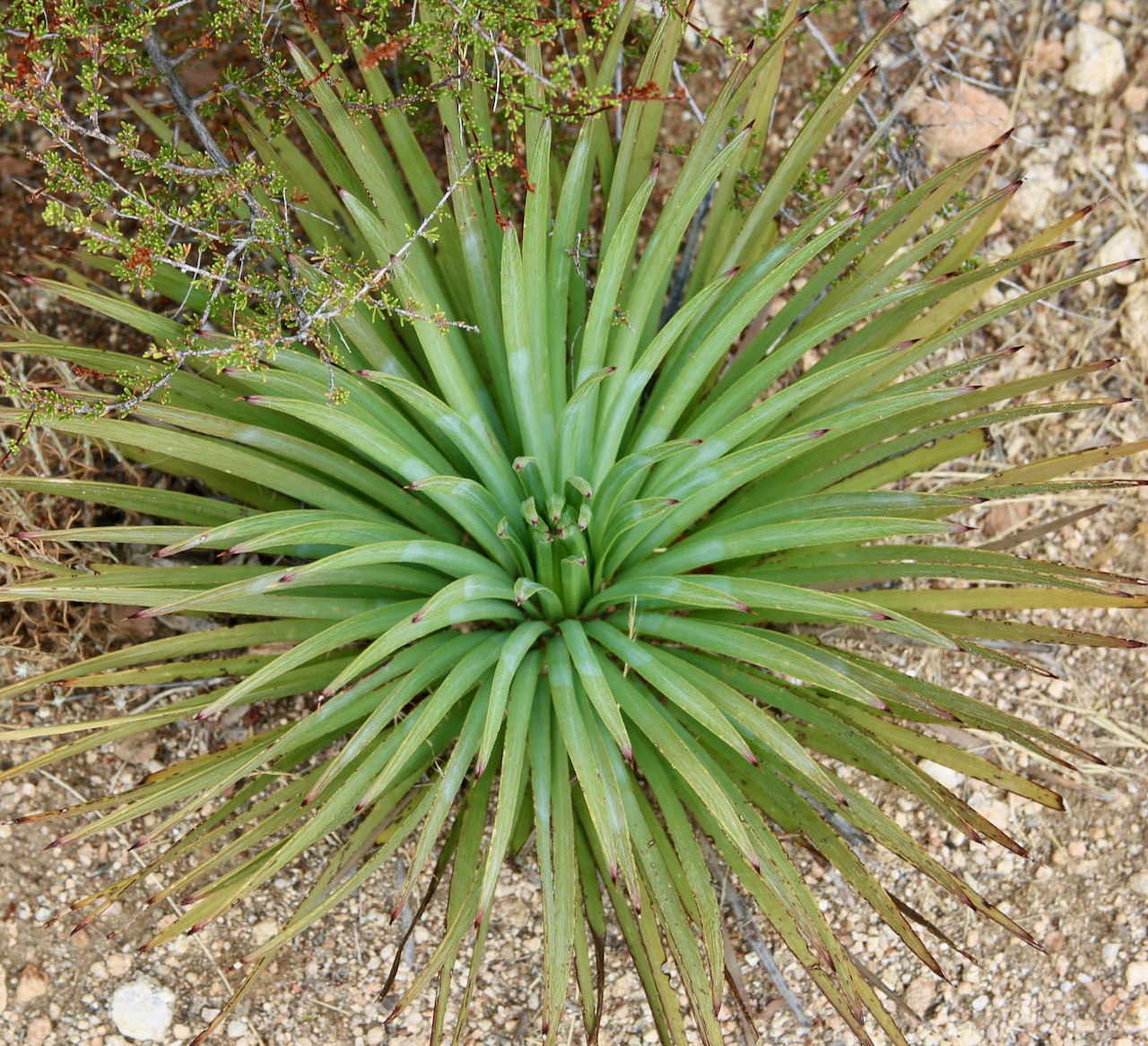
All this activity works up a sweat on this 86 degree day with 64% humidity. It’s not until we’re in the middle of the steep trail that we think to activate the hike tracking on our new Garmin Descent Mk2i dive computer watches that auto tracks steps and logs more data about other activities too.

The afternoon will be spent washing our salty bodies, refueling our hungry stomachs, and packing gear for a hiking excursion next weekend to try some new things — tent, camping spot, and a portion of the Pacific Crest Trail.

I’ll read from A Perfect Red by Amy Greenfield while we do our laundry and then join Ryan and Fallon with their friend’s recently 21-year old son, Jared, for dinner at Mike Hess where Caleb buys the kid a beer because we all remember being there — young and on top of the world that is.
Posted in Books, Friends, Hiking, Marriage | Tagged , , | Leave a comment

When the Tattoo Festival Comes to Town

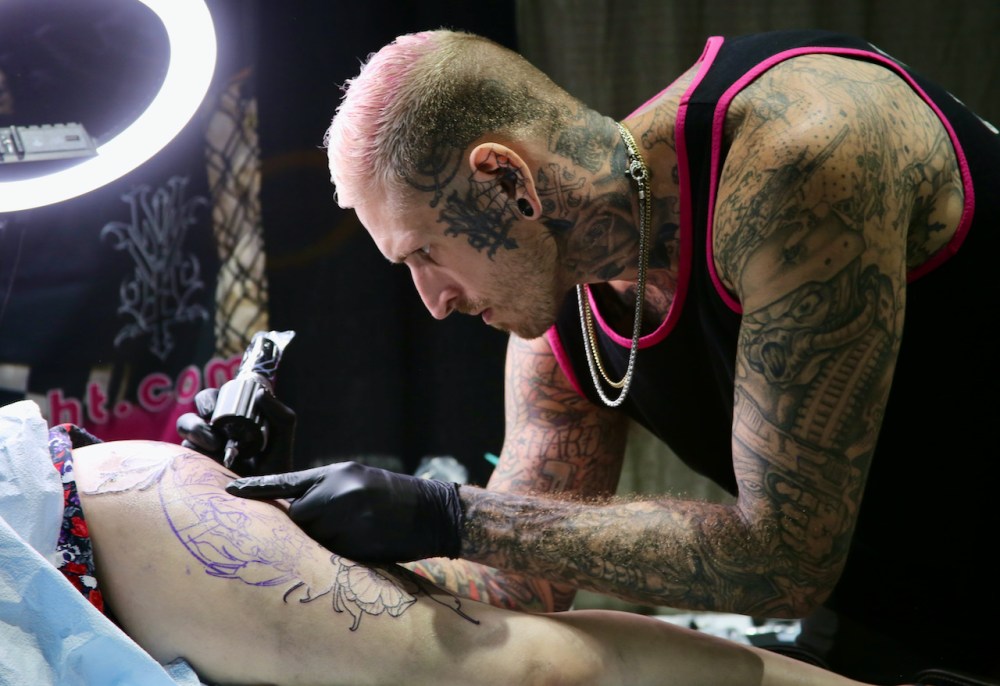
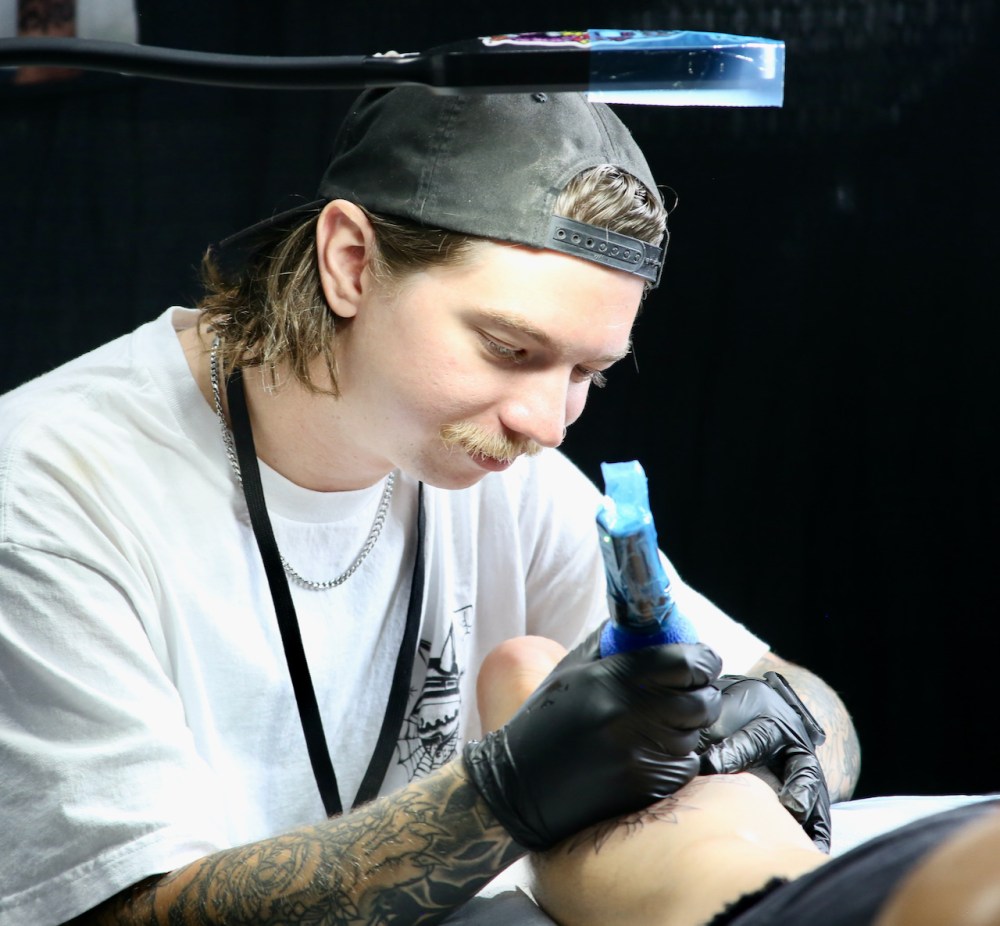
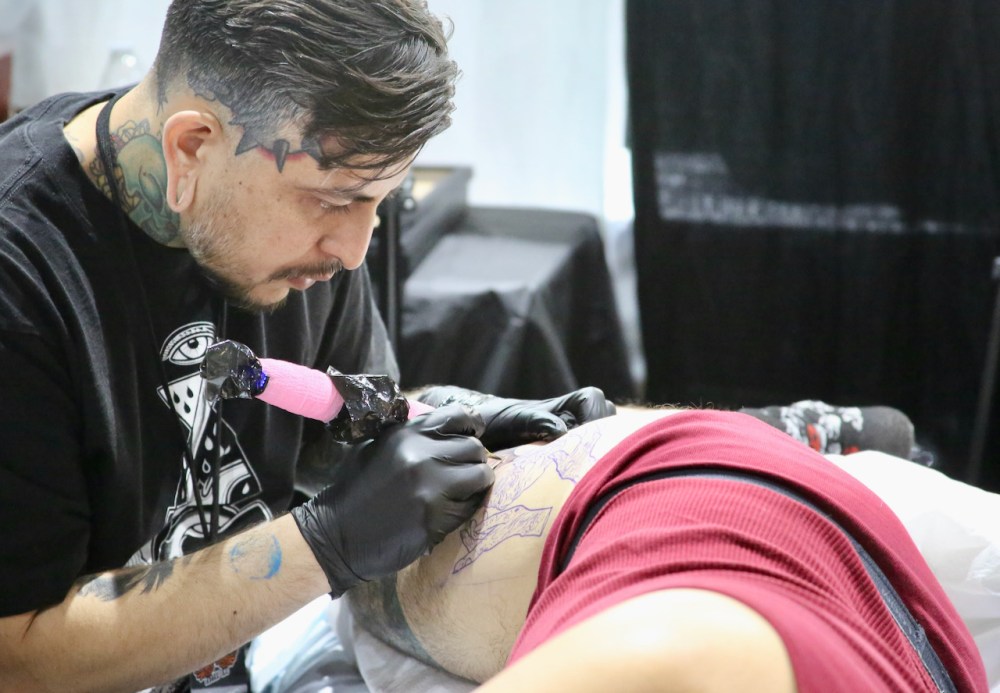
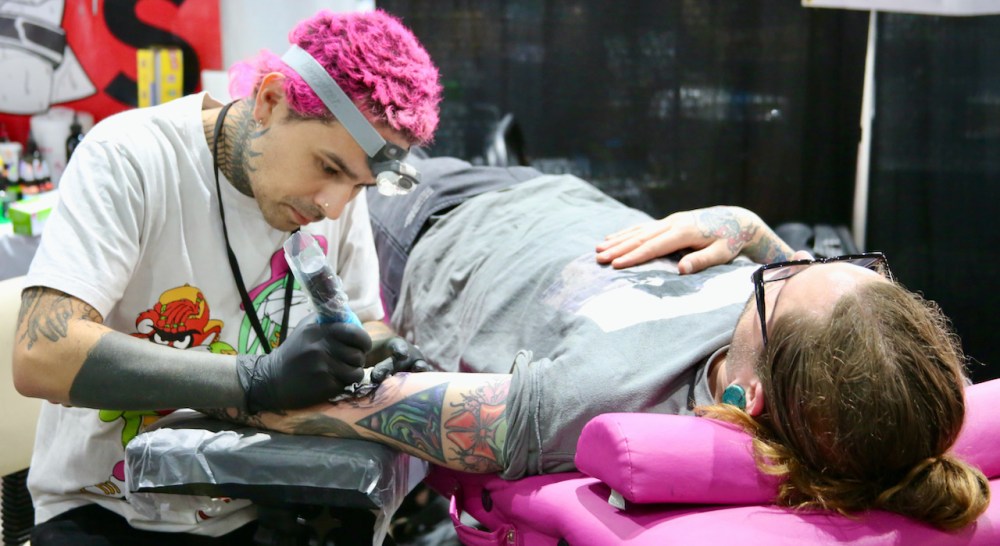
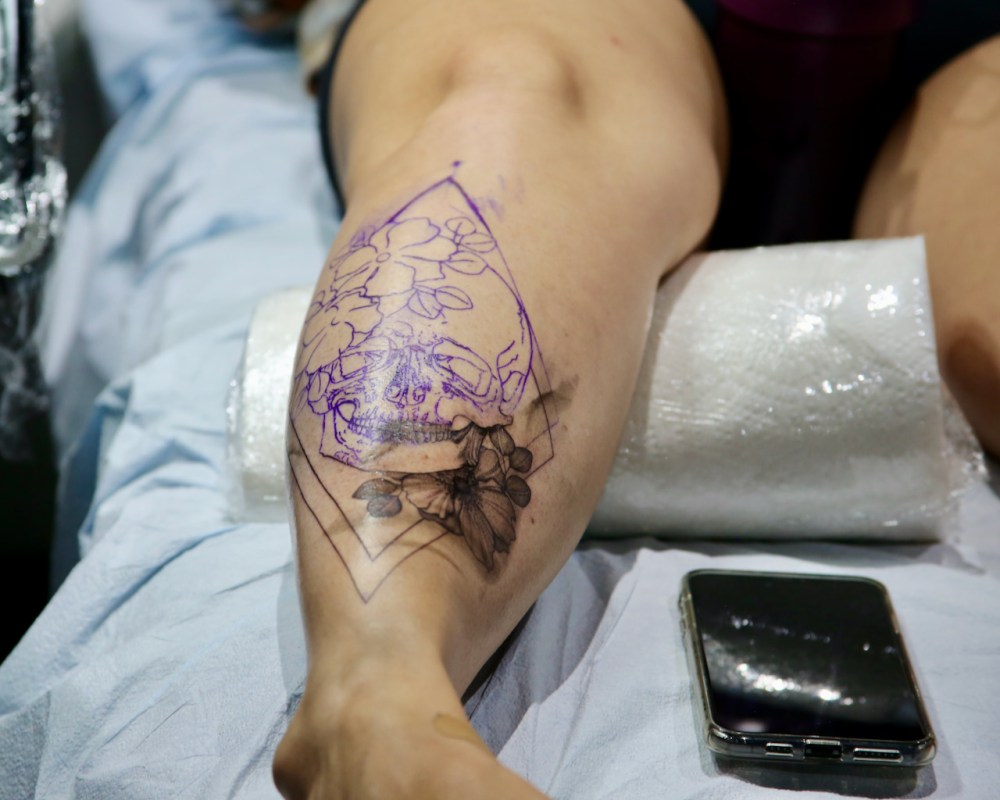
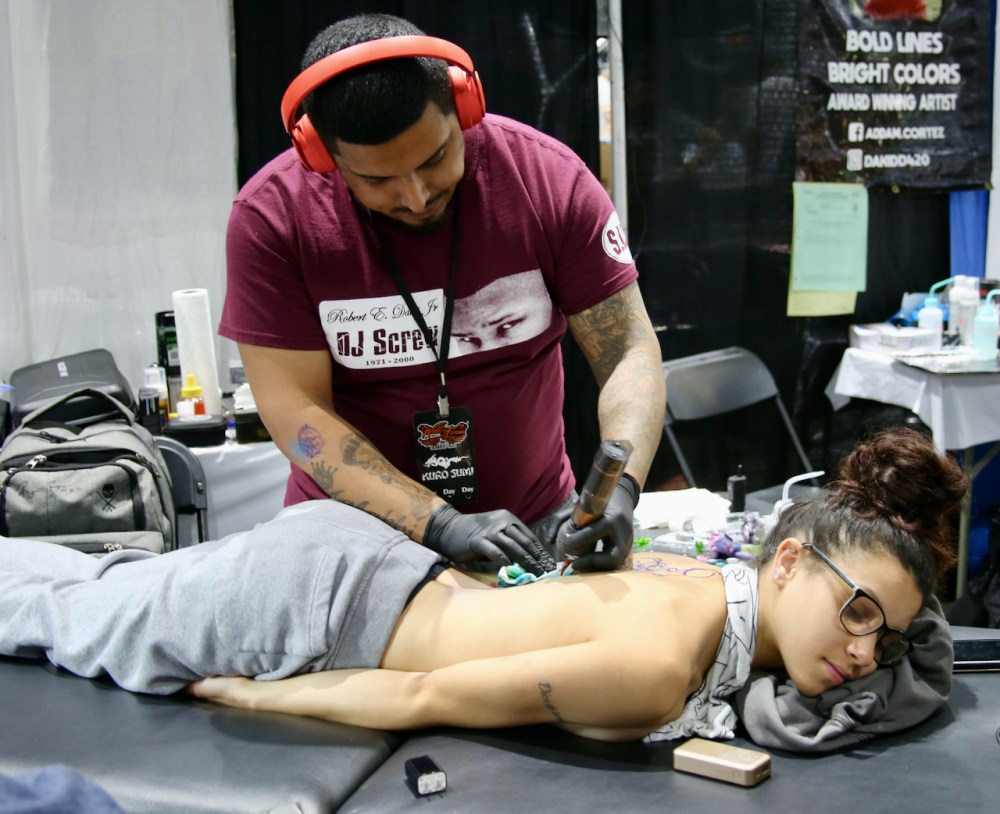
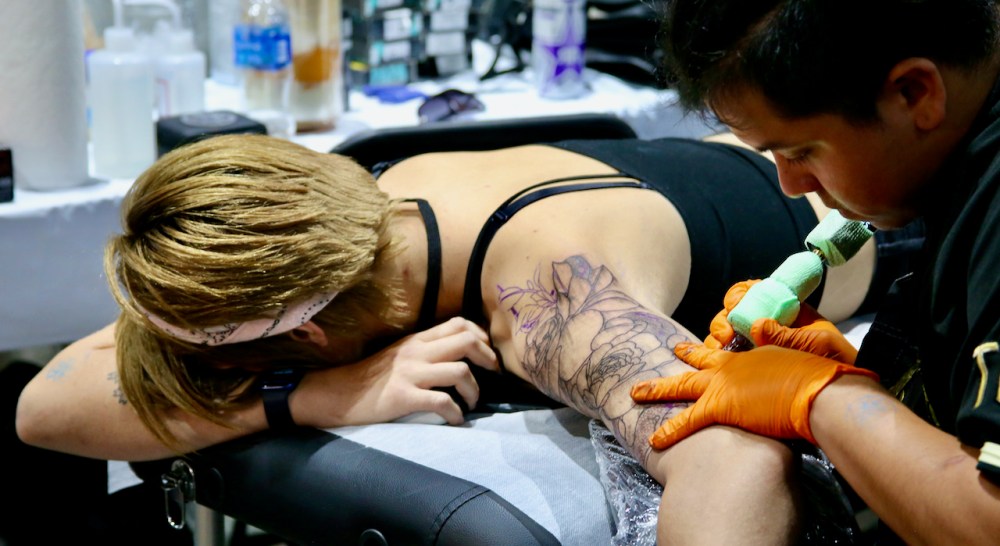
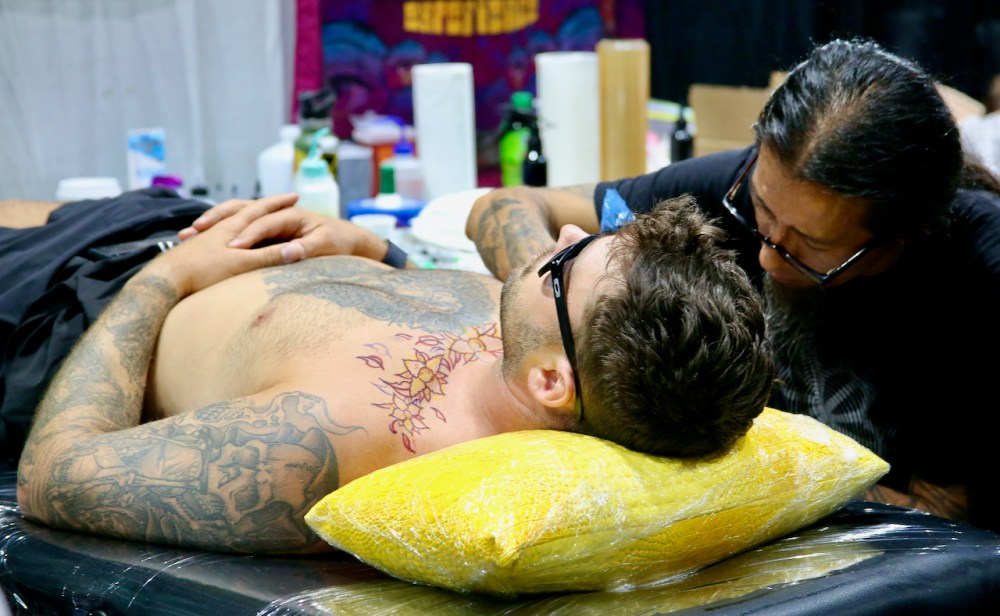
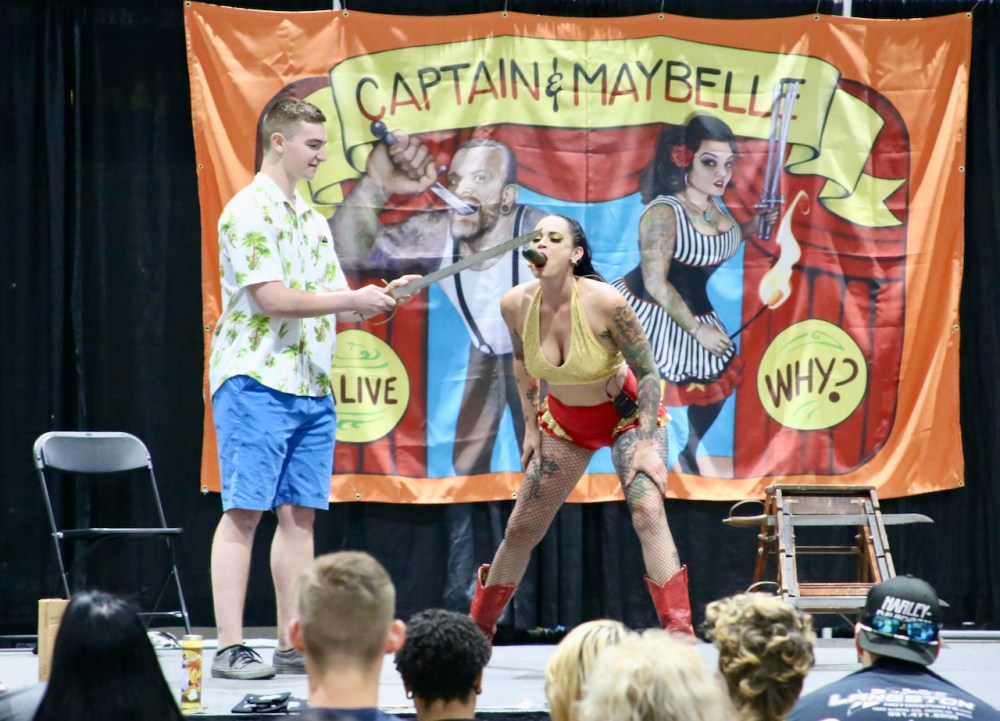
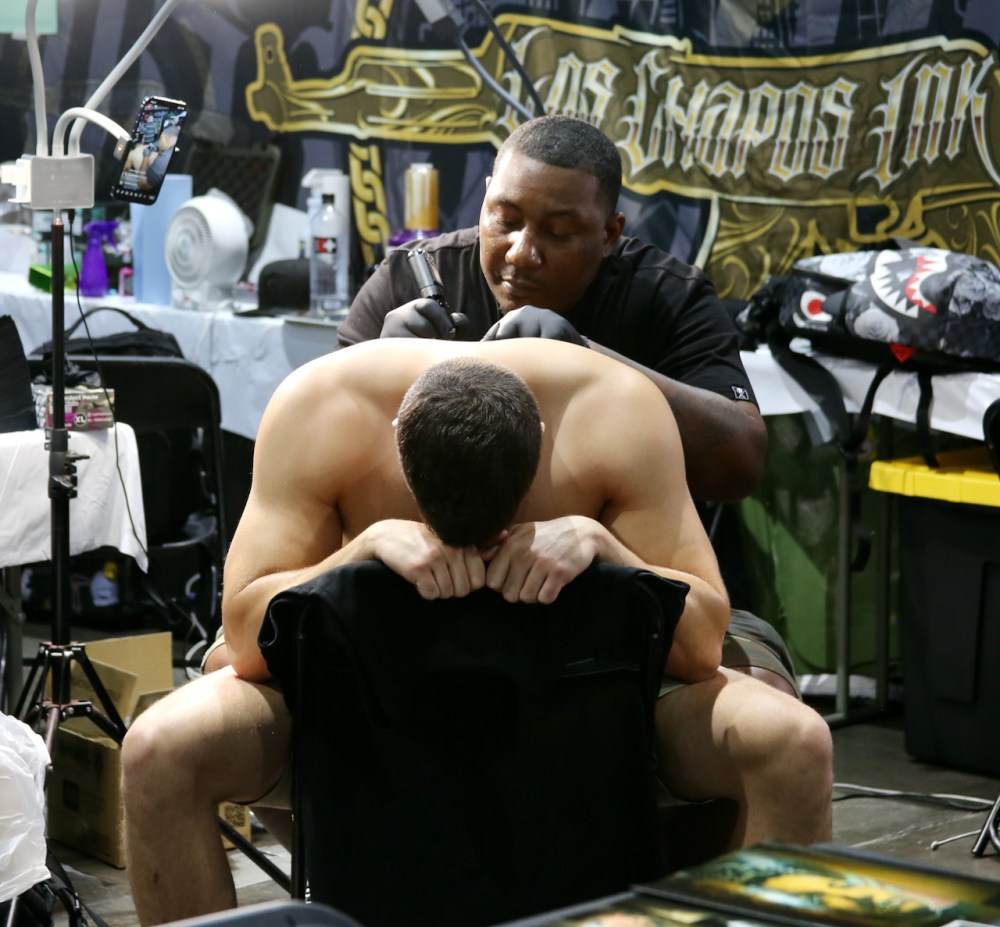
Caleb has been talking about adding to his collection and so I thought we’d have a look at some of the famous artists that would be at the San Diego Convention Center for the weekend, big TV names that we don’t know and other local celebrities that we’ll never meet. It was interesting for me to see so many different types of people in the same room for a shared theme; that’s how it works — ink for mom, religion, love, tradition, death, inspiration, prison, and occupation, etc.
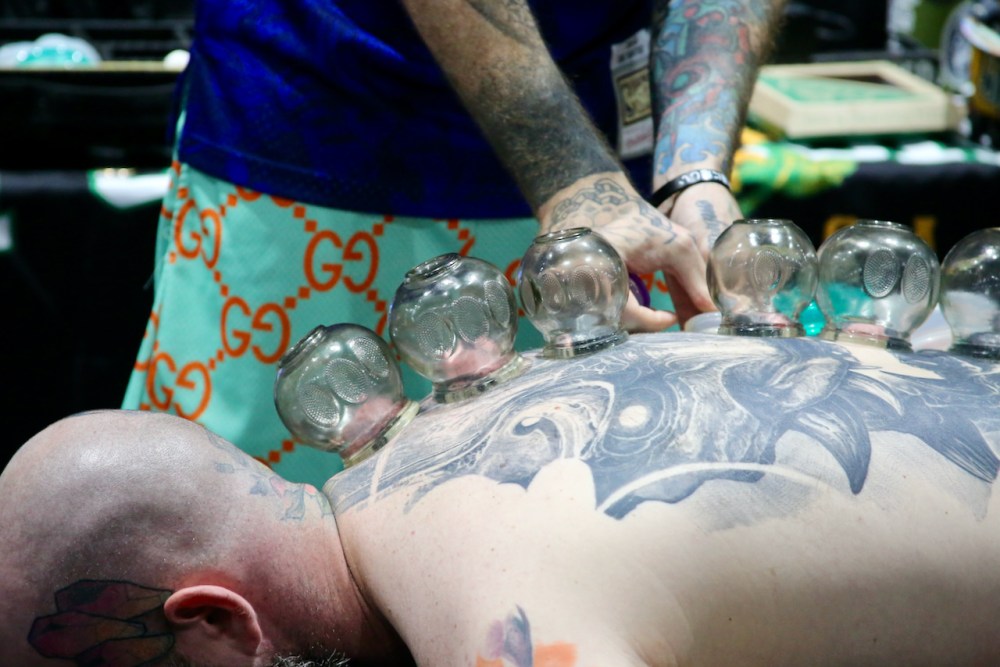
fire cupping

I haven’t been in many tattoo parlors and I know now just how much they vary, so it was nice to be invited into the personal space of so many arms, legs, and asses getting their mark. The first walk through the event, we focus on the shirts, inks, jewelry and other booths that are set up as this profession does seem to be more of a late night situation and it’s the weekend, so people will come in later to spend the afternoon on someone’s table or bent over a chair.

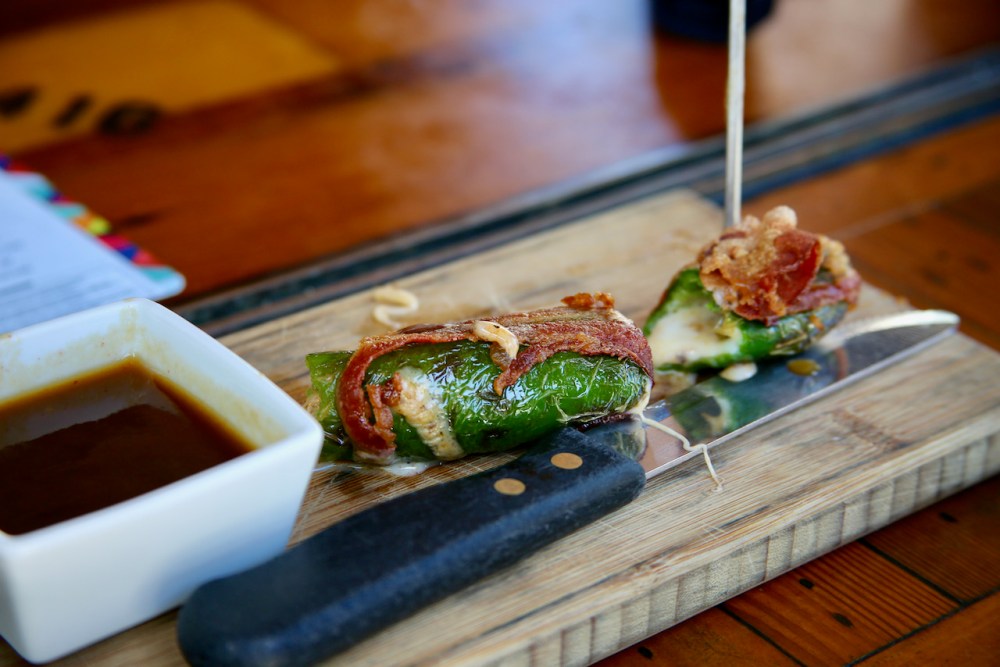
We take this time to walk among the small market that has been barricaded in the street before getting two versions of the same coffee, the vanilla macadamia nut being better than the chocolate, from Chocolate Cremerie. Had we not been about to get lunch from The Blind Burro, I would have tried a few of their delicious looking gelato flavors too. Caleb will have the coffee-rubbed salmon tacos, and it’s crispy spiced cauliflower tacos for me with bacon-wrapped jalapeños to split.

cutting the tip and fitting through a tennis racket

pony up between barbed wire and the fish hook pick up

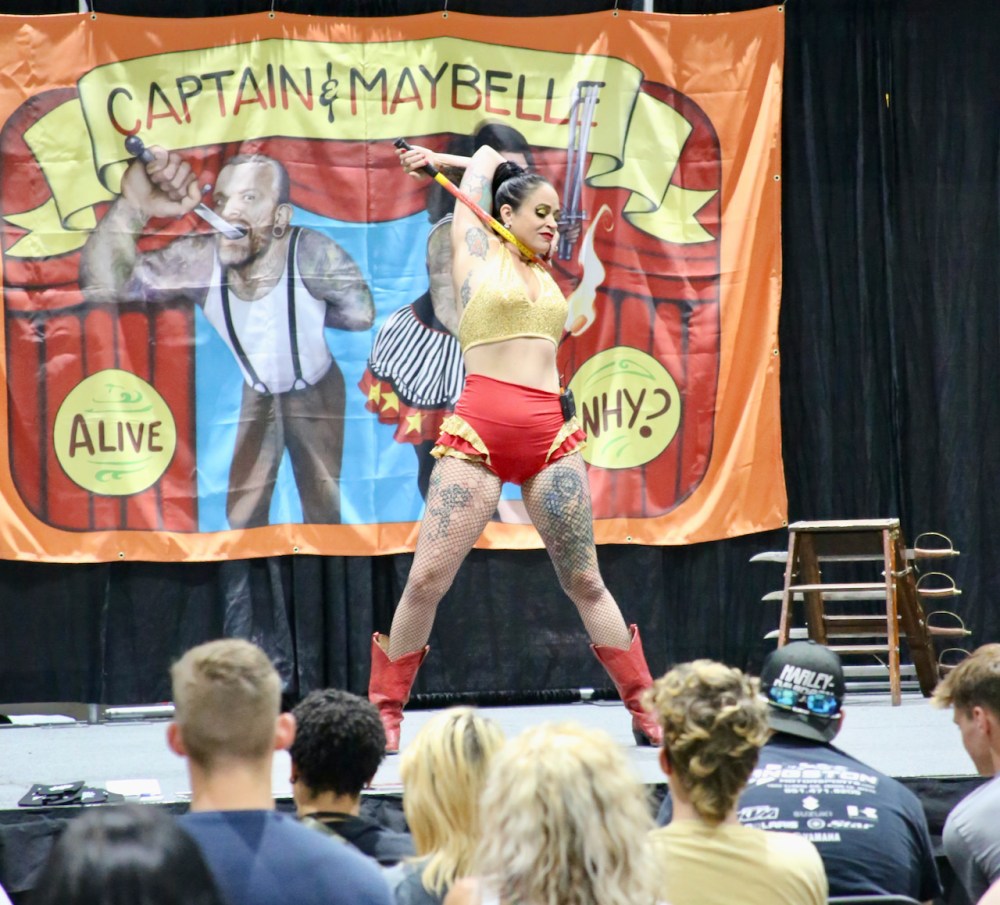
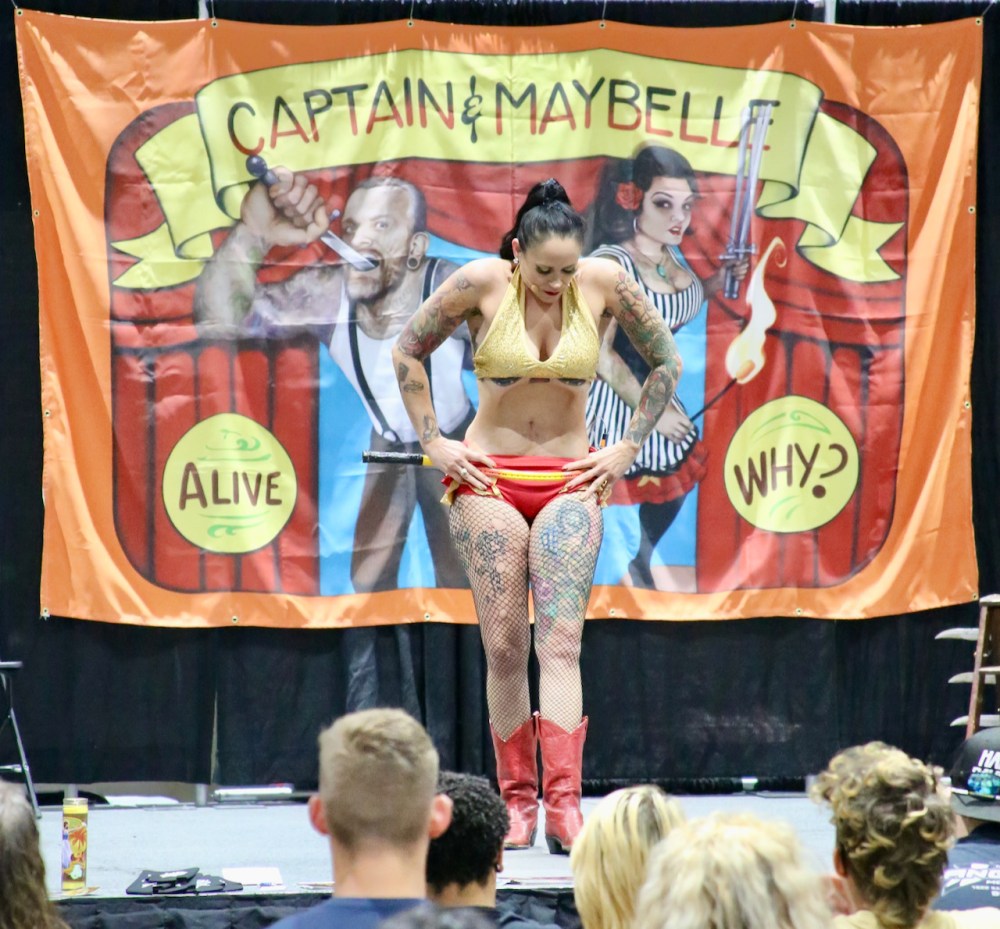
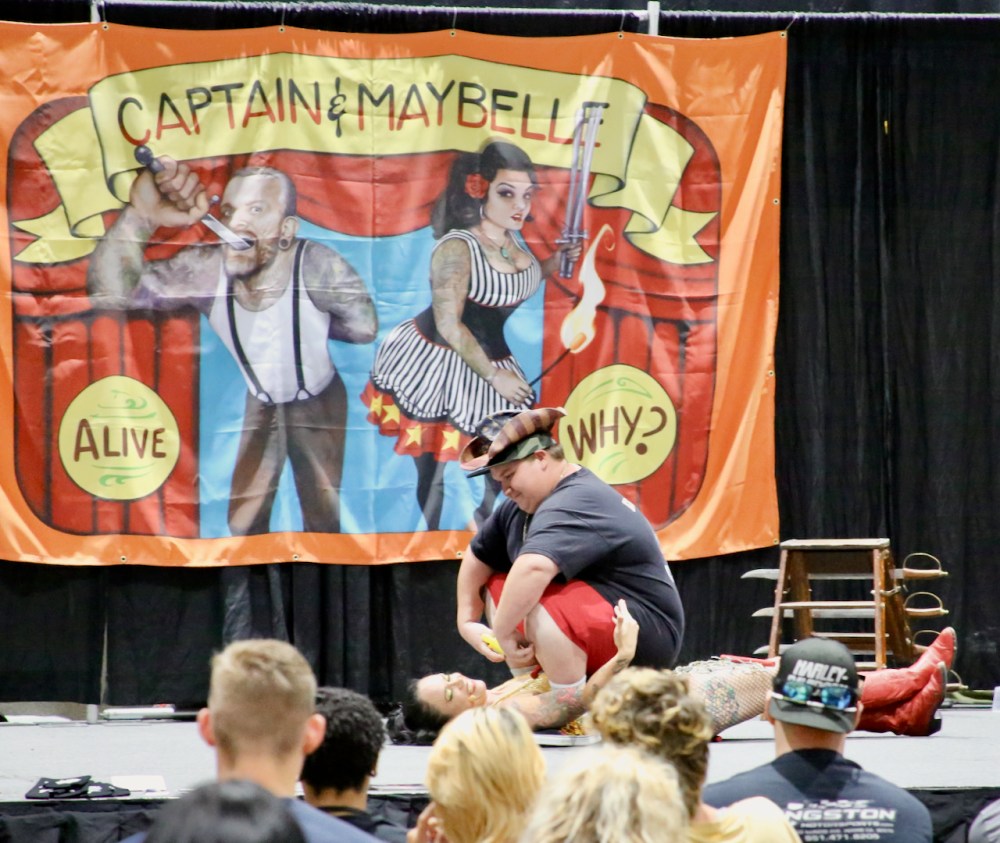
Our second walk through brings entertainment on stage with a woman who has a knack for making young men blush and the audience laugh and cringe. We will walk the booths again and no one is able to grab Caleb’s attention enough to get a tattoo here, though I appreciate the artwork of the Petunia twins who are based in Los Angeles I’m not paying for their time today. We enjoy the walk back to the car.

Posted in Art, Events, Food, People, Photography | Tagged , , , , | Leave a comment