This nickname was started by almost a quarter, roughly two million, of the Irish population who were forced to immigrate to the United States after the potato crop failure of 1845, caused by the late blight, led to the Great Famine lasting until 1852. The name means “old land” and helped keep the memories of home alive as the Irish settled in New York, Pennsylvania, and Iowa where they were welcomed to work on the railroad and pray in a Catholic Church. The near-famines of 1861-64 and 1879-82 only continued to ensure, for a while, that one-third of immigrants to the US were Irish.

We wander around the hostel in the morning, being asked to leave each room as we enter for the cleaning schedule. In their vending machine are crisps, toiletries, chocolates, charging cables, sodas, and a rain card (a disposable emergency poncho). We walk down to the corner off-license store for drinks while waiting for the free cereal, toast, and fruit in the kitchen. I appreciate the insight into another culture through what they offer their guests, which is usually what they’re having too. The right grain can be a good way to start the day.
With that done, we can check out and get on our way to Wicklow Mountains National Park where I planned a few short walks to see the forest, lake, mountain, and glen. Some recreational areas are better marked than others, such as a backroad into a US park or no trail markers in a Canadian park. In Ireland, they use a yellow “walking man” to indicate the National Waymarked Way Network and different colored men or arrows for other routes. I didn’t expect a large welcome sign as with slower speed limits comes less need for such grandeur but I missed the roadside placard too… if there is one.
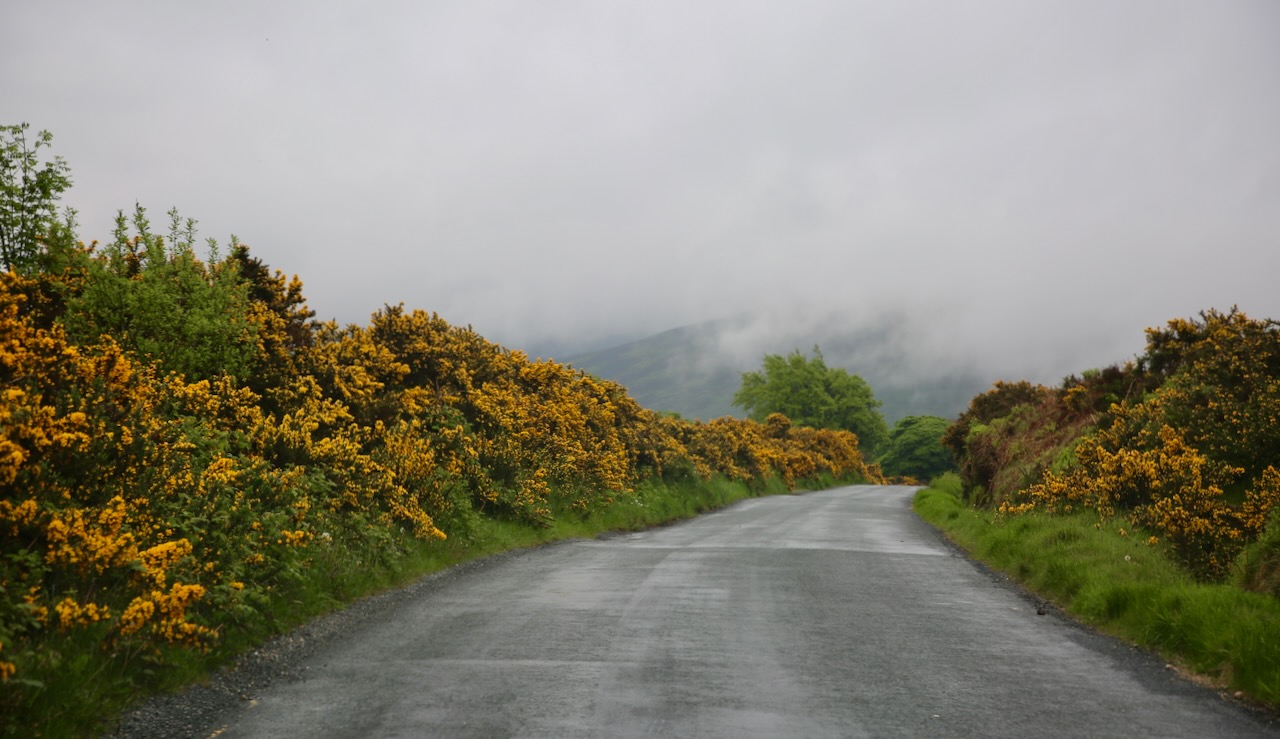
We picked a great time to visit, giving ourselves sixteen hours of daylight to explore, though June has an hour more. Since leaving the city, with cars parked facing both directions on the same side (making it easier to navigate narrow roads), we have only passed a lone cyclist. The road shoulder looks wide but with the opportunity for a ditch or cliff always around the next turn I wait for a clear pull-out or just stop in the middle of the road to say hi to the sheep painted red and blue and take in the view of green, brown, and gray (as the sky matches the stone walls).

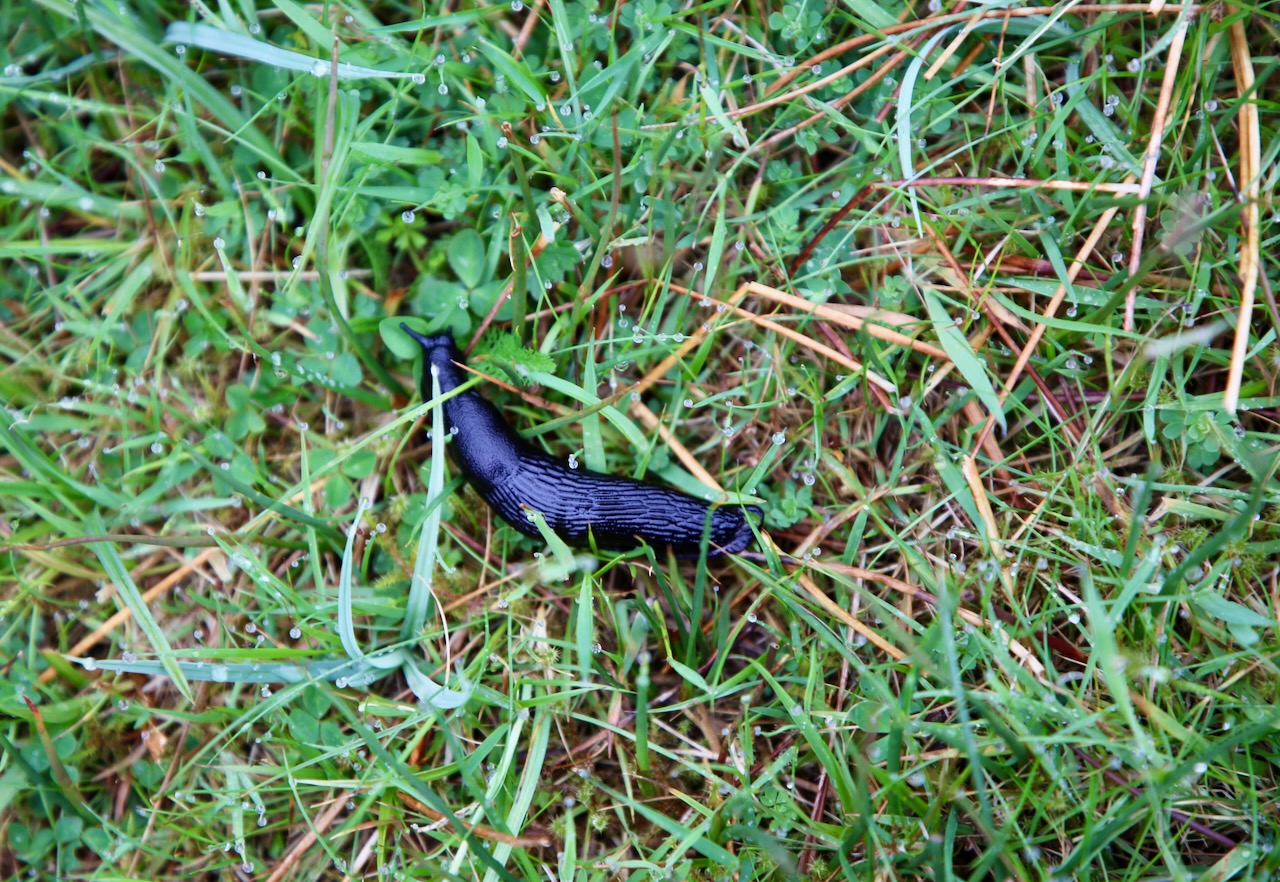
We stop again and notice a purple park sign with a peregrine falcon, the park’s symbol, on it, as these birds nest in the cliffs within the park. We’re not sure if it’s a trail marker or a park border but we see how many black slugs we can count hidden in the wet grass while being weary of the moss-covered rocks and the slippery mud as we explore up and down the hills and along an unnamed, to us, river. We see some deer that appear to be giving us attitude, but they’re just red deer still shedding their winter coats, giving their face that mean-mug appearance.
Red deer were reintroduced to Ireland around 3300 BC, almost went extinct again in the 1900s, and have the smallest deer population on the island. However, they are now the largest non-domesticated land mammal that still exists in the country. Deer stalking (tracking them down and sledding them out) is now legal (for all classes of society) and necessary to cull a prey species with no other predators within reach, but no use of dogs or lamps (flashlights, lanterns, headlights, torches) are allowed. I’m not sure when hunting was legalized for more than the king and his guests in his protected forests, but venison is not the only animal that has traded sides between royalty and the commoner.

We reach a parking lot for the Glenmacnass Waterfall, part of the Avoca-Avonmore River Catchment, that flows from the Wicklow Mountains to the Irish Sea. Harbour to Headwaters is an initiative to raise awareness of the natural and built heritage of the area and preserve it into the future. To get here, we took the Old Military Road that was built over 200 years ago by the British military to eliminate any Irish resistance to British rule around 1805. Today, the only warning of conflict is the man with a crowbar and bag of money stepping away from the car with a broken windshield. I grab my camera, lock the door, and we walk along the Guinness-tinted river.
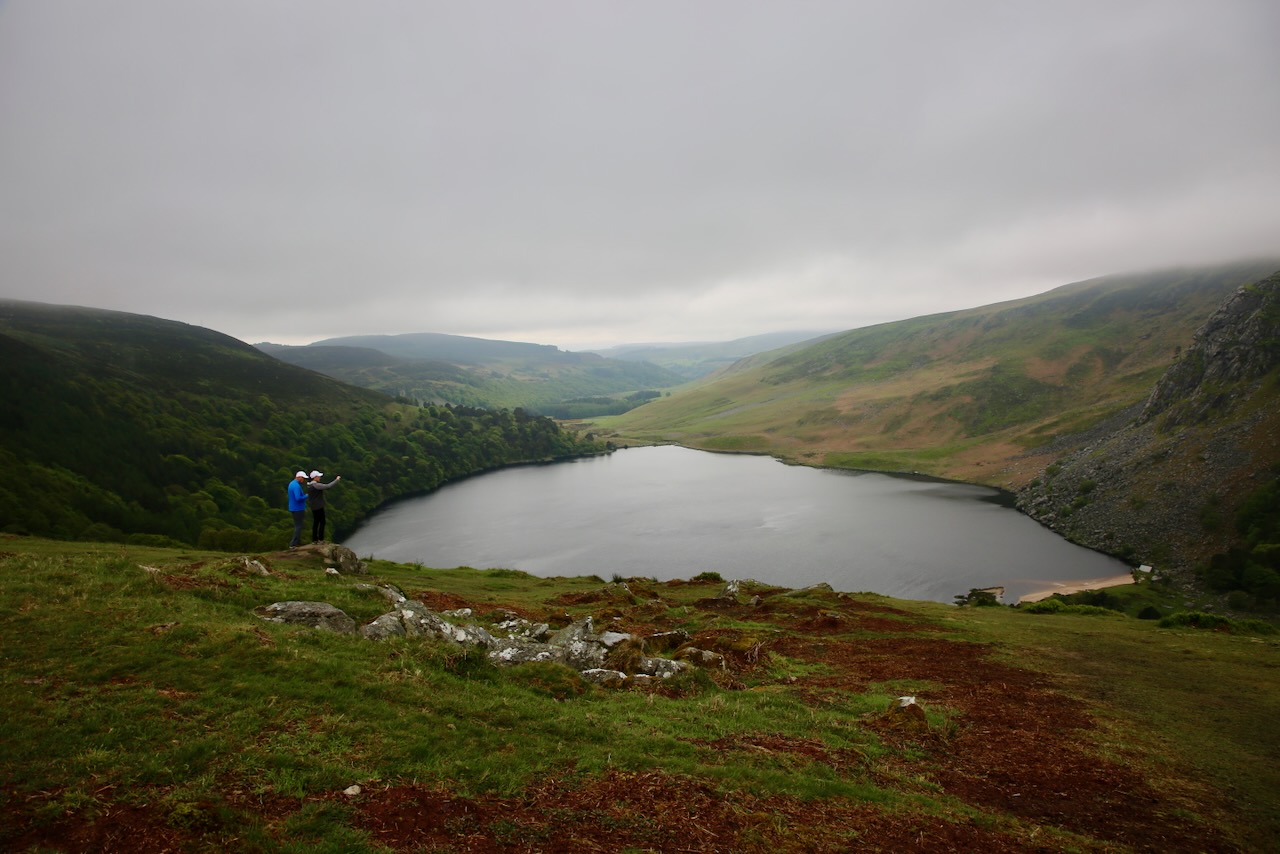
There’s a lake, Lough Tay, that is described similarly because where the water meets the sand looks like the top of a well-poured pint. This seems to be common in Ireland and as everything else is so green we expected the water to be no different but its reddish-brown appearance lets us know there’s a rusting iron pot somewhere that might be leaking manganese too; no gold or rainbow sightings yet. There’s a public notice letting us know that the farm owner isn’t responsible for entrants, whether visitors or trespassers, and damages received for the condition of the premises. This 1995 Occupiers Liability Act was updated in the summer of 2023 to further protect businesses and community organizations.

The other sign posted asks us to please respect the uplands and the grazing animals, wildlife, and other people that inhabit them. We see sheep in the distance but are more interested in the waterfall as we climb closer to its edge, as the rocks get more slippery and steep. There are some metal posts drilled into the middle of some large riverbed rocks to act as handholds for those more brazen than us or perhaps there’s a fishing style we have yet to learn about that adds a side of adrenaline to the catch. Either way, if we’re to see where this water goes from here, it will have to be from the other side down the hill.
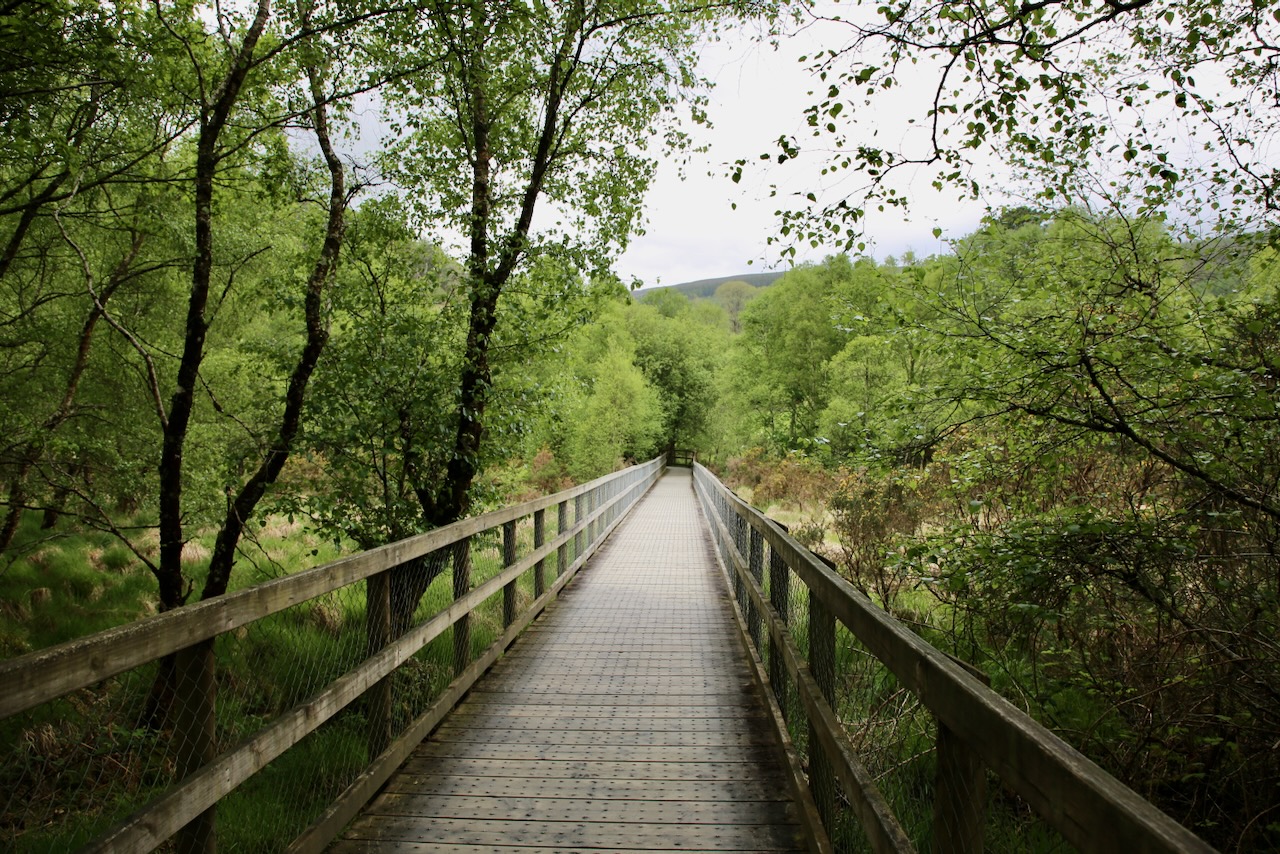
I’ll leave Caleb in the car, a first, minus some random times in our 19-year history that would include paying at the gas station or staying with the dogs in Utah while the other was sightseeing. Caleb wasn’t feeling well as he had decided to bring a virus on vacation but was doing his best to keep up, so we agreed he could catch a nap in the car while I hiked a bit at Ballinastoe Forest Rec Area. Their boardwalks are just as efficient as their roads – thin and more to the point – and come with staples in them to provide a nonslip trail through the wetlands that is Ireland.
I seem to be the only person walking among the trees with exposed roots and branches as I pass a woman and her dog on a more muddy and paw-friendly part of the trail. I’m averaging 2 mph and when I turn around (as a group of school kids descend upon me) realize that the way here is all downhill and I have over 200ft in elevation to climb on my return. As the students’ voices (with talks of singers and wolves) fade in the distance I can return to my walk through this fairytale of a forest to check on my sleeping prince tucked under his coat on this lovely 73ºF morning.

Caleb is bummed to have missed such an enchanting place but grateful to feel one ounce less like death as his body continues to build mucus demons that he will have to expel without the aid of an ordained priest (vs a simple pastor without the Holy orders of the Catholic Church). I park us next to the Glendalough Hotel in hopes of getting some food, but they’re not open yet. Lucky for us, around the corner is The Gateway to the Monastic City, our next stop, and an open food truck. I order a flat white coffee (the favorite drink of the author, Anna McNuff, whose adventures I’ve been reading) and a scone as one does when they’re on the menu.
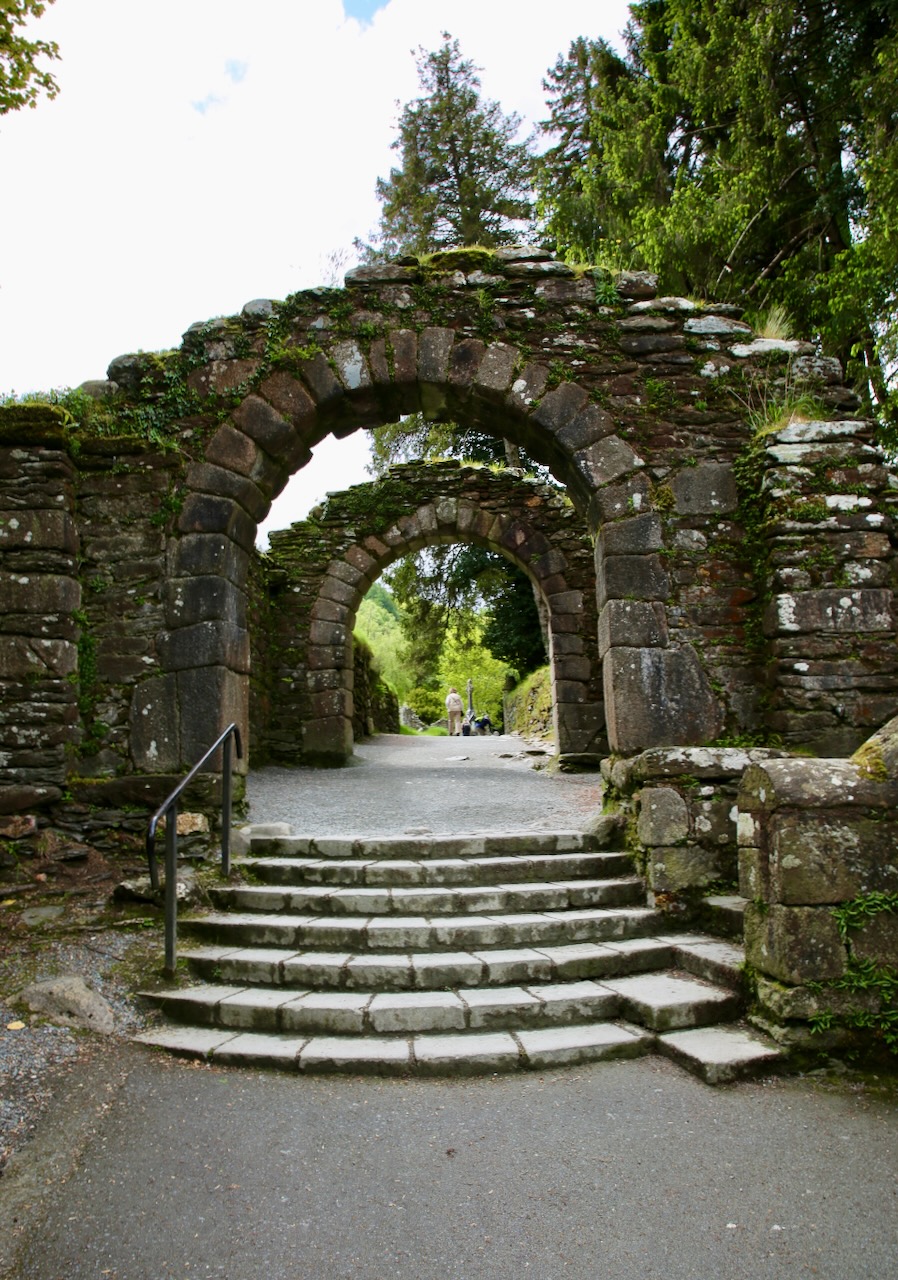
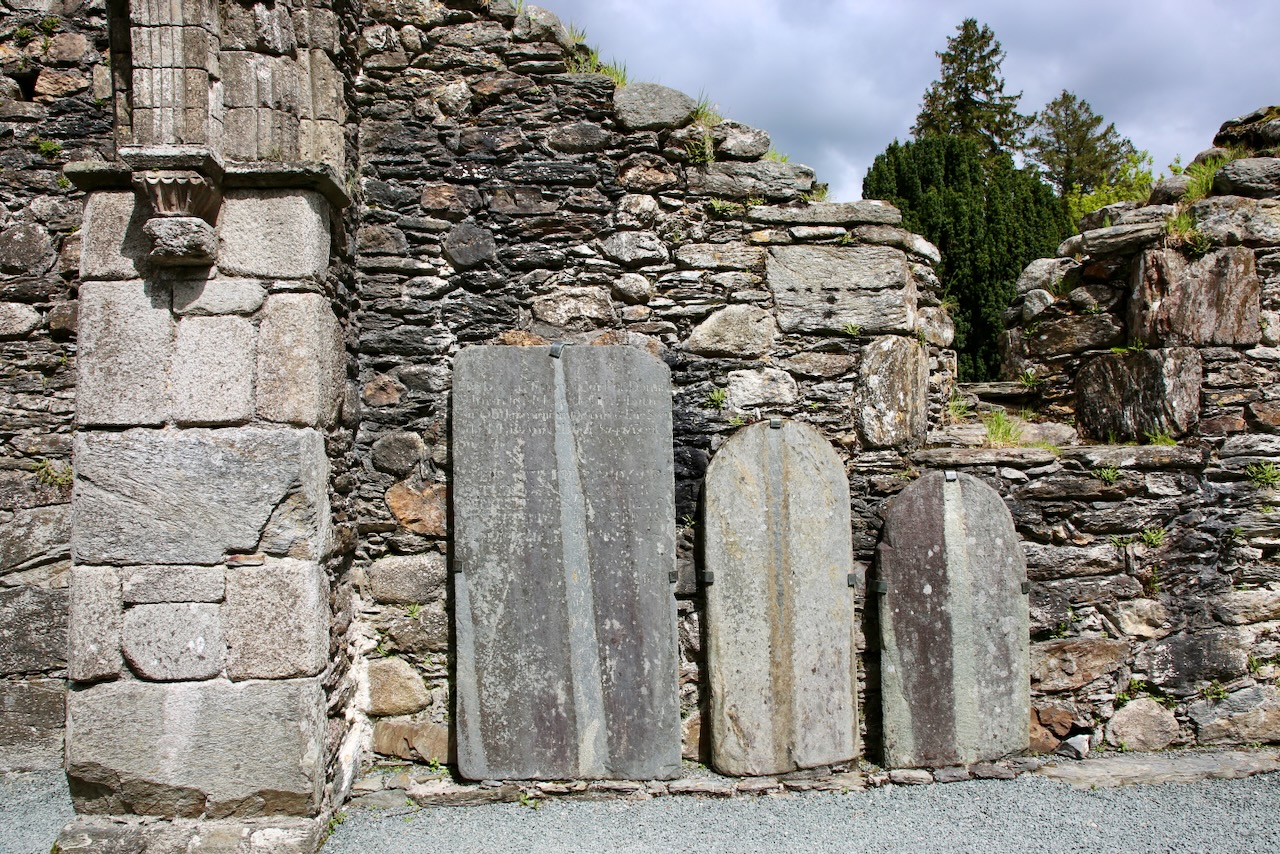
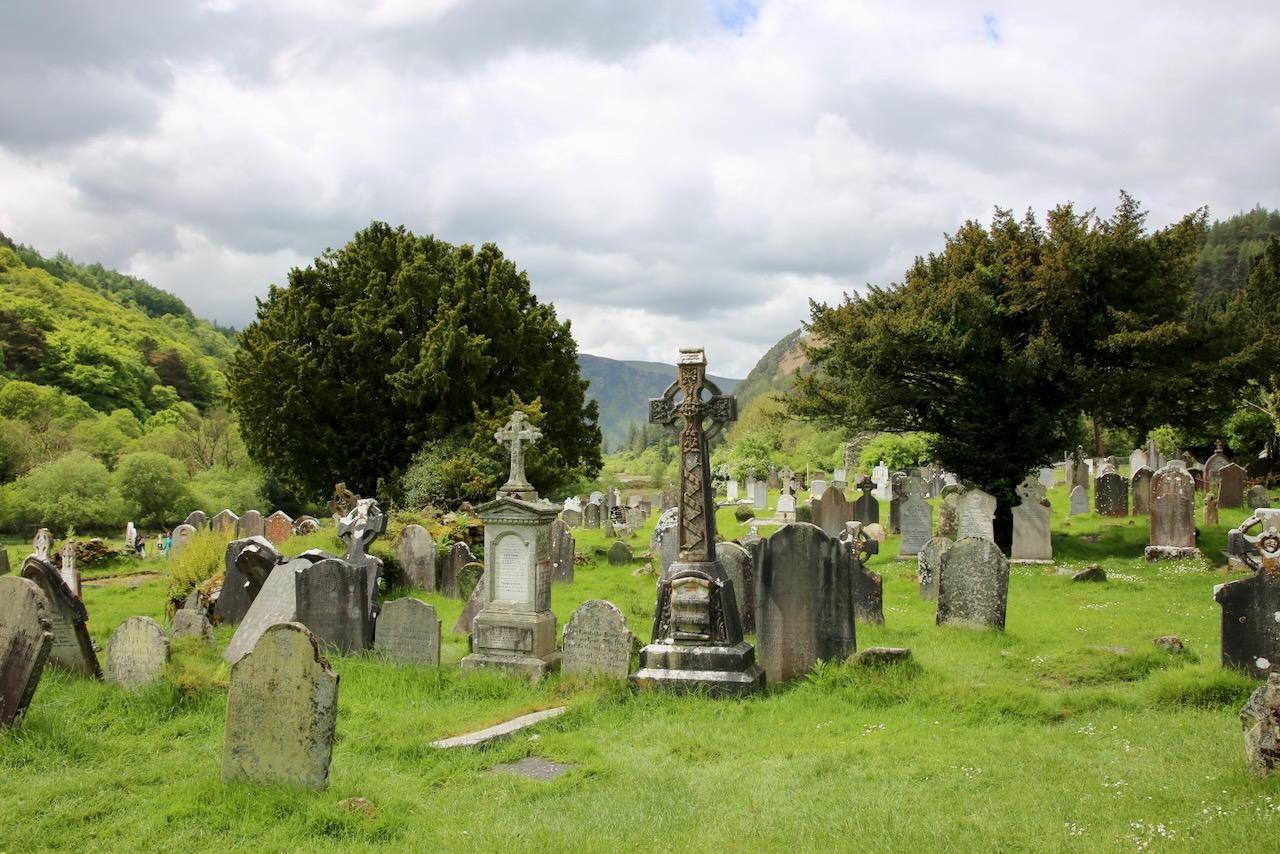
With renewed energy, we walk through the cemetery and around other buildings of the old monastery founded by St. Kevin in the 6th century. This place flourished even through plundering raids lasting until the early 17th century. This double gateway, which had a second story, is the last of its kind and is believed to have been built between 900 and 1200 AD. Some of the tombstones are dated 1793, one possibly as early as 1549, and others are more recent as members join the family plot or perhaps friends went in on a group grave; talk about best friends forever.

We skirt the tour group and take the Green Road Walk towards the Lower Lake. I knew about the upper and lower car park but figured there were just steps involved, not an Upper Lake with attractions and trails of its own… something to come back for. Near the visitor center are two sika deer, one of which Caleb insists is eating for two. We return through The Gateway and approach the now less surrounded round tower that reaches 100 feet high. This tower was used to summon the monks to prayer, consists of six floors with wooden landings (now gone), and has an entry door twelve feet off the ground.
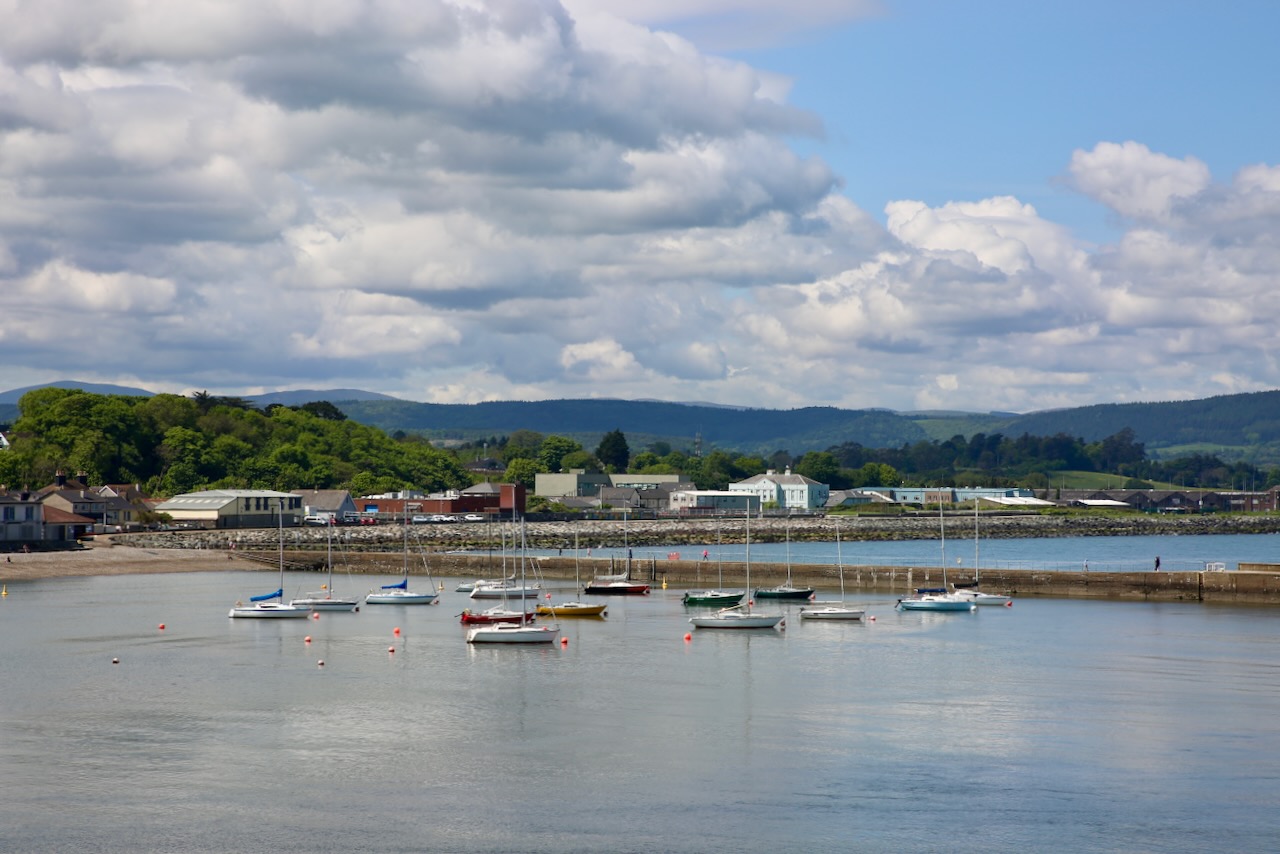
The cathedral, with construction dating between the 10th and 12th centuries, ceased being a cathedral (a church run by a bishop) in 1214. It was originally dedicated to Saints Peter and Paul and is now one of the largest Early Christian churches in Ireland; a church is built for group worship while a chapel is intended for individual prayer. St. Kevin’s Church is also on the grounds and we can see inside through a metal gate. I tell Caleb we’re staying in Wexford tonight, so I want to drive south along the coast and he responds with a trip to Wicklow, the town of roughly 13,000 people that seems perfectly quaint for half that many residents.

This small town reminds me of Crescent City, CA, and crazy enough it’s faster to travel over the Atlantic Ocean from Tampa and drive an hour south from Dublin than it is to fly across the US and get a six-minute ride from the regional airport or fly into San Francisco and make the 6.5-hours drive which saves a quarter of your day. Of course, none of this takes traffic, security wait times, liftoff delays, etc. into consideration. I wonder how The Oregon Trail would’ve played out if the 19th-century pioneers had been exploring a different continent, such as traveling from Brest, France to Oleksandriya, Ukraine.


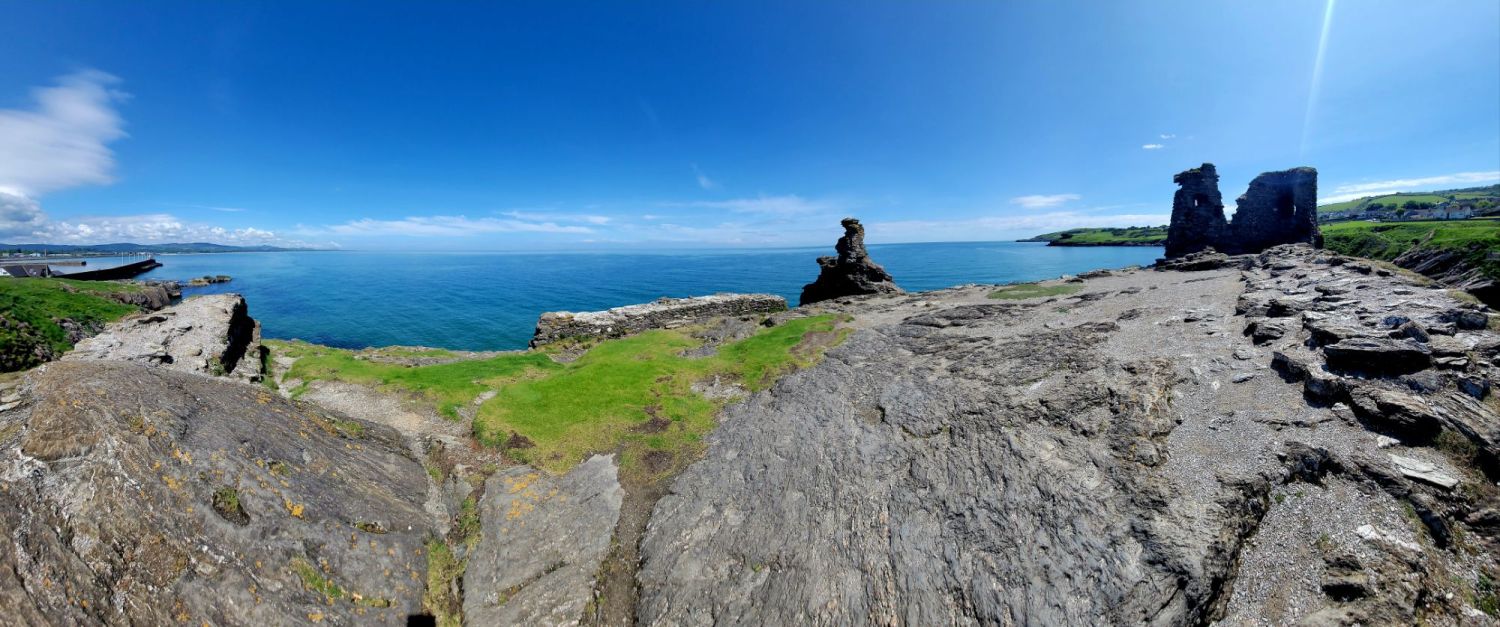
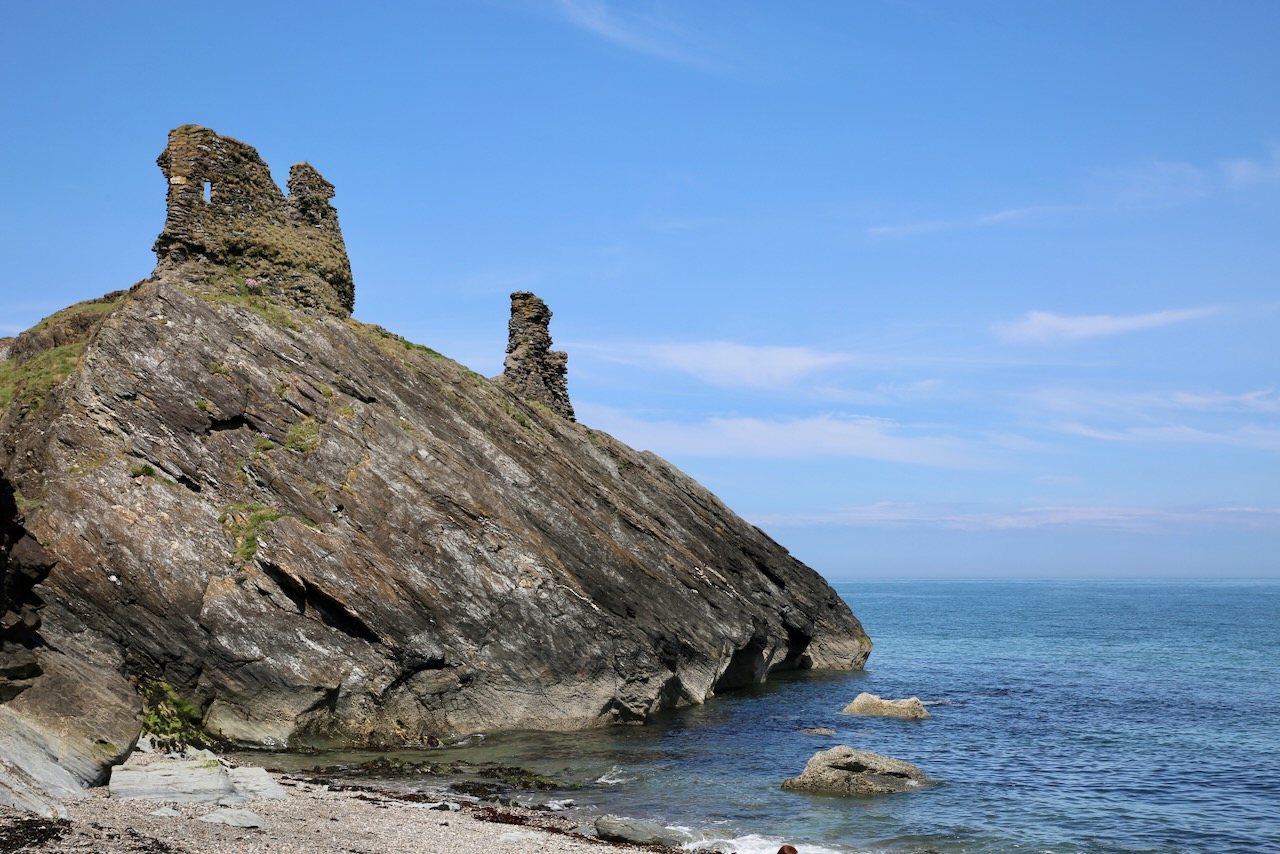
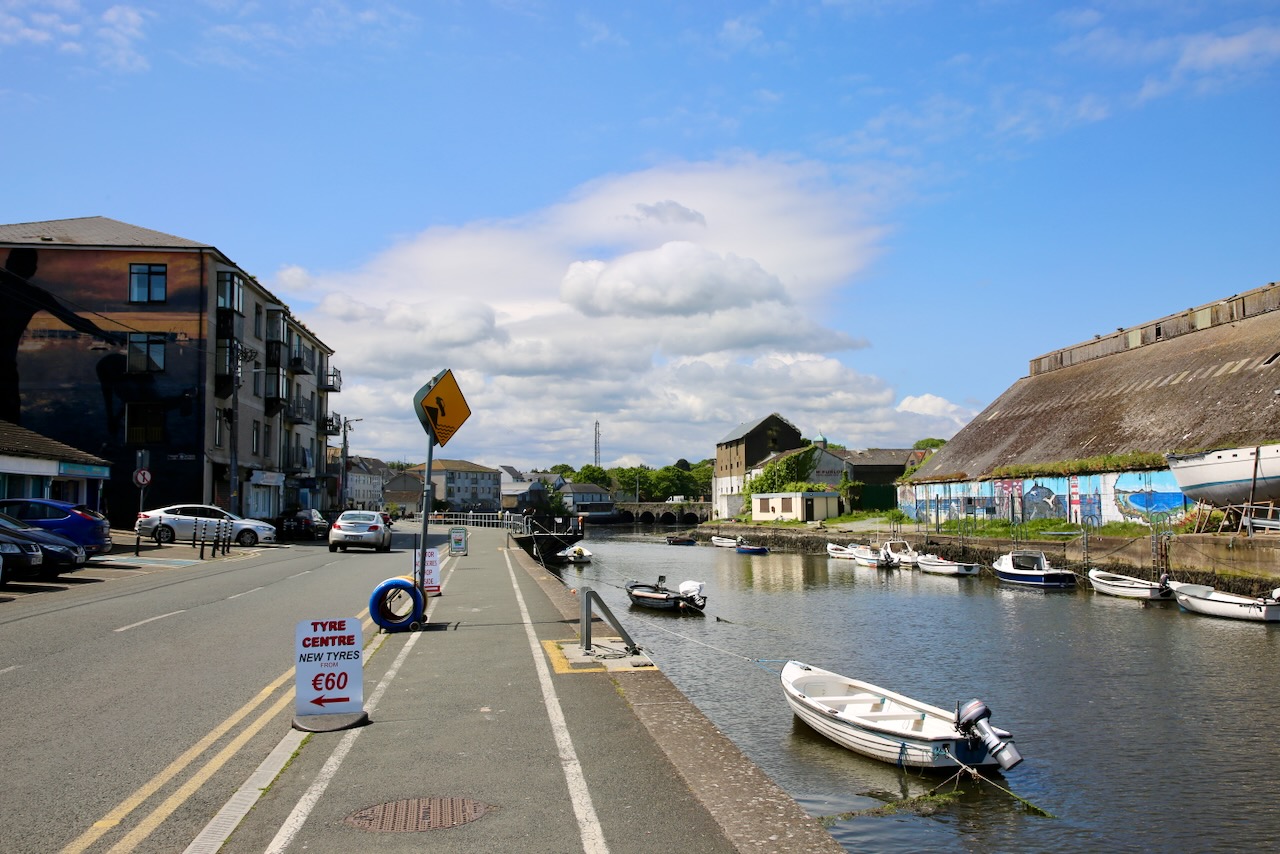
We park out front of Wicklow Inspired Cafe and there’s a bylaw on the wharf that prohibits leaving bait on the pier for transfer stating that it must be sealed and placed on the purchasing vessel or the offender can be fined over $3,000. I can appreciate that just because it’s a fishing town, that also exports lumber, the townspeople don’t have to smell the evidence of someone else’s labors. It’s a short walk from here to Black Castle, a fortification built on top of an earlier Viking structure after the arrival of the Normans in the 12th century that was promptly captured in 1301 by the O’Byrne and O’Toole clans.

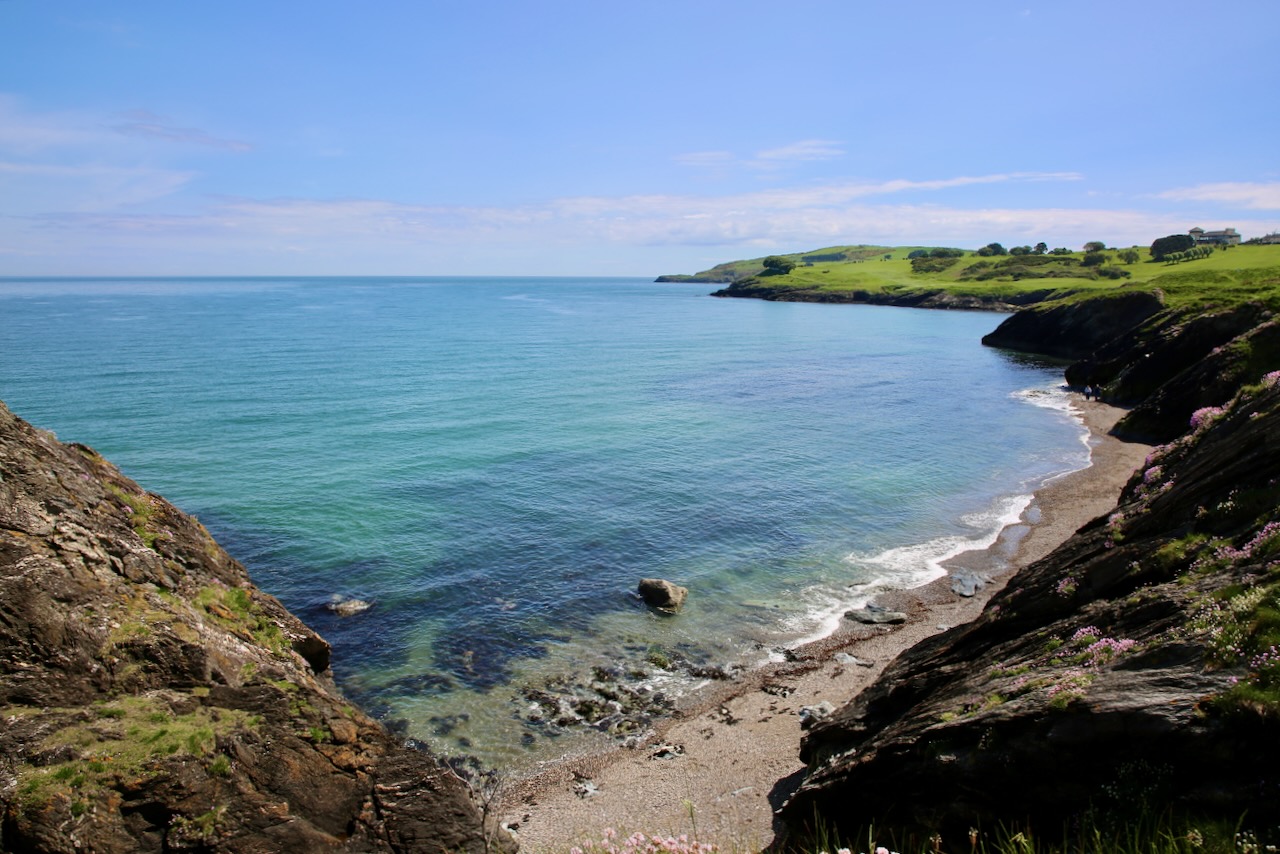
The castle, as the southerly protection of the ‘Pale’, would face fire and bloodshed many times as it changed hands from local Chieftains to the Crown over 350 years until it was left in ruins in the 1640s. These remnants are what we see today. There’s something romantic and dangerous (how these castles are displayed in films) about a fortress on the rocks next to the stormy sea. I can picture myself climbing down the steps to jump in Caleb’s boat so we can watch the sunset and kiss under the stars. The beach is beautiful with an inviting view and stairs to get us down to the stone-covered shore.

We watch as two guys take a quick dip in the ocean, which at its warmest in May is 55ºF, and pass two women who might have the same idea. Back up the hill, I compliment a woman on her cute socks and the couple notices we’re not from here, but neither are they. These travelers are visiting from Toronto and appreciating the few degrees of warmer weather and seeing another country. The return walk to the car is just as charming and then we go inside the cafe where we take a look at their wares in the back, the curved domino set out for use, and the wall of celebrity photos aka every dog that’s ever come in.
We’re heading to our next planned historical site when Caleb sees a sign for a distraction attraction; which is why we don’t have a strict itinerary on trips. This is the only vacation that I prebooked all the rooms before arrival knowing that if something happened we were only a few hours away from the next stop and we wouldn’t be forfeiting any payments. I usually wait to guess where we’re going to land for the evening and then book accordingly, but I’ve also had good luck trying with the location directly as sometimes they offer a better deal than the third-party reservation sites.

We take the detour to the National Botanic Gardens, Kilmacurragh and I see a few purple flowers on our otherwise very verdant stroll through the park. The estate was curated in the 19th century and is known for its rhododendron and conifer collections. On our way out of the gardens, I notice the same couple from Toronto, so we take our time and delve into our travel memories and exchange a few places we’ve been and what countries we’d like to visit next; my answer is all of them. It’s thought-provoking that they are traveling in the opposite direction and yet we still managed to cross paths twice in a day.

I hadn’t planned on taking the highway but if we wanted to get to Fern’s Castle before they closed at 5 pm, with the last admission 45 minutes prior, then the M11 we must take. Ireland is big into talk radio but we listen to the Gaelic and Classical stations when we can and the music adds to the beauty of the road. Finding a motorway without billboards, trash, and tall buildings is rare, so I let these 50 km sink in at speeds up to 120km/h (75mph) as I relish how lucky I am to be here amongst this beauty. This route varies from the last day and a half in that no learner drivers, animals, bicycles, pedestrians, or invalid carriages are allowed; and here I am being in the wrong lane (going the right way) because their slow lane is the left one.


The door to the visitor center was locked, so we assumed we were too late and took to exploring the grounds, but we caught the tour guide coming out of the tower. Though already 430pm as he shows us the Ferns Tapestry he agrees to take us up into the castle remnants too. Each of the 25 panels were hand stitched by crewel (thin, twisted wool) embroidery by local women between 1998 and 2003. Their art depicts the history of Ferns from the arrival of St. Aiden in 598AD to the marriage of Strongbow, a Norman invader, and Aoife, his wifely prize, in 1169, for slaughtering the citizens of her father so that Dermot MacMurrough (his anglicized name) could regain the throne.
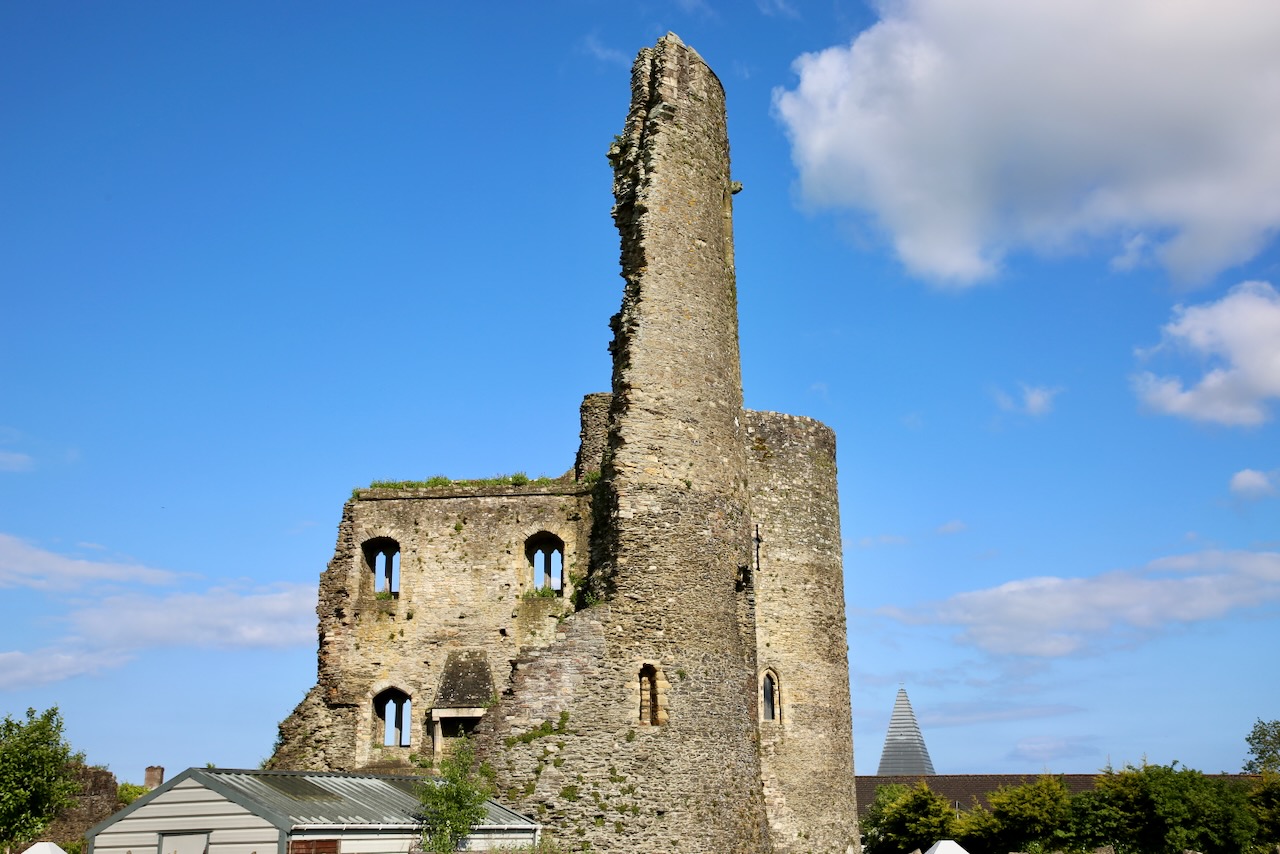
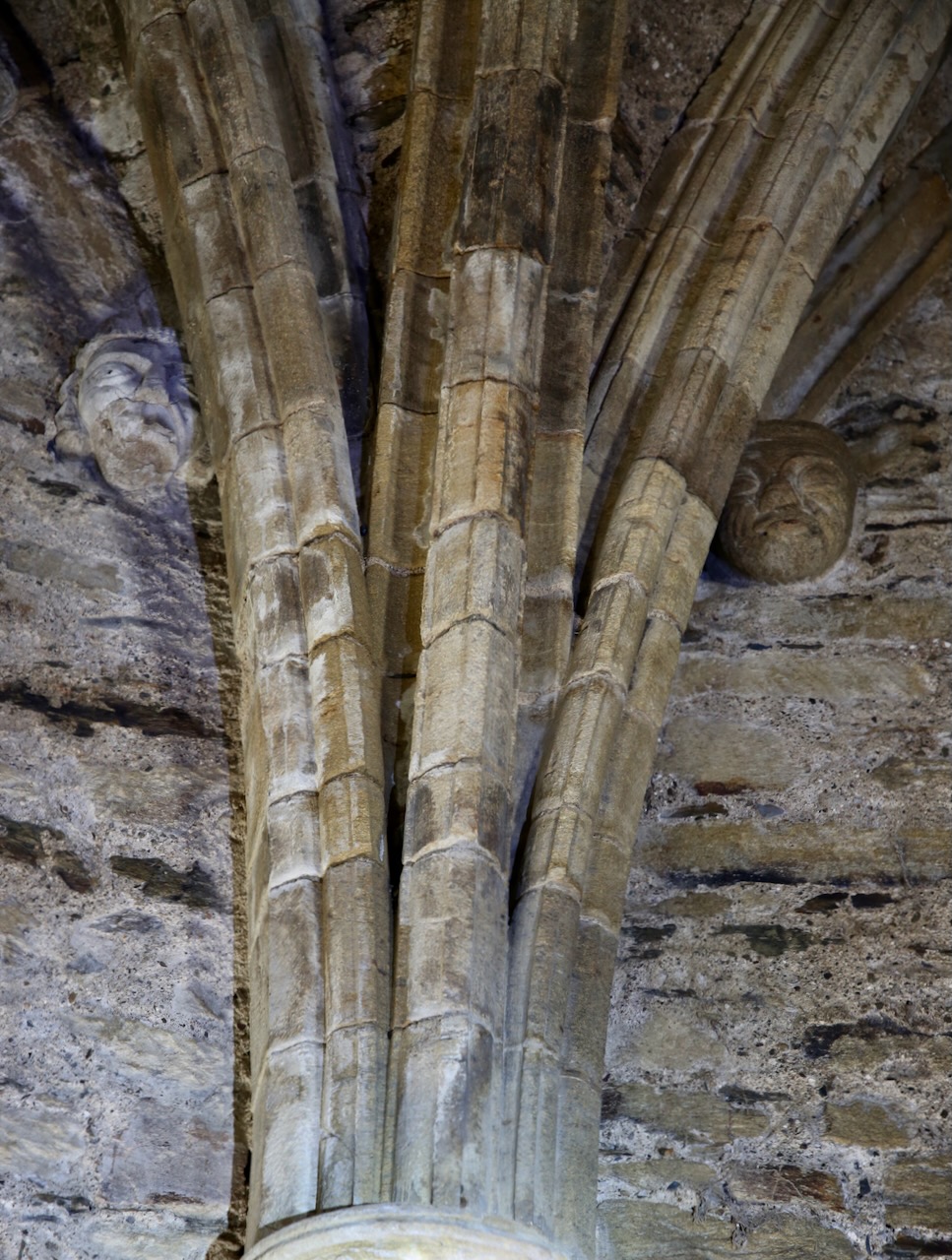
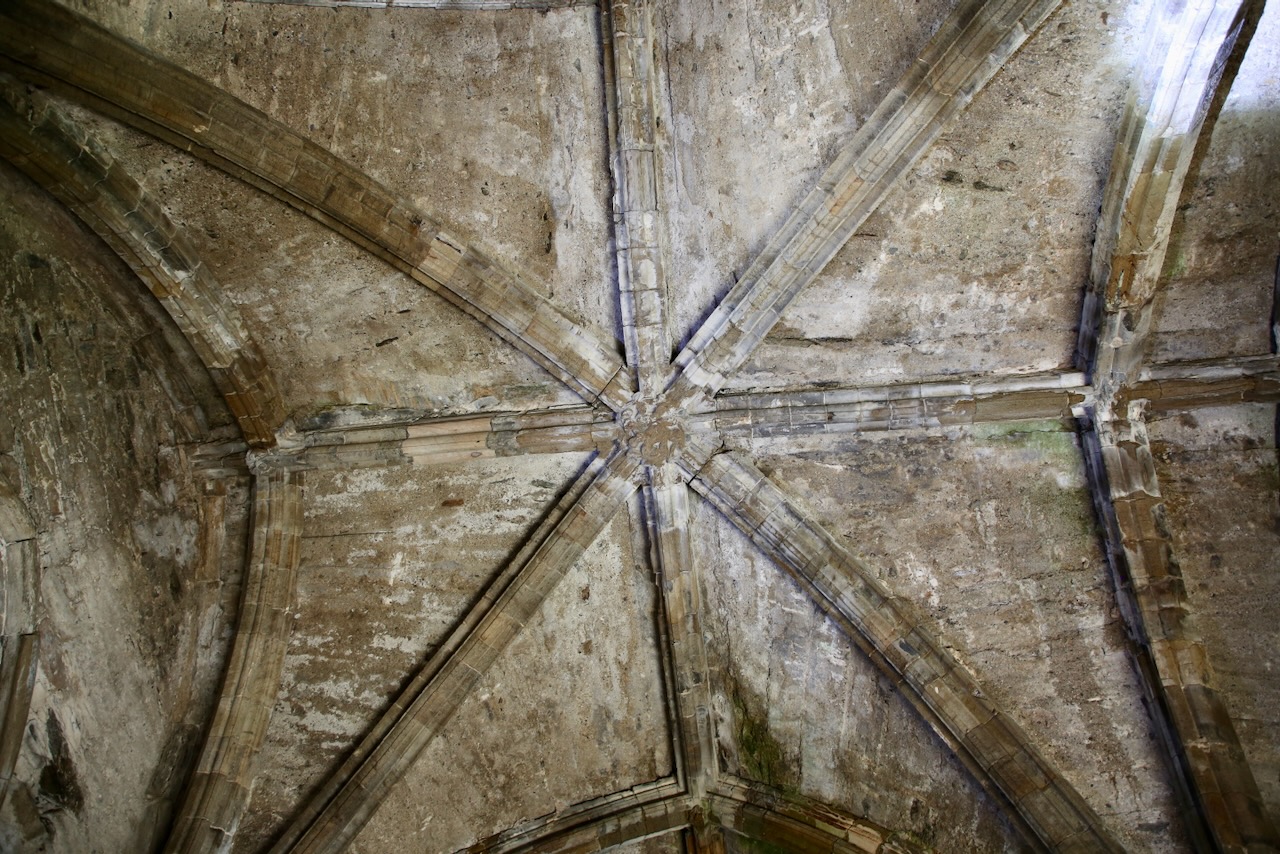
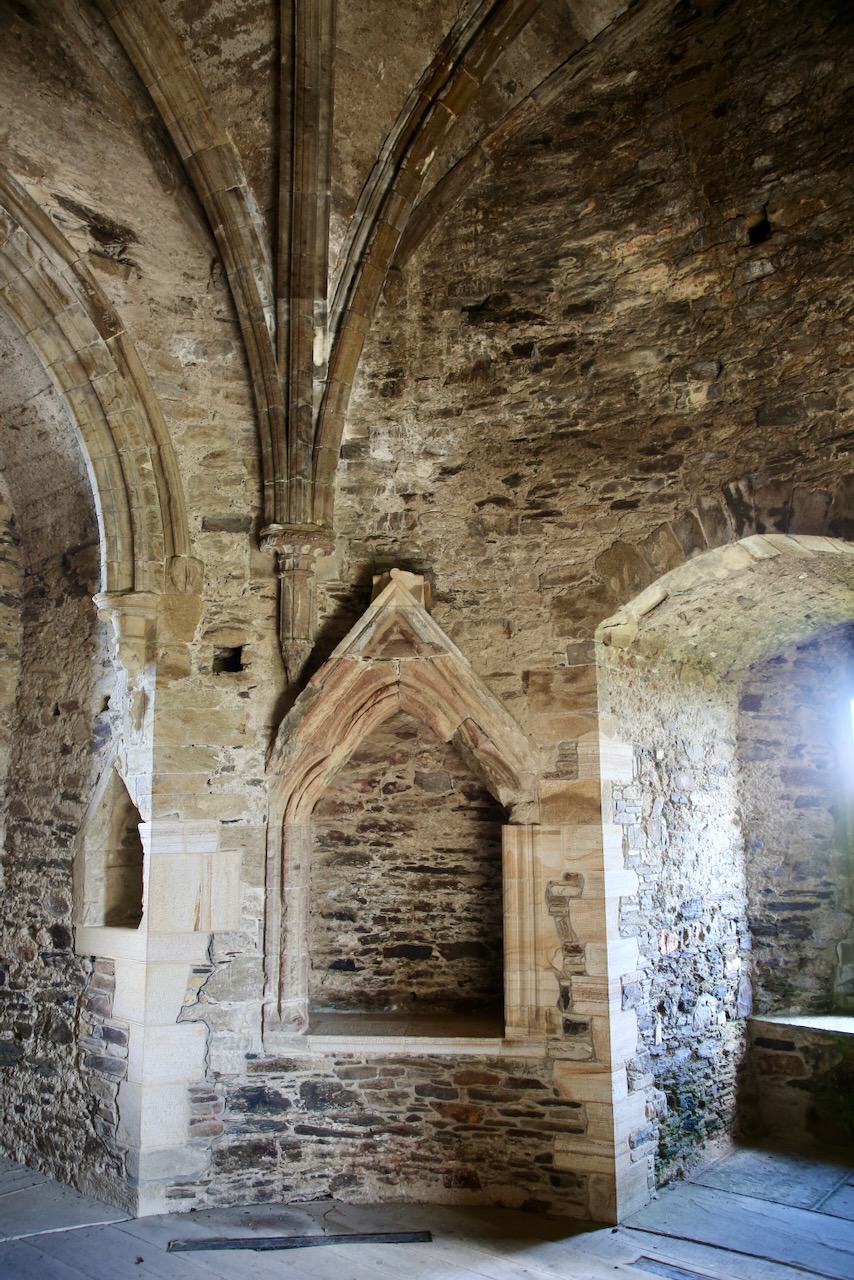
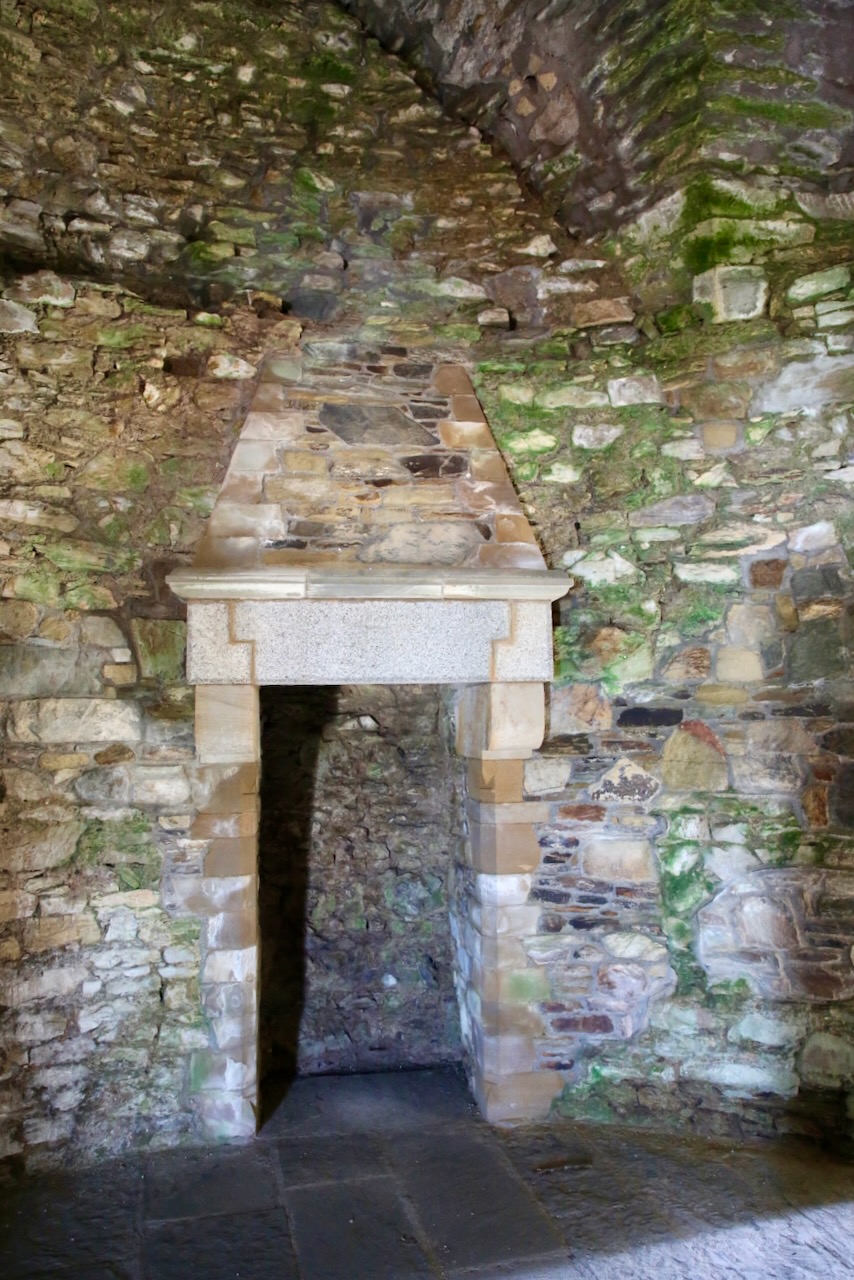
Dermot built the first castle on this site nearly 900 years ago and a second castle was built, probably by his son-in-law, in the 1170s before he died in 1176. The present castle – one of four Marshall castles in Ireland in Kilkenny, Carlow, Ferns, and Lea for land control by another Norman magnate – was completed in 1224. Left standing 800 years later is the southeast tower, with a preserved Chapel inside, walls beside, and another tower with more sun exposure on both sides of its thick walls. There are windows for shooting and others for sitting with benches, just as I imagine my perfect home, complete with a round staircase.

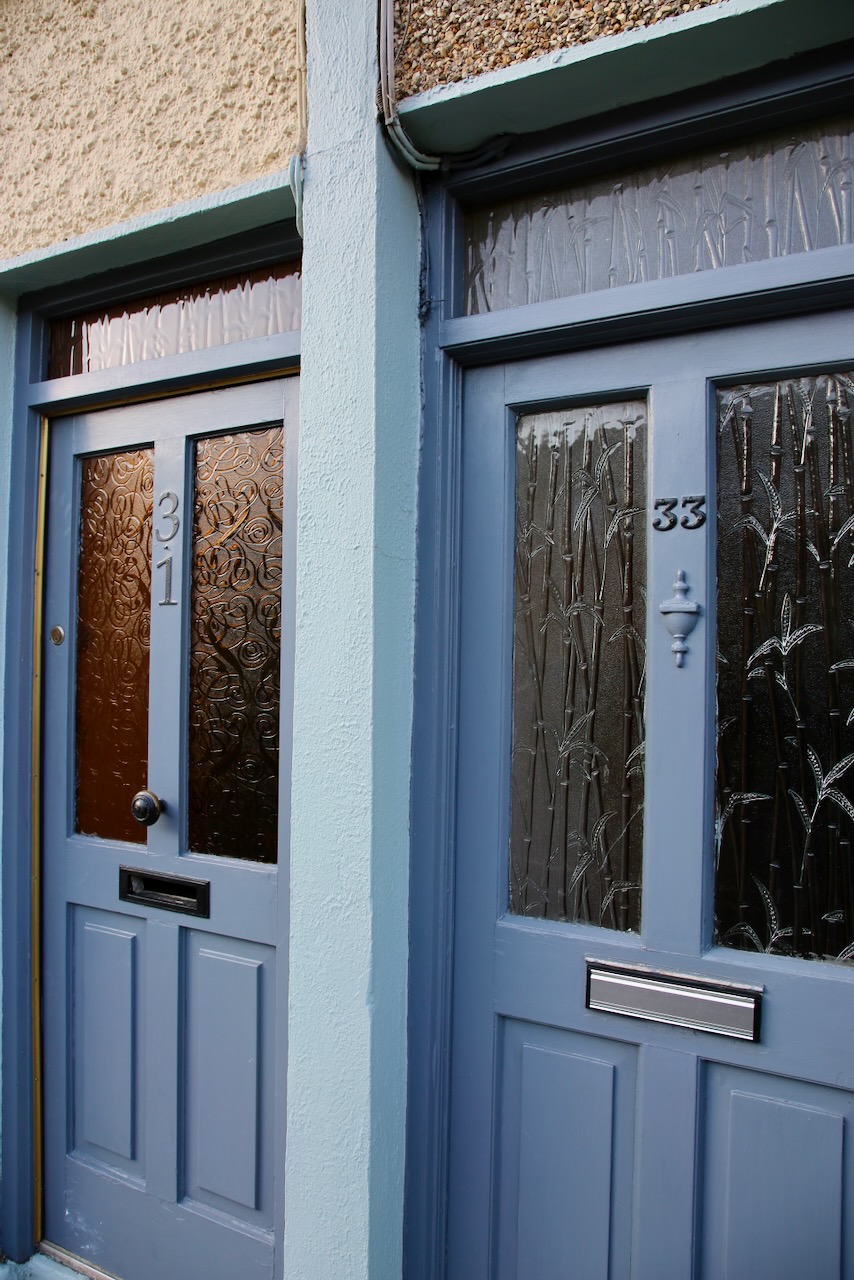
The inside has been preserved by adding glass in the windows and a locked door to keep out vandals. I thought the tour would conclude after a room or two, admiring the arches and fireplace, but we are taken to the top to admire the view. I notice rocks jutting out the top of the tower wall and this masonry method increases stability and makes climbing over uncomfortable. Most of the walls in Ireland were just a stone-clearing method to make space for farming and grazing, but the long walls that divide nothing on nonarable land were built during the famine so that the poor could work for food received from the church or landlord.
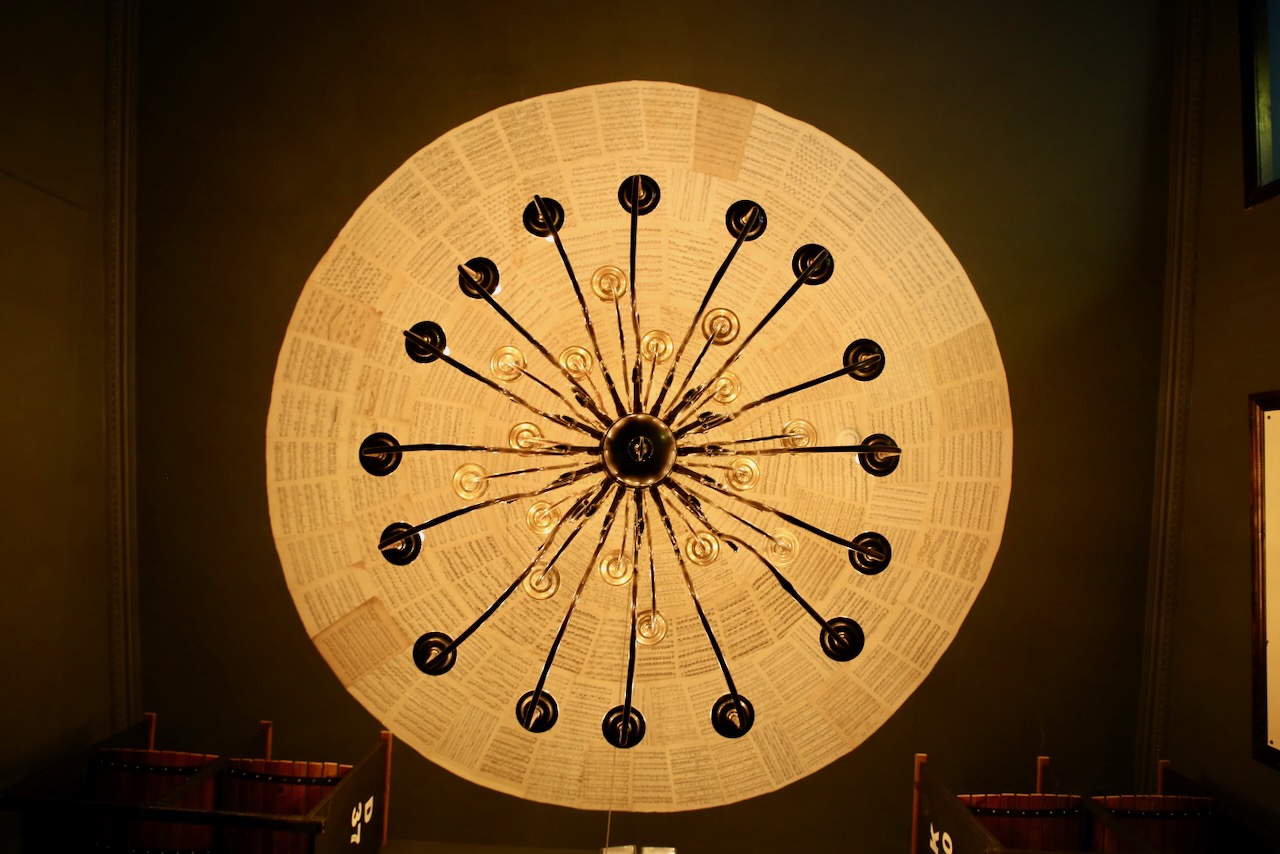
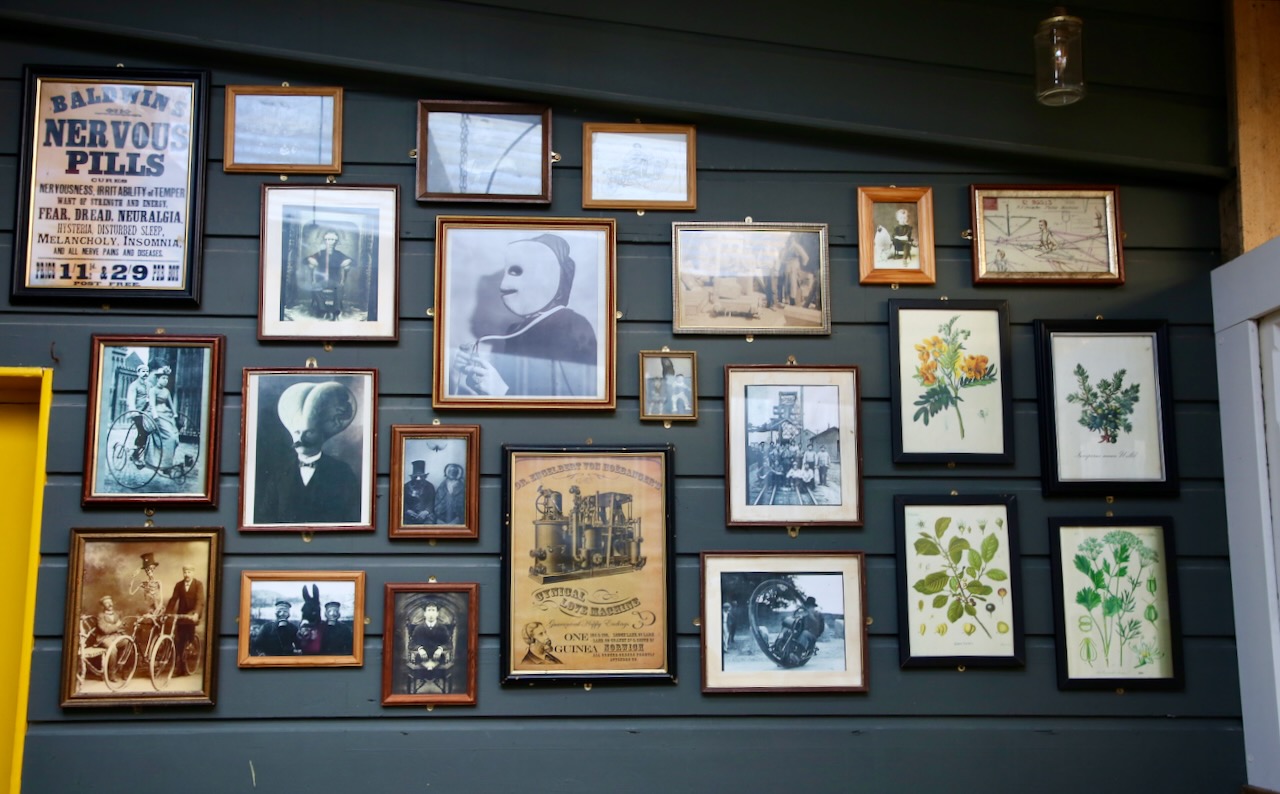
I’ll pan around, while our guide speaks, taking in the mountains, apartments, and fields under the cloudy sky before we descend and make our way south to Wexford. We’re staying at Ocean View, aptly named, with a living room encased in windows. With no one home, we drive back into town for dinner. We stop at Simon Lambert & Sons, a gastropub, with a kitchen closed at 6 pm (as after 4 pm it’s pint o’clock in Ireland). There is sheet music above the chandelier and old seats from the original Theatre Royal that opened in 1832, was converted to a cinema in 1942 with the stage intact, and then demolished in 2005 so that its replacement, National Opera House, could open in 2008 and be over three times larger.
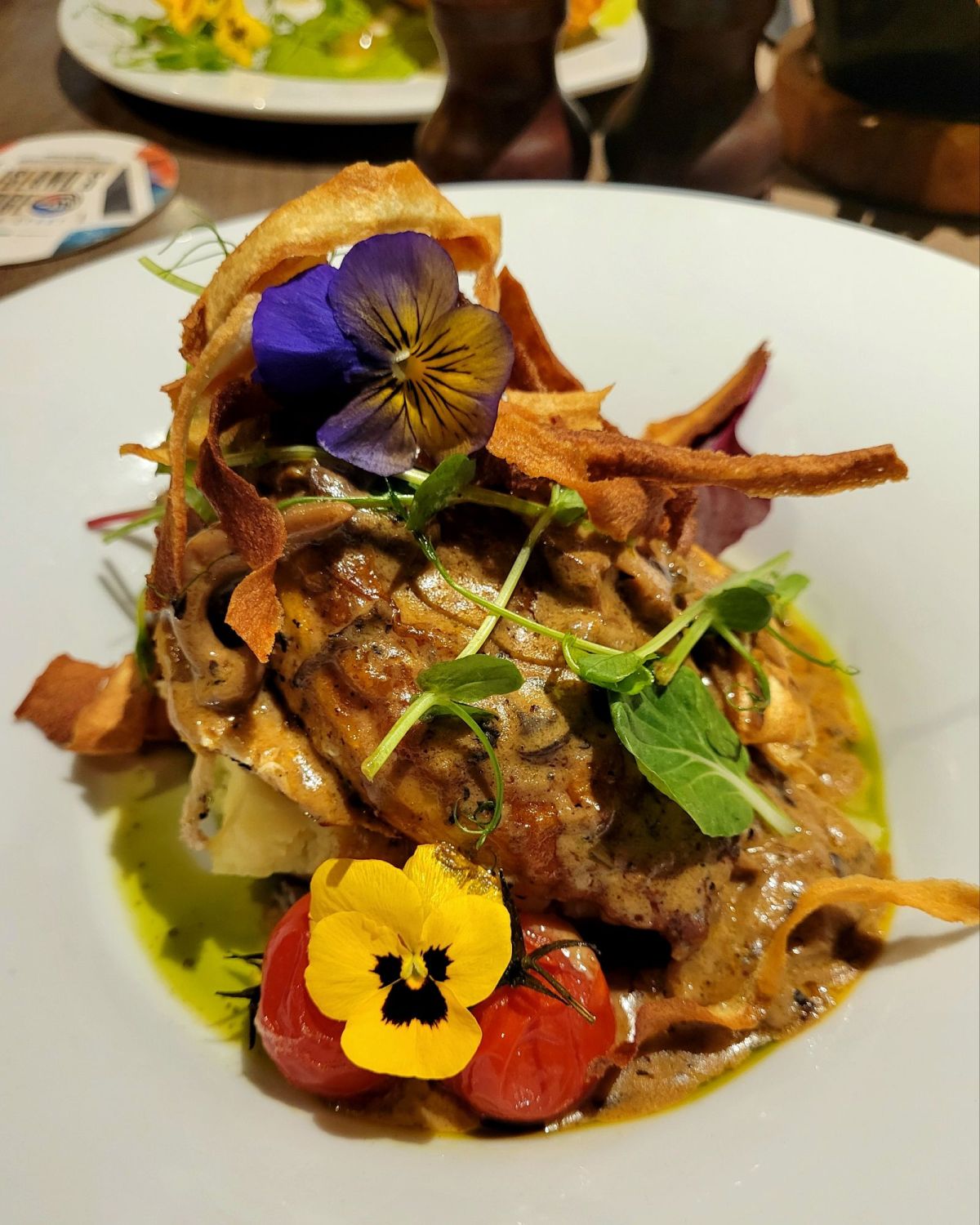
This pub is where Yellowbelly beer, named after the captain of the same name on the Prussian Frontier in 1887, started in the basement in 2015. I’m not sure of the relationship but the two definitely have a history where politics and religion are concerned. We walked to Thomas Moore Tavern instead of The Holy Grail. Had we known that Indians are the third biggest foreign group here we could’ve forgone the tavern for another foreign experience (having had Italian last night). Caleb gets their fish and chips and I order a special, something with chicken that’s beautifully plated.
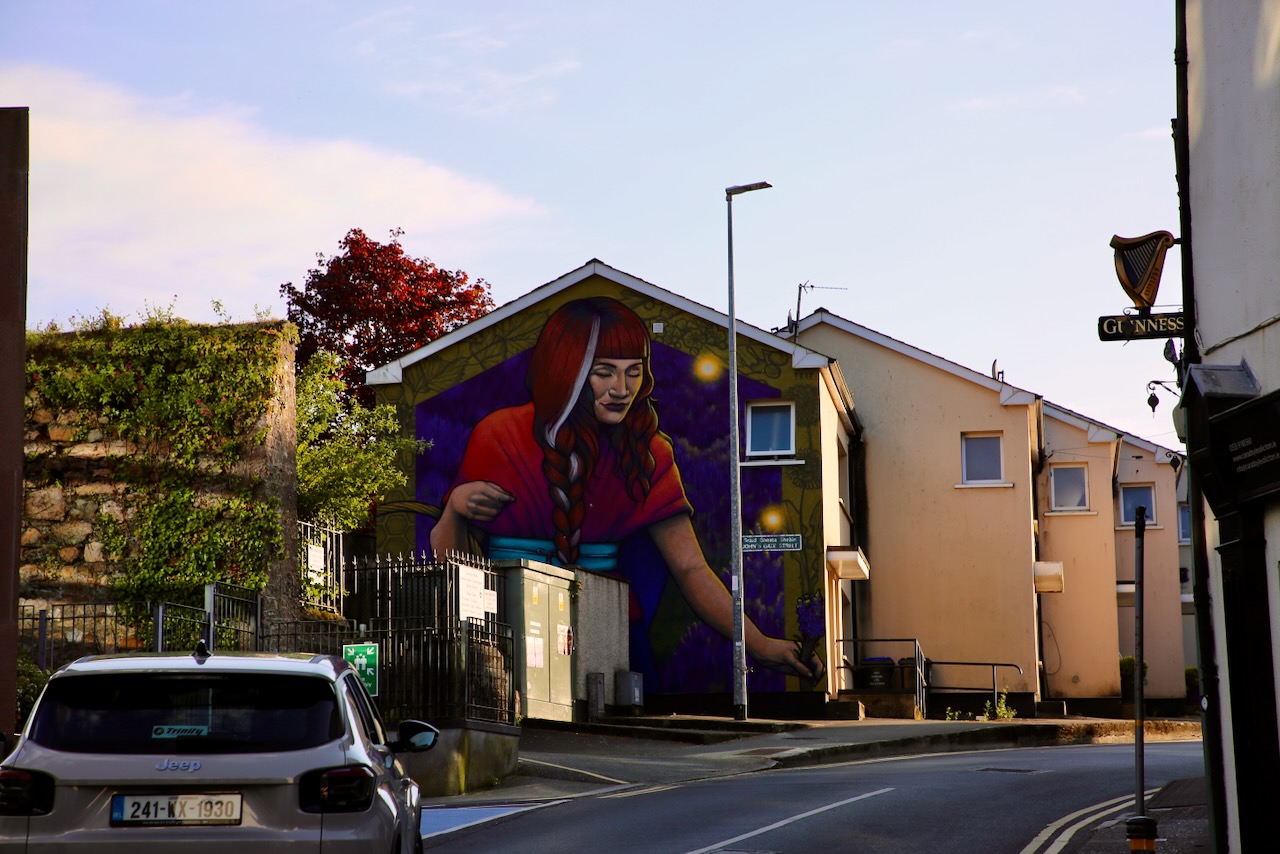
I’ll call our host after dinner and agree on a meeting time. Peter showed us how to lock the front door (the handle has to be turned up) and then to our room and shared bathroom. We were told we would have this half of the house to ourselves as the twin doors are marked private and kept locked. Still, we were woken at 11 pm when one guest returned and again by a couple from Canada who had taken the bus to Wexford. The nearest stop is over 2km away so Peter had picked them up. We didn’t meet the guests but were also woken by the heat in the room and Caleb’s coughing fit, so perhaps their night was as restless as ours.

 TheJessicaness