
We start our Saturday morning with a short stroll, just to get our muscles warmed up, since we’ll be walking around Balboa Park later. Caleb likes that I appreciate the same breakfast he makes every weekend with similar enthusiasm – eggs, potatoes, sausage, bell peppers, onions, and sometimes cheese. I remind him that I usually have a repetitive morning meal throughout the week, so this is a change. It’s when he makes biscuits or waffles that I feel especially spoiled.


We stop at Goodwill to drop off a few things. Sometimes Caleb agrees that these items are worthy of someone else saving money and other times he wishes I had learned how to throw things away. I once donated moldy books to a library and they let me know they’d probably toss them. I want to give others the opportunity to burn them or make art, just like old clothes that can be turned into rags for puppies or engineers, I want things to live a life full of purpose before meeting their demise.
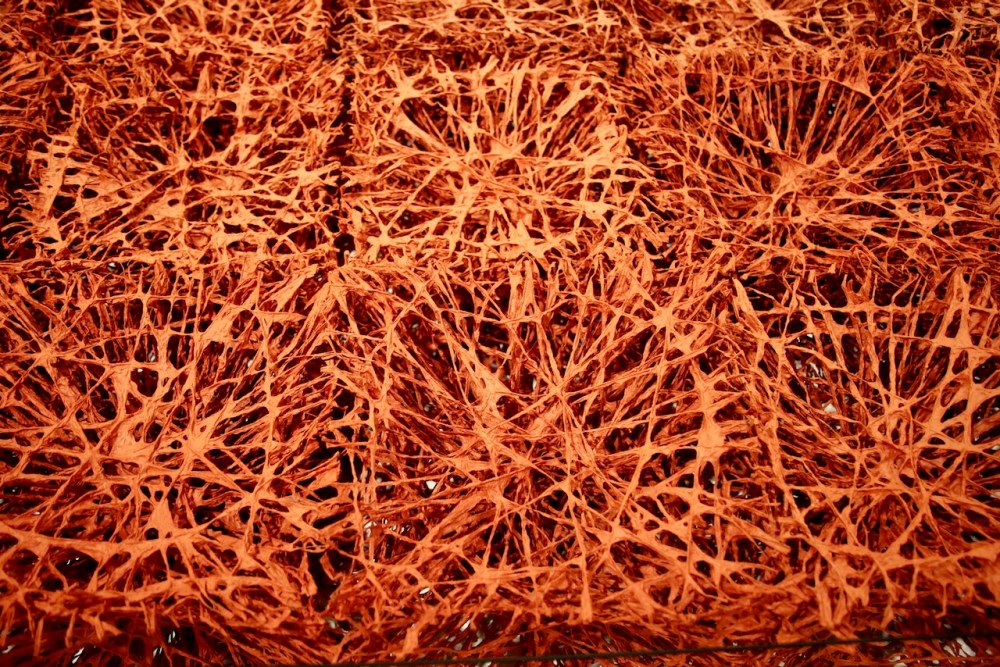
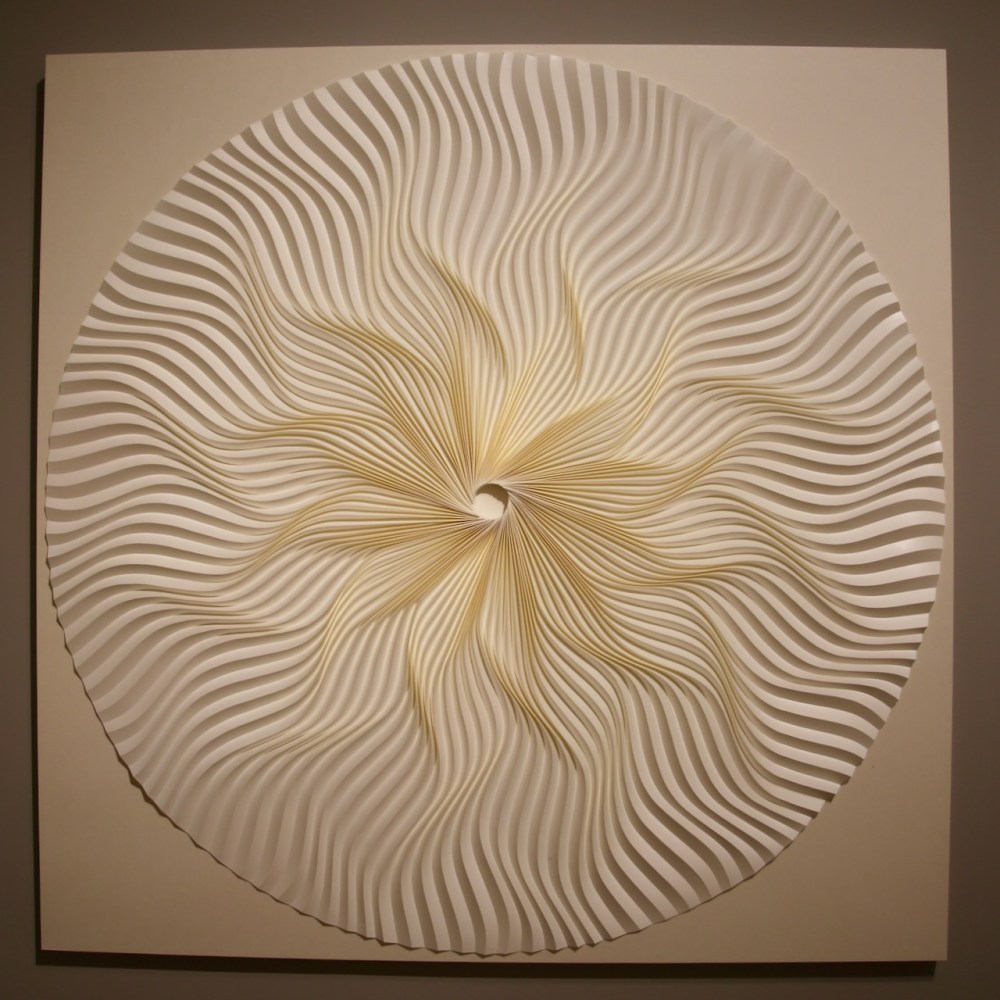
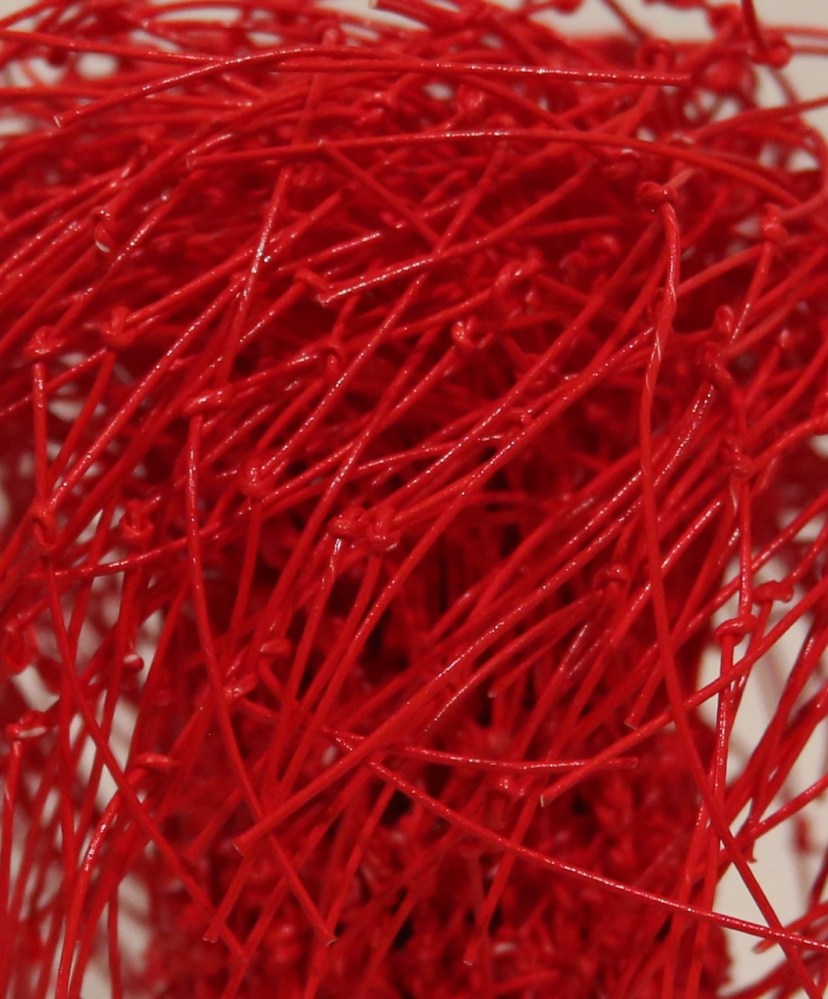
We’ll start at the Mingei International Museum to see their Washi Transformed: New Expressions in Japanese Paper exhibit that’s on display from today, October 14th, until January 7th. Downstairs are some Japanese and Mexican pieces of clay, beads, and wood that we look at on our way to get our passes scanned. We put the stickers, as proof of payment, on our shirts and go up the Grand Staircase with a nine-foot white and gold glass chandelier, by Dale Chihuly, which hangs between light and shadow.
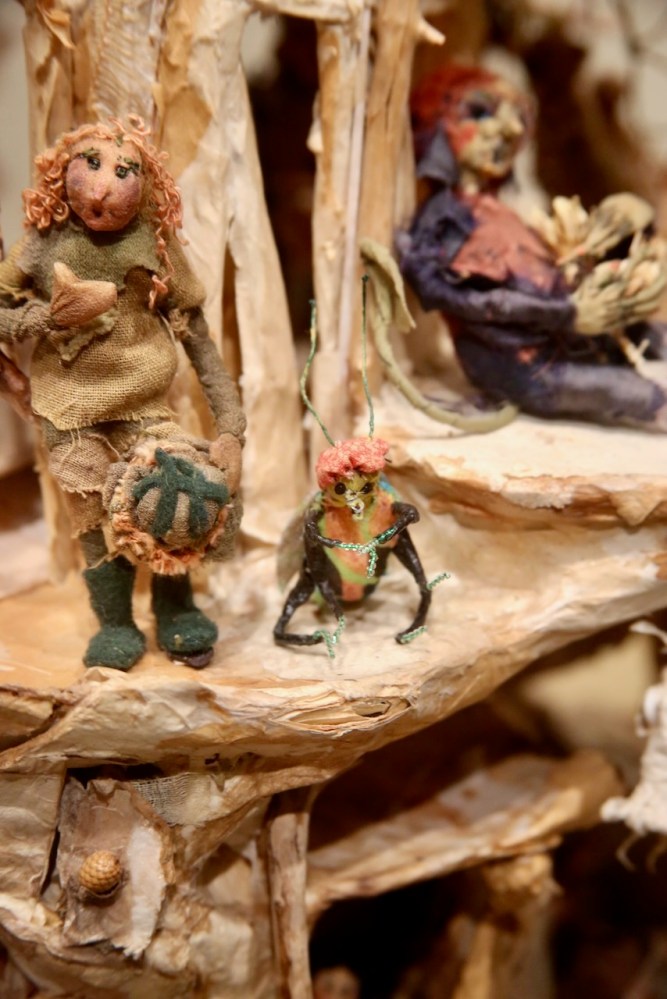
Through the large glass door is the Washi Transformed exhibit that showcases the thousand-plus years that the Japanese have been hand-making paper for use in painting, calligraphy, and origami, and showing how it can be used (fold, weave, twist, dye) to create sculptures and other two-dimensional works. The washi is made from the long fibers of a shrub and two trees that are transformed through screens and suspension, which honed through centuries has earned it a designation by UNESCO as an intangible cultural heritage.
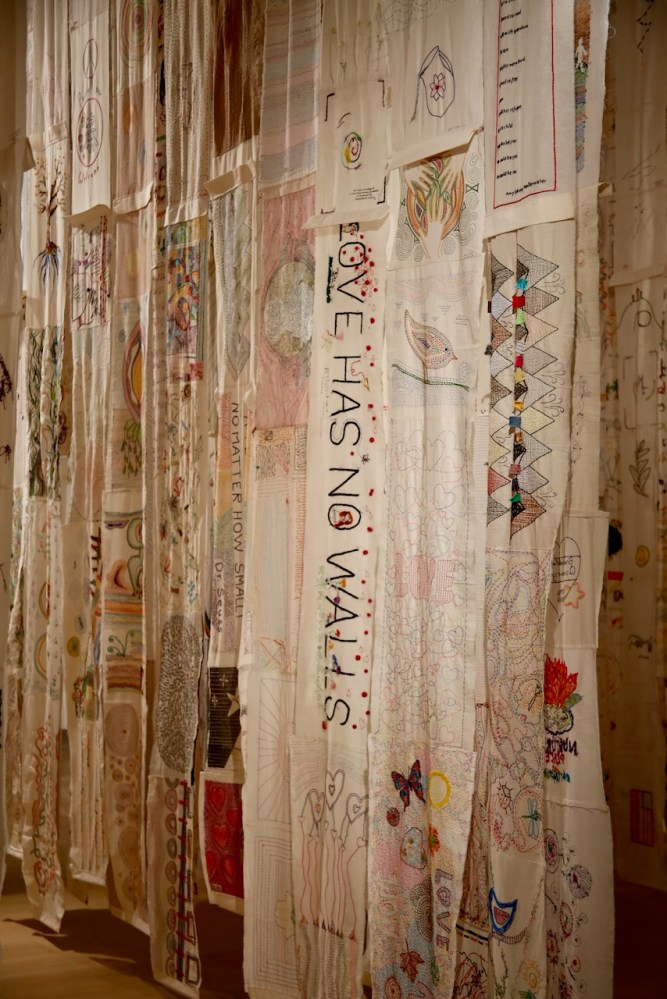
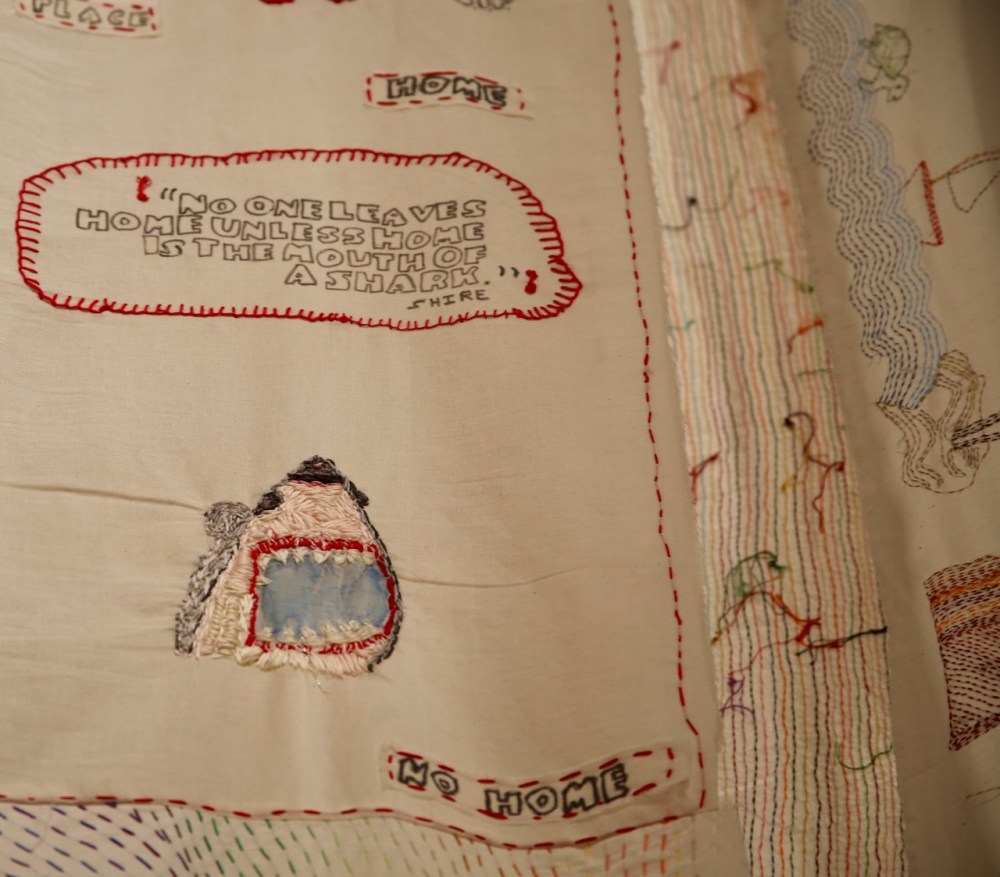
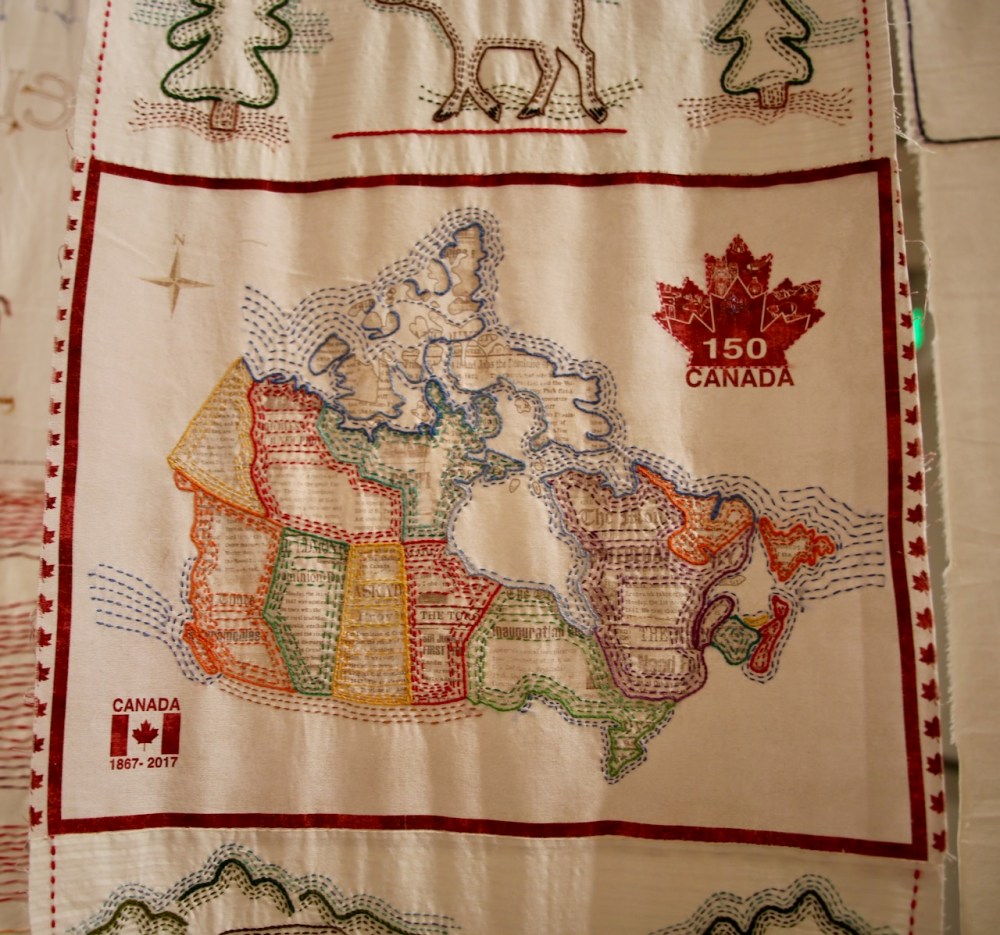

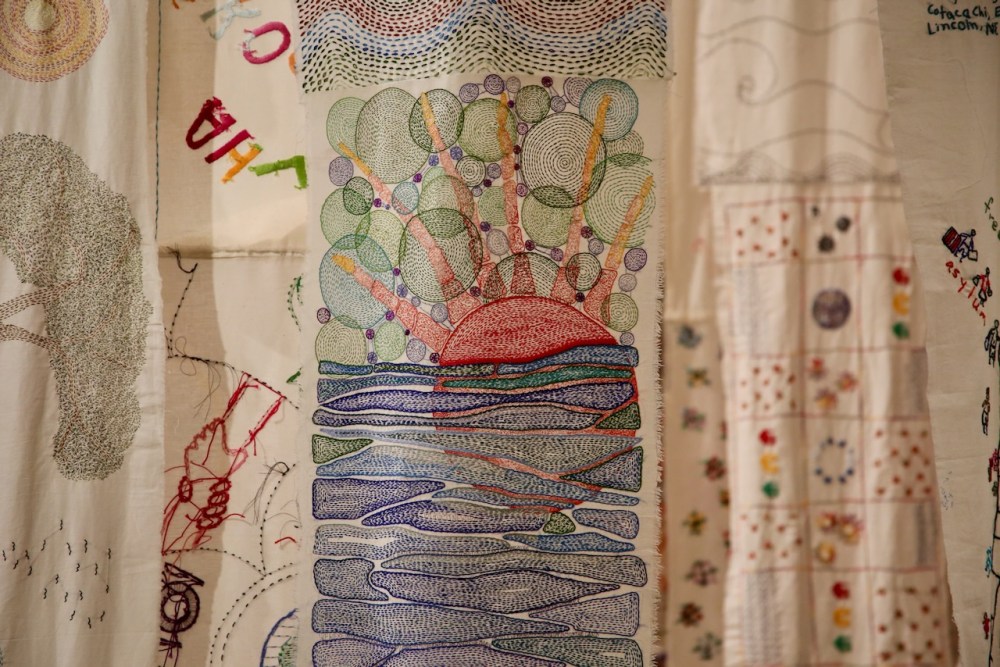
On the other side of the room hangs 25 Million Stitches: One Stitch, One Refugee where 2,300 volunteers from each US state and 37 countries submitted a hand-stitched panel, about the size of a pillowcase, to Jennifer Kim Sohn to make a large tangible aide to bring awareness to the millions of refugees on the planet. It’s easier to visualize the numbers when you can walk through the exhibit aisles, that are more than twice your height, and see the time and dedication people are willing to put forth for others; when they have the time, money, or energy to do so.
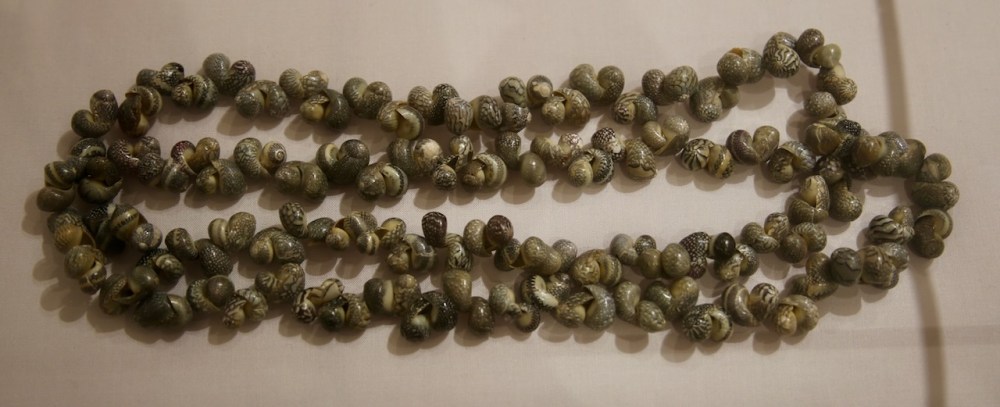
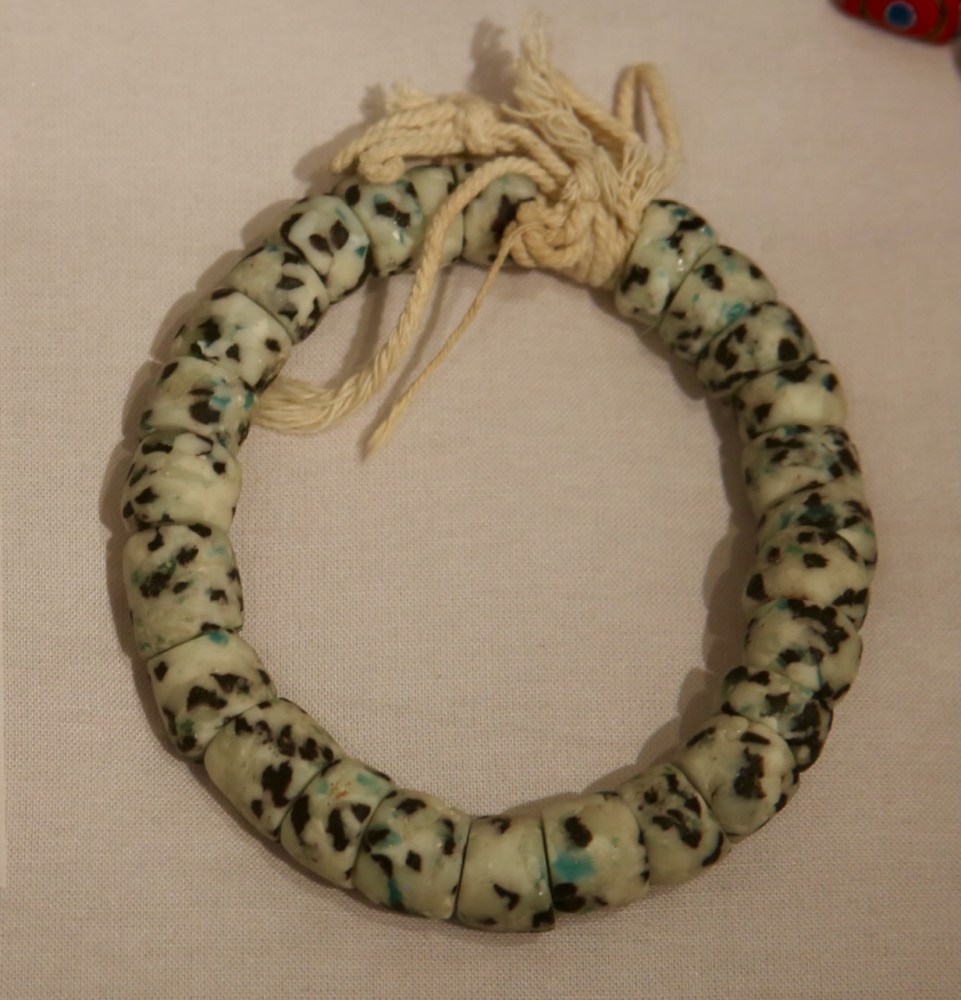
A World of Beads: Essential Elements explores the history of beads as their materials expanded from bones to glass, from simple jewelry to beaded outfits, and their roles as currency on trade routes. The Mingei was gifted some 6,000 to 11,000 beads from The Bead Museum in Glendale, AZ when it closed in 2011 due to lack of contributions. My favorite jewelry on display is made from snail shells and glass on monofilament and string from Brazil, Ghana, and Italy.
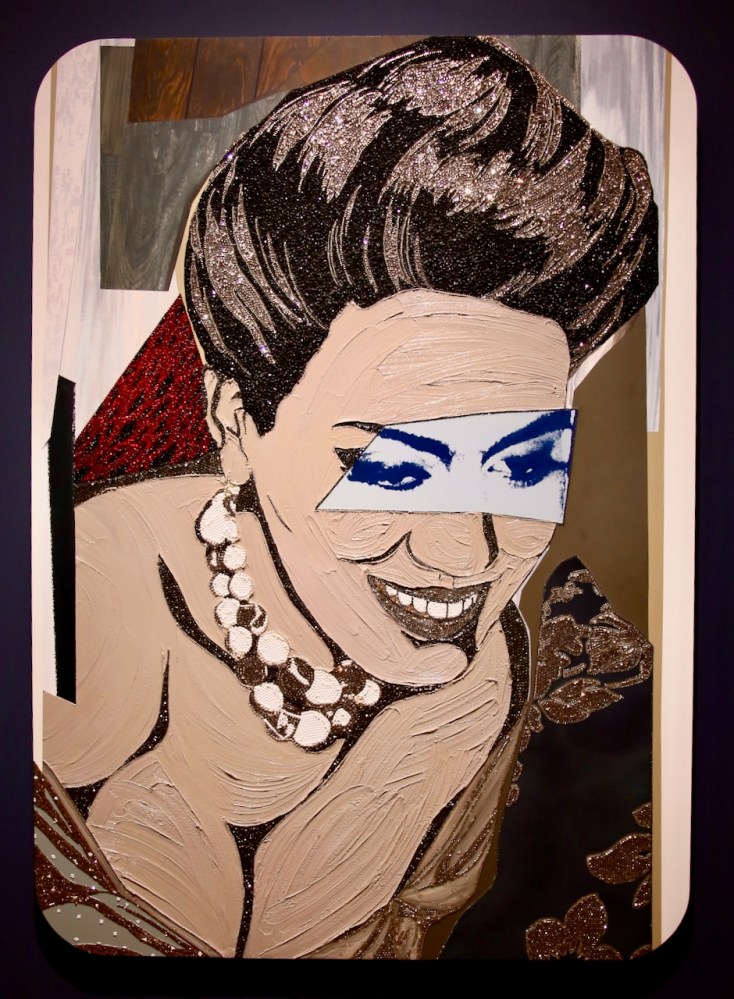


We browse some paintings at the SDMA — a self-portrait, a daughter, a muse, a still life, and some portraits by Carlos Miranda In Search of Sonder amongst those in his community and as an RN for ten years who believes we should live our lives with purpose and kindness. The reason for today’s short visit is that the Filipino Festival is happening downtown and I want to go for lunch so we can eat. We try the cherry lemonade and lumpia while we watch a dance on stage and don’t seem to be the only ones not staying long to buy hats and dresses.

 TheJessicaness