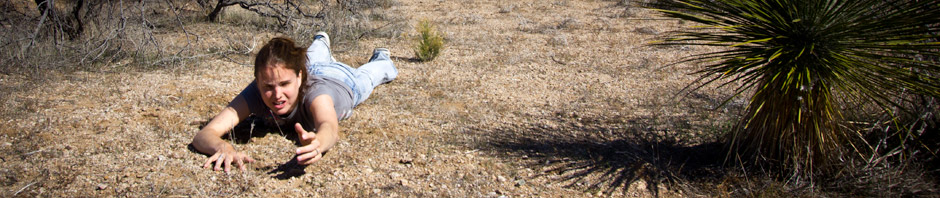

I awoke near Willow Beach, tossing and turning, and will continue to do so until the sky starts to lighten before 5am. I was sweaty when I went to sleep, but the temperature finally dropped from 100° to 75° F. I wipe the crusties from my eyes and look forward to brushing my teeth and changing my undies. I drove for hours, eventually reaching the forests approaching Flagstaff, only to miss the turn for Humphrey’s Peak, the state’s highest point at over 12,600 ft. From that vantage point, one can see the Grand Canyon, but to get there takes five to eight hours to ascend over 3,000 ft.
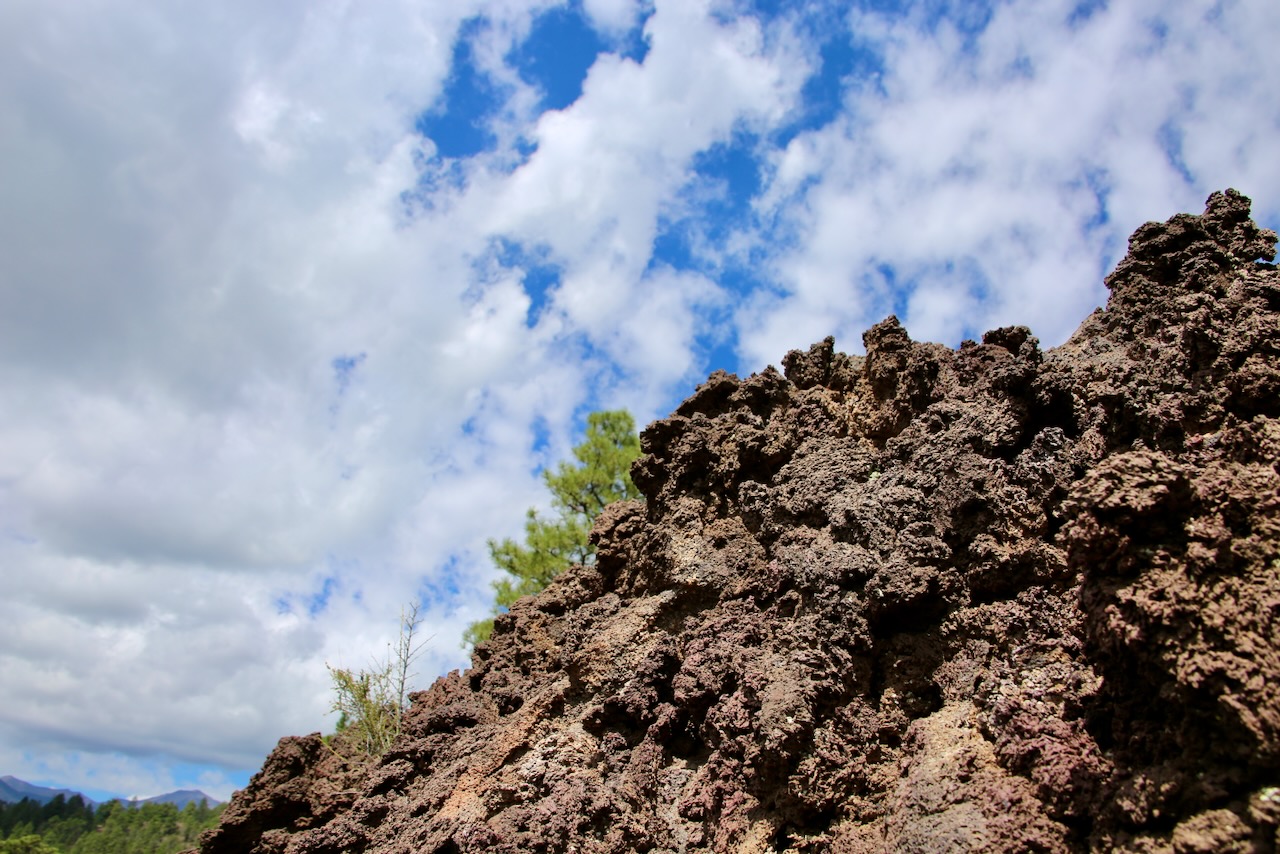
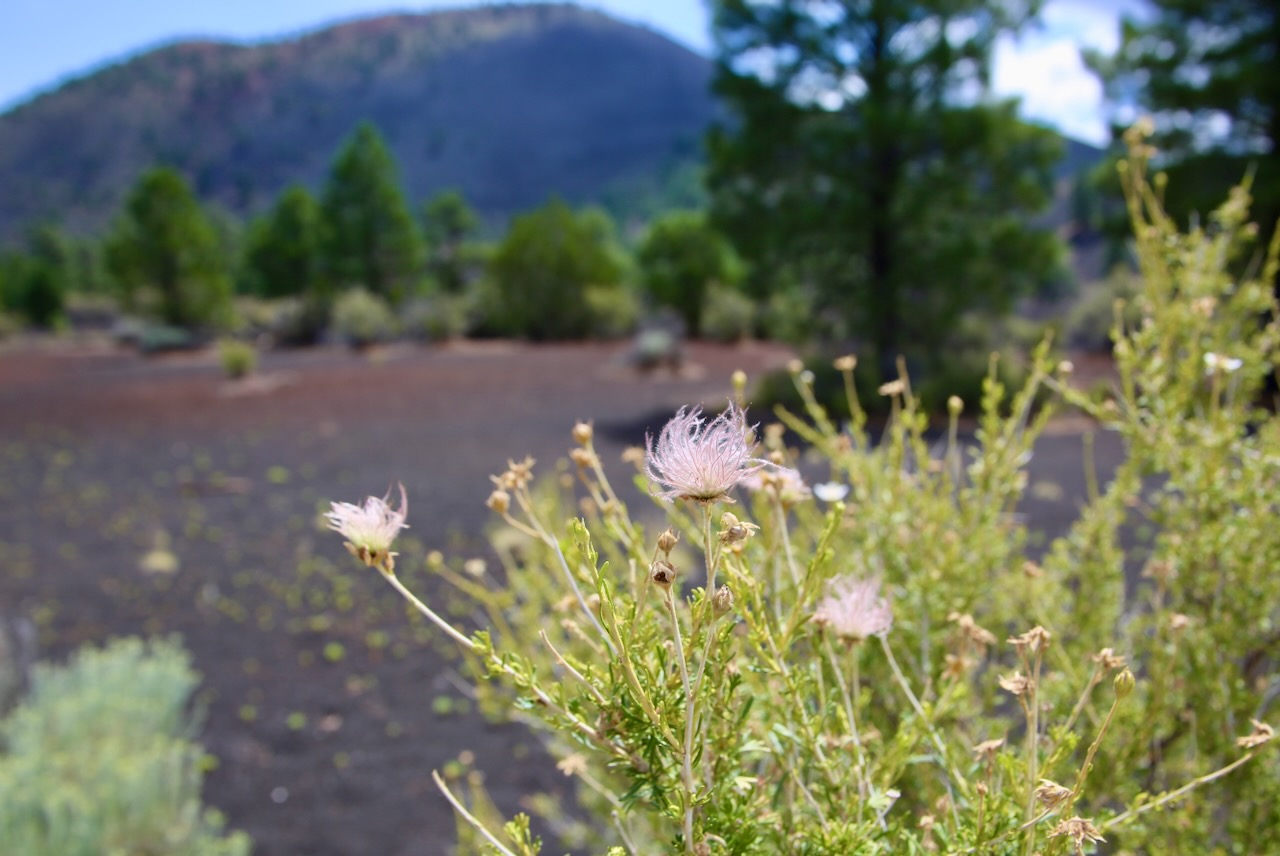
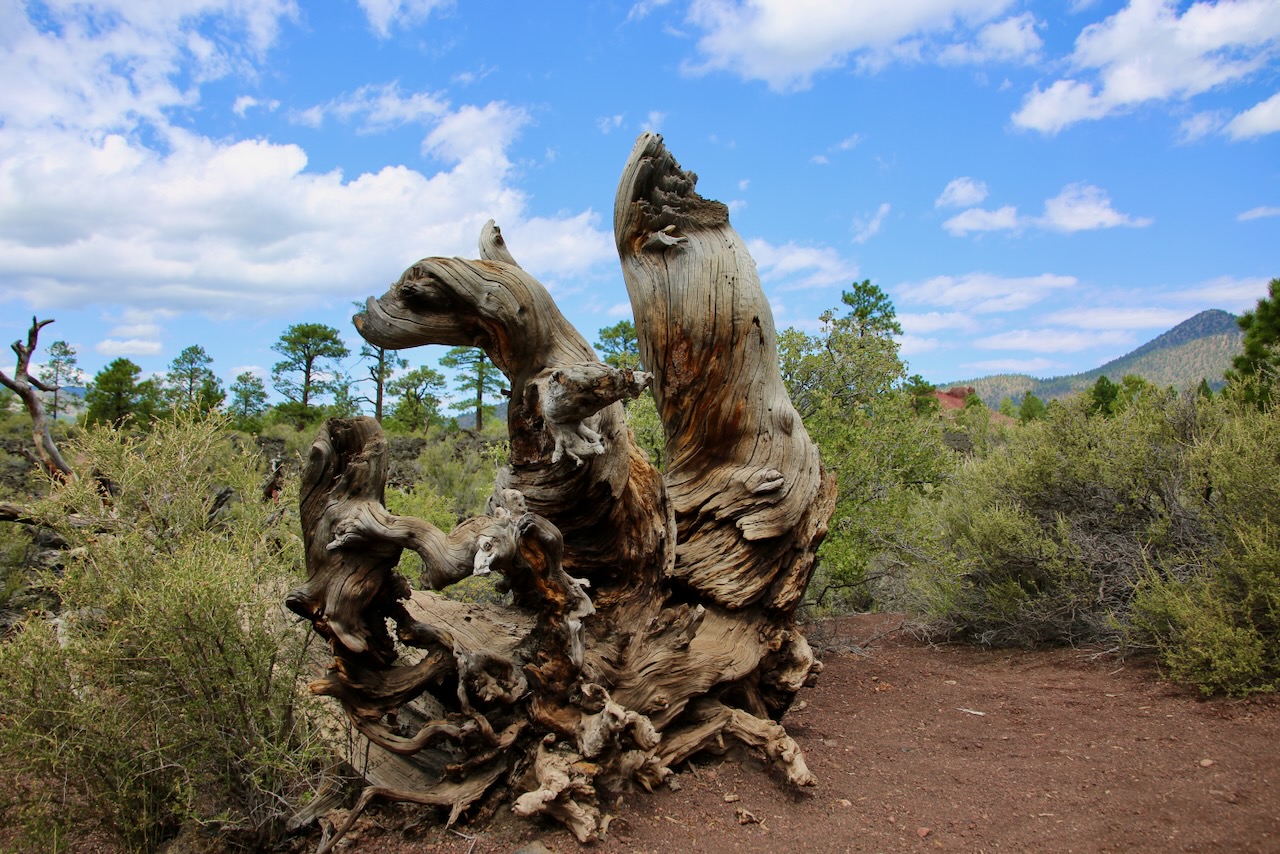
I had already decided I wasn’t staying the night, and missing the turn convinced me it wasn’t worth seeing if I wasn’t going to make the summit, especially having to drive an hour down a dirt road to reach the trailhead. I’ll continue on to Sunset Crater Volcano National Monument. I’ll walk the Lava Flow Trail and two others amongst the trees (paper birch, bristlecone pine, quaking aspen, ponderosa pine), lizards (short-horned, whiptail, western fence), plants (Apache plume, white chenille, rabbitbrush), green lichen, and lava rock.
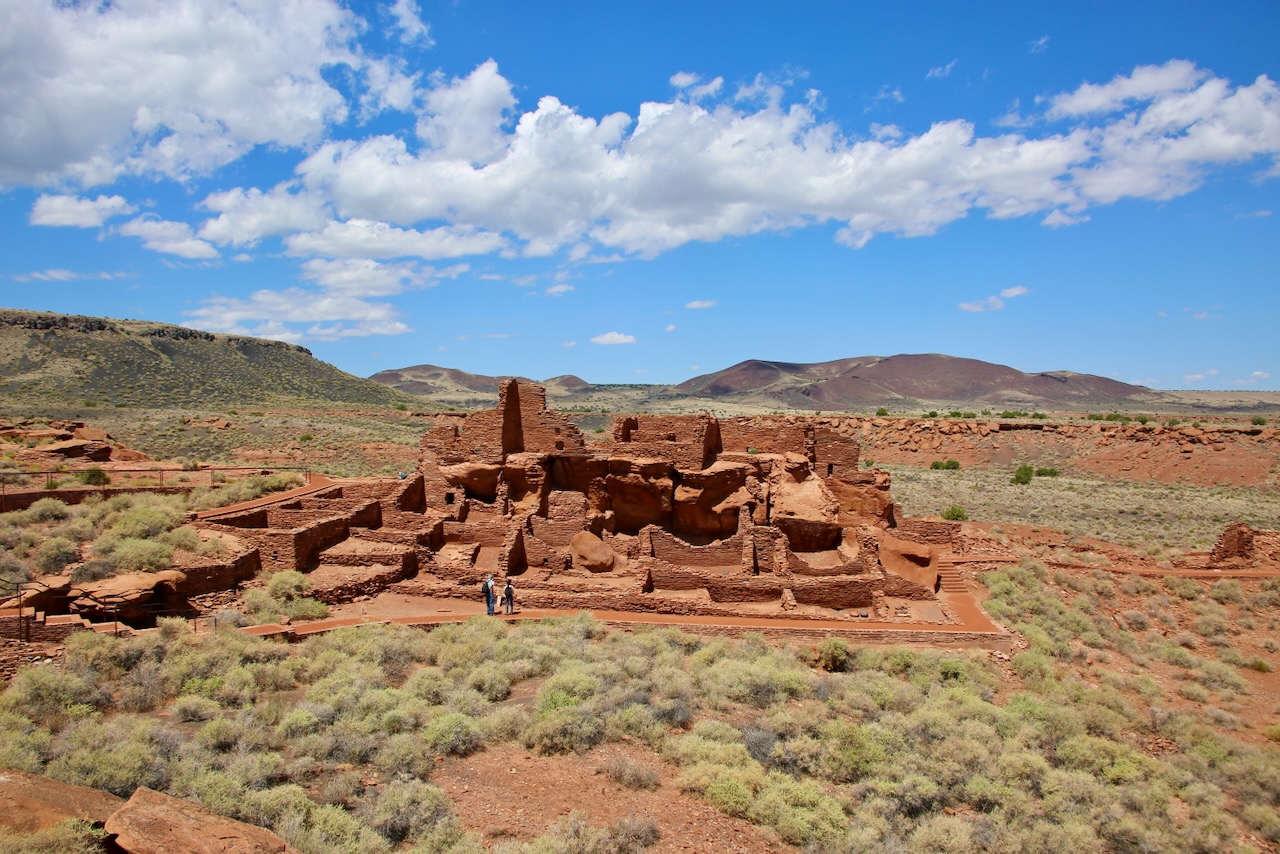
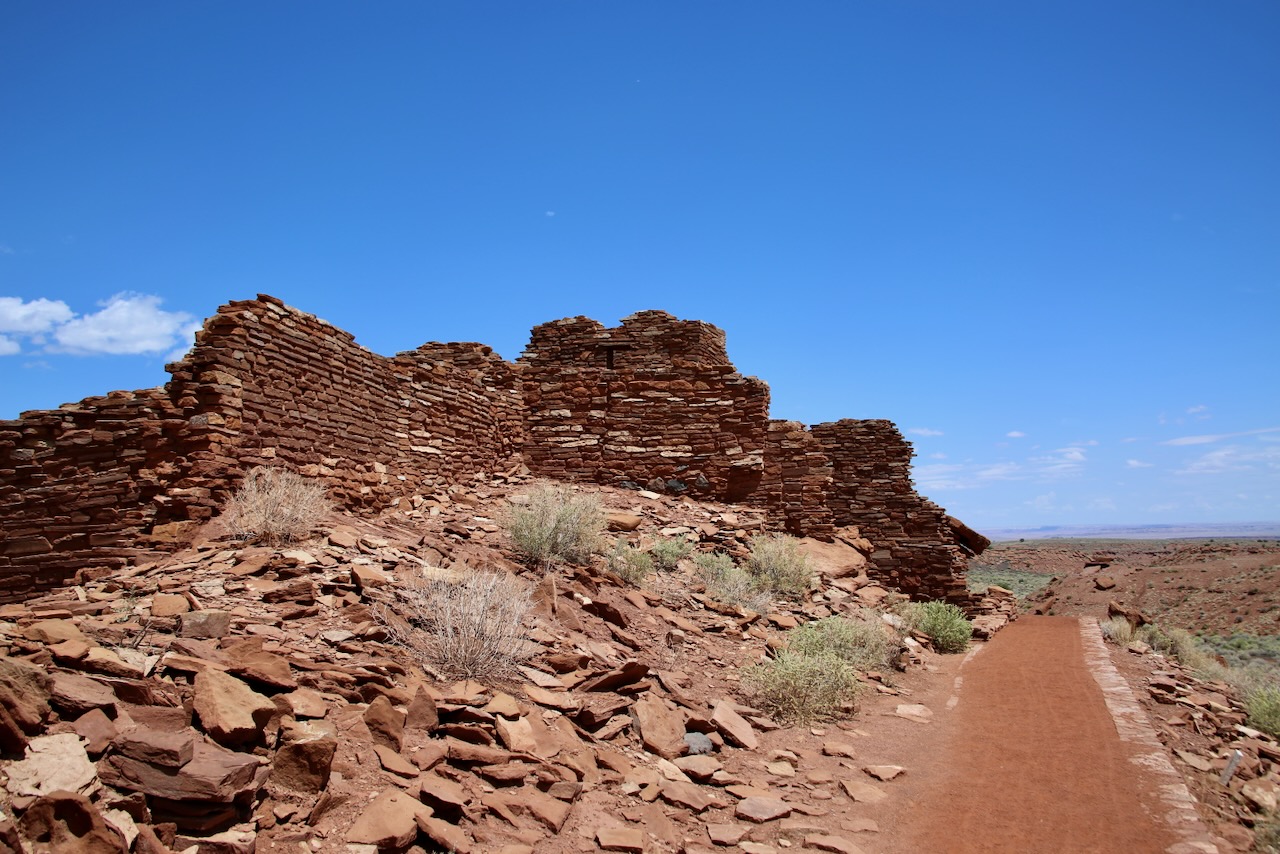
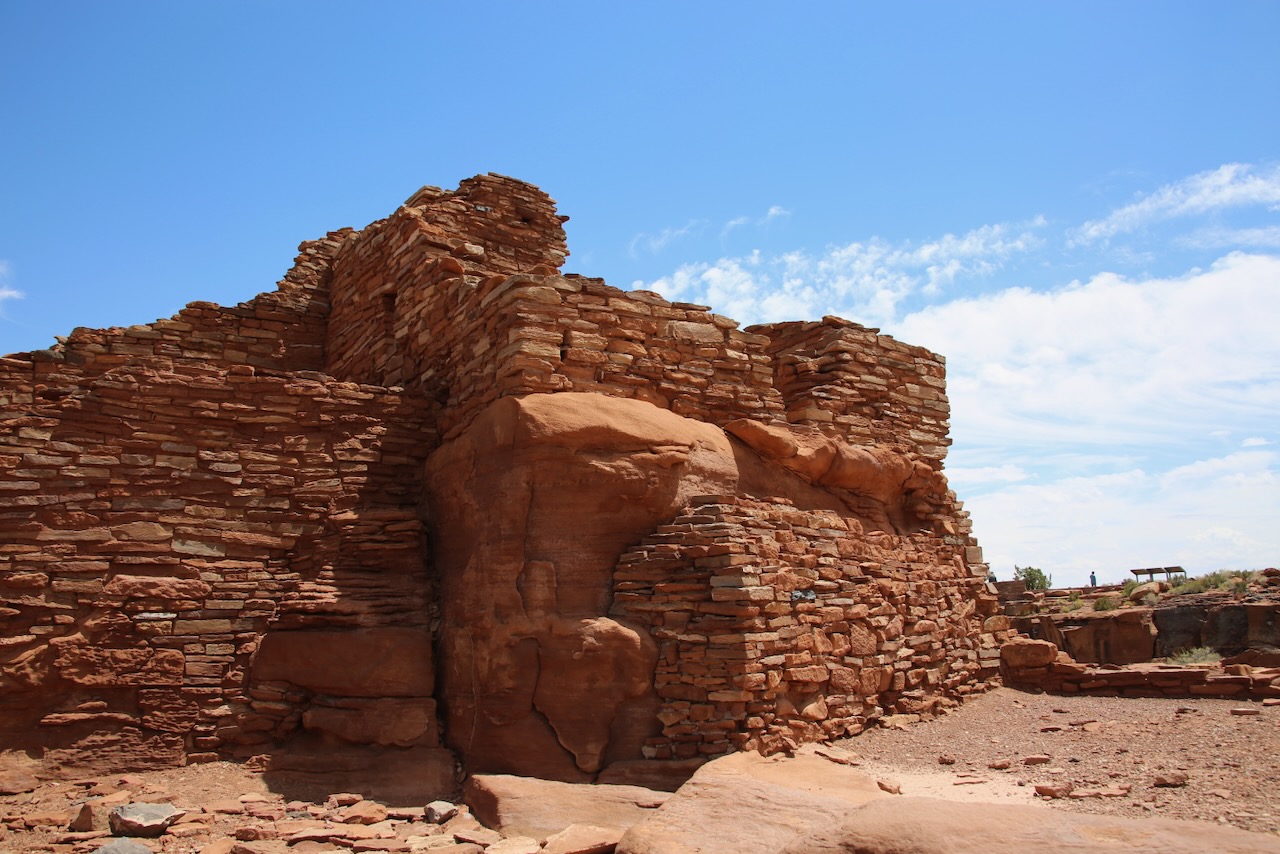
I witness people who can’t stay on the trail or keep themselves from collecting a souvenir because they think they’re the only one crushing soil and vegetation and stealing the microhabitats that rocks, logs, and shells provide. These tiny aggressions (anthropogenic disruptions) add up with a million visitors who are tempted to do the same, leading to increased erosion and habitat loss. I’m told I need to come from a place of curiousity (which I do, but don’t word it that way) rather than judgment, so rather than tell these people how they’re messing up, perhaps I should ask why they’re doing it.
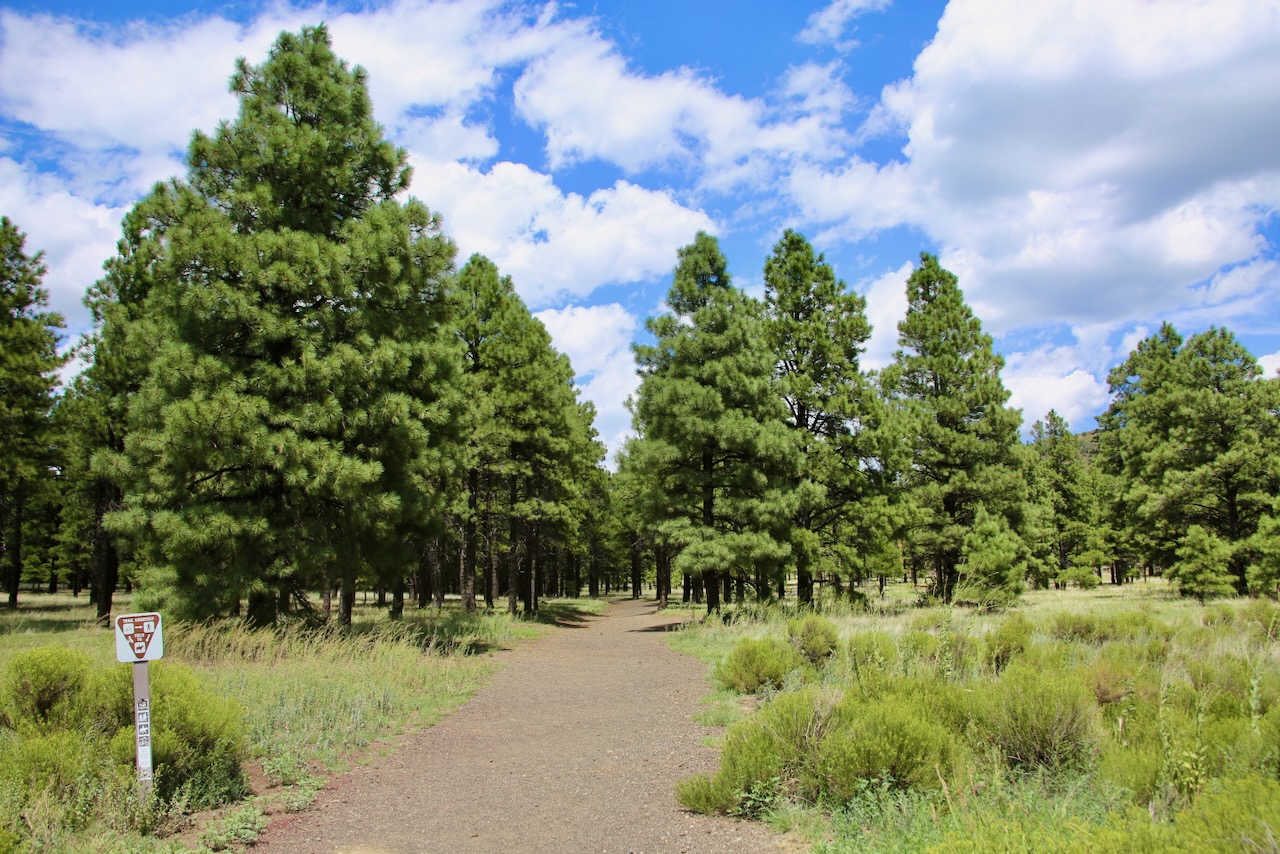
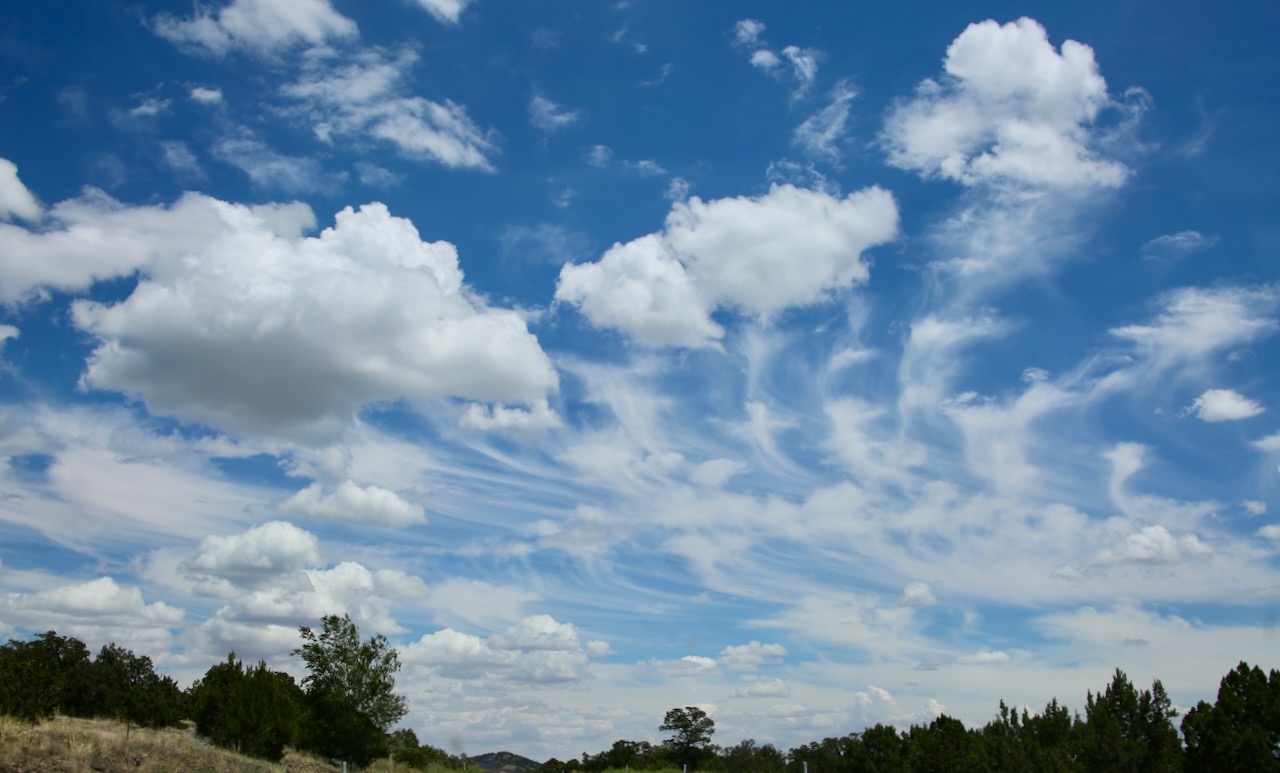
I walk around Wupatki National Monument making friends with a Northern Flicker bird (a member of the woodpecker family), learning that rangers lived in a reconstructed pueblo for $10 a month (those walls and roofs were removed in the 1950s), and continually pointing out where a running child was to her mom as the temperature proceeded to climb. On my drive to Old Caves Crater, I will pass a dust devil while listening to songs about ice cream and kitchen tables. There are remains here of the Sinagua, now known as the Hopi and Havasupai, who moved away from dwindling water sources.
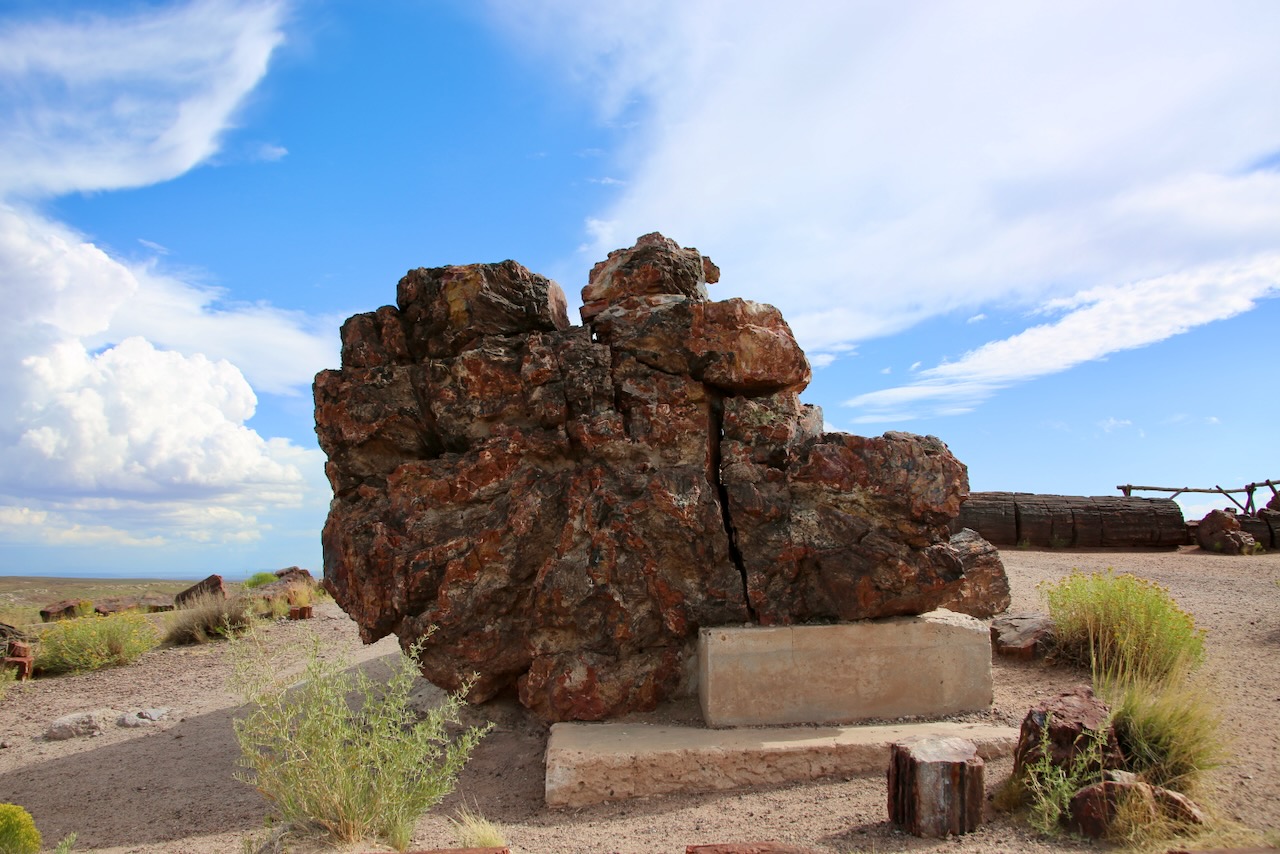
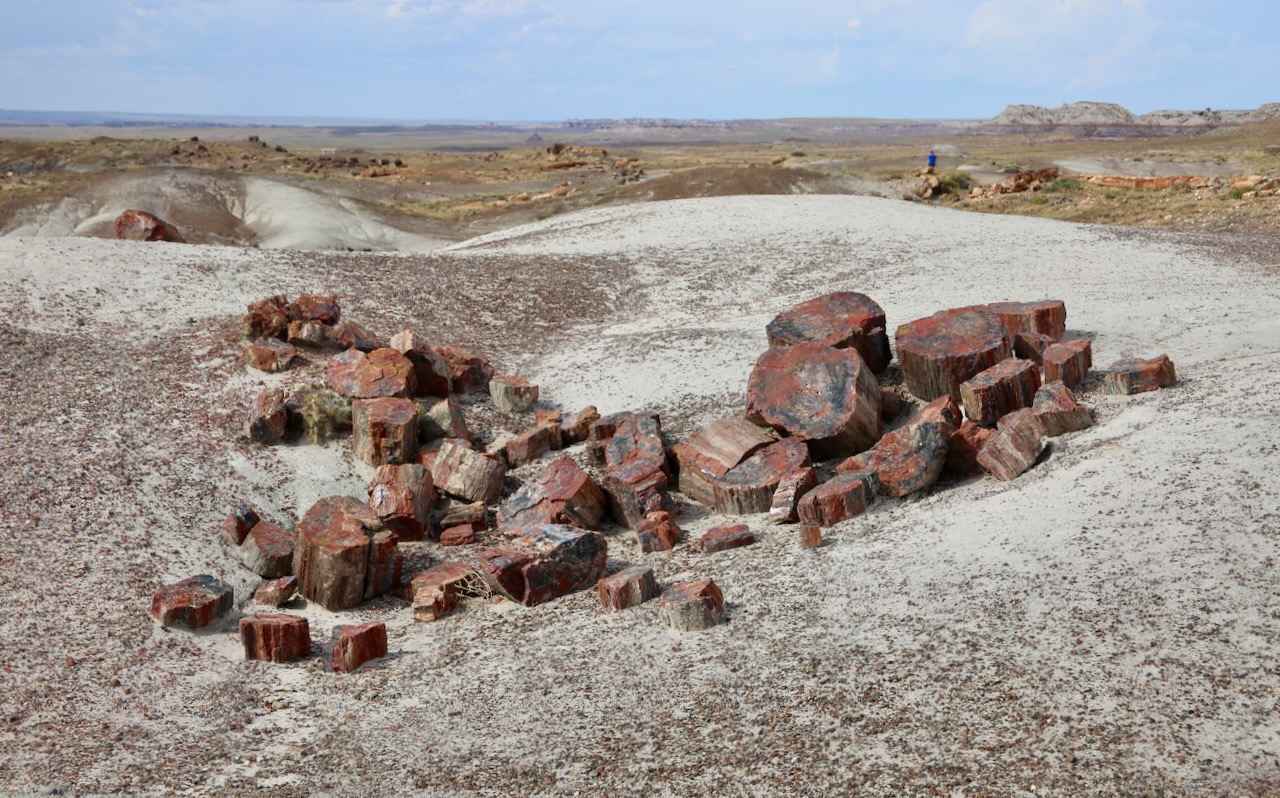
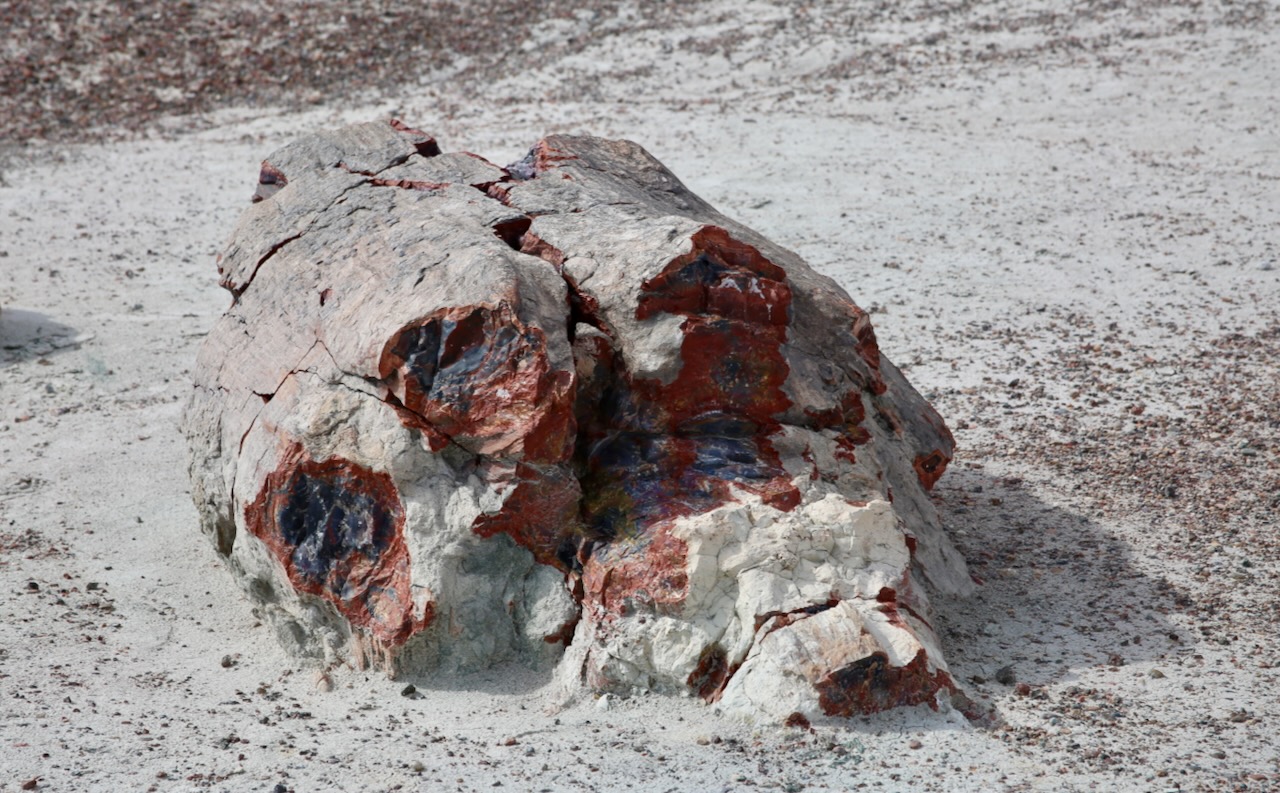
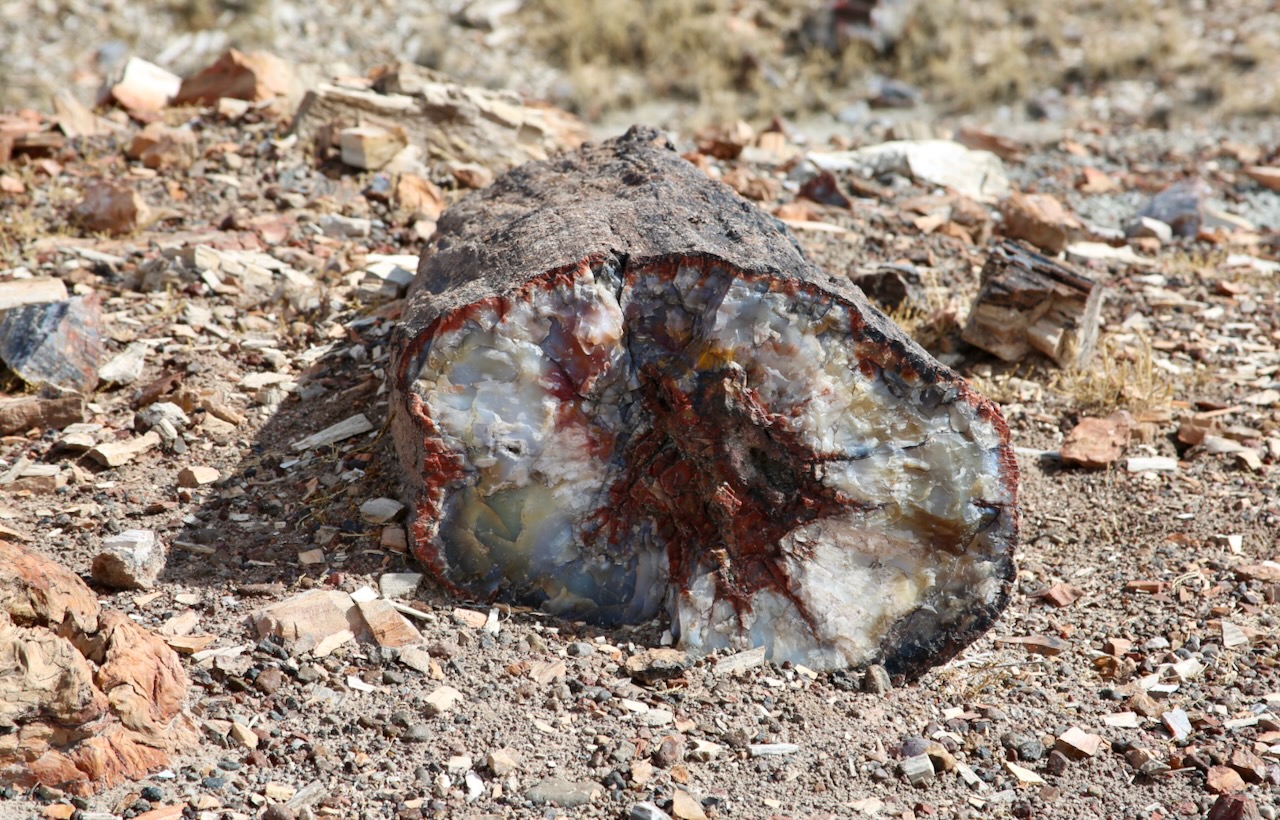
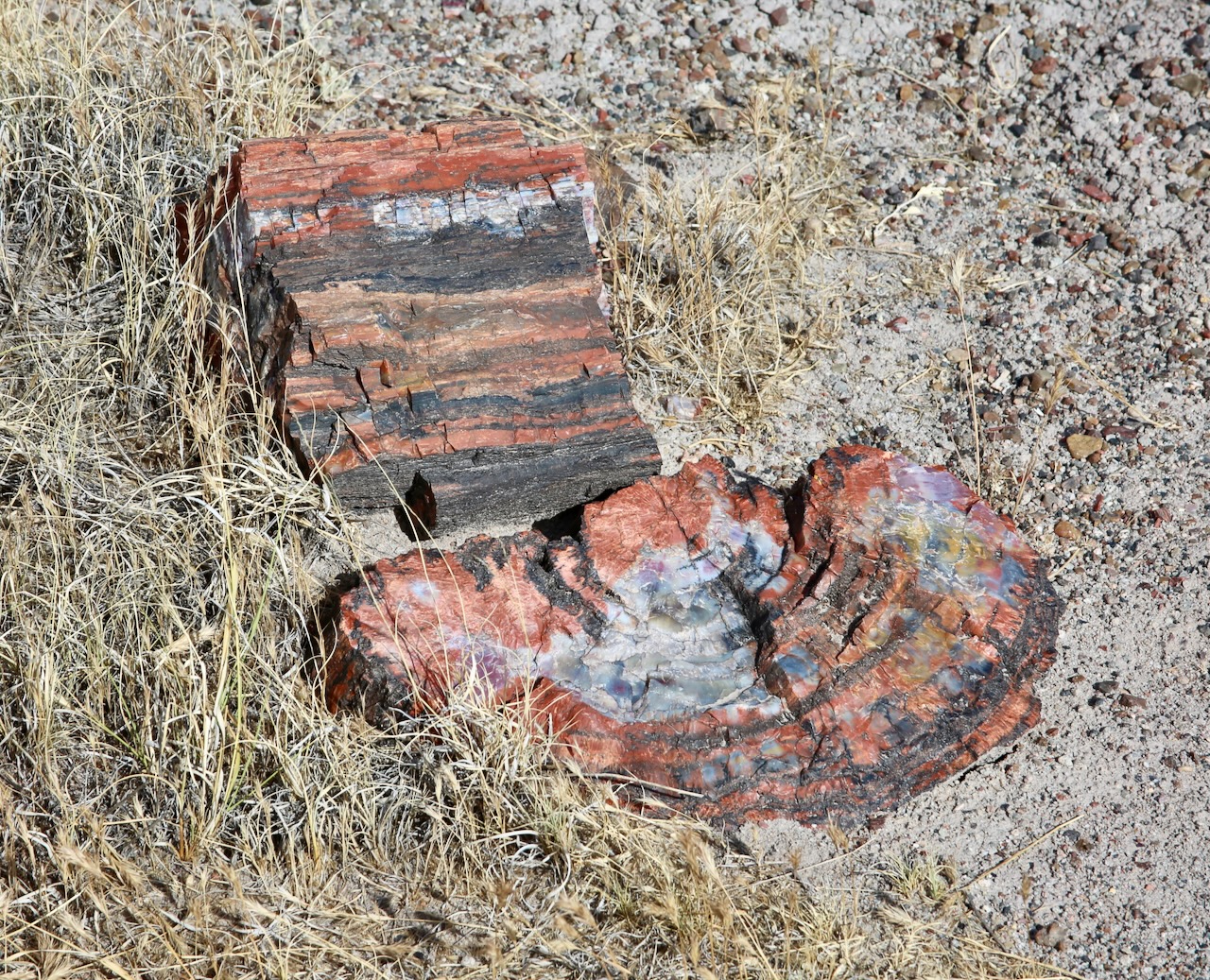
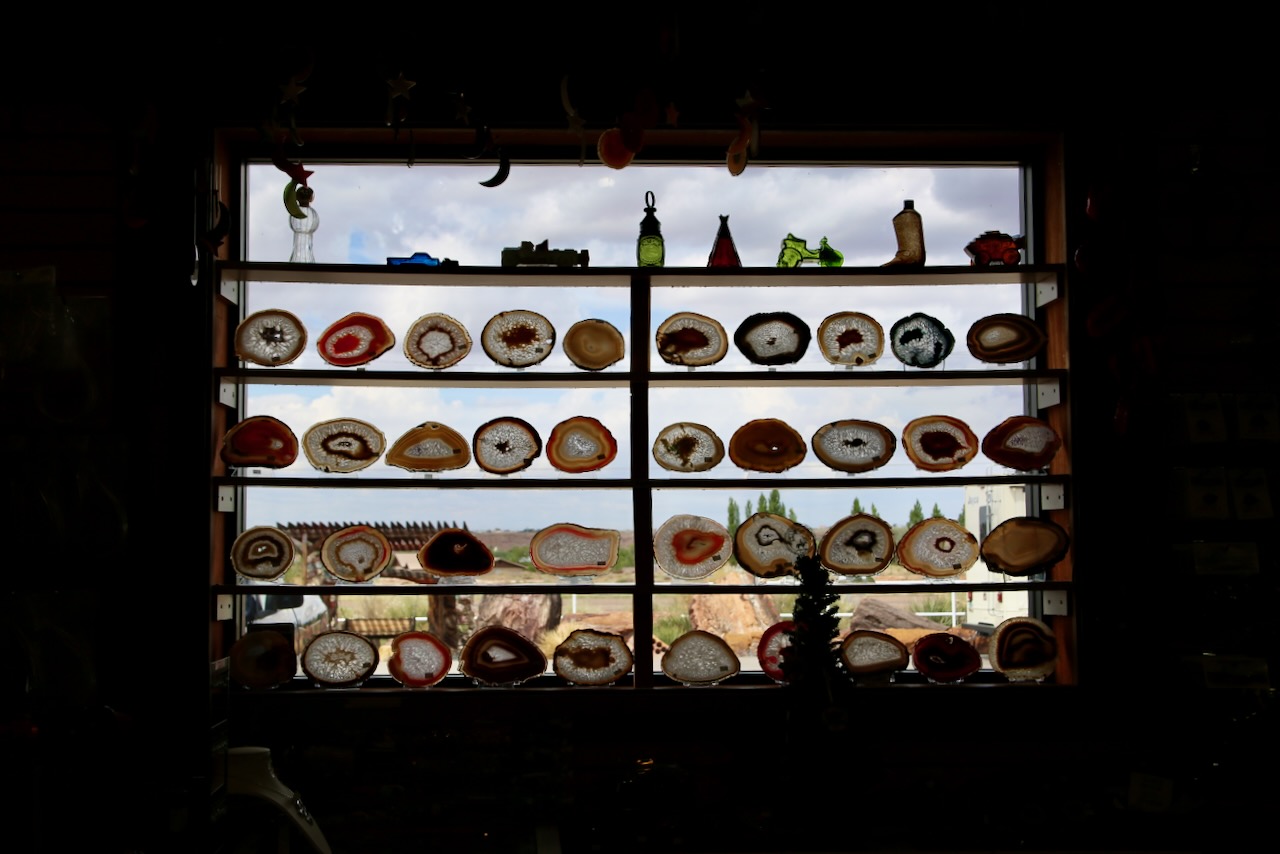
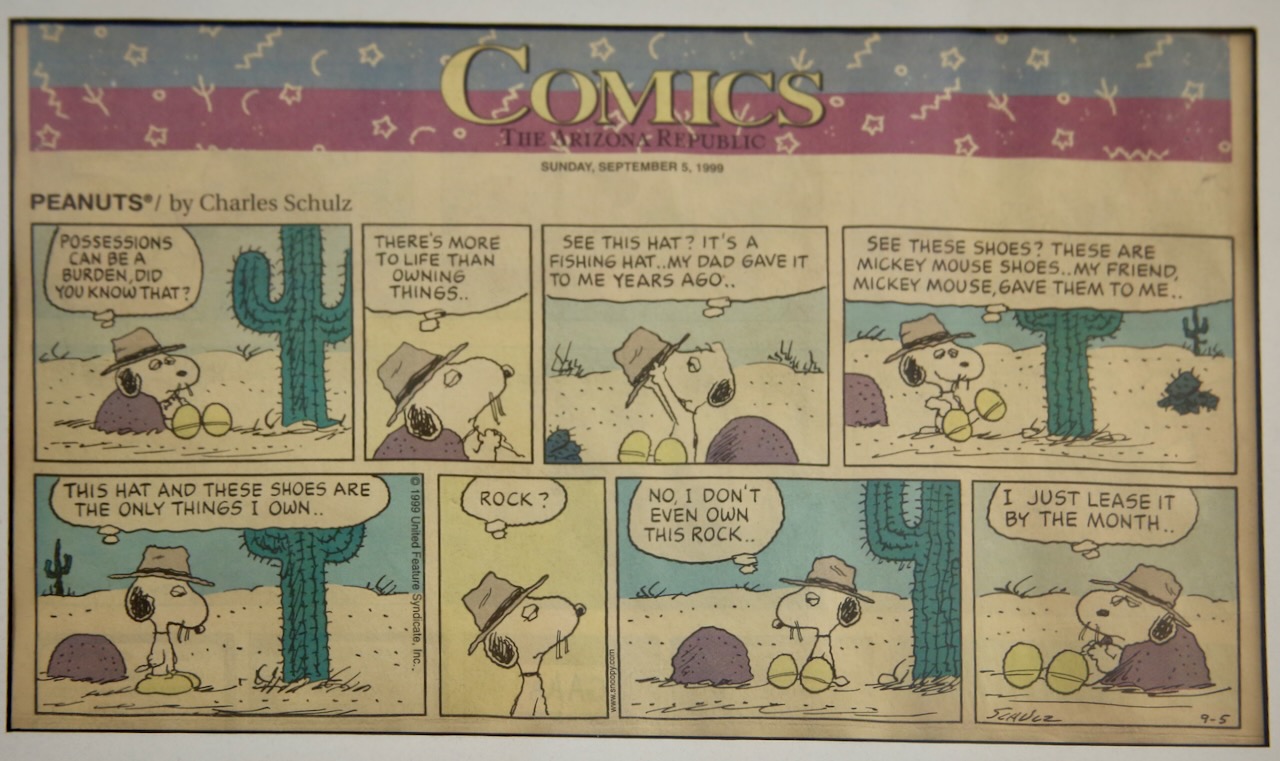
I enjoy looking at things I would never buy, partly a personality quirk and often times the prohibitive cost of someone’s time, so I stopped at the Painted Desert Indian Center to see what treasures were inside. There is mostly stones in all their beautiful forms polished into sun catchers and coffee tables. There are also t-shirts, windchimes, jewelry, woven blankets, and paintings among the display. This shop is conveniently located just ten minutes from the entrance of the Petrified Forest National Park, which is still beautiful on my fourth visit.
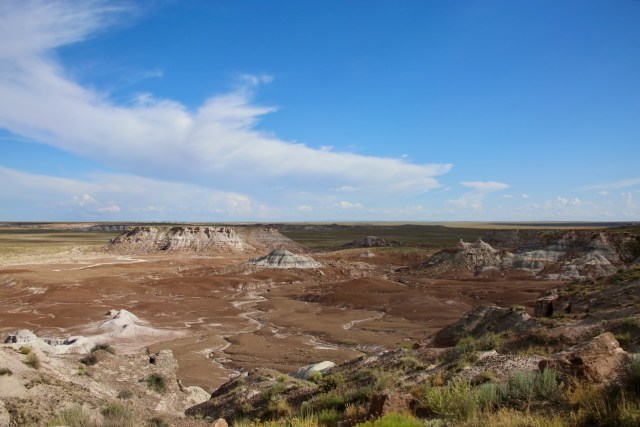
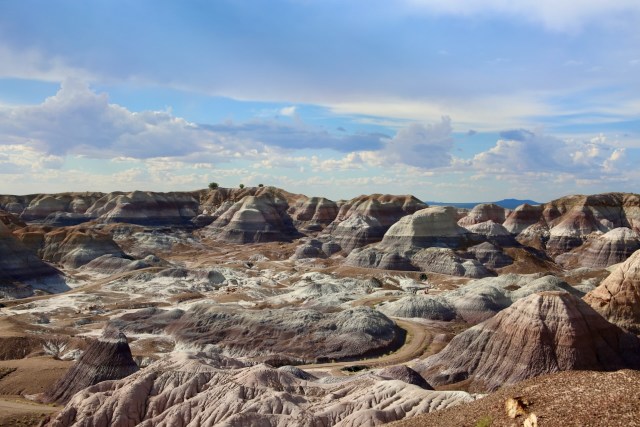
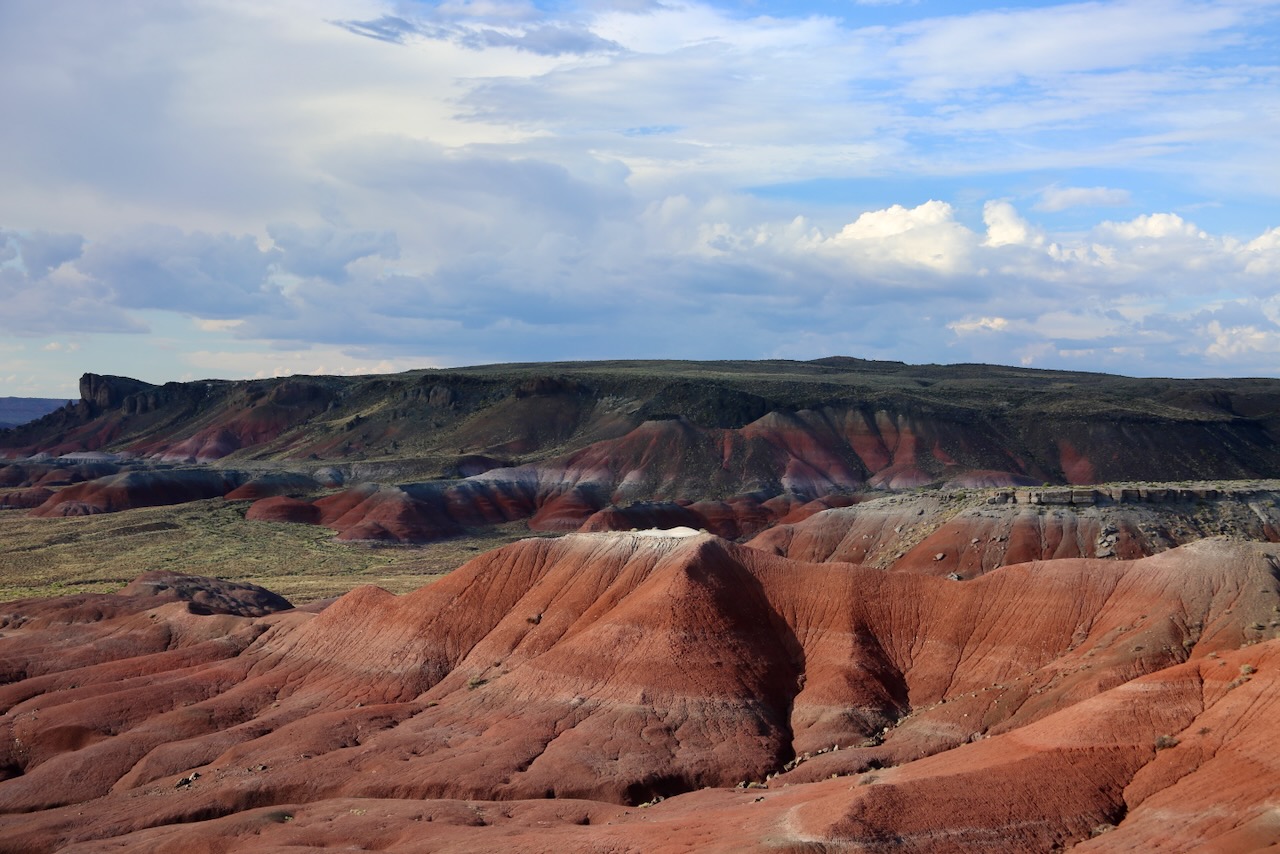
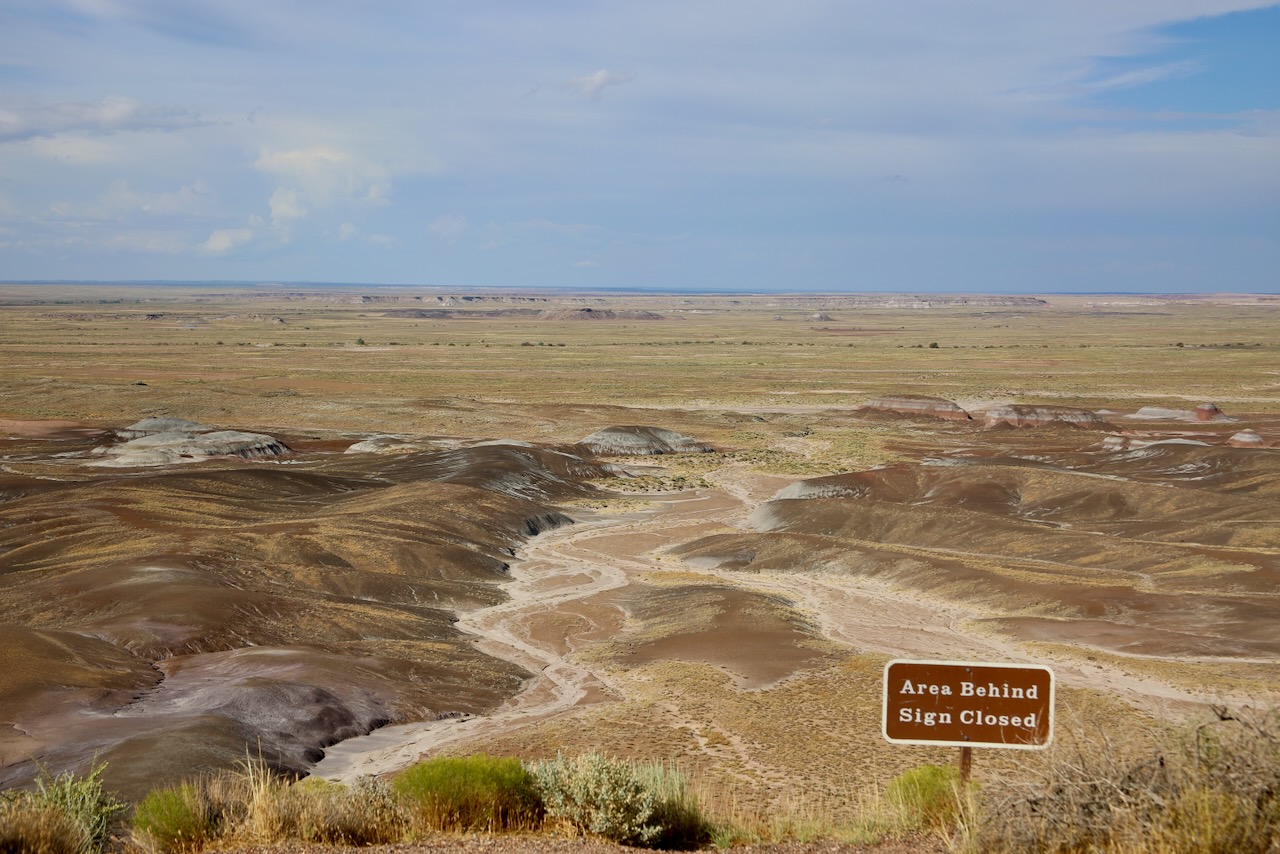
My first time to this park was with Dad in June 2004, when I was 17 and preparing to join the Navy. Our second trip was in March 2013, while Caleb was away for work. I only found one stamp in one of three of Caleb and I’s national park passport books, so without digging through more photos, I’m not sure when we went, but I’m glad we did. The park is larger than I remember, but it never fails to impress from the smallest piece to the larger piles of permineralized wood. I’ll explore the Puerco Pueblo, inhabited between AD 1250 and 1380, and study the petroglyphs that have outlasted my grade-school drawings.
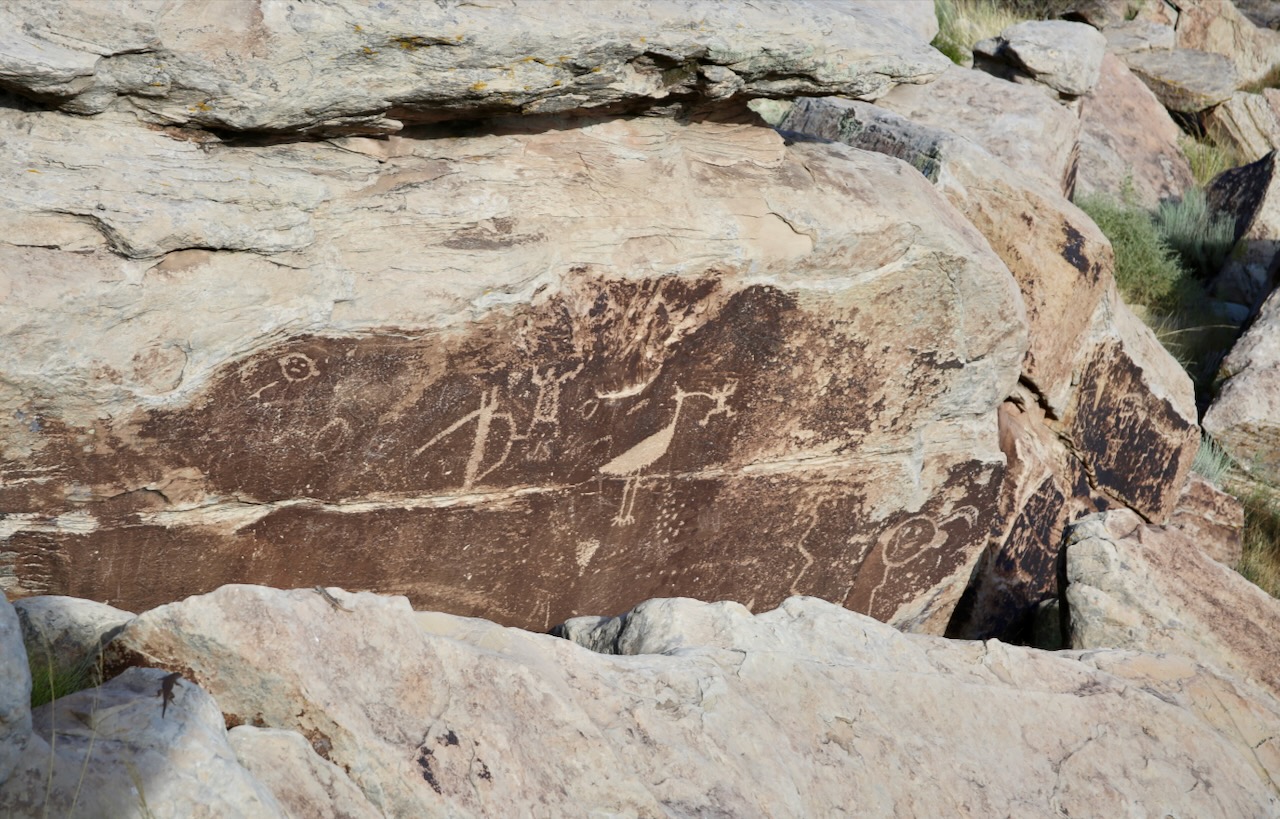
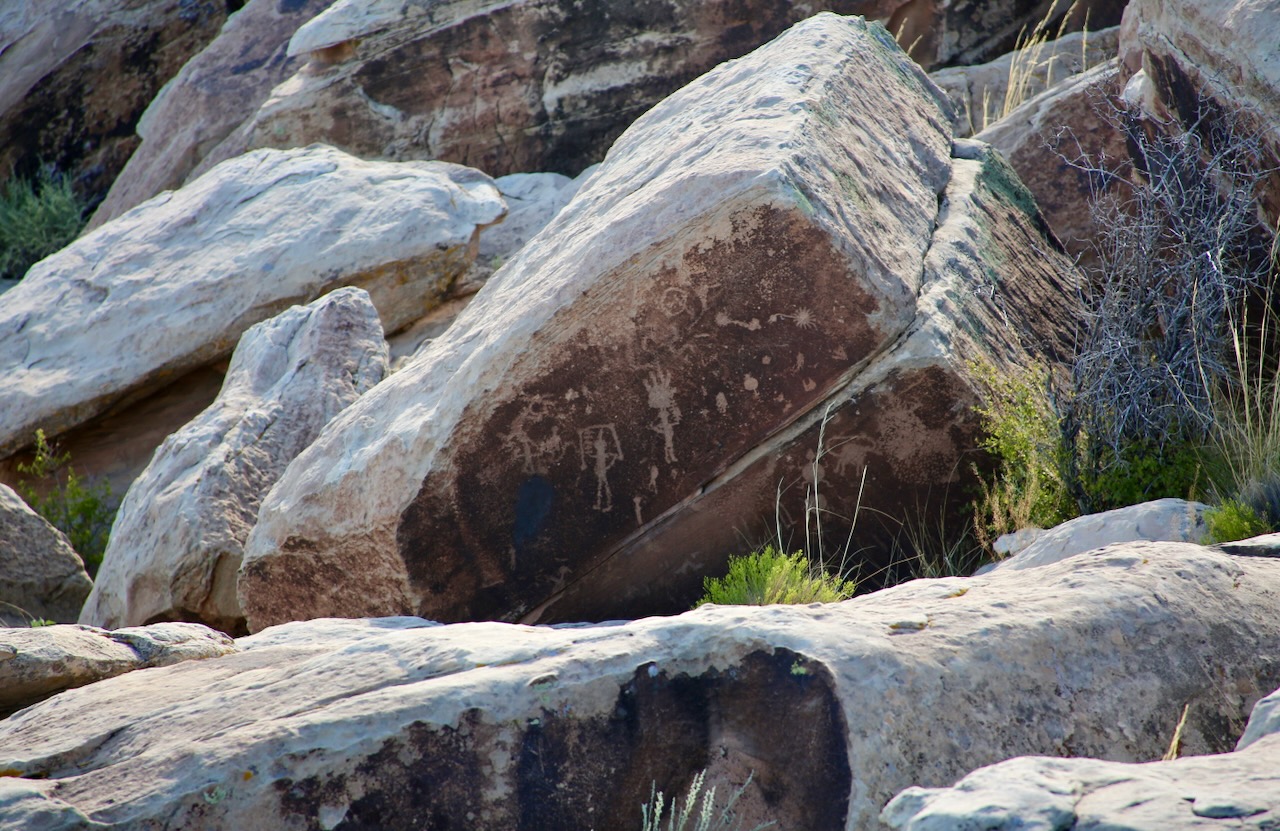
While out and about, I will see an Eastern collared lizard, such a contrast of blue-green against shades of red and brown. I talk with Ginger and Val from New York City who are exploring Arizona parks after visiting a sister in Phoenix. I converse with Dominique, born and raised in Winslow; and a guy on his way to Albuquerque tonight about his travels in South America and knowledge of local history. The sun is under the horizon when I reach New Mexico, and I stop in Gallup for the night.

 TheJessicaness