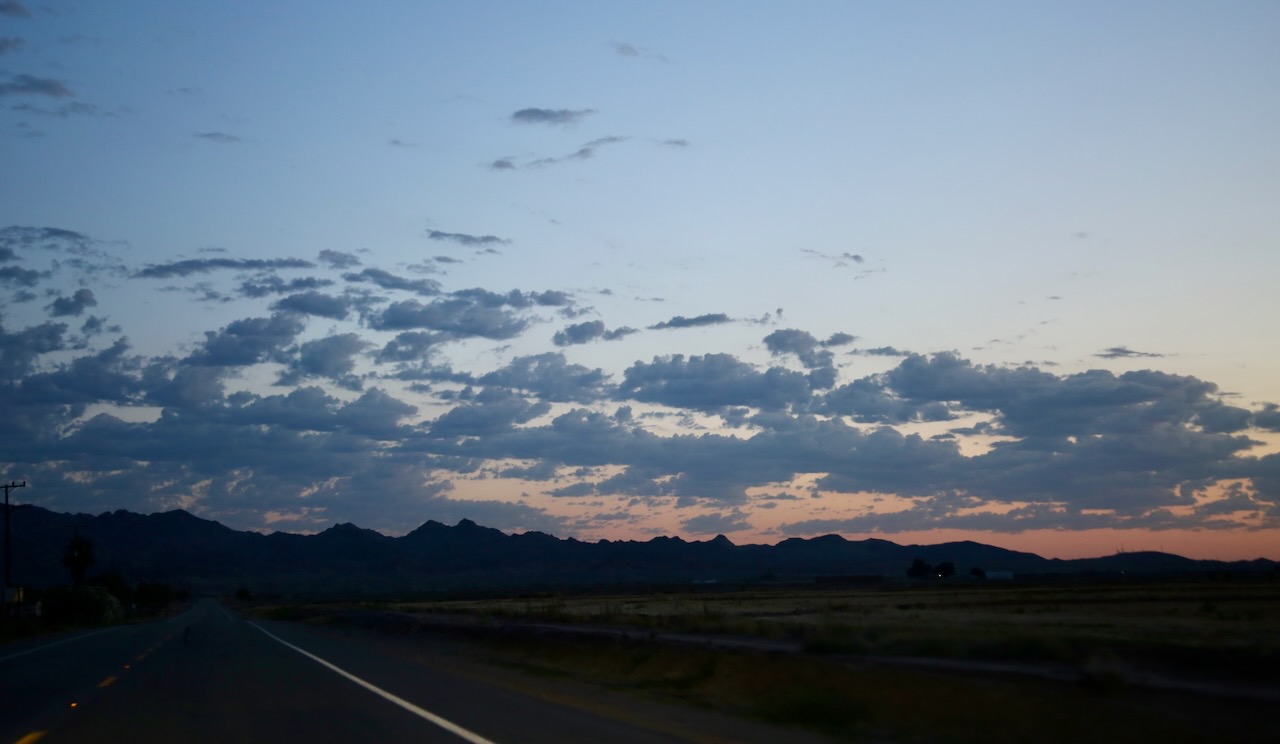
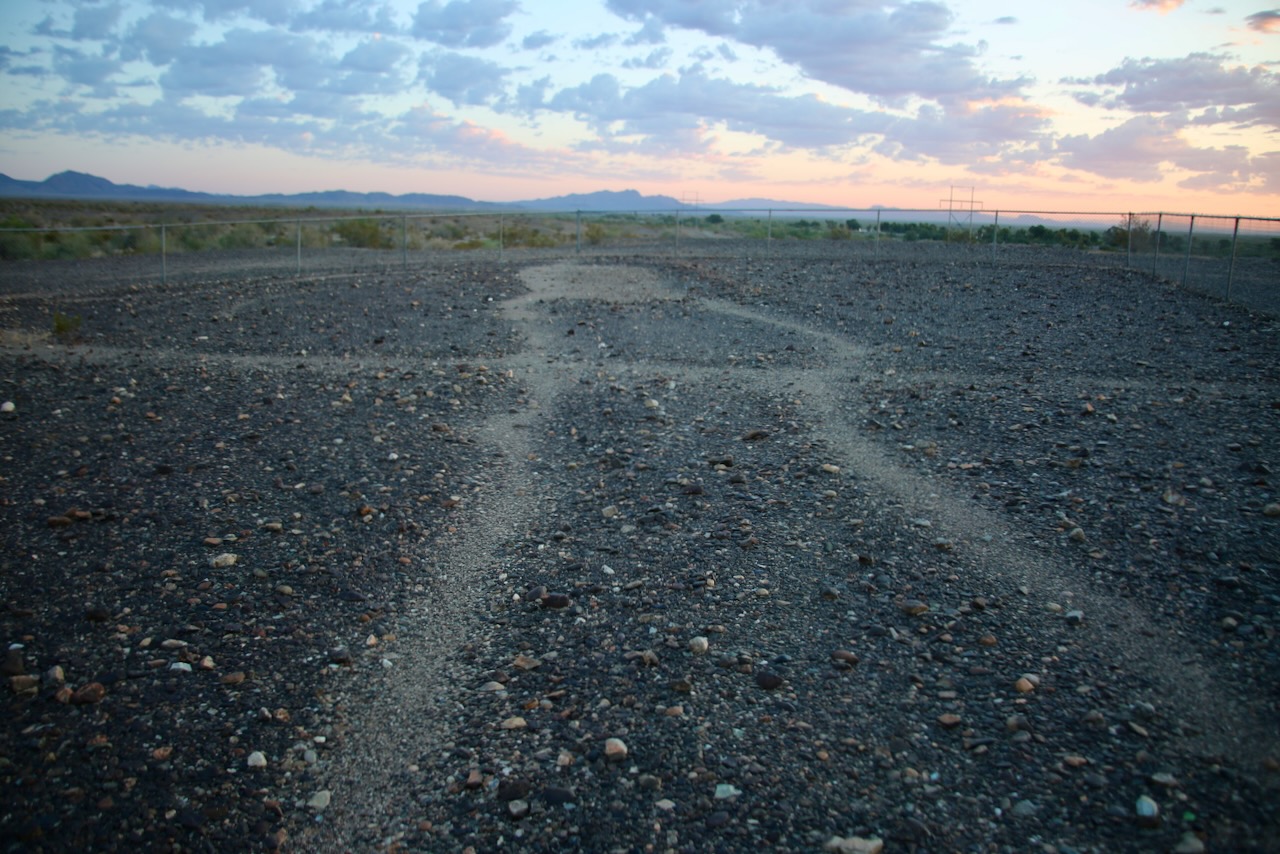
Caleb was presented with an anchor paddle on June 3rd to honor his time at COMLCSRON ONE as chief from September 2016 to June 2019. His office hours were 0630-0645, which is roughly 250 hours, and they couldn’t spell our last name correctly. We take this transfer gift home and set out for the East Coast, where Caleb will go to school before returning overseas. We’ll spend the night over 200 miles away, so we have a headstart on vacation and can skip the Tuesday morning traffic.
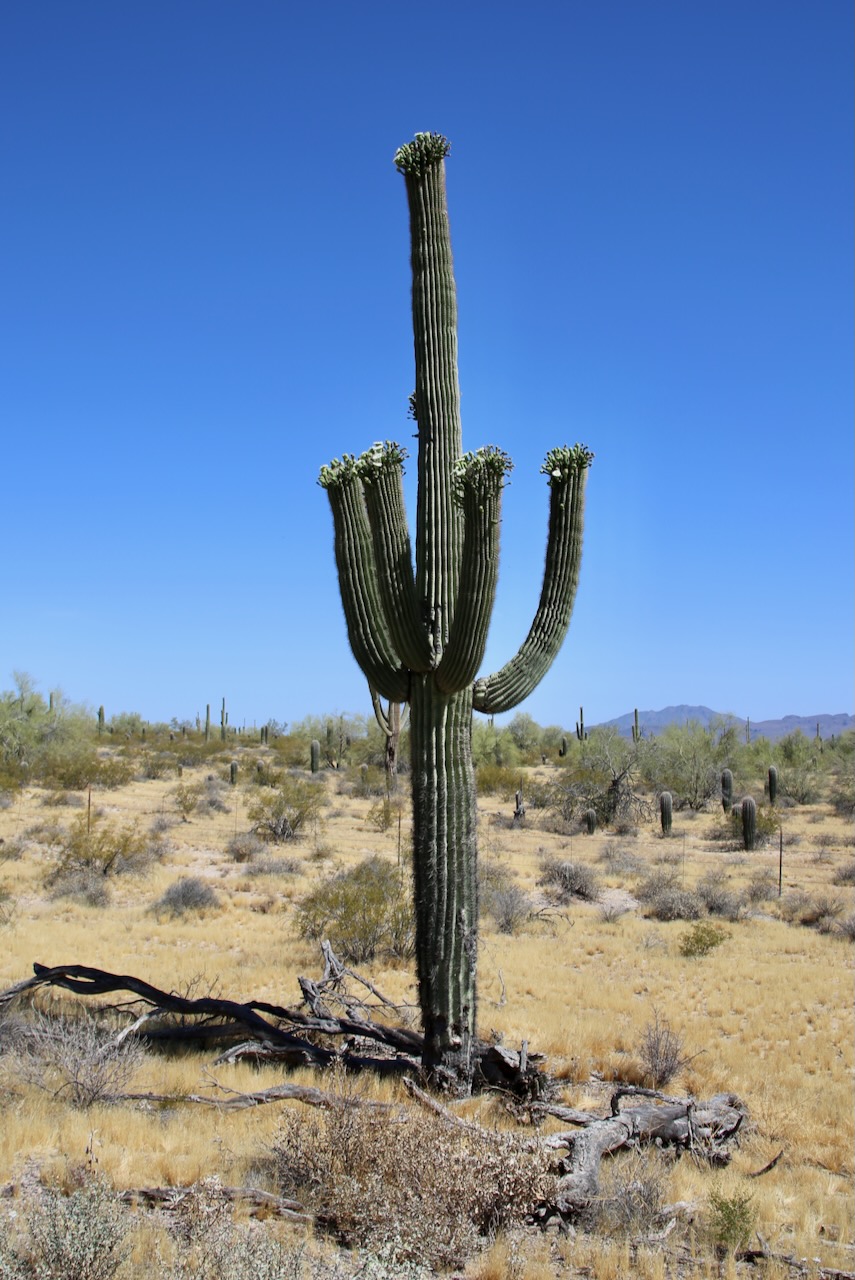
Our sunrise destination is the Blythe Intaglios (designs engraved into a material) that appear to be nothing more than simple impressions in the ground from moving dark rocks into an outline of the lighter soil underneath. The magic here is that they have survived weather and man for over 400 years (possibly 2,000), and were first noticed by a pilot in 1932. The male figure is 102 feet tall with an armspan of 65 feet. Native American myths claim the animal is a mountain lion, and non-Native Americans believe it is a horse, hence the large age guesstimate.
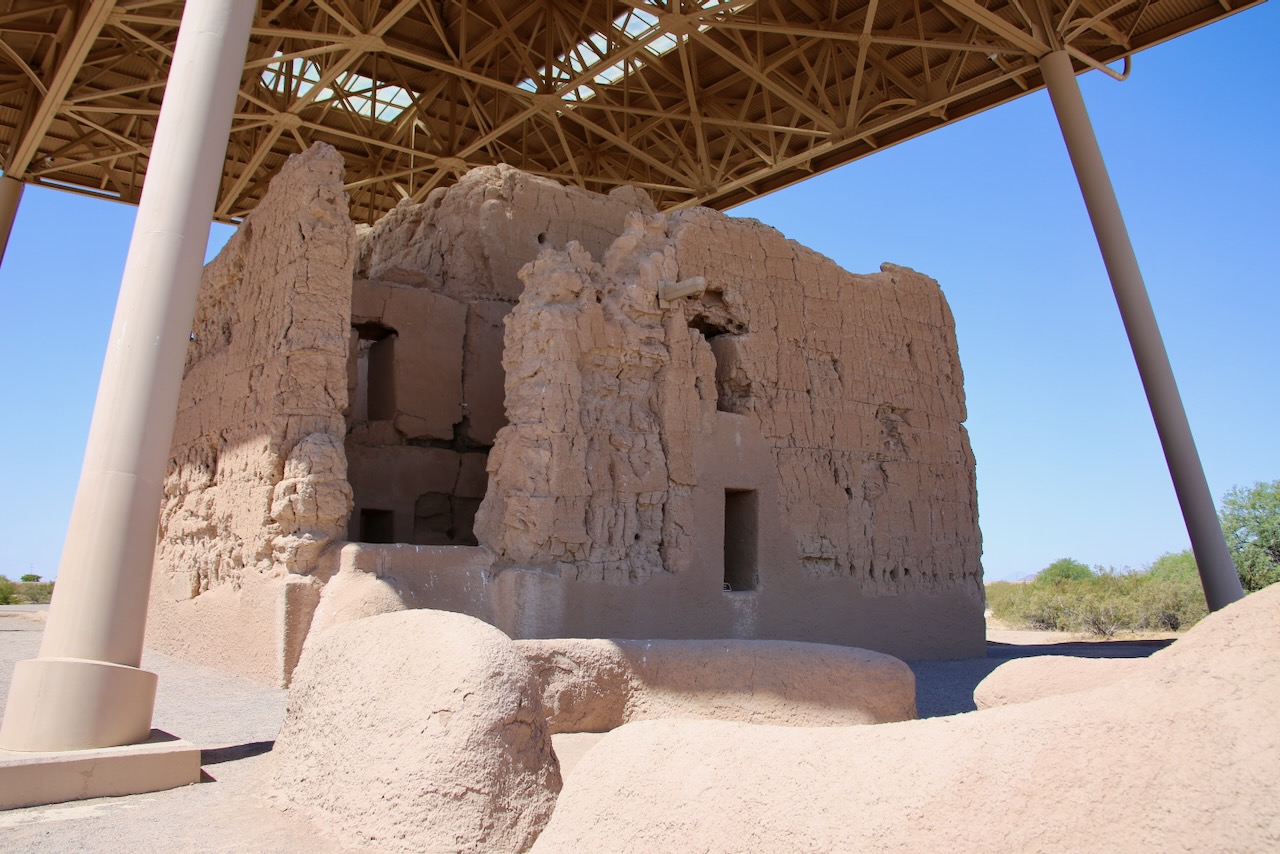
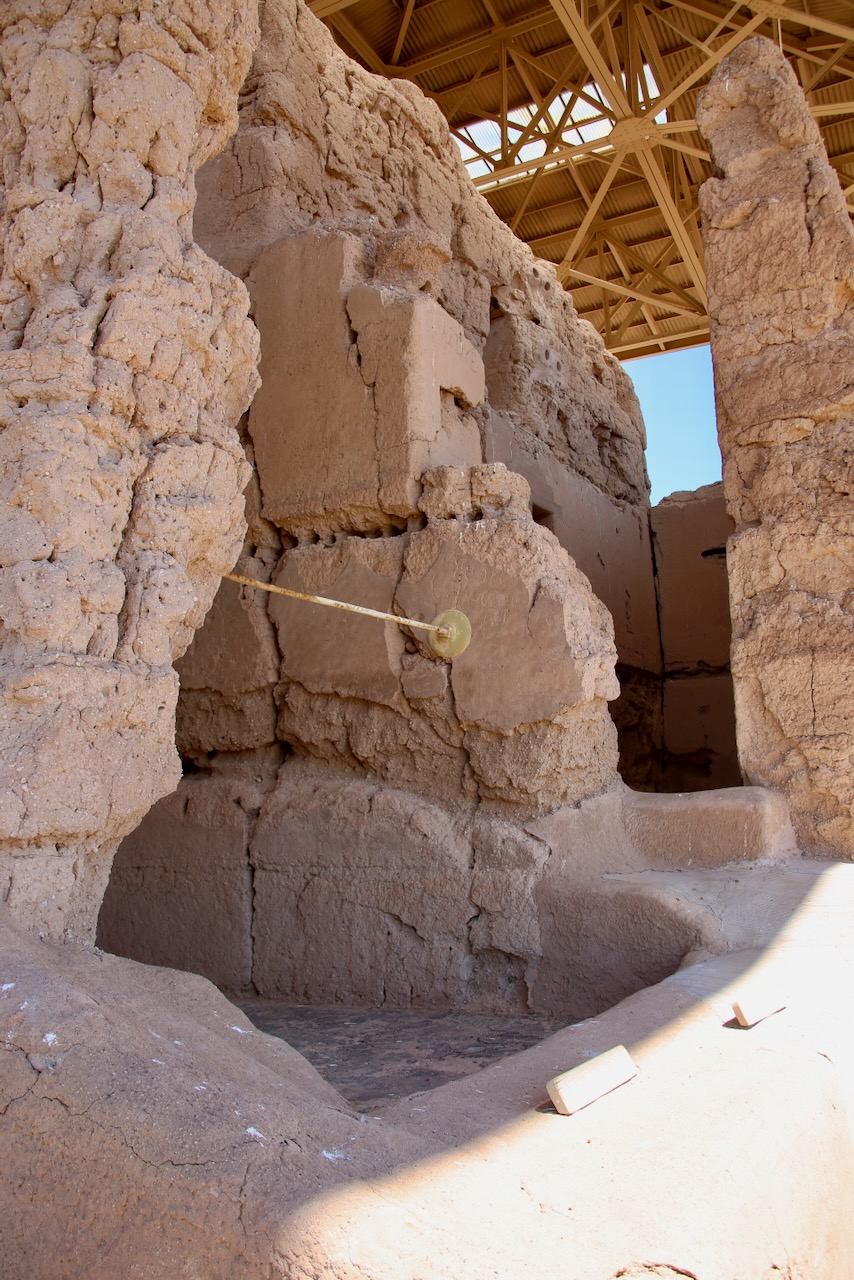
Three hours later, we are in a different state and in the same Sonoran Desert, visiting the Casa Grande Ruins National Monument to honor the work of the Hohokam. This culture is best known for its irrigation canal systems, big adobe houses, and trading tools of obsidian. An innovative technology in development since 1895 made progress with the XRF (X-ray fluorescence) spectrometer in 1948, and a portable version was built in the 70s. This method tells scientists the chemical makeup of this volcanic glass and helps determine its origin.
The Great House was four stories at one point. In the winter, women sat in the plazas to make baskets, pottery, clothes, and food. In the hotter months, they sat in the shade of the ramadas. The rooms were used for sleeping, storage, and ceremonies. I’m sure the structure appeared sturdier 700 years ago when it was less worn and cracked. There are a few modern tools to help hold the place together and keep people out, but birds are able to appreciate the cool refuge from the summer sun. We spot a white-tailed antelope squirrel, so named for running like the hooved ruminant and not climbing a tree or diving into the ground.
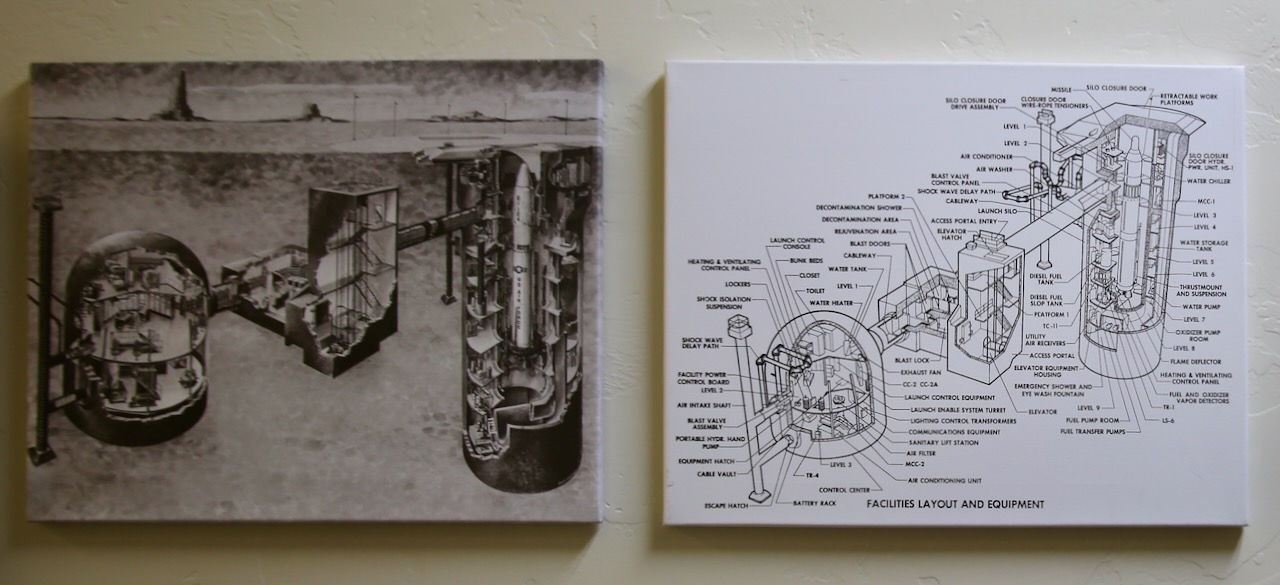
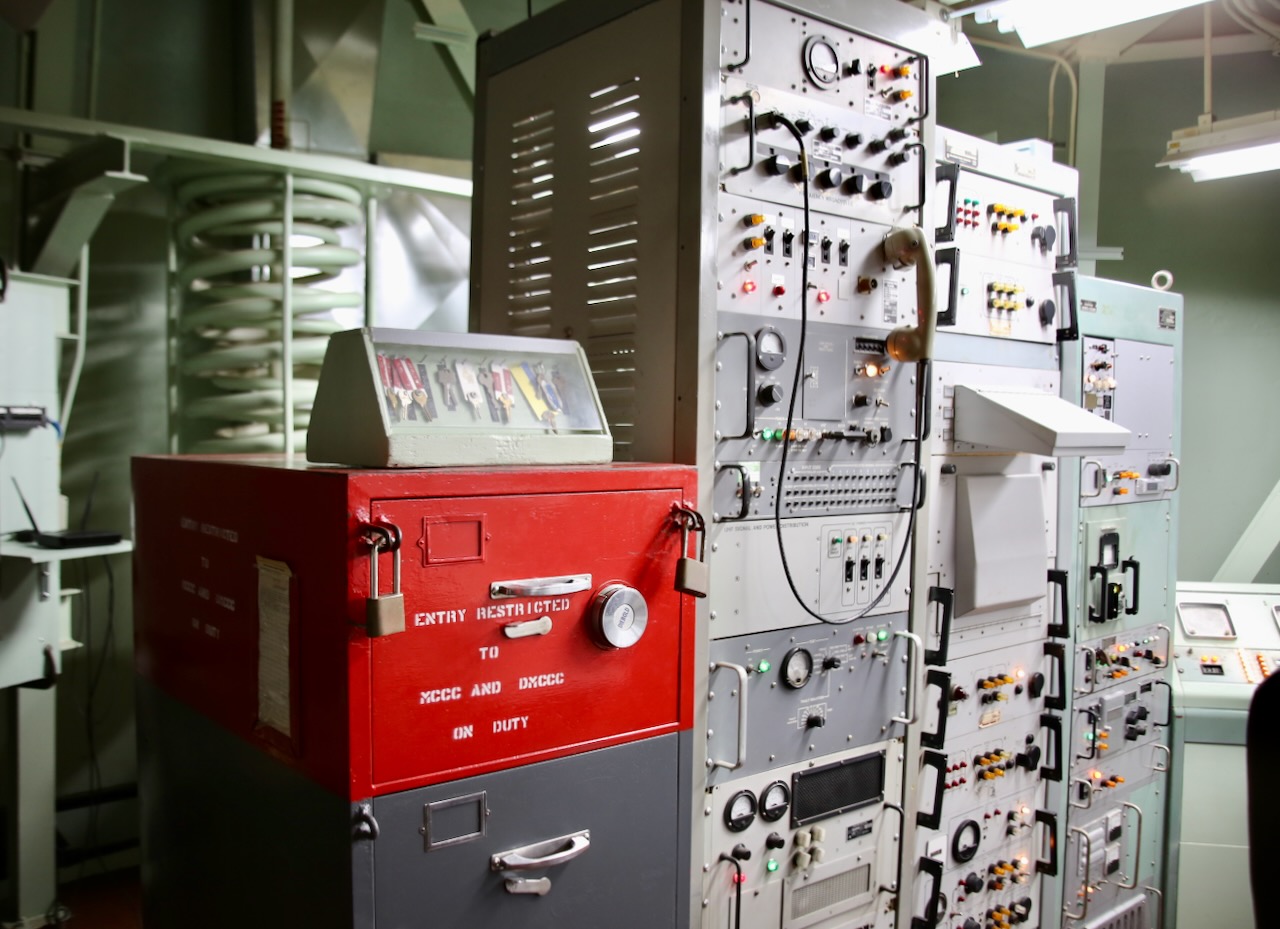
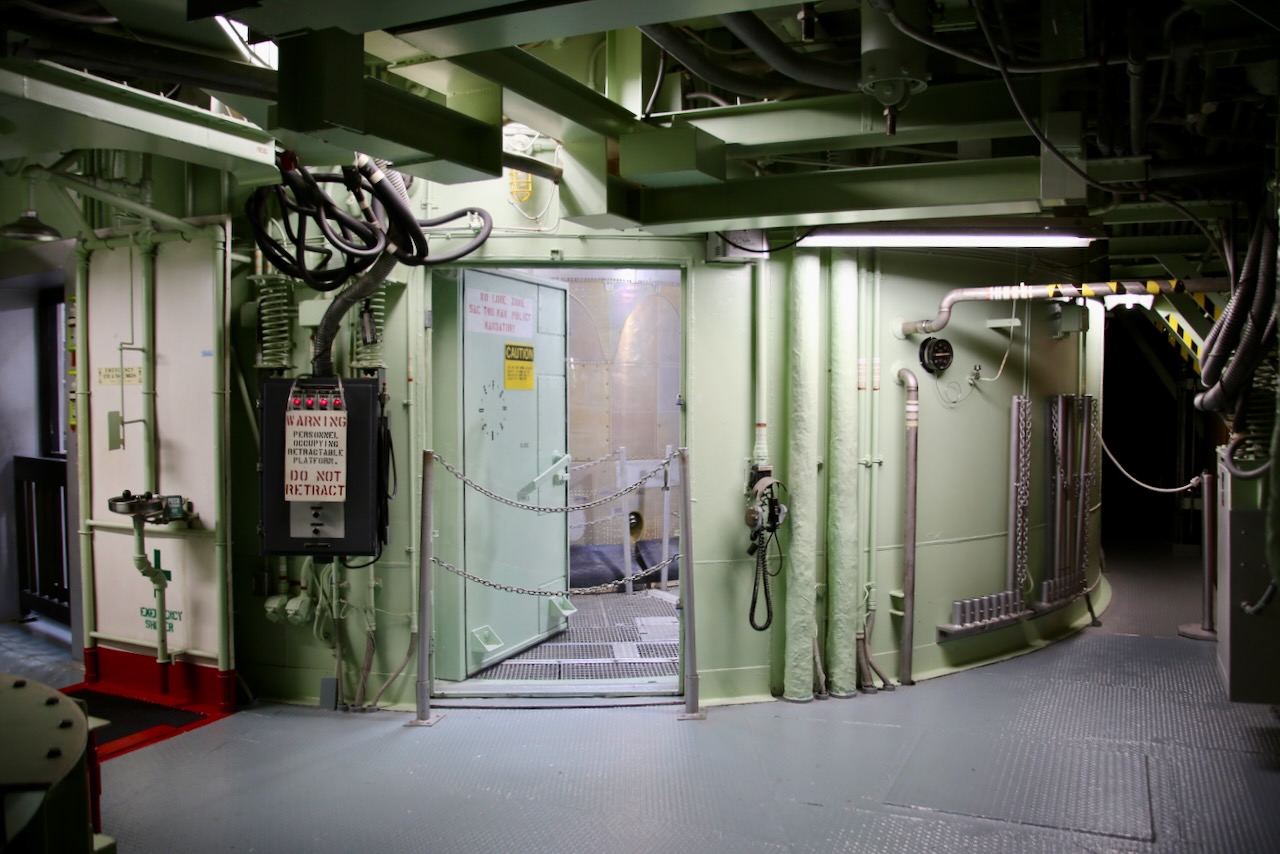
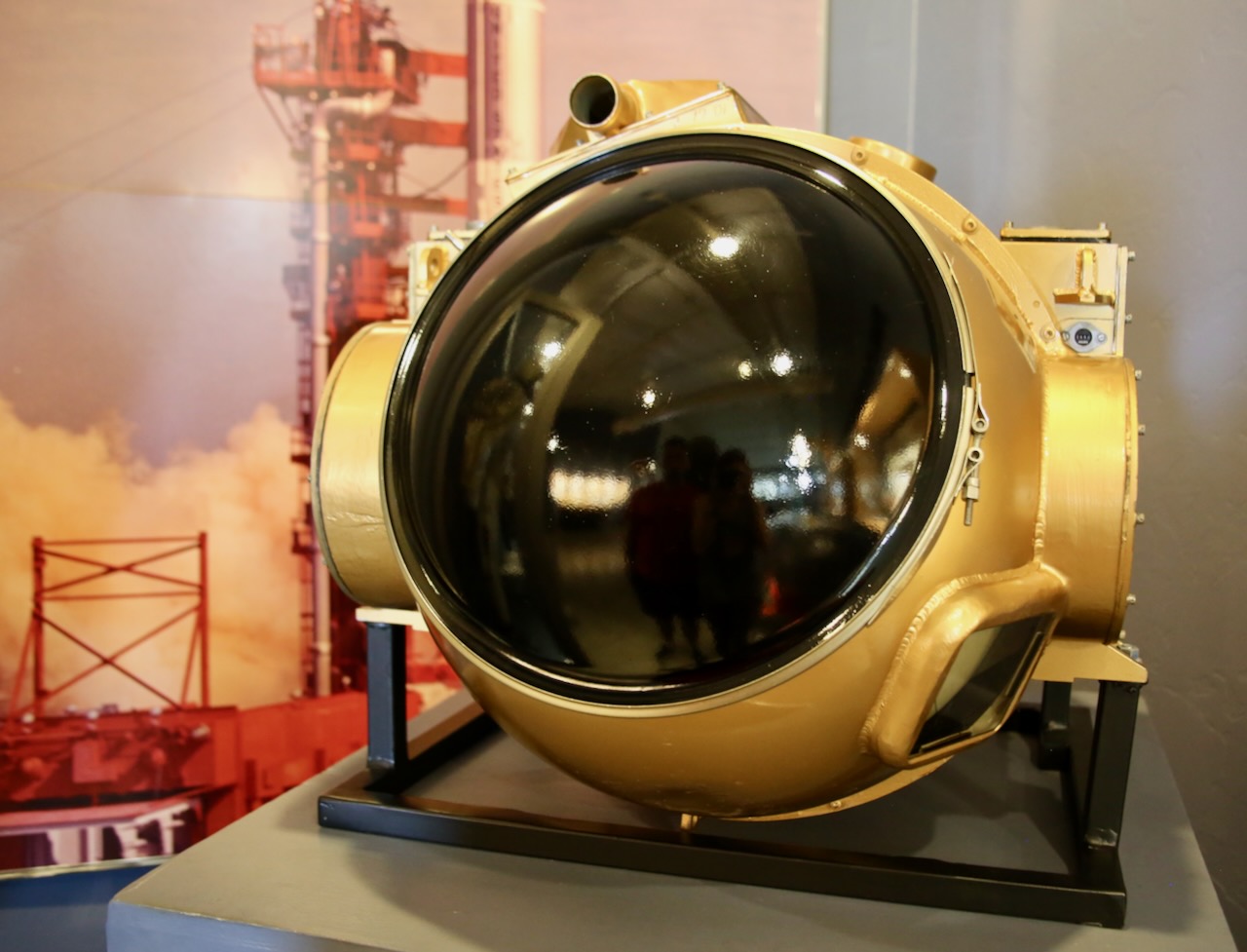
Count Ferdinand von Galen has his name on the Titan Missile Museum Education and Research Center, for his part, starting in 1997, in preserving and innovating the aerospace museums of southern Arizona by raising $12 million. The museum opened in 1986 as the only publicly accessible intercontinental ballistic missile (ICBM) site of the two preserved of the 54 that were ready to go from 1963 to 1987, roughly half of the Cold War years. The site was designated a National Historic Landmark in 1994. The underground complex was built to withstand everything but a direct hit from an enemy warhead.
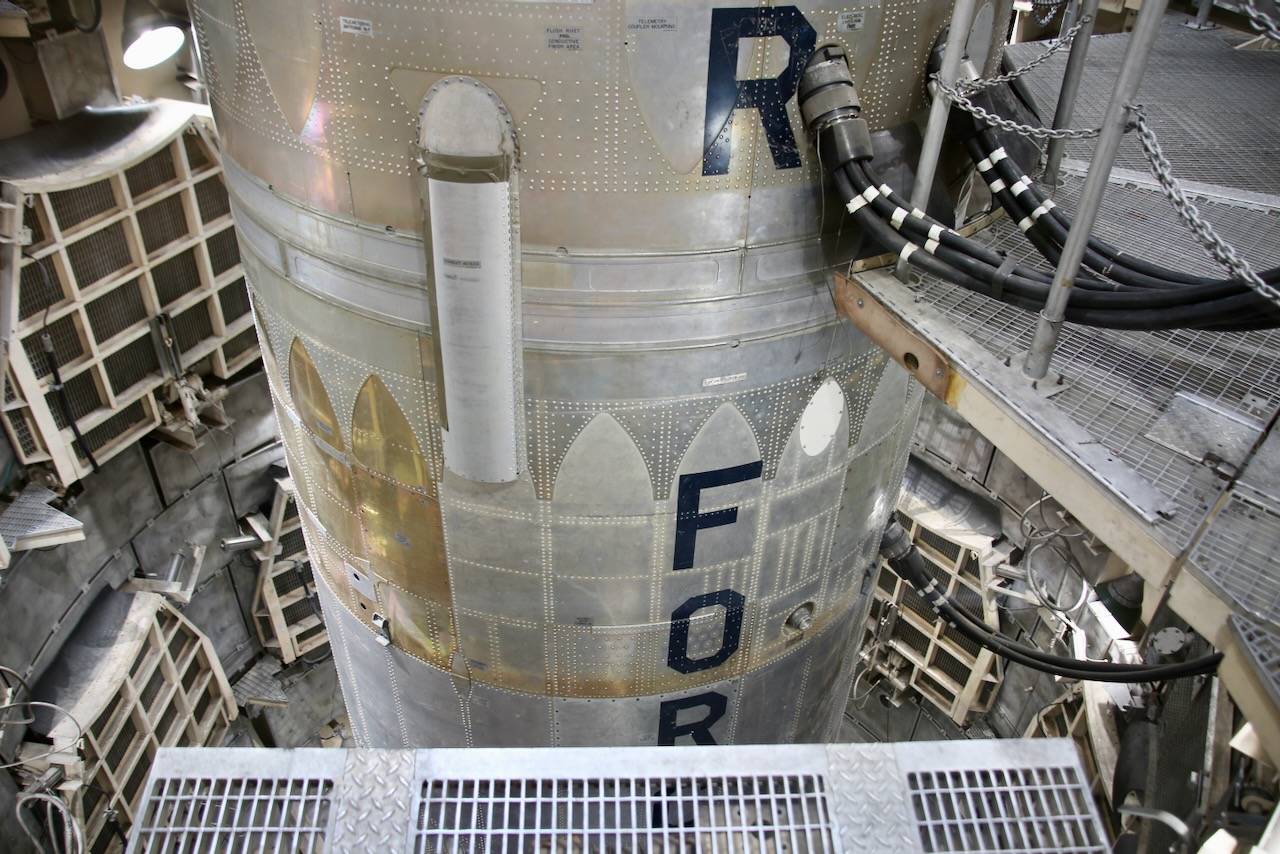
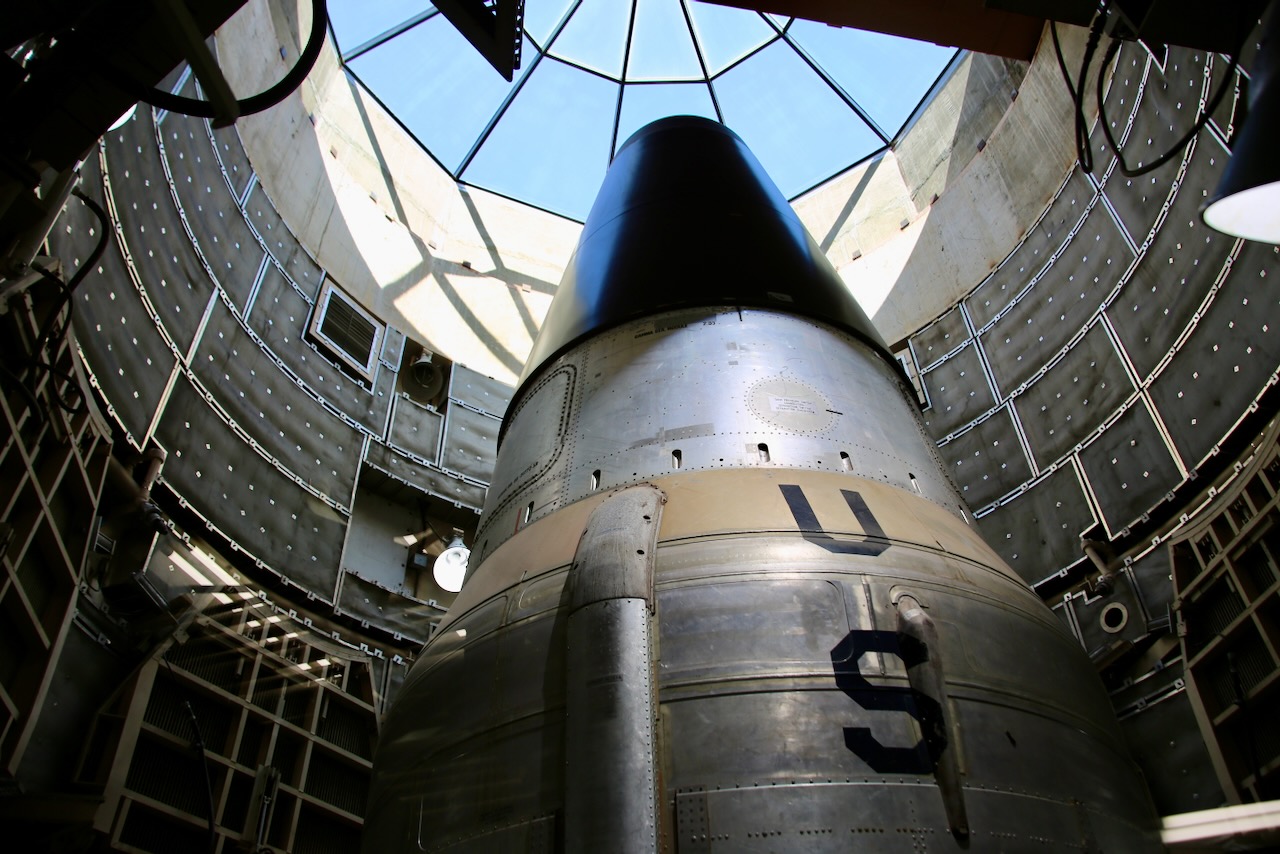
We walk through the museum before being led into the theater for a 16-minute film about the missile, its mission, and its role in the Cold War. We are then led outside, through the blast doors, and down 55 steps to the Launch Control Center. It feels like being on an underground ship. Our docent talks about the security measures in place (thick doors, multiple locks, missile codes) to guard such power from misuse or misfortune. He walks us through a simulated launch experience and shows us the ticker tape (a material that was outdated by the end of Operation Desert Storm).
From here, there’s another long cableway where anyone over six feet tall has to wear a hard hat. There are signs posted: No lone zone, two-man policy mandatory. We are led to the silo and can view it from multiple levels. Its size makes it appear like a spaceship, and in a sense it is, but for warheads. I have mixed emotions looking at such technological advances and knowing their annihilation potential, while imagining this machine taking me to the moon made of cheese. I’m grateful these were deactivated and unclassified, but that just shows its age, not the peaceful state of the world, where these would no longer be necessary.
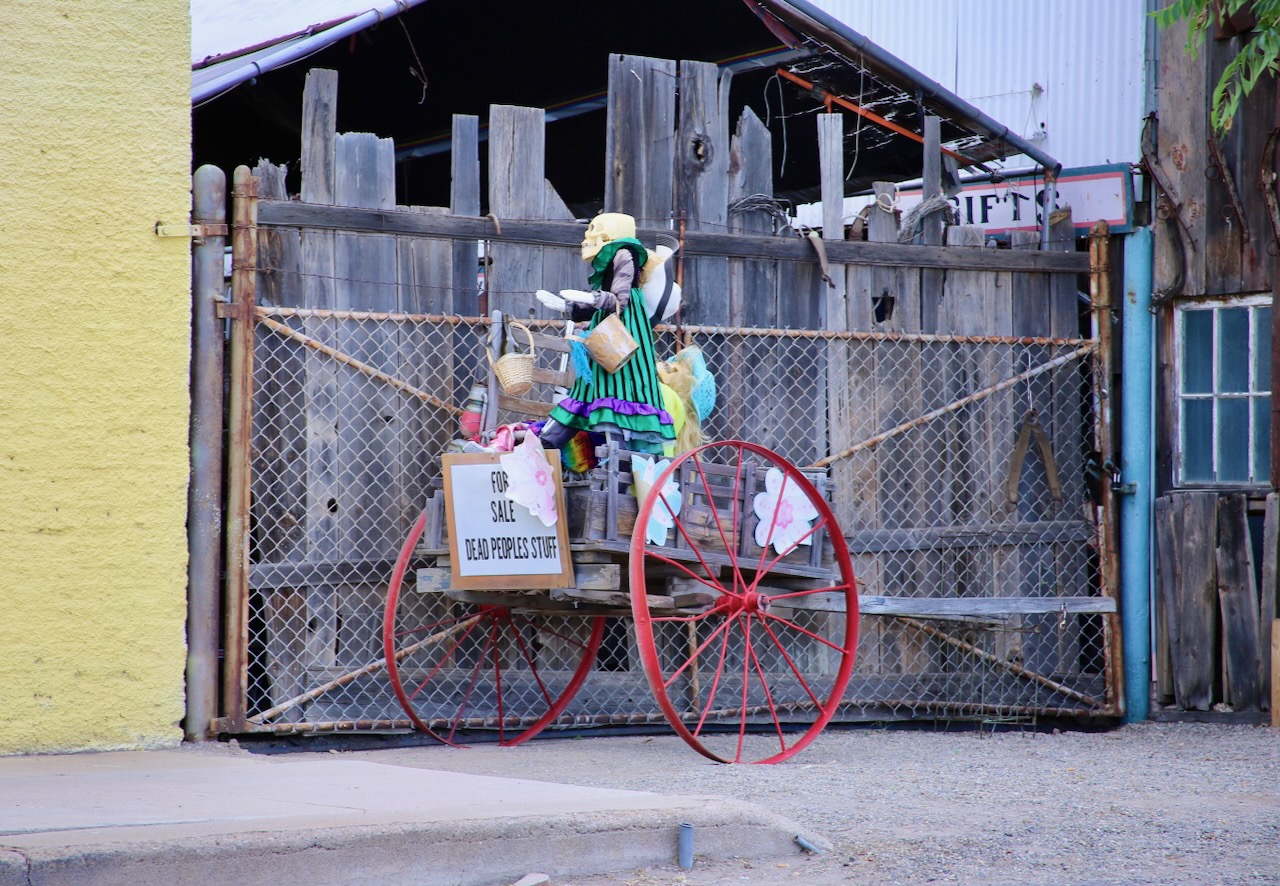
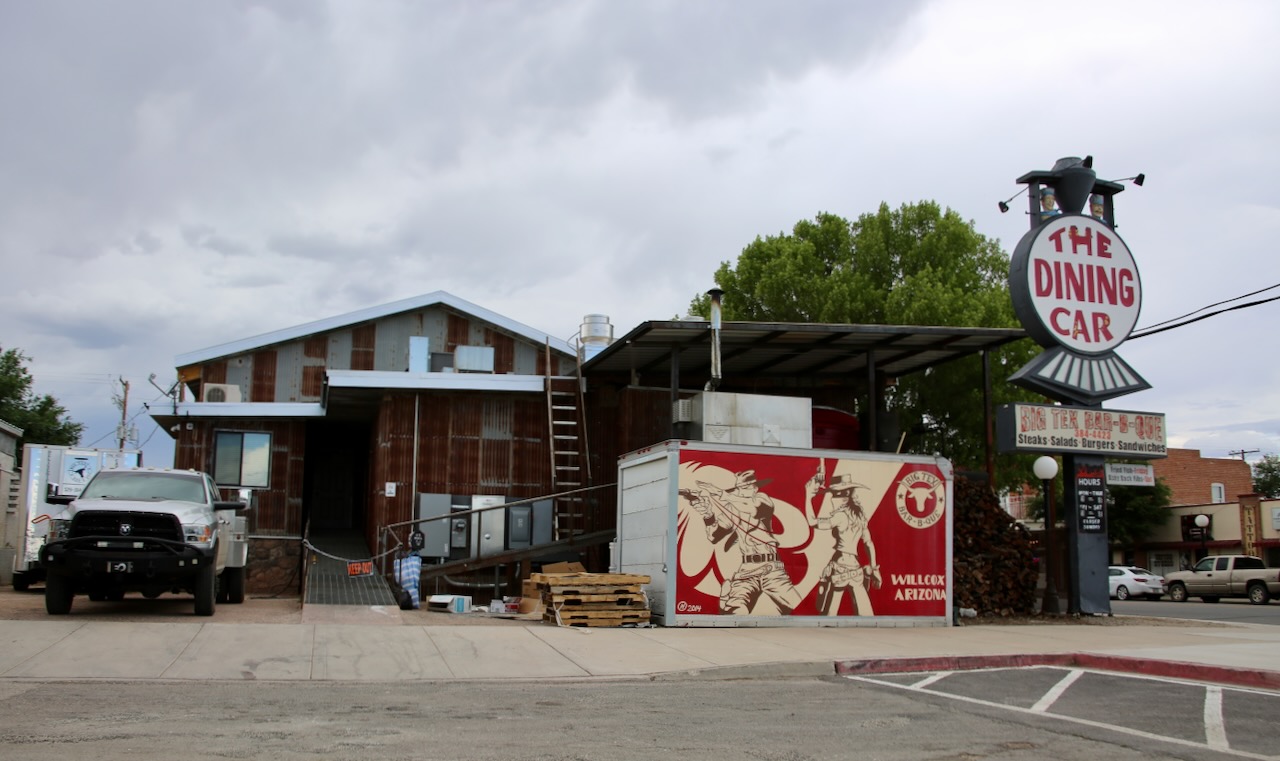
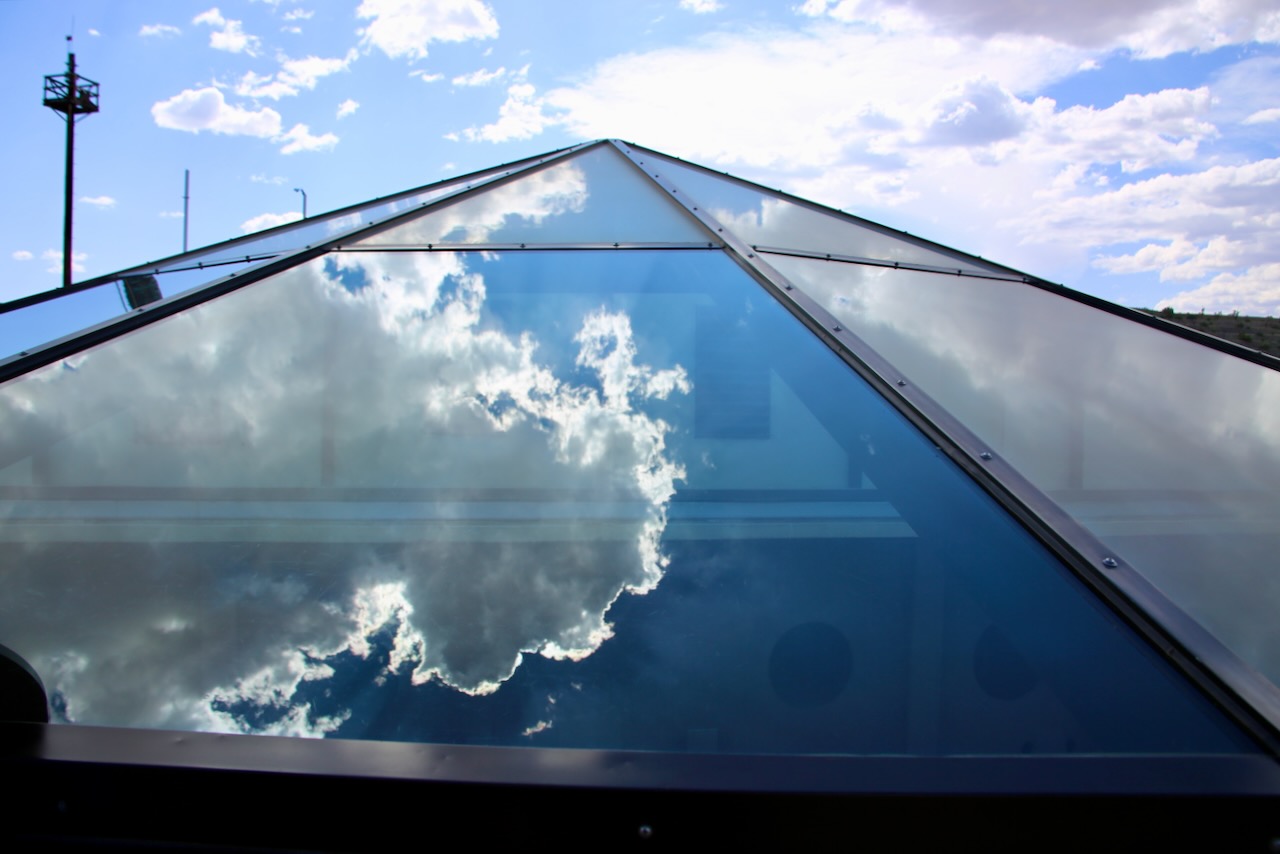
Once we return to the surface, we are free to roam again and are reminded to look through the windows to see the missile from above. It’s a lovely day out, and we stop to walk around Willcox, AZ, because it’s my kind of beautiful, and the Cattle Capital, as it was the largest rail-shipping point in the 1930s and still a ranch-focused locale. I enjoy seeing the decades of difference next to each other, and that no two deserted buildings are ever the same.
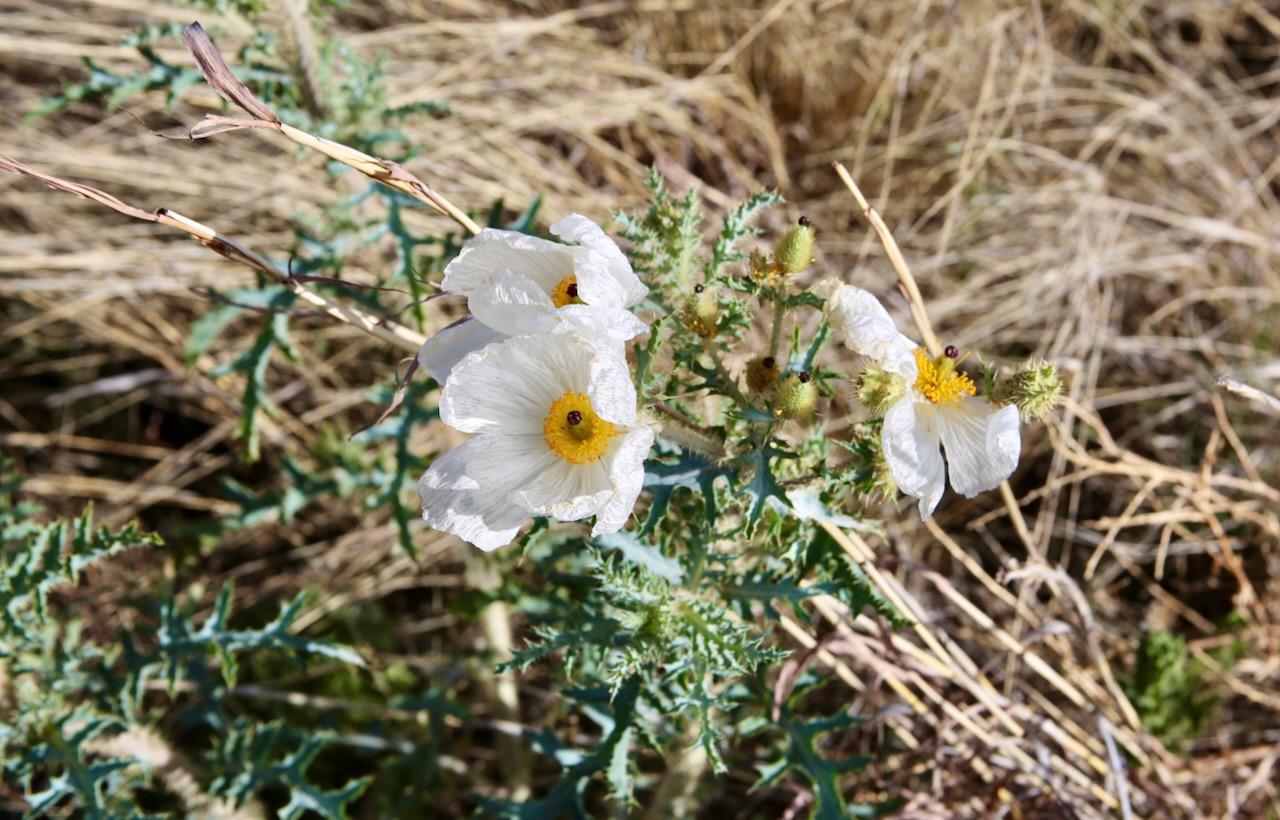
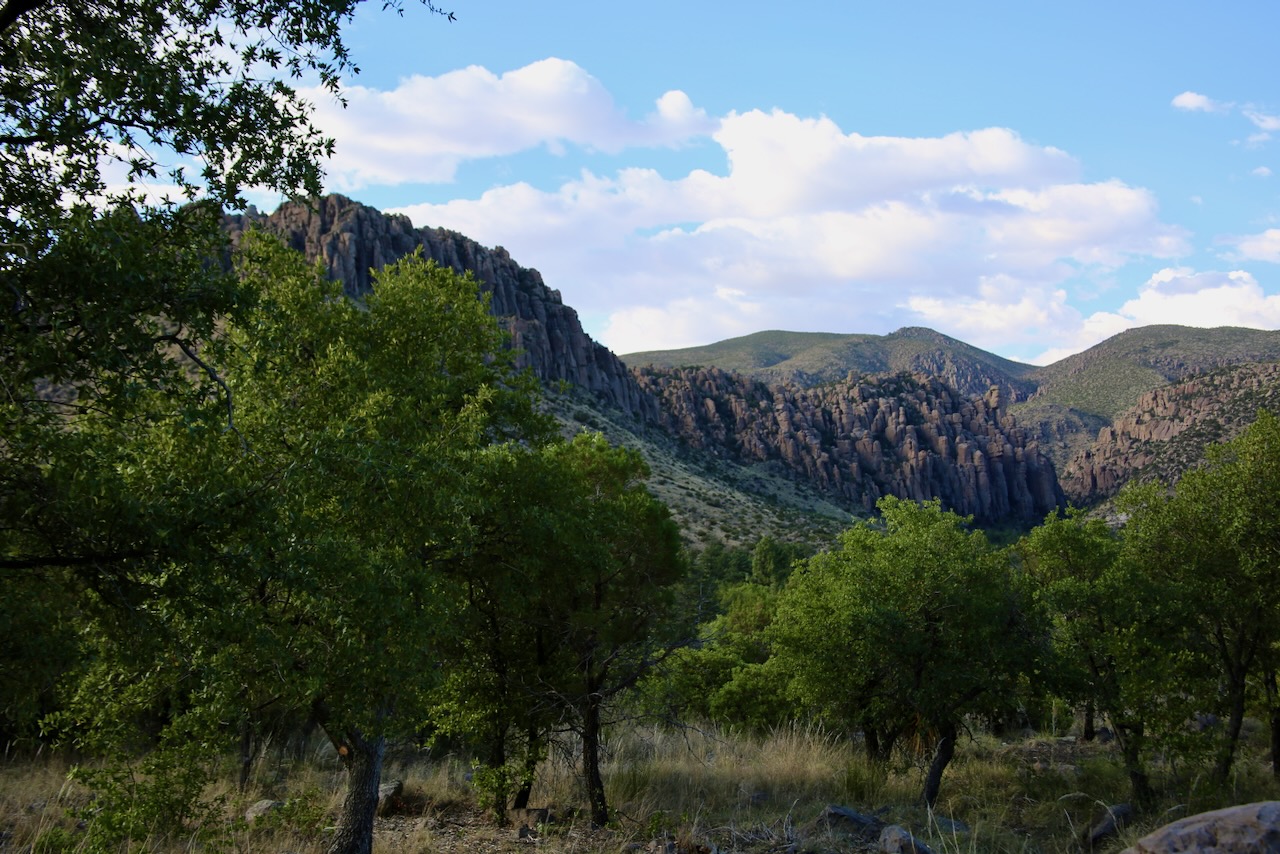
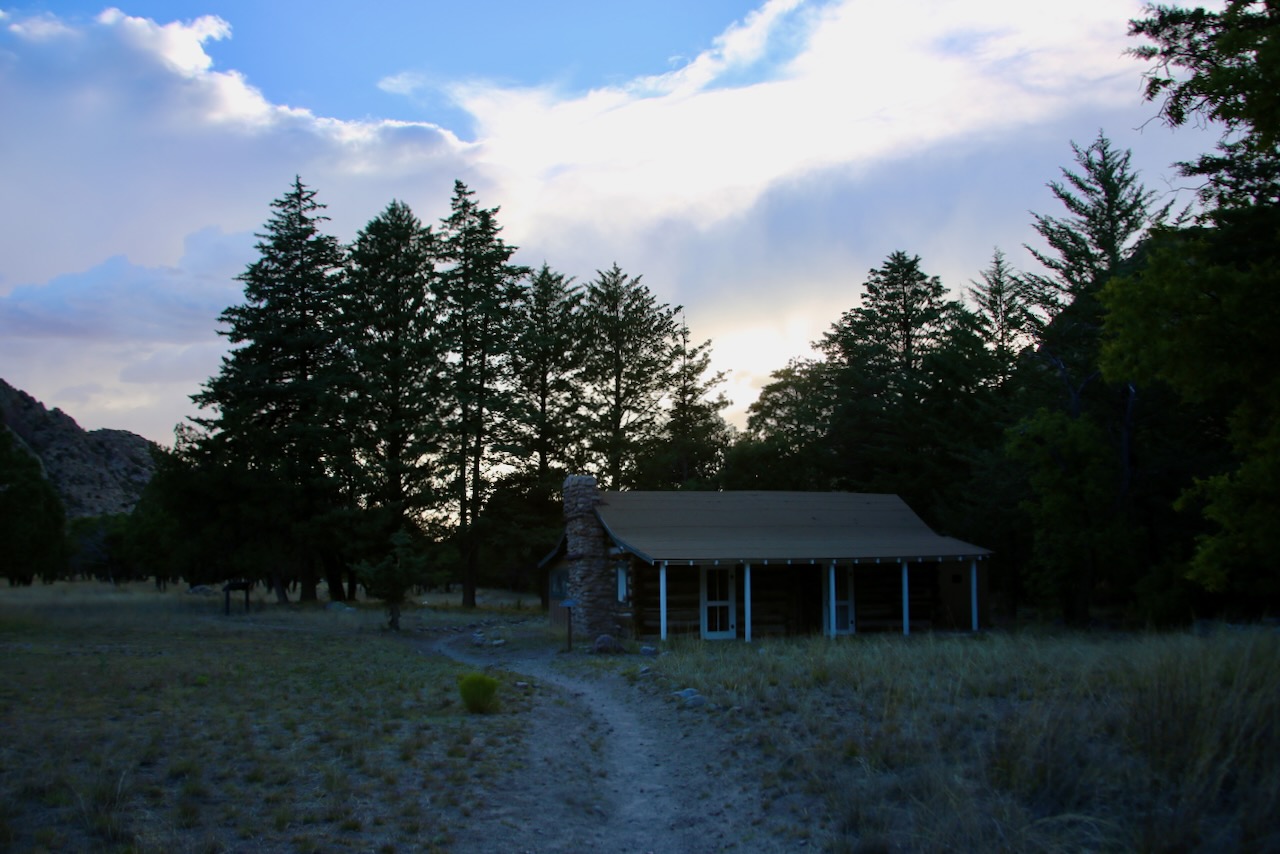
We detoured off Hwy-10 to finish our day in Chiricahua National Monument with a hike to Faraway Ranch. Along the trail, there is the Stafford Cabin, built in the 1880s, the guest ranch established in the early 1900s, and the Civilian Conservation Corps camp erected in 1934. The 180 enrollees built roads and trails for $30 a month, so that visitors had an easier time accessing canyons, spires, and balanced rocks, until the camp was closed in 1940, when many of the barracks and other buildings were torn down. We’re given enough daylight to make it to the campground.

 TheJessicaness