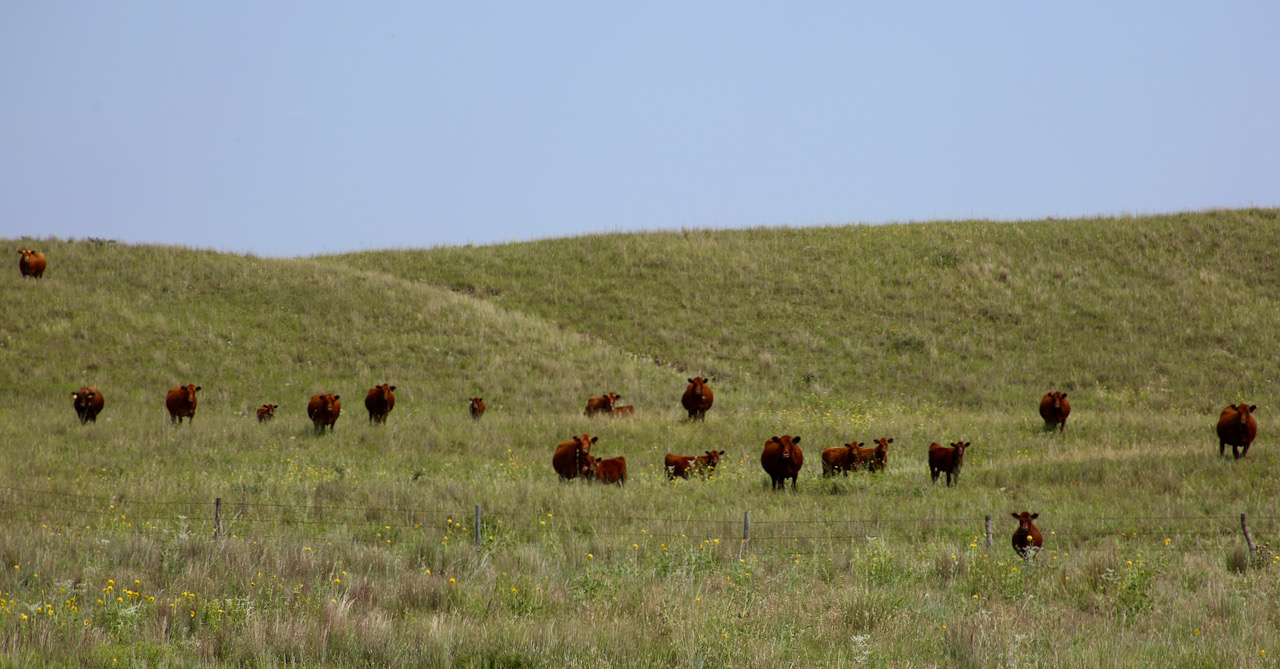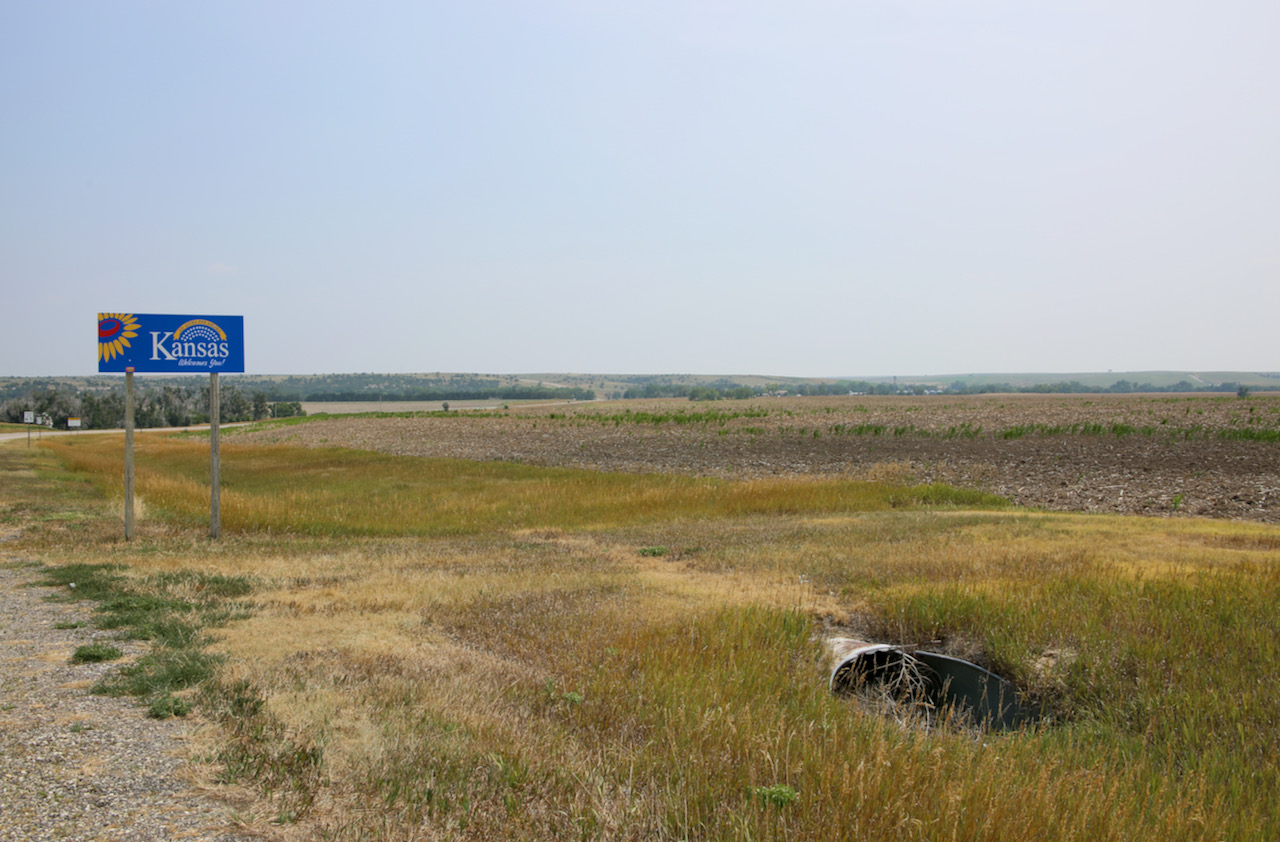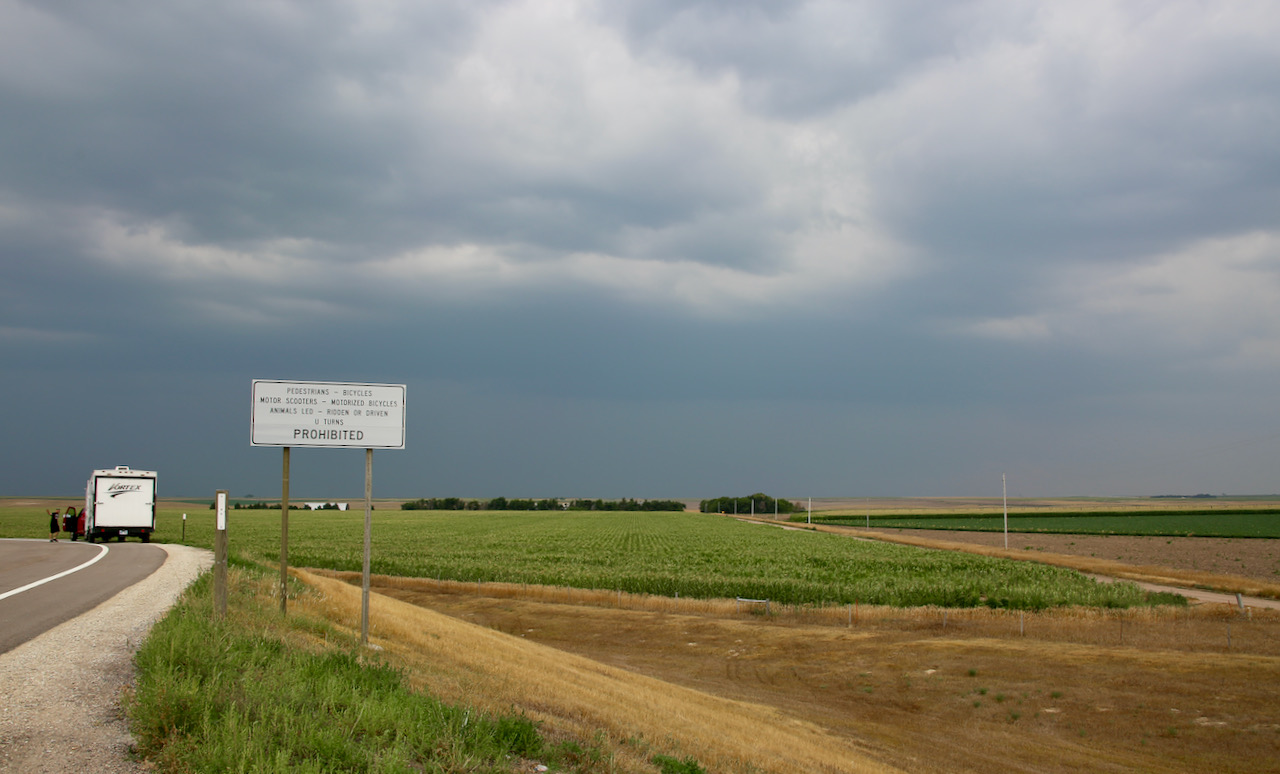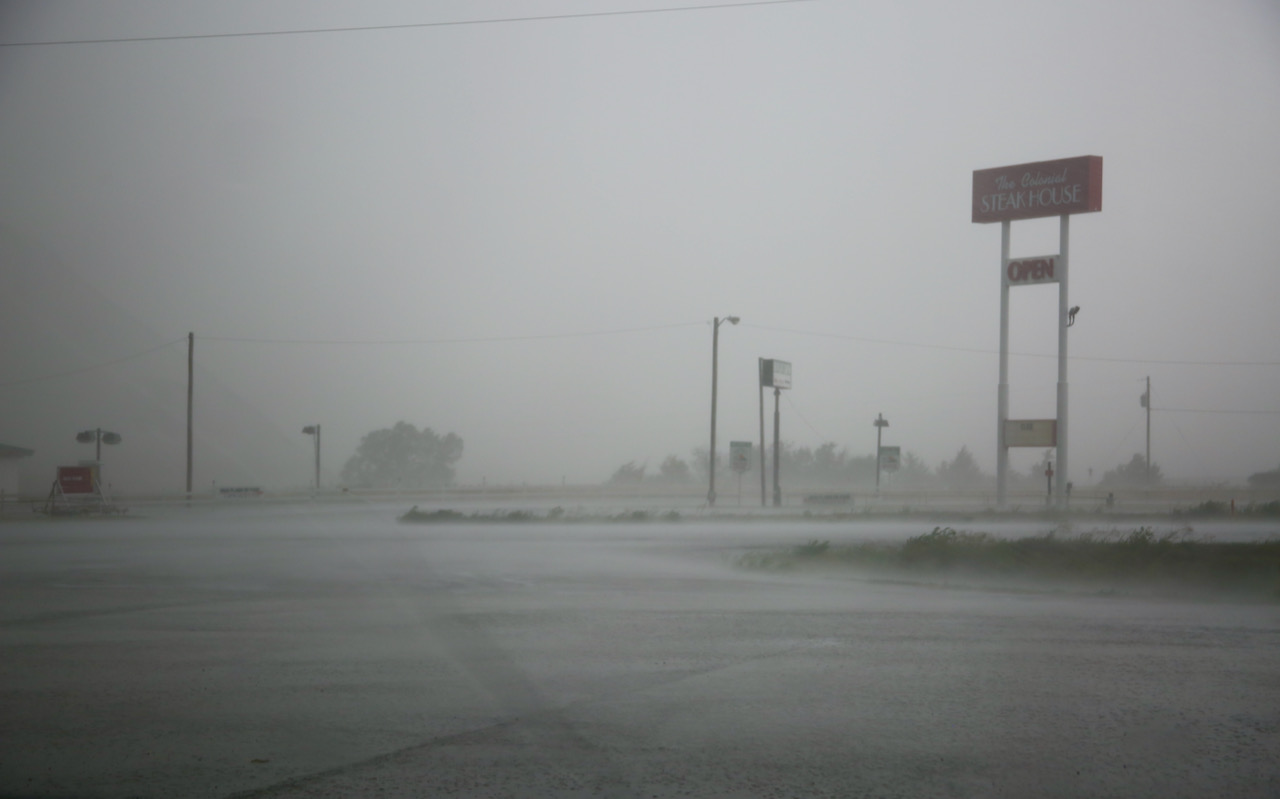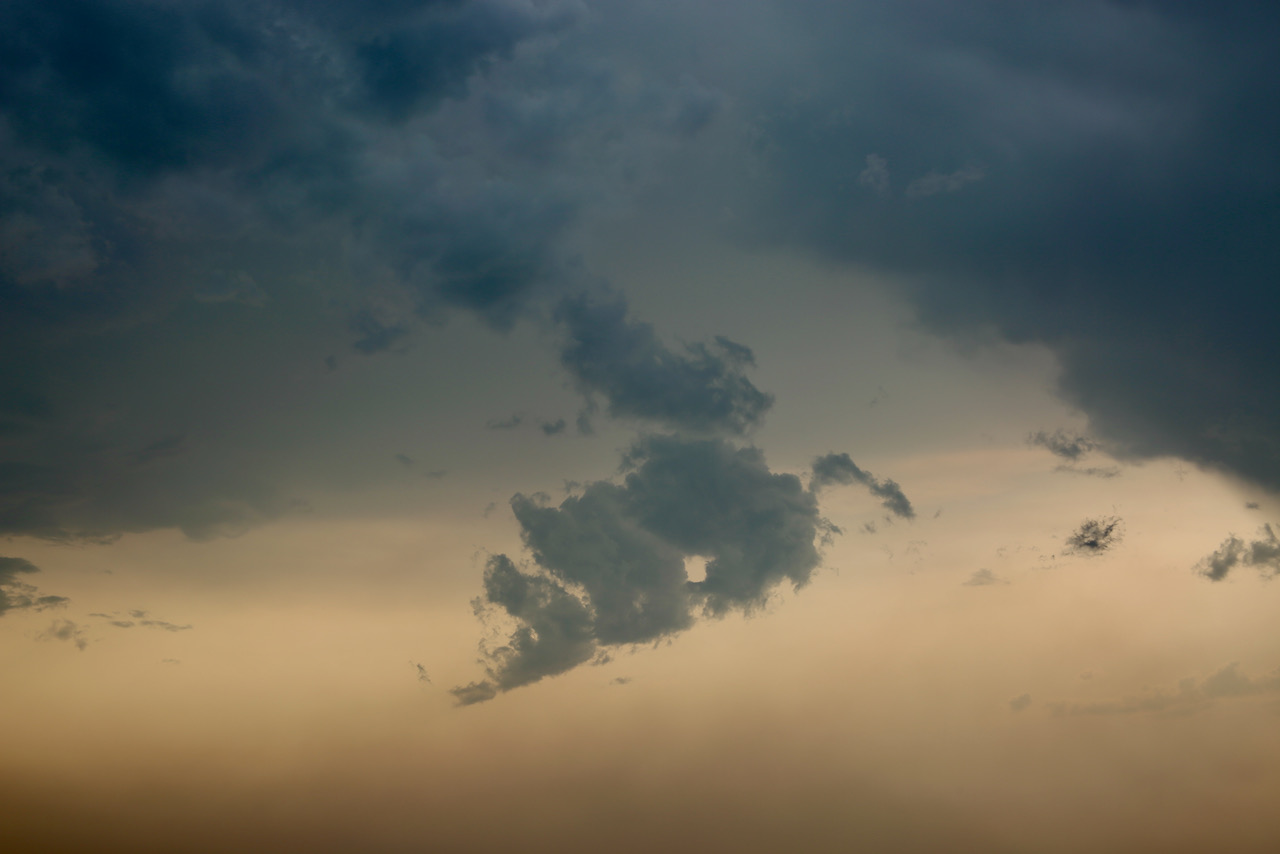
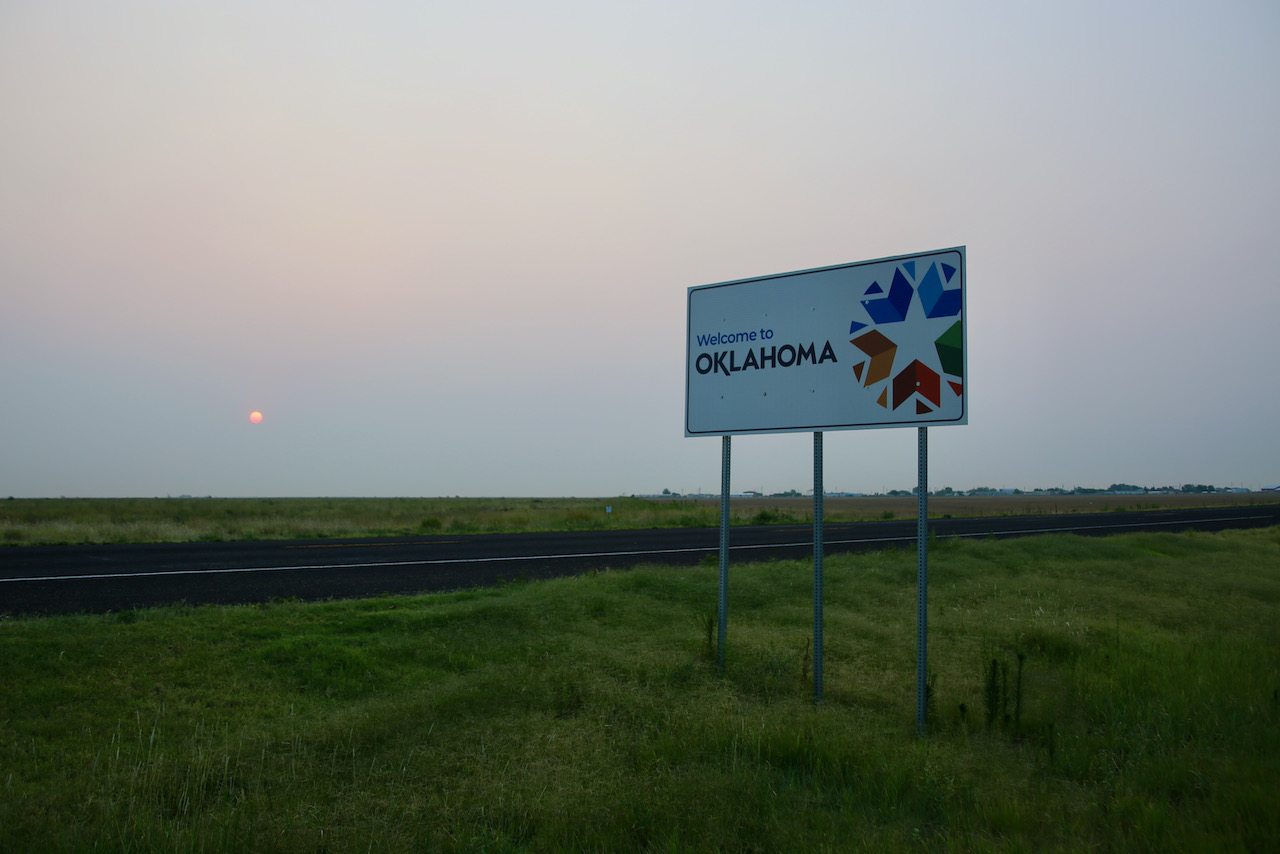
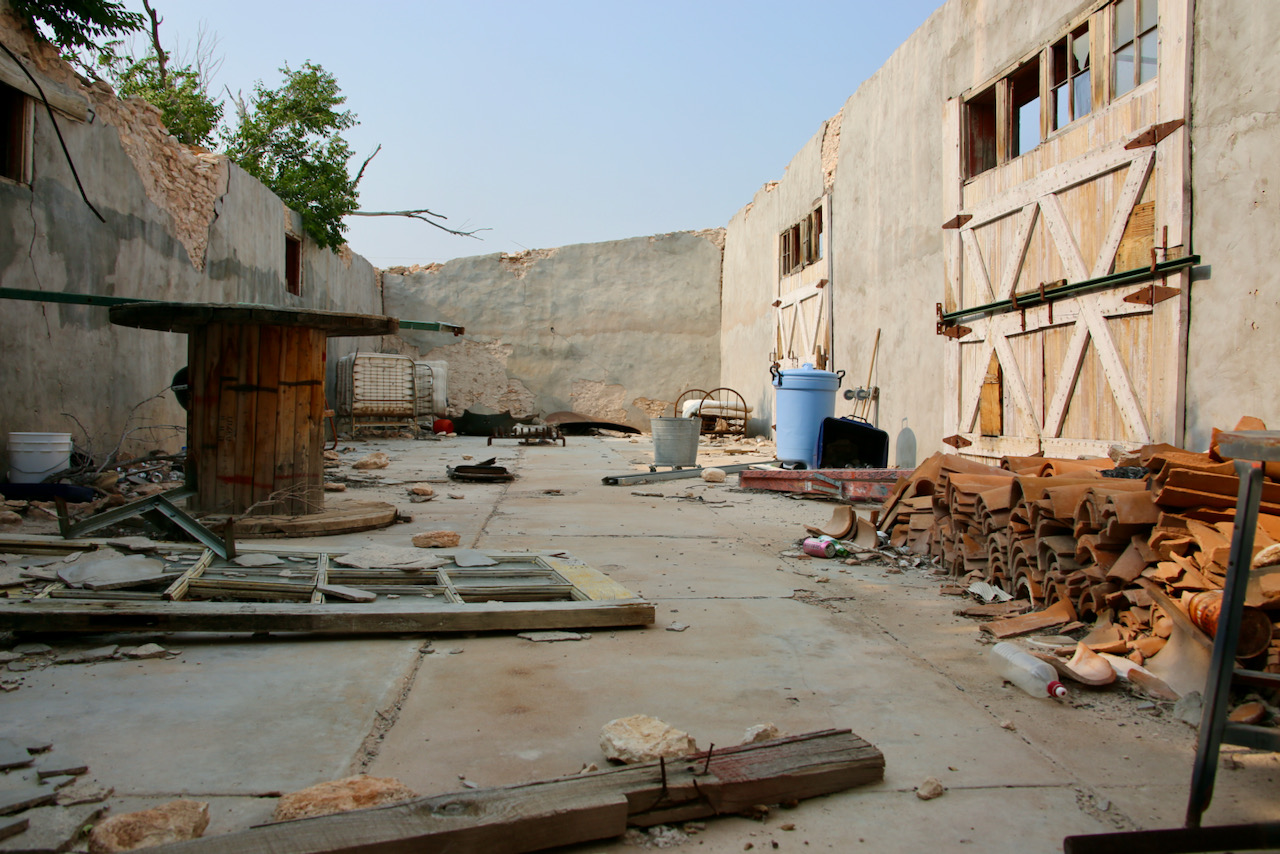
We aren’t far from the Oklahoma border upon waking up in Liberal, Kansas and our hotel is even closer to the Dorothy House, a tacky tourist attraction with creepy plywood cutouts that wouldn’t be open for another six hours anyway. We are in the state of tornadoes less than an hour and pass a large giraffe yard decoration, an abandoned small brick building industrial lot, and cows admiring the wind farm that covers 180° of the horizon.
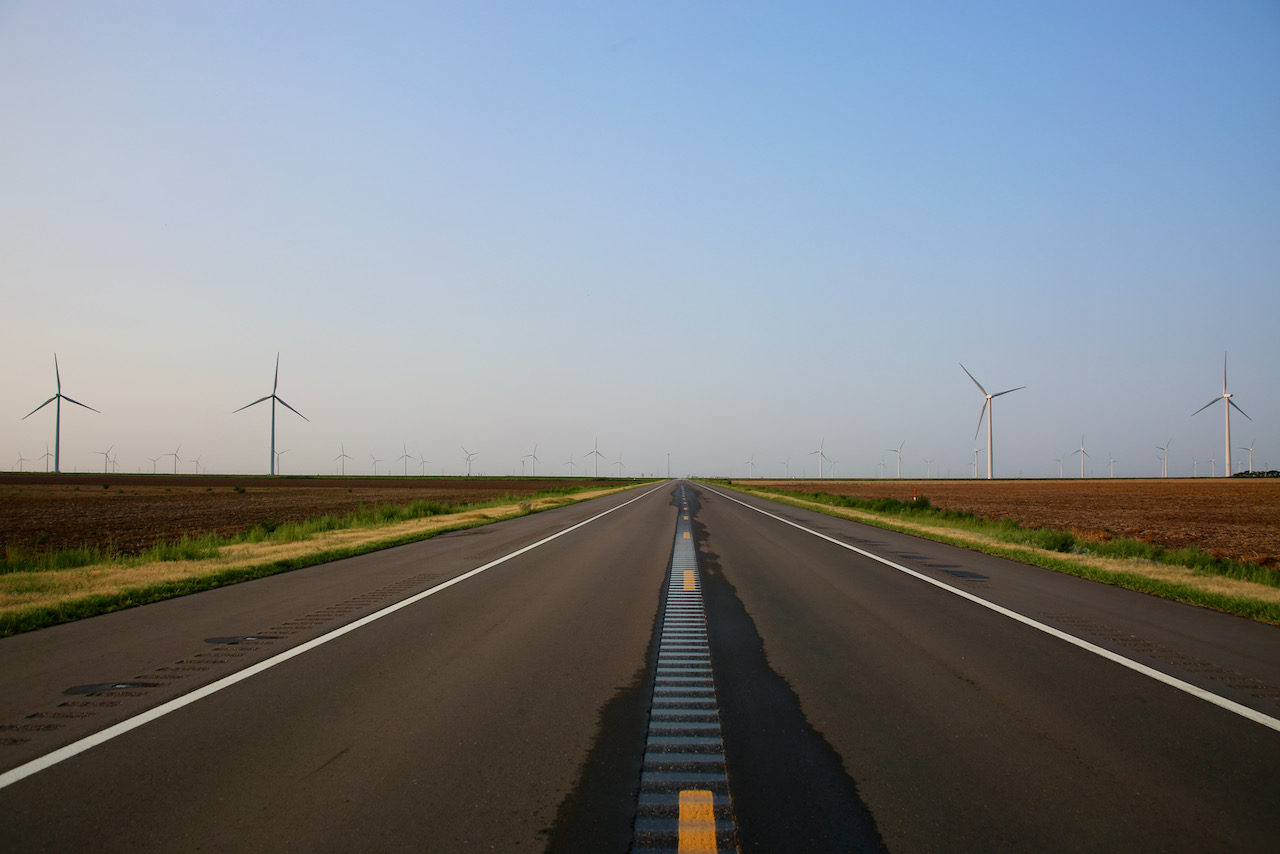
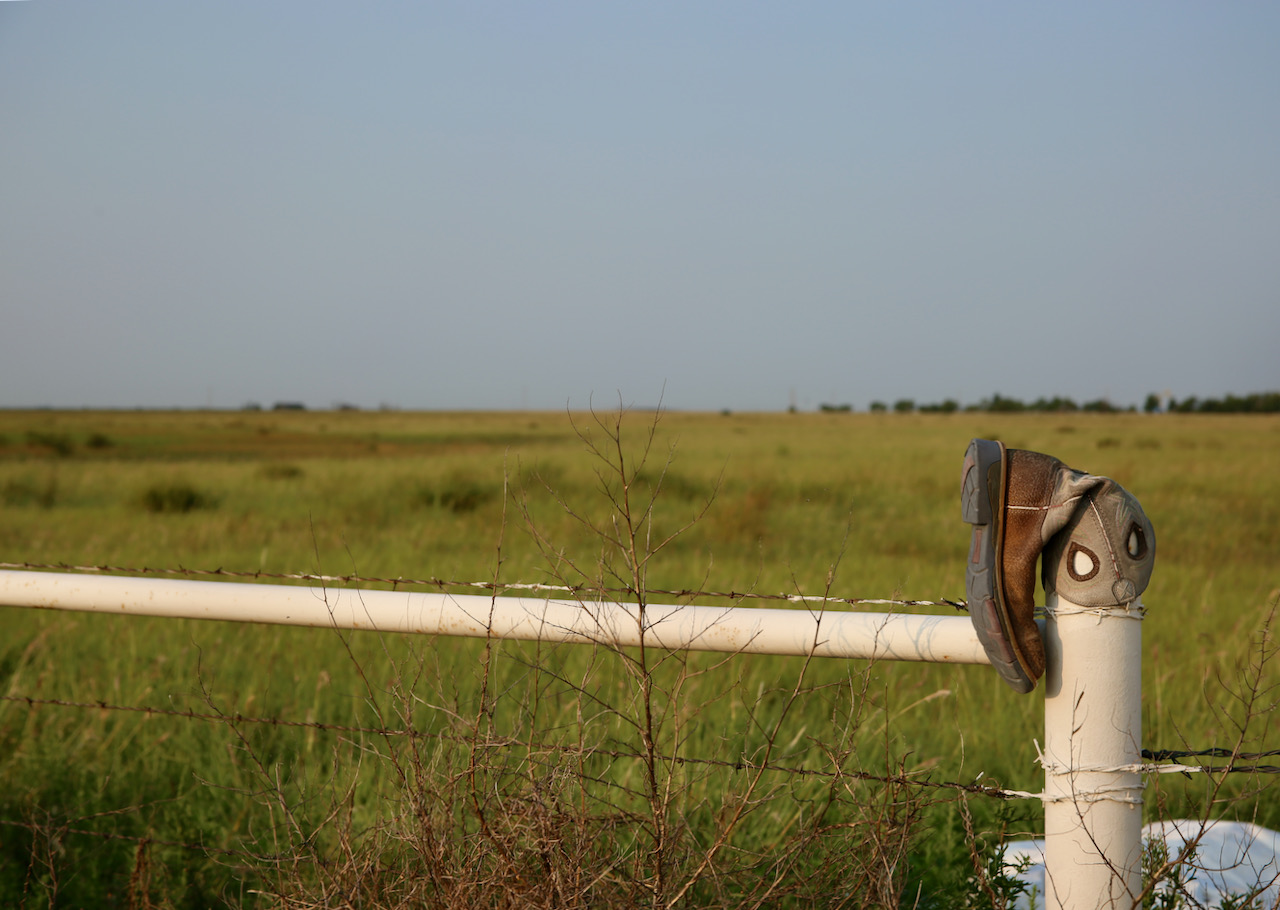
We pass over the Canadian River and besides noticing how wide the bridge’s shoulders are I get to imagine what it was like: driving on the old road, riding on the old tracks, or walking over the Historic Wagon Bridge; while watching a train move along in the distance. It’s rare that I get to introduce Dad to new things. Today, that will be the wonderful Czech creation known in Texas as the kolache and made famous to me by the Village Bakery in West, TX.
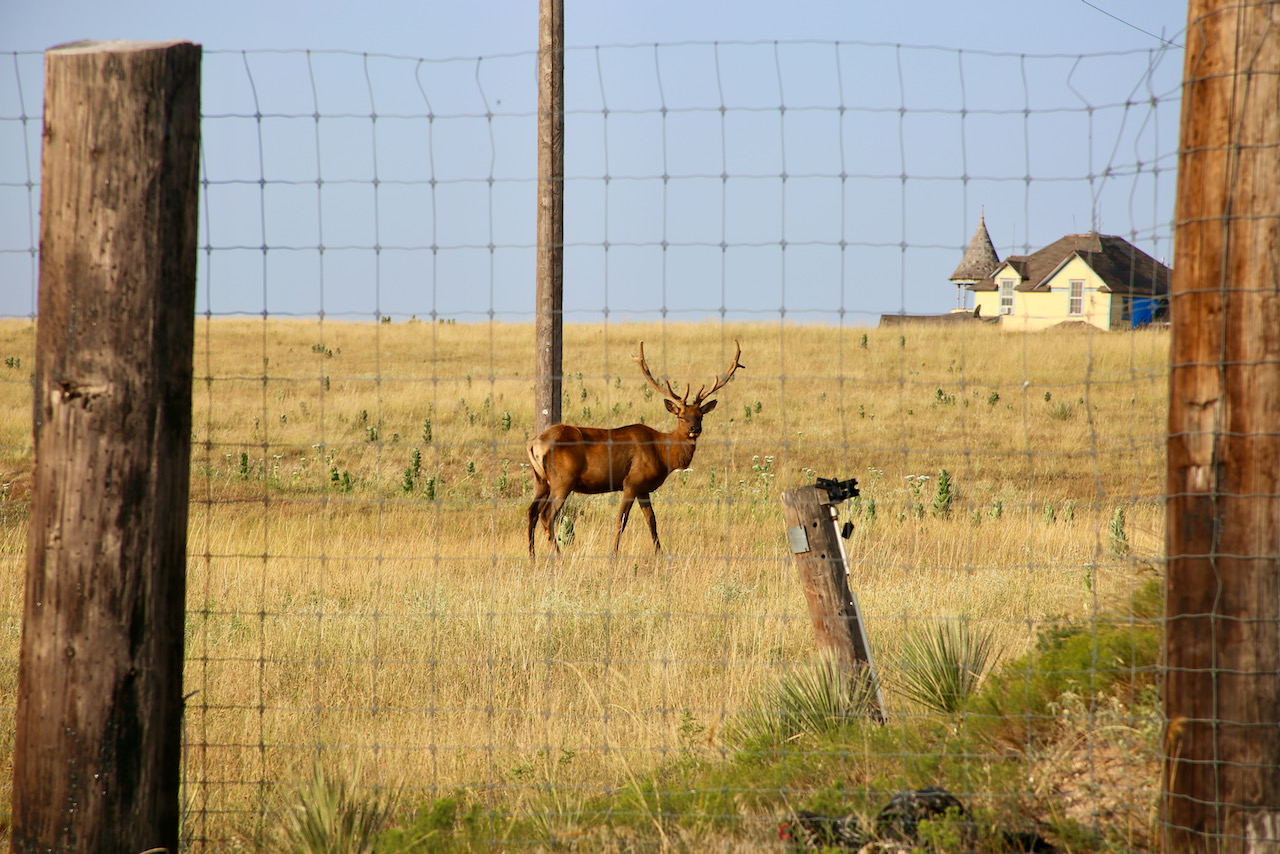
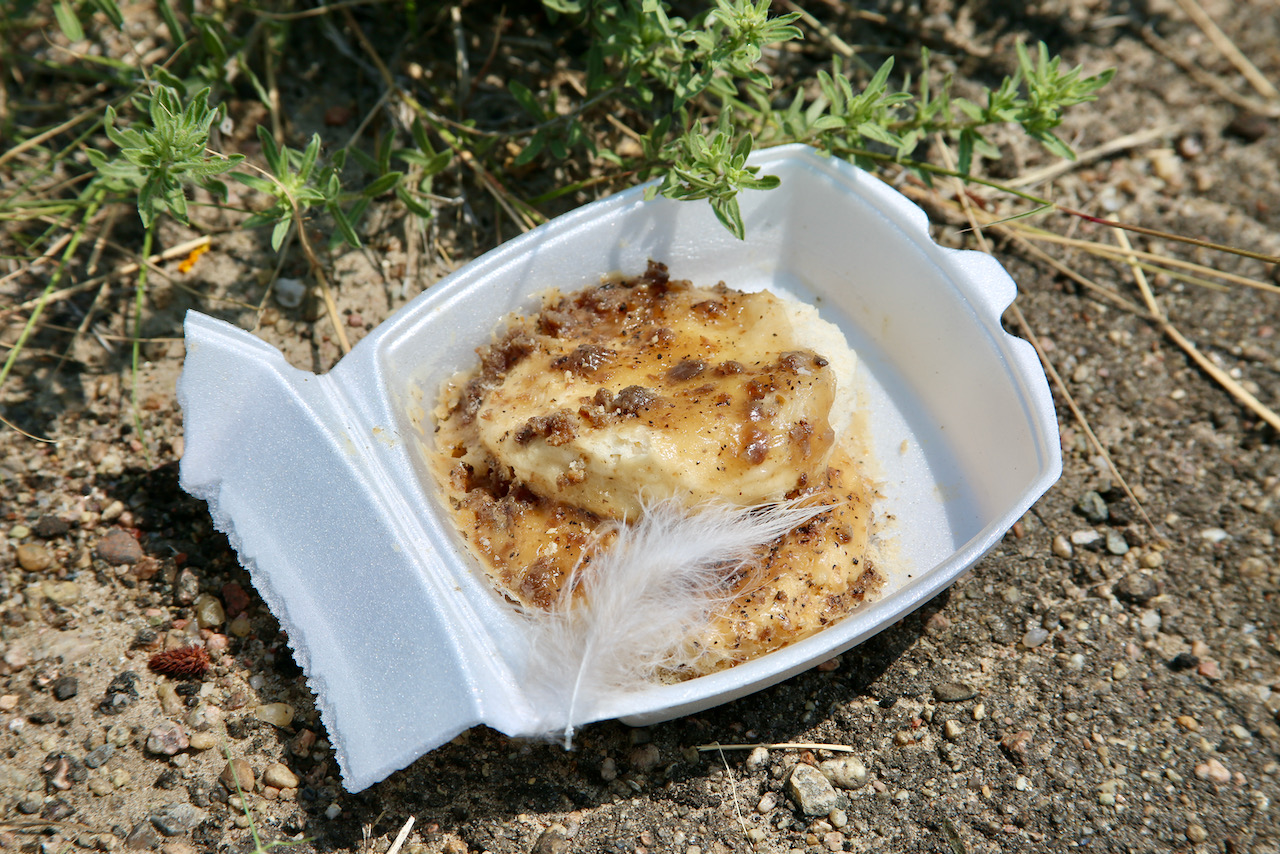
What sets these stuffed pastries apart from pierogis, empanadas, and samosas is their sweet non-crimped dough surrounding a sausage and usually cheese, peppers, and sauerkraut too. This bakery has one flavor on display, breakfast, and Dad thinks it’s delicious. This puts him in a detouring mood, which could be another middle name for both of us, and we’ll make our way to Arrington Ranch to see the house from Castaway, after driving through Canadian and down another memory lane.
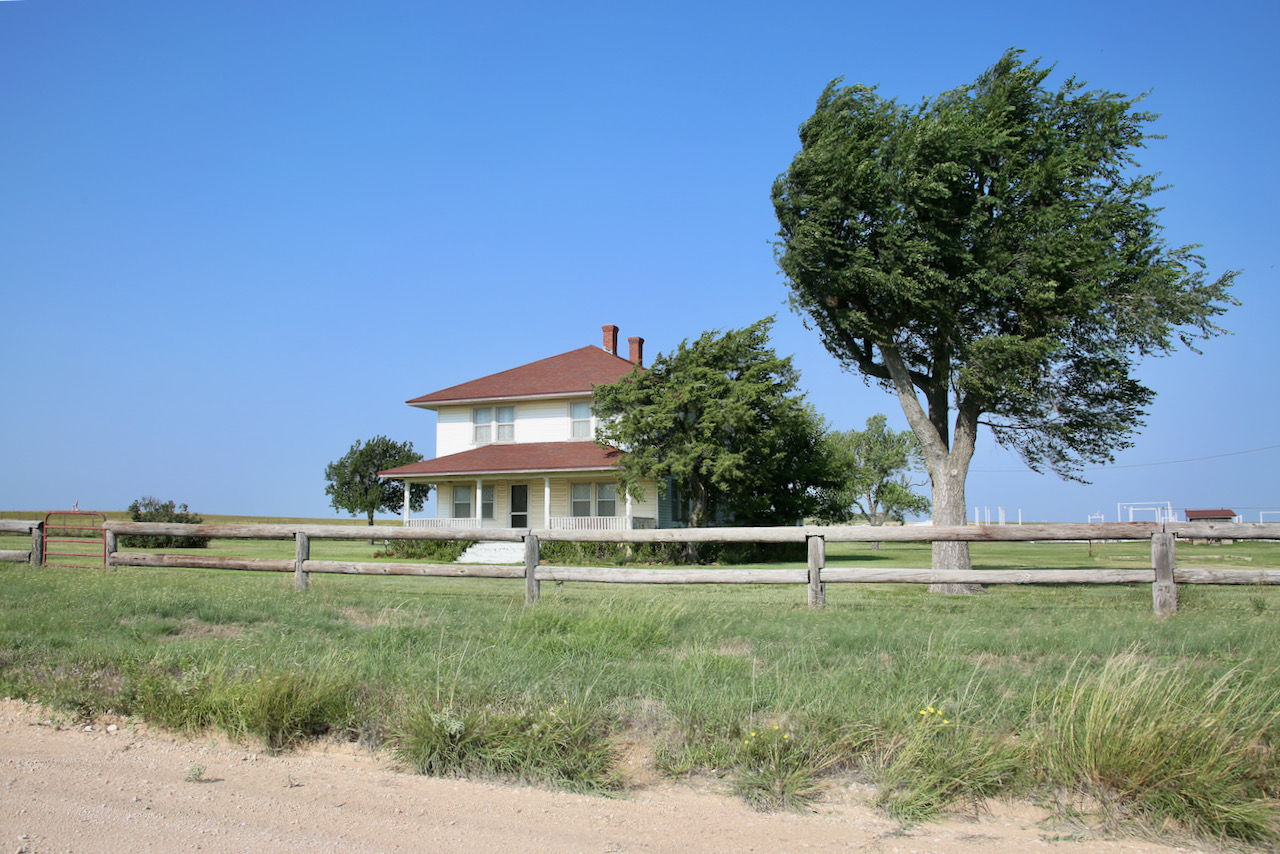
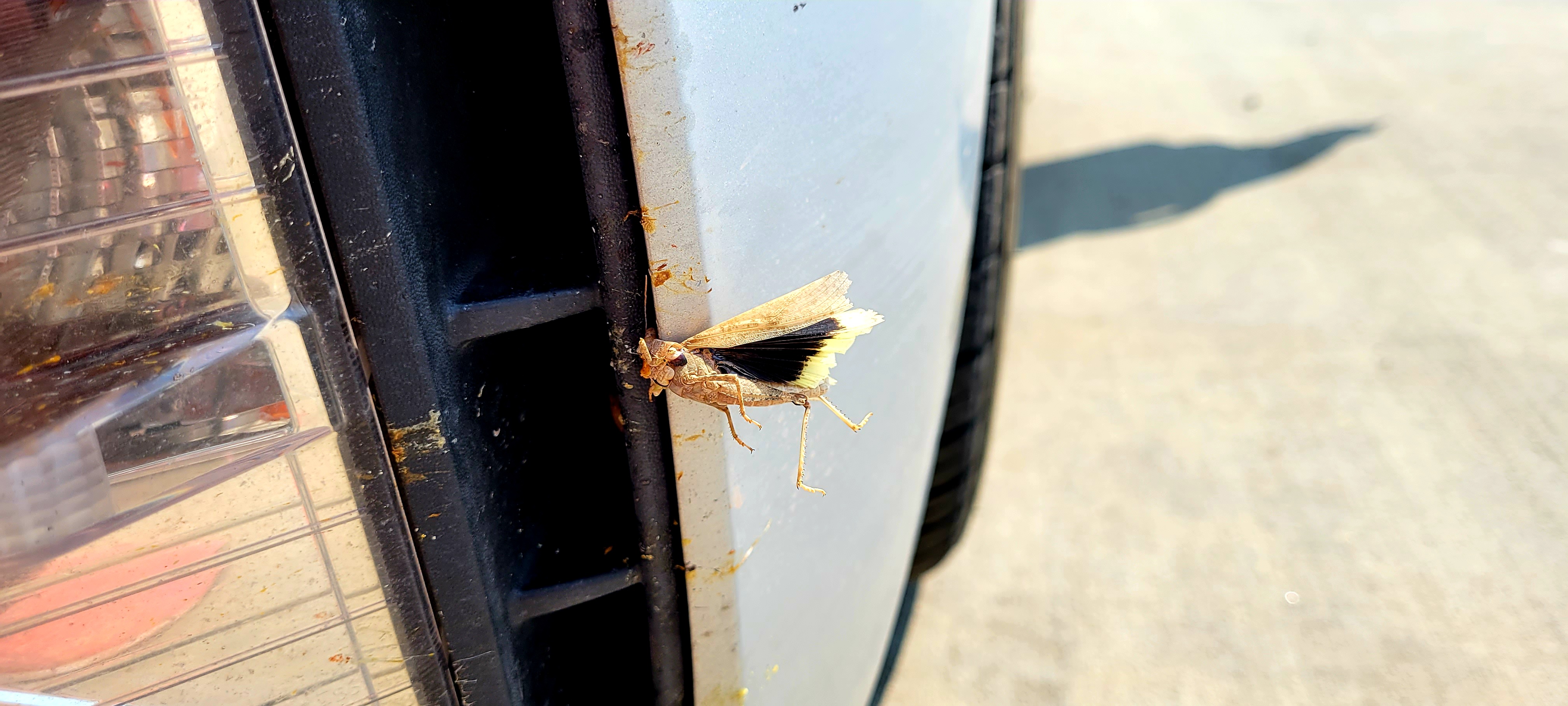
Dad’s driving while telling me about the guy who found this place so it could be used in Hollywood, not that they’ve met, but I get the same feeling I had when I learned that I could be a Zamboni ice-resurfacer driver. There’s jobs out there that I may be qualified for but don’t know where to apply. Such is life and I’ll continue being satisfied watching a grasshopper hold onto the back window while the car is doing 30+ mph down a dirt road in the Texas panhandle.
Not only is this place recognizable from the movie, but the Department of Agriculture has designated it a Family Land Heritage Property because the same family had managed to keep it going for a hundred years. This is impressive but also saddening to watch the demise of part of our culture as we move towards another, as I’m sure people felt the same about the shift from the four-legged Mustang to the four-cylinder Ford.
All this thinking also has me wondering about where the strong idea of “ya’ll” comes from and how it spreads out and meets with another idea emanating from another strong idea in another cultural center. Where does the Texas influence come from (besides what we’ve been told about the Alamo) and when does it become New Mexico, Oklahoma, Louisiana — the foods, smells, animals, habits, and languages associated with a certain region or group of people?
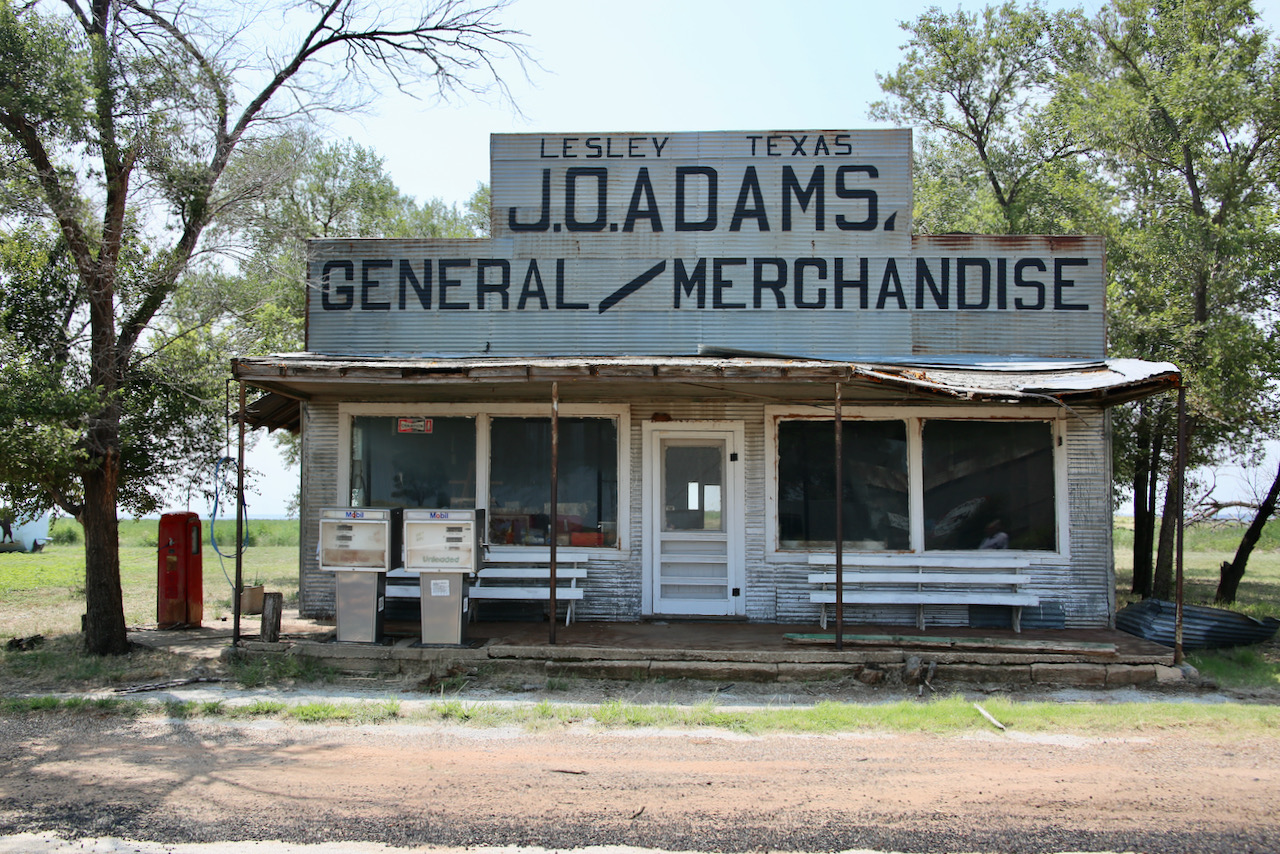
The gravel and oil road provides entertainment and noise as we drive through Wheeler and south to Shamrock; a town with weird announcements and music playing on an empty street, no businesses open and an out-of-state car the only one parked in sight. We’ll turn right on the W 256 towards the outhouses of Memphis and save the 754 miles to Brownsville for another adventure. We pass a “sleeping” hog in the road, along with the license plate that was abandoned at the scene, foreshadowing the road ahead.
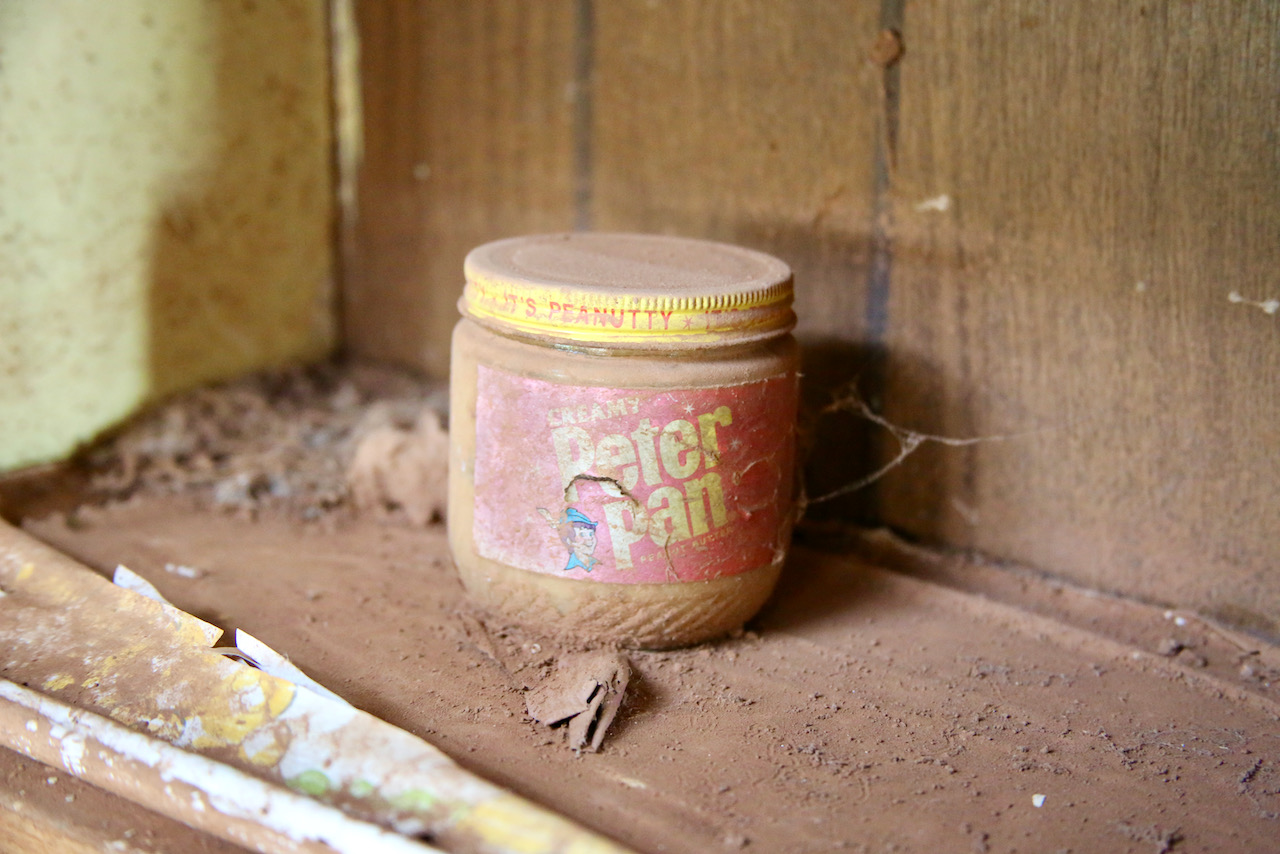
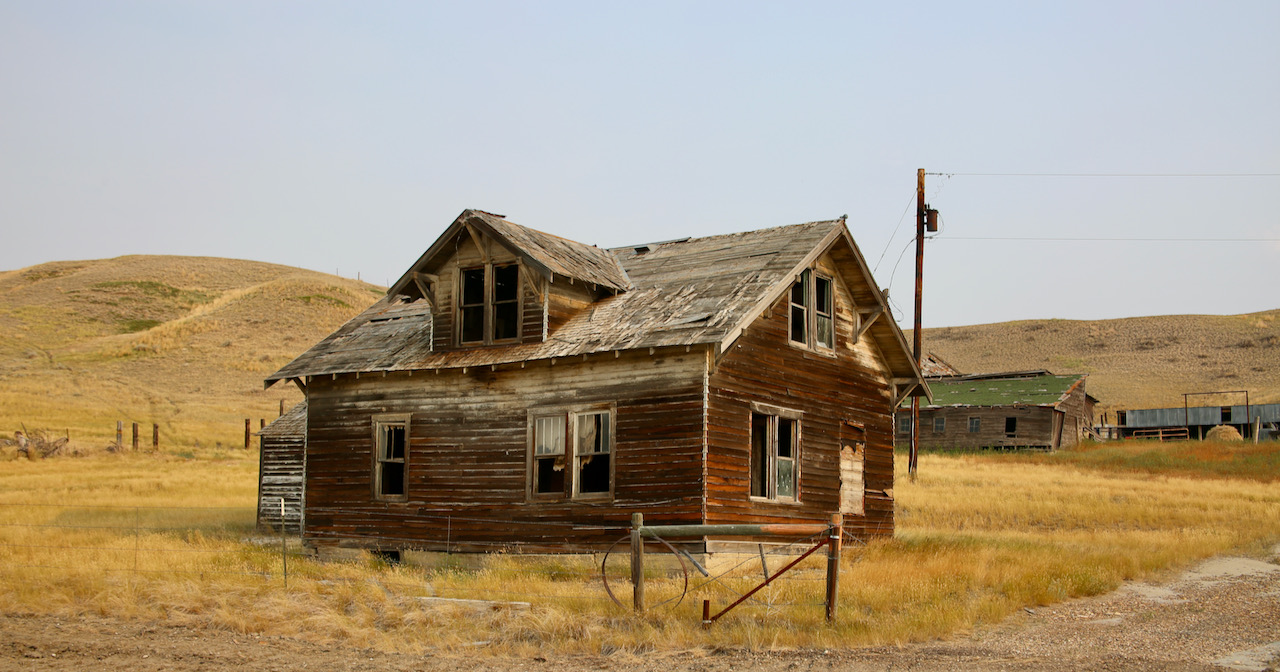
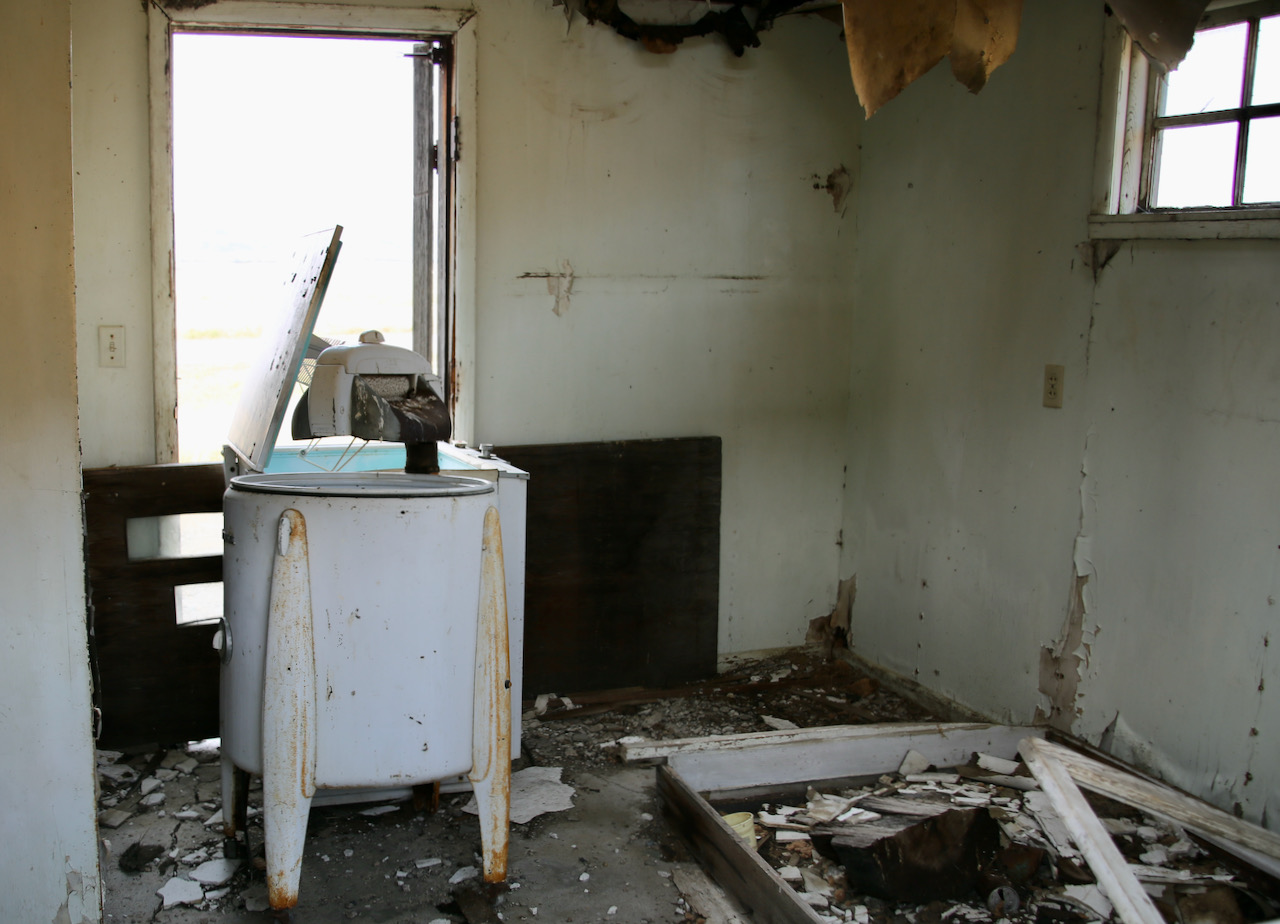
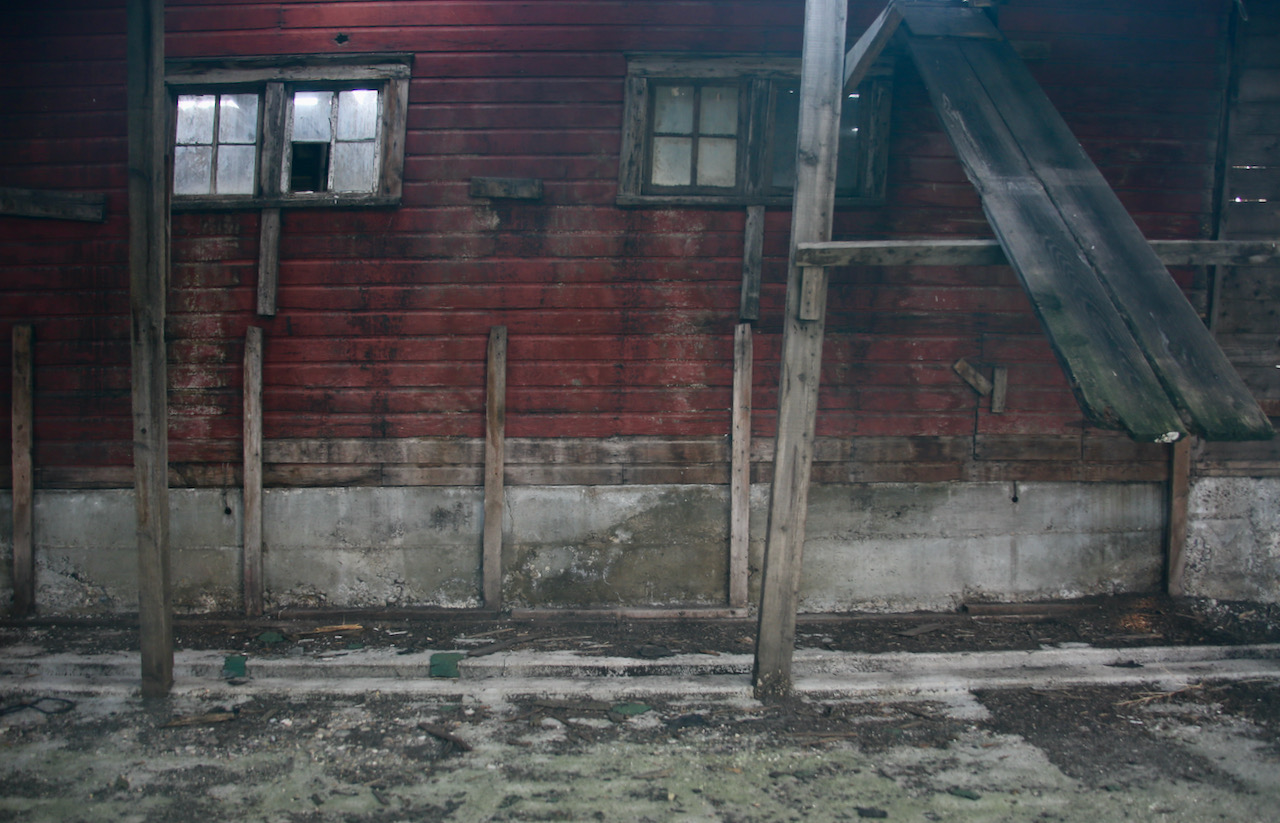
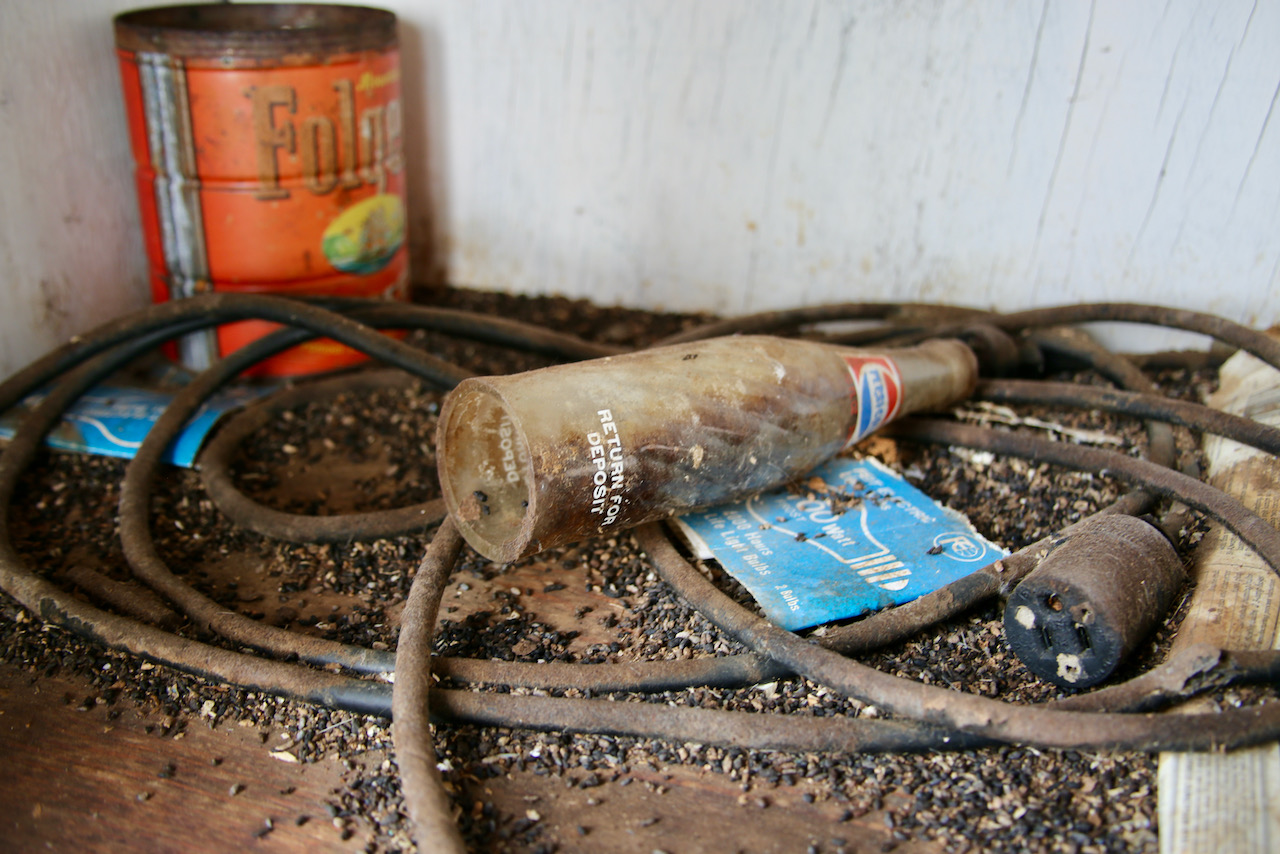
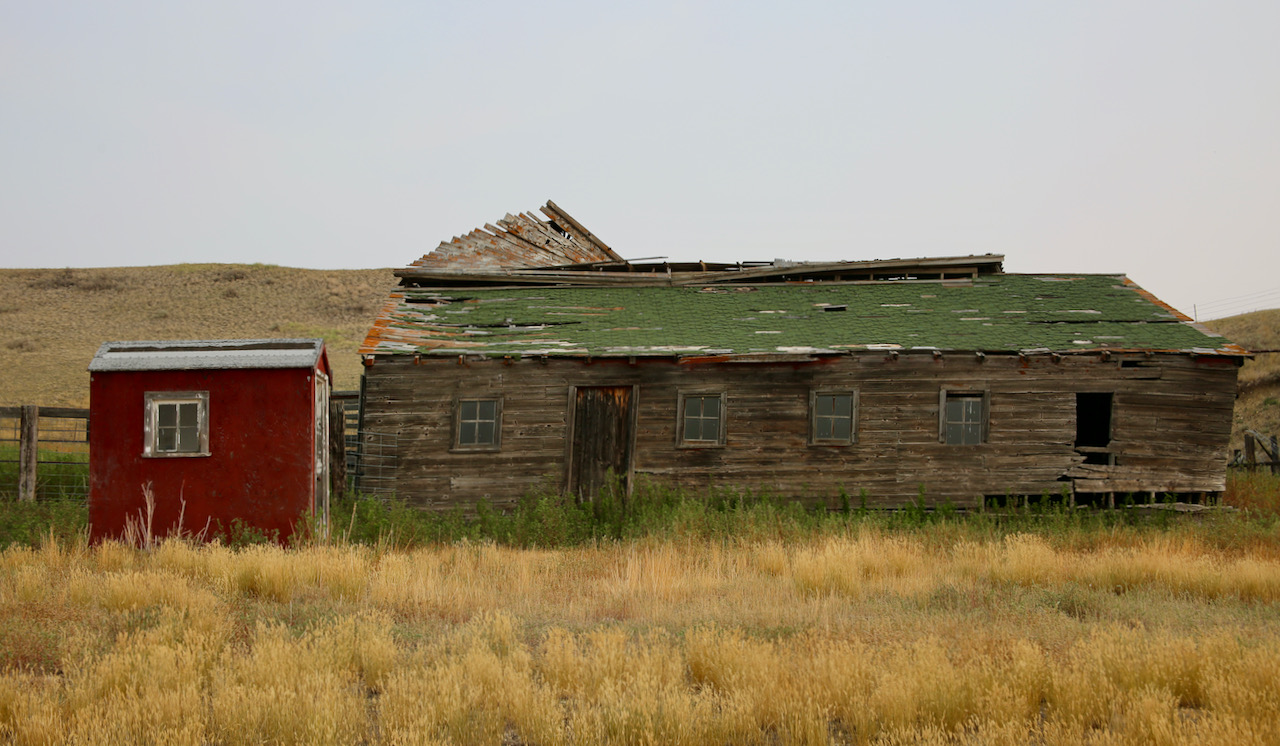
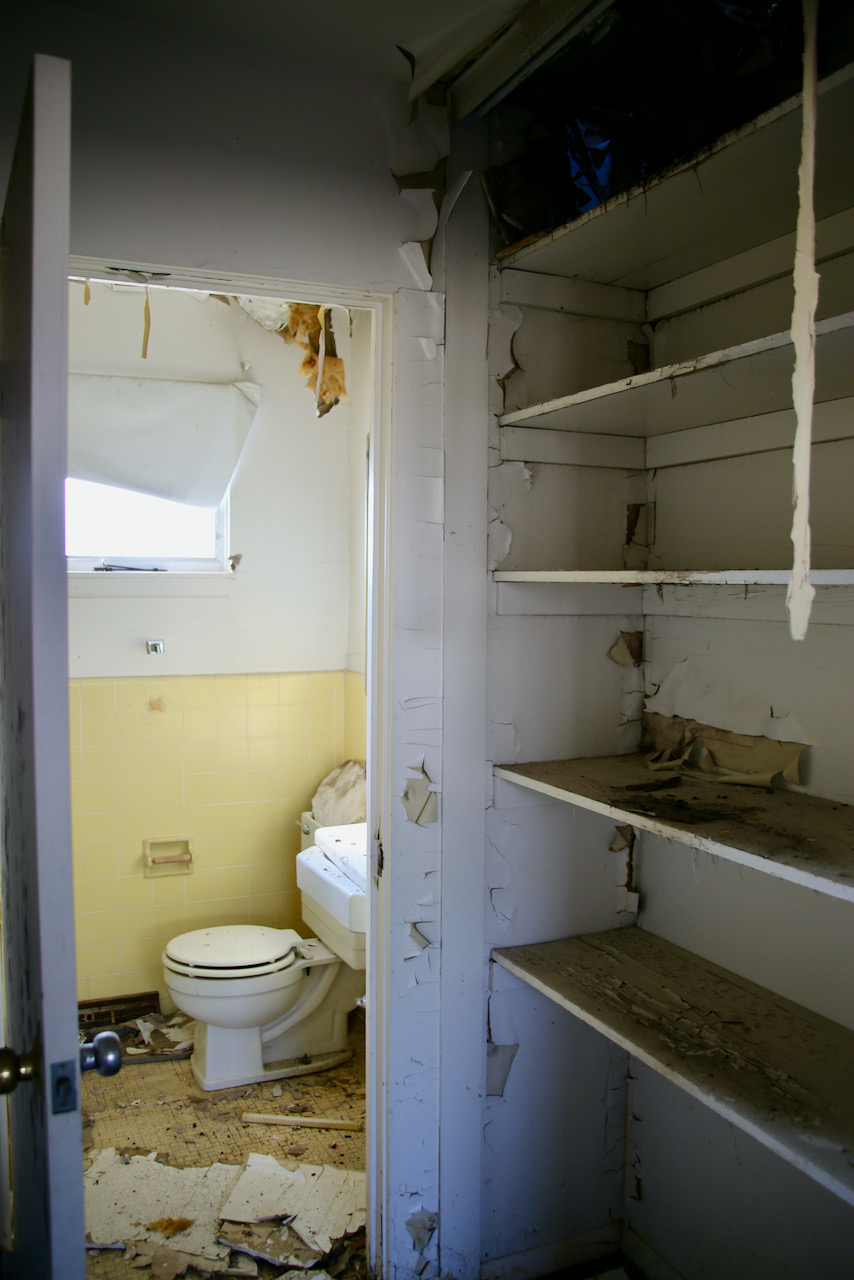
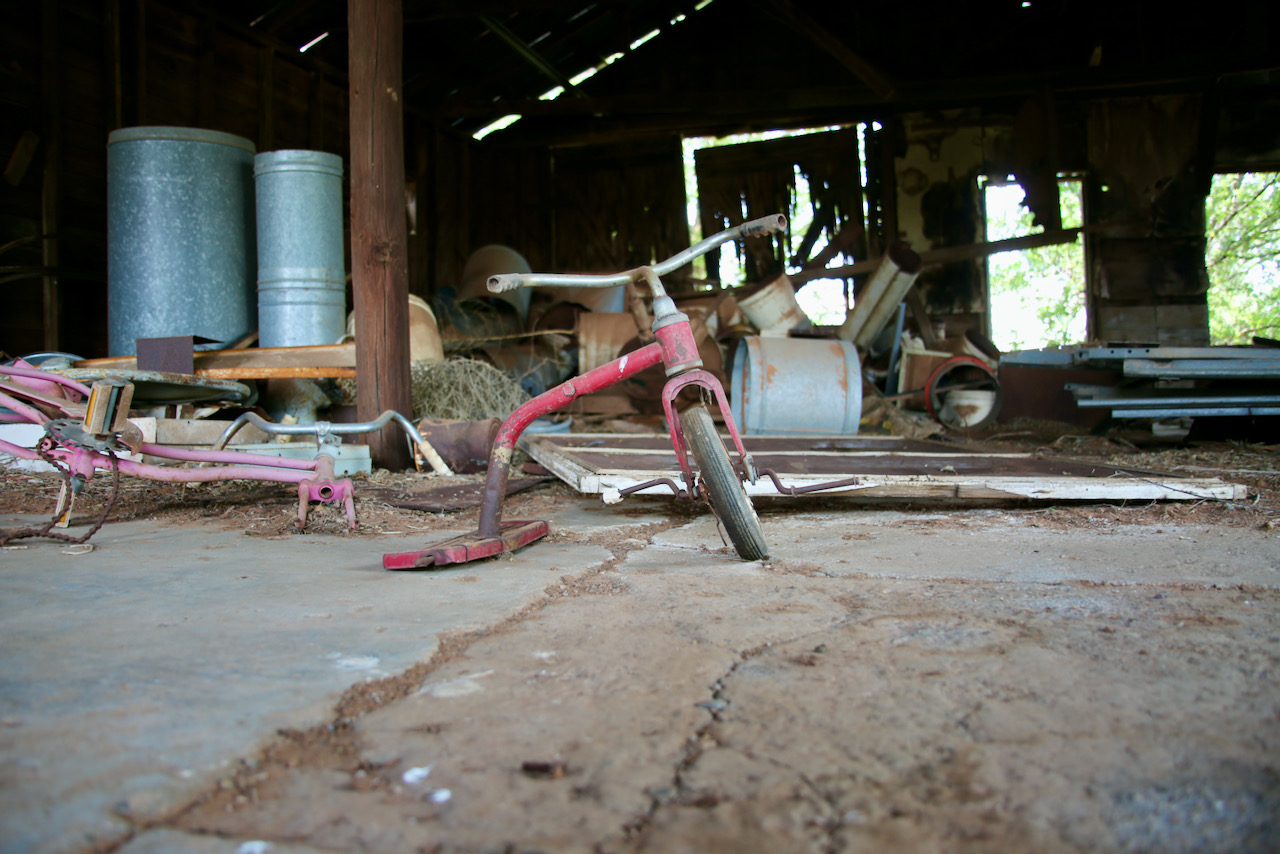
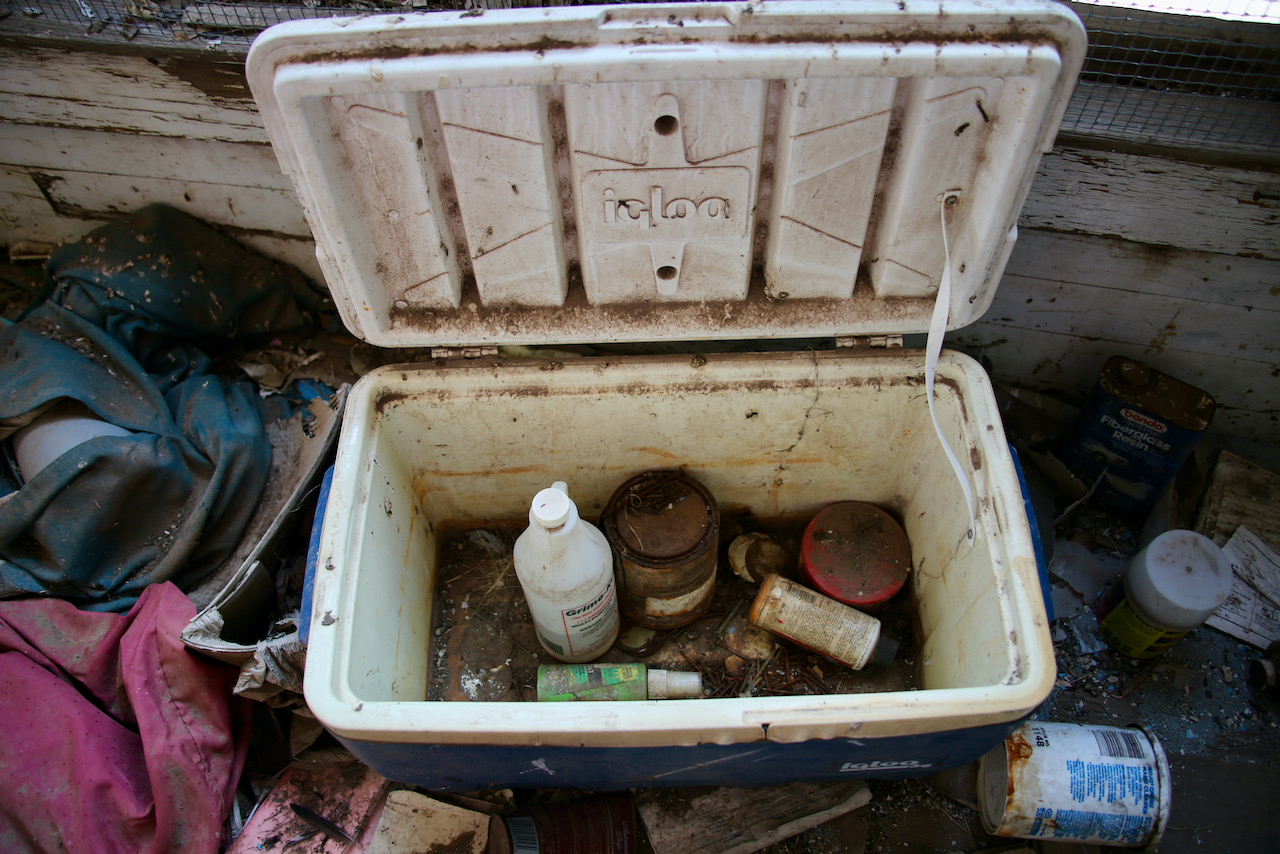
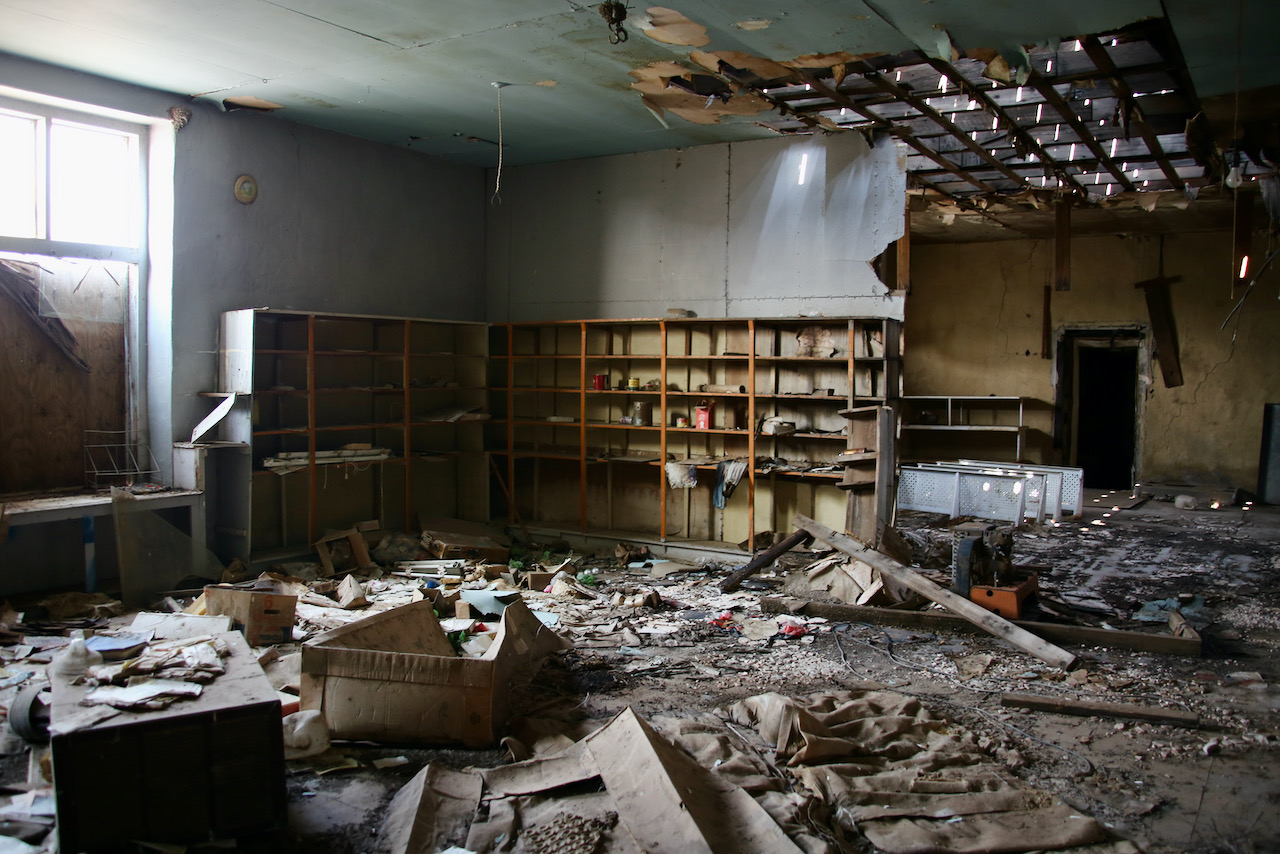
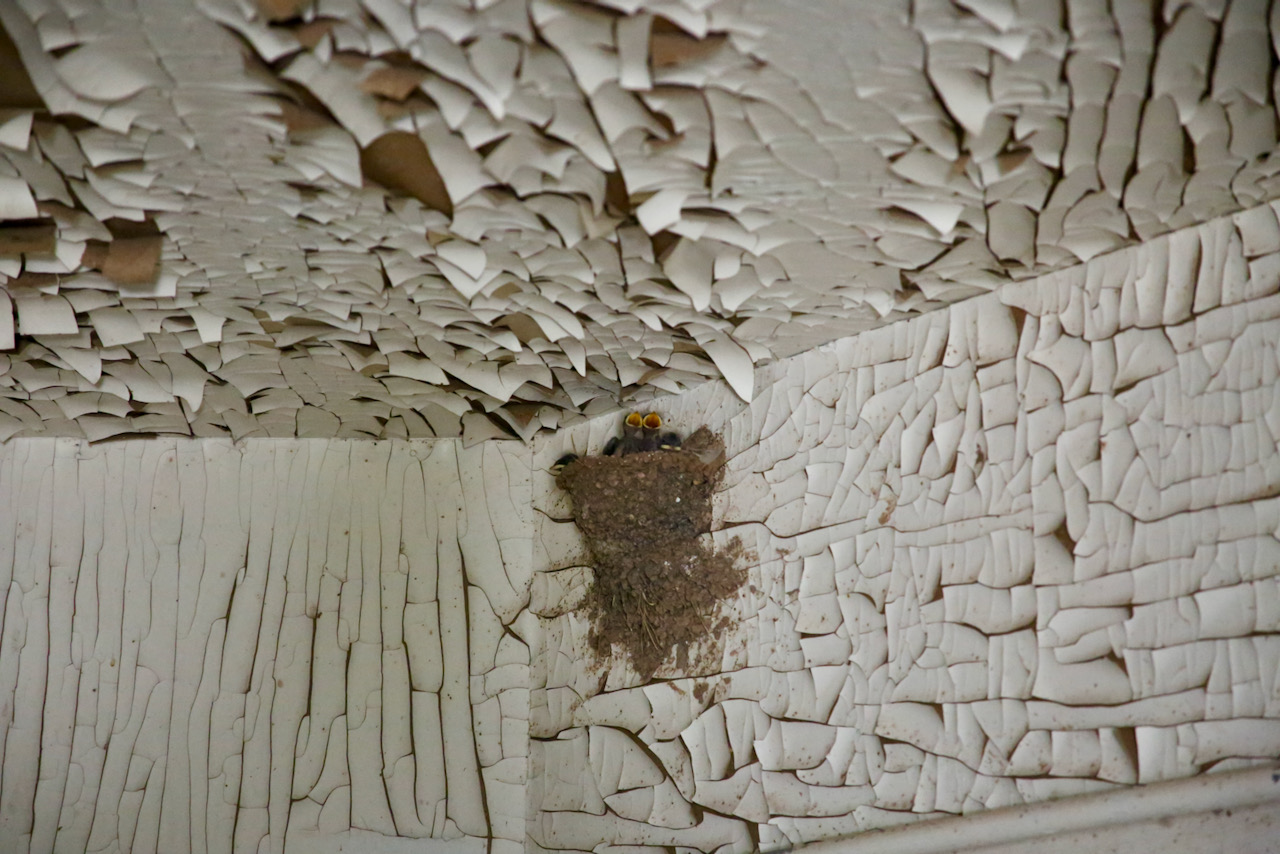
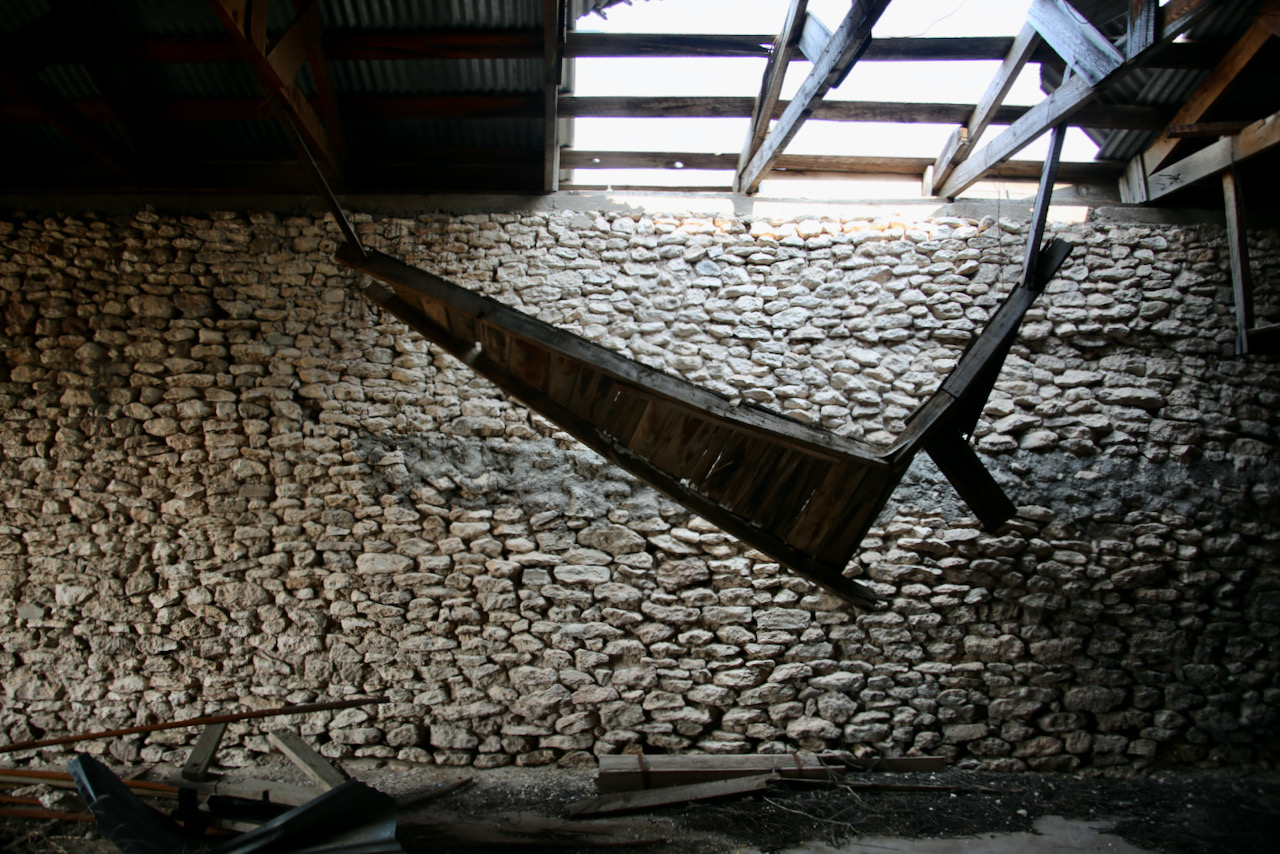
What awaited us was also covered in shit (of all kinds), rust, nests, newspapers, broken wood, and one unopened jar of creamy Peter Pan peanut butter. One of the houses had a Stephen King aura and though I wanted to be hesitant I was also curious to see what horrors lie upstairs and overcame my fear that I would fall through the stairs, that were previously carpeted but more recently buried under a heap of turds that had cascaded their way to the floor, and impale myself with a sharp piece of disgust.
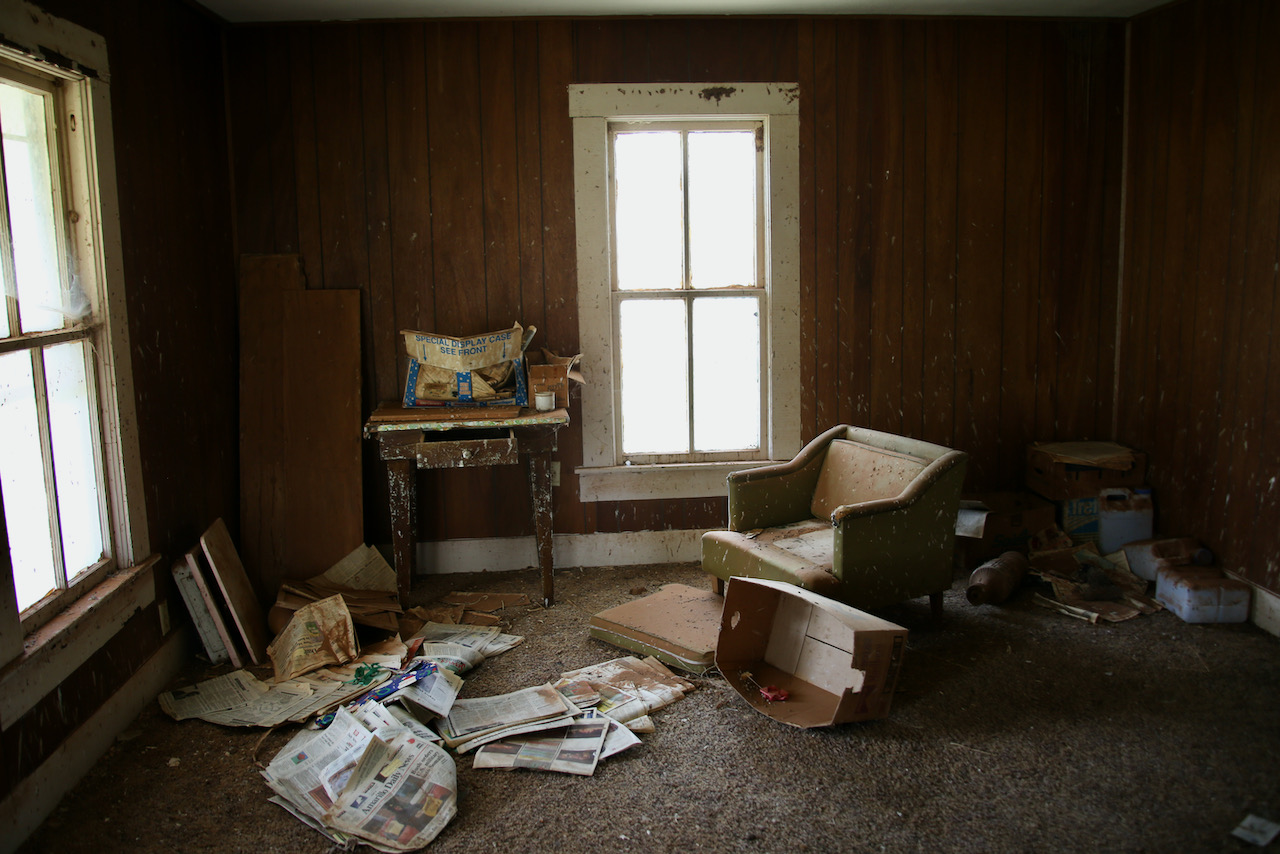
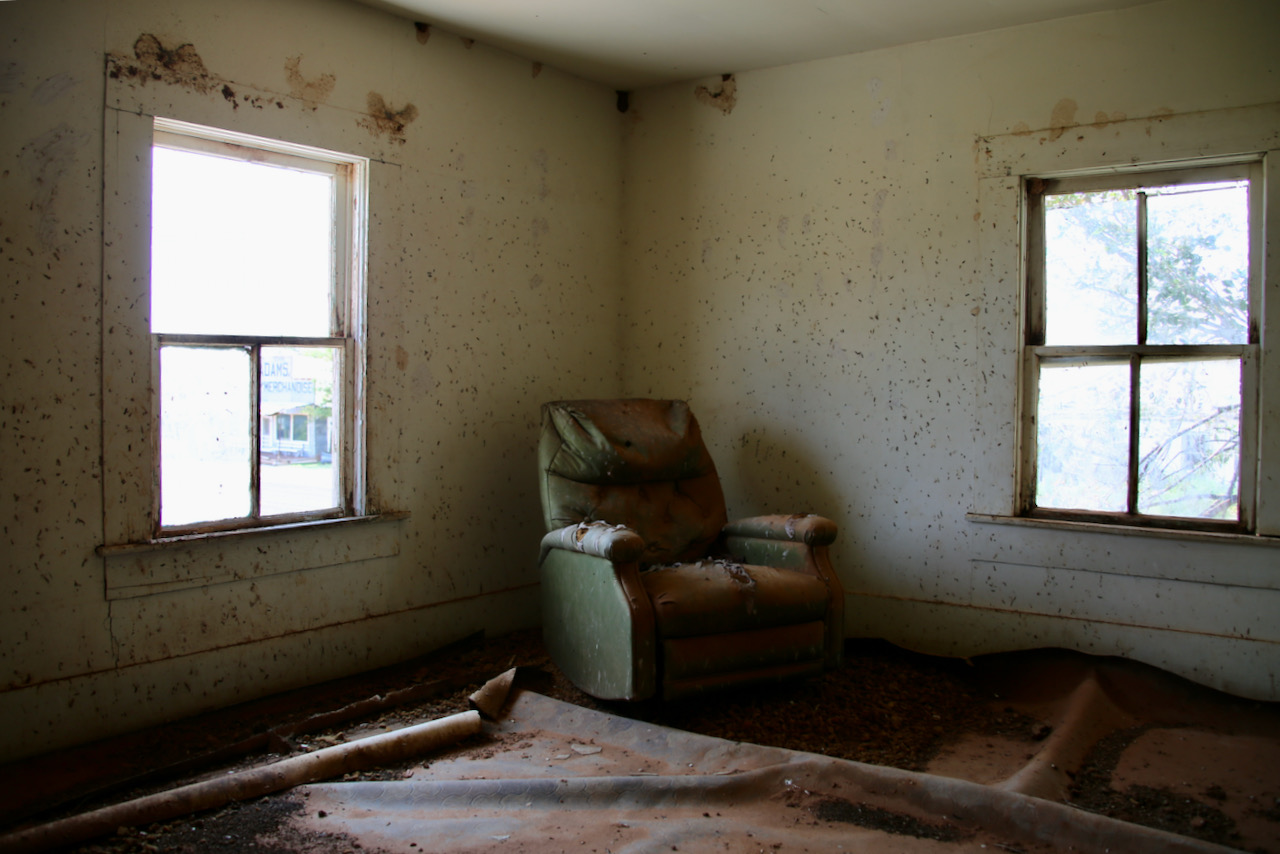
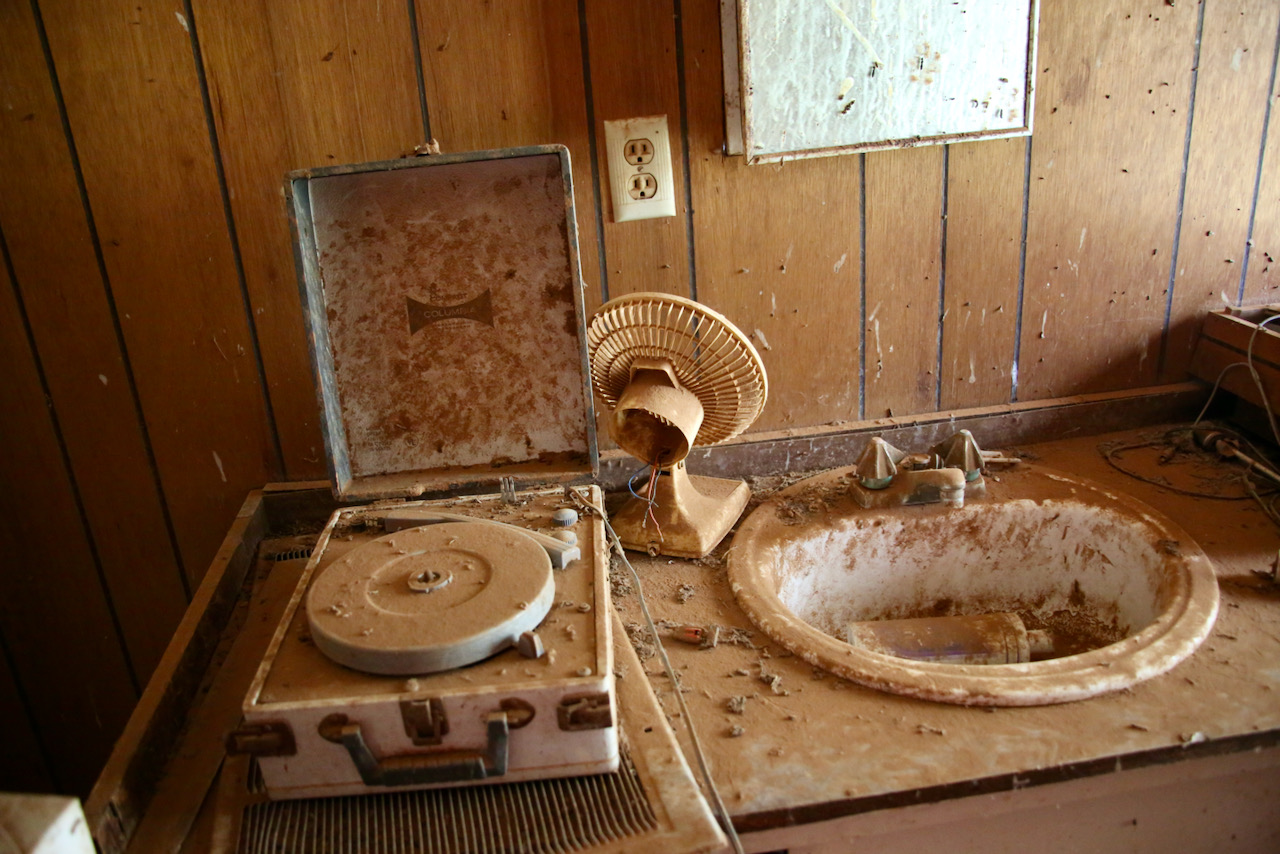
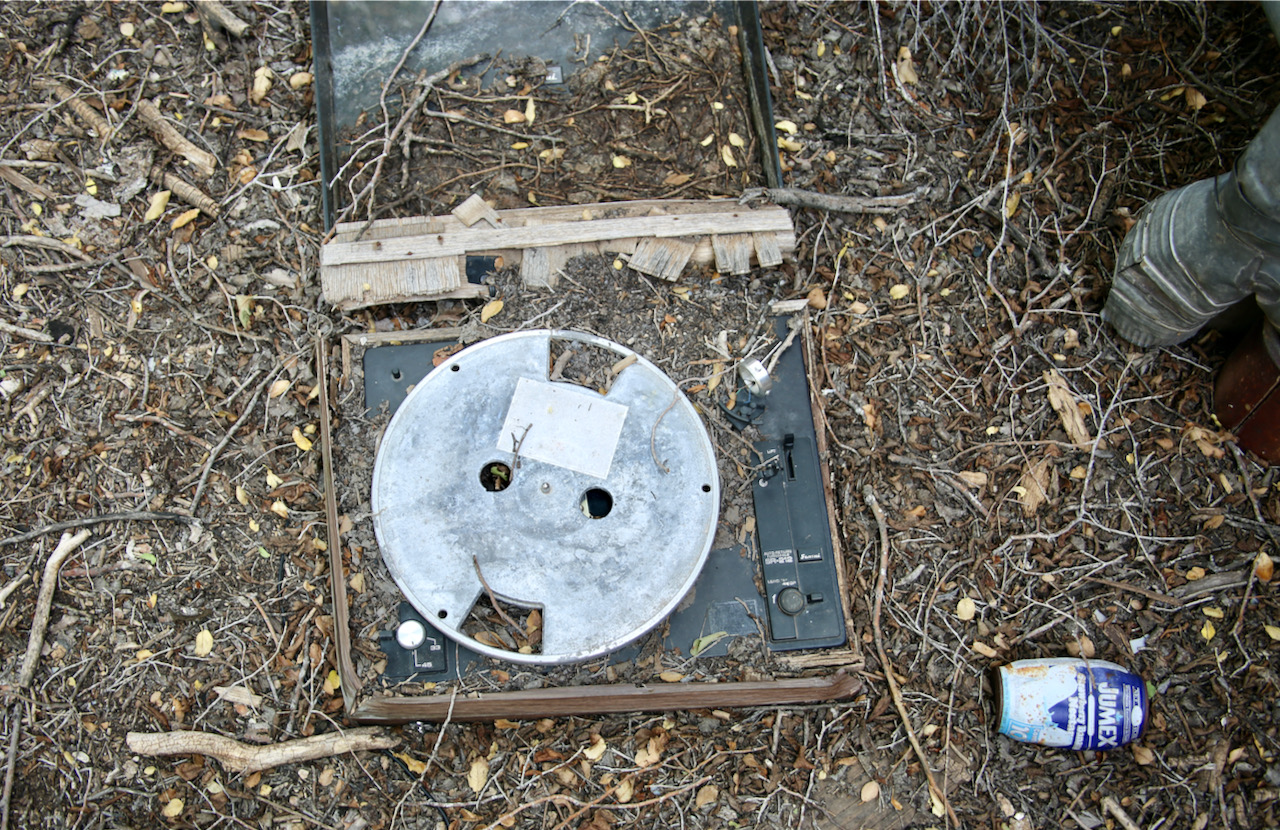
The novel continues with, “as she approached the room at the top of the stairs, the birds escaped the closet in a flurry and as they left out the window, she looked down at the one they left behind, dead.” There’s a record player in the bathroom and I can hear the lyrics playing “Do you hear what I hear.. the sound of murder, waiting to surprise you..” though we were both more nervous about me falling through the floor when it’s 95° outside with an awkward moist heat and smell of disaster and desertion inside.
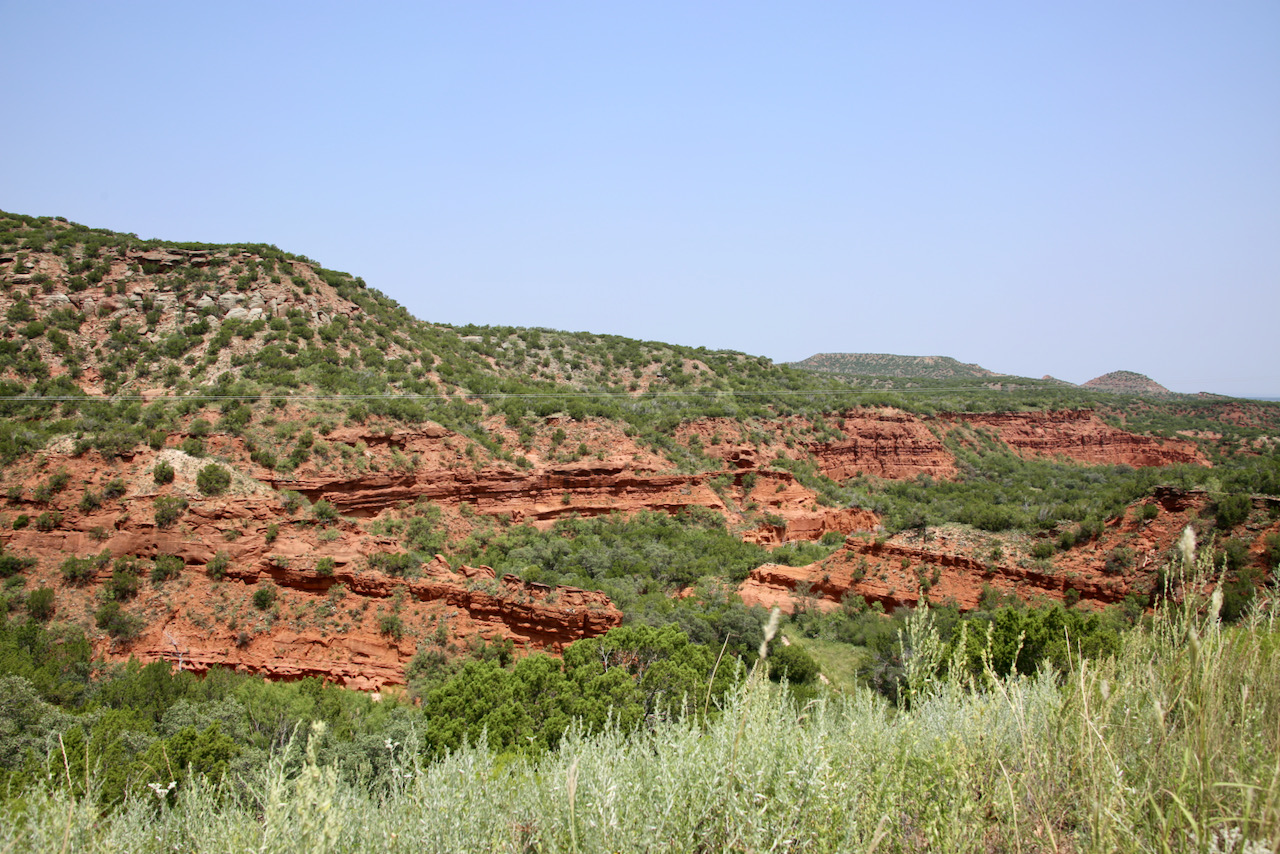
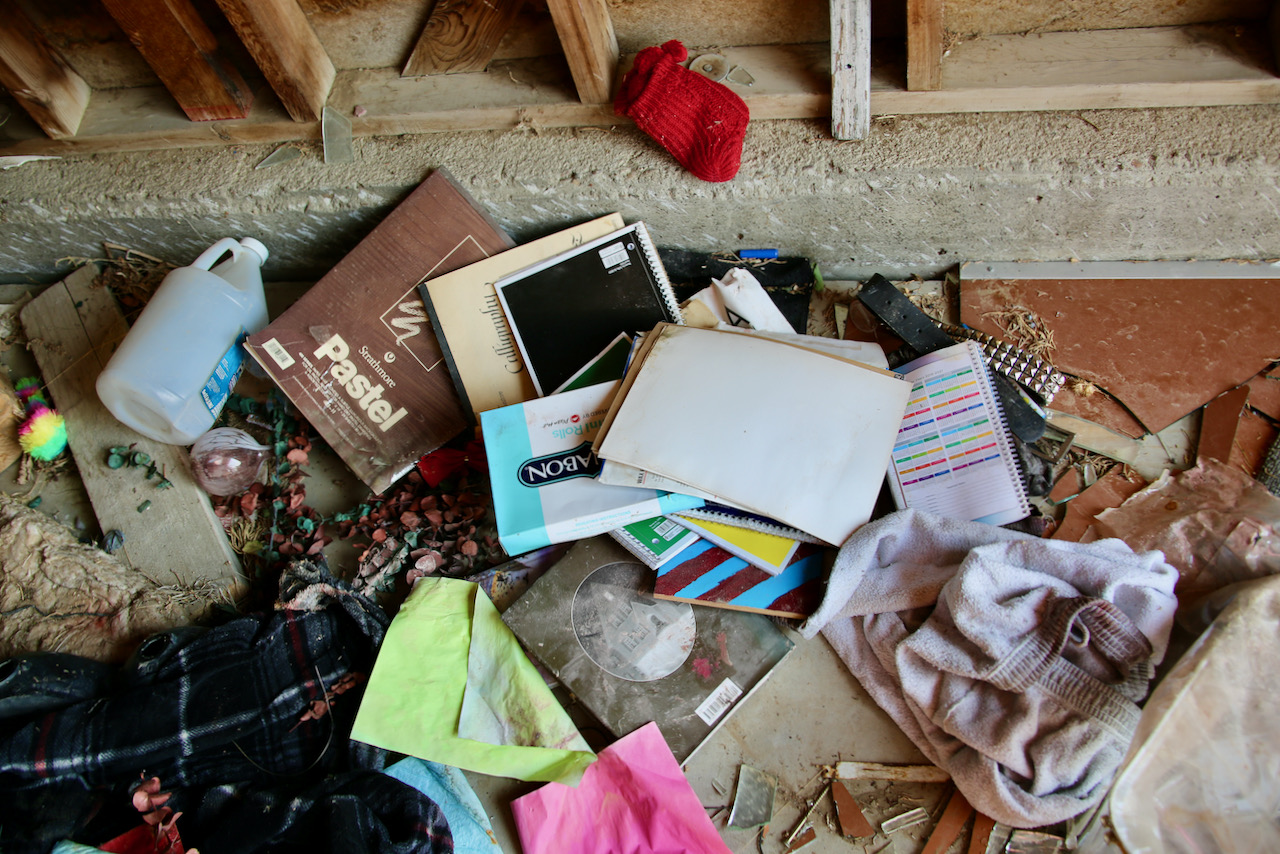
I see a page that has been torn out from a yearbook, currently folded in half on the floor, which could be dirt or carpet and ground up remains from the last person poking their nose in here and guesstimate that the parents took their kids’ place on picture day between 1978-1982. Back in the fresh air I realize that we’ve already traveled 3,848 miles as we approach Tulia, “city with a future” of an empty main street, in the afternoon and we’re still getting along, maturation is a good thing.
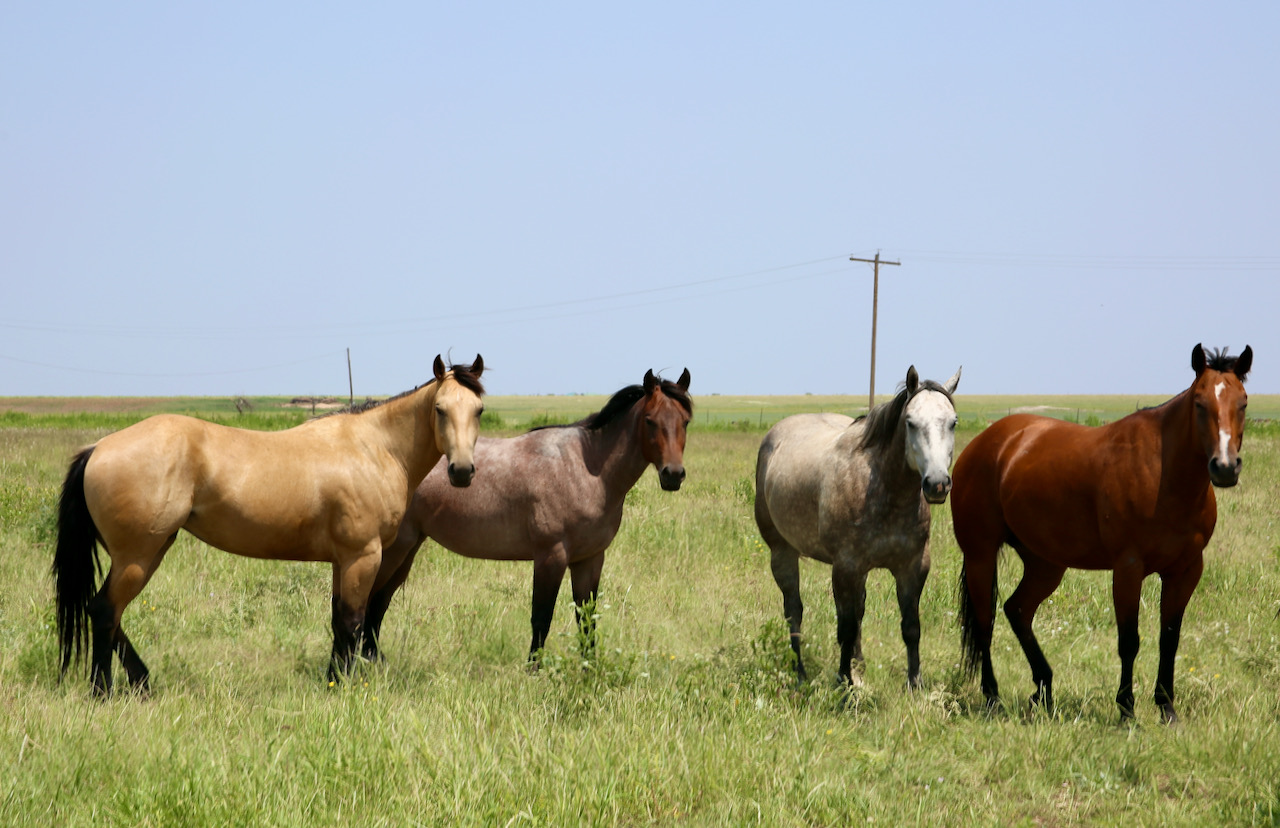
There’s a song about a corner in Winslow, Arizona and the Texas corner we’re in has yet to be written about because tater tots and bad coffees don’t sell as well as the possibility of love, so we left that tune and moved onto Nazareth, the small populated city with fancy houses and failing businesses surrounded by cow death camps and empty boxcars. In Bovina, there’s a dancing flower spraying water gently to entertain a toddler while her parents watch from the porch.
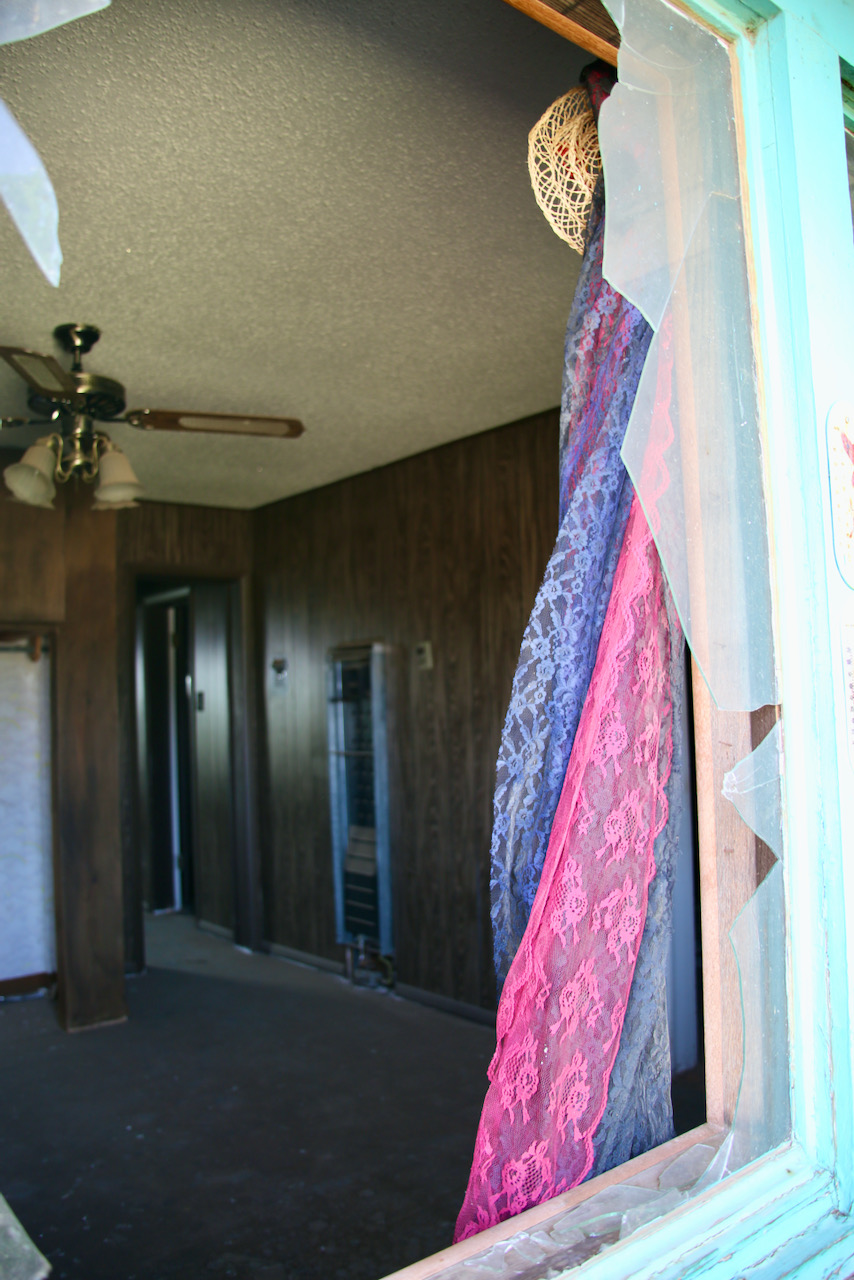
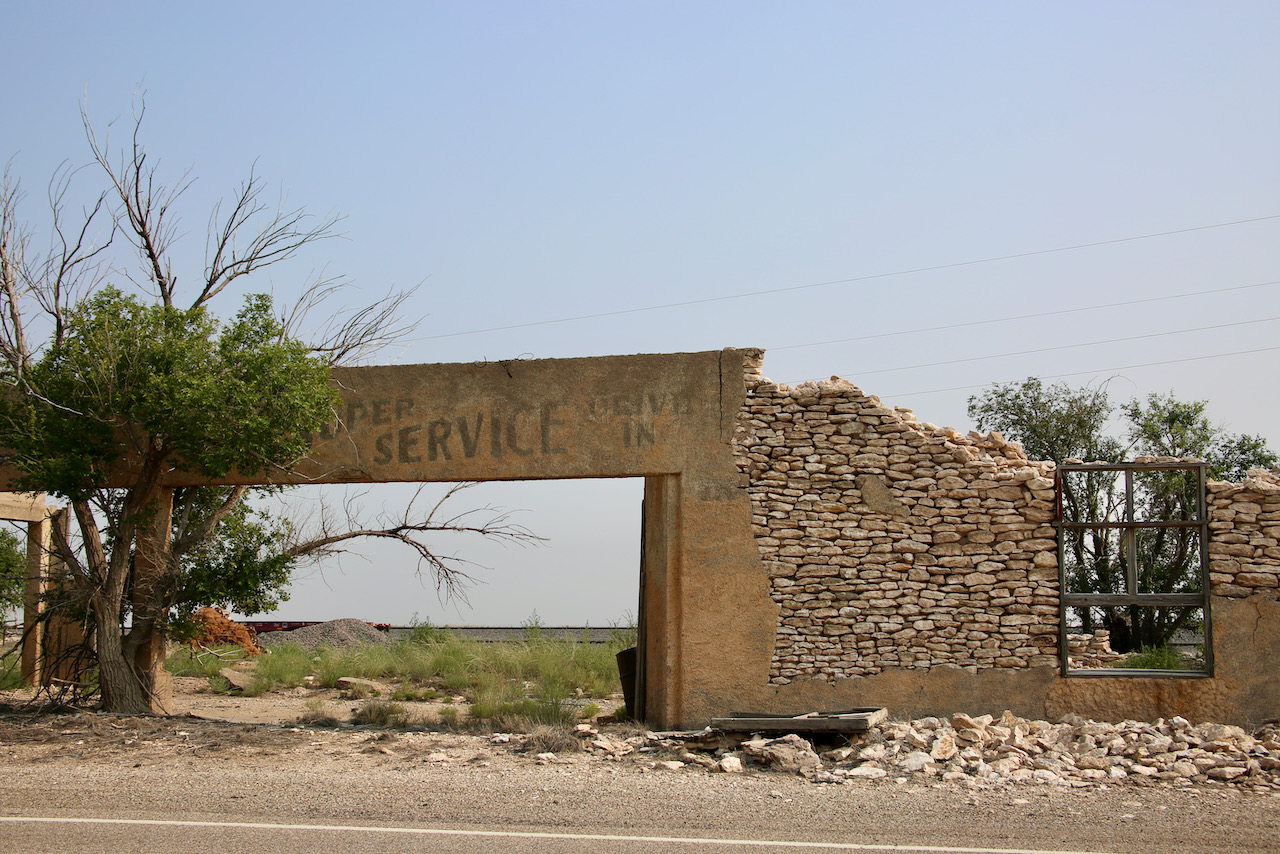
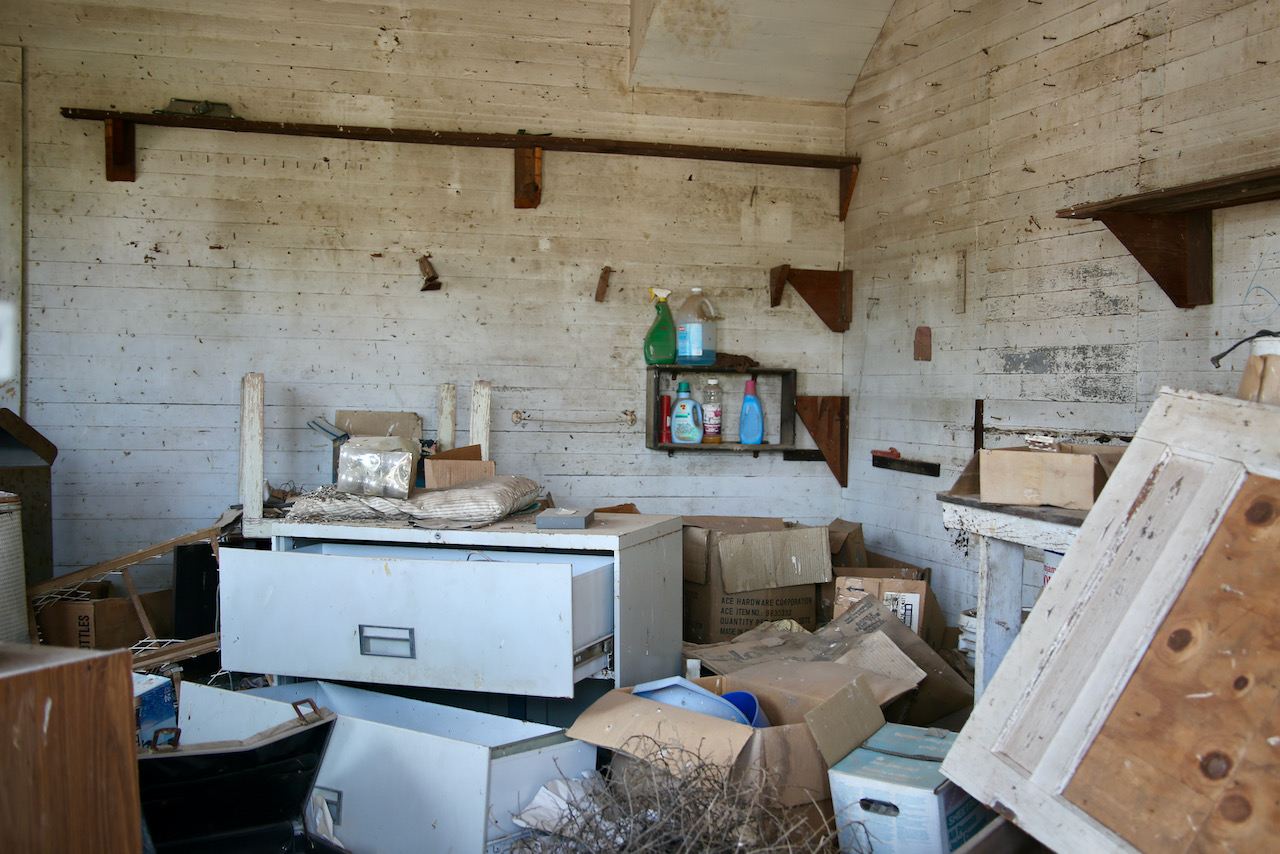
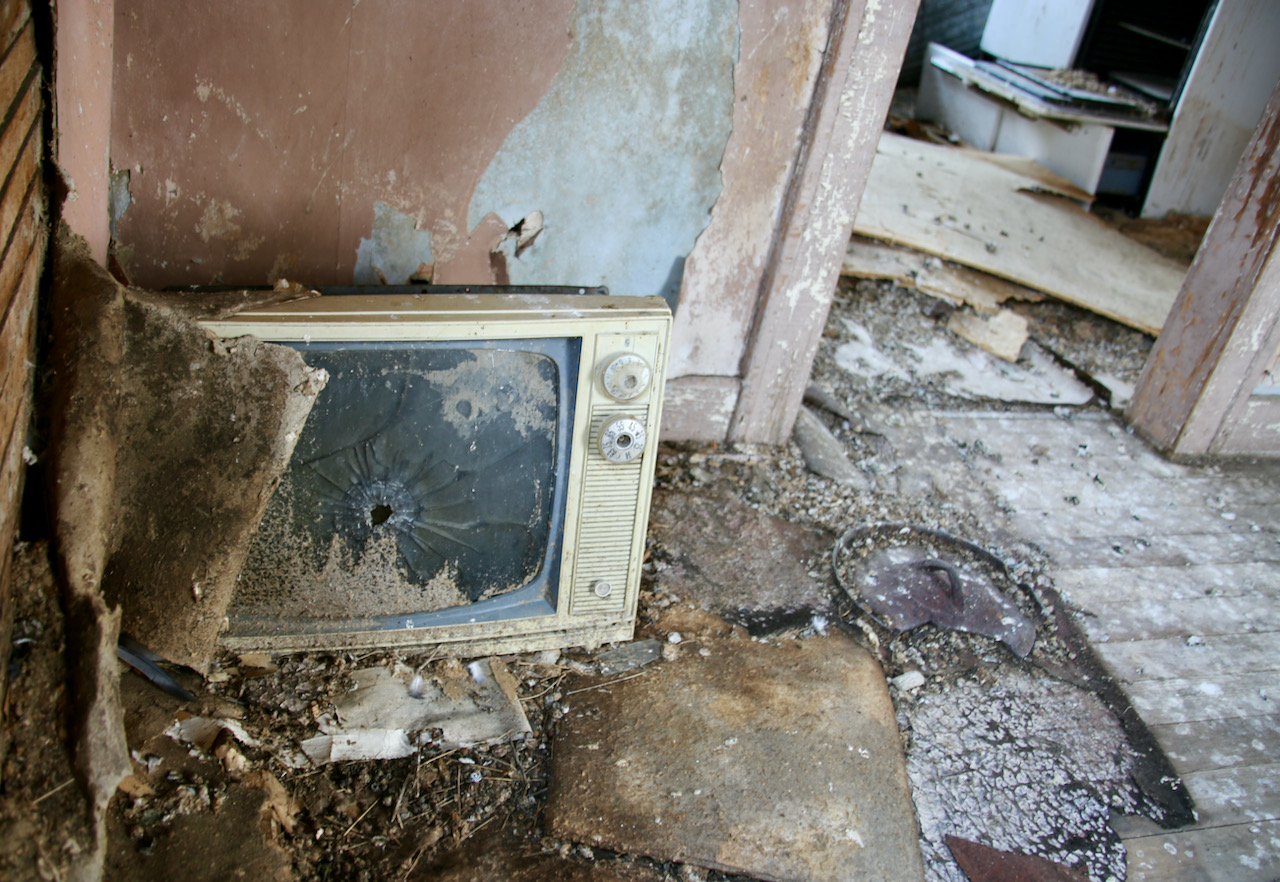
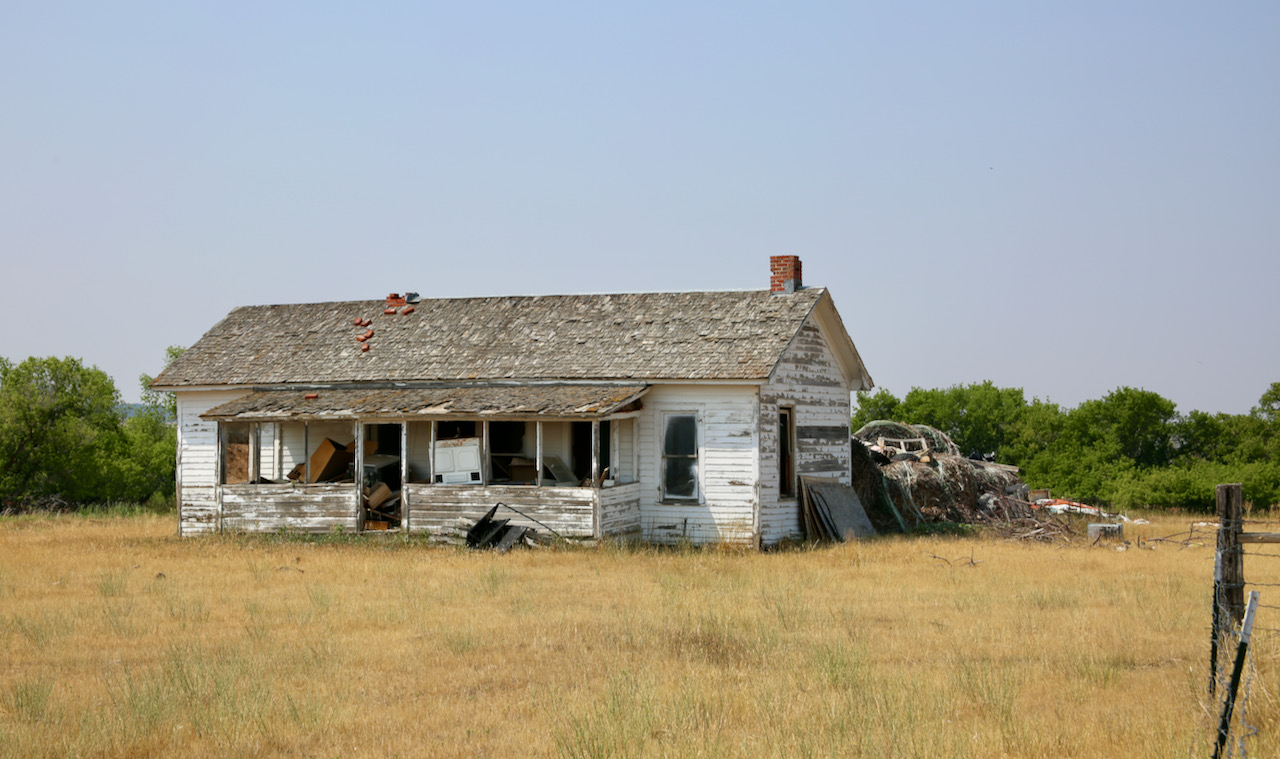
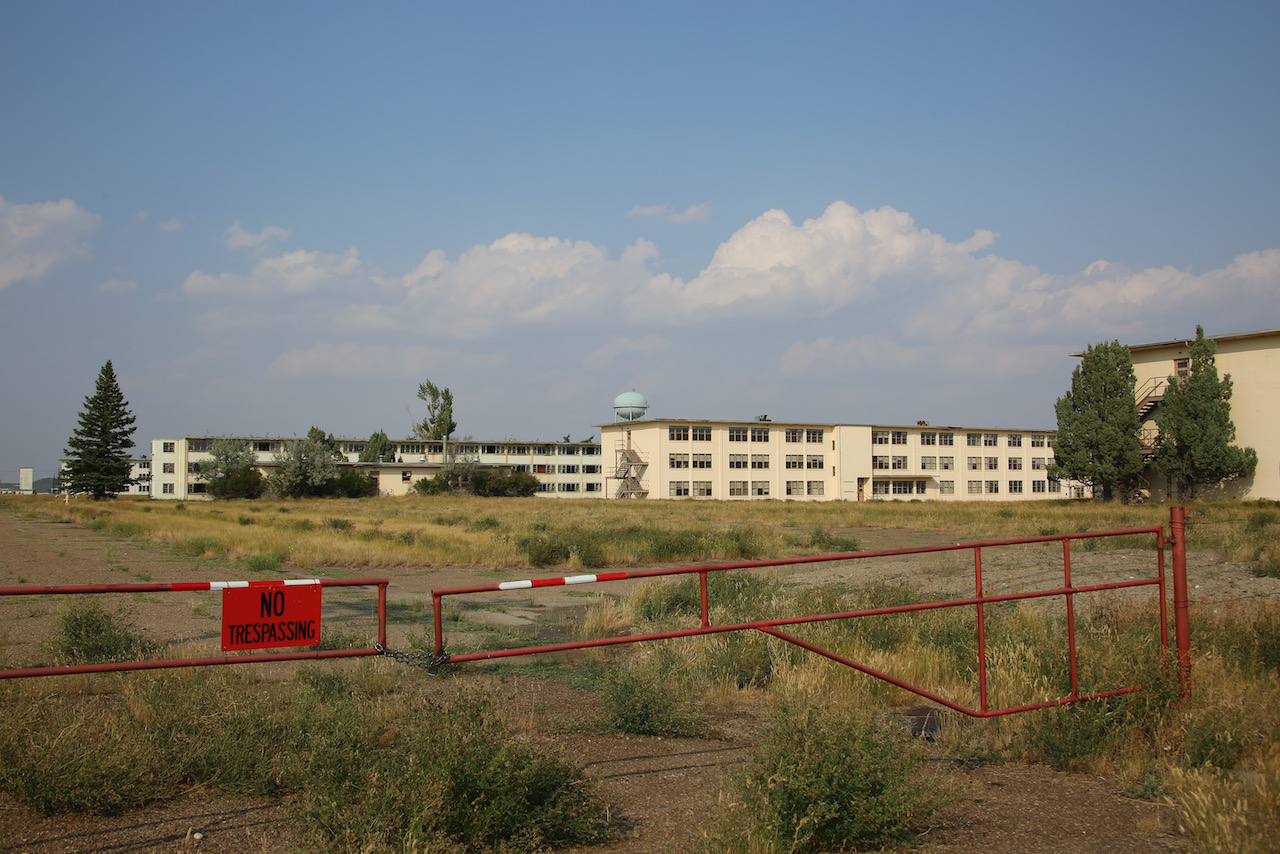
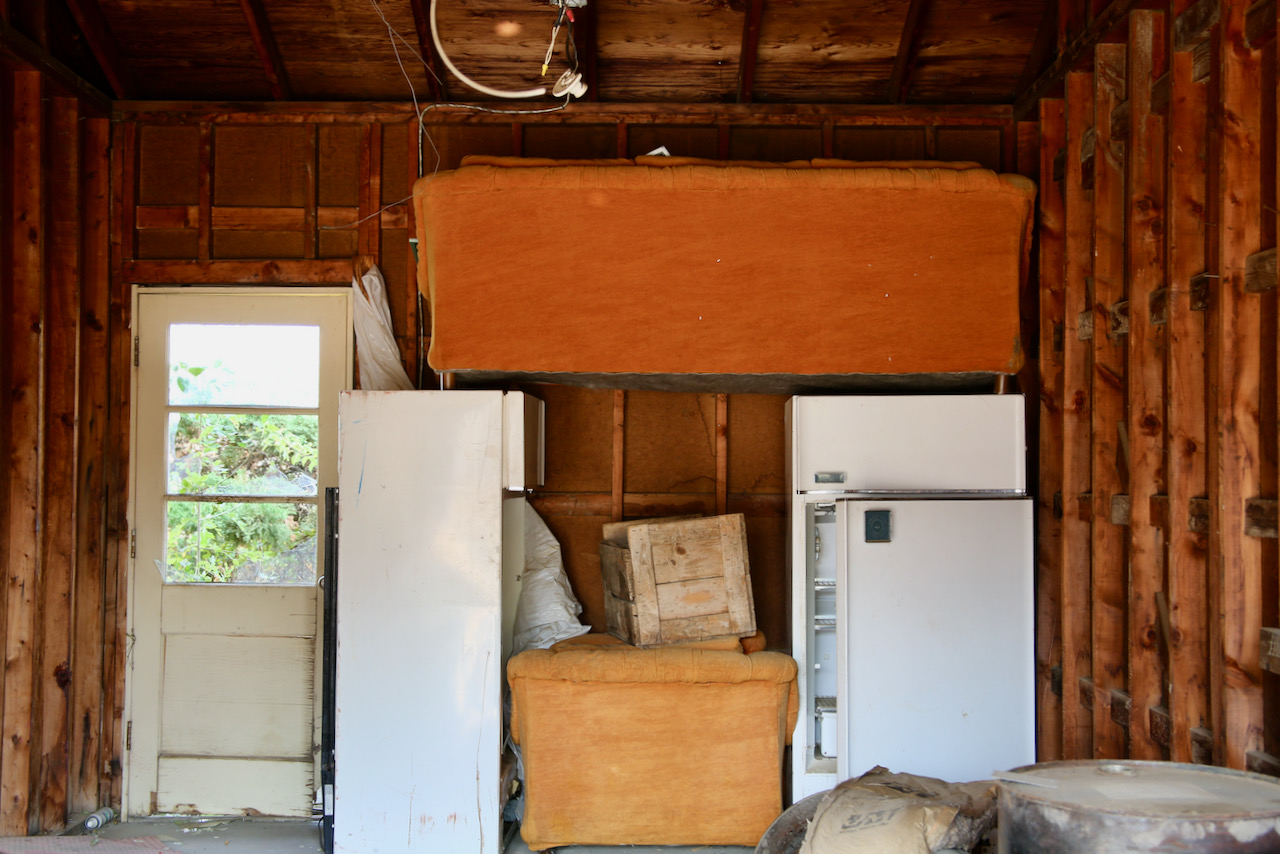
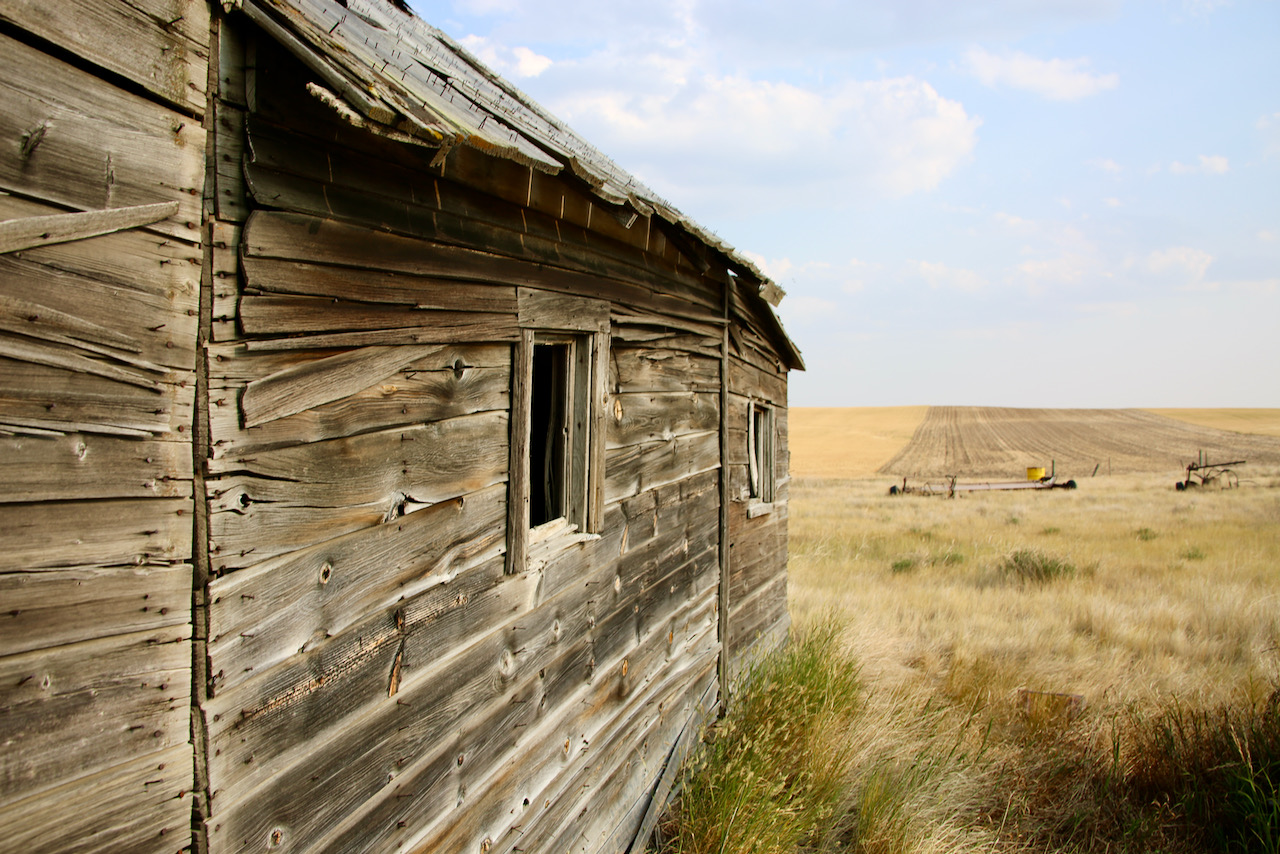
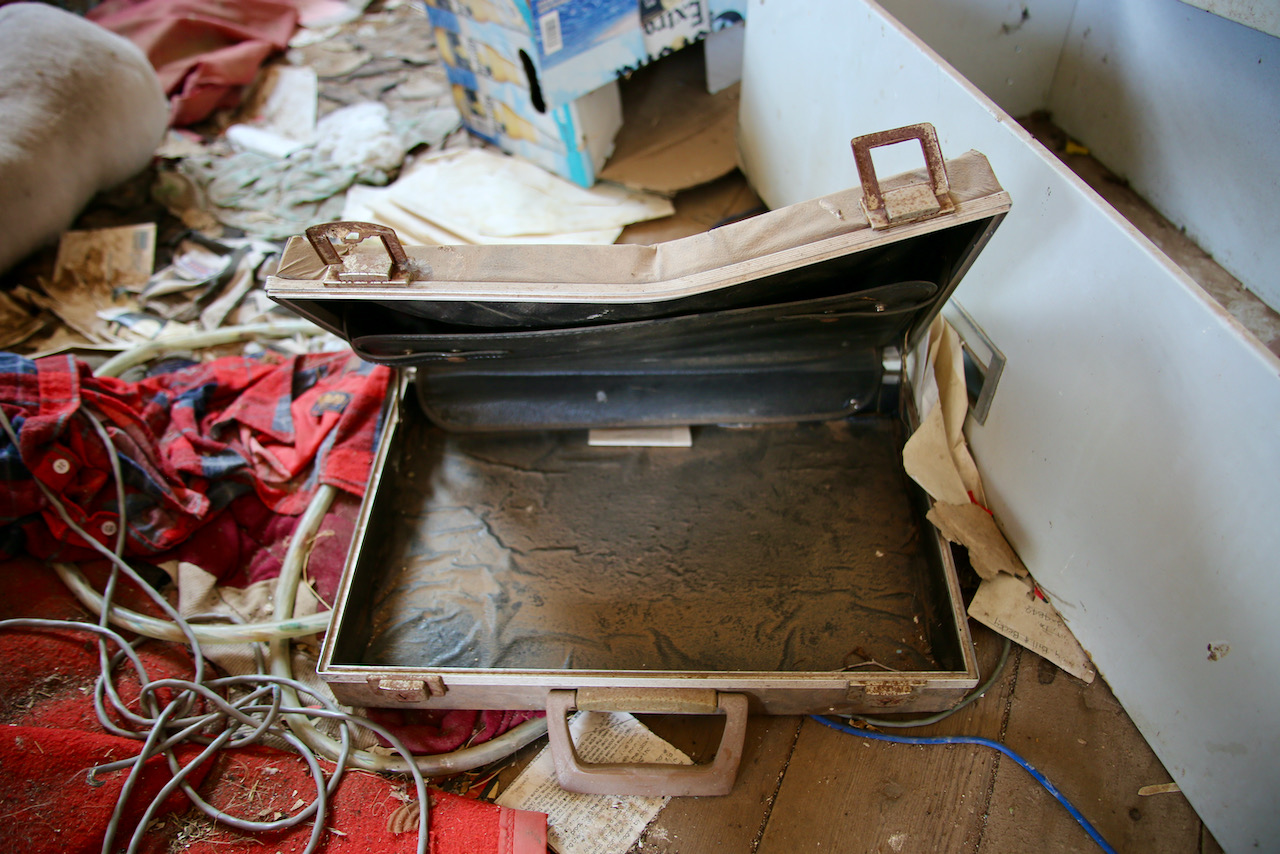
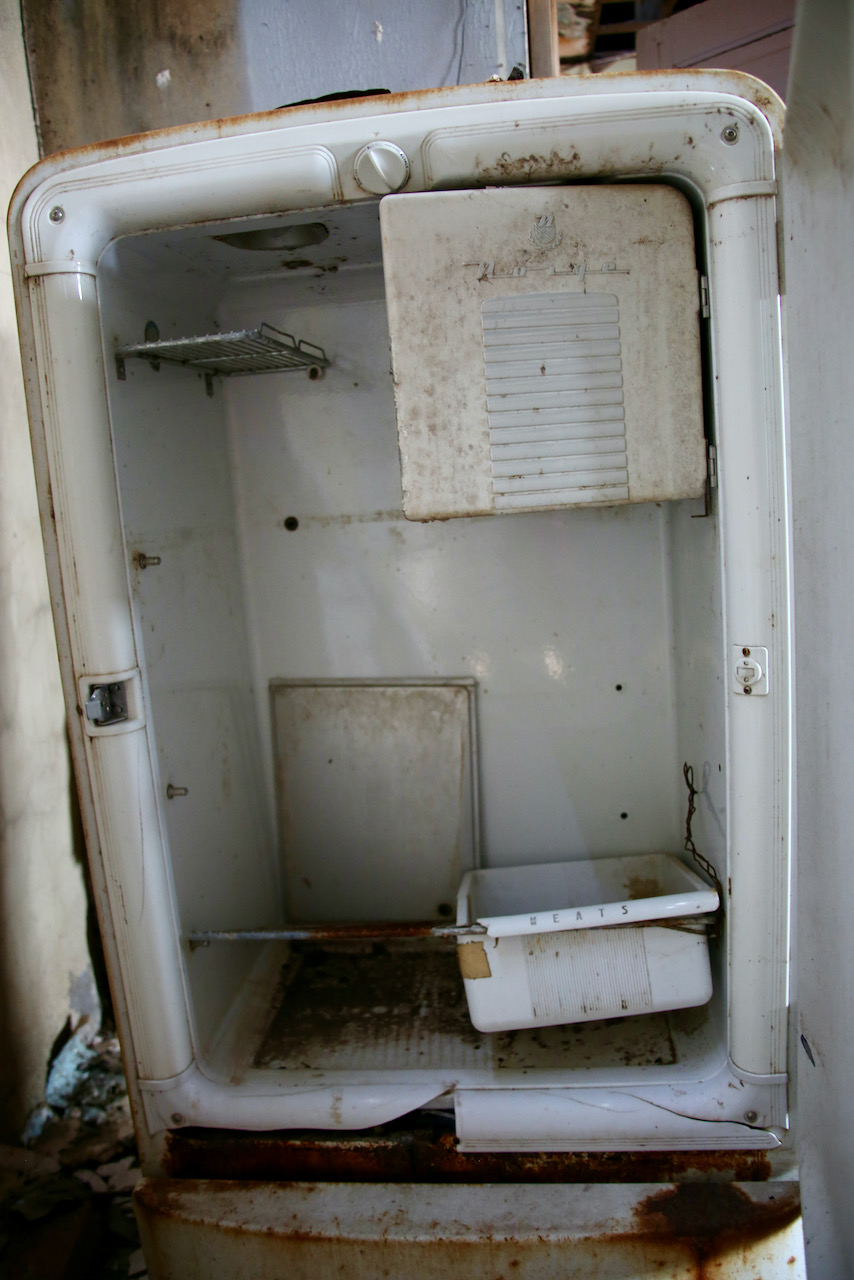
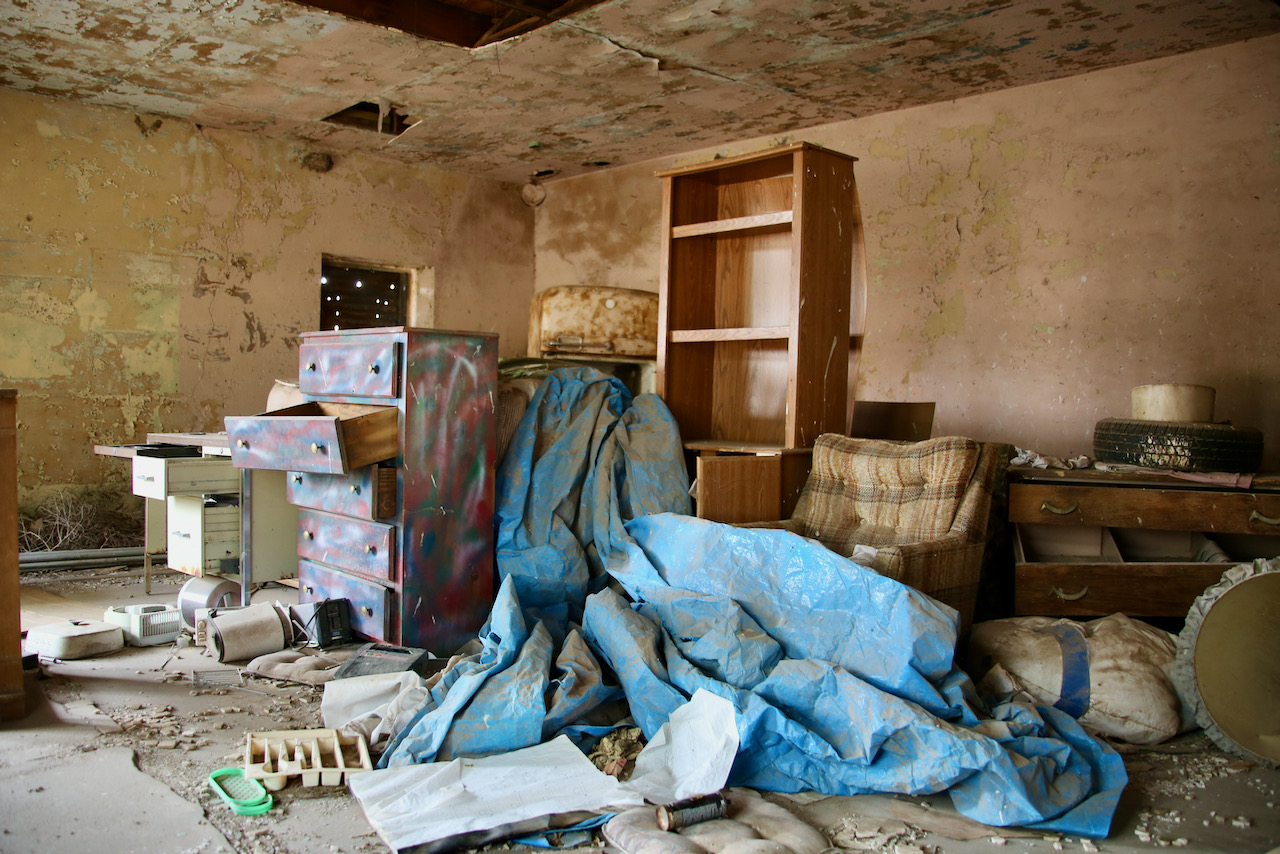
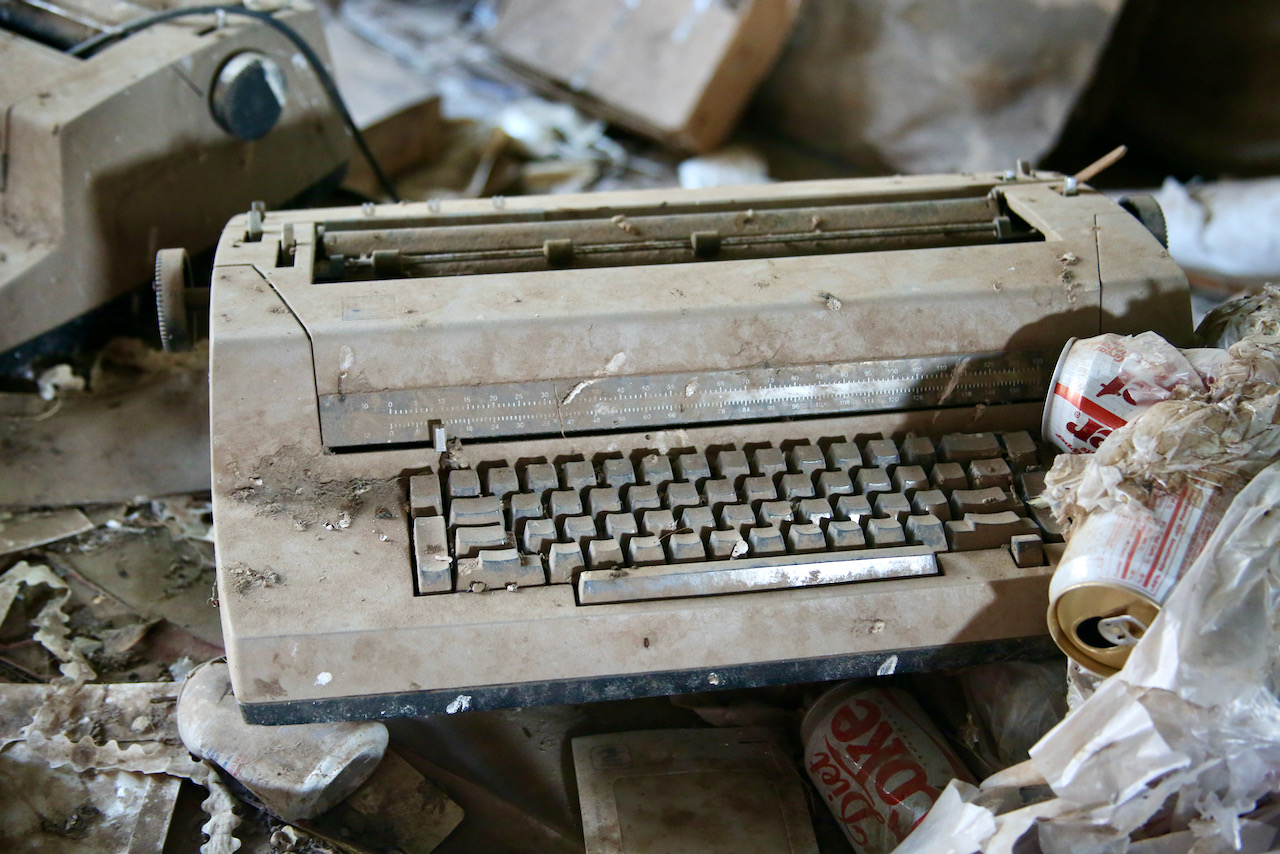
We pass a large store with most of the windows boarded up and the lights on. As soon as we cross into New Mexico we are gifted with an abandoned motel to explore — full of hangers, lace, and anal beads. You can guess which one Dad took back to gift Caroline, all of them dusty. We drive through Melrose Village and Yeso stopping at every ruin that man has left as shelter for busy bees, ravenous birds, open boxes, half-filled bottles, broken furniture, and busted appliances.
The exact exchange of words will be lost but the overall feeling will last and the impact will continue to evolve and be spewed forth in future interactions. We listen to ‘Solange – Losing You’ and ‘Menzi – I See U’ before continuing our conversation about the importance of having a mentor and sharing our successes with others to help them grow. We reach Vaughn, “the crossroads of New Mexico” from the 1880’s, as a stopover on the Stinson cattle trail, later the intersection of two major railroads, and now where highways 54 and 60 meet.
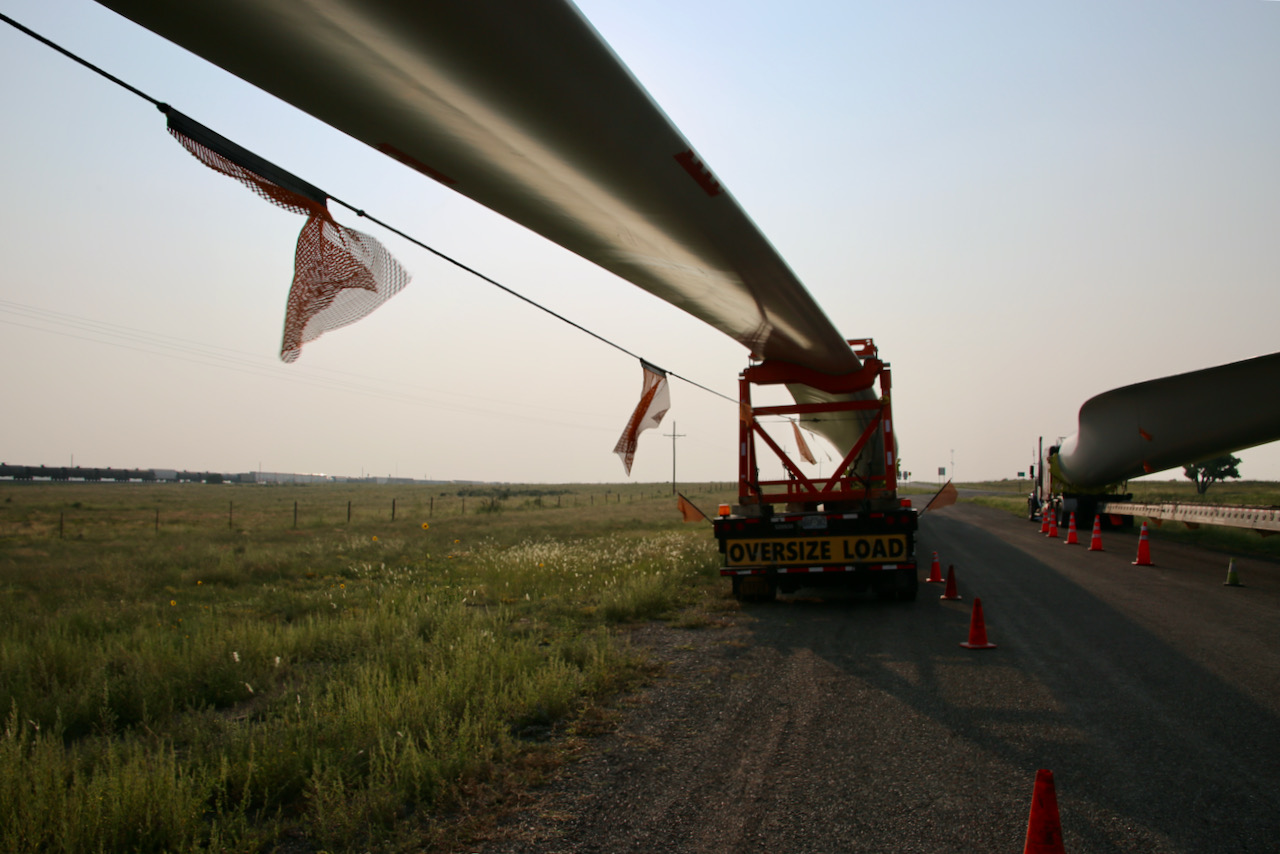
Though two-thirds of the population have since left and closed a majority of their businesses, it’s on this stretch of highway that I get the opportunity to touch a fiberglass wind turbine blade, each one being 240 feet long that bounces with each bump and touch of wind. The diverse hauling group is picnicking in the shade of one and we meet Ezekiel, very kind and spreading a good vibe with his open and positive personality, who is from Missouri and now lives in Arizona.
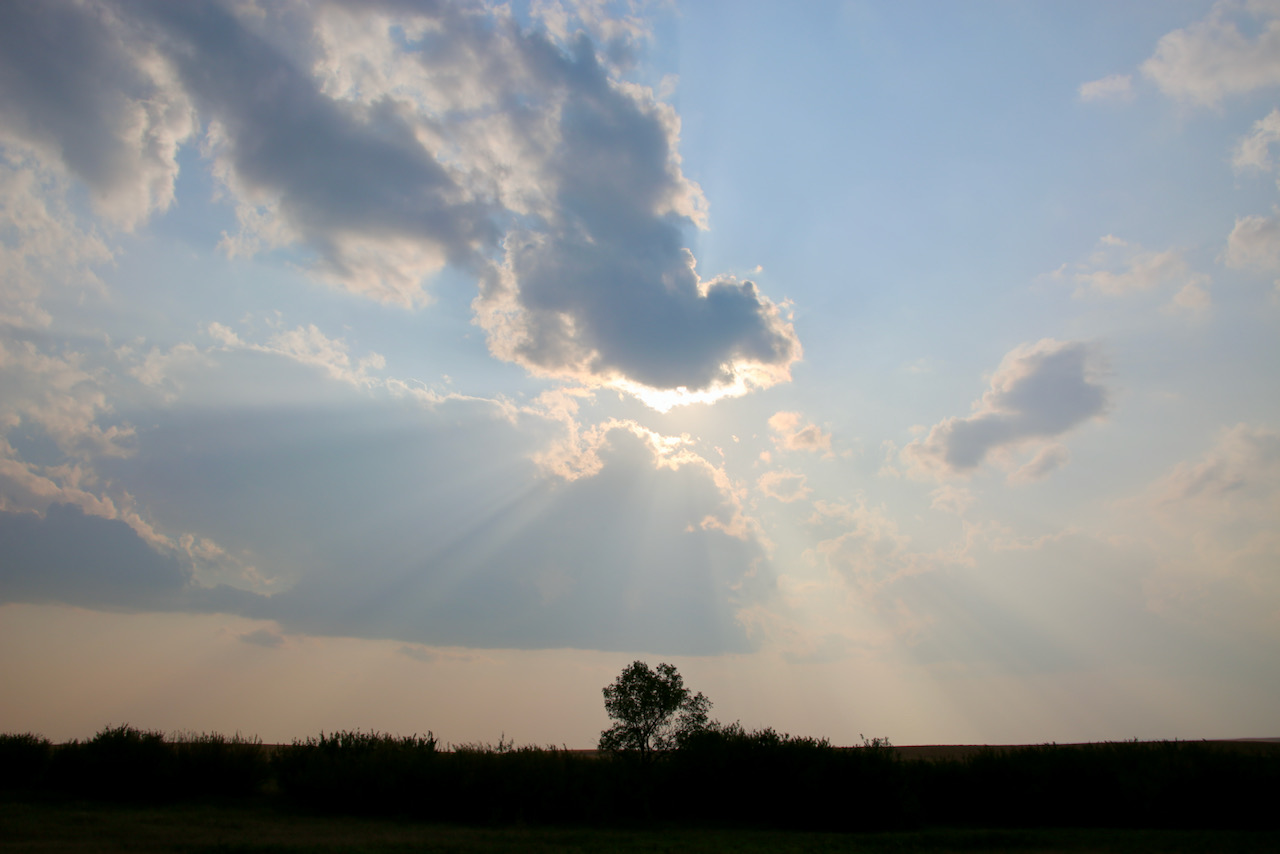
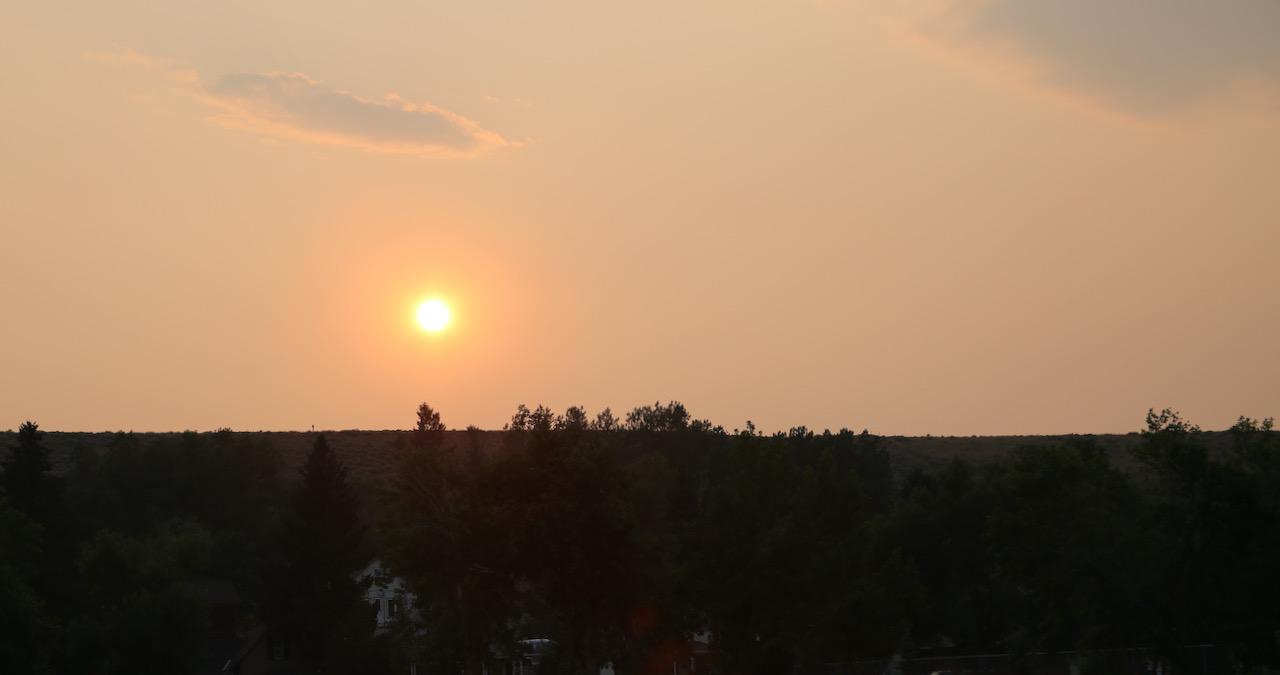
He’s traveling with a video maker, who knows more about my camera than I do; a tattooed woman from California who preferred to smoke her cigarette in the truck; and an older guy that let Dad know the blades are replaced every 15 years. What they didn’t tell us is that cities like Casper get $675,000 to house the blades that are difficult to recycle or repurpose, yet, in their landfill. Forty miles west of Socorro, where we’ll have dinner, we stand in absolute silence and awe as we watch the sunset.
Dad orders for me at El Camino Restaurant and Lounge, a necessary stop each time Dad stays here. He’s sad to learn that the staff has been here since 6am and will be closing before 10pm as they’ve worked one long shift due to staff shortages that used to keep this place open 24 hours. They have the next two days off which means a next-best breakfast recommendation for us. This will be my first spend of the trip, tipping our waitress Ashley in gratitude of her humor and endurance.
We check-in to our domicile for the night. We call our spouses to tell them about all the remnants we photoed, all the miles covered, the desserts not eaten, the massive amount of dried mangoes consumed, the animal encounters, and how we felt our conversations of the day went. “I talked at her so much and she just continued to love me instead of getting that teenage sneer on her face and crossing her arms. It was the weirdest thing and it greatly encouraged me to continue.”