Capital Ring Walk: Wimbledon Park to Richmond Bridge

I step into the shower and wait for the cumulation of moisture in my hair from the drizzle falling ever so rythymically from the British underground through this overwhelmed shower head onto my cold body as I debate just how clean the outside demand I be. I get out and choose next to air dry because the towel appears to have been used to clean up after a hair massacre of sorts.
There’s an entitled girl on the train who makes me think of another braggart I got to overhear in Hawaii. They seem more proud of their daddy’s jobs and where it gets them than grateful for the places they get to go and the people they might be lucky to meet. This one makes sure I know that she has walked through Europe and that she’s impatient to get to London because only the giant landmarks will do.

Or perhaps she’s just quoting the works of a traveling poet and failing to get her mom’s attention. I’m ok sitting here and imagining a moment in my childhood when I get to meet her seemingly cool grandpa, with a less firm hand on discipline than my mother’s dad had for his grandchildren. It’s not the train that’s boring, it’s the people who are bored, and both provide entertainment to me.
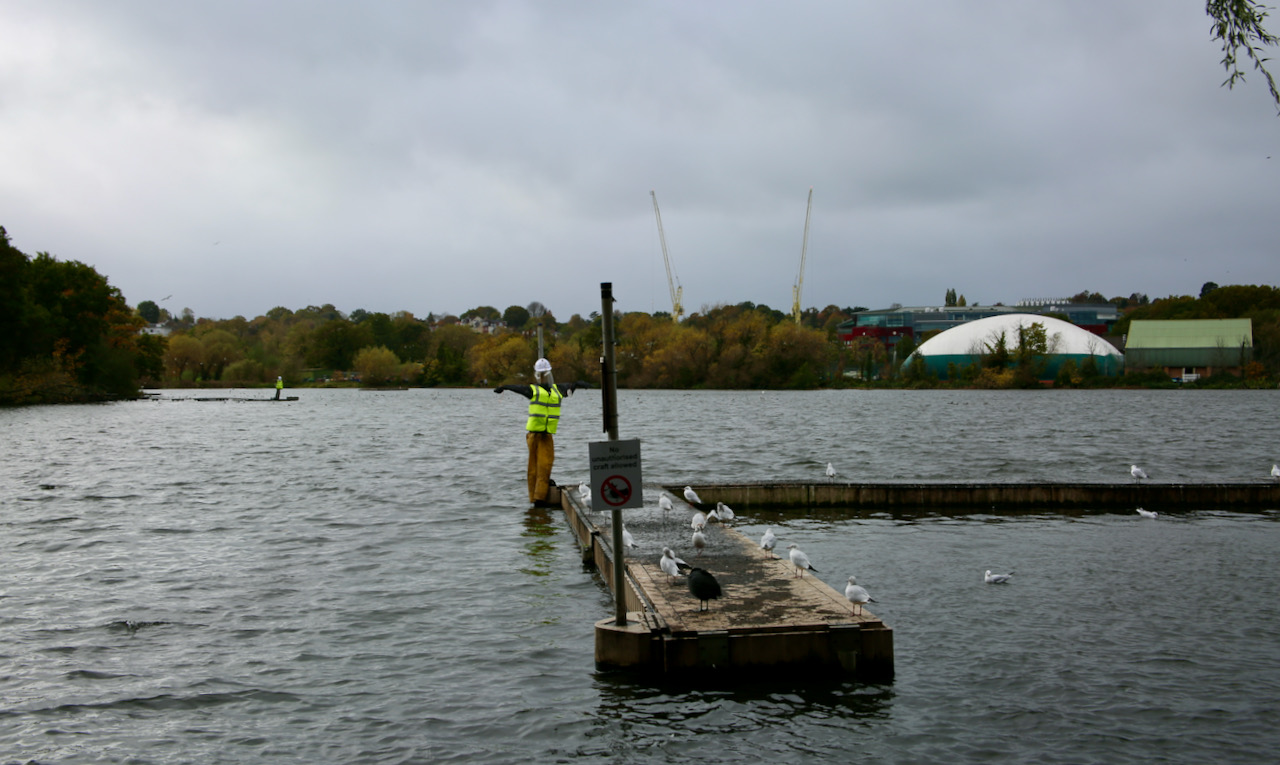
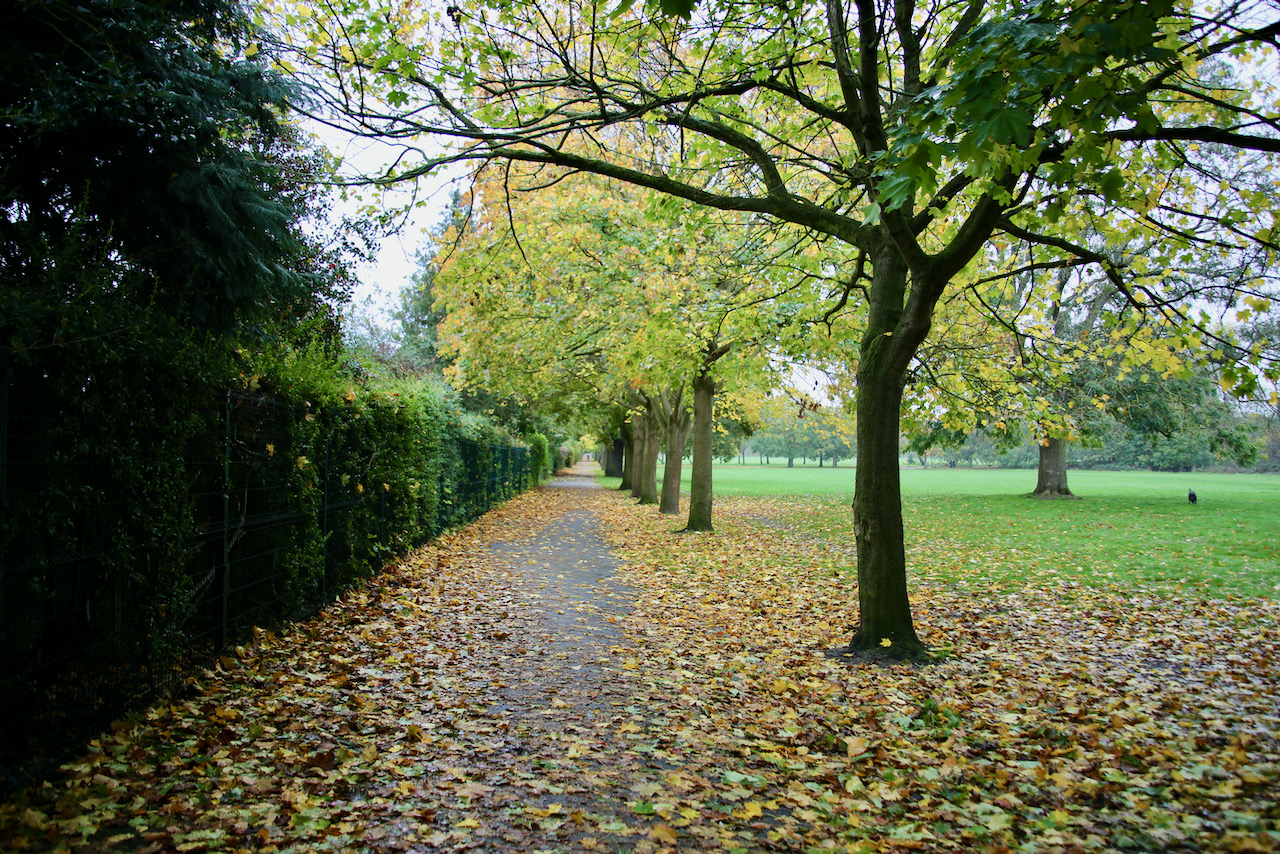
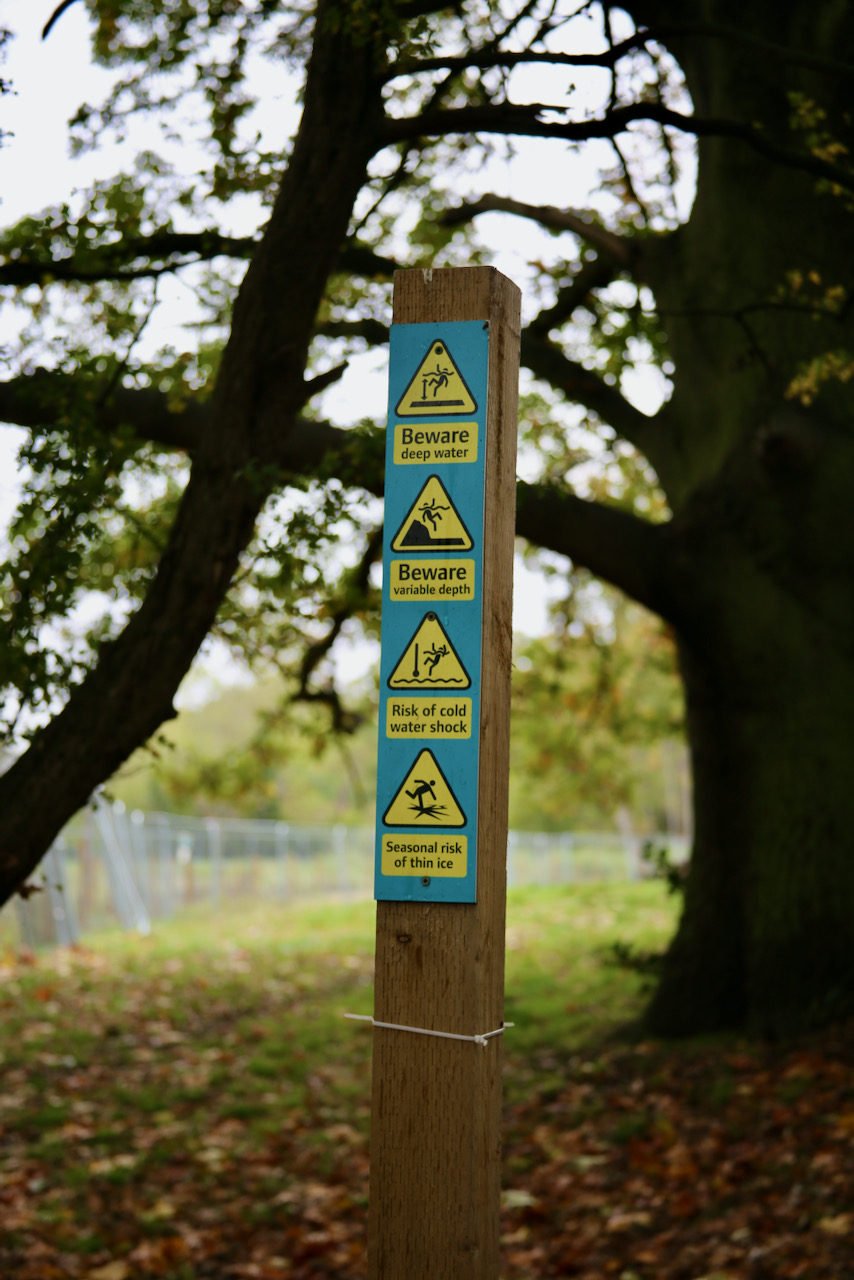
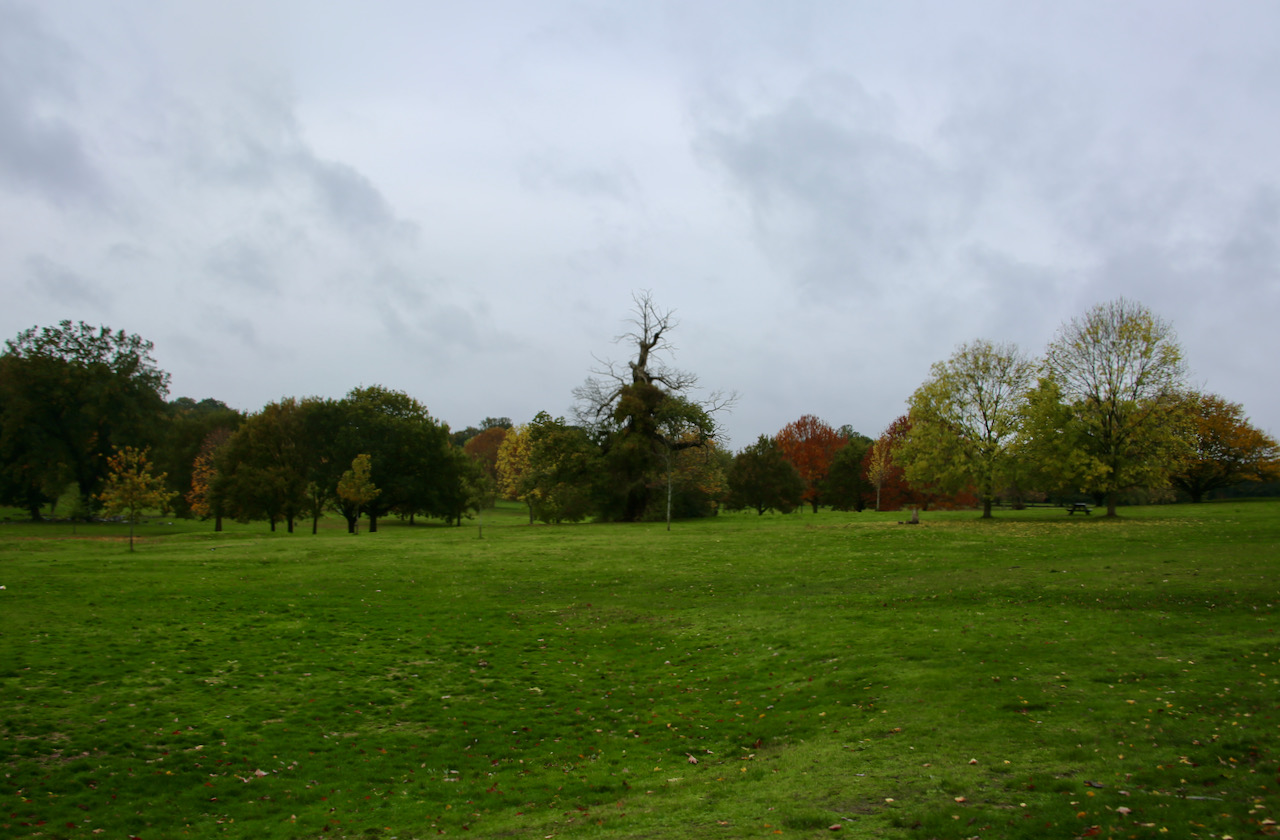
The South Western Railway stops at Wimbledon, not Wimbledon Park, which the District Line could’ve connected me to but I decided to walk the two kilometers to the start of Section Six. This now famous park got its landscaped beginnings in 1765 to improve the view from the Earl’s mansion. The railway cut across the valley in 1889 and Wimbledon Corp. bought the space between the lake and the train in 1915 to preserve the land.
It wasn’t until 1926 that they would have the funds to build putting and bowling greens, and tennis courts. There’s now a heritage trail with 12 stops around the perimeter of the park highlighting the historic changes of the beautiful views, St Mary’s Church, the Artesian Well, and Lawn Tennis Museum. I’ll stay to the right of the lake and watch ages toddlers to teenagers learn to wield a racket.

I heard part of a conversation: grandma, “Stop walking like that.” The boy was dragging his feet. His response, “What you’re saying is, stop walking like yourself!” I’d have told him he can walk however he wants when he buys his own shoes. The Wimbledon Windmill, built in 1817, is the last hollow post mill in the country. Its body, filled with machinery, is mounted on a single post that’s able to be rotated.

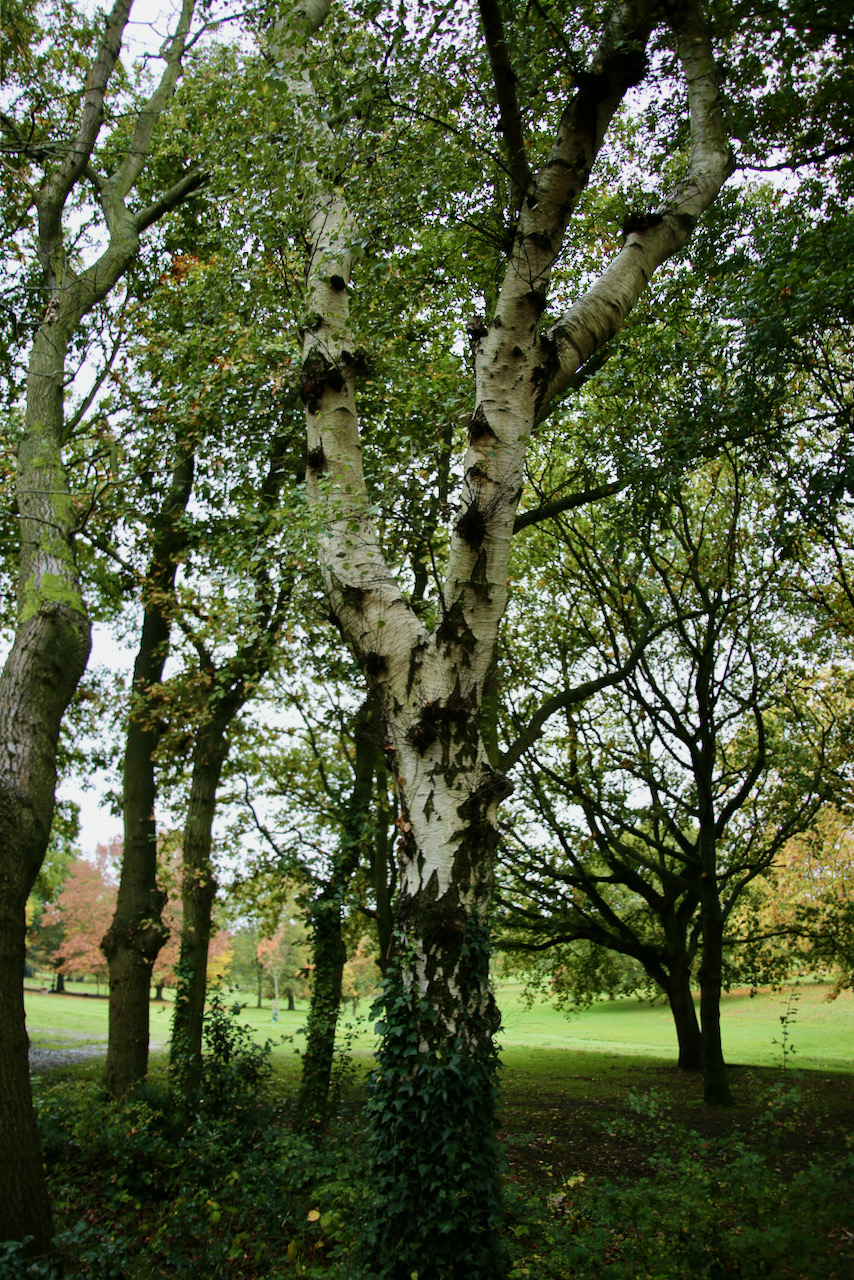
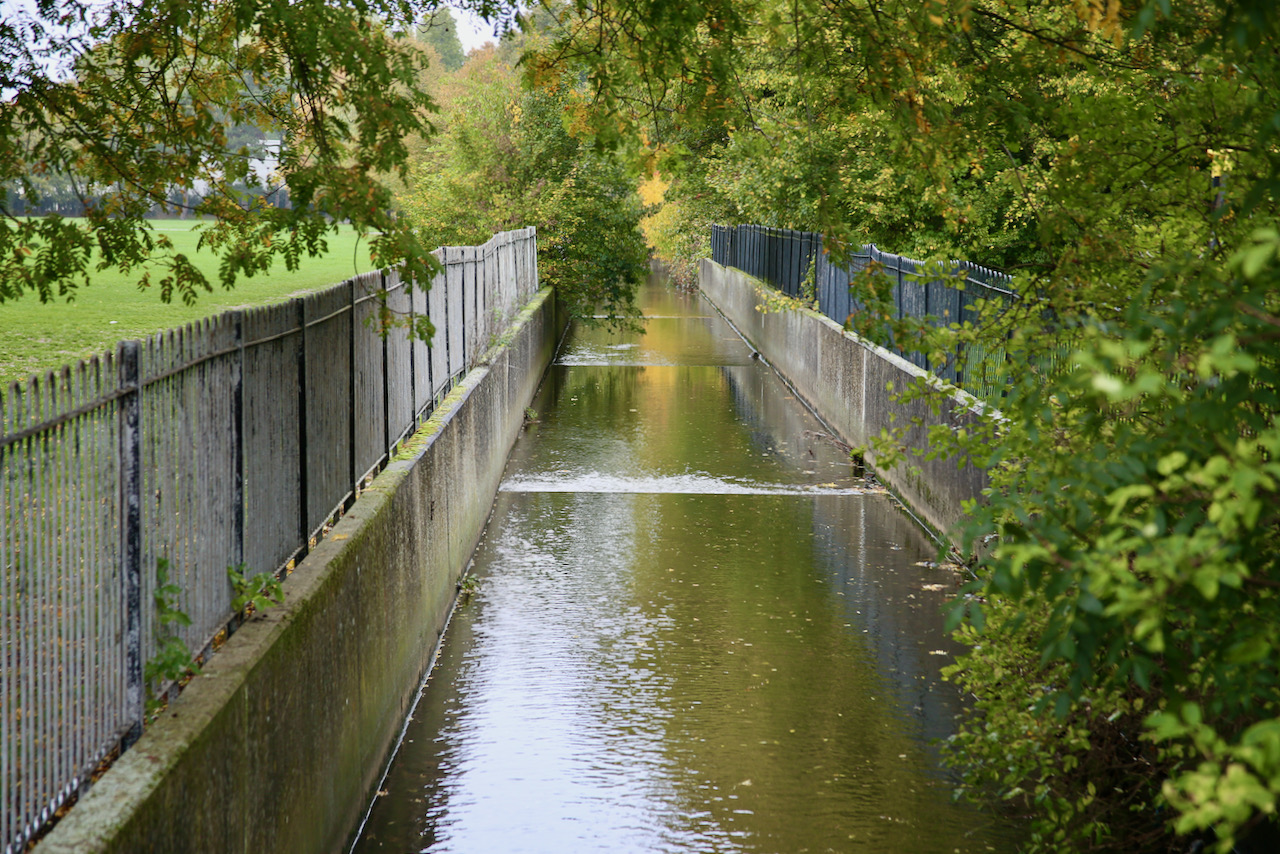
Passing the Wimbledon Common, an area that dates back to the Stone Age, and now I’m told to look left for Golf in Play. England, as are other parts of the world, are still learning how to allow humans to live with nature, not dominate and destroy it. The Beverley Brook was too straight to provide fish a refuge, too wide causing build up of sediment, too dark to support plant growth, and didn’t have enough wood to provide habitat for invertebrates.

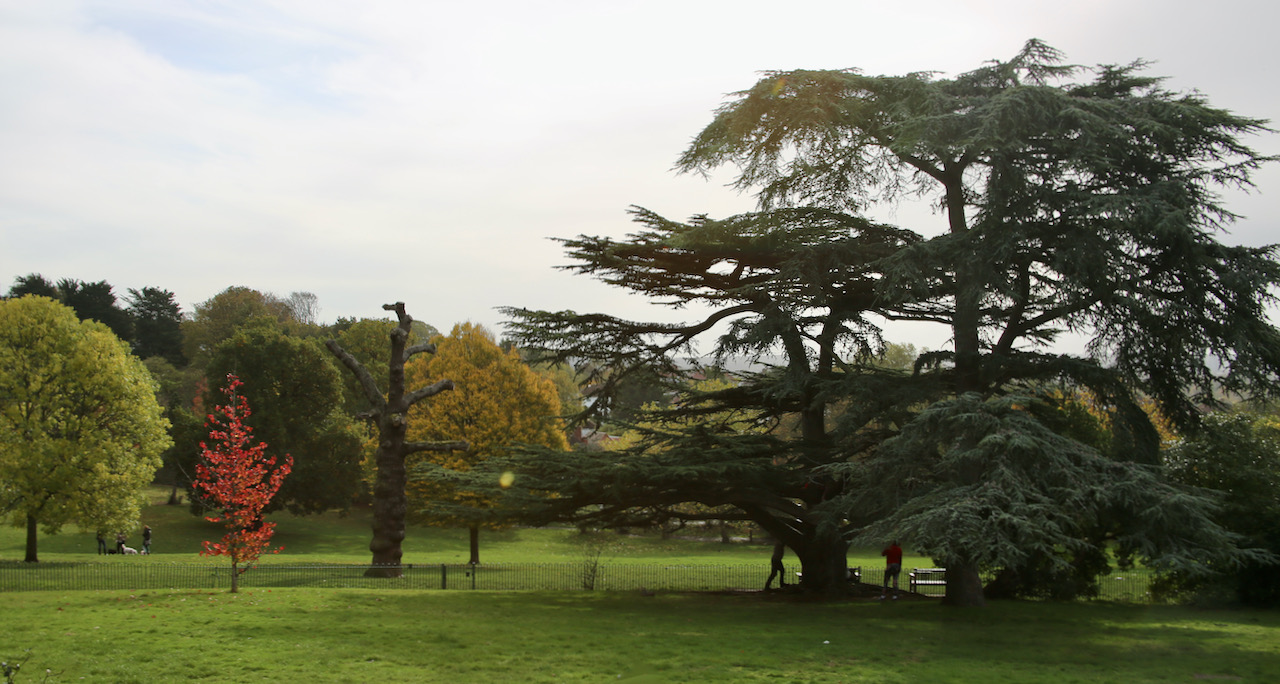
Richmond Park is London’s largest royal park, at 2,500 acres, and Europe’s largest urban park. It is a national nature reserve, but for 12 weeks out of the year, starting in November and February, the park is closed overnight so that firearms may be used to cull the deer population. I’m in luck that the only things falling and flying through the air as I walk is raindrops and a flock of birds. I’m glad I’m not alone in the mist, and though the locals may be past the point of touristic appreciation for the weather, they don’t let it slow them in any way.

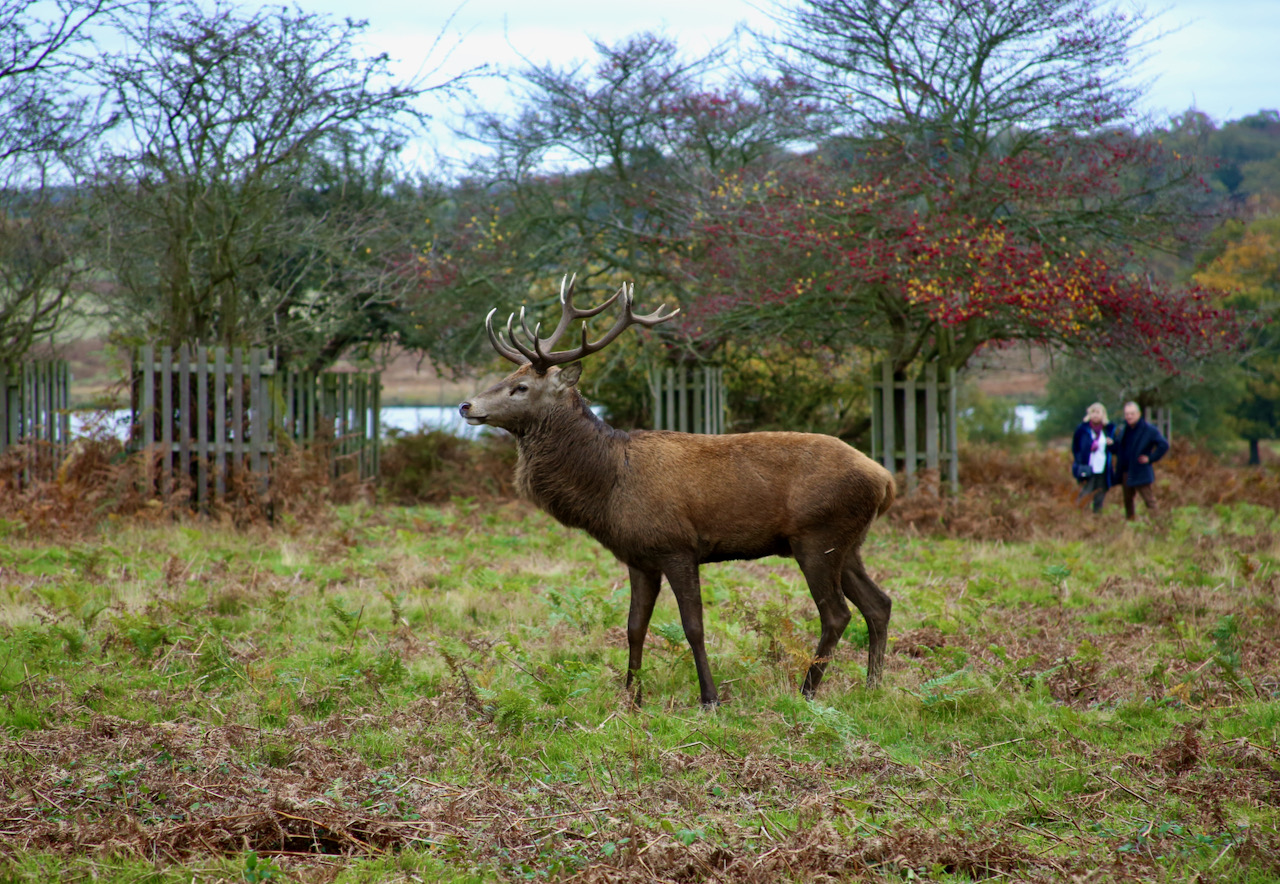
I got to watch a buck herd his doe and I reassured a couple that was his only intent when they thought he was going to run them down. It’s been a while since I could watch so many deer going on about their lives and this was the first time that I was joined with such a crowd of people doing the same thing. I leave that field in search of Henry’s Mound, named for the VIII as he waited for the execution of one wife to marry another.
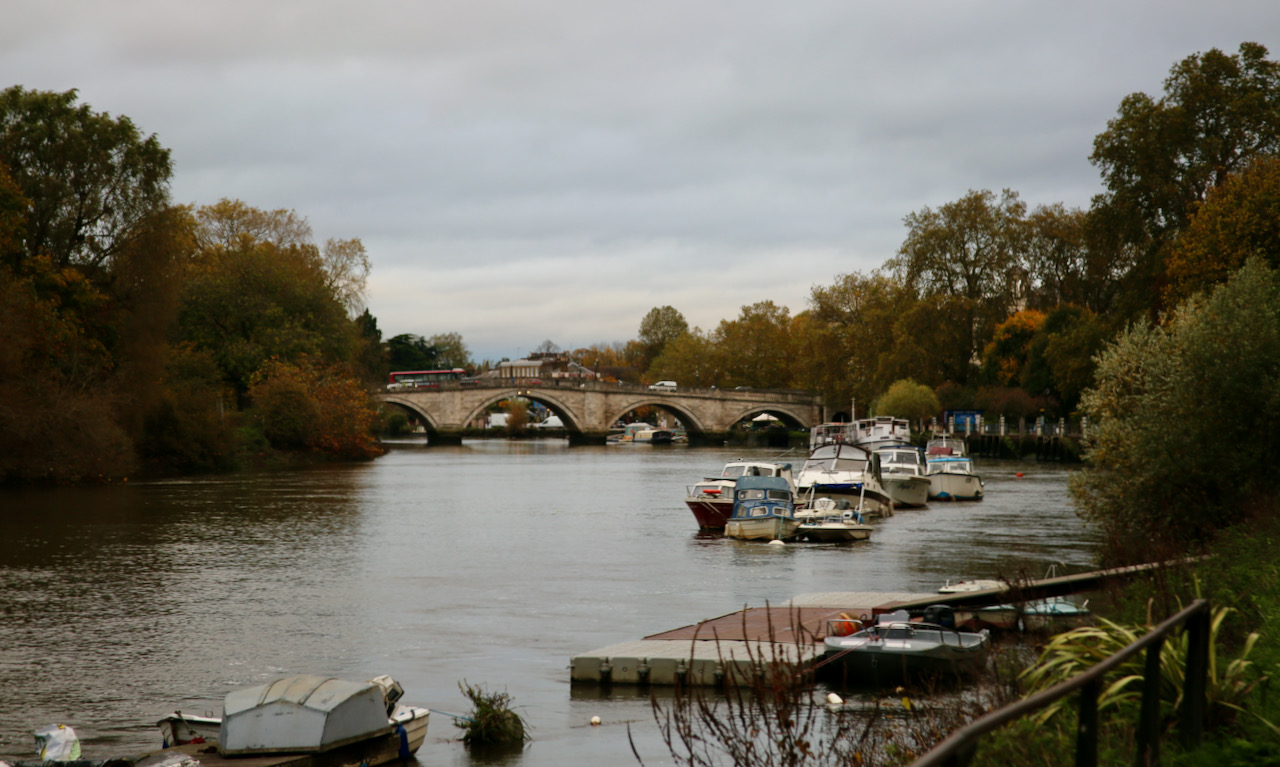
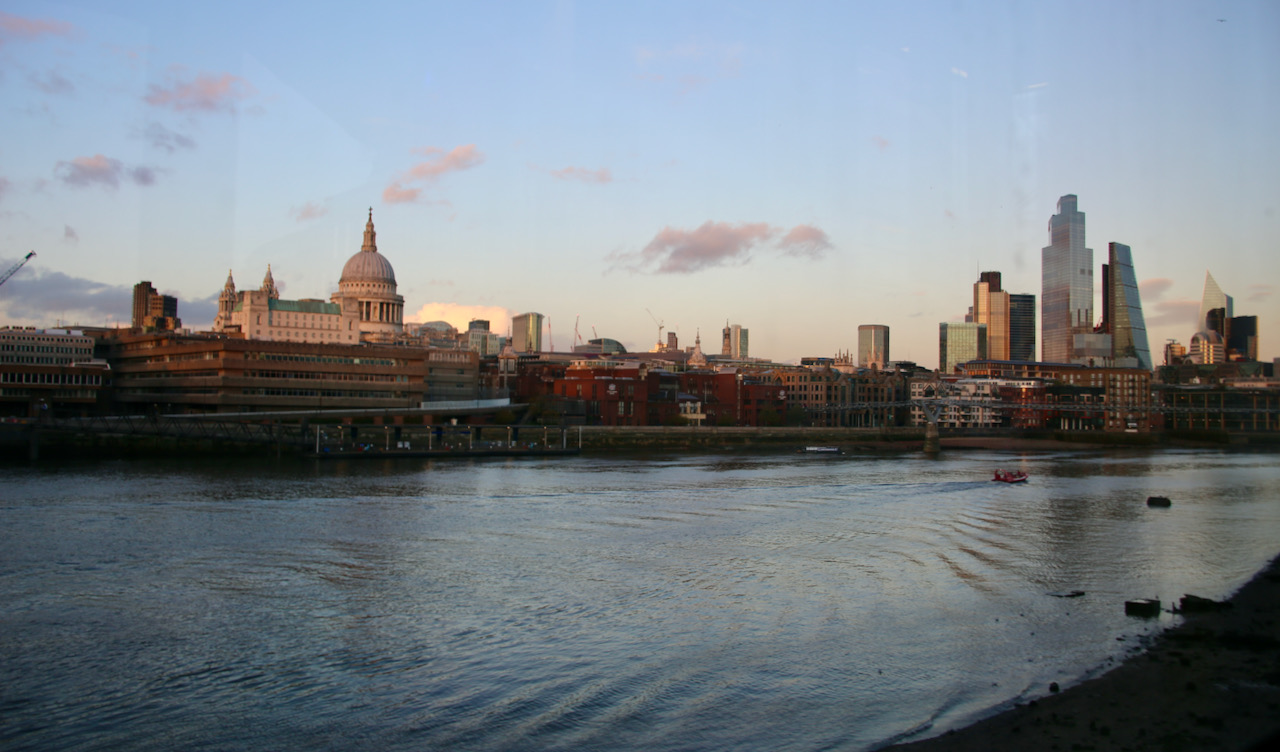
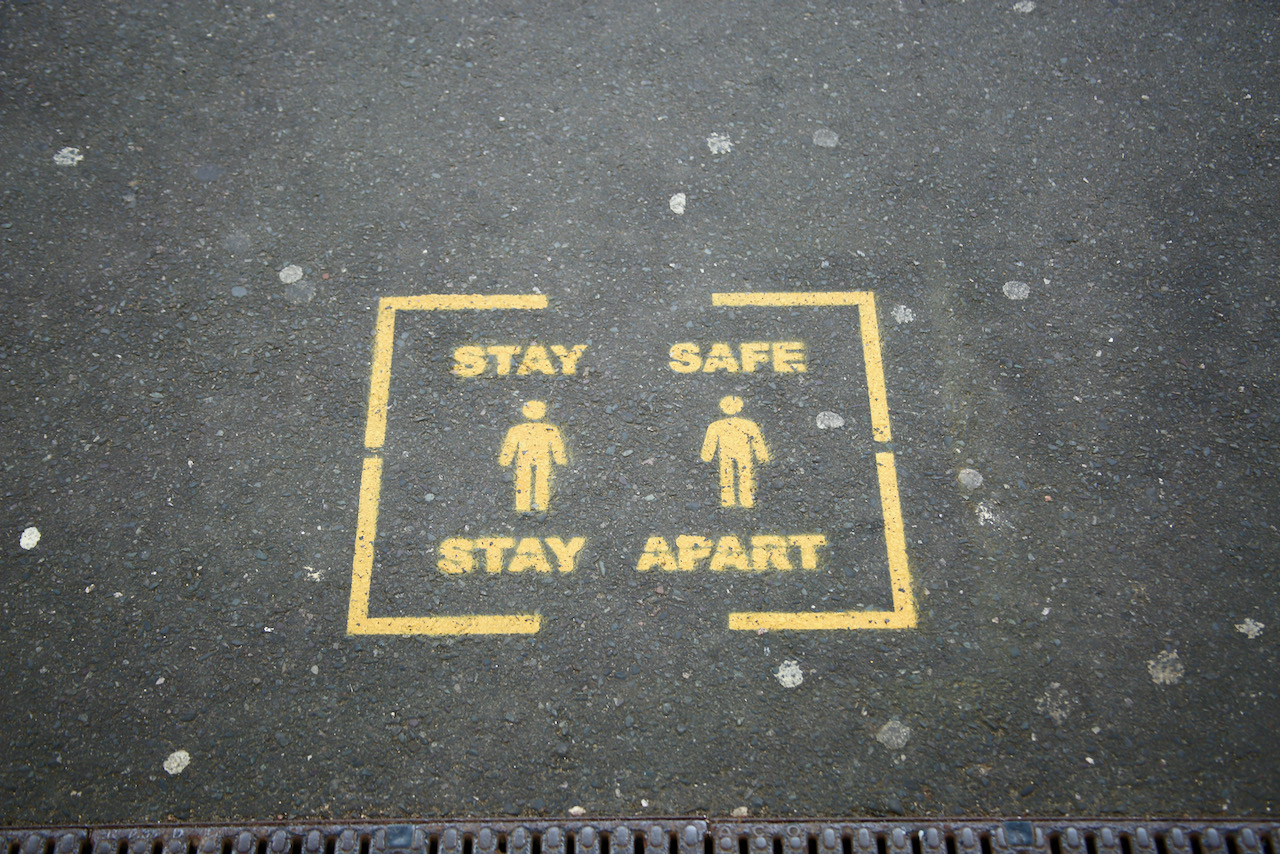
Regardless of the legend, there’s a protected view, via telescope, of St Paul’s Cathedral that is 12 miles away and restricts any tall buildings from being built in-between that would obscure it. There’s a cafe nearby and I see people eating scones, so of course I got in line, only to have this old guy holding his tray into my back and pushing me closer to the father and daughter in front of me. Then he had the gumption to stand next to me at the til and stress out the cashier who, “wants to live and see his family.”
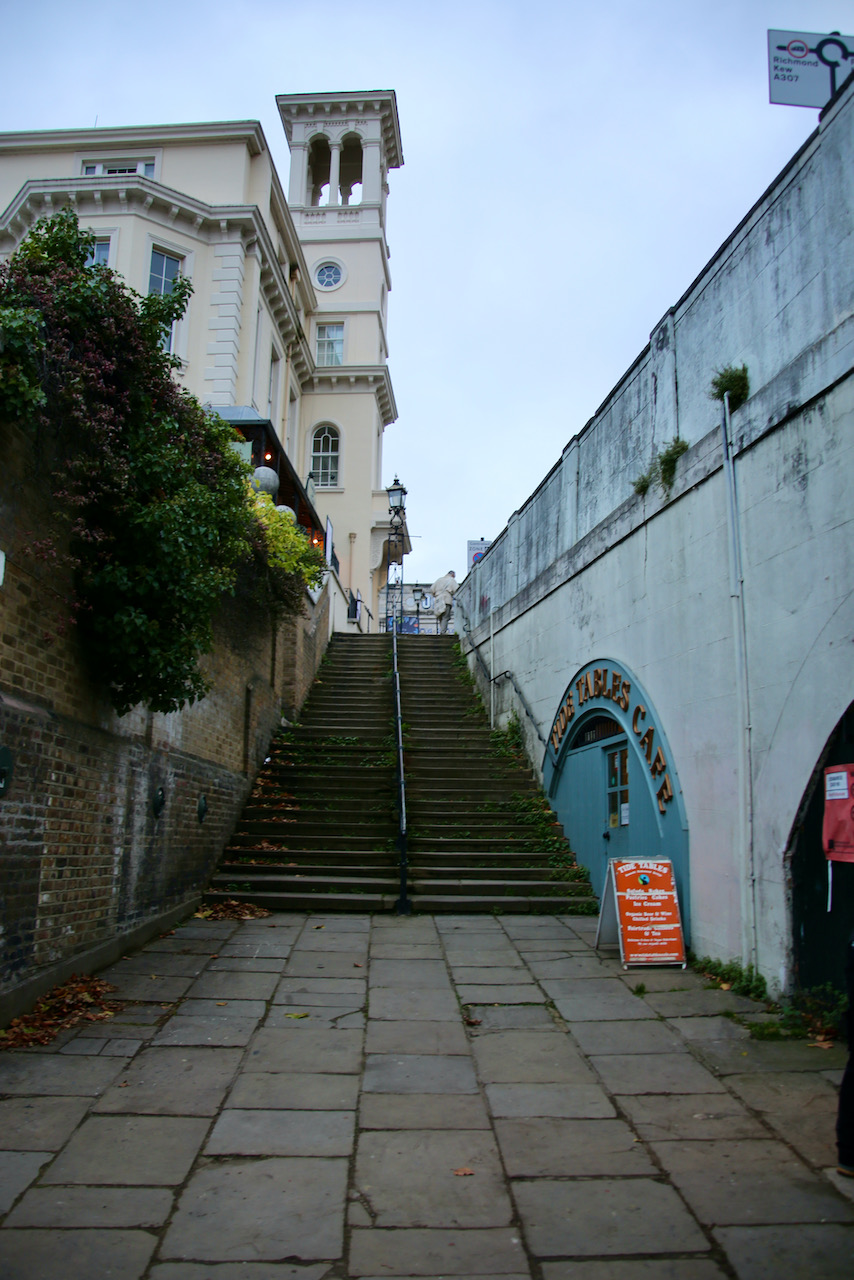
The old guy is asked to kindly step back and give me space to, safely, make my purchase and walk outside to find a place to eat it. This treat is a combination of the love of food I get from my parents, one loving anything with carbs and the other having sweet teeth. I’m grateful in this moment, as I am for most when I’m turning out better than my childhood intended, while watching the jackdaws make a mess of the stacked dishes left behind.
I’m distracted while on the phone with Caleb, nothing new there, and though I seem to have taken a detour I’m able to arrive at the correct intersection to continue to Petersham Meadows. A special character of cows, based on their ability to deal with crowds, has been selected to do conservation grazing from April to October and must have left early this year.
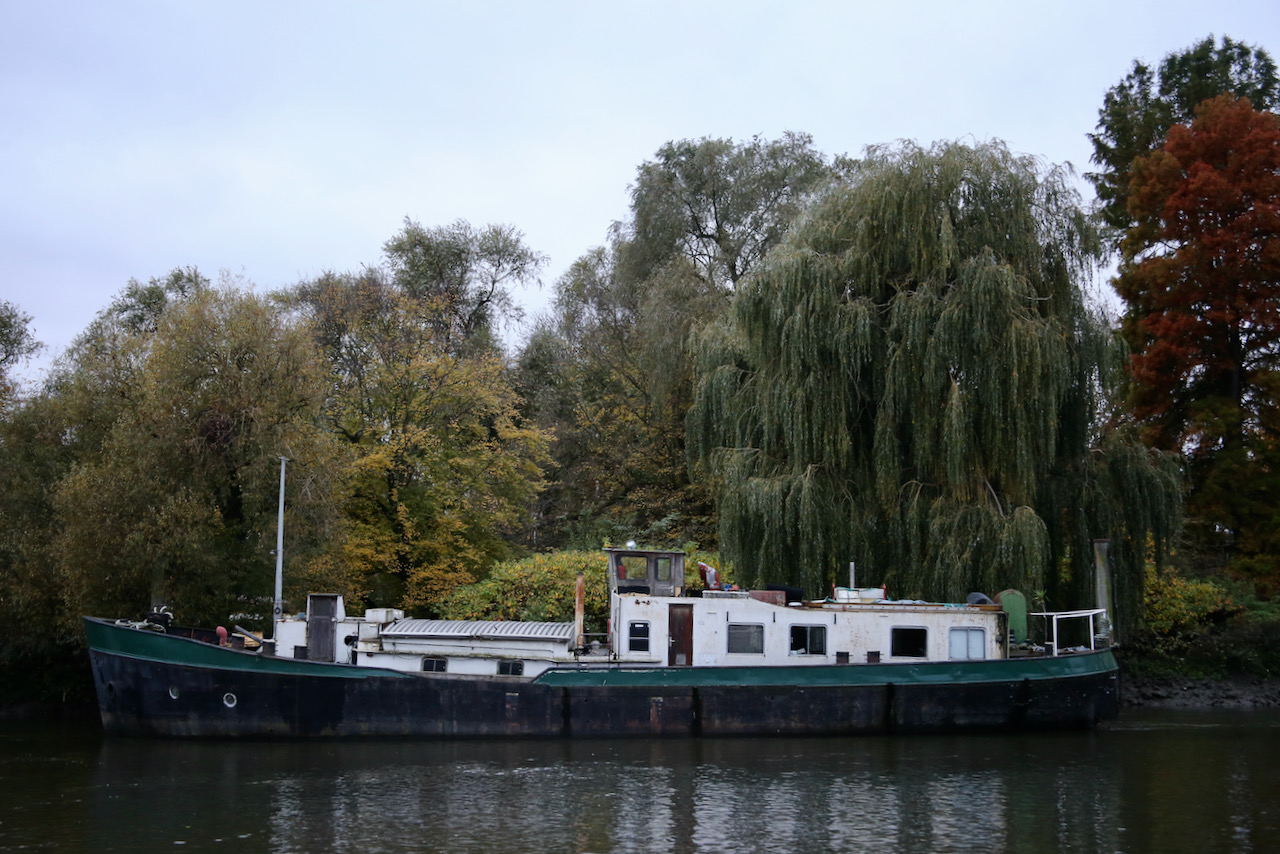
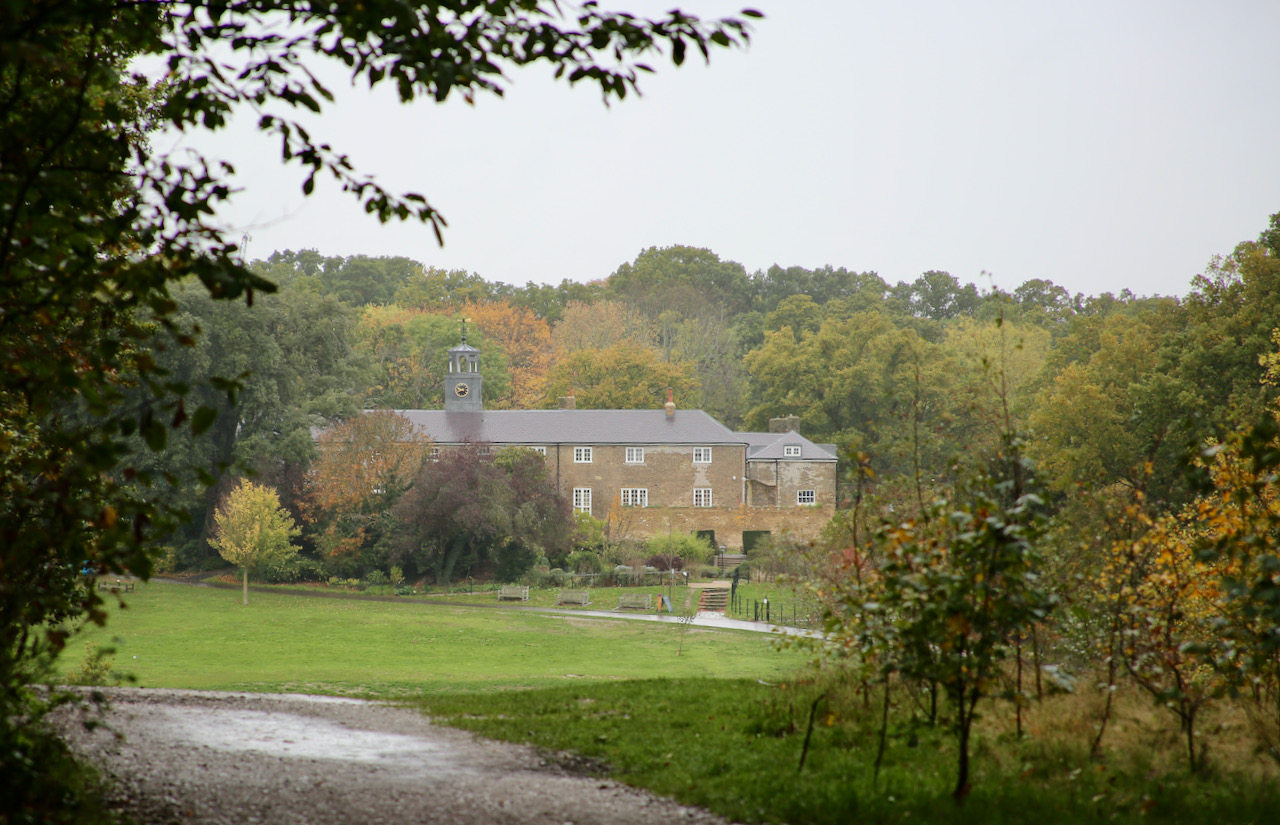
I got to walk under the road to reach Terrace Gardens. In the 1600s there were businesses and workers, the 1700s brought residential estates and gardens. The 1800s saw demolition and incorporation but the Richmond Vestry bought the land for public use in May 1887. In the 1900s another house was turned into a factory and the gardens extended. Between 2007-09, one million pound Sterling ($1.3M USD) was invested in paths, furniture, and replanting for conservation and biodiversity.

I’ll finish Section 6 and walk around Richmond Waterfront before meandering and finding myself at the Richmond Green. The sky is still bright grey, until it’s not. I’ll take the bus back as the sun is setting and save the energy from those four miles for tomorrow. I’ll stop for some hummus chips to go with my lentil soup. I return to my dingy room.
Posted in Animals, Art, History, People, Travel, Water | Tagged , , , , , , | Leave a comment

Happy Landings

I’m up earlier than usual to pack, wash dishes, and clean the room before leaving. I want to get my bags to Kingston where I’ll be staying for my next week in London and leave myself with plenty of daylight to continue on the Capital Ring Walk.

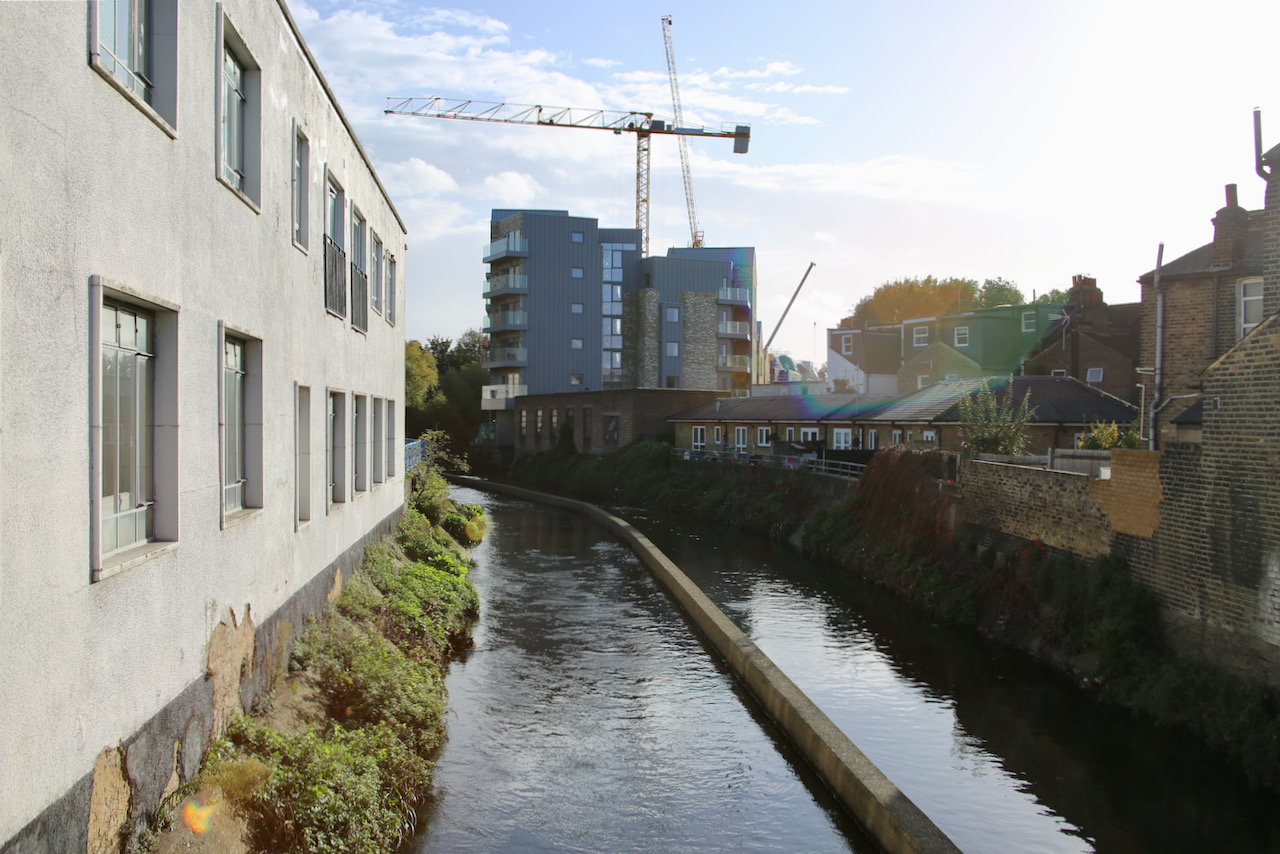
The 12 miles would take an hour by car for a more direct route, but I’m on the train that will go north to Clapham Junction before going southwest to Kingston upon Thames, and will also take an hour, if everything goes as planned — it does.

I find the place in the rain and it’s dirty. I take pictures of the bedroom and bathroom that are downstairs and send them in a report to Airbnb. It takes them 2.5 hours to tell me that they’ve contacted the host to remedy the situation.

Meanwhile, I’m at the shopping plaza near Zach’s place wondering if I’ll have to worry about finding another place to stay tonight and the awkwardness of dealing with a host who offered such an embarrassment in the first place.

Zach decides to clean since his cleaner didn’t yesterday. This shouldn’t have been something for me to deal with, and when I return to the room I’ll be asked to update Airbnb and tell them that there has been an improvement, but I don’t think he should rent like this in the future.

This has dampened my day more than the morning full of rain. I felt that Zach might feel judged and ask me not to stay or that if I decided to leave I wouldn’t be reimbursed and would have to pay more for a last minute place, so I decided to judge his cleaning skills later, knowing I’ve been in dirtier hotels.

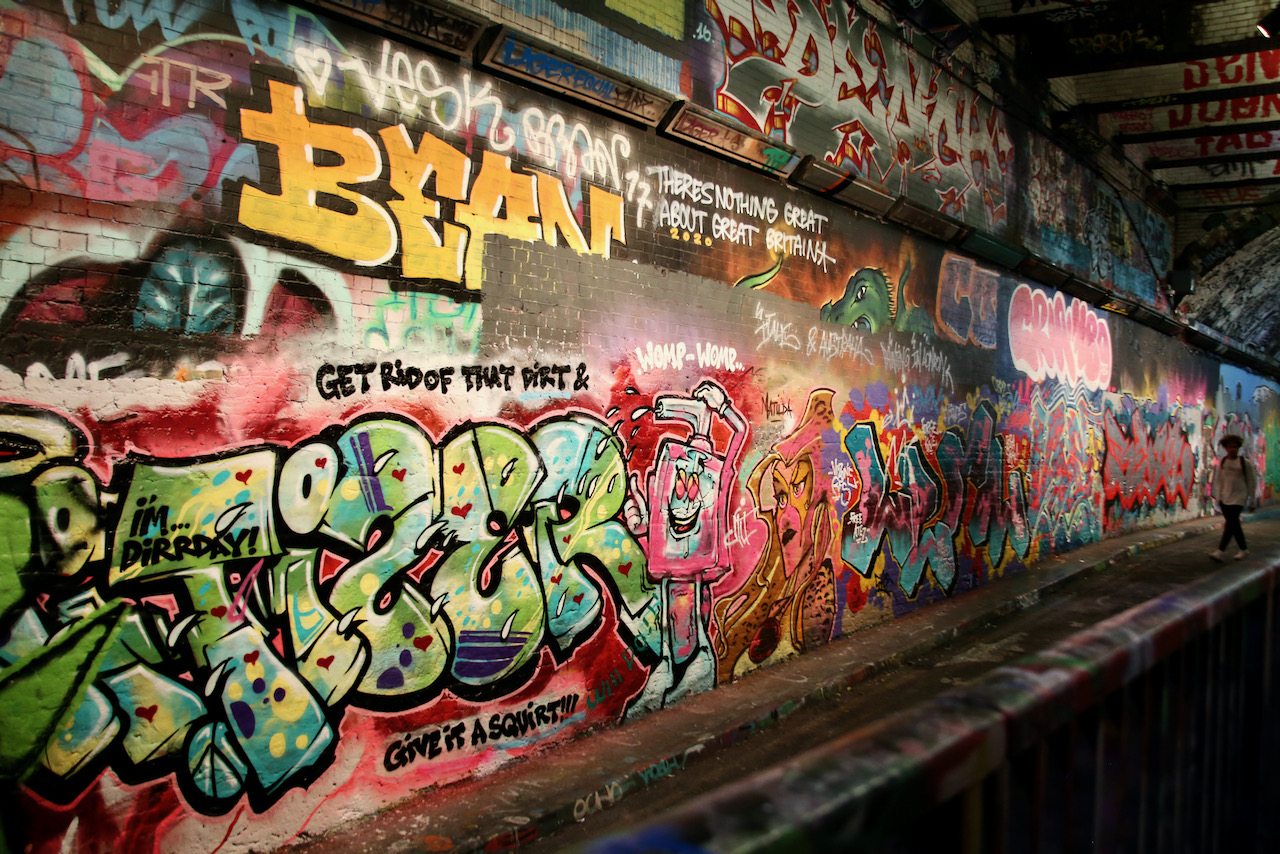
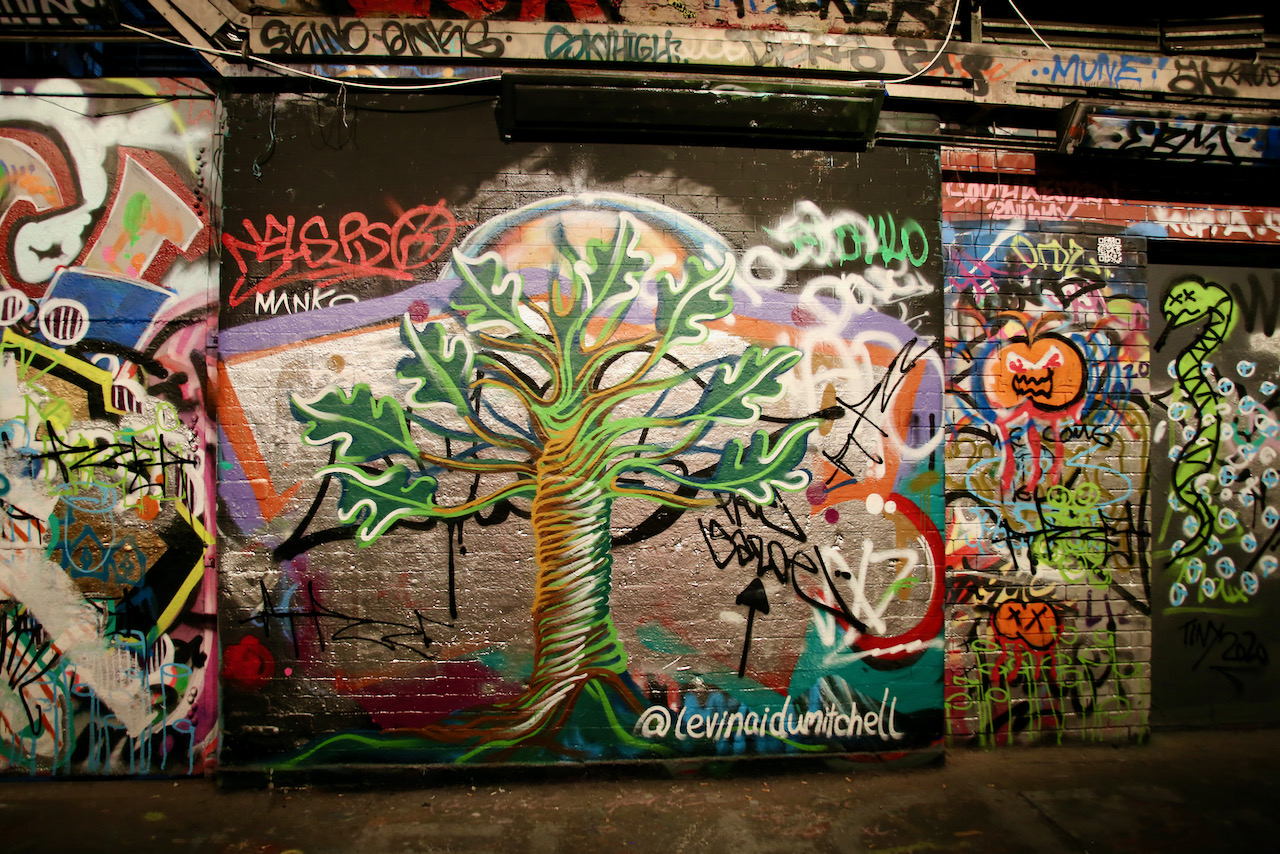
After an afternoon along the river and amongst shop windows, I’ll ride to Waterloo to meet Radu for dinner as I still wait for my room to be cleaned. He notices that I like to take pictures, so we walk through Lower Marsh to The Vaults, a tunnel full of graffiti, till we see the London Eye lit up pink.

We get a cup of mulled wine to keep our hands warm as we walk the length of Southbank before settling on dinner at Ned’s Noodle Box or Ned’s Noodle Bar on Belvedere Rd if you’re looking on Google. I’m sure the food was fine but the company was better.

We continue our walk along the river before wandering inland for a night of darts and snooker with some other people at The Windmill Pub until the 10pm curfew is enforced.

We walk back along the Thames and part ways at Waterloo station after Radu has ensured I’m safely on my direct train with a ten-minute walk in my near future. I’m hesitant to return, but I do need sleep.

Posted in Animals, Art, People, Travel, Water | Tagged , , , | Leave a comment

Capital Ring Walk: Crystal Palace to Wimbledon Park

I sleep in and still manage to wake up before my alarm, which had to have been reset while I was half asleep. I enjoy the short walk to the train station while listening to a man sing happy birthday to himself while on the phone. The weather is nice at the moment and I’m hoping it stays that way until the afternoon.

I’m going back to Arin Cafe for breakfast, since it’s close to my starting point, the owner is kind, and I have cash. The guy I overheard earlier walks in, so I pay for his birthday breakfast while he’s outside chatting with a friend.

I walk through a neighborhood and notice a building covered in rose-ringed parakeets, native to the Indian subcontinent but popular as a caged bird they’ve gone from pet to pest. The ones that escape form colonies in the city as they’ve adapted to living in the colder climate.

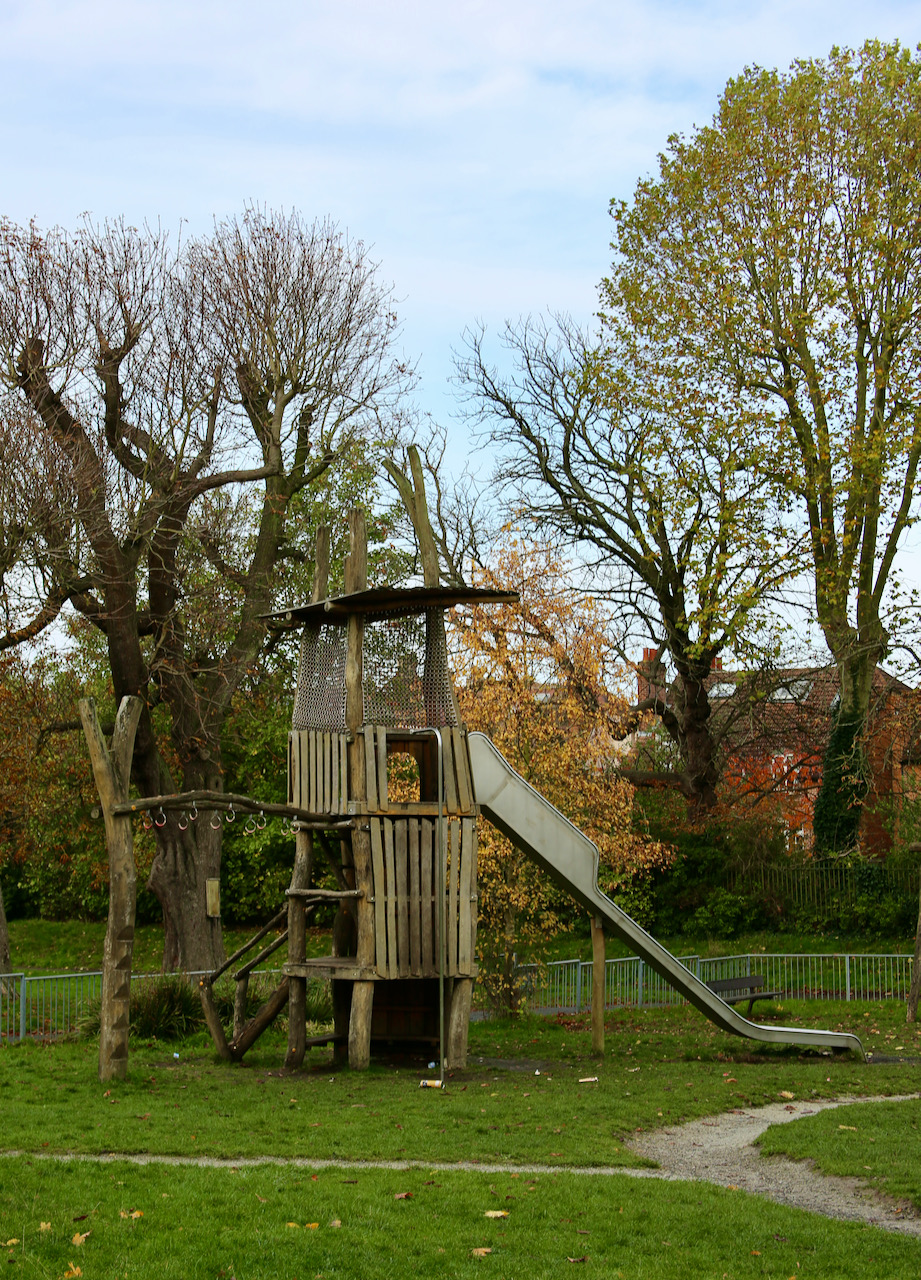
I pass by a playground that appears to have a mini-deforestation sample next to it, but the way the wood is stacked, notched, and spaced with springs, a bar, and handles lets me know that this is an imagination wonderland where moist wood reduces splinters.

Each section of the Capital Ring Walk comes with its own descriptive pdf and helpful pictures with map insets to help with navigation. I’m glad I downloaded them all as Section 4 requires reading to not get lost as the signs are usually within eyesight from the end of the path you’re on to the beginning of another direction.

In Biggin Wood, there is a swing (long rope tied to a two-inch thick stick) over a spot with more mud than leaves and some more parakeets. I went left at one point, turned around, and went left at the fork too. There’s not much here, which is nice, but I also wasn’t sure if I was going the right way until I was out of the park.

I keep moving past Norbury Park as a way to, “Use your park responsibly” and walk to Norwood Grove that was opened in 1926 by Edward VIII, Prince of Wales. I’ll stop by a bench to read a quote from Bob, aged 56. “It’s good to linger, stop for a chat; there should always be time for that.”

I’ll walk with a father and daughter as we enter Streatham Common and talk about how awesome it would be to live in the house on our left with a moat and to get a drawbridge installed. This space was recorded 934 years ago, in the Domesday Book, a manuscript record of the Great Survey of some 13,000 places, that was ordered by William the Conqueror.

During WWII, the lower common would be used for rental gardens and temporary housing. Today it helps to preserve acid grasslands — mossy vegetation that occurs on nutrient-poor and free-draining soils over sand and gravel. This habitat is especially important for the Thames Terrace Invertebrates.

The beewolf wasp preys on bees. The females dig tunnel nests and the males mark twigs in their territory with pheromones. The hornet robberfly looks like a cross between a mosquito and a grasshopper and will wait on poo to eat unsuspecting dung beetles. The Shrill carder bee is known for the loud and high-pitched buzz of the queen, one of the UK’s rarest bumblebees.

I’ll part ways with my conversation companions as they detour from my route on their way to the grocery store. I’ll visit Streatham Memorial Garden, the historic site of a manor turned house turned villa and eventually in 1922 turned into a war memorial with a bronze statue to commemorate the dead of two World Wars and an obelisk for those living or who did live in Streatham that have been affected by violence.

I’m walking down Conyers Rd and there are three guys “working.” The first guy says, “I thought you lived here the way you was looking.” I tell him I was just watching him work. The guy on scaffolding below him says, “I just have to stand here and look good for you.” The third guy, on the ground supervising, asks what I’m doing here since it rains every day and “appreciating the weather” was my response as it starts to sprinkle again.

I’ll watch a girl in her rainbow socks and tutu learning to ride a bike through Tooting Commons, stop at a market across from Du Cane Court and buy as much food as will fit in my pockets, and pass a girl with adjustable skates and remember having a pair myself.

I’m wandering through Wandsworth which happens to be the location of one of seven of Her Majesty’s Prisons in the capital and one of the largest in the UK. On a scale of A to D on how dangerous the criminals are inside, this one rates a B, with mostly drug and mental health issues residing in this overcrowded compound.

I never thought to read reviews for a prison and yet they exist. 1) Relaxing break all paid for. Staff could be friendlier though. 2) Foods not great, but the library has a good choice of books. 3) … that I had won a 6 month all inclusive deal at this wonderful facility. If it wasn’t for needing an appointment due to covid, I would’ve asked to see a random visitor at the window and tried my luck. Had I gotten in, they’d have taken my thumbprint and photo, given me a wristband and fluorescent mark, and rubbed me down after emptying my pockets.

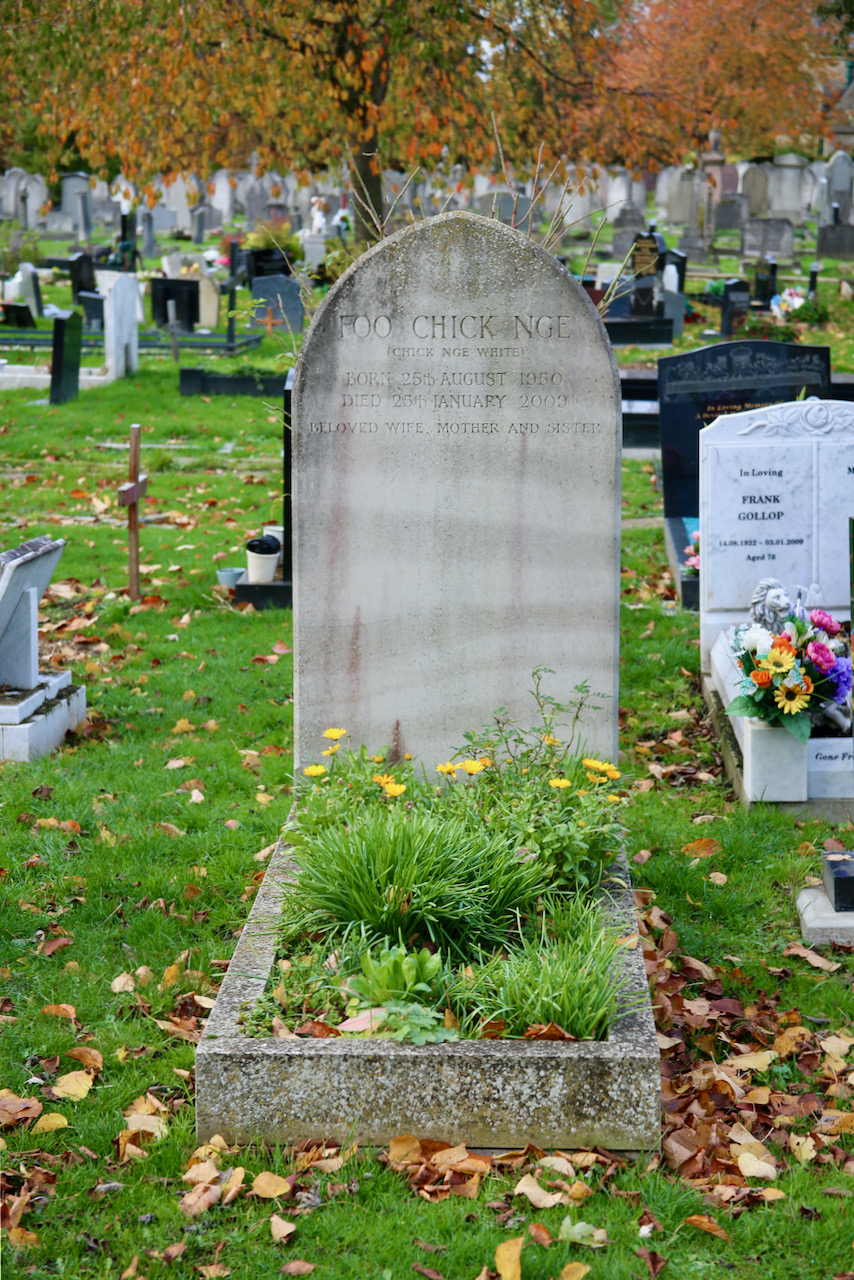
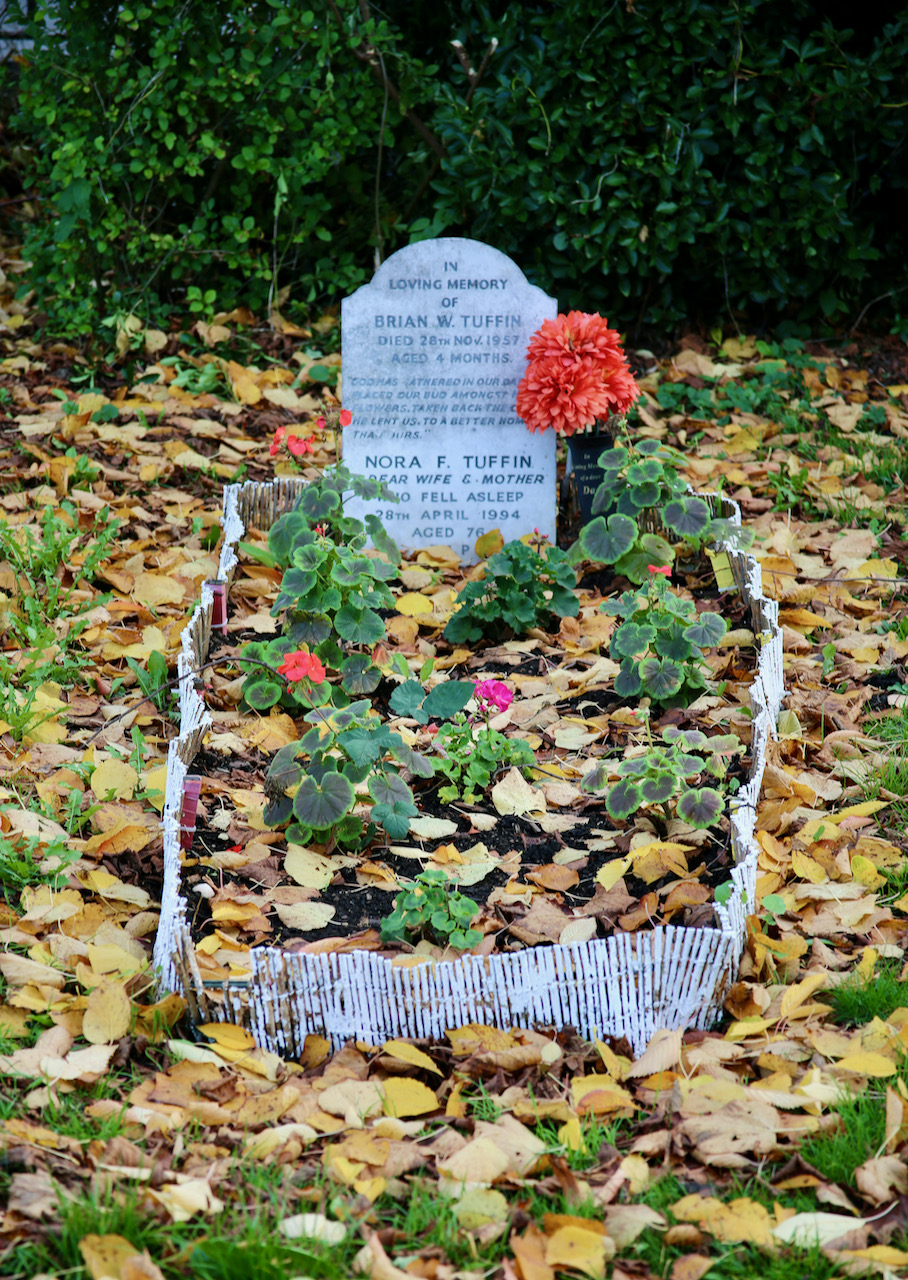
I take a detour through the Wandsworth Cemetery to admire all the art and history in one place with so much I don’t know about anyone here. This is close enough to death for me. I see two boys on their way to the playground and told them they need to know the password. One pipes up, “Mum, we need to know the password” and she responds, “Did you try pretty please?” He says please, I say that’s it, and one of the moms says she didn’t know there was one. I told her I was messing with them.

Today’s walk will end at the tennis gallery, a little shop with lots of books, some postcards, and a tennis ball teapot. Raindrops keep falling on my rides, but that doesn’t mean I won’t soon arrive, with bread in hand, back to the house. The bathroom is warmed up, seemingly just for me, so I take advantage before enjoying some blogging in the room on my last night here, in this flat, not London.

Posted in Animals, Books, History, People, Plants, Travel | Tagged , , , , , , | Leave a comment

Capital Ring Walk: Beckenham Hill to Penge West

I was looking at the train and bus schedule, both wanting me to walk 15 minutes, to get to this morning’s starting point. I wasn’t feeling it yet, so I went back to bed for an hour so the idea would be more agreeable upon my second time waking.

I’ll choose the bus to change things up. It should be more scenic as it goes slower between frequent stops and has more pickup times. I walk into the kitchen to find evidence of last night’s ruckus — a fresh baked, a little burnt, and half-eaten 9″x11″ custard.

Beckenham Place Park is emptier when I arrive at 915am than when I was here yesterday around 430pm. This area used to be part of John Cator’s lake but is in the process of becoming a wet woodland, via periodic flooding, that will provide food for birds and bats in this ecosystem that is rare in London.

Another area that’s been around a while, the ancient woodland, is full of wood anemone, native bluebells, and wild garlic and will hopefully remain with plenty of dead standing trees that hold insects to feed the woodpeckers for hundreds of years to come.

The lake was excavated in the fall of 2018 so that it could be deepened. This allows the water to be colder and increase its oxygen content, with the help of an aerator. The lake is filled via pumping from the water table, rainfall, and a well to maintain its ten Olympic swimming pools’ capacity.

I pass a mulberry tree that is over 200 years old, the last of its orchard, and a species that is relatively rare in Britain today. It was imported for silkworms but used to treat ringworm. I’ll stop at the Homestead Cafe for a beetroot latte and a slice of butternut lime cake — new flavor combos, yes please.

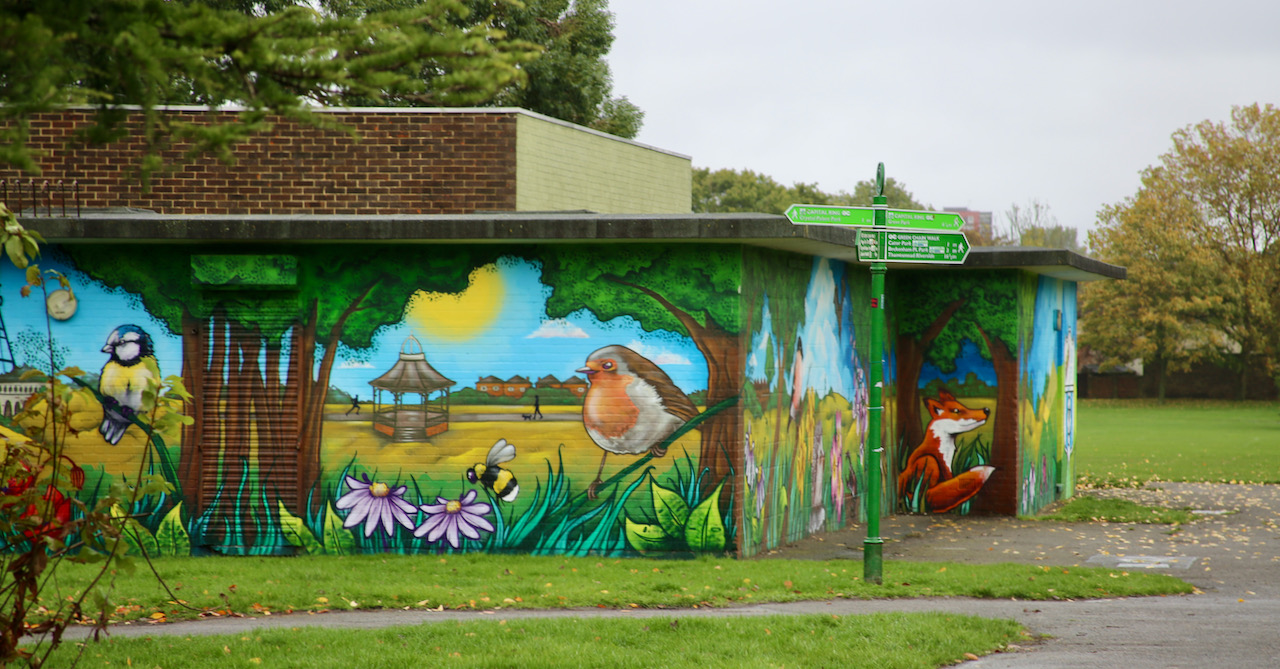
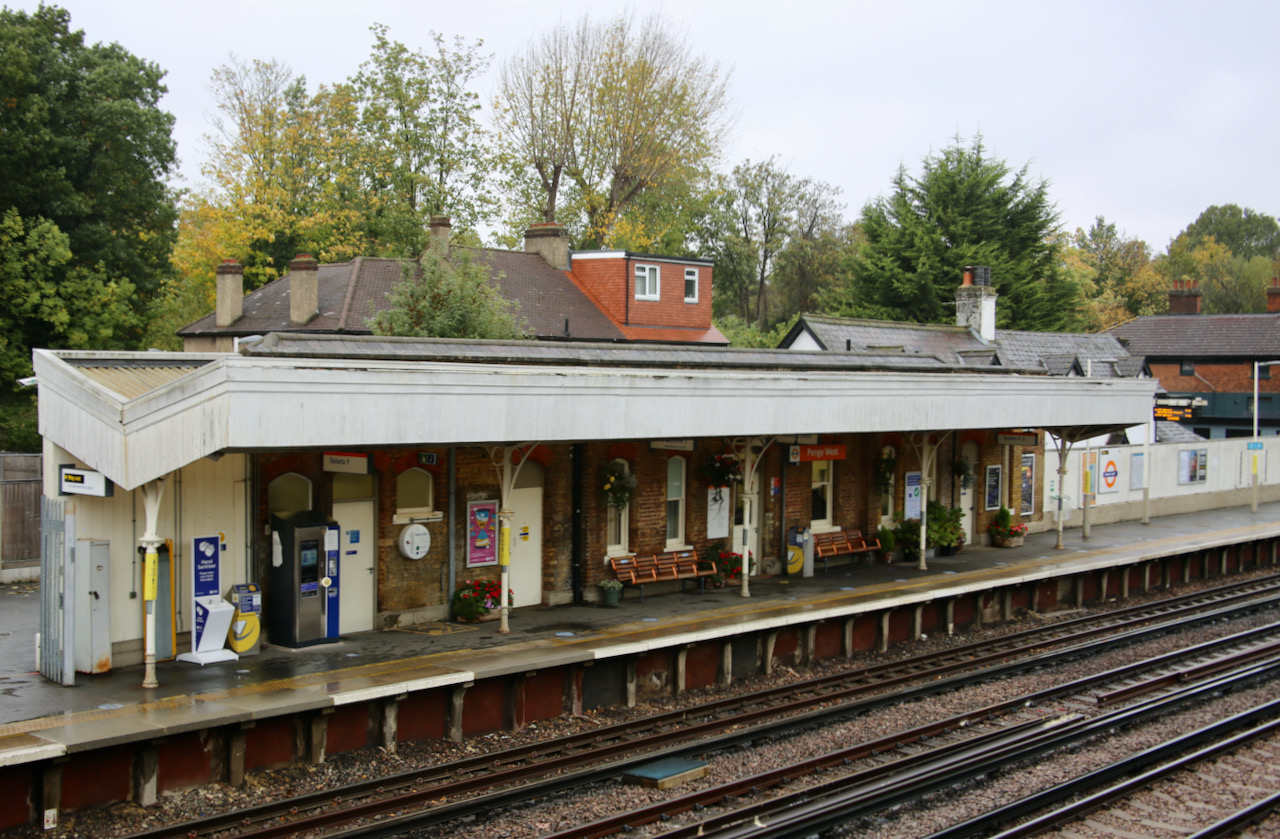
Cator Park is the last stop of the day; from here I still have at least an hours walk and my legs are tired from the fourteen-ish miles they trekked yesterday; also I’ve already seen Crystal Palace Park. I’ll take Penge West back to Norwood Junction and pick up some groceries.

I’ll have lunch in the room, talk with Caleb, and spend the evening writing two post drafts. Today might seem short, but I spent over three miles walking through a part of London I wouldn’t have otherwise explored, so that’s a win for me.

Posted in Animals, Art, Food, Plants, Travel | Tagged , , , , | Leave a comment

Capital Ring Walk: Woolwich Foot Tunnel to Beckenham Hill

I decided last night to start this route and cover as much of its 78 miles around the city as I can while here. I’m so excited to have a smart goal, inside of staying outside in London, instead of just wandering around, which has been fun too. This gives me something to complete. I’ll start with Section 1.

I’m out the door with wet hair and two slices of pizza. I’m about to be disheartened that my 716 train is canceled but there’s a 648 instead. On the way, a man tells me that the carbs of my pizza make it a cake after I tell him it’s practically a salad. You don’t get these interactions without public transport.

Almost everyone at Tulse Hill had a backpack and though I’d like to carry more with me, besides what I can cram in my pockets and the ability to cover my camera with my coat, I would need a waterproof bag in order to not haul around a dripping tote with all my things soaking inside.

Waiting ten minutes for the next train would’ve saved me 20 minutes in stops. I realize this a half-hour in-transit and not yet being halfway through my morning commute. I appreciate that places are made accessible to a variety of people with different abilities without making them feel like less.

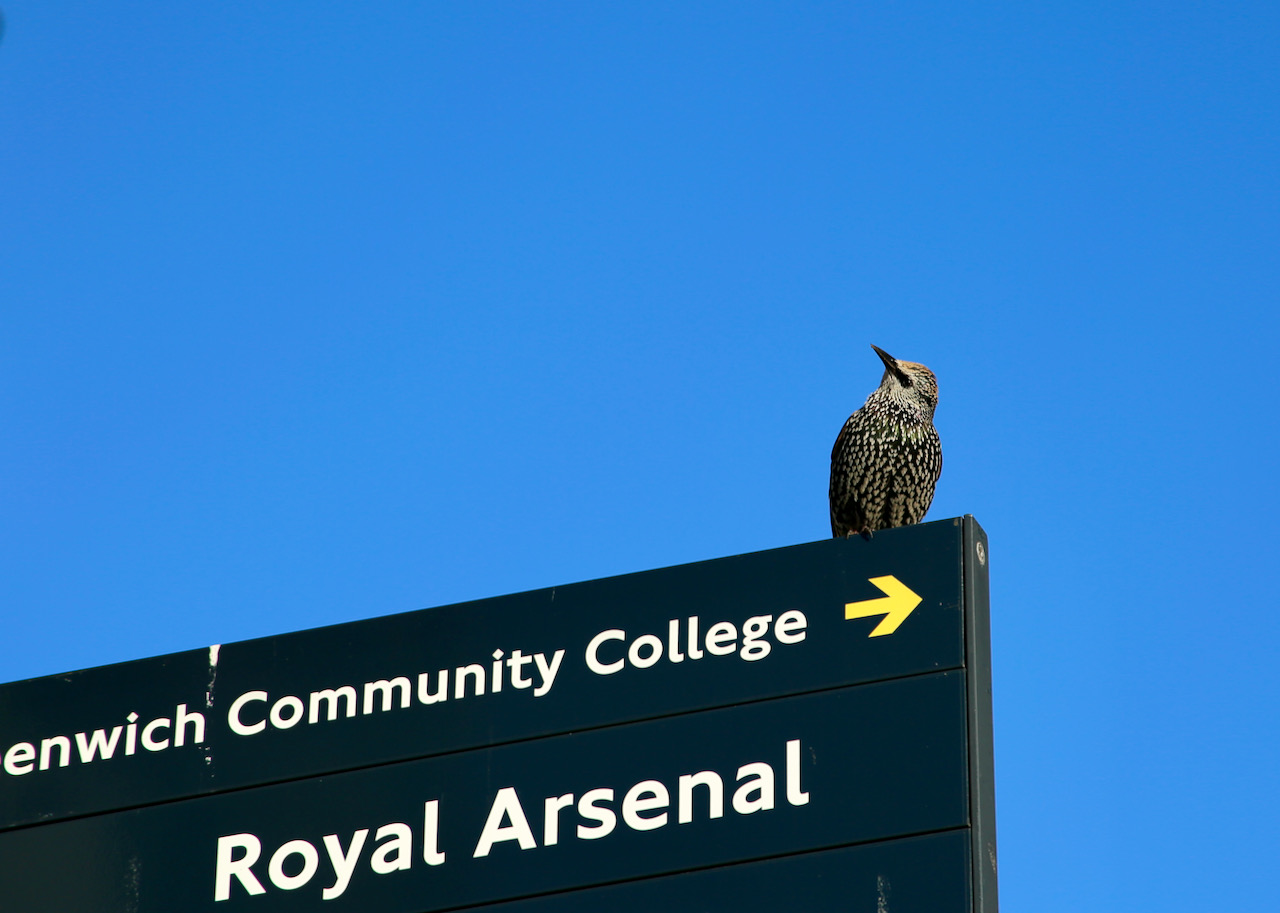
I just realized the times for the trains are departure and not arrival times as I wait for my second train before I can start my walk from Woolwich Arsenal station, a half mile from the southern tunnel gate. The market is setting up to sell shoes, bags, and clothes under the eye of a Common starling.

The Royal Arsenal employed 100,000 people at its peak, after 400 years of operation, during WWI, and eventually closed in 1994 after the factory ceased manufacturing in 1967. It was opened to the public in 2001 to tour the 23 buildings that had been restored.

I enjoy the cool and quiet morning through what could be considered an Instagram museum, but I’m the only one here taking in the clocks, statues, skyline, steps, tiles, windows, signs, and plants as I approach the Thames Barrier with sacrificial anodes — an alloy that protects submerged metals from corrosion.

Maryon Park has closing hours that vary from 4pm in the winter until 9pm throughout summer. It’s here that the trail I’m on also happens to be part of the Green Chain Walk — a network of paths connecting parks and open spaces in southeast London.

The trees and grasses are beautiful in their varied sizes, shapes, and colors. The buildings I pass have the same artistic curiosity but in use of materials, history, and purpose. I’ll cross the Oxleas Woodlands and go up Shooters Hill, not for the struggle of the stagecoach from A Tale of Two Cities, but for the view.

It’s near the top of this hill that sits Severndroog Castle, built in 1784, where seven counties can be seen from the roof of this triangular castle in the woods. It was restored in 2014 for visitors but sadly I’ll visit while death roams the world with the constant threat of a slow passing, so it’s closed for now.

Lunch will be had at the Oxleas Cafe that overlooks the meadow. Back amongst the trees and I see an empty stick fort, a dog playing in the mud, and a small human skull on a fallen tree cut out of the way. Meanwhile, a man runs through the park to ensure a lady gets her phone back.

Crossing the A2 Rochester Way Relief Road, from Falconwood, starts Section 2. I almost get hit by a car in a mini roundabout because I thought it was turning. I have no luck getting into the Eltham Palace Gardens as a reserved ticket is needed to even cross the bridge. I get one photo and continue on.

I follow King John’s Walk from the palace, which historically attracted visitors for deer hunting and clean air. Today, it’s the horses, cloudy blue skies, and views of the city’s high-rises that bring tourists’ cameras and locals’ picnics onto the grass and paved footway.

Some parts of the path seem to be wedged between two fences, but even the backyards are British in their capacity to give the other space, completely take over, and be reigned in again so that the greenery leaves a place to move and think unencumbered by what’s on the other side — Section 3.

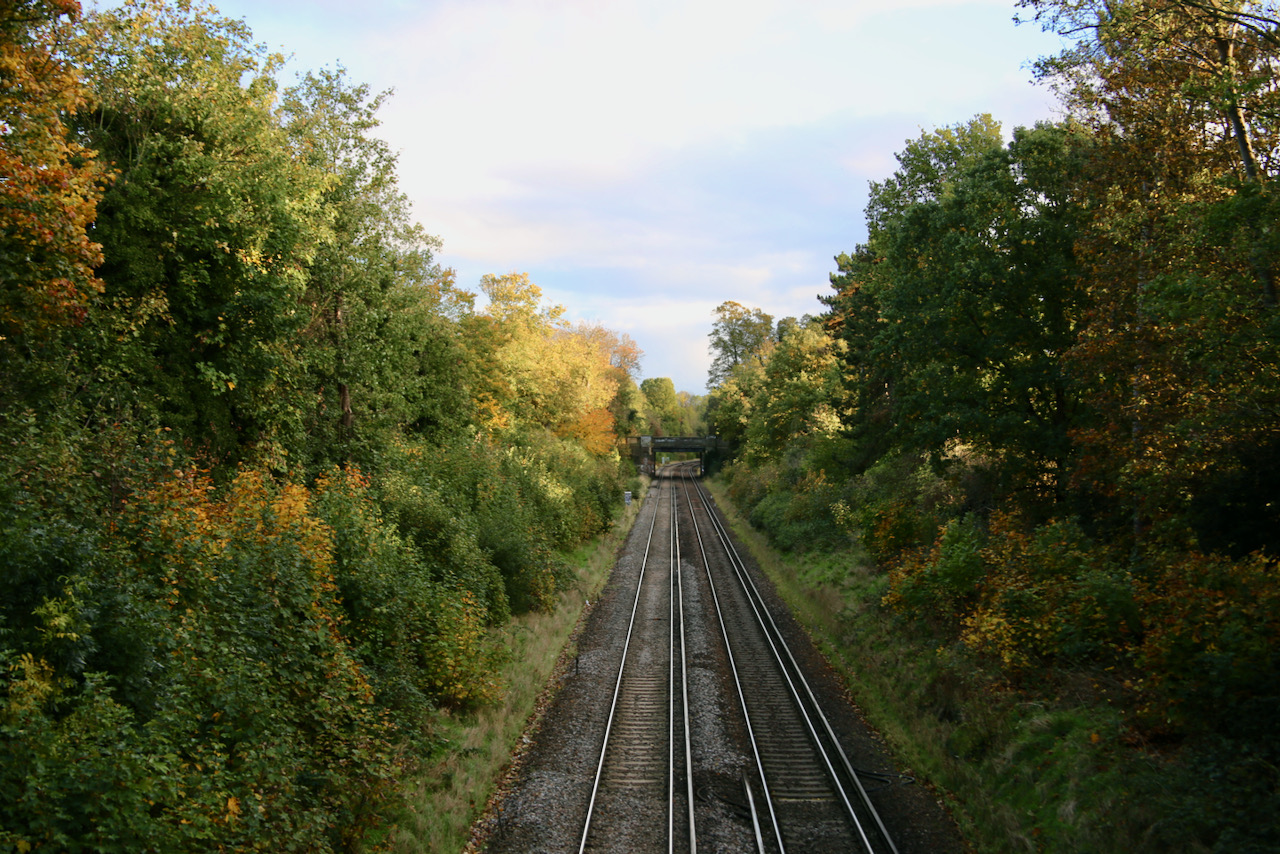
Grove Park became a nature reserve in 1984 and protects Slow worms, Stag beetles, and Common lizards. The railway that was opened in 1865 was the inspiration for Edith Nesbit to write the book The Railway Children from her home, Three Gables, on the hill.

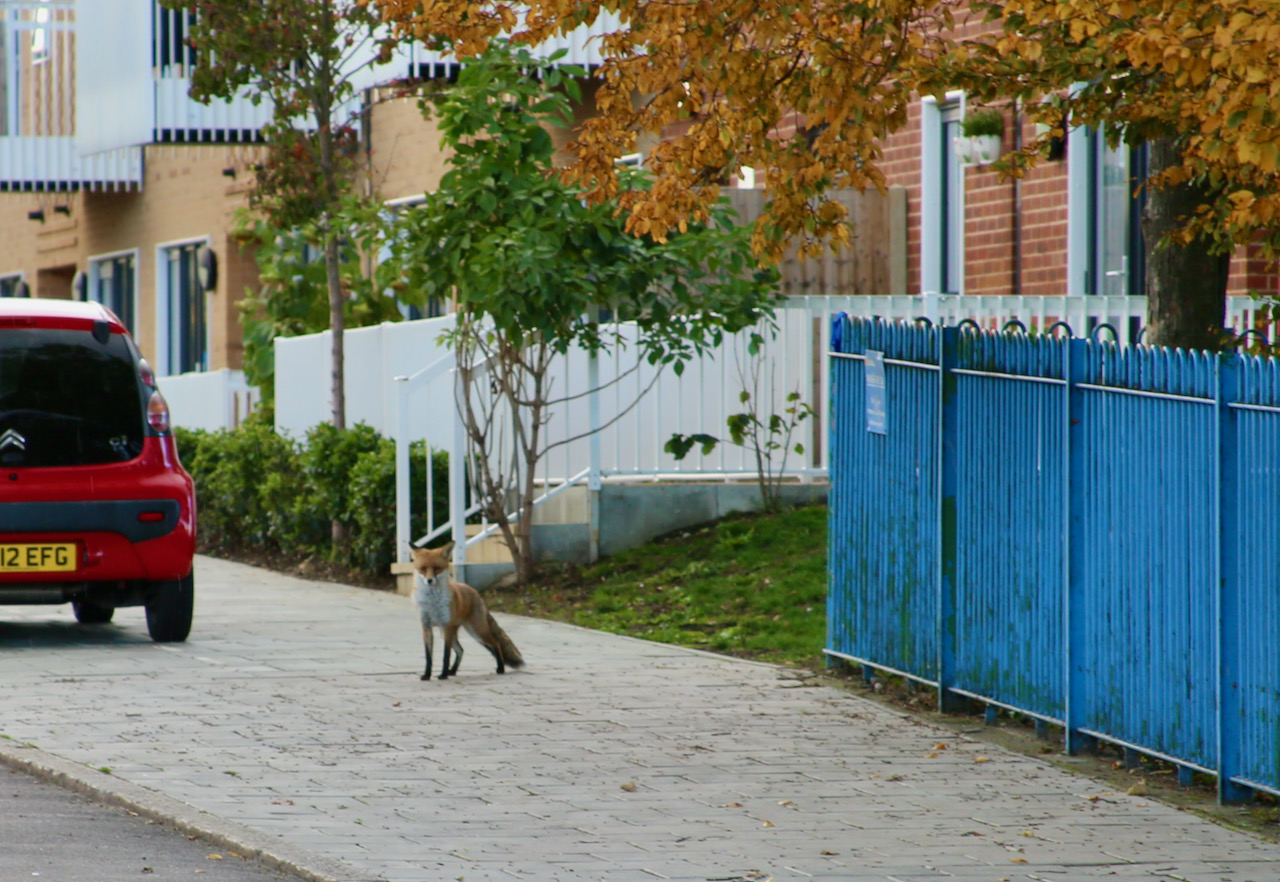
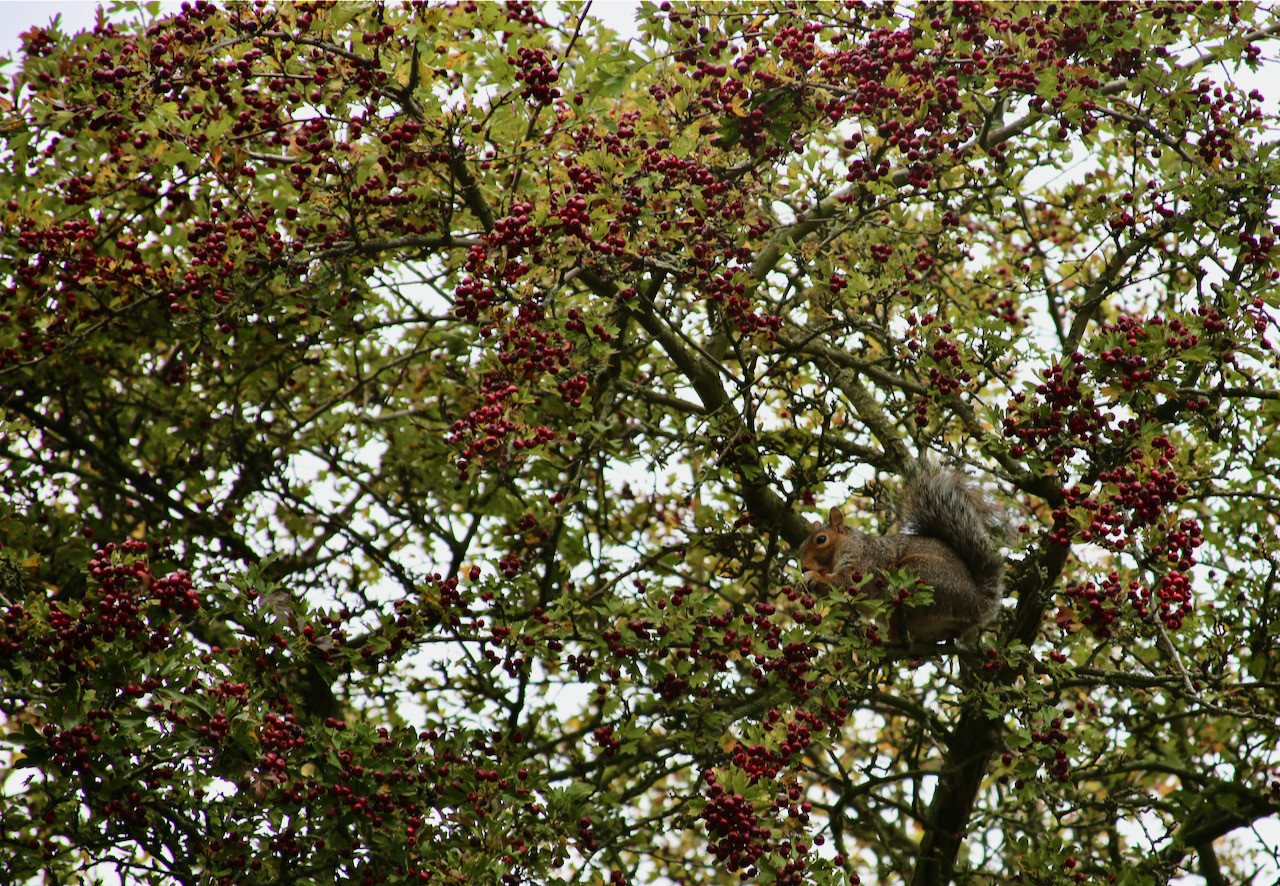
I see a fox on a sidewalk before taking a picture of a five-seated horse ride on a playground. There were three boys on their bikes that rode up to ask why I took the photo, but rode off again before I could explain. I’ll take some Cadbury fingers offered from two friends sharing the package of chocolate.

The Downham Woodland Walk is about a mile of the ancient Great North Wood that has been around since 1602. The trees here are mainly oak, ash, hornbeam (aka ironwood), and field maple. I’ll walk the northern edge of Beckenham Place Park to start the rail journey back for the night.

I meet three guys, proudly Ethiopian and speaking Amharic. One asks me to take his picture while holding a Corona. He’ll board the train to ask my why George Floyd got so much trouble from the police in America when he’s a black man in England with no trouble at all.

I’m not sure how to answer him, not knowing the struggles of the boroughs, so I let him continue on with his monologue, but the ideals as well as the English language (American vs British) split centuries ago in the American Revolutionary War.

What I didn’t think to mention was that even though Britain abolished slavery amongst their colonies in 1834 and the US followed in 1865, it wasn’t until the 1960s that both countries made racism illegal. I don’t know about their night, but mine will end falling asleep to the sound of guests in the other room.
Posted in Animals, Books, Food, History, People, Plants | Tagged , , , , | Leave a comment