
Christianity quickly spread throughout Ireland after arriving around 400 AD. The convents and monasteries that followed became educational institutions that led to the island’s Golden Age while the falling of the Roman Empire plunged most of the rest of Europe into the Dark Ages. Though Ireland has 123 saints, from the 3rd century to 1180 and two since, dying in 1681 and 1893, the island has roughly nine percent of France’s saints and blesseds. These numbers have nothing to do with the proportion of UNESCO World Heritage Catholic Churches these countries claim, one and 78, respectively, with Mexico and Italy having 118 and 216.
We’re not a religious couple, but you are more likely to find us in one of the many buildings of God (under various names) while we’re traveling. For me, it’s the history, architecture, and calm that lives inside all structures that invites me in. Sometimes I’m lucky enough to catch a song or service of the followers hoping to find age-old guidance in an ever-changing society. I can appreciate the rituals passed down through centuries that connect people to their ancestors; and though some sermons are now broadcast, these spaces still offer a sanctuary but not always an escape from social media.
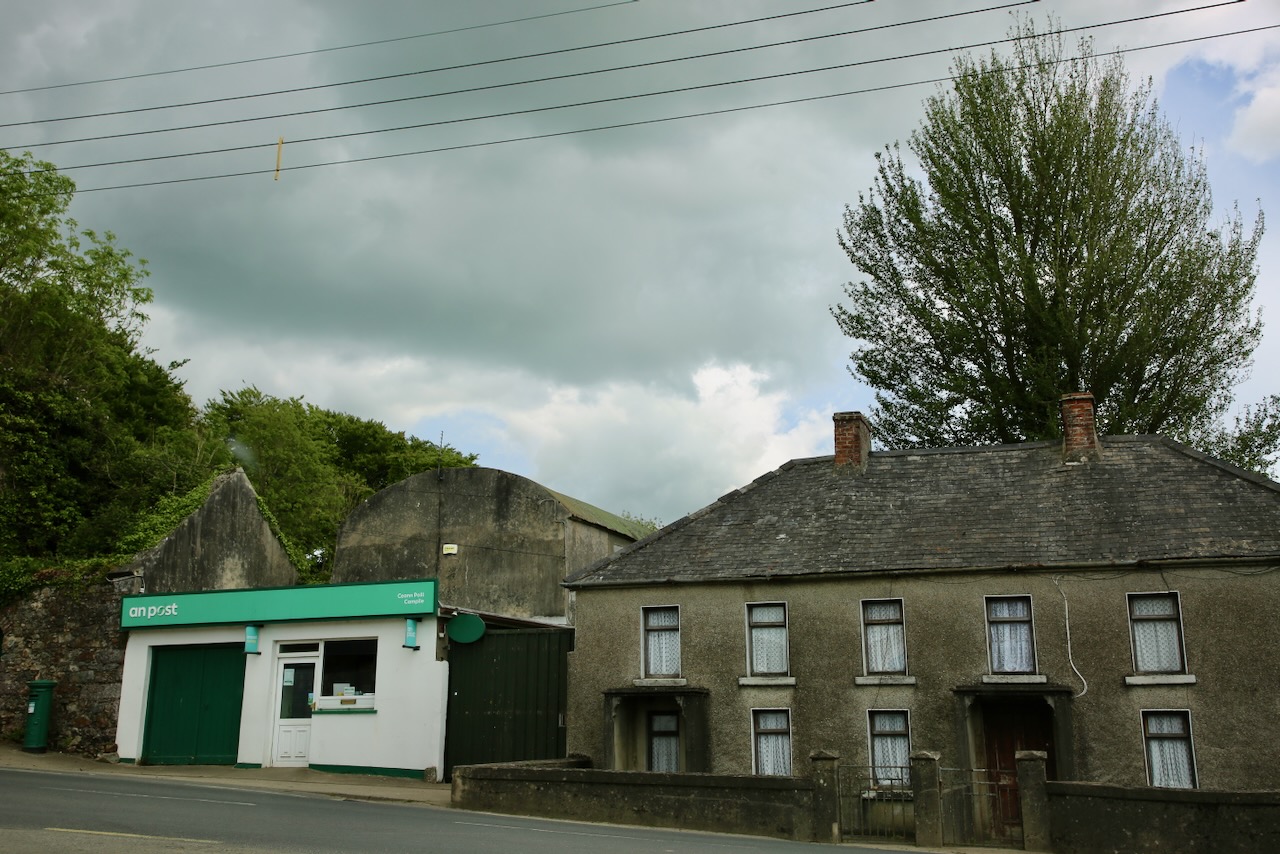
We were invited to join our host, Peter, and his wife for breakfast and agreed on 8 am, a time between when we could’ve eaten elsewhere and when they will feed their other guests in the late morning. While we wait, we walk among homes with names. None stand out but usually, estates are encountered when I read biographies or American history of the wealthy. These people are fortunate, at least the retired couple is, in that they can afford their larger home to accommodate tourists; whereas others may struggle to maintain such space without strangers as more foreigners buy homes to rent out at a steeper price nightly than locals or transitory workers can afford monthly.
Back to our morning walk before I delve into the troubles of traveling and ensuring you’re doing the right thing for the local economy and ecosystem. We sit in chairs across from the locked door for ten minutes before I knock. Caleb is ready to continue fasting so we can get on the road, and I agree that if they’d left the tea and toast out, we’d have eaten in the car. We exchange small talk and Peter is glad to hear that his recommendations are already on my list, except for a lighthouse that we are told is worth the half-hour drive detour.
We leave Ocean View before 9 am which gets us to Johnstown Castle, via the Woodland Walk, just as they’re opening. I didn’t understand the size of this place just that it was built in the wake of the Anglo-Norman invasion and was something to see along the route. The castle was remodeled in Gothic Revival style in the 19th century and has one of the longest servant’s tunnels in the country. The castle was donated to the Irish State in 1945 and the Irish Agricultural Museum was opened on the grounds in 1979 but it would be another 40 years before the castle and estate would be available to the public.

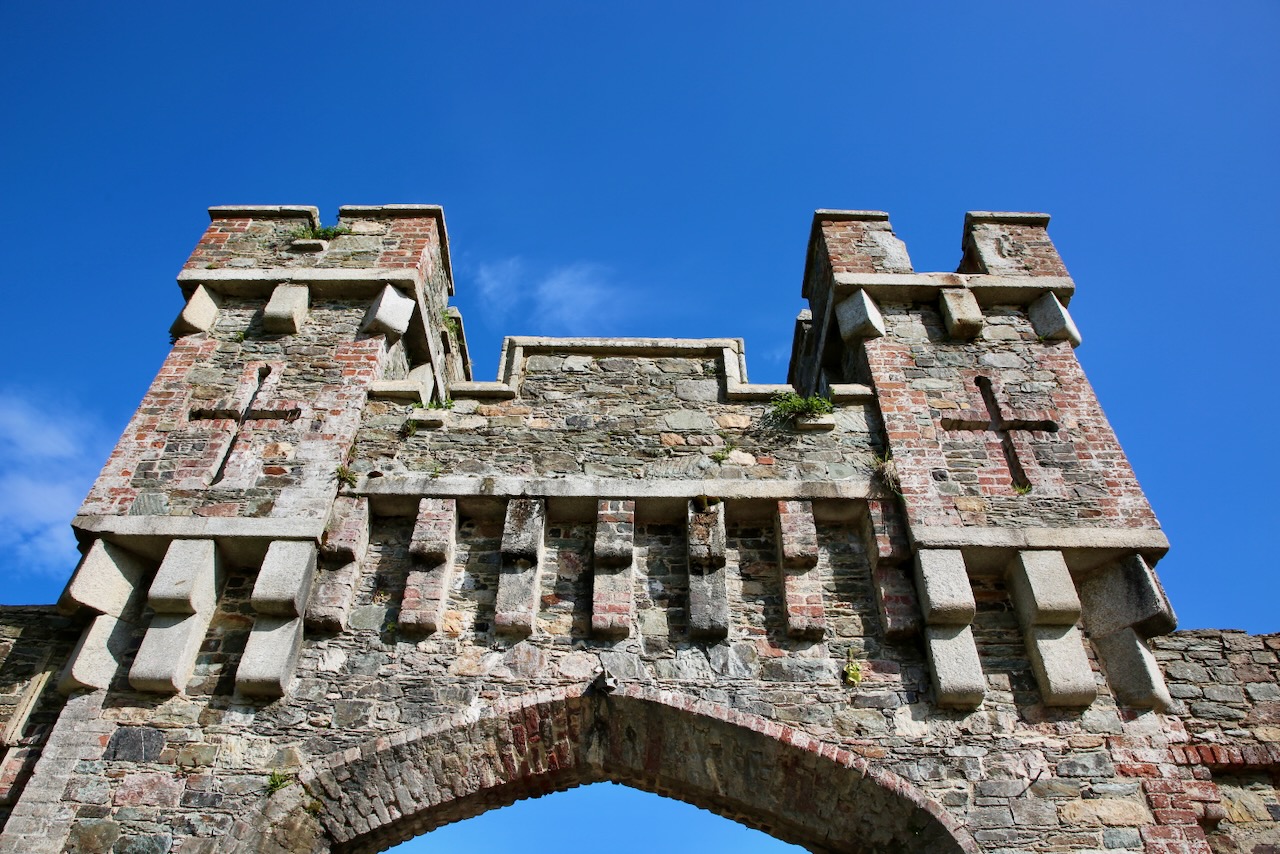
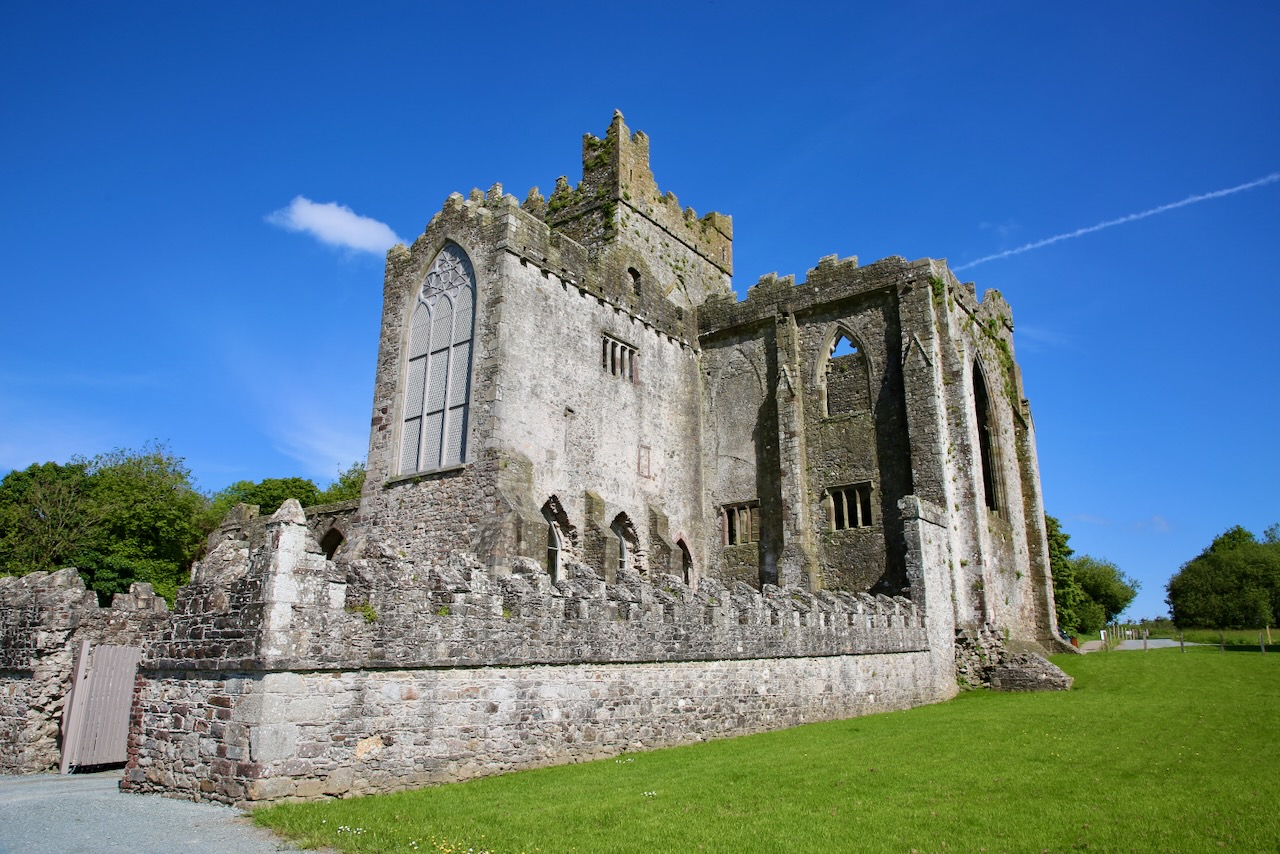
Had I known this piece of history has only been exposed to tourism for the last five years we might have waited the two hours for the first castle tour of the day by exploring the extensive grounds with three lakes and the museum with two floors. This is another reason I always overbook my itinerary — we have plenty more to explore. We park at Tintern Abbey, where monks farmed 9,000 acres of grain and wool, and other foods for international trade in the 13th century. What makes this abbey unique is that most Irish abbeys were closed and turned to rubble in the 16th century but this one was converted into a residence with new floors and partition walls.


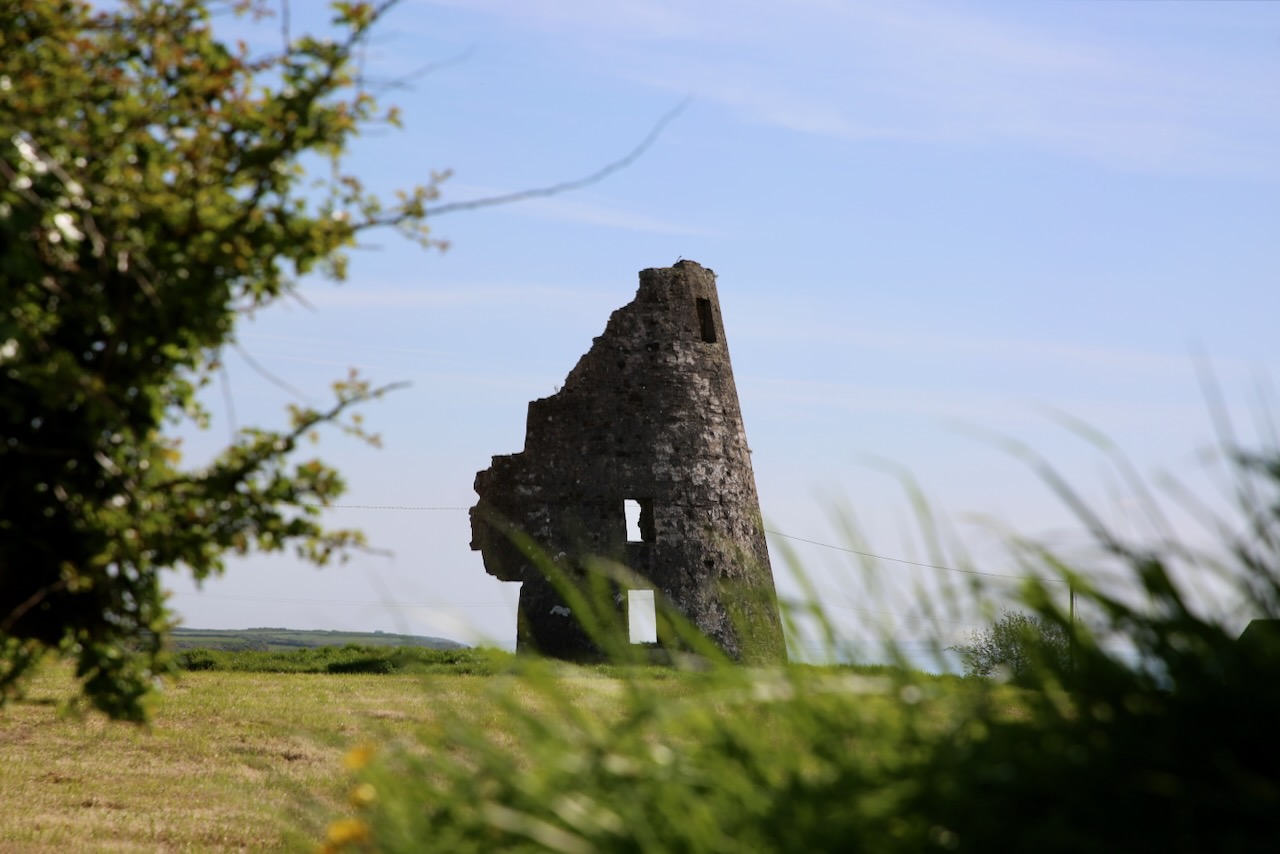
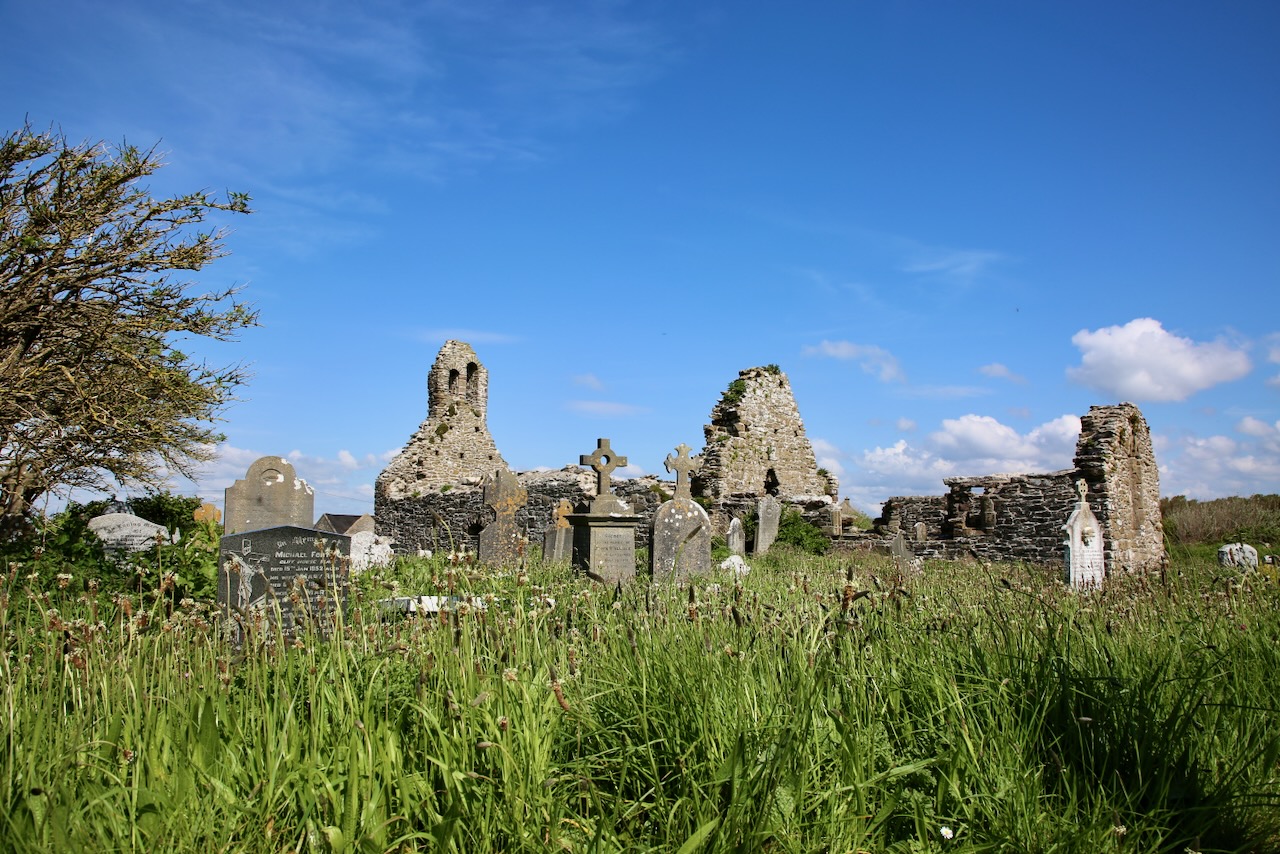
We take the forested trail back to the car and unknowingly pass Saltmills Mass Rock — a place where an altar stone was used for Catholic Mass during the mid-17th century. I only recognize it by the boat ruins on the beach. Our next stop is just a few minutes up the road and has a lady eyeing us as we parked in front of her house, as she’s leaving, to walk back and get a better picture of the tower ruins in her yard. Without unexpected house guests, the lady is on her way and we stop at St. Dubhán’s (translates to fishing hook) Church where a small wooden church was built by the Welsh saint in the 5th century.

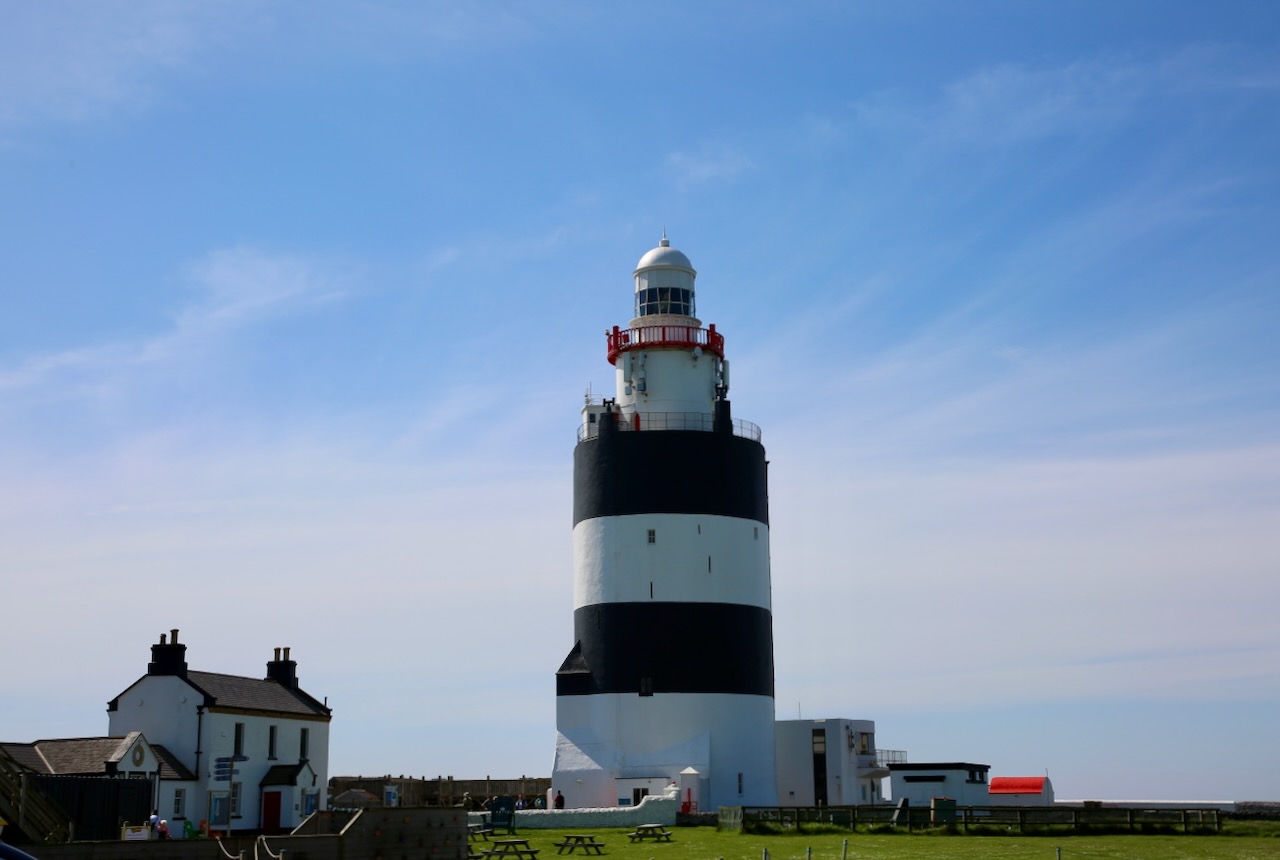
Dubhán’s father founded the St. Brecaun’s Church just 3 km away. The Normans built a stone church on the site 600 years later and Sir William Marshal built Hook Lighthouse (one of the top four oldest in the world) over the monks’ beacon. The tower is four stories high and the walls are four meters thick with 115 steps to the top that had to be constantly climbed with buckets of coal to keep the signal lit. A coal-burning lantern was installed in 1671 by the first lightkeepers who replaced the monks. In 1791 came the whale-oil lantern which was upgraded to gas lights in 1871 that led to paraffin oil in 1911 when a mechanism had to be wound every 25 minutes by the keeper.
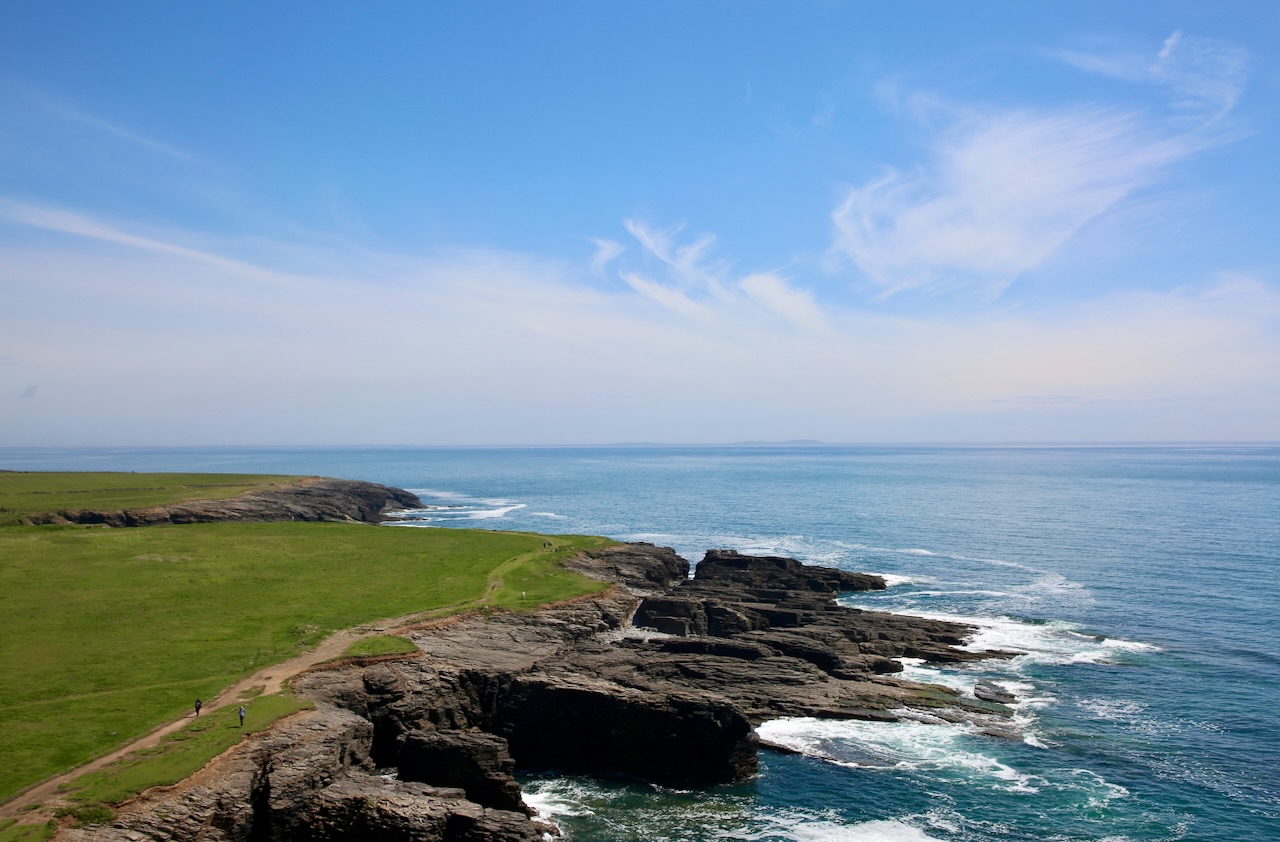
Then in 1972, electricity was introduced and automated in 1996 and the lighthouse opened to the public in 2001 after the keepers’ houses were turned into a visitor centre. Ten years later, the fog horn would be heard for the last time as the Commissioners of Irish Lights deemed them unnecessary with the advanced technology available on modern ships. We park at the lighthouse and look at the Bristol Wagon, a 19th-century rocket cart, used by the Coast Guard to haul in shipwrecked persons from up to 200 yards away. This system saved almost 14,000 lives and was replaced in the late 20th century by the Irish Coast Guard helicopter.
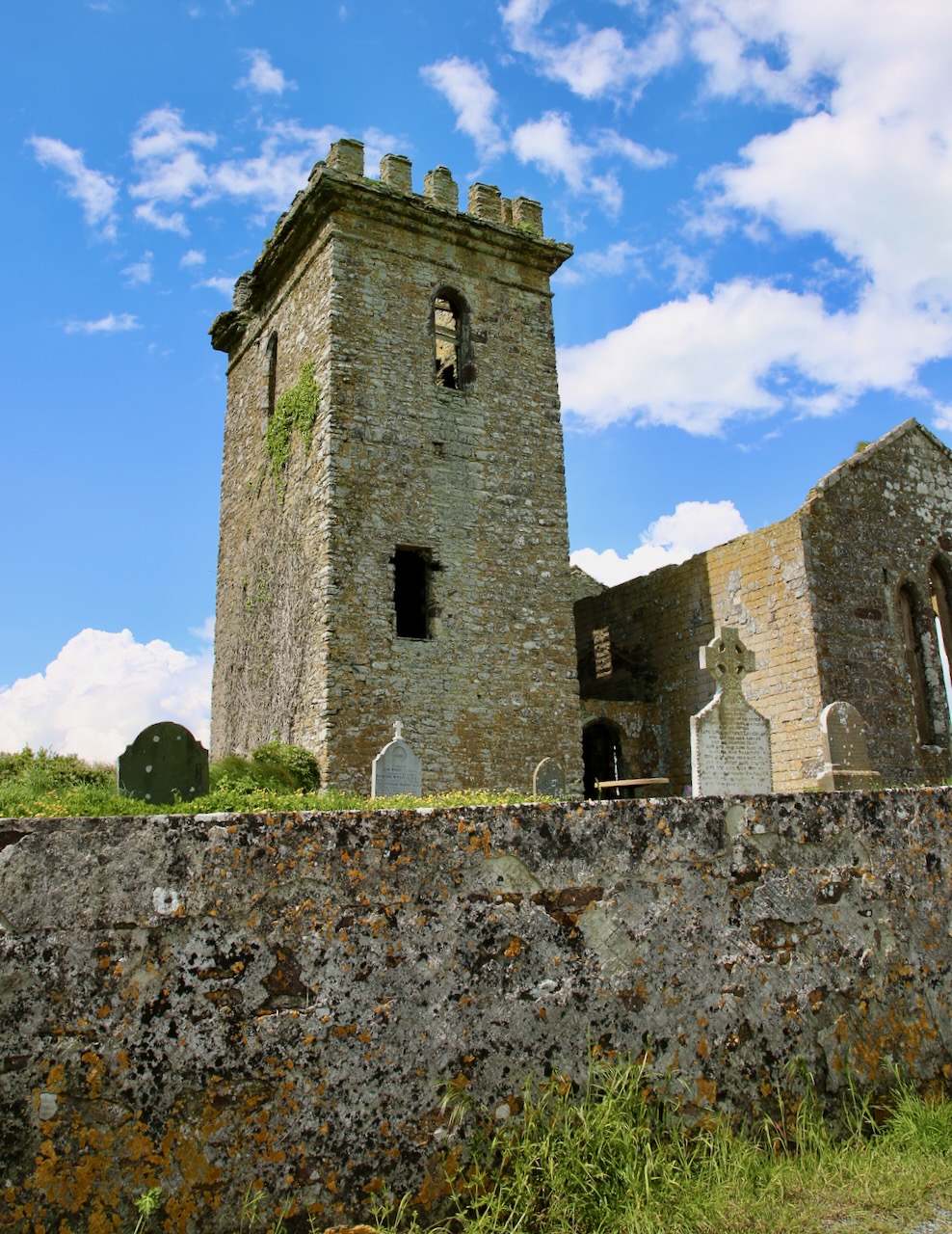
We missed the last morning tour and agreed to wait for the next one. We’ll pass the time with coffee, a large scone (they’re bigger in Ireland), and a full Irish breakfast which is also enough to share. Then it’s back outside to read more about Sir William and other lighthouses on the island (some with lodging and boat tours) while looking for puffins on the rocks. We meet outside the tower with our tour guide and roughly ten others who will be joining us. We’re told this is where three seas (Celtic Sea, Irish Sea, Atlantic Ocean) and three rivers (The Three Sisters: Barrow, Nore, Suir) meet but the oceans surround the island and two rivers converge before joining the third.

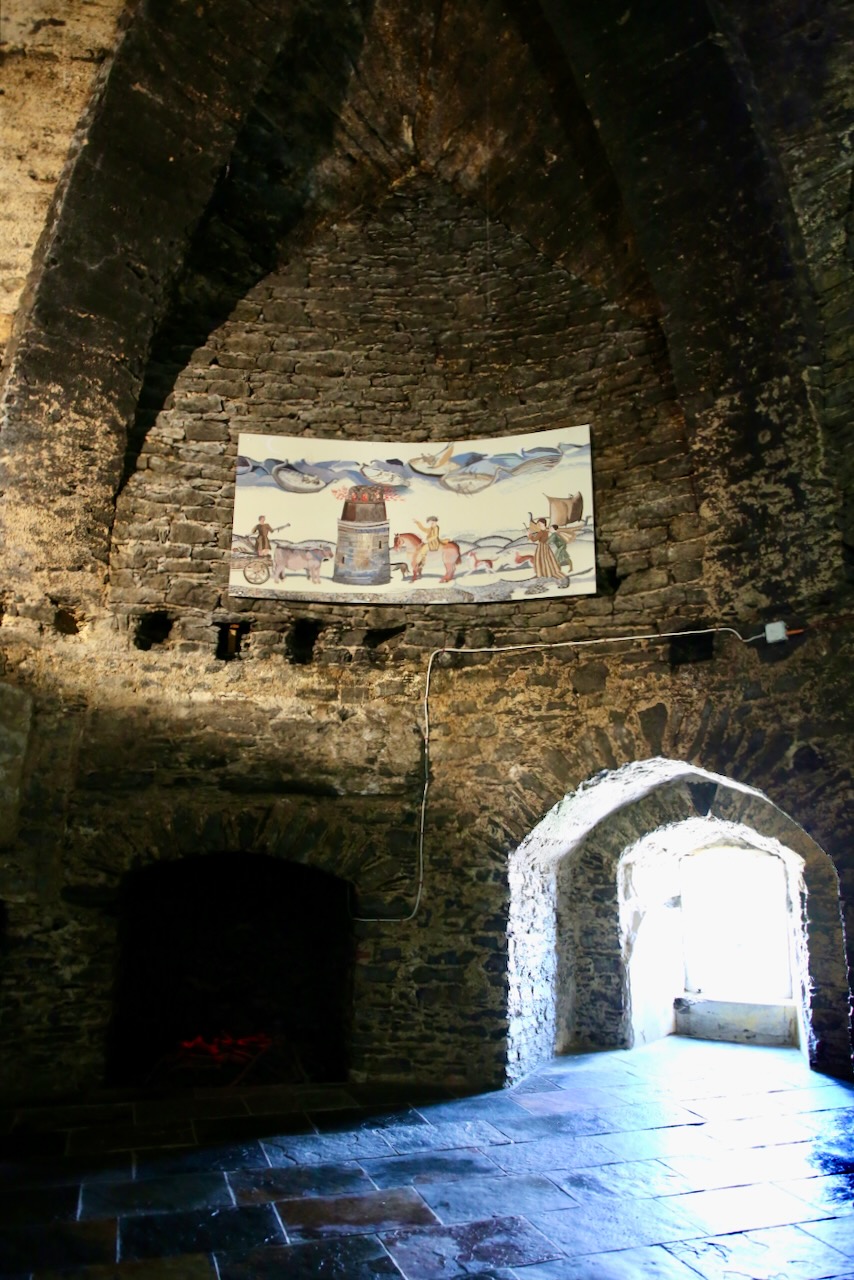
We’re taken inside to see the old Fresnel lens used at Blackrock from 1974 until 1999 when it was replaced with solar power as Ireland moves towards more renewable energy and a reduction for the need of helicopters and ships to help with upkeep for remote offshore locations. As we ascend, we pass built-in shelves, garderobes (toilets in the walls), and large fireplaces. I’m almost sure I can see Wales from here but it could just as easily be more Irish coastline. We’re in the middle of taking smile and frown face selfies when our guide disagrees and does a mini photoshoot of us smiling.
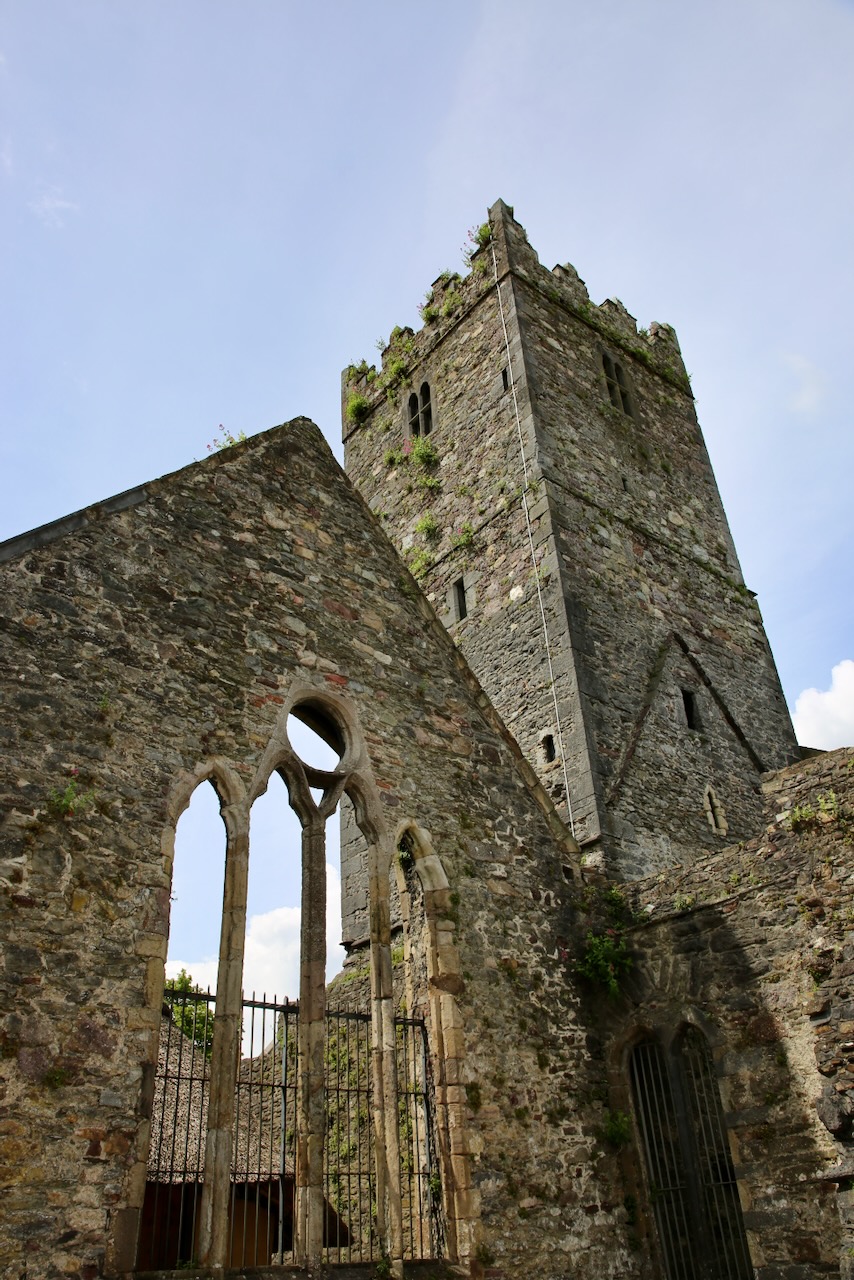
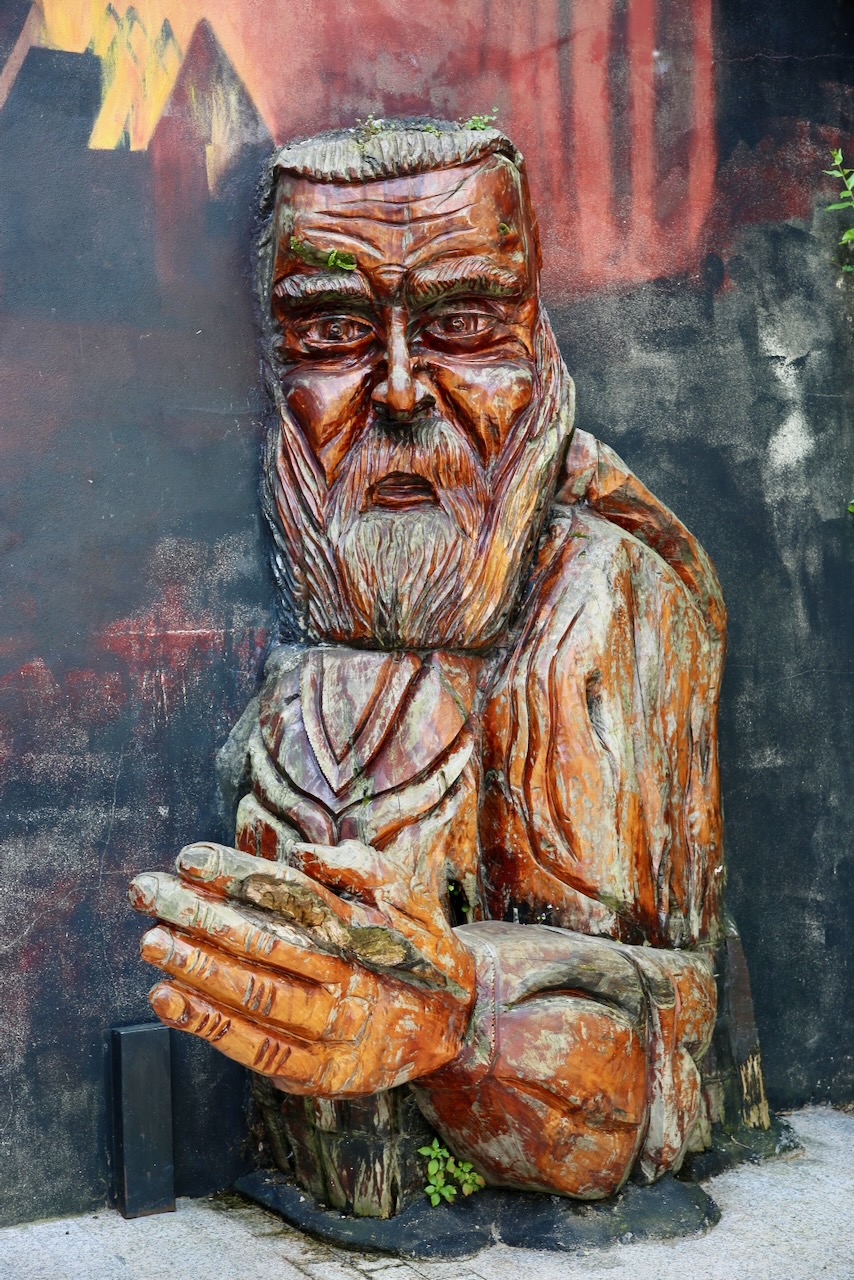
We pass by the attached chapel on our way out while our guide tells Caleb and me how she’s going for her masters to be a librarian, like the famed monk Martin Schrettinger. On the road again and I’ve noticed a few signs — painted on the road: slow, very slow, slow now; a yellow warning sign with three cars meaning queues likely; and the hardest one to figure out: a half-white circle on a brown sign (for tourists) that looks like a Trivial Pursuit game piece which means viewpoint. It’s a good thing the symbol was never alone because when accompanied by a mountain climbing picture it means there’s a walking trail with a vista worth the hike.
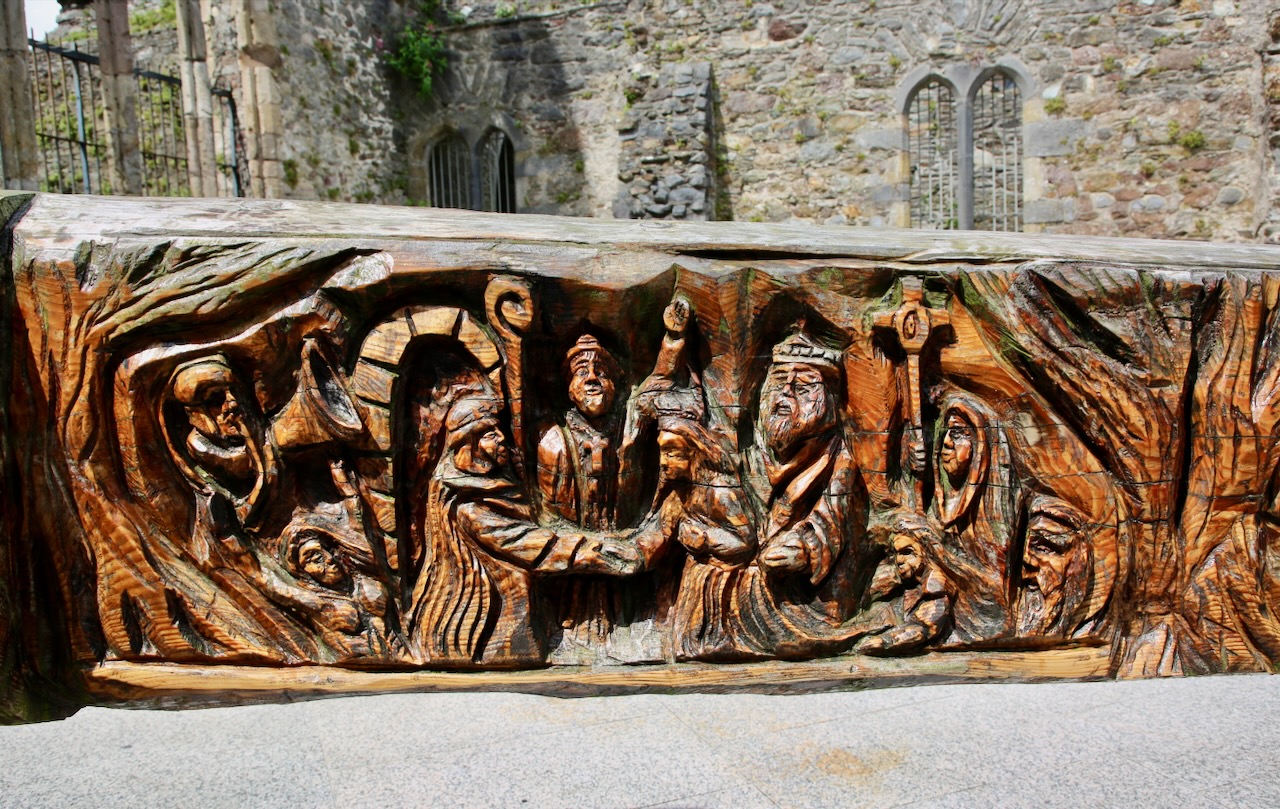
This means we skipped out on 500 million-year-old rock, house remains from the 1900s, a grotto, a medieval castle, and a battlefield in the countryside to drive to Waterford instead. We find parking around the corner from Reginald’s Tower, the oldest civic building in Ireland, and have to power walk to the Waterford Treasures: Medieval Museum to use their downstair facilities. We pass the Irish Wake Museum: Rituals of Death. Celebration of Life; a large chess set (resembling the walrus tusk pieces found on the island of Lewis in 1831); and a monument to Luke Wadding, the only Irishman to garner votes in a Vatican papal election. Luke got the Catholic Church to approve St. Patrick’s Day (a local holiday for five centuries now recognized worldwide) and businesses and pubs would close to celebrate, for over 70 years, so that drunkenness wouldn’t disrespect the saint.

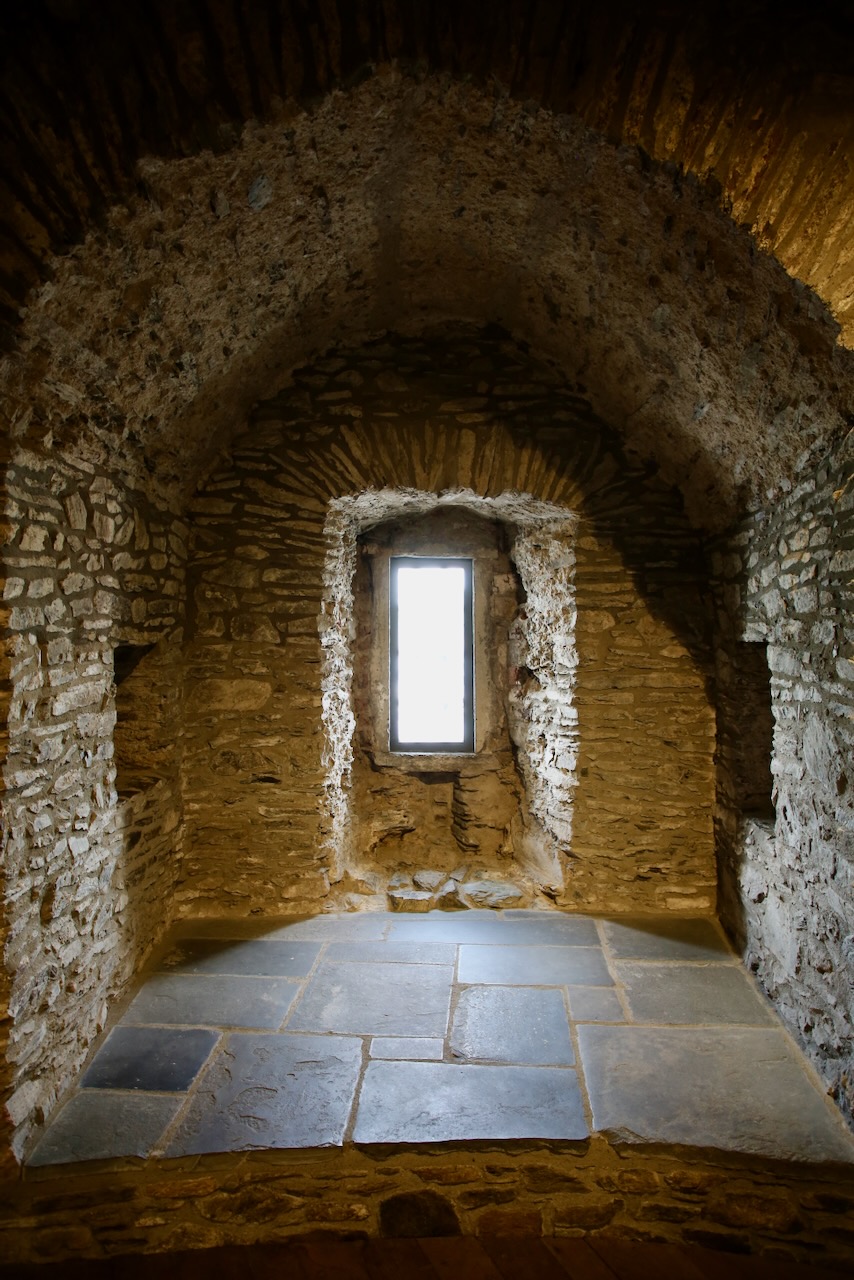
His statue is outside the Franciscan Friary also known as the French Church. The “Dragon Slayer” 23-meter sword, the world’s longest, outside the King of the Vikings virtual reality adventure, was carved from a single fallen tree by John Hayes and James Doyle in 2017. There is so much to see here, and our itinerary is of no help. Back to the tower, that has been a fortress, an arsenal, a coin mint, a prison, and now a museum; the only monument in Ireland named in honor of a Viking who founded the city in 914. There are a few things on display and the porcelain plate, silver pennies, and wine jug catch my eye as much as the stone steps, cloud-filled views, and large wooden door.

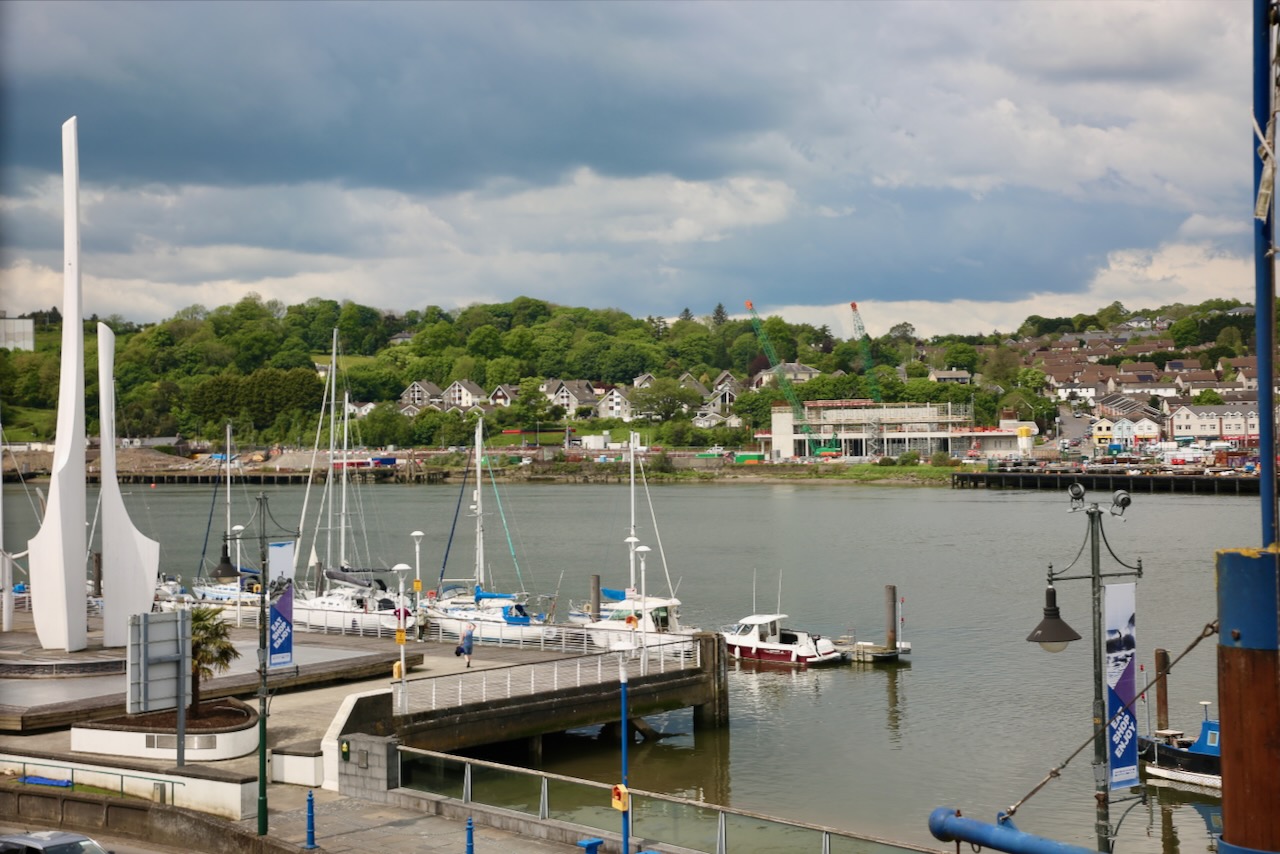
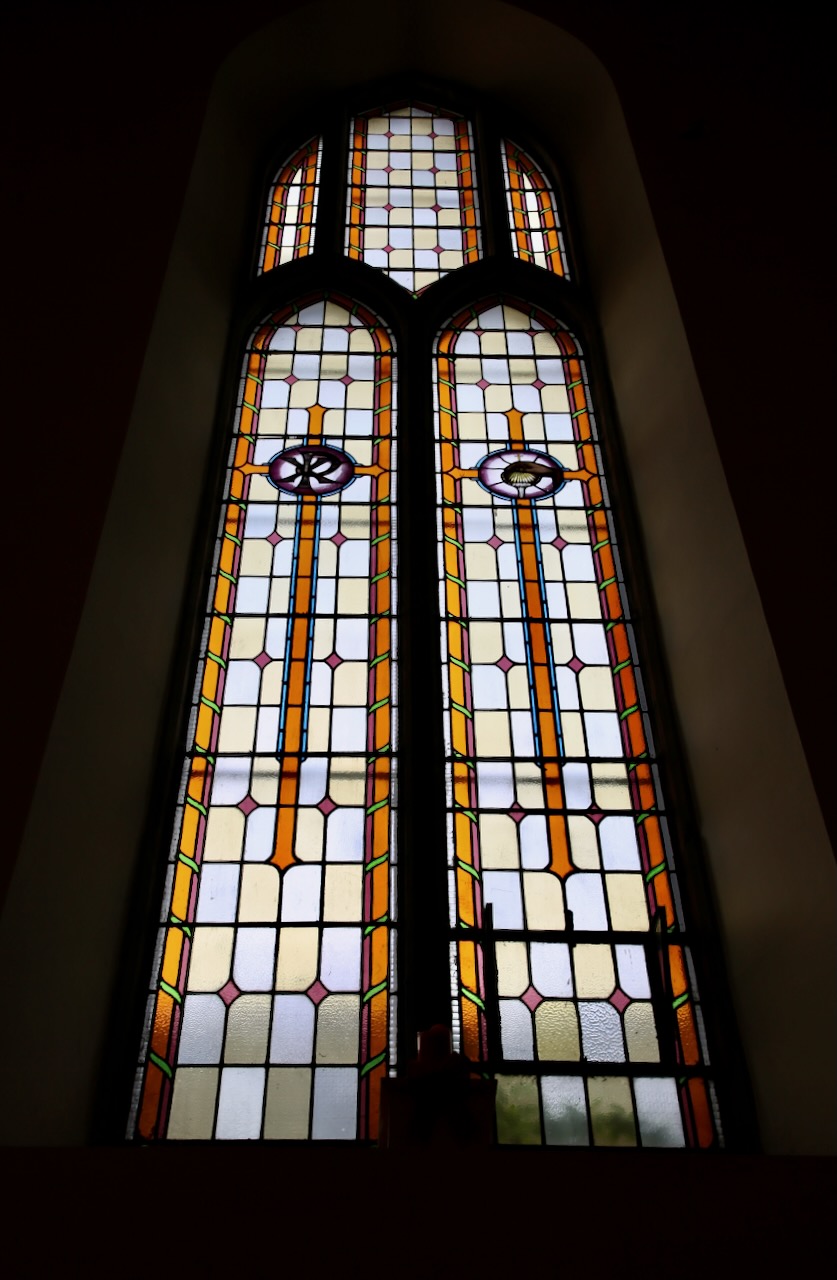
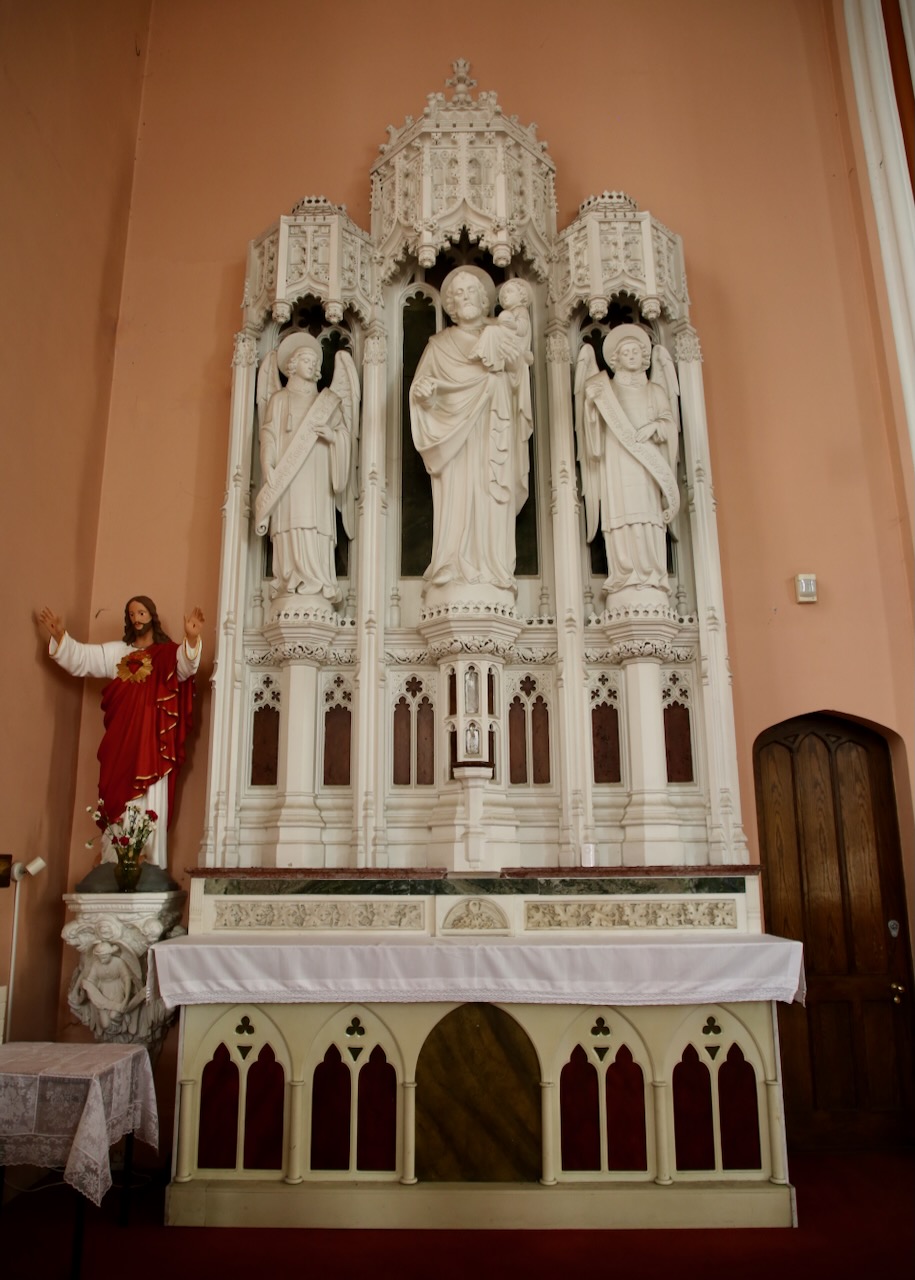
Not ready to get back in the car, we head southwest on foot and find ourselves quietly appreciating the inside of St. John’s Presbytery. I’m surprised more homes don’t have stained-glass windows as perhaps they want separation from the church or don’t want to pay the $90 – $250 per sq. ft. for privacy with natural lighting or I just haven’t spent enough time in communities with that budget. This congregation was able to raise funds to restore the windows in 2007 that were built in 1850. It starts to sprinkle on the way to the car park and we learn that the town name Waterford is believed to come from old Norse meaning fjord of the rams (sheep export) or windy fjord (a safe harbor).

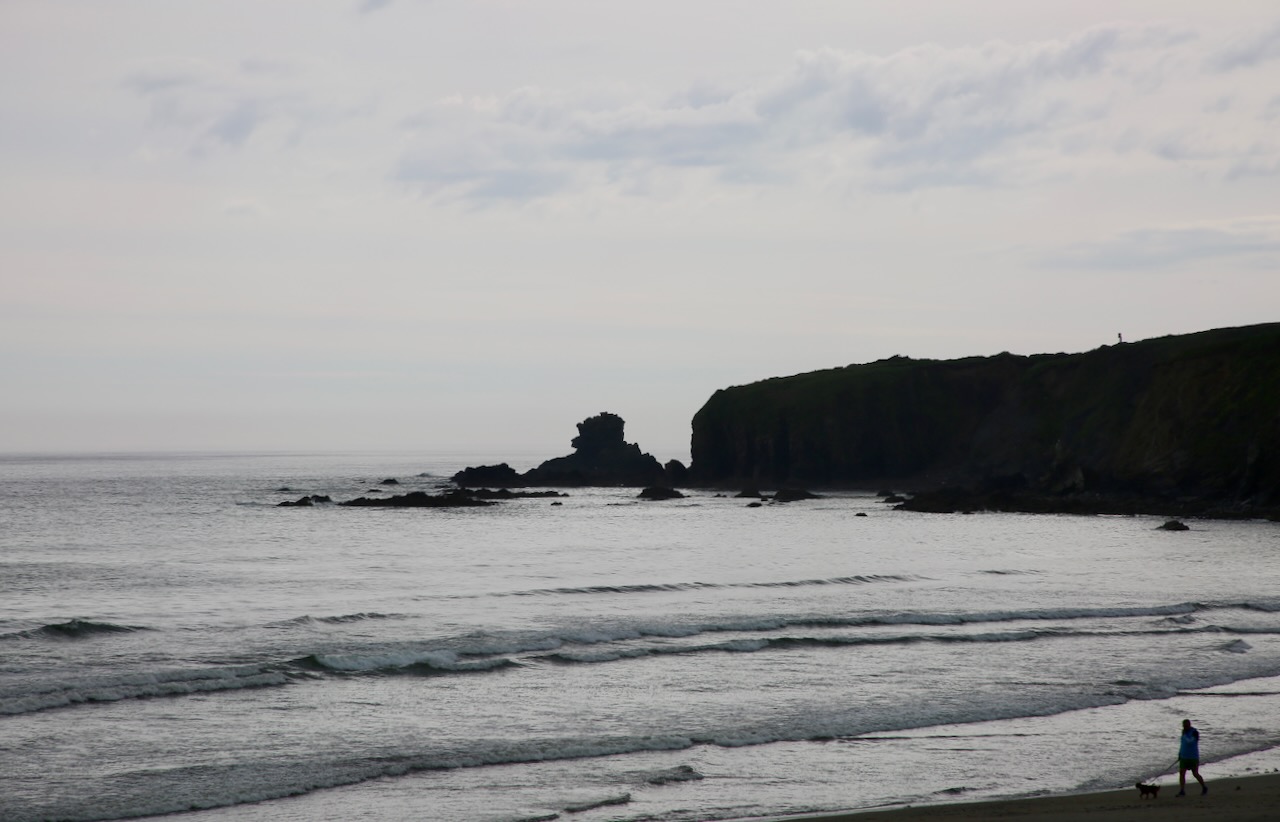
There is minor flooding at an intersection which slows cars in our lane but isn’t dampening travel plans for cars going the other way. I had plans to go to the Butter Museum and learn about the success of Kerrygold internationally, one of the top three sold in the US, but we were about an hour and a half away when they closed at 4 pm. Instead, we’ll stop at Bonmahon, a historic mining village, along the Copper Coast UNESCO Global Geopark. The visitor centre is closed and the small parking lot could just be a roadside rest stop. We continue to the beach, where horseriding is allowed between 5-11 am between May and Sept.

The boardwalk on the hill lets us admire the view of rock formations, the small tide rolling in, and the immaculate manufactured home lot behind a fence on the other side. Excited to be outside, but also hesitant to soak one of our few outfits; which is exactly why you bring two! Anyway, the Ballyvoyle Tunnel was built in 1878 with alcoves for the rail workers to stand in while trains passed. I wasn’t expecting that or to stumble upon Waterford Greenway, Ireland’s Rail Trail, and one of the top seven international destinations of its type. The railway line operated until 1967 and the trail was opened in 2017. Within 29 miles there are 11 bridges, three viaducts, and the 1,300 ft long tunnel.

I think knowing so much about a place can be overwhelming; at least to a person who struggles when having to make a decision. This visit just helps to reinforce that idea. I didn’t know the length of the tunnel or what to expect, but leading to the dark passageway are birdhouse facades as a way for people to leave their mark without carving their names in rocks and trees. I’d have enjoyed the tunnel just as much if it were only three feet long. The path is clean and the lights inside illuminate cave-like walls, spider webs, and ferns growing on the wet bricks. The rain seems to be at rest, for now, but we’re hungry and Caleb still feels ill, so we stop in Dungarvan to look for a pharmacy and a place to eat.

We park near The Poor Man’s Seat, where the parking meter is broken, and walk towards Grattan Square to find food at The Local. We’re sat in the back of the long restaurant and looked at the signs on the walls, mostly for drinks, while we waited for our food to arrive. I looked at the house specials — steak, fish, fried meats, or the goat’s cheese tartlet with rocket, sundried tomato, red onion marmalade, and pesto with homemade chips. No idea why we passed by the Lismore Castle, with a political poster on each lamppost, versus passing through Castlemartyr closer to the coast.
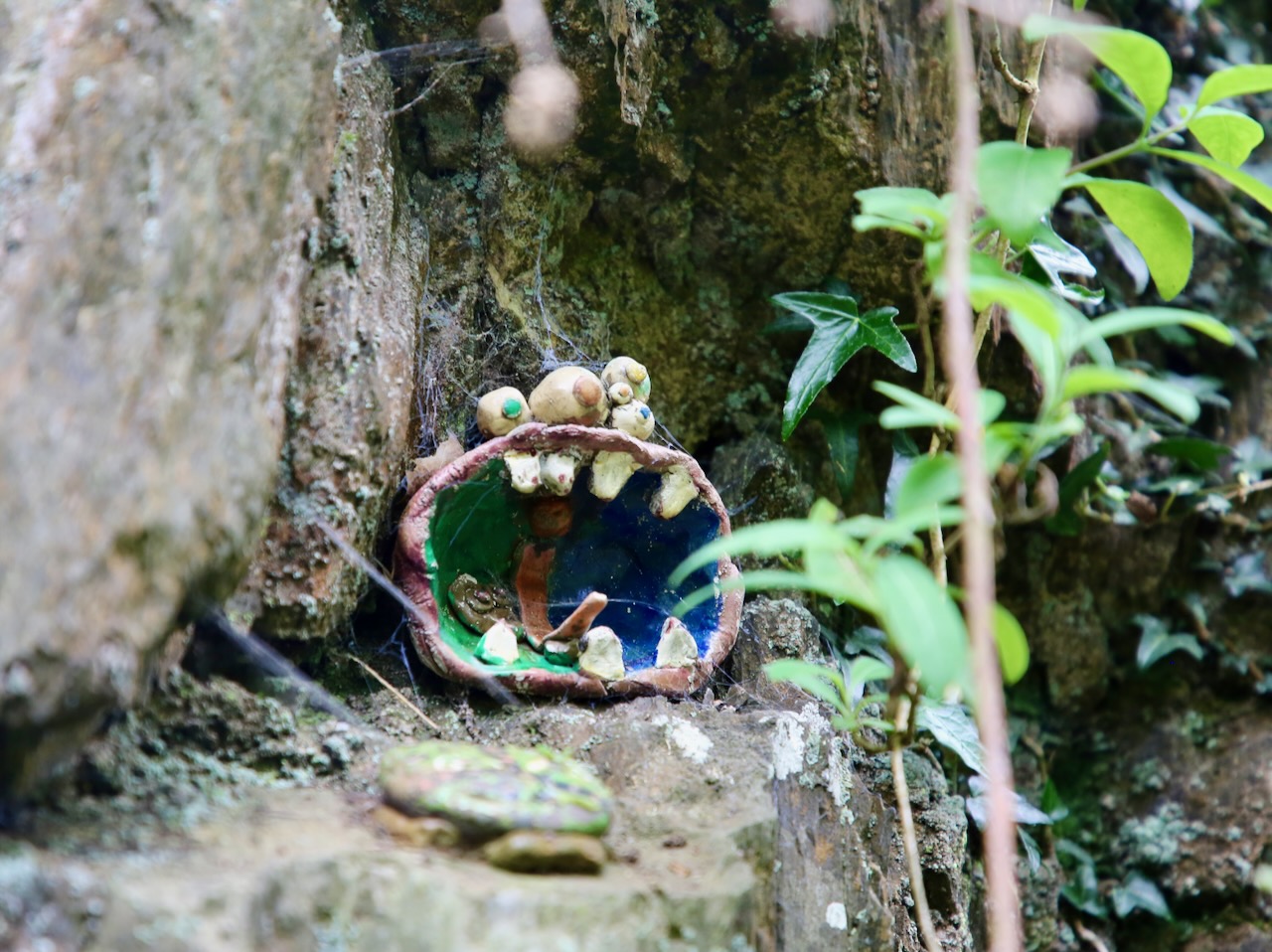

Ballyvoyle Tunnel
Either way, instead of a simple right in Cork, I parked us 700m away from Sheila’s Hostel at Patrick’s Hill due to a road closure. I’ll walk back for the car while Caleb stands in a parking spot to ensure it’s still there as overnight parking is free but very limited. I realize how tired I am when I have to reverse out of a bus’s way at an intersection as I second guess if I’m in the proper lane; though as Caleb will tell you — it’s more stressful being in the passenger seat of a vehicle when you constantly feel like you’re going to hit a tree, ditch, person, sheep or all of them at once.

This is the worst accommodation we’ve ever stayed at. Places with stains, stickiness, and secrets might gross you out but they won’t keep you up all night. A person was joining our room almost every half hour until 2 am and shining their phone lights along with the bright hall light beaming in. We had no idea Bruce Springsteen was in town but I was hoping that meant they’d all come back at once and pass out drunk. The other two girls in the room slept with their phones, one guy gets light alerts and three of them snore. There are slamming doors in the hall, stomping feet up and down the stairs, people outside our window, and constant traffic.

Caleb reminds me that we’re getting too old for this shit. I should’ve booked us in places that are more quiet and have stricter policies, which I agree with when I need to drive the next day. Perhaps these stays wouldn’t be as bad if I could nap on a train, but then I’m still missing out on part of the trip. If we’re over having roommates, who have mostly been friends from work, then why would we want to subject ourselves to a room full of strangers with terrible sleep standards… I’m still coming to terms with growing older and finding those stories that will stay with us through time.

 TheJessicaness