FRIDAY
I start to pack the car upon waking and eat a biscuit from yesterday’s feast on the way to Cibbets Flat. It starts to rain. I eat a grapefruit in the driver’s seat while Caleb sets up the tent. My headache from Tuesday is back, but we will walk from camp to the turn before the bridge and agree that 46°F in wet and windy conditions is cold. We say hi to two weiner dogs that approached us on the road. Back at the car, we debate sticking out the weather or returning next weekend.
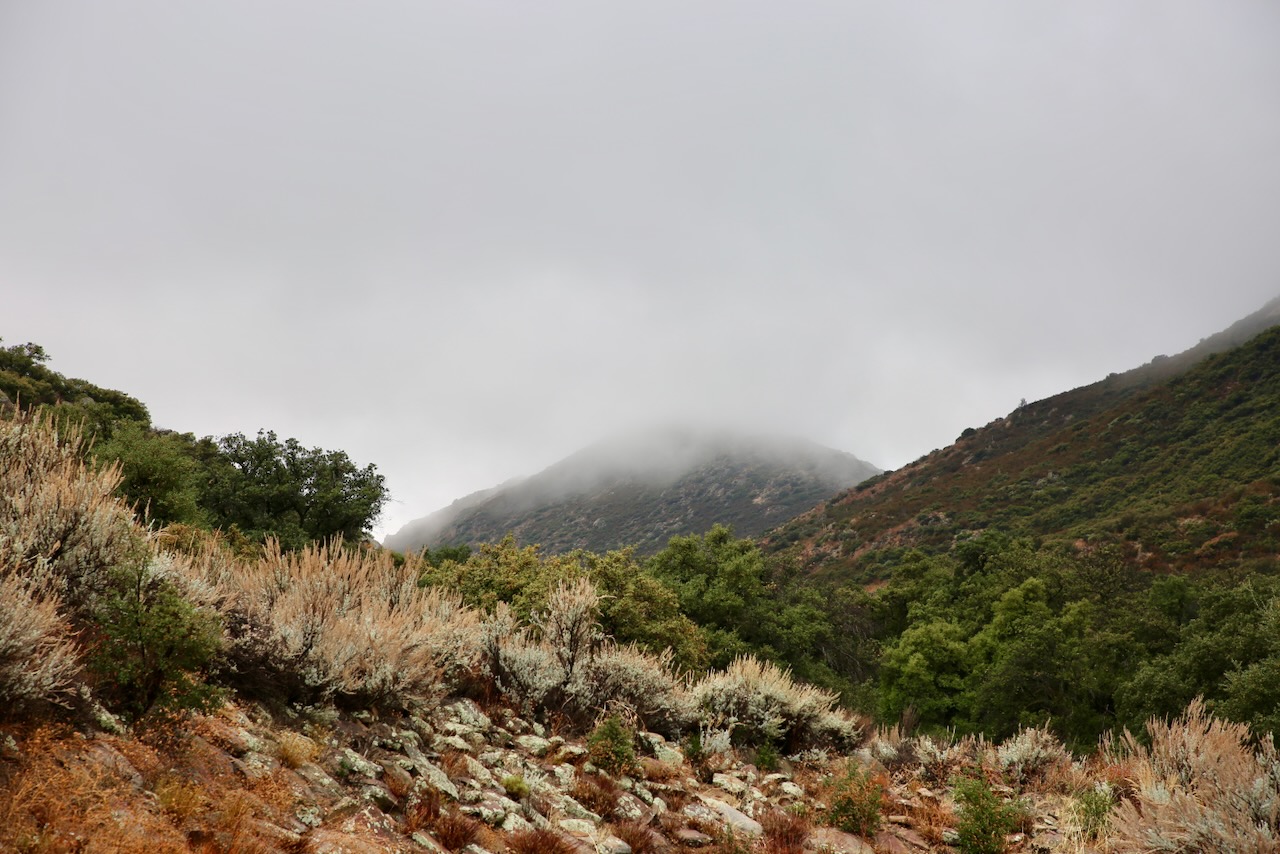
Caleb breaks down the tent as the decision to not stay and hike, read under a tree, or attempt a fire for s’mores. We can save the wood for a more campfire-friendly day. We drive to Balboa Park to walk around for the afternoon. We start with a visit to the Air and Space Museum. We learned about barnstormers (people who travel around giving exhibitions of flying and performing aeronautical stunts) such as Lillian Boyer, who performed in front of thousands between 1920 and 1928.


Barnstorming ended due to aging aircraft, fading novelty, and increased government regulations. A breakthrough in design, the cantilever monoplane, came in 1933, which would last 25 years. The Whirly-Girls were founded in 1955 with women from France, Germany, and the US to support female helicopter pilots. Their logo comes from the Army’s Helicopter Square Dance Team when they dressed up two choppers as women and two as men as a recruiting tactic.


In a display case is an example of a German fighter pilot’s “Victory Stick”, a walking record of date and type of aircraft (Russian, British, and American) they’ve taken down. We conclude this museum by learning about the General Electric J-47 jet engine, the first axial-flow turbojet approved for commercial use in the US after its first flight test in 1948. More than 30,000 engines were built before production ceased in 1956. The military continued to use them until 1978.

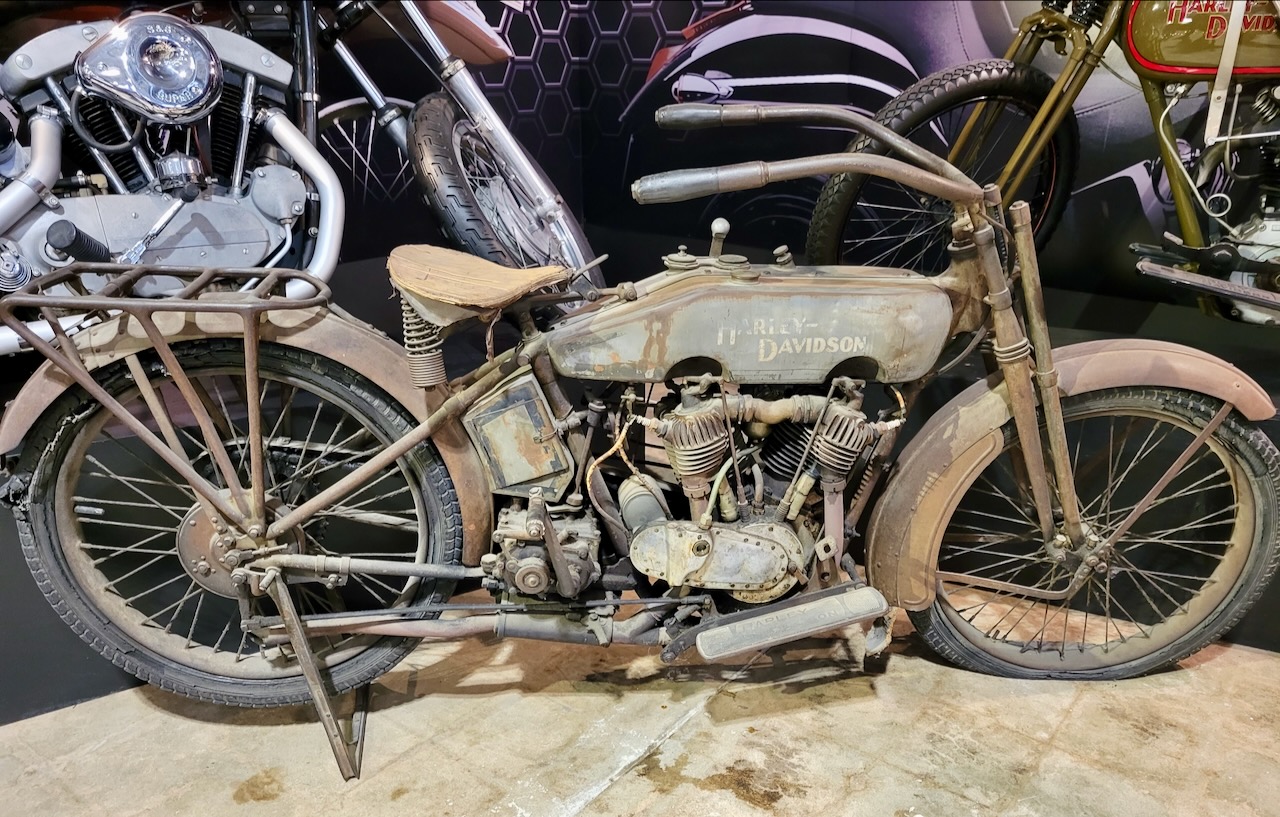
The San Diego Automotive Museum opened in 1988 after spending roughly a million dollars to renovate the building. The city got its start with the Panama California Exposition of 1915, which ran through 1916 as well to accommodate the 3.5 million visitors. The construction took four years, but the legacy continues. Before that, Kate Sessions was busy planting exotic trees and shrubs at a rate of 100 a year for ten years, starting in 1892, that earned her the name of “Mother of Balboa Park”.
The Indian Motorcycle Company was born in 1901 and dominated racing into the 1940s. At the end of the Great Depression, they and Harley-Davidson were the only two American manufacturers left. The company closed in 1953, and a new company opened in 1999 under the Indian name. They went bankrupt in 2003 in California, and the newly formed company in North Carolina opened in 2006. After an acquisition in 2011, they moved their headquarters to Iowa.
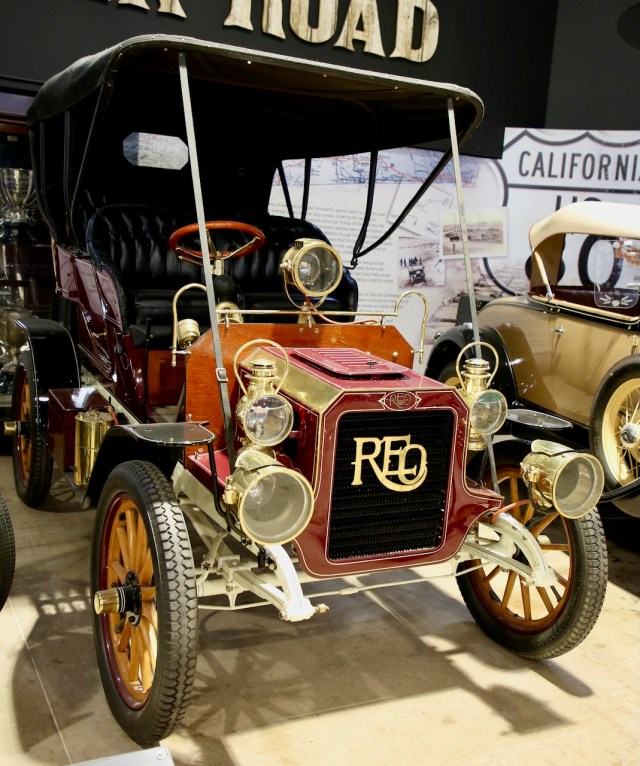
In the 1930s, Henry Ford was giving bootleggers a trunk big enough to store their contraband whiskey and an engine and suspension fit for stock car racing. In 1947, the beginning of van life (without stopping) would begin with a Cadillac and a dream by Louie Mattar. He spent $75,000 and was able to drive with two friends from San Diego to New York and back in 1952 by refueling from a moving gas truck three times.

The backseat included an electric stove, refrigerator, washing machine, chemical toilet, ironing board, medicine cabinet, and a kitchen sink… all travel size, of course. Even more impressive was the ability for the car to refill the radiator, change the oil, and have tires that could be inflated while turning. He also made it from Anchorage to Mexico City in 1954. I agree with his pursuit of travel and hope that after the record-making drives, he found time to repeat those trips and stop along the way.
SATURDAY
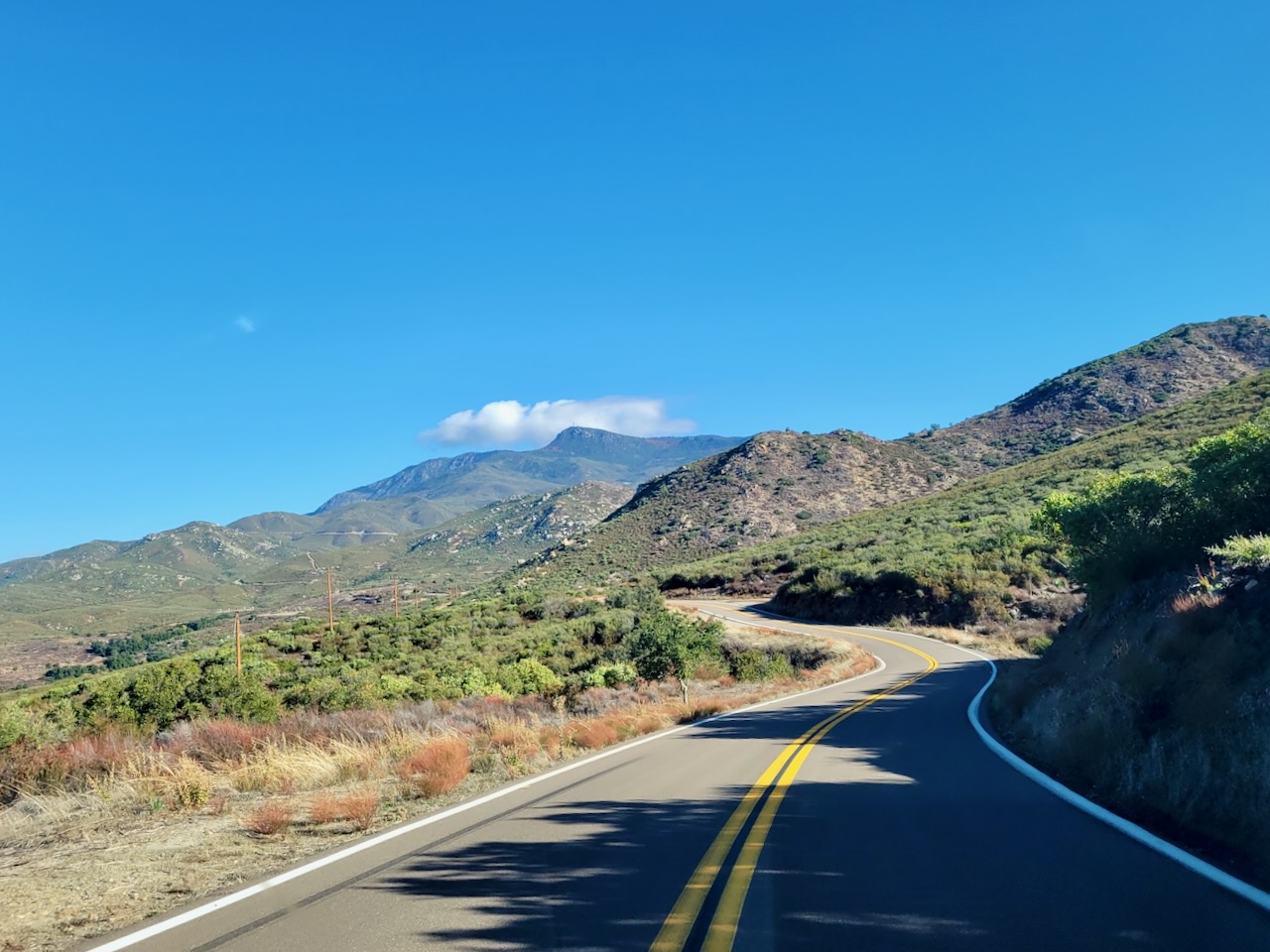
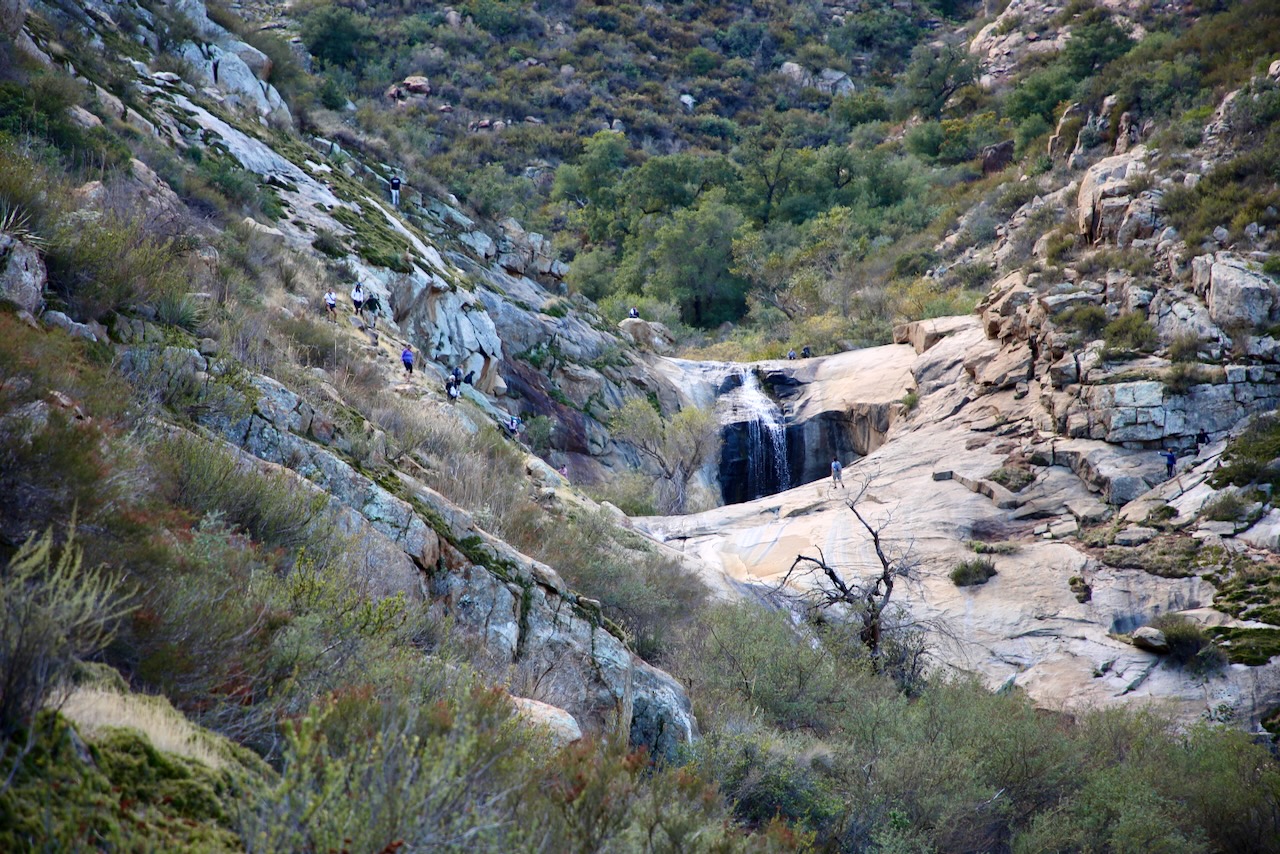
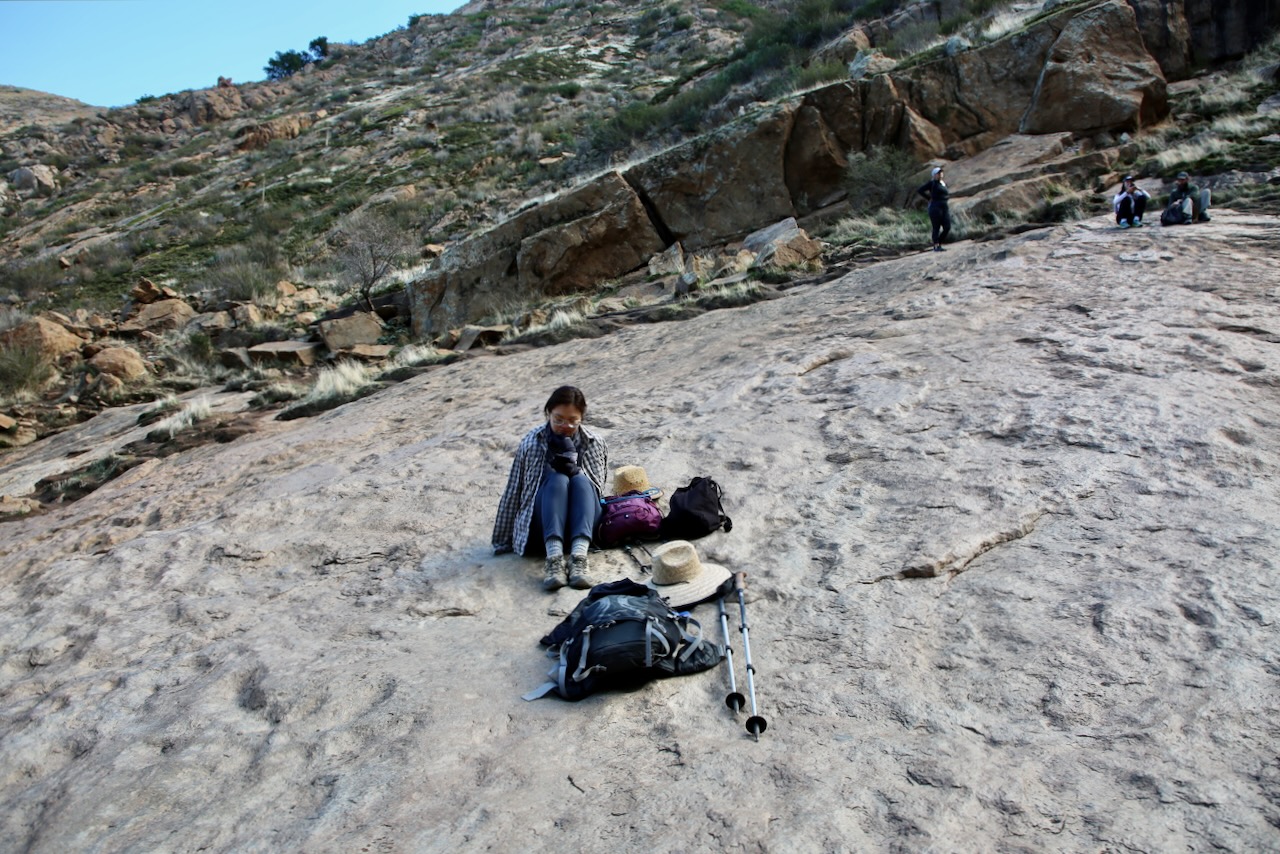
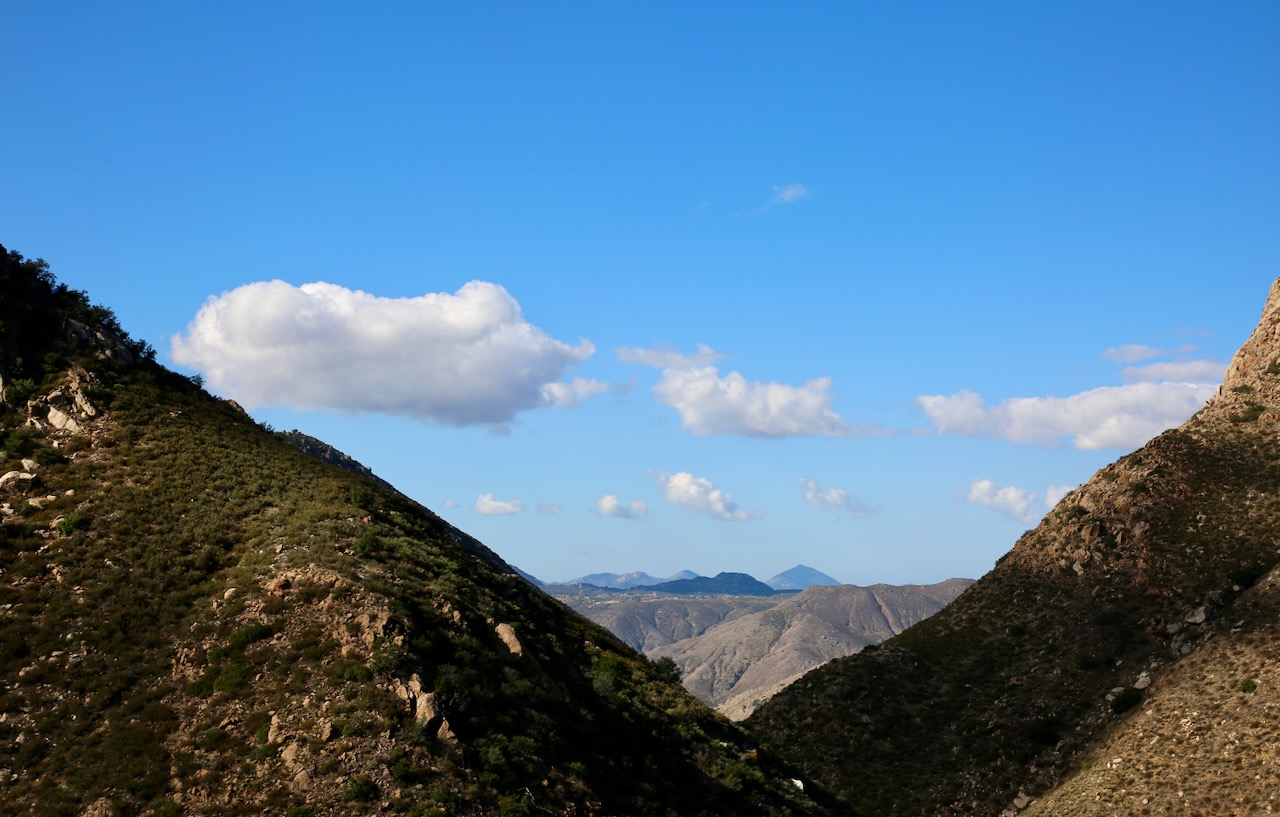
It’s a beautiful day to hike the Three Sisters Falls Trail in the Cleveland National Forest. It’s roughly 4 miles out and back with a thousand feet of elevation gain. The trail is rated from easy to strenuous, so it definitely depends on when you hike in the day and how fit you are before going. The 60-mile drive northeast is pretty, and the views on foot are worth a look. The path weaves in and out of sunlight and shade, of feeling expansive and narrow, and being deserted and crowded (if four people count).


We feel the elevation change in our legs, we see the little mushrooms no bigger than a fingernail, we smell the dust and moist foliage, and hear the stream cascading down the rocks. As for taste, we sip on the flavored electrolyte-enhanced water from our CamelBaks. I step in a puddle and slip at the falls but incur no damage, ego or otherwise. The return hike offers even more to look at as we climb out of the canyon and into the heat.


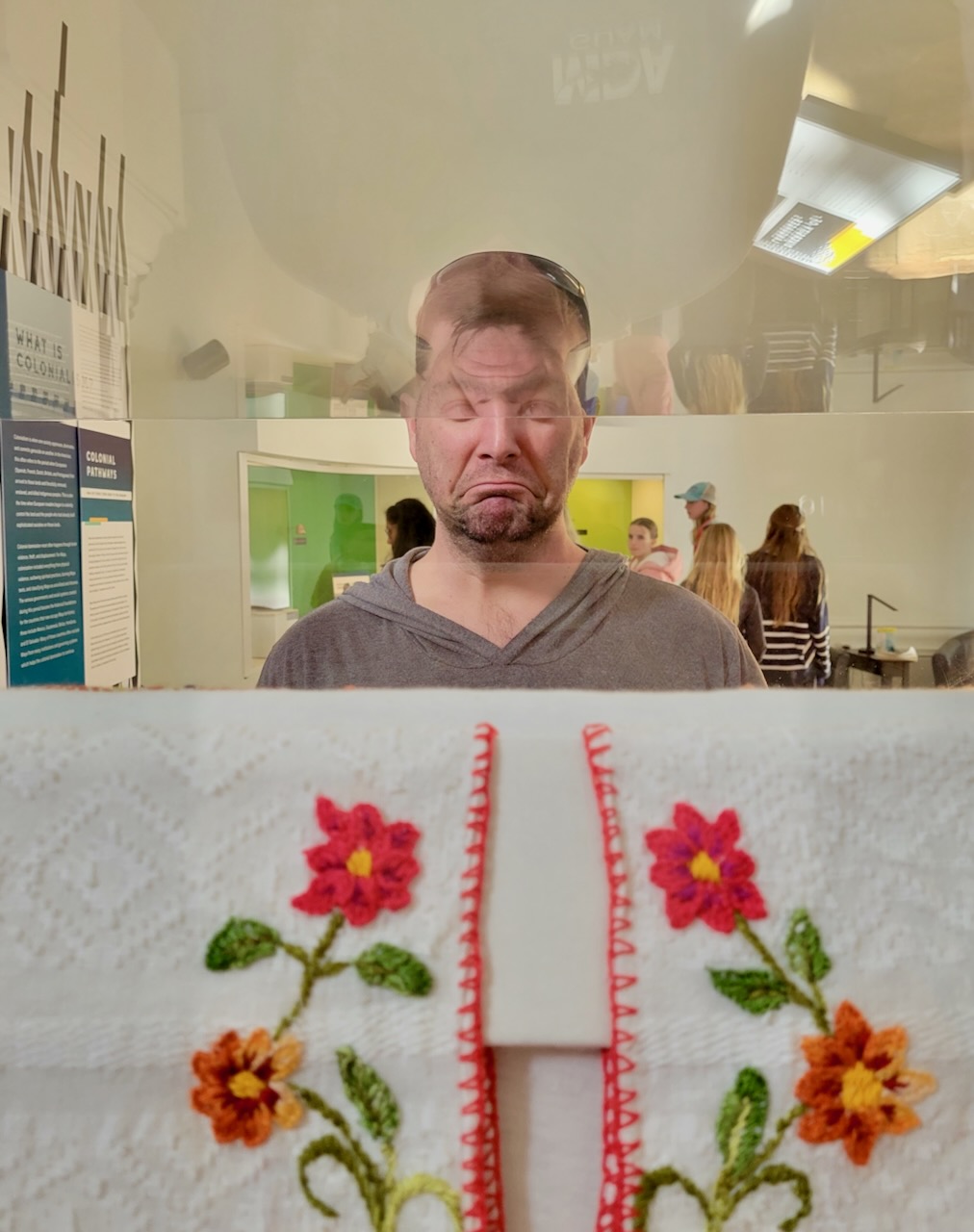
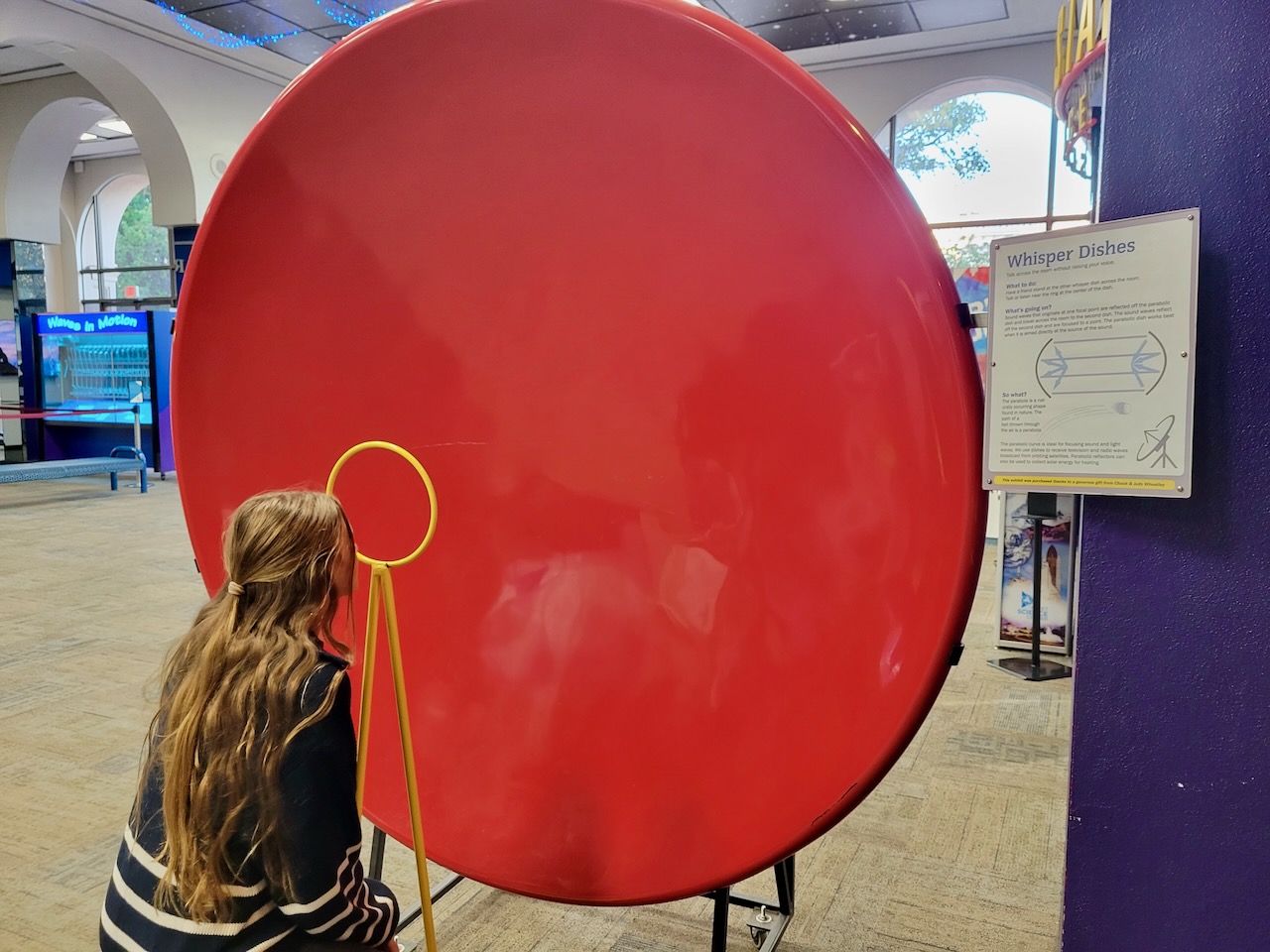
We join Fallon and her daughters for a late lunch at Panama 66 in Balboa Park and then join them on a quick look through the Museum of Us, Museum of Art (focus on photography), and the Fleet Science Center. We spend the most time looking at the PostSecret exhibit, the apothecary of the human body, and the interactive stations, respectively. We part ways to our cars and will meet up again later to soak in the hottub for about 45 minutes at Fallon’s place.
SUNDAY
A morning full of dreams and plant trimmings. I vacuum up the fallen leaves of my fern. We go for a morning walk and then to the store for mushroom powder to make chocolate milk and run into an old neighbor who got kicked out of his blue house with eight dogs, moved to El Cajon and then Arizona, and is back in San Diego for his wife’s job, as he’s retired. We’ll sit poolside until I finish a book and then return home when Caleb gets hungry.


 TheJessicaness