
I wake up on the 59th US presidential election day to poll and riot news and an early morning rain. Part of me wants to go back to sleep now that my host’s guests are done making noise upstairs. Having been on transportation so long yesterday, I will opt to stay on foot today. I walk towards the River Thames and cross the Kingston Bridge.

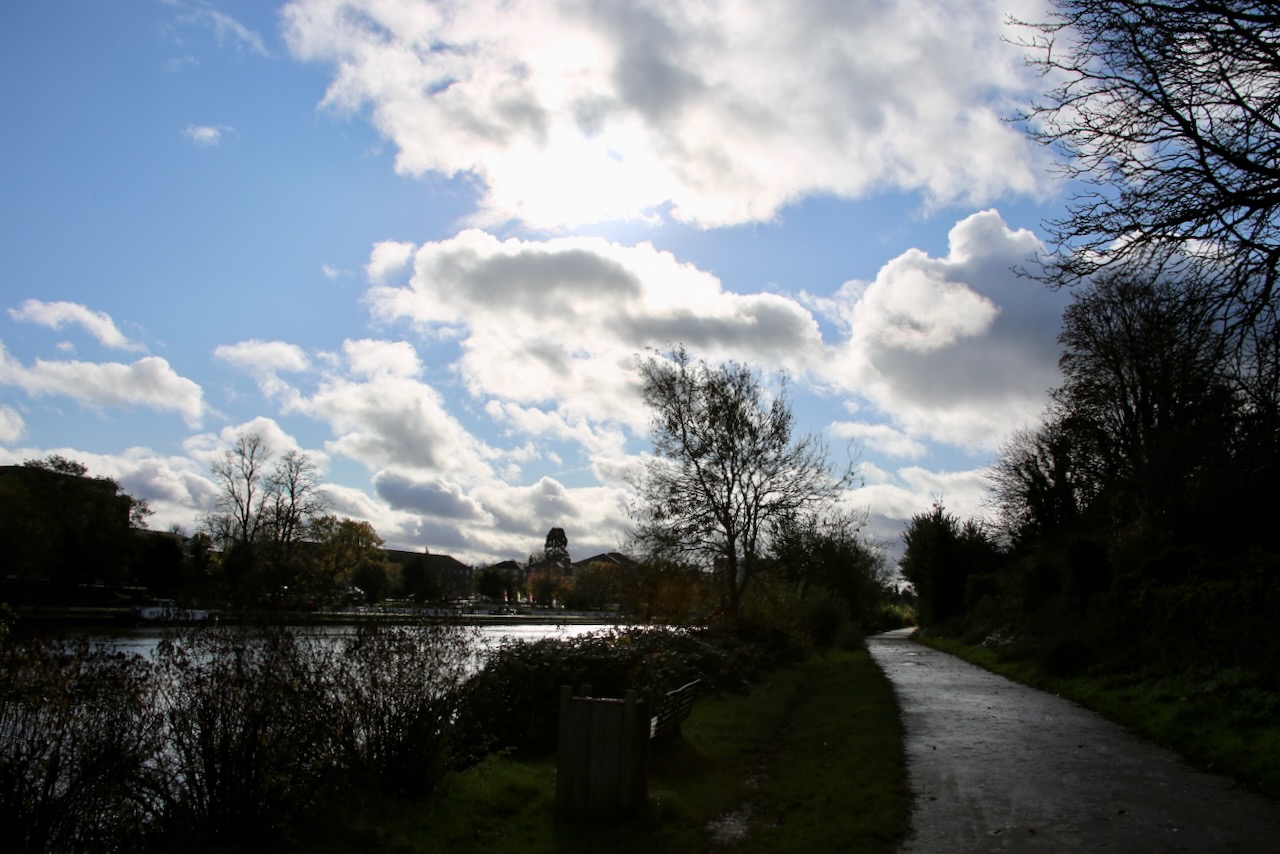
There was an ancient wooden bridge about fifty yards downstream that fell into disrepair in 1219 and remained the only bridge between Kingston and London until 1729. The first stone for this current bridge was laid in 1825 and opened in 1828. The bridge was free of tolls in 1870, and in 1914 was widened on the upstream side. No opening ceremony took place with the outbreak of the Great War.
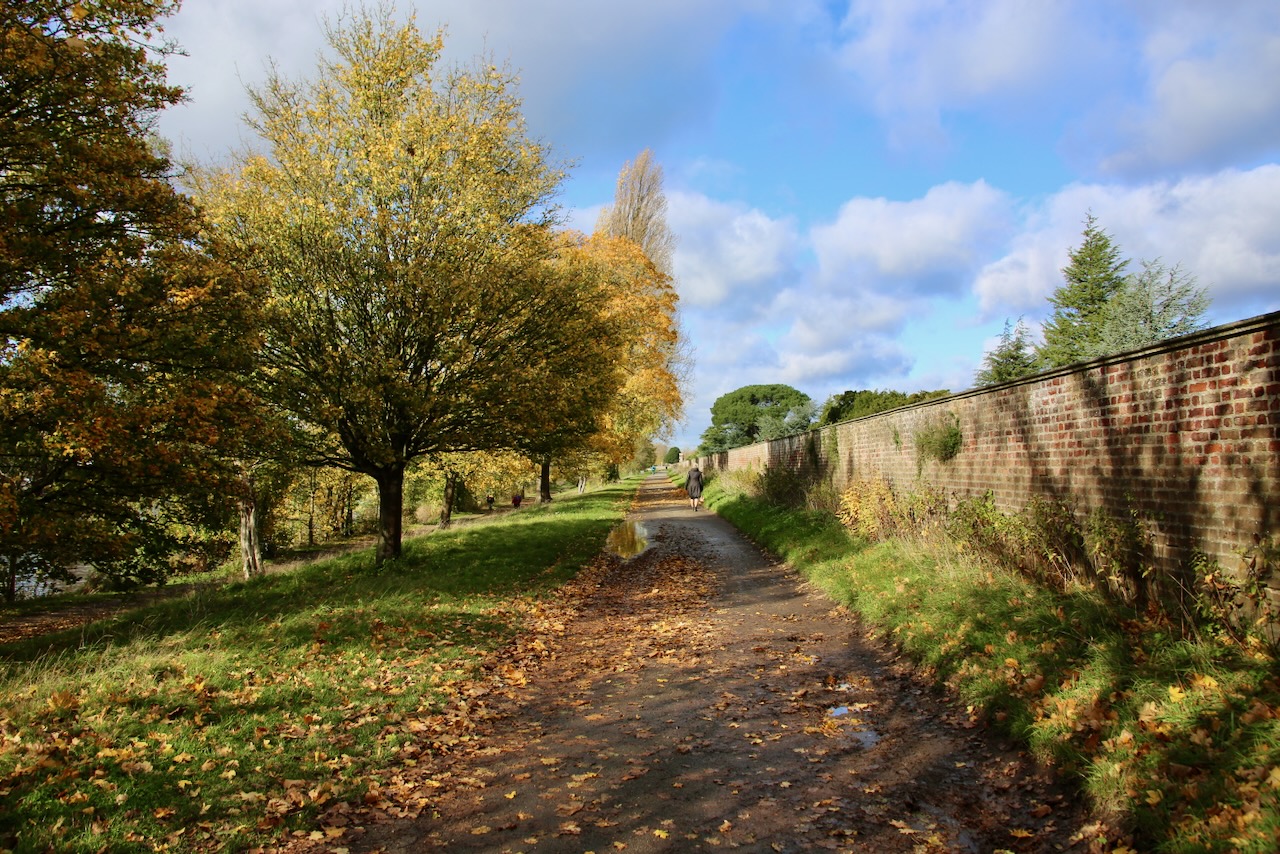
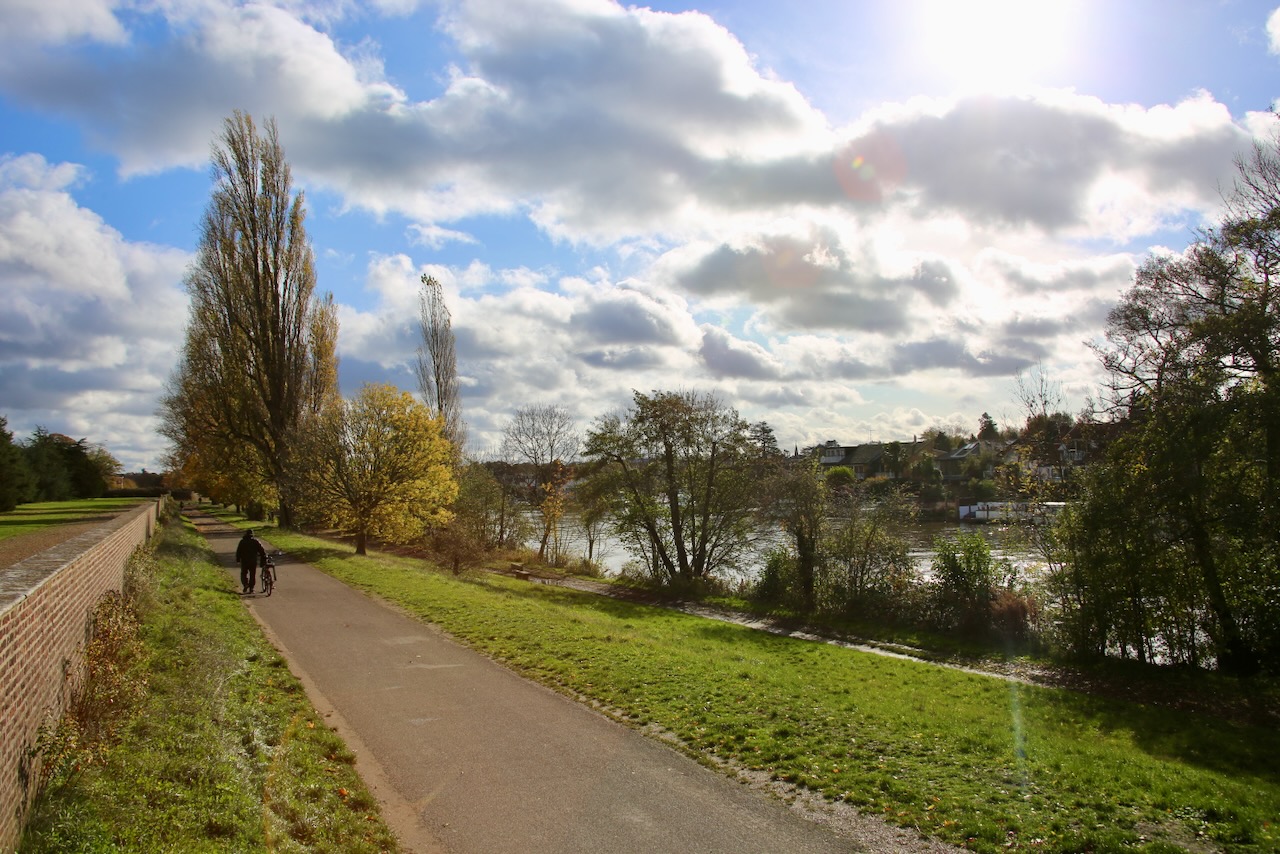
Along Home Park, there is a sign posted on the gate warning the public not to enter between Oct. 27 and Dec. 11 and between the hours of 9 pm and 8 am, not including weekends, while gunmen reduce the deer population by selective slaughter. It’s a lovely day out, and many walkers, some with dogs, and cyclists are enjoying the weather too.
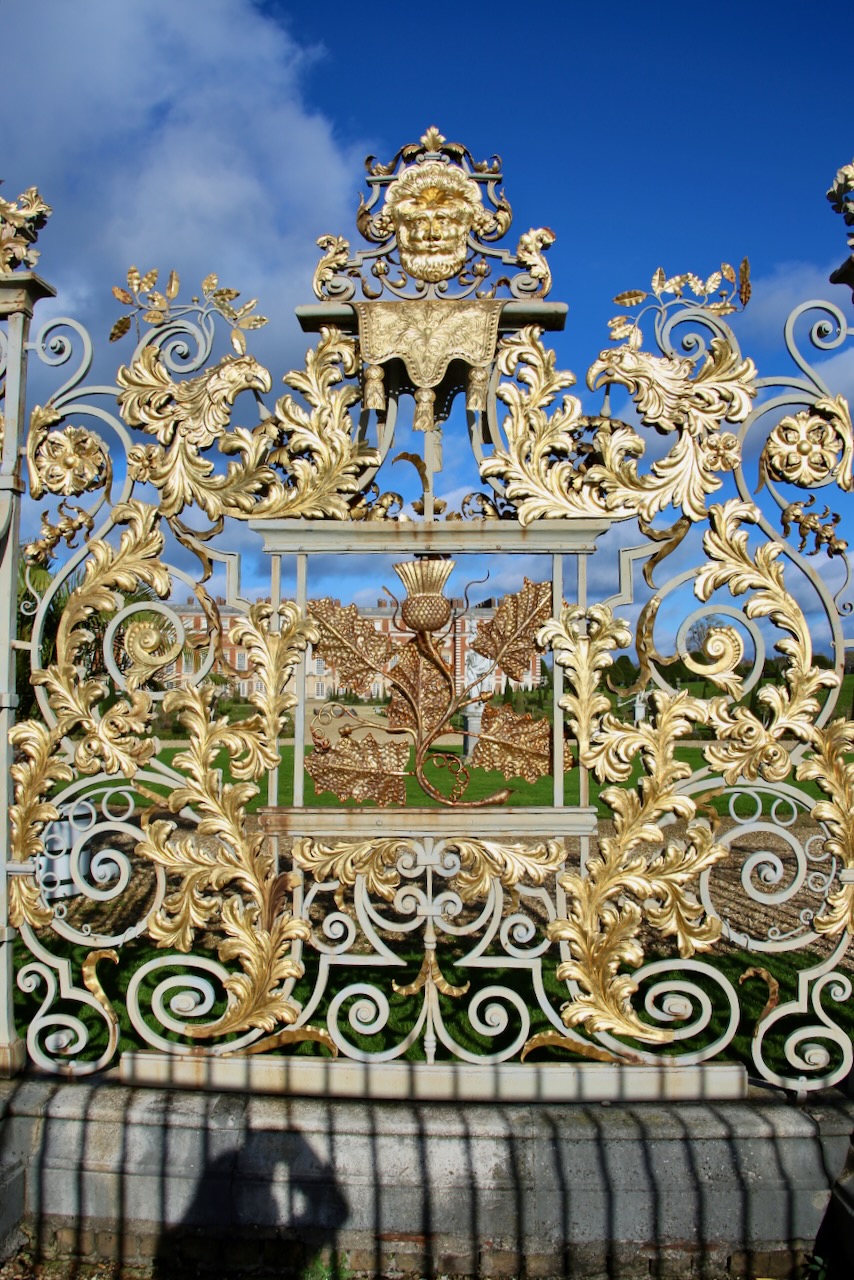
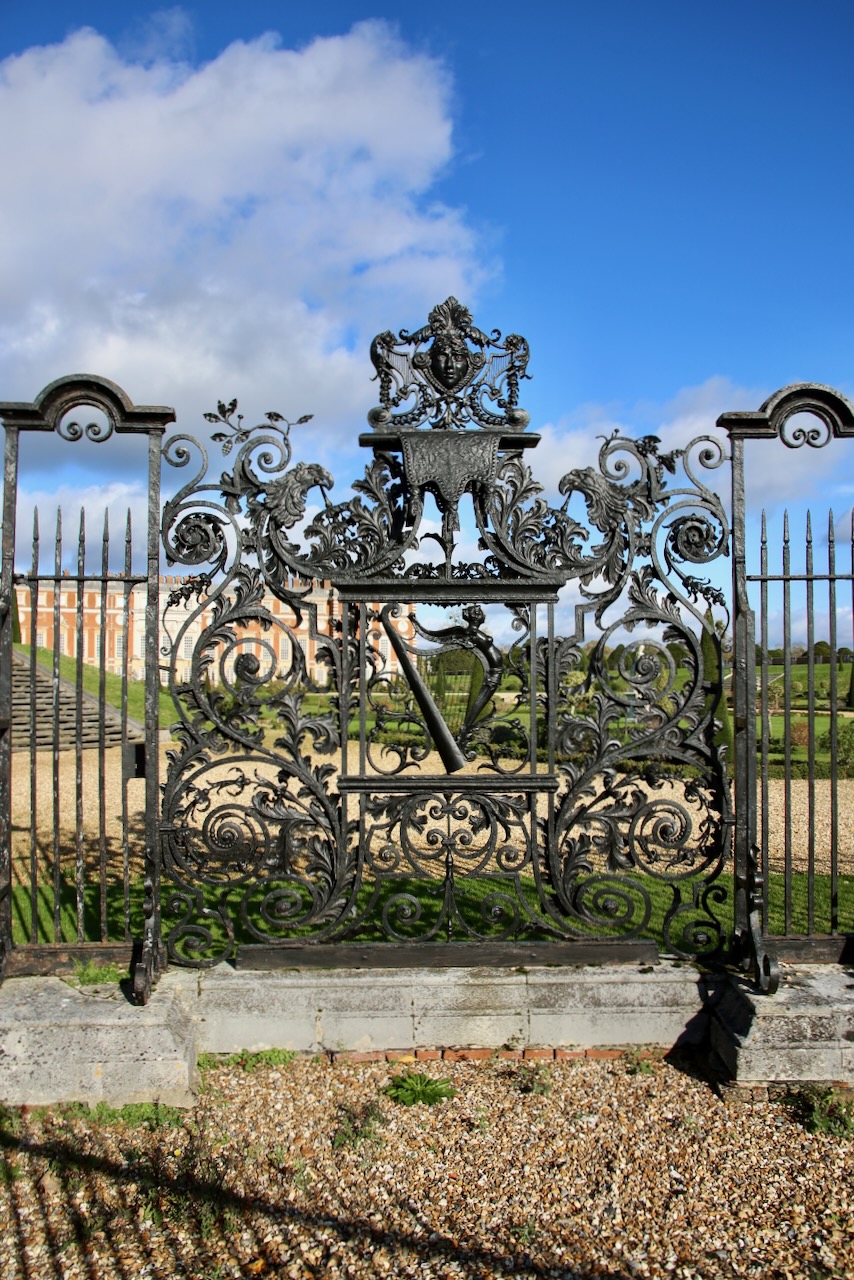
Hampton Court Palace is a wonder that I will only be seeing through the fence from a distance. Tours are now available again (post safety measures) of this royal home that was built in 1514. William III’s expansion left the palace in two contrasting architectural styles, domestic Tudor and Baroque, in 1694. George II was the last monarch to reside here in 1760.
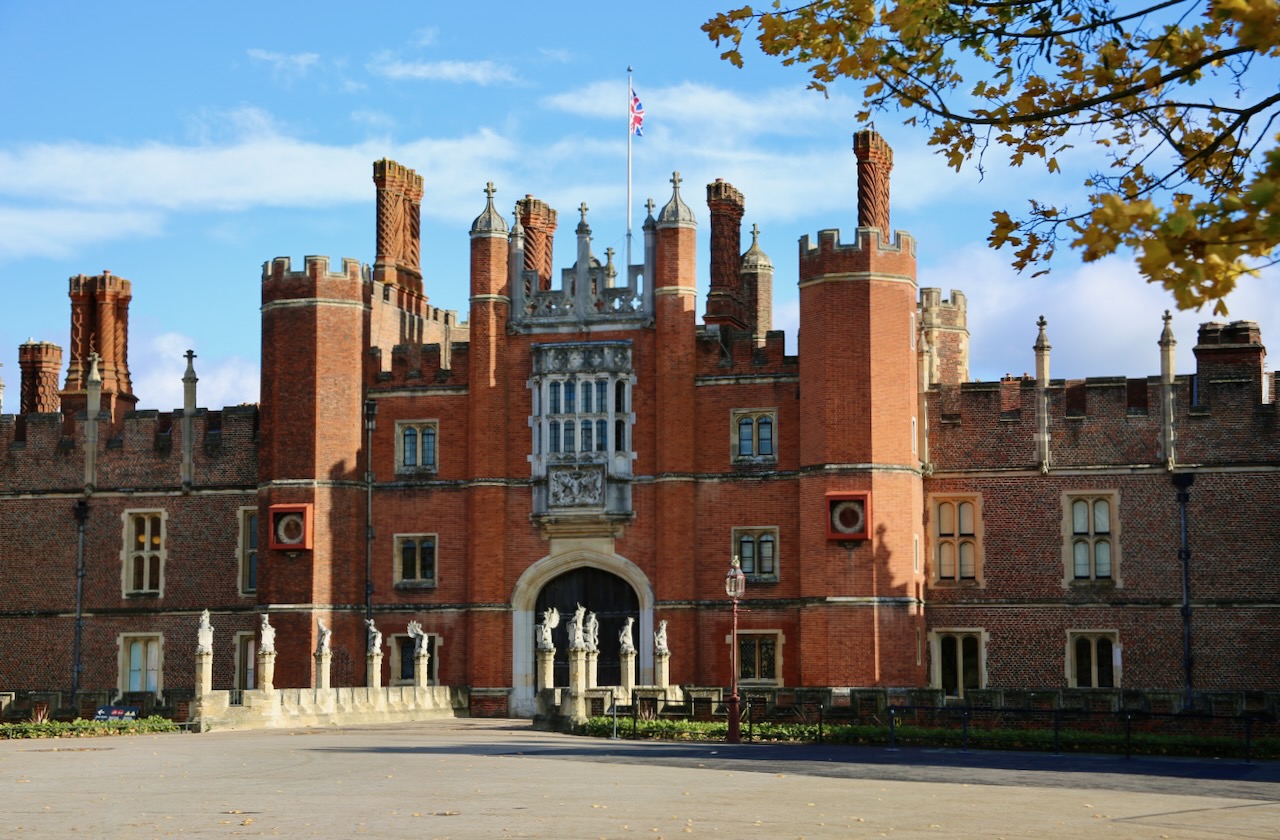
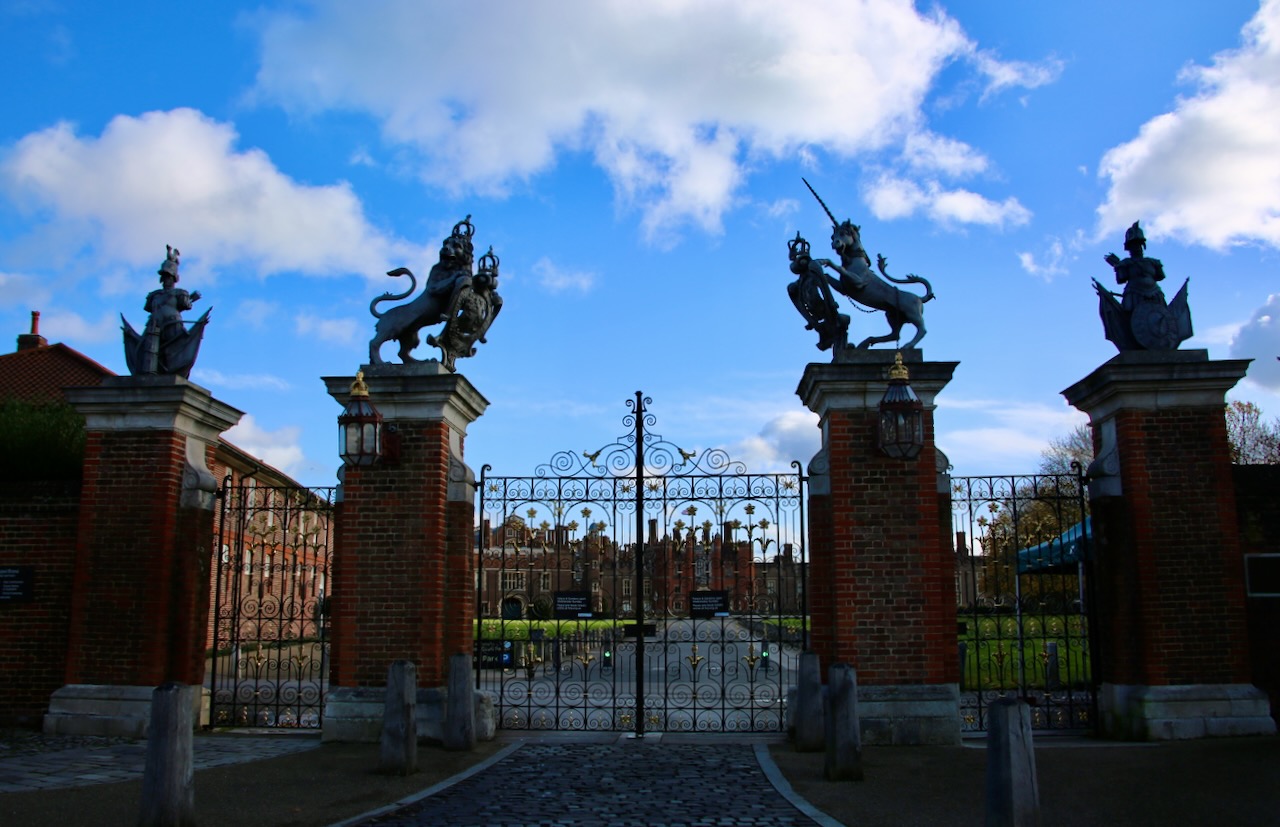
Queen Victoria restored the palace in 1838 and opened it to the public for tours (ten million visits by 1881) and rent-free apartments. The last resident was admitted in 1980, with only three remaining in 2005 and none by 2017. In 1952, the palace was listed as a Grade 1 historic building and was damaged by a major fire in 1986. It is a popular filming venue and was used in the 2012 Summer Olympics.
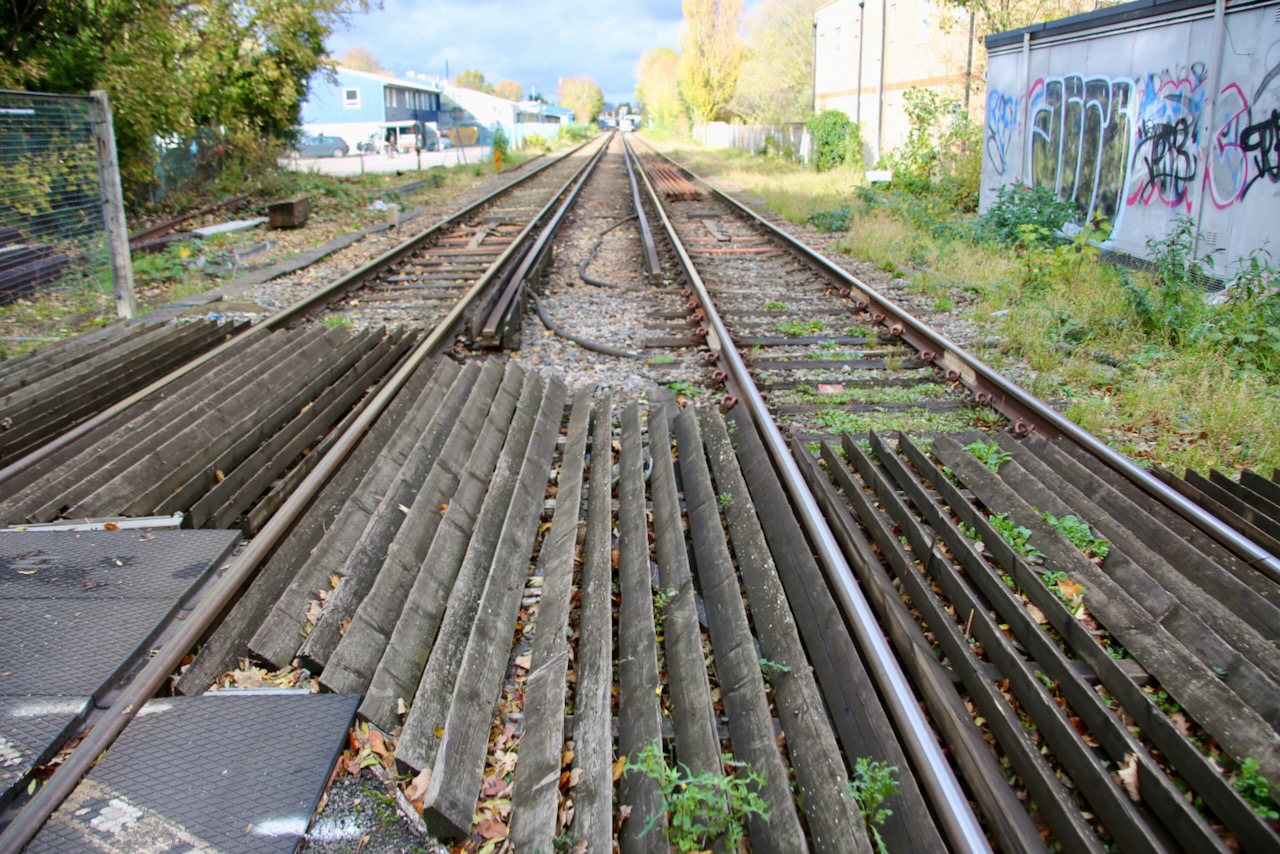

Also, on the grounds is the oldest hedge maze in the world (probably commissioned in 1690), the largest and oldest grapevine in the world (over 250 years old and one branch over 130 feet long), but the oldest real tennis (hard court surrounded by four walls) court belongs to the Falkland Palace in Scotland. There are ten royal courts in use in the US, mostly in New England and one in Chicago and South Carolina.


The tennis court was built in the early 1500s and remodeled in 1660. Sodium halide lighting was installed in 1975, and then a major restoration took place in 2015. The court has a club of over 450 members that was formed in 1818, three years after Major William Beresford was appointed the Master (to run the royal court daily) and held the position until his death in 1883.
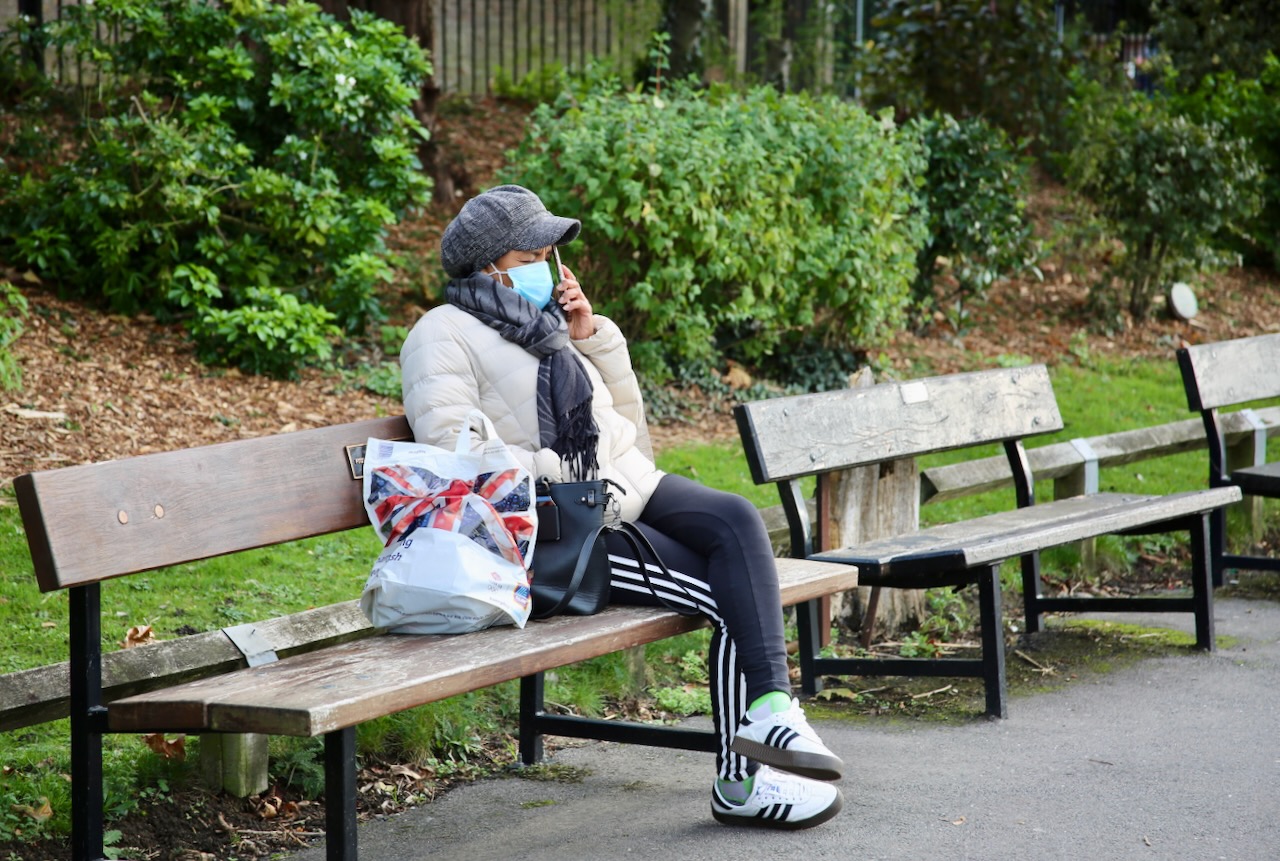
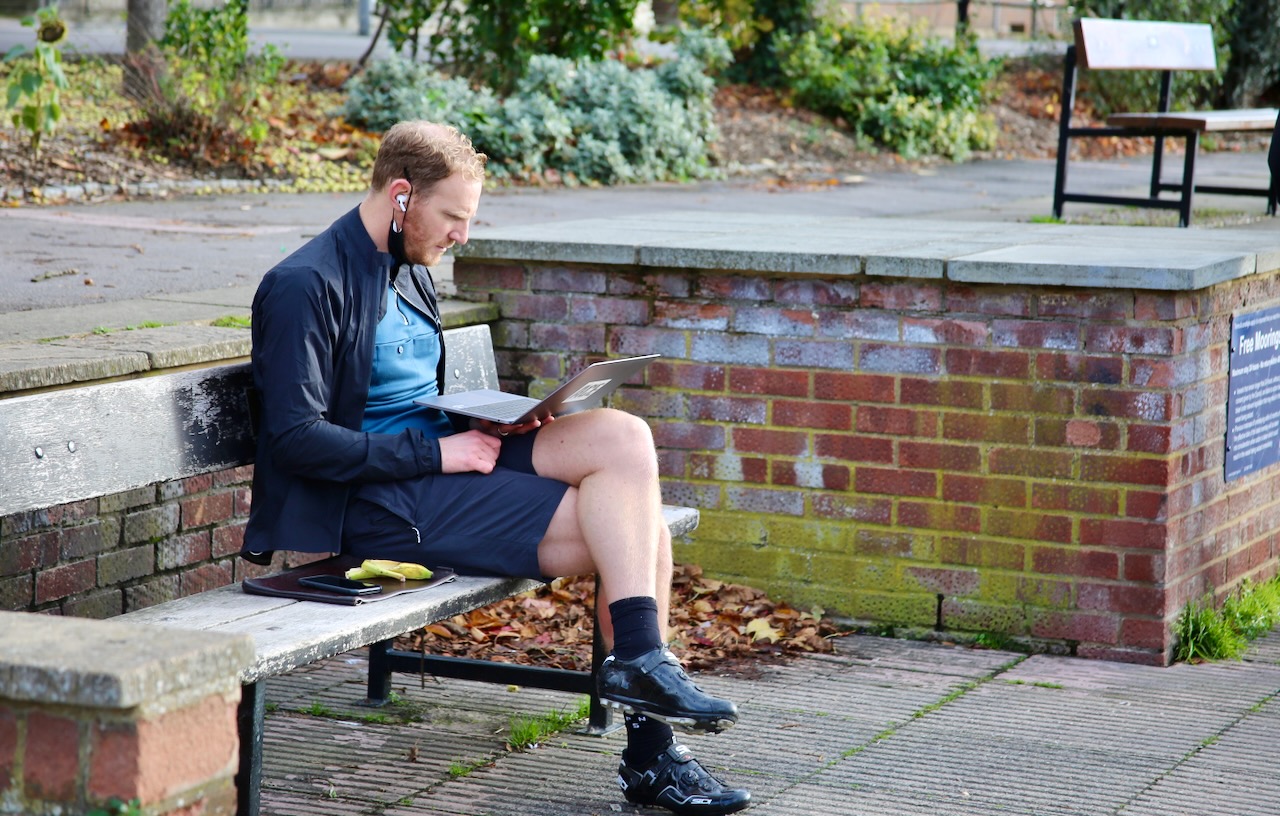
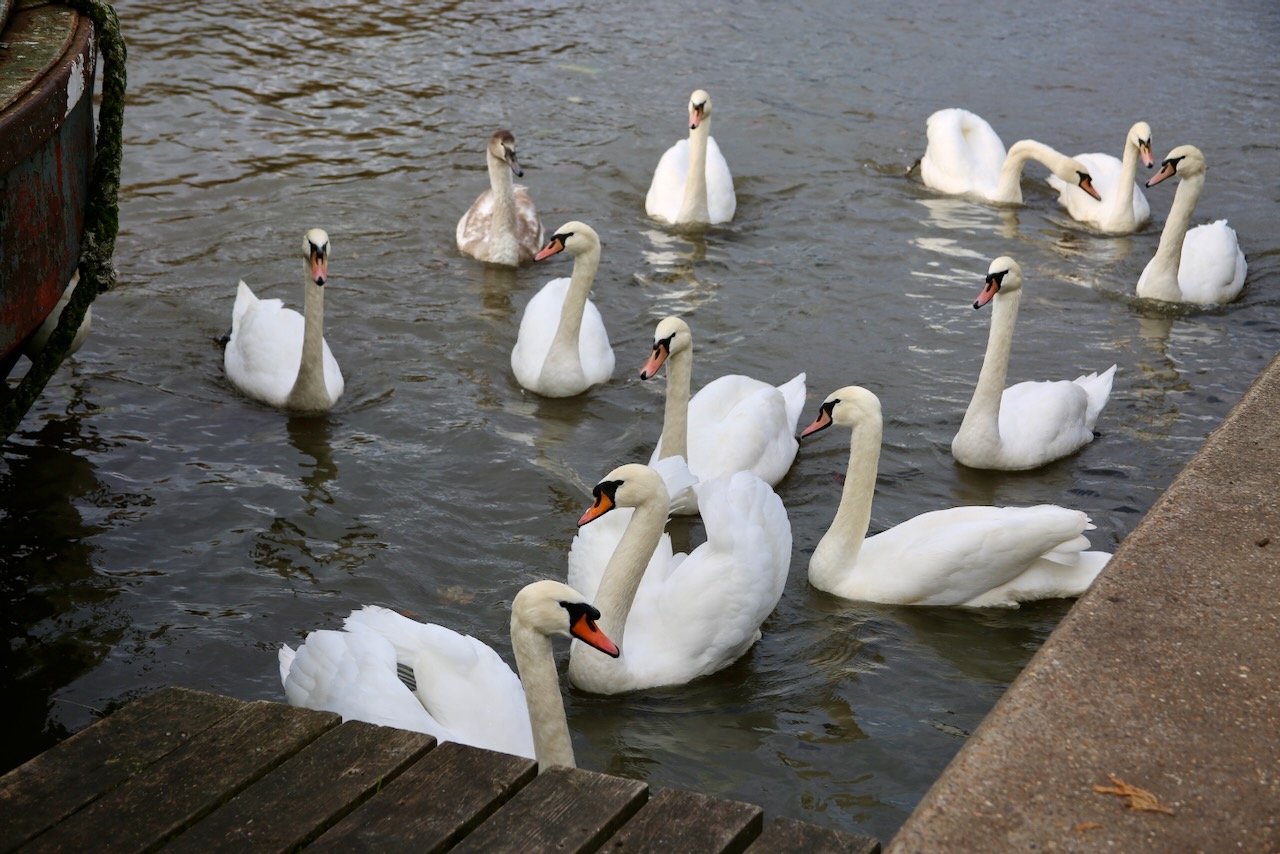
The Barge Walk is part of the estate and is cared for by 42 gardeners who look after the 60 acres of formal gardens and 750 acres of royal parklands, too. Fishermen (not fishers like the carnivorous animals native to the northern US and Canada) are allowed to stay a maximum of two nights to hone their skills after dark. The only action I’ve seen on the water today has been the geese up the river.


I cross the Hampton Court Bridge, and inside the women’s loo, they have pads, tampons, and Tic-Tacs for sale. At the High St. and St. Leonard’s Rd. Roundabout, a shop lady invites me to, “Come in, we don’t bite. Now you’re going to even if you didn’t want anything.” I agree as I put my mask on and have a look around as we talk about the lovely morning and then wish each other to enjoy the day.
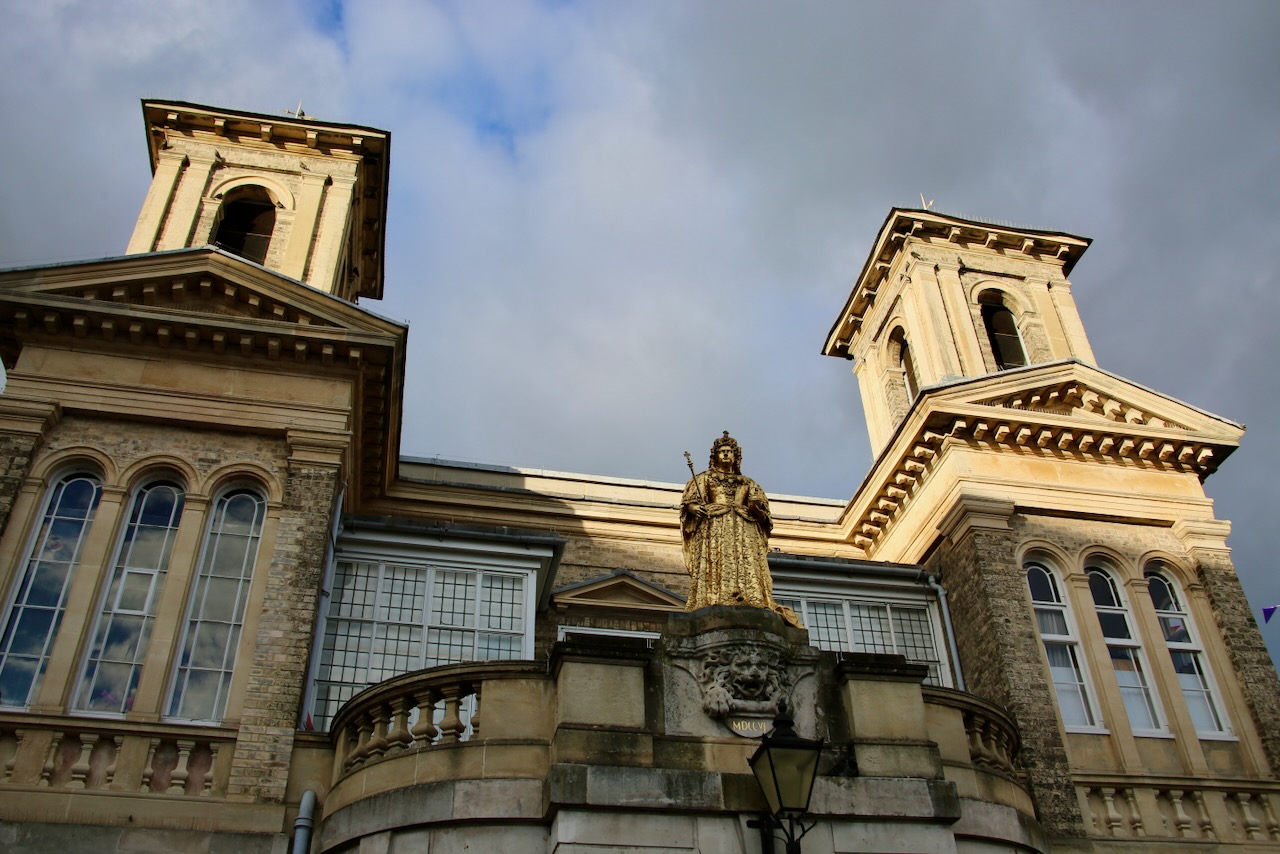
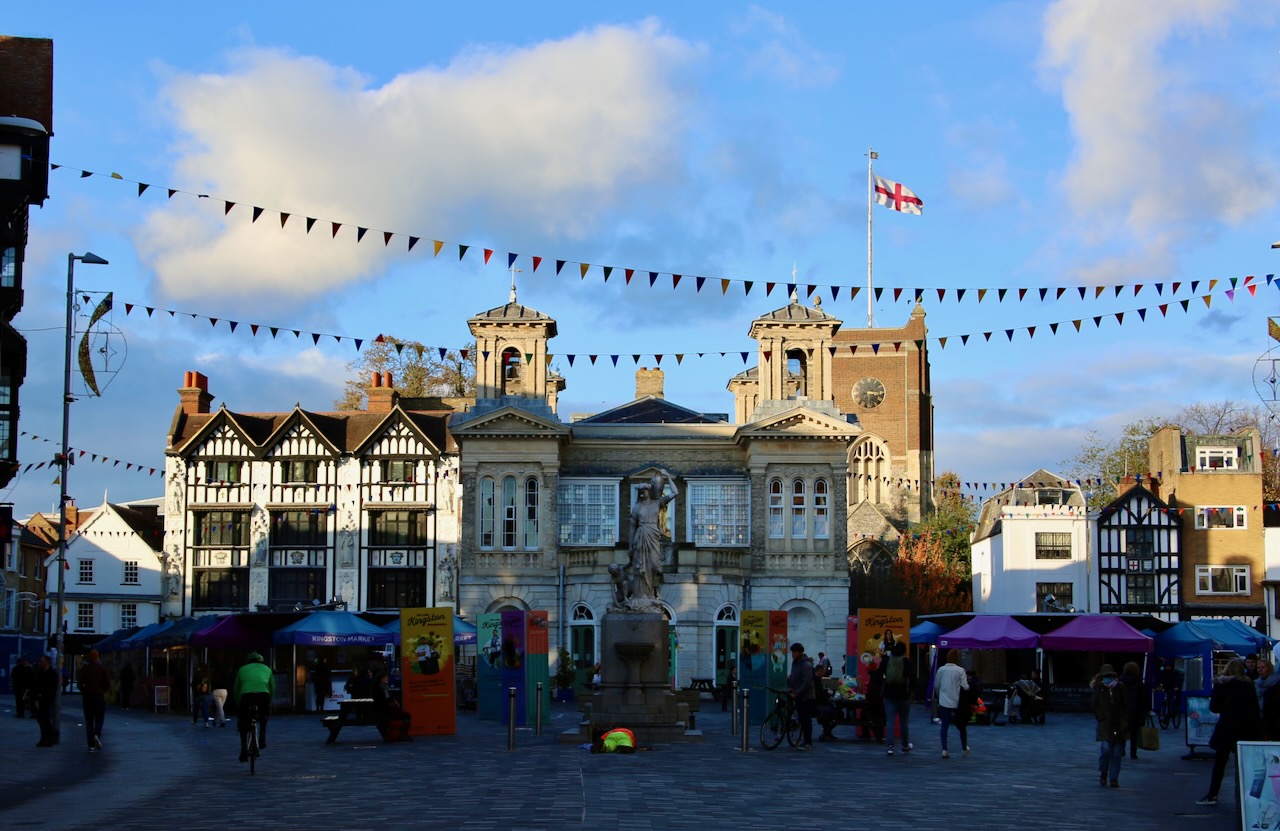
I find my way back to Kingston after a small, overpriced latte and a watery milkshake with no taste of butterscotch. There’s a large market on a street I have yet to walk, so I explored some and was going to order a ramen (cash only) and settle for a box of rice and beans, banana bread slice, croissant, and almond cake slice. I’ll save the last two for breakfast.

 TheJessicaness