

Pret A Manger, meaning ready to eat in French, is a popular sandwich shop with over 300 locations in London. One of them happens to be close to the rail station and bus stop in Kingston, but it isn’t open on weekends. The shop next to it doesn’t open for hours, so I’ll take the bus to Richmond to start Section 7 of the Capital Ring Walk.
Once on the bus, this lady grunts and points her head at the “don’t sit here (in Covid’s seat)” sign. I tell her I see it and will move at the next stop as I try to maintain distance with limited availability. I’m glad I was able to move upstairs and enjoy the much better view from the giant windshield. I’ll try half a toastie, British for inside-out grilled cheese, and gift the pre-cut, untouched other half to an urban camper as I wash the dairy down with a honeycomb cold brew.

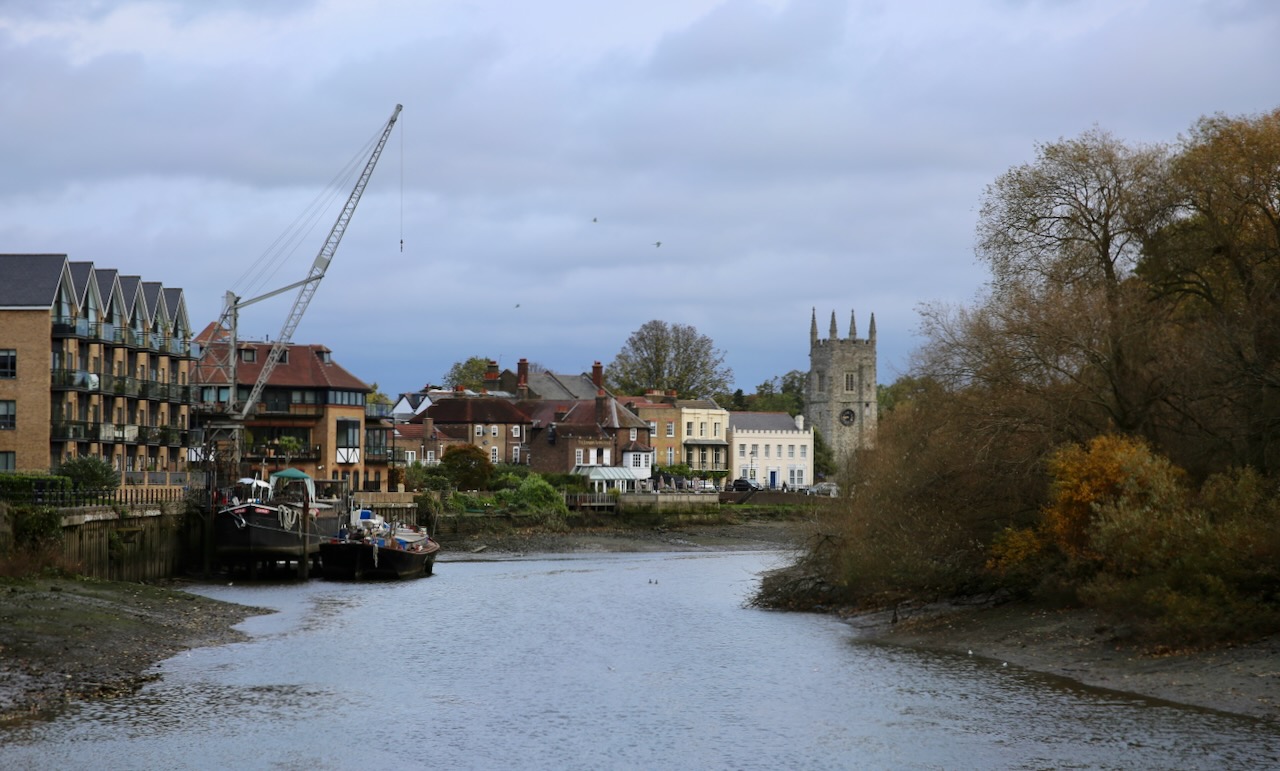
I find myself back in Richmond Green, with a field that was used for jousting and now only supports approved cricket matches. I’ll take Cholmondeley Walk along the Thames and watch the scullers row on the smallest boat on the water, costing in range from $1,500 to $15,000 for the shell, and propelling themselves forward at a maximum speed of 13mph with oars the length of the boat. Had I seen a sign for rentals, it’s something I could’ve tried, but I’m definitely over-dressed.

Old Deer Park’s history begins in the 14th to 16th centuries with the informal battle of The Charterhouse between being a monastery for the monks and a residence for the queens. The 17th and 18th centuries saw the land used for hunting, farming, gardens, and the building of an observatory. The 19th century developed cricket, rugby, and golf clubs and held the BBC’s first outside broadcast for the Horse Show, which ran for 30 years. The 20th century saw part of the park be absorbed into Kew Gardens and public tea rooms converted into private swimming baths. I wonder what the 21st century will do.
I’ll walk over the Duke of Northumberland’s River that was cut by the monks of Syon to power their flour mill and provide fresh water. On my right is the London Apprentice pub, still standing again from the Tudor period, having been rebuilt in the 18th century, and aptly named, where the tradition remains for new journeymen, upon receipt of their indentures, to celebrate with the master craftsmen on their achievements.
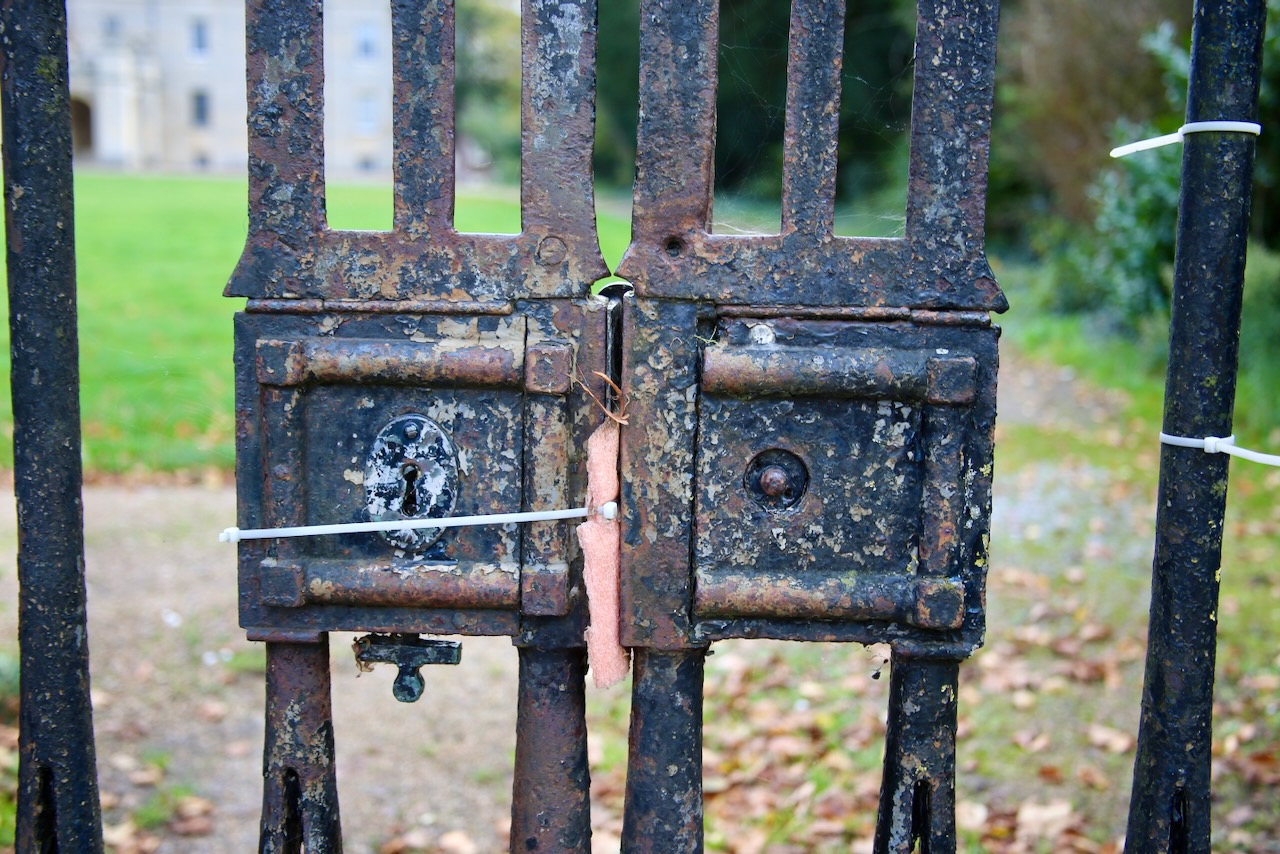

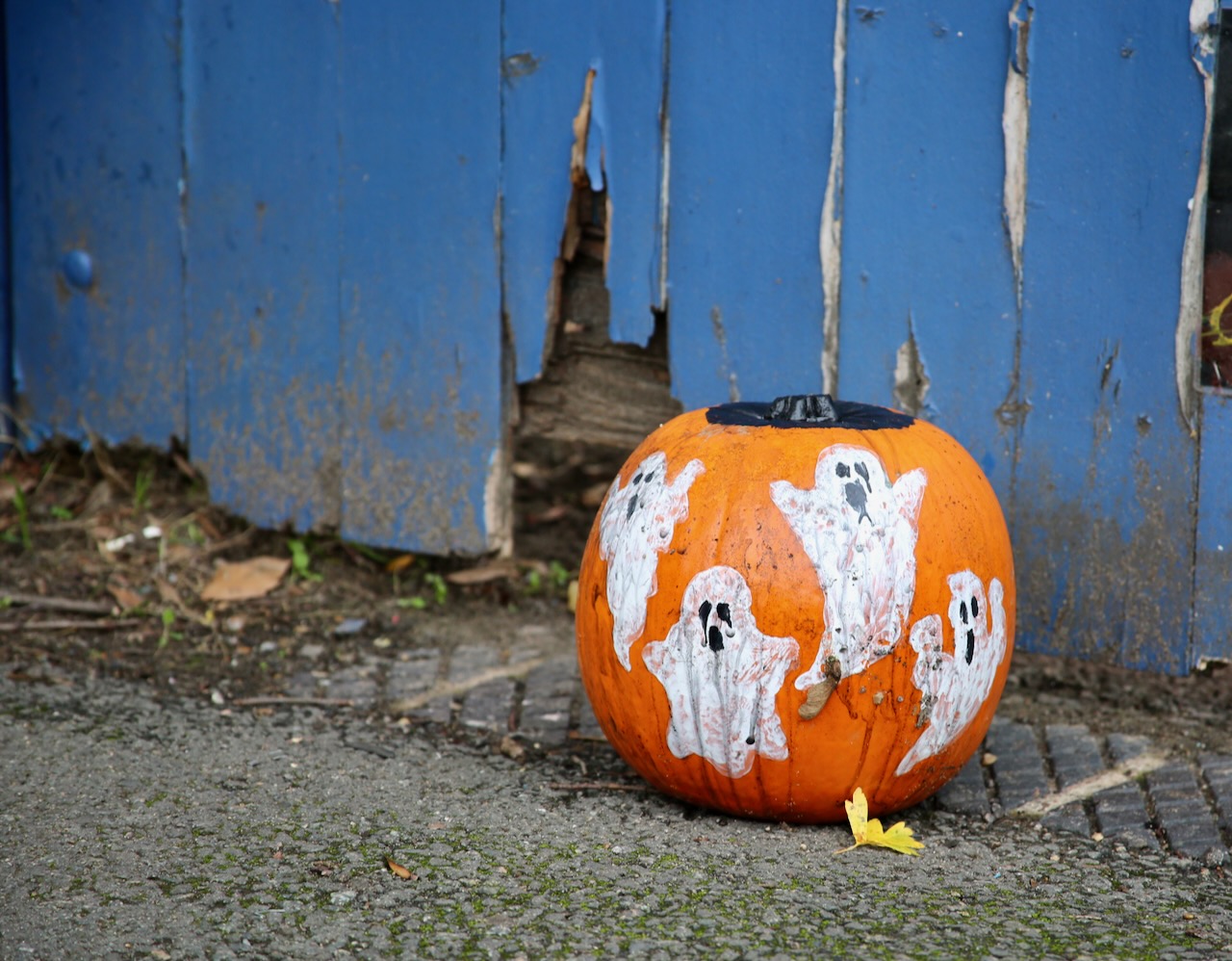
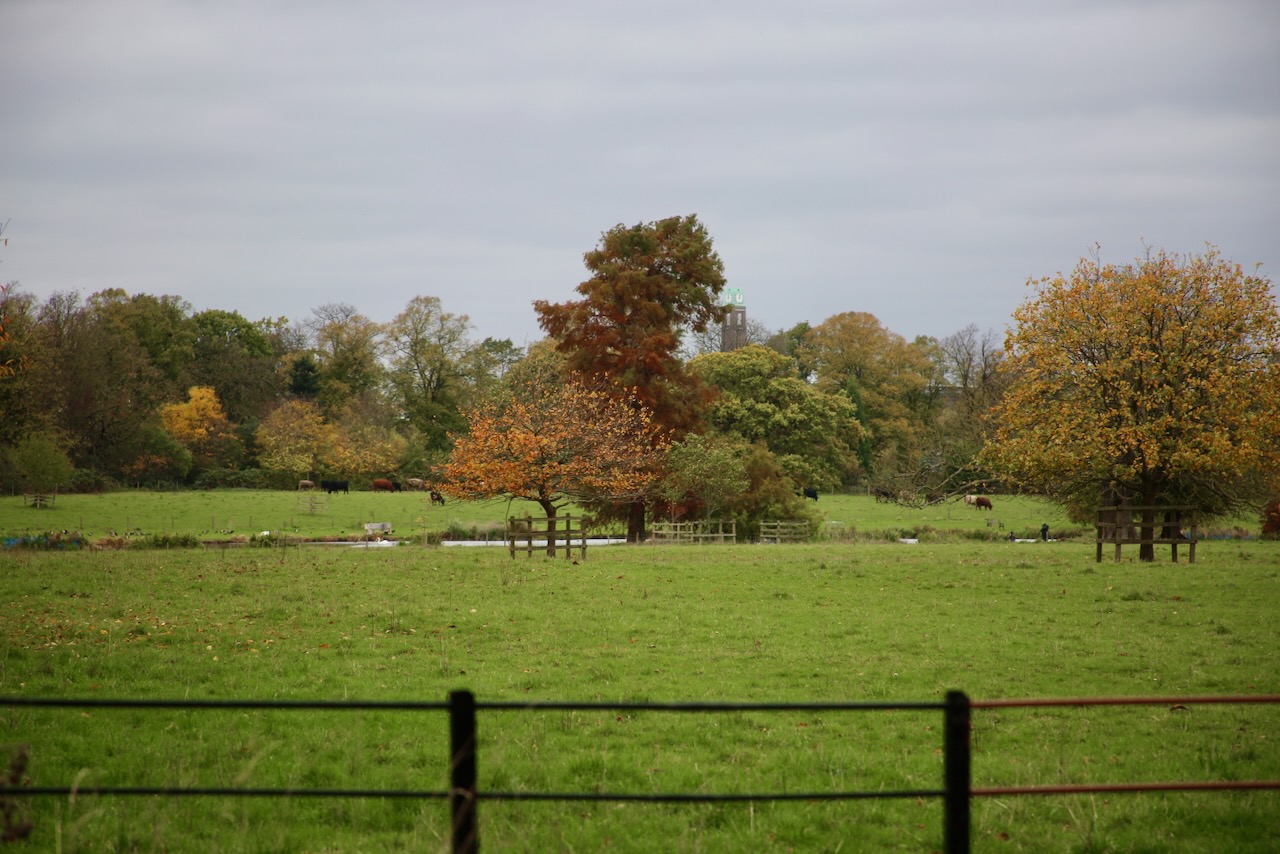
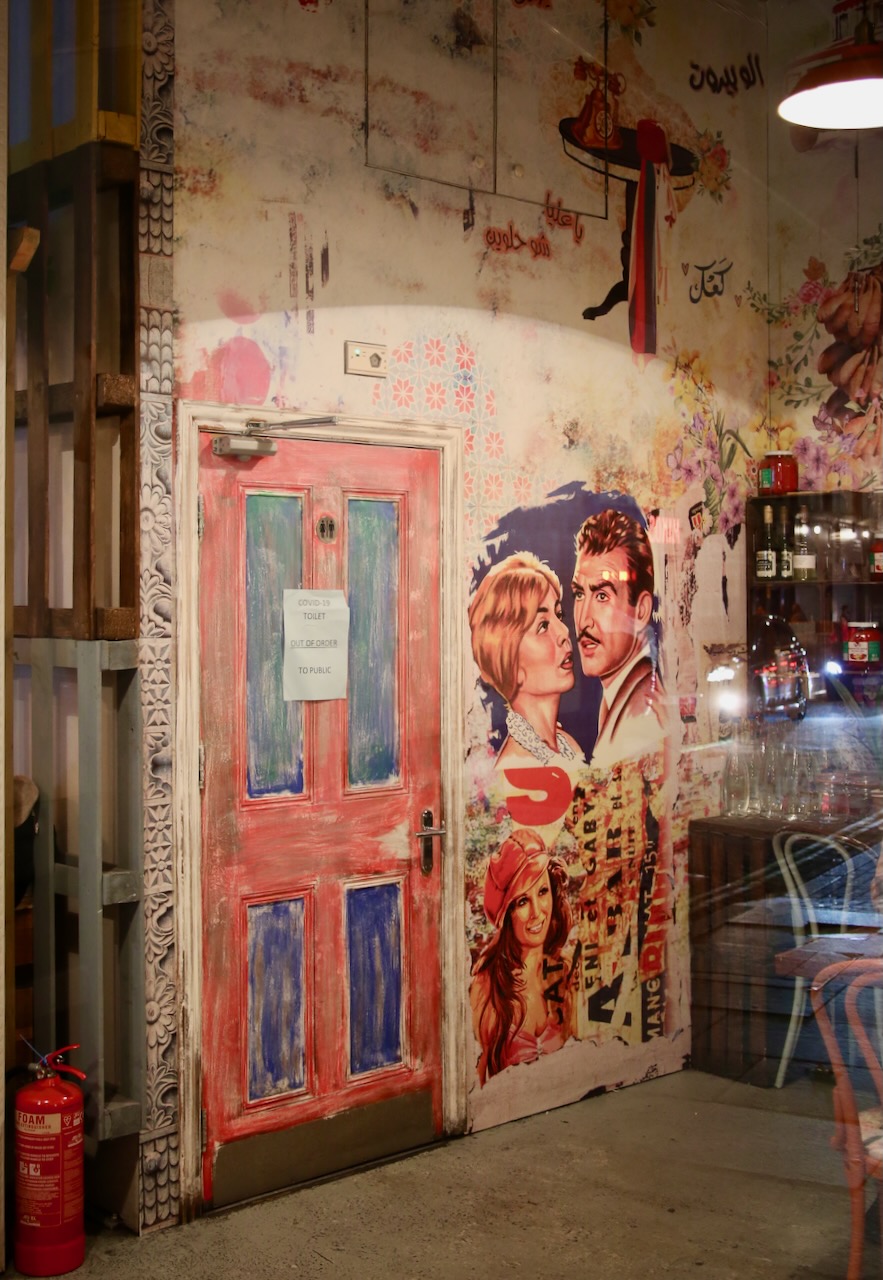
Syon Park, so named for an abbey in 1426, is now the 200-acre residence of the castle-esque Syon House, meaning followed by good luck, that has remained in the Percy family since 1604. There are some cows, beef on legs, in the field and great tits, passerine birds, in the trees. I’ll stop for eggs Florentine with lemon hollandaise and a ginger spinach smoothie from Birdie’s Kitchen. The tables are empty, their card system not working, and one of their toilets is out of action, but the food is good.


There’s a historical marker near Brentford Bridge letting those who pass know that in 1642, just part of the First English Civil War took place here. It was supposed to be a quick battle between the Royalists and Parliamentarians but ended up lasting four years, and of the quarter of the English men population that fought, about one in 25 of them would also die. I passed a car with three parking tickets, each one in its own plastic bag, and the last one was written yesterday.
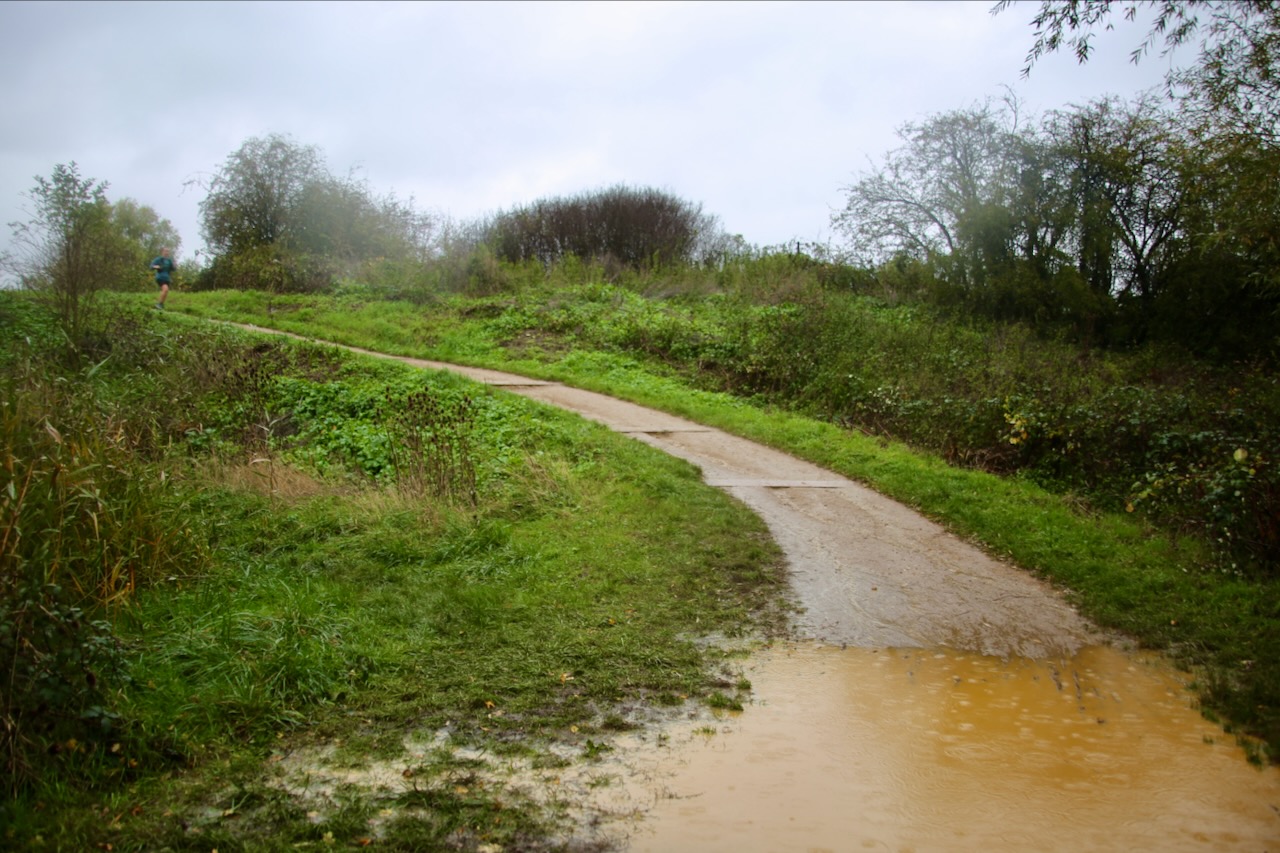
Another sign labels this area as the ‘gauging locks’ where thousands of narrowboats and barges have passed through on a four-day route and were charged a toll according to how much cargo they were carrying (by weight). The clerk would use a rod to measure how high out of the water the boat was sitting to assess the fee. The rain starts to come down again as I walk along the River Brent. I pull my hood up and zip my jacket. I’m used to being wet at this point.

British Waterways partnered with GSK House in 2001 to protect the Grand Union Canal and reduce CO2 emissions. There is a waterfall on the river bank that is used to return water back to the canal after it’s used to cool the air conditioning system of a waterside business. The income this initiative generates is used to maintain the nation’s rivers and canals. This canal was completed in 1805 as the Grand Junction Canal and gained its current name in a 1929 merger with other waterways.

The canal was used heavily until trains came into popular use, and again in WWII to supply coal and weapons. Trade declined even more in the 1950s when new roads took more cargo. The canal froze in 1962 for three months, and its commercial use came to an end in the 70s. Many families were raised on boats and slept and ate in a space of 65 sq. ft. (about one-and-a-half king-size beds). Since child labor was needed, many kids didn’t attend school. Today, the canal is a place for birds, fish, people, boats, and bikes to rest, hunt, and move along.


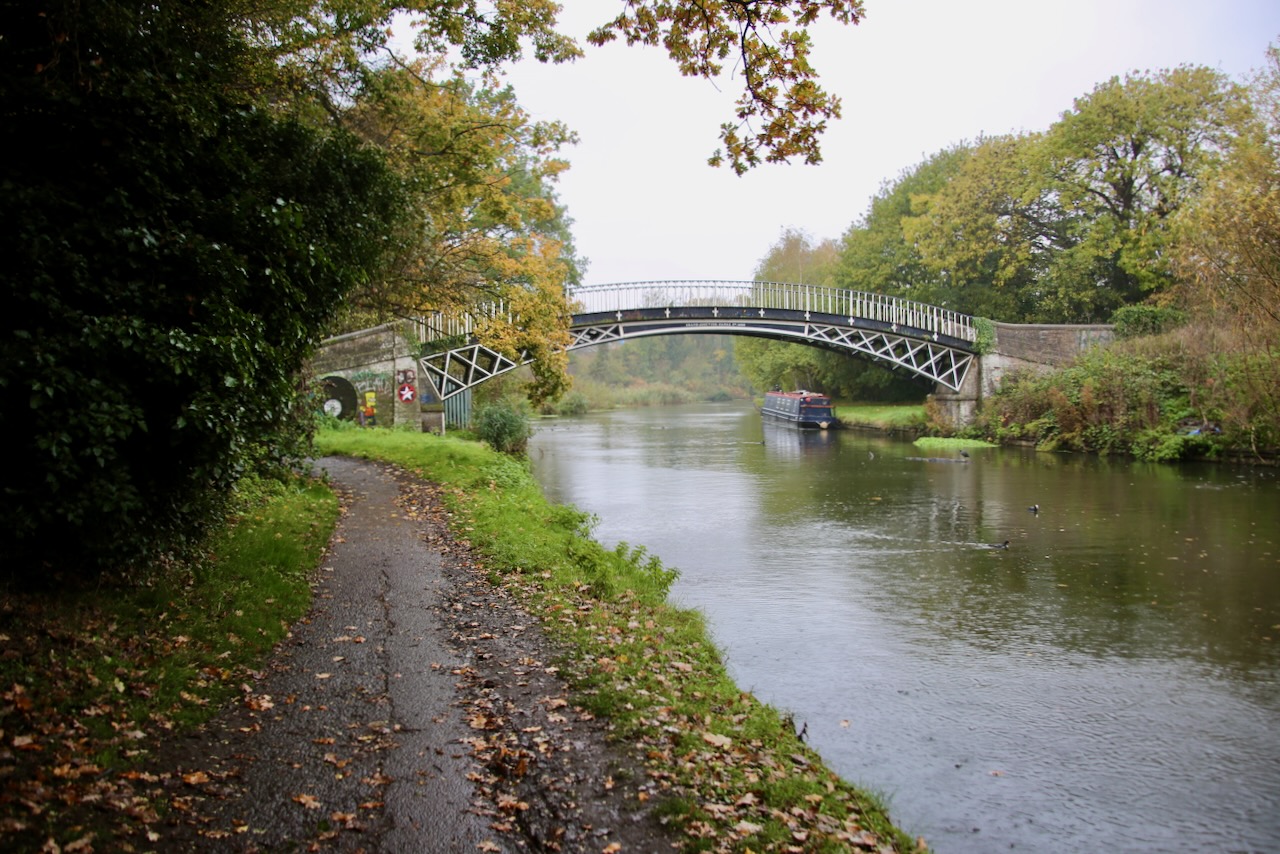
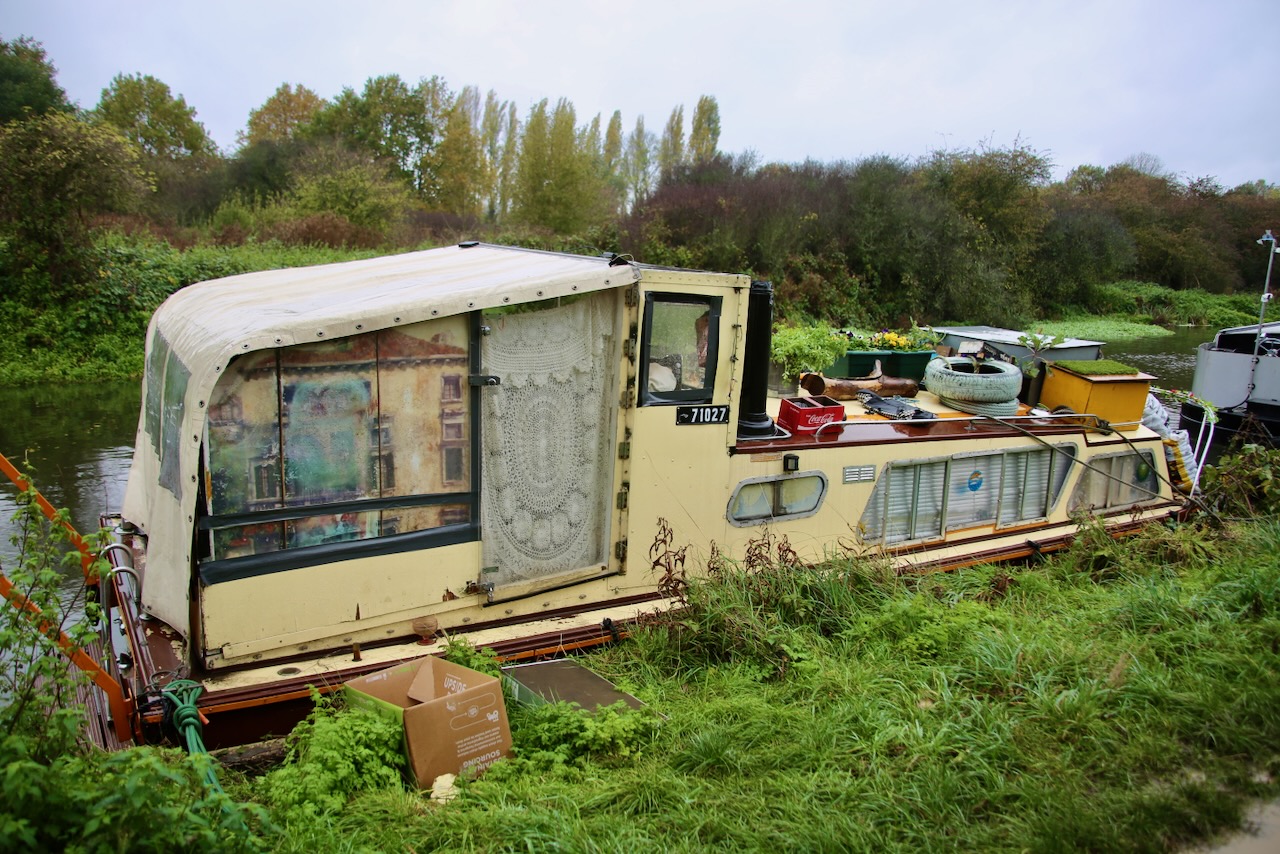
Gallows Bridge, built in 1820, possibly got its name from a man hanged in the nearby woods in the 17th century. I will use it to cross to the other side of the river and continue my walk along the Capital Ring. Though I am distracted by the unique houseboats, I must keep an eye on the pot-holed walkway as I make my way by Brent Meadow Orchard, which was planted in 2017. The trees are numbered, and there’s a chart noting when the fruit (apples, berries, pears, etc.) should be picked.

The rest of the meadow is overlooked by the Wharncliffe Viaduct, built in 1836. As rail travel increased, the viaduct was widened forty years later. Rumor has it that Queen Victoria would have her steam train stopped to admire the view. Now, pipistrelle bats hibernate through the winter in the hollow brick pillars. A mile and a half further, I’m picking blackberries to eat near Bittern’s Field. I finished Section 8, stopping in Greenford, a farming parish in the 19th century with one factory where William Perkin made a synthetic dye, mauveine, in 1857.


I grab some food from the bakery baskets and get on the bus. I’m hoping to be semi-dry when I get back to the house. I’ll shower and relax for an hour. I leave my soaking wet coat behind and wear a woolie and sweater in its place as I walk to the bus station on Cromwell Rd. since the Kingston Transit Station is closed this weekend. Some people are in costumes on their way out for the evening, while most are still in their black and grey, returning home from a day in the office.
I’ll meet Radu at the station and walk to Brixton Village, passing a wig shop, produce stand, and fabric booth. There are many stalls behind rolled-up metal doors selling boxes and bags full of goods that spill out towards the street, enticing the passerby to have a look inside. We grab a slice of pizza and continue walking. Brixton is the melting pot of South London with an African-Caribbean soul were music, arts, culture, and food mix.
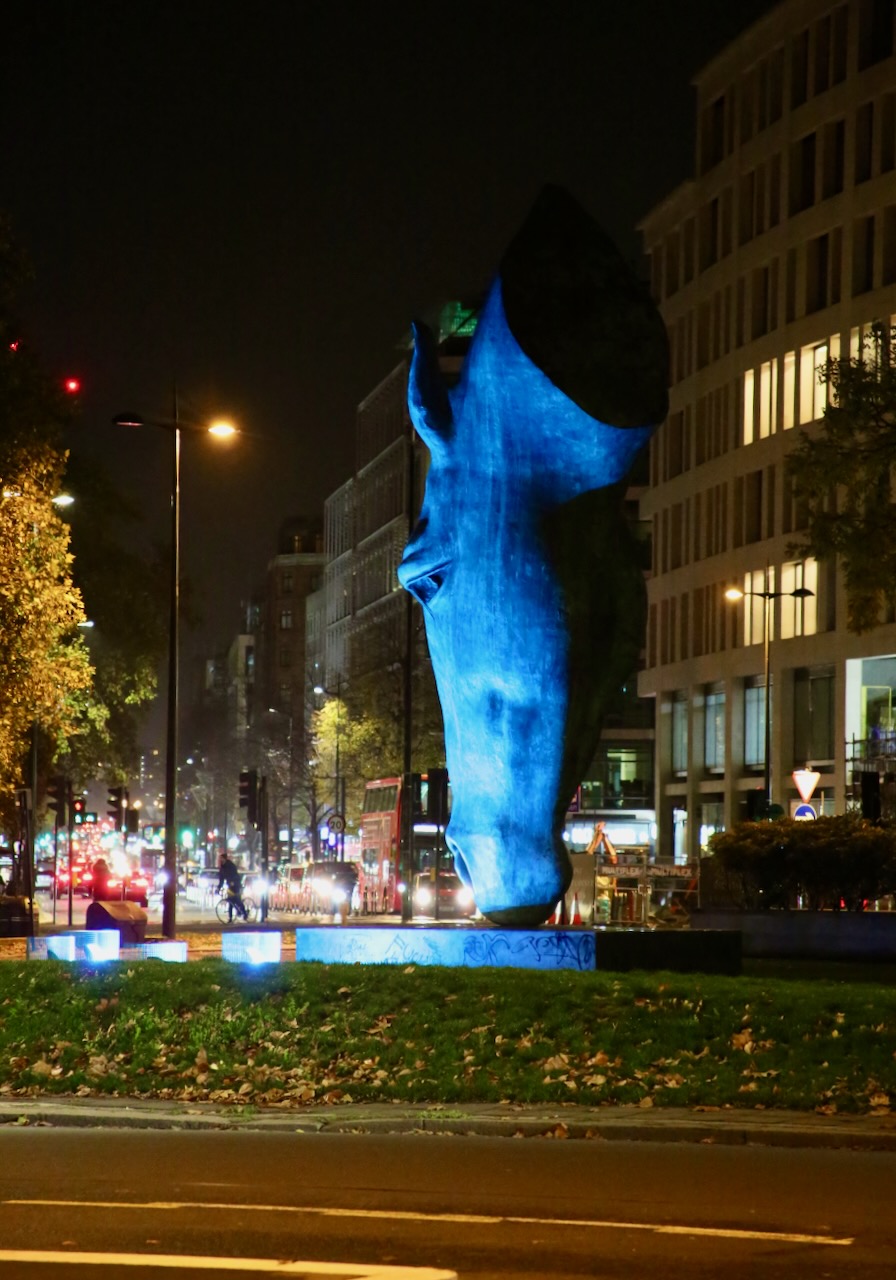

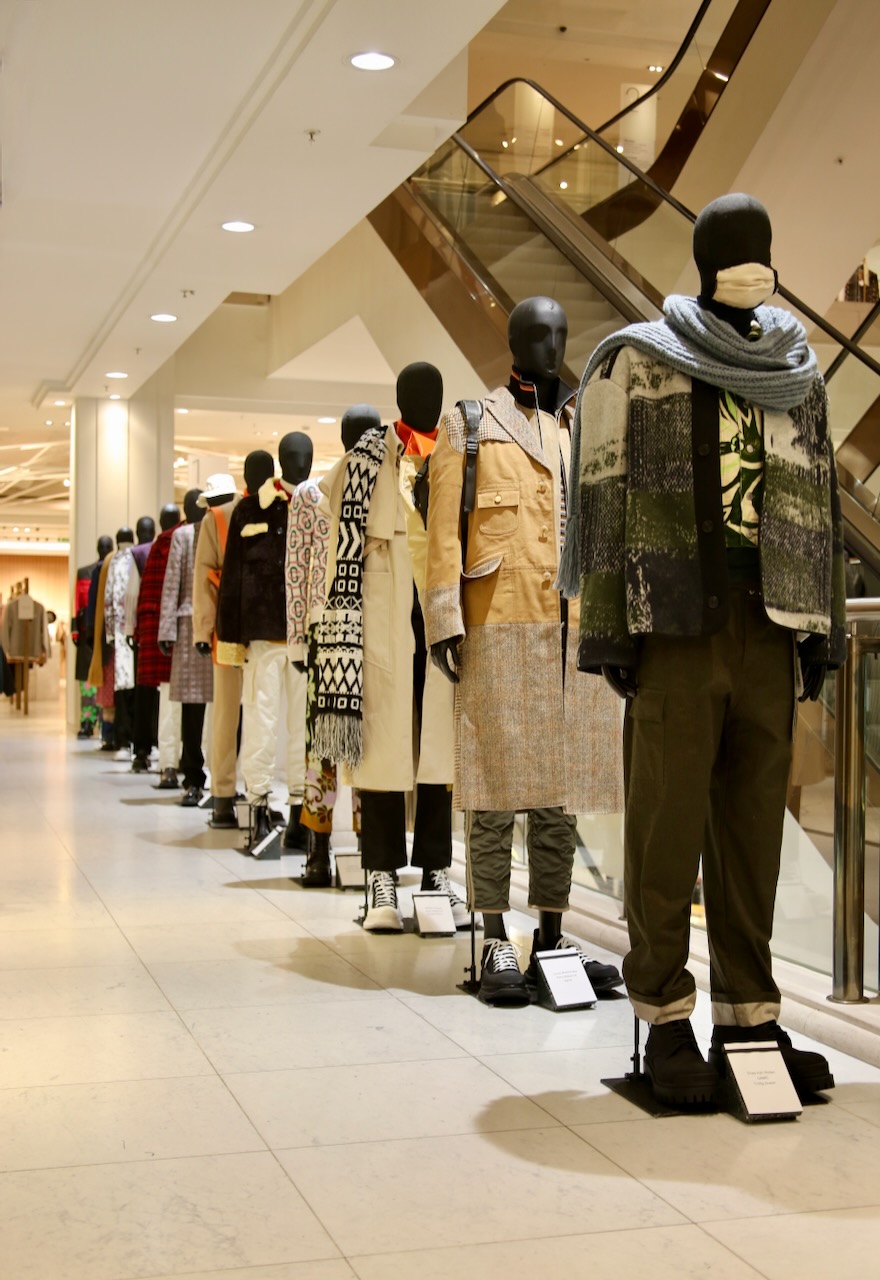
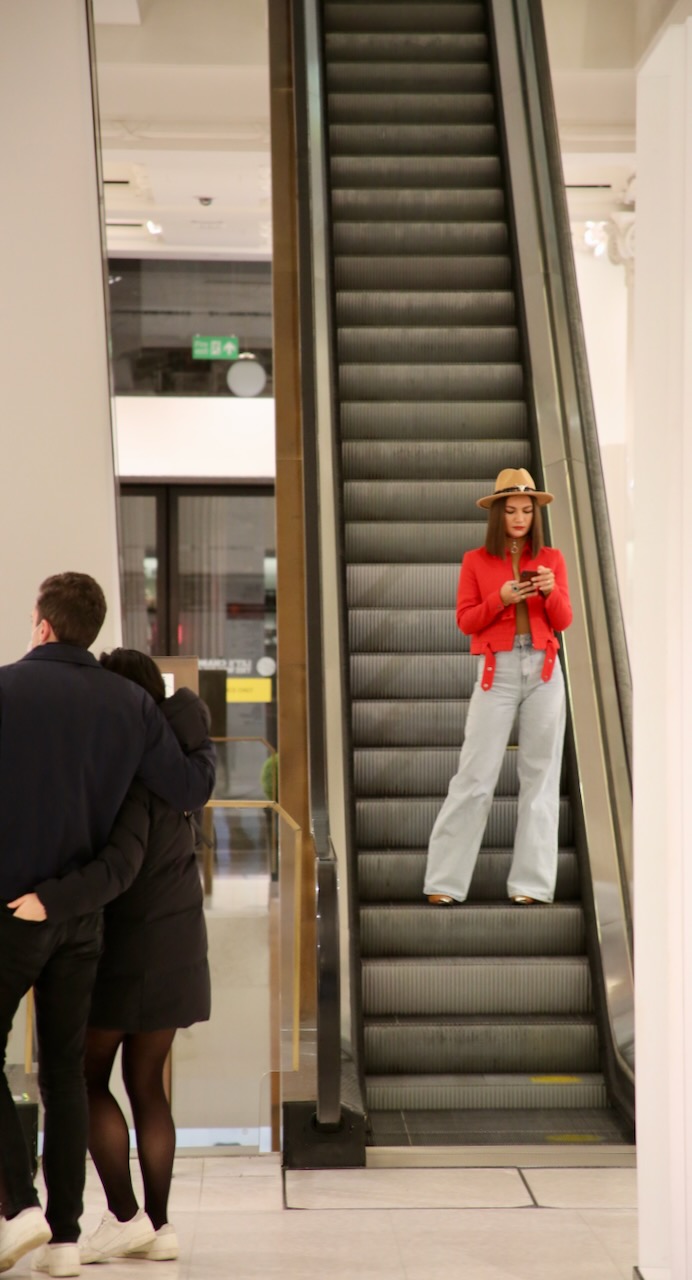
We’ll grab a sweet treat and a bubble tea as we make our way across the River Thames to a shop on Oxford St. Selfridges is a ridiculously expensive store, with the clothes I looked at costing at least $900, but it’s free to walk through and admire the design and layout, the floor piano, and the styles deemed fashionable. We buy more sweets from M&S to fuel our walk by Hyde Park and across SOHO. We’re back on the underground after 10pm and go our separate ways after Radu lets me know that England will be going on lockdown at midnight on Thursday, just hours after my plane is due to take off.

 TheJessicaness