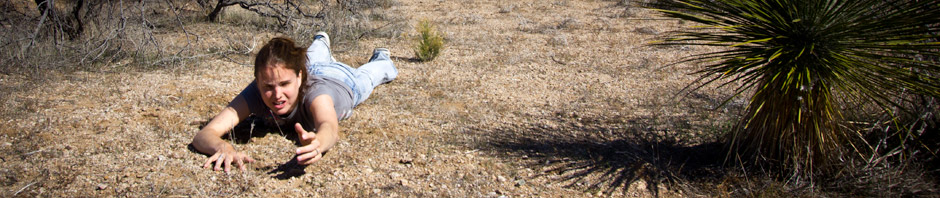
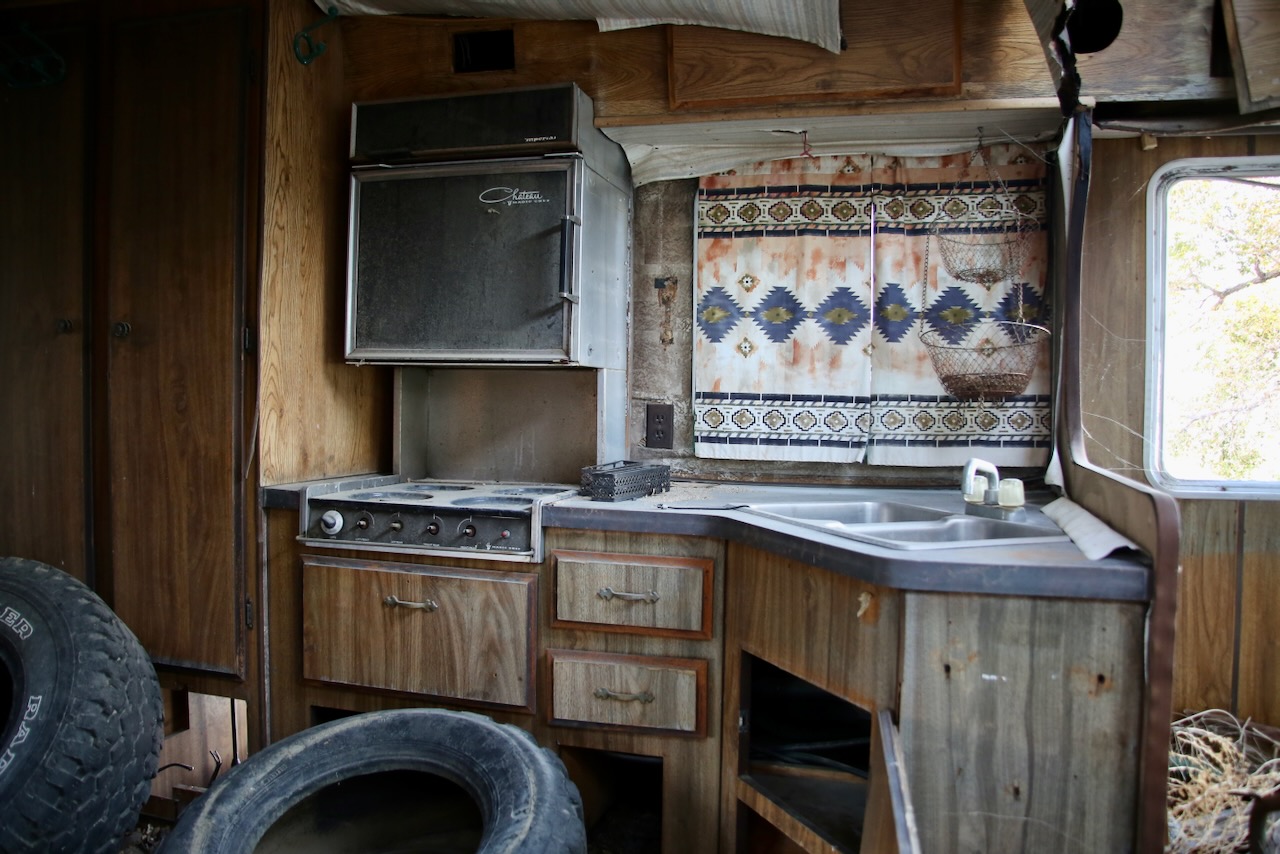
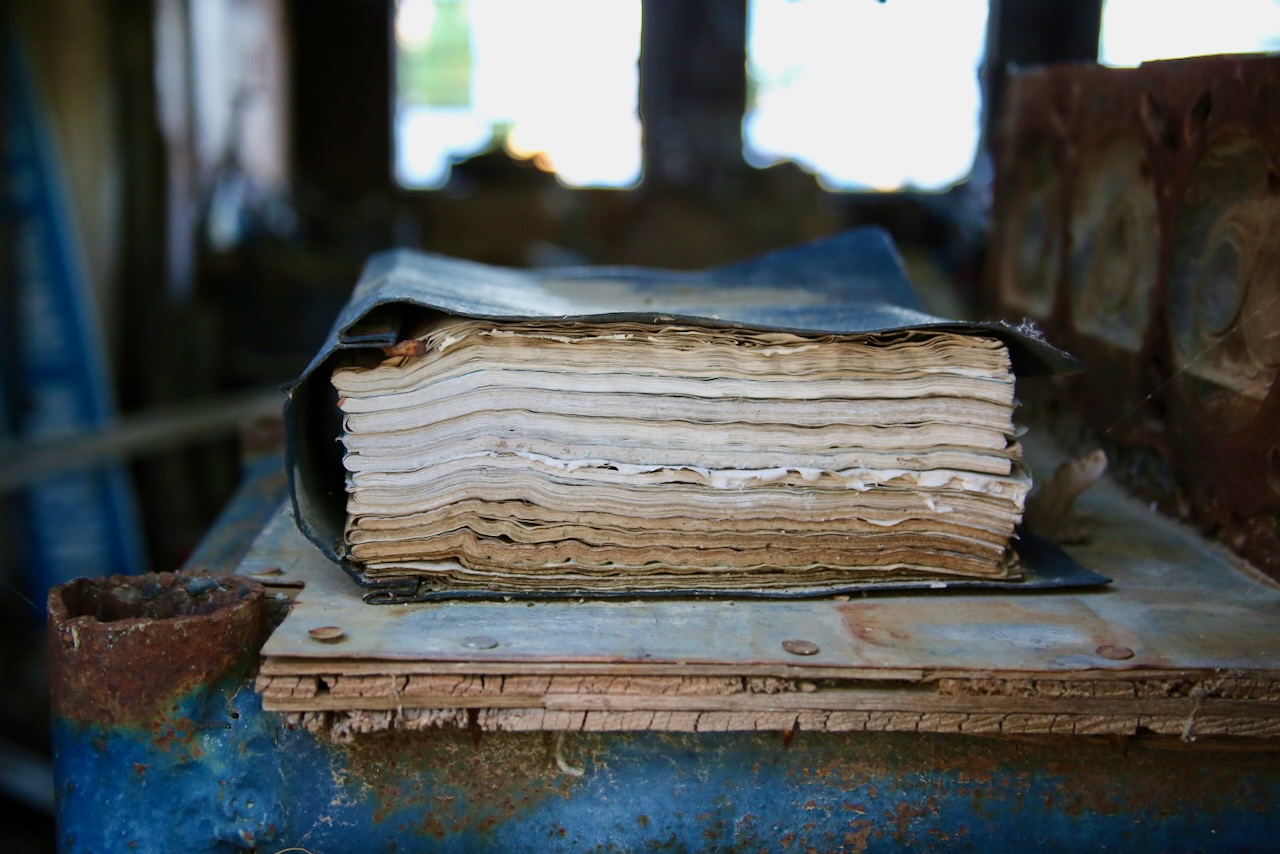
I skipped a morning walk at Fossil Falls so I could check out abandoned property in 59° F instead. I hadn’t planned it that way, but the contrast of a decrepit building and contemporary vehicles drew my attention to chipped paint, broken glass, and rusted metal. A tarp and a trash bag would go a long way in repairing this place, and if I had nowhere else to be, I could claim squatter’s rights. I stop along the 190 E and close my eyes in an attempt to take in the silence more efficiently. There is no sound for miles, and this place definitely lets the mind unwind and reset.
As a child, I dreamed of the chaos of suburbia (minivan packed with kids) and everything. As an adult, I chase the tranquility of silence, solitude, and stars, recalling the halcyon days of the mid-90s when staring at clouds and hiding in trees was all the rage. A section of Death Valley is cordoned off by the military. As the park is roughly 3.4 million acres, it’s a small-scale operation, or one that’s taking advantage of the space and seclusion that this desert provides. I was curious, but I prefer to snoop in gun-free zones.
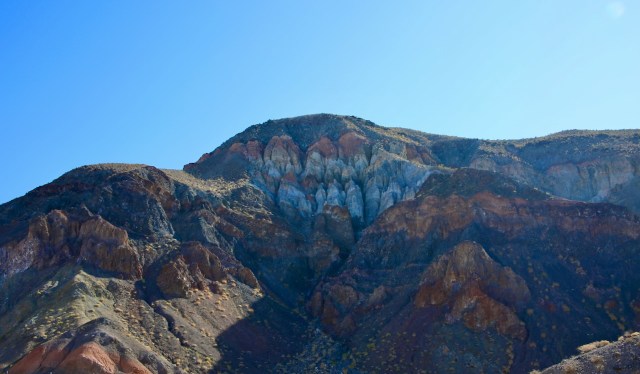

Seeing something again through someone else’s eyes, like a tourist seeing this valley for the first time, can make it feel new again. A car drives by with the top down and their GoPro out. The civil engineer and road builder of the wavy downhill route, which lets me cruise at 80mph, definitely, had a driver like me in mind. I talked with Robin in the Stovepipe gift shop, while she unfolded gemstone bonsai trees, about her kids going back to school four days a week. This is a rapidly growing trend, including some 650 school districts, to help with budget constraints, attendance improvements, and flexibility for families.
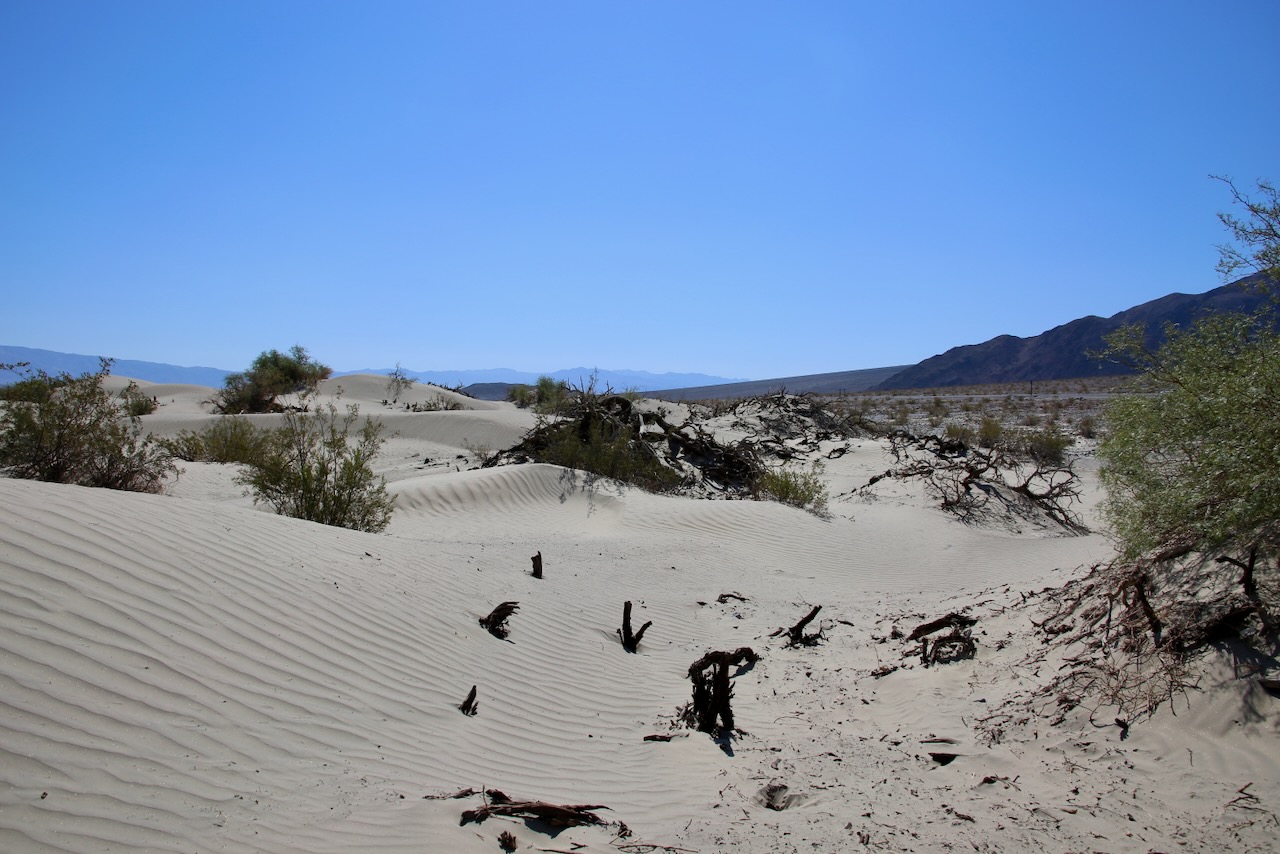
Then I get to overhear a feisty Filipina give her friend who wants to go to Japan a hard time for not understanding her accent when she asked if there was a flag at the ranger station. I stop at the Mesquite Flat Sand Dunes, and if I were with someone, I would most likely see the hills, trees, and mountain range in the background. Being alone, I focus on the shadows, burrows, aeolian ripples, and saltation before being interrupted by a homeless Bermudian punk and his lady Indiana Jones of a partner’s photo shoot.
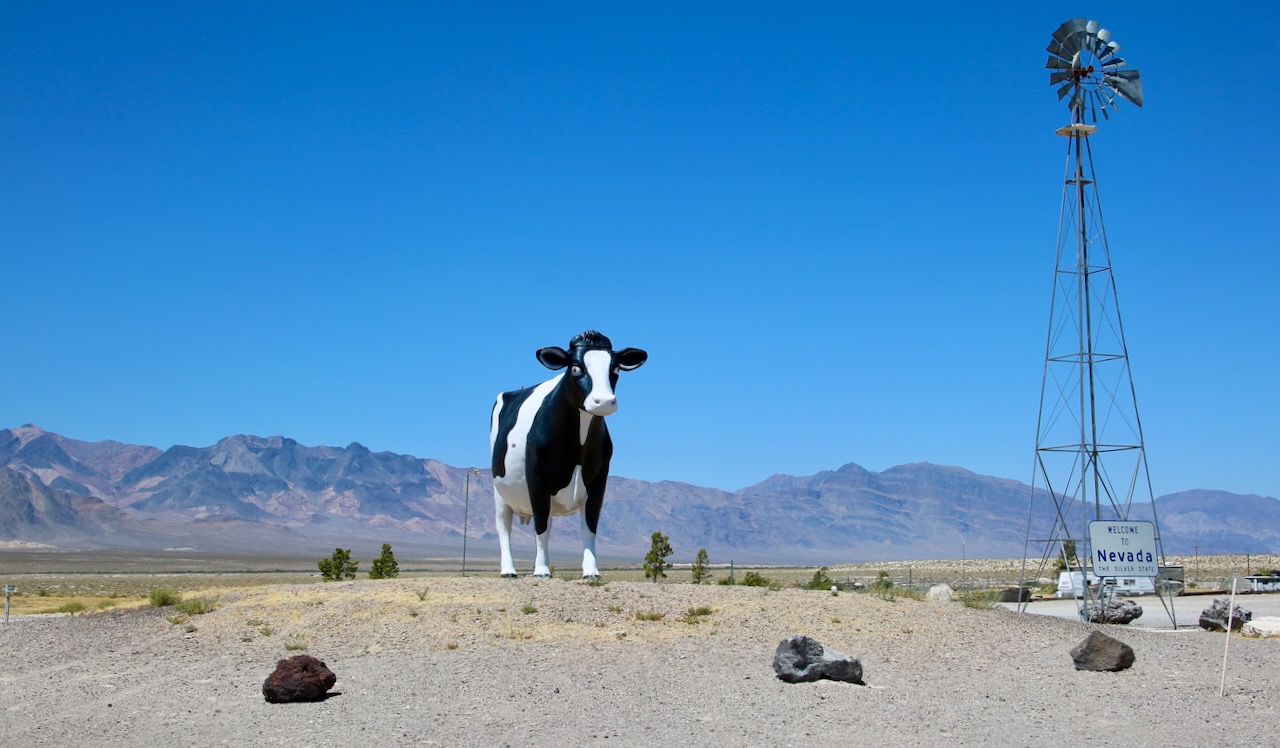
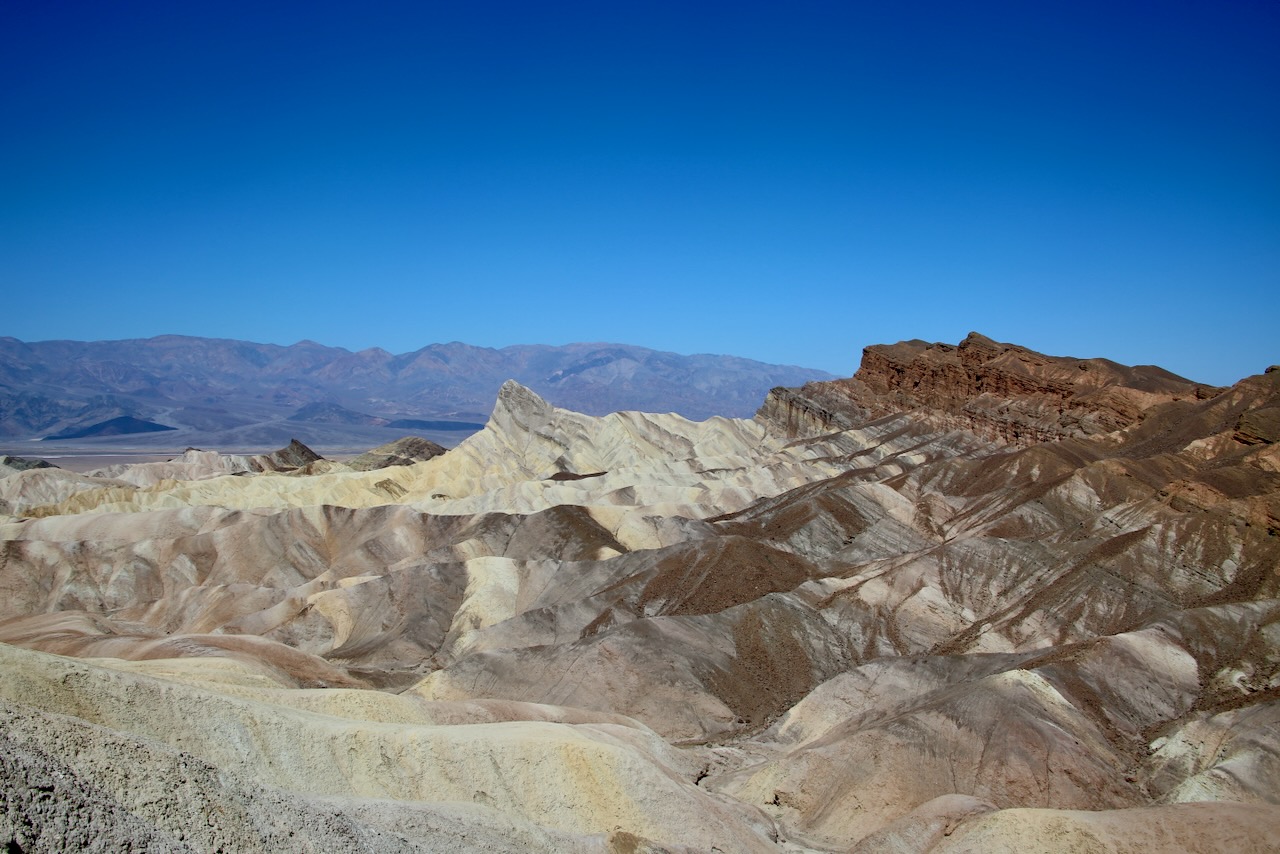
Continuing east is Zabriskie Point, the highest mountain in the Panamint Range, rising over 11,000 ft. Some of the rocks look like cake slices sliding to the floor as a toddler carries a plate at a 45° angle. Once in Nevada, I walk the mile and a half of boardwalks at the Ash Meadows National Wildlife Refuge, named after the galleries of ash trees described in expedition notes from 1893. This park is designated a Ramsar site — any wetland of international importance under the Convention signed in Iran in 1971, and now includes over 2,100 sites worldwide.
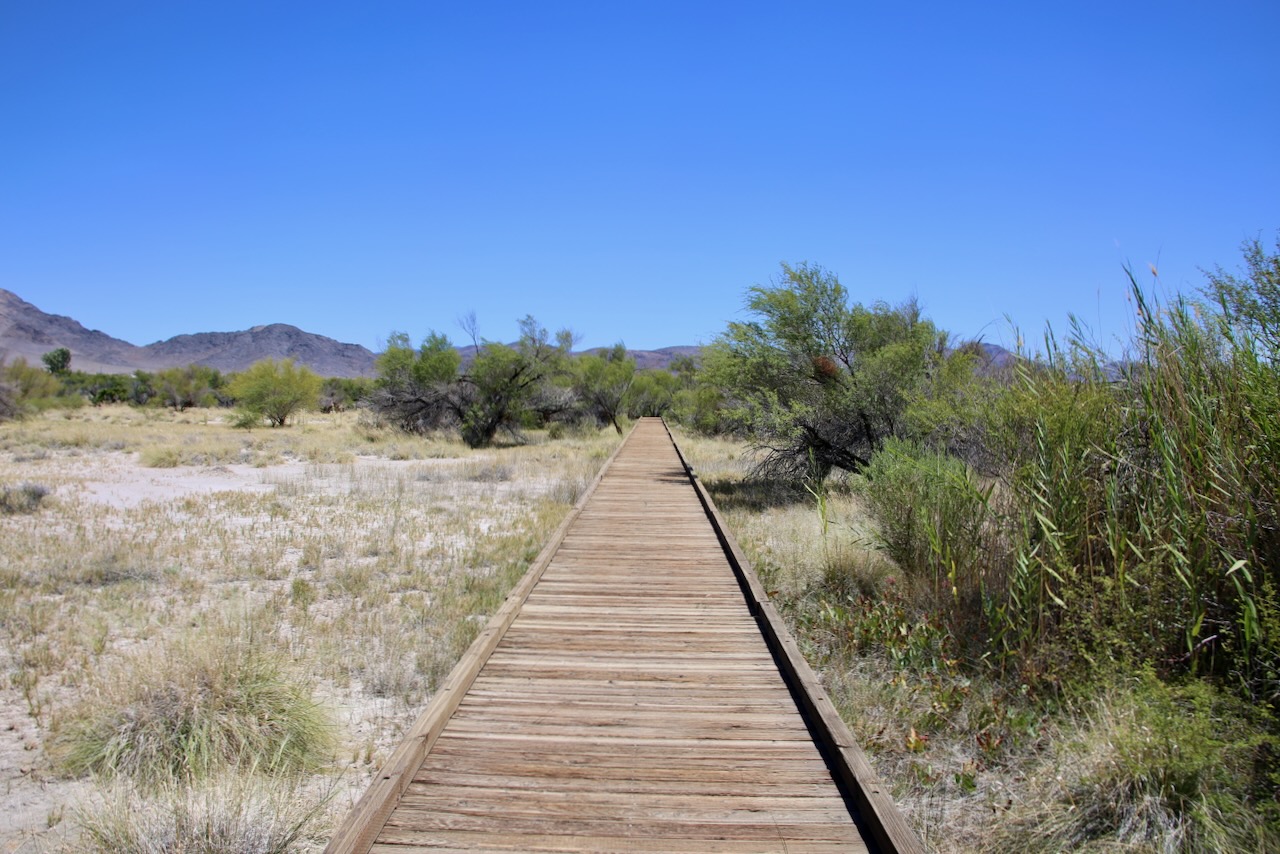
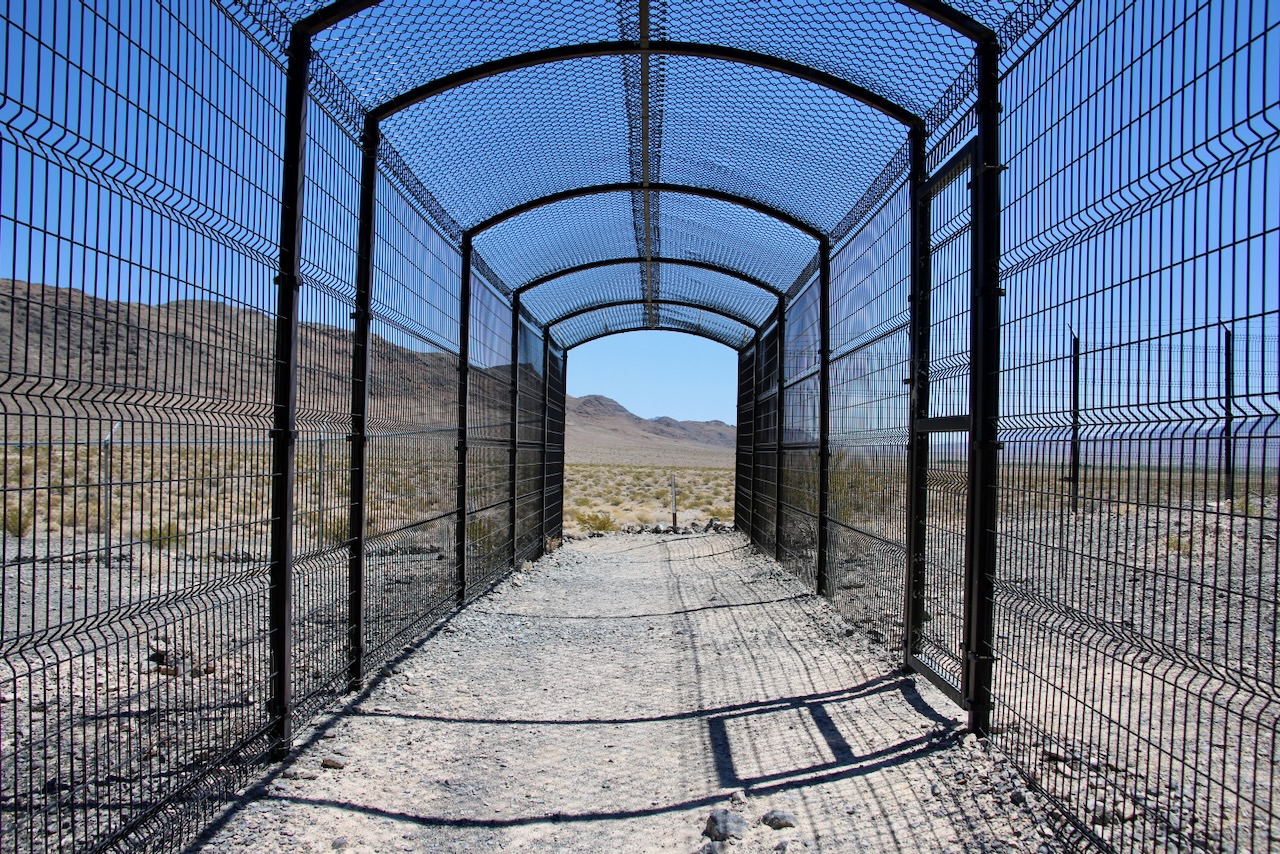
In an effort to protect and let thrive the endemic and native plant and animal life here, the park has removed 2,600 acres of tamarisk (a salt cedar) that drinks 200 gallons a day, drops salty leaves, and is fire-prone. Volunteers have removed cattails that clog channels, cool the water, and prevent healthy algae growth. For the same purpose, over 65 miles of fence have been removed to allow the Bighorn sheep better access to springs and an open environment. The Federal Duck Stamp is the fundraiser that feeds the hunter and provides further protection fees.
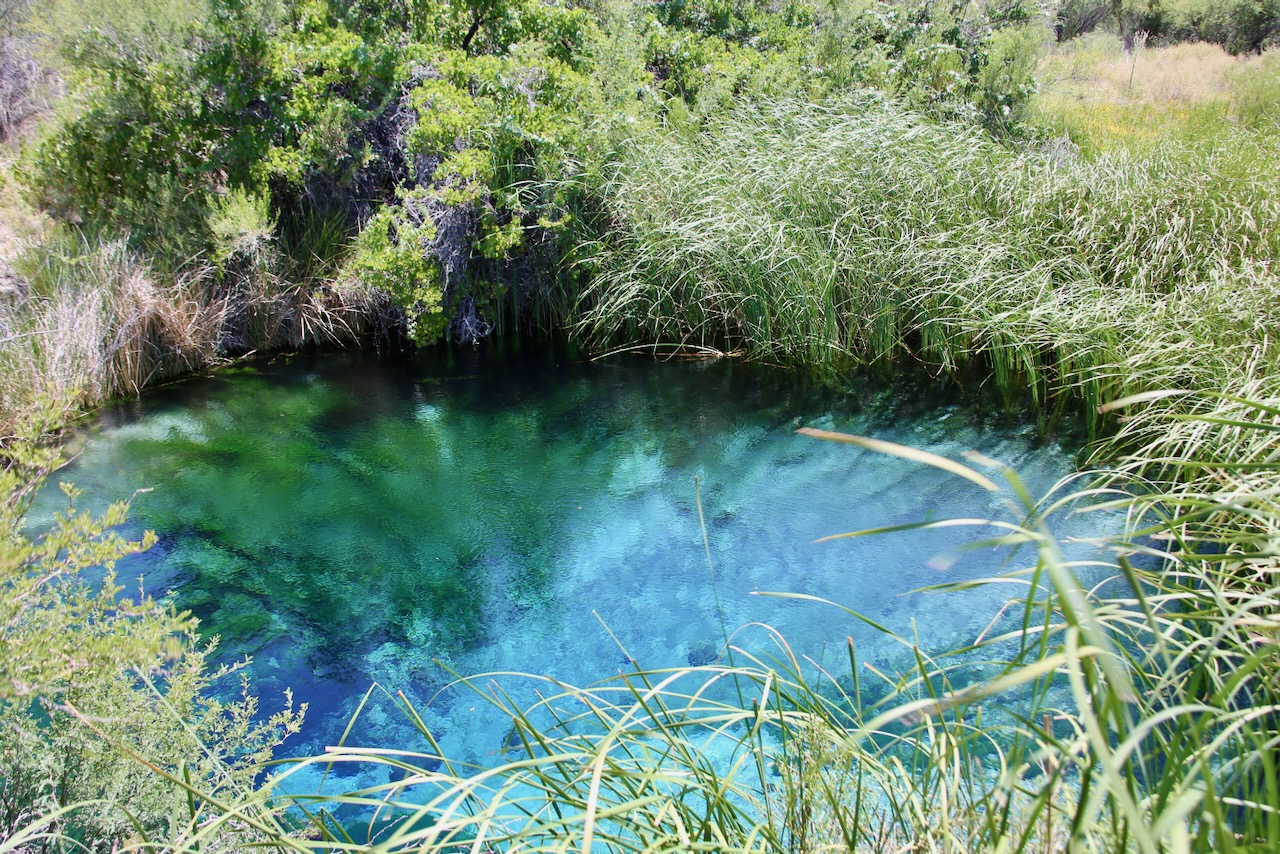
Along the boardwalk, I see Eastern Pondhawk dragonflies and mountain pink flowers. I listen to the wind on top of the tall grass and the crickets hidden below. The entrance sign claims this is “where the desert springs to life,” and that’s accurate. At first glance, this park is very much a sparse desert. The closer to the greenery you get, the more the water sparkles, especially the crystal clear turquoise spring pool. This critical habitat will send me to Devils Hole in search of the endangered pupfish, which have yet to be found anywhere else.
Some guys tried telling me there was nothing to see, but as usual, I’m glad I didn’t listen to them. The hole might be small, but it’s important and beautiful. It is connected to a large cave system that is sensitive to the world’s earthquakes, which slosh water on the cave walls and cause the water levels to fluctuate. This life-sustaining “fossil water” is increasingly being used for farming and industry as towns grow to the detriment of the pupfish who require their water be 91°F with low oxygen levels. Funnels are hanging over the water’s surface to measure the windblown terrestrial material that finds its way into the depths of the earth.
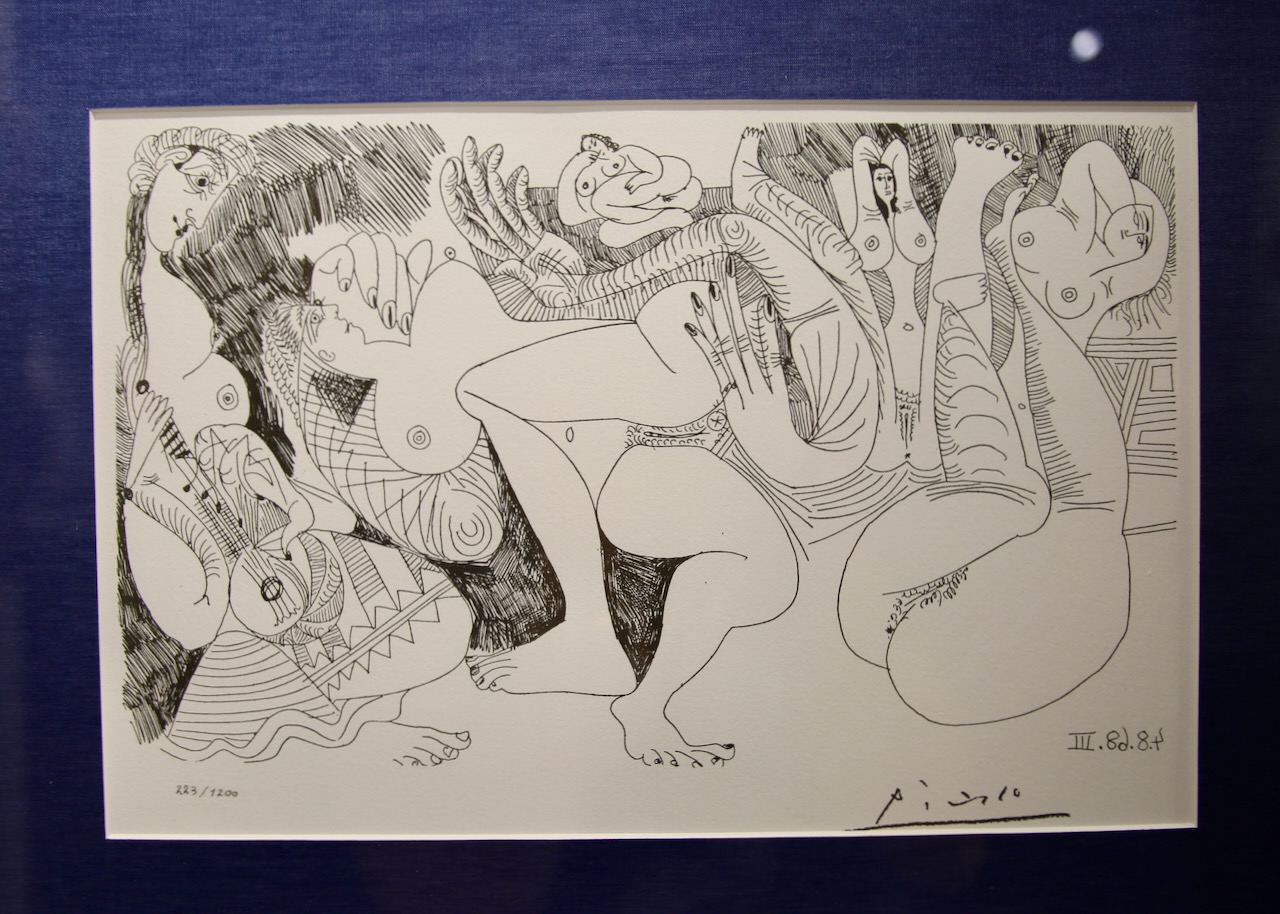
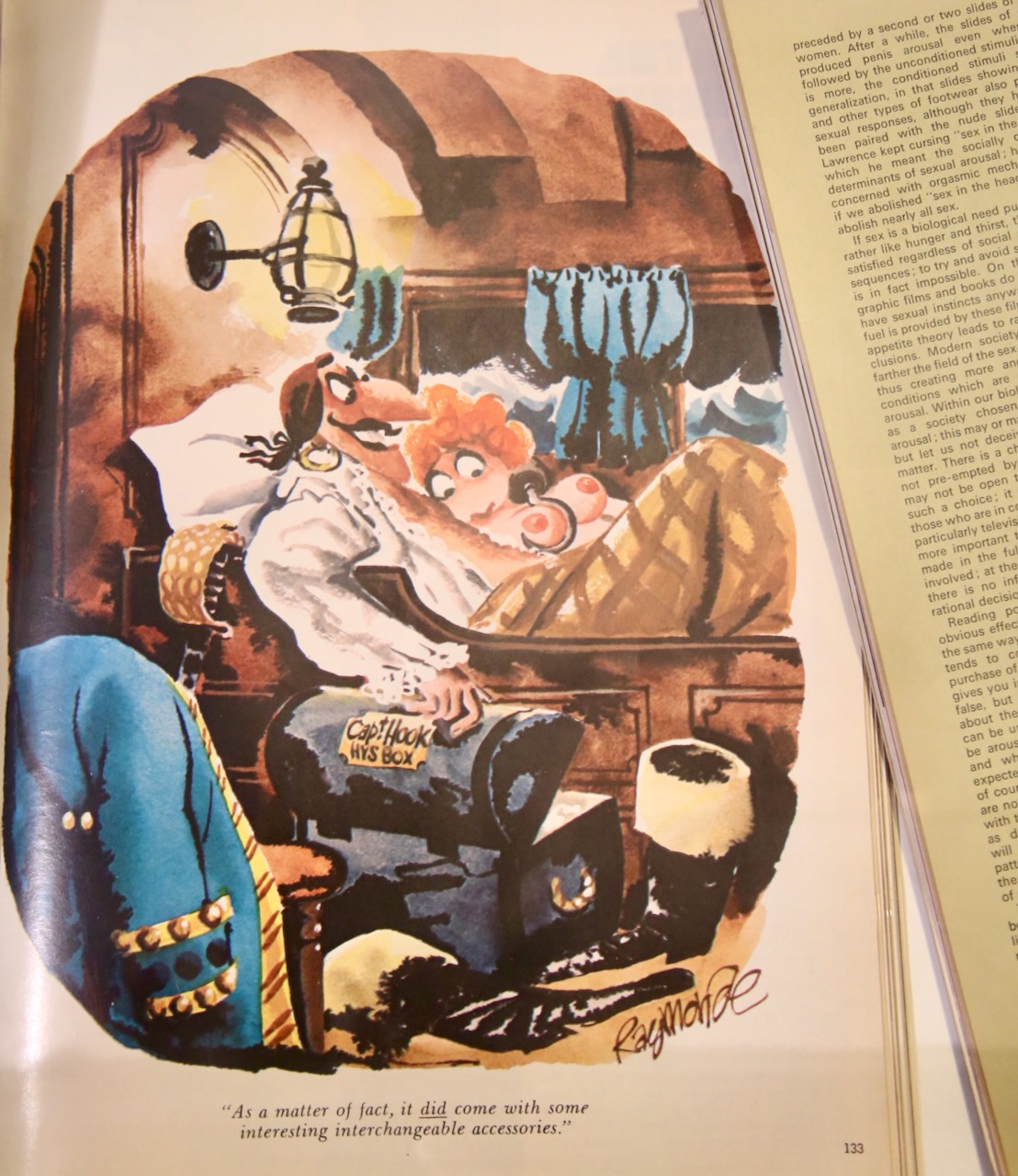
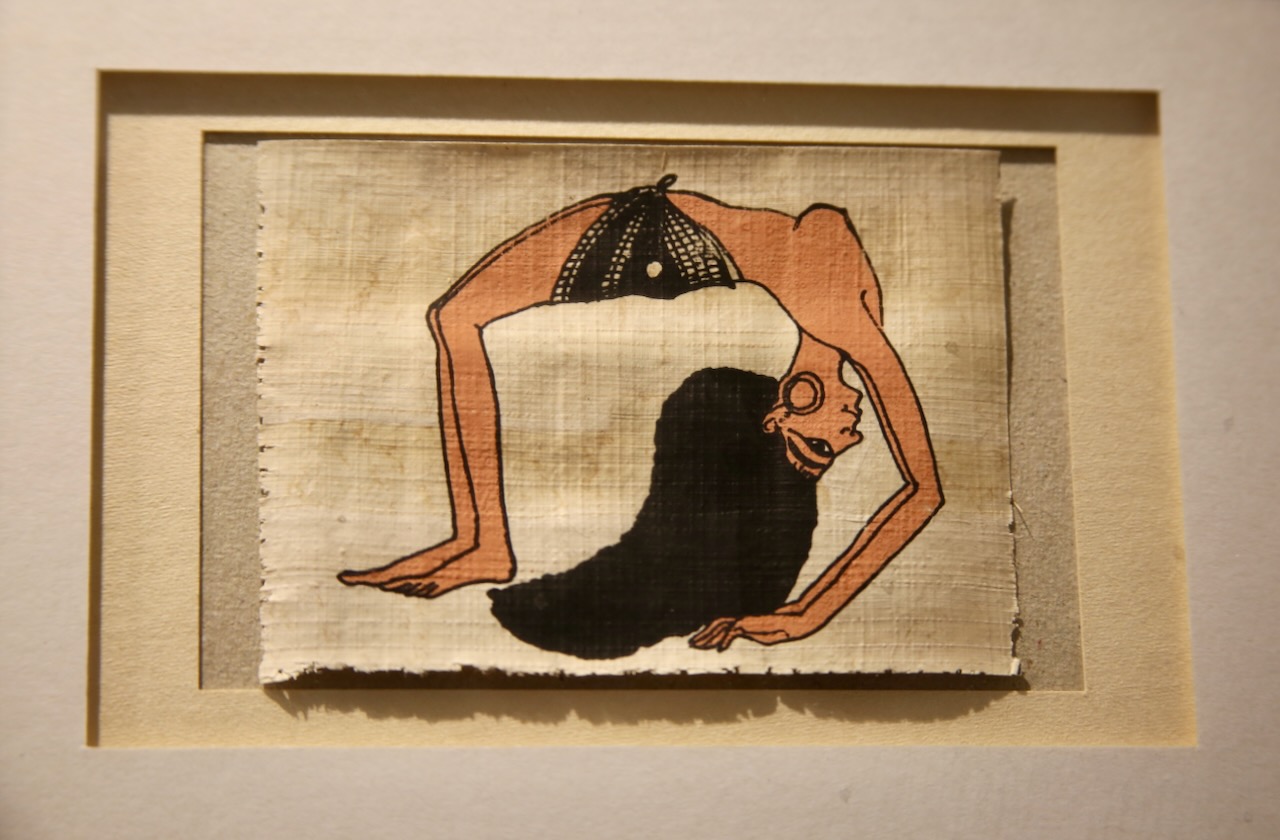
Another boardwalk delivers me past fourwing saltbush (used in the nixtamalization of maize), a honey bee (with static electricity gained by flying that attracts pollen), a Zebra-tailed lizard (highly tolerant of extreme heat by alternating legs), and possibly some Amargosa pupfish (the most inbred species due to their very low numbers). I describe the low mountain range as a scoopneck as I approach Las Vegas where I will stop at the Erotic Heritage Museum to watch porn and how a body mold gets made. That wasn’t my intent and I had no idea what to expect on the exhibits or the size of the displays.
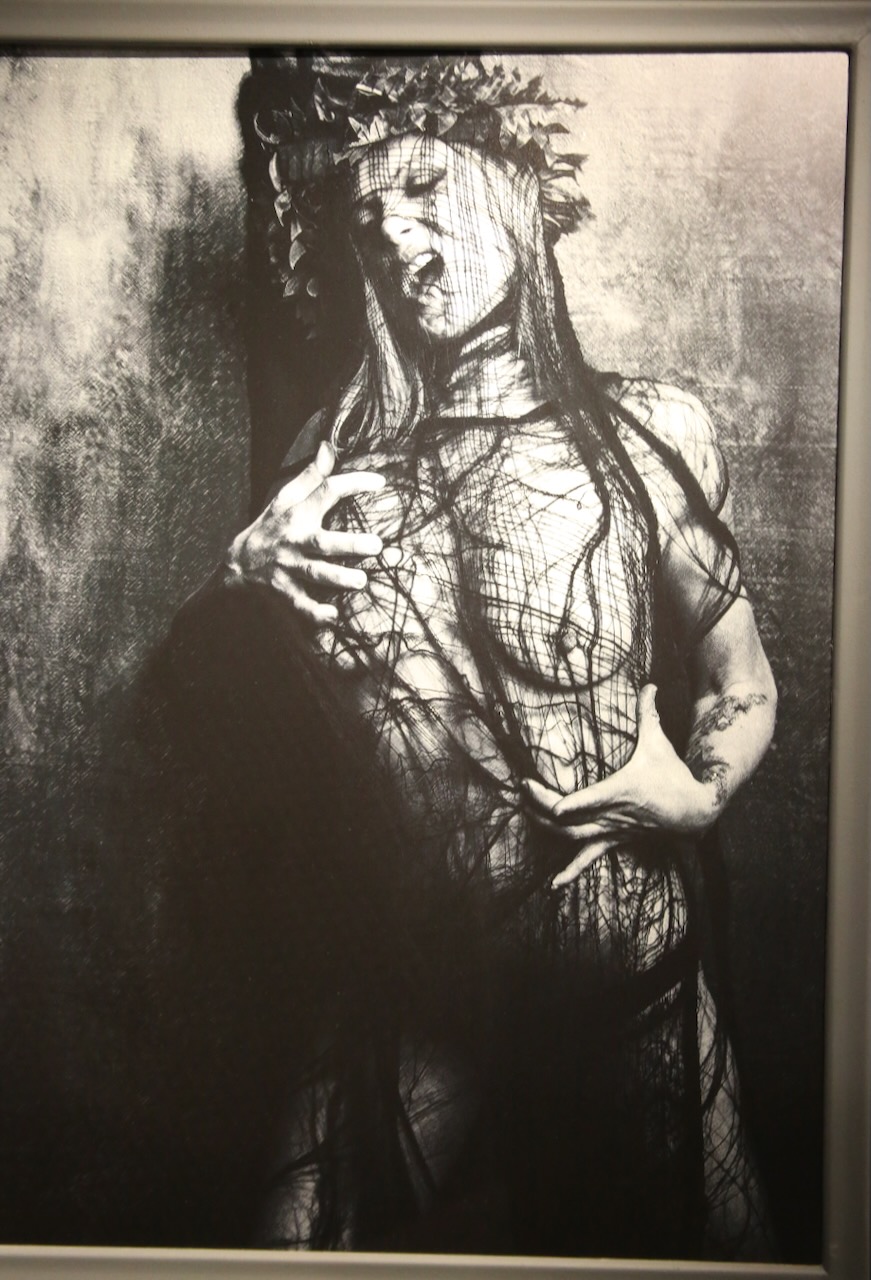
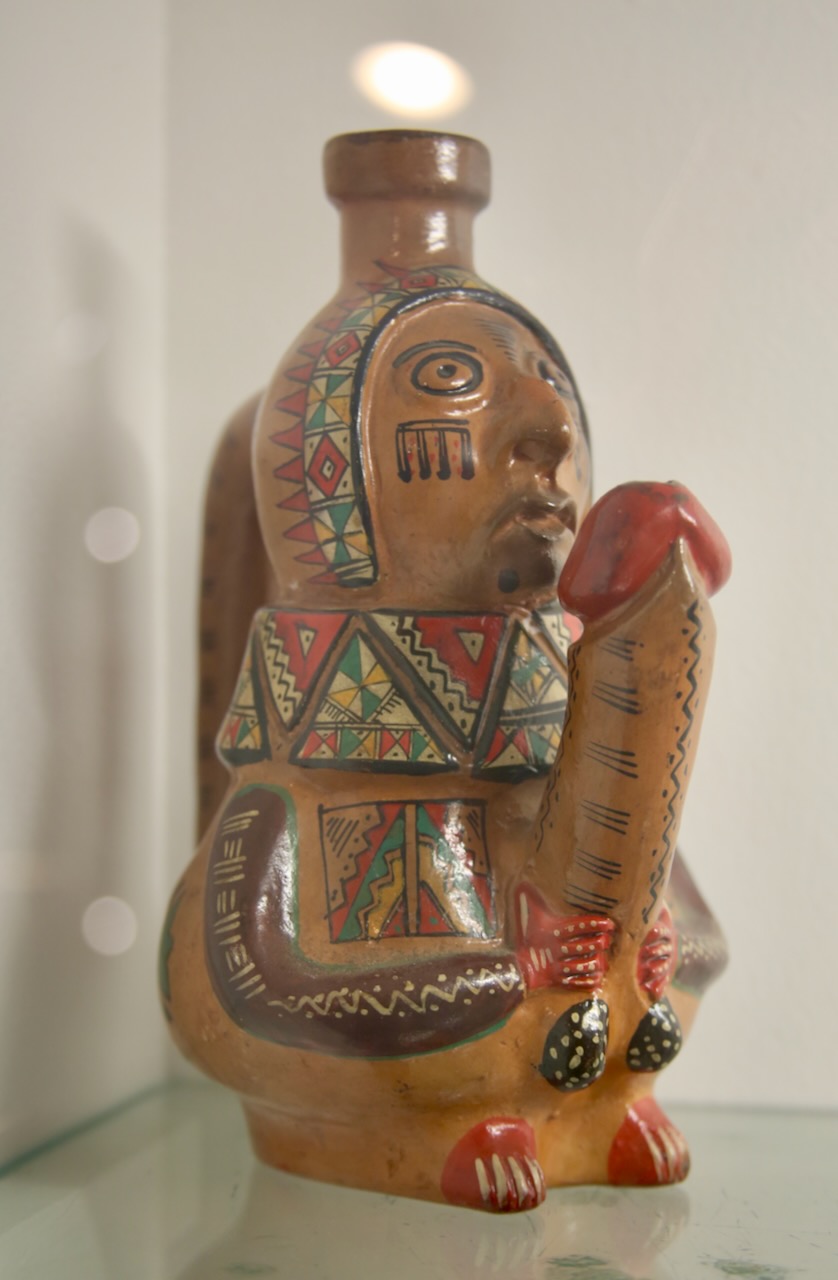

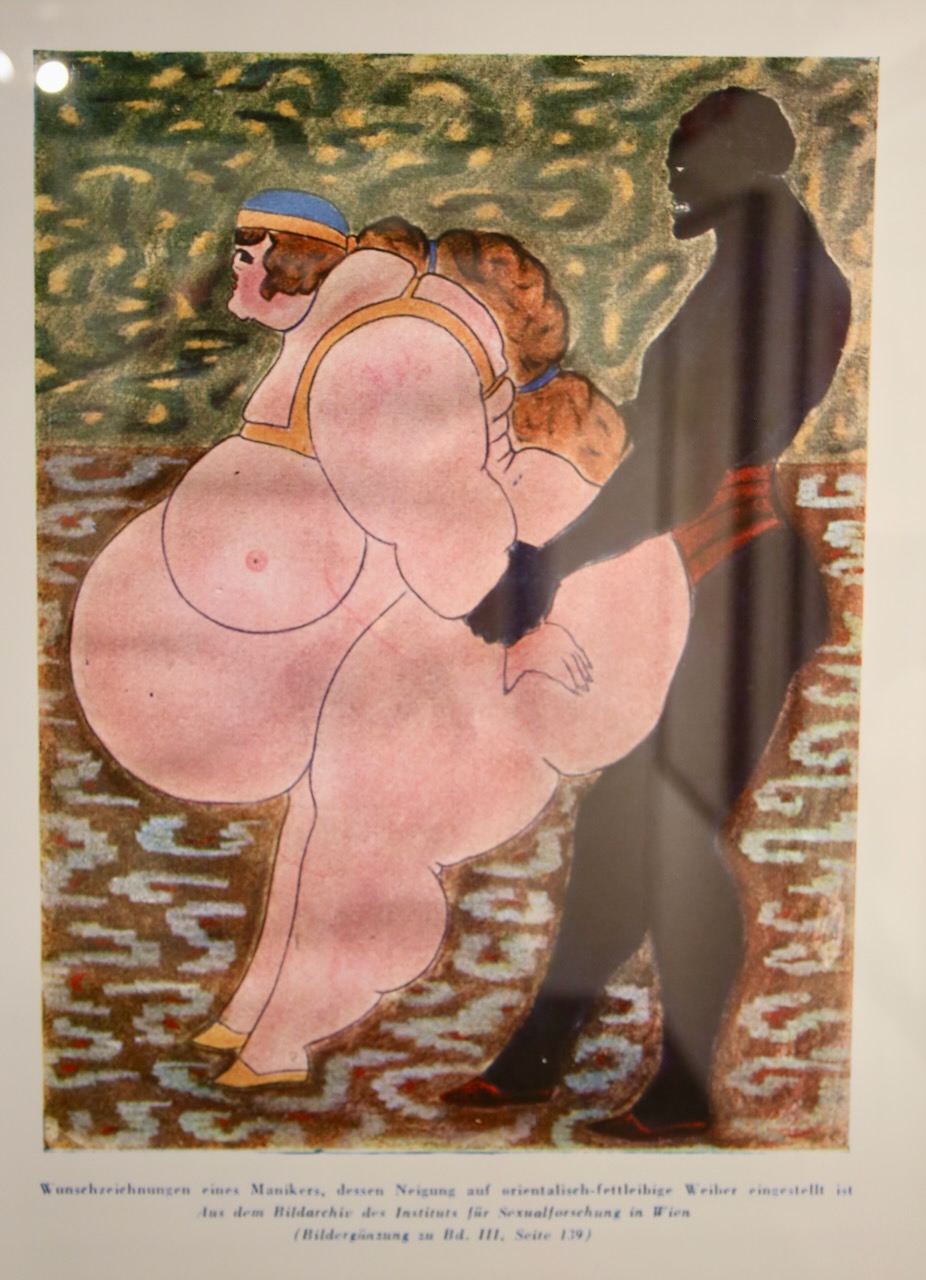
The front is inviting in a discount dentist’s office kind of way, but the warehouse of politics is less so. I’m immediately greeted with a mannequin of Donald Trump, a cardboard cutout of Hillary Clinton, a bloody victim of Countess Báthory, and a giant swastika. During the Weimar Republic, Magnus Hirschfeld (known as the Einstein of sex) was busy becoming the inventor of marriage counseling, gay liberation, artificial insemination, surgical gender reassignment, and modern sex therapy. He campaigned for the decriminalization of abortion and against policies that banned female teachers and civil servants from marrying or having children.
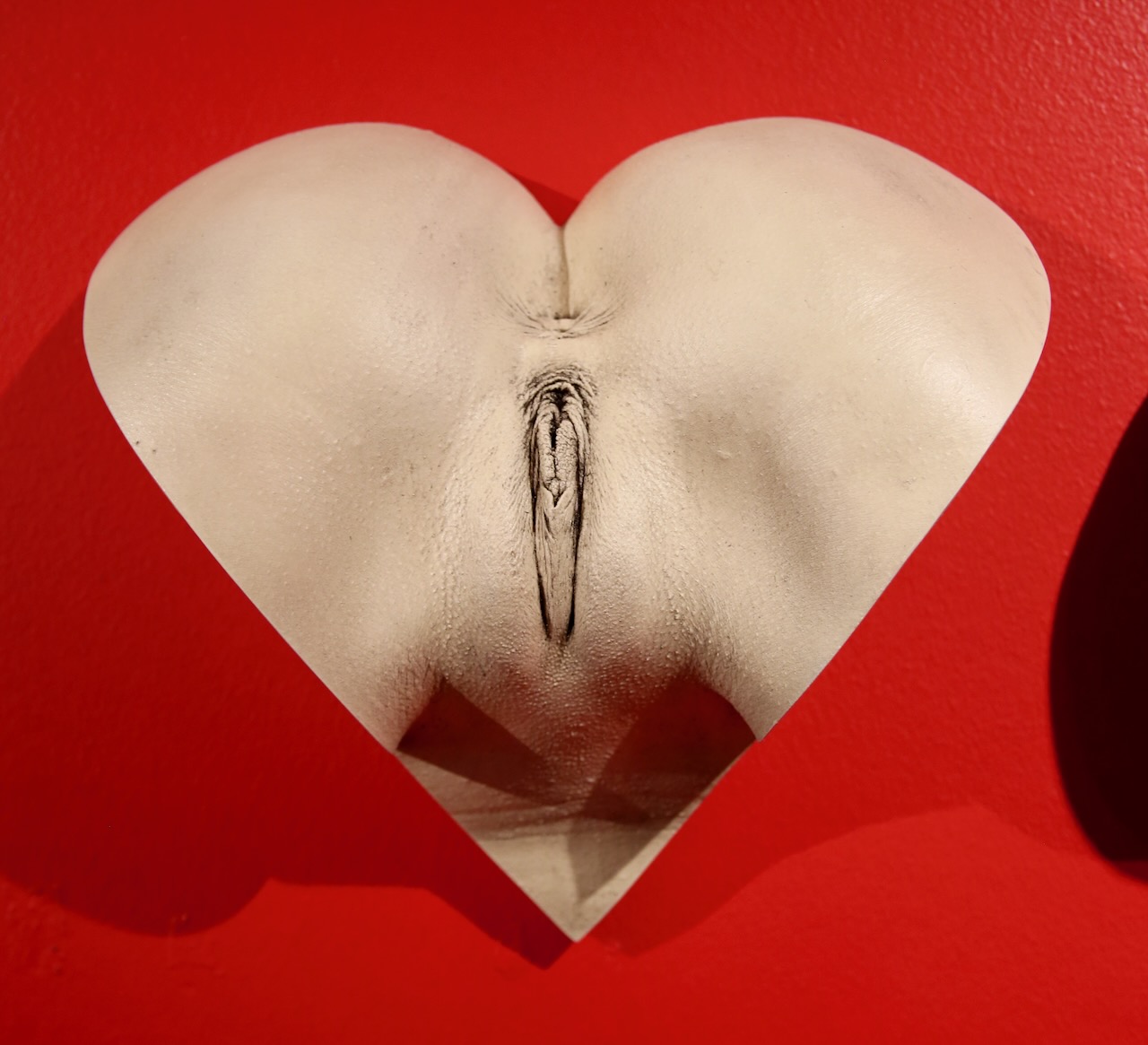
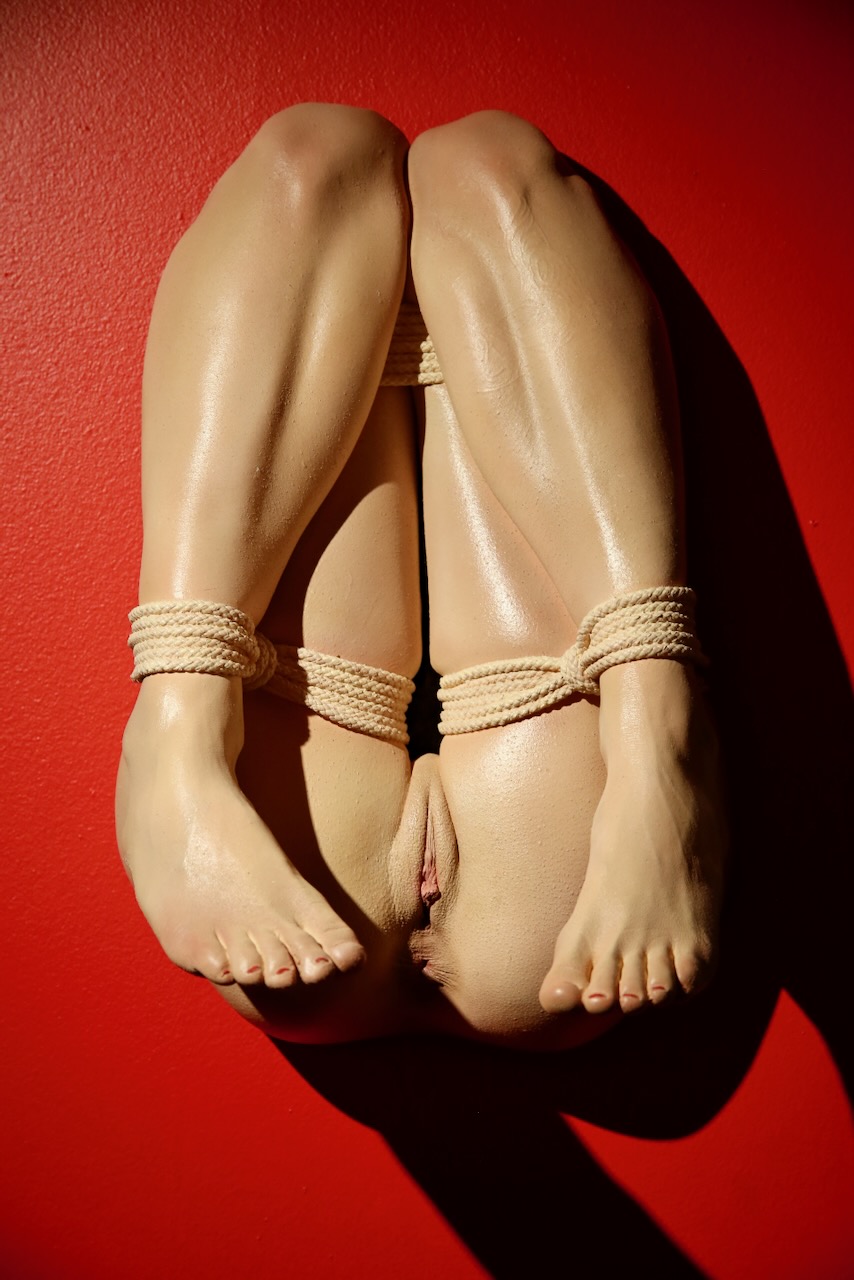
His institute built a unique library on same-sex love and eroticism that was later burned after the building was attacked, along with over 5000 pieces of art in the streets of the Opernplatz by the German Student Union in 1933. Back in 1873, the Comstock Act (illegal to mail contraceptives and obscene materials) was passed and 24 states enacted similar prohibitions. In 1973, Roe v. Wade made abortion legal nationwide, which put this act to disuse until the overturning in 2022 brought up the argument again of mailing abortion medications and materials.

The history panels cover more than just sex, like reminding me that until 1971 people had to be 21 years old to vote in federal elections. The 26th Amendment changed that for state and local voting too. This was also the same year that the last cigarette ad aired on TV and radio. 1998 took care of billboard ads, event sponsorships, and the use of cartoon characters. In 2009 restricted branded merchandise, free samples, and flavored cigarettes (except menthol and vaping). And this year, the federal government is likely to follow Massachusetts’ example of raising the minimum tobacco sales age to 21.
History is bound to repeat itself and the older I get I realize this doesn’t just refer to the comeback of bellbottom jeans to the next generation but to what defines an adult, a human worth rights, and what constitutes attractive vs undesirable through branches on society’s family tree (which goes back further than great-grandma’s secret recipe for a delicious disaster). I appreciate the signs letting visitors know that the dolls can not give consent, so please don’t touch them. I buy a shirt that says, “Please do not grope, lick, fondle, or f**k the exhibits without consent…”
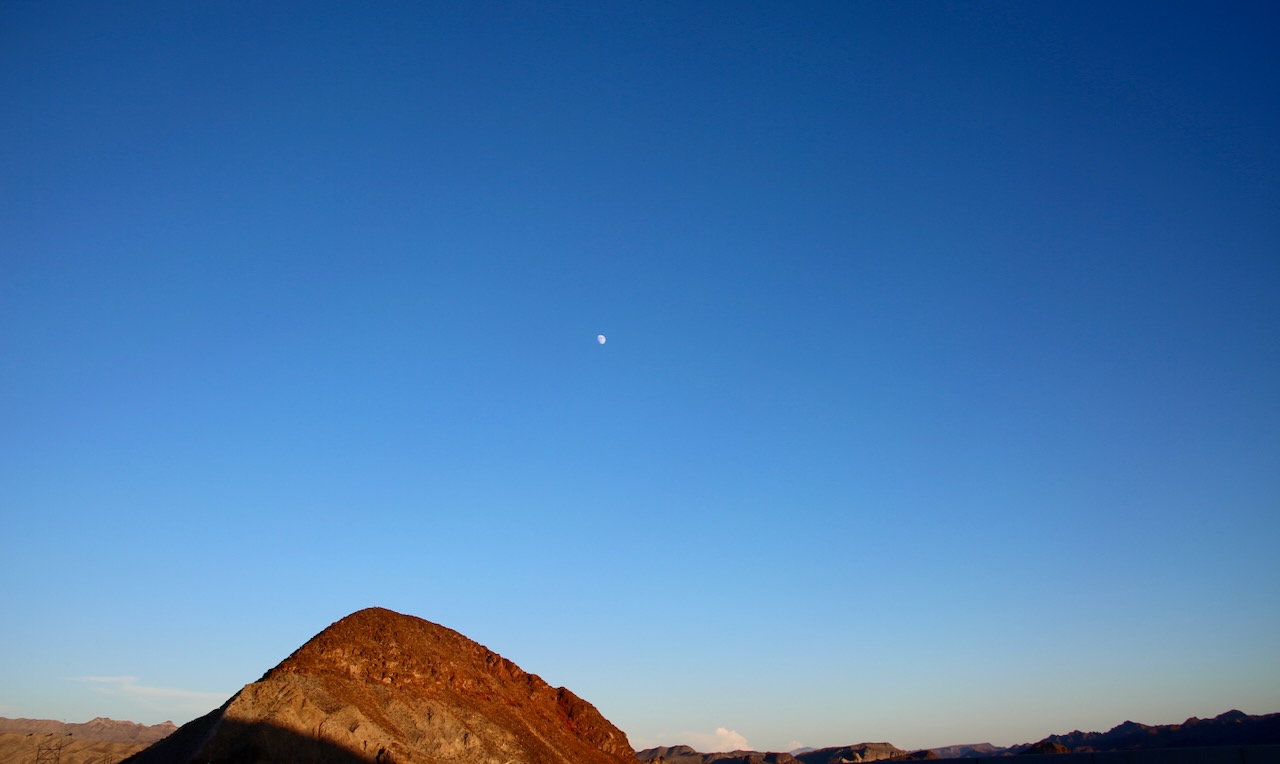
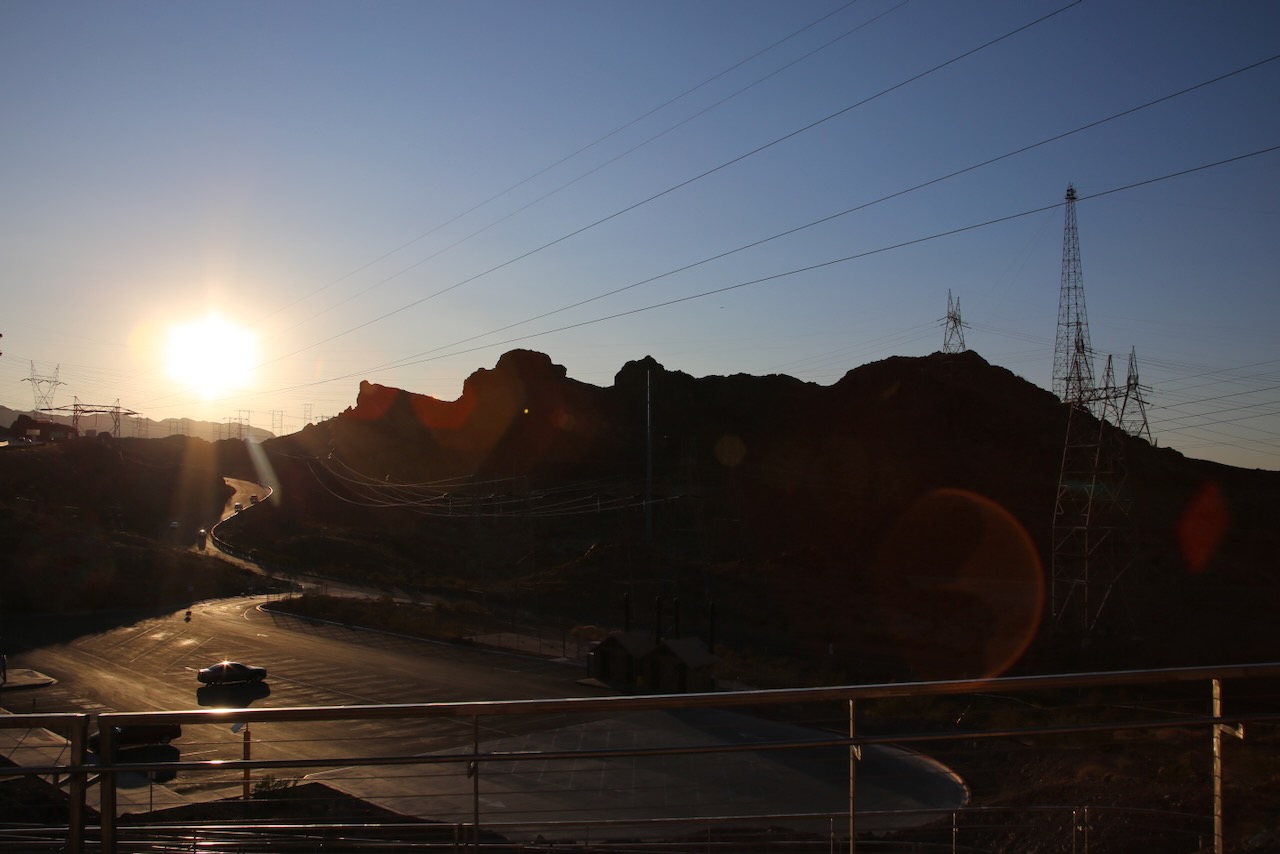
My next stop is about 40 miles southeast on the Nevada Arizona border. I walk across the Mike O’Callaghan–Pat Tillman Memorial Bridge, a testament to the stability of steel and concrete and the efficiency of pre-built components made off-site. The new exhibits and museum are closed when I arrive, but the view of the Hoover Dam this bypass bridge provides feels like the human equivalent of a drone’s-eye view. The sun is quickly setting as I finish my exploration of man’s ability to build more things and carve nature to his needs. Thirty minutes later, I’m ready to pass out near Willow Beach, having driven over 300 miles.

 TheJessicaness