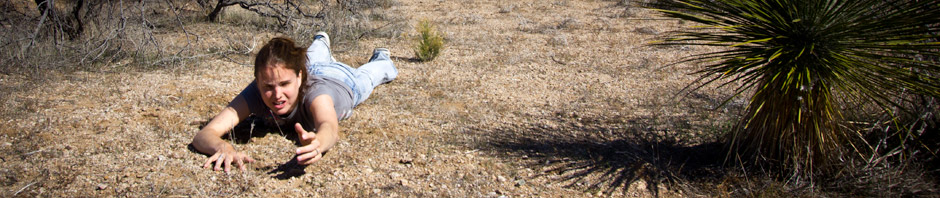

A day at the zoo with Caleb and his brother’s family.
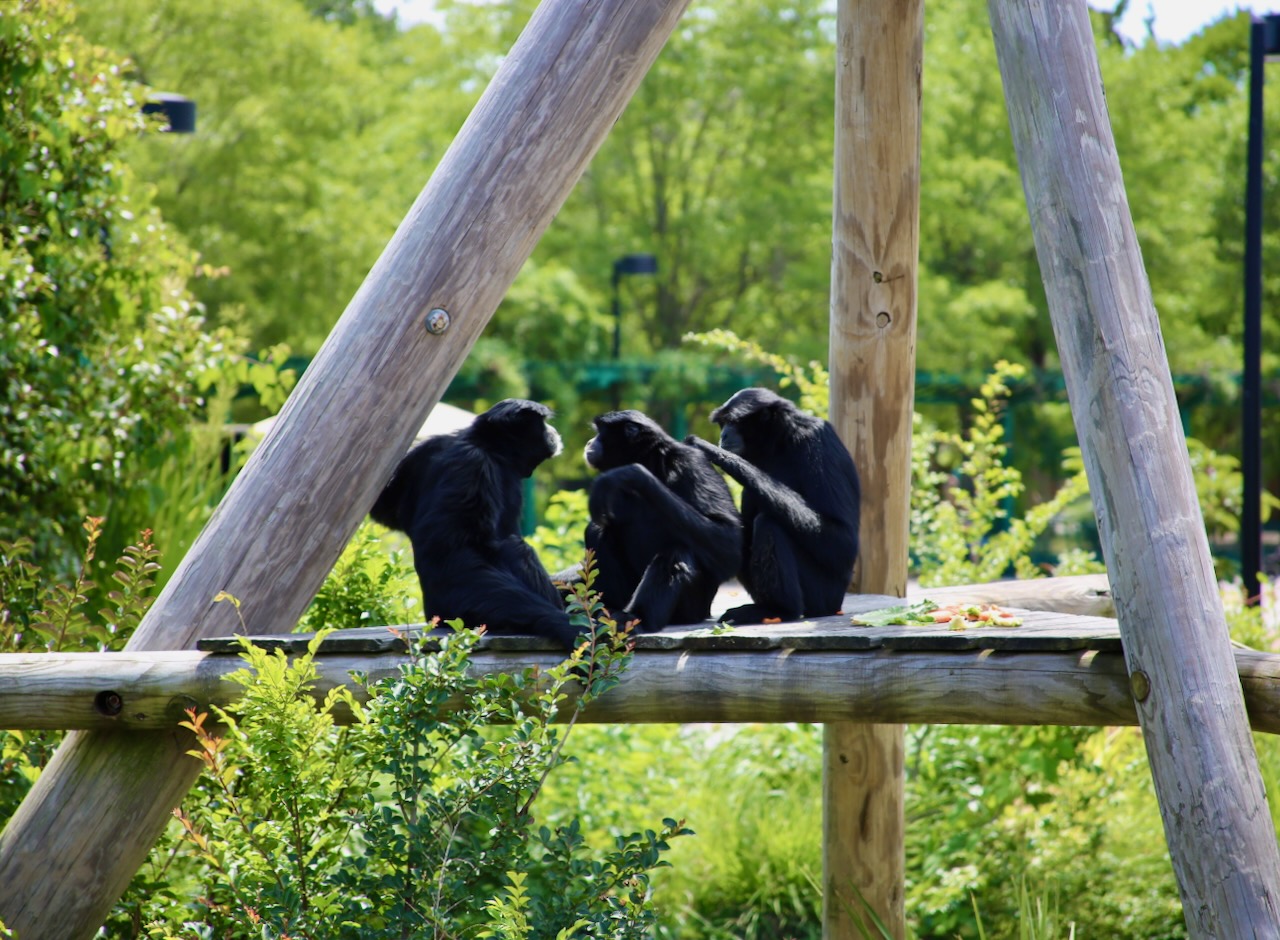
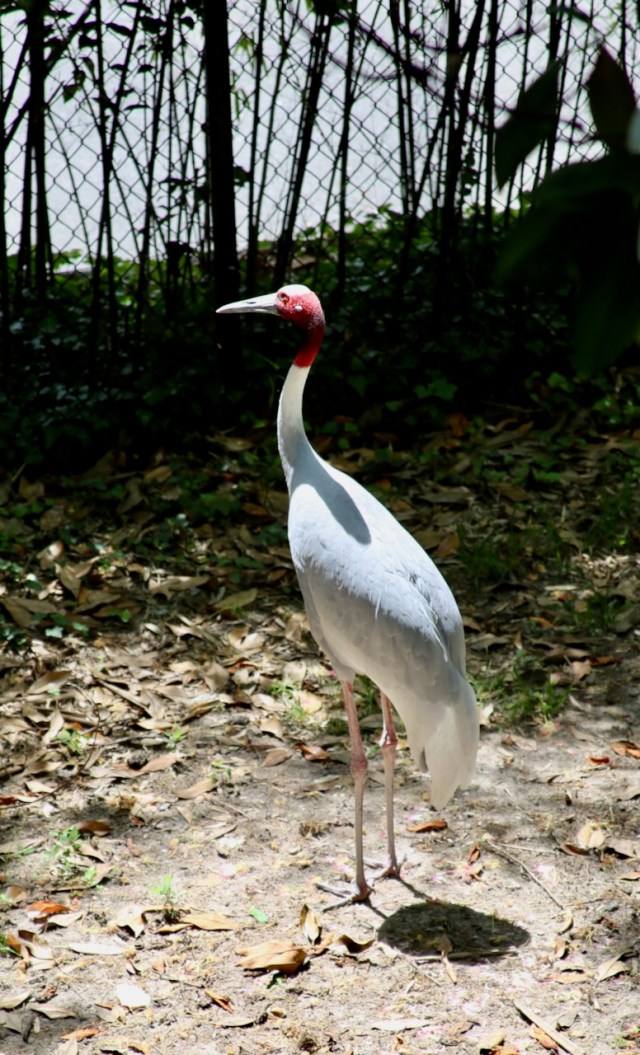
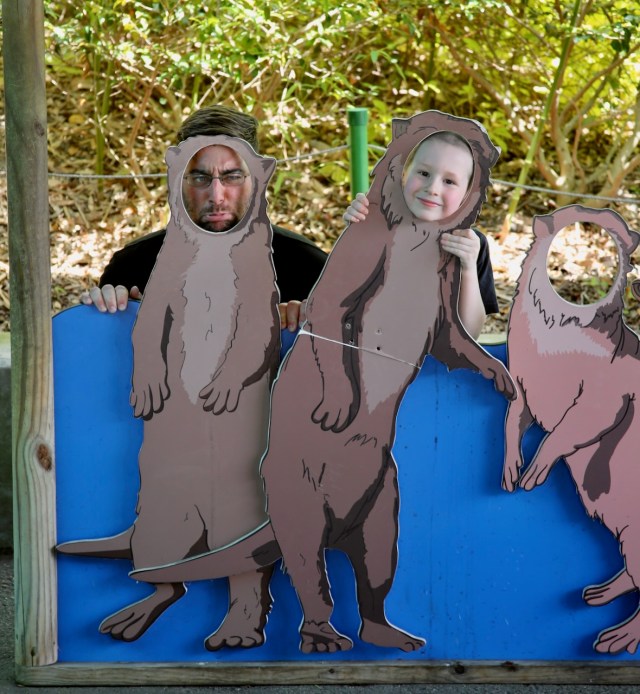
The three siamangs, the largest species of gibbons, are found in the forests of Sumatra and Malaysia. A Sarus crane, the world’s tallest flying bird, is found in the marshes and swamps of India, Southeast Asia, and Australia. They are known for their synchronized dancing with their lifelong partner. Uncle Caleb and Tristan as otters. This rare species can be seen eating candy while making fart jokes.
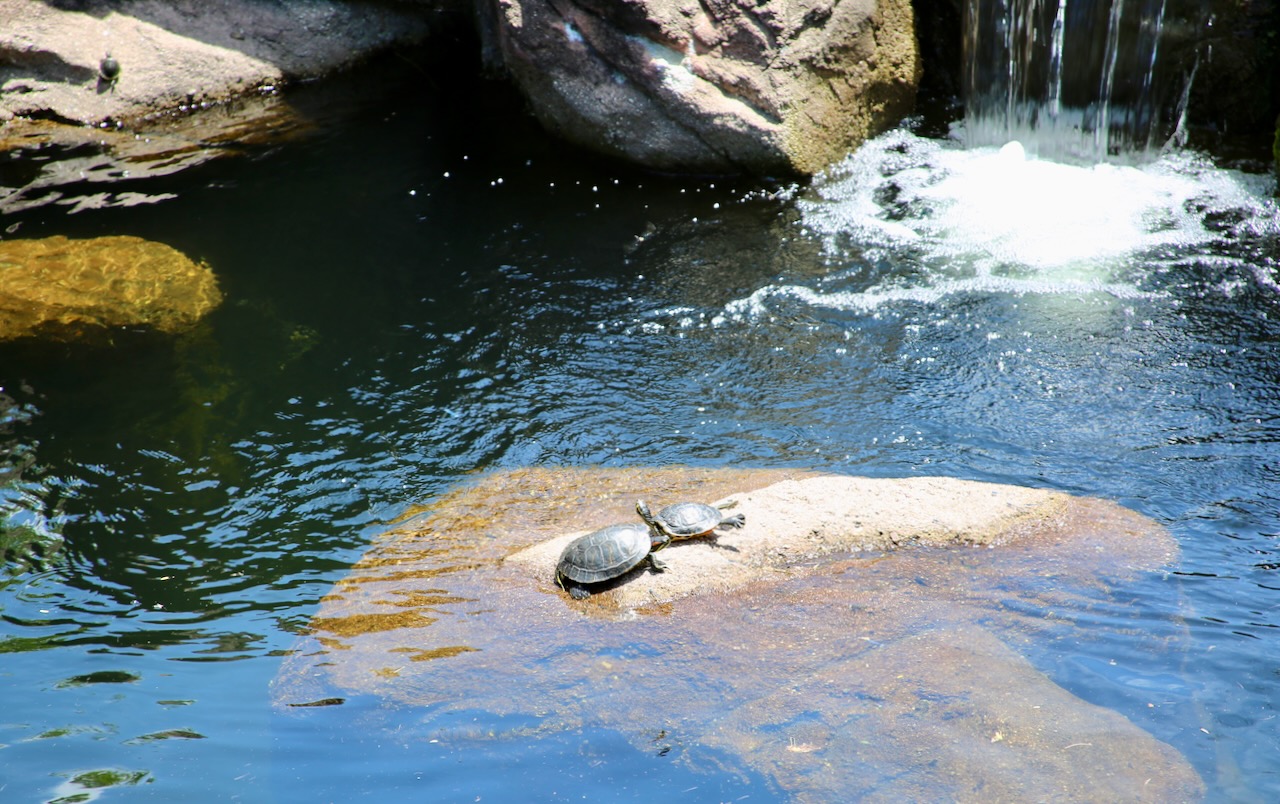
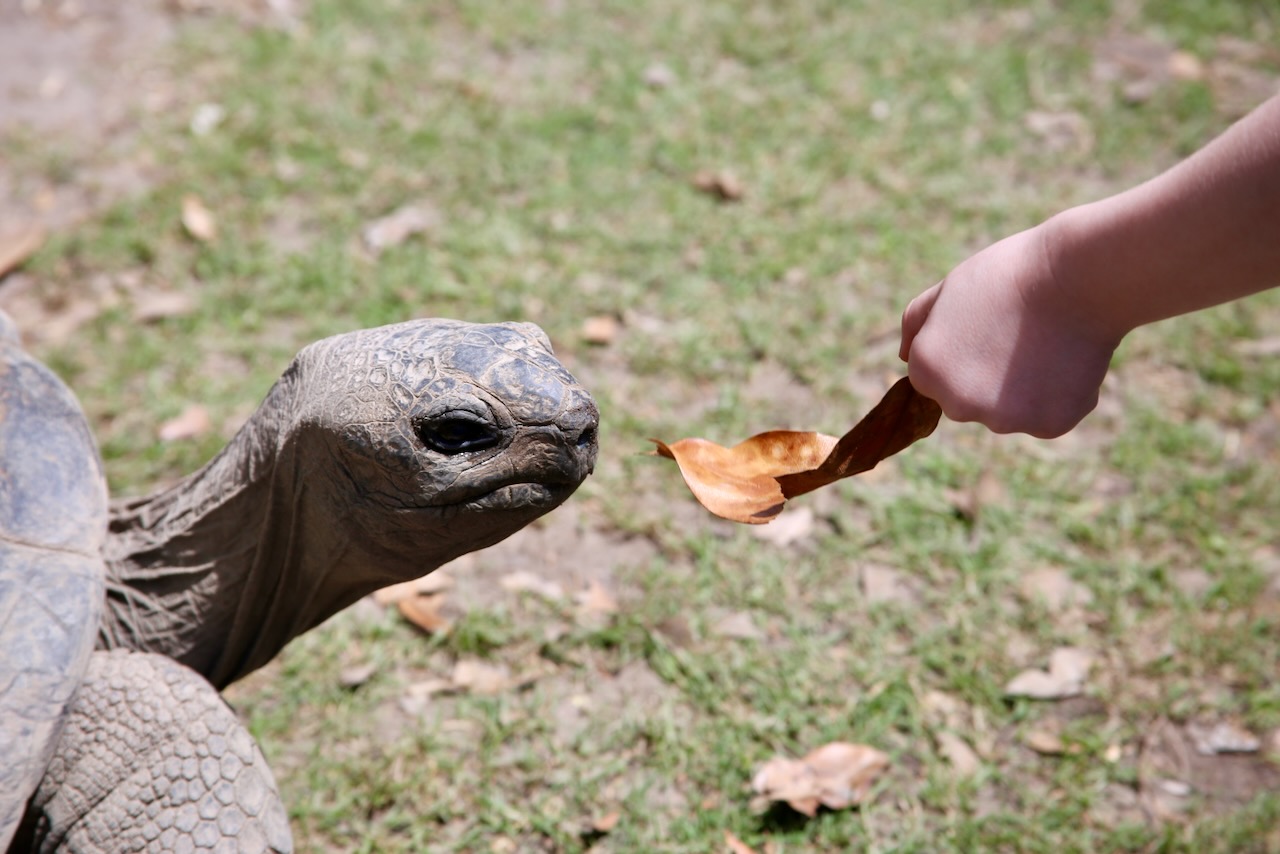
The red-eared sliders are a common subspecies of the pond slider. They can be found sunbathing on logs and rocks until someone walks by, at which point they slide underwater. They seem to have the largest enclosure. The Galapagos giant tortoise is probably over one hundred years old, weighs over 300 pounds, and detests this non-volcanic island habitat.
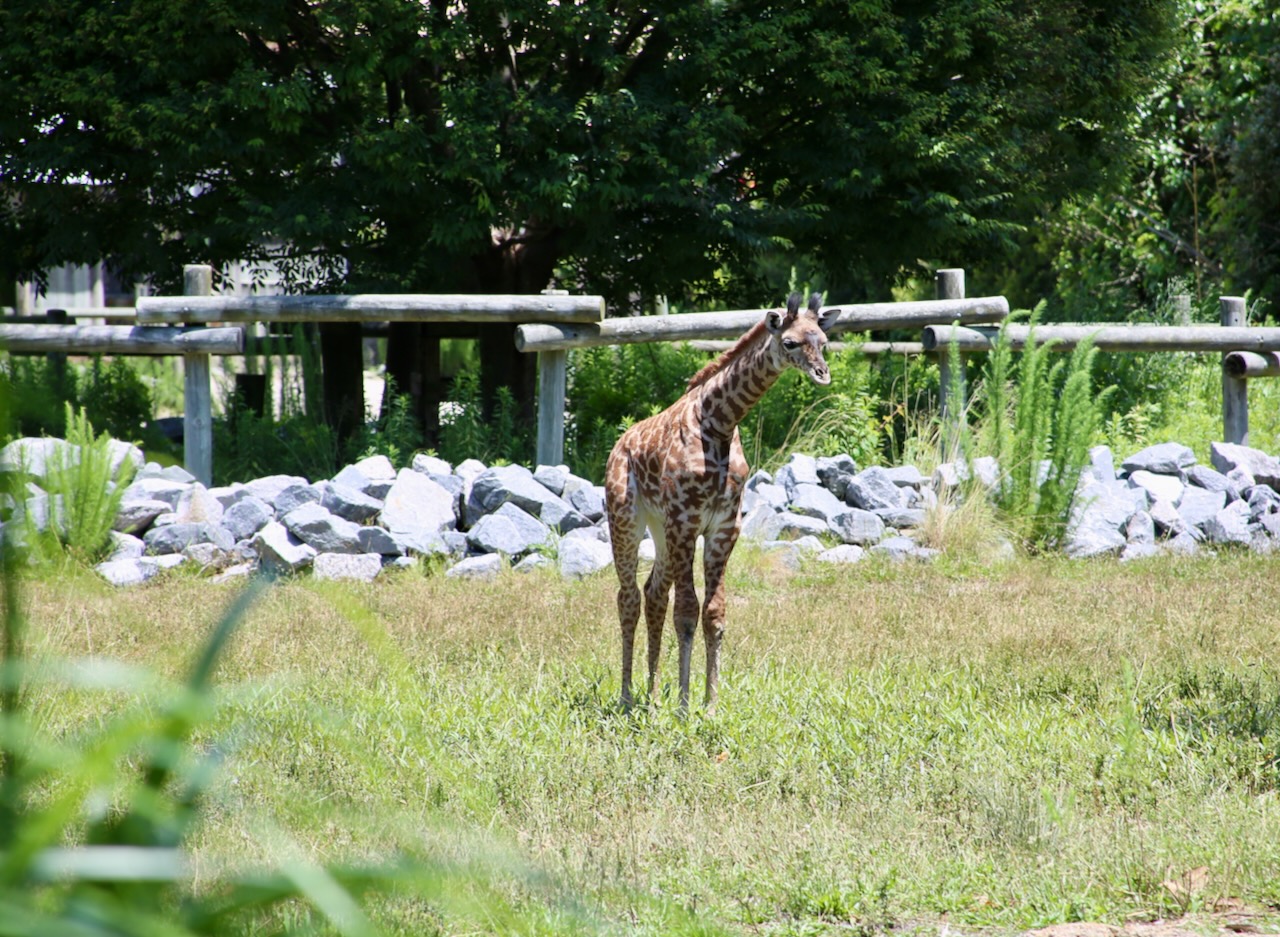
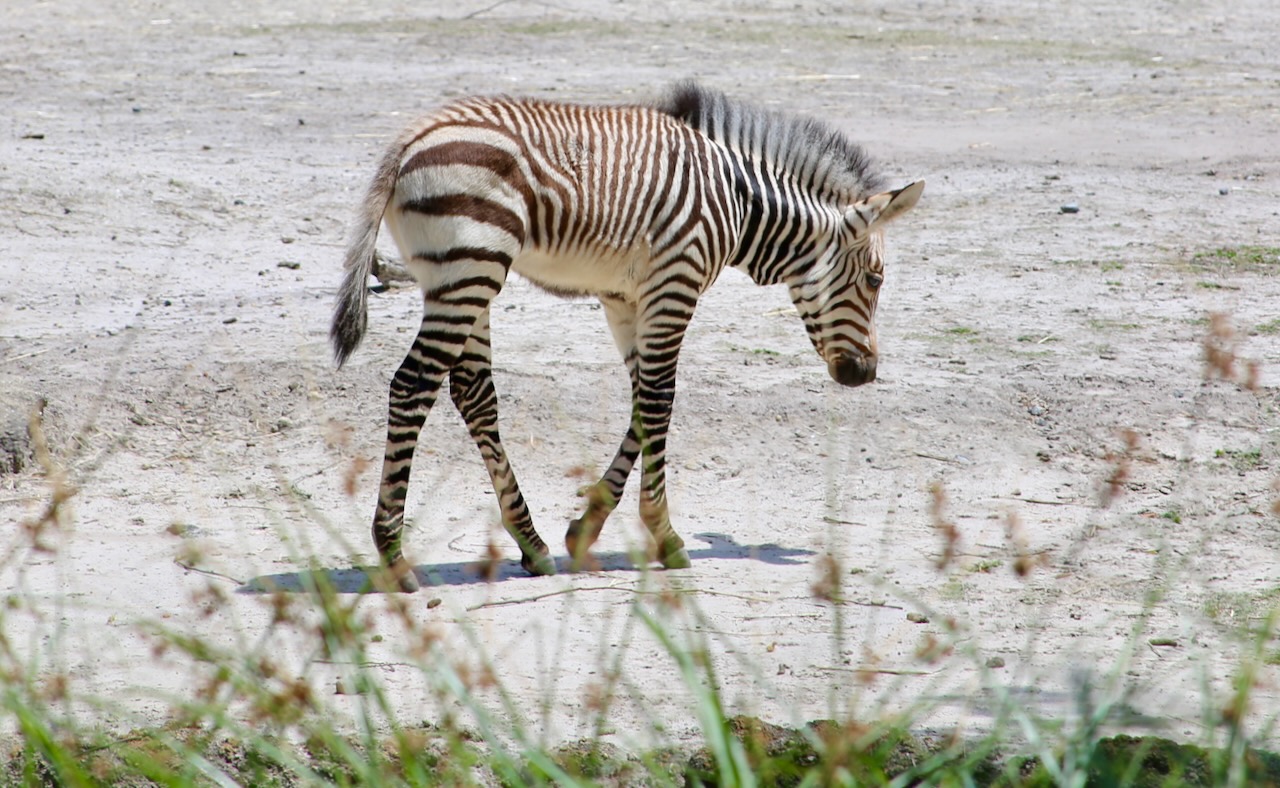
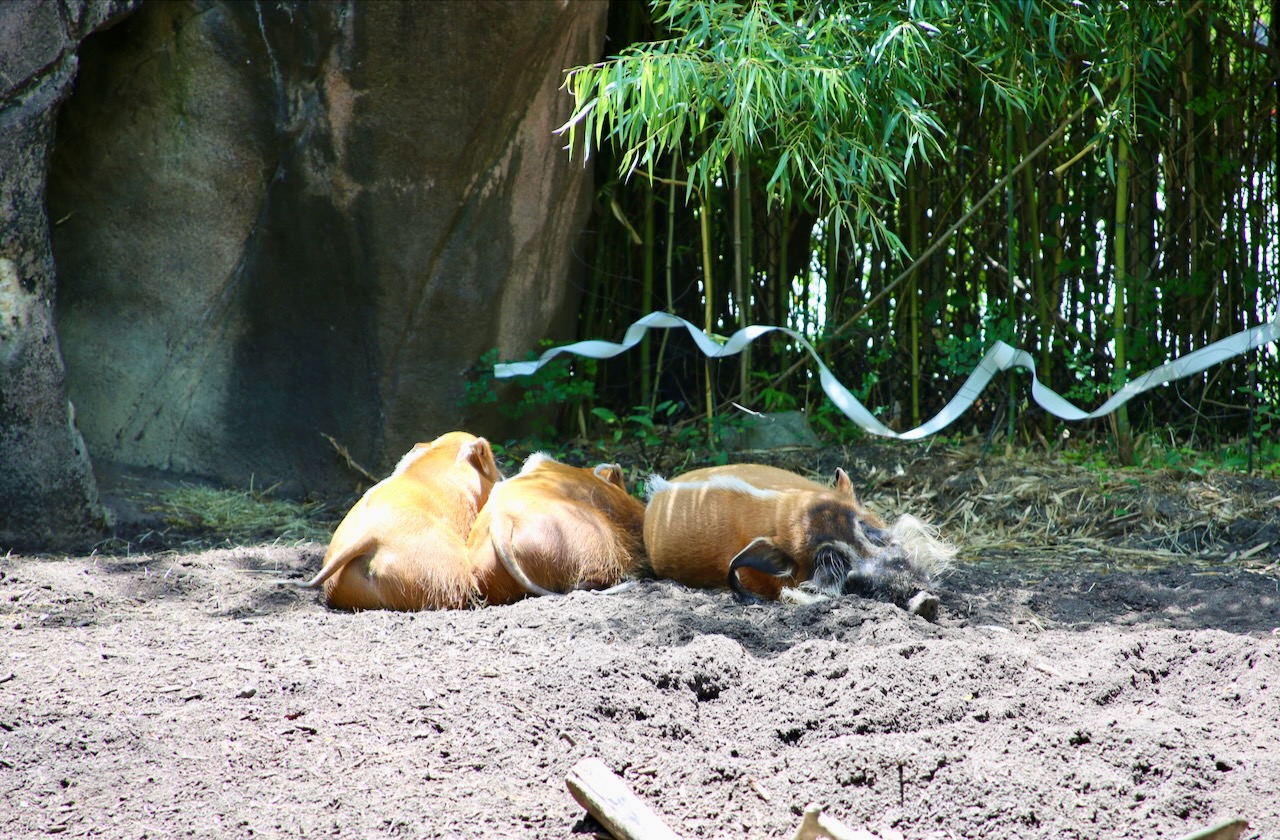
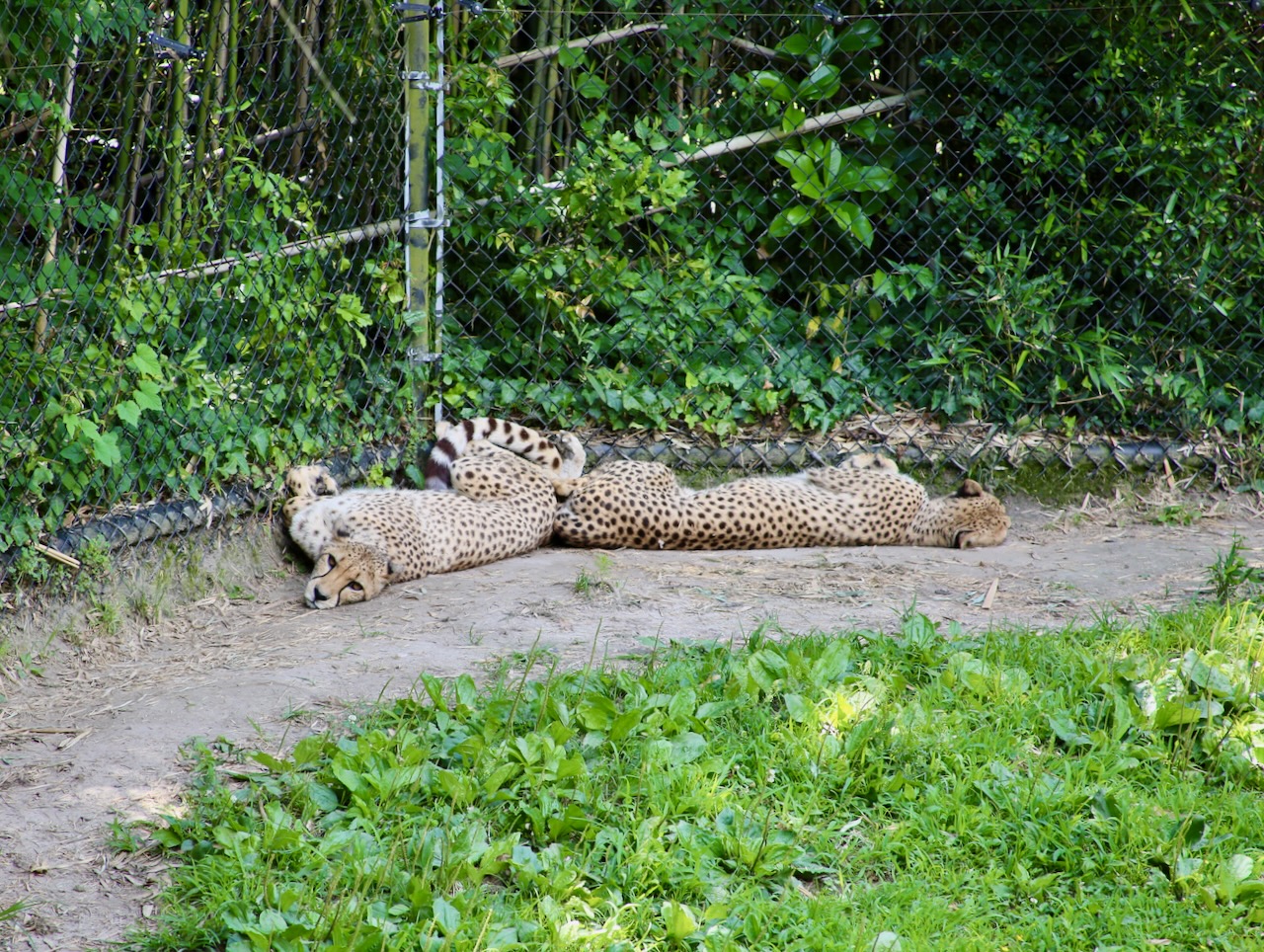
The baby giraffe is already a third of its potential height at six feet tall and is usually found roaming the savannas and open woodlands of Africa. The baby zebra is a Hartmann’s mountain foal, born with brown stripes that darken over time. This species is vulnerable on its rocky slopes and plateaus of sub-Saharan Africa. The Red River hogs are known for their tasseled ears, being proficient swimmers, and fast runners. They can be found eating roots, fruits, and rodents in rainforests, savannas, and swamps. The cheetahs, known for their speed, spend most of their time conserving energy. These big cats are unique because they purr instead of roar.
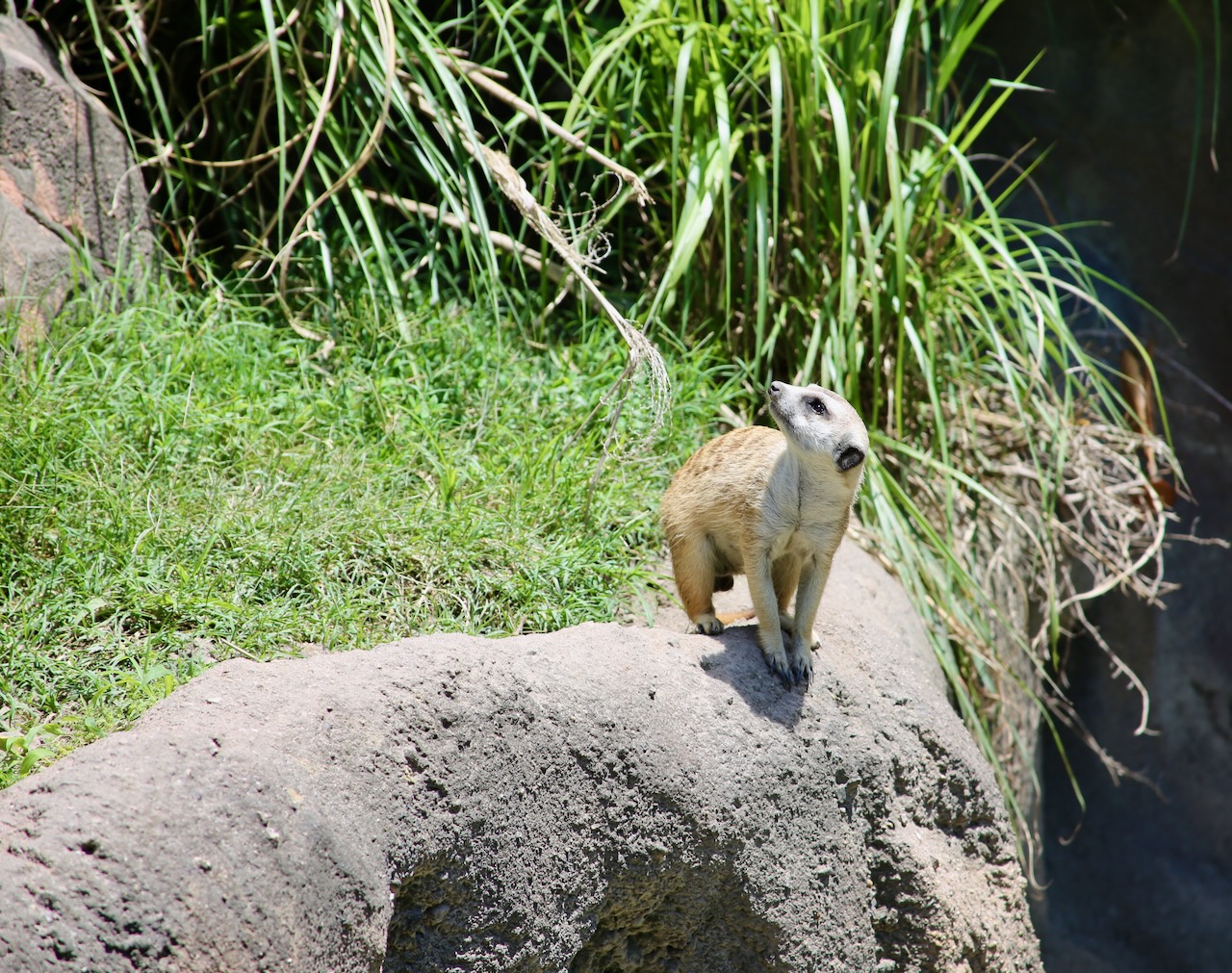
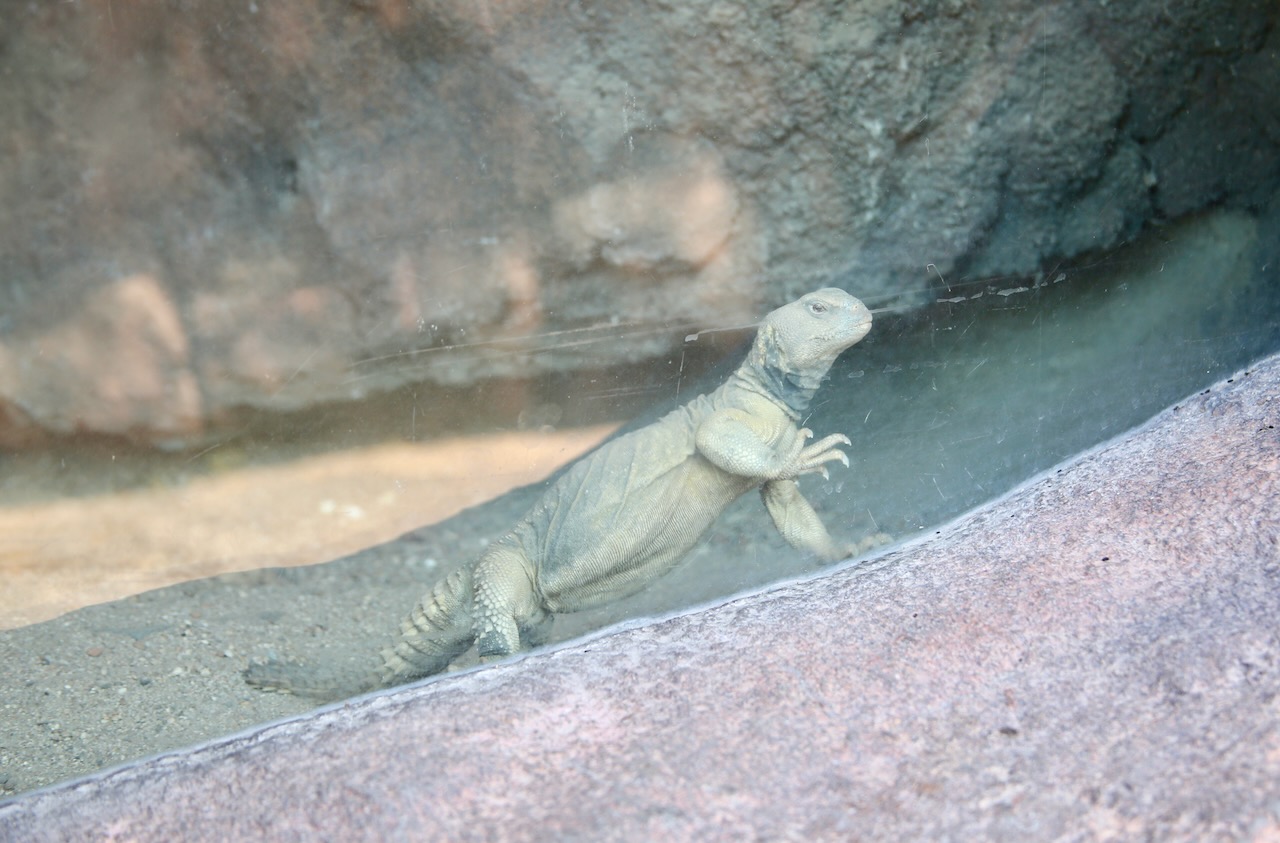
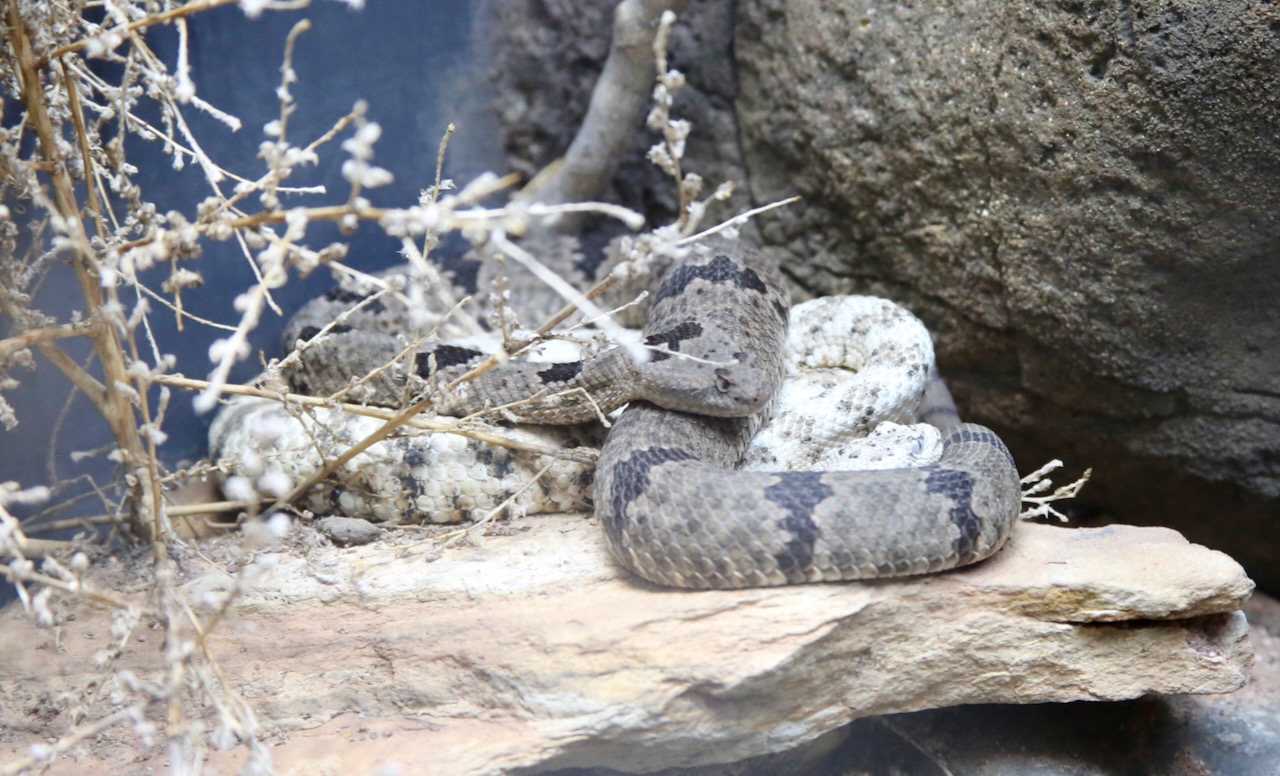
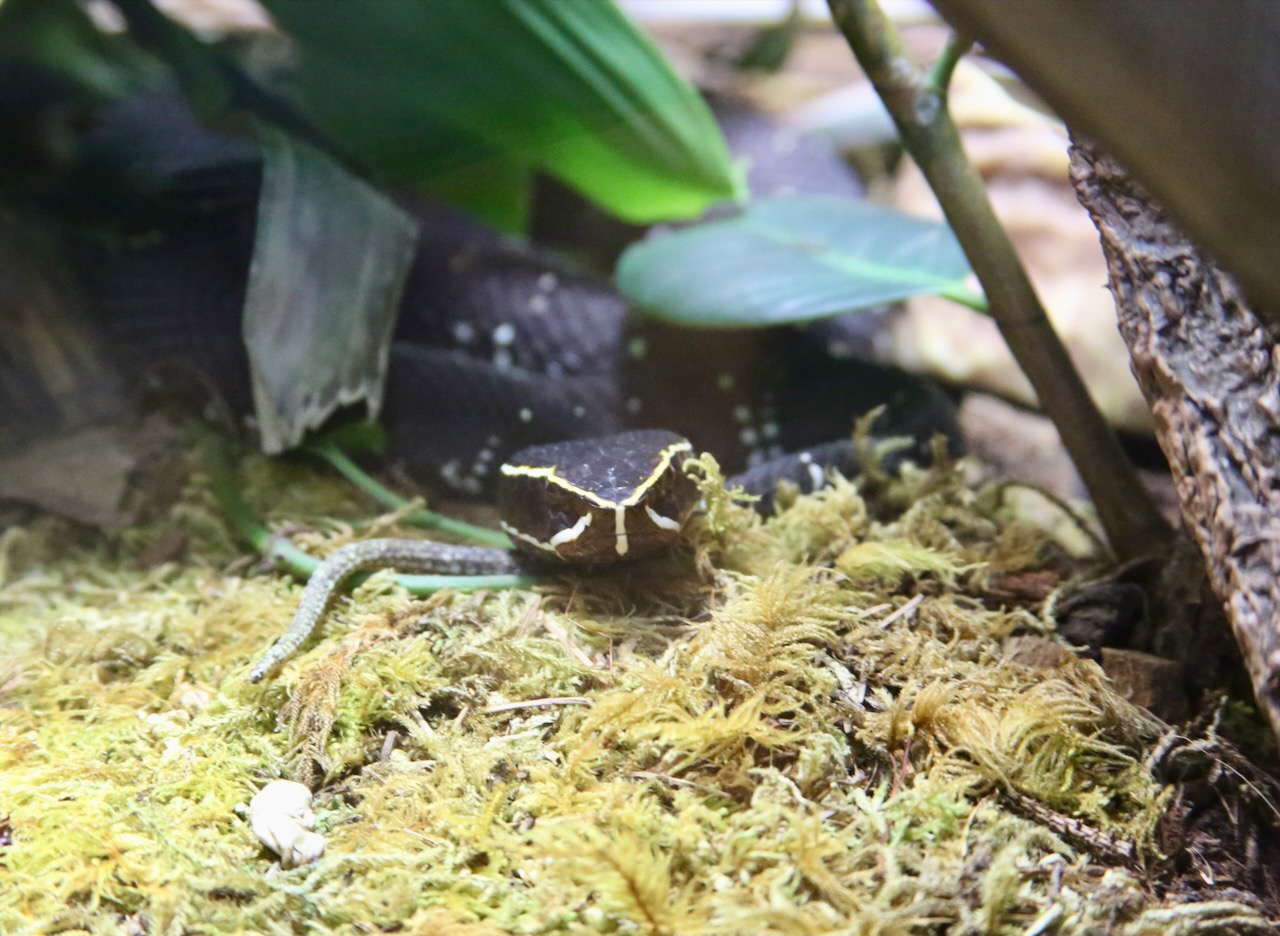
The small meerkat, commonly known for its role in The Lion King, belongs to the mongoose family. The dark patches around their eyes act like sunglasses to reduce glare from the deserts of southern Africa. The Egyptian spiny-tailed lizard also lives in other parts of North Africa and the Middle East. They can inflate themselves for heat regulation, intimidation, and to secure themselves in tight spaces. The banded rock rattlesnake inhabits the rocky terrain of the southwestern US and Mexico. They are highly venomous, but focus their aggression on lizards, mice, and frogs. The Mexican cantil is another pit viper (snake with heat-sensing face parts) this one found in tropical forests and dry shrublands throughout Central America.

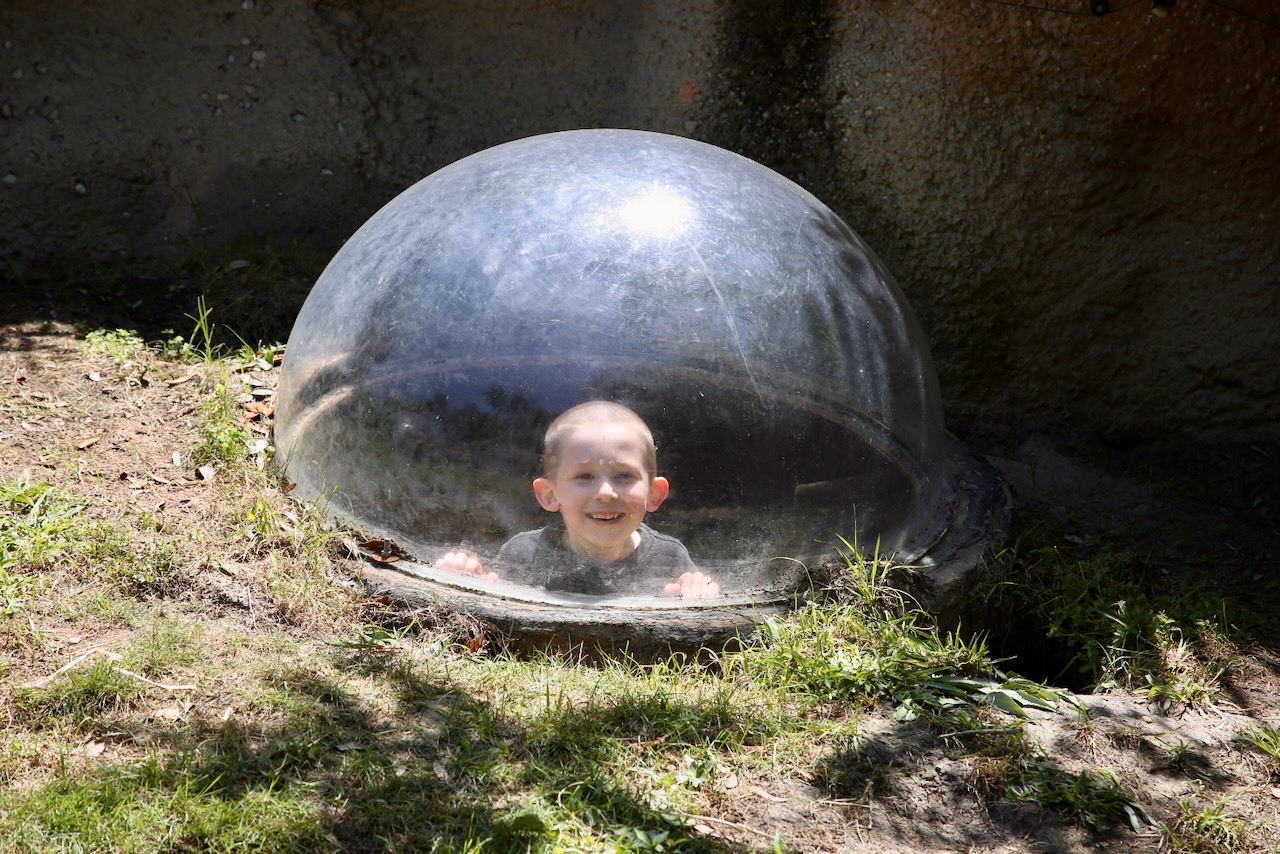
Jordan and Tristan
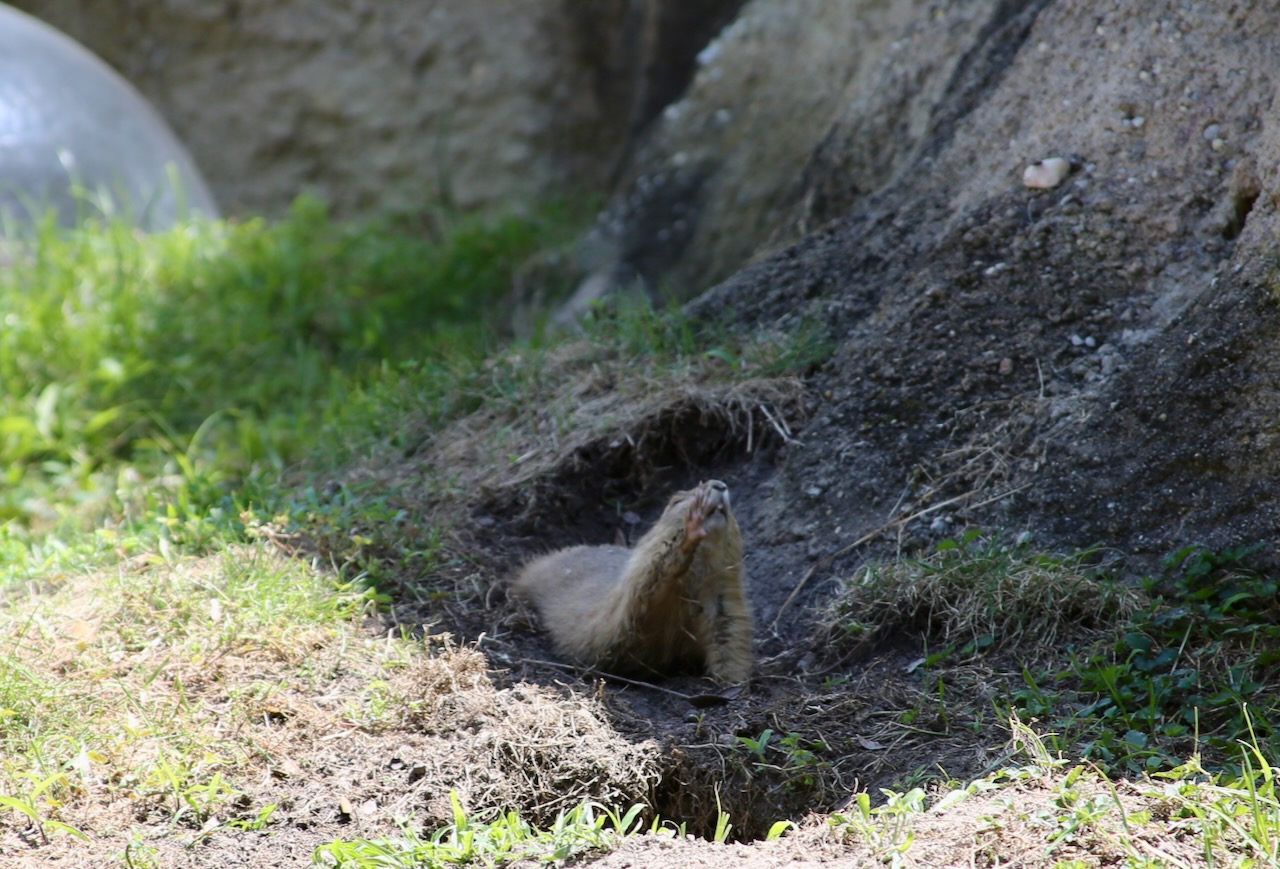
This prairie dog is known for its barks and chirps to communicate with other townmates feeling brave enough to be out of the complex underground tunnel home, which also provides a safe space for burrowing owls, snakes, and ferrets. These tunnels aerate the soil which is vital to their prairie ecosystem but destructive to man’s garden, so they die of poisoning after suffering habitat loss.

Warning: Dangerous animal inside. Human: Homo sapiens. They are wild and unpredictable, prone to erratic behavior and mood swings, extremely cranky, and easily agitated. Caution: Keep fingers and limbs away. Given an inch — will take a mile.


Caleb has the wingspan of a southern screamer, a large, gray marsh bird found mostly in the southern countries of South America (Peru, Brazil, Bolivia, Paraguay, Argentina, and Uruguay). Tristan has the reach of an Egyptian goose, another waterfowl, this one native to Africa but now established in Florida that lives in wetlands and urban parks.

 TheJessicaness