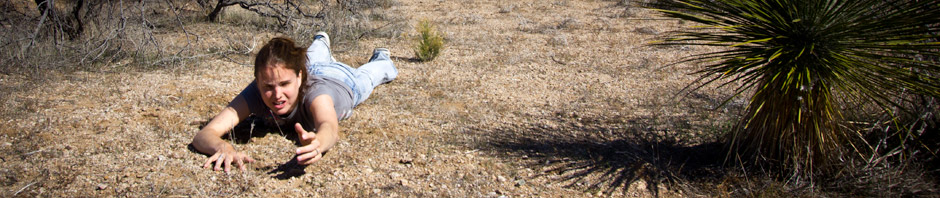
I’m up after six hours of sleep, and Dean has offered to take me with him to complete his errands. I agree, though I’d rather see under the sea or the other end of the island, I know this will get me out of the house. We pick up the scuba tanks, and while we wait for them to be filled, Dean buys me a Keurig coffee. I get one pump of flavoring, and he gets five, but I only drink half of mine. I was about to reserve an afternoon dive when the shop canceled due to passing weather.
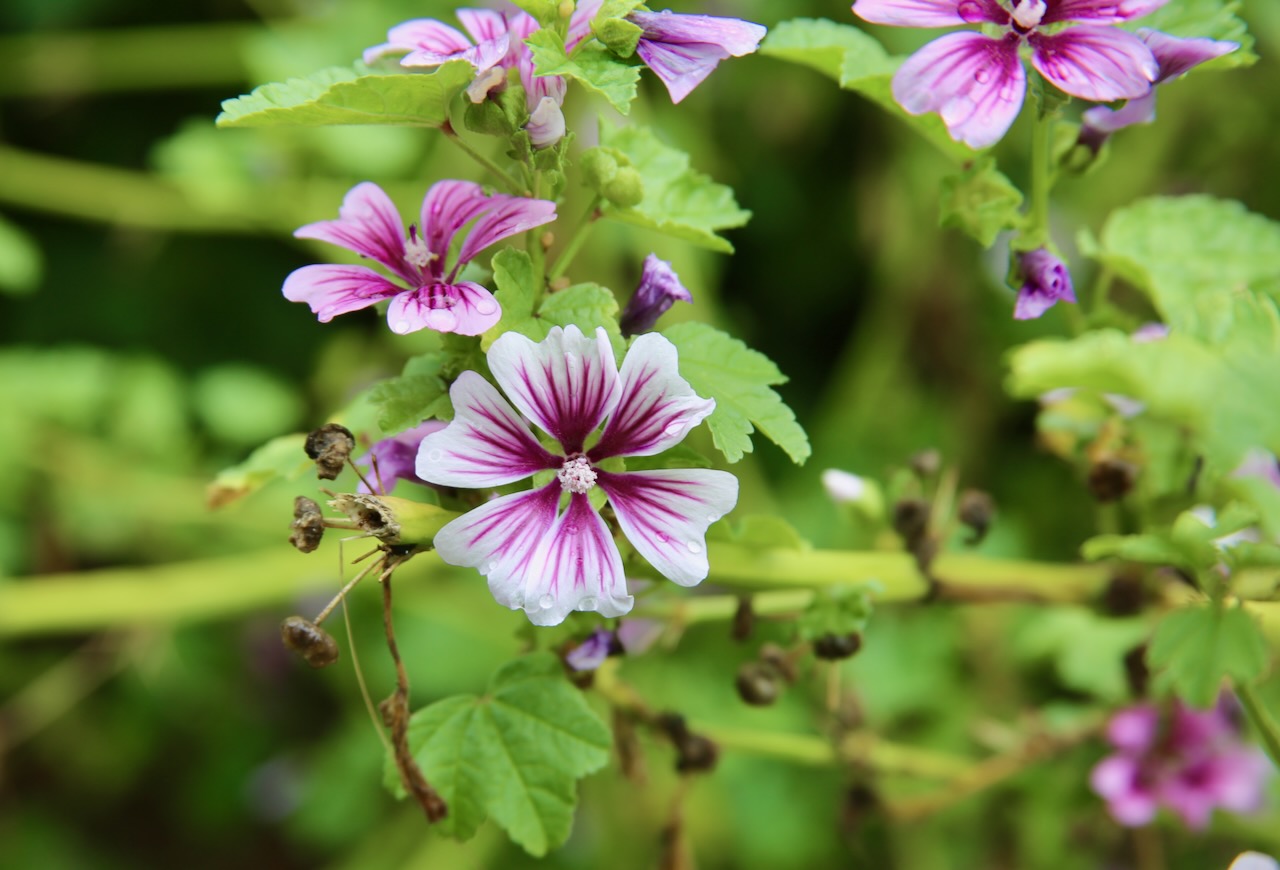

Dean says he was willing to rearrange the work schedule had he known about Dustin’s plans, but he has me as a guest staring him in the face and still chooses to train the new girl, even though it doubles working hours. As we’re driving into town, one of the scuba tanks opens, and we stop to close it. Dean doesn’t have a job scheduled until this afternoon, so we have the morning to visit the Bermuda Botanical Gardens, open daily from sunrise to sunset.


The gardens were established in 1898 and consist of 36 acres that include a palm garden, a subtropical fruit garden, and a sensory garden for the blind. There are greenhouses, the Camden House (the official residence of the Bermuda Premier – a political position), and the Masterworks Museum of Bermuda Art. We park and walk past the Jack King Building (so named for his husbandry and exhibition of poultry in Bermuda) into the west side of the gardens.

We stroll through the Cacti and Succulent House and come across a pond with common water hyacinth and hardy water lilies that is teeming with baby frogs that are out stretching their adorable little legs. We walk through the empty rose garden and around the outside of the museum building before going to see more of what this archipelago of 21 square miles, consisting of 181 islands, has to offer. The third visit is the charm, as the tower at the Cathedral is open for tours when we arrive after morning services.


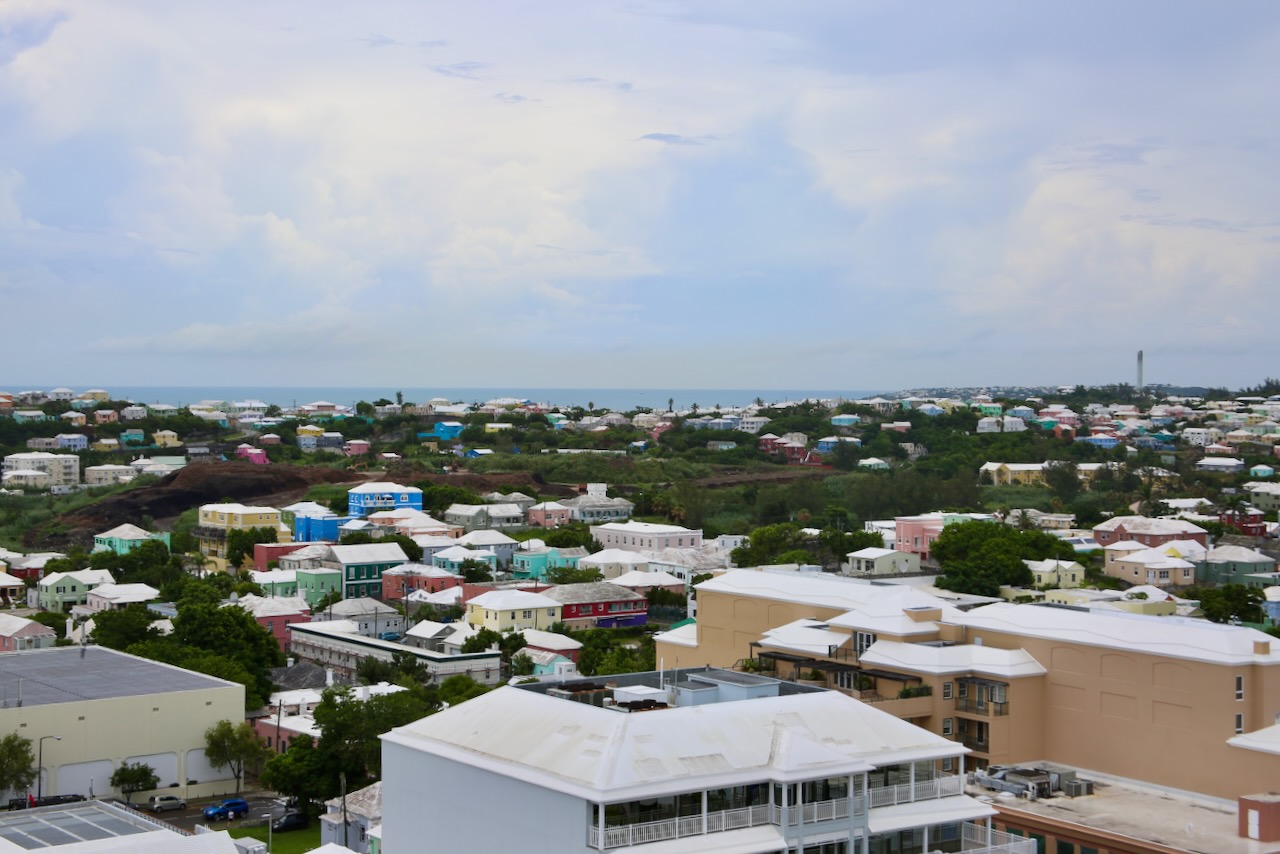
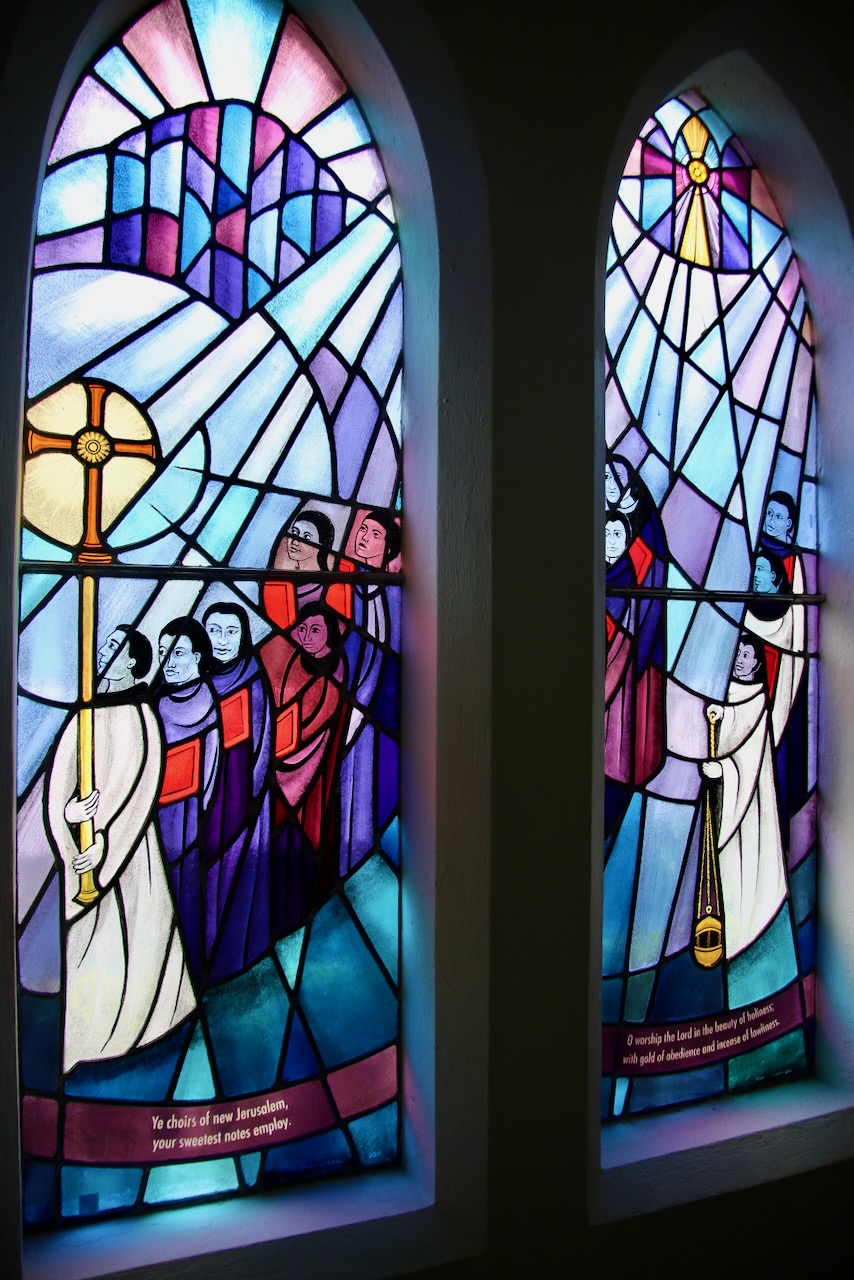
The tour is $3 per person. I’ll be busy counting stairs on the way up and come up two short of the claimed 155, which I’m sure is just my math skills at work. The guide tells us about the stones, the church, and the people. A little blackboard with pictures and notes shares the history of the street and shows how the view has changed. I enjoy the consistency of the white, pink, and blue found throughout the island as it reflects the stone, sand, and sky always in view.

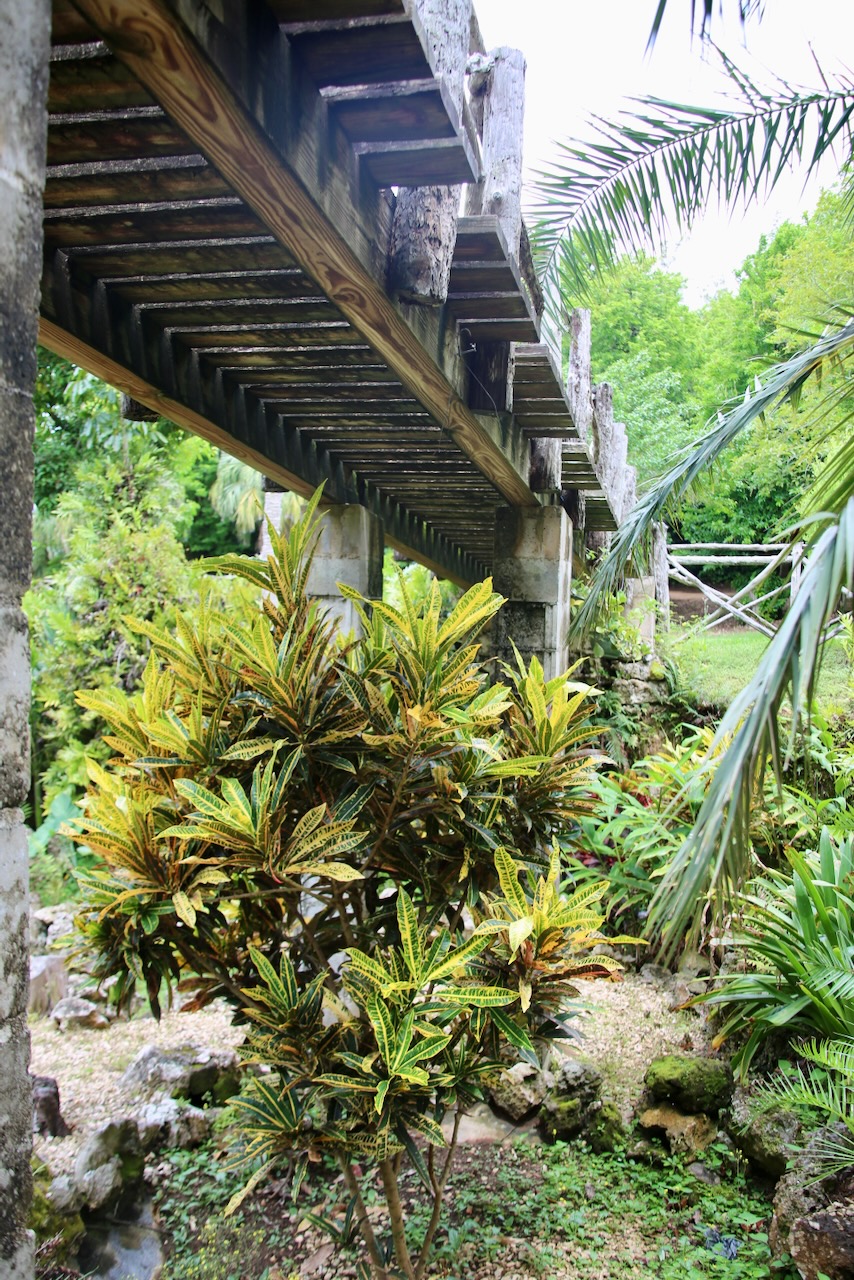
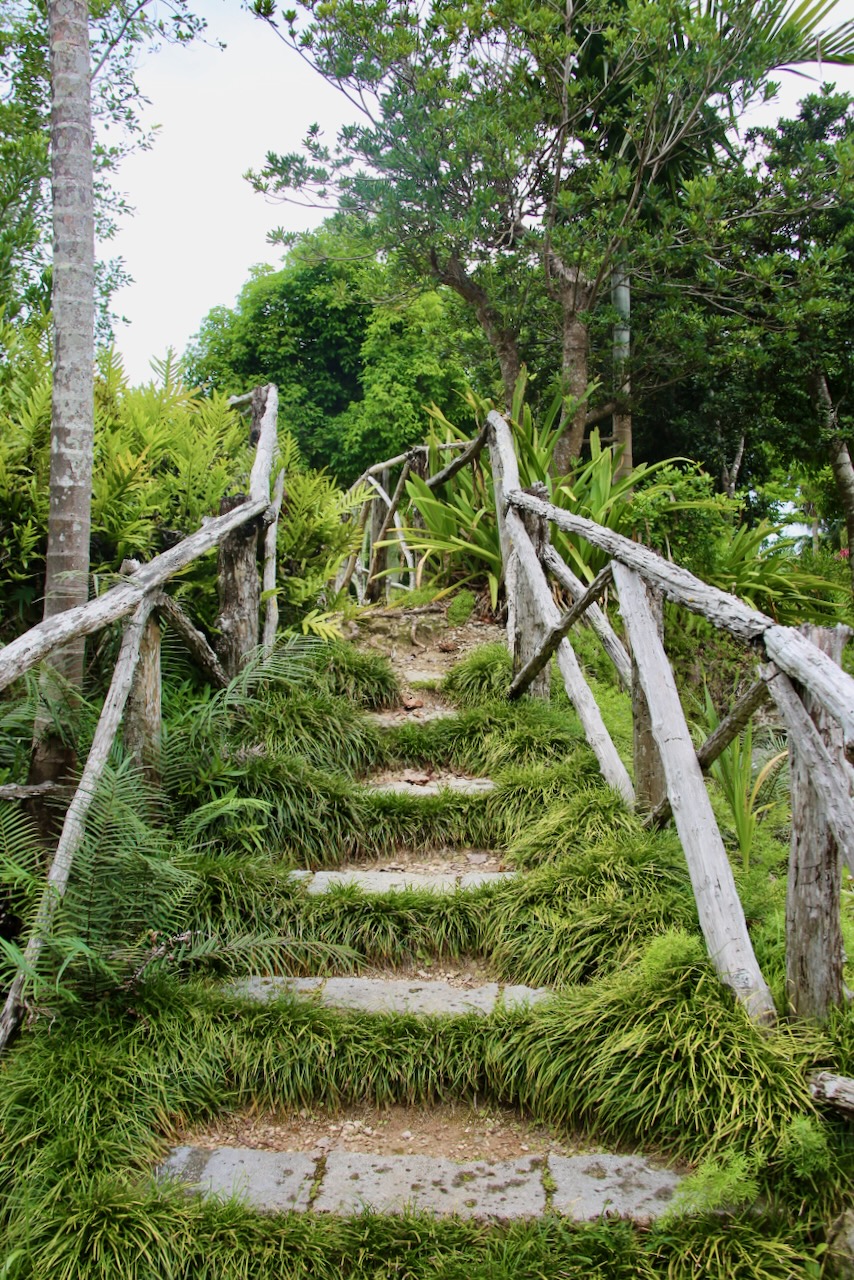
The Arboretum, a national park, is also free and open from sunrise to sunset. It has 22 acres of meadows and woodlands that were owned by the British government until 1951 and now has twenty exercise stations along a path. There are plenty of Bermuda palmettos, Bermuda cedars, and Southern Hackberry trees with blooms of red, white, and pink nearby. We walk over bridges and under them, and I can start to smell myself from the heat and humidity. We turn around to talk with Dean’s massage therapist, and I notice a man picnicking with a resident hen.
Dean needs to stop at the grocery store to get some chips and pickles to go with the burgers he’s making for a late lunch. I’ll add peanut butter, jelly, and tomato to mine. One of the awesome features, at least in more recent times, of being an island between two large nations or more is being able to take part in their trade and offer a variety of foods to the locals, though the delivery charge doubles the cost of the goods. Lunch eaten, we pack up for an evening in the water and get to the job at 3 pm.


The rain fell hard for a while as the guys got started, and as soon as they finished, we were in the water at Lodge Point. I started the dive in a BCD built for a man over six feet tall and a partially used tank with 1250 psi of air. It’s always better, at least in the water, to have something be too big than too small and make you feel crushed underwater as the pressure increases at depth. Also of note, I surface at the end of the dive with 250 psi, something no recreational guide would ever recommend because, below that, the first stage regulator won’t have enough pressure to push air to you to breathe.
I felt fine pushing these limits with a divemaster who works all day at shallow depths on the bottom of boats and knows what the dive shops will accept as their minimum tank capacity for safely refilling with air (which can also be a concern of not going below 500 psi or 34 bar — another unit of atmospheric pressure). I get water in my nose as we descend into shit visibility. We go down to 22 feet, where I start to get cold, but also where the lobster family lives.
We overstay our welcome until the last second, causing us to surface swim back to the boat with an air tank nozzle on my head. My sixteen pounds of weight (it takes more iron in salty conditions and helps with sinking novices) had turned around, making the return exhausting. I’d still like to go back in and see the turtles and wrecks with the remaining daylight, but that would require air we don’t have. We get back to the harbor, and I help tie up the boat so I can get to the house for a shower.
Post cleanse, I’m greeted with a Natal plum to try, a fruit from a South African shrub that makes good hedges. This is just the appetizer to the ribs, beans, and slaw with apple that we’ll have for a late dinner. I finish the potato and codfish with sriracha, too. All this eating makes me think that I’ll go to sleep soon. It helps that Dustin turns down an invite to a beach party, even though I like hearing the island drawl, so that we can get some rest tomorrow as midnight has passed.

 TheJessicaness