
I wake up multiple times for water (2 am and drinking another bottle at 730 am) and go back to sleep until almost 10 am. Dustin offers to show me around the island while Dean and Dane go do work stuff after dropping us off at Fort Scaur, which was built between 1868 and the 1880s. Its main purpose was to protect the British Dockyard so that the British Navy could maintain some control over the trade waterways. The United States had gained independence and more land and was kicking the British out of the Gulf of Mexico.
Fort Scaur
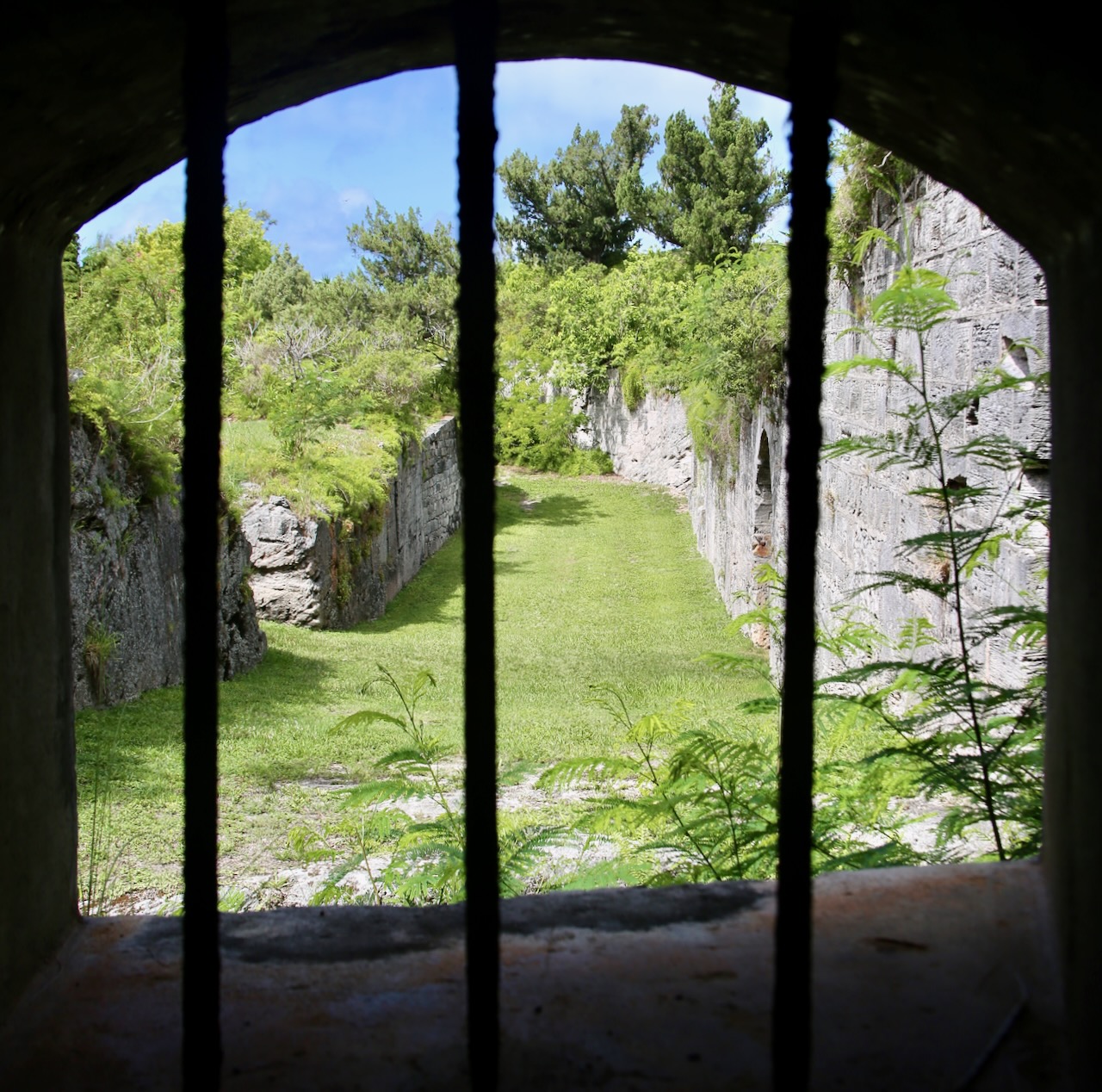
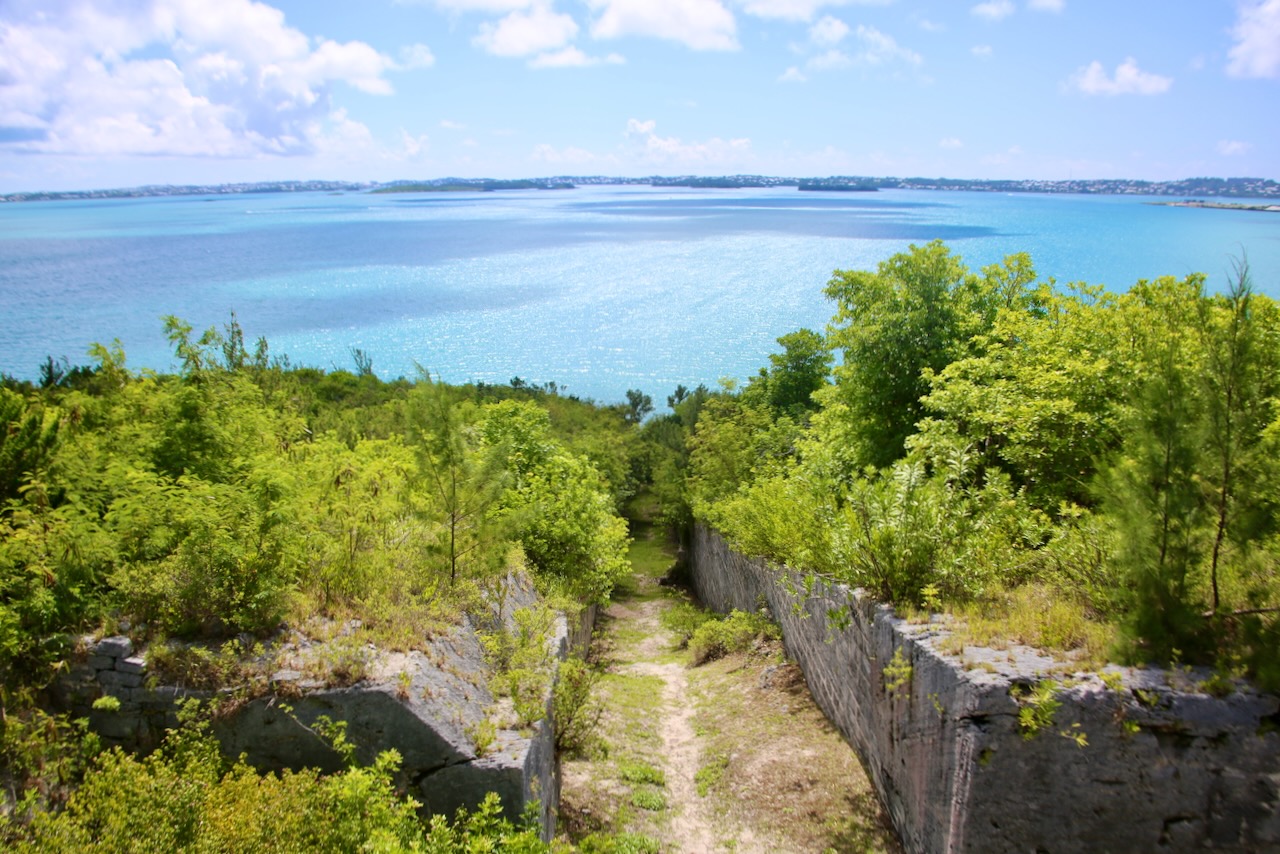
The fort was designed to be nearly invisible from land or sea, and the Prussian style influenced the polygonal shape that helps make up a majority of the 22-acre park today. The land attacks were expected to come from the southern shore, and so caponiers, French for “chicken coop,” allowed soldiers to better defend the ditches against small arms but not heavy artillery. Caponiers seem to have gotten their start with the Victorian forts of Malta, ruled eventually by the French and then the British — which would explain the spread of this new defense structure.
Heydon Chapel
The unique item at this fort is the Montcrieff disappearing gun mount holding the original 64-pounder barrel that was remounted in 2009 — and is the only working model in the world. The benefit of this weapon was its ability to hide via counterweight from the enemy while being reloaded to fire against ships — until the opponent learned to fly around WWI. The US would camouflage their guns until they could be replaced by concrete casemates during WWII.


Horseshoe Bay
The fort at first looks like a nice garden — rolling hills, short stone walls, and lush grass but hidden down moss-covered stairways behind bars lies empty magazines, some simple descriptions, and a few budding stalactites — one or two of which might be centenarians. Dustin is in no rush and lets me enjoy the island view — a definition that changes depending on which culture is in charge of tending to the local environment — construction vs conservation.
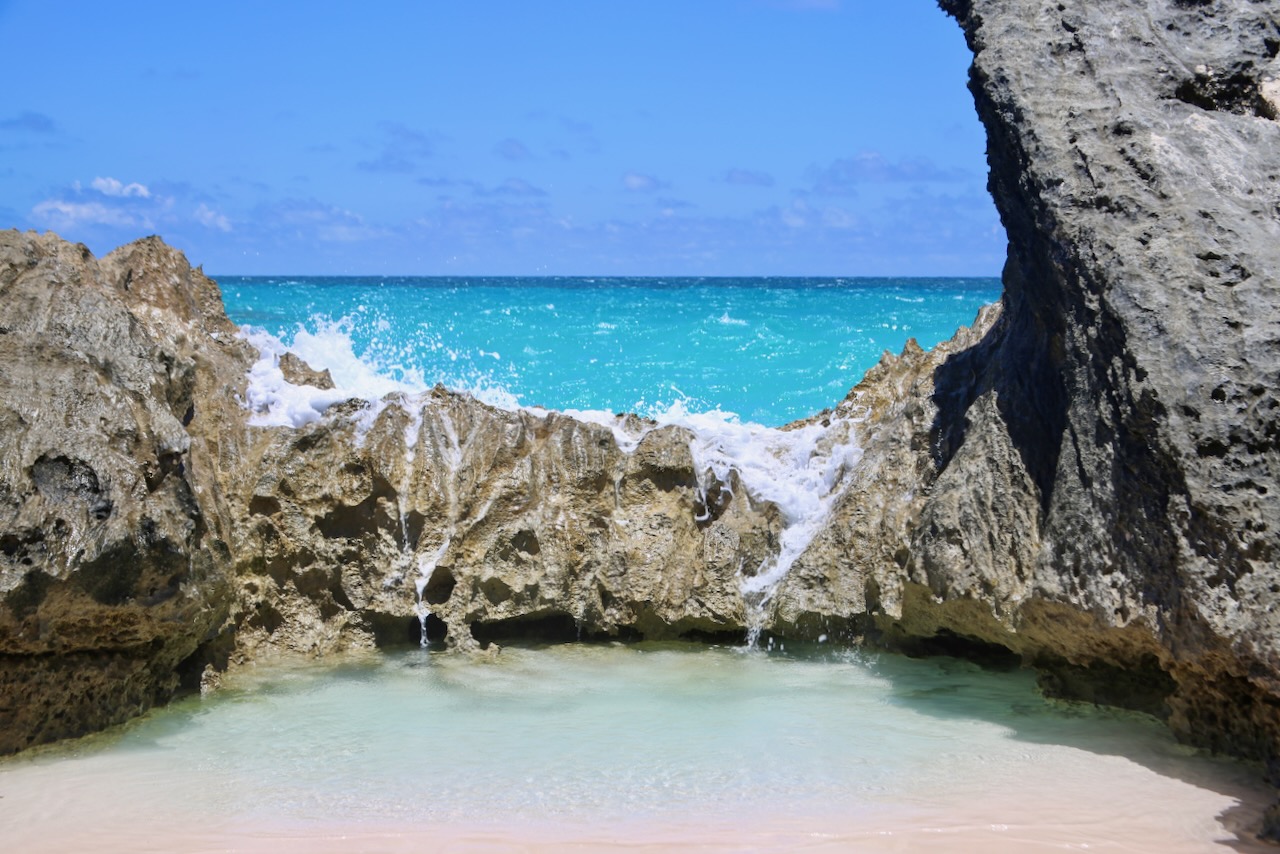
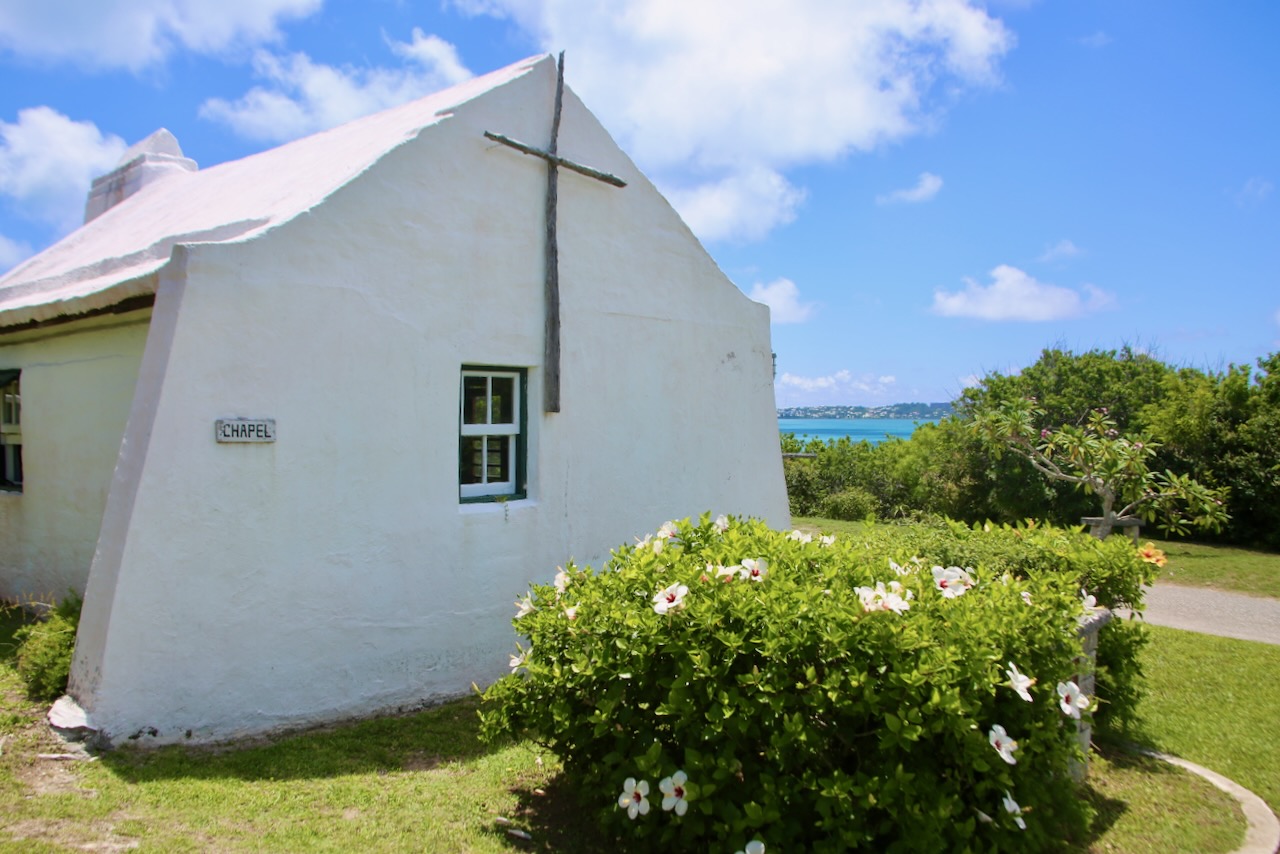
We walked back to the house (about 30 minutes) to get the scooter while I took pictures of broken trees, bird wings, and a commemorative bench. We drove to the Heydon Chapel since it would be open now, and I got to see the crosses, candles, and cross beams that reside inside, though what was happening outside was more intriguing to me. I could spend hours staring at this water, and as it turns out, that is our plan for the day, as even indoor places want this view on offer.

The chapel is on an estate that has been in existence since 1663 and, as such, is an important part of Bermuda’s history. Mr. Matthews bought the property in the 1940s and was dedicated to the Christian faith in the 70s. It was later consecrated by the Bishop of Bermuda, but the chapel remains non-denominational. The interior was renovated in 2014 with the help of local contractors.
We stop at the petrol station, and there’s to be no straddling of your bike while the attendant refuels it, and the sign on the door reminds me of entering a bank — show your face for the camera (remove helmet and hoodies). The scooter is full with 4.107 liters for an even total of $9.00, almost double what Hawaii and the UK are paying and almost six times what Bahrain pays at 0.37 cents/liter.
Even though the petrol station may seem interesting (more mundane things in different environments always are to me), the next stop is even more so — the world’s smallest draw bridge honors go to the Somerset Bridge. It consists of a 32-inch bisected plank that, along with the chains for the sidewalk, must be opened by hand to allow the ship’s mast to pass. It was mentioned in the acts of Bermuda’s first parliament back in 1620, so it’s very historical, too.

We had parked behind the TBTP (The Bridge Trading Post), and so we went inside, where we got the opportunity to talk with the owner about her journey of turning an abandoned government post office into one she personally ran with a bakery business in the same building. It was a win for her and the community, though I know I’d have to check my mail less often. How much junk mail goes through the trouble of showing up here?

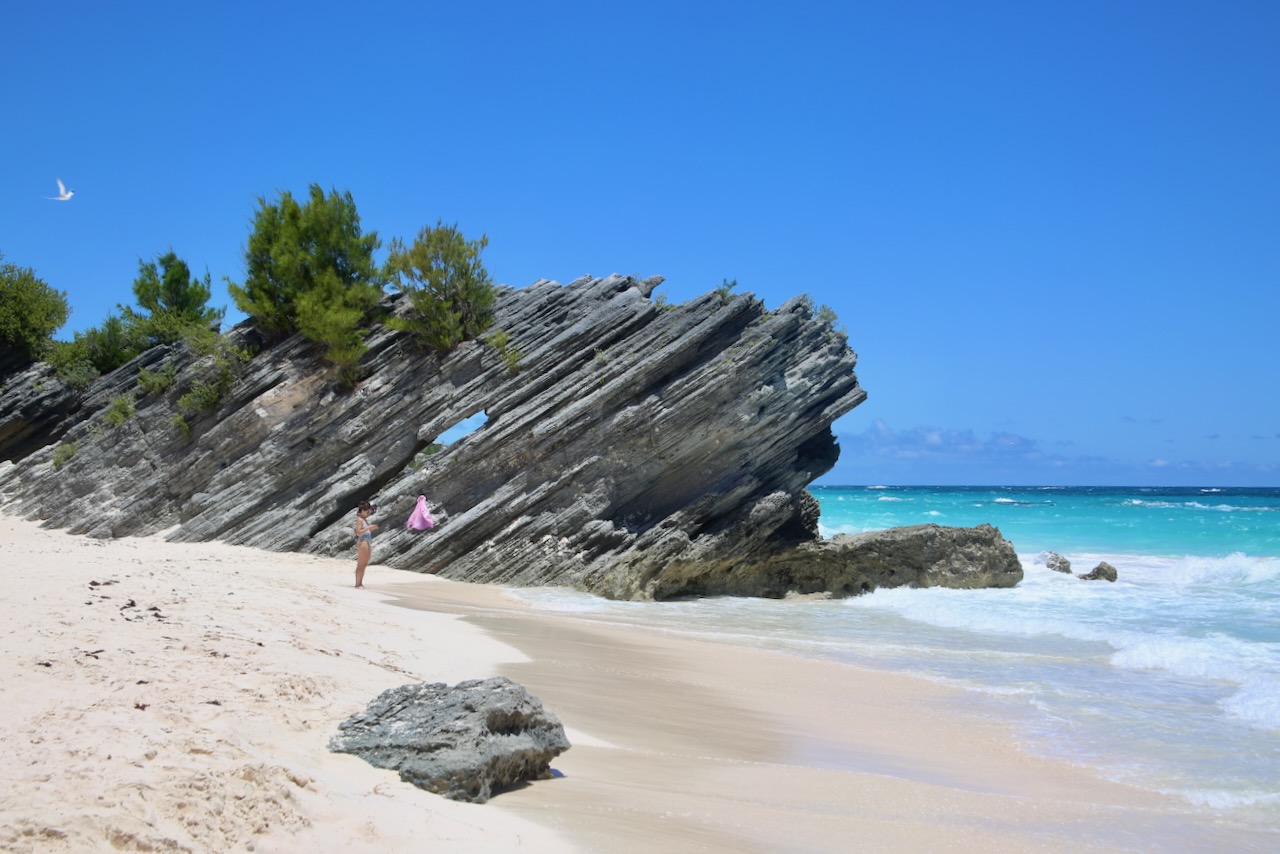
Past a market with customer appreciation day on first Tuesdays, a white-painted church built in 1826, and a wooden sidewalk between the road and sea takes us to Horseshoe Bay. Here, we would spend the next two hours walking between its beach and Warwick Long Bay, feeling the temperature change on our feet based on the amount of pink in the sand. The color comes from microscopic foraminifera shells that live under coral and mix with other skeletons of sea life to be washed on shore.


Flatt’s Inlet
While learning more about these single-celled organisms, I also found the “cliff notes” guide to the development of the atoll that is Bermuda, the only one in the Atlantic Ocean. Basically, some calcite-secreting organisms lived on a caldera until the ancestors turned to limestone that, once exposed to air, turned to sand. The wind hardened the dunes into sandstone, and then the cahow bird, buckeye butterfly, killifish, and Portuguese man-of-war settled the island before people arrived.
As a reward for not falling on the rocks, we got vanilla soft serves from a truck on the way off the beach. We had noticed pizza and beer set up on the way in, and the police were keeping an eye on it for a work function to include volleyball on the beach. It’s easy to tell the local scooters from the rentals based on how they drive. Dustin takes his time driving so I can see more and take some pictures.
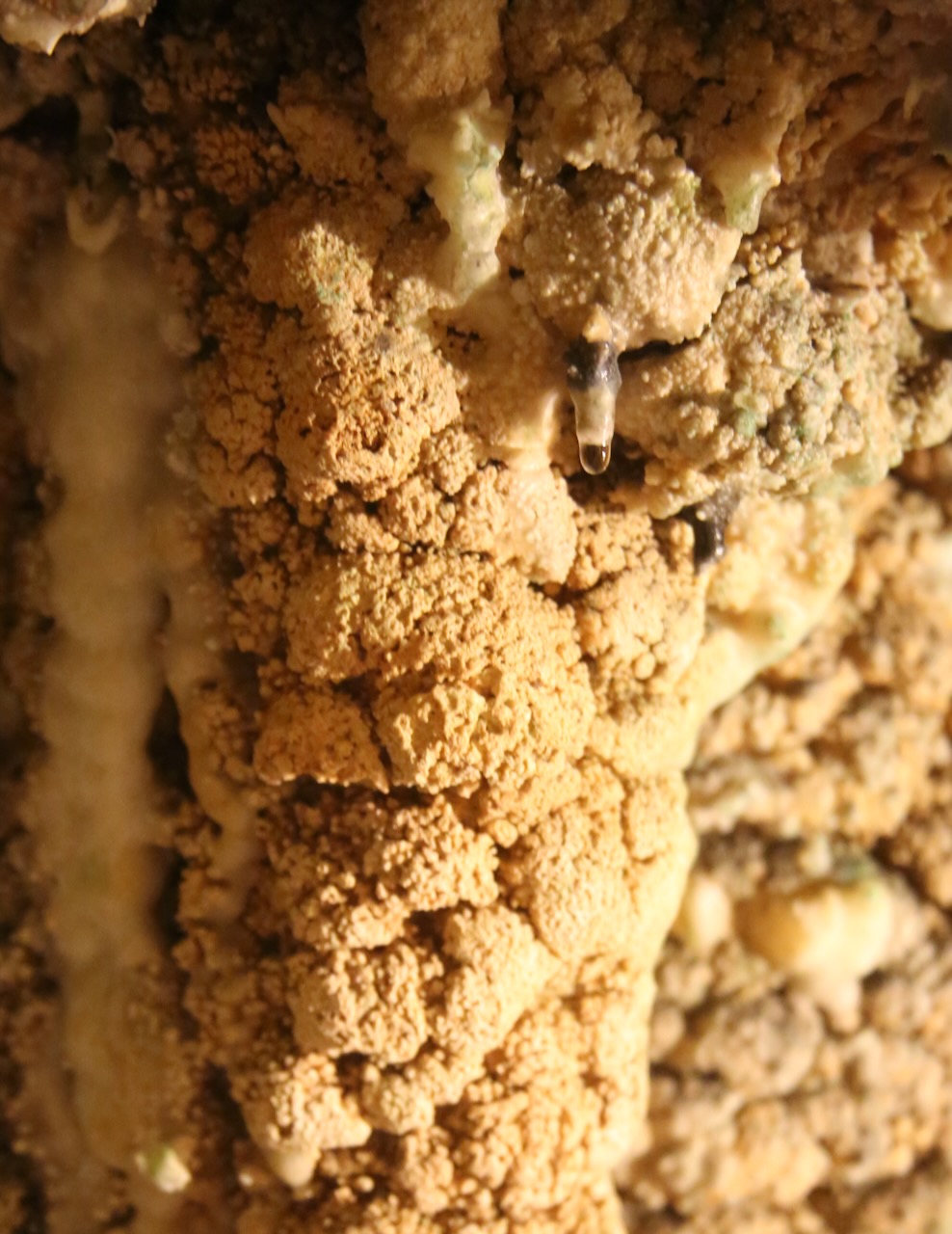
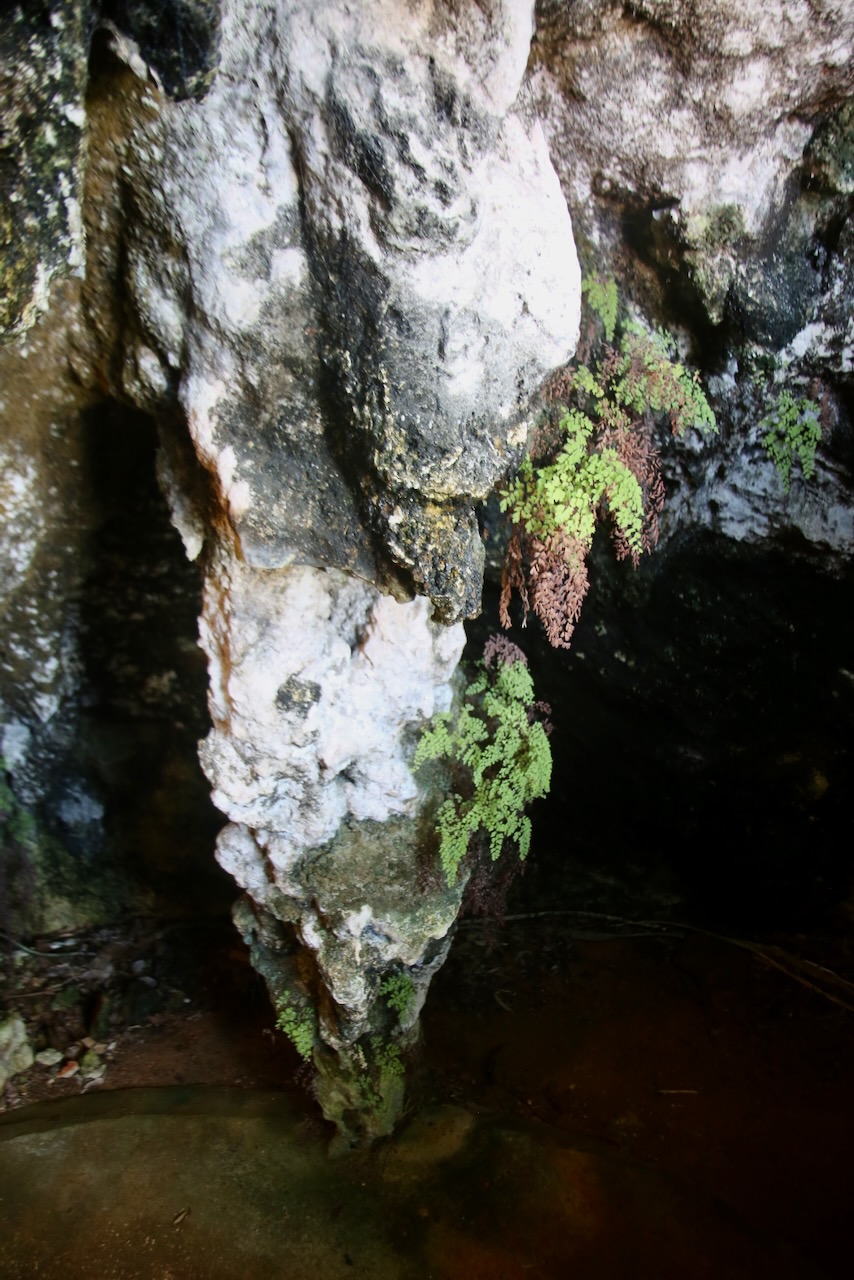
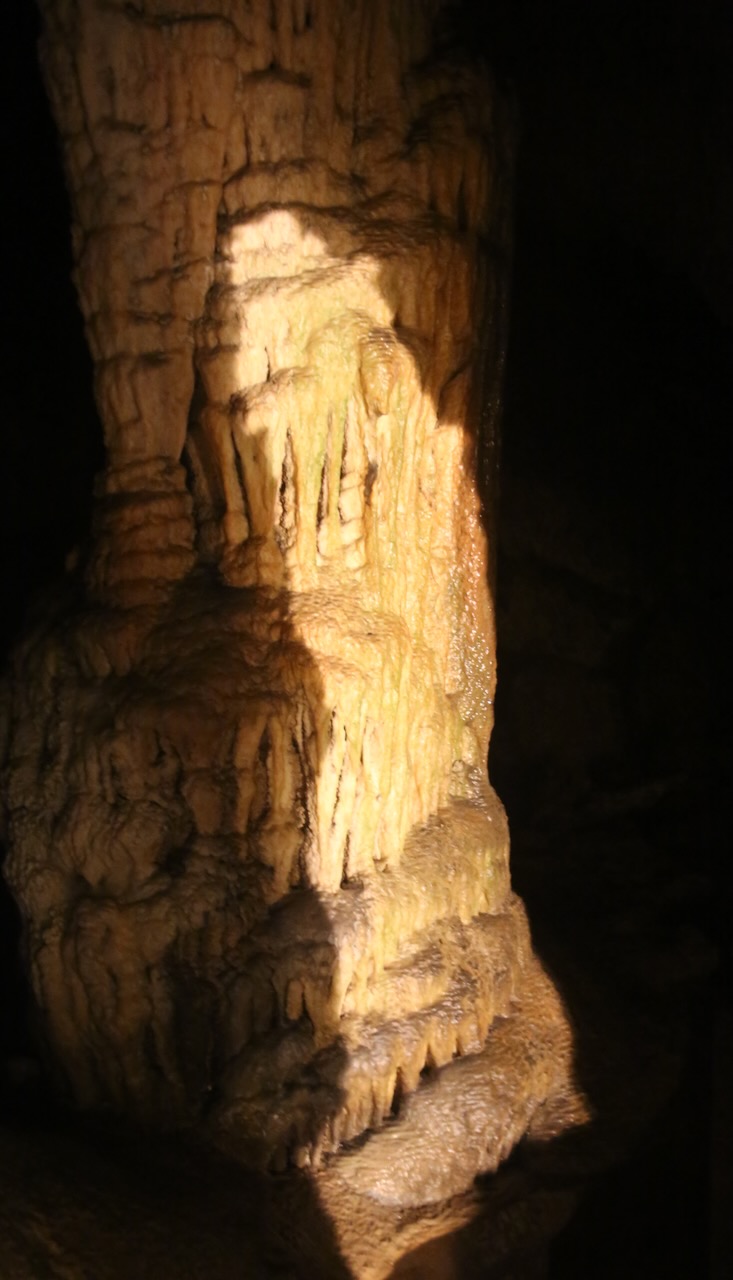
We stop at the Royal Bermuda Regiment to offer one of the coastguards some day labor ($200) if they (the guys I’m staying with) win the bid for the government job (whatever that is). We stop across from the aquarium and see a yellow-crowned night heron watching over a green sea turtle in Flatt’s Inlet. We stopped at Grotto Bay Resort to visit their Cathedral Cave (there’s a spa inside) and would’ve gone deeper, but the lights were out (timing, depth, safety, etc.).
The cave was first found in 1609, and Captain Smith described it as dark and cumbersome. It’s thought that Shakespeare might have been inspired by stories of this cave and set a scene in “The Tempest” in a cave closer to home. This cave system has gone by many names. Bermuda has one of the highest concentrations of caves per square mile in the world but not the most by country, a record that belongs to the US, Mexico, Slovenia, or China. The largest and most expensive cave, Son Doong, resides in Vietnam.
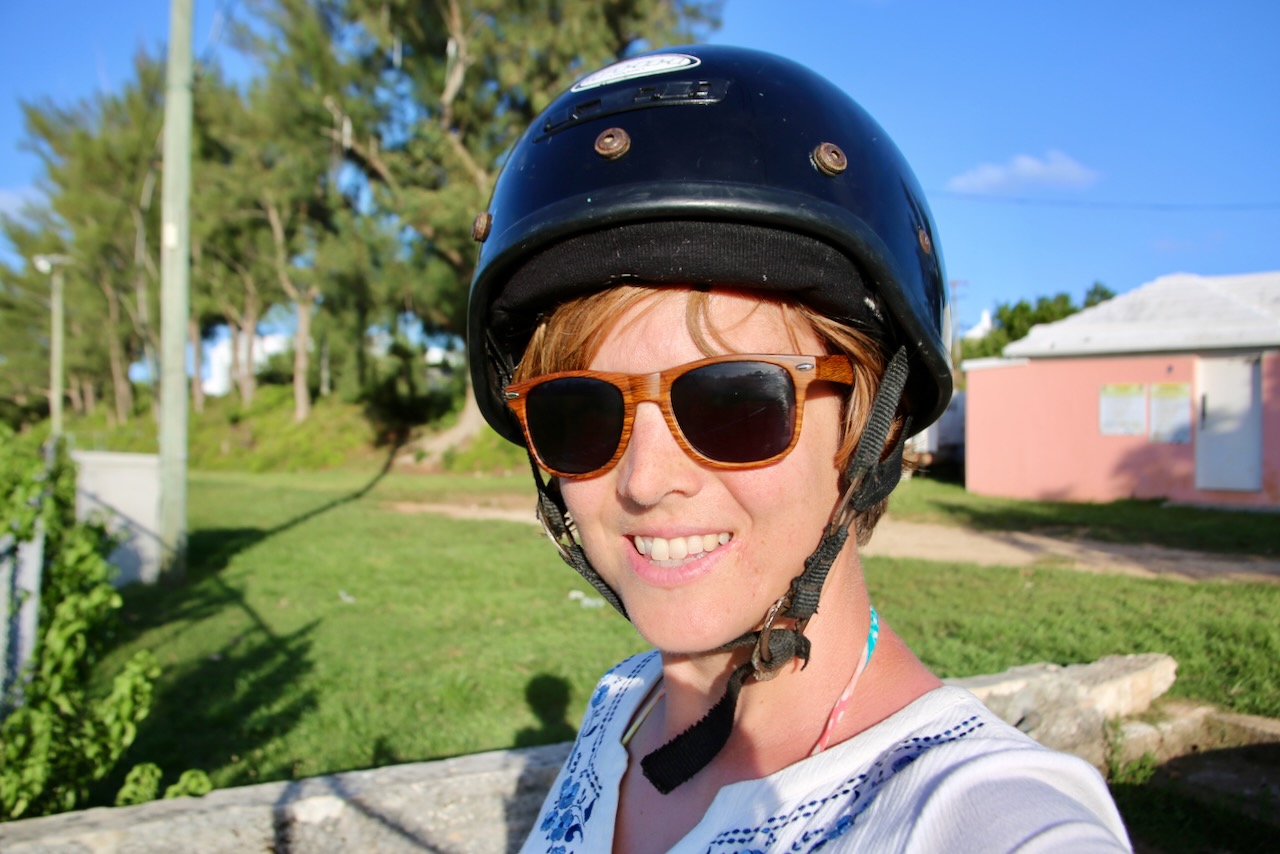
We’ll take a break from the sun inside with the air-conditioning of the Swizzle Inn. Its interior is decorated with business cards, dollar bills, markers, and stickers. There are shelves of books and bottles between the soccer game on the TV and the live drummer on the back patio. We stayed over two hours, so even if we got food, we drank more than that, especially me. It’s good that my scooter escort is burly and a local (his mom is from here).

We drive back west and stop at Admiralty House Park for some cave and cliff-dive viewing. We pass a cricket match and some lounging kittens on the way. The cave seems to be the perfect background for a movie plot, where there is hidden treasure or someone trying to escape a castle between tidal floods. Other visitors have brought their swim costumes and are making use of the dedicated swim area. It’s near the marker for the late midshipmen and the pink port-o-potties that we meet Shaun, the dog from Jamaica, and his owner Frank from Northeast England.

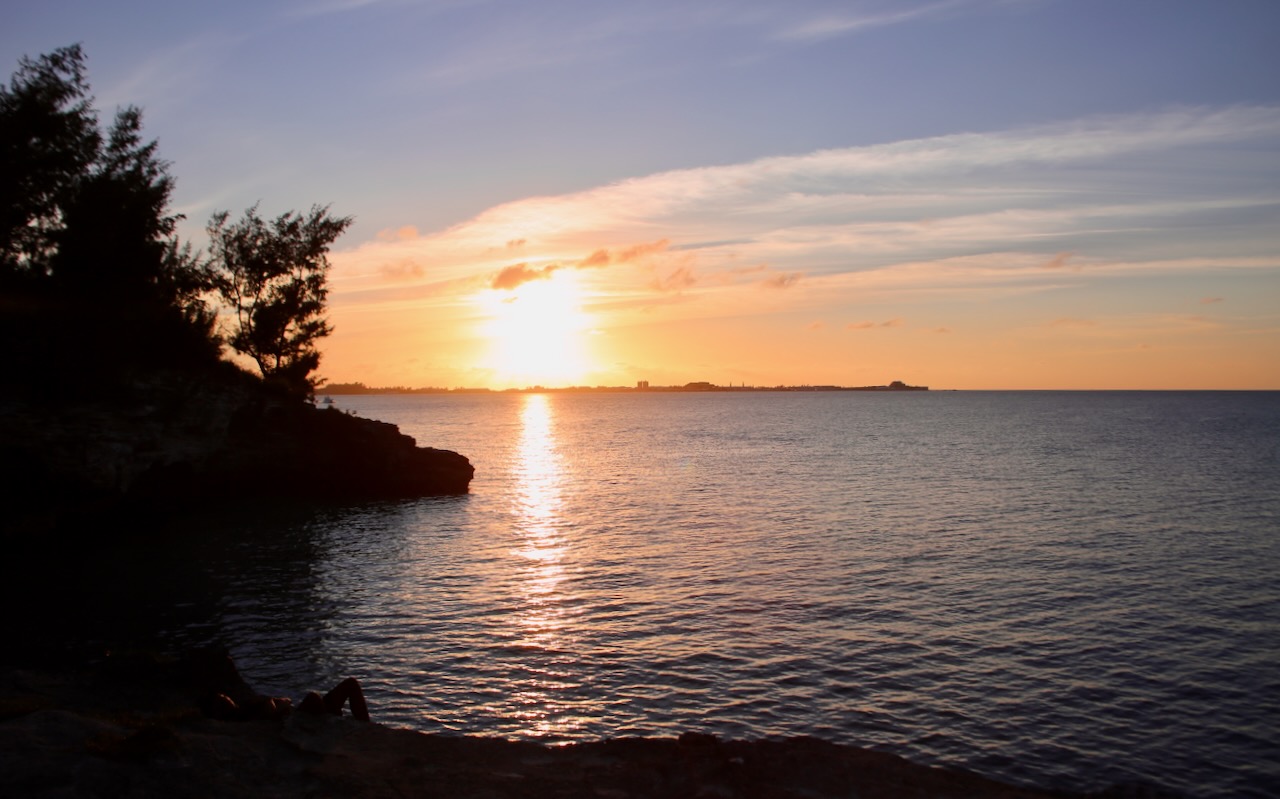
I get a decent photo of Shaun and offer to email it to Frank when I get home. We’ll drive through Hamilton with the sun at the horizon, causing the clouds to turn a beautiful dark grey-blue and shades of pink and yellow. When we get to a military base, the courtyard is lit up, and some people are kicking a ball around. I am allowed to explore and see the laundry room, bathroom, and barracks, with only the bottom bunks being used.
I meet Dijon, the current bartender of 25 bottles of spirits and a double-doored commercial refrigerator full of beers and water. There are elephant beers (either Carlsberg or Delirium), a few shots of 1800 tequila, and donuts (a chocolate coconut and a jelly for me), along with a coin challenge (which, of course, I lacked) that comes with a round of drinks that the other person unable to present a coin has to buy for the ten or so of us present.

We stay out late as we talk and laugh outside. We stopped at Gibb’s Hill Lighthouse on the way home at 3 am when the view from the top and the restaurant at the bottom were closed. This 118-foot tower was built in 1846, the first to be made with cast iron (steel couldn’t be bent yet), and only one of two that are still in existence. There are 185 steps to the top, and until 1964, the light was run by hand. The 1904 lens was repaired in 2004 to replace the mercury bearings with steel.

 TheJessicaness